
ADHD Aha!
by Understood.org, Laura Key
Is this your podcast?On the show
From 19 epsHost
Recent guests
Recent episodes
A late ADHD diagnosis proved what he always knew deep down (comedian Derek Sheen’s story)
Oct 13, 2026
24m 45s
Perimenopause, brain fog, and noise sensitivity: Lizzie O’Leary’s late ADHD diagnosis
Sep 29, 2026
27m 48s
Calm saving lives, paralyzed by a pasta recipe: ADHD and executive function (Jim Leitch’s story)
Sep 15, 2026
26m 03s
ADHD contradictions: Hot mess and high performer in equal measure (Sabrina Caluori’s story)
Sep 1, 2026
24m 51s
High-achieving with ADHD and completely overwhelmed (Susie Owens’ story)
Aug 18, 2026
28m 57s
Insights from recent episode analysis
Audience Interest
Podcast Focus
Publishing Consistency
Platform Reach
Insights are generated by CastFox AI using publicly available data, episode content, and proprietary models.
Most discussed topics
Brands & references
Total monthly reach
Blended from 1 signal.
Built from
By chart position
- 🇦🇺Australia · Mental Health#64680 to 4.2K
- 🇳🇿New Zealand · Mental HealthHOME#50336 to 2.1K
- 🇰🇪KE · Mental Health#34125 to 781
- 🇫🇮FI · Mental Health#8762 to 384
- 🇬🇷GR · Mental Health#14316 to 98
- Per-Episode Audience
Est. listeners per new episode within ~30 days
1.2K to 7.6K🎙 ~2x weekly·141 episodes·Last published 6d ago - Monthly Reach
Unique listeners across all episodes (30 days)
2.4K to 15K🇦🇺56%🇳🇿28%🇰🇪10%+2 more - Active Followers
Loyal subscribers who consistently listen
974 to 6.1K
Market Insights
Platform Distribution
Reach across major podcast platforms, updated hourly
Total Followers
—
Total Plays
—
Total Reviews
—
* Data sourced directly from platform APIs and aggregated hourly across all major podcast directories.
Social Links & Contact
Official channels & resources
Official Website
Login
RSS Feed
Login
| Date | Episode | Topics | Guests | Brands | Places | Keywords | Sponsor | Length | |
|---|---|---|---|---|---|---|---|---|---|
| 10/13/26 |  A late ADHD diagnosis proved what he always knew deep down (comedian Derek Sheen’s story) | Derek Sheen spent decades being told he was difficult, a bad listener, not smart enough — while testing in the top one percentile of his state. That’s ADHD for you. Derek is a comedian whose special Unrelatable is on YouTube. In this episode, he talks about the “hidden passenger” he always suspected was there, why the stage was the one place he felt completely in control, and how a late ADHD diagnosis forgave a lifetime of things he’d blamed on himself. Also: a childhood story full of twists and turns, hyperactivity then and now, and a joke at the very end that’s worth sticking around for. | 24m 45s | ||||||
| 9/29/26 | 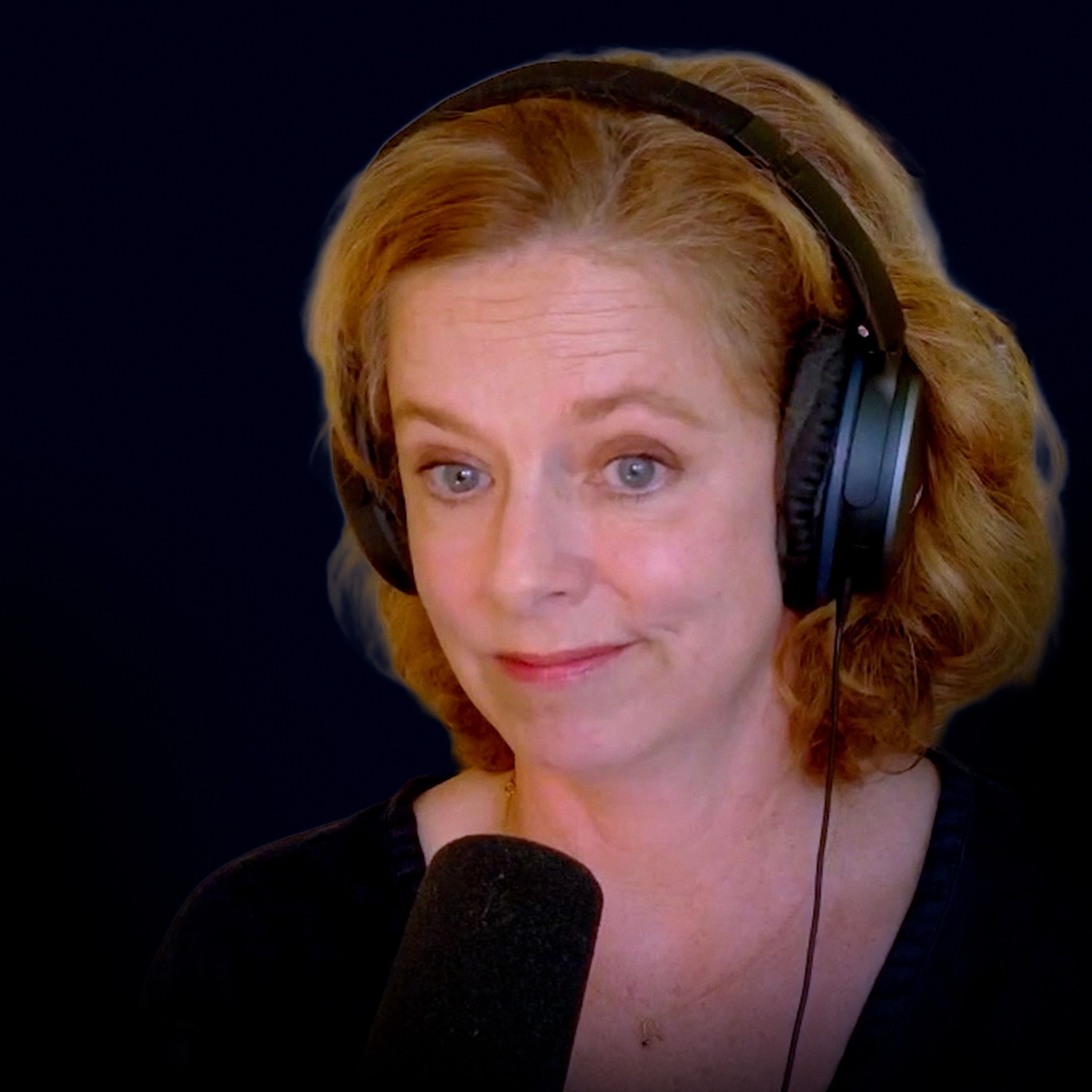 Perimenopause, brain fog, and noise sensitivity: Lizzie O’Leary’s late ADHD diagnosis | Journalist Lizzie O’Leary spent decades asking sharp questions for a living. Then the words started disappearing. Brain fog. Surprising rage. A head full of buzzing bees. Lizzie, who hosts Slate’s What Next: TBD podcast, was diagnosed with ADHD at 50 after perimenopause made her ADHD symptoms too powerful to push aside. Lizzie talks about emotional regulation challenges that hurt her career, sensory sensitivity she’d written off as quirks, and what she wishes she’d known when she was younger. | 27m 48s | ||||||
| 9/15/26 |  Calm saving lives, paralyzed by a pasta recipe: ADHD and executive function (Jim Leitch’s story) | Jim Leitch could intubate a patient in the middle of the night — alone, short-staffed, smiling — and feel completely calm. Ask him to follow a pasta recipe? That’s where things got hard: Everyday tasks and executive function challenges. Jim is a former critical care respiratory therapist and current VP who was diagnosed with ADHD as an adult. In this episode, he talks about the exhausting gap between knowing where you want to go and not being able to get started, growing up with perfectionism and a fear of mistakes, and how he quietly created pressure-cooker situations just to get things done. Also: a Christmas pageant in second grade that left a mark he’s never forgotten. | 26m 03s | ||||||
| 9/1/26 | ADHDhigh performance+4 | Sabrina Caluori | ChiefUnderstood.org | — | ADHDhigh performer+5 | — | 24m 51s | ||
| 8/18/26 | ADHDhigh achievement+4 | Susie Owens | Understood.org | — | ADHDhigh achiever+5 | — | 28m 57s | ||
| 8/13/26 | ADHDcomedy+4 | Taryn Delanie Smith | Miss AmericaTikTok | — | ADHDcomedy+5 | — | 33m 09s | ||
| 7/21/26 | ADHDwellness+4 | Kate Moryoussef | ADHD Women's Wellbeing PodcastUnderstood.org | — | ADHDrestlessness+3 | — | 26m 52s | ||
| 7/7/26 | ADHDemotional regulation+3 | John Garden | Understood.org | — | ADHDemotional regulation+3 | — | 25m 17s | ||
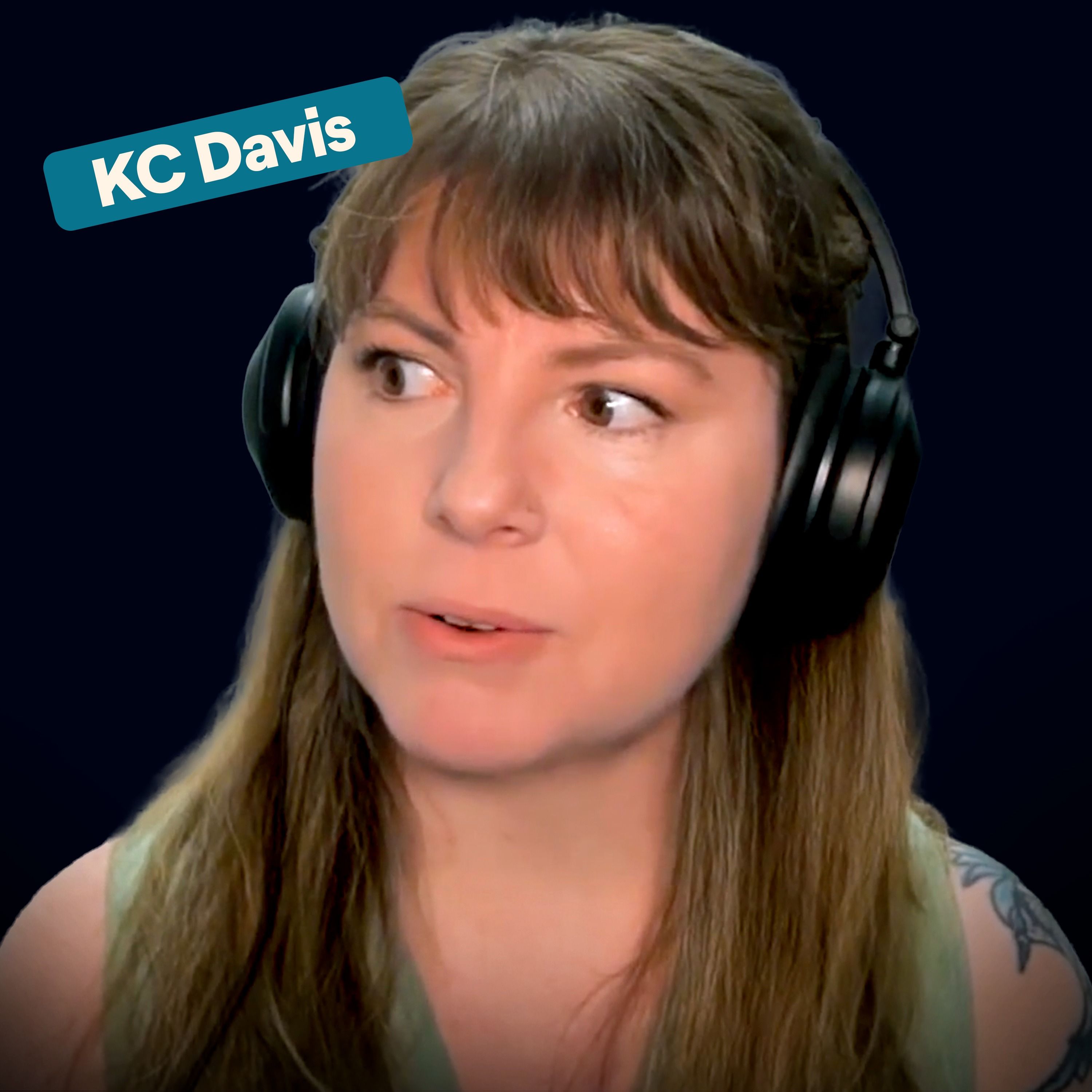
| 6/23/26 | ADHDexecutive dysfunction+3 | KC Davis | Struggle CareUnderstood.org | — | ADHDexecutive dysfunction+5 | — | 32m 03s | ||
| 6/9/26 | ADHDmental health+3 | Rebecca Gonzalez-Ojeda | Understood.org | — | ADHDcollege+4 | — | 19m 34s | ||
Want analysis for the episodes below?Free for Pro Submit a request, we'll have your selected episodes analyzed within an hour. Free, at no cost to you, for Pro users. | |||||||||
| 5/26/26 | ADHD diagnosisemotional dysregulation+3 | Sam PittisKatie Breathwick | You’re Wrong About ADHD | — | ADHDdiagnosis+3 | — | 29m 46s | ||
| 5/12/26 | ADHDemotional dysregulation+3 | Kim Holderness | Understood.org | — | ADHDemotional dysregulation+3 | — | 22m 02s | ||
| 4/28/26 | ADHDnegative self-talk+3 | Carla Ciccone | Nowhere Girl: Life as a Member of ADHD’s Lost Generation | — | ADHDnegative self-talk+4 | — | 23m 04s | ||
| 4/14/26 | mom ragesensory overload+4 | Kaitlin Soulé | Understood.org | — | mom ragesensory overload+5 | — | 24m 24s | ||
| 3/31/26 | perfectionismcultural expectations+4 | Kim Tran | Understood.org | — | perfectionismADHD+5 | — | 25m 16s | ||
| 3/17/26 | ADHDdepression+3 | Matt Klein | Understood.org | — | ADHDdepression+5 | — | 17m 09s | ||
| 3/3/26 | ADHDperfectionism+4 | Fellisia Robinson | Brown Girl ADHD | — | ADHDperfectionism+7 | — | 21m 24s | ||
| 2/17/26 | ADHDtime blindness+3 | Andrea Jones-Rooy | Behind the DataUnderstood.org | — | ADHDtime blindness+3 | — | 23m 57s | ||
| 2/3/26 | ADHDproject completion+3 | Brandon Hogstad | Understood.org | — | ADHDdream interpretation+3 | — | 17m 59s | ||
| 1/20/26 | ADHDwomen's mental health+3 | Terry Matlen | Understood.org | — | ADHDdiagnosis+5 | — | 28m 24s | ||
| 1/6/26 | ADHDimposter syndrome+3 | Debbie Reber | Tilt ParentingUnderstood.org | — | ADHDimposter syndrome+3 | — | 26m 11s | ||
| 12/23/25 | ADHDmental health+4 | Brandon Saiz | HyperfocusUnderstood.org | — | ADHDinattentive ADHD+5 | — | 25m 59s | ||
| 12/9/25 | 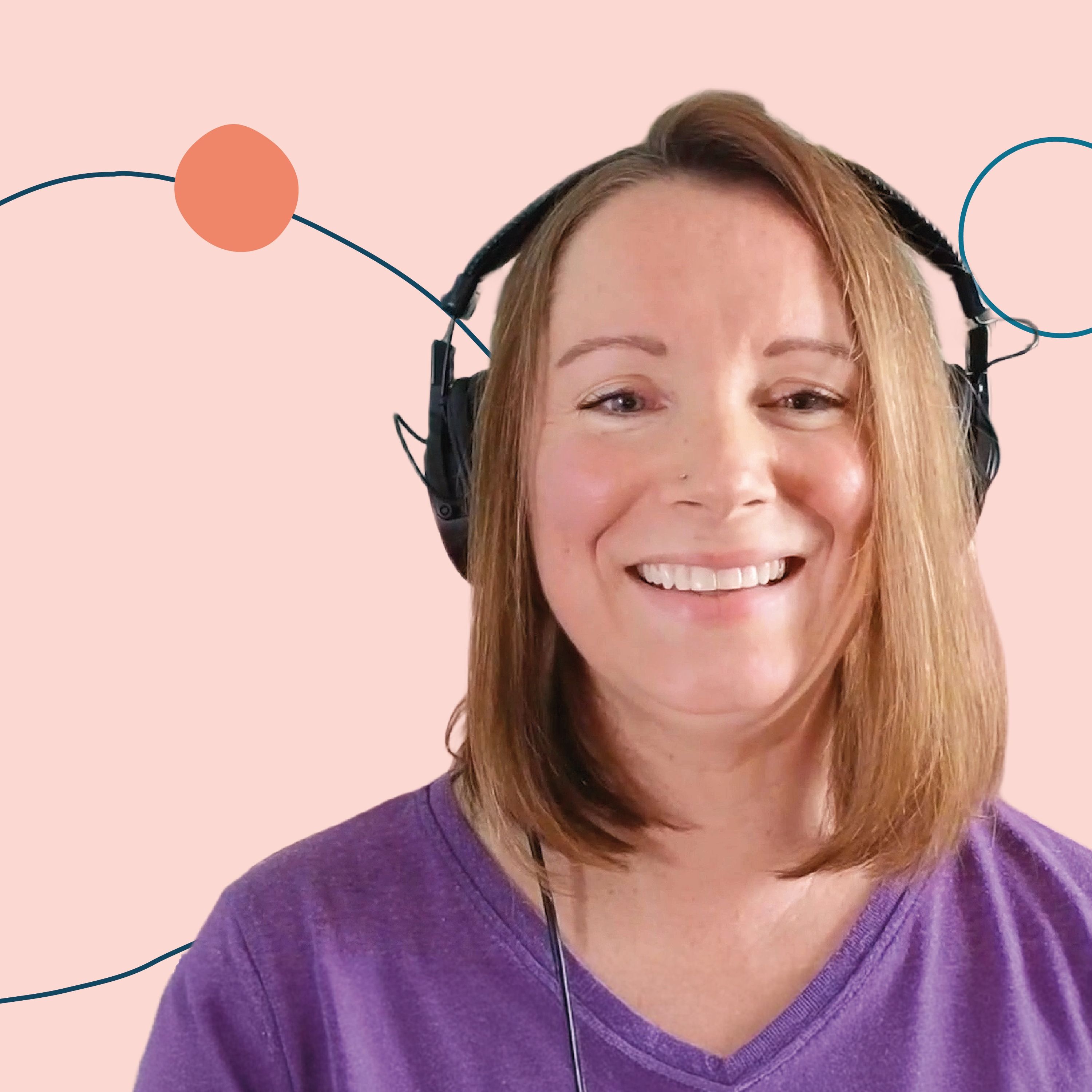 From ADHD intensity to steady ground — and into disability theology (Ange Nolan returns!) | Back by popular demand… it’s Ange Nolan! Ange returns to ADHD Aha! to share how her ADHD journey has evolved since we last spoke. That includes her decision to study disability theology and help make worship spaces more supportive for neurodivergent people. Going back to school brought up old memories of past academic struggles. Ange talks openly about navigating those feelings with more clarity and self-understanding. She also gives an update on her personal life — this time, celebrating a calm, steady relationship that looks very different from the intense dynamics she experienced in the past. | 30m 19s | ||||||
| 11/25/25 |  Revisiting: ADHD, loving intensely, and impulsivity (Ange’s story) | This week we’re revisiting one of our favorite ADHD Aha! episodes. Ange Nolan once suspected she had ADHD but was dismissed by her doctor. Years later, an ADHD “iceberg” graphic that visualized how so many ADHD symptoms live beneath the surface finally made everything click. After her diagnosis, Ange recognized how much ADHD had shaped her romantic relationships, her drive for intense connection, her “chameleon” behavior, and her impulsive career changes. Be sure to tune in next time! Ange is coming back to tell us how life has changed in the three years since her episode aired. Spoiler: She’s doing great. | 31m 00s | ||||||
| 11/11/25 |  Diagnosed with ADHD as a child, but she didn’t find out until college (Atira’s story) | When Atira Roberson was in first grade, she was evaluated and diagnosed with ADHD, dyscalculia, and a specific learning disability. But she didn’t find out about those diagnoses until college — when she went through all of her old paperwork herself. Growing up, Atira knew she was different and was bullied because of it. Her mother was her biggest advocate, but her parents chose not to tell her about her diagnoses at the time. In this episode, Atira — now an English language arts teacher — shares how learning the truth changed the way she saw herself, and how it shaped her passion for teaching and education policy today. | 21m 55s | ||||||











Showing 25 of 141
Pitch Fit is a Pro feature
See how bookable this show is for guests, which brands already advertise, the per-episode ad value, and the best-fit guest and sponsor profile. The numbers are blurred on the free plan.
How readily this show books outside guests like you.
How proven this show is for host-read sponsorships.
For Guests
ProFor Advertisers
ProUpgrade to Pro to unlock guest cadence, sponsor categories, fit scores, and per-episode ad value for this show.
Similar Audience Demographics
Podcasts that attract a similar listener profile

Understood Explains
Understood.org

Minds at Work: How Neurodiversity Fuels Business and Belonging
Understood.org

How'd You Get THAT Job?!
Understood.org, Eleni Matheou

Sorry, I Missed This: The Everything Guide to ADHD and Relationships with Cate Osborn
Cate Osborn, Understood.org

What Now? A Parent's Guide to...
Understood.org, Dr. Andy Kahn

Hyperfocus with Rae Jacobson
Rae Jacobson, Understood.org

Understood Explica
Understood.org

Climbing the Walls
Understood.org
Chart history for ADHD Aha!
Peaked at #34 in KE, currently #34 in KE.
| Market | Genre | Peak | Current | Trend |
|---|---|---|---|---|
| KE | — | #34 | #34 | — |
| New Zealand | — | #50 | #50 | — |
| Australia | — | #64 | #64 | — |
| Finland | — | #87 | #87 | — |
| KE | — | #92 | #92 | — |
| GR | — | #143 | #143 | — |
| New Zealand | — | #153 | #153 | — |
Chart Positions
7 placements across 5 markets.
Chart Positions
7 placements across 5 markets.