
On the show
From 29 epsHosts
Recent guests
Recent episodes
Every El Tiny song has a secret
Oct 14, 2026
27m 54s
Tim, The Beatles and all of Brazil
Oct 7, 2026
34m 10s
Melissa Aldana and Gonzalo Rubalcaba talk jazz
Sep 30, 2026
34m 17s
YEИDRY's life in six songs
Sep 23, 2026
36m 16s
Los Texmaniacs keep tradition alive
Sep 16, 2026
25m 09s
Insights from recent episode analysis
Audience Interest
Podcast Focus
Publishing Consistency
Platform Reach
Insights are generated by CastFox AI using publicly available data, episode content, and proprietary models.
Most discussed topics
Brands & references
Total monthly reach
Based on 1 signal.
Built from
By chart position
- 🇺🇸United States · MusicHOME#35100K to 529K
- 🇲🇽Mexico · Music#245.9K to 31K
- 🇨🇦Canada · Music#123478 to 2.5K
- 🇩🇰DK · Music#73179 to 948
- 🇲🇾MY · Music#13742 to 223
- Per-Episode Audience
Est. listeners per new episode within ~30 days
107K to 564K🎙 ~2x weekly·150 episodes·Last published 6d ago - Monthly Reach
Unique listeners across all episodes (30 days)
213K to 1.1M🇺🇸94%🇲🇽6% - Active Followers
Loyal subscribers who consistently listen
117K to 620K
Market Insights
Platform Distribution
Reach across major podcast platforms, updated hourly
Total Followers
—
Total Plays
—
Total Reviews
—
* Data sourced directly from platform APIs and aggregated hourly across all major podcast directories.
Social Links & Contact
Official channels & resources
Official Website
Login
RSS Feed
Login
| Date | Episode | Topics | Guests | Brands | Places | Keywords | Sponsor | Length | |
|---|---|---|---|---|---|---|---|---|---|
| 10/14/26 | 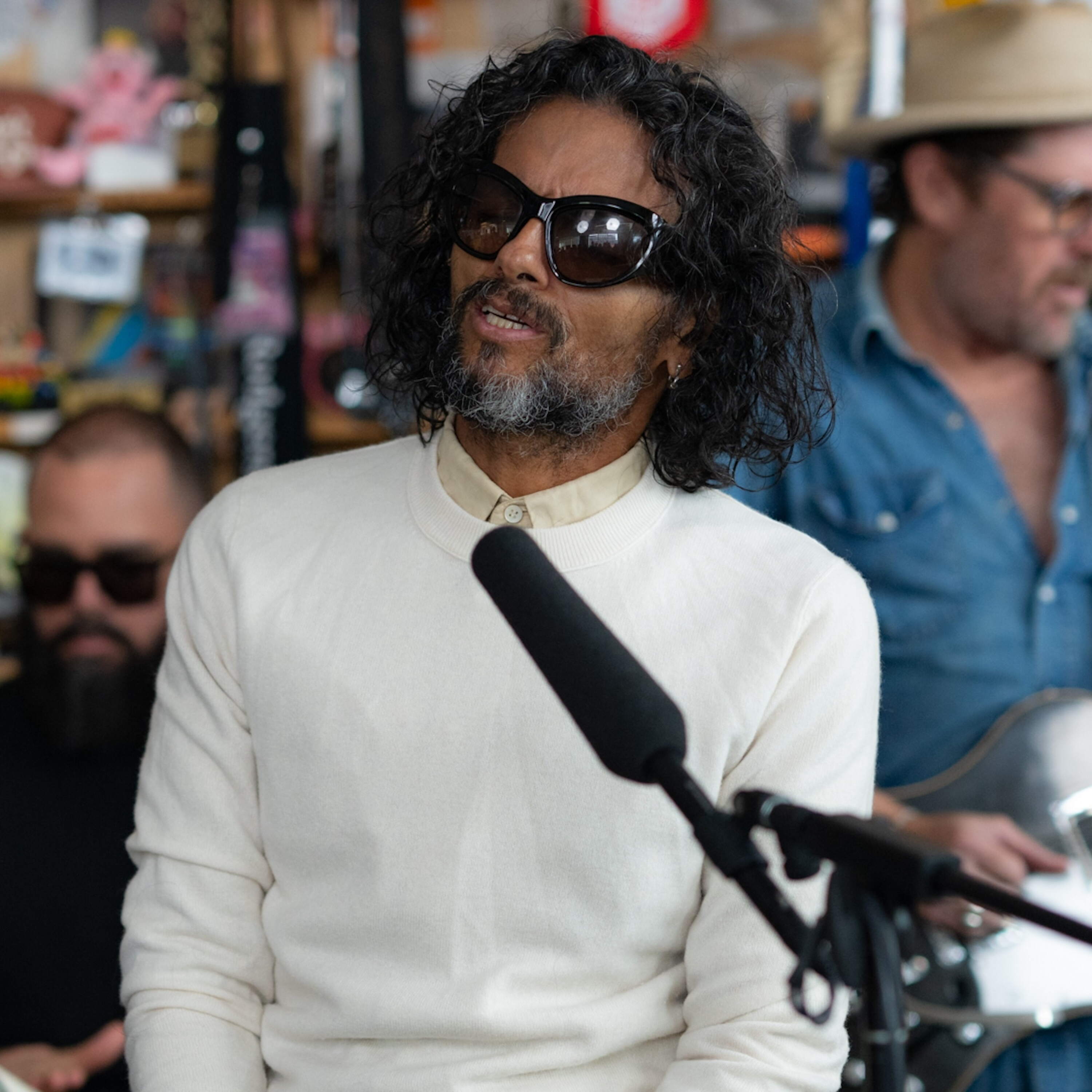 Every El Tiny song has a secret | The Tiny Desk’s magnetism is its intimacy. We strip back lights and a big stage and get to see artists speak honestly about who they are directly to an audience around the world.This becomes all the more profound during our El Tiny takeover of Latin Music Month, where artists whisper truths and share secrets about community, country, pain and family. Often on production days, artists share with us the importance of each individual song — the stories behind them and why they needed to be played in such an honest space.So, this week on Alt.Latino we wanted to let you all in on the secrets. Alex Ferreira, Draco Rosa and Los Tigres del Norte shared with us, in their words, what a song they played at the Tiny Desk for this year’s El Tiny takeover meant to them. Hopefully, learning what’s behind the songs will help each show mean a little bit more for all of you, too.Artists and songs featured in this episode:(00:40) Mon Laferte, "No Le Regales Tu Corazón"(04:06) Alex Ferreira, "Monte Adentro"(13:43) Draco Rosa, "Vagabundo"(19:58) Los Tigres del Norte, "Somos Más Americanos"This podcast was produced by Noah Caldwell. Suraya Mohamed is the executive producer of NPR Music.Support public media with NPR+ and enjoy perks for over 25 podcasts like this one. This show’s perks include bonus episodes and sponsor-free listening. Learn more at plus.npr.org.See pcm.adswizz.com for information about our collection and use of personal data for sponsorship and to manage your podcast sponsorship preferences.NPR Privacy Policy | 27m 54s | ||||||
| 10/7/26 |  Tim, The Beatles and all of Brazil | The music of Tim Bernardes fits as easily in the poetry of the cosmos as it does in the songwriting canon of his country. Brazil has a legacy of some of the greatest most intricate, emotional songwriting there is, and if you ask me, I’d argue Tim fits right into it. So, I invited him in to play a Tiny Desk for our annual El Tiny takeover. And, of course, I took the opportunity to pull him into the studio after – I absolutely needed to know what he’s been listening to. So, here we are again playing my latest and greatest new game: a special version of our typical guest DJ episode, where I ask them to recall different parts of their lives and themselves through music. No prepared songs or ideas. Let’s call this episode a musical tapestry painted by one of the greatest Brazilian singer-songwriters of this era. - Anamaria SayreArtists and songs mentioned in this episode:- The Beatles, 'I Want To Hold Your Hand'- Os Mutantes, 'Caminhante Noturno'- Milton Nascimento, 'Nuvem Cigana'- Nelson Cavaquinho, 'Eu E As Flores'- Gilberto Gil, 'Luzia Luluza'- Antônio Carlos Jobim, 'Saudade Do Brasil,' 'O Boto'- Caetano Veloso, 'Minha Mulher'- Tim Bernardes, 'Realmente Lindo'This podcast episode was produced by Noah Caldwell. Suraya Mohamed is the executive producer of NPR Music.Support public media with NPR+ and enjoy perks for over 25 podcasts like this one. This show’s perks include bonus episodes and sponsor-free listening. Learn more at plus.npr.org.See pcm.adswizz.com for information about our collection and use of personal data for sponsorship and to manage your podcast sponsorship preferences.NPR Privacy Policy | 34m 10s | ||||||
| 9/30/26 |  Melissa Aldana and Gonzalo Rubalcaba talk jazz | Jazz has often been called America's musical gift to the world. This week's guests remind us not only of the well-documented ways that Cuba revolutionized that gift, but also how it blossomed in South America.Chilean tenor saxophonist Melissa Aldana and Cuban pianist Gonzalo Rubalcaba stopped by after their recent Tiny Desk performance to chat about their own personal histories with jazz and its lineage in their respective countries. The memories Rubalcaba shares about Havana's jazz scene in the 1980s adds another layer to a story we've talked a lot about on Alt.Latino. And Aldana looks back on her youth learning music from her father and grandfather, both of whom were Chilean jazz pioneers.The conversation also covers the music they played at the Tiny Desk, which comes from their recent album, 'Filin,' a reexamination of a Cuban musical movement that lasted from the 1940s through the '60s. Ultimately, this week's episode is time spent with two master musicians to hear how their lives and experiences contribute to their mutual appreciation and love of jazz.Check out Melissa Aldana and Gonzalo Rubalcaba's Tiny Desk Concert here.This podcast episode was produced by Noah Caldwell. Suraya Mohamed is the executive producer of NPR Music.Support public media with NPR+ and enjoy perks for over 25 podcasts like this one. This show’s perks include bonus episodes and sponsor-free listening. Learn more at plus.npr.org.See pcm.adswizz.com for information about our collection and use of personal data for sponsorship and to manage your podcast sponsorship preferences.NPR Privacy Policy | 34m 17s | ||||||
| 9/23/26 |  YEИDRY's life in six songs | YEИDRY's music is almost as diverse she is. Born in the Dominican Republic and raised in Italy, the singer’s repertoire of genre and sound pulls from multiple continents, and even more unique cultural roots. It’s complicated to explain so many mixed identities, but, as we know quite well at Alt.Latino, music is an easy way to tell a complex story. From the first song she ever heard to a track that brings her peace, we’re presenting a playlist of YEИDRY, the artist and the person. It’s raw, unprepped, and just like YEИDRY: alive and constantly evolving.Songs discussed in this episode:- "Ese Hombre" by LA INDIA- "Guitarra" by Yoskar Sarante- "Weird Fishes / Arpeggi" by Radiohead- "Bam Bam" by Sister Nancy- "To Zion (feat. Carlos Santana)" by Ms. Lauryn Hill, Carlos Santana- "Paloma" by Angélica GarciaThis podcast episode was produced by Noah Caldwell. Suraya Mohamed is the executive producer of NPR Music.Support public media with NPR+ and enjoy perks for over 25 podcasts like this one. This show’s perks include bonus episodes and sponsor-free listening. Learn more at plus.npr.org.See pcm.adswizz.com for information about our collection and use of personal data for sponsorship and to manage your podcast sponsorship preferences.NPR Privacy Policy | 36m 16s | ||||||
| 9/16/26 |  Los Texmaniacs keep tradition alive | Shortly after Los Texmaniacs did what they do best at the Tiny Desk, I pulled them into a studio to chat with them about the traditions they represent with their music. It turned into a master class on the accordion-fueled style known as conjunto, a mix of European folk music and Spanish-language storytelling. Plus, the group shared some love for one of the iconic artists who taught the world how to love conjunto, Flaco Jimenez, and how their personal connection to him also inspired them to move the music forward. - FelixDon't miss NPR Music's full coverage of Latin Music Month, with Tiny Desk Concerts featuring Mon Laferte, Los Tigres del Norte, Tim Bernardes, Los Texmaniacs and more starting September 15 at NPR.org.This podcast episode was produced by Noah Caldwell. Suraya Mohamed is the executive producer of NPR Music.Support public media with NPR+ and enjoy perks for over 25 podcasts like this one. This show’s perks include bonus episodes and sponsor-free listening. Learn more at plus.npr.org.See pcm.adswizz.com for information about our collection and use of personal data for sponsorship and to manage your podcast sponsorship preferences.NPR Privacy Policy | 25m 09s | ||||||
| 9/9/26 | Brazilian musicColombian music+3 | Felix | NPRNPR Music+6 | — | BrazilColombia+3 | — | 30m 37s | ||
| 9/2/26 | metal musiccorrido tumbados+3 | — | NPREn bucle+5 | GuadalajaraBrazil | metalcorrido tumbados+5 | — | 29m 44s | ||
| 8/27/26 | Cypress HillLatin identity+3 | B-RealSen Dog+1 | Cypress HillNPR+2 | — | Cypress HillDios Bendiga+5 | — | 26m 05s | ||
| 8/19/26 | experimental electronic musicMexican music+5 | — | NPRLATIN MAFIA+9 | — | electronic musicMexico+8 | — | 32m 13s | ||
| 8/13/26 | Latin American musicmainstream crossover+3 | — | Cole Español | — | Harry StylesMichael Jackson+5 | — | 39m 35s | ||
| 8/5/26 | DJingsummer playlist+3 | — | NPRNPR Music | Central Park | DJplaylist+7 | — | 31m 20s | ||
| 7/29/26 | genre cross-pollinationelectronic music+5 | — | Candomblé: Sacred Rhythms in BrazilCATATAU+5 | — | Bill Evanstechno+5 | — | 29m 27s | ||
| 7/22/26 | Spanish musicWorld Cup+5 | — | NPR | SpainArgentina | Spainmusic+7 | — | 27m 50s | ||
| 7/15/26 | country musicBrazilian music+4 | — | NPRNPR Music+6 | — | country tracksBrazilian music+5 | — | 31m 56s | ||
| 7/8/26 | Latin musicalbum picks+4 | — | TURR4ZORicano Vol. 2: Fruto de mi Corazón+6 | — | Latin musicalbum picks+3 | — | 40m 47s | ||
| 7/1/26 | Mon Lafertenew music+3 | — | NPRNPR Music | — | Mon LaferteFemme Fatale Vol. 2+5 | — | 29m 00s | ||
| 6/24/26 | music historyband origins+4 | Pepe Gonzalez | NPRNPR Music+1 | — | Zapatamusic restoration+5 | — | 24m 29s | ||
| 6/17/26 | Cuban musicgeopolitical issues+4 | — | NPRAjé (Owo Nla Nla)+4 | CubaUnited States | Cuban resiliencemusic+4 | — | 21m 30s | ||
| 6/10/26 | Tejano musicmusical history+3 | Ruben Ramos | NPRLos Días de Calor | — | Tejano musicRuben Ramos+3 | — | 26m 59s | ||
| 5/27/26 | Latin American musicHawaiian history+4 | — | NPRDissolução+5 | — | Latin American musicHawaii+6 | — | 33m 54s | ||
| 5/20/26 | new musicnorteña heritage+4 | — | NPR | — | Gipsy KingsJulieta Venegas+5 | — | 36m 05s | ||
| 5/13/26 | Latin musicTiny Desk Contest+3 | — | NPR | — | Tiny Desk ContestLatin music+3 | — | 31m 02s | ||
| 5/6/26 | Argentine musictrap artist+3 | Milo J | NPRLa Vida Era Más Corta | — | Milo JTiny Desk+3 | — | 30m 44s | ||
| 4/29/26 | FlamencoMúsica Mexicana+5 | — | TURR4ZOHot Carne Seca+5 | — | FlamencoMúsica Mexicana+5 | — | 27m 58s | ||
| 4/22/26 | Argentine indie musicVenezuelan reggaeton+3 | — | Radio VenezuelaCareful+4 | GuatemalaLatin America+4 | Latin musicindie+5 | — | 29m 21s | ||
| 4/15/26 | Jorge Drexlermusic+3 | Jorge Drexler | NPRTaracá | UruguaySpain | Jorge DrexlerTaracá+5 | — | 31m 19s | ||
| 4/8/26 | Brazilian musicSpanish funk+4 | — | La PlazuelaMacha | Venezuelanorthern Mexico+1 | Fabiano do NascimentoLa Plazuela+5 | — | 31m 31s | ||
| 4/1/26 | Dominican indie musicPeruvian cumbia+4 | — | — | ArgentinaPeru+1 | Latin musicindie music+6 | — | 32m 12s | ||
| 3/25/26 | female vocalistshuman voice+3 | Sofia Rei | Alt.LatinoNPR+1 | — | Sofia Reifemale vocalists+4 | — | 27m 37s | ||
| 3/18/26 | Tejano musicnew music+4 | Ruben Ramos | — | — | TejanoYahritza y Su Esencia+5 | — | 31m 27s | ||
| 3/11/26 | female empowermentLatin music+4 | Anamaria Sayre | NPR | Mexico City | female power anthemsLatin music+4 | — | 34m 02s | ||
| 3/4/26 | salsa musicWillie Colón+4 | Angel “Papo” Vázquez | NPRFania Records | — | Willie Colónsalsa+5 | — | 25m 44s | ||
| 2/25/26 | Chicano soulCanary Islands merengue+3 | — | NPRNI BORRACHO+5 | — | Chicano soulCanary Islands merengue+3 | — | 29m 32s | ||
| 2/18/26 | Brazilian musicMexican rock+4 | — | NPRCRIOLO, AMARO E DINO+5 | — | BrazilMexican rock+5 | — | 33m 00s | ||









Showing 34 of 150
Pitch Fit is a Pro feature
See how bookable this show is for guests, which brands already advertise, the per-episode ad value, and the best-fit guest and sponsor profile. The numbers are blurred on the free plan.
How readily this show books outside guests like you.
How proven this show is for host-read sponsorships.
For Guests
ProFor Advertisers
ProUpgrade to Pro to unlock guest cadence, sponsor categories, fit scores, and per-episode ad value for this show.
Similar Audience Demographics
Podcasts that attract a similar listener profile





Chart history for Alt.Latino
Peaked at #24 in Mexico, currently #24 in Mexico.
| Market | Genre | Peak | Current | Trend |
|---|---|---|---|---|
| Mexico | — | #24 | #24 | — |
| United States | — | #35 | #35 | — |
| Denmark | — | #73 | #73 | — |
| Canada | — | #123 | #123 | — |
| MY | — | #137 | #137 | — |
| CL | — | #183 | #183 | — |
Chart Positions
6 placements across 6 markets.
Chart Positions
6 placements across 6 markets.