Insights from recent episode analysis
Audience Interest
Podcast Focus
Publishing Consistency
Platform Reach
Insights are generated by CastFox AI using publicly available data, episode content, and proprietary models.
Most discussed topics
Brands & references
Total monthly reach
Estimated from 2 chart positions in 2 markets.
By chart position
- 🇳🇴NO · Philosophy#128500 to 3K
- 🇻🇳VN · Philosophy#143500 to 3K
- Per-Episode Audience
Est. listeners per new episode within ~30 days
500 to 3K🎙 Weekly cadence·24 episodes·Last published 2w ago - Monthly Reach
Unique listeners across all episodes (30 days)
1K to 6K🇳🇴50%🇻🇳50% - Active Followers
Loyal subscribers who consistently listen
300 to 1.8K
Market Insights
Platform Distribution
Reach across major podcast platforms, updated hourly
Total Followers
—
Total Plays
—
Total Reviews
—
* Data sourced directly from platform APIs and aggregated hourly across all major podcast directories.
On the show
From 12 epsHost
Recent guests
Recent episodes
Enactivism, Buddhist Epistemology & the Cosmic Play with Hüseyin Beyköylü
Jun 8, 2026
2h 12m 12s
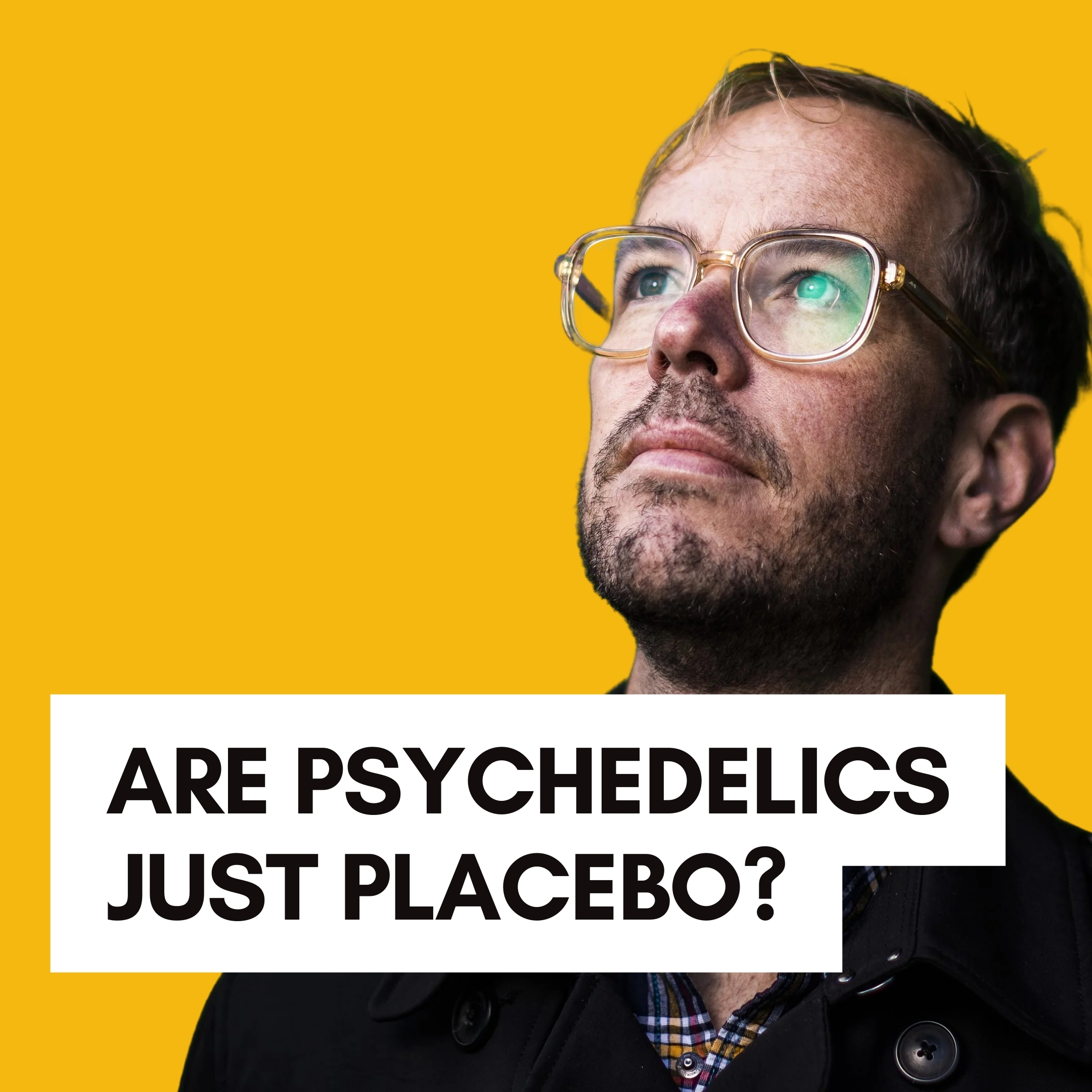
Psychedelic Realism, Platonism & The Ground of Being with Danny Forde
May 18, 2026
1h 52m 51s
God and Technology with Heidi Campbell
Apr 20, 2026
47m 28s
The Orthodox Vision of Beauty with Timothy Patitasas
Mar 26, 2026
1h 42m 49s
The Timaeus, Beauty and Tradition with Piero Boitani
Mar 2, 2026
1h 49m 05s
Social Links & Contact
Official channels & resources
Official Website
Login
RSS Feed
Login
| Date | Episode | Topics | Guests | Brands | Places | Keywords | Sponsor | Length | |
|---|---|---|---|---|---|---|---|---|---|
| 6/8/26 | Enactivism, Buddhist Epistemology & the Cosmic Play with Hüseyin Beyköylü✨ | enactivismBuddhist epistemology+5 | Hüseyin Beyköylü | Madhyamaka | — | cognitive scienceLSD experience+5 | — | 2h 12m 12s | |
| 5/18/26 | ![]() Psychedelic Realism, Platonism & The Ground of Being with Danny Forde✨ | psychedelicsphilosophy+4 | Danny Forde | UCCPsychedelic Realism+2 | Cork | psychedelicsrealist phenomenology+5 | — | 1h 52m 51s | |
| 4/20/26 | God and Technology with Heidi Campbell✨ | technology and religionAI and ethics+3 | Heidi Campbell | kosher cell phoneZoom+2 | IsraelGen Z | technologyreligion+5 | — | 47m 28s | |
| 3/26/26 | The Orthodox Vision of Beauty with Timothy Patitasas✨ | Orthodox theologybeauty and ethics+4 | Timothy Patitsas | Greek Orthodox | — | beautyethics+5 | — | 1h 42m 49s | |
| 3/2/26 | The Timaeus, Beauty and Tradition with Piero Boitani✨ | literaturephilosophy+4 | Piero Boitani | Anagoge PodcastThe Death of Ivan Ilyich | — | Western canonliterary literacy+6 | — | 1h 49m 05s | |
| 1/26/26 | The Science & Spirituality of Psychedelics with Michiel van Elk✨ | psychedelicscognitive psychology+4 | Michiel van Elk | Leiden UniversityPRiSM Lab | — | psychedelicscognitive neuroscience+5 | — | 1h 36m 53s | |
| 1/21/26 | ![]() Platonism, Mysticism & Mysteries with Arthur Versluis✨ | PlatonismMysticism+3 | Arthur Versluis | Michigan State UniversityPlatonic Mysticism: Contemplative Science, Philosophy, Literature, and Art+1 | — | Platonismmysticism+5 | — | 1h 25m 43s | |
| 12/28/25 | Object-Oriented Ontology & the Nature of Reality with Graham Harman✨ | Object-Oriented Ontologyphilosophy+4 | Graham Harman | Anagoge PodcastImpossible Parade+2 | — | Object-Oriented Ontologyphilosophy+7 | — | 1h 38m 05s | |
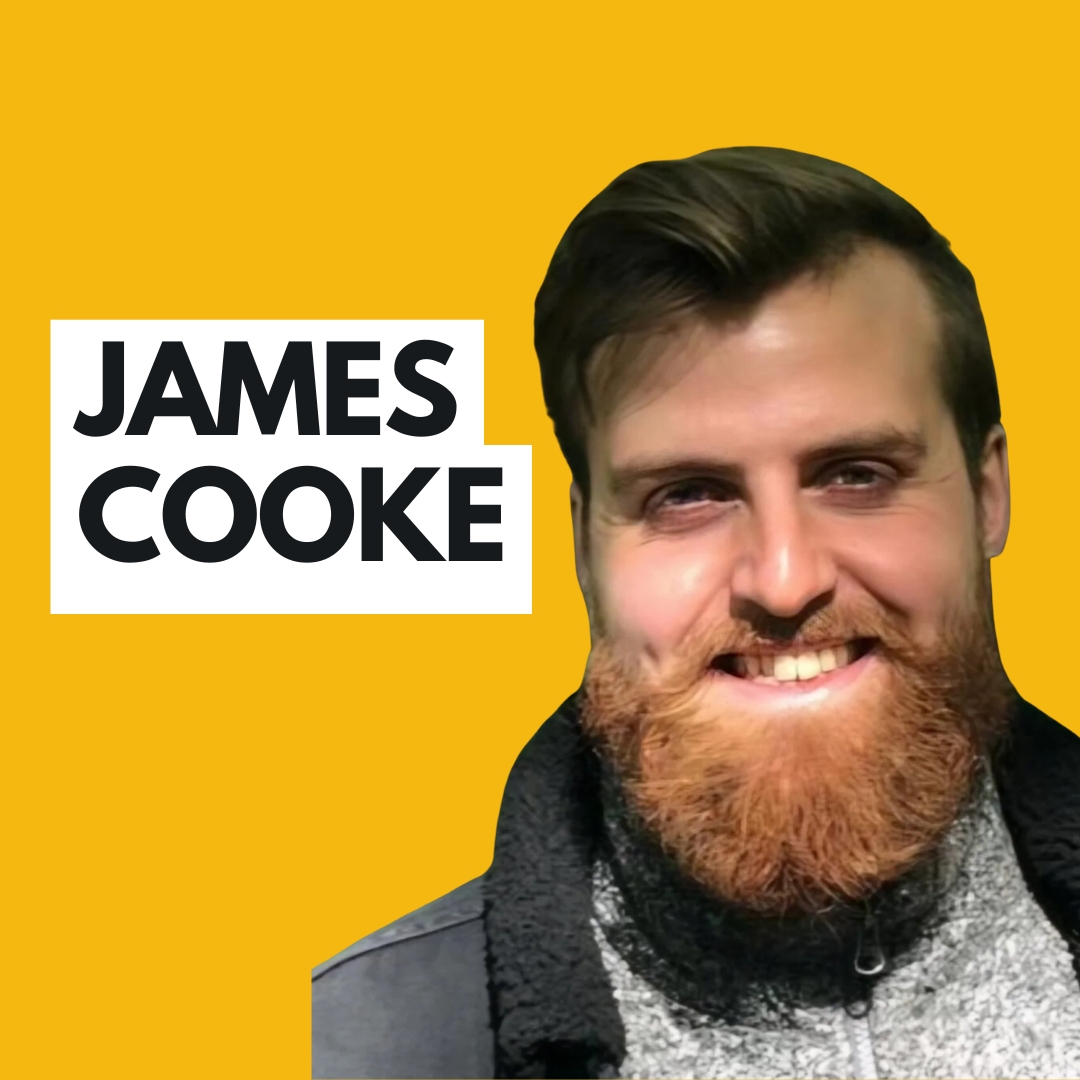
| 7/31/25 | ![]() The Self, Consciousness & Relationality with James Cooke✨ | consciousnessneuroscience+4 | James Cooke | The Dawn of Mind | Portugal | consciousnessneuroscience+5 | — | 1h 50m 29s | |
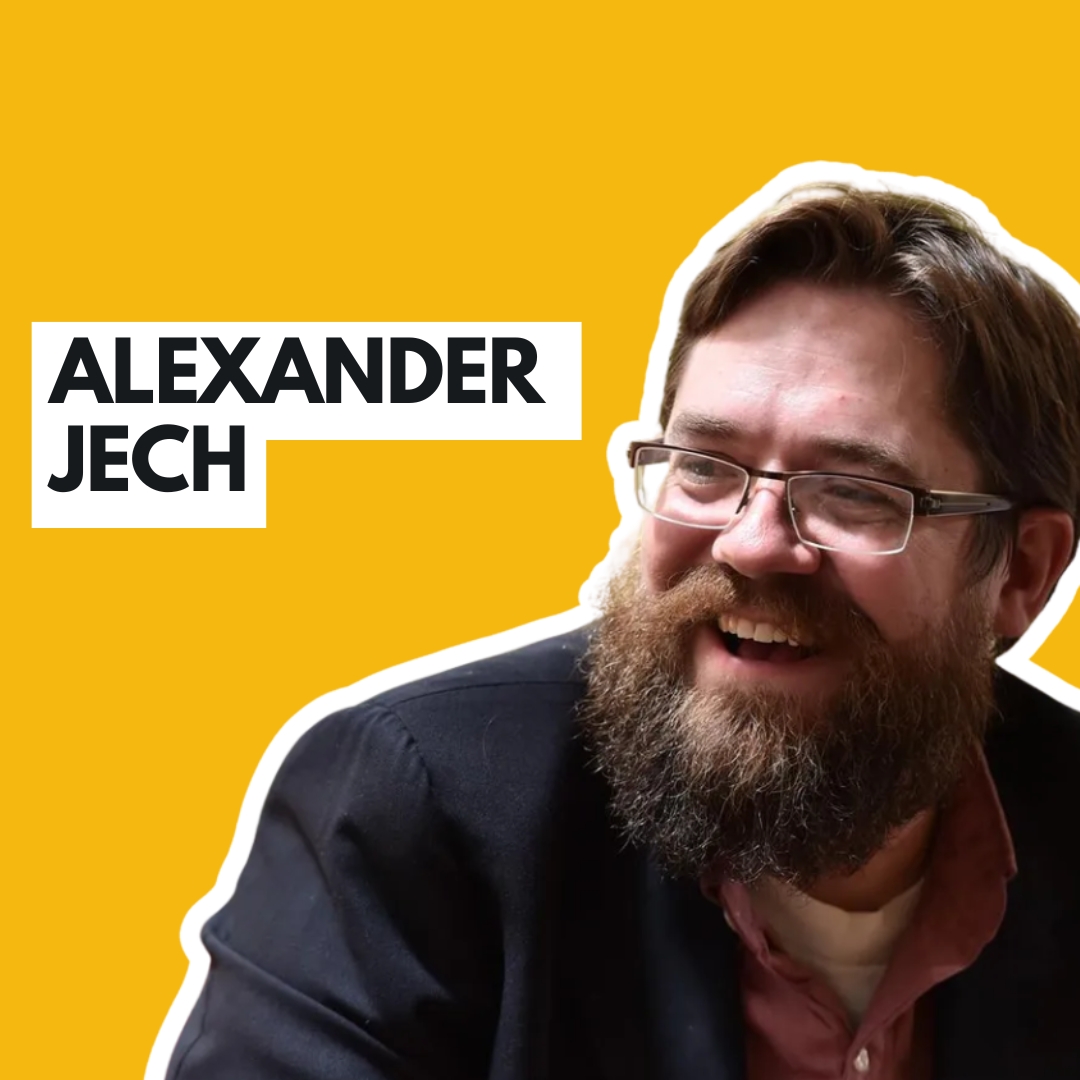
| 6/28/25 | ![]() Kierkegaard's Life & The Leap Of Faith (Alexander Jech)✨ | Kierkegaardphilosophy+5 | Alexander Jech | University of Notre DameFear and Trembling | — | KierkegaardFear and Trembling+8 | — | 2h 17m 43s | |
Want analysis for the episodes below?Free for Pro Submit a request, we'll have your selected episodes analyzed within an hour. Free, at no cost to you, for Pro users. | |||||||||
| 5/31/25 | ![]() J.P. Marceau: Love, Metaphysics & Miracles✨ | Christian metaphysicsmeaning crisis+5 | Jean-Philippe Marceau | Post-Reductionist Christianity | — | Christianitymetaphysics+6 | — | 1h 55m 25s | |
| 4/15/25 | ![]() John Cottingham – The Return of the Sacred✨ | philosophy of religionhuman experience+4 | John Cottingham | University of ReadingSt John's College, Oxford+4 | — | John Cottinghamphilosophy+6 | — | 1h 14m 54s | |
| 12/11/24 | Music and the Human Experience | You can find the video recording with the slides at Anagoge's Podcast Youtube Channel. Delivered at Kitarika 2024. 00:00:00 - Introduction 00:02:31 - Defining Reality 00:07:04 - Foundations of Cognition 00:12:30 - Affordances and Optimal Grip 00:14:26 - 4E Cognitive Science 00:21:46 - Transcendence, Music & Stories 00:28:58 - Music and the Sacred 00:36:03 - Dualities 00:41:30 - Enlightenment 00:45:00 - Practical Wisdom 00:47:00 - Hemispheric Differences 00:50:00 - Cognitive Science of Insight 00:52:00 - Cognitive Continuum 00:53:50 - Psychedelics 00:59:00 - Connectome Harmonics 01:02:00 - History & Culture of Music | — | ||||||
| 7/31/23 | ![]() The Neuroscience of Emotions - Joseph LeDoux | In this episode, I have the pleasure of speaking with Dr. Joseph LeDoux, a world-renowned neuroscientist whose research primarily focuses on survival circuits and their impacts on emotions such as fear and anxiety. Dr. LeDoux is the Henry and Lucy Moses Professor of Science at New York University, and director of the Emotional Brain Institute. He has made significant contributions to our understanding of the amygdala and its role in processing threats, elucidating the relationship between physiological responses, cognitive interpretations, and the conscious experience of emotions. Our conversation takes us back to Dr. LeDoux's earliest work with split-brain patients, a fascinating area of study that naturally led him to explore questions of consciousness. From there, he shares the journey that took him from studying humans to focusing on animal models, particularly in relation to fear and anxiety. We delve into the intricate nature of emotions, discussing two contrasting theories: the traditional view that emotions are universal and rooted in our biology and the constructivist theory, which posits that emotions are constructed and shaped by our culture and personal experiences. Dr. LeDoux offers a compelling argument that while innate circuits control behavior, the conscious experience of an emotion is a cognitive interpretation based on our personal narratives and cultural schemas. We also explore the topic of attributing emotional states to animals. Dr. LeDoux provides an insightful perspective on the difficulties of this task, emphasizing the importance of distinguishing between physiological responses and conscious experiences and the potential dangers of anthropomorphizing animal behavior. It's a fascinating journey into the depths of human emotion and the workings of our brain, offering valuable insights from one of the leading experts in the field. Whether you're a student of neuroscience, a curious learner, or simply interested in understanding the complexities of human emotion, this conversation will surely provide food for thought. 0:00:00 - Introduction 0:02:28 - The nature of emotions: biological or constructed theories 0:05:15 - The neuroscience of emotions and its foundation with split-brain patients 0:19:46 - Cognitive elements in emotions and the disconnect between physiological responses and the conscious experience of an emotion 0:27:27 - The role of biological neural circuits in emotional responses 0:31:05 - Emotional models and how emotional experiences are based on interpretation and shaped by language 0:39:47 - Attributing emotional states to animals and consciousness in mammals 0:56:48 - Joseph's career, the intersection of neuroscience and music, and his upcoming book | — | ||||||
| 4/15/23 | Learning & Teaching Philosophy - Gregory Sadler [Anagoge Podcast] | Long time no see! I hope to make the podcast more active this year. In this episode, I talk with Dr. Gregory Sadler, likely the most influential philosophy educator to exist. Sadler earned an M.A. and a Ph.D. in Philosophy from Southern Illinois University. He is the Founder of ReasonIO, a consulting company providing philosophy content, training, and consulting services. He has reached impressive popularity on YouTube, and his channel has over 130.000 subscribers and 13 million views. He has helped me digest challenging thinkers with fantastic lectures explaining the main concepts while providing additional context and insights. His channel is an absolute gold mine for anyone interested in philosophy. We talk about the process of learning philosophy, the importance of good teachers, considerations about translated works, secondary literature, philosophical biases, truth, and much more. It was a very engaging conversation and one of my favorite episodes! Timestamps: 3:28 Sadler's expertise and background 6:09 Sadler's journey in philosophy 12:58 Being a good teacher 17:34 Students from non-philosophical backgrounds 19:48 Stoicism, Sartre, and Nietzsche in Sadler's philosophy views 23:43 Importance of the original language in philosophical works 36:24 Death of philosophy 47:26 Trade-offs between primary and secondary literature 57:28 Philosophical biases and autodidactism 1:04:12 Intersection of truth in philosophy and religion Gregory Sadler's channel: https://www.youtube.com/@GregoryBSadler Gregory Sadler's website: https://reasonio.wordpress.com/ www.anagogepodcast.com PS: If you would like to connect with me on Instagram, you can do so at @tiagobooks: https://www.instagram.com/tiagobooks/ | — | ||||||
| 5/18/22 | Phenomenology, 4E Cog-Sci & Awe (Shaun Gallagher) | Anagoge Podcast is now over 1 year old! Thank you everyone for listening. Shaun Gallagher is the Lillian and Morrie Moss Professor of Excellence in Philosophy at the University of Memphis. He is a founding editor and continues as a co-editor-in-chief of Phenomenology and the Cognitive Sciences, an interdisciplinary journal published by Springer. In this episode, we talk about Shaun's background, the nature of phenomenology and cognitive science, the role of embodiment and action, and Shaun's research about the overview effect; the awe astronauts feel during spaceflight when seeing Earth. My main microphone died shortly after the podcast started, so you will notice the quality decreasing at some point, as I had to use my camera microphone. Sorry! The timestamps below are made for YT so they are not 100% accurate as the pace differs slightly. 02:00 Shaun's background in philosophy 05:19 Shaun's background in cognitive science 07:00 Interdisciplinarity and Cog-Sci 10:00 The paradox of phenomenology 17:02 Scientific vs philosophical methods in phenomenology 21:02 Cog-Sci as an example of the role of philosophy in science 26:17 Existentialism in phenomenology 32:00 Embodied Cog-Sci and psychopathology 36:09 Virtual reality for therapy 39:45 What's 4E Cognitive Science? 53:05 4E Cognitive Science and Buddhism 58:15 Varela and Dalai Lama - Mind & Life Institute 1:00:00 Metaphysical tensions of Buddism and Western Science 1:04:00 Awe in the overview effect 1:10:15 Differences in present and future reporting 1:14:10 Background of the awe experience 1:16:45 Feeling of unity 1:19:45 Connections with psychedelic and religious experiences 1:25:00 Enactivist Cognition 1:31:00 Critique of Heidegger of social cognition 1:34:50 History of embodiment If you would like to connect with me on Instagram, you can do so at @tiagobooks. | — | ||||||
| 1/10/22 | Gregg Henriques - Revolutionizing Psychology | In this episode, I talk with Gregg Henriques about the problem of psychology and the solution he has been working on for 20 years. We covered the bulk of his theory in the first half of the episode, and in the second half, we do a deep dive into cognitive behavioral therapy, including Gregg's experience with it and some controversies in one of the major studies published about CBT. Gregg Henriques is a Full Professor and a core faculty member in James Madison University's Combined-Integrated Clinical and School Psychology Doctoral Program. He teaches courses on integrative/unified psychotherapy, personality, social, and cognitive psychology. He developed the Unified Theory Of Knowledge (UTOK), which consists of eight key ideas that Henriques results in a much more unified vision of science, psychology and philosophy. 0:00:09 Introduction 0:05:16 The enlightenment gap 0:12:12 The problem of psychology 0:21:50 Why evolutionary psychology can't be the answer 0:31:31 The tree of knowledge 0:38:25 Emergence and complexity dynamics 0:45:13 Comparing it to memetics 0:49:24 Justification hypothesis 0:52:24 Dan Sperber and Hugo Mercier 1:00:57 The influence matrix 1:09:45 Children social intellgience 1:11:42 Variation of the influence matrix 1:18:03 Connection with Haidt 1:20:13 Empirical backing 1:26:03 Cognitive Behavioral Therapy 1:46:19 Cognitive vs Non-Cognitive Therapy 1:55:08 Rigidity vs pseudoscience in therapy 2:01:49 Conclusion | — | ||||||
| 12/2/21 | Michael Strevans - Foundations & Absurdities of Science | Michael Strevens teaches philosophy of science at New York University. His work revolves around the nature of science, covering topics such as scientific explanation, complex systems, and probability. In his book "The Knowledge Machine" he explains why science is so successful at creating knowledge and why it took so long for humans to come up with it. In this episode, we talk about the origins of science, philosophy of science, the contributions and flaws of Karl Popper and Thomas Kuhn, what makes science special and some odd contradictions at the core of scientific thinking. Get Michael's book "The Knowledge Machine" here: https://www.amazon.com/dp/1324091088 0:00:00 Introduction 0:02:26 The origins of science 0:07:08 Karl Popper and Thomas Kuhn 0:15:59 What Popper and Kuhn were missing 0:20:50 Sociology of science 0:24:56 Contributions of philosophy of science 0:31:49 Bayesian probability 0:34:15 What makes science special? 0:41:06 The irrationality of science 0:45:25 Aesthetic and theological motivations in science 0:47:50 Caloric fluid vs kinetic theory of heat 0:57:15 Creativity in science 0:59:21 The tediousness of extreme detail 1:03:56 Can science make truth claims? 1:10:39 Philosophy of quantum mechanics 1:14:56 The biggest challenge of science If you would like to help the podcast grow so I can dedicate more time to it, a review on Apple Podcasts is super helpful. Thank you! https://podcasts.apple.com/si/podcast/anagoge-podcast/id1512482918 If you would like to connect with me on Instagram, you can do so at @anagogepodcast and @tiagobooks The intro song is by Lief Sjostrom, titled Peril from the album 'Impossible Parade'. | — | ||||||
| 10/19/21 | Nathan Dufour - Music, Ancient Greece and Whitehead | Nathan Dufour is a writer, musician, video artist and activist. He produces music videos on YouTube about philosophical ideas and teaches Latin language and Greek Civilization at City College of New York. He received a PhD in Classics from CUNY's Graduate Center. In the first half, we talk about the relationship between music and philosophy, the performative aspect of art, philosophy's origins and how it connects to music, classics, and western civilization. In the second half, we cover Plato and Whitehead, which was Nathan's PhD thesis. We discuss Whitehead's process philosophy, how it connects to Platonism, and some of the modern implications of Whitehead's thought. Nathan is super talented. Make sure to follow his work: https://www.youtube.com/nathanology https://nathanoglesby.bandcamp.com/ https://www.nateandhila.com/ https://www.instagram.com/nathan_ology/ | — | ||||||
| 8/9/21 | ![]() Juensung Kim - The Science of Magic & Transformation | Juensung Kim is a PhD candidate at the University of Toronto, focusing on the science of self-transformation related to the psychology of religion and the cognitive science of magic. He is the lab manager of the Consciousness and Wisdom Studies Laboratory. In this episode, we discuss the meaning of magic and some of its scientific research. Other topics such as psychedelics, wisdom and transformation are also covered, especially in their connection to the meaning crisis and Juensung's work. | — | ||||||
| 2/21/21 | ![]() John Vervaeke - Dialogos, Wisdom and Science | John Vervaeke is the author of the famous YouTube series "Awakening from the Meaning Crisis". He is an Associate Professor at the University of Toronto and he is the director of the Cognitive Science program in the Consciousness and Wisdom Studies Laboratory. He has a vast body of scientific work related to consciousness, mindfulness, flow, and wisdom. In this episode, we cover some of John's life, the importance of dialogos and the relationship between science and spirituality. My Instagram handle is @tiagobooks | — | ||||||
| 9/16/20 | ![]() Jonathan Pageau - Religious Symbolism | Jonathan Pageau is a carver who specializes in Eastern Orthodox Icons and other traditional Christian images. He graduated with distinction from the Painting and Drawing program at Concordia University in Montreal and has recently gained popularity on YouTube by discussing symbolic thought from Christianity and modern culture. In this episode, we cover a bit of his personal history, early greek thought, what love means, how reality unfolds, and much more. For those not familiar with his work, I recommend watching a couple of his videos first so you better understand his ideas, I have created a resource for it here: https://sites.google.com/view/jonathanpageau/ | — | ||||||
| 8/8/20 | ![]() Azim Shariff - The Psychology and Evolution of Religion | Dr. Azim Shariff is a social and moral psychologist whose research focuses on morality and religion. He also has some more recent work on the ethics of automation and how people deal with ethical dilemmas of self-driving cars. In this episode, we talk mostly about the psychology of religion through a lens of cultural evolution. | — | ||||||
| 7/24/20 | ![]() Steven Sloman - Collective knowledge and overcoming ignorance | In the 4th episode of our podcast, we finally get into some psychology. I had a very insightful conversation with Dr. Steven Sloman. He received his Ph.D. in Psychology from Stanford University, and he is a cognitive scientist who studies how people think, particularly collective cognition. He wrote a book with Phil Fernbach titled The Knowledge Illusion: Why We Never Think Alone. We cover a fair bit in this episode, ranging from computational and alternative models of cognitive science, consciousness, his book knowledge illusion, the current age of information, the problem and reliability of expertise, and more. I hope you find it enjoyable! | — | ||||||
| 6/26/20 | ![]() J.P. Marceau - Ontology, Mind and Stories | In this 3rd episode, I had a great conversation with Jean-Philippe Marceau. He holds a degree in computer science and has done a master's degree in philosophy about panpsychism as a response to the hard problem of consciousness. We talk about materialism, ontology, emergence, neo-platonism, Christianity, and more. In the video we often reference symbolism. For those not familiar with Pageau's work, this may be a bit confusing. I would recommend two (short-ish) resources to understand what we are talking about. And if you want to dive deeper, check the original videos of where these clips come from. https://www.youtube.com/watch?v=mSv1bjaORlA https://www.youtube.com/watch?v=SIRWvRoBPF4 If you liked JP's ideas, subscribe to his YouTube channel: https://www.youtube.com/channel/UCZzlvx0HHYiPOJTEOU399WA He is also the chief editor of The Symbolic World blog. You can check it out his articles here: https://thesymbolicworld.com/author/jp_marceau16/ | — | ||||||
Showing 25 of 27
Pitch Fit is a Pro feature
See how bookable this show is for guests, which brands already advertise, the per-episode ad value, and the best-fit guest and sponsor profile. The numbers are blurred on the free plan.
How readily this show books outside guests like you.
How proven this show is for host-read sponsorships.
For Guests
ProFor Advertisers
ProUpgrade to Pro to unlock guest cadence, sponsor categories, fit scores, and per-episode ad value for this show.
Chart Positions
2 placements across 2 markets.
Chart Positions
2 placements across 2 markets.