

Insights from recent episode analysis
Audience Interest
Podcast Focus
Publishing Consistency
Platform Reach
Insights are generated by CastFox AI using publicly available data, episode content, and proprietary models.
Most discussed topics
Brands & references
Total monthly reach
Estimated from 7 chart positions in 7 markets.
By chart position
- 🇦🇺AU · Parenting#1915K to 30K
- 🇬🇧GB · Parenting#1995K to 30K
- 🇮🇸IS · Parenting#633K to 10K
- 🇵🇪PE · Parenting#973K to 10K
- 🇵🇭PH · Parenting#152500 to 3K
- Per-Episode Audience
Est. listeners per new episode within ~30 days
8.8K to 45K🎙 ~2x weekly·172 episodes·Last published 3d ago - Monthly Reach
Unique listeners across all episodes (30 days)
18K to 89K🇦🇺34%🇬🇧34%🇮🇸11%+4 more - Active Followers
Loyal subscribers who consistently listen
7K to 36K
Market Insights
Platform Distribution
Reach across major podcast platforms, updated hourly
Total Followers
—
Total Plays
—
Total Reviews
—
* Data sourced directly from platform APIs and aggregated hourly across all major podcast directories.
On the show
From 16 epsHosts
Recent guests
Recent episodes
Why Family Vacations Feel Hard with Autistic and ADHD Kids (And What Actually Helps) | Ep. 171
Jun 22, 2026
Unknown duration
Dance as Self-Care for Parents with Annett Bone | Ep. 170
Jun 15, 2026
Unknown duration
The Neurodivergent Family Road Trip Survival Guide | Ep. 169
Jun 8, 2026
27m 20s
How to Help Your Child With Dyslexia and Dysgraphia with Daniela Feldhausen | Ep. 168
Jun 1, 2026
26m 05s
Why Good Kids Get Bad Grades: Becoming Your Child’s Ally with Linda Silbert | Ep. 167
May 25, 2026
29m 48s
Social Links & Contact
Official channels & resources
Official Website
Login
RSS Feed
Login
| Date | Episode | Topics | Guests | Brands | Places | Keywords | Sponsor | Length | |
|---|---|---|---|---|---|---|---|---|---|
| 6/22/26 |  Why Family Vacations Feel Hard with Autistic and ADHD Kids (And What Actually Helps) | Ep. 171 | Samantha and Lauren discuss how to help vacations go more smoothly for neurodivergent kids by prioritizing safety, predictability, and regulation over nonstop activities. They explain how vacations disrupt routine, sensory input, and expectations (new places, foods, people, airports, planes, theme parks, beaches), which can overwhelm autistic and ADHD children. They recommend preparing kids in advance with photos, maps, videos, itineraries, visual schedules, and honest communication about uncertainty; using supports like airport assistance (Sunflower lanyards, practice tours, early boarding); and building recovery time with hotel breaks, quiet spaces, and rest days. They suggest creating an escape plan or safe word, avoiding forced socialization, packing sensory tools and familiar items, watching early signs of overload, and adjusting parental expectations so everyone ends the day regulated, safe, supported, and connected. | — | ||||||
| 6/15/26 | 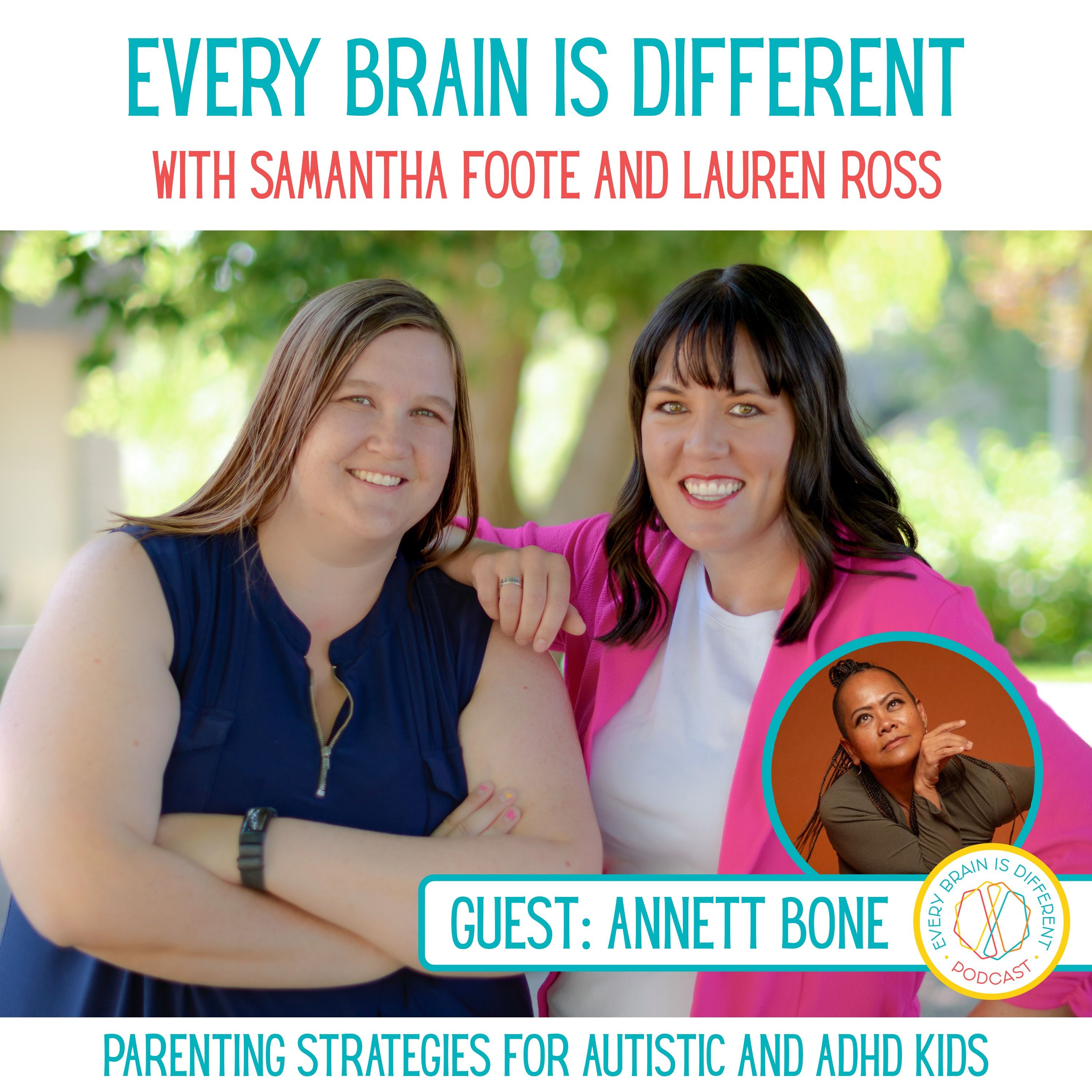 Dance as Self-Care for Parents with Annett Bone | Ep. 170 | Samantha and Lauren welcome dance artist and creative coach Annett Bone to discuss dance as self-care—especially for stressed parents raising neurodivergent kids. Annett shares that returning to dance at 43 after a 20-plus year hiatus helped her heal and that dance can be expression, creativity, processing, release, or a way to get out of your head. She encourages starting with the end in mind, then taking small, realistic steps, sometimes just a few minutes alone with music, without fear of judgment. The conversation offers practical ideas like family dance parties, using Just Dance for guidance, exploring movement one body part at a time, and combining movement with writing, drawing, senses, and imagery like animals or weather. Annette invites listeners to DM her “brain” on Instagram for a free customized 20-minute movement session and mentions her podcast, The Dancepreneuring Studio. | — | ||||||
| 6/8/26 |  The Neurodivergent Family Road Trip Survival Guide | Ep. 169✨ | road tripautism+3 | — | — | — | road tripautism+5 | — | 27m 20s | |
| 6/1/26 | 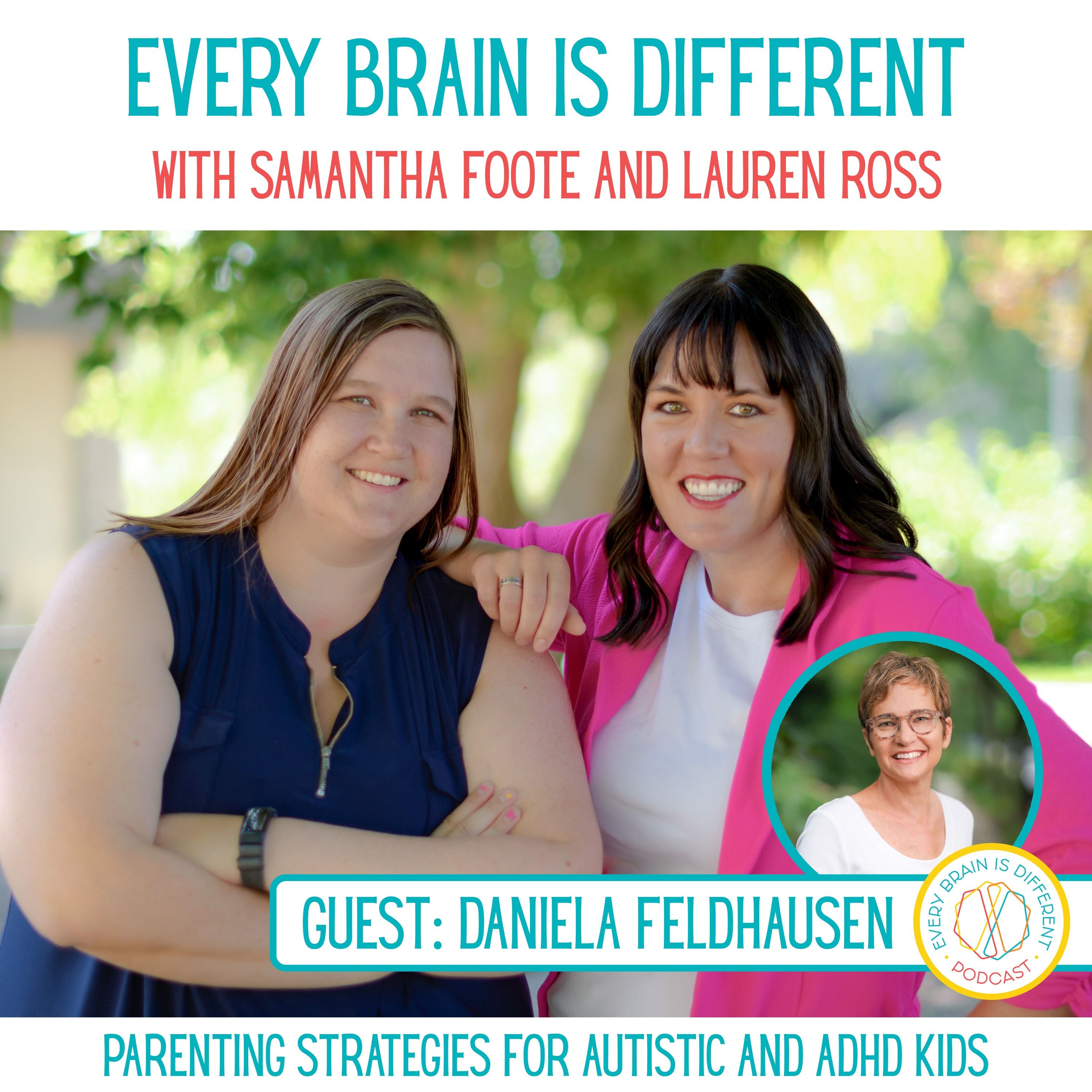 How to Help Your Child With Dyslexia and Dysgraphia with Daniela Feldhausen | Ep. 168✨ | dyslexiadysgraphia+3 | Daniella Feldhausen | Kids Up Reading Tutors | DC | dyslexiadysgraphia+5 | — | 26m 05s | |
| 5/25/26 |  Why Good Kids Get Bad Grades: Becoming Your Child’s Ally with Linda Silbert | Ep. 167✨ | neurodivergent learnerssupporting education+3 | Dr. Linda Silbert | Strong Learning IncorporatedWhy Good Kids Get Bad Grades | — | neurodiversitybad grades+5 | — | 29m 48s | |
| 5/18/26 |  Why Your Child Holds It Together at School, Then Explodes at Home (And How Masking Plays a Role) | Ep. 166✨ | maskingneurodivergent children+5 | — | — | — | neurodiversitymasking+7 | — | 18m 46s | |
| 5/11/26 |  Why Your Child ‘Falls Apart’ at Home (But Not at School) | Ep. 165✨ | parentingneurodivergence+4 | — | — | — | mom guiltmasking+5 | — | 24m 25s | |
| 5/4/26 |  How to Handle Finances When You Have ADHD with Julian Kohlbrand | Ep. 164✨ | ADHDfinance+3 | Julianne Kohlbrand | — | — | ADHDfinancial coach+5 | — | 31m 24s | |
| 4/27/26 |  Why are Neurodivergent People Literal Thinkers? | Ep. 163✨ | neurodivergenceliteral thinking+4 | — | — | — | neurodivergentliteral thinking+5 | — | 22m 35s | |
| 4/20/26 |  What is the difference between ADHD and Auditory Processing Disorder? | Ep. 162✨ | ADHDAuditory Processing Disorder+4 | — | Central Auditory Processing DisorderADHD+1 | — | ADHDAuditory Processing Disorder+5 | — | 25m 54s | |
Want analysis for the episodes below?Free for Pro Submit a request, we'll have your selected episodes analyzed within an hour. Free, at no cost to you, for Pro users. | |||||||||
| 4/13/26 |  What is the Difference Between Sensory Processing Disorder and Autism? | Ep. 161✨ | Sensory Processing DisorderAutism Spectrum Disorder+4 | — | DSM-5 | — | sensory processing disorderautism+5 | — | 21m 20s | |
| 4/6/26 |  What to Know About Women and ADHD with Dr. Gilly Kahn | Ep. 160✨ | ADHD in womenemotional dysregulation+4 | Dr. Gilly Kahn | Allow Me to Interrupt | — | ADHDemotional dysregulation+5 | — | 26m 02s | |
| 3/30/26 |  What is the Difference Between a 504 and an IEP? | Ep. 159✨ | 504 plansIEPs+3 | — | 504 accommodation plansIEPs+4 | — | 504 planIEP+5 | — | 27m 22s | |
| 3/23/26 |  Why Are Autistic Kids Labeled as Rigid? (Part 2) | Ep. 158✨ | autismADHD+4 | — | — | — | autistic kidsADHD+5 | — | 21m 14s | |
| 3/16/26 |  Why are Autistic Kids Labeled as Rigid? (Part 1) | Ep. 157✨ | autismparenting strategies+4 | — | — | — | autistic kidsrigid behavior+5 | — | 19m 27s | |
| 3/9/26 |  Is Medication Right for Your Autistic/ADHD Child? | Ep. 156✨ | medicationneurodivergent kids+5 | — | — | — | medicationADHD+8 | — | 22m 52s | |
| 3/2/26 |  How Does Connection Change Behavior for Autistic and ADHD Kids? | Ep. 155✨ | connectionbehavior+4 | — | — | Idaho | autistic kidsADHD+6 | — | 24m 59s | |
| 2/23/26 | 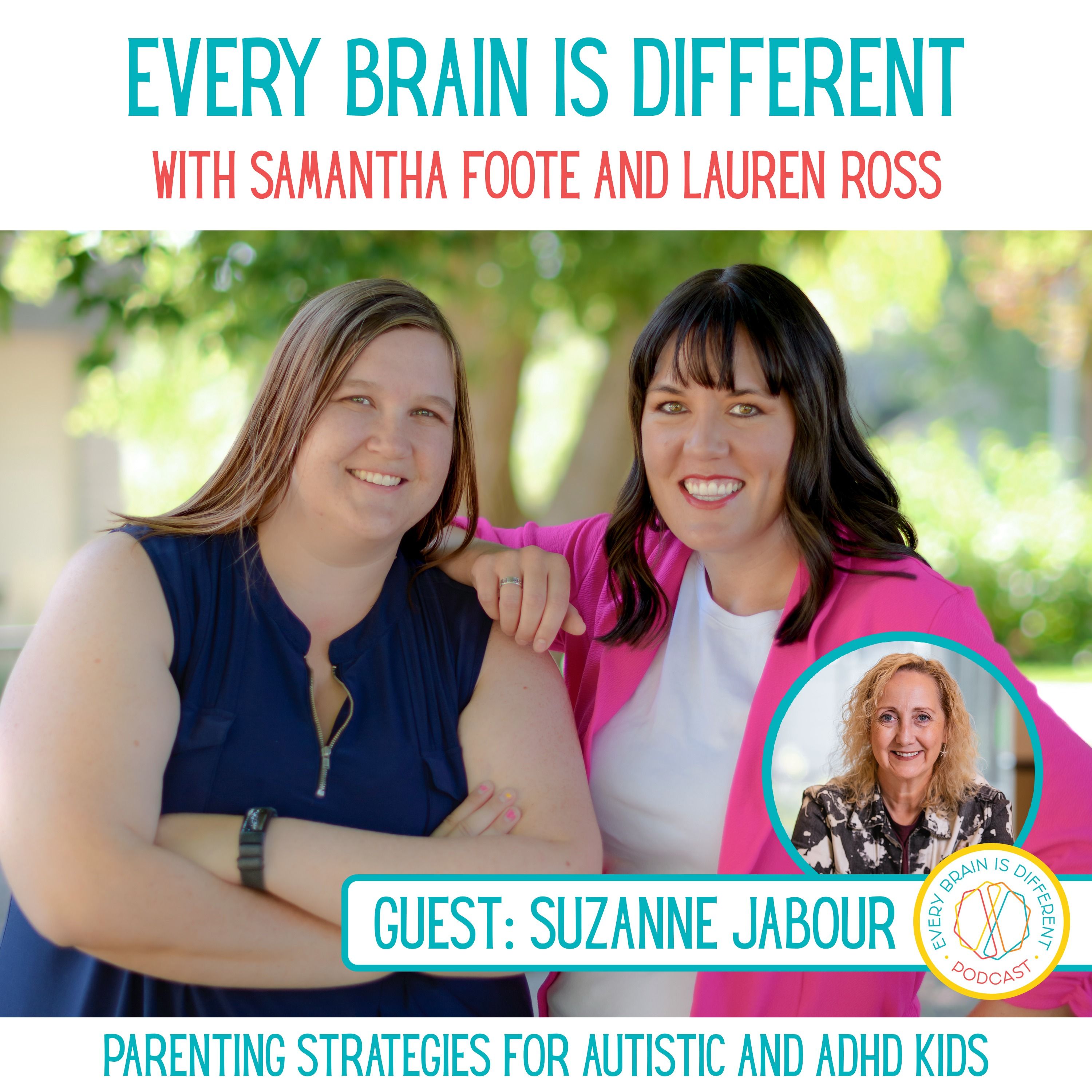 Is It Normal to Grieve After Your Child’s Autism or ADHD Diagnosis? | Ep. 154 with Suzanne Jabour✨ | grief after diagnosisparenting neurodivergent children+5 | Suzanne Jabour | — | — | autismADHD+8 | — | 30m 12s | |
| 2/16/26 |  How Can Clothing Support Emotional Regulation in Kids? | Ep. 153 | In this episode, Samantha and Lauren discuss strategies for parenting neurodivergent children, particularly focusing on issues related to clothing. They share personal anecdotes and emphasize the importance of giving children autonomy over their clothing choices. This can help build their identity, confidence, and ability to navigate the world more successfully. Samantha and Lauren provide practical tips such as buying multiples of favorite clothing items, prioritizing sensory comfort over aesthetics, and involving kids in the shopping process while managing their overwhelm with choices. They also advocate for allowing children to wear unconventional outfits as a way to foster self-expression and emotional regulation. | — | ||||||
| 2/9/26 |  Why Do Neurodivergent Kids Ignore New Clothes? | Ep. 152 | In this episode, Samantha and Lauren talk about the patterns of clothing preferences in children with autism and ADHD. They discuss common scenarios where children suddenly favor previously ignored clothes and share insights from an occupational therapist on managing these behaviors. The conversation encompasses practical strategies from other parents, the importance of sensory safety, and the impact of new clothing on a child's nervous system. Emphasizing the need for comfort over social expectations, they address the pressures parents face and offer solutions for creating a stress-free clothing environment for neurodivergent children. | — | ||||||
| 2/2/26 | 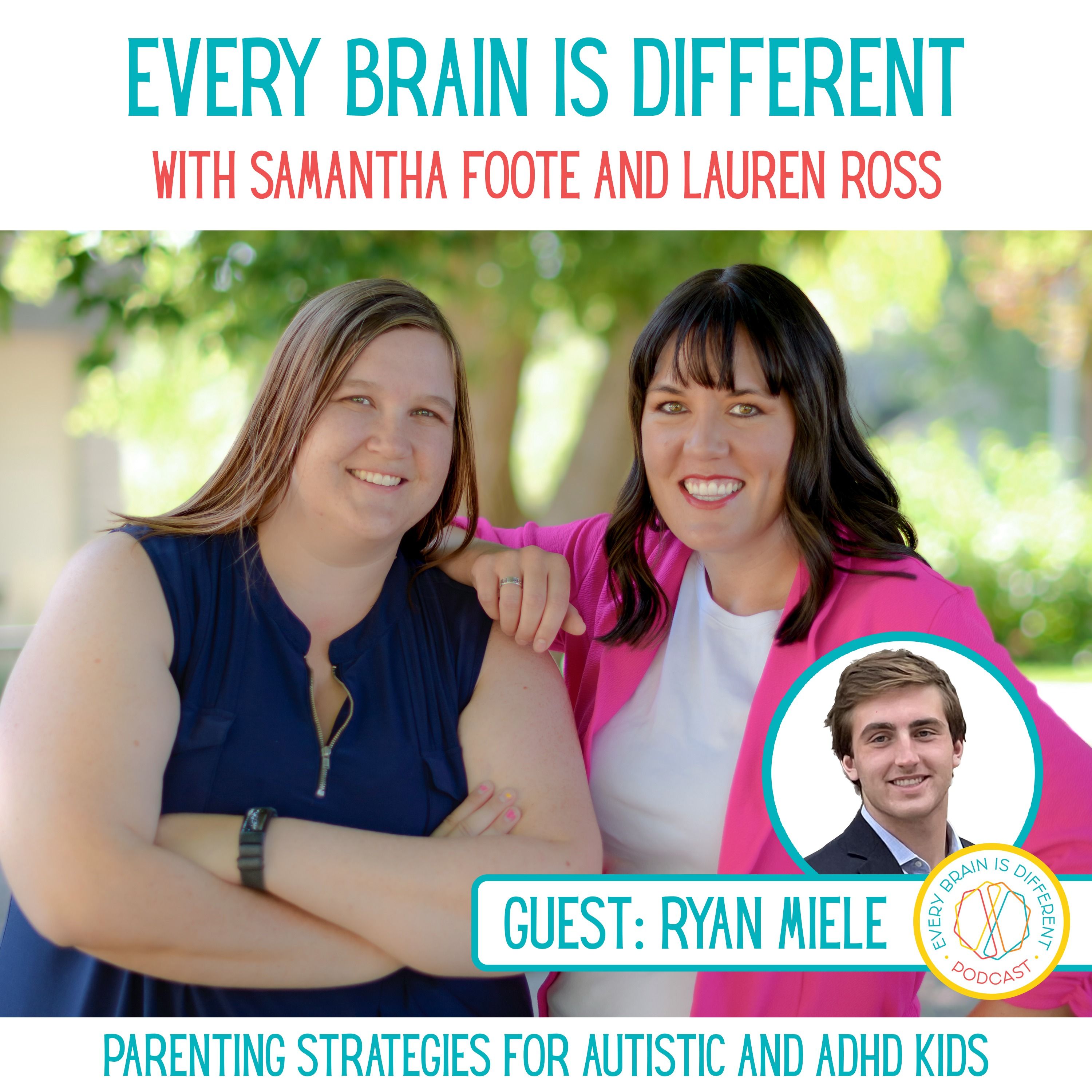 Can Simple Sensory Inputs Interrupt an Anxiety Spiral? (Featuring our Guest: Ryan Miele and Turbobo!) | Ep. 151 | Samantha and Lauren talk with Ryan Miele, the creator of the Tubrbobo Relief. Ryan describes how Turbobo features five clinically-proven elements to reduce anxiety by targeting physiological symptoms, including a weighted body, fidget tail, tactile ear patches, and customizable sensory inserts. The conversation highlights the product's success in over 400 schools across the US and positive testimonials, such as its calming effect on students. He also emphasizes the importance of using stress-relief tools proactively and shares insights into his foundational research, mentorship experiences, and how Turbobo can help individuals of all ages find calmness and focus in their daily lives. | — | ||||||
| 1/26/26 | 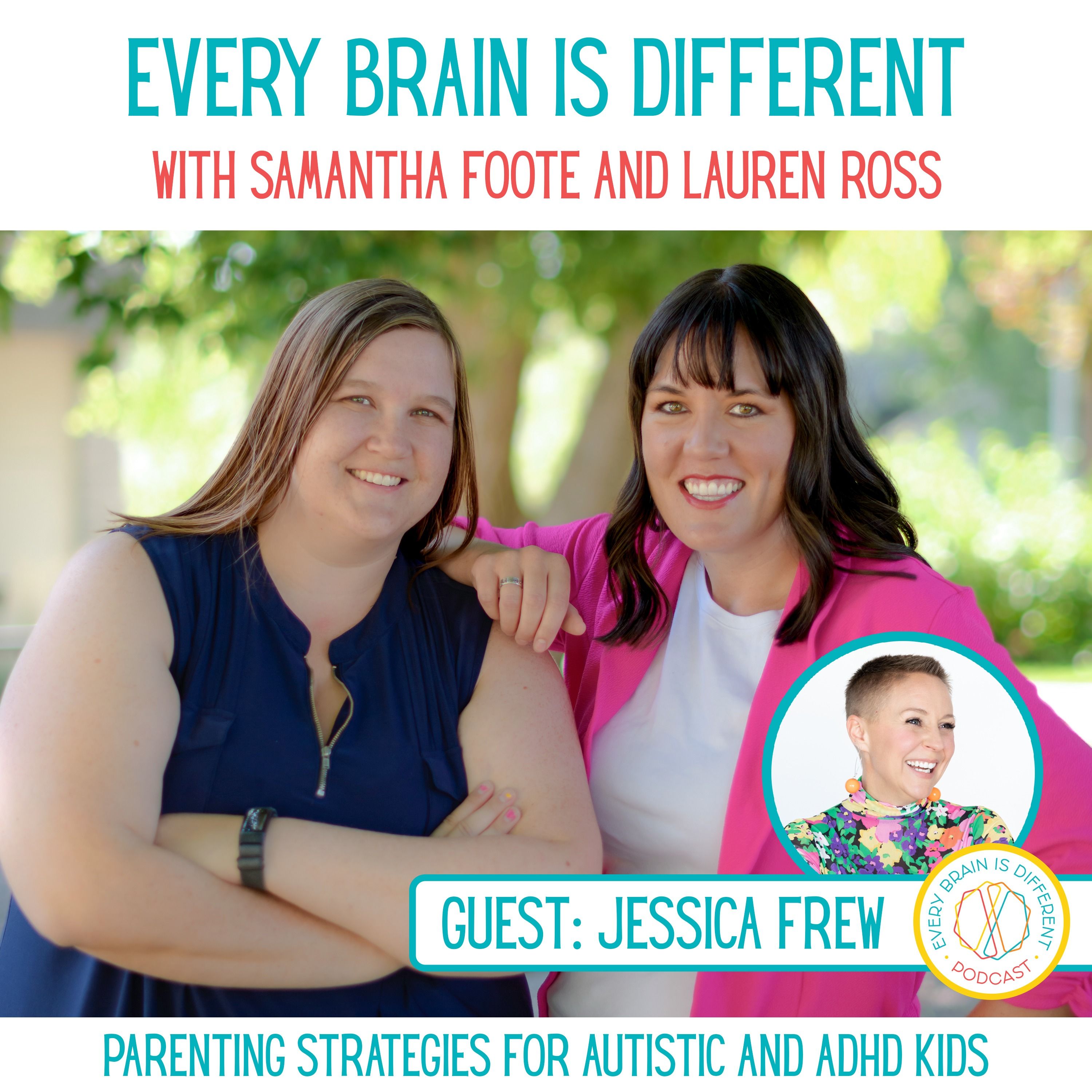 Shoving the Shoulds We Carry as Neurodivergent Parents with Jessica Frew | Ep. 150 | Jessica Frew is back with her book, 'Shove Your Shoulds,' focusing on the unique challenges faced by neurodivergent parents. Samantha, Lauren, and Jessica discuss the emotional struggles of navigating family dynamics and the societal expectations of parenting. Jessica introduces the concept of 'mini grief' and the importance of acknowledging and processing these emotions without guilt. Emphasizing the need to release unhelpful stories and pressures, she encourages parents to let relationships develop naturally and on their own terms, fostering a safe and empowering environment for their children. Jessica also highlights the significance of redefining success and happiness for both parents and children, breaking away from conditional programming and societal benchmarks. She reassures parents that they are doing enough and underscores the importance of grace, love, and acceptance, both for themselves and their children. | — | ||||||
| 1/19/26 | 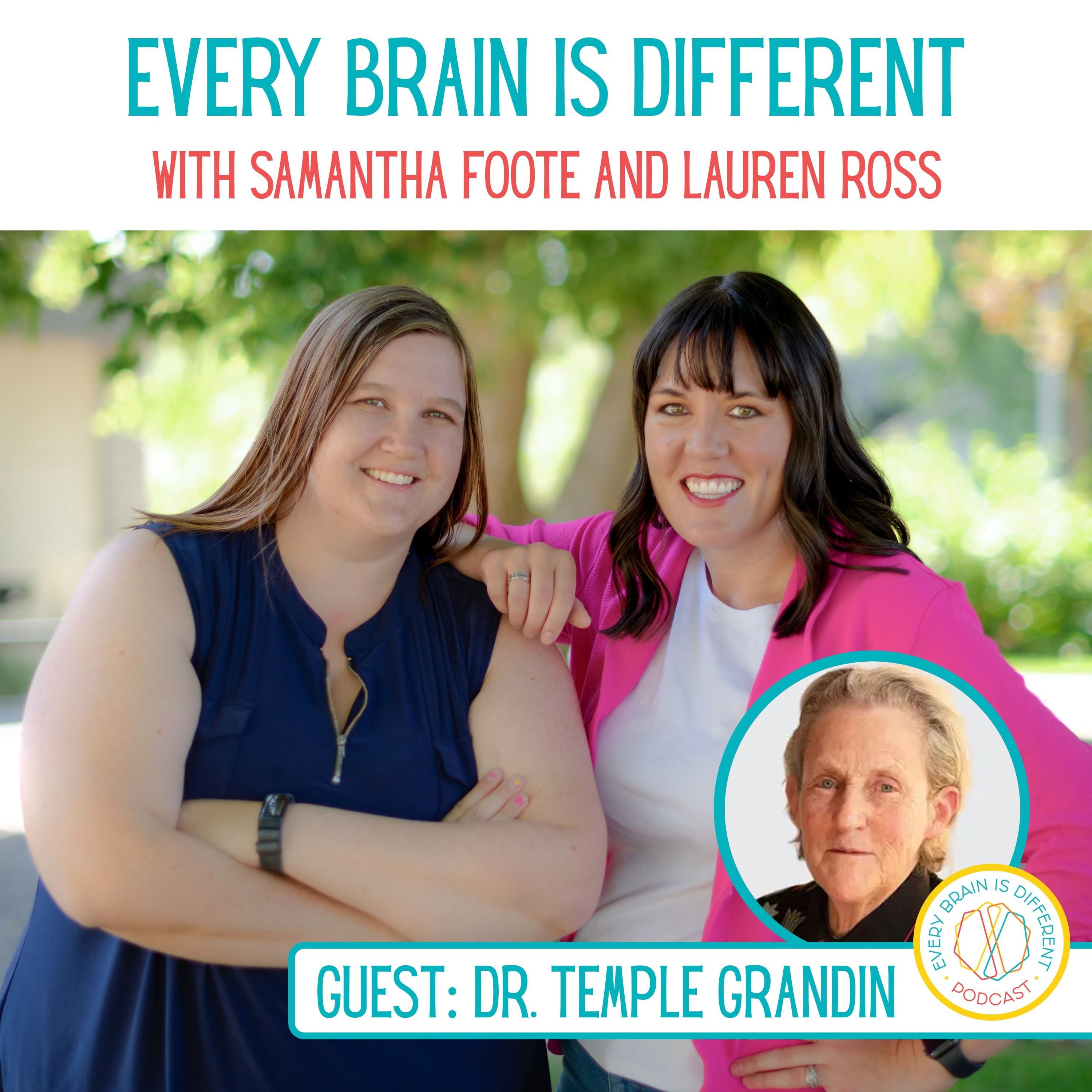 Being Specific with Dr. Temple Grandin (Ep. 64 Rerun) | Ep. 149 | Dr. Temple Grandin is a renowned animal behaviorist, autism advocate, and professor of animal science at Colorado State University. Diagnosed with autism at a young age, she has used her unique perspective to revolutionize livestock handling systems, designing humane facilities that are used worldwide. Dr. Grandin is also a best-selling author and a leading voice in the neurodiversity movement, advocating for early interventions and supportive environments for individuals on the autism spectrum. Her groundbreaking work has earned her numerous accolades, including being named one of Time magazine’s 100 most influential people. A sought-after speaker, she inspires countless people with her story of turning what others saw as challenges into her greatest strengths. | — | ||||||
| 1/12/26 |  The Feedback Mistake That’s Crushing Your Neurodivergent Kid's Confidence | Ep. 148 | In this episode, Samantha and Lauren continue their discussion on how to communicate positively with neurodivergent children, ensuring your child receives more positive than negative feedback. They explore various strategies such as praising effort over outcome, naming invisible skills like regulation and flexibility, and using descriptive feedback instead of generic praise to help neurodivergent kids feel understood and appreciated. Samantha and Lauren emphasize the importance of catching small, neutral moments and separating behavior from identity to avoid feelings of shame. They also discuss the significance of building positive feedback into daily routines and reflecting strengths during hard moments to establish a predictable, supportive environment. They wrap up by offering practical questions parents can ask themselves to evaluate their feedback practices and promoting resources available on their website for further support. | — | ||||||
| 1/5/26 |  Why Encouragement Matters More Than You Think for Neurodivergent Kids | Ep. 147 | Samantha and Lauren discuss the negative impact of constant corrective feedback and emphasize the importance of recognizing children's efforts rather than just their outcomes. They share personal experiences and research findings that show how neurodivergent kids often receive more negative feedback than their neurotypical peers. They highlight the importance of creating a supportive home environment that counterbalances the critical feedback children might receive from schools and other settings. The episode ends with a promise to provide practical tips on giving meaningful positive feedback in the next discussion. | — | ||||||
Showing 25 of 182
Pitch Fit is a Pro feature
See how bookable this show is for guests, which brands already advertise, the per-episode ad value, and the best-fit guest and sponsor profile. The numbers are blurred on the free plan.
How readily this show books outside guests like you.
How proven this show is for host-read sponsorships.
For Guests
ProFor Advertisers
ProUpgrade to Pro to unlock guest cadence, sponsor categories, fit scores, and per-episode ad value for this show.
Chart Positions
8 placements across 7 markets.
Chart Positions
8 placements across 7 markets.