

Insights from recent episode analysis
Audience Interest
Podcast Focus
Publishing Consistency
Platform Reach
Insights are generated by CastFox AI using publicly available data, episode content, and proprietary models.
Total monthly reach
Estimated from 7 chart positions in 7 markets.
By chart position
- 🇨🇦CA · Nutrition#1305K to 30K
- 🇺🇸US · Nutrition#1505K to 30K
- 🇦🇺AU · Nutrition#1555K to 30K
- 🇩🇰DK · Nutrition#110500 to 3K
- 🇳🇴NO · Nutrition#118500 to 3K
- Per-Episode Audience
Est. listeners per new episode within ~30 days
5.1K to 31K🎙 Daily cadence·427 episodes·Last published today - Monthly Reach
Unique listeners across all episodes (30 days)
17K to 102K🇨🇦29%🇺🇸29%🇦🇺29%+4 more - Active Followers
Loyal subscribers who consistently listen
6.8K to 41K
Market Insights
Platform Distribution
Reach across major podcast platforms, updated hourly
Total Followers
—
Total Plays
—
Total Reviews
—
* Data sourced directly from platform APIs and aggregated hourly across all major podcast directories.
On the show
Recent episodes
Episode 434: What Does It Mean to Be Sedentary?
Jun 24, 2026
Unknown duration
Episode 433: Surviving Summer In a Larger Body
Jun 17, 2026
Unknown duration
Episode 432: You're Prediabetic. Now What?
Jun 10, 2026
Unknown duration
Episode 431: Friction Minimizing - The Habit Strategy More Women Need
Jun 3, 2026
Unknown duration
Episode 430: Why Your Tiny Snack Might Not Be Enough
May 27, 2026
Unknown duration
Social Links & Contact
Official channels & resources
Official Website
Login
RSS Feed
Login
| Date | Episode | Description | Length | ||||||
|---|---|---|---|---|---|---|---|---|---|
| 6/24/26 |  Episode 434: What Does It Mean to Be Sedentary? | Episode Overview You hit your workouts. You check the exercise box. You're doing all the "right" things. So why are researchers and major health organizations still warning about sedentary behavior? In this episode, Jen breaks down the difference between being physically active and being sedentary, and why they're not the same thing. You'll learn what the research says about sitting, movement, step counts, and how small choices throughout the day can have a meaningful impact on your long-term health. If you've ever assumed your daily workout cancels out hours at a desk, this conversation may change the way you think about movement entirely. If you like what you hear in this episode, don't miss your chance to join us when we open enrollment to join Balance365! Add your name to our obligation-free waitlist, and we will waive the $199 registration fee. Click here to learn more. Key Points The difference between sedentary behavior and physical inactivity Why exercise alone may not fully offset long periods of sitting What NEAT (Non-Exercise Activity Thermogenesis) is and why it matters Practical ways to reduce sedentary time without overhauling your life | — | ||||||
| 6/17/26 |  Episode 433: Surviving Summer In a Larger Body | Episode Overview Summer is supposed to be carefree—but for many women in larger bodies, it can feel like a season of dread, discomfort, and constant self-monitoring. In this deeply personal episode, Annie shares her experience navigating summers in a larger body and the hidden emotional labor that often comes with it. From avoiding pools and photos to worrying about seating, clothing, physical comfort, and judgment from others, she unpacks the realities that many women quietly carry. Together, Annie and Jen discuss the difference between choosing not to participate and feeling unable to participate, why "just wear the swimsuit" isn't always helpful advice, and how women can begin taking small, meaningful steps toward showing up more fully in their lives. Whether you've struggled with body image, avoided summer activities, or simply want to feel more present this season, this episode offers practical strategies and a compassionate perspective for navigating summer in the body you have right now. If you like what you hear in this episode, don't miss your chance to join us when we open enrollment to join Balance365! Add your name to our obligation-free waitlist, and we will waive the $199 registration fee. Click here to learn more. Key Points The physical and emotional realities of navigating summer in a larger body Why avoiding photos, pools, vacations, and social events often feels safer How to break down overwhelming fears into manageable, actionable steps The importance of taking up space and participating in your life right now | — | ||||||
| 6/10/26 |  Episode 432: You're Prediabetic. Now What? | Episode Overview Getting a prediabetes diagnosis can feel scary, overwhelming, and even shame-inducing. But what if it's not a verdict—what if it's valuable information that gives you the opportunity to take action? In this episode, Annie interviews Jen about prediabetes, what it actually means, why it matters, and what women can do to improve their blood sugar regulation before it progresses to type 2 diabetes. Jen explains the role of insulin resistance, the difference between prediabetes and diabetes, and why so many women get distracted by social media "hacks" instead of focusing on the habits that truly move the needle. They also discuss the biggest barriers to behavior change, the importance of meeting yourself where you are, and why consistency—not perfection—is often the key to better health outcomes. If you've recently been told you're prediabetic, or you're worried about your blood sugar, this episode will help you focus on what matters most. If you like what you hear in this episode, don't miss your chance to join us when we open enrollment to join Balance365! Add your name to our obligation-free waitlist, and we will waive the $199 registration fee. Click here to learn more. Key Points What prediabetes is, how it's diagnosed, and why it deserves your attention The "big rocks" that improve insulin sensitivity and blood sugar regulation Why nutrition hacks and social media tips often distract from what actually works How perfectionism and all-or-nothing thinking keep women stuck | — | ||||||
| 6/3/26 |  Episode 431: Friction Minimizing - The Habit Strategy More Women Need | Episode Overview What if the reason your habits feel so hard has nothing to do with motivation, discipline, or "wanting it badly enough"? In this solo episode, Annie breaks down the concept of friction minimizing — the practice of making healthy habits easier to follow through on instead of relying on constant willpower. From your environment to your routines to the way you see yourself, she explains how reducing friction can help you create more consistency without adding more pressure to your life. If you constantly feel like you're negotiating with yourself to work out, meal prep, go to bed earlier, or "get back on track," this episode will help you understand why. Annie also shares practical examples of how she minimizes friction in her own life and how you can start creating systems that support your habits instead of fighting against them. If you like what you hear in this episode, don't miss your chance to join us when we open enrollment to join Balance365! Add your name to our obligation-free waitlist, and we will waive the $199 registration fee. Click here to learn more. Key Points Why relying on willpower and discipline eventually backfires How your environment influences your habits more than you realize The power of defaults and reducing daily decision fatigue How identity shifts make healthy habits feel easier and more natural | — | ||||||
| 5/27/26 |  Episode 430: Why Your Tiny Snack Might Not Be Enough | Episode Overview What started as a viral TikTok trend about "snack tins" turned into a much bigger conversation about hunger, self-care, diet culture, and how wellness messaging gets distorted online. In this episode, Annie and Jen unpack the now-viral "snack tin" trend and the vastly different messages behind it. While the original creator framed her snack tins as a mindful, pleasurable ritual rooted in slowing down and reconnecting with food, mainstream media quickly turned it into another version of restrictive "eat less" wellness culture. Annie and Jen discuss the difference between psychological satisfaction and physiological satisfaction, why persistent hunger shouldn't be normalized, and how to figure out what your body actually needs throughout the day. They also explain why there's no universal rule for how big a snack "should" be—and why learning your own eating rhythm matters far more than following trendy nutrition advice. If you like what you hear in this episode, don't miss your chance to join us when we open enrollment to join Balance365! Add your name to our obligation-free waitlist, and we will waive the $199 registration fee. Click here to learn more. And if today's episode resonated with you, register for our free workshop, The Grown Woman's Guide to Eating Without Rules. Key Points The difference between psychological vs. physiological hunger and satisfaction Why "persistent hunger" may be a sign your meals aren't meeting your needs How diet culture repackages restriction into trendy wellness advice Why your snack needs should change based on your day, schedule, stress, and energy demands | — | ||||||
| 5/20/26 |  Episode 429: Carbs - Why You Still Fear Them (Even If You Don't Realize It) | Episode Overview Carbs have been villainized for decades, and many women are still carrying around fear, guilt, and confusion about them, even if they don't realize it. In this episode, Jen and Annie unpack the lingering effects of low-carb culture, why so many women are unintentionally under-eating carbohydrates, and how that impacts energy, cravings, workouts, satisfaction, and overall well-being. Jen shares her own experience of spending years deep in keto and low-carb dieting before realizing that adding carbohydrates back into her meals actually improved her energy, strength, satiety, and relationship with food. Together, they discuss why balanced meals matter, why carbs are not the enemy, and how developing nutrition skills is far more valuable than following rigid food rules. If you've ever felt anxious about bread, guilty for eating pasta, or convinced yourself bananas have "too much sugar," this conversation is for you. If you like what you hear in this episode, don't miss your chance to join us when we open enrollment to join Balance365! Add your name to our obligation-free waitlist, and we will waive the $199 registration fee. Click here to learn more. Key Points Why many women are unintentionally eating low-carb diets without realizing it How low-carb eating can impact energy, cravings, workouts, and satisfaction The difference between balanced eating and rigid food rules Why nutrition skill-building matters more than compliance and restriction | — | ||||||
| 5/13/26 |  Episode 428: Protein Update: How Much Do You Really Need? | Episode Overview Protein is everywhere right now — protein bars, protein chips, protein water, cottage cheese, everything, and social media advice telling women they need 200 grams a day just to stay healthy. In this episode, Annie and Jen unpack the current "protein maxing" trend and explain what the research actually says about how much protein women need. They break down why so many women feel stressed, overwhelmed, or "behind" on protein, how protein marketing can create confusion, and why eating more protein isn't always the answer. You'll hear what realistic protein intake actually looks like for women in different body sizes, how to tell whether a food is truly high protein, and why resistance training matters far more than obsessing over every gram. If you've been feeling protein-ed out, confused by conflicting recommendations, or worried you're not doing enough, this conversation will help you simplify your approach and focus on what actually matters. If you like what you hear in this episode, don't miss your chance to join us when we open enrollment to join Balance365! Add your name to our obligation-free waitlist, and we will waive the $199 registration fee. Click here to learn more. Key Points What the latest research actually says about protein needs for women Why "high protein" marketing can make nutrition more confusing How to know if a food is truly a meaningful protein source Why resistance training matters more than chasing extreme protein targets | — | ||||||
| 5/6/26 |  Episode 427: Real-Life Meal Prep with Kristin Solorzano of What's the Freakin' Recipe | Episode Overview In this episode, Annie and Jen are joined by content creator and recipe developer Kristin Solorzano (aka What's the Freakin' Recipe) to talk about meal planning and meal prep in real life—not the Instagram version. Kristin shares her journey from stand-up comedy to food content creation, and how her approach to cooking has evolved as a busy mom and business owner. Together, they unpack the biggest barriers people face when it comes to feeding themselves consistently—and why your expectations might be the real problem. This conversation is your permission slip to stop overcomplicating meals, lean into convenience, and build systems that work for your life. If you like what you hear in this episode, don't miss your chance to join us when we open enrollment to join Balance365! Add your name to our obligation-free waitlist, and we will waive the $199 registration fee. Click here to learn more. Key Points The two extremes: perfectionist vs. "wing it" meal planning Simple systems that make meals easier (without burnout) Why convenience foods are not the enemy How social media distorts what "normal" cooking looks like | — | ||||||
| 4/29/26 |  Episode 426: Bridget's 60-Pound Weight Loss - "The Hardest, Easiest Thing I've Ever Done" | Episode Overview In this member spotlight, Bridget shares how she lost 60 pounds by going beyond what she was eating. What started as frustration with weight gain, midlife changes, and nighttime eating turned into something much bigger: stronger work boundaries, better self-trust, more ease around food, and a daily life that finally felt manageable. Bridget opens up about how the real shift happened when she stopped trying to fix her nighttime eating and started looking at what was driving it. From eating a bigger breakfast to protecting her lunch break to walking for just five minutes, the small changes she once dismissed ended up changing everything. This is a powerful conversation about zooming out, looking upstream, and realizing that lasting change often has less to do with food—and more to do with how your life is set up. If you like what you hear in this episode, don't miss your chance to join us when we open enrollment to join Balance365! Add your name to our obligation-free waitlist, and we will waive the $199 registration fee. Click here to learn more. Key Points How Bridget's nighttime eating was connected to under-eating, overwhelm, and work stress earlier in the day Why setting stronger work boundaries helped her lose weight and feel better in every area of life How self-trust grew through small, repeatable habits instead of big dramatic changes What it looked like to go from five-minute walks to completing a 5K | — | ||||||
| 4/22/26 |  Episode 425: Jen's Shares Her Long, Complicated Relationship with Thinness | Episode Overview Jen shares the deeply personal story behind her pursuit of thinness—how growing up in a body that received constant attention led her to believe it was the most important thing about her, and how puberty transformed what once made her feel valued into something she felt she had to fight to maintain. What followed were years of restriction, overcorrection, food obsession, and chasing a version of herself she could never sustainably maintain—even at her leanest, she still felt like it wasn't enough. She opens up about the turning point that helped her stop organizing her life around weight and start building a lifestyle she could actually live with. This is a conversation about more than body image. It's about perfectionism, identity, motherhood, fear, control, and what it looks like to let go of the idea that your happiest life lives at your smallest weight. If you've ever wondered whether your goal weight is realistic—or whether the life required to maintain it is even one you want—this episode will give you a lot to think about. If you like what you hear in this episode, don't miss your chance to join us when we open enrollment to join Balance365! Add your name to our obligation-free waitlist, and we will waive the $199 registration fee. Click here to learn more. Key Points Why being praised for thinness early in life can make it hard to let go of body-based identity What Jen learned after reaching her leanest weight and realizing it still wasn't enough How motherhood exposed the real cost of food and body obsession Why building a peaceful lifestyle matters more than forcing your body to match a number | — | ||||||
Want analysis for the episodes below?Free for Pro Submit a request, we'll have your selected episodes analyzed within an hour. Free, at no cost to you, for Pro users. | |||||||||
| 4/15/26 |  Episode 424: Annie Shares Her Story of Growing Up in a Larger Body | Episode Overview In this deeply personal episode, Jen turns the mic toward Annie and invites her to share the childhood experiences that shaped her relationship with food, body image, and weight. Annie opens up about growing up in a larger body, being teased by peers, feeling excluded in everyday moments like shopping with friends, and quietly trying to change her body long before adulthood. Together, Jen and Annie unpack how body shame can begin early, how kids absorb messages from school, media, peers, and home, and why attempts to "fix" a child's body can often do more harm than good. They also talk about what parents can do instead: get curious, create space for honest conversations, and support kids without panic, shame, or control. If you like what you hear in this episode, don't miss your chance to join us when we open enrollment to join Balance365! Add your name to our obligation-free waitlist, and we will waive the $199 registration fee. Click here to learn more. Key Points Annie's early experiences with teasing, body shame, and feeling "different" How dieting, restriction, and body-focused messages shaped her teen years What parents can do when a child expresses body dissatisfaction or a desire to lose weight Why curiosity, support, and skilled professional help matter more than panic or control | — | ||||||
| 4/8/26 |  Episode 423: Oprah, Obesity, and GLP-1s - the Nuance We're Missing | Episode Overview Oprah's public conversations about GLP-1s are getting a lot of attention, and in this episode, Jen and Annie unpack what they agree with, what they think is missing, and why nuance matters so much in conversations about weight, biology, and behavior change. They talk through Oprah's long, very public history with weight stigma, the shame so many women have carried around their bodies, and why it matters that someone with her platform is saying this is not just about willpower. But they also push back on the oversimplified message that if you struggle with your weight, its biology and that GLP-1s are the only answer. This episode is a thoughtful look at the messy middle: where genetics matter, environment matters, behavior matters, and support matters. If you've ever felt blamed for your body, confused by the GLP-1 conversation, or frustrated by all-or-nothing takes online, this one will help you think more clearly and compassionately. If you like what you hear in this episode, don't miss your chance to join us when we open enrollment to join Balance365! Add your name to our obligation-free waitlist, and we will waive the $199 registration fee. Click here to learn more. Key Points What Oprah gets right about shame, weight stigma, and the limits of willpower Why "it's all biology" is still too simple Where food noise actually comes from, and why GLP-1s are not a universal fix How to think about weight, behavior change, and support with more nuance | — | ||||||
| 4/1/26 |  Episode 422: What Jillian Michaels' Body Positivity Debate Missed (Our Hot Take) | Episode Overview A viral YouTube debate featuring Jillian Michaels and various body positivity activists and allies has people questioning everything—from body positivity to personal responsibility to what "health" even means. But after watching (and re-watching) the clips, we're not convinced the internet is having the right conversation. In this episode, we break down what actually happened, what was missing, and why this wasn't a fair or productive debate to begin with. From undefined terms to power imbalances to click-driven content, we unpack how complex topics like weight and health got flattened into viral soundbites—and why that matters. This isn't about picking sides. It's about zooming out, thinking critically, and making space for nuance in a world that rewards extremes. If you like what you hear in this episode, don't miss your chance to join us when we open enrollment to join Balance365! Add your name to our obligation-free waitlist, and we will waive the $199 registration fee. Click here to learn more. Key Points Why the Jubilee debate format was never designed for nuance or fairness The difference between individual responsibility and systemic change in health conversations How media training, editing, and power dynamics shape public perception Why complex topics like health and weight can't be reduced to "right vs wrong" | — | ||||||
| 3/25/26 |  Episode 421 - Do You Need to "Eat More" to Lose Weight? Hype vs. Helpful | Episode Overview If you've spent any time on social media lately, you've probably heard it: "If you want to lose weight, you need to eat more, not less!" Sometimes that advice is helpful. And sometimes it completely misses the mark… and keeps you stuck. In this episode, Annie and Jen break down the two very different situations that get lumped into the "eat more" message, and why knowing which one you're in matters. Because for a lot of women, the issue isn't undereating. It's chaotic eating patterns that swing between restriction and overeating. If you've ever felt out of control with food, stuck in a cycle of starting over, or confused by all the conflicting "eat more" and "eat less" advice online, this episode will help you zoom out and make sense of it. If you like what you hear in this episode, don't miss your chance to join us when we open enrollment to join Balance365! Add your name to our obligation-free waitlist, and we will waive the $199 registration fee. Click here to learn more. Key Points The difference between true undereating vs. chaotic eating patterns Why "eat more" can either help you—or completely derail you How restriction → overeating cycles keep recreating themselves Why predictable eating rhythms are the foundation of sustainable fat loss | — | ||||||
| 3/18/26 |  Episode 420 - What's Your Eating Style? Part 2 – Finding the Flexible Middle (Balance365!) | Episode Overview In this follow-up conversation, Annie and Jen unpack what it really looks like to find the middle between perfectionism and "loosey goosey" eating. They share the real-life moments that helped them move away from extremes, why the middle can feel surprisingly uncomfortable at first, and what actually helps you stay there. This episode is a grounded conversation about building self-trust, making peace with imperfection, and creating habits you can return to without all the drama. They also dig into the mindset shifts, motivation changes, and practical habits that help women stop swinging between rigid control and total chaos. The episode closes with an honest conversation about results, including the physical, mental, and emotional changes that can come with a more balanced approach. If you like what you hear in this episode, don't miss your chance to join us when we open enrollment to join Balance365! Add your name to our obligation-free waitlist, and we will waive the $199 registration fee. Click here to learn more. Key Points What "the middle" actually looks like between rigid perfectionism and chaotic all-or-nothing eating The mindset shifts that help you build self-trust, recover from mistakes faster, and stay consistent How motivation changes when you stop running on shame and start acting from values The habits, slippery patterns, and decision-making skills that create a more peaceful relationship with food and yourself | — | ||||||
| 3/16/26 |  You Want Fat Loss. You Want Freedom. Listen to This. | You Want Fat Loss. You Want Freedom. But whenever you have one, you lose the other. It's not a willpower problem, it's a strategy problem. In this free, live workshop, you'll pinpoint why your approach keeps falling apart. We'll guide you in creating your own personal eating strategy that holds up when real life is happening. Register now to save your seat. | — | ||||||
| 3/11/26 |  Episode 419: Part 1 – What's Your Eating Style? Perfectionist vs Loosey-Goosey | Episode Overview What if your biggest struggle with food isn't food at all? In this episode, Annie and Jen break down the Perfectionist-to-Loosey-Goosey spectrum and explain how different women can get stuck in very different patterns around food, fitness, and health habits. Jen shares how perfectionism can lead to rigid rules, all-or-nothing behavior, and burnout. Annie shares how valuing freedom and flexibility can easily slide into procrastination, inconsistency, and staying stuck. If you've ever thought, "I just need more discipline," or on the flip side, "I don't want to feel controlled," this conversation will help you understand what's really going on underneath. Because the real issue usually isn't carbs, calories, or meal plans, it's the way you respond to structure, discomfort, and consistency. If you like what you hear in this episode, don't miss your chance to join us when we open enrollment to join Balance365! Add your name to our obligation-free waitlist, and we will waive the $199 registration fee. Click here to learn more. Key Points The difference between perfectionist eaters and Loosey-Goosey eaters Why do both styles backfire in different ways How shame, safety, and discomfort drive eating behaviors Why self-awareness is the first step toward finding balance | — | ||||||
| 3/4/26 |  Episode 418 - Too Exhausted to Be Healthy? How to Preserve Your Habits When Life Gets Hard | Episode Overview Feeling too exhausted to be healthy? When life gets hard, most women fall into one of two traps: double down and try harder… or give up completely. Neither works when you're already burned out. In this episode, Annie and Jen break down how chronic stress drains your capacity, why your habits start slipping, and what it really means to redefine health in high-stress seasons. Instead of chasing progress, they'll show you how to preserve what matters so you can protect your energy and long-term well-being without driving yourself into the ground. If you like what you hear in this episode, don't miss your chance to join us when we open enrollment to join Balance365! Add your name to our obligation-free waitlist, and we will waive the $199 registration fee. Click here to learn more. Key Points The "double down vs. disengage" trap—and why both backfire when you're depleted The "volume dial" approach to habits (instead of an on/off switch) How to choose non-negotiables that match your current capacity Simple homework to scale one goal back and build consistency again | — | ||||||
| 2/25/26 |  Episode 417: Groceries in This Economy?! What to Prioritize as Prices Rise | Episode Overview Groceries are expensive and pretending otherwise doesn't help anyone. In this episode, Annie and Jen talk about what's actually happening with food prices in the US and Canada, why it's impacting how families shop, and how to make supportive, realistic choices when money is a real constraint. They break down the shift many of us are making from "what's the healthiest option?" to "what's worth it, won't go to waste, and works in real life"—and share the simple, repeatable systems they use to meal plan, reduce impulse spending, and keep meals balanced without turning health into a luxury hobby. If you like what you hear in this episode, don't miss your chance to join us when we open enrollment to join Balance365! Add your name to our obligation-free waitlist, and we will waive the $199 registration fee. Click here to learn more. Key Points Why "optimize everything" isn't the goal (and how to choose smart trade-offs without guilt) The non-negotiable nutrition basics that matter most when budgets are tight How to build a repeatable grocery + meal plan system that survives busy weeks Essentials vs. "extras": spotting food marketing, shrinkflation, and unnecessary upgrades | — | ||||||
| 2/18/26 |  Episode 416: FiberMaxxing - Helpful Trend or Another Rabbit Hole? | Episode Overview Fiber is having a moment online. And while we're not mad about it, we are over the idea that you need to "max" everything to be healthy. In this episode, Annie and Jen break down what fiber does (and what it definitely doesn't), why so many women fall short, and how to increase fiber in a way that feels simple, doable, and doesn't wreck your stomach. Need help keeping it simple? Grab the Balanced Plate Guide here. If you like what you hear in this episode, don't miss your chance to join us when we open enrollment to join Balance365! Add your name to our obligation-free waitlist, and we will waive the $199 registration fee. Click here to learn more. Key Points What fiber really does for blood sugar, digestion, heart health, and colon health Why "fiber maxing" can backfire if you increase too quickly The connection between carbs and fiber (and why avoiding carbs often means missing your fiber goals) Simple, high-return fiber habits that make hitting 25g feel easy | — | ||||||
| 2/11/26 | 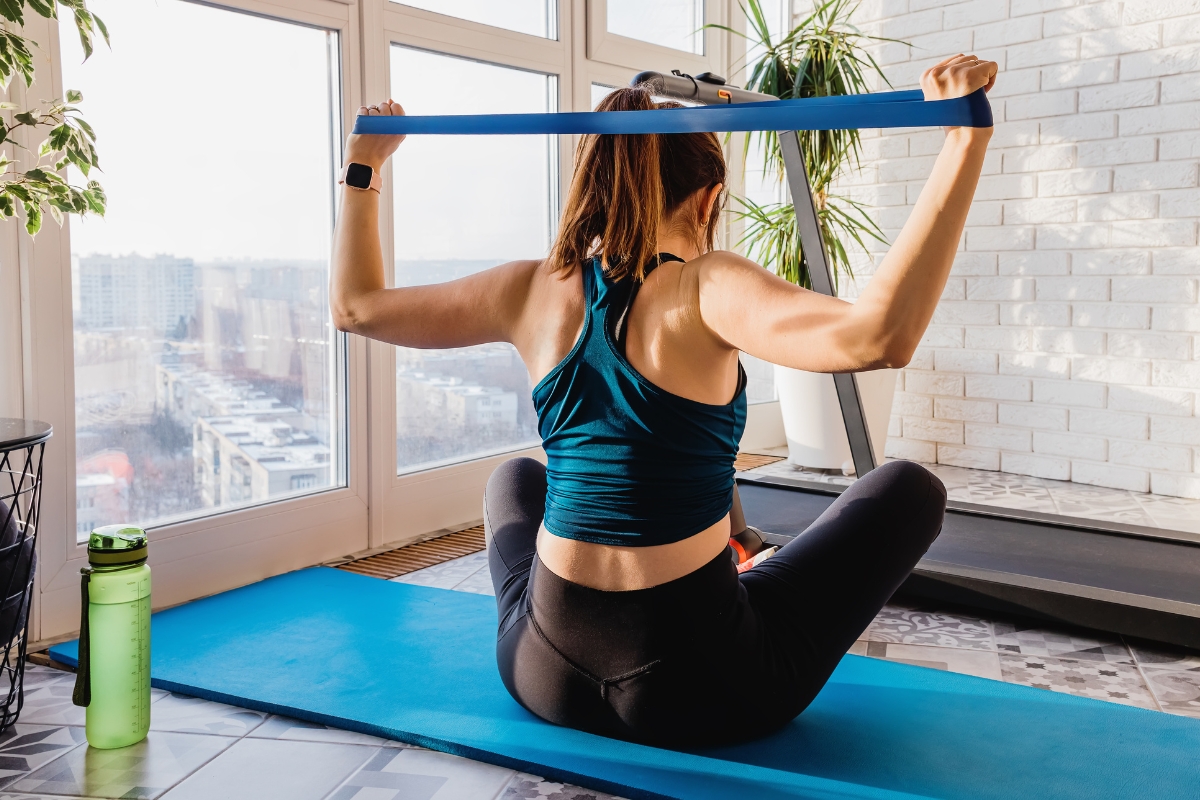 Episode 415: How Much Can You Really Control Your Weight? | Episode Overview In this episode, Annie and Jen tackle a topic that's often misunderstood: how much influence do you actually have over your weight? Spoiler: it's probably not as much (or as little) as you may think. From their own teenage experiences chasing celebrity diets to unpacking the science of genetics, metabolism, and environment, they break down the difference between what you can control and what you can't. This conversation is packed with compassionate truth bombs, smart science, and—most importantly—realistic, empowering guidance for women who are tired of feeling like their bodies are a personal failure. Whether you're someone who's been told "you just need more willpower" or you've been frustrated by slow (or no) results despite doing "everything right," this episode will help you zoom out, find your footing, and keep moving forward. If you like what you hear in this episode, don't miss your chance to join us when we open enrollment to join Balance365! Add your name to our obligation-free waitlist, and we will waive the $199 registration fee. Click here to learn more. Key Points Why your weight is an outcome, not a behavior What twin and adoption studies reveal about the role of genetics What you can influence: habits, eating skills, and realistic routines Where GLP-1 medications fit into the conversation | — | ||||||
| 2/4/26 | 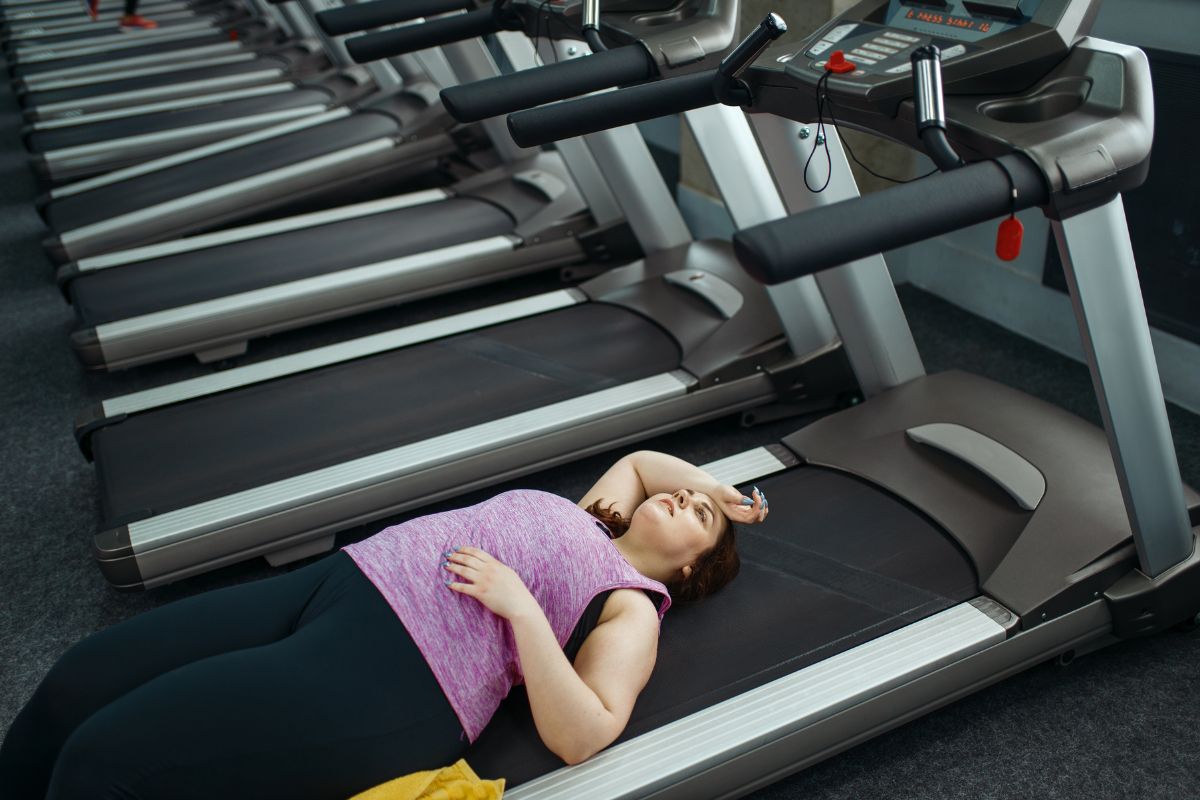 Episode 414: How Many Steps Do You Actually Need in a Day? | Episode Overview "Should I be getting 10,000 steps a day?" It's a question we hear all the time and in today's episode, we're giving it the deep dive it deserves. Annie and Jen are cutting through the noise on this trendy number, sharing what the science actually says, and why this goal might be helpful for some and totally unhelpful for others. You'll hear personal stories, science-backed insight, and most importantly, practical strategies to help you move more without guilt, perfectionism, or unrealistic standards. If you've ever set a step goal and then felt like a failure for not hitting it, this one's for you. If you like what you hear in this episode, don't miss your chance to join us when we open enrollment to join Balance365! Add your name to our obligation-free waitlist, and we will waive the $199 registration fee. Click here to learn more. Key Points Where the 10,000-step rule actually comes from (spoiler: it's not science) What research says about steps and health outcomes The best way to set a realistic, sustainable step goal How to reduce sedentary time without obsessing over numbers | — | ||||||
| 1/28/26 |  Episode 413: The Health Cost of Government-Created Stress | Episode Overview Why are some countries healthier than others? Last week, we talked about how population health has more to do with chronic stress and less to do with diet or exercise. This week, we're taking that conversation further. In this raw and honest episode, Annie and Jen unpack the ripple effects of political violence, broken systems, and societal instability—and how that stress shows up in our bodies, our behaviors, and our communities. From collective grief to lost trust, polarization to sleepless nights, the chronic stress so many of us feel is not imagined. It's real—and it's being produced at scale. But you're not powerless. We talk about what individuals can do to protect their mental and physical health now and what it looks like to play the long game for lasting change. You don't have to do it all, but you can do something. If you like what you hear in this episode, don't miss your chance to join us when we open enrollment to join Balance365! Add your name to our obligation-free waitlist, and we will waive the $199 registration fee. Click here to learn more. Key Points How chronic stress at a population level affects personal health Why dismissing your stress because "others have it worse" isn't helping Ways to preserve your well-being when systems feel unsafe Playing the long game: sustainable strategies for lasting change | — | ||||||
| 1/21/26 | 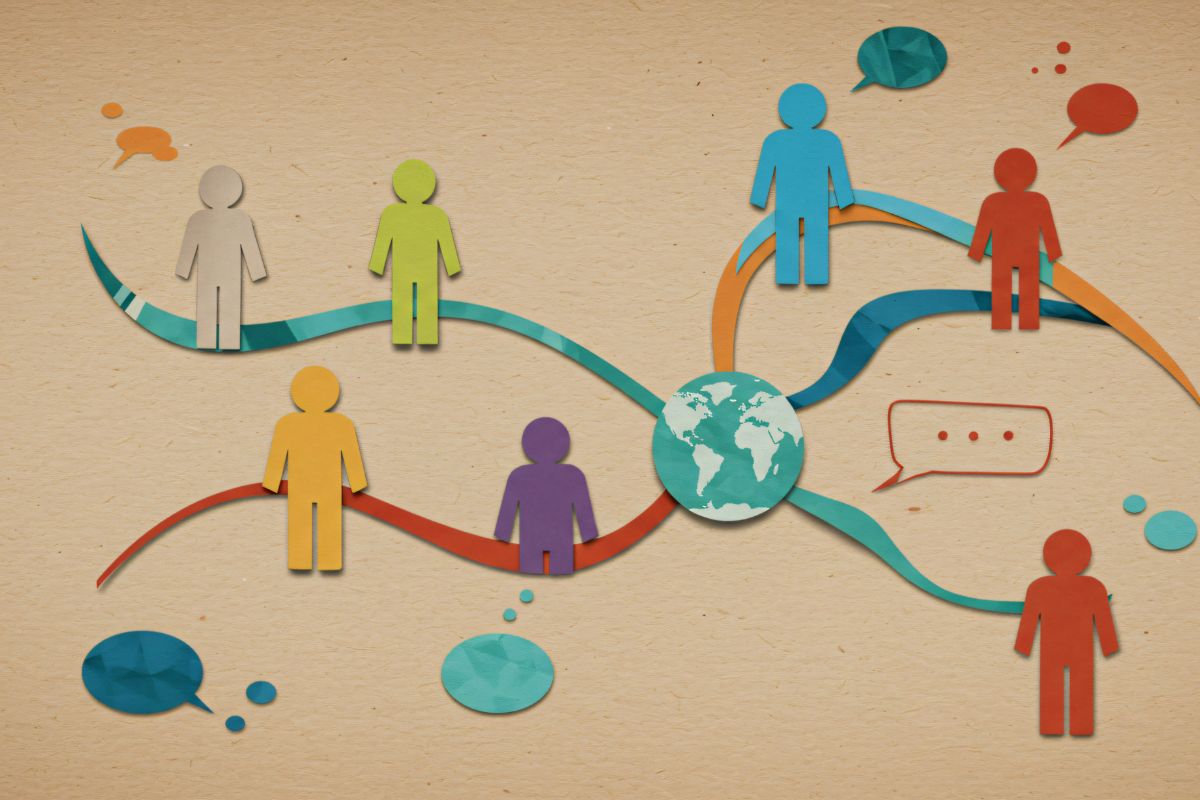 Episode 412: What Do the Healthiest Countries on Earth Have in Common? | Episode Overview Why are some countries so much healthier than others? In this episode, Jen and Annie dig into what the world's healthiest countries have in common—and why the U.S. and Canada are falling behind. From food systems to walkability, paid leave to healthcare access, this episode connects the dots between policy, environment, and population health. You'll learn why health isn't just about personal responsibility—and how creating supportive systems makes a huge difference in the daily habits that shape our lives. Jen breaks down data from the World Health Organization and the Global Burden of Disease Project to explain what's driving outcomes around the world. If you've ever felt like it's harder than it should be to be healthy in North America, this episode will show you why—and that you're not imagining it. If you like what you hear in this episode, don't miss your chance to join us when we open enrollment to join Balance365! Add your name to our obligation-free waitlist, and we will waive the $199 registration fee. Click here to learn more. Key Points 6 shared traits of the world's healthiest countries Why food marketing, environment design, and labor policies matter more than willpower How chronic stress and inequality shape health outcomes What Canada and the U.S. are doing well—and where they're falling short | — | ||||||
| 1/14/26 | 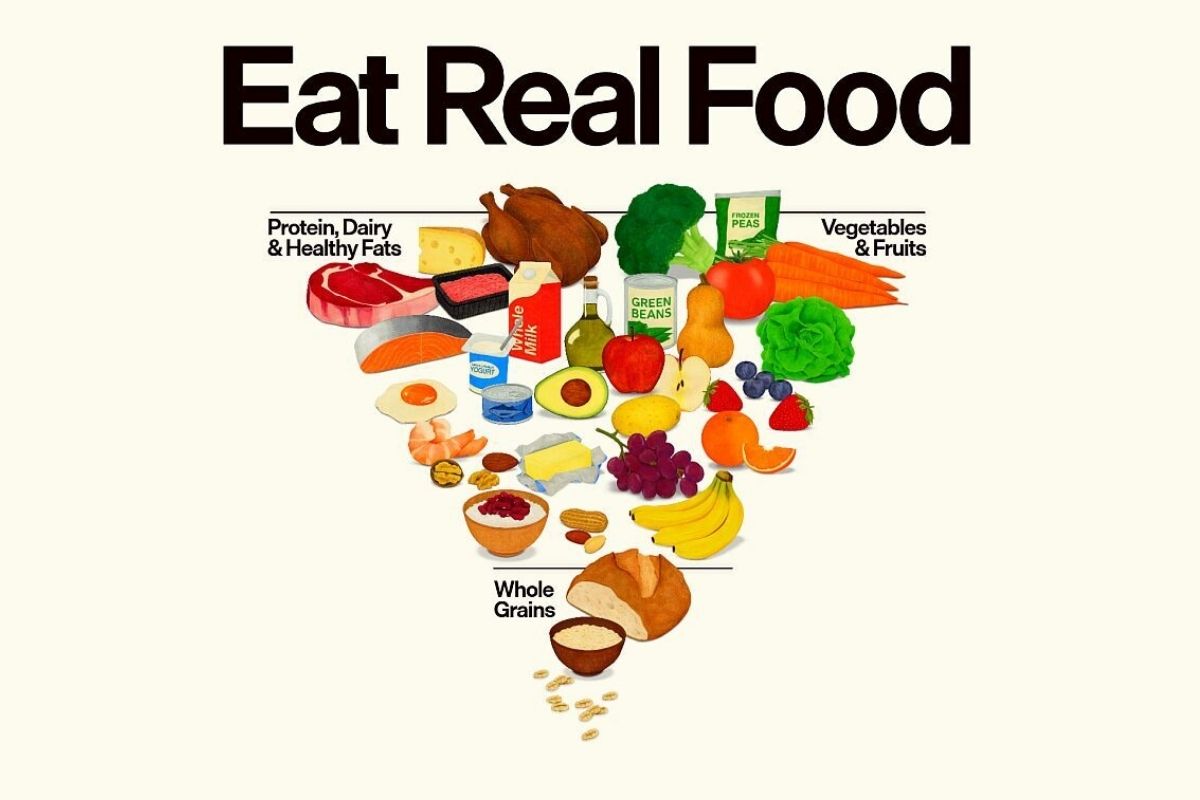 Episode 411: The New US Dietary Guidelines: What Changed, What Didn't, and What We Think | Episode Overview The 2025 U.S. Dietary Guidelines are out, and if your social feed exploded with hot takes, you're not alone. But how different are they really—and what do they actually mean for women trying to eat better, feel better, and make sustainable changes? In this episode, Annie and Jen break down what changed, what didn't, and what's raising eyebrows. From protein recommendations and full-fat dairy to ultra-processed foods and a surprising shift in tone, they unpack the nuance behind the headlines—and why it matters. Whether you're already working on your nutrition or just curious about what the hype is about, this episode will help you filter out the noise and focus on what actually works in real life. If you've ever felt confused by conflicting food advice, this episode is for you. If you like what you hear in this episode, don't miss your chance to join us when we open enrollment to join Balance365! Add your name to our obligation-free waitlist, and we will waive the $199 registration fee. Click here to learn more. Key Points The real purpose of the dietary guidelines—and what they actually influence Major changes to protein, full-fat dairy, and alcohol recommendations Why food morality and the "food as medicine" trend are problematic What this means for everyday women trying to eat better | — | ||||||
Showing 25 of 437
Sponsor Intelligence
Sign in to see which brands sponsor this podcast, their ad offers, and promo codes.
Chart Positions
7 placements across 7 markets.
Chart Positions
7 placements across 7 markets.