

Insights from recent episode analysis
Audience Interest
Podcast Focus
Publishing Consistency
Platform Reach
Insights are generated by CastFox AI using publicly available data, episode content, and proprietary models.
Est. Listeners
Based on iTunes & Spotify (publisher stats).
- Per-Episode Audience
Est. listeners per new episode within ~30 days
25,001 - 50,000 - Monthly Reach
Unique listeners across all episodes (30 days)
75,001 - 150,000 - Active Followers
Loyal subscribers who consistently listen
15,001 - 40,000
Market Insights
Platform Distribution
Reach across major podcast platforms, updated hourly
Total Followers
—
Total Plays
—
Total Reviews
—
* Data sourced directly from platform APIs and aggregated hourly across all major podcast directories.
On the show
Recent episodes
358: CHCHD4 and a Pediatric OXPHOS Collapse
May 5, 2026
Unknown duration
356: Recessive Coding Associations Across Six Biobanks
May 3, 2026
Unknown duration
355: Influenza D replicates in the human airway — zoonotic risk
May 3, 2026
Unknown duration
354: How Cohesin Acetylation and ATPase Shape Chromatin Loops and Cohesion
Apr 30, 2026
Unknown duration
353: Masculinization Reverses Sex Differences in Fertility
Apr 30, 2026
Unknown duration
Social Links & Contact
Official channels & resources
Official Website
Login
RSS Feed
Login
| Date | Episode | Description | Length | ||||||
|---|---|---|---|---|---|---|---|---|---|
| 5/5/26 |  358: CHCHD4 and a Pediatric OXPHOS Collapse 358: CHCHD4 and a Pediatric OXPHOS Collapse | Mantecon M et al., Human Genetics and Genomics Advances - This episode reviews a brief communication reporting a pediatric patient with biallelic CHCHD4 variants who presented with severe neurological regression and early death. Functional studies in patient fibroblasts show decreased CHCHD4 protein, marked assembly defects of mitochondrial complexes I and IV, and broad downregulation of electron transport and complex I biogenesis. Lentiviral expression of wild-type CHCHD4 restored OXPHOS proteins and assembly, linking CHCHD4 deficiency to human mitochondrial disease. Key terms: CHCHD4, mitochondrial disease, OXPHOS, complex I, protein import. Study Highlights:A single infant carried a paternal c.5C>T (p.Ser2Phe) CHCHD4 variant and a maternal deletion encompassing CHCHD4, resulting in markedly reduced CHCHD4 protein and severe lactic acidosis with neurological regression. Fibroblast analyses revealed decreased complex I and IV subunits, assembly defects on BN-PAGE, and widespread downregulation of mitochondrial proteins by proteomics, with respiratory electron transport and complex I biogenesis identified as the main dysregulated pathways. Lentiviral overexpression of wild-type CHCHD4 in patient cells restored CHCHD4 levels, rescued complex I and IV protein abundance and assembly, and reversed many proteomic changes, supporting causality. Conclusion:Biallelic CHCHD4 deficiency causes a severe early-onset mitochondrial disease by impairing mitochondrial protein import and assembly of complexes I and IV; restoration of CHCHD4 rescues the molecular defects. Additional cases are needed to define the clinical spectrum and the functional impact of specific variants. Music:Enjoy the music based on this article at the end of the episode. Article title:Biallelic variants in CHCHD4 are associated with combined OXPHOS defect leading to mitochondrial disease First author:Mantecon M Journal:Human Genetics and Genomics Advances DOI:10.1016/j.xhgg.2026.100615 Reference:Mantecon M, Chhuon C, Roger K, et al. Biallelic variants in CHCHD4 are associated with combined OXPHOS defect leading to mitochondrial disease. Human Genetics and Genomics Advances. 2026;7:100615. doi:10.1016/j.xhgg.2026.100615 License:This episode is based on an open-access article published under the Creative Commons Attribution 4.0 International License (CC BY 4.0) – https://creativecommons.org/licenses/by/4.0/ Support:Base by Base – Stripe donations: https://donate.stripe.com/7sY4gz71B2sN3RWac5gEg00 Official website https://basebybase.com On PaperCast Base by Base you'll discover the latest in genomics, functional genomics, structural genomics, and proteomics. Episode link: https://basebybase.com/episodes/biallelic-chchd4-oxphos-defect QC:This episode was checked against the original article PDF and publication metadata for the episode release published on 2026-05-05. QC Scope:- article metadata and core scientific claims from the narration- excludes analogies, intro/outro, and music- transcript coverage: Audited the sections describing CHCHD4 function in the MIA pathway, the pediatric case with biallelic CHCHD4 variants, AlphaFold structural predictions for Ser2Phe, lentiviral complementation rescuing OXPHOS defects, and the proteomics results including selective vulnerability and clinical implications.- transcript topics: MIA pathway and CHCHD4 function in mitochondrial protein import; Genetic case and inheritance pattern (p.Ser2Phe with maternal CHCHD4 deletion); AlphaFold structural prediction of Ser2Phe destabilizing CHCHD4; Functional complementation rescue with WT CHCHD4 in patient fibroblasts; Proteomics results showing OXPHOS defects and selective vulnerability; Clinical implications: CHCHD4 deficiency as a novel cause of mitochondrial disease QC... | — | ||||||
| 5/3/26 |  356: Recessive Coding Associations Across Six Biobanks 356: Recessive Coding Associations Across Six Biobanks | Lassen F et al., The American Journal of Human Genetics - Meta-analysis of up to 948,690 exome- or whole-genome-sequenced individuals across six biobanks used statistical phasing to infer compound-heterozygous genotypes, increasing detectable bi-allelic damaging genotypes by 19% and identifying 58 significant gene-trait associations, 17 of which show stronger recessive effects. Key terms: recessive genetics, compound heterozygous, biobank meta-analysis, loss-of-function, statistical phasing. Study Highlights:The study combined data from UKB, All of Us, 100kGP, Genes & Health, BioMe, and BBJ totaling 948,690 samples and phased rare variants to detect compound-heterozygous genotypes. Phasing increased the number of bi-allelic damaging genotypes by 19% and identified 5,563 genes with bi-allelic pLoF genotypes. Gene-based recessive testing across 41 traits found 58 significant associations after meta-analysis and Cauchy combination, with 17 instances showing stronger recessive than additive effects, including HBB with heart failure and LECT2 with height. The federated, cross-biobank approach improved power and highlighted the value of diverse ancestries for discovering recessive effects. Conclusion:Federated meta-analysis across multiple biobanks combined with statistical phasing substantially increases discovery of rare recessive gene-trait associations and expands the catalog of human gene knockouts, demonstrating the importance of phasing and diverse cohorts for recessive-effect discovery. Music:Enjoy the music based on this article at the end of the episode. Article title:Meta-analysis across six global biobanks identifies recessive coding associations with complex traits and diseases First author:Lassen F Journal:The American Journal of Human Genetics DOI:10.1016/j.ajhg.2026.04.005 Reference:Lassen F.H. et al., 2026. Meta-analysis across six global biobanks identifies recessive coding associations with complex traits and diseases. The American Journal of Human Genetics 113, 1–17. https://doi.org/10.1016/j.ajhg.2026.04.005 License:This episode is based on an open-access article published under the Creative Commons Attribution 4.0 International License (CC BY 4.0) – https://creativecommons.org/licenses/by/4.0/ Support:Base by Base – Stripe donations: https://donate.stripe.com/7sY4gz71B2sN3RWac5gEg00 Official website https://basebybase.com On PaperCast Base by Base you'll discover the latest in genomics, functional genomics, structural genomics, and proteomics. Episode link: https://basebybase.com/episodes/recessive-coding-associations-six-biobanks QC:This episode was checked against the original article PDF and publication metadata for the episode release published on 2026-05-03. QC Scope:- article metadata and core scientific claims from the narration- excludes analogies, intro/outro, and music- transcript coverage: Audited transcript sections describing: the role of statistical phasing to identify compound-heterozygous genotypes, the scale across six biobanks (~950k individuals), the rise in bi-allelic genotypes, and key recessive gene–trait associations (HBB, LECT2, ENSG00000267561, PYGM, ODAD1), plus pleiotropy and conditional- transcript topics: Introduction to human knockouts and biobank-scale data; Compound heterozygosity and the need for phasing; Statistical phasing across six biobanks and study scale; Gene-based recessive associations across 41 traits; Notable associations: HBB with heart failure and lipids; LECT2 with height; ENSG00000267561 with height; BTNL9 association with HDL-C and triglycerides QC Summary:- factual score: 10/10- metadata score: 10/10- supported core claims: 7- claims flagged for review: 0- metadata checks passed: 4- metadata issues found: 0<... | — | ||||||
| 5/3/26 |  355: Influenza D replicates in the human airway — zoonotic risk 355: Influenza D replicates in the human airway — zoonotic risk | Sanders CG et al et al., PNAS - Surveillance-derived influenza D virus (IDV) isolates were tested across cell lines, primary airway cultures, and precision-cut lung slices to assess human compatibility. IDV replicated to high titers in human respiratory models while eliciting muted interferon responses, highlighting a potential zoonotic threat and the need for enhanced surveillance. Key terms: influenza D virus, zoonosis, human airway, interferon evasion, surveillance. Study Highlights:A panel of six genetically diverse IDV isolates replicated efficiently in MDCK and A549 cell lines, primary well-differentiated human bronchial epithelial cultures, porcine airway cultures, and precision-cut lung slices. IDV induced markedly reduced IRF activation and lower IFN-λ1 and ISG expression compared to human influenza A virus, indicating limited innate immune sensing. Pretreatment with IFN-β potently restricted IDV replication, showing the virus is sensitive to an established antiviral state. Active surveillance at US swine exhibitions recovered multiple genetically distinct IDV strains spanning several clades. Conclusion:IDV readily infects and replicates in human respiratory tissues while limiting innate sensing, supporting intensified surveillance and mechanistic studies to evaluate its zoonotic and pandemic potential. Music:Enjoy the music based on this article at the end of the episode. Article title:Efficient replication of influenza D virus in the human airway underscores zoonotic potential First author:Sanders CG et al Journal:PNAS DOI:10.1073/pnas.2530325123 Reference:Sanders CG et al., Efficient replication of influenza D virus in the human airway underscores zoonotic potential. PNAS (2026) Vol. 123 No. 17 e2530325123. doi:10.1073/pnas.2530325123 License:This episode is based on an open-access article published under the Creative Commons Attribution 4.0 International License (CC BY 4.0) – https://creativecommons.org/licenses/by/4.0/ Support:Base by Base – Stripe donations: https://donate.stripe.com/7sY4gz71B2sN3RWac5gEg00 Official website https://basebybase.com On PaperCast Base by Base you'll discover the latest in genomics, functional genomics, structural genomics, and proteomics. Episode link: https://basebybase.com/episodes/influenza-d-human-airway-zoonotic-potential QC:This episode was checked against the original article PDF and publication metadata for the episode release published on 2026-05-03. QC Scope:- article metadata and core scientific claims from the narration- excludes analogies, intro/outro, and music- transcript coverage: Substantively audited the transcript sections describing field surveillance, in vitro and tissue-level replication in human/porcine models, innate immune responses, receptor usage, and zoonotic implications as reported in the canonical article.- transcript topics: Field surveillance and isolation of IDV from exhibition swine; IDV replication in MDCK cells and A549 cells; Primary human and porcine airway epithelial cultures (ALI); Precision-cut lung slices (PCLS) and tissue-level replication; Innate immune sensing and interferon responses (IRF, IFN-λ1, ISGs); Interferon-β pretreatment and antiviral state QC Summary:- factual score: 10/10- metadata score: 10/10- supported core claims: 7- claims flagged for review: 0- metadata checks passed: 4- metadata issues found: 0 Metadata Audited:- article_doi- article_title- article_journal- license Factual Items Audited:- IDV replicates to high titers in MDCK cells and in immortalized human lung cells (A549).- IDV replicates efficiently in primary well-differentiated human airway epithelial cultures (ALI) and in porcine ALI cultures, with comparable rep... | — | ||||||
| 4/30/26 |  354: How Cohesin Acetylation and ATPase Shape Chromatin Loops and Cohesion 354: How Cohesin Acetylation and ATPase Shape Chromatin Loops and Cohesion | Costantino L et al., PNAS - Costantino et al. dissect how Eco1-mediated acetylation of Smc3 (K112, K113) and cohesin ATPase activity separately regulate chromatin loop size, loop positioning, and sister chromatid tethering in budding yeast using Micro-C XL, ChIP, and biochemical ATPase assays. Key terms: cohesin, acetylation, ATPase, chromatin loops, sister chromatid cohesion. Study Highlights:Using a panel of budding yeast mutants, the authors show that acetylation of either Smc3 K112 or K113 is sufficient to produce positioned chromatin loops, while loss of both (Eco1 depletion) leads to expanded, unpositioned loops despite normal cohesin binding. K113 acetylation is required for sister chromatid cohesion (tethering), but cohesion-defective K113R mutants still form positioned loops, indicating looping can occur without tethering. K112 acetyl-mimic reduces loader-stimulated ATPase yet retains wild-type loop architecture, whereas hyper-ATPase mutants convert random loops into more positioned loops. The DE (low-ATPase) mutant produces long, unpositioned loops despite normal cohesin binding and Pds5 recruitment, indicating separable mechanisms downstream of acetylation and Pds5. Conclusion:Acetylation and ATPase activity separately tune cohesin's functions: acetylation at Smc3 K112/K113 helps position loops and control ATPase responsiveness, K113 acetylation is essential for tethering, and ATPase level biases cohesin toward random versus positioned loops, supporting active loop extrusion as the primary loop-forming mechanism. Music:Enjoy the music based on this article at the end of the episode. Article title:Cohesin acetylation and ATPase activity control cohesion and loop architecture through distinct mechanisms First author:Costantino L Journal:PNAS DOI:10.1073/pnas.2531218123 Reference:Costantino L, Ye T, Boardman K, Xiang S, Luo J, Mu Y, Ma W, Koshland D. Cohesin acetylation and ATPase activity control cohesion and loop architecture through distinct mechanisms. PNAS. 2026;123(17):e2531218123. doi:10.1073/pnas.2531218123. License:This episode is based on an open-access article published under the Creative Commons Attribution 4.0 International License (CC BY 4.0) – https://creativecommons.org/licenses/by/4.0/ Support:Base by Base – Stripe donations: https://donate.stripe.com/7sY4gz71B2sN3RWac5gEg00 Official website https://basebybase.com On PaperCast Base by Base you'll discover the latest in genomics, functional genomics, structural genomics, and proteomics. Episode link: https://basebybase.com/episodes/cohesin-acetylation-atpase-loop-architecture QC:This episode was checked against the original article PDF and publication metadata for the episode release published on 2026-04-30. QC Scope:- article metadata and core scientific claims from the narration- excludes analogies, intro/outro, and music- transcript coverage: Audited the transcript sections describing cohesin functions (loop extrusion and tethering), Eco1-mediated Smc3 acetylation at K112/K113, ATPase regulation by Scc2/Scc4, mutations (K112R, K113R, K112Q, K113Q, DE, TI), Micro-C XL method and CARs, Pds5 involvement, and the active loop extrusion model versus loop capture.- transcript topics: Cohesin functions: loop extrusion and sister chromatid tethering; Smc3 K112/K113 acetylation and Eco1; ATPase regulation by loader Scc2/Scc4 and acetylation; Mutant analyses: K112R, K113R, K112Q, K113Q, ECO1-AID, TI, DE; Micro-C XL methodology and CARs/positioned loops; Pds5 binding and loop regulation QC Summary:- factual score: 10/10- metadata score: 10/10- supported core claims: 6- claims flagged for review: 0- metadata checks passed: 4- metadata issues found: 0 Metadata Audited:- article_doi- article_titl... | — | ||||||
| 4/30/26 |  353: Masculinization Reverses Sex Differences in Fertility 353: Masculinization Reverses Sex Differences in Fertility | Schubert HA et al., PNAS - This episode reviews a global analysis showing that shifts in population sex composition have reversed historical sex gaps in fertility. Using UN World Population Prospects 2024 data and regression and standardization methods, the authors estimate male total fertility rates and project widening differences through 2100 driven by masculinized reproductive-age populations. Key terms: male fertility, sex ratio, total fertility rate, sex-selective abortion, population structure. Study Highlights:The authors estimate male and female total fertility rates using UN WPP2024 data combined with a regression-based model and demographic standardization. They identify a global crossover in 2024 when female TFRs first exceeded male TFRs and project growing disparities through 2100, especially in East Asia. Key drivers are higher sex ratios at birth, declining mortality, and a narrowing male–female mortality gap, with sex-selective abortion amplifying effects in some countries. The analysis highlights social consequences such as rising male childlessness and offers policy recommendations to mitigate sex imbalances. Conclusion:Masculinization of reproductive-age populations has flipped historical fertility patterns so that female TFRs now often exceed male TFRs, a gap expected to widen in many regions and to carry social and policy implications related to childlessness and partnership markets. Music:Enjoy the music based on this article at the end of the episode. Article title:Masculinization of populations reverses sex differences in fertility First author:Schubert HA Journal:PNAS DOI:10.1073/pnas.2533317123 Reference:Schubert HA, Spoorenberg T, Dudel C, Skirbekk VF. Masculinization of populations reverses sex differences in fertility. Proc Natl Acad Sci U S A. 2026;123:e2533317123. doi:10.1073/pnas.2533317123 License:This episode is based on an open-access article published under the Creative Commons Attribution 4.0 International License (CC BY 4.0) – https://creativecommons.org/licenses/by/4.0/ Support:Base by Base – Stripe donations: https://donate.stripe.com/7sY4gz71B2sN3RWac5gEg00 Official website https://basebybase.com On PaperCast Base by Base you'll discover the latest in genomics, functional genomics, structural genomics, and proteomics. Episode link: https://basebybase.com/episodes/353-masculinization-populations-fertility QC:This episode was checked against the original article PDF and publication metadata for the episode release published on 2026-04-30. QC Scope:- article metadata and core scientific claims from the narration- excludes analogies, intro/outro, and music- transcript coverage: Audited the transcript sections describing historical sex differences in fertility, the 2024 crossover, drivers (birth sex ratio, mortality decline, sex-selective abortion), the age-gap Model 3 estimation approach, regional variations (East Asia vs Sub-Saharan Africa), war shocks, and policy implications.- transcript topics: Historical fertility gender gaps and denominator effects; Birth sex ratio and sex-selective abortion; Mortality decline and sex mortality gap; Model 3 age-gap estimation of male TFR; Global crossover year 2024 and 2100 projections; Regional variations: East Asia vs Sub-Saharan Africa QC Summary:- factual score: 10/10- metadata score: 10/10- supported core claims: 7- claims flagged for review: 0- metadata checks passed: 4- metadata issues found: 0 Metadata Audited:- article_doi- article_title- article_journal- license Factual Items Audited:- Global crossover year: 2024- 2100 projection: <10% of countries have higher TFRm- Three drivers of masculinization: birth sex ratio, mortality decline... | — | ||||||
| 4/27/26 |  352: Interspecies control of E. coli growth in human gut microbiomes 352: Interspecies control of E. coli growth in human gut microbiomes | Boumasmoud M et al., PNAS - Reciprocal transplant experiments in anaerobic microcosms show that resident human gut microbiome context alters growth of introduced Escherichia coli strains and that microbially mediated acidification, driven by a Clostridium butyricum strain, can reproducibly suppress E. coli and reshape community fermentation profiles. Key terms: gut microbiome, Escherichia coli, interspecies interaction, acidification, Clostridium butyricum. Study Highlights:Using six human stool-derived microbiome samples and six resident E. coli isolates in replicated anaerobic microcosms, the authors measured strain-level and species-level growth across 36 strain-by-microbiome combinations. Growth performance of E. coli strains varied with microbiome context and was constrained by intraspecific competition setting a finite E. coli abundance per microbiome. One microbiome (M6) acidified during cultivation, inhibiting E. coli growth; a Clostridium butyricum isolate from M6 reproduced this acidification when transplanted into other samples. Addition of C. butyricum lowered pH, increased butyrate and decreased acetate/lactate, suppressed E. coli and altered overall community composition. Conclusion:Interindividual gut-microbiome variation causes variable ecological interactions that affect colonization by incoming strains, and a single transferable taxon (C. butyricum) can act as an ecological control point by driving acidification and reshaping community growth and metabolites. Music:Enjoy the music based on this article at the end of the episode. Article title:Interspecies interaction controls Escherichia coli growth in human gut microbiome samples First author:Boumasmoud M Journal:PNAS DOI:10.1073/pnas.2527793123 Reference:Boumasmoud M., León-Sampedro R., Beusch V., Benza F., Arnoldini M., Hall A.R. Interspecies interaction controls Escherichia coli growth in human gut microbiome samples. PNAS. 2026;123(17):e2527793123. doi:10.1073/pnas.2527793123 License:This episode is based on an open-access article published under the Creative Commons Attribution 4.0 International License (CC BY 4.0) – https://creativecommons.org/licenses/by/4.0/ Support:Base by Base – Stripe donations: https://donate.stripe.com/7sY4gz71B2sN3RWac5gEg00 Official website https://basebybase.com On PaperCast Base by Base you'll discover the latest in genomics, functional genomics, structural genomics, and proteomics. Episode link: https://basebybase.com/episodes/interspecies-ecoli-growth-microbiome QC:This episode was checked against the original article PDF and publication metadata for the episode release published on 2026-04-27. QC Scope:- article metadata and core scientific claims from the narration- excludes analogies, intro/outro, and music- transcript coverage: Audited the transcript's discussion of experimental design, key results (strain performance variation, acidification, keystone C. butyricum), and ecological implications; compared to the original article's reported methods, results, and interpretations.- transcript topics: Experimental design: reciprocal transplant in anaerobic microcosms (M2–M7) with six E. coli strains; Strain-level and species-level growth variation across microbiome samples; Intraspecific competition and microbiome-specific finite E. coli abundance; Acidification as a driver of growth suppression; pH measurements; Clostridium butyricum as a keystone species driving acidification and community shifts; Transplantation of C. butyricum into other microbiomes; effects on butyrate, acetate, lactate QC Summary:- factual score: 10/10- metadata score: 10/10- supported core claims: 7- claims flagged for review: 0- metadata checks passed: 4- metadata issues found: 0 Metadata Aud... | — | ||||||
| 4/26/26 |  351: When Selection Survives Admixture: Hard Sweeps in Ancient Eurasians 351: When Selection Survives Admixture: Hard Sweeps in Ancient Eurasians | Harris M et al., Proceedings of the National Academy of Sciences (PNAS) - This episode examines a PNAS study that uses a domain-adaptive neural network to detect and classify selective sweeps in over 800 ancient and modern Eurasian genomes spanning ~7,000 years. The work recovers known targets (HLA, LCT, OCA2/HERC2, KITLG), reports 32 novel ancient sweep candidates, finds hard sweeps predominate, and shows 14 sweeps persisted across a major admixture event, highlighting resilience of certain adaptations. Key terms: ancient DNA, selective sweeps, domain-adaptive neural network, hard sweeps, admixture. Study Highlights:The authors trained a domain-adaptive neural network on simulated and ancient DNA to distinguish hard sweeps, soft sweeps, and neutrality across 708 ancient and 99 modern Eurasian genomes. The DANN outperformed standard CNNs under demographic and missing-data misspecification and detected 48 ancient sweeps, including 16 overlapping prior reports and 32 novel candidates. All identified sweeps were classified as hard and, after accounting for misclassification rates, the majority remain best explained by hard sweeps. Fourteen sweeps at genes involved in neuronal, reproductive, pigmentation, and signaling functions persisted across a major admixture event, often retaining the same high-frequency haplotype. Conclusion:Domain-adaptive deep learning improves detection of selective sweeps in degraded ancient genomes; hard sweeps were the dominant mode of adaptation in these ancient Eurasian samples and several selective events persisted despite strong admixture, pointing to sustained functional importance of particular loci. Music:Enjoy the music based on this article at the end of the episode. Article title:The persistence and loss of hard selective sweeps amid admixture in ancient Eurasians First author:Harris M Journal:Proceedings of the National Academy of Sciences (PNAS) DOI:10.1073/pnas.2528672123 Reference:Harris M., Mo Z., Siepel A., Garud N.R. The persistence and loss of hard selective sweeps amid admixture in ancient Eurasians. Proc. Natl. Acad. Sci. U.S.A. 2026;123(17):e2528672123. doi:10.1073/pnas.2528672123 License:This episode is based on an open-access article published under the Creative Commons Attribution 4.0 International License (CC BY 4.0) – https://creativecommons.org/licenses/by/4.0/ Support:Base by Base – Stripe donations: https://donate.stripe.com/7sY4gz71B2sN3RWac5gEg00 Official website https://basebybase.com On PaperCast Base by Base you'll discover the latest in genomics, functional genomics, structural genomics, and proteomics. Episode link: https://basebybase.com/episodes/hard-sweeps-admixture-ancient-eurasians QC:This episode was checked against the original article PDF and publication metadata for the episode release published on 2026-04-26. QC Scope:- article metadata and core scientific claims from the narration- excludes analogies, intro/outro, and music- transcript coverage: Audited the transcript sections describing the DANN method (domain adaptation, GRL, haplotype image inputs), the major results (counts of ancient/modern sweeps, hard sweeps, persistence across admixture), and the highlighted loci (HLA, LCT, OCA2/HERC2, KITLG), plus the discussion of admixture timing (~4.5 kya) and impl- transcript topics: Domain-adaptive neural networks (DANN) and gradient reversal layer; Ancient DNA data quality and missing data; Hard vs soft sweeps definitions; Sweep detection results (ancient vs modern) and total counts; Admixture event around 4.5 kya and sweep persistence; Loci of interest: HLA, LCT, OCA2/HERC2, KITLG QC Summary:- factual score: 10/10- metadata score: 10/10- supported core claims: 5- claims flagged for review: 0- metadata checks pass... | — | ||||||
| 4/25/26 |  350: OPA1 A8S in Rhesus Macaques Models Autosomal Dominant Optic Atrophy 350: OPA1 A8S in Rhesus Macaques Models Autosomal Dominant Optic Atrophy | Jaggers TN et al et al., PNAS - A spontaneous OPA1 A8S missense mutation in rhesus macaques produces retinal ganglion cell loss, RNFL thinning, optic nerve atrophy, OPA1 mislocalization, and mitochondrial abnormalities, creating a nonhuman primate model that mirrors human autosomal dominant optic atrophy. Key terms: OPA1, autosomal dominant optic atrophy, rhesus macaque, retinal ganglion cell, mitochondria. Study Highlights:The authors identified an OPA1 NM_015560.2:c.22G>T (p.ala8ser, A8S) variant segregating dominantly in a rhesus colony. Heterozygous macaques showed significant peripapillary RNFL thinning, temporal optic nerve head pallor, and reduced PERG amplitudes consistent with RGC dysfunction. Histology and TEM revealed RGC loss, reduced axonal mitochondrial density, dysmorphic mitochondria, myelin disruption, and OPA1 mislocalization in RNFL axons. The model displays phenotypic variability similar to human ADOA and supports use for preclinical testing of mitochondrial- and gene-targeted therapies. Conclusion:A spontaneous OPA1 A8S mutation in rhesus macaques recapitulates key structural, functional, and ultrastructural features of human ADOA, providing a translational NHP model for testing therapies. Music:Enjoy the music based on this article at the end of the episode. Article title:Rhesus macaques with an OPA1 mutation demonstrate features of autosomal dominant optic atrophy First author:Jaggers TN et al Journal:PNAS DOI:10.1073/pnas.2509165123 Reference:Jaggers TN et al., Rhesus macaques with an OPA1 mutation demonstrate features of autosomal dominant optic atrophy. PNAS. 2026;123:e2509165123. https://doi.org/10.1073/pnas.2509165123 License:This episode is based on an open-access article published under the Creative Commons Attribution 4.0 International License (CC BY 4.0) – https://creativecommons.org/licenses/by/4.0/ Support:Base by Base – Stripe donations: https://donate.stripe.com/7sY4gz71B2sN3RWac5gEg00 Official website https://basebybase.com On PaperCast Base by Base you'll discover the latest in genomics, functional genomics, structural genomics, and proteomics. Episode link: https://basebybase.com/episodes/350-opa1-rhesus-adoa QC:This episode was checked against the original article PDF and publication metadata for the episode release published on 2026-04-25. QC Scope:- article metadata and core scientific claims from the narration- excludes analogies, intro/outro, and music- transcript coverage: Substantive audit of the transcript sections describing the OPA1 A8S mutation, heterozygous phenotype (RNFL thinning, ONH pallor, PERG deficits), ultrastructural mitochondrial defects and OPA1 mislocalization, homozygous cases, and translational therapy implications.- transcript topics: OPA1 A8S mutation and spontaneous nonhuman primate model; Autosomal dominant optic atrophy (ADOA) in rhesus macaques; RNFL thinning and optic nerve head pallor; PERG dysfunction in OPA1 heterozygotes; Mitochondrial abnormalities and OPA1 mislocalization; TEM findings: dysmorphic mitochondria and axon loss QC Summary:- factual score: 10/10- metadata score: 10/10- supported core claims: 5- claims flagged for review: 0- metadata checks passed: 4- metadata issues found: 0 Metadata Audited:- article_doi- article_title- article_journal- license Factual Items Audited:- OPA1 A8S missense mutation identified in rhesus macaques in CNPRC colony- Mutation is dominant and linked to autosomal dominant inheritance pattern- Heterozygotes show RNFL thinning and temporal ONH pallor; PERG amplitudes reduced- OPA1 mislocalization and reduced axonal mitochondrial density observed in retina- Homozygous OPA1 macaques identified; survi... | — | ||||||
| 4/24/26 | 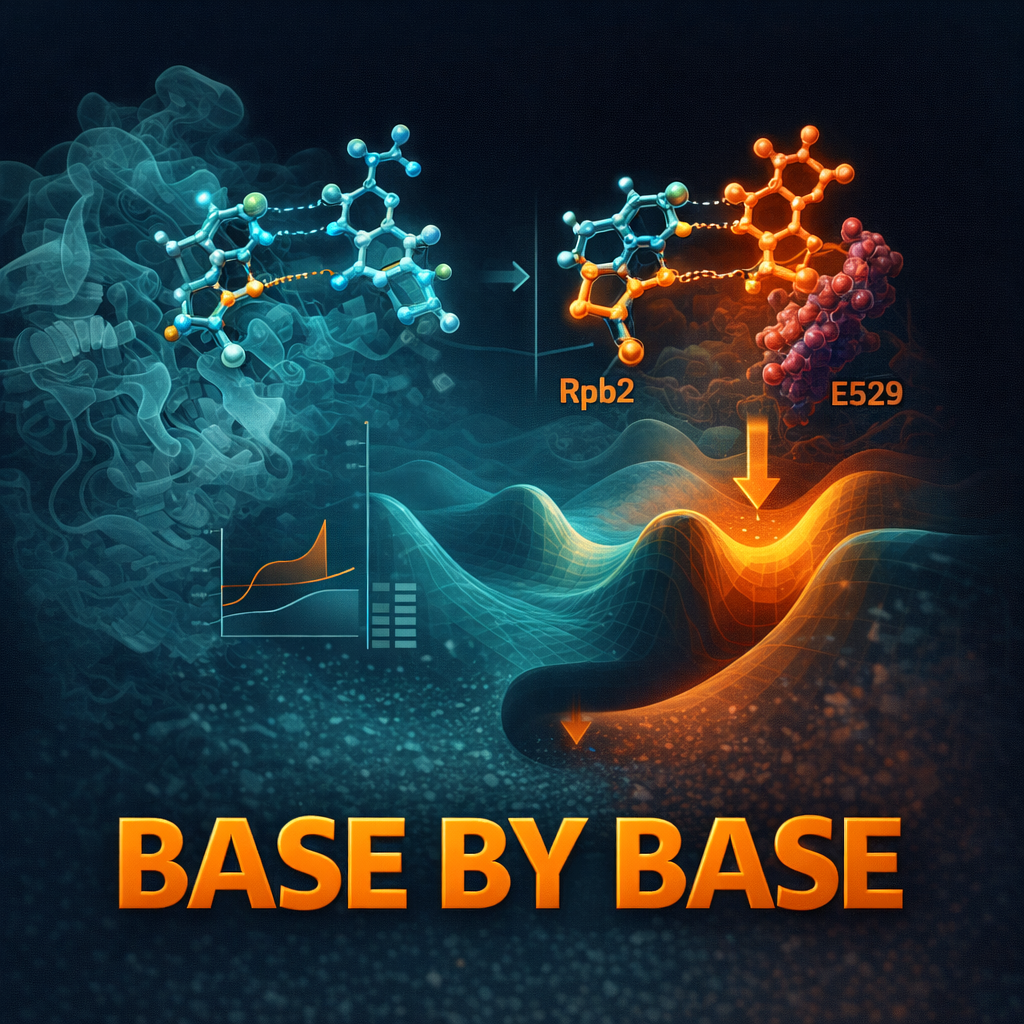 349: Oxidized rNTPs and Transcription Fidelity: How 8‑oxo‑rGTP Embeds RNA Damage 349: Oxidized rNTPs and Transcription Fidelity: How 8‑oxo‑rGTP Embeds RNA Damage | Hou P et al., PNAS - This study combines kinetic assays and X‑ray crystallography to show how 8‑oxo‑guanosine triphosphate (8‑oxo‑rGTP) is incorporated by RNA polymerase II and how its pairing geometry with template bases (dC vs dA) differentially alters incorporation efficiency, extension, and proofreading, thereby introducing transcription‑coupled RNA damage. Key terms: RNA damage, 8-oxo-rGTP, RNA polymerase II, transcription fidelity, oxidative stress. Study Highlights:Pol II incorporates 8‑oxo‑rGTP efficiently opposite dC with kinetics comparable to GTP, whereas incorporation opposite dA is much slower but ~150‑fold more efficient than misincorporation of undamaged rGTP. Extension proceeds rapidly from a 3′‑r8OG:dC pair but is markedly slower from a 3′‑r8OG:dA pair. TFIIS‑stimulated proofreading cleaves r8OG:dC robustly but r8OG:dA is resistant to backtracking and cleavage. Crystal structures reveal 8‑oxo‑rG adopts anti Watson–Crick geometry with dC in the A‑site but flips to syn Hoogsteen geometry with dA, where an interaction with Rpb2 E529 stabilizes a pretranslocation state. Conclusion:Oxidation of the nucleotide pool can directly undermine Pol II fidelity by enabling efficient incorporation and differential handling of 8‑oxo‑rGTP, producing transcription‑coupled RNA damage with potential consequences for RNA processing, translation, and disease. Music:Enjoy the music based on this article at the end of the episode. Article title:Structural basis of transcription -coupled RNA damage by incorporation of oxidized ribonucleotides First author:Hou P Journal:PNAS DOI:10.1073/pnas.2602266123 Reference:Hou P, Lee C, Chong J, Oh J, Wang D. Structural basis of transcription-coupled RNA damage by incorporation of oxidized ribonucleotides. PNAS. 2026;123(16):e2602266123. doi:10.1073/pnas.2602266123 License:This episode is based on an open-access article published under the Creative Commons Attribution 4.0 International License (CC BY 4.0) – https://creativecommons.org/licenses/by/4.0/ Support:Base by Base – Stripe donations: https://donate.stripe.com/7sY4gz71B2sN3RWac5gEg00 Official website https://basebybase.com On PaperCast Base by Base you'll discover the latest in genomics, functional genomics, structural genomics, and proteomics. Episode link: https://basebybase.com/episodes/8oxo-rgpt-transcription-rna-damage QC:This episode was checked against the original article PDF and publication metadata for the episode release published on 2026-04-24. QC Scope:- article metadata and core scientific claims from the narration- excludes analogies, intro/outro, and music- transcript coverage: Audited sections on background, kinetic experiments, structural determinations, proofreading, translocation mechanics, and disease relevance; aligned with the canonical article.- transcript topics: Oxidative stress and oxidized ribonucleotides; 8-oxo-rGTP incorporation opposite dC and dA templates; Presteady-state kinetics and incorporation efficiency; Extension after 8-oxo-rGTP incorporation; TFIIS proofreading and backtracking with oxidized nucleotides; Structural basis: A-site anti conformation with dC; syn Hoogsteen with dA; E529 fork loop 2 interaction QC Summary:- factual score: 10/10- metadata score: 10/10- supported core claims: 8- claims flagged for review: 0- metadata checks passed: 4- metadata issues found: 0 Metadata Audited:- article_doi- article_title- article_journal- license Factual Items Audited:- 8-oxo-rGTP can be efficiently incorporated opposite dC, with efficiency comparable to GTP- 8-oxo-rGTP opposite dA is misincorporated ~150-fold more efficiently than rGTP misincorporation- Pol II extends more efficiently from 8-oxo-rG:d... | — | ||||||
| 4/21/26 |  348: v96: A 96-mutation plasma DNA test to track residual AML through transplant 348: v96: A 96-mutation plasma DNA test to track residual AML through transplant | Wang Y et al et al., PNAS - This episode covers a PNAS study describing v96, a personalized plasma cell-free DNA assay that tracks up to 96 patient-specific mutations to sensitively quantify measurable residual disease (MRD) in AML patients before and after allogeneic hematopoietic cell transplantation. Key terms: cell-free DNA, measurable residual disease, acute myeloid leukemia, hematopoietic cell transplantation, duplex sequencing. Study Highlights:The personalized v96 assay detected residual leukemia in 100% of 30 AML patients at clinical remission, compared with 20% by flow cytometry. Plasma cfDNA was more informative and sensitive than bone marrow DNA and driver mutation assays, with 90% of patients positive at 2 months posttransplant. Higher pretransplant mutant molecule counts correlated with relapse risk, and leukemic burden typically fell only after immunosuppression was discontinued, consistent with a graft-versus-leukemia effect. Conclusion:A plasma-based multiplexed assay (v96) enables highly sensitive, noninvasive MRD monitoring in AML patients undergoing transplantation and may inform timing of immunosuppression and posttransplant interventions, though larger studies are needed to confirm clinical utility. Music:Enjoy the music based on this article at the end of the episode. Article title:A plasma - based DNA test for quantification of disease burden in acute myeloid leukemia patients undergoing bone marrow transplantation First author:Wang Y et al Journal:PNAS DOI:10.1073/pnas.2537987123 Reference:Wang Y et al., A plasma-based DNA test for quantification of disease burden in acute myeloid leukemia patients undergoing bone marrow transplantation. PNAS. 2026;123(16):e2537987123. doi:10.1073/pnas.2537987123 License:This episode is based on an open-access article published under the Creative Commons Attribution 4.0 International License (CC BY 4.0) – https://creativecommons.org/licenses/by/4.0/ Support:Base by Base – Stripe donations: https://donate.stripe.com/7sY4gz71B2sN3RWac5gEg00 Official website https://basebybase.com On PaperCast Base by Base you'll discover the latest in genomics, functional genomics, structural genomics, and proteomics. Episode link: https://basebybase.com/episodes/v96-plasma-ctdna-aml-transplant QC:This episode was checked against the original article PDF and publication metadata for the episode release published on 2026-04-21. QC Scope:- article metadata and core scientific claims from the narration- excludes analogies, intro/outro, and music- transcript coverage: Audited the transcript’s presentation of the v96 methodology, passenger vs driver mutations, plasma vs marrow MRD detection, relapse prediction, and posttransplant immunosuppression dynamics against the original article.- transcript topics: v96 workflow and passenger mutation panel; duplex sequencing (SaferSeqS) and error suppression; plasma vs bone marrow cell-free DNA for MRD detection; driver vs passenger mutations for MRD assessment; predictive power for relapse (352-fold difference pre-transplant); graft-versus-leukemia (GvL) dynamics and immunosuppression QC Summary:- factual score: 10/10- metadata score: 10/10- supported core claims: 5- claims flagged for review: 0- metadata checks passed: 4- metadata issues found: 0 Metadata Audited:- article_doi- article_title- article_journal- license Factual Items Audited:- v96 assay tracks up to 96 leukemia-specific passenger mutations in plasma cfDNA and detects residual leukemia in all patients at complete remission (CR) by v96, vs 20% by flow cyto- plasma cfDNA mutant-allele fractions (MAF) are higher than bone marrow DNA (2.9% vs 0.42%) at CR- pre-transplant plasma mutant m... | — | ||||||
Want analysis for the episodes below?Free for Pro Submit a request, we'll have your selected episodes analyzed within an hour. Free, at no cost to you, for Pro users. | |||||||||
| 4/19/26 |  347: Diffusive spreading across dynamic mitochondrial network architectures 347: Diffusive spreading across dynamic mitochondrial network architectures | Holta KB et al., Proceedings of the National Academy of Sciences (PNAS) - This episode explains a quantitative framework for diffusion on spatially embedded dynamic mitochondrial networks. The study combines analytic theory, agent-based simulations, and live-cell imaging to show how connectivity, fusion/fission, and mobility set biomolecular mixing on mitochondrial populations. Key terms: mitochondria, diffusion, intracellular transport, temporal networks, fusion-fission. Study Highlights:The authors develop an analytic and simulation framework for diffusive spreading on spatially embedded dynamic networks formed by mitochondrial fusion and fission. They identify a connectivity-driven transition from three-dimensional dispersion across transiently interacting clusters (social regime) to low-dimensional transport along largely stationary interconnected tubules (physical regime). The steady-state distribution is determined by competing timescales for cluster filling, encounter, fusion/fission, and material decay. Application to three human cell lines reveals cell-type variability in predicted spreading times, with hyperfused networks limited by intracluster diffusion and fragmented networks limited by encounters. Conclusion:Network connectivity and the balance of diffusion, encounter, and fusion/fission timescales quantitatively determine mitochondrial material homogenization, producing distinct scaling regimes with measurable predictions across cell types. Music:Enjoy the music based on this article at the end of the episode. Article title:Diffusive spreading across dynamic mitochondrial network architectures First author:Holta KB Journal:Proceedings of the National Academy of Sciences (PNAS) DOI:10.1073/pnas.2523913123 Reference:Holta KB, Zurita C, Teryoshin L, Lewis SC, Koslover EF. Diffusive spreading across dynamic mitochondrial network architectures. Proc Natl Acad Sci U S A. 2026;123(15):e2523913123. doi:10.1073/pnas.2523913123 License:This episode is based on an open-access article published under the Creative Commons Attribution 4.0 International License (CC BY 4.0) – https://creativecommons.org/licenses/by/4.0/ Support:Base by Base – Stripe donations: https://donate.stripe.com/7sY4gz71B2sN3RWac5gEg00 Official website https://basebybase.com On PaperCast Base by Base you'll discover the latest in genomics, functional genomics, structural genomics, and proteomics. Episode link: https://basebybase.com/episodes/diffusive-spreading-mitochondrial-networks QC:This episode was checked against the original article PDF and publication metadata for the episode release published on 2026-04-19. QC Scope:- article metadata and core scientific claims from the narration- excludes analogies, intro/outro, and music- transcript coverage: Substantive auditing of the transcript’s representation of the article’s core framework, regimes, timescales, cell-type predictions, modeling approach, and acknowledged limitations, with cross-checks against the original article text and the facts pack.- transcript topics: Temporal networks framework for diffusion on dynamic mitochondrial networks; Physical vs social mitochondrial network regimes; Four timescales governing diffusion: decay, cluster filling, encounter, fission; Agent-based spherocylindrical model and finite-volume diffusion; Time-resolved imaging and cell-type parameterization (SH-SY5Y, IMR90, U2OS); Predictions of spreading times across cell types QC Summary:- factual score: 10/10- metadata score: 10/10- supported core claims: 7- claims flagged for review: 0- metadata checks passed: 4- metadata issues found: 0 Metadata Audited:- article_doi- article_title- article_journal- license Factual Items Audite... | — | ||||||
| 4/19/26 |  346: Palindromes and RNA Self-Recognition 346: Palindromes and RNA Self-Recognition | Kimchi O et al., PNAS - This computational study shows that self-complementary RNA regions (palindromes) can drive sequence-specific homotypic clustering by enabling multivalent intermolecular base pairing, and that Drosophila nanos and pgc mRNAs are enriched for accessible, strong palindromes. Key terms: RNA palindromes, homotypic clustering, germ granules, nanos mRNA, phase separation. Study Highlights:The authors use equilibrium and nonequilibrium in silico analyses to show palindromic regions increase the likelihood of homodimer and higher-order homomultimer formation. Palindrome binding strength correlates with multimerization propensity, and accessible strong palindromes are enriched in nanos and pgc compared to length-matched Drosophila mRNAs. Out-of-equilibrium calculations indicate initial accessible palindromic interactions can favor homotypic binding despite general heterodimer preference. The framework suggests palindromes could be under evolutionary selection and predicts experimental tests using designed synthetic sequences. Conclusion:Palindromic, self-complementary RNA regions provide a generic mechanism for RNA self-recognition and can explain homotypic clustering in germ granules; palindrome content may be under evolutionary selection and can guide experimental tests with synthetic RNAs. Music:Enjoy the music based on this article at the end of the episode. Article title:How do RNA molecules distinguish self from non-self? First author:Kimchi O Journal:PNAS DOI:10.1073/pnas.2603593123 Reference:Kimchi O, Mitchel K, Pyod AGT, Wingreen NS, Gavis ER. How do RNA molecules distinguish self from non-self? PNAS. 2026;123(15):e2603593123. doi:10.1073/pnas.2603593123 License:This episode is based on an open-access article published under the Creative Commons Attribution 4.0 International License (CC BY 4.0) – https://creativecommons.org/licenses/by/4.0/ Support:Base by Base – Stripe donations: https://donate.stripe.com/7sY4gz71B2sN3RWac5gEg00 Official website https://basebybase.com On PaperCast Base by Base you'll discover the latest in genomics, functional genomics, structural genomics, and proteomics. Episode link: https://basebybase.com/episodes/palindromes-rna-self-recognition QC:This episode was checked against the original article PDF and publication metadata for the episode release published on 2026-04-19. QC Scope:- article metadata and core scientific claims from the narration- excludes analogies, intro/outro, and music- transcript coverage: Audited the transcript portions describing palindromic self-recognition, equilibrium and nonequilibrium modeling, nanos/pgc enrichment, cross-species considerations, GFP tail experiment, evolutionary implications, clinical and synthetic biology implications, and study limitations.- transcript topics: Palindromic regions as self-recognition mechanism; Equilibrium vs nonequilibrium RNA interactions; Nanos and pgc palindromes: binding strength and accessibility; GFP tail experiment and cross-context clustering; Evolutionary selection and clinical implications; Limitations of in silico modeling and need for in vitro validation QC Summary:- factual score: 10/10- metadata score: 10/10- supported core claims: 8- claims flagged for review: 0- metadata checks passed: 4- metadata issues found: 0 Metadata Audited:- article_doi- article_title- article_journal- license Factual Items Audited:- Palindromic regions enable self-recognition and drive homotypic clustering via multivalent RNA–RNA interactions- Nanos and pgc RNAs are enriched for accessible, strongly binding palindromes and cluster with their own type- Out-of-equilibrium modeling shows nanos and pgc have higher homodimer... | — | ||||||
| 4/17/26 |  345: Genes of Prosody: Rhythm, Music, and Reading 345: Genes of Prosody: Rhythm, Music, and Reading | Scartozzi AC et al., Human Genetics and Genomics Advances - This episode reviews a GWAS of speech rhythm (prosody) perception using the TOPsy task (n≈1,501 European-ancestry), reporting 14 suggestive loci, nominal enrichment for songbird vocal-learning gene sets, and polygenic links to reading and musical rhythm. Key terms: prosody, speech rhythm, genetics, musical rhythm, reading. Study Highlights:The authors performed a GWAS of TOPsy speech rhythm scores in ~1,501 individuals of European genetic ancestry and identified 14 loci reaching suggestive significance but no genome-wide significant hits. Gene-based analyses flagged TTLL1 and GP2 among the top genes without Bonferroni significance. Gene-set enrichment showed nominal overlap with songbird Area X vocal-learning gene sets, consistent with evolutionary convergence hypotheses. Polygenic score analyses demonstrated shared genetic influences between prosody perception and both word reading and beat synchronization, while voice-pitch PGS results were weaker. Conclusion:Findings provide initial genomic evidence that prosody perception is polygenic and shares genetic architecture with reading and musical rhythm, and they motivate larger, more diverse samples and scalable phenotyping (TOPsy) to validate and extend these results. Music:Enjoy the music based on this article at the end of the episode. Article title:Genome-wide investigation of prosody perception: Shared genetic influences between speech rhythm, musical rhythm, and reading traits First author:Scartozzi AC Journal:Human Genetics and Genomics Advances DOI:10.1016/j.xhgg.2026.100581 Reference:Scartozzi AC, Wang Y, Coleman PL, et al. Genome-wide investigation of prosody perception: Shared genetic influences between speech rhythm, musical rhythm, and reading traits. Human Genetics and Genomics Advances. 2026;7:100581. https://doi.org/10.1016/j.xhgg.2026.100581 License:This episode is based on an open-access article published under the Creative Commons Attribution 4.0 International License (CC BY 4.0) – https://creativecommons.org/licenses/by/4.0/ Support:Base by Base – Stripe donations: https://donate.stripe.com/7sY4gz71B2sN3RWac5gEg00 Official website https://basebybase.com On PaperCast Base by Base you'll discover the latest in genomics, functional genomics, structural genomics, and proteomics. Episode link: https://basebybase.com/episodes/genes-of-prosody-rhythm-music-reading QC:This episode was checked against the original article PDF and publication metadata for the episode release published on 2026-04-17. QC Scope:- article metadata and core scientific claims from the narration- excludes analogies, intro/outro, and music- transcript coverage: Audited the transcript sections describing: the definition/importance of prosody and speech rhythm; TOPsy test methodology; GWAS results (no genome-wide hits, 14 suggestive loci); top gene signals (TTLL1 and GP2); cross-species birdsong gene-set enrichment (Area X); polygenic score analyses (word reading, beat synchron- transcript topics: Definition and importance of prosody and speech rhythm; TOPsy remote 28-item test design and phenotyping; Genome-wide association results for TOPsy (n=1501 European ancestry); Gene-based GWAS signals TTLL1 and GP2; Birdsong gene-set enrichment: Area X and cross-species convergence; Polygenic score analyses: word reading and beat synchronization predicting TOPsy QC Summary:- factual score: 10/10- metadata score: 10/10- supported core claims: 5- claims flagged for review: 0- metadata checks passed: 4- metadata issues found: 0 Metadata Audited:- article_doi- article_title- article_journal- license Factual Items Audited:- TOPsy is a 28-item remote, auto... | — | ||||||
| 4/17/26 |  344: Homozygous TNNI3 p.Arg136* and severe pediatric restrictive cardiomyopathy 344: Homozygous TNNI3 p.Arg136* and severe pediatric restrictive cardiomyopathy | Kühnisch J et al., Human Genetics and Genomics Advances 7, 100598 (2026) - Case report and tissue analysis linking a homozygous TNNI3 nonsense variant (c.406C>T; p.Arg136*) to early-onset, treatment-refractory restrictive cardiomyopathy in a young child who required heart transplantation. Key terms: TNNI3, restrictive cardiomyopathy, pediatric cardiomyopathy, troponin I, protein truncation. Study Highlights:A 2-year-old female with severe pediatric restrictive cardiomyopathy carried a homozygous TNNI3 c.406C>T (p.Arg136*) nonsense variant. Myocardial immunostaining showed approximately 50% reduced TNNI3 protein abundance though truncated protein remained detectable. Electron microscopy revealed myofibrillar disarray, irregular Z bands, indistinct M lines, and mitochondrial hyperplasia. The clinical course was treatment refractory and led to heart transplant at 28 months, implicating variant zygosity and truncation position in phenotype determination. Conclusion:Biallelic truncation of TNNI3 (p.Arg136*) can cause severe early-onset pediatric restrictive cardiomyopathy, with reduced but partially stable truncated protein and severe sarcomeric pathology prompting early transplantation. Music:Enjoy the music based on this article at the end of the episode. Article title:A homozygous variant in cardiac troponin I3, TNNI3, causes severe pediatric restrictive cardiomyopathy First author:Kühnisch J Journal:Human Genetics and Genomics Advances 7, 100598 (2026) DOI:10.1016/j.xhgg.2026.100598 Reference:Kühnisch J, Barnett CL, Brendel J, et al. A homozygous variant in cardiac troponin I3, TNNI3, causes severe pediatric restrictive cardiomyopathy. Human Genetics and Genomics Advances. 7:100598. https://doi.org/10.1016/j.xhgg.2026.100598 License:This episode is based on an open-access article published under the Creative Commons Attribution 4.0 International License (CC BY 4.0) – https://creativecommons.org/licenses/by/4.0/ Support:Base by Base – Stripe donations: https://donate.stripe.com/7sY4gz71B2sN3RWac5gEg00 Official website https://basebybase.com On PaperCast Base by Base you'll discover the latest in genomics, functional genomics, structural genomics, and proteomics. Episode link: https://basebybase.com/episodes/tnni3-arg136-pediatric-rcm QC:This episode was checked against the original article PDF and publication metadata for the episode release published on 2026-04-17. QC Scope:- article metadata and core scientific claims from the narration- excludes analogies, intro/outro, and music- transcript coverage: Audited the transcript's representation of the genetic case, protein expression, tissue analyses, mechanistic interpretation, and genotype–phenotype implications as described in the article.- transcript topics: RCM vs DCM distinctions; TNNI3 function in the troponin complex; Case presentation and homozygous TNNI3 variant; DNA sequencing and parental segregation; Protein expression by immunostaining; Ultrastructural TEM findings QC Summary:- factual score: 10/10- metadata score: 10/10- supported core claims: 6- claims flagged for review: 0- metadata checks passed: 4- metadata issues found: 0 Metadata Audited:- article_doi- article_title- article_journal- license Factual Items Audited:- Homozygous TNNI3 nonsense variant c.406C>T (p.Arg136*) identified in the proband.- Proband presented with severe restrictive cardiomyopathy (RCM) requiring heart transplantation at 28 months.- TNNI3 protein abundance was reduced by approximately 50%, with detectable truncated protein remaining.- TEM showed sarcomeric disarray and mitochondrial hyperplasia in explanted heart tissue.- NMD failed to completely eliminate the tr... | — | ||||||
| 4/15/26 |  343: From Cats to Dogs: The Parvovirus Host Jump 343: From Cats to Dogs: The Parvovirus Host Jump | López-Astacio RA et al., PNAS - Analysis of 60 years of feline panleukopenia virus genomes traces the origins of canine parvovirus, identifies vaccine-derived sequences, and documents distinct evolutionary rates and capsid adaptations that enabled a host jump to dogs. Key terms: parvovirus, FPV, CPV, host jump, evolution. Study Highlights:Using full-genome sequencing and phylogenetics, the authors compare 60 years of FPV evolution with 47 years of CPV evolution and identify vaccine-derived sequences that cluster with early isolates. FPV evolves at roughly one-third the rate of CPV in dogs, while the CPV ancestor is closely related to European FPV-like strains and carries multiple capsid mutations linked to binding the canine transferrin receptor. Live-attenuated FPV vaccines derive from early 1960s isolates and FPV shows little antigenic selection compared to the faster-evolving CPV lineage. These patterns emphasize distinct evolutionary dynamics in reservoir versus new hosts during epidemic emergence. Conclusion:A single FPV-related lineage from Europe accumulated multiple capsid changes enabling canine TfR binding and gave rise to the CPV pandemic; thereafter CPV evolved approximately 3–4 times faster in dogs, while FPV in its reservoir hosts showed slow evolution with limited antigenic change and persistent vaccine-derived genomes in databases. Music:Enjoy the music based on this article at the end of the episode. Article title:Distinct evolutionary patterns of endemic and emerging parvoviruses and the origin of a new pandemic virus First author:López-Astacio RA Journal:PNAS DOI:10.1073/pnas.2515274123 Reference:López-Astacio RA, Wasik BR, Lee H, Voorhees IEH, Weichert WS, Adu OF, Goodman LB, Hafenstein SL, Truyen U, Parrish CR. Distinct evolutionary patterns of endemic and emerging parvoviruses and the origin of a new pandemic virus. PNAS. 2026;123(16):e2515274123. doi:10.1073/pnas.2515274123 License:This episode is based on an open-access article published under the Creative Commons Attribution 4.0 International License (CC BY 4.0) – https://creativecommons.org/licenses/by/4.0/ Support:Base by Base – Stripe donations: https://donate.stripe.com/7sY4gz71B2sN3RWac5gEg00 Official website https://basebybase.com On PaperCast Base by Base you'll discover the latest in genomics, functional genomics, structural genomics, and proteomics. Episode link: https://basebybase.com/episodes/feline-to-canine-parvovirus-origins QC:This episode was checked against the original article PDF and publication metadata for the episode release published on 2026-04-15. QC Scope:- article metadata and core scientific claims from the narration- excludes analogies, intro/outro, and music- transcript coverage: Audited the transcript sections describing FPV reservoir, CPV emergence, TfR binding and glycosylation barriers, VP2/other capsid mutations, evolutionary rates, vaccine-derived FPV sequences, antigenic variation, intermediate hosts, and missing ancestral link.- transcript topics: FPV feline reservoir and CPV emergence; Transferrin receptor binding and canine TfR glycosylation barrier; VP2 mutations and host-range adaptation; Evolutionary rates FPV vs CPV and molecular clock methods; Vaccine-derived FPV sequences and vaccine filtering; Antigenic variation in FPV vs CPV and vaccine efficacy QC Summary:- factual score: 10/10- metadata score: 10/10- supported core claims: 6- claims flagged for review: 0- metadata checks passed: 4- metadata issues found: 0 Metadata Audited:- article_doi- article_title- article_journal- license Factual Items Audited:- CPV originated from European FPV lineage with host-range mutations enabling canine TfR binding- CPV subst... | — | ||||||
| 4/14/26 |  342: Modular MPRA Reveals Context-Dependent Regulation at T2D Loci 342: Modular MPRA Reveals Context-Dependent Regulation at T2D Loci | Tovar A et al., Human Genetics and Genomics Advances - This episode examines a study that used a modular MPRA to test ~11,656 genomic fragments from T2D- and metabolic trait-associated regions in pancreatic beta cells, comparing upstream vs downstream positions and SCP1 vs INS promoters. The work identifies promoter- and position-dependent regulatory activity and implicates HNF1 motifs in INS promoter-specific effects. Key terms: massively parallel reporter assay, type 2 diabetes, noncoding regulation, HNF1, promoter-enhancer compatibility. Study Highlights:The authors screened nearly 12,000 fragments across T2D- and metabolic trait-associated regions in a pancreatic beta cell model using four MPRA configurations (up/down × SCP1/INS). They found ~6% of fragments show significant promoter bias and ~6% show position bias, with INS-preferring fragments enriched for HNF1 motifs. Targeted motif perturbation MPRA showed HNF1 motif disruption reduced activity specifically in the INS promoter context and in beta cells but not in skeletal muscle, indicating cell-type and promoter-specific regulatory dependencies. The results highlight that MPRA construct design choices materially affect detection and interpretation of regulatory activity. Conclusion:Promoter identity and fragment position influence MPRA-detected regulatory activity, and tissue-specific promoters (like INS) can reveal TF-dependent regulatory mechanisms (e.g., HNF1) at T2D-linked noncoding regions. Music:Enjoy the music based on this article at the end of the episode. Article title:Using a modular massively parallel reporter assay to discover context-dependent regulatory activity in type 2 diabetes-linked noncoding regions First author:Tovar A Journal:Human Genetics and Genomics Advances DOI:10.1016/j.xhgg.2026.100606 Reference:Tovar A, Kyono Y, Nishino K, Bose M, Varshney A, Parker SCJ, Kitzman JO. Using a modular massively parallel reporter assay to discover context-dependent regulatory activity in type 2 diabetes-linked noncoding regions. Human Genetics and Genomics Advances (2026). doi: https://doi.org/10.1016/j.xhgg.2026.100606 License:http://creativecommons.org/licenses/by-nc-nd/4.0/ Support:Base by Base – Stripe donations: https://donate.stripe.com/7sY4gz71B2sN3RWac5gEg00 Official website https://basebybase.com On PaperCast Base by Base you'll discover the latest in genomics, functional genomics, structural genomics, and proteomics. Episode link: https://basebybase.com/episodes/modular-mpra-t2d-context-dependent-regulation QC:This episode was checked against the original article PDF and publication metadata for the episode release published on 2026-04-14. QC Scope:- article metadata and core scientific claims from the narration- excludes analogies, intro/outro, and music- transcript coverage: Audited the scientific content describing MPRA design parameters, library size, cell models, promoter/position bias findings, HNF1 motif associations and perturbations, and cross-tissue results as presented in the transcript.- transcript topics: MPRA design configurations (promoter: INS vs SCP1; position: upstream vs downstream); Library scale and construction (11,656 fragments; ~13,226 sites; 198-bp fragments with adapters); Cell models used (832/13 rat beta-cell line; LHCN-M2 human skeletal muscle cells); Promoter bias findings (INS promoter bias ~73.4%; 698 fragments promoter-biased); Position bias findings (703 fragments showing upstream/downstream bias); Motif enrichment and HNF1A/B associations with INS promoter activity QC Summary:- factual score: 10/10- metadata score: 10/10- supported core claims: 7- claims flagged for review: 0- metadata checks passed: 4- metadata issues found: 0 Metadata Audited:- arti... | — | ||||||
| 4/13/26 |  341: The Genetic Lottery and the Value of an Extra Year of School 341: The Genetic Lottery and the Value of an Extra Year of School | Widding-Havneraas T et al., PNAS - This study uses genetic variation related to educational attainment as a quasi-experimental instrument (Mendelian randomization) together with Norwegian registry data to estimate the causal return to an additional year of schooling on labor-market earnings. Key terms: returns to education, Mendelian randomization, polygenic index, Norwegian registries, life-cycle earnings. Study Highlights:The authors triangulate OLS, sibling and twin fixed-effects, and Mendelian randomization (MR) using a 335-SNP polygenic index to estimate returns to schooling in Norwegian population and MoBa samples. OLS estimates an additional year of schooling raises prime-age earnings by about 5.9%, sibling FE by 5.3%, MZ twin FE by 3.3%, and MR by 8.0% (with a Norway-only MR estimate of 9.7%). Life-cycle analyses show negative early-career returns that turn positive around age 27 and grow thereafter. Internal rates of return across models exceed the market interest rate, indicating education is profitable over the life cycle. Conclusion:Using genetically informed quasi-experiments, one additional year of schooling causally increases annual earnings (MR ~8%), and education appears to pay off across the life cycle. Music:Enjoy the music based on this article at the end of the episode. Article title:Estimating returns to education using the genetic lottery First author:Widding-Havneraas T Journal:PNAS DOI:10.1073/pnas.2537049123 Reference:Widding-Havneraas T, Demange PA, Zachrisson HD, Borgen N, Ystrom E, Elwert F. Estimating returns to education using the genetic lottery. PNAS. 2026;123(15):e2537049123. https://doi.org/10.1073/pnas.2537049123. Published April 8, 2026. License:This episode is based on an open-access article published under the Creative Commons Attribution 4.0 International License (CC BY 4.0) – https://creativecommons.org/licenses/by/4.0/ Support:Base by Base – Stripe donations: https://donate.stripe.com/7sY4gz71B2sN3RWac5gEg00 Official website https://basebybase.com On PaperCast Base by Base you'll discover the latest in genomics, functional genomics, structural genomics, and proteomics. Episode link: https://basebybase.com/episodes/genetic-lottery-returns-to-education QC:This episode was checked against the original article PDF and publication metadata for the episode release published on 2026-04-13. QC Scope:- article metadata and core scientific claims from the narration- excludes analogies, intro/outro, and music- transcript coverage: Substantive audit focused on the episode’s discussion of methodology, key numerical results, lifecycle interpretation, and robustness checks as presented in the original article.- transcript topics: Causality vs correlation in education and earnings; Mendelian randomization as a quasi-experiment; 335-SNP polygenic index as educational attainment instrument; Comparison across identification strategies: OLS, sibling, DZ/MZ twins, MR; Compliers and nonshared environments; Life-cycle returns and age-27 crossover QC Summary:- factual score: 10/10- metadata score: 10/10- supported core claims: 7- claims flagged for review: 0- metadata checks passed: 4- metadata issues found: 0 Metadata Audited:- article_doi- article_title- article_journal- license- episode_title- episode_number- season Factual Items Audited:- MR estimate: 8.0% increase in lifetime earnings per additional year of schooling- OLS estimate: 5.9% increase per additional year of schooling- Norway-only MR estimate: 9.7% per additional year- Internal rate of return (IRR) to schooling: 10.1%- Crossover age where returns become positive: about age 27- Women experience higher fin... | — | ||||||
| 4/12/26 |  340: Microexon Control of Behavior — PTPRD Splicing 340: Microexon Control of Behavior — PTPRD Splicing | Imai A et al., Proceedings of the National Academy of Sciences (PNAS) - This paper shows that alternative splicing of a 12-nt microexon (meB) in Ptprd is regulated by a genetic intronic enhancer and an activity-dependent intronic silencer to set region- and age-specific ratios of PTPRD splice variants. Manipulating these intronic elements in mice changes the proportion of meB-containing isoforms without altering total PTPRD protein and produces distinct behavioral consequences. Key terms: microexon, alternative splicing, PTPRD, synaptogenesis, behavior. Study Highlights:The authors mapped eight Ptprd splice variants across brain regions and ages and found neuronal activity induces rapid meB skipping. They identified a 316-bp intronic splicing enhancer (ISE) whose heterozygous deletion reduced meB selection by ~25% and caused broad sensory, motor, social, and emotional deficits. They also identified a 420-bp intronic splicing silencer (ISS) required for activity-dependent meB skipping; deletion of the ISS produced selective impairments in motor learning and remote cued fear memory. These results indicate that the spatiotemporal and activity-dependent AS code of a four–amino-acid microexon sculpts synaptogenic properties and behavioral development. Conclusion:Spatiotemporal and activity-dependent alternative splicing of a single four–amino-acid microexon in Ptprd controls the balance of PTPRD splice variants and is essential for normal behavioral development in mice. Music:Enjoy the music based on this article at the end of the episode. Article title:Alternative microexon splicing code for a four - amino acid peptide of PTPRD governs behavioral development First author:Imai A Journal:Proceedings of the National Academy of Sciences (PNAS) DOI:10.1073/pnas.2515310123 Reference:Imai A, Izumi H, Ito N, et al. Alternative microexon splicing code for a four-amino acid peptide of PTPRD governs behavioral development. Proc Natl Acad Sci U S A. 2026;123(15):e2515310123. doi:10.1073/pnas.2515310123 License:This episode is based on an open-access article published under the Creative Commons Attribution 4.0 International License (CC BY 4.0) – https://creativecommons.org/licenses/by/4.0/ Support:Base by Base – Stripe donations: https://donate.stripe.com/7sY4gz71B2sN3RWac5gEg00 Official website https://basebybase.com On PaperCast Base by Base you'll discover the latest in genomics, functional genomics, structural genomics, and proteomics. Episode link: https://basebybase.com/episodes/ptprd-microexon-ep340 QC:This episode was checked against the original article PDF and publication metadata for the episode release published on 2026-04-12. QC Scope:- article metadata and core scientific claims from the narration- excludes analogies, intro/outro, and music- transcript coverage: Audited the scientific narrative in the transcript related to Ptprd microexon meB regulation, the regulatory elements ISE and ISS, bead-coculture experiments, in vivo CRISPR mouse models (ISE and ISS mutations), activity-dependent skipping, and the resulting behavioral and learning/memory phenotypes, as well as the pro- transcript topics: Ptprd microexon meA3, meA6, meB and eight splice variants; Bead coculture assay to test synaptogenicity and ligand interactions (Shank2, gephyrin, NLGN3); Genetic regulation of meB: intronic splicing enhancer (ISE); Activity-dependent regulation of meB: intronic splicing silencer (ISS); In vivo CRISPR mouse models: Ptprd+/dISE, PtprddISE/dISE, PtprddISS/dISS; Neuronal activity and rapid meB skipping (1 hour after KCl) QC Summary:- factual score: 10/10- metadata score: 10/10- supported core claims: 6- claims flagged for review: 0- metadata checks passed: 4- metadata issues found: 0 | — | ||||||
| 4/11/26 |  339: cxt: A language model for population genetics 339: cxt: A language model for population genetics | Korfmann K et al., Proceedings of the National Academy of Sciences (PNAS) - This episode examines cxt, a decoder-only transformer that performs next-coalescence prediction by translating local mutational context into pairwise TMRCA estimates. Trained on stdpopsim simulations, cxt delivers rapid, scalable coalescence-time inference, calibrated posteriors, and practical adaptations for empirical data. Key terms: language models, coalescent theory, uncertainty, stdpopsim, simulation-based inference. Study Highlights:The authors develop cxt, an autoregressive transformer that predicts discretized pairwise coalescence times from SFS-weighted mutation windows, framing TMRCA inference as a translation task. Trained on extensive stdpopsim simulations, cxt matches state-of-the-art accuracy in well-specified settings and generalizes to many out-of-sample species with some loss of accuracy. The model produces well-calibrated approximate posteriors, enables rapid GPU inference (millions of predictions in minutes), and can be fine-tuned or adapted for large Ne, missing data, or small sample sizes. Applications to human and Anopheles genomes recover known signals at LCT, HLA, inversion regions, and the Rdl insecticide-resistance locus. Conclusion:cxt reframes coalescent inference as a language-modeling problem, providing a fast, scalable, and adaptable tool that learns priors from simulations to infer local TMRCA and aggregate demography while offering uncertainty quantification through approximate posteriors. Music:Enjoy the music based on this article at the end of the episode. Article title:Accessible, realistic genome simulation with selection using stdpopsim First author:Korfmann K Journal:Proceedings of the National Academy of Sciences (PNAS) DOI:10.1073/pnas.2518956123 Reference:Korfmann K., Pope N. S., Meleghy M., Tellier A., Kern A. D. Coalescence and translation: A language model for population genetics. Proc. Natl. Acad. Sci. U.S.A. 2026;123:e2518956123. doi:10.1073/pnas.2518956123 License:This episode is based on an open-access article published under the Creative Commons Attribution 4.0 International License (CC BY 4.0) – https://creativecommons.org/licenses/by/4.0/ Support:Base by Base – Stripe donations: https://donate.stripe.com/7sY4gz71B2sN3RWac5gEg00 Official website https://basebybase.com On PaperCast Base by Base you'll discover the latest in genomics, functional genomics, structural genomics, and proteomics. Episode link: https://basebybase.com/episodes/cxt-language-model-for-population-genetics QC:This episode was checked against the original article PDF and publication metadata for the episode release published on 2026-04-11. QC Scope:- article metadata and core scientific claims from the narration- excludes analogies, intro/outro, and music- transcript coverage: Audited transcript sections describing the cxt model (architecture and next-coalescence prediction), training on stdpopsim, performance benchmarks, generalization to unseen species, empirical data applications (LCT, HLA, Rdl), missing data handling/adapters, and environmental considerations.- transcript topics: ARG basics and coalescent theory as context; cxt architecture: decoder-only transformer and next-coalescence prediction; input encoding: mutational densities, SFS, rotary embeddings; training data: stdpopsim simulations and catalog breadth; benchmark comparisons: Singer+Polegon and SMC++; generalization to stdpopsim v0.3 and unseen species QC Summary:- factual score: 10/10- metadata score: 10/10- supported core claims: 8- claims flagged for review: 0- metadata checks passed: 4- metadata issues found: 0 Metadata Audited:- article_doi- article_title- article_journal- licens... | — | ||||||
| 4/10/26 |  338: WDHD1 and Microcephalic Primordial Dwarfism 338: WDHD1 and Microcephalic Primordial Dwarfism | Tibbe D et al., The American Journal of Human Genetics - This study identifies bi-allelic hypomorphic WDHD1 variants in 17 subjects with a clinical spectrum from fetal lethality to microcephalic primordial dwarfism and characterizes cellular defects in patient-derived cells linked to replisome dysfunction. Key terms: WDHD1, microcephalic primordial dwarfism, replication stress, sister chromatid cohesion, splicing variants. Study Highlights:Researchers found bi-allelic WDHD1 variants in 17 subjects presenting with intrauterine growth retardation, microcephaly and a spectrum of organ abnormalities including neonatal acute liver failure. Several intronic variants cause aberrant splicing and markedly reduced WDHD1 protein levels in fibroblasts. Subject-derived cells showed slowed replication fork progression, impaired G1-to-S transition, increased spontaneous DNA damage, abnormal nuclear morphology, and elevated premature sister chromatid separation, supporting a role for WDHD1 in replisome stability and cohesion. Conclusion:Hypomorphic bi-allelic WDHD1 variants cause an autosomal recessive microcephalic primordial dwarfism spectrum by reducing WDHD1 protein and impairing replication fork stability, genome integrity, and sister chromatid cohesion, establishing WDHD1 as essential for normal human growth and development. Music:Enjoy the music based on this article at the end of the episode. Article title:Bi-allelic WDHD1 variants cause microcephalic primordial dwarfism First author:Tibbe D Journal:The American Journal of Human Genetics DOI:10.1016/j.ajhg.2026.03.010 Reference:Tibbe D., Vogt M.R., Holling T., et al. Bi-allelic WDHD1 variants cause microcephalic primordial dwarfism. The American Journal of Human Genetics. 2026. https://doi.org/10.1016/j.ajhg.2026.03.010 License:This episode is based on an open-access article published under the Creative Commons Attribution 4.0 International License (CC BY 4.0) – https://creativecommons.org/licenses/by/4.0/ Support:Base by Base – Stripe donations: https://donate.stripe.com/7sY4gz71B2sN3RWac5gEg00 Official website https://basebybase.com On PaperCast Base by Base you’ll discover the latest in genomics, functional genomics, structural genomics, and proteomics. Episode link: https://basebybase.com/episodes/wdhd1-microcephalic-primordial-dwarfism QC:This episode was checked against the original article PDF and publication metadata for the episode release published on 2026-04-10. QC Scope:- article metadata and core scientific claims from the narration- excludes analogies, intro/outro, and music- transcript coverage: Audited the transcript's coverage of WDHD1 function as replisome scaffold; intronic WDHD1 variants and splicing; DNA fiber assay and replication fork dynamics; γH2AX signaling; nuclear morphology; PCS; and liver pathology in MPD.- transcript topics: WDHD1 as replisome scaffold; intronic WDHD1 variants and splicing; DNA fiber assay and replication fork speed; γH2AX DNA damage signaling; nuclear morphology and lamin B1; premature sister chromatid separation (PCS) QC Summary:- factual score: 10/10- metadata score: 10/10- supported core claims: 7- claims flagged for review: 0- metadata checks passed: 4- metadata issues found: 0 Metadata Audited:- article_doi- article_title- article_journal- license Factual Items Audited:- 17 subjects from 14 families with bi-allelic WDHD1 variants and MPD spectrum- intronic WDHD1 variants cause aberrant splicing and markedly reduced WDHD1 protein levels in patient-derived cells- WDHD1 acts as replisome scaffolding to stabilize replication forks and maintain genome integrity- replication fork progression is slowed and there is increased sp... | — | ||||||
| 4/8/26 |  337: ND-CNVs and internalizing–cardiometabolic multimorbidity 337: ND-CNVs and internalizing–cardiometabolic multimorbidity | Katzourou IK et al., The American Journal of Human Genetics - Population analysis of ~459,000 UK Biobank participants shows that carriers of neurodevelopmental CNVs (ND-CNVs) have higher odds of co-occurring internalizing (depression, anxiety, somatic) and cardiometabolic conditions (hypertension, dyslipidemia, obesity, T2D, CKD). Effects are stronger for deletions than duplications, greater in females, and linked to the number of haploinsufficient genes within deletions. Key terms: copy-number variants, multimorbidity, internalizing disorders, cardiometabolic, UK Biobank. Study Highlights:Using CNV calls and linked EHRs in the UK Biobank, the authors tested associations between 54 ND-CNVs and combinations of internalizing and cardiometabolic conditions (ICM-MM). Aggregated ND-CNV carriers (n≈7,546; ~1.6%) had higher odds of ICM-MM (OR range 1.21–1.57) and a higher ICM-MM frequency (14.2% vs 11.5%). Deletions showed stronger effects than duplications and the number of haploinsufficient genes in deletions was associated with greater ICM-MM risk. No robust interactions were detected between ND-CNV status and polygenic risk scores after multiple testing correction. Conclusion:ND-CNVs increase risk of internalizing–cardiometabolic multimorbidity at the population level, especially for deletions and in females, suggesting the need for heightened clinical monitoring of carriers. Music:Enjoy the music based on this article at the end of the episode. Article title:Neurodevelopmental copy-number variants increase risk of internalizing and cardiometabolic multimorbidity: Findings from the UK Biobank First author:Katzourou IK Journal:The American Journal of Human Genetics DOI:10.1016/j.ajhg.2026.02.021 Reference:Katzourou IK, LINC consortium, Barroso I, et al. Neurodevelopmental copy-number variants increase risk of internalizing and cardiometabolic multimorbidity: Findings from the UK Biobank. The American Journal of Human Genetics. 2026;113:1–11. https://doi.org/10.1016/j.ajhg.2026.02.021 License:This episode is based on an open-access article published under the Creative Commons Attribution 4.0 International License (CC BY 4.0) – https://creativecommons.org/licenses/by/4.0/ Support:Base by Base – Stripe donations: https://donate.stripe.com/7sY4gz71B2sN3RWac5gEg00 Official website https://basebybase.com On PaperCast Base by Base you’ll discover the latest in genomics, functional genomics, structural genomics, and proteomics. Episode link: https://basebybase.com/episodes/nd-cnv-internalizing-cardiometabolic-multimorbidity QC:This episode was checked against the original article PDF and publication metadata for the episode release published on 2026-04-08. QC Scope:- article metadata and core scientific claims from the narration- excludes analogies, intro/outro, and music- transcript coverage: Audited transcript sections covering ND-CNV–ICM-MM association, UK Biobank design and CNV calling, dosage-sensitivity (haploinsufficient vs triplosensitive), deletion vs duplication effects (notably 16p11.2), sex differences, PRS interaction analyses, and clinical implications including multidisciplinary care and casca- transcript topics: Definition of ND-CNVs and ICM-MM; UK Biobank cohort size, CNV calling methods (PennCNV); Dosage sensitivity: haploinsufficient vs triplosensitive genes; Deletion vs duplication effects on ICM-MM and obesity; 16p11.2 region emphasis; Sex differences in ND-CNV associations QC Summary:- factual score: 10/10- metadata score: 10/10- supported core claims: 7- claims flagged for review: 0- metadata checks passed: 4- metadata issues found: 0 Metadata Audited:- article_doi- article_title- article_journal- license Factual Items Audited:<... | — | ||||||
| 4/7/26 |  336: Measuring disease likelihood in genomic ascertainment 336: Measuring disease likelihood in genomic ascertainment | Sapp JC et al., The American Journal of Human Genetics - A longitudinal study of recipients of medically actionable secondary genomic findings develops a Bayesian approach that integrates variant, family genotypic, and phenotypic data to estimate the probability that a secondary finding represents a true clinicomolecular diagnosis, with a detailed analysis of BRCA1/BRCA2 families and implications for screening policy and clinical management. Key terms: secondary findings, BRCA1, BRCA2, Bayesian risk assessment, population genomic screening. Study Highlights:The team enrolled 227 secondary findings recipients and completed genotyping and deep phenotyping for 163 probands, using cascade testing and variant reclassification. They piloted a Bayesian method combining prior population prevalence, variant pathogenicity, and family genotype–phenotype data to estimate clinicomolecular diagnosis (CMD) probabilities for BRCA1/2 families. CMD probabilities varied widely (26.2% to >99.9%) and over half of BRCA1/2 families met NCCN diagnostic testing criteria, indicating underuse of diagnostic testing. Conclusion:In opportunistic secondary findings contexts the posterior probability that a patient has the implicated monogenic disease can differ substantially from variant pathogenicity; integrating familial genotypic and phenotypic data via Bayesian methods refines risk estimates and should guide shared decision-making, management strategies, and policy for population genomic screening. Music:Enjoy the music based on this article at the end of the episode. Article title:Measuring disease likelihood in genomic ascertainment First author:Sapp JC Journal:The American Journal of Human Genetics DOI:10.1016/j.ajhg.2026.03.009 Reference:Sapp JC, Lewis KL, Modlin EW, et al. Measuring disease likelihood in genomic ascertainment. The American Journal of Human Genetics. 2026;113:1–12. doi:10.1016/j.ajhg.2026.03.009 License:This episode is based on an open-access article published under the Creative Commons Attribution 4.0 International License (CC BY 4.0) – https://creativecommons.org/licenses/by/4.0/ Support:Base by Base – Stripe donations: https://donate.stripe.com/7sY4gz71B2sN3RWac5gEg00 Official website https://basebybase.com On PaperCast Base by Base you’ll discover the latest in genomics, functional genomics, structural genomics, and proteomics. Episode link: https://basebybase.com/episodes/measuring-disease-likelihood-genomic-ascertainment QC:This episode was checked against the original article PDF and publication metadata for the episode release published on 2026-04-07. QC Scope:- article metadata and core scientific claims from the narration- excludes analogies, intro/outro, and music- transcript coverage: Audited transcript sections describing the Bayesian CMD approach, the BRCA1/BRCA2 findings, the Family 8334 case, NCCN criteria implications, and study design/limitations.- transcript topics: ACMG secondary findings context and selection bias; Bayesian probability model for CMD; Cascade testing and family data integration; BRCA1 vs BRCA2 variant distribution and penetrance; NCCN criteria and clinical testing underutilization; Study design and recruitment (163 probands from 41 sources) QC Summary:- factual score: 10/10- metadata score: 10/10- supported core claims: 5- claims flagged for review: 0- metadata checks passed: 4- metadata issues found: 0 Metadata Audited:- article_doi- article_title- article_journal- license Factual Items Audited:- CMD probability range across BRCA1/BRCA2 families: 26.2% to 100%- Baseline posterior probability for BRCA2-related CMD: 58.2%- Posterior CMD probability for family 8334: 99.2%- Average CMD... | — | ||||||
| 4/5/26 |  335: Altai Neandertal Genome Reveals Deep Population Structure 335: Altai Neandertal Genome Reveals Deep Population Structure | Massilania D et al., PNAS - We summarize a PNAS study reporting a ~37× genome from a ~110,000-year-old male Neandertal (Denisova 17) from Denisova Cave. The genome shows D17 is closely related to an earlier Denisova Neandertal (D5), both carry Denisovan introgressed segments, and Neandertal groups displayed high regional differentiation and small, isolated populations in the Altai. Key terms: Neandertal, Denisova Cave, genome sequencing, population structure, Denisovan admixture. Study Highlights:The authors generated a high-coverage (~37-fold) autosomal genome from a ~110,000-year-old male Neandertal (D17) from Denisova Cave and dated it to ~110 kya. D17 is more closely related to an older Denisova Neandertal (D5) than to European or other Altai Neandertals and both D5 and D17 contain Denisovan-derived genomic segments. Patterns of homozygosity indicate smaller, more isolated groups in Altai Neandertals compared with later European Neandertals. Estimated FST shows Eastern and Western Neandertals were as genetically differentiated as the most divergent present-day human populations, implying rapid drift under small effective sizes. Conclusion:A high-coverage Altai Neandertal genome reveals Denisovan admixture in older eastern Neandertals, small and isolated group sizes in the Altai, and pronounced east–west Neandertal population differentiation exceeding that seen among modern human populations. Music:Enjoy the music based on this article at the end of the episode. Article title:A high-coverage Neandertal genome from the Altai Mountains reveals population structure among Neandertals First author:Massilania D Journal:PNAS DOI:10.1073/pnas.2534576123 Reference:Massilania D, Peyrégne S, Iasi LN M, de Filippo C, Mafessoni F, Mesab AB, Sümer AP, Swiel Y, Popli D, Silverman S, Boylea MJ, Kozlikind MB, Shunkov MV, Derevianko AP, Higham T, Douka K, Meyer M, Zeberg H, Kelso J, Pääbo S. A high-coverage Neandertal genome from the Altai Mountains reveals population structure among Neandertals. PNAS. 2026;123(13):e2534576123. doi:10.1073/pnas.2534576123 License:This episode is based on an open-access article published under the Creative Commons Attribution 4.0 International License (CC BY 4.0) – https://creativecommons.org/licenses/by/4.0/ Support:Base by Base – Stripe donations: https://donate.stripe.com/7sY4gz71B2sN3RWac5gEg00 Official website https://basebybase.com On PaperCast Base by Base you’ll discover the latest in genomics, functional genomics, structural genomics, and proteomics. Episode link: https://basebybase.com/episodes/d17-altai-neandertal-genome-structure QC:This episode was checked against the original article PDF and publication metadata for the episode release published on 2026-04-05. QC Scope:- article metadata and core scientific claims from the narration- excludes analogies, intro/outro, and music- transcript coverage: Substantive audit focused on the transcript sections describing: specimen, sequencing coverage, population structure, Denisovan admixture, autozygosity and small group sizes, FST differentiation, and dating of D17/D5 lineages, plus migration/replacement dynamics.- transcript topics: Denisova 17 (D17) DNA extraction and high-coverage genome (~37x); Relationship among Neandertals (D17, D5, Chag8, Vi33.19) and Denisovans; Denisovan introgression into D17 and D5; lack of clear Denisovan signal in Chag8; Autozygosity and small population sizes (<50 individuals) in Eastern Neandertals; Genetic differentiation (FST ~0.30) between Eastern and Western Neandertals; Molecular dating and age estimates for D17 (~110 kya) and Y-chromosome lineage QC Summary:- factual score: 10/10- metadata score: 10/10- supported core claims: 6- claims flagged for review: 0- metadata c... | — | ||||||
| 4/5/26 |  334: LINE-1 Recombination with Diverse RNAs 334: LINE-1 Recombination with Diverse RNAs | Law C-T et al., Cell Genomics - Law and Burns introduce TiMEstamp, a comparative-genomics pipeline that dates LINE-1 insertions from multiple sequence alignments and discovers hundreds of LINE-1 chimeric insertions fused to diverse RNAs across mammalian evolution. Key terms: LINE-1, TiMEstamp, chimeric insertions, retrotransposition, comparative genomics. Study Highlights:The authors developed TiMEstamp to infer TE insertion times from multispecies MSAs and to detect contemporaneous 5′ sequences fused to LINE-1. They compiled a large catalog of LINE-1 chimeras (reported >700 events) including known U6/LINE-1 cases and newly identified partners such as tRNA, 28S rRNA, 7SL, Y RNA, Alu elements, and mRNA 5′ transductions. Alu/LINE-1 chimeras (452 events) and 17 mRNA/lncRNA 5′ transductions were characterized with TSDs, EN motifs, and orientation/length patterns. They also show that promoter co-option (e.g., RAP1GDS1 driving a spliced intronic L1PA2) can restore retrotransposition competence. Conclusion:Comparative MSA-based timing reveals widespread, recurrent recombination between LINE-1 RNA and diverse cellular RNAs, producing chimeric insertions that have contributed to transposon diversification and provide mechanisms (RNA ligation, template switching, twin priming, promoter co-option) that may influence TE evolution and somatic/germline retrotransposition. Music:Enjoy the music based on this article at the end of the episode. Article title:Comparative genomics reveals LINE-1 recombination with diverse RNAs First author:Law C-T Journal:Cell Genomics DOI:10.1016/j.xgen.2026.101165 Reference:Law C-T and Burns K.H., 2026. Comparative genomics reveals LINE-1 recombination with diverse RNAs. Cell Genomics 6, 101165. https://doi.org/10.1016/j.xgen.2026.101165 License:This episode is based on an open-access article published under the Creative Commons Attribution 4.0 International License (CC BY 4.0) – https://creativecommons.org/licenses/by/4.0/ Support:Base by Base – Stripe donations: https://donate.stripe.com/7sY4gz71B2sN3RWac5gEg00 Official website https://basebybase.com On PaperCast Base by Base you’ll discover the latest in genomics, functional genomics, structural genomics, and proteomics. Episode link: https://basebybase.com/episodes/line1-recombination-diverse-rnas QC:This episode was checked against the original article PDF and publication metadata for the episode release published on 2026-04-05. QC Scope:- article metadata and core scientific claims from the narration- excludes analogies, intro/outro, and music- transcript coverage: Audited sections covering the TiMEstamp workflow and data (MSA across mammals), discovery of chimeric LINE-1 insertions (tRNA halves, 28S rRNA, 7SL, Y RNA, 7SK), Alu/LINE-1 chimeras, mRNA/lncRNA 5' transductions (MAP3K13, FHIT), RAP1GDS1 promoter co-option, twin priming and trans-splicing mechanisms, and study limitati- transcript topics: LINE-1 retrotransposition mechanics (TPRT); TiMEstamp methodology and MSA dating; Chimeric LINE-1 insertions with non-LINE-1 RNAs (tRNA halves, 28S rRNA, 7SL, Y RNA, 7SK RNA); Alu/LINE-1 chimeras and temporal activity; 5′ transductions involving mRNAs/lncRNAs (MAP3K13, FHIT, RAP1GDS1); RAP1GDS1 promoter co-option and transcriptional rescue QC Summary:- factual score: 10/10- metadata score: 10/10- supported core claims: 7- claims flagged for review: 0- metadata checks passed: 4- metadata issues found: 0 Metadata Audited:- article_doi- article_title- article_journal- license Factual Items Audited:- TiMEstamp uses MSAs across mammals to date LINE-1 insertions and identify contemporaneous adjacencies- Chimeric LINE-1 insertions involve diverse RNAs including tR... | — | ||||||
| 4/4/26 |  333: Holistic determination of cfDNA ends 333: Holistic determination of cfDNA ends | Jiang P et al., Cell Genomics - This episode reviews a Cell Genomics study that uses ssDNA '2-end' and novel '4-end' sequencing to profile native 5′ and 3′ termini of plasma cfDNA. The work identifies PREM/POEM markers, links 3′ ends to methylation, and shows improved HCC detection. Key terms: cfDNA fragmentomics, 3' end motifs, 4-end sequencing, hepatocellular carcinoma, DNASE1L3. Study Highlights:The authors adapted single-stranded library preparation (2-end sequencing) to measure native 5′ (EM5) and 3′ (EM3) end motifs and defined flanking PREM and POEM motifs. Combining size‑stratified PREM, EM5, EM3, and POEM features raised hepatocellular carcinoma (HCC) detection to an AUC of 0.95. Fragmentomics-based methylation analysis of 3′ ends (3′ FRAGMA) improved HCC detection further (AUC 0.97). A novel 4-end sequencing approach captured all four termini of double‑stranded cfDNA, yielding 4‑end motif models with AUC up to 0.98 and revealing coordinated nuclease activity, notably DNASE1L3 involvement. Conclusion:Holistic end profiling of cfDNA—integrating native 5′ and 3′ ends, flanking motifs, methylation-informed fragmentomics, and four‑end resolution—enhances cancer detection performance and provides mechanistic insight into coordinated nuclease-mediated fragmentation, warranting larger validation studies. Music:Enjoy the music based on this article at the end of the episode. Article title:Holistic determination of ends of cfDNA molecules First author:Jiang P Journal:Cell Genomics DOI:10.1016/j.xgen.2026.101142 Reference:Jiang P., Ma M.-J. L., Qiao R., et al. Holistic determination of ends of cfDNA molecules. Cell Genomics. 2026;6:101142. doi:10.1016/j.xgen.2026.101142 License:This episode is based on an open-access article published under the Creative Commons Attribution 4.0 International License (CC BY 4.0) – https://creativecommons.org/licenses/by/4.0/ Support:Base by Base – Stripe donations: https://donate.stripe.com/7sY4gz71B2sN3RWac5gEg00 Official website https://basebybase.com On PaperCast Base by Base you’ll discover the latest in genomics, functional genomics, structural genomics, and proteomics. Episode link: https://basebybase.com/episodes/holistic-cfdna-ends-episode-333 QC:This episode was checked against the original article PDF and publication metadata for the episode release published on 2026-04-04. QC Scope:- article metadata and core scientific claims from the narration- excludes analogies, intro/outro, and music- transcript coverage: Audited the transcript’s substantive description of 2-end sequencing (EM5/EM3), PREM/POEM, 3'-FRAGMA, 4-end sequencing, nuclease signatures (DNASE1L3, DNASE1, DFFB), HCC diagnostic performance (AUC values), fragment-size context, and translational limitations as reported in the article.- transcript topics: 2-end sequencing preserving native ends (EM5/EM3); Pre-end (PREM) and post-end motifs (POEM); 4-end sequencing with stem-loop adapters and PacBio SMRT; 3'-FRAGMA methylation analysis; Nuclease-specific end motifs and coordinated fragmentation (DNASE1L3, DNASE1, DFFB); HCC detection performance and AUC values QC Summary:- factual score: 10/10- metadata score: 10/10- supported core claims: 8- claims flagged for review: 0- metadata checks passed: 4- metadata issues found: 0 Metadata Audited:- article_doi- article_title- article_journal- license Factual Items Audited:- 2-end sequencing preserves native 5' and 3' ends (EM5/EM3) by omitting end-repair during library prep- PREM and POEM motifs are defined and analyzed as end-motif neighbors around EM5 and EM3- 4-end sequencing enables simultaneous assessment of all four termini using stem-loop adapters and PacBio SMRT sequencing<... | — | ||||||
Showing 25 of 350
Sponsor Intelligence
Sign in to see which brands sponsor this podcast, their ad offers, and promo codes.
Chart Positions
3 placements across 3 markets.
Chart Positions
3 placements across 3 markets.