

Insights from recent episode analysis
Audience Interest
Podcast Focus
Publishing Consistency
Platform Reach
Insights are generated by CastFox AI using publicly available data, episode content, and proprietary models.
Total monthly reach
Estimated from 1 chart position in 1 market.
By chart position
- 🇦🇺AU · Entrepreneurship#1885K to 30K
- Per-Episode Audience
Est. listeners per new episode within ~30 days
2.5K to 15K🎙 Weekly cadence·26 episodes·Last published 1w ago - Monthly Reach
Unique listeners across all episodes (30 days)
5K to 30K🇦🇺100% - Active Followers
Loyal subscribers who consistently listen
1.5K to 9K
Market Insights
Platform Distribution
Reach across major podcast platforms, updated hourly
Total Followers
—
Total Plays
—
Total Reviews
—
* Data sourced directly from platform APIs and aggregated hourly across all major podcast directories.
On the show
Recent episodes
How to Speak Up When You Were Taught Not To with Dion Lim
May 14, 2026
Unknown duration
How to Take Off the Mask with John Wang
Apr 29, 2026
Unknown duration
How a Princeton Neuroscientist Took Democracy to the Supreme Court with Dr. Sam Wang
Apr 15, 2026
Unknown duration
How to Be a Bad Asian with Katy Ho
Apr 8, 2026
Unknown duration
How to Build Your Own Table When There's No Seat for You
Mar 24, 2026
Unknown duration
Social Links & Contact
Official channels & resources
Official Website
Login
RSS Feed
Login
| Date | Episode | Description | Length | ||||||
|---|---|---|---|---|---|---|---|---|---|
| 5/14/26 |  How to Speak Up When You Were Taught Not To with Dion Lim | In this episode, two-time Emmy Award–winning journalist Dion Lim joins John to talk about her new book Amplify!: My Fight for Asian America — the first mainstream book on anti-Asian hate in the COVID era. Dion is the first Asian American woman to anchor primary weekday newscasts in three major American markets, a Gold House A100 honoree, and the defining national voice on anti-Asian hate during the pandemic, with reporting that reached millions through Good Morning America, Nightline, and 20/20.Dion walks John through the moments that built the book: the anonymous Instagram DM in February 2020 that showed an elderly man being beaten in Bayview while collecting cans — and her realizing on the seventh replay that he looked like her father. The 84-year-old Vicha Ratanapakdee, knocked to the ground on his morning walk, and the verdict that gave his killer no jail time. The on-air breakdown she had covering a mother who pulled down her shirt to show a heart monitor and said my heart is broken, I wish it was me who was killed instead of my son. The moment Dion realized she had millions of viewers but no one at home who could relate. And the leap she took to step away from a 20-year broadcast career to write this book.Dion and John also talk about the cultural conditioning that makes "don't be a burden" feel like love, why stats are the best ammunition in a one-on-one conversation about race, the comeback for the next person who says it's just a joke, and why courage doesn't require a megaphone — sometimes it's a conversation with your kids.Content note: this episode discusses anti-Asian violence and the mental health toll of reporting on it.Notable Quotes:"We are not silent like so many of us are conditioned to believe." — Dion Lim"There's no playbook on how to cover anti-Asian hate. You don't learn about it in school." — Dion Lim"Stats actually give you some ammunition. Even the most hard-nosed believers of one thing can't deny the numbers." — Dion Lim"Courage does not have to be you grabbing a megaphone and starting a rally. Courage, for me, can be having a conversation with your child." — Dion LimDion Lim Links: https://www.dionlim.com @DionLimTV on all platforms | — | ||||||
| 4/29/26 | How to Take Off the Mask with John Wang | In this episode, John takes the guest seat. From growing up as one of the only Asian kids in a predominantly white school to building a career around helping others reach inner mastery, John unpacks the journey that shaped the work he does today: the lonely teenager who read self-help books to learn how to make friends, the chameleon who built a popular persona to hide behind, and the Dark Night of the Soul moment in his sister's storage room that nearly ended his life. We also get into his first men's group breakthrough, the decade of inner work that followed across 19 different modalities, and why most of us are running our lives on pain avoidance without realizing it.Notable Quotes:"When you put on that mask and you get really good at putting on that mask, the longer you put it on, the more dangerous it becomes to take it off." — John Wang"It is very easy for men to sacrifice themselves to help other men. It is very hard for men to accept help from other men. That's where the distrust comes from." — John Wang"My confidence comes from the fact that I am really imperfect, and I'm really okay with it. You can walk into a room knowing who you are, knowing who you're not, knowing your flaws, and being okay with it." — John WangThe Breakthrough Experience · June 26–28, 2026 · VancouverWant to explore your own deep dive and inner work in a transformational retreat designed specifically for Asian Americans? Breakthrough is three days of deep inner work co-led by John alongside Ami Park, Leo Xia, and Colin Pal — four facilitators who have spent years doing this work specifically with Asian Americans. A transformational weekend workshop for Asian Americans ready to break through in their relationships, in their identity, and in the patterns keeping them stuck. Find out more at breakthrough-experience.com.Links: Breakthrough Workshop: https://breakthrough-experience.com/7 Patterns Quiz: https://www.bigasianenergy.com/7-patterns | — | ||||||
| 4/15/26 | How a Princeton Neuroscientist Took Democracy to the Supreme Court with Dr. Sam Wang | Show notes: In this episode, John sits down with Dr. Sam Wang, Princeton neuroscience professor, founder of the Princeton Gerrymandering Project, and Congressional candidate for New Jersey's 12th District. From growing up as the son of Chinese immigrants in the Midwest to eating a live cricket on CNN, Sam has never been the kind of scientist who stays in his lane. He took his research on gerrymandering all the way to the Supreme Court, helped dismantle New Jersey's corrupt County Line ballot system, and now he's running for Congress because he decided that wasn't enough.In our conversation, Sam breaks down how gerrymandering actually works and why it's one of the biggest threats to fair elections in America right now. We get into the current attacks on scientific research funding and what that means for the next generation of Asian Americans trying to build careers in medicine and science. And we talk about why two thirds of Chinese Americans in his own district aren't affiliated with either major party, and what that tells us about where our community is headed politically.Notable Quotes:"Scientists discover things, but we also build things and we think of solutions. This is what scientists do." — Sam Wang"In the last year and a half, there has been this strange thing that might have escaped some of your listeners, which is that there's this weird hostility to knowledge. And it makes it harder to develop drugs, harder to develop cures, and harder for young people to come up and be successful." — Sam Wang"I want to make elections fairer for everyone. And that is a thing that's inside me that needs to get out." — Sam WangSam Wang Links:samfornj.orgsamwang.substack.com | — | ||||||
| 4/8/26 | How to Be a Bad Asian with Katy Ho | In this episode, John sits down with Katy Ho, author and founder of BAD ASIAN, a community and Substack dedicated to exploring what it means to push back against the expectations placed on Asian people in the diaspora. From growing up as a minority in a predominantly White city to building a platform around reclaiming identity on your own terms, Katy is a sharp, fearless voice on the intersections of race, gender, and cultural belonging.In our conversation, Katy unpacks the three components of what it means to be a Bad Asian: from resisting the model minority myth, to challenging gender expectations placed on Asian men and women, to navigating parental and cultural expectations. We also get into the viral "I'm in a very Chinese time in my life" TikTok trend and what it reveals about how Asian culture is consumed and commodified in mainstream media.Notable Quotes:"There's such a long history of how colonialism and imperialism and white supremacy were created to put Asians in this place of being the model minority: of keeping our heads down, being quiet, and complying with the system. Being a Bad Asian is about rebelling against that." — Katy Ho"Culture is about being part of a community and having a shared experience. You can't claim a culture for yourself. The culture has to claim you as its own." — Katy Ho"I think the greatest thing we can do for our community right now is create spaces of deeper conversation: to be frank, to be direct, to be unpolished, to be raw." — Katy HoKaty Ho Links:https://katyho.substack.comhttps://www.instagram.com/katyho_ | — | ||||||
| 3/24/26 | How to Build Your Own Table When There's No Seat for You | What do you do when the industry tells you there's no space for you? You build your own.In this episode, John Wang sits down with Don Michael "Don Mike" Mendoza, Broadway producer, talent manager, entrepreneur, and host of the podcast Producing While Asian, for a conversation about what it really takes to create opportunity when the door hasn't been opened for you yet.Don Mike shares the one piece of advice that changed his life and career: don't be afraid to ask for what you want. And if you hear no? You're asking the wrong person. He breaks down how he went from being told he had a limited future on stage to producing Here Lies Love on Broadway: the first Broadway musical with an all-Filipino cast and how the instinct to build was something passed down through his family long before he ever set foot in a theater.They also get into what it means to be "the only" in the room, why crab mentality is one of the biggest threats to community progress, and how the most powerful thing you can do once you've made it through the door is hold it open for everyone behind you.In this episode:Why asking for what you want is harder for first-gen and immigrant families and why it's worth unlearning the shame around itThe Kris Jenner rule Don Mike swears by when he hears noHow he built LA TI DO from a basement bar underneath a sex shop in Washington D.C. into a national production companyThe phone call on 45th Street that landed him on Broadway — and how it started with befriending a writer named Zach and meeting his first management client, Vincent Rodriguez IIIWhy authenticity and research are non-negotiable when you're telling someone else's storyThe real reason Here Lies Love is still relevant todayConnect with Don Mike: Instagram: @donmikemendoza Company: @dmhmendozaproductions Website: dmhproductions.com Podcast: Producing While AsianDon Michael H. Mendoza, (Don Mike), is the Founder of DMH Mendoza Productions and the Co-Founder and Executive Producer of LA TI DO where through both entities he’s produced on Broadway (Here Lies Love), Off-Broadway (Hazing U), and hundreds of cabarets, concerts, theatrical shows, and events nationally since 2012. Concurrently, he is an international talent manager, and as an independent marketing professional, he served as the first Director of Marketing & Media for the Filipino American Symphony Orchestra in Los Angeles and the Pennsylvania State Chair for Filipino Americans for Harris-Walz. Mendoza is an alumnus of the Commercial Theater Institute in New York City, and holds a B.A. in Musical Theatre & Journalism and an M.A. in Strategic Communication from American University where he sits on the Alumni Association Board. He also sits on the Board of Trustees for Winchester Thurston School, and the Board of Directors for New York Theatre Barn, and The Filipino American Association of Pittsburgh.As always — when we rise, we rise together. | — | ||||||
| 3/17/26 | How to Break Free from the Achiever Treadmill (And Finally Feel Like Enough) | You worked hard, hit the goal, and then felt nothing. If you've ever reached a milestone you'd been chasing for years only to feel strangely empty on the other side, you're not broken. You're on the Achiever Treadmill, and this episode is going to show you exactly how to step off it.In this deeply personal episode, John opens up about what happened after publishing his book Big Asian Energy, a childhood dream that landed him on the Wall Street Journal, NBC, and Amazon's Top 20 Business Books of 2025. Despite all of it, he felt lost. He uses that experience to break down the psychology behind "not-enoughness," where it comes from, and how to reclaim your own sense of worth.What You'll LearnThe Science of the Achiever Treadmill Psychologists Dr. Philip Brickman and Donald Campbell studied lottery winners, accident survivors, and everyday people and found that within a year, everyone returned to the same baseline happiness level. Your brain is wired to adapt. That promotion, that raise, that dream job title all become the new floor faster than you think. This is hedonic adaptation, and it's why external achievement can never permanently fill an internal gap.Where "Not-Enoughness" Really Comes From For many Asian Americans, the roots go back to childhood. Dr. Bart Soren's research on "conditional regard" shows how children who only receive affection tied to performance start to believe their worth lives in their output, not in who they are. Add in the model minority myth, and research from Claremont College shows it creates some of the highest rates of imposter syndrome among the highest-performing students.How to Actually Break the Cycle John shares the two-word piece of advice from a monk friend that changed his entire year, plus two practical tools you can start using today. The first is the "Whose Voice Is This?" practice, where you pause before chasing the next goal and ask whether the desire is genuinely yours or an expectation you inherited from someone else. The second is a Micro Wins Journal, a simple folder on your phone where you log small wins and moments of progress to train your nervous system to recognize that you're already moving forward.Key Quotes"More pressure doesn't build confidence, it builds more self-doubt.""No external achievement will ever get you to enough if you don't currently feel like you are enough.""You can't step off a treadmill you didn't know you were on.""Enoughness is your birthright."Resources Mentioned📖 Big Asian Energy by John Wang, available on Amazon, Barnes & Noble, and wherever books are sold. Named one of Amazon's Top 20 Best Business Books of 2025.If this episode resonated with you, share it with someone who needs to hear it. When we rise, we rise together. | — | ||||||
| 3/11/26 | How to Navigate Interracial Relationships Without Losing Yourself | In this episode of Big Asian Energy, host John Wang sits down with resident psychologist, sexuality and relationships expert, and author of Patterns That Remain, Dr. Stacy Litam, for one of the most honest, charged, and long-overdue conversations in the Asian diaspora space: interracial relationships, and everything society projects onto them.In this episode, they cover:The "Oxford Study" explained — What it actually is, where it came from (a 2023 TikTok comment), and why people keep using it to shame Asian women in interracial relationshipsIs it “Asian fetish” or “Just a preference”? — How to tell the difference, what red flags actually look like, and whether fetishization can exist in a loving, consensual relationshipInternalized racism and partner selection — How to identify if someone’s partner selection was influenced by internalized racism The demasculinization of Asian men and hypersexualization of Asian women — How decades of Hollywood representation (or lack thereof) shaped the dating landscape, and how things are shifting"You're muddying the bloodline" and "You're colonized" — Unpacking the three most common attacks Asians in interracial relationships receive. How to talk to your family about dating a non-Asian person — A practical framework for navigating parental disapproval, separating "need to haves" from "nice to haves," and addressing fear with compassionThe "Chinese era" trend — Why cultural appreciation gone corporate is a problem, and the line between appreciation and appropriationDr. Stacy Litam is a licensed psychologist and one of the leading voices on Asian American mental health, sexuality, and identity. Find her on Instagram and check out her previous episodes on Big Asian Energy for more.Show LinksGuest: Dr. Stacey Litam Website: www.staceylitam.com Instagram: @drstaceyalitamPatterns That Remain: A Guide to Healing for Asian Children of Immigrants Available on Amazon:https://www.amazon.com/Patterns-that-Remain-Children-Immigrants/dp/0197762670 | — | ||||||
| 3/3/26 | How Asian Family Comparison Culture Creates Motivation Differently than Western Culture | Ever feel a knot in your stomach when a cousin gets into med school, or a coworker lands a big promotion? If you grew up in an Asian household, you may have felt that sense of comparison dread before. In this episode, John breaks down the fascinating science behind why Asian and Western cultures are wired to respond to success and failure in almost completely opposite ways. In this episode, you'll learn:Why Japanese students work harder after failure while North Americans work harder after success, based on a landmark 2001 study that reveals how Asian and Western motivational systems are often flipped.The difference between the independent vs. interdependent model of self — and how your cultural background shapes what makes you feel valuable at the most fundamental level.How social comparison works as a tool of motivation in collectivist cultures, and why "upward comparison" isn't threatening to East Asians, but informationalWhy perfectionism in Asian cultures is often a survival strategy, not just a personality trait.The hidden reason why Western talk therapy and standard mental health advice can actually increase stress for East Asian people.How immigrant family dynamics intensify these pressures — and what often gets missed about the genuine benefits of collectivist systems.Referenced Research:Heine & Lehman (2000s) — Japanese vs. Canadian participants on self-assessment biasHeine et al. (2001) — Success/failure feedback and task persistence across culturesWhite & Lehman (2005) — Upward comparison preferences after failure in Asian CanadiansKo & Kim — Interpersonal vs. intergroup comparison and self-esteem in Asian AmericansResources Mentioned:Quiz: The 7 most common achievement patterns in Asian Americans → bigasianenergy.comBook: Big Asian Energy by John Wang | — | ||||||
| 2/25/26 | How to Stop Playing Small and Stand Out with Diana YK Chan | Guest: Diana YK Chan, Personal Branding & Authority Strategist, LinkedIn Learning Instructor, 7-time UN SpeakerEpisode Overview:Have you ever talked yourself out of an opportunity before you even tried? In this episode, John sits down with Diana YK Chan, personal branding strategist, LinkedIn top voice, and one of the most practical voices in the space when it comes to visibility and confidence. Diana breaks down why so many talented people stay stuck, undercharge, and undersell themselves and exactly what to do about it.Whether you're launching a business, gunning for a promotion, or trying to get on bigger stages, this conversation gives you mindset shifts and tactical frameworks you can use immediately.What You'll Learn in This EpisodeWhat imposter syndrome actually is and why 70% of people experience itDiana's 3-step framework: Identify → Believe → Voice your valueThe difference between speaking from your head vs. your heart — and why it changes everythingHow to "borrow belief" when you don't have enough of your own yetDiana's 4 Pillars of Marketability: Positioning, Credibility, Visibility, and RelatabilityThe "features tell, benefits sell" rule that will change how you pitch yourselfWhy the biggest mistake new entrepreneurs make is undercharging — and how to fix itHow to use the "What would NOT have happened if I wasn't there?" question to own your impactWhy sharing vulnerable stories on LinkedIn led Diana to become a LinkedIn Top VoiceKey Quotes"How you see yourself shapes how others see you.""Nothing has meaning except the meaning you give it.""When you don't believe in yourself yet, borrow that belief.""Selling is serving. When you shift that, everything changes.""Stop underselling, underrepresenting, and undermining yourself.""A no doesn't mean not ever, it just means not right now."Resources & LinksConnect with Diana on LinkedIn: linkedin.com/in/dianaykchanDiana's LinkedIn Learning Courses: https://www.linkedin.com/learning/instructors/diana-yk-chanDiana's company: My Marketability - https://mymarketability.com/ | — | ||||||
| 2/17/26 | How to Become Your Own Best Advocate for Career Advancement | Stephen Lee is the president of the Asian American Bar Association of Greater Chicago. He was a federal prosecutor for 11 years and was a partner at a law firm, and he now has a solo practice where he primarily defends people who are accused of health care fraud. Before becoming a lawyer, he was a newspaper reporter, and he still writes in his spare time about topics including Asian American legal history. In this episode, Stephen Lee shares his journey from a shy kid to a high-stakes trial lawyer, dismantling the "quiet professional" stereotype along the way. He provides a masterclass in self-advocacy, the importance of building a niche personal brand, and the technical communication skills needed to command a room or a courtroom.Key Takeaways:Be Your Own Best Advocate: As a lawyer, you're trained to fight for your clients, but often forget to fight for yourself. Stephen emphasizes that doing "great work" isn't enough to reach senior levels; you must be intentional and vocal about your career goals.The Power of a Niche Brand: In a crowded field, specialization is key. Stephen explains how narrowing his focus to healthcare fraud and data analytics helped him stand out more effectively than being a generalist.Strategic Networking: Forget the cocktail parties. Real connections are built through collaborative work, such as organizing panels or volunteering for bar associations.Mastering Presence and Communication: Stephen shares the "sprinkler vs. sniper" technique and the importance of pacing and gestures in public speaking, skills he learned through high-stakes trial experience.Confidence Through Survival: True confidence isn't born from success, but from surviving rejection and failure.About Stephen LeeStephen Lee is the president of the Asian American Bar Association of Greater Chicago. He was a federal prosecutor for 11 years and was a partner at a law firm, and he now has a solo practice where he primarily defends people who are accused of health care fraud. Before becoming a lawyer, he was a newspaper reporter, and he still writes in his spare time about topics including Asian American legal history. Connect with Stephen:AABA Chicago: https://aabaogc.wildapricot.org/ LinkedIn: https://www.linkedin.com/in/stephenchahnlee/Website: https://www.stephenleelaw.com/Asian American legal history written by Stephen: https://ourapaheritage.substack.com/The Portrait Project: https://www.apaportraitproject.org/ Love this episode? Share it with someone who’s ready to level up their career. And don't forget to grab your copy of Big Asian Energy, now available on Amazon and major bookstores! | — | ||||||
Want analysis for the episodes below?Free for Pro Submit a request, we'll have your selected episodes analyzed within an hour. Free, at no cost to you, for Pro users. | |||||||||
| 2/10/26 | 2026 What’s in and What’s out with John & Dr. Stacey | In this episode of Big Asian Energy, host John Wang sits down with our amazing resident psychologist Dr. Stacey Litam to jam on what’s in and what’s out for 2026. From how to rewire our brain for joy to oversharing, this new episode uncovers what’s actually working to make a change in your life. Instagram: https://www.instagram.com/drstaceyalitam/Website: https://www.staceylitam.com/Amazon book link: https://www.amazon.com/dp/B0DM8JJTB7?ref=cm_sw_r_ffobk_cso_cp_apin_dp_F3M9H3XBTA8QD8A2H04M&ref_=cm_sw_r_ffobk_cso_cp_apin_dp_F3M9H3XBTA8QD8A2H04M&social_share=cm_sw_r_ffobk_cso_cp_apin_dp_F3M9H3XBTA8QD8A2H04M&starsLeft=1&skipTwisterOG=1&bestFormat=true | — | ||||||
| 2/2/26 |  How to Heal from Adultification and Over-Functioning | In this episode, we dive into the "invisible weight" carried by many Asian adults, particularly those from immigrant families who grew up as the "competent ones" everyone turns to. We explore how early role responsibilities, such as translating at the doctor’s office or managing a parent’s emotional state, create a survival strategy that follows us into adulthood. Our conversation breaks down the concept of adultification, the difference between healthy high performance and anxious over-functioning, and how to move from reactive fixing to responsive choice. Notable Quotes: "Adultification happens when the parent-child hierarchy basically flips upside down... the child instead becomes a caregiver to the parent." "There’s a massive difference between healthy high performance and over-functioning... healthy high performance happens when you choose to excel because you’re genuinely excited. Over-functioning comes out of a sense of compulsion." "True maturity isn’t actually doing everything for everyone. It’s knowing what is actually yours to carry and allowing other people to do what they’re here to do." "Being a good child [often] means erasing your needs entirely or hiding them so that you’re not adding more inconvenience and burden to your parents' already heavy plates." Key Discussion Points: The Two Types of Adultification: Breaking down "Instrumental Adultification" (logistics and bills) versus the "sneakier" "Emotional Adultification" (becoming a parent’s therapist or marriage counselor). The Cultural Amplifier: How immigrant survival mode forces children to become cultural interpreters and emotional caretakers before they have a choice. Hyper-vigilance vs. Emotional Intelligence: Why being "good at reading the room" is often a nervous system adaptation learned to predict emotional outbursts in childhood. The 10-Second Pause: A practical tool to interrupt the autopilot "fixer" instinct and allow for self-regulation. Differentiation: Learning to build your own identity and value system while still remaining emotionally connected to your family. | — | ||||||
| 1/8/26 |  How to Build a Personal Brand While Being Authentic as F*ck with Sun Yi | In this conversation, Sun Yi and John Wang explore the significance of authenticity in personal branding, particularly within the context of Asian American cultural expectations. They discuss the challenges of navigating identity, the importance of vulnerability in storytelling, and how honesty in business can build trust. The dialogue emphasizes the need for individuals to embrace their true selves and share their experiences to foster genuine connections with others. In this conversation, Sun Yi and John Wang explore the intricacies of personal branding and storytelling. They discuss the importance of authenticity, the hero's journey, and how to transform personal trauma into compelling narratives. Sun Yi emphasizes the need to identify one's weaknesses and how they can be reframed as strengths. The discussion also touches on the balance between authenticity and marketing strategy, highlighting the significance of genuine connection with the audience. Sun Yi shares insights on crafting a personal brand that resonates with others while maintaining integrity and depth. | — | ||||||
| 12/26/25 |  What She Learned About Leadership (That Nobody Teaches) with Sheila Lirio Marcelo | In this episode of Big Asian Energy, John Wang sits down with Sheila Lirio Marcelo, co-founder of the Asian American Foundation and CEO of Ohai.ai. Sheila shares her remarkable journey from arriving in the US from the Philippines as a child to becoming a serial entrepreneur who built Care.com into a platform serving 45 million families. She opens up about transforming from a "tiger mom" leadership style to leading from the heart, and reveals how inner work and meditation helped her move from chasing approval to finding authentic power through love and service. What Sheila Lirio Marcelo Shares: How Asian Americans can break free from stereotypical leadership patterns by shifting from performing for approval to leading authentically from the heart The power of inner work practices like meditation, journaling, and Internal Family Systems to heal childhood imprints and transform limiting beliefs into sources of strength Why embracing our full identities—rather than hiding parts of ourselves—represents a fundamental shift from assimilation to integration, celebrating how our diverse backgrounds make us whole About Sheila Lirio Marcelo Sheila Lirio Marcelo is a serial entrepreneur and community leader who has built multiple platforms serving millions of families. She founded Care.com in 2006, scaled it to serve 45 million users, took it public in 2014, and exited in 2020 when it was acquired by IAC for $500 million. She is co-founder of the Asian American Foundation (TAAF), launched in 2021 to address Asian hate and promote belonging, safety, and prosperity for Asian Americans. Currently, she serves as co-founder and CEO of Ohai.ai, an AI-powered personal assistant platform helping families manage their mental load. A Harvard Law and Business School graduate who became a mother during college, Sheila has been recognized in Fortune's top 10 women entrepreneurs and Forbes' 50 over 50 list. She is a grandmother, mother of two, and dedicated advocate for caregivers and Asian American communities. | — | ||||||
| 10/14/25 | 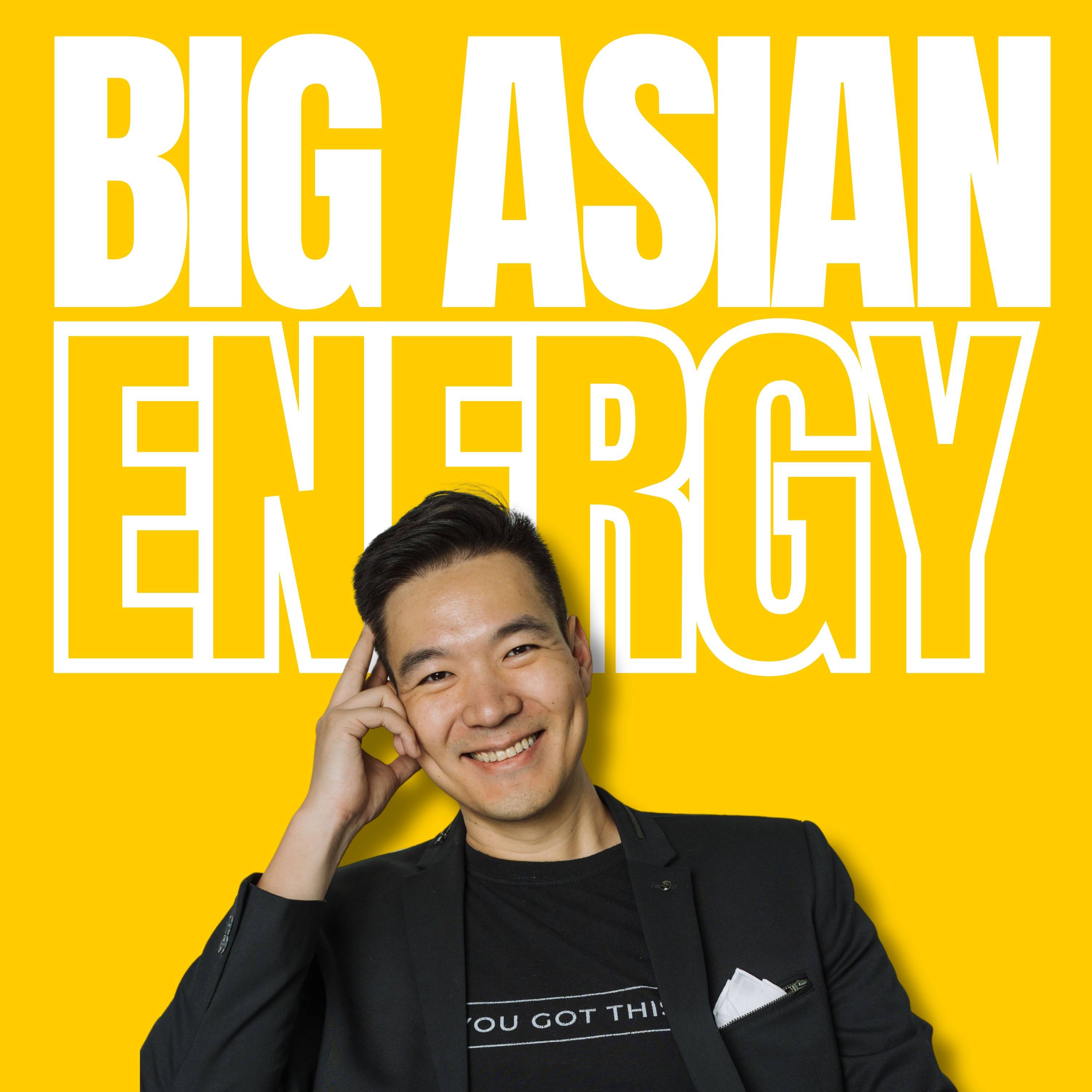 What Happens When a World-Changing Entrepreneur Finally Breaks Down to Break Through with Jane Chen | In this episode of Big Asian Energy, John Wang sits down with Jane Chen, entrepreneur and author of the forthcoming memoir "Like A Wave We Break," to explore how childhood trauma shapes entrepreneurial drive and why healing work is essential for sustainable success. Jane shares her powerful journey from Stanford graduate student to founder of Embrace, a company that saved over a million babies, and reveals how a complete breakdown led her to Indonesia for a transformative healing journey. Through exploring everything from Internal Family Systems therapy to MDMA-assisted therapy, Jane discovered that true resilience isn't about pushing harder, but about coming home to yourself. What Jane Shares: How childhood trauma and adverse experiences shape our relationship with achievement and success Why psychological safety in leadership starts with your own inner healing work Healing modalities that transform trauma into authentic self-leadership About Jane Chen Jane Chen is the author of "Like A Wave We Break," a memoir exploring trauma, healing, and finding worthiness beyond achievement. She is the founder of Embrace, a social enterprise that created a low-cost infant warmer that has helped over one million premature babies in remote areas worldwide. Recognized as a Young Global Leader by the World Economic Forum and Social Entrepreneur of the Year, Jane has been honored by President Obama and supported by Beyonce. After experiencing burnout and a mental breakdown ten years into building Embrace, Jane embarked on an intensive healing journey that transformed her understanding of success, resilience, and leadership. She now works as a leadership coach, bringing trauma-informed practices to help leaders create psychologically safe teams and organizations. Connect with Jane Chen Website: Jane Chen's Website "Like A Wave We Break" available wherever you get your books | — | ||||||
| 8/12/25 | 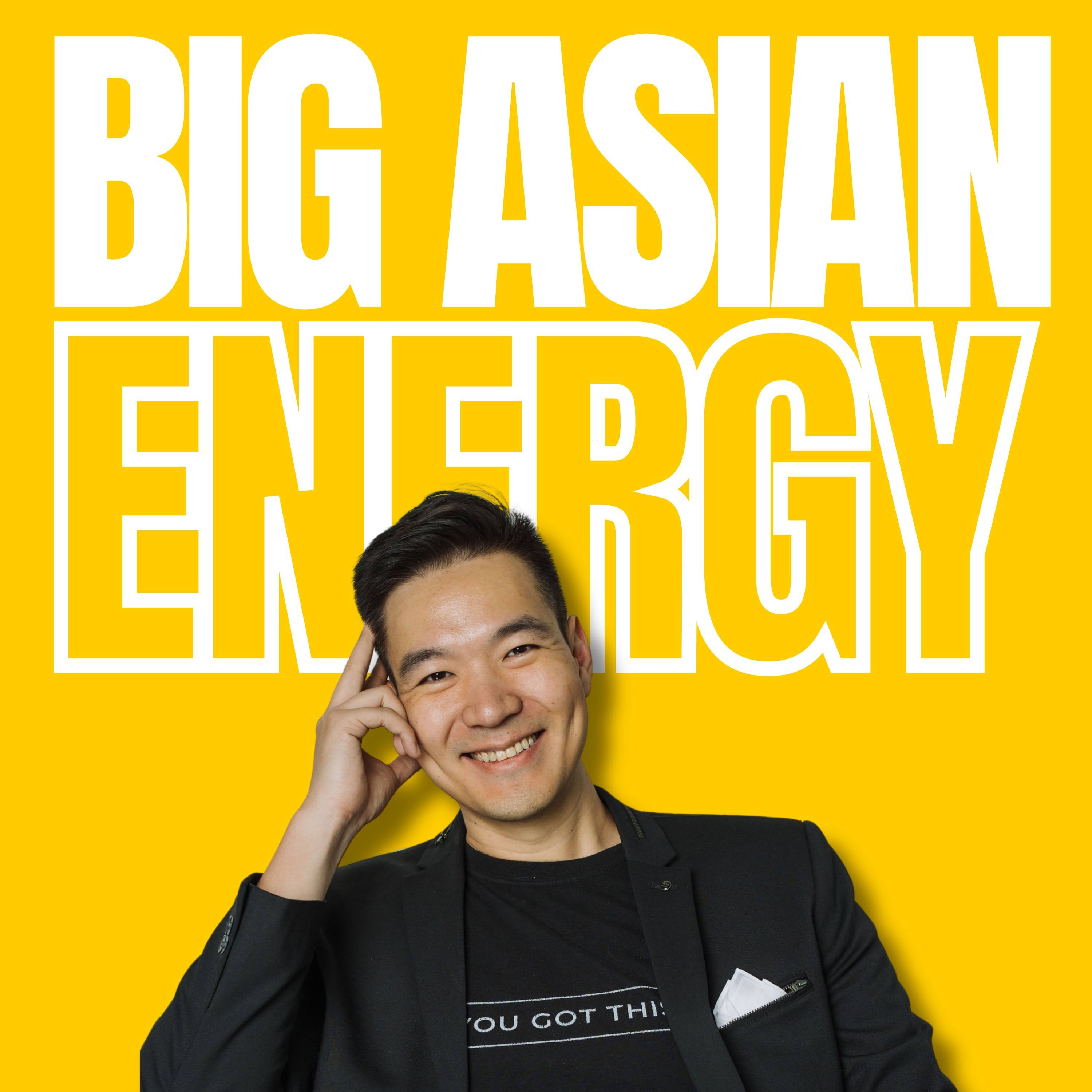 Leadership Lessons from Building a $500M Global Skincare Brand with Vicky Tsai | Vicky Tsai’s resume was flawless. Wellesley. Harvard Business School. Wall Street. Big brands like Procter & Gamble and Starbucks. But behind that picture-perfect career was the reality of quiet bias, vague feedback, and being told she did not have “leadership potential.” In this episode of Big Asian Energy, Vicky opens up about the toll of constantly feeling like she did not belong, and the moments that pushed her to rebuild her confidence, her voice, and her self-worth. She shares how she founded the global skincare brand Tatcha, sold it for $500M, stepped away, and then returned as CEO to lead it on her own terms with purpose and joy at the center. If you have ever felt stuck, sidelined, or like you had to shrink yourself to survive in corporate spaces, this conversation will give you the clarity and courage to take your power back. What You’ll Learn in This Episode How corporate systems quietly keep Asian employees “treading water,” or worse What it takes to truly reclaim your confidence, voice, and inner strength when you are in your deepest moments of uncertainty Why real leadership is not about perfectionism or power, but about purpose and calling About Vicky Tsai Vicky Tsai is the founder and current CEO of Tatcha, a luxury skincare brand inspired by traditional Japanese beauty rituals. After years in corporate America left her burned out and disillusioned, a trip to Kyoto sparked a new path. She built Tatcha from her savings, grew it into a global brand, and sold it to Unilever for $500M. After stepping away, she returned as CEO in 2021 to guide the company through a new chapter. Today, she mentors underrepresented entrepreneurs, serves on the board of Room to Read, and champions purpose-driven leadership. Resources Learn more about Tatcha: www.tatcha.comSupport Room to Read: www.roomtoread.org | — | ||||||
| 6/17/25 | 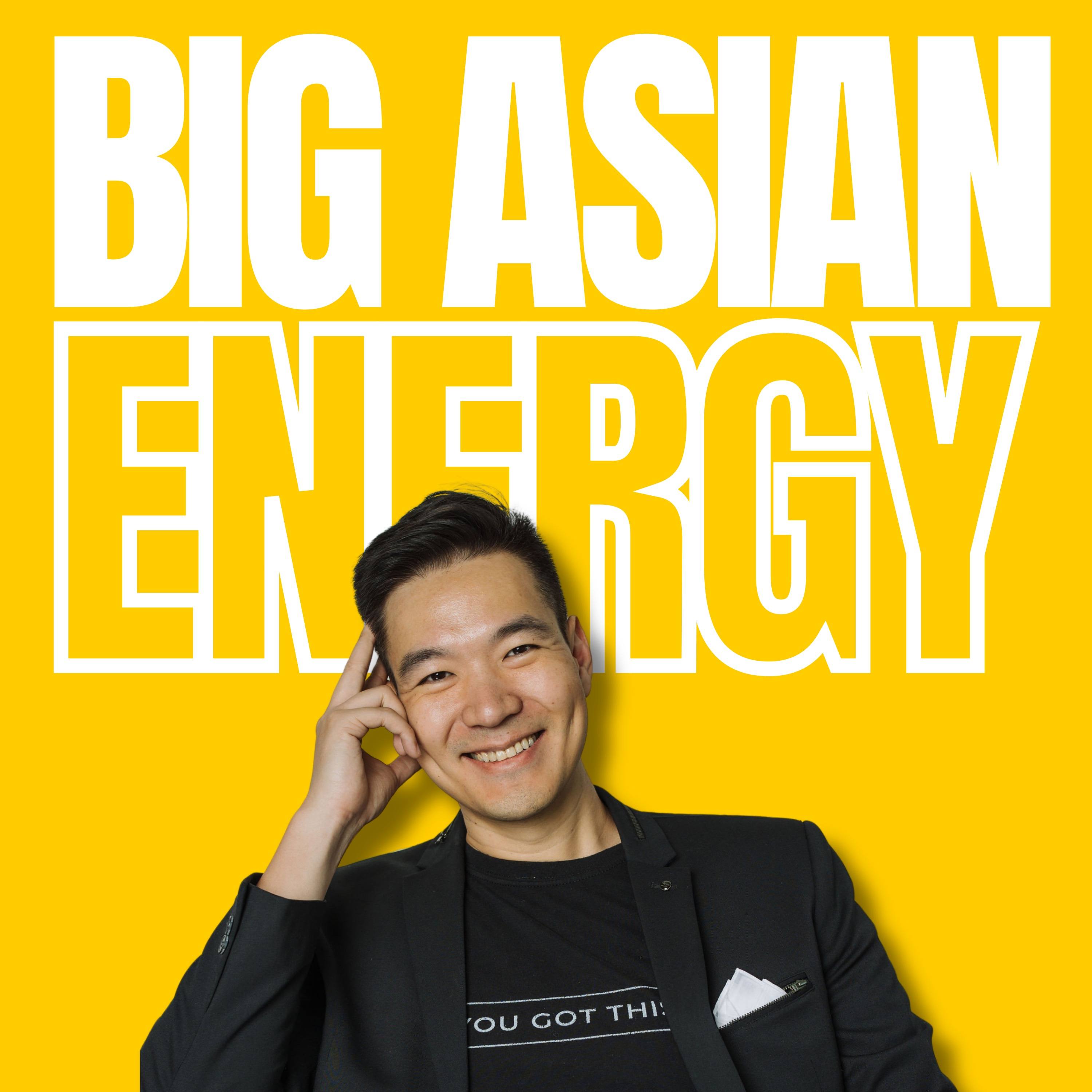 Breaking Into Hollywood, Navigating Rejection, and Redefining Asian American Representation with Ada Tseng | In this episode of Big Asian Energy, we sit down with journalist and author Ada Tseng to talk about what it really takes to break into Hollywood. From rejection and resilience to representation and real-world advice, Ada shares hard-won insights from years of covering the entertainment industry and uplifting Asian American voices. What Ada Shares: Breaking into Hollywood (especially for Asian Americans) Representation, identity, and mental health in entertainment The realities behind the glamour of Hollywood careers About Ada TsengAda Tseng is the co-author of Breaking Into New Hollywood: A Career Guide to a Changing Industry, a forthcoming book written with Jon Healey. She co-hosts the Asian American pop culture history podcast Saturday School with Brian Hu and is a former editor at the Los Angeles Times. Connect with AdaInstagram: @adatseng88Podcast: Saturday School (Apple, Spotify)Pre Order Ada's book: Breaking Into New Hollywood | — | ||||||
| 5/27/25 | 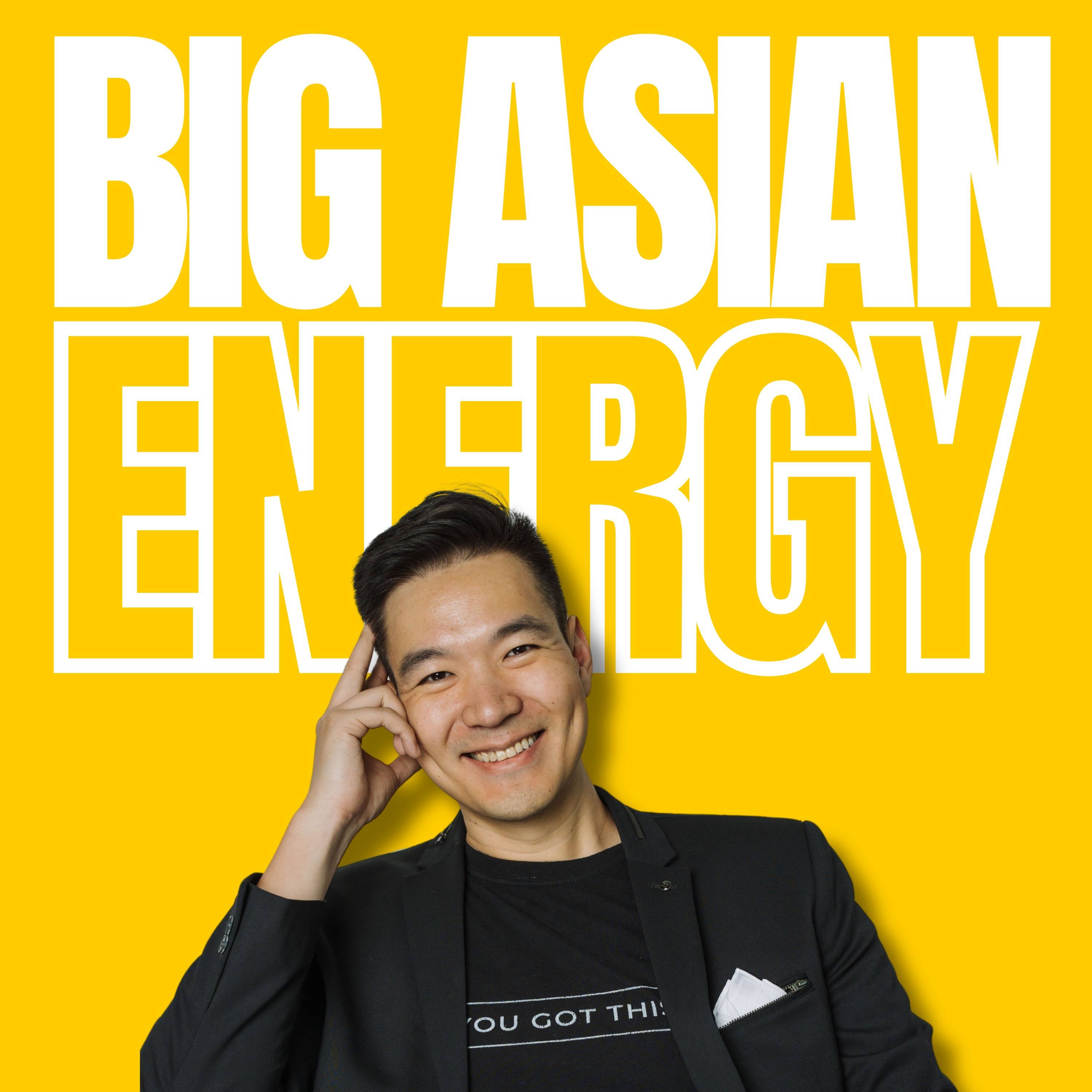 Big Asian Energy is Officially Out! | After years of building, researching interviewing and writing and rewriting more times than I can count—it’s here. Big Asian Energy, my debut book, is officially out in the world. This episode is different. It’s just me—no guest, no script—sharing the real story behind the book. Where the idea came from, what it took to write, what I’ve never said publicly about the process, and why I almost didn’t do it at all. I made this episode because I know I would’ve wanted to hear it when I was starting out. And I made this book because I couldn’t find one that captured the full picture—not just the workplace challenges or the stereotypes, but the internal stuff no one talks about. In this episode, I talk about: The moment I knew this book needed to exist How my personal story (from awkward kid to coach) shaped everything What the research says about how Asian Americans are seen—and why that matters The “bamboo ceiling,” and what I learned from real clients at places like Google, Amazon, and Microsoft What nobody tells you about book deals, imposter syndrome, and the emotional crash after finishing Why this book isn’t for every Asian, but for the ones who feel unseen, under-recognized, or stuck What’s actually inside the book—from scripts to speak up to healing family patterns What’s inside the book Here’s just some of what I cover: Why Asian confidence hits different—and how to rebuild it from the inside out The 3 internal patterns that keep us quiet: the Achiever, the Fixer, and the Chameleon Self-sabotage in disguise: over-apologizing, minimizing your work, or rejecting yourself before anyone else can The “achievement treadmill”—when nothing ever feels good enough Scripts to speak up at work, call out microaggressions, and say no without guilt How to navigate family expectations with respect and boundaries How to find your voice—without letting go of your values If you take away one thingThis book isn’t trying to speak for all of us. That’s impossible. But if it helps you feel even a little more seen—or a little less alone—then it was worth writing. I hope it sparks conversation. I hope it starts something that goes far beyond me. And I hope, above all, it helps you show up—not as who the world expects you to be, but as who you already are. Grab Your Copy Buy the book:https://www.penguinrandomhouse.com/books/742831/big-asian-energy-by-john-wang/ Amazon: https://www.amazon.com/Big-Asian-Energy-Unapologetic-Leadership/dp/0593475437 Barnes & Noble: https://www.barnesandnoble.com/w/big-asian-energy-john-wang/1146224703 More resources: www.bigasianenergy.com Say hi! john@bigasianenergy.com | team@bigasianenergy.com | — | ||||||
| 5/2/25 |  Breaking In: What It Really Takes to Thrive in Publishing with Christine Hung | What does it take to reshape an industry from the inside out? In this in-person episode of Big Asian Energy, John sits down with Christine Hung, Executive Director of Marketing at Vintage Books (Penguin Random House) and interim director of People of Color in Publishing. From growing up in Minnesota to working on campaigns for literary icons like James Baldwin and Toni Morrison, Christine shares how her journey has been quietly powered by advocacy, storytelling, and community. They dive deep into the unspoken realities of publishing—who gets in, who gets left out, and why representation isn’t just about who’s on the page, but who’s in the room. With humor, heart, and plenty of honesty, Christine reflects on identity, negotiation, diversity in publishing, and why she’d love to teach a class on financial literacy. What You’ll Learn: Why representation—both on the page and behind the scenes—matters more than ever How financial privilege and gatekeeping shape who gets to work in publishing What it really means to advocate for inclusion from inside the system Why curiosity, connection, and negotiation are essential tools for career growth How we can reimagine publishing to be more transparent, equitable, and inclusive Connect with Christine and POC in Publishing! Instagram: https://www.instagram.com/pocpub/ Website: https://www.pocinpublishing.com/ | — | ||||||
| 3/7/25 |  Redefining Success & Overcoming Burnout with Newton Cheng | Why do so many high achievers, especially in Asian communities, struggle with burnout? For many, success is deeply tied to identity, self-worth, and cultural expectations—but at what cost? In this powerful episode of Big Asian Energy, we welcome Newton Cheng, Global Director of Health & Performance at Google, world champion powerlifter, and mental health advocate. Newton shares his personal experience with burnout, the pressure of achievement, and how he redefined success to prioritize his well-being. What You’ll Learn: Why high achievers—especially in Asian cultures—feel pressure to keep pushing, even at the cost of their well-being. How Newton confronted the “achievement monster” and reframed his relationship with success. What practical steps you can take to avoid burnout while still pursuing excellence. Connect with Georgianna! Website : https://www.newtoncheng.com/ Instagram : http://instagram.com/newtoncheng/ Linkedin: https://www.linkedin.com/in/newtoncheng Let’s connect on socials! Facebook: https://www.facebook.com/johnwangofficial Instagram: https://www.instagram.com/johnwangofficial/ Tiktok: https://www.tiktok.com/@johnwangbae Tune in now and take the first step toward self-acceptance and deeper connections! | — | ||||||
| 3/12/24 | 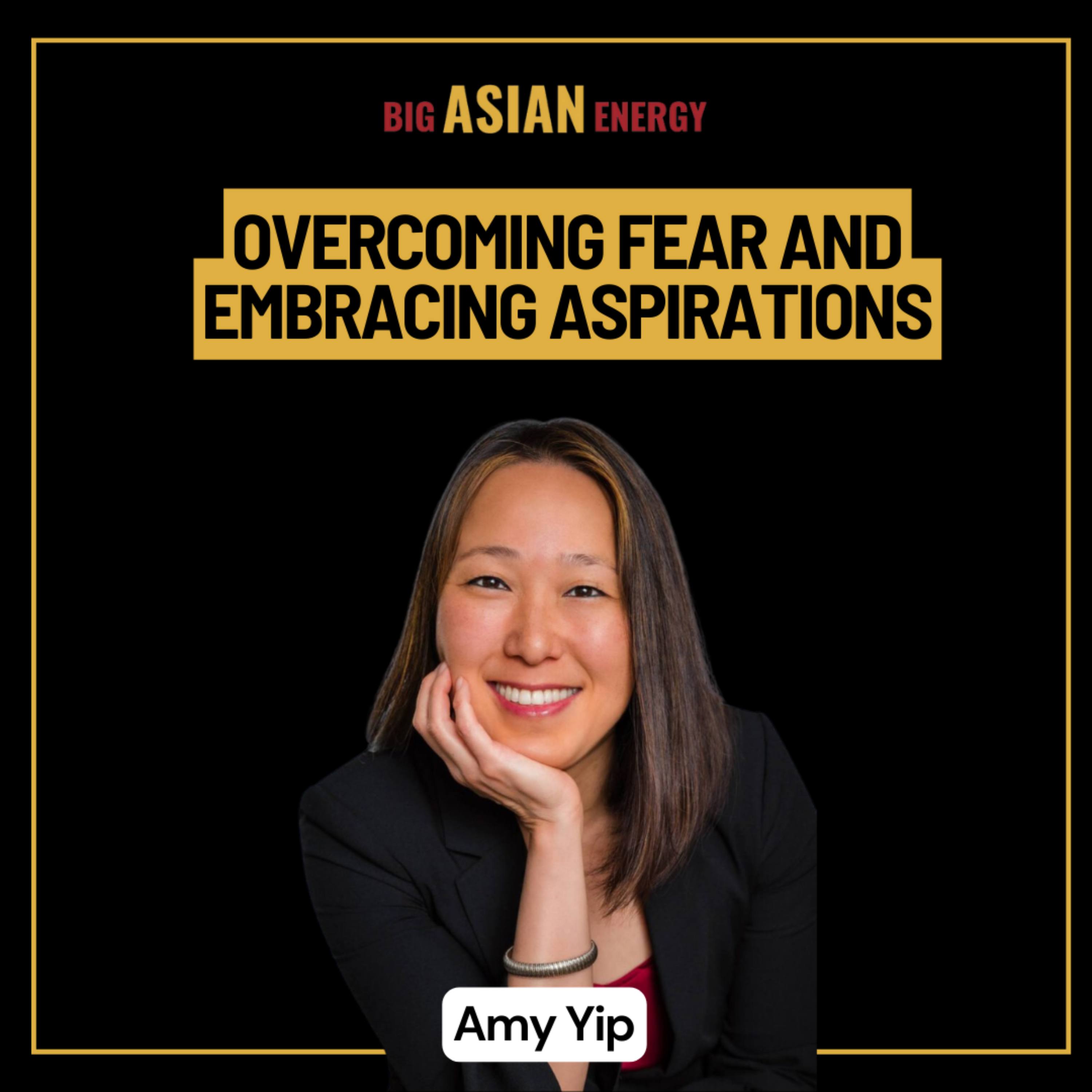 Overcoming Fear and Embracing Aspirations With Amy Yip | In an era where societal norms and expectations often dictate the paths we tread, finding the courage to carve our own way and author our life stories presents a formidable challenge, especially within the Asian American and Pacific Islander (AAPI) community. The weight of tradition, the fear of parental disapproval, and the daunting risks associated with deviating from the expected course can hinder the pursuit of personal aspirations and dreams In this inspiring episode of Big Asian Energy, we welcome Amy Yip, a dedicated life transformation and mental fitness coach. Amy specializes in helping the Asian American and Pacific Islander (AAPI) community break free from societal expectations to craft their own life stories. She tackles the big challenges: building self-confidence, facing parental disapproval, and daring to be different. Amy shares her expertise on overcoming workplace challenges, boosting self-esteem, and dealing with burnout. She emphasizes the importance of listening to our bodies through somatic work and discusses how to heal from the past while setting healthy boundaries for the future. Tune in now! Connect with Amy! https://amyyipcoaching.com/ https://www.instagram.com/amyyipcoaching/ https://www.linkedin.com/in/amycyip/ https://www.facebook.com/amyyipcoaching/ Let’s connect on socials! Facebook: https://www.facebook.com/johnwangofficial Instagram: https://www.instagram.com/johnwangofficial/ Tiktok: https://www.tiktok.com/@johnwangbae | — | ||||||
| 12/13/23 | 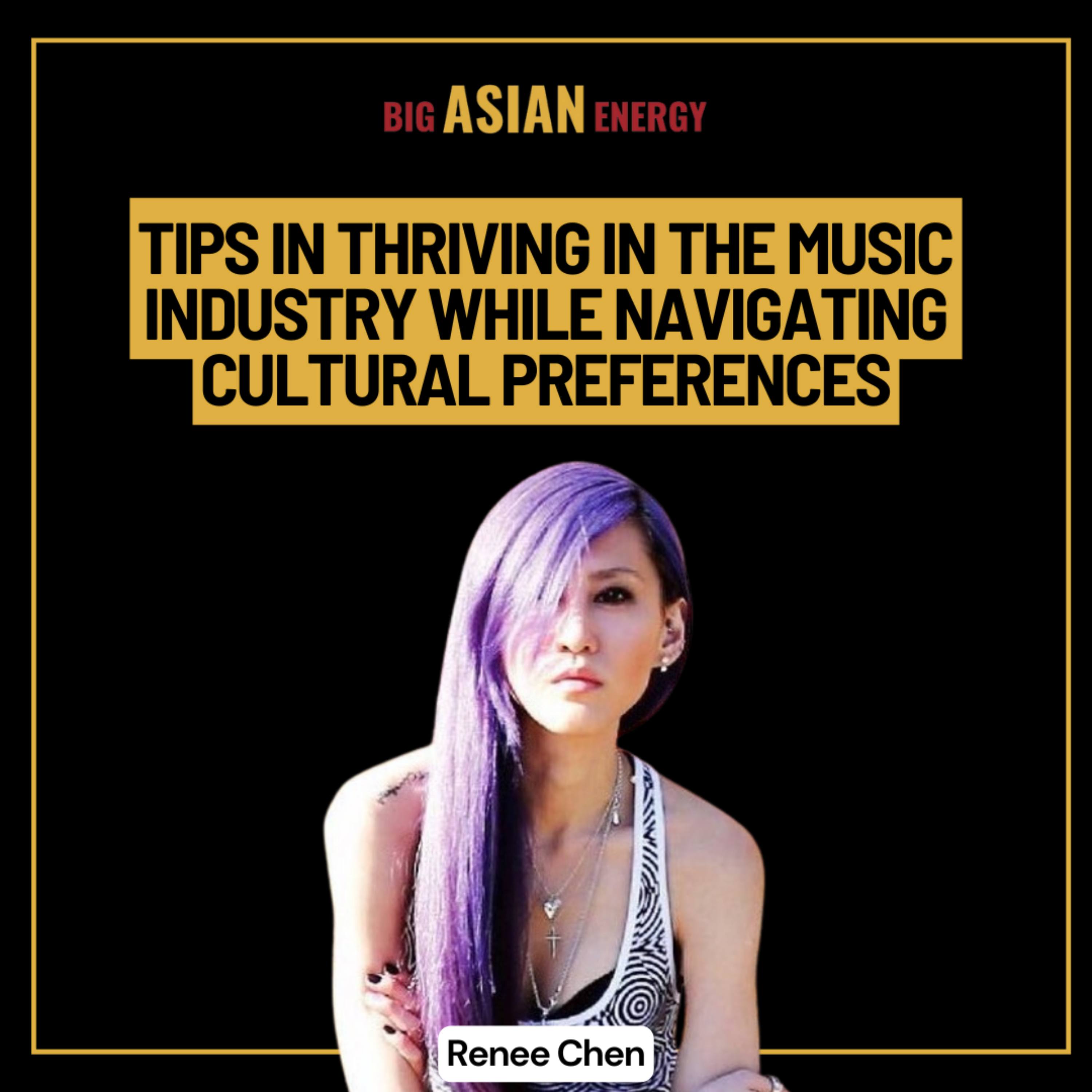 Renee Chen On Tips in Thriving in the Music Industry While Navigating Cultural Preferences | Great melodies aren't enough to make it in today's competitive global music industry. It's about striking a chord with diverse cultures and tastes. Join us in today's enlightening episode as we delve into the captivating journey of Renee Chan, known by her stage name Nae Nae, a trailblazing musician who has made a significant mark in the hip hop music scene of Taiwan. In an industry often characterized by its cultural biases and rigid preferences, Nae Nae's experience stands as a testament to the power of perseverance and authenticity. Be inspired by her relentless pursuit of artistic expression! Connect with Renee! https://www.facebook.com/ReneeTakeOver https://www.instagram.com/reneetakeover/ https://twitter.com/ReneeTakeOver Don’t forget to subscribe to our podcast for more episodes like this! Check out my website: https://www.bigasianenergy.co Let’s connect on socials! Facebook: https://www.facebook.com/johnwangofficial Instagram: https://www.instagram.com/johnwangofficial/ Tiktok: https://www.tiktok.com/@johnwangbae | — | ||||||
| 11/1/23 | 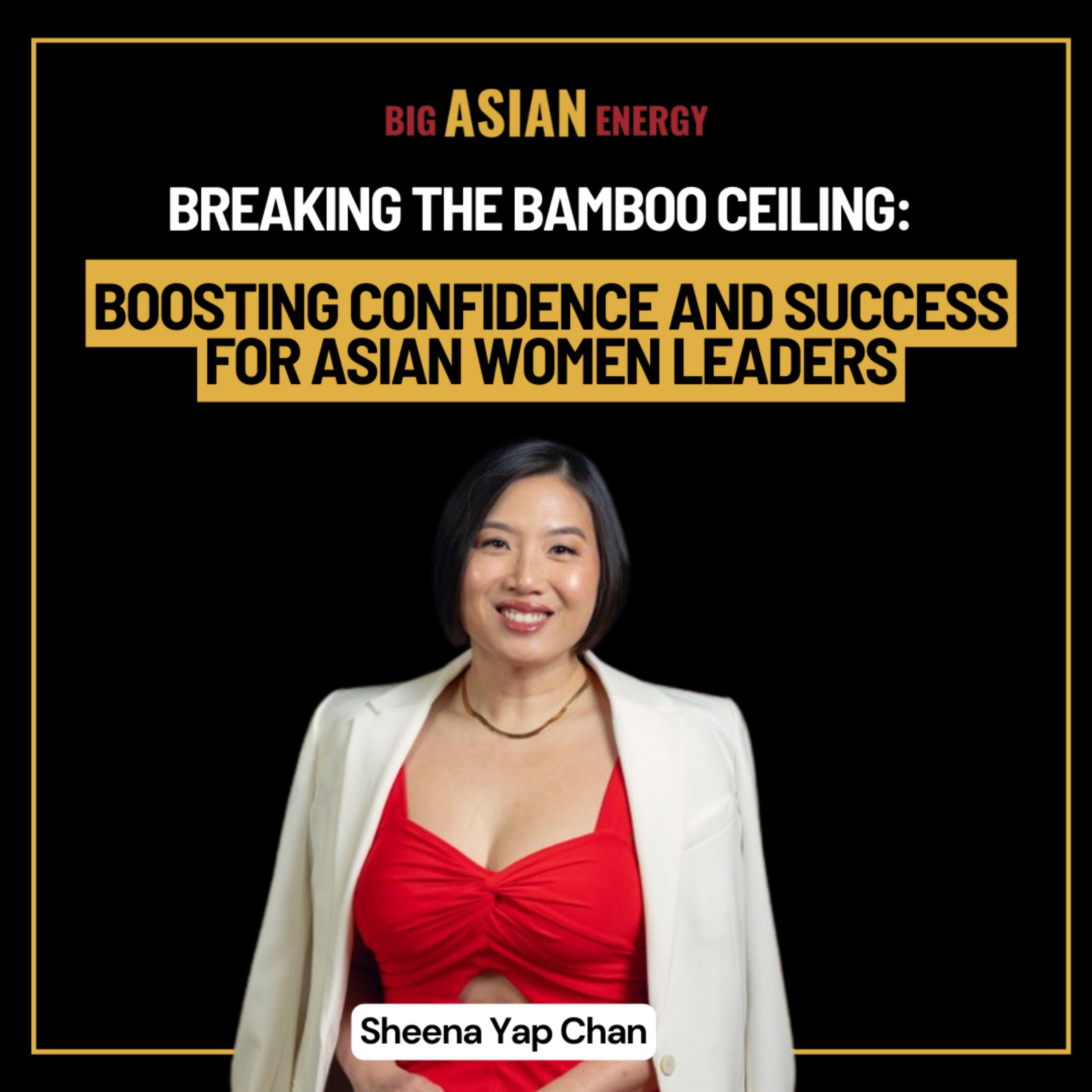 Sheena Yap Chan On Breaking the Bamboo Ceiling: Boosting Confidence and Success for Asian Women Leaders | Navigating the challenges of leadership can be daunting, especially when cultural barriers come into play. But what if these barriers are more than just external hurdles? For many Asian women leaders, the Bamboo Ceiling is a real and pressing concern, often leading to self-doubt and diminished confidence. In the dynamic realm of leadership, it's crucial to not only break through these ceilings but also to nurture one's self-belief and resilience. In this episode of Big Asian Energy, we are honored to be joined by Sheena Yap Chan. Sheena is a The Wall Street Journal Bestselling author, keynote speaker, consultant, and award-winning podcaster on leadership and self-confidence. She is also the founder and host of the award-winning podcast called The Tao of Self-Confidence where she interviews Asian women about their inner journey to self-confidence. We explore the trends and struggles women face on their journey to building self-confidence, and how cultural upbringing can play a role. But fear not, Sheena provides actionable advice on practices that can help women overcome these obstacles. We also tackle workplace challenges faced by Asian women, from being overlooked for promotions to not being taken seriously due to their appearance or name. Connect with Sheena! https://www.linkedin.com/in/sheenayapchan/?originalSubdomain=ca https://www.instagram.com/sheena.yap.chan/?hl=en https://thetaoofselfconfidence.com/ – Don’t forget to subscribe to our podcast for more episodes like this! Check out my website: https://www.bigasianenergy.co Let’s connect on socials! Facebook: https://www.facebook.com/johnwangofficial Instagram: https://www.instagram.com/johnwangofficial/ Tiktok: https://www.tiktok.com/@johnwangbae | — | ||||||
| 9/27/23 | 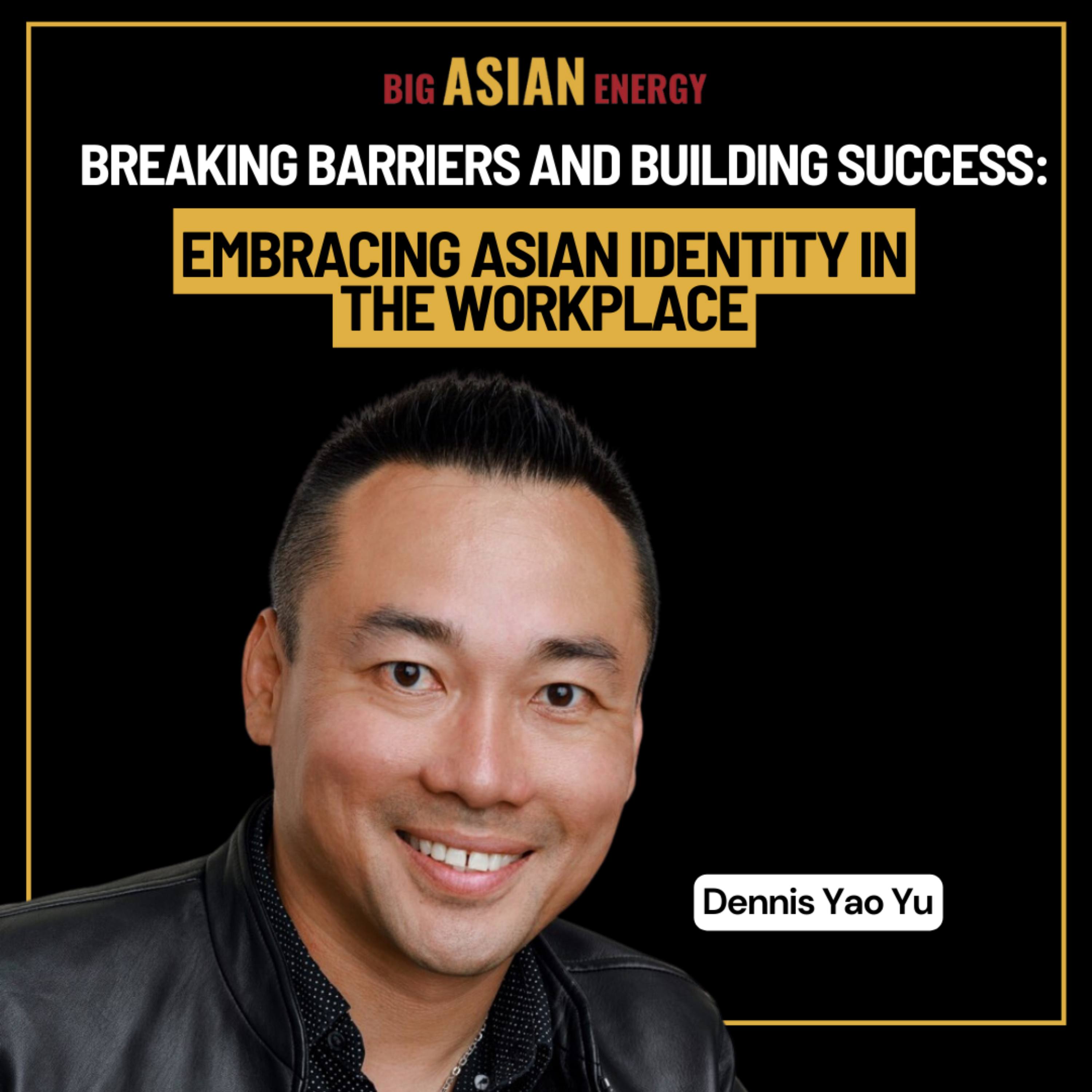 Dennis Yao Yu On Breaking Barriers And Building Success: Embracing Asian Identity In The Workplace | Welcome to another episode of Big Asian Energy! In today's episode, we dive deep into the intersection of identity and work. We spend so much of our lives working, often more than we do with our own families. That's why it's crucial to explore how we bring our authentic selves to the workplace. Today's guest embodies the spirit of perseverance and ambition that many immigrants bring to the shores of America. Hailing from Taiwan, he's not just an immigrant but a trailblazer in the e-commerce technology world. With over 15 years of experience, Dennis Yao Yu has been the backbone of startups and corporate giants alike. Today, he's championing entrepreneurs at Shopify as the Merchant Success Team Leader. Before this, he lent his expertise to the prestigious University of Southern California's Marshall School of Business. And his leadership at Art.com led to a monumental exit from Walmart. Dennis shares how his diverse background gives a valuable perspective that others may not have, leading to innovative thinking and different approaches to revenue growth and cost savings. We'll also delve into the role that identity and culture play in how Asians perceive and perform at work. Dennis sheds light on his personal experiences as an Asian professional and the challenges and opportunities they've encountered along the way. Discover strategies for recognition and promotion, as well as the importance of mentorship and sponsorship within organizations. Tune in as we unpack the complexities of being "the other" in the workplace and the steps needed at a corporate and leadership level to ensure that all employees are seen, heard, and given equal opportunities. Tune in now! Connect with Dennis: https://www.linkedin.com/in/dennisyaoyu/ https://www.instagram.com/dennis_yao_yu/ Don’t forget to subscribe to our podcast for more episodes like this! Check out my website: https://www.bigasianenergy.co Let’s connect on socials! Facebook: https://www.facebook.com/johnwangofficial Instagram: https://www.instagram.com/johnwangofficial/ Tiktok: https://www.tiktok.com/@johnwangbae | — | ||||||
| 8/23/23 |  Visa Shanmugam On Healing Generational Wounds: The Power of Breathwork | It's a common narrative in many cultures to believe that our worth is tied to our achievements, that our value is measured by external validations. The reality? This belief system becomes so deeply ingrained that it shapes our self-perception, influencing our interactions, relationships, and even our career choices. Cultural expectations, societal pressures, and personal experiences combine to create the lens through which we view ourselves and the world around us. And the result of this? It often leads to self-doubt, a constant need for external validation, and a disconnection from our true selves. In our latest episode, we are joined by Visa Shanmugam. Visa Shanmugam is a dedicated Mindset and Empowerment Coach on a mission to inspire change. Drawing from her unique experiences, including her Indian upbringing and subsequent life in the UK and USA, Visa seeks to challenge and transform deeply held cultural beliefs, especially those pertaining to women's roles in society. She passionately believes in empowering women to rise above societal expectations, encouraging them to live their most authentic lives. We dive deep into the transformative power of breathwork and embodiment. We explore how these practices can help us reconnect with our bodies, heal past traumas, and navigate the complex web of cultural expectations and personal aspirations. Don't just listen! Feel, heal, and reclaim your narrative. 🌟 Connect with Visa! https://www.visalakshi.com/ Instagram: https://www.instagram.com/lifecoachvisa/?hl=en Tiktok: https://www.tiktok.com/@lifecoachvisa – Don’t forget to subscribe to our podcast for more episodes like this! Check out my website: https://www.bigasianenergy.co Let’s connect on socials! Facebook: https://www.facebook.com/johnwangofficial Instagram: https://www.instagram.com/johnwangofficial/ Tiktok: https://www.tiktok.com/@johnwangbae | — | ||||||
Showing 25 of 75
Sponsor Intelligence
Sign in to see which brands sponsor this podcast, their ad offers, and promo codes.
Chart Positions
1 placement across 1 market.
Chart Positions
1 placement across 1 market.