Big Boss Interview
by BBC News
Is this your podcast?BBC News is a renowned global news organization recognized for its comprehensive journalism and in-depth reporting across various topics. The Big Boss Interview podcast exemplifies this expertise by inviting high-profile chief executives an…
On the show
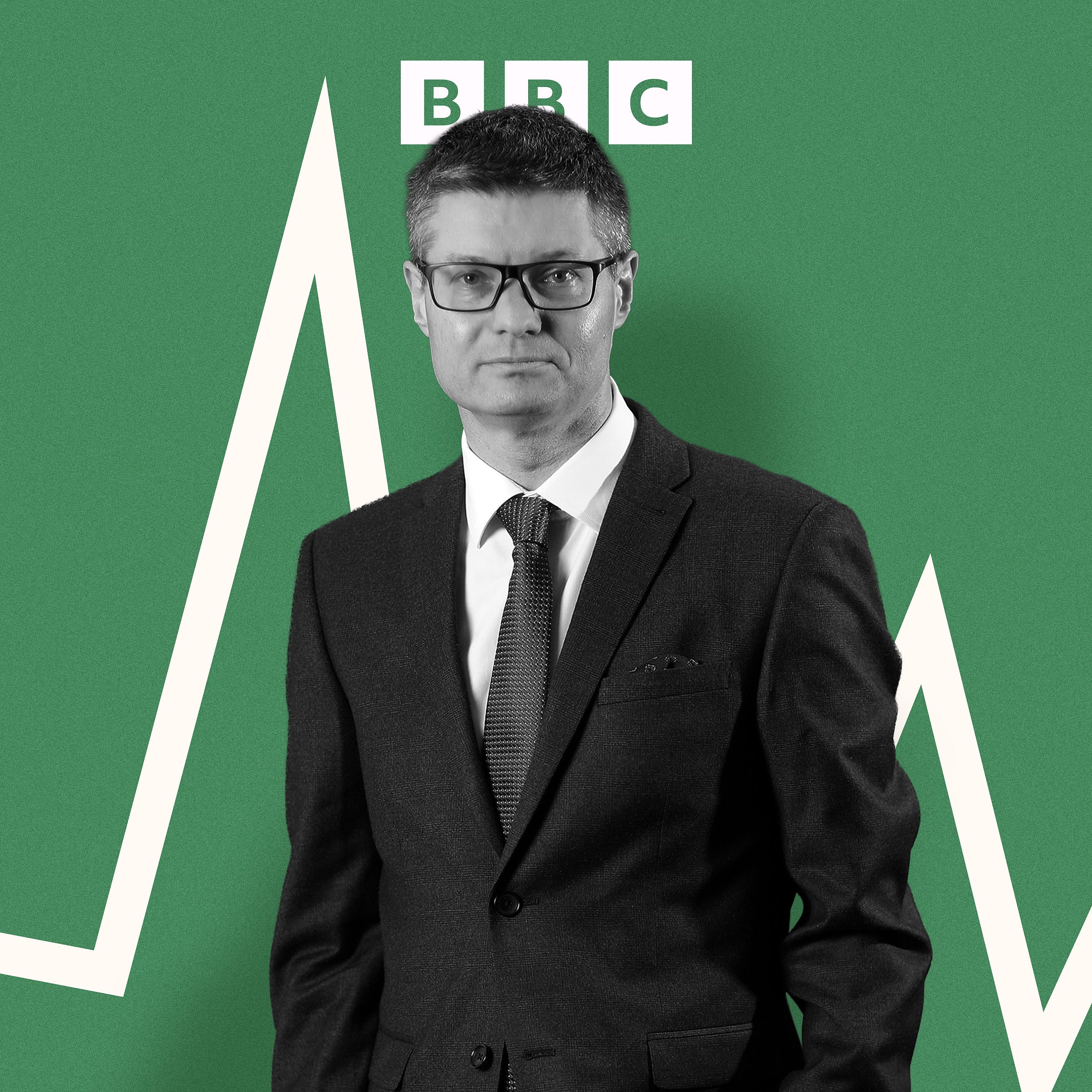
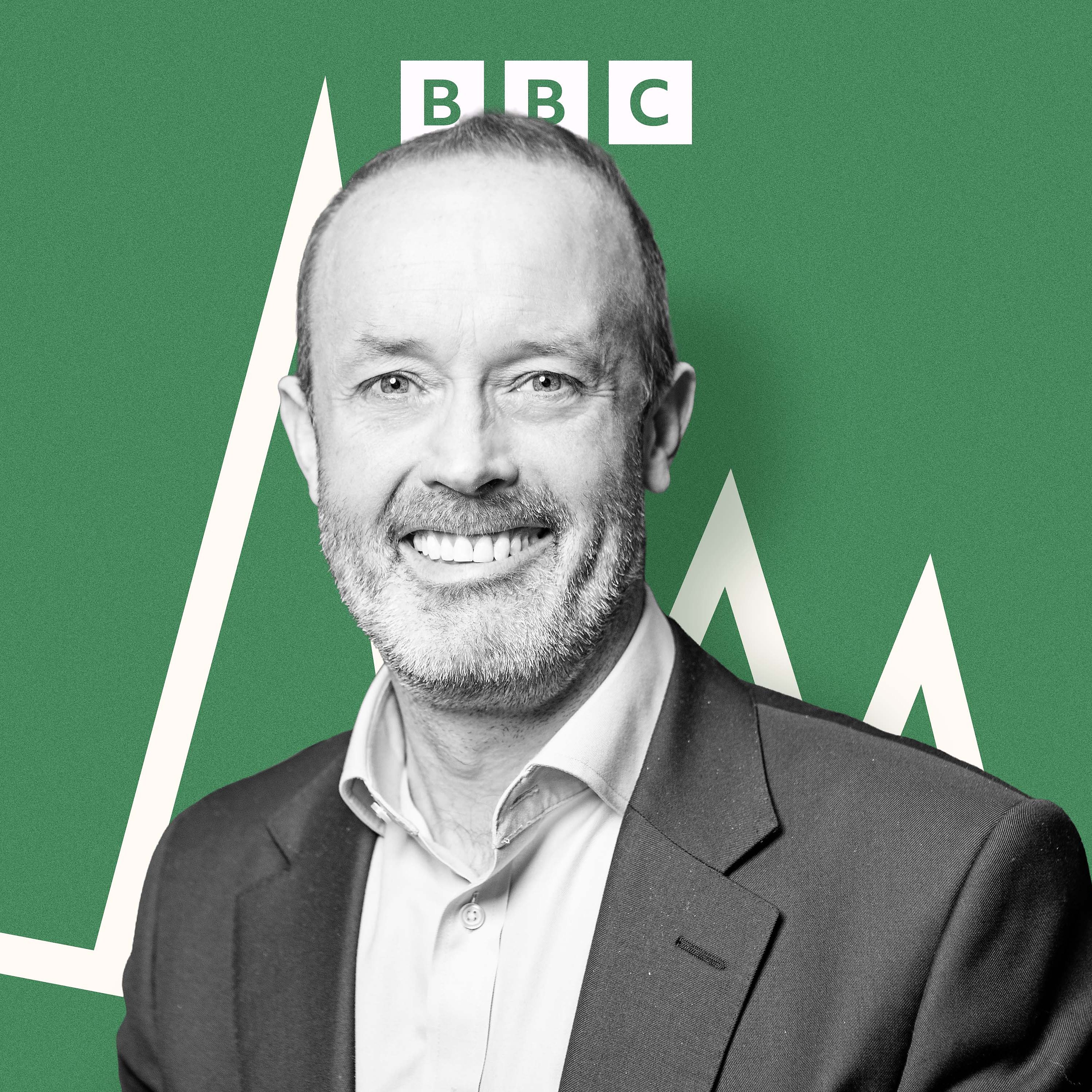
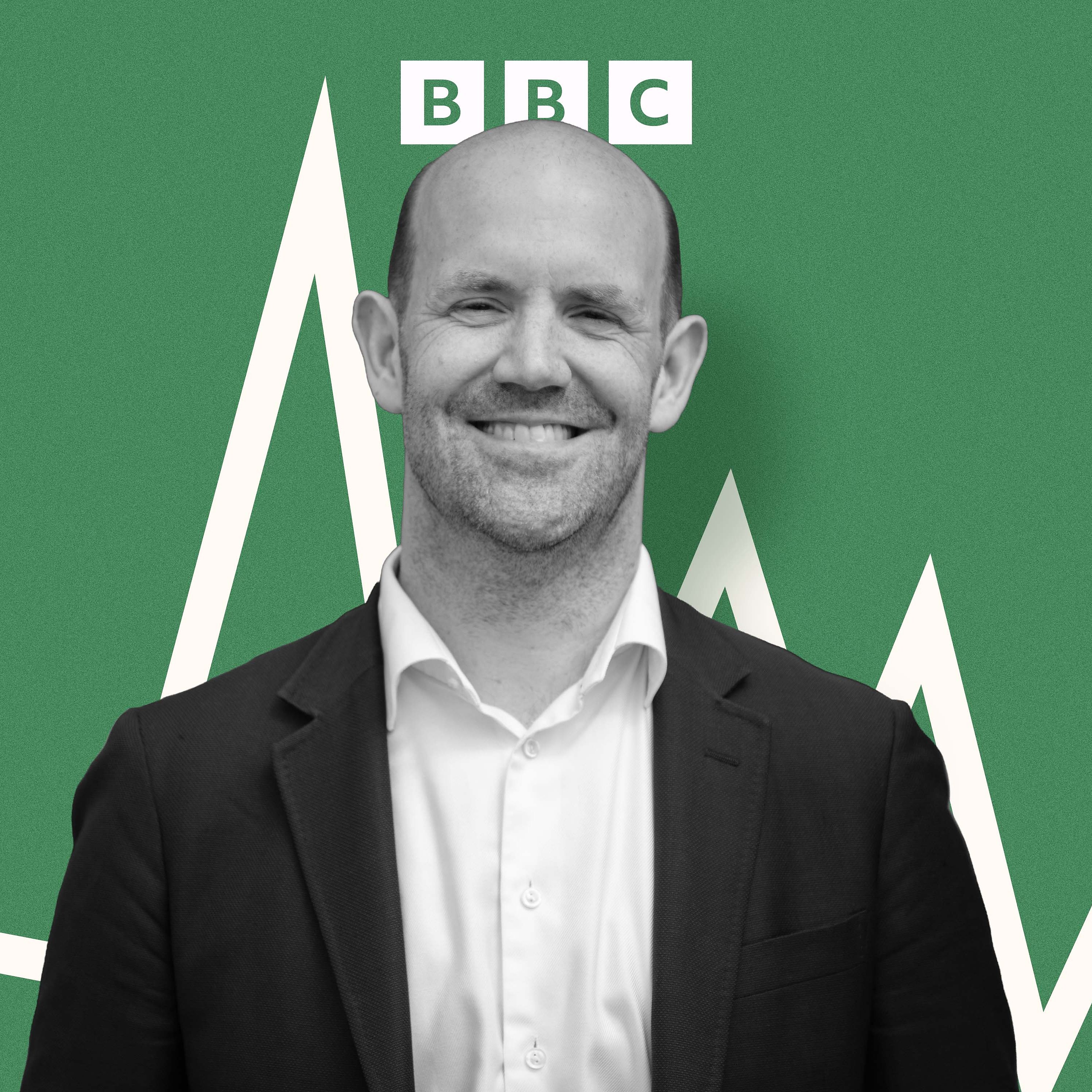
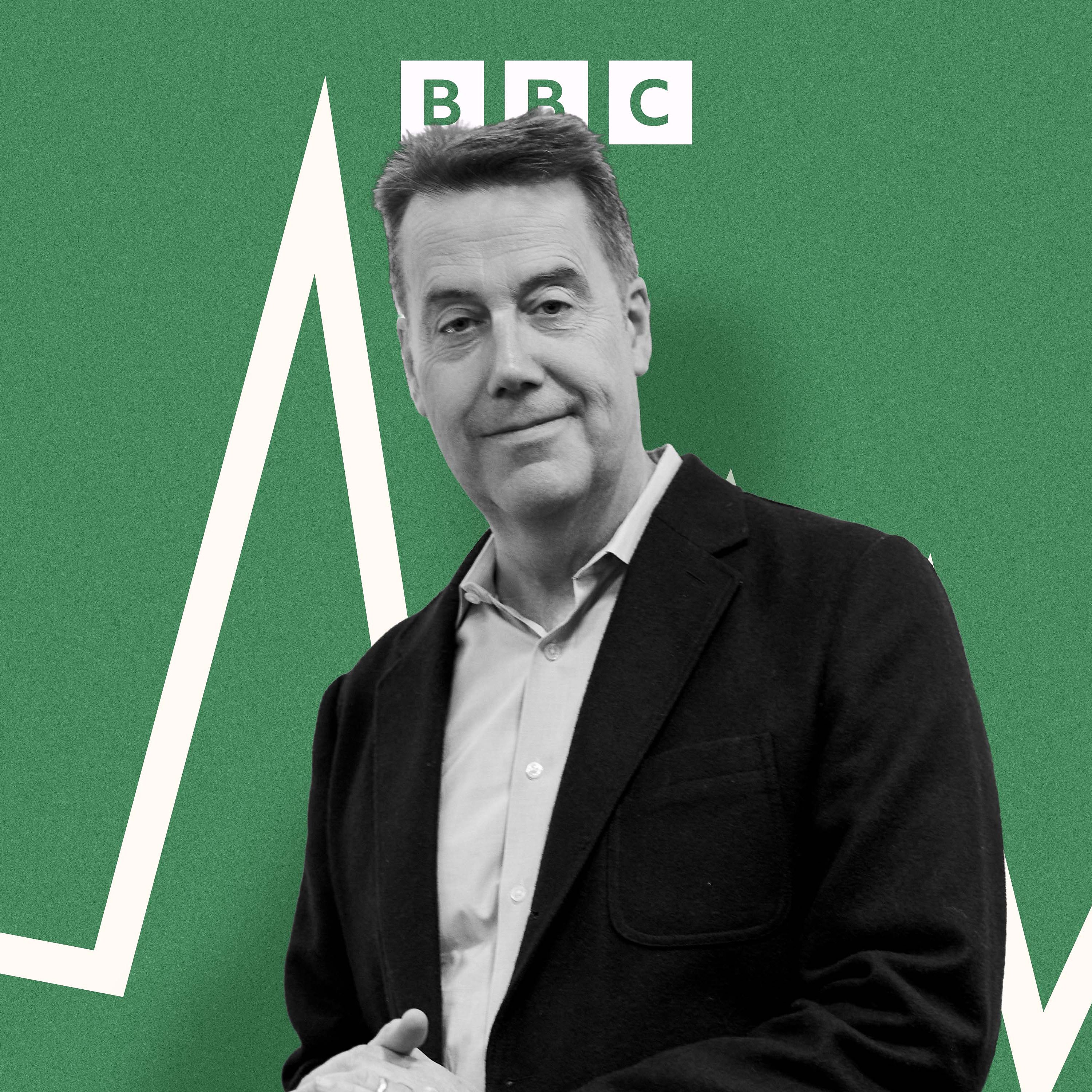
From 26 epsHosts
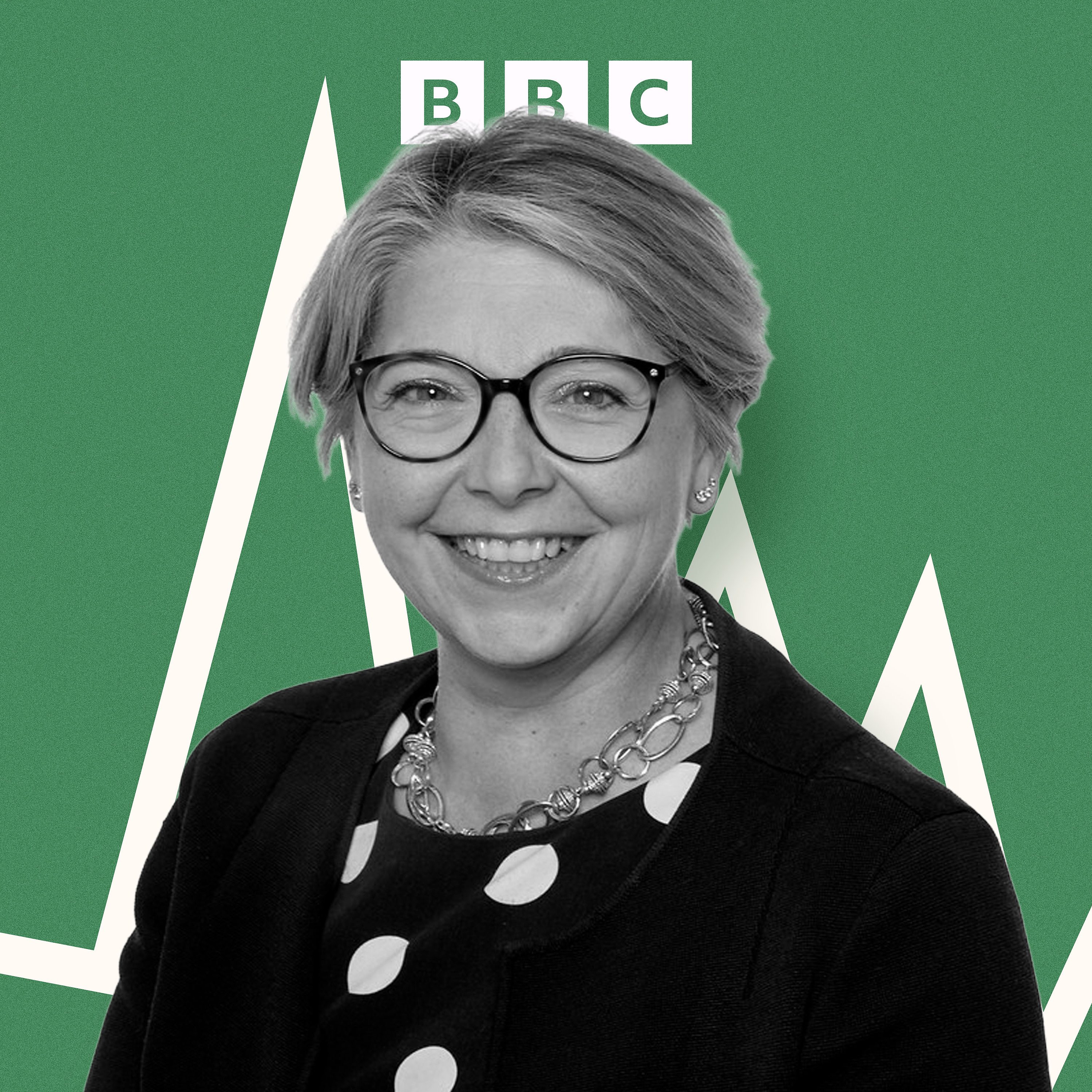
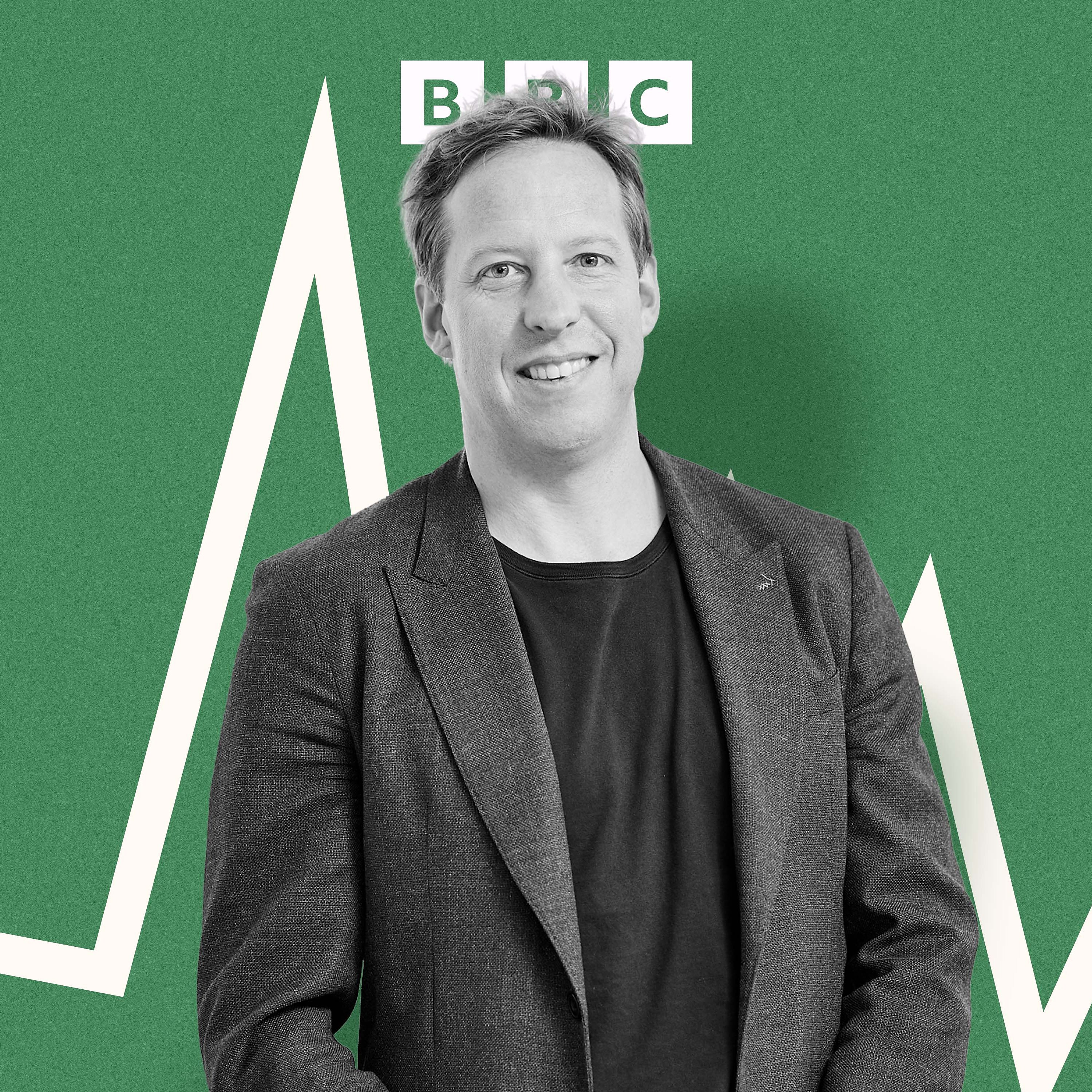
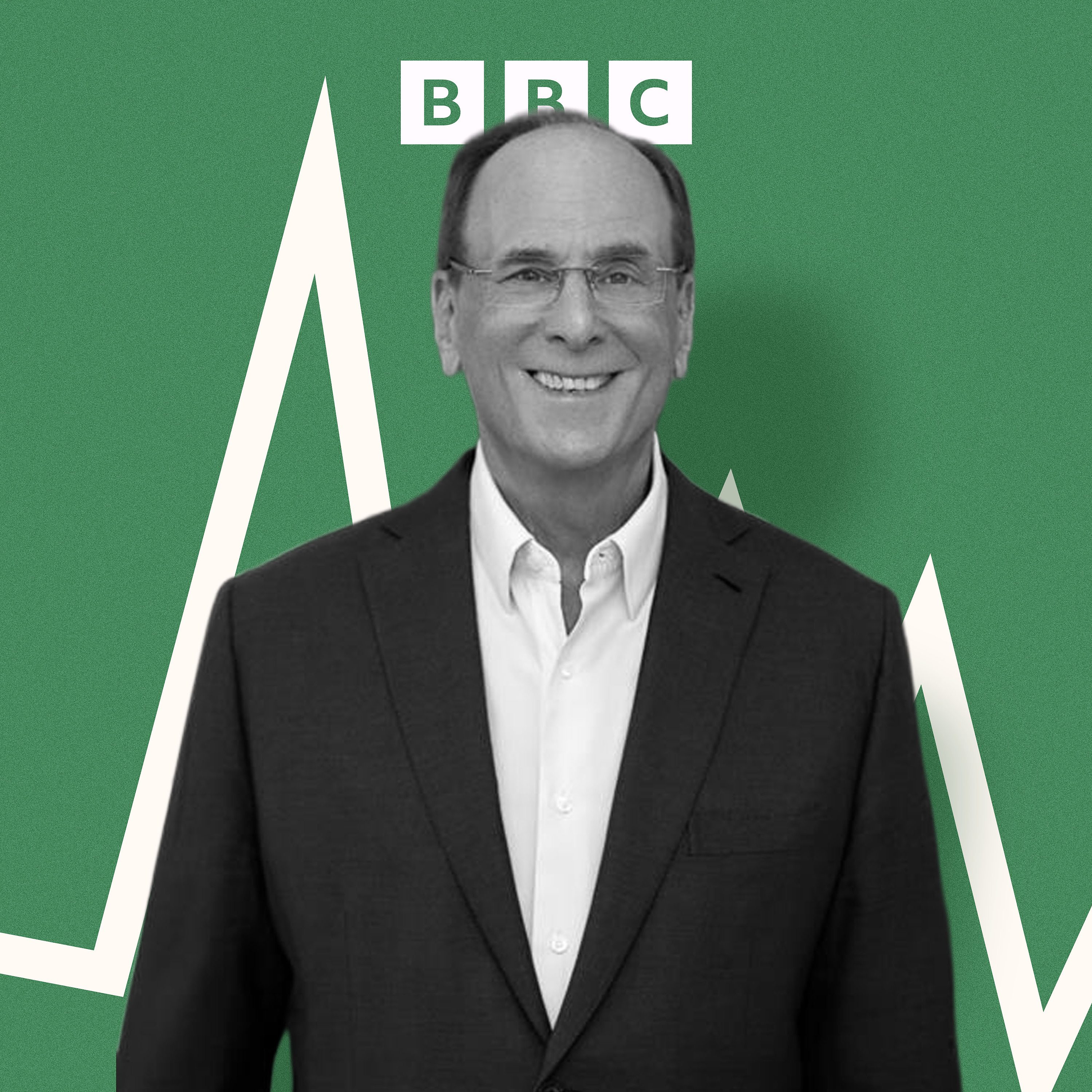
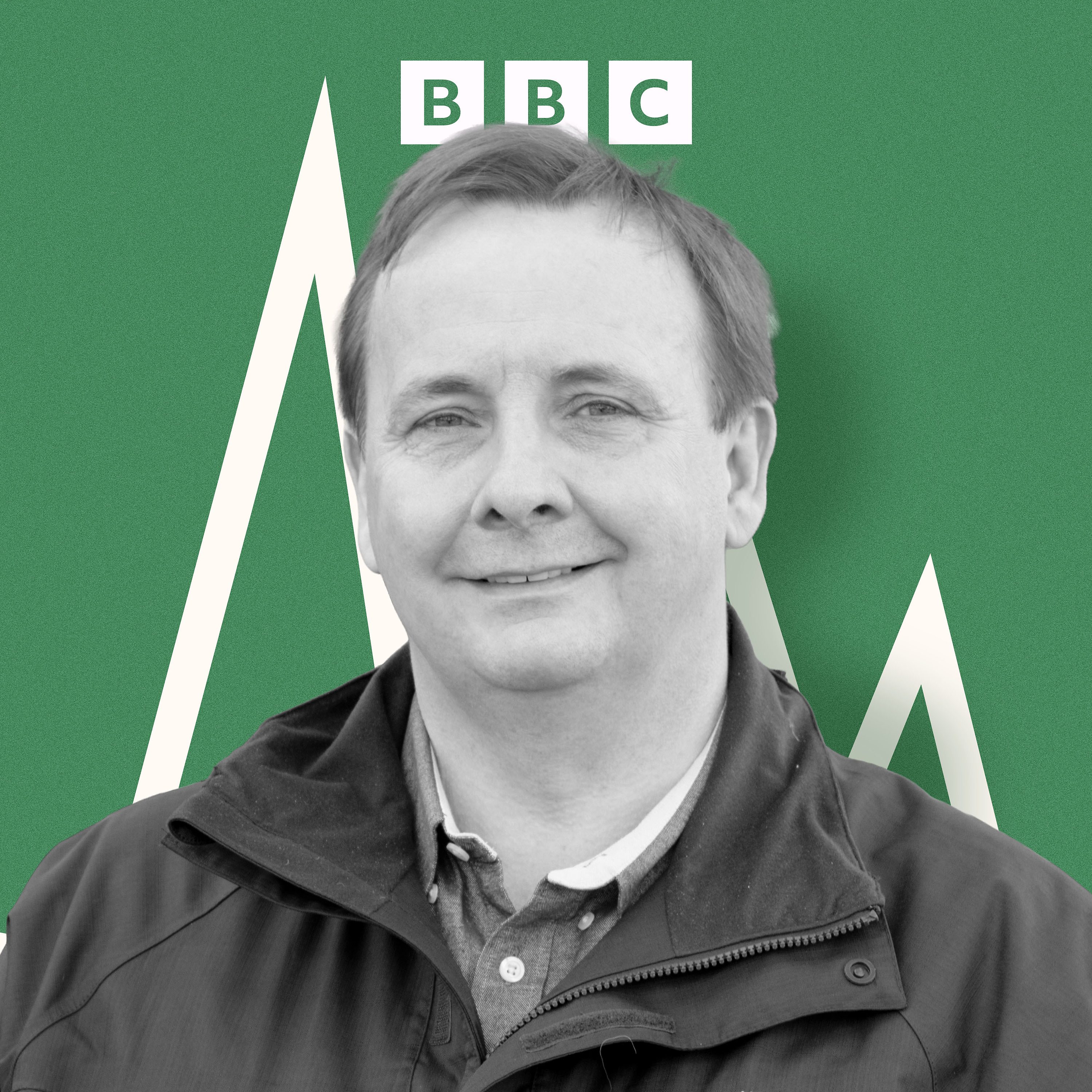
Recent guests
Recent episodes
Microsoft President: Britain Should Write World's AI Rules
Oct 11, 2026
46m 42s
London Stock Exchange CEO: Negative Headlines Drove Firms Away
Oct 7, 2026
51m 43s
EDF CEO: Another Energy Crisis is Coming
Sep 29, 2026
39m 57s
Aviva CEO: We're Building Uninsurable Homes
Sep 28, 2026
58m 41s
Sage CEO: Don't Build Data Centres in UK
Sep 23, 2026
41m 49s
Insights from recent episode analysis
Audience Interest
- business leadership insights
- entrepreneurial experiences
Podcast Focus
- interviews with executives
- business management strategies
Publishing Consistency
- weekly episodes
- active for ten years
Platform Reach
- available on major podcast platforms
- BBC News branding
Insights are generated by CastFox AI using publicly available data, episode content, and proprietary models.
Most discussed topics
Brands & references
Total monthly reach
Based on 2 signals.
Built from
By chart position
- 🇬🇧United Kingdom · Business NewsHOME#969K to 351K
- 🇮🇳India · Business News#237.0K to 35K
- 🇺🇸United States · Business News#986.7K to 34K
- 🇮🇪Ireland · Business News#55.7K to 29K
- 🇦🇷AR · Business News#95.0K to 25K
- Per-Episode Audience
Est. listeners per new episode within ~30 days
124K to 629K🎙 Biweekly cadence·269 episodes·Last published 1w ago - Monthly Reach
Unique listeners across all episodes (30 days)
177K to 899K🇬🇧56%🇮🇳6%🇺🇸5%+18 more - Active Followers
Loyal subscribers who consistently listen
71K to 359K10K real followers tracked across platforms
Market Insights
Platform Distribution
Reach across major podcast platforms, updated hourly
Total Followers
—
Total Plays
—
Total Reviews
—
* Data sourced directly from platform APIs and aggregated hourly across all major podcast directories.
Social Links & Contact
Official channels & resources
Official Website
Login
RSS Feed
Login
| Date | Episode | Topics | Guests | Brands | Places | Keywords | Sponsor | Length | |
|---|---|---|---|---|---|---|---|---|---|
| 10/11/26 |  Microsoft President: Britain Should Write World's AI Rules | Artificial intelligence is advancing faster than the safeguards around it, and industry self-regulation is "not sufficient any longer". That is according to Brad Smith, president of Microsoft. Speaking to Will Bain on BBC's Big Boss Interview, Mr Smith said the world should worry more about AI safety than about any previous generation of digital technology in his 33 years in the industry. Microsoft is one of the world's largest AI developers and an investor in OpenAI. Mr Smith's comments set out a position that goes beyond the "tremendous self-regulation" praised in a recent White House AI accord."Right now I'd argue that AI is moving forward faster than the speed of safety," Mr Smith said. "That's not good for the protection of the public. It's not even good for the industry itself."Mr Smith set out three measures. The first is a "safety brake or emergency brake" on any AI system controlling autonomous devices or critical infrastructure, an idea often described as a kill switch within the industry. He said it should sit in the companies running the models and in the cloud infrastructure they run on. The second is a legal obligation to report incidents: if AI agents "break loose" and break into systems, the victims should be told, as they are after a data breach.The third measure, which he called the biggest and most important, is whether government evaluators should have to sign off frontier models before release. "Just remember, right now, your washing machine is subject to more safety rules than AI," he said. He added that cartons of milk and passenger aircraft are subject to inspection and certification.He said the UK was the country best placed to lead. The AI Security Institute, he said, has the strongest technical capability in the world to test AI models: "It's the United Kingdom. They are the best." In his account, the US began building similar capability and then slowed down. Asked about Anthropic declining UK testing of one of its models, he said the question now was when developers should be required to satisfy a government regulator that a product is safe before it is released. He described Britain as "a bridge across the Atlantic and across the English Channel". He also noted that in Washington, people "don't look at London the same way they look at Brussels".Mr Smith also responded to Vice President JD Vance, who had accused Microsoft of abusing the H-1B visa system more than any other US company. Mr Smith said the vice president's staff "got the maths wrong". He said about 80% of the company's 6,000 visa applications were for existing employees, every green card applicant was already employed by Microsoft, and the company hired 9,000 Americans last year.On data centres, he said the cost of new grid capacity "should not be the neighbours… it should be the industry itself".Presenter: Will Bain Producer: Olie D'Albertanson Editor: Henry Jones | 46m 42s | ||||||
| 10/7/26 |  London Stock Exchange CEO: Negative Headlines Drove Firms Away | Negative perceptions of London’s stock market influenced companies’ decisions about where to list, according to Dame Julia Hoggett, chief executive of the London Stock Exchange. Speaking on Big Boss Interview, she acknowledges that companies had delayed or considered listing elsewhere because of the narrative surrounding London, but says that reflected the mood three or four years ago.“Markets do operate on sentiment,” she says. “We need to stop throwing shade at ourselves as a nation and being a bit surprised if it’s a bit dark, a bit chilly and a bit damp.”Hoggett also argues that coverage of London’s difficulties does not fully reflect the scale of its markets. She says the London Stock Exchange is Europe’s largest equity market by capital raised that year, the world’s second-largest fixed-income market and its largest market for closed-ended funds. She also points to Britain’s record of creating and growing businesses, saying the country produces more companies valued at over $1bn than anywhere outside the United States and China.She challenges the assumption that British companies will necessarily perform better by listing in the US. Citing figures for a group of British businesses that raised money there since 2014, she says many have subsequently delisted and only a minority are trading above their listing prices.Hoggett also says regulatory reform needs to be accompanied by stronger incentives to invest in Britain. Her argument is that the country has substantial pools of savings and promising businesses, but too little domestic capital flowing into those companies.She wants a route towards abolishing stamp duty on share purchases, which she calls “a pernicious tax”. She proposes starting with relief for UK investment through ISAs and eligible pension funds, while acknowledging the revenue the government would lose. She also advocates a 10% dividend tax credit and inheritance-tax incentives linked to pension investment in Britain.Asked whether ISA tax advantages should be restricted to British investments, she says: “I genuinely think it’s worth looking at.” She maintains that she is not asking pensioners to accept lower returns, but wants the tax system to make investing in UK companies more attractive.Presenter: Will Bain Producer: Olie D'Albertanson Editor: Henry Jones | 51m 43s | ||||||
| 9/29/26 |  EDF CEO: Another Energy Crisis is Coming | Britain is "walking into a second significant energy crisis", the boss of the country's largest electricity generator has warned. Simone Rossi, chief executive of EDF in the UK, told the BBC's Business Editor Simon Jack on the Big Boss Interview that household bills are forecast to rise by around 20% in January. Customers still owe more than £5bn from the last crisis, four years ago.Gas is driving the rise. Gas prices are up 25%, while the electricity part of the price cap is 4% lower than in January. His advice is blunt: where you can, choose electricity over gas. He blames wars hitting the world's two biggest gas suppliers at once (Russia and Qatar), which he calls "almost unthinkable".Closer to the UK, he is asked whether ministers should approve the Rosebank and Jackdaw fields, he says: "Green light. Absolutely. No doubt about it." With most homes heated by gas and most cars running on petrol or diesel, weaning Britain off fossil fuels will take decades. Until then, he argues, producing oil and gas at home keeps jobs and tax receipts in the UK and pollutes less than importing it. "It's a no-brainer."Nor does he expect relief soon. Ed Miliband promised bills £300 lower by the end of this parliament. Mr Rossi expects them to stay stubbornly high until 2030. Britain built an energy system for rising demand, but demand fell even as the economy grew by 30% and the population by about 10 million. The cause, he says, is deindustrialisation. The fixed costs of the grid are now spread across fewer users, and "somebody's got to pay".That explains the paradox of cheap renewables and expensive bills. Wind and solar are the cheapest power to produce, but cost is not the same as value. Electricity is hard to store and does not travel well, so every wind farm far from where people live needs costly cables, grid and storage. Last year Britain paid wind farms to switch off nine terawatt-hours of power while importing more than £40bn of fuel.His answer runs against intuition: more demand means lower bills. Ten million electric vehicles, two million heat pumps and more data centres would spread those fixed costs more widely. He wants ministers to move more policy costs from bills into general taxation, extend the zero VAT rate on electricity beyond April, and introduce a proper social tariff. Bills, he says, have become "a tool to pay for a lot of stuff", and that makes them regressive.Then there is the winter. Britain's gas storage is low, and relying on imports could mean "staggering" prices at peak times. "If we are caught short," he warns, "basically we are naked in front of the markets."Presenter: Simon Jack Producer: Ollie Smith & Olie D'Albertanson01:15 Why UK energy bills are so high 04:11 Why cheap renewables don't mean cheap bills 07:30 Walking into a second energy crisis 12:33 Paying wind farms to switch off 13:48 Rosebank, Jackdaw and the North Sea 17:20 Bills stubbornly high until 2030 21:58 Clean power 2030 versus reindustrialisation 27:41 Hinkley Point, Sizewell C and the cost of nuclear 32:28 Low gas storage and summer grid scares | 39m 57s | ||||||
| 9/28/26 |  Aviva CEO: We're Building Uninsurable Homes | The boss of Aviva, Britain's biggest insurer, has warned that some homes being built today could eventually become impossible to insure because of flood risk.Speaking to Sean Farrington, Dame Amanda Blanc said Britain is continuing to build homes in areas exposed to flooding, despite the growing threat from climate change. Aviva estimates 6.3 million UK homes are already at risk of flooding, a figure it expects to rise to 8 million by 2050.She said insurance works by spreading risk across large groups of people, but once flooding becomes almost certain, cover becomes much harder to provide. She questioned why thousands more homes are still being built in flood-prone areas and called for greater care in planning decisions.Dame Amanda also used the interview to send a message to the Chancellor ahead of the Budget, urging ministers not to fuel speculation about changes to pensions. She said rumours before last year's Budget led many savers to make decisions they later regretted.The conversation also covers whether pension funds should invest more in UK infrastructure, the cost of regulation, why millions of people are not saving enough for retirement, and what businesses need from government to drive growth.And, after a turbulent period at BP, where she is stepping down from the board, Dame Amanda explains why she has no intention of discussing the oil giant's recent troubles.Presenter: Sean Farrington Producer: Olie D'Albertanson Editor: Henry Jones01:55 Chancellor's speech and the end of coal mining 05:30 Aviva's £100bn UK investment and new industry 09:00 Heathrow third runway and backing big projects 11:20 Budget warning on pensions speculation 14:25 15 million people not saving enough for retirement 20:00 Are insurance premiums working for customers 22:39 Rising flood risk 25:40 Homes that could become uninsurable 26:57 Super El Niño and preparing for extreme weather 28:54 The Aviva turnaround 36:31 BP board exit and questions on leadership 45:15 Welsh Rugby Union and governance 50:10 Sexist comments at her first AGM 52:17 Opportunities for young people and business as a force for good | 58m 41s | ||||||
| 9/23/26 |  Sage CEO: Don't Build Data Centres in UK | The chief executive of Britain’s biggest listed technology company has questioned the government’s push to build more data centres, arguing that the UK does not have the scale to become a truly sovereign AI nation.Steve Hare, chief executive of Sage, says Britain should be realistic about where it can compete.He argues that data centres themselves are simply infrastructure and do not give the UK control over the underlying technology. If Britain wants greater technological sovereignty, he believes it would need to work with larger economies rather than try to build the whole AI stack alone.Instead, Hare thinks the bigger opportunity is in applications: using increasingly cheap and widely available AI models to build products that solve real problems for customers.He points to the rapid fall in the cost of leading AI models and believes much of the value will ultimately sit with the companies building useful services on top of them.His caution is informed partly by experience. Hare was finance director of Marconi when the dotcom bubble burst in 2001. Looking at the huge sums now being spent on AI infrastructure, he thinks much of that capacity will eventually be used, but not necessarily at today’s prices.He is also worried about the wider UK economy.Sage provides accounting, payroll and finance software to millions of small and medium-sized businesses, giving Hare a close view of what is happening inside companies. Its data suggests profits are rising faster than revenues, with many business owners holding on to cash rather than investing.Hare says uncertainty around tax and economic policy is making that caution worse. He is particularly critical of repeated speculation over capital gains tax, which he believes risks pushing entrepreneurs to build their next businesses elsewhere.He also points to Britain’s long-running problem with scale. The UK creates large numbers of new businesses, but relatively few grow into major global technology companies before being sold, often to overseas buyers.Hare is due to meet the new prime minister at Number 10 and says the government now needs to make some difficult choices.His central message is that stronger growth is the only sustainable answer to rising spending pressures, borrowing costs and the demand for higher public revenues.And his advice to both business leaders and government is simple:“Be bold and be paranoid.”Presenter: Sean Farrington Producer: Olie D'Albertanson Editor: Henry Jones01:47 AI hype and the pace of change 08:14 How AI will change work 09:18 Growth as the UK's biggest challenge 15:03 Tax speculation and entrepreneurs moving abroad 19:35 Apprenticeships and employment rights 23:49 The prime minister's tough choices 27:20 Britain's scale-up problem 28:49 Data centres & why the UK cannot be a sovereign AI nation 36:02 Lessons from the dotcom crash 41:02 Be bold and be paranoid | 41m 49s | ||||||
| 9/18/26 |  INEOS CEO: I Have No Confidence in the UK | Sir Jim Ratcliffe says he has lost confidence in Britain and can see no circumstances in the near future in which he would return and reinvest his wealth in the UK.Ratcliffe, one of Britain’s wealthiest businessmen and founder of one of its biggest industrial companies, is now a tax resident of Monaco. He argues that high and frequently changing taxes, energy policy and a lack of long-term political decision-making have damaged Britain’s ability to attract investment.“I don’t have any confidence in the UK, really,” the INEOS founder tells BBC business editor Simon Jack for this episode of Big Boss Interview.One consequence, he warns, could become apparent this winter. Ratcliffe says Britain could run short of gas during a prolonged cold spell, potentially forcing industrial users to shut down. The UK imports much of its gas and has relatively limited storage, he says, leaving it competing on international markets with countries including China.His warning comes as production from the North Sea continues to decline. INEOS operates the Forties pipeline, which Ratcliffe says was built to carry around one million barrels a day into Grangemouth but is now handling 178,000. “It’s just going to shut,” he says, while describing Aberdeen as “closing down”.He blames an effective tax rate of around 80% on North Sea production for discouraging investment and says the government should approve the Jackdaw and Rosebank projects. He also calls for a fundamental change in government spending priorities. Ratcliffe argues that Britain should reduce welfare spending substantially and redirect the money towards artificial intelligence and robotics, warning that the UK risks falling behind the United States in technologies that will shape future economic growth.In terms of priorities for the govt? "Immigration is clearly one," he says, pairing it with North Sea energy and tax as the questions no one in Westminster will confront. He points approvingly to Donald Trump's "landslide win", won, he says, on "immigration and tax" — and returns to the same charge that runs through the interview: "Nobody's tough enough to deal with the immigration problem. Nobody's tough enough to deal with the benefits problem. But somebody needs to do it, otherwise it ends in a bad place, doesn't it? The country goes broke." Presenter: Simon Jack Producer: Ollie Smith & Olie D'AlbertansonPicture: EPA/Shutterstock02:00 Sir Jim Ratcliffe joins the podcast 03:15 Exploiting North Sea reserves 06:08 Carbon taxes, dumping and the deindustrialisation of Europe 10:22 "I don't have any confidence in the UK" 11:52 The wealth exodus, non-dom changes 14:57 Britain "on the slide" and the need for tougher politicians 17:56 Cutting the benefits bill to fund AI and robotics 19:07 Universities, "woke" and Oxbridge admissions 19:33 80% of world energy is still fossil fuels 22:14 End of pod | 22m 26s | ||||||
| 9/16/26 |  Paul Smith Exec Chair: Working From Home Doesn't Work | The executive chair of Paul Smith says working from home “just doesn’t work” for young people and has urged the government to stay out of decisions over where employees work.Ewan Venters argues that younger workers risk missing the informal learning and mentoring that comes from being around more experienced colleagues. He traces his own career back to joining Sainsbury’s at sixteen and learning from senior business figures by working alongside them, describing the experience as his “university education”.Venters says he is a “huge fan” of flexibility, but believes individual businesses rather than government should decide how it works. “Let business figure out the flexibility,” he says. “Please, let’s not have government intervention on whether you can work from home or not.”He says the government’s approach to employment rights will be one of the things he watches most closely.Venters took over as executive chair of Paul Smith after joining the board to review a business that has recorded losses for six consecutive years. He says previous management failed to respond quickly enough to structural changes in fashion retail as the wholesale market consolidated. “Quite frankly, they did take the eye off the ball,”.The changing retail landscape also leads Venters into a critique of pre-pack administrations. Paul Smith is among the creditors affected by the restructuring of Harvey Nichols, and Venters describes the use of pre-packs as “dubious in terms of ethics and way business gets done”. He says suppliers could recover only a fraction of what they are owed and questions the impact on smaller brands.We asked Frasers Group, who bought Harvey Nichols out of administration, for a response, but they have not replied at the moment.Internationally, Venters points to the US as one of Paul Smith’s biggest opportunities. He says the brand is growing four to five times faster there than anywhere else in the world and is preparing to open on Madison Avenue.He also calls for the return of tax-free shopping for international visitors to Britain, arguing that its removal has damaged growth. Presenter: Sean Farrington Producer: Olie D'Albertanson Editor: Henry Jones00:00 Will and Sean intro the pod 03:00 Ewan joins the pod - explains why he's at Paul Smith 05:27 Losses and what went wrong at Paul Smith 07:24 Recovery plan. 10:34 Jobs, productivity and AI 16:27 Harvey Nichols and pre-pack administrations 21:26 America Growth Strategy 23:42 WFH and back to the office 29:16 UK Budget and Tax-Free shopping | 45m 54s | ||||||
| 9/7/26 | artificial intelligencecancer research+3 | Rene Haas | ArmBBC+1 | — | AIcancer+6 | — | 38m 59s | ||
| 9/3/26 | water infrastructurepublic ownership+3 | Estelle Brachlianoff | VeoliaThames Water+1 | BritainUK | VeoliaThames Water+5 | — | 42m 56s | ||
| 7/30/26 | water industrypublic control+5 | Chris Weston | Thames WaterBBC News+1 | BritainUK | Thames Waterpublic control+6 | — | 47m 49s | ||
| 7/22/26 | cryptocurrencymainstream investing+3 | Yoni Assia | etoroBBC News+1 | — | etorocryptocurrency+5 | — | 36m 49s | ||
| 7/15/26 | National Lotteryinnovation+4 | Andria Vidler | Allwyn UKCamelot+4 | — | National LotteryAllwyn UK+6 | — | 43m 50s | ||
| 7/8/26 | bankingartificial intelligence+5 | Charlie Nunn | Lloyds Banking GroupHalifax+1 | Britainpost offices+4 | HalifaxLloyds Banking Group+6 | — | 56m 14s | ||
| 7/1/26 | autonomous weaponsAI in warfare+4 | Patrick Tiernan | Lloyd's of LondonNATO+1 | — | autonomous weaponsAI+5 | — | 48m 03s | ||
| 6/24/26 | taxationautomation+3 | James Reed | Reed Recruitment | BritainUK | tax robotsJames Reed+5 | — | 44m 07s | ||
| 6/16/26 | investmentregulatory instability+4 | Dirk Van de Put | Mondelēz InternationalCadbury+3 | UKRussia+1 | MondelēzUK investment+7 | — | 45m 30s | ||
| 6/11/26 | artificial intelligencesemiconductors+5 | Wendell Huang | TSMCBBC News | TaiwanUnited States+2 | AI chipshumanoid robots+5 | — | 22m 40s | ||
| 6/9/26 | retail turnaroundfast fashion+4 | Dan Finley | Debenhams GroupBoohoo+3 | UKUnited States+1 | DebenhamsDan Finley+6 | — | 38m 25s | ||
| 6/3/26 | cost of livingdating habits+4 | Jackie Jantos | HingeBBC News | — | Hingedating+5 | — | 57m 39s | ||
| 5/27/26 | construction technologyhousing market+4 | David Thomas | Barratt RedrowBBC News | BritainMiddle East | bricklaying robotshousing market+5 | — | 48m 05s | ||
| 5/25/26 | entry-level employmentyouth unemployment+5 | Lord Wolfson | NextConservative+2 | BritainUK | entry-level jobsyouth unemployment+6 | — | 29m 34s | ||
| 5/21/26 | work experienceeducation system+4 | John Boumphrey | AmazonBBC News+1 | UKDarlington+2 | work experienceAmazon+6 | — | 49m 31s | ||
| 5/14/26 | artificial intelligenceBritish manufacturing+3 | Eben Upton | Raspberry PiCambridge University+1 | — | AIengineering+5 | — | 45m 27s | ||
| 5/7/26 | financial literacypension reform+4 | Andy Briggs | Standard LifePension Schemes Act | IranUK+2 | financial literacypension reform+7 | — | 37m 28s | ||
| 4/27/26 | financial stabilityprivate credit+5 | Sarah Breeden | Bank of EnglandBBC News+1 | — | private creditBank of England+8 | — | 23m 45s | ||
| 4/22/26 | inflationbusiness growth+3 | Pano Christou | PretMcDonald’s | Middle East | Pretinflation+5 | — | 49m 15s | ||
| 4/8/26 | electric vehiclesChinese car market+4 | Nathan Coe | AutotraderBYD+5 | UKIran | Autotraderelectric vehicles+5 | — | 40m 56s | ||
| 3/29/26 | energy pricesrenewable energy+3 | Greg Jackson | Octopus Energy | UKChina | energy billsOctopus Energy+3 | — | 41m 55s | ||
| 3/25/26 | global recessionenergy prices+4 | Larry Fink | BlackRockBBC+1 | IranEurope+1 | BlackRockoil prices+6 | — | 35m 00s | ||
| 3/16/26 | Middle East conflictUK retail+4 | Mark Neale | Mountain WarehouseBBC News | Middle EastUK+3 | Mountain WarehouseUK economy+5 | — | 35m 32s | ||
| 3/13/26 | UK economyfiscal rules+3 | Marco Amitrano | PwCBBC News | UK | UK economyfiscal rules+3 | — | 40m 01s | ||
| 3/10/26 | art marketmoney laundering+5 | Charles Stewart | Sotheby's | Middle EastRiyadh+4 | Sotheby'smoney laundering+5 | — | 36m 53s | ||
| 3/5/26 | health retailsocial media+4 | Anthony Houghton | Holland & BarrettBBC News+1 | UK | Holland & Barretthealth and wellness+5 | — | 42m 46s | ||








Showing 33 of 269
Pitch Fit is a Pro feature
See how bookable this show is for guests, which brands already advertise, the per-episode ad value, and the best-fit guest and sponsor profile. The numbers are blurred on the free plan.
How readily this show books outside guests like you.
How proven this show is for host-read sponsorships.
For Guests
ProFor Advertisers
ProUpgrade to Pro to unlock guest cadence, sponsor categories, fit scores, and per-episode ad value for this show.
Similar Audience Demographics
Podcasts that attract a similar listener profile



Distribution & Reach
About the show, platforms, and key insights.
Distribution & Reach
About the show, platforms, and key insights.
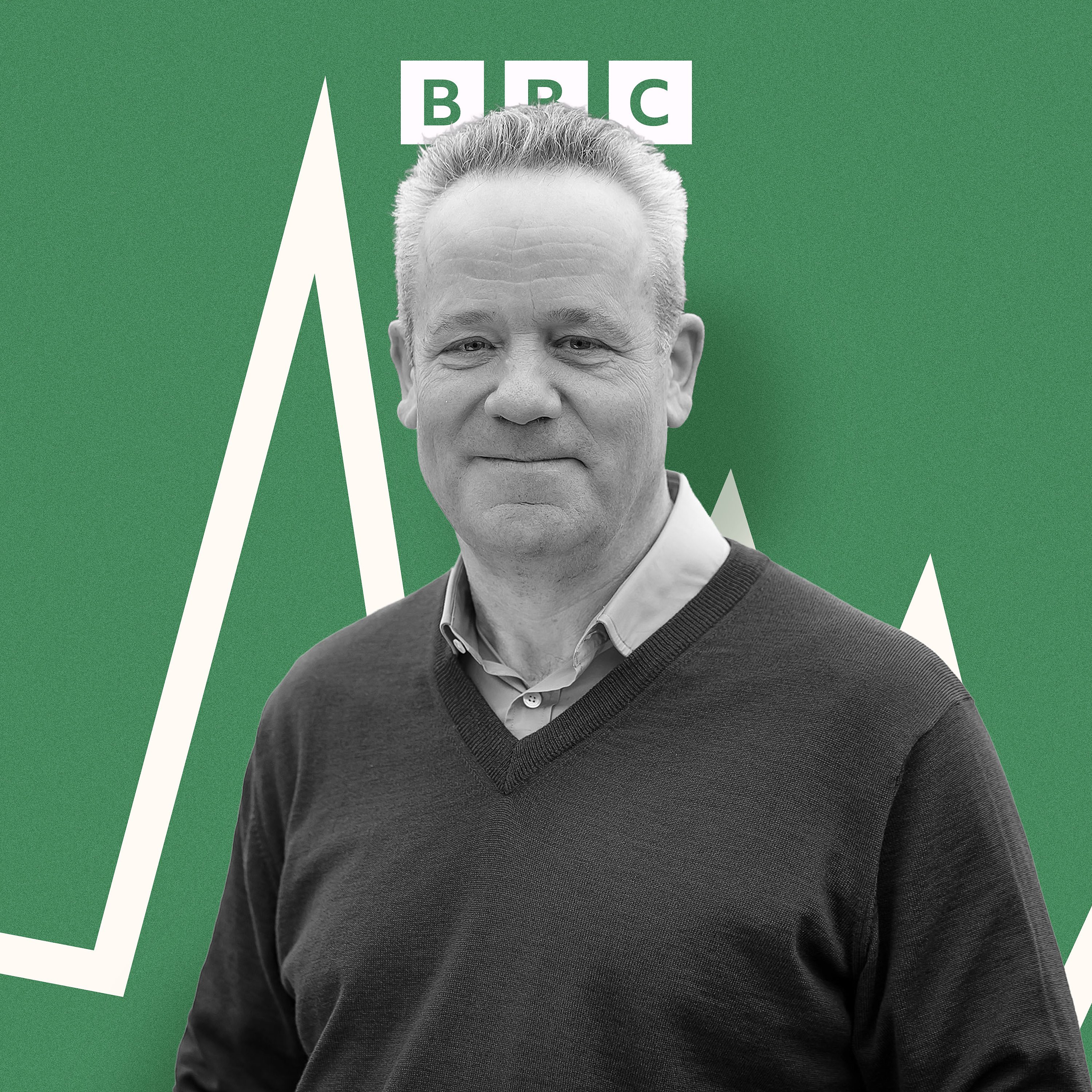
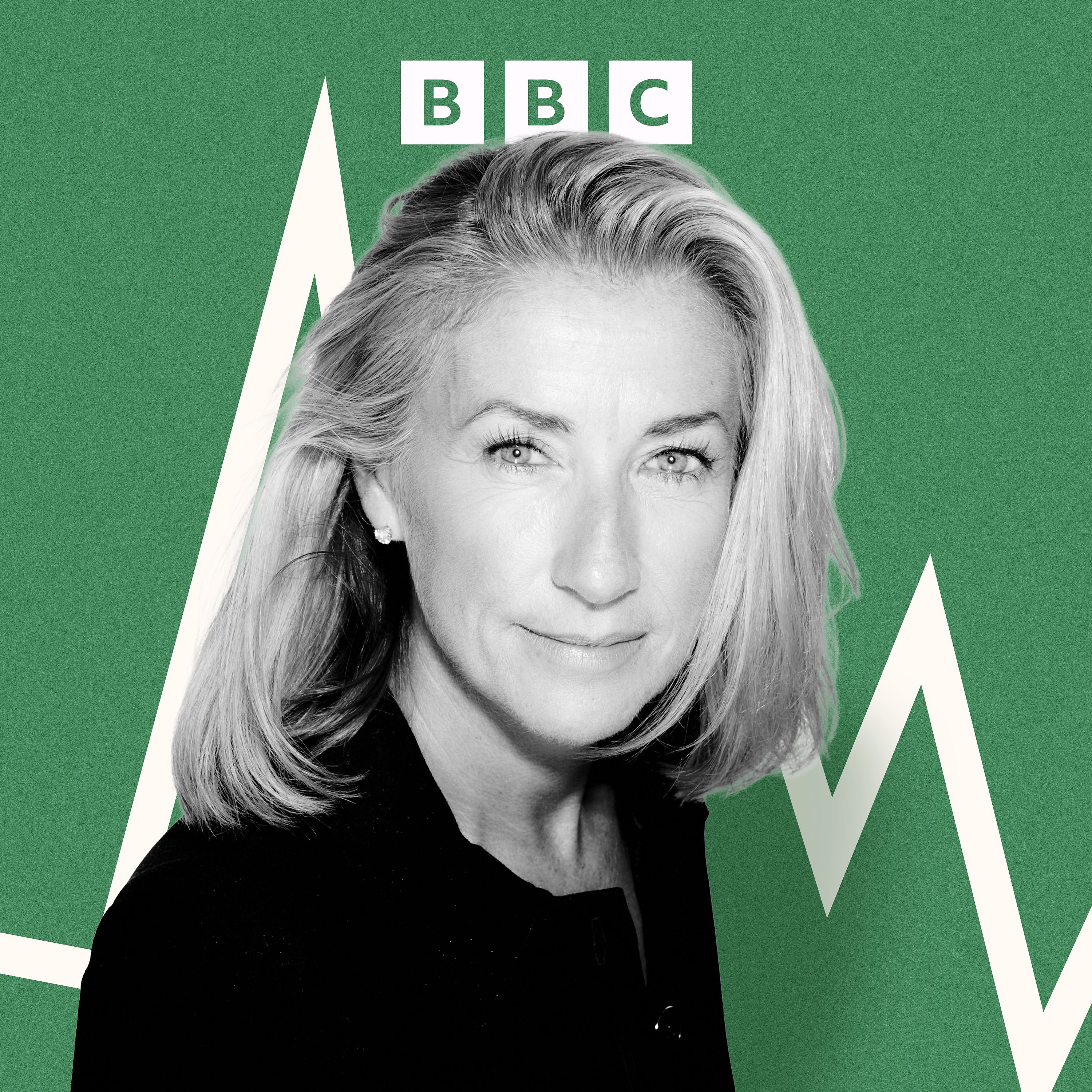
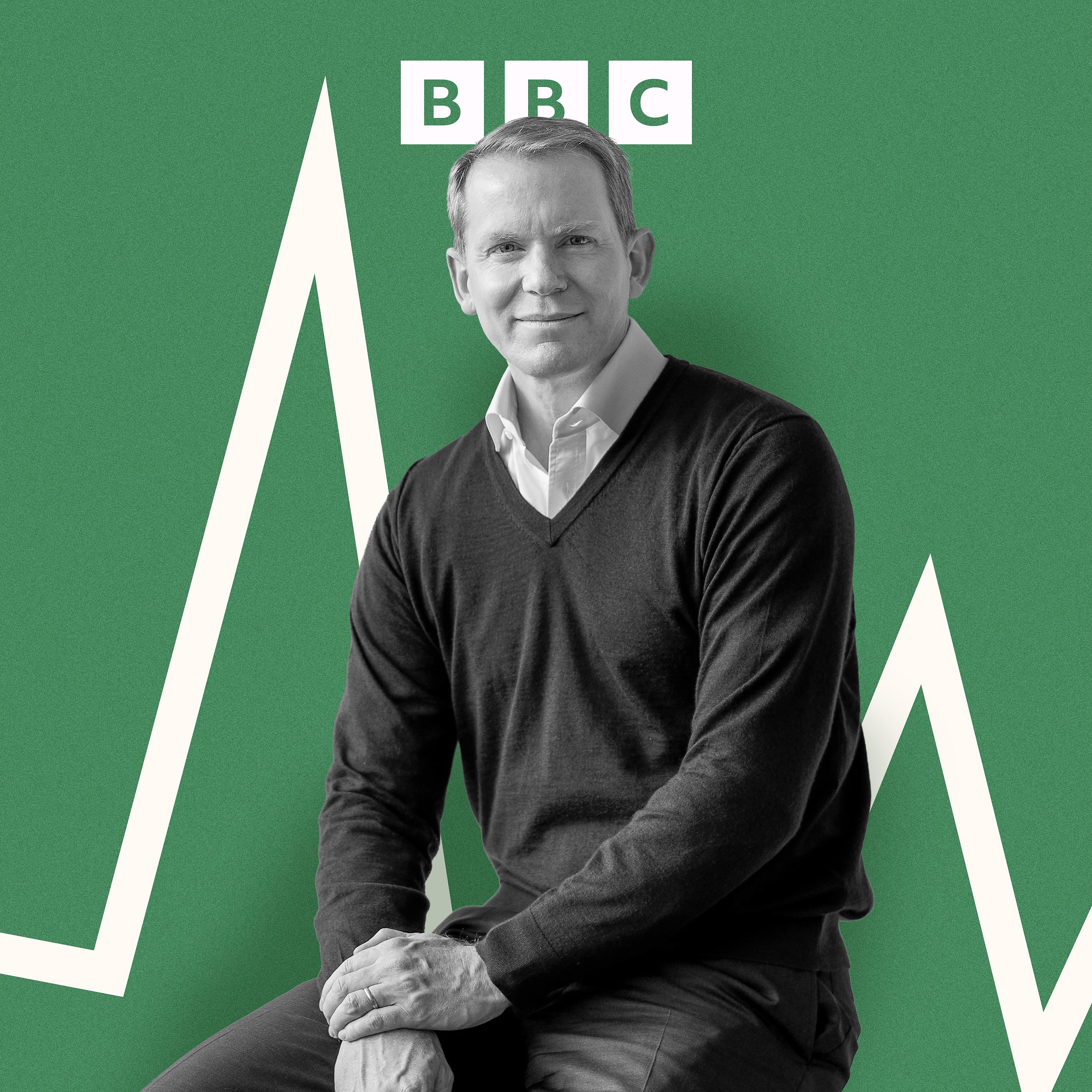
BBC News is a renowned global news organization recognized for its comprehensive journalism and in-depth reporting across various topics. The Big Boss Interview podcast exemplifies this expertise by inviting high-profile chief executives and entrepreneurs to share their insights and experiences in managing major businesses. Hosted by seasoned journalists Sean Farrington, Felicity Hannah, and Will Bain, the podcast combines interviews with knowledgeable commentary, providing listeners a behind-the-scenes look at corporate leadership. What sets Big Boss Interview apart is its focus on the personal and professional journeys of influential leaders, exploring the complexities of running large organizations. The format typically features in-depth discussions that reveal the strategies, challenges, and motivations that drive success in the business world, making it both informative and engaging for listeners. The podcast attracts a diverse audience, including business professionals, aspiring entrepreneurs, and anyone interested in the corporate landscape. Listeners gain valuable insights into leadership practices and industry trends, equipping them with knowledge that can be applied in their own careers and business ventures. With an estimated reach of 847K to 2.8M listeners, Big Boss Interview continues to make a significant impact in the realm of business journalism.
By the numbers
- Total followers: 20M
- Total plays: 6948M
- Total reviews: 5
Platforms
TuneIn
- Followers: 7.0K
Castbox
- Followers: 2.9K
- Plays: 220K
- Reviews: 5
YouTube
- Subscribers: 20M
- Views: 6948M
- Videos: 30K
Podcast Republic
- Followers: 365
Find them online
Audience
adults, general
Key insights
What the show covers
- interviews with executives
- business management strategies
- insights on large organizations
- day-to-day business operations
Audience interests
- business leadership insights
- entrepreneurial experiences
- corporate challenges
- industry trends and opportunities
Platform reach
- available on major podcast platforms
- BBC News branding
- potential global audience
- no specific platforms detected
Publishing consistency
- weekly episodes
- active for ten years
- consistent release schedule
- long-running series
Chart history for Big Boss Interview
Peaked at #5 in Ireland, top 10 in 5 of 50 tracked markets, currently #5 in Ireland.
| Market | Genre | Peak | Current | Trend |
|---|---|---|---|---|
| Ireland | — | #5 | #5 | — |
| MY | — | #7 | #7 | — |
| United Kingdom | — | #9 | #9 | — |
| AR | — | #9 | #9 | — |
| TR | — | #10 | #10 | — |
| KE | — | #11 | #11 | — |
| AE | — | #18 | #18 | — |
| PH | — | #18 | #18 | — |
| SA | — | #20 | #20 | — |
| PE | — | #20 | #20 | — |
| TH | — | #22 | #22 | — |
| India | — | #23 | #23 | — |
| VN | — | #23 | #23 | — |
| Norway | — | #24 | #24 | — |
| TW | — | #26 | #26 | — |
| RO | — | #34 | #34 | — |
| CL | — | #34 | #34 | — |
| CO | — | #34 | #34 | — |
| Spain | — | #35 | #35 | — |
| South Korea | — | #37 | #37 | — |
Chart Positions
50 placements across 48 markets.
Chart Positions
50 placements across 48 markets.