

Insights from recent episode analysis
Audience Interest
Podcast Focus
Publishing Consistency
Platform Reach
Insights are generated by CastFox AI using publicly available data, episode content, and proprietary models.
Est. Listeners
Based on iTunes & Spotify (publisher stats).
- Per-Episode Audience
Est. listeners per new episode within ~30 days
1,001 - 10,000 - Monthly Reach
Unique listeners across all episodes (30 days)
5,001 - 25,000 - Active Followers
Loyal subscribers who consistently listen
5,001 - 15,000
Market Insights
Platform Distribution
Reach across major podcast platforms, updated hourly
Total Followers
—
Total Plays
—
Total Reviews
—
* Data sourced directly from platform APIs and aggregated hourly across all major podcast directories.
On the show
Recent episodes
Expert Insights for Health Professionals- Navigating Sleep and Shiftwork
Dec 8, 2025
Unknown duration
Short Mental Health Interventions: Perimenopause and Undiagnosed Neurodivergence
Oct 31, 2025
Unknown duration
Expert Insights for Health Professionals- When Conventional Treatments Fall Short: New Frontiers in Managing Treatment-Resistant Depression
Oct 26, 2025
Unknown duration
eMHPrac Webinar: How digital apps can reduce suicidal ideation in young adults - and what the future holds
Oct 1, 2025
Unknown duration
Expert Insights for Health Professionals- Intro to CBT
Aug 22, 2025
Unknown duration
Social Links & Contact
Official channels & resources
Official Website
Login
RSS Feed
Login
| Date | Episode | Description | Length | ||||||
|---|---|---|---|---|---|---|---|---|---|
| 12/8/25 |  Expert Insights for Health Professionals- Navigating Sleep and Shiftwork Expert Insights for Health Professionals- Navigating Sleep and Shiftwork | Irregular hours. Night Shifts. Long days, blurring into longer nights. For many health professionals, disrupted sleep isn’t the exception; it’s the norm. But poor sleep doesn’t have to be part of the job. In this panel discussion, we’ll explore the science behind sleep and shiftwork, share the latest research on how disrupted sleep impacts health and wellbeing, and provide practical strategies to build healthier sleep habits, no matter your roster. Featuring insights from Dr Matthew Coleshill (Postdoctoral Research Fellow, Black Dog Institute) and Kristy Ross (Clinical Psychologist, Black Dog Institute), and moderated by Dr Sarah Barker, this session will share practical, evidence-based strategies to help you manage fatigue, optimise rest, and perform at your best, no matter your roster. | — | ||||||
| 10/31/25 |  Short Mental Health Interventions: Perimenopause and Undiagnosed Neurodivergence Short Mental Health Interventions: Perimenopause and Undiagnosed Neurodivergence | What happens when perimenopause overlaps with neurodivergence - especially when a person may be unaware of their neurodivergent profile? Dr Sarah Barker (Clinical Psychologist, Black Dog Institute) and guest Dr Ceri Cashell (GP, Avalon Family Medical Practice) and will explore supportive, respectful, and validating approaches to taking a comprehensive life history. Their discussion will focus on conducting thorough mental health assessments in the context of perimenopause, particularly when neurodivergence may be a contributing factor. They will explore effective approaches for initiating conversations, identifying key questions to ask, and screening for co-occurring concerns. The discussion will also cover how to understand and navigate complex presentations involving perimenopause, neurodivergence, and mental health. Join us for this Short Mental Health Interventions perimenopause sequel. | — | ||||||
| 10/26/25 | 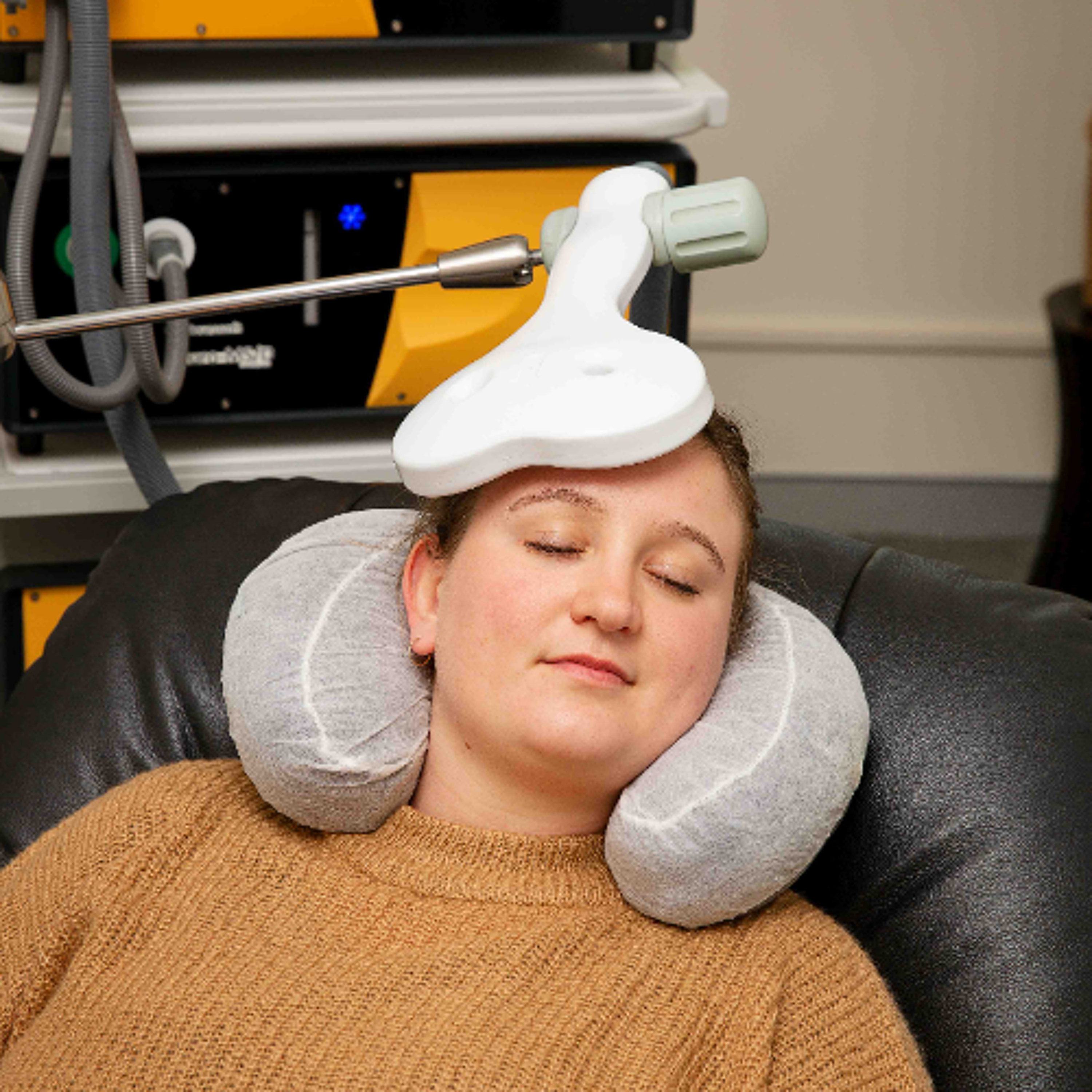 Expert Insights for Health Professionals- When Conventional Treatments Fall Short: New Frontiers in Managing Treatment-Resistant Depression Expert Insights for Health Professionals- When Conventional Treatments Fall Short: New Frontiers in Managing Treatment-Resistant Depression | What happens when standard treatments for depression don’t work? In this special Mental Health Month episode from the Black Dog Institute, we explore the next steps for primary care teams supporting patients with treatment-resistant depression. Designed for GPs and allied health professionals, this conversation explores practical strategies, novel interventions, and referral pathways that can make a difference when conventional care is insufficient. In this episode, you’ll learn: · The latest evidence and approaches for managing treatment-resistant depression · The evolving role of ECT as a safe and effective option for severe depression · How ketamine treatment can be integrated with psychotherapy for improved outcomes · What’s emerging in psychedelic-assisted therapies, including psilocybin · How Black Dog Institute’s training in neuromodulation, ketamine, and interventional psychiatry can support your clinical practice Facilitator: Dr Sarah Barker – Clinical Psychologist Panelists: · Dr Adam Bayes – Senior Research Fellow and Clinical Academic Psychiatrist, Black Dog Institute · Dr Melanie Babooram – Clinical Psychologist, Black Dog Institute Join us to discover how the field is evolving and how you can help patients navigate new pathways to recovery when traditional approaches fall short. Learn more about Black Dog Institute’s world-class neuromodulation clinic here https://www.blackdoginstitute.org.au/education-services/clinical-services/sydney-tms-neurostimulation-and-ketamine-program/ | — | ||||||
| 10/1/25 |  eMHPrac Webinar: How digital apps can reduce suicidal ideation in young adults - and what the future holds eMHPrac Webinar: How digital apps can reduce suicidal ideation in young adults - and what the future holds | Join us for an insightful webinar on how digital resources can play a vital role in youth self-harm and suicide prevention. In this webinar, Dr. Michelle Tye and Dr Lauren McGillivray will share research on the effectiveness of digital suicide prevention innovations, explore the potential of existing and emerging digital tools for at–risk young people, and discuss how these could be integrated into care pathways to support young people. They will also highlight some practical strategies for supporting children and young people in ways that can prevent self-harm and suicide. Learning Objectives Discuss how digital interventions/tools can be used in the prevention and treatment of self-injurious thoughts and behaviours of young people, based on current research and evidence. Describe how to evaluate and compare different intervention options for children and young people. | — | ||||||
| 8/22/25 |  Expert Insights for Health Professionals- Intro to CBT Expert Insights for Health Professionals- Intro to CBT | Cognitive Behavioural Therapy (CBT) is an ideal framework and set of tools to enhance mental health support provided to clients and patients in a range of settings. It is evidence-based, easy to learn, clearly structured, time-limited, and it is respectful and consultative. Health professionals working across all fields are reporting mental health aspects to their work with clients. Indeed, all health professionals can benefit from core CBT strategies to help support their clients and patients. On the panel we will have Melissa Black, Ph.D., a researcher from The Black Dog Institute; Dr Kristine Kafer, Clinical Psychologist and t Andrew Atkinson a Lived Experience representative who has experienced success with CBT strategies. Join us for this episode where we will explore the role of the potential benefits of introductory-level, practical core CBT for use with clients and patients and delve into the broad applicability of introductory CBT skills for health professionals who have limited CBT training. This episode will give health professionals skills to use with clients who may benefit from addressing unhelpful thinking patterns which may be interfering with their health management. Facilitator: Dr Sarah Barker – Clinical Psychologist Panelists: Clinical Research Lead & Clinical Psychologist: Melissa Black, Ph.D.Clinical Psychologist: Dr Kris Kafer Lived Experience Representative: Andrew Atkinson For more information on our courses: https://black-dog-institute.my.salesforce-sites.com/forms/bdi_EducationCourseLanding | — | ||||||
| 7/1/25 |  Expert Insights for Health Professionals- First Nations Wellbeing Approaches to Support Young People to Thrive Expert Insights for Health Professionals- First Nations Wellbeing Approaches to Support Young People to Thrive | To celebrate NAIDOC Week 2025 and its theme, The Next Generation: Strength, Vision & Legacy, this Expert Insights episode brings together an all First Nations panel to explore how the Social and Emotional Wellbeing (SEWB) Framework can be used to support and empower Aboriginal and Torres Strait Islander young people. Our panellists will discuss how the SEWB wheel can be a powerful tool in strengthening identity, connection, and resilience in young clients, as well as the role of protective factors in preventing suicide and fostering strong futures. Through a strengths-based lens, this conversation will highlight how the SEWB Framework is applicable across contexts and communities beyond First Nations communities, making it a valuable resource for all practitioners in both clinical and community settings. Join us for this important discussion on how we can provide better wellbeing support and services to empower the next generation, ensuring they are supported to thrive, lead, and carry forward the strength and wisdom of their ancestors. Panellists: Dr Clinton Schultz – Director of First Nations Strategy and Partnerships and Head of First Nations Research at Black Dog Institute. Eliza Kitchener – National Network Specialist, Aboriginal and Torres Strait Islander Lived Experience Centre. Aunty Karyn – Lived Experience Representative. | — | ||||||
| 6/16/25 |  AI in Mental Health Therapy: Current uses and future directions AI in Mental Health Therapy: Current uses and future directions | Artificial Intelligence (AI) technologies carry the potential to revolutionise the delivery of mental health therapy in a way that benefits both clinicians and clients. For clinicians, this may involve a reduction in administrative burden. For clients, this might include developing more robust and cost-effective approaches to treatment. Given the rapidly evolving possibilities of AI in mental health therapy, many clinicians have raised questions regarding what this technology involves and how it can be effectively implemented. In this webinar, Dr. Kathy O'Grady and Dr. Anthony Joffe discuss the current landscape of AI as it applies to mental health therapy. This includes looking at how mental health therapists are currently using AI, their reasons for doing so (including how it has changed their practice), and their concerns about, and perceived barriers to, effective AI implementation. The need for effective policy, guidelines, and training will also be discussed. As part of the Centre for Research Excellence in Depression Treatment Precision, researchers at the Black Dog Institute are working to understand how we can personalise treatment through the use of technology. More information can be found at: https://www.blackdoginstitute.org.au/cre-precision/ | — | ||||||
| 5/28/25 |  Short Mental Health Interventions: Behind the Frontline – How TEN Supports Health Professionals at Risk of Burnout Short Mental Health Interventions: Behind the Frontline – How TEN Supports Health Professionals at Risk of Burnout | Burnout continues to be a critical challenge in the Australian healthcare system, impacting not only the wellbeing of individual health professionals but also the sustainability of the sector. Despite its prevalence, targeted treatment options have often been limited. As part of The Essential Network (TEN), a blended care mental health support service for Australian health professionals, Black Dog Institute developed Navigating Burnout – a digital cognitive-behavioural therapy program for health professional burnout. In this webinar, Dr. Jan Orman and Dr. Matthew Coleshill discuss treatment options available for health professionals though TEN, as well as ongoing research conducted by The Black Dog Institute examining the effectiveness of Navigating Burnout in reducing burnout among medical practitioners. For more information about TEN, visit https://www.blackdoginstitute.org.au/the-essential-network/ | — | ||||||
| 4/11/25 |  Short Mental Health Interventions: Breaking Down Silos in Mental Health and General Practice Short Mental Health Interventions: Breaking Down Silos in Mental Health and General Practice | With increasing rates of chronic disease and comorbidity, a cohesive, team-based approach to address a broad range of mental health and wellbeing issues has never been more crucial. This webinar explores how GPs can effectively collaborate with other healthcare professionals within integrated care teams, breaking down silos and ensuring better patient outcomes. Whether you’re a GP looking to enhance collaboration with your team or simply seeking to understand the latest trends in integrated care, this webinar will provide you with the knowledge and tools to transform patient care in your practice. Facilitator: Dr Phoebe Holdenson Kimura Guest: Dr Paul Fung | — | ||||||
| 4/3/25 |  eMHPrac Webinar: Supporting Complex Mental Health Beyond Traditional Care eMHPrac Webinar: Supporting Complex Mental Health Beyond Traditional Care | People with mental health challenges, particularly those with complex needs, often require more support than conventional health services can provide. But where can they turn for additional help? In this insightful webinar, Dr. Jan Orman is joined by Rachel Green, CEO of SANE Australia, to explore the power of digital mental health services and online psychosocial support. Learn about Guided Recovery programs, moderated, clinically governed online communities, and other accredited services that provide a safe, supportive environment for individuals and their families. These services, offered by trusted organizations like SANE Australia, can be an invaluable complement to primary care, offering more accessible and targeted support than unmonitored social media groups. | — | ||||||
Want analysis for the episodes below?Free for Pro Submit a request, we'll have your selected episodes analyzed within an hour. Free, at no cost to you, for Pro users. | |||||||||
| 3/21/25 |  Short Mental Health Interventions: Perimenopause and Mental Health Short Mental Health Interventions: Perimenopause and Mental Health | Perimenopause is the transitional phase leading up to menopause, a time of declining and erratic hormonal activity often impacting both physical and mental health. Common symptoms include fatigue, hot flushes, irritability, loss of joy, anxiety, depressed mood, intrusive thoughts, and insomnia. Only 1 in 5 women seek help for menopause, stigma and shame are common, anxiety and depression risk increase significantly, and this is the highest point of suicide risk in a woman’s life. Join us for this short webinar where Clinical Psychologist Dr Sarah Barker and GP Dr Ceri Cashell will discuss how GPs can learn to consider whether perimenopause could be a contributing factor to mental health conditions such as anxiety or depression that patients are experiencing. | — | ||||||
| 3/7/25 |  eMHPrac Webinar 79- Practical Aspects of Blended Care eMHPrac Webinar 79- Practical Aspects of Blended Care | Discover the transformative impact of integrating digital mental health resources into clinical care. While these tools are effective on their own, their full potential is realised when clinicians play an active role in guiding, coaching, and engaging with patients. Join Dr. Jan Orman and clinical psychologist Dr. Sarah Barker as they explore how incorporating these resources into your practice can elevate patient outcomes, boost engagement, and offer a more holistic approach to mental health care. | — | ||||||
| 3/5/25 |  Expert Insights for Health Professionals- Future-Proofing the Frontline – Organisational strategies for supporting the mental health of our healthcare workforce Expert Insights for Health Professionals- Future-Proofing the Frontline – Organisational strategies for supporting the mental health of our healthcare workforce | This important webinar is designed to equip health professionals and leaders with the tools, insights, and strategies to foster mental wellbeing in their teams during crises and beyond. This session will: * Present key research findings on healthcare workers' mental health needs during crises like COVID-19. * Introduce an insightful report and checklist as actionable resources for enhancing mental health support in healthcare settings. * Demonstrate how addressing mental health can strengthen teams and improve organisational outcomes. * Use compelling data to outline what needs to change and the steps leaders can take to drive improvement. * Empower healthcare leaders with clear, implementable recommendations for creating mentally healthy workplaces. Facilitator: Dr Peter Baldwin – Senior Research Fellow and Clinical Psychologist, Black Dog Institute | Co- Investigator, Future-Proofing the Frontline guide Panellists: Prof Natasha Smallwood – Respiratory Physician, Department of Respiratory & Sleep Medicine at The Alfred Hospital; Head Chronic Respiratory Disease Group and Respiratory Research Training Lead Respiratory Research @ The Alfred School of Translational Medicine, Monash University; and Chief Investigator, Future-Proofing the Frontline report Dr Bethan Richards – Chief Medical Wellness Officer / Director SLHD MDOK Centre | Rheumatologist, Co- Director Institute for Musculoskeletal Health, PhD Health Professional Jess Maher- Lived Experience Representative, endorsed enrolled nurse Future-Proofing the Frontline: Organisational strategies to support frontline healthcare workers and leaders during times of crisis, is a guide that brings together insights from diverse perspectives and multiple sources of data to understand the best organisational strategies for supporting the mental health of healthcare workers. The guide and Organisational Checklist are available here: https://www.blackdoginstitute.org.au/news/future-proofing-the-frontline/ | — | ||||||
| 2/12/25 |  eMHPrac Webinar 78- Using online tools to support youth mental health eMHPrac Webinar 78- Using online tools to support youth mental health | As the new school year begins, it's the perfect time to focus on supporting children's mental health. Join this webinar to discover powerful, evidence-based tools that help children manage depression, anxiety, and unhappiness. In this insightful session, Professor Sonja March will speak with Dr. Kathy O'Grady about the exciting opportunities in digital mental health and how personalised care can make a real difference. Learn how Momentum Hub is supporting children aged 7-17 years old, providing them with the resources they need to thrive this school year and beyond. Don’t miss out – register today to empower both you and the young people in your care. Professor Sonja March is the director of the University of Southern Queensland’s Centre for Health and Research, where she is also a Professor in the School of Psychology and Wellbeing and leads the Momentum Hub team. Momentum Hub is a platform developed by a team of researchers, mental health experts, and web designers from across the country, and supported by the federal government under the Medical Research Future Fund. The hub extends from Professor March’s work with Griffith University researchers – professors Caroline Donovan and Sue Spence with the popular BRAVE Self-Help program – which has reached more than 80,000 young people with anxiety. Hosted by Dr Kathy O'Grady. | — | ||||||
| 11/27/24 |  Short Mental Health Interventions- Helping People Quit Vaping Short Mental Health Interventions- Helping People Quit Vaping | The federal government has made vaping illegal without a prescription for very good reasons. We know that vaping and nicotine can have an impact on brain development, affecting your memory, attention, learning and mood. Vaping can also make mental health issues like anxiety and depression worse. It is also highly addictive. There are two issues for health professionals to consider · people don’t understand vaping’s health impacts. · Generally the advice for those who are concerned is to “talk to your GP or a trusted health professional” Why is that a problem? Because most of us don’t have effective strategies for helping people stop. In this recording GP Dr Chris Lee will increase our understanding of the risks of vaping and provide some very practical advice about talking to people about their habit. | — | ||||||
| 11/21/24 |  eMHPrac Webinar 77- SMS for Dads eMHPrac Webinar 77- SMS for Dads | New-born's are wonderful things, but their arrival can cause enormous upheaval for their parents. Dads, as well as Mums, are at risk of psychological distress in the neonatal period. In this webinar, Dr Jan Orman is joined by Associate Professor Richard Fletcher from the School of Health Sciences at the University of Newcastle. Richard leads the Fathers and Families Research Program and is the founder of SMS4dads, a service designed to provide support for dads until their baby is one year old. | — | ||||||
| 11/1/24 |  Expert Insights for Health Professionals- A Mentally Healthy Future, But How Do We Get There? Expert Insights for Health Professionals- A Mentally Healthy Future, But How Do We Get There? | Despite decades of government investment, significant research endeavour, and a growing commitment to mental health training and response activities in schools and workplaces, rates of mental health in Australia are rising. The scale of this issue is staggering: a recent report shows that 494,000 Australians with moderate to severe mental health problems are not receiving the support they desperately need. Long wait times and a shortage of mental health professionals are leaving vulnerable Australians without access to timely and appropriate care, particularly those in rural and remote areas. When people finally get care, it doesn’t always help. We know the current system is broken. We know what we need – a robust mental health system that is well-staffed, adequately funded and integrated across the country that will lay the foundations for a mentally healthier future. But how do we get there? How do we plan for a better future? And what is the role of Health Professionals? Listen to our Mental Health Month edition of Expert Insights were Black Dog Institute’s Dr Peter Baldwin, Senior Research Fellow and Policy Research Manager, will share findings from BDI’s recent mental health poll and discuss the key issues facing the health sector. Panel Members: - Dr Peter Baldwin - Senior Research Fellow and Policy Research Manager, Black Dog Institute Dr Laura Kampel - Head of Clinical Services and Senior Clinical Psychologist, Black Dog Institute Matt - Lived Experience Representative Facilitator: - Dr Sarah Barker - Clinical Psychologist | — | ||||||
| 10/31/24 |  eMHPrac Webinar 76: How Online Resources are Changing Mental Health Care Around the World eMHPrac Webinar 76: How Online Resources are Changing Mental Health Care Around the World | eMHPrac (e mental health in practice) Project Director Heidi Sturk recently spoke at the 12th Annual Scientific Meeting International Society for Research on Internet Interventions (ISRII) in Limerick, Ireland and at the Digital Mental Health Congress in Ottawa, Canada. She returned with a lot of exciting news about what's going on internationally in the digital mental health space. In this webinar, Dr. Jan Orman will speak with Heidi Sturk about the conference learnings and some of the developments she found most exciting. It seems there is a lot happening and talking to Heidi will help us all keep up! | — | ||||||
| 10/28/24 |  eMHPrac Webinar 75: Online Experiences and Adolescent Mental Health eMHPrac Webinar 75: Online Experiences and Adolescent Mental Health | Screen-based devices play a central role in adolescents’ daily lives, serving purposes such as education, entertainment, social interactions, and creativity. While public concern about the impact of screen use on adolescent mental health has grown, evidence of a direct link remains unclear. The association between screen use and mental health is complex, influenced by many factors. This webinar will report on new data about this association based on an analysis of the data provided by Australian adolescents currently enrolled in the Black Dog Institute’s Future Proofing Study. These findings will be framed within the broader context of screen use research and offer recommendations for both societal and individual changes to help adolescents benefit from online experiences while reducing potential harms. Dr. Lyndsay Brown has worked for five years as a Research Officer on the Future Proofing Study, now the largest and most comprehensive longitudinal study of adolescent mental health in Australia. Between 2019 and 2021, thousands of Year 8 students across Australia were recruited for this six-year study and each year they complete confidential questionnaires about their mental health, identity, experiences, and well-being. The team analyses this data to identify the risk and protective factors associated with adolescent mental health and the early interventions that could help adolescents thrive. Lyndsay’s work spans school engagement, data collection, research, public presentations, and community outreach. Hosted by Dr Kathy O'Grady. | — | ||||||
| 10/16/24 |  Expert Insights for Health Professionals- Onset of Anxiety and Depression in Children and Teenagers Expert Insights for Health Professionals- Onset of Anxiety and Depression in Children and Teenagers | The median age of onset for mental disorders is 14 years. This means, 50% of individuals who will develop mental illness will have already developed the disorder by the age of 14 years. Since children's diagnoses are missed, they do not receive the care that they need and are less likely to receive help, which has a flow-on effect to adolescence where more complicated conditions can present. In this episode, Professor Jennie Hudson from Black Dog Institute shares her findings on understanding the onset of anxiety and depression in children and teenagers, focusing on correcting the myth that mental health problems begin in adolescence. Joining her on the panel, is Psychiatrist Dr Brenda Heyworth who shares her insights from working with children and teenagers, and by Fiona, a lived experience representative who also discusses the topic from her perspective. Panel Members: - - Professor Jennie Hudson - Director of Research at Black Dog Institute - Dr Brenda Heyworth - Psychiatrist, Educator and Facilitator - Fiona - Lived Experience Representative Facilitator: - - Dr Sarah Barker - Clinical Psychologist | — | ||||||
| 9/18/24 |  eMHPrac Webinar 74: The Evidence for Using Online Mental Health Treatment Programs (Mindspot) eMHPrac Webinar 74: The Evidence for Using Online Mental Health Treatment Programs (Mindspot) | The term dMH (digital mental health) covers a wide range of online resources for mental health care. This includes, but is not limited to, the CBT-based treatment programs that Australia has led the world in developing. The scientific evidence is important for practitioner confidence but sometimes our patients and clients want to know about it too. This webinar will make it easier for you to explain why you are recommending an online treatment program. Please join Dr. Jan Orman and Prof Nick Titov, founder of the Mindspot Clinic at Macquarie University, who will discuss the evidence to support online CBT delivery. They will talk about the evidence to support the use of online mental health treatment programs in general as well as the Mindspot Clinic specifically. Learning outcomes: By the end of the webinar participants will be able to: Describe some of the research that supports the use of online mental health treatment programs Describe the situations in which they may consider recommending an online program Explain how they would talk to a patient about the evidence base for these programs and the best ways to get benefit from them Nick Titov is a Professor of Psychology at Macquarie University. He is also a Clinical Psychologist and Executive Director of the Australian MindSpot Clinic. MindSpot is a digital psychology service, which provides psychological assessments and treatments to adults across Australia. MindSpot employs mental health professionals to deliver care, it is accredited under the National Safety and Quality Digital Mental Health Standards, and it has been funded by the Australian Government since 2012. Nick has worked on >100 trials of psychological interventions and has published numerous reports of outcomes of digital psychology services in peer reviewed papers including in the Lancet Digital Health. Nick serves on multiple advisory groups to national and international organisations. Dr Jan Orman MBBS MPsychMed is a Sydney GP with a special interest in mental health and psychological medicine. She has a Masters in Psychological Medicine (CBT) from the University of NSW and has combined general practice and specialised work in mental health for over two decades. Jan has also worked for more than 10 years as a facilitator in Black Dog Institute’s Professional Education team. She is currently responsible for developing the content of, and delivering, the GP education programs for the Black Dog Institute’s arm of the e-Mental Health in Practice Project. Slides: https://drive.google.com/file/d/1VzfIfVlH6PWS2PQSJtwxIBTwyVuIZ3SK/view?usp=drive_link | — | ||||||
| 9/16/24 |  Expert Insights for Health Professionals- Engagement with the Arts for Children Experiencing Anxiety Expert Insights for Health Professionals- Engagement with the Arts for Children Experiencing Anxiety | Can engagement with the arts improve children's wellbeing? In this episode, we talk to Dr Diane Macdonald (Postdoctoral Research Fellow, Black Dog Institute/School of Psychiatry, UNSW) about her research on Culture Dose for Kids, an arts engagement program for children and their caregivers that has been designed to improve mental health and wellbeing in children who are experiencing anxiety. Joining on the panel is Art Therapist, Jennifer Blau, and Lucia Barrera, a Culture Dose for Kids parent participant, researcher, and UNSW Scientia PhD Scholar (Mental health and arts-based knowledge creation/translation). Listen to explore the promise of an arts-based intervention for childhood anxiety that highlights the value of the role of community and cultural care in children’s mental health and well-being. Panel Members Dr Diane Macdonald - Postdoctoral Research Fellow, Black Dog Institute/School of Psychiatry, UNSW) Jennifer Blau - Art Therapist, Art of Wellbeing Lucia Barrera - Parent Participant. Facilitator Dr Sarah Barker | — | ||||||
| 8/15/24 |  eMHPrac Webinar 73: How to be a Good Ally to First Nations Peoples eMHPrac Webinar 73: How to be a Good Ally to First Nations Peoples | Many of us know something about the post-colonization history of Australia and most have some understanding of the transgenerational impact that history has had on our Aboriginal and Torres Strait Islander population. Nonetheless, it is often difficult to know what we need to do and how we need to be as clinicians to respect indigenous culture and behave as allies to our Aboriginal and Torres Strait Islander patients and clients. Many of us have done "cultural awareness" training and even adjusted our workplaces to make indigenous people feel comfortable but what other changes do we need to make to be good allies? In this webinar, Dr. Jan Orman, Mim Weber (WellMob) and Angela Sheridan (WellMob) will discuss how clinicians can be good allies to their First Nations patients. Check out the slides here: https://d34ery7y7ckzql.cloudfront.net/3cb2dc2e-f580-4584-973a-0f95f04b43ff/Public/Resources/Webinar%2073%20Slides.pdf?455 | — | ||||||
| 8/14/24 |  eMHPrac Webinar 72: eCBT for adolescents with depressive symptoms eMHPrac Webinar 72: eCBT for adolescents with depressive symptoms | With the plethora of digital CBT apps and programs available, how do you select one that’s effective, safe, and engaging for teens? In this webinar Dr. Mirjana Subotic-Kerry, Senior Research Program Manager at Black Dog Institute delves into her research on digital cognitive behavioural therapy (CBT) and its impact on teen mental health. Mirjana shares the latest research findings and insights on navigating interventions to ensure they’re evidence-based and prioritise the safety of teens’ data and privacy, among other considerations. She introduces the new app ClearlyMe. | — | ||||||
| 6/26/24 |  Expert Insights- The Power of First Nations Cultural Healing Approaches to Suicide Prevention Expert Insights- The Power of First Nations Cultural Healing Approaches to Suicide Prevention | To celebrate the 2024 NAIDOC week (7 - 14 July) theme, Keep the Fire Burning! Blak, Loud and Proud (www.naidoc.org.au), this Expert Insights session focuses on the enduring wisdom, vitality, and strength in First Nations communities, passed down through generations. We explore the power of cultural healing approaches within suicide prevention, with a particular focus on what works, achievements, and excellence in Aboriginal and Torres Strait Islander suicide prevention. Listen and learn from the rich contributions and wisdom of First Nations cultural healing approaches, which can be leveraged to promote positive wellbeing for Indigenous communities and beyond. Panel Members · Maddison O'Grady-Lee, Clinical Psychology PhD candidate (UNSW/Black Dog Institute), Dalai Lama Peace Fellow, and winner of The Diana Award · Shannon McNeair, a proud Malgana woman and a Psychologist from McNeair Aboriginal Psychological Services · Uncle Monwell Levi - First Nations Lived Experience Representative Facilitator · Dr Sarah Barker, Clinical Psychologist | — | ||||||
Showing 25 of 172
Sponsor Intelligence
Sign in to see which brands sponsor this podcast, their ad offers, and promo codes.
Chart Positions
1 placement across 1 market.
Chart Positions
1 placement across 1 market.