
Insights from recent episode analysis
Audience Interest
Podcast Focus
Publishing Consistency
Platform Reach
Insights are generated by CastFox AI using publicly available data, episode content, and proprietary models.
Est. Listeners
Based on iTunes & Spotify (publisher stats).
- Per-Episode Audience
Est. listeners per new episode within ~30 days
25,001 - 50,000 - Monthly Reach
Unique listeners across all episodes (30 days)
75,001 - 150,000 - Active Followers
Loyal subscribers who consistently listen
15,001 - 40,000
Market Insights
Platform Distribution
Reach across major podcast platforms, updated hourly
Total Followers
—
Total Plays
—
Total Reviews
—
* Data sourced directly from platform APIs and aggregated hourly across all major podcast directories.
On the show
Recent episodes
Histotripsy for Breast Cancer in the Liver
Apr 28, 2026
37m 30s
Breast Cancer Breaks the Fourth Wall
Apr 14, 2026
42m 37s
Managing Mental Overload After a Breast Cancer Diagnosis
Mar 31, 2026
53m 40s
Cooling and Compression to Prevent Neuropathy
Mar 17, 2026
16m 30s
Antibody May Stop Growth of TNBC Cells
Mar 3, 2026
22m 42s
Social Links & Contact
Official channels & resources
Official Website
Login
RSS Feed
Login
| Date | Episode | Description | Length | ||||||
|---|---|---|---|---|---|---|---|---|---|
| 4/28/26 | 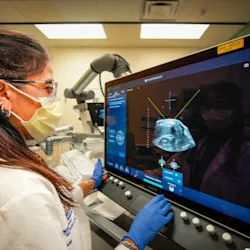 Histotripsy for Breast Cancer in the Liver Histotripsy for Breast Cancer in the Liver | Dr. Brock Hewitt is a surgeon who specializes in treating cancerous and non-cancerous tumors in the liver and other internal organs. One of the techniques he uses is histotripsy. He’s published a number of papers on the procedure and its effectiveness.Listen to the episode to hear Dr. Hewitt explain: how histotripsy works and why it’s only used to treat liver tumors how doctors decide if histotripsy is right for someone with liver metastases the risks and benefits of histotripsy insurance coverage for histotripsy Podcast image credit: | 37m 30s | ||||||
| 4/14/26 |  Breast Cancer Breaks the Fourth Wall Breast Cancer Breaks the Fourth Wall | In Caitlin Shetterly’s latest novel, the main character has been diagnosed with breast cancer in her left breast. Six months after sending in her draft, Shetterly was diagnosed with breast cancer in her left breast. Breast cancer had broken the fourth wall between Shetterly, her characters, and her readers. Listen to the episode to hear Caitlin explain: how she came up with the idea of her character Alice being diagnosed with breast cancer why she thought Alice would be the only person who could understand what she was going through how breast cancer changed her as a person and as a writer | 42m 37s | ||||||
| 3/31/26 |  Managing Mental Overload After a Breast Cancer Diagnosis Managing Mental Overload After a Breast Cancer Diagnosis | For some people a breast cancer diagnosis can bring on a rush of feelings: grief, anxiety, fear, hope, resentment, and anger. This podcast is the audio from a special Virtual Community Meetup featuring guest moderator Kelly Grosklags. Listen to the episode to hear Kelly explain: why some people might feel more anxious after treatment is completed why feelings about a cancer diagnosis can be a form of grief how to make space for both/and instead of either/or how to move forward when you have ongoing oncology appointments | 53m 40s | ||||||
| 3/17/26 | 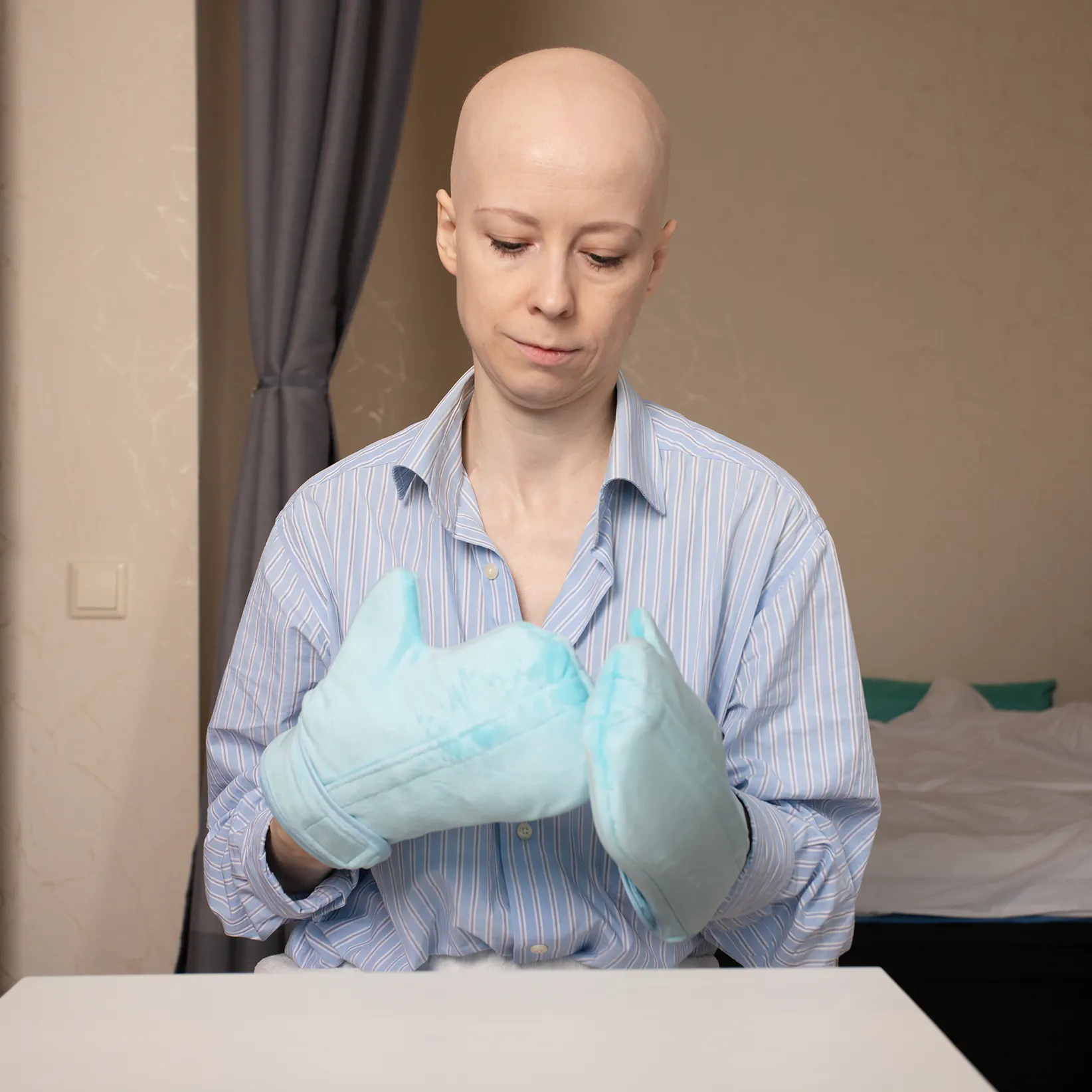 Cooling and Compression to Prevent Neuropathy Cooling and Compression to Prevent Neuropathy | Peripheral neuropathy is damage to the nerves that run to your hands, feet, arms, and legs. Neuropathy can cause burning pain, numbness, tingling, or muscle weakness in the areas that are affected. Chemotherapy, especially medicines called taxanes – Taxol, Taxotere, and Abraxane – are common causes of neuropathy in people receiving breast cancer treatment. While there are treatments that may help ease the symptoms of neuropathy, there is nothing available that can repair the damaged nerves. So studies are looking at ways to prevent neuropathy in the first place. Dr. Eleonora Teplinsky, head of breast and gynecological medical oncology at Valley-Mount Sinai Comprehensive Cancer Care in Paramus, New Jersey, is the principal investigator at her institution of the ICE COMPRESS study, which is looking at cooling mitts and socks and compression to prevent neuropathy during chemotherapy. The study is being done at more than 20 sites across the United States. Listen to the episode to hear Dr. Teplinsky explain: risk factors for neuropathy the rationale for the ICE COMPRESS study her advice to people who want to try icing and compression on their own during chemotherapy | 16m 30s | ||||||
| 3/3/26 |  Antibody May Stop Growth of TNBC Cells Antibody May Stop Growth of TNBC Cells | Secreted frizzled-related protein 2 is a protein that helps cancers grow by supporting the formation of new blood vessels, stopping cancer cells from dying, and weakening immune cells that should recognize and attack cancer cells. Dr. Nancy Klauber-DeMore is developing an antibody that blocks this protein. Early research suggests the antibody may halt the growth of triple-negative breast cancer. Listen to the episode to hear Dr. Klauber-DeMore explain: what secreted frizzled-related protein 2 does and why she thought blocking it might help treat breast cancer why she’s focusing her work on triple-negative breast cancer the next steps for the antibody she and her team have developed | 22m 42s | ||||||
| 2/17/26 | 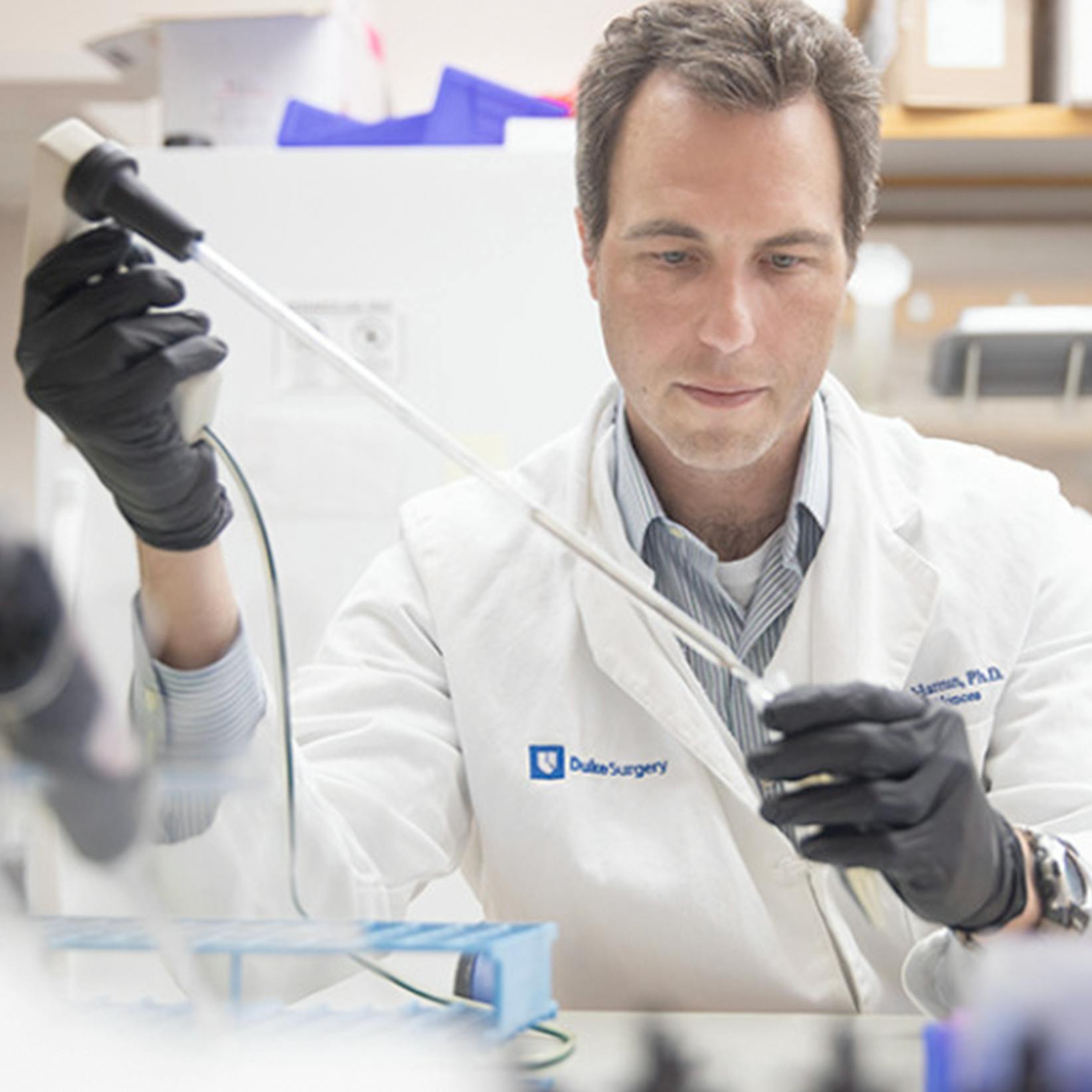 Supercharging Cancer Vaccines Supercharging Cancer Vaccines | Twenty years ago, seven people diagnosed with metastatic HER2-positive breast cancer received a cancer vaccine as part of a clinical trial. Today, they’re all still alive. This prompted Zachary Hartman to study the immune systems of the people in the trial to see what was happening. He found that the women had immune cells that continue to recognize the cancer and keep it under control. Now his goal is to make that vaccine even more effective and make it work on other types of breast cancer. Listen to the episode to hear Dr. Hartman explain: how the original study was done how he’s working to make the vaccine even more effective how the vaccine might be modified to work on hormone receptor-positive and triple-negative breast cancer | 30m 12s | ||||||
| 2/10/26 | 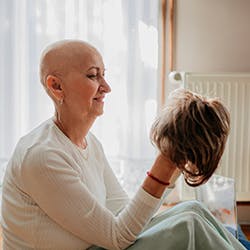 Webinar Audio: Managing Hair Loss and Wearing a Wig With Confidence Webinar Audio: Managing Hair Loss and Wearing a Wig With Confidence | This bonus episode is the audio from a Breastcancer.org webinar. There are steps you can take to help prevent treatment-related hair loss, promote hair regrowth, and find confidence again. In this Breastcancer.org webinar, learn how different treatment types affect hair, preventing or reducing hair loss, what to expect for regrowth, tips for coping, and advice for finding and wearing a wig that's right for you. Listen to the webinar to get expert advice from the panelists, including: Marisa C. Weiss, MD Chief Medical Officer, Breastcancer.org Mario E. Lacouture, MDDirector, Oncodermatology Program, Research Director, Dermatology Service, Memorial Sloan Kettering Cancer Center Alicia GiglioChief Experience Officer, Wigs.com Breast cancer advocate, Tirzah Cooper has bravely shared her experience of hair loss. Watch her story and hear about the impact it had on her self-esteem and daily life. | 1h 04m 45s | ||||||
| 2/3/26 |  How Will Health Insurance Changes Affect People With Metastatic Breast Cancer? How Will Health Insurance Changes Affect People With Metastatic Breast Cancer? | The changes to federal- and state-run health insurance programs can be confusing, especially since some of the changes haven’t been implemented yet and others are being challenged in court. How will these changes affect people with metastatic breast cancer? This podcast is the audio from a special Virtual Support Group featuring guest moderator Joanna Doran. Listen to the episode to hear Joanna explain: what short-term health insurance plans are and what they may not cover what Medigap plans are and how they’re purchased Medicaid work requirements and required documentation differences between Medicare parts A, B, C, and D | 53m 45s | ||||||
| 1/27/26 |  Webinar Audio: One Step at a Time: Starting Exercise After a Breast Cancer Diagnosis Webinar Audio: One Step at a Time: Starting Exercise After a Breast Cancer Diagnosis | This bonus episode is the audio of Breastcancer.org webinar. Exercise could change your life — at any age. Physical activity can reduce your risk of developing breast cancer, and it may lower the risk of the cancer coming back if you've been diagnosed. Exercise also has many benefits for people living with metastatic breast cancer. While evidence shows there are many ways exercise can boost your mental and physical health, we know it isn't always easy to do. This webinar will help inform and motivate you to get moving. Patients, caregivers, advocates, and healthcare providers can watch this webinar to: Understand how much exercise you really need to get the benefits of working out Learn what types of exercise are safe and recommended Hear the latest guidelines on lymphedema and exercise Discover simple ways to begin or return to physical activity Hear answers to common exercise concerns Get tips on equipment, sneakers, and low cost exercise resources You can also try a free guided workout led by a certified cancer trainer at the end of the webinar. Learn more about exercise and breast cancer, and try our series of workout videos. Featured Speakers: Sami Mansfield Founder, Cancer Wellness for Life Thank you to AstraZeneca for making this program possible. | 1h 12m 49s | ||||||
| 1/20/26 |  AIMSS: How Aromatase Inhibitors Can Affect Hands and Wrists AIMSS: How Aromatase Inhibitors Can Affect Hands and Wrists | Bone and joint pain are some of the most common side effects of aromatase inhibitors, medicines for hormone receptor-positive breast cancer. The official name for this is aromatase inhibitor associated — or sometimes induced — musculoskeletal syndrome, also called AIMSS. Many people report pain in the knees, ankles, and hips while taking an aromatase inhibitor, but the hands and the wrists also might be affected. Hand expert Dr. David Bozentka discusses how AIMSS can affect the wrists and hands, including symptoms such as carpal tunnel syndrome, trigger finger, and tendonitis. Listen to the episode to hear Dr. Bozentka explain: the theories why aromatase inhibitors cause joint and bone pain, or AIMSS how to decrease the risk of AIMSS how carpal tunnel syndrome, trigger finger, and tendonitis are treated | 17m 51s | ||||||
Want analysis for the episodes below?Free for Pro Submit a request, we'll have your selected episodes analyzed within an hour. Free, at no cost to you, for Pro users. | |||||||||
| 1/13/26 |  Webinar Audio: Beyond Treatment: How to Get the Follow-Up Care You Need Webinar Audio: Beyond Treatment: How to Get the Follow-Up Care You Need | This bonus episode is the audio from a Breastcancer.org webinar. Follow-up care after breast cancer is essential. Getting good follow-up care can make a big difference in your long-term health and quality of life. In this Breastcancer.org webinar, you’ll find out how often you should see your oncologist after your treatment ends and get other practical advice from our expert panelists and patient advocates. Watch the webinar to get expert advice from the panelists, including: Marisa C. Weiss, MDChief Medical Officer and Founder, Breastcancer.org Hoda Badr, PhDProfessor, Department of Medicine, Baylor College of Medicine Fumiko Chino, MDRadiation Oncologist, Memorial Sloan Kettering Cancer Center Evelyn Robles-Rodríguez, DNP, APN, AOCNDirector of Outreach, Prevention, and Survivorship, MD Anderson Cancer Center at Cooper Erin Roesch, MDBreast Medical Oncologist, Cleveland Clinic Megan-Claire ChaseBreast Cancer Program Director, SHARE Cancer SupportPatient Advocate Amanda HelmsPatient Advocate Kate RosenblumPatient Advocate Loriana Hernandez-AldamaTwo-Time Cancer Survivor, Award-winning Journalist, Author | 1h 26m 39s | ||||||
| 1/6/26 |  Exercise As Cancer Treatment Exercise As Cancer Treatment | The CHALLENGE trial found that a three-year, structured exercise program after chemotherapy for stage III colon cancer reduced the risk of the cancer coming back (recurrence risk) and also led to people living longer overall. Dr. Kerry Courneya, the lead researcher, thinks the results can be applied to people with other types of cancer, including breast cancer. Listen to the episode to hear Dr. Courneya explain: why the study asked people to exercise for three years why he thinks the results may spur insurance companies to cover exercise-related costs, like equipment and gym memberships the reasons why the results also could apply to people diagnosed with breast cancer | 28m 00s | ||||||
| 12/30/25 |  Webinar Audio: Let's Talk About Sex and Breast Cancer: Desire, Comfort, and Body Image Webinar Audio: Let's Talk About Sex and Breast Cancer: Desire, Comfort, and Body Image | This podcast is the audio from a Breastcancer.org webinar. Many people struggle with intimacy during and after breast cancer treatment, but not everyone knows what to expect or how to manage these issues. Watch this webinar to learn about the physical and emotional challenges, and suggestions to improve sexual health. The featured speakers are Marisa Weiss, MD, Jennifer Barsky Reese, PhD, FSBM, and Kristin Emilia Rojas, MD, FACS. The topics they discuss include: Vaginal dryness and irritation Intimacy while in treatment Decreased desire Pain during sex Decreased breast sensation Fatigue Emotional challenges and self-confidence The impact on relationships with partners In the webinar you will also hear about the importance of discussing sexual health with healthcare providers, different methods and treatments to improve sexual health after breast cancer, the role of counseling and communication in dealing with these issues, and how exercise and lifestyle changes can help. Learn more about sexual health and breast cancer. | 1h 17m 56s | ||||||
| 12/23/25 |  Webinar Audio: Advice From Doctors Who Had Breast Cancer (2024) Webinar Audio: Advice From Doctors Who Had Breast Cancer (2024) | This podcast is the audio from a Breastcancer.org webinar. In this candid conversation, Marisa Weiss, MD, Michele Ley, MD, FACS, Pamela Munster, MD, and Rachel Swart, MD, PhD share what they each experienced when they went from the role of healthcare provider to patient. Despite their medical training, many years of helping patients, and deep knowledge about breast cancer, they too felt their life come to a screeching halt when they were diagnosed. They spoke honestly about how they managed treatment decisions, returning to work, how the experience changed their interactions with their own patients, what everyone can learn about advocating for yourself, and much more. Their hope is that by sharing their stories, they can help others coping with the same challenges, and empower everyone affected by breast cancer. Featured speakers: Marisa Weiss, MDChief Medical Officer, Breastcancer.org Michele Ley, MD, FACSBoard-Certified Breast Surgical Oncologist and Founder, Tucson Breast Health Specialists Pamela Munster, MDDirector, Early Phase Clinical Trials Unit, Co-leader of the Center for BRCA Research, and Co-Leader, Molecular Oncology Program, University of California San Francisco Rachel Swart, MD, PhDMedical Oncology and Hematology, Arizona Oncology | 58m 49s | ||||||
| 12/15/25 |  Addressing the Skin Side Effects of Breast Cancer Treatment Addressing the Skin Side Effects of Breast Cancer Treatment | At the 2025 San Antonio Breast Cancer Symposium, Dr. Ian Tattersall, an oncodermatologist, was part of a panel focusing on body image, hair loss, and skin health after breast cancer treatment. Listen to the episode to hear Dr. Tattersall explain: some of the most common skin issues who is a highest risk for skin issues his advice for people who are experiencing skin issues | 15m 38s | ||||||
| 12/15/25 | 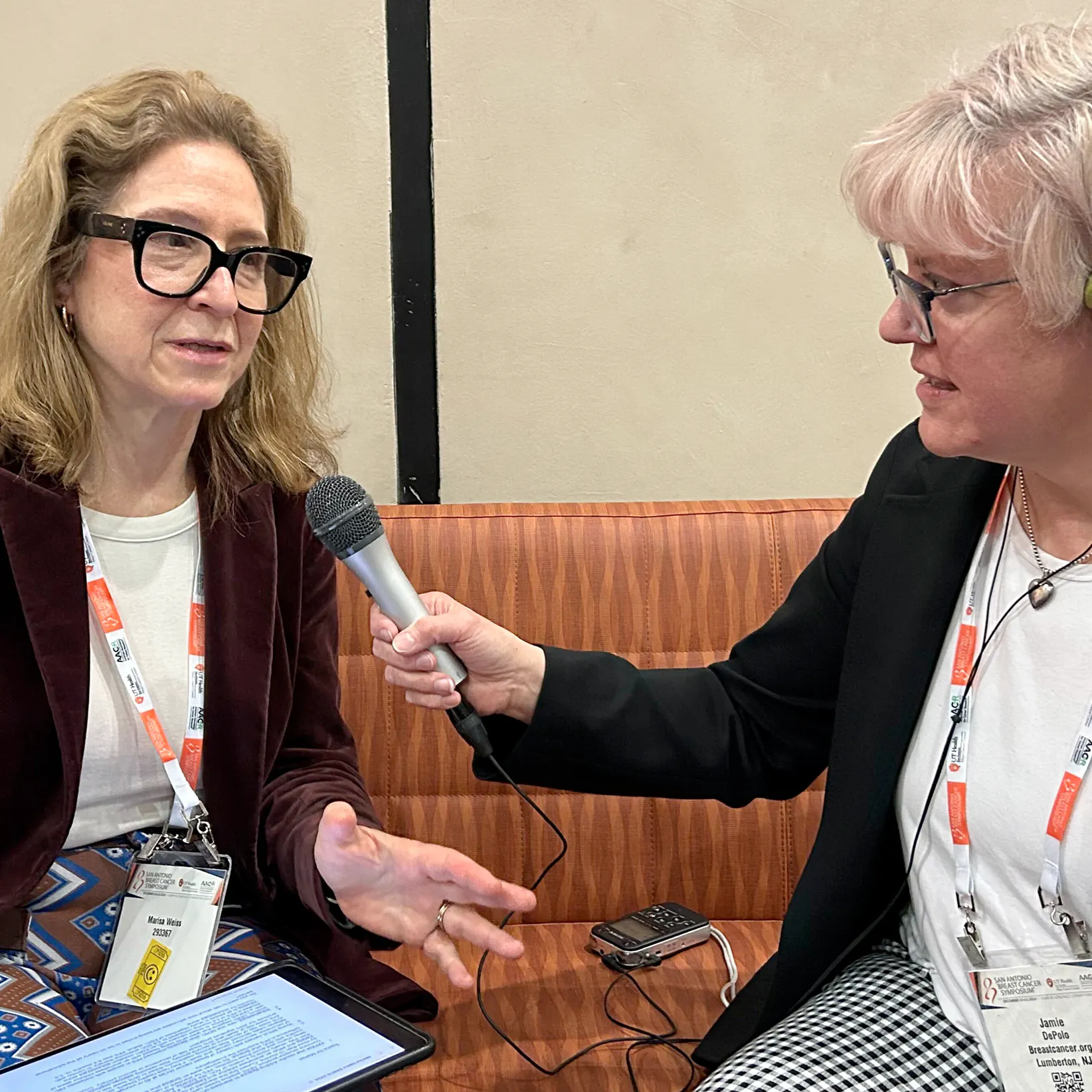 Top Research From SABCS 2025 Top Research From SABCS 2025 | The 2025 San Antonio Breast Cancer Symposium featured four days filled with new research findings, poster presentations, and educational sessions. Marisa Weiss, MD, founder and chief medical officer of Breastcancer.org, offers her take on the top results. Listen to the episode to hear Dr. Weiss explain: how giredestrant, a new oral SERD for early-stage, hormone receptor-positive breast cancer, may change practice a new use for Tukysa (chemical name: tucatinib) in metastatic HER2-positive disease the lifestyle factors that can affect breast cancer risk and steps people can take to keep their risk as low as possible | 30m 02s | ||||||
| 12/12/25 |  Final Results From Early Trials on a Vaccine to Prevent TNBC Final Results From Early Trials on a Vaccine to Prevent TNBC | At the 2025 San Antonio Breast Cancer Symposium, Justin Johnson, PhD, presented a poster detailing the final results from three groups of people in a phase I trial on a vaccine to prevent triple-negative breast cancer. Listen to the episode to hear Dr. Johnson explain: why the vaccine targets the alpha-lactalbumin protein the safety and dose results of the study what’s next for the research | 18m 43s | ||||||
| 12/12/25 |  Interactive Online Tool Improves Quality of Life in Young Breast Cancer Survivors Interactive Online Tool Improves Quality of Life in Young Breast Cancer Survivors | At the 2025 San Antonio Breast Cancer Symposium, Ann Partridge, MD, MPH, presented research on the Young, Empowered & Strong (YES) mHealth tool designed to better meet the emotional and physical health needs of young people who’ve received breast cancer treatment. Listen to the episode to hear Dr. Partridge explain: how people access the tool and how it works the specific symptoms the tool helped improve what’s next for the tool | 12m 18s | ||||||
| 12/12/25 | 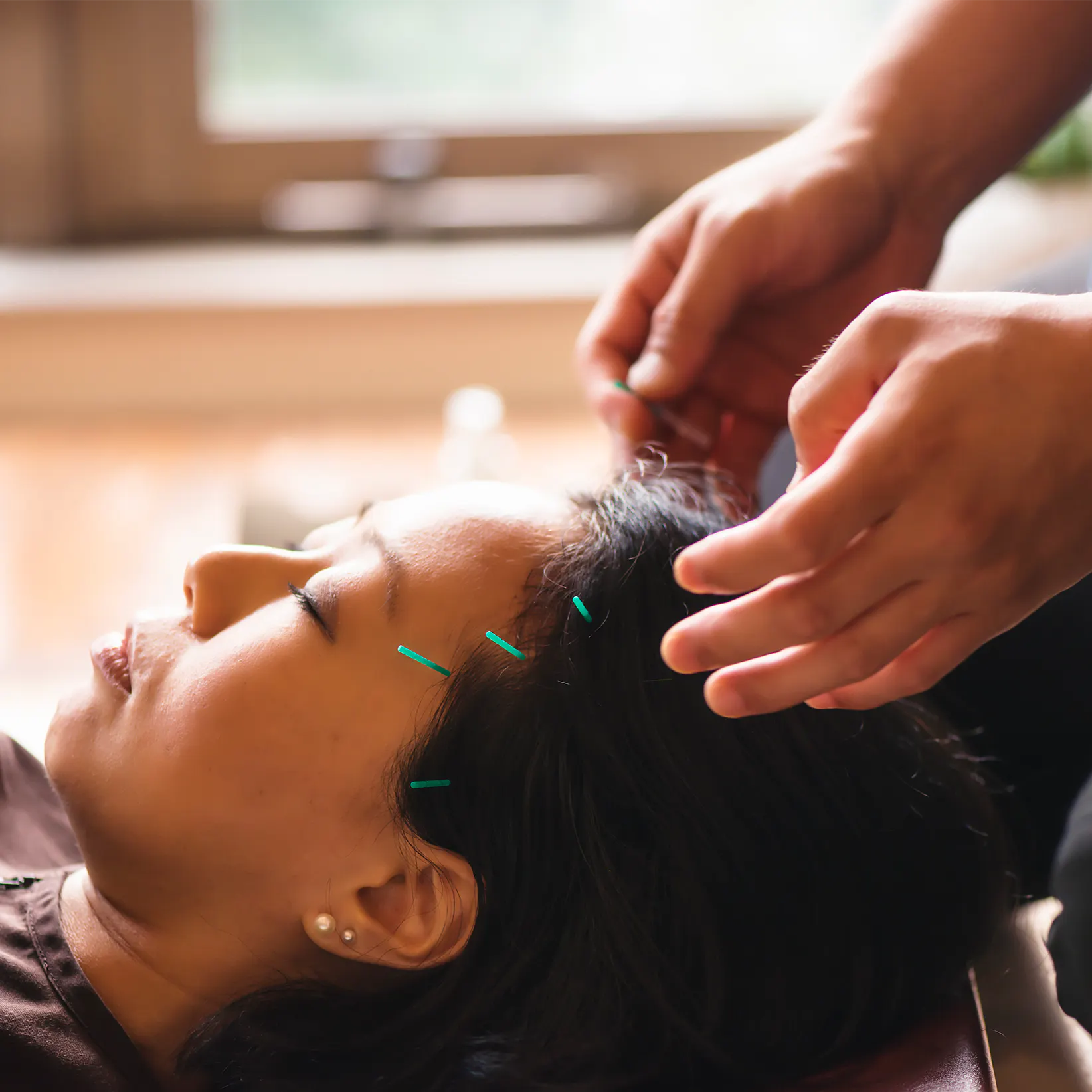 Acupuncture Helps Ease Chemo Brain Acupuncture Helps Ease Chemo Brain | At the 2025 San Antonio Breast Cancer Symposium, Dr. Jun Mao, an integrative medicine specialist and licensed acupuncturist at Memorial Sloan Kettering Cancer Center, presented research showing that both real and sham acupuncture can help improve cognitive function in women treated for breast cancer. Sham acupuncture mimics real acupuncture, but no needles pierce the skin. Listen to the episode to hear Dr. Mao explain: the complexities of chemo brain and why the causes are more than chemotherapy the results of the study his advice for people who would like to try acupuncture | 10m 30s | ||||||
| 12/11/25 |  Bridging the Gap Between the Oncology and Mental Health Communities Bridging the Gap Between the Oncology and Mental Health Communities | At the 2025 San Antonio Breast Cancer Symposium, Whitney O’Connor, a two-time breast cancer survivor, licensed professional counselor, and founder of the Boobie Queen Company, presented a poster on the mental health tools she developed to help young women address any mental health and body image challenges they may have. Listen to the episode to hear Whitney explain: the phases of cancer survivorship framework she developed how the retreats her company sponsored used the framework to help young women heal emotionally how she plans to integrate healthcare providers into the framework | 4m 57s | ||||||
| 12/11/25 |  “We Need More Education About The Risk of Recurrence” “We Need More Education About The Risk of Recurrence” | At the 2025 San Antonio Breast Cancer Symposium, Megan-Claire Chase, known online as Warrior Megsie, a fierce and funny breast cancer advocate, presented a poster on real-world patient and caregiver experiences with breast cancer risk of recurrence in the United States. Listen to the episode to hear Megan-Claire explain: why she and her colleagues wanted to do the survey the gaps in survivorship care the survey uncovered the support services patients and caregivers need | 9m 10s | ||||||
| 12/11/25 |  Making HRT Decisions With a History of Breast Cancer Making HRT Decisions With a History of Breast Cancer | At the 2025 San Antonio Breast Cancer Symposium (SABCS), Dr. Tara Sanft, associate professor of medicine at the Yale School of Medicine and director of the Yale Survivorship Clinic, moderated a session called “Balancing Act: Hormone Replacement Therapy in Breast Cancer Care.” Listen to the episode to hear Dr. Sanft explain: the difference between systemic and local HRT why HRT decisions need to be nuanced and individualized for anyone with a history of breast cancer – there is no one-size-fits-all her advice to people with a history of breast cancer who are considering HRT | 13m 42s | ||||||
| 12/11/25 |  Giredestrant Promising New Treatment For Early-Stage HR-Positive Breast Cancer Giredestrant Promising New Treatment For Early-Stage HR-Positive Breast Cancer | After surgery, many people with stage I to stage III hormone receptor-positive breast cancer take tamoxifen or an aromatase inhibitor for five to 10 years. This has been the standard of care for the last 25 years. At the 2025 San Antonio Breast Cancer Symposium, UCLA scientist Dr. Aditya Bardia presented results on giredestrant, a new oral selective estrogen degrader/downregulator (SERD) that offered better disease-free survival — how long people live without the cancer returning – than tamoxifen or an aromatase inhibitor. Listen to the episode to hear Dr. Bardia explain: how giredestrant is different from the two other available SERDs if giredestrant could be combined with a CDK4/6 inhibitor giredestrant side effects what the results mean for people diagnosed with early-stage hormone receptor-positive breast cancer | 6m 41s | ||||||
| 12/9/25 |  Webinar Audio: Corrective Breast Reconstruction: Getting the Results You Want Webinar Audio: Corrective Breast Reconstruction: Getting the Results You Want | This bonus episode is the audio of a Breastcancer.org webinar. Managing breast cancer treatment can be a long, complex process with unexpected obstacles. Some people experience a cosmetic or medical issue with their breast reconstruction that occurs soon after surgery or years later. If you’re unhappy with the cosmetic results of reconstruction after a mastectomy or lumpectomy — or you’re feeling pain, tightness, or changes in implant position — a corrective procedure may be beneficial for you. In this webinar, three highly specialized breast surgeons discuss what to do when issues develop after getting implants or having a flap reconstruction – which is using your own tissue to rebuild a breast. They explain possible complications, how to find the right doctor for revision surgery, techniques to fix reconstruction issues, and paying for a corrective procedure. Listen to the webinar to learn about options for managing discomfort, changes in shape, size, positioning of the breast, asymmetry, implant rupture, capsular contracture, fat necrosis, and more. And remember, If you notice symptoms that concern you, it’s best to see your doctor as soon as possible and ask if what you’re experiencing is normal for the type of reconstruction you had and other health factors that are specific to you. Learn more about corrective breast reconstruction surgery. Featured Speakers: Marisa Weiss, MDChief Medical Officer, Breastcancer.org Anne Peled, MDBoard-certified Plastic Surgeon Co-director, Breast Care Center of ExcellenceSutter Health Dhivya Srinivasa, MD, FACSDouble Board-certified General and Plastic SurgeonFounder, The Institute for Advanced Breast Reconstruction Sarosh Zafar, MDDouble Board-certified General and Plastic SurgeonCenter for Restorative Breast Surgery | 57m 45s | ||||||
| 12/2/25 |  The Guy With Stage 4 Breast Cancer The Guy With Stage 4 Breast Cancer | Male breast cancer makes up about 1% of all breast cancer cases. The numbers are small, but it does happen. Jake Messier is living with metastatic breast cancer after first being diagnosed with stage II disease in 2023. Jake has very active Tik Tok and Instagram accounts (theguywithstage4breastcancer) detailing his experience with breast cancer. Listen to the episode to hear Jake explain: how he felt when he was diagnosed why and how he got a second opinion and moved his care to Dana Farber why he decided to be vocal about being a man with breast cancer why he started the Male Breast Cancer Research Foundation and what he hopes to accomplish with it | 1h 01m 11s | ||||||
Showing 25 of 381
Sponsor Intelligence
Sign in to see which brands sponsor this podcast, their ad offers, and promo codes.
Chart Positions
4 placements across 4 markets.
Chart Positions
4 placements across 4 markets.