
Insights from recent episode analysis
Audience Interest
Podcast Focus
Publishing Consistency
Platform Reach
Insights are generated by CastFox AI using publicly available data, episode content, and proprietary models.
Total monthly reach
Estimated from 4 chart positions in 4 markets.
By chart position
- 🇨🇦CA · Fitness#1895K to 30K
- 🇳🇱NL · Fitness#1551K to 10K
- 🇳🇿NZ · Fitness#583K to 10K
- 🇨🇿CZ · Fitness#181500 to 3K
- Per-Episode Audience
Est. listeners per new episode within ~30 days
2.9K to 16K🎙 Daily cadence·28 episodes·Last published today - Monthly Reach
Unique listeners across all episodes (30 days)
9.5K to 53K🇨🇦57%🇳🇱19%🇳🇿19%+1 more - Active Followers
Loyal subscribers who consistently listen
2.9K to 16K
Market Insights
Platform Distribution
Reach across major podcast platforms, updated hourly
Total Followers
—
Total Plays
—
Total Reviews
—
* Data sourced directly from platform APIs and aggregated hourly across all major podcast directories.
On the show
Recent episodes
You're Probably Working Too Hard To Run This Slow
Jun 25, 2026
12m 51s
Too Hot to Train? Let's Talk About It
Jun 18, 2026
15m 07s
The Fitness Double Standard Dog Handlers Have
Jun 11, 2026
12m 40s
Toy Skills That Make Everything Else Easier with Shade Whitesel
Jun 4, 2026
40m 43s
The ‘I Don’t Have Time’ Fix That Actually Works
May 14, 2026
11m 54s
Social Links & Contact
Official channels & resources
Official Website
Login
RSS Feed
Login
| Date | Episode | Description | Length | ||||||
|---|---|---|---|---|---|---|---|---|---|
| 6/25/26 |  You're Probably Working Too Hard To Run This Slow | Do you ever feel like you're working incredibly hard when you run, but not getting much speed in return?In this episode, we're diving into a concept I call energy leaks—the movement habits that quietly steal speed, increase fatigue, and make sprinting feel far harder than it needs to.Many handlers assume they need more fitness, more conditioning, or more miles. Sometimes that's true. But often the biggest opportunity isn't producing more effort—it's wasting less of the effort you're already producing.We'll explore why efficiency matters, how small movement errors compound over time, and why the same principles we use to improve our dogs' performance also apply to our own movement.I'm excited to be teaching a brand-new class through FDSA called Fix Your Sprint.Over three weeks we'll identify the most common sprint mistakes I see, learn how to recognize them in your own movement, and discuss practical strategies to improve efficiency, speed, and confidence while running.The class includes: ☑️ A 30min webinar ☑️ Practical sprint fixes you can implement immediately ☑️ Video review opportunities ☑️ Written coaching and discussion ☑️ Three short sprint workouts per weekClass starts July 1st! Join me at FDSA and let's make running feel faster, smoother, and more efficient.Register here: https://www.fenzidogsportsacademy.com/index.php/courses/53018 | 12m 51s | ||||||
| 6/18/26 |  Too Hot to Train? Let's Talk About It | Summer arrives and suddenly the workouts that felt easy in the spring feel harder. Your heart rate is higher, your energy is lower, and between trials, travel, and hot weather, staying consistent can feel impossible.The good news? You're probably not losing fitness as quickly as you think.In this episode, we're talking about what heat actually does to performance, why your workouts feel harder this time of year, and how to adjust your expectations without abandoning your fitness altogether. We'll also dive into one of the most overlooked performance tools available to handlers: hydration.From water intake and hydration habits to the surprising role food plays in keeping you hydrated, you'll walk away with practical strategies to help you feel and perform better through the hottest months of the year.Because summer fitness doesn't have to look like spring fitness to be successful.In this episode:Why workouts feel harder in the heatWhat dehydration does to energy, recovery, and performanceSimple hydration habits that actually workHydrating foods that can support your water intakeWhy maintaining fitness may be a better goal than chasing progress this summerHow to adapt your workouts without losing momentumThe goal isn't to train perfectly all summer. The goal is to keep moving forward.🐾 Ready to build strength, mobility, and confidence as a handler? Join us inside Canine Handler Fitness and discover programs designed specifically for dog sport handlers. | 15m 07s | ||||||
| 6/11/26 |  The Fitness Double Standard Dog Handlers Have | Your dog has a conditioning plan. They have warm-ups, recovery days, fitness exercises, and maybe even a few supplements. You know what they weigh, how they're moving, and whether they're ready for the next trial.But what about you?Many handlers spend so much time caring for their dog's physical health that they forget they're part of the team too. We wouldn't expect our dogs to stay strong, athletic, and resilient without training, yet somehow we expect that from ourselves.In this episode, we're talking about why handlers often prioritize their dog's fitness over their own, how that impacts performance and quality of life, and why fitness isn't just about running faster or feeling stronger. It's about maintaining the ability to keep doing the things you love with your dog for years to come.We'll also explore the hidden cost of letting our own fitness slide, the difference between capability and appearance, and why treating yourself like an athlete might be one of the best things you can do for your dog.If you've ever spent more time thinking about your dog's conditioning than your own, this episode is for you.In this episode:Why handlers are often more invested in their dog's fitness than their ownThe surprising ways physical capacity impacts handlingWhat strength, balance, and fitness really mean as we ageThe fitness double standard many dog handlers live withWhy taking care of yourself is part of taking care of your dogBecause your dog isn't the only athlete on your team.🐾 Ready to become a stronger, more confident handler? Join us inside Canine Handler Fitness, where we help dog handlers build strength, improve mobility, and stay active doing what they love. Learn more at Canine Handler Fitness. | 12m 40s | ||||||
| 6/4/26 | 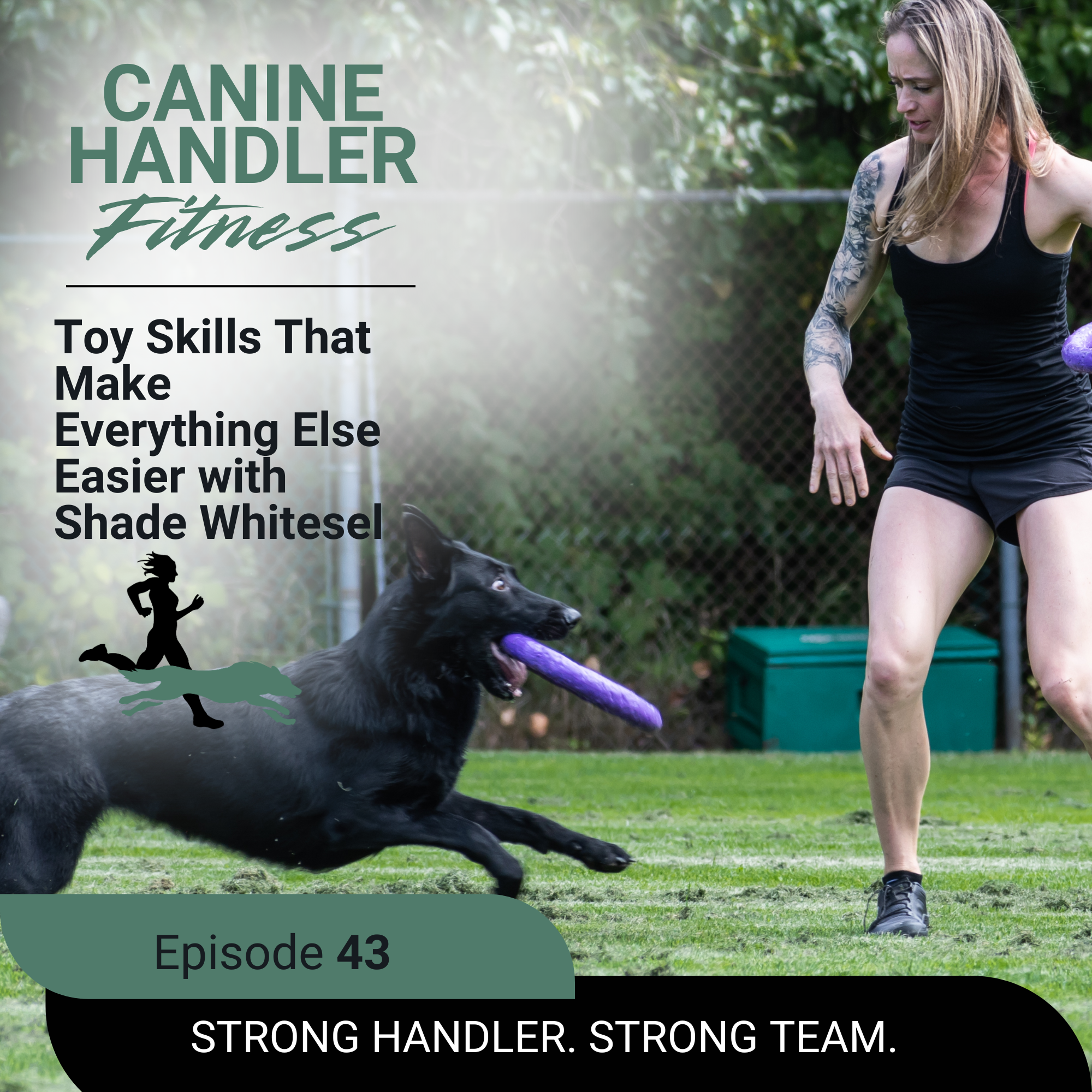 Toy Skills That Make Everything Else Easier with Shade Whitesel | Your dog loves toys. So why is toy training still a struggle?A lot of dogs love chasing, grabbing, and carrying toys. But loving toys and knowing how to play with a human are not the same thing. If your dog runs off with toys, plays keep-away, struggles to return them, or gets so excited they stop thinking, you're not alone.In this episode, I sit down with Shade Whitesel to talk about toy play, reinforcement, and what she prioritizes when bringing a new puppy or dog into her life. We use my young Malinois, Bree, as an example and explore the skills that matter most during those early months.One of the biggest takeaways from this conversation is that great toy play doesn't happen by accident. Shade views toy skills as something we actively build and develop, creating a foundation that supports every aspect of training and sport performance.We also dive into some of the most common toy challenges handlers face. A dog that won't bring the toy back. A dog that won't let go. A dog that's so excited about the toy they can't focus on the task at hand. These are all training problems, and they can all be improved with the right approach.For those raising a puppy or starting over with a new dog, you'll love hearing what Shade focuses on first. Before advanced skills, before precision, before performance, she prioritizes building engagement, cooperation, and clear communication through play.One of my favorite themes throughout this episode is that toy play isn't about creating more drive—it's about creating better teamwork. The goal isn't simply to make your dog crazier about toys. It's to create a dog that understands the game, values playing with you, and can use toys effectively as reinforcement.We also chat about Bree and some of the things I'm focusing on with her right now. If you've recently added a puppy to your home, are bringing along a young sport dog, or want to improve your dog's toy skills, you'll find plenty of ideas to think about.Want to dive deeper? Shade's FDSA class, Toys: Developing Cooperation and Play, opens June 1. The course focuses on building cooperative toy play, improving tug and retrieve skills, channeling prey drive productively, and turning toys into a powerful training tool.If you've ever wished your dog would see you as part of the game—not just the person holding the toy—this episode is for you. 🎾🐾 | 40m 43s | ||||||
| 5/14/26 |  The ‘I Don’t Have Time’ Fix That Actually Works | Ever said “I can’t do it all.” ... And when you can’t do it all, it’s really easy to do nothing.That space between wanting to keep going and not having the time is where most people lose momentum. Not because they don’t care—but because they’re trying to hold themselves to a version of their routine that just doesn’t fit right now.This episode is for that exact moment. When your schedule is tight, your energy is split, and your workouts start to feel like one more thing you’re failing to keep up with.Because the truth is—you don’t need perfect weeks to keep moving forward. But you do need a different way of thinking about them.Enter: minimum viable weeks. Not your best. Not your biggest. Not your most impressive.But enough to keep you in it.In this episode, I’m going to walk you through how to use minimum viable weeks so you can keep showing up—even when life is full, messy, and pulling you in ten different directions.This isn’t about doing more. It’s about staying connected to your body, your routine, and that feeling of being strong—even in seasons where time is limited.Because progress isn’t lost in busy weeks. It’s lost when you disappear from them.We’re celebrating 4 years, and it’s the perfect time to get support with this.You can get 50% off your first month, plus a free trial to get started right away. If you’ve been stuck in that “I don’t have time” loop—this is your way out.Use the code FOURSTRONG (expires May 15, 2026). Everyone in our new app will be entered into a draw for:SweatshirtT-shirtTwo 30min 1-1 video calls with Liz👉 Jump in, get moving, and I’ll help you find your version of showing up.Start your 7-day trial [Click here] | 11m 54s | ||||||
| 5/7/26 |  Your System Is Doing What You Built It to Do (But Is It What You Really Want) | Most people have a system issue, both in scheduling and in their headspace around fitness. Because if you’ve ever planned to work out and then didn’t know what to do opened your phone to “pick something” and got overwhelmed skipped it because you weren’t sure how long it would take felt like if you couldn’t do a full workout, it wasn’t worth doing …this episode is for you.This isn’t about discipline. It’s about friction.Friction is anything that makes starting harder than it needs to be.And most people are trying to build consistency on top of:too many decisions unclear time commitments and one rigid idea of what “counts” as a workoutSo your brain does what it’s designed to do:👉 conserve energy 👉 avoid complexity 👉 and choose the easiest option availableWhich, most of the time… is doing nothing.In this episode, we break down:why decision fatigue is killing your consistency how not knowing how long a workout takes makes you less likely to start and why having only one “acceptable” version of a workout keeps you stuck in all-or-nothing thinkingThis is about:👉 removing the friction that’s stopping you before you even begin👉 creating a system where the decision is already made👉 and learning how to match your workouts to your energy instead of fighting itBecause consistency isn’t built on perfect workouts.It’s built on making showing up simple enough that you actually do it.✨ If this is the piece that’s been missing for you…That’s exactly what I designed my app to solve.No guessing what to do No wondering how long it’ll take No all-or-nothing workoutsJust open it, pick your time, and go.You can try it risk-free for 7 days. And once you feel how easy it is to show up…it’s very hard to go back.[Click here for more info] | 14m 33s | ||||||
| 5/1/26 |  The “I’ll Start Monday” Trap | There are two types of people when it comes to working out.People who stop… and stay stopped. And people who stop… and then keep going.The difference isn’t motivation. It’s not discipline either.It’s what they do next.Because at some point, everyone misses workouts. Life gets busy, routines break, things get messy. That part is normal. What isn’t inevitable is turning a few missed days into a full reset.A lot of people treat a break like something they need to fix. They think they need to catch up, make up for lost time, or restart clean next week.And that’s exactly where they get stuck.Because now showing back up feels bigger than just continuing.But the people who stay consistent don’t do that. They don’t rewind. They don’t restart.They just pick it back up.They’ve learned how to treat a break like a pause, not a failure.In this episode, we’re shifting away from the idea of “getting back on track” and into something much simpler.You don’t need a reset. You don’t need a perfect week. You don’t need to catch up.You just need to step back in where you are.This is about becoming the kind of person who doesn’t disappear when things aren’t perfect. The kind of person who keeps going, even if there was a gap.Because consistency isn’t about clean weeks or perfect streaks.It’s about not turning a pause into a full stop.🧠 The shiftDon’t restart. Resume.If you’ve ever felt like one missed workout turns into starting over…That’s exactly what my new app is built to prevent.No falling behind. No restarting. No pressure to catch up.You open it, see what’s next, and go.✨ Try it risk-free for 7 daysAnd once you feel how easy it is to just… keep going?Everything changes. | 8m 47s | ||||||
| 4/23/26 | 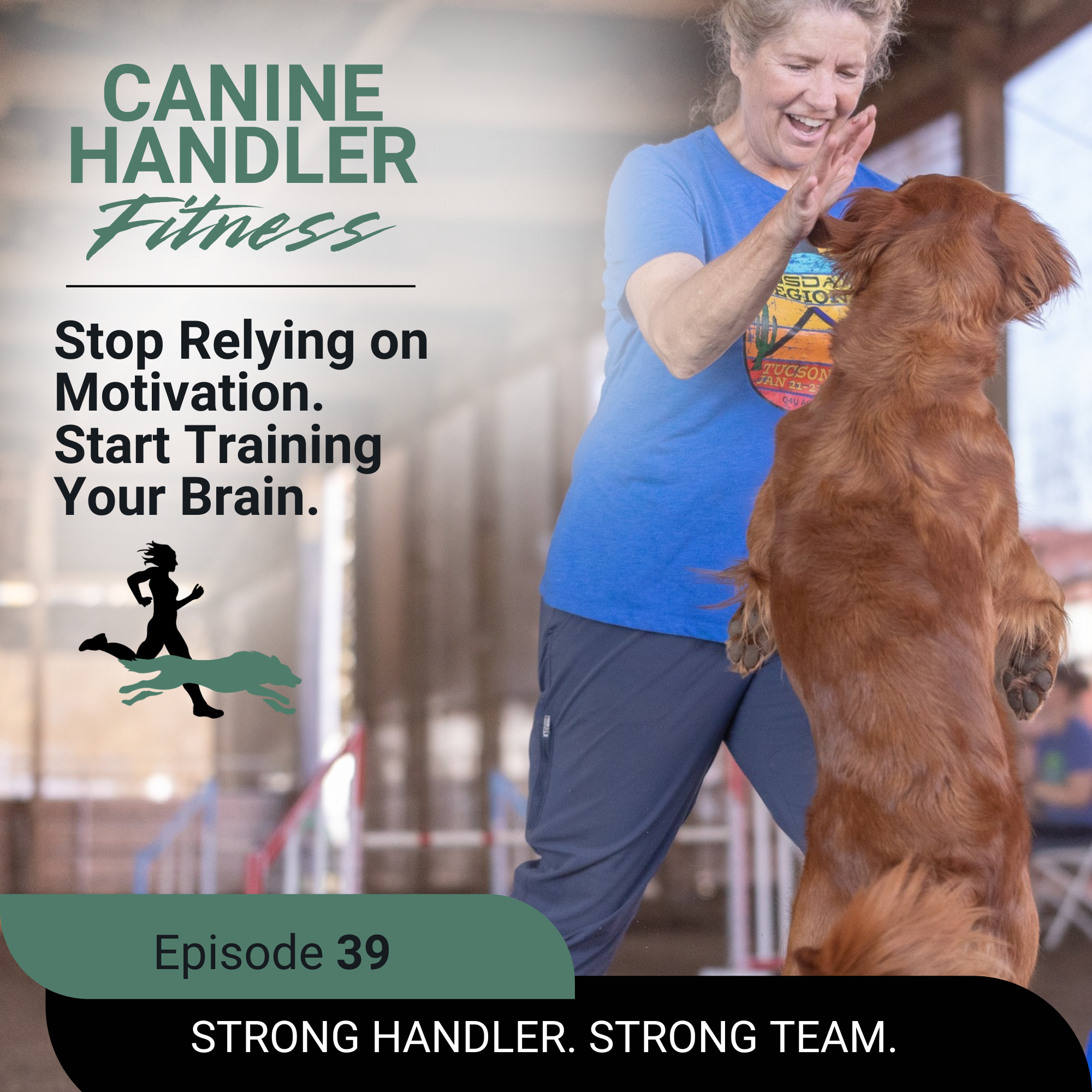 Stop Relying on Motivation. Start Training Your Brain. | You can’t fix your habits until you understand what’s actually driving your behavior.Because if you’ve ever:started a routine and couldn’t stick with itfelt motivated one week and completely flat the nextchosen scrolling or sitting over doing your workoutwondered “why is this so hard for me?”…this episode is for you.This isn’t about willpower. It’s about dopamine.Dopamine isn’t just a “feel good” chemical—it’s what drives:motivationanticipationeffortand whether something feels “worth doing”And right now? Most of us are accidentally training our brains to chase easy, high-reward behaviors… and avoid the exact things that would make us stronger, faster, and more capable.So when your workout feels hard to start? That’s not a personality flaw. That’s a brain pattern.In this episode, we break down:why consistency feels so hard (even when you want it)how your daily habits are shaping your motivation (for better or worse)and how to start training your brain to work for you instead of against youThis is about: 👉 building a brain that follows through 👉 making workouts feel easier to start 👉 and creating consistency without relying on motivationBecause consistency isn’t about being tougher. It’s about being smarter with how your brain works. | 18m 00s | ||||||
| 4/9/26 | 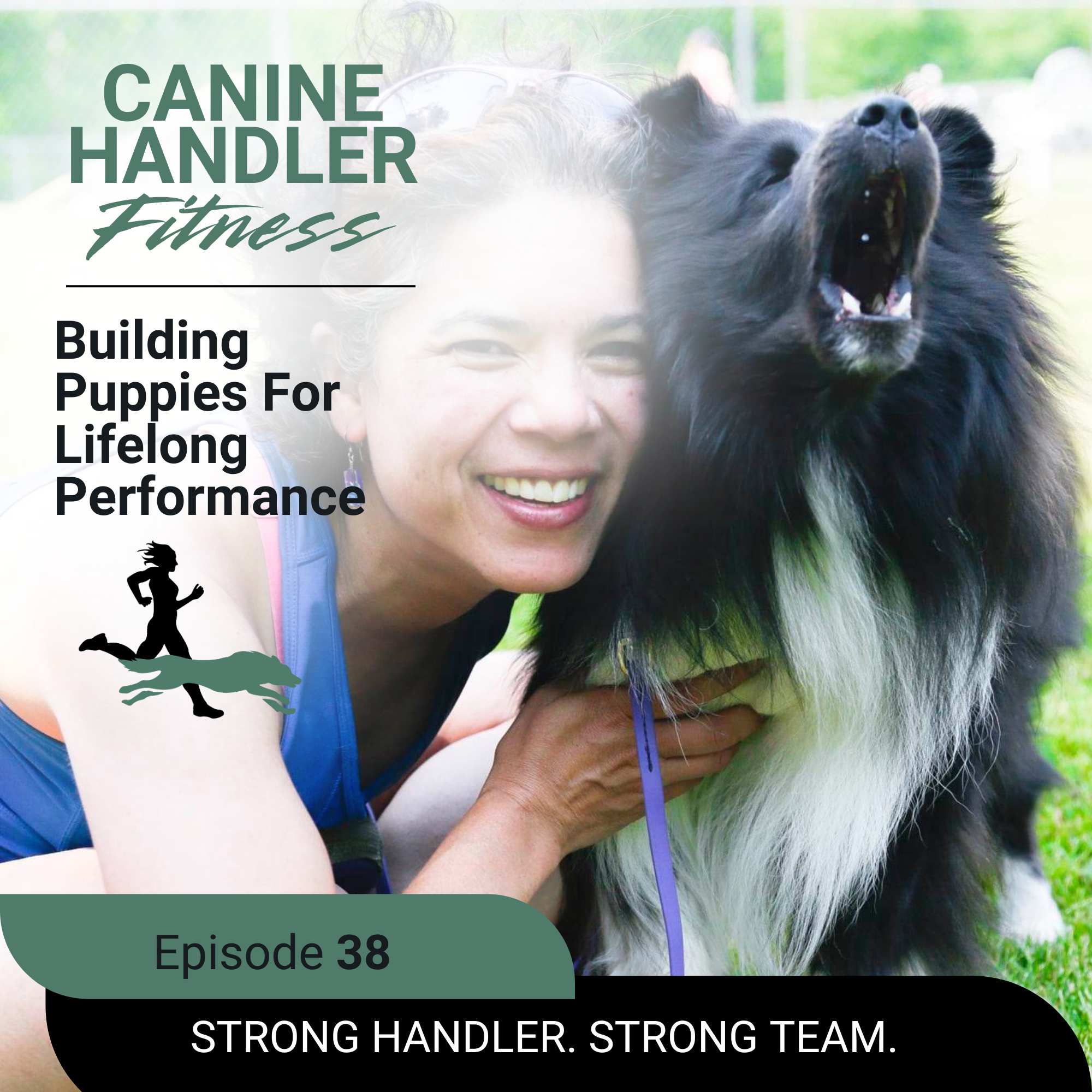 Build a Teammate That Lasts: Puppy Foundations for Lifelong Performance with Kelly Daniel | What if the way you raise your puppy is quietly deciding your entire agility future?If you want to go deeper into this, join Bree and I for Kelly's class this term through Fenzi Dog Sports Academy. It’s a great next step if you want guidance on how to actually apply this with your own puppy and build a body that’s strong, capable, and ready for the demands of sport.Because here’s the truth… most injuries don’t come from bad luck. They come from what we didn’t know early on. And if your dog gets hurt, you’re not just dealing with rehab — you’re losing time, confidence, and the ability to do the sport you love together.In this episode, I’m joined by canine fitness expert Kelly Daniel to talk about what actually matters in those first few months and how to build a strong, resilient teammate from the ground up.We get into:What to look for in structure (and why balance matters more than anything)How to set up your home to reduce injury risk immediatelyThe biggest mistake handlers make — doing too much, too soonFree movement vs forced exercise (this changes how you think about walks)Why foundations matter more than sport skills early onBecause here’s the shift most people need to hear:You don’t build a great agility dog on course first. You build them long before that — through movement, strength, and patience.We also talk about how to safely build your puppy’s body in a way that actually supports their future in sport, including:Balance, coordination, and proprioception (your dog’s movement awareness)Why stillness is a skill (especially for high-drive dogs)How to introduce fitness work safely without overloading growing jointsWhen not to start agility training, even if your dog looks “ready”One of the biggest takeaways? A dog that looks ready at 12 months isn’t necessarily ready. And rushing that process is one of the fastest ways to shorten their career.If you’ve ever had that quiet fear in the back of your mind — “What if my dog gets hurt and we can’t play anymore?”This episode is going to hit home. But more importantly, it gives you a clear path forward so you can feel confident you’re doing right by your dog from the very beginning.If you want to go deeper into this, join Bree and I for Kelly's class this term through Fenzi Dog Sports Academy. It’s a great next step if you want guidance on how to actually apply this with your own puppy and build a body that’s strong, capable, and ready for the demands of sport.Because this isn’t just about raising a puppy. It’s about building a teammate you get to run with for years. | 39m 09s | ||||||
| 3/19/26 | 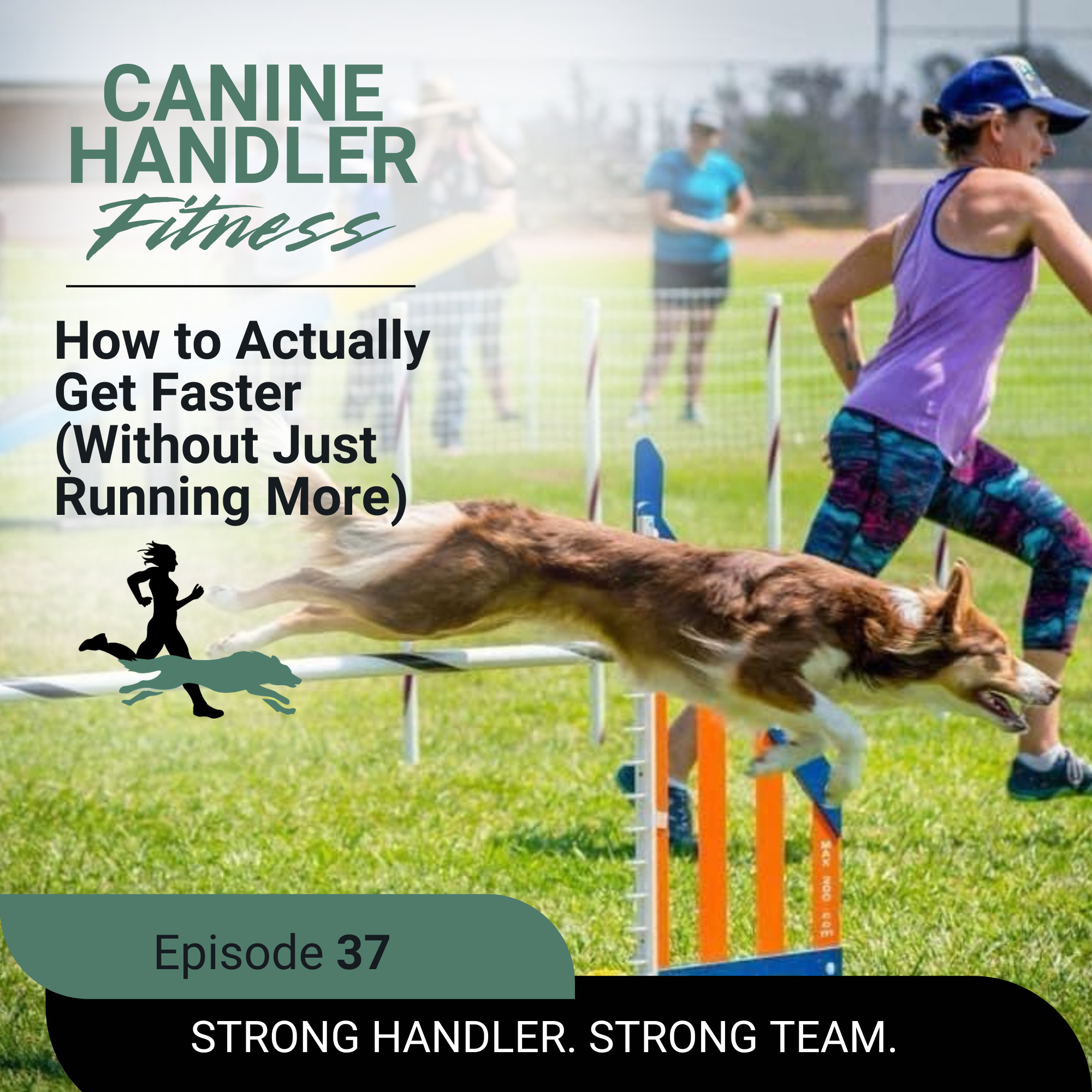 How to Actually Get Faster (Without Just Running More) | Spring is coming.Which means more running… more sprinting… more time moving with your dog outdoors.And every year, I see the same thing happen:Handlers go from winter → straight into running.And suddenly:things feel harder than expectedyour body feels heavy and slowyou’re out of breath quicklyor something starts to hurtBecause your body wasn’t prepared for the jump.This episode is about what to do right now — in these last couple of winter months — so that when you start running again:You feel faster You feel lighter You reduce your risk of injury And you actually enjoy itWe’re talking about what your body needs before sprinting season starts — so you’re not trying to play catch-up later.If you’re listening to this and thinking, “yep… that’s me”…Now is the time to build this.My 6-week Indoor Speed Builder course through FDSA is designed specifically for this window — the transition from winter into outdoor running season.Short, structured workouts you can do at home Built for dog sport handlers So your body is ready before you start sprinting again👉 If you want to head into spring feeling strong, prepared, and ready to move — come join us: [CLICK HERE] | 10m 33s | ||||||
Want analysis for the episodes below?Free for Pro Submit a request, we'll have your selected episodes analyzed within an hour. Free, at no cost to you, for Pro users. | |||||||||
| 2/26/26 | 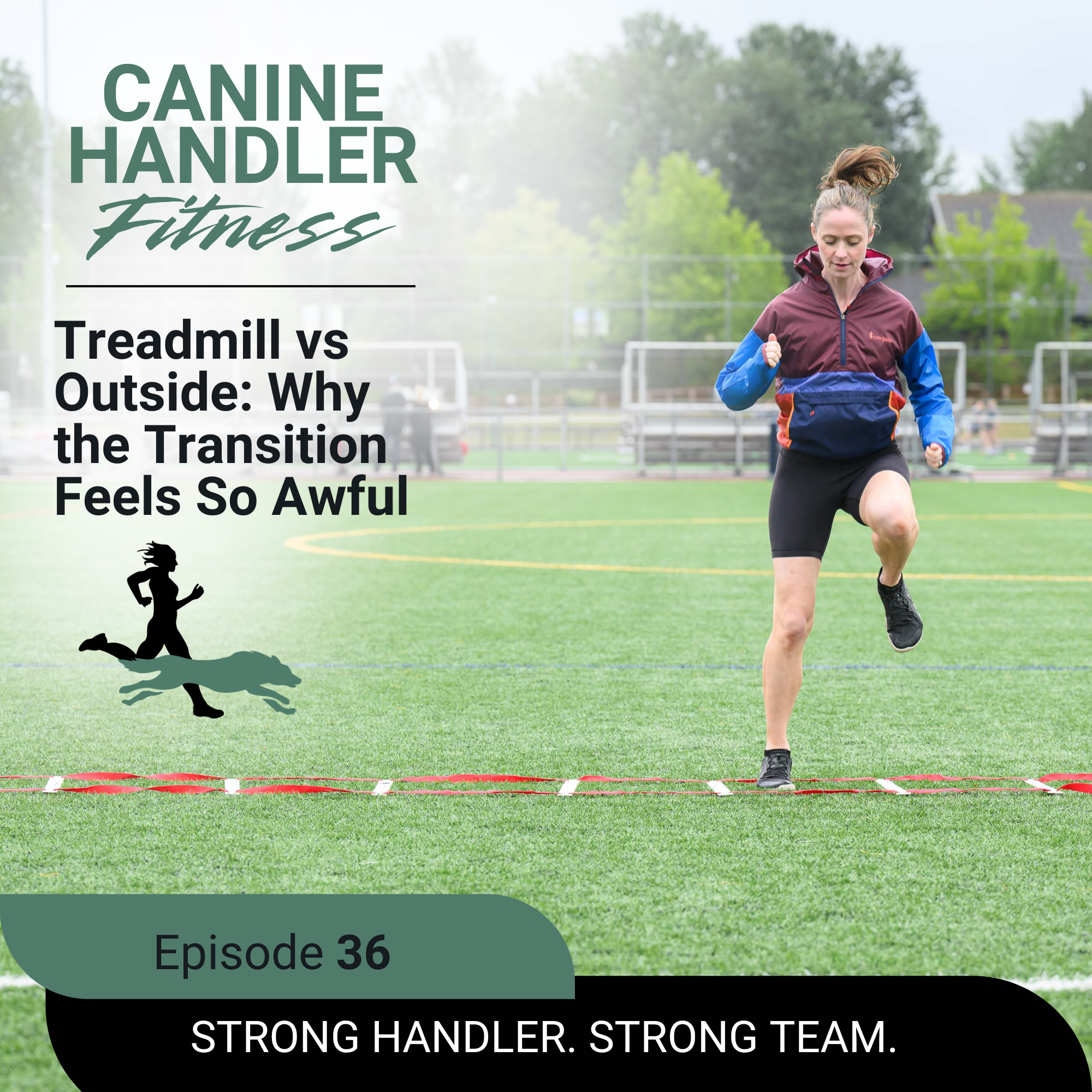 Treadmill vs Outside: Why the Transition Feels So Awful | Ever feel completely fine on the treadmill… and then five minutes into your first outdoor run you’re thinking, Why does this feel so hard? Why do my legs feel heavier? Why am I more out of breath at the same pace? Did I just lose all my fitness?If spring running has you second-guessing yourself, you’re not alone. The shift from treadmill to outdoors changes more than you think — even if your distance and pace look similar.In this episode, we unpack what’s actually happening when you move from a controlled, predictable surface to real ground — and why that “heavier” feeling doesn’t automatically mean you’re behind.Before you panic or overhaul your training, let’s look at what changed… and what didn’t. | 10m 23s | ||||||
| 2/19/26 | 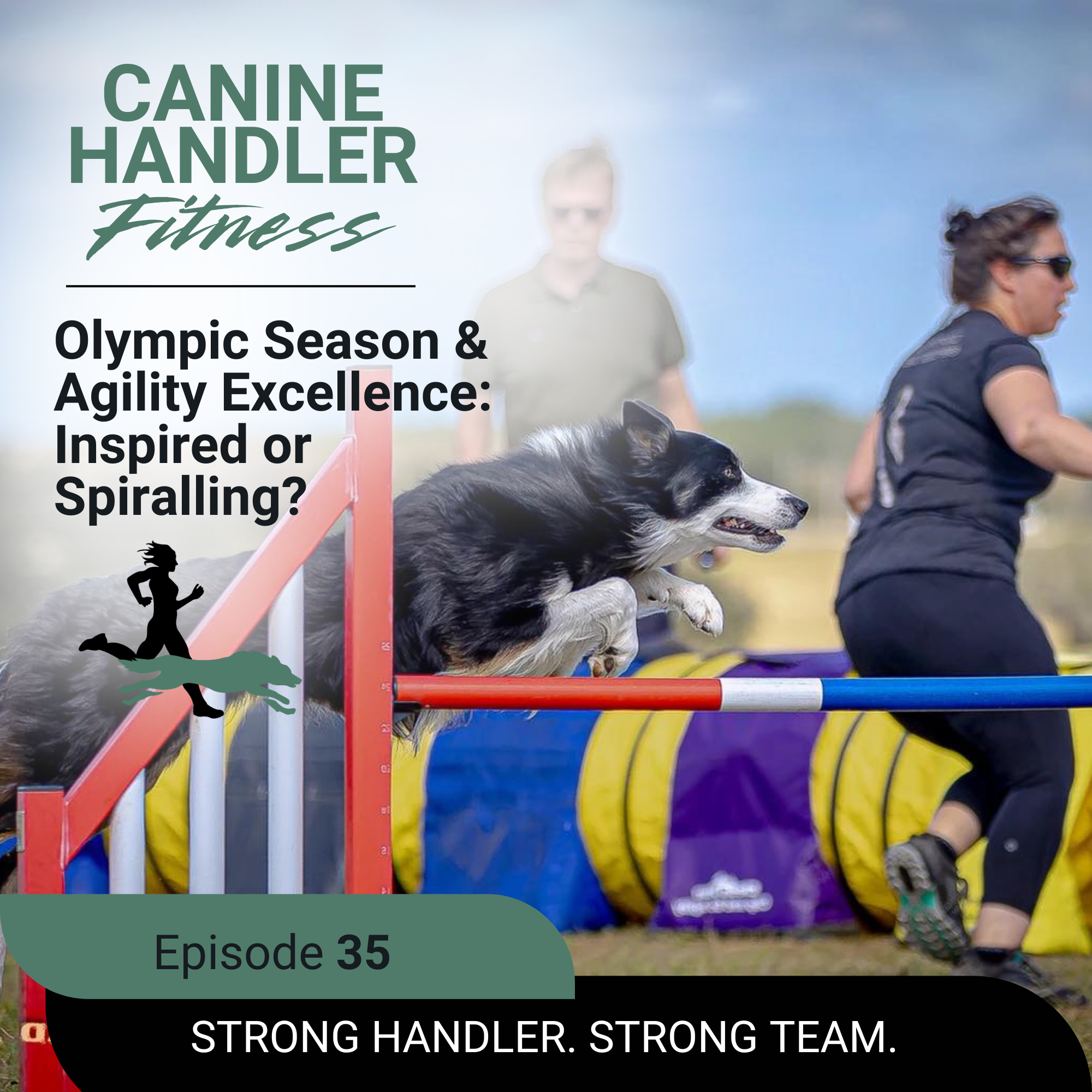 Olympic Season & Agility Excellence: Inspired or Spiralling? | Watching the Olympics can do one of two things:Make you feel small… Or sharpen your plan.And if you’re a dog sport handler watching world-class movement — whether that’s Olympic athletes or agility excellence at World Team Tryouts — you’ve probably felt both.That spark. And that quiet voice saying, “I should be in better shape.”Today we’re talking about that fork in the road.If you’ve felt the urge to:• Add extra workouts • Run miles you haven’t trained for • Overhaul your diet overnight • “Get serious” because you suddenly feel behindThis episode is for you.Because elite athletes — in the Olympics and in agility — don’t train from shame. They train from structure.We’re unpacking the difference between comparison-driven chaos and calibrated aspiration — and how to bring a high-performance mindset into agility season without burning yourself out.You don’t need Olympic workouts.You need an athlete identity that supports agility excellence. | 9m 22s | ||||||
| 2/12/26 | 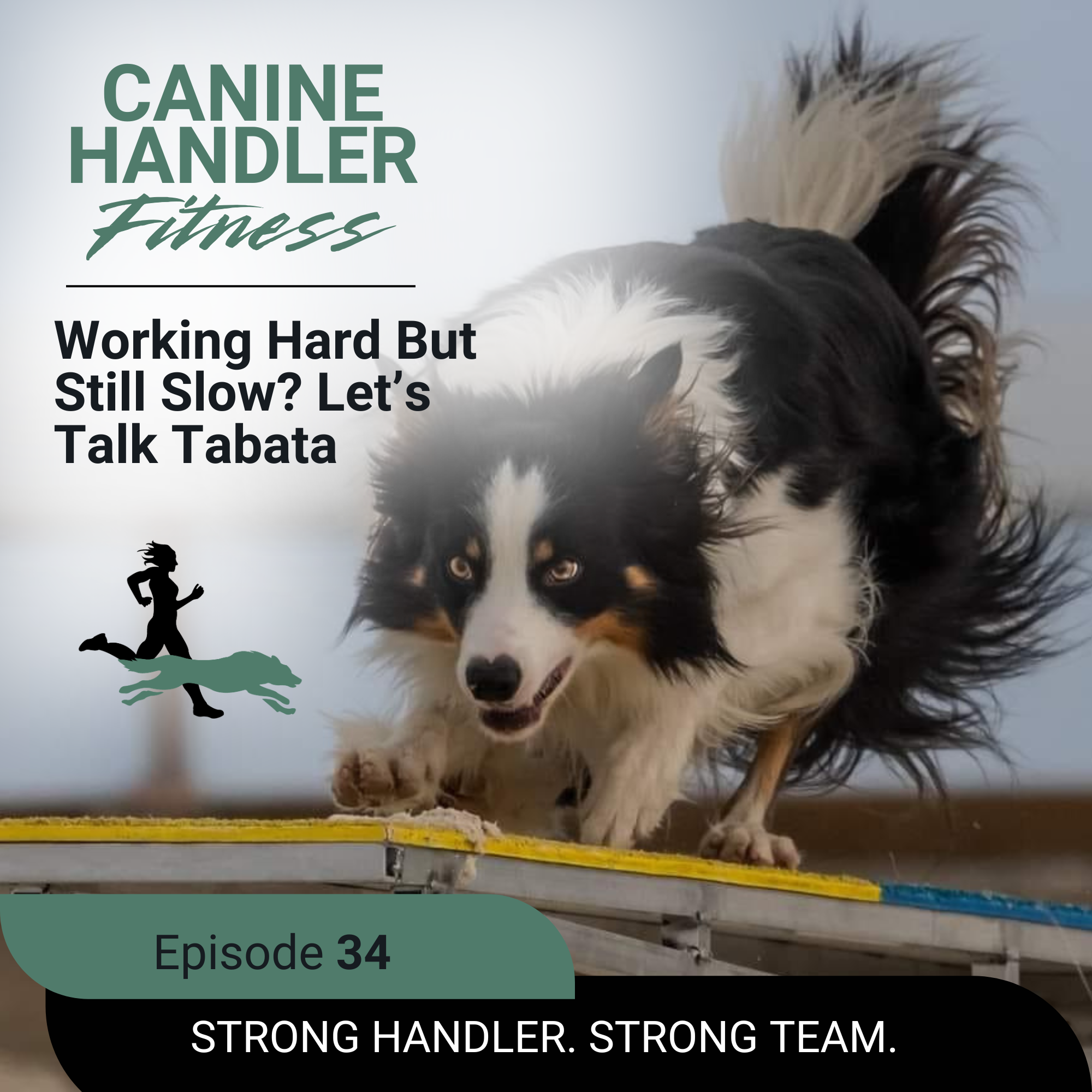 Working Hard But Still Slow? Let’s Talk Tabata | You’ve been told to just “do Tabata burpees.”Work harder. Sweat more. Push your anaerobic system.So why are you still exhausted at trials? Why do your knees and Achilles feel unreliable? Why does your confidence drop when your body feels unpredictable?In this episode, we talk about why high-intensity workouts don’t always transfer to agility performance — especially for women 40+.We break down:• Why “working hard” isn’t the same as training well • What Tabata was actually designed for • Why explosive work under fatigue can quietly increase injury risk • How perimenopause changes the recovery equation • What transferable conditioning actually looks likeIf you’re doing everything “right” and still feel flat, fragile, or behind — this episode will help you understand why.And more importantly, what to do instead. | 12m 41s | ||||||
| 2/5/26 | 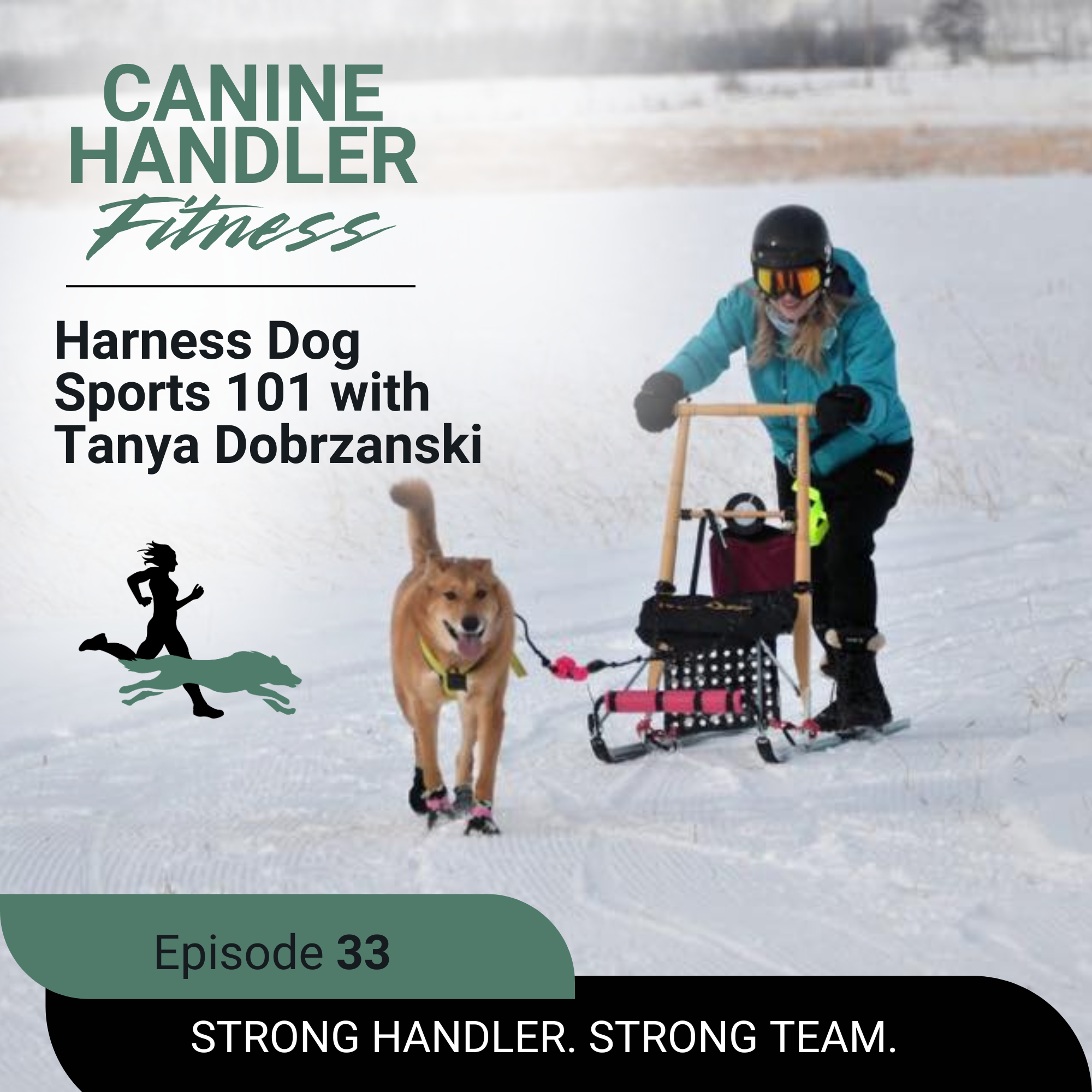 Harness Dog Sports 101 with Tanya Dobrzanski | Winter hits. You want to stay fit. Your dog is bouncing off the walls.And somehow “I’ll just go to the gym” never quite works.In this episode, I sit down with Tanya Dobrzanski to talk about harness dog sports — one of the most underrated ways to build real conditioning with your dog instead of leaving them home.We cover:• What harness dog sports actually are • Who they’re right for (and who they’re not) • How to get started safely • Why they’re especially powerful in winter • The fitness and community benefits most handlers overlookIf you’ve ever thought, “There has to be a way to train and include my dog,” this is it.All your questions asked, and a quick start guide, by the president of Canadian Association of Harness Dog Sports, Tanya Dobrzanski.Tanya is an animal certified, and human, chiropractor based in Calgary, AB. You can contact her here.Read about the Canadian Association of Harness Dog Sports here.Want info about races in Alberta, Canada? Read more here. | 39m 23s | ||||||
| 1/29/26 | 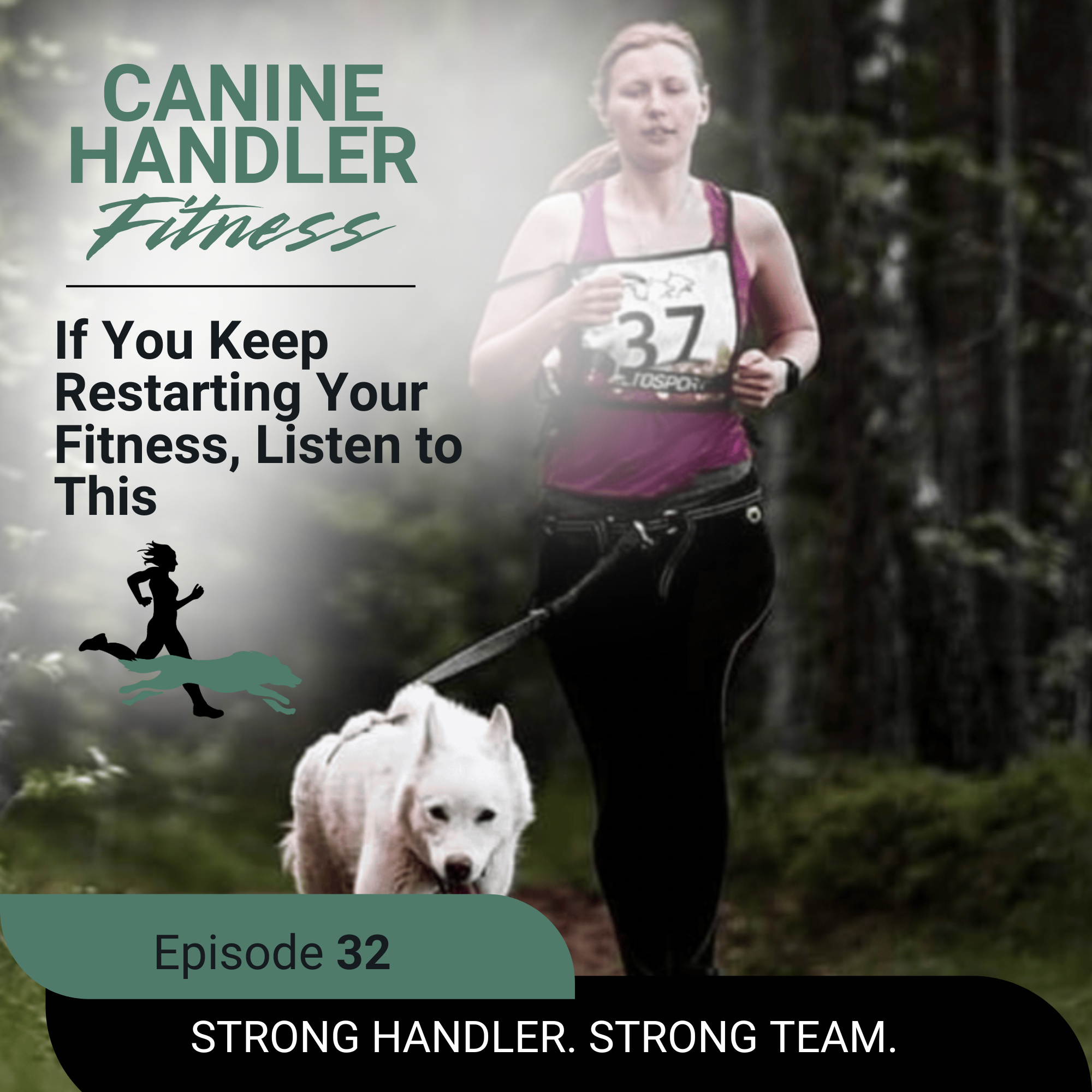 If You Keep Restarting Your Fitness, Listen to This | Have you ever thought, “I should be further along by now”?You start again. You ease in. And it feels harder than you expected.In this episode, I talk about the gap between what we expect our bodies to do — and what they’re actually ready for.We discuss:• Why starting from zero feels confronting • The mismatch between memory and current capacity • Why easing in isn’t weakness • How to build momentum without burning outIf you’re restarting fitness (again), this conversation will help you do it without shame — and without sabotaging yourself. | 14m 40s | ||||||
| 1/22/26 | 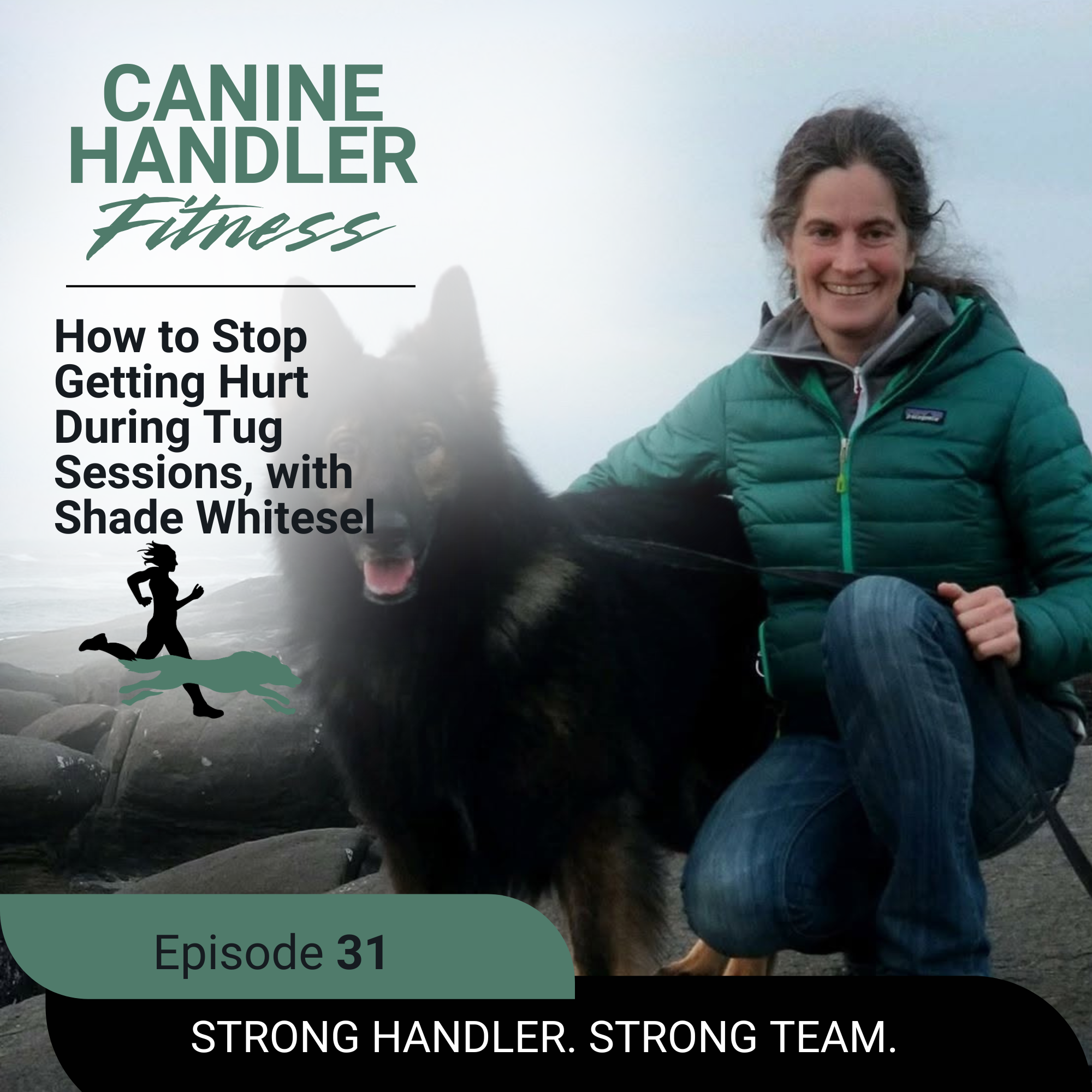 How to Stop Getting Hurt During Tug Sessions, with Shade Whitesel | You’re playing tug. Your dog hits the toy hard. And suddenly your wrist, shoulder, or back lights up.Tugging isn’t just a reward skill for your dog — it’s a physical skill for you.In this episode, I sit down with Shade Whitesel to talk about how to keep tugging fun while reducing injury risk on the handler side.We cover:• Why handlers get hurt during tug • How stance and bracing matter more than you think • Clothing and gear mistakes that increase risk • What to adjust if your dog thrashes or hits hardIf you’ve ever walked away from tug feeling sore or unstable, this episode is for you.She also has an incredible FREE webinar you can grab about Location Specific Marker Cues, pick it up here. | 38m 32s | ||||||
| 1/8/26 | 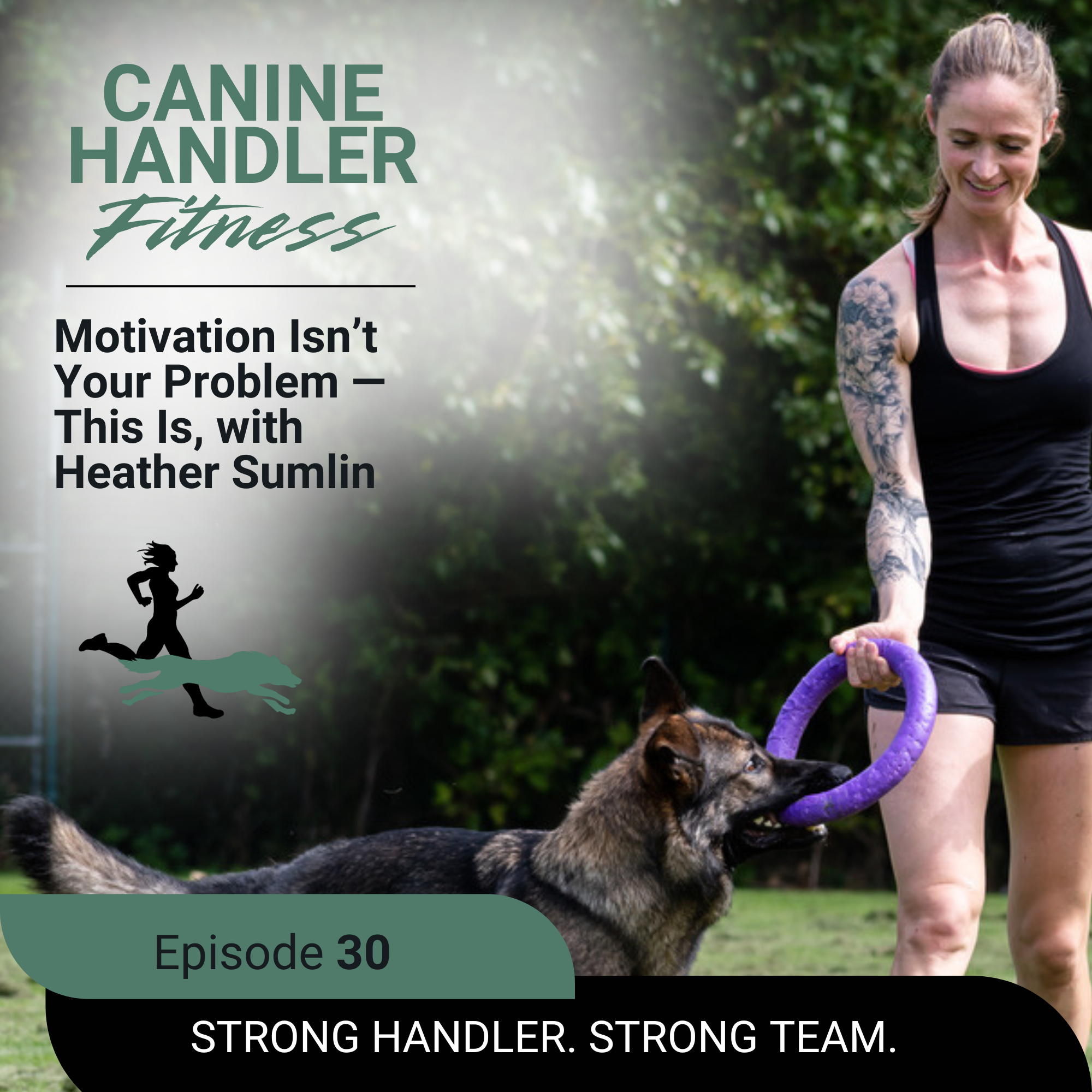 Motivation Isn’t Your Problem — This Is, with Heather Sumlin | You set the goal. You feel motivated. Two weeks later… it’s stalled.It’s not because you don’t care.In this episode, I sit down with mental performance coach Heather Sumlin to talk about why most fitness goals fail — even for high-achievers.We discuss:• Why motivation was never the problem • How “should” goals sabotage follow-through • Why big goals don’t translate into daily action • How to adjust when life, hormones, or stress get in the way • The mindset shift that actually creates momentumIf you’re tired of restarting your goals every season, this conversation will change how you approach fitness entirely.How to get ahold of Heather!Webinar happening January 13, 2026PatreonBook your intro call with HeatherPerformance Analysis JournalDo you want help with the SYSTEM behind your goals?If you’re listening and thinking, “Okay… but where do I actually start?” Liz has built a Course Finder Quiz that matches you to the right starting point from 50+ handler-specific programs — so you’re not doing more than you need, or starting in the wrong place.👉 Take the quiz and find your best starting point here: https://caninehandlerfitness.outgrow.us/CHF-Course-Finder | 36m 09s | ||||||
| 1/2/26 | 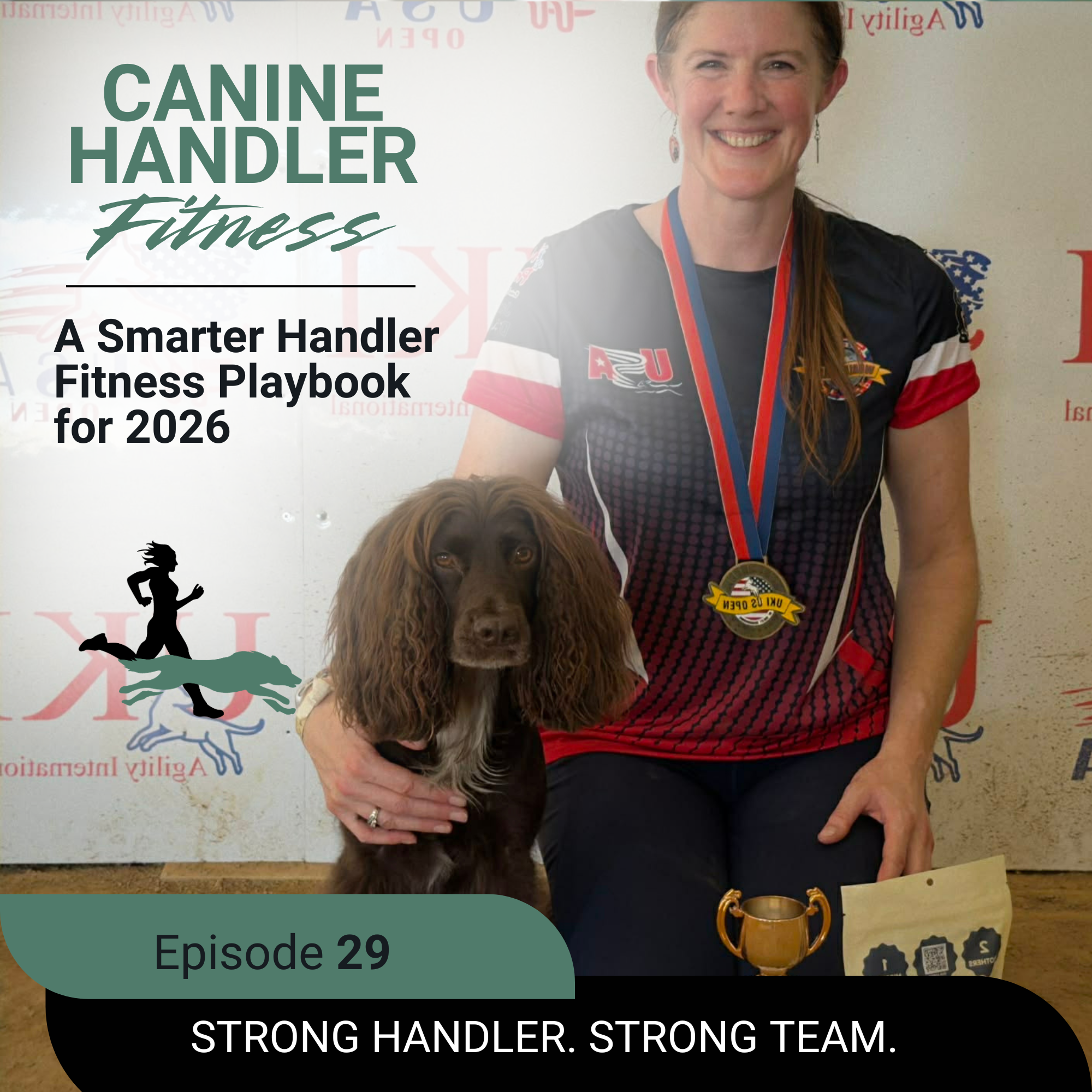 A Smarter Handler Fitness Playbook for 2026 | As we head into a new year, a lot of handlers start thinking about how to improve — speed, endurance, confidence, clarity on course.In this episode, Liz shares a short list of high-ROI focus areas that help handlers move better, react faster, and feel more confident on course — without spending endless hours in the gym or grinding through workouts that don’t transfer.This isn’t about doing everything. It’s about doing the right few things.Think of this as a behind-the-scenes checklist: the pieces that quietly make handling smoother, cleaner, and more fun — while protecting your body for the long haul.🔑 What You’ll Learn in This EpisodeWhy the first 4–6 weeks of fitness gains are about neuromuscular adaptation, not muscle — and why that’s good newsHow to stop training randomly and start building workouts that actually transfer to handlingWhat “real” core strength looks like for handlers (hint: it’s not crunches)Why mobility matters — but only in the places that countHow training deceleration and force absorption protects your body and improves confidenceThe mindset shift that helps you train like the teammate your dog already believes you are💡 Why This MattersWhen your fitness supports your handling:You move more efficientlyYour cues get clearerYou fatigue later in runsYou spend less time fixing problems and more time enjoying your dogThe goal isn’t perfection. It’s transferable strength, better movement, and more fun together.If you’re ready to train smarter — not harder — and want to know where to start, take our quick course finder quiz. You also get a free trial AND private 1-1 with Liz.👉🏼 CLICK HERE: Find your best starting point from 50+ dog-sport-specific courses Whether you’re brand new, coming back after a break, or ready to level up, this quiz matches you with the program that fits your body, your goals, and your dog. | 16m 50s | ||||||
| 12/27/25 | 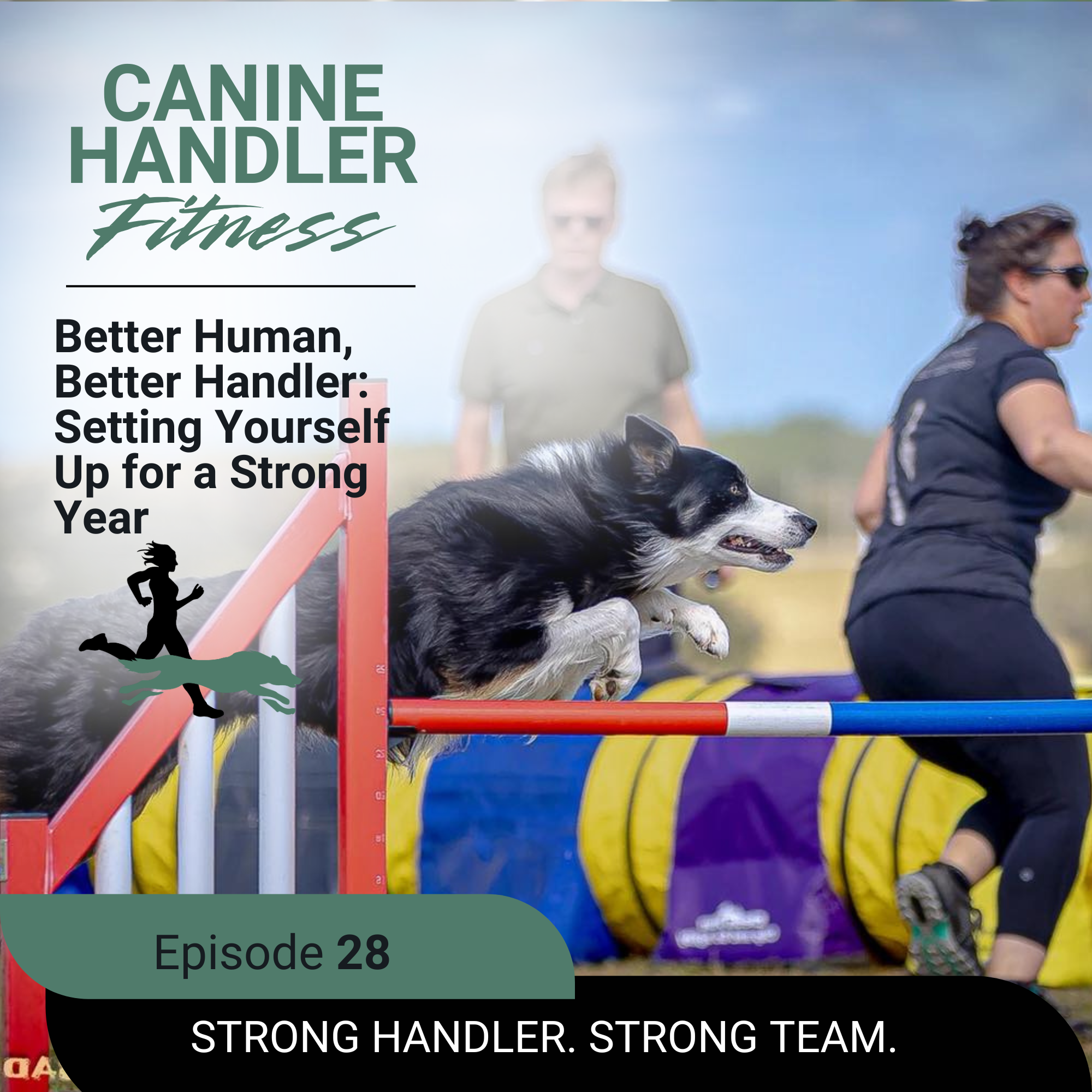 Better Human, Better Handler: Setting Yourself Up for a Strong Year | This episode isn’t about “new year, new you” hype. It’s about honest reflection, meaningful change, and creating momentum in a way that actually lasts.We walk through how to look back at the past year with clarity (without beating yourself up), how to notice when you’ve slipped into valleys of low energy, discouragement, or feeling stuck, and how to build your environment so inspiration doesn’t rely on motivation alone.We talk about friendship, community, accountability, and why big dreams don’t come from magical bursts of effort — they come from ordinary, doable actions layered consistently over time.You’ll learn:How to evaluate your year without shame — and still learn from itWhat it means to be in a “valley” and how to recognize itWhy your environment matters more than willpowerHow to bring others into your goals (and why that helps you succeed)My Top 5 Ways to turn big ideas into real-life actionThis episode is here to remind you: You are capable of more than fleeting inspiration. Your highest self deserves commitment, gentle discipline, and support. And yes — you can build strength, resilience, joy, and possibility… one step at a time.Let’s make this year meaningful, not manic. 💛Feeling ready for support and an action plan? Take our 5-question quiz to get matched with the program that's right for YOU. Take it here! | 13m 45s | ||||||
| 12/18/25 | 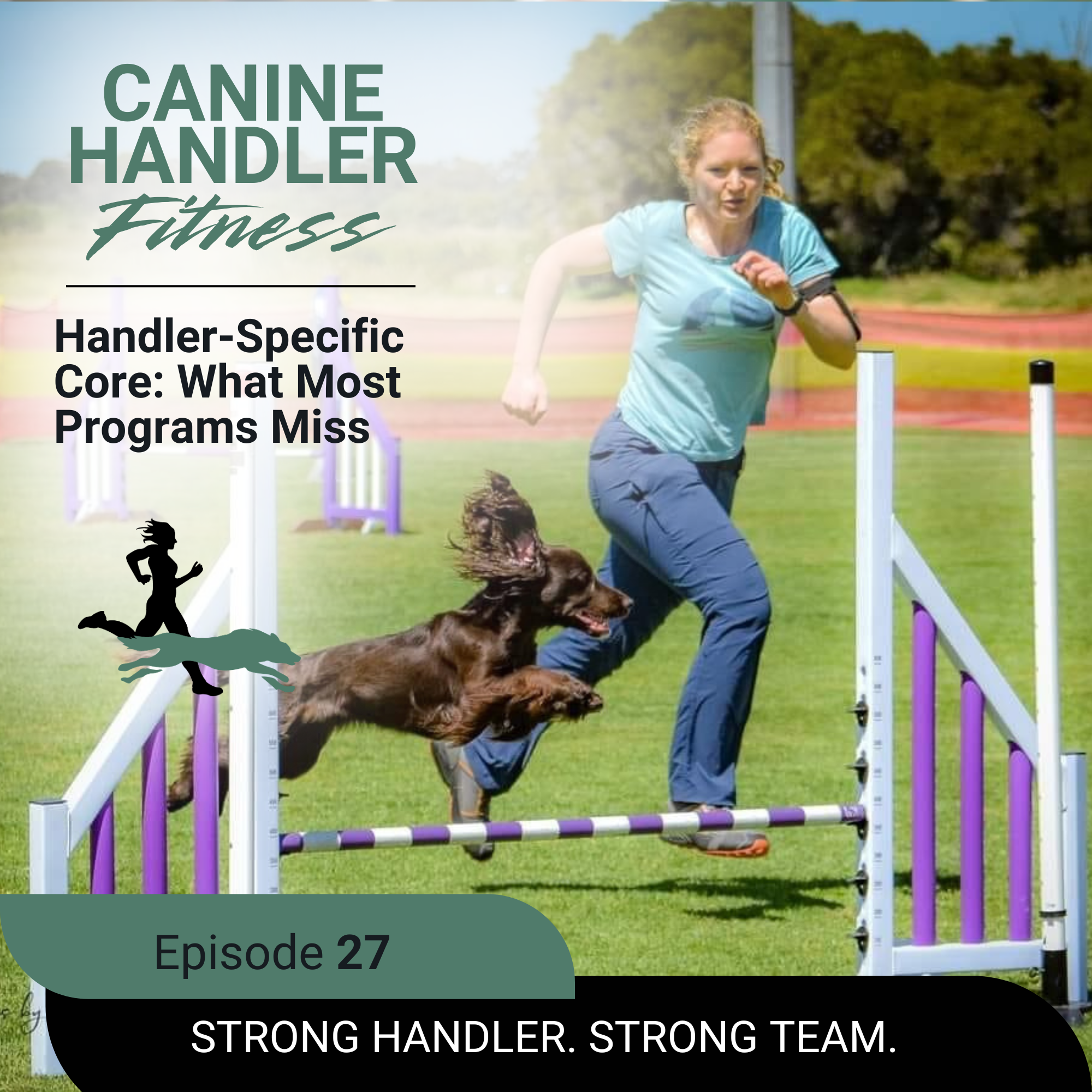 Handler-Specific Core: What Most Programs Miss | Most runners — even experienced ones — are doing core work that doesn’t actually translate to better running.In this episode, Liz breaks down what your core really needs to do when you run, why traditional core exercises like planks and crunches often fall short, and how to train your core in a way that directly improves running efficiency, stability, and agility performance.You’ll learn why core work belongs in your warm-up, how pre-engaging the right muscles improves movement quality, and what’s missing from many popular core programs — especially for dog agility handlers and active athletes who train on their feet, not on the floor.Liz shares a clear, practical checklist for running-specific core function, then walks you through five core exercises — including standing, rotational, and single-leg options — that better reflect how your body actually moves when you run.This episode is ideal for:Runners who want to feel smoother and more powerfulAgility handlers looking to improve speed, control, and enduranceAnyone tired of doing “core work” without seeing real carryoverIn this episode, you’ll learn:Why core training in warm-ups improves performance and reduces compensationWhat “pre-engaging” muscles actually means (and what it doesn’t)How your core functions during running: bracing, anti-extension, rotation control, and force transferWhy seated and floor-based core work alone isn’t enoughFive practical, running-specific core exercises you can start using right awayThis episode cuts through fitness noise and gives you a smarter, more sport-specific way to train your core — so your running feels more connected, efficient, and resilient.If you don’t want to piece this together on your own, I’ve built all of this into my All Access Pass. Start a free trial, take the quiz to find your best-fit course, and enjoy the flexibility to train in a way that actually works for you.Get started here! | 14m 37s | ||||||
| 12/11/25 | 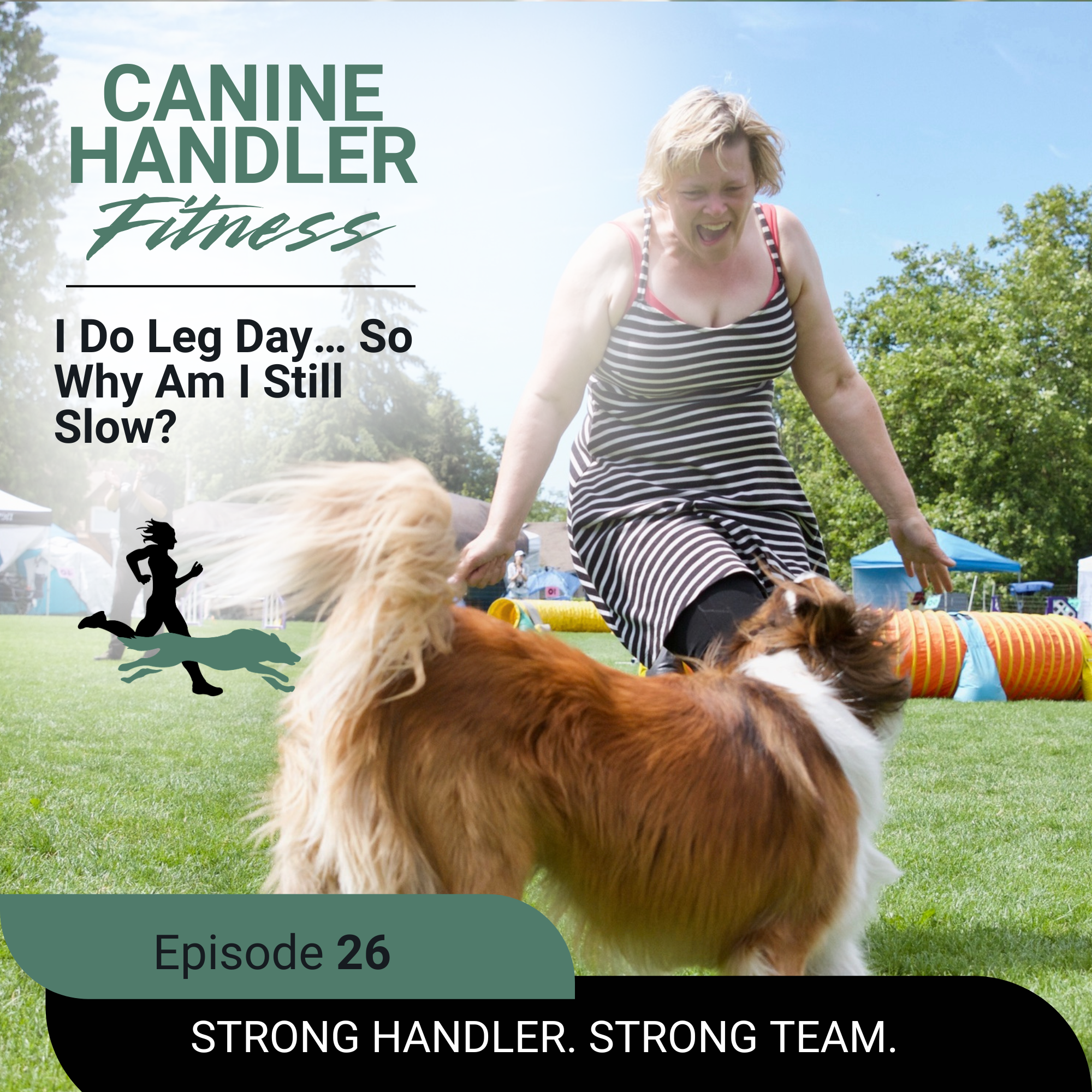 I Do Leg Day… So Why Am I Still Slow? | Most handlers think “strong legs” just means squats and lunges, but agility demands strength that works in every direction. The goal is power, control, and stability when the dog changes speed or the course forces quick transitions.You need single-leg stability far more than bilateral strengthDeceleration strength prevents slipping, sliding, and knee strainPower + quickness beat “strong but slow” every timeYour plan should challenge you in the same ways the course does — forward, backward, sideways, and rotational. If your routine hits these elements, it’s already doing more for your handling than 90% of generic programs.A good lower-body plan always includes hinge, squat, power, and lateral workUnilateral training is the most transferable skill for handlersIf a class has no power or decel, it’s not building speedYou don’t need fancy equipment — you just need smarter variations. One small tweak per exercise can turn a generic workout into something that actually improves your on-course performance.Swap any bilateral move for a single-leg version for instant agility carryoverAdd just 3–5 power reps before strength sets to train quicknessChange the direction of the movement to mimic real handling (lateral or diagonal)Many handlers have strong quads but weak hips, ankles, and hamstrings — a setup for slower acceleration and sloppy decel. Filling these gaps is often the quickest path to feeling faster and more stable on course.If you never train hamstrings or hinge patterns, you lose speedSkipping lateral work is a guaranteed deceleration weaknessMachines alone don’t prep you for multi-directional agility demandsDo you want more direction with your TRAINING, so you're not just working out but building to be a better athlete? Come join us in the All Access Pass, there's even a free trial 🔥 | 14m 19s | ||||||
| 12/4/25 | 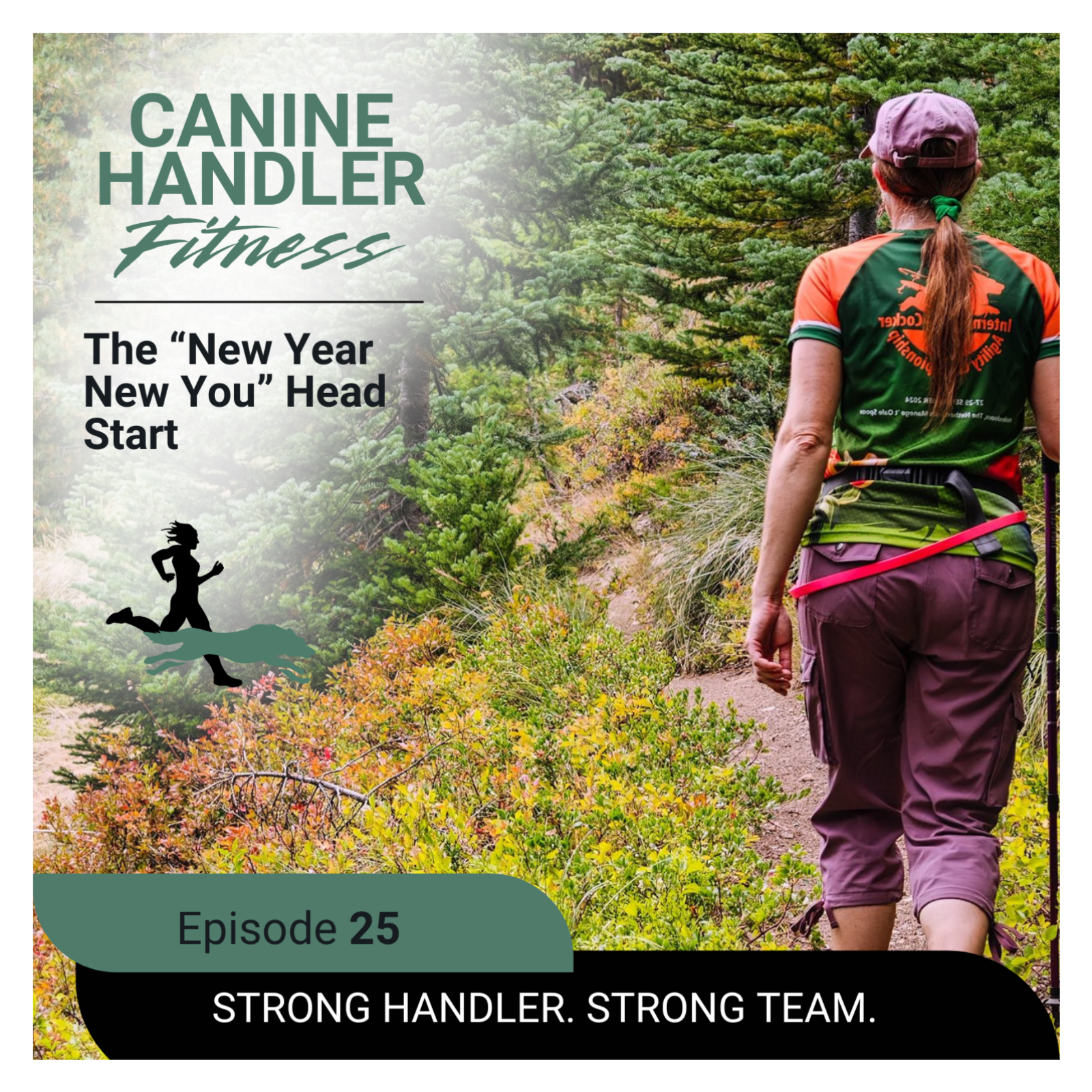 The “New Year New You” Head Start | Your Friends Are Your Biggest Fitness HackThis episode kicks off our second All Access Pass monthly challenge!December’s All-Access Challenge: Do Something Active With Someone You Care About Once a Week. We explore why your social circle is one of the strongest predictors of long-term health and fitness, and why shared movement builds sustainable habits far better than willpower alone. You’ll learn what research says about community and lifespan (including why tennis tops the longevity charts), why “fitness-minded friendships” are the secret weapon for handlers, and how heading into January with deeper connections sets you up for a wildly successful year.Key Takeaways:Activities with others are strongly linked to longevity — tennis increases life expectancy by ~9.7 years, largely due to its social interaction (Copenhagen City Heart Study).Weekly shared activity helps build identity-based habits: you become the kind of person who moves socially, not someone forcing themselves to exercise alone.Fitness-minded friendships reinforce consistency, reduce holiday stress, and make movement joyful instead of something on your to-do list.Going into “New Year New You” season with momentum and a connected support system makes January a continuation — not a desperate restart.If you want a plan to head into 2026 ready to capture your goals, check out our All Access Pass (you even get a free trial!) | 14m 16s | ||||||
| 11/28/25 | 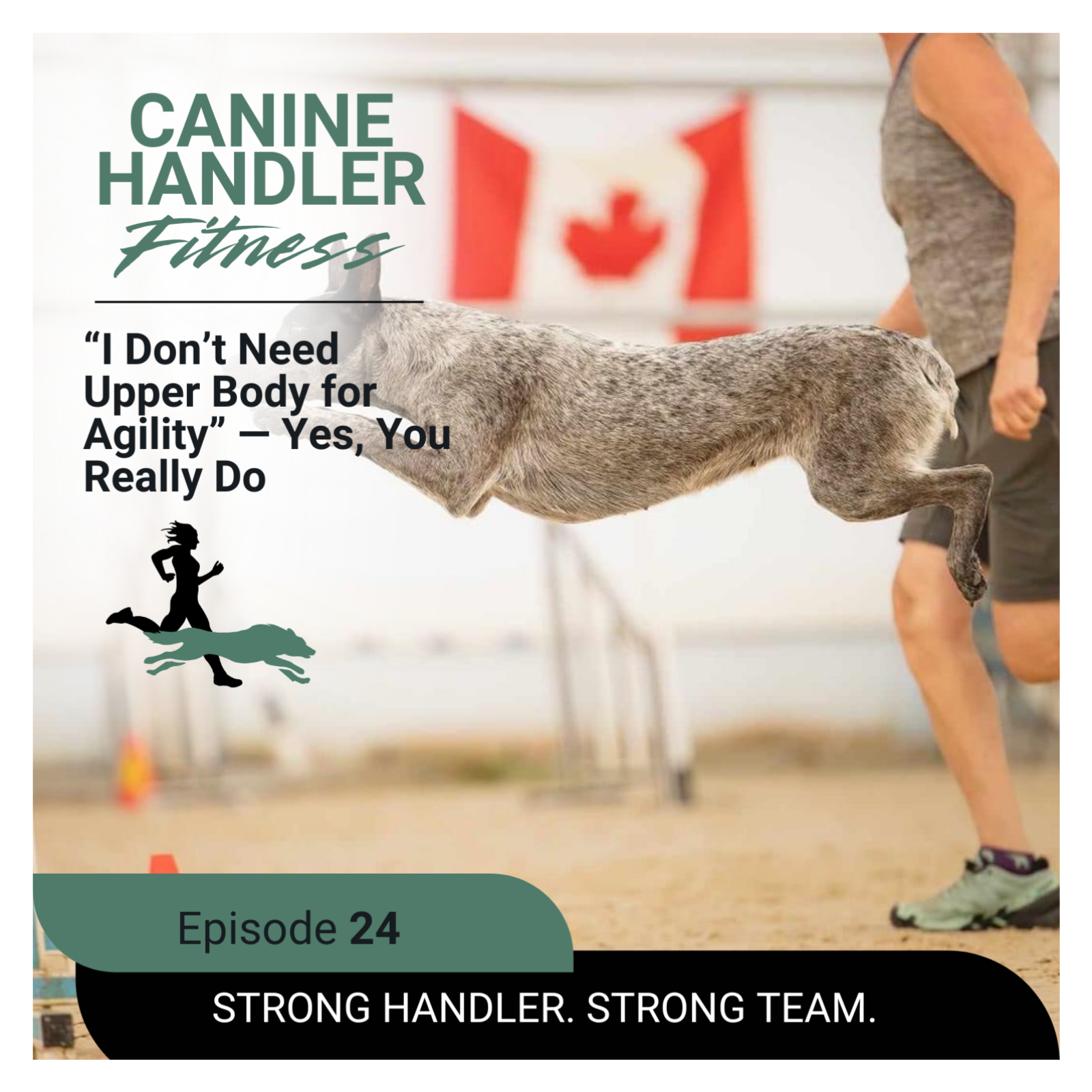 “I Don’t Need Upper Body for Agility” — Yes, You Really Do | Do you think you can skip upper-body training because agility is “all legs and core”? That’s a trap. Your upper body is just as critical for speed, posture, and handling.In this episode, you’ll learn:How your arms and torso affect sprinting, stride, and turningWhy upper-body strength is more than just big arms — it’s posture, stabilization, and reactive powerHow unexpected forces from your dog require upper-body coordination you probably aren’t trainingThe difference between doing random upper-body exercises and training for performanceWhy ignoring your upper body can actually slow you down and make you more prone to injuriesBy the end, you’ll see why upper-body training isn’t optional for agility, and how training correctly will make everything else — sprinting, handling, agility — feel easier and faster.Have you taken our quiz? We've got over 50 specialized handler programs, and in 5 questions you'll be matched with your ideal course. You also get a free trial, AND a live onboarding call with Liz. ➡ Take your quiz here | 15m 43s | ||||||
| 11/20/25 |  Beyond Kegels: Training Your Pelvic Floor Right | In this episode, we’re diving into one of the most misunderstood areas of women’s health — the pelvic floor.Most people think Kegels are the answer. They’re easy, discrete, and you can do them lying down — but here’s the truth: Kegels are just a drop in the bucket.Your pelvic floor is the bottom of your pelvis, a foundational part of your core that works in tandem with your diaphragm, abs, and back to support your organs, stabilize your pelvis, and respond to movement.We break down:Why targeted Kegel work alone often isn’t enoughHow tight pelvic floor muscles can limit strength and mobilityThe importance of responsive pelvic floor training — both slow holds and quick, controlled contractionsWhy training your pelvic floor in different positions, not just lying down, is crucial5 exercises to integrate your core and pelvic floor for real-world functionBy the end of this episode, you’ll understand that pelvic floor health isn’t just about holding — it’s about movement, responsiveness, and integration with your whole body.Want to see how your current core and pelvic floor strength stacks up? Take our free 5-question quiz to get matched with a course that fits YOUR NEEDS. All with supporting your pelvic floor in mind.Take your quiz today! | 17m 17s | ||||||
| 8/28/25 |  Why Recovery Starts The Moment You Stop Running | You’ve been sprinting, queuing, moving equipment, maybe driving, and who knows — you might’ve been wrangling some big feelings too. That first window right after your run, when your heart is still thumping, is one of the most powerful moments of your entire agility day.In this episode, we talk about how to cool down your body and your nervous system so you finish your day not thinking, “I survived,” but instead feeling ready for more.Here’s why a cool-down is essential:Your nervous system is still lit up — heart racing, muscles buzzing, adrenaline flowing, and your brain may still be replaying runs. A proper cool-down helps you shift from go mode to recovery mode.Eases physical tension and reduces next-day soreness.Supports energy conservation during long trial days or weekend events by bringing your nervous system back down to baseline.Improves overall performance — a body and mind that recover efficiently can handle more, react faster, and stay consistent run after run.You’ll also learn:The most effective post-run stretches and mobility drills for hips, shoulders, calves, and coreQuick strategies for short sessions vs. full trial daysTools to optimize recovery — foam rollers, bands, and mini routines that fit your scheduleBottom line: The moments after your run aren’t just “cool down” time — they’re prime recovery and performance-building time. Use them wisely and you’ll feel strong, energized, and ready to tackle your next challenge.📥 Download your WarmUp EBook here with step-by-step routines and visual demos to make recovery simple, effective, and fun.🎧 Listen now and turn your post-run routine into your secret weapon for energy, consistency, and performance! | 15m 27s | ||||||
Showing 25 of 47
Pitch Fit is a Pro feature
See how bookable this show is for guests, which brands already advertise, the per-episode ad value, and the best-fit guest and sponsor profile. The numbers are blurred on the free plan.
How readily this show books outside guests like you.
How proven this show is for host-read sponsorships.
For Guests
ProFor Advertisers
ProUpgrade to Pro to unlock guest cadence, sponsor categories, fit scores, and per-episode ad value for this show.
Chart Positions
4 placements across 4 markets.
Chart Positions
4 placements across 4 markets.