
Insights from recent episode analysis
Audience Interest
Podcast Focus
Publishing Consistency
Platform Reach
Insights are generated by CastFox AI using publicly available data, episode content, and proprietary models.
Est. Listeners
Based on iTunes & Spotify (publisher stats).
- Per-Episode Audience
Est. listeners per new episode within ~30 days
1 - 1,000 - Monthly Reach
Unique listeners across all episodes (30 days)
1 - 5,000 - Active Followers
Loyal subscribers who consistently listen
1 - 500
Market Insights
Platform Distribution
Reach across major podcast platforms, updated hourly
Total Followers
—
Total Plays
—
Total Reviews
—
* Data sourced directly from platform APIs and aggregated hourly across all major podcast directories.
On the show
Recent episodes
母の自己犠牲を前提としない共同子育てはあり得るか?
Apr 8, 2026
28m 46s
最高の夫と離婚して夢を追う?現代の結婚のバグ。
Mar 15, 2026
25m 04s
人は他人の噂がやめられない。好きな街より好きな自分でいられる街へ移住せよ。
Feb 27, 2026
22m 40s
手放す勇気とリミナリティ、何者でもない時間の価値。
Feb 16, 2026
22m 29s
嫌なことから逃げるのは負けではなく俄然、勝ちである。
Feb 16, 2026
12m 14s
Social Links & Contact
Official channels & resources
Official Website
Login
RSS Feed
Login
| Date | Episode | Description | Length | |
|---|---|---|---|---|
| 4/8/26 | 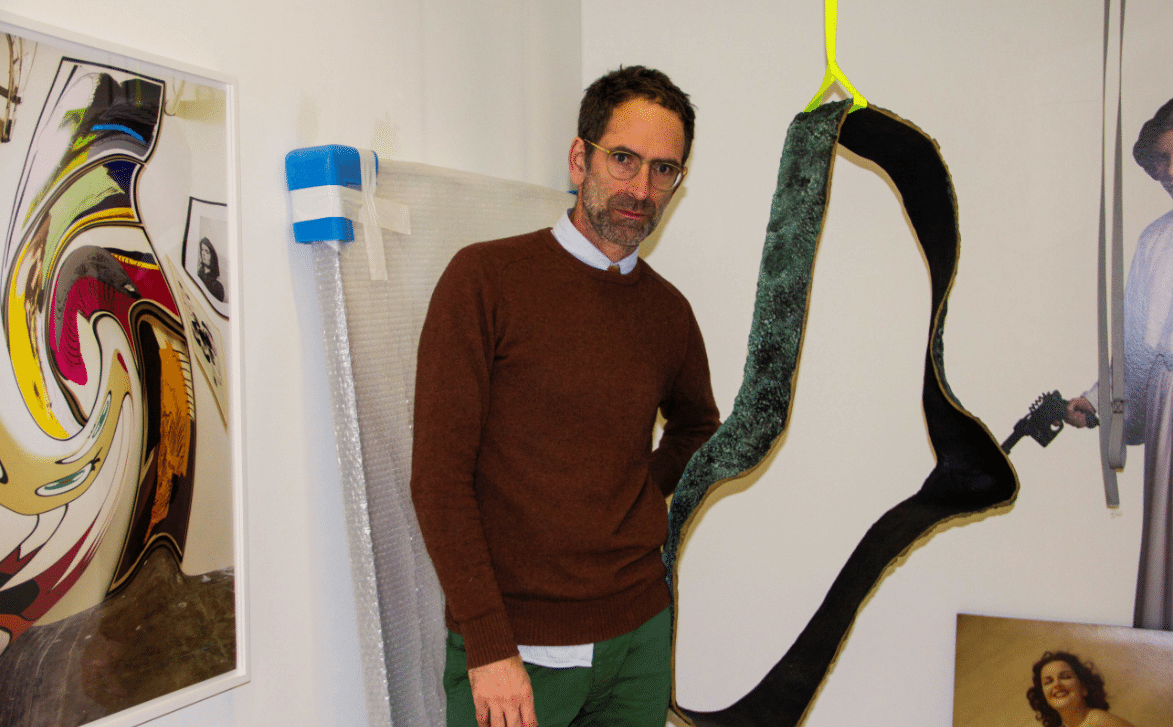 母の自己犠牲を前提としない共同子育てはあり得るか? 母の自己犠牲を前提としない共同子育てはあり得るか? | 人類学的子育てのバグ / 母親の自己犠牲型モデル / 共同子育て / ジョナサン・モンクの作品 / アプロプリエーション /アロペアレンティング / インテンシブ・マザリング / 進化のミスマッチ / 家族の持続可能性 / 自己犠牲の解体 / 夢を投影しない教育 / あなたはあなた私は私/ 子供から見たかっこいい親 / エミリー・エモット博士 / 進化人類学 、などなど質問:値段やどこの誰が所有している等一切関係なく、好きなアート作品が手に入るとしたら、梨絵さんはどの作品を購入されますか? 理由を含めてお聞きしたいです。 取り留めもなく話したいこと。 自分が使う、エネルギーを注ぐ配分について。 4人家族です(夫、私、5歳と0歳の子ども2人)。 子どもに時間とエネルギーを注ぎたいと思い日々奮闘していますが、自分の時間も大切にして自分の人生を歩んでいきたいと考えています。 (読書したり、語学勉強したり) また、人生で最も長い時間共に過ごすであろう、夫とも時間を共有して過ごしたいです。 有限である時間やエネルギーを、ある程度分配して使うには、子供にも親の時間で我慢を強いる可能性があることは、子供に対し酷でしょうか? 自分の幸せ、夫の幸せ、子供の幸せの着地点を日々模索しています。 This is a public episode. If you would like to discuss this with other subscribers or get access to bonus episodes, visit riekimoto.substack.com | 28m 46s | |
| 3/15/26 |  最高の夫と離婚して夢を追う?現代の結婚のバグ。 最高の夫と離婚して夢を追う?現代の結婚のバグ。 | イギリストップ大学院の就職難 / 愛と結婚の危うい合体 / 村社会の解体と「分散型ハードディスク」の喪失 / 結婚という人生唯一の帰属先 / スター・ウォーズ『キャシアン・アンドー』の葬送儀礼 / 夫にすべてを求める構造的バグ / 日本のセックスレスは家族の成熟? / 東アジア的な世間体と幸福度 / 最高の夫と離婚してロンドンへ行った私の結論 / / 後悔しないための優先順位の整理術 / 歴史家ステファニー・クーンツ、などなど質問:私は既婚のリエさんよりも少し年上の女です。ずっと子供が欲しかったのですがなかなか恵まれず、また主に夫由来の金銭的な事情から本当に子供を作るべきか、欲しいのか、分からなくなってしまいました。また不妊治療や金銭的なあれこれから夫の事も好きなのか分からなくなってしまいました。ただ夫は性格が良く、生活感も合い、共通の友人や家族との関係も良く、一緒に暮らすパートナーとしては最高の人ですし離れたら後悔すると思います。しかしその反面、離れてそれぞれ新しい生活やパートナーを探した方が良いのではないかと言う気持ちも大きくなってきています。実は私も海外での生活もしくは海外に関わる仕事をしたいと言う夢がずっとあり、チャレンジできていなかったのですがどこかでずっと諦められていないです。あれもこれも手に入らないのは承知ですが、今、人生をどうやって決断すれば良いか非常に迷っています。最後に決めるのは自分ですが何かアドバイスをいただけましたら幸いです。現代の結婚における構造的なバグStephanie Coontz氏によれば、「愛情」という脆い感情を基盤に結婚してそれを永続的に維持すべきという考え方は、人類史において極めて新しい発想と言えるそうです。現代ほど結婚に対して高い期待値を持つ社会は、ない。というのも、かつて強固な村社会が存在した時代、結婚は共同体における一つの役割に過ぎなかったはず。たとえば、子育てやら食糧の確保や悩み相談などの役割は、親戚や近隣住民(共同体)にも分散可能だったり。都市化により村(帰属先)を失った現代の個人は、自らの意思で結ぶ「結婚」が唯一の確実な居場所になる。(これは職業や肩書きにも言えることで、武士の子は武士みたいな世界線出ないのは自由で素晴らしいが、受動的な居場所はもはやない。常に配偶者や肩書を能動的に探さねばならない。)その結果、かつて共同体全体で分担していた役割を、すべて配偶者一人に求めてしまう謎構造が爆誕するわけだ。最高の理解者であってくれよ!お金も稼いでくれよ!情熱的な恋人であってくれよ!家事もやってくれよ!子供も見てくれよ!みたいになってきちゃうといやはや、難しいですよね。現代の結婚生活というものは、過剰な期待を背負いに背負う。私も結婚当時、夫に全てを求めている節があった。podcastの方では日本の夫婦の約45%がセックスレスだがそれは結婚の破綻とは認識されていないという話や、スターウォーズのスピンオフ作品「Andor」に描かれる葬儀のシーンから、村的社会の構造についても話しています。結婚に求める唯一のものは何なのか?「夫を好きかわからないが、パートナーとしては最高である」場合に、仮に結婚に求める条件が恋愛ならこれはなかなかハードモードだが、もし共に心地よく暮らす相手が必要ならもう、バッチリ大正解である。すべてを満たす相手を求めるのは不可能なので、自分が最も優先するものを一つに絞ると何が残るかを考えると良いのかもしれません。私が離婚したときは、「男女として愛し合えること」だけは夫という役割の人にしか求められない、というのが個人的な優先順位でした。なんか前に渋谷で怪しい既婚者マッチングアプリの広告があったので、今は時代が変わってるのかもしれんけど、実際にオープンマリッジも試した自分的には、婚外恋愛は非常におすすめしない。憧れを消す、人生を肯定するなので結婚生活の正解は基準次第ですが、海外に関しては是非ともトライしてほしいなと、30代から海外移住した身としては強く思います。いやはや、手に入っていないものをというのは美しく荘厳なものに見えるもんです。英語、海外移住、学位、起業など、かつての私にとってそれら全てがキッラキラであった。そういう憧れは実現して消してなんぼだと思っています。 憧れていることを実際に経験すると大抵「大したことない(まあ別に、素敵な日常でしかない)」と確定していく。私の場合はそういった作業を通じて人生がずいぶん軽くなってきたように思います。「あの時やっておけばよかった」という憧れを潰していくのは爽快なもんです。私がその上で今なにに憧れているかなどもpodcastでは話しています。たとえば数ヶ月だけ語学学校にプチ留学してみるとか。そうすると一人で過ごすことでパートナーの支えの有り難みを再確認するかもですし、はたまた、一人でも十分にやっていける自信がみなぎる可能性も?もしお仕事的に可能であれば、一人旅をしながら結婚の優先順位を整理などしてみれると良いかもしれません。質問者様へ補足と…他にもいろいろお話しさせていただきましたが、自分は30代で離婚して移住して幸福度が上がったというN1の事例を基に話しているので、どちらかというとガンガン行こうぜ的バイアスがかかっているとも思っていて、録音した後に「むむむ、偏っているなあ」と反省する面もありました。離婚や海外に関するお仕事を選択して後悔する可能性もありますし、いろんな方の意見を照らし合わせながらの決断になってくるかとは思いますが…、少しでも参考になれば幸いです。この度は、とてもプライベートな内容を私にご相談くださってありがとうございます。podcastをきっかけに私のことを知ってくださったというのも、こういった音声コンテンツを始めるのは勇気がいることでしたので、とっても嬉しかったです。もし聴いていただいた上で疑問点などあれば、いつでもご連絡ください!Susieさんにとって悔いなく心地のよい選択ができますように。The radio programme is in Japanese with a script, and below is the English summary.Today, I want to address a question from Susie-sanI’m a woman, a little older than Rie, and married. I’ve always wanted children, but it hasn’t worked out — and between fertility treatments and ongoing financial difficulties (largely on my husband’s side), I’ve lost touch with whether I actually want children at all anymore. All of that strain has also left me wondering whether I even love my husband.That said, he’s a genuinely good person. We’re compatible in everyday life, and he has wonderful relationships with our mutual friends and both families. As a life partner, he’s honestly ideal — and I think I’d regret leaving. At the same time, the thought of separating and each of us finding a new life, maybe a new partner, has been growing louder in my mind.There’s also something else. I’ve always had a dream of living abroad, or at least building a career connected to the world outside Japan — and I’ve never gone for it. Somewhere inside, I haven’t been able to let it go.I know I can’t have everything. But right now, I’m deeply lost about how to make any decision about my life at all. I know, ultimately, the choice is mine — but I’d be so grateful for any perspective you might offer.The structural bug in modern marriageAccording to Stephanie Coontz, the idea that marriage should be built on something as fragile as “love”, and that this feeling should be sustained indefinitely, is a remarkably recent invention in human history. No society before ours has placed such enormous expectations on marriage.In the era of tight-knit village communities, marriage was simply one role within a larger web of relationships. Childrearing, food, emotional support, all of this was distributed across relatives and neighbors. No single person had to carry it all.But urbanization dissolved those villages, those ready-made places of belonging. And so modern individuals, untethered, self-determining, turned to marriage as the one guaranteed source of home. The result: everything that an entire community once shared gets loaded onto a single person.Be my best friend! Provide financially! Be a passionate lover! Split the housework! Co-parent! Be everything!It’s a lot to ask of one human being. Modern marriage staggers under the weight of its own expectations. I’ll admit, when I first got married, I was doing exactly this to my husband.On the podcast, I also talked about how roughly 45% of Japanese couples are in sexless marriages, yet this is rarely understood as a sign that the marriage has broken down , and I drew on a funeral scene in the Star Wars spinoff Andor to think through what village social structures actually looked like.What is the one thing you need from marriage?If someone feels “I’m not sure I love my husband, but he’s the perfect partner”, well, it depends entirely on what you’re asking marriage to provide. If what you need is romantic love, this is a hard situation. But if what you need is someone to share a comfortable, well-matched life with, then honestly? You’ve already found exactly that.Since no single person can fulfill every need, it might help to ask: if you had to name just one thing you most need from marriage, what would it be?For me, when I divorced, my answer was: the one thing I could only ask of a husband, not a friend, not a family member, was to love each other as a man and woman. (Though maybe that’s changed, I remember seeing an ad for a married-people dating app in Shibuya once. Times move fast.) Having actually tried an open marriage myself, I’d strongly advise against extramarital relationships.Dissolving the dream, affirming your lifeThere’s no single right answer to marriage, it depends on what you’re measuring against. But on the question of going abroad: as someone who emigrated in her thirties, I want to say clearly, please try it.The things we haven’t done yet have a way of looking impossibly beautiful and significant. English fluency, living abroad, a degree, starting a business, all of these once glittered for me like something just out of reach.I think the only way to handle that kind of longing is to actually go and do it, so it stops haunting you. In my experience, once you live something, it almost always settles into “well, that’s just ordinary life now”, wonderful, perhaps, but no longer mythic. Working through those unlived dreams, one by one, has made my life feel considerably lighter. There’s something genuinely satisfying about crossing off an old “what if.”Something like a short language study trip abroad might be worth trying. You might come back with a renewed appreciation for having a partner to return to,or you might surprise yourself with the confidence that you’re perfectly capable on your own. Either way, you’d know. This is a public episode. If you would like to discuss this with other subscribers or get access to bonus episodes, visit riekimoto.substack.com | 25m 04s | |
| 2/27/26 |  人は他人の噂がやめられない。好きな街より好きな自分でいられる街へ移住せよ。 人は他人の噂がやめられない。好きな街より好きな自分でいられる街へ移住せよ。 | 英語教育への120万円投資/ 翻訳の初仕事 / SNS映えするディストピア動画 / ロビン・ダンバー / 絆を維持する不確実性の震え / 言語は毛繕いの進化形 / 会話の7割はゴシップ / News Feed Eradicator / 2ヶ月のプチ移住でキャラ変 / 好きな自分でいられる街に住む / 猿とエンドルフィン、などなど質問:ロンドンは治安悪化が顕著ですが、今後も住み続ける場所として、どう感じますか? 今後定住するのであればどこがいい、などあれば教えていただきたいです。映える治安の悪さの正体 SNSのアテンションエコノミーが生み出す「都市の終焉」という記号。刺激的な情報に私たちが翻弄されてしまう理由を、人類学者ロビン・ダンバーの理論から紐解きます。言語は声による毛繕いである なぜ人間はこれほどまでに噂話やゴシップに惹かれるのか?生存戦略としての「言語的毛繕い」が、私たちの脳に与える影響とは。不要な情報をカットする拡張機能も紹介。https://chromewebstore.google.com/detail/news-feed-eradicator/fjcldmjmjhkklehbacihaiopjklihlgg住む場所を変えるのはキャラ変に近い 私がロンドンに住み続けたいのはこの街が「好きな自分でいられる場所」だから。マリオカートでキャラを選ぶように、自分の特性が一番活きる「ハードウェア(環境)」を選ぶ重要性。「世界を動かしているのはアインシュタインの知恵ではなく、日々の取り留めのない噂話である私たちは社会的な生き物として、どの環境で、誰と、どんな話を紡ぐべきか?質問はこちらから受付中https://note.com/riekimoto_harken/n/nfaee4c5260bfThe radio programme is in Japanese with a script, and below is the English summary.Today, I want to address a question from Monkichi-san"London's safety is said to be deteriorating, how do you feel about continuing to live there? And if you were to settle somewhere permanently, where would that be?"Is London's safety actually getting worse?I get asked about London’s deteriorating safety quite often, but there’s a pretty significant gap between what I experience living here and the terrifying picture of London that gets amplified through social media.This makes me think of a dystopian NONSENSE video on Threads, showing what was described as a “declining and decaying London.”In this post, this Japanese guy said,Can you still call this a “developed country”?From London, you can see several “Fourth Worlds”…First World: developed countriesSecond World: communismThird World: developing countriesFourth World: below the Third World, left behind economically and socially excluded, traditional regions.My guess is it was probably the temporary chaos after some kind of market or pop-up event, but on social media, that fragment gets transformed into a dramatic symbol of “the collapse of an entire city.” We get so drawn in by this kind of “aesthetically compelling lawlessness.”I find myself overreacting to ICE-related news from the US, too, so I’m not immune to this. In the attention economy, shocking information like this just naturally spreads faster.Robin Dunbar and the Evolution of "Linguistic Grooming"A clue to why we are so drawn to gossip and shocking news comes from British anthropologist Robin Dunbar’s work on primate grooming.For primates, grooming is far more than basic hygiene, it’s a survival strategy. The act of fingers moving across skin, with its subtle and unpredictable sensations, triggers the release of endorphins in the brain, acting as a powerful social glue that holds groups together.However, in communities of around 150 people, the scale Dunbar identifies as the limit for maintaining smooth relationships (now known as “Dunbar’s number”) , physically grooming everyone would simply be impossible. There aren’t enough hours in the day.Language as “Vocal Grooming”The solution invented to resolve this impossibility was language: an efficient substitute for grooming. Language enables one-to-many communication, generating social bonds without any physical contact, which is quite remarkable when you think about it.According to Dunbar’s analysis, the tipping point in language evolution coincides with the period when grooming began consuming more than 30% of the day. With hunting, sleeping, and everything else to attend to, there simply wasn’t time to keep grooming.As it turns out, roughly 70% of everyday conversation consists of gossip and rumour.If being human is all about talking, it’s the tittle-tattle of life that makes the world go round, not the pearls of wisdom that fall from the lips of the Aristotles and the Einsteins. We are social beings, and our world - no less than that of the monkeys and apes - is cocooned in the interests andminu tiae of everyday social life.Dunbar, R. (1996) Grooming, gossip and the evolution of languageThe seemingly trivial gossip of everyday life was, in fact, an indispensable tool for identifying who could be trusted and who posed a threat, a way of maintaining the safety of the community. Because social media amplifies this unnecessarily, strange things end up happening.I use this chrome extension that completely hides my feed when posting on social media. If you want to post for whatever reason but don't want to get distracted by random viral content, I'd highly recommend it (This is just a personal recommendation, with no affiliate links or sponsorship).Migration: Choosing a Place Where You Can Be Your Favourite SelfAs for the remaining part of the question, “How do you feel about continuing to live there? And where would you settle permanently?”, my answer is: I want to stay in London. (An immediate, enthusiastic yes.)The reason, as I wrote in my book, is simply that this city is a place where I can be the version of myself I actually like.London’s characteristically grey weather carries none of that relentless pressure to be cheerful. There’s something deeply satisfying about sitting under a dim sky, surrounded by the warm glow of library lights, coffee in hand, studying. It just feels right.The city is also beautiful enough that I naturally find myself walking ten thousand steps a day. And it has this quality of feeling both rural and urban at the same time — so there are genuine opportunities to meet people, while also feeling like you’ve retreated somewhere quiet. It’s a place where you can move between feeling like a hermit in the woods and a person very much in the middle of a city. That back-and-forth suits me perfectly.Try Becoming a Different Character by Changing Where You LiveThe kind of moving I’m talking about here isn’t limited to relocating abroad or across Europe. It includes things like shifting to a different neighbourhood within the same prefecture, or moving from Tokyo to a regional city.Changing where you live is a bit like updating your own hardware. Just like switching characters in a game, think Mario Kart or Smash Bros, where each character comes with different weight, speed, and traits, the same person can find their personality and daily rhythm shifting dramatically depending on where they are.For me personally, heavy characters like Bowser or Donkey Kong are too unwieldy, I can’t control them well enough to win. But with Peach or Yoshi, suddenly I can. It clicks.The place you were born into isn’t necessarily the setting where you perform at your best. So wouldn’t it be great if people had the chance to try things out with that same lightness you feel when cycling through characters in Mario Kart, something like a two-month trial relocation, just to see how it feels? This is a public episode. If you would like to discuss this with other subscribers or get access to bonus episodes, visit riekimoto.substack.com | 22m 40s | |
| 2/16/26 |  手放す勇気とリミナリティ、何者でもない時間の価値。 手放す勇気とリミナリティ、何者でもない時間の価値。 | 順調なキャリアと収入をパタリ閉じる / うまくいっている私の返上 / 葛藤のアーカイブ / 何者でもない時間の恥ずかしさ / 新しい王が小屋で罵倒される儀式 / ビクター・ターナー / リミナリティ(境界状態) / 自分を透明にするプロセス / 変化の前の「受動的な無力さ」、などなど質問:人類学を学びたい理由と、大学で学ぶ時間をつくるために手放したこと、手放した方法。音声ではもっといろいろ話していますが、下記は簡単な概要です。<人類学を学ぶ理由は人への絶望>人類学を学んでいると言うと、人間が好きと思われがちですがむしろ絶望している。SNSでのしょうもない炎上、理不尽な争いなど人生の中で繰り返していくと(炎上を繰り返すな)、人間って、なんて変で、救いようがないんだろうという絶望が生まれてくる。人類学はそれでいうと、絶望と葛藤のアーカイブみたいなところあり。自分が抱えているどんな悩みも絶望も、過去に誰かが既に経験していて、それが人類学の論文として大抵記録されている。「自分の悩みはユニークだと思っていたけれど、実は普通だった」 あるいは「普通だと思っていたことが、客観的に見れば変だった」 そうやって他者を知ることで自分を客観視できるということが人類学を学ぶことの大きな理由かもしれないです。<手放すことについて:「リミナリティ」という宙ぶらりんな境界>私は多くのものを爽快に手放してきた。順調だった仕事、収入、夫、実績、そして「東京でクリエイターとして活躍する自分」という謎ギラギラタグ。こうした「古い状態を脱ぎ捨てたけれど、新しい状態にも至っていない」中間領域のことを、人類学では「リミナリティ(境界状態)」と呼ぶ。・転職活動中・卒業から就職までの間・入院中や療養中こうした「何者でもない時間」は、社会的な役割から切り離されるため、猛烈な不安に襲われる。私も仕事をセーブしてから大学院に行くまでのリミナリティ期間には、「語学学校という誰でも行けるようなところ」に30歳超えて通う自分に恥ずかしさを感じていた。あと仕事の実績も止まるので、バリバリ働く仲間との距離に焦りを感じたりしていた。<手放すことは脱穀である>イギリスの人類学者ヴィクター・ターナーは、このリミナリティを「墓場」であり「胎内(母体の中)」であると言っている。新しい自分として生まれ変わるためには、一度、過去の自分を殺さなければならない。鎧をすべて脱ぎ捨て、裸の「無」になる必要があるのだ。「リミナリティ」の語源を遡ると、ゲルマン語で「打つ」や「脱穀する」という意味に繋がる。 穀物を殻から叩き出すような、あの打たれる苦しみ(つらい〜)。しかし、その厚い殻が破られた瞬間にこそ、普段は見えない「透明な領域」= 真実の価値観が姿を現すのだと。何者でもない不安こそが、自分を透明にするプロセスがうまくいっている証拠と理解できてくると、今の混乱や虚無感も少しポジティブに捉えられる気もする。人生は、そういうリミナリティの、脱皮の繰り返しである。手放すことや、それにより一時的に自分のタグを失うことは、本当に価値のある「穀物(本質)」を取り出すための、世界共通の不可欠な儀式なのである。今もし宙ぶらりんで苦しい場所にいるのなら、透明になって、新しい自分に出会うための絶好の機会の中にいるのかもしれないです。Today, I want to address a question from Akari san:I’d like to know why you decided to study anthropology, Rie-san. I’d also be glad to hear what you chose to let go of, and how you did it, in order to make time to study at university.The Reason for Studying Anthropology: A Despair Toward HumanityPeople often assume that I must love humans because I study anthropology, but it is actually quite the opposite, I am in despair. After experiencing endless, trivial social media flames and the irrational conflicts that repeat throughout life, I reached a point of despair, thinking: “How strange and beyond saving humans truly are.”In that sense, anthropology is like an archive of human despair and conflict. Almost every despair or struggle I face has already been experienced by someone else in the past, and more often than not, it has been recorded in an anthropological paper.* Realization: “I thought my problems were unique, but they are actually quite common.”* Perspective: “Alternatively, things I thought were normal were actually quite strange when viewed objectively.”Perhaps the biggest reason I study anthropology is that by learning about “the other,” I am finally able to view myself with objectivity.On Letting Go: “Liminality,” the Boundary of Being in LimboI have let go of many things with a sense of refreshment: a stable career, my income, my husband, my past achievements, and that mysteriously flashy tag of being a “successful Tokyo-based creator.”Anthropology calls this intermediate state, where you have shed your old self but have not yet reached the new, “Liminality” (a threshold state).Examples of Liminality:* Being between jobs (job hunting)* The gap between graduation and starting a career* Time spent in the hospital or during recuperationDuring these “times of being a nobody,” we are severed from our social roles, which often leads to intense anxiety. During my own liminal period, after scaling back my work but before starting grad school, I felt a sense of shame being in my 30s and attending a language school “that anyone could go to.” Because my professional track record had paused, I also felt a deep restlessness seeing my peers working at full speed.Letting Go is Like “Threshing”The British anthropologist Victor Turner described liminality as both a “grave” and a “womb.” To be reborn as a new version of yourself, you must first “kill” your past self. You must strip off all your armor and become a naked “nothingness.”If you trace the etymology of “liminality” back to its Germanic roots, it connects to words meaning “to strike” or “to thresh.” It is the pain of being struck, like grain being beaten out of its husk. However, it is only when that thick shell is broken that a “transparent region”, your true values, begins to emerge.Once you understand that this anxiety of “being a nobody” is actually evidence that the process of becoming transparent is going well, you can begin to view the current confusion and emptiness a bit more positively.Life is a repetition of these liminal phases, a series of “molting” moments. Letting go, and temporarily losing your “tags” or titles, is a universal and indispensable ritual to extract the “grain” (the essence) that truly has value.If you are currently in a painful, “in-between” place, you might just be in the middle of a perfect opportunity to become transparent and meet your new self. This is a public episode. If you would like to discuss this with other subscribers or get access to bonus episodes, visit riekimoto.substack.com | 22m 29s | |
| 2/16/26 |  嫌なことから逃げるのは負けではなく俄然、勝ちである。 嫌なことから逃げるのは負けではなく俄然、勝ちである。 | 逃げるが勝ちの心理学 / キノコにはない人間の特権 / マルチスピーシーズ人類学 / 刺激と反応の間にあるスペース / ナチス収容所と現代のストレス / パワハラは即逃げが正解 / 物理的シャットダウン / 消極的な幸福への警戒、などなど質問:逆境に置かれたり、自分の望まない状況に直面したとき、どのように乗り越えたり、あるいはやり過ごしたりされていますか? こちらへの回答が私としては「逃げる」で、上記ではなぜ今まで逃げてきたかを音声にて話していますが、以下要点です。 ・ほとんどの望まない状況において、逃げることは「負け」ではなく「勝ち」である。・嫌なことが起きた瞬間にどう反応するか(あるいは反応しないか)を選択する自由について。 ・30歳の時どん底だったからこそ身軽に移住した。逆境からの逃げは失うものがない無敵モードを生み、人生を広げる強制リセットボタン感。・人類学の論文よりキノコにはない類の自由を人間はもっと行使したほうがええわという話。真面目な方ほど「乗り越えそう、やり過ごそう」と頑張ってしまいますが(自省…)、心にモヤモヤを抱えたまま耐える時間はもったいなすぎます。大抵、後から振り返るとほんの小さなしょうもないことが、本人にとっては当時は大きな暗雲のように見えていた、みたいなこと、多いので、まず逃げて距離をとりましょうというような話でした。Question received: When you face adversity or find yourself in situations you don't want to be in, how do you overcome them or get through them?My answer to this is "escape," and in the audio above I discuss why I've been escaping all along. Here are the key points:In most unwanted situations, escaping is not a "loss" but a "win."The freedom to choose how you react (or don't react) the moment something unpleasant happens.Because I hit rock bottom at 30, I was light enough to relocate. Escaping adversity creates an invincible mode where you have nothing to lose, like a forced reset button that expands your life.Humans have freedoms that mushrooms don't have—we should exercise them more, rather than just reading anthropology papers.The more serious people are, the more they tend to try hard to "overcome or endure" (self-reflection...), but spending time enduring with a heavy heart is such a waste. Often, when we look back, what seemed like a huge dark cloud at the time turns out to have been something trivial and insignificant. So the point was: first escape and create distance. This is a public episode. If you would like to discuss this with other subscribers or get access to bonus episodes, visit riekimoto.substack.com | 12m 14s |
Showing 5 of 5
Sponsor Intelligence
Sign in to see which brands sponsor this podcast, their ad offers, and promo codes.
Chart Positions
2 placements across 1 market.
Chart Positions
2 placements across 1 market.