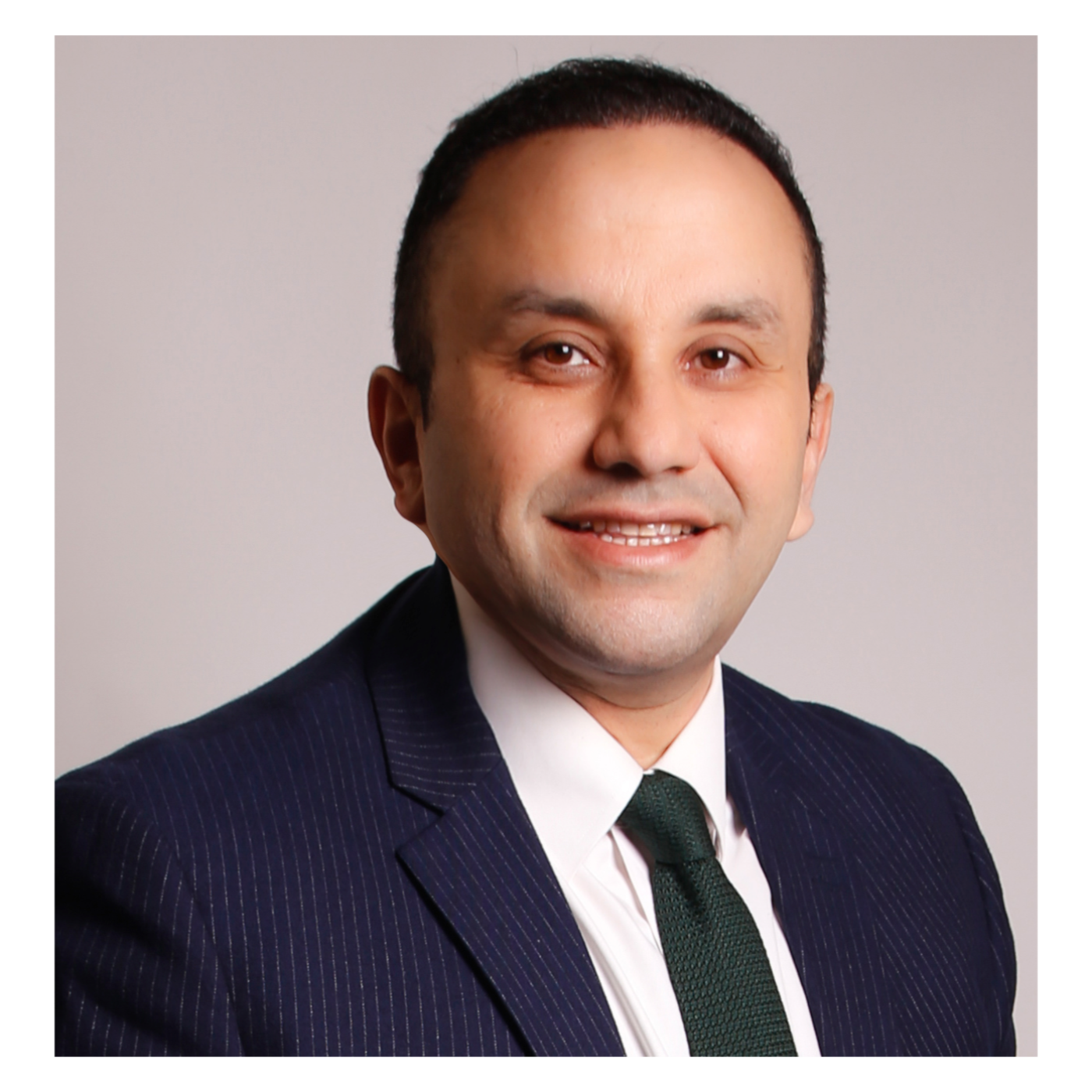
Deep Dive Ortho
by Mohamed Imam
Is this your podcast?Insights from recent episode analysis
Audience Interest
Podcast Focus
Publishing Consistency
Platform Reach
Insights are generated by CastFox AI using publicly available data, episode content, and proprietary models.
Most discussed topics
Brands & references
Est. Listeners
Insufficient chart data. Estimates will improve as the show charts.
- Per-Episode Audience
Est. listeners per new episode within ~30 days
N/A🎙 Daily cadence·400 episodes·Last published today - Monthly Reach
Unique listeners across all episodes (30 days)
N/A - Active Followers
Loyal subscribers who consistently listen
N/A
Market Insights
Platform Distribution
Reach across major podcast platforms, updated hourly
Total Followers
—
Total Plays
—
Total Reviews
—
* Data sourced directly from platform APIs and aggregated hourly across all major podcast directories.
On the show
From 30 epsHost
Recent guests
No guests detected in recent episodes.
Recent episodes
The Final Cut: Navigating the Late Surgical Career
Sep 2, 2026
39m 58s
The Climate-Health Intersection: A Guide for Clinicians
Sep 1, 2026
33m 44s
The Architecture of Change: The Future of Primary Care
Aug 31, 2026
45m 57s
Biologics and Biosimilars: Navigating the New Economics of Care
Aug 31, 2026
43m 50s
The Mental Game of Career Longevity
Aug 30, 2026
40m 05s
Social Links & Contact
Official channels & resources
Official Website
Login
RSS Feed
Login
| Date | Episode | Topics | Guests | Brands | Places | Keywords | Sponsor | Length | |
|---|---|---|---|---|---|---|---|---|---|
| 9/2/26 | The Final Cut: Navigating the Late Surgical Career | This episode explores the complex physiological and cognitive transitions surgeons experience as they age, emphasizing that the final stage of a medical career requires deliberate and early planning. While clinical expertise often remains high, declines in physical stamina, processing speed, and manual dexterity necessitate a shift in how practitioners approach their work. The source identifies common patterns of retirement, contrasting graceful, proactive transitions with problematic outcomes like denial or institutional avoidance. It suggests that surgeons can preserve their legacy by cultivating non-operative roles, such as mentoring and leadership, while seeking honest feedback from trusted peers. Ultimately, the text argues that the medical field must address systemic gaps in competency assessment to better support practitioners and ensure patient safety. Moving toward a more transparent professional culture allows surgeons to exit the operating room with dignity before an adverse event forces the decision. | 39m 58s | ||||||
| 9/1/26 | The Climate-Health Intersection: A Guide for Clinicians | This episode explores the profound and accelerating impact of climate change on human health and medical practice. It details how shifting environmental patterns are already increasing cases of heat-related illness, respiratory issues, and vector-borne diseases. Beyond patient care, the text highlights that the healthcare industry itself is a major contributor to greenhouse gas emissions through energy use and medical waste. To address these challenges, the source provides actionable strategies for clinicians and health systems, such as reducing low-value care and improving facility sustainability. Ultimately, it calls for a transition from treating individual symptoms to recognizing and mitigating the systemic environmental factors reshaping modern medicine. | 33m 44s | ||||||
| 8/31/26 | The Architecture of Change: The Future of Primary Care | This episode explores the significant disruption currently reshaping the landscape of primary care. It identifies several systemic pressures—such as administrative burnout, stagnant pay, and workforce shortages—that are making the traditional fee-for-service model unsustainable for many clinicians. To address these failures, several alternative care models are emerging, including direct primary care, virtual-first options, and value-based systems. While these new approaches offer improved access or lower costs for specific groups, they also risk creating a fragmented healthcare system with varying levels of quality. Ultimately, the text suggests that the next decade will be defined by technology integration and a shift away from a single dominant method of practice. The future of the industry depends on how leaders and physicians navigate these evolving professional paths and patient expectations. | 45m 57s | ||||||
| 8/31/26 | Biologics and Biosimilars: Navigating the New Economics of Care | This episode for a medical podcast explores the complex relationship between advanced biological medications, their high costs, and the role of lower-priced biosimilars. While biologics have revolutionized the treatment of chronic illnesses, their extreme pricing creates significant financial hurdles that can interfere with patient care and adherence. The source explains that while biosimilars were intended to reduce expenses through competition, market factors and regulatory hurdles have made this transition slower than anticipated. Consequently, the text urges healthcare providers to take an active role in discussing medication costs and financial assistance with their patients. By treating financial sustainability as a vital component of the clinical process, clinicians can better support those navigating the modern pharmaceutical landscape. | 43m 50s | ||||||
| 8/30/26 | The Mental Game of Career Longevity | The episode outlines a podcast episode focusing on the psychological strategies required to maintain a long-term medical career without experiencing burnout. While formal training prioritizes technical proficiency, this material argues that mental resilience and sustained engagement are equally vital for professional longevity. The text identifies common factors that erode motivation, such as institutional bureaucracy and the loss of novelty, while offering proactive solutions like teaching and diversifying work roles. It emphasizes that clinicians must deliberately cultivate an identity outside of medicine and reconnect with their original purpose to remain effective. Ultimately, the source serves as a guide for navigating the internal shifts necessary to find meaning in a demanding field over several decades. | 40m 05s | ||||||
| 8/29/26 | Clinical AI Literacy: A Framework for Modern Practice | This episode provides a comprehensive framework for medical professionals to develop essential AI literacy in an era of rapid technological integration. It argues that clinicians must move beyond blind skepticism or uncritical trust by understanding that these systems function through pattern recognition and probabilistic outputs rather than human reasoning. The text outlines critical failure modes, such as demographic bias and performance drift, while offering a practical checklist for evaluating new tools. Ultimately, the material emphasizes that maintaining clinical judgment is paramount, as AI should serve as a supplemental data point rather than a replacement for expert decision-making. By mastering these concepts, healthcare providers can actively shape the implementation of technology rather than allowing it to be imposed upon their practice. | 51m 12s | ||||||
| 8/28/26 | Curiosity as Discipline: Cultivating an Alive Mind | This episode explores the concept of curiosity as a deliberate discipline rather than an inherent personality trait. It argues that maintaining an active and evolving mind in a long-term clinical career requires the conscious practice of questioning, embracing uncertainty, and following intellectual threads. The text identifies common obstacles to growth, such as professional fatigue, the pressure to appear certain, and the distractions of digital life. To counter these forces, it suggests specific habits like seeking out surprises and protecting unstructured time for deep thought. Ultimately, the material emphasizes that consistent curiosity compounds over time, distinguishing experts who continue to thrive from those whose skills eventually stagnate. | 42m 36s | ||||||
| 8/27/26 | Patient Experience as a Clinical Outcome | This episode explores the concept of patient experience as a vital clinical outcome rather than a mere metric of customer satisfaction. While traditional surveys often focus on superficial amenities, the text argues that how a patient feels during care directly impacts treatment adherence, symptom disclosure, and overall recovery. Effective medical practice requires prioritizing authentic communication, such as active listening and sitting down during consultations, to foster trust and understanding. Conversely, the source warns against performative scripting and administrative incentives that prioritize survey scores over genuine therapeutic relationships. Ultimately, the material asserts that high-quality medicine is inseparable from the patient's subjective experience of their care. By treating these interactions as essential to health results, clinicians and institutions can significantly improve long-term patient engagement and safety. | 35m 13s | ||||||
| 8/26/26 | Navigating the Realities of Hospital Sales Cycles | This podcast episode examines the notoriously difficult process of selling medical products and digital tools to large health systems. It highlights that successful sales depend less on the quality of a product and more on a founder's ability to navigate complex procurement cycles, bureaucratic committees, and stringent IT and legal reviews. The text outlines how clinician-founders often fail by overlooking the total cost of ownership or falling into the "pilot trap," where temporary trials fail to convert into paid contracts. To survive, startups must align with institutional strategic priorities and secure support from diverse stakeholders, including supply chain and finance leaders. Ultimately, the source serves as a strategic guide for navigating the slow, risk-averse environment of hospital purchasing. | 34m 14s | ||||||
| 8/25/26 | The Three Currencies of a Physician’s Career | This podcast episode explores how medical professionals often jeopardize their long-term fulfillment by confusing the distinct "currencies" of money, status, and meaning. The author argues that while financial security and social prestige are easier to quantify, they cannot act as substitutes for the internal satisfaction derived from purposeful work. By examining typical career stages, the text illustrates how the importance of these values shifts from early-career wealth accumulation to late-career legacy and impact. The source provides a strategic framework for evaluating job offers and professional transitions through honest self-reflection and trade-off analysis. Ultimately, it encourages physicians to align their professional choices with their authentic needs rather than external expectations to avoid future regret. | 39m 34s | ||||||
Want analysis for the episodes below?Free for Pro Submit a request, we'll have your selected episodes analyzed within an hour. Free, at no cost to you, for Pro users. | |||||||||
| 8/24/26 | Bridging the Gap: Remote Monitoring in MSK Care | This podcast episode explores the practical integration of remote monitoring within musculoskeletal (MSK) care, moving beyond marketing hype to address real-world utility. While technologies like wearable sensors and digital platforms offer significant potential for tracking recovery, the text highlights that implementation failures often stem from poor clinical workflows and patient disengagement. The source identifies specific use cases where monitoring adds value, such as post-operative tracking and rehabilitation adherence, while warning against common pitfalls like alert fatigue. To succeed, clinicians are advised to prioritize workflow design over technology and establish clear clinical goals before deployment. Ultimately, the text positions remote monitoring as an evolving standard of care that requires deliberate, equity-focused management to improve patient outcomes. | 50m 30s | ||||||
| 8/23/26 | Deliberate Dialogue: A Framework for High-Stakes Surgical Communication | This episode provides a practical framework for navigating the high-pressure conversations that define surgical practice, such as informed consent and the disclosure of medical errors. It emphasises that these interactions are often left to improvisation despite their profound impact on patient trust and legal outcomes. By advocating for deliberate preparation, the text outlines core principles like using plain language, maintaining presence, and avoiding defensive posturing. Specific guidance is offered for communicating with families during crises and distinguishes between known complications and preventable mistakes. Ultimately, the material argues that effective communication is a learnable skill that is just as vital to a surgeon's success as their technical proficiency. | 43m 04s | ||||||
| 8/22/26 | Financial Literacy for Clinicians: Navigating the Hospital P&L | This episode provides a practical guide for healthcare providers to develop financial literacy, enabling them to participate in administrative decision-making. It breaks down the essential components of hospital financial statements, including the income statement for tracking profitability and the balance sheet for assessing long-term stability. The text illustrates how daily clinical choices regarding labor, supplies, and patient throughput directly influence an institution's bottom line. By mastering specific performance metrics, clinicians can advocate more effectively for their departments and patient care. Ultimately, the material argues that financial fluency is a vital leadership skill that ensures medical professionals have a meaningful voice at the executive level. | 52m 58s | ||||||
| 8/21/26 | The Narrative Multiplier: Storytelling as a Clinical Skill | This podcast episode titled "Storytelling for Surgeons," which argues that narrative ability is a vital clinical skill rather than a secondary talent. The text highlights how effective communication through stories enhances medical education, patient care, and leadership by making complex information memorable and engaging. By contrasting dry, fact-based reporting with narrative presentations, the source illustrates how stakes, tension, and specific details help clinicians transmit deeper reasoning. Furthermore, it offers practical strategies for medical professionals to refine their storytelling, such as focusing on turning points and seeking feedback. Ultimately, the material suggests that mastering this craft acts as a multiplier for professional impact, allowing surgeons to better connect with both colleagues and patients. | 40m 41s | ||||||
| 8/20/26 | The Anatomy of Hospital Innovation Centers | This episode analyzes the rise and common failure of hospital innovation centers, which were established to modernize healthcare but often struggle to achieve meaningful results. While these entities are designed to identify, test, and scale new technologies, they frequently fail due to structural barriers like poor operational integration, misaligned incentives, and a lack of executive support. The text identifies ten essential conditions for success, emphasizing that having a dedicated space is insufficient without clear authority and measurable outcomes. Ultimately, it serves as a cautionary guide for hospital leaders, clinicians, and tech founders who must look beyond superficial excitement to ensure these centers drive genuine clinical change. Success depends on building functional bridges that move innovation from isolated experiments into standard medical practice. | 33m 44s | ||||||
| 8/19/26 | Designing Clinical Validation Studies That Persuade | This healthcare podcast provides a strategic framework for developing clinical validation studies that effectively influence decision-makers. It highlights a common pitfall where startups produce peer-reviewed research that fails to secure commercial backing or regulatory approval because it targets the wrong audience. The text identifies key stakeholders, such as payers, clinicians, and regulators, noting that each group requires specific types of data regarding cost-effectiveness and patient outcomes. By avoiding typical errors like using weak comparators or irrelevant patient populations, founders can design research that serves as a competitive asset. Ultimately, the source advocates for working backward from the specific questions of stakeholders to ensure that clinical evidence unlocks necessary funding and market access. | 47m 28s | ||||||
| 8/19/26 | Vitamin D in Orthopaedic Practice: Evidence and Outcomes | This podcast episode outlines a comprehensive educational framework for orthopaedic professionals regarding the evolving role of vitamin D in bone health. It distinguishes between scientifically supported clinical uses and common misconceptions, emphasizing that widespread supplementation often fails to reduce fracture rates in healthy populations. The text advocates for a targeted approach, focusing testing and treatment on high-risk groups such as the elderly or those with confirmed deficiencies. Additionally, it warns against the potential risks of over-supplementation, such as toxicity and hypercalcaemia. Designed as a multimedia teaching guide, the document provides structured prompts and pearls to help clinicians integrate modern research into their surgical and primary care practices. | 30m 19s | ||||||
| 8/18/26 | Data Hygiene in Clinical Practice | This podcast episode explores the critical yet often overlooked discipline of data hygiene within clinical environments. It highlights how inconsistent documentation and a focus on billing over clinical accuracy can render massive datasets virtually useless for analysis. To transform information into a strategic asset, the text suggests adopting standardized documentation habits, utilizing structured data fields, and implementing regular audits. These practices are increasingly vital as the healthcare industry shifts toward AI integration and value-based reimbursement models. Ultimately, the source argues that maintaining clean data is a high-leverage necessity for any practice aiming to improve patient outcomes and operational efficiency. | 34m 31s | ||||||
| 8/17/26 | The Physician's Guide to Negotiating Worth and Contracts | This podcast episode explores why medical professionals often fail to negotiate their employment contracts and the long-term financial consequences of that inaction. It highlights that beyond base salary, doctors can advocate for better productivity bonuses, administrative time, and malpractice coverage. The text outlines practical strategies, such as leveraging market data and hiring legal counsel, to bridge the information gap between candidates and institutions. By focusing on collaborative communication, the guide illustrates how physicians can secure their professional worth without harming workplace relationships. Ultimately, the source serves as a roadmap for clinicians to avoid the compounding costs of accepting suboptimal initial offers. | 36m 06s | ||||||
| 8/16/26 | The Compounding Mind: Cultivating Intellectual Range Through Reading | This podcast argues that consistent reading habits are a vital but frequently neglected component of a physician's long-term professional and personal growth. The source highlights how the demands of a medical career and the distractions of digital media often cause clinicians to abandon deep reading, leading to narrower intellectual perspectives over time. By exploring diverse subjects such as history, philosophy, and fiction, practitioners can enhance their clinical judgment, communication skills, and mental flexibility. Practical strategies are offered to help busy professionals rebuild these habits, such as scheduling dedicated time and utilizing audiobooks. Ultimately, the text emphasizes that the benefits of diverse reading compound over decades, fundamentally shaping the character and effectiveness of the clinician. | 37m 07s | ||||||
| 8/15/26 | Fueling the Clinician: Nutrition for Sustained Cognitive Performance | This podcast episode explores how nutritional habits directly influence the cognitive performance and emotional well-being of healthcare professionals during long shifts. It identifies common pitfalls, such as relying on caffeine or skipping meals, which lead to energy crashes and diminished decision-making abilities by the end of the day. To counter these issues, the text advocates for practical strategies like stabilising blood sugar through protein-rich snacks, staying hydrated, and preparing meals in advance. By viewing food as essential infrastructure for medical work rather than an afterthought, clinicians can maintain more consistent focus and avoid the long-term physical toll of poor workplace eating. Ultimately, the source emphasizes that small, sustainable adjustments to fueling routines can significantly improve a practitioner's daily experience and career longevity. | 36m 19s | ||||||
| 7/21/26 | healthcare innovationclinician roles+4 | — | — | — | healthcare innovationclinician+5 | — | 37m 48s | ||
| 7/20/26 | mentorshipmedical field+3 | — | — | — | mentorshipmedical mentorship+3 | — | 29m 05s | ||
| 7/19/26 | clinical judgmentmedical decision-making+5 | — | economicsphilosophy | — | clinical judgmentdecision-making+5 | — | 42m 32s | ||
| 7/18/26 | mid-career driftprofessional longevity+4 | — | — | — | mid-career driftcognitive disengagement+5 | — | 40m 08s | ||
Showing 25 of 549
Pitch Fit is a Pro feature
See how bookable this show is for guests, which brands already advertise, the per-episode ad value, and the best-fit guest and sponsor profile. The numbers are blurred on the free plan.
How readily this show books outside guests like you.
How proven this show is for host-read sponsorships.
For Guests
ProFor Advertisers
ProUpgrade to Pro to unlock guest cadence, sponsor categories, fit scores, and per-episode ad value for this show.