Insights from recent episode analysis
Audience Interest
Podcast Focus
Publishing Consistency
Platform Reach
Insights are generated by CastFox AI using publicly available data, episode content, and proprietary models.
Most discussed topics
Brands & references
Est. Listeners
Insufficient chart data. Estimates will improve as the show charts.
- Per-Episode Audience
Est. listeners per new episode within ~30 days
N/A🎙 ~2x weekly·75 episodes·Last published 1w ago - Monthly Reach
Unique listeners across all episodes (30 days)
N/A - Active Followers
Loyal subscribers who consistently listen
N/A
Market Insights
Platform Distribution
Reach across major podcast platforms, updated hourly
Total Followers
—
Total Plays
—
Total Reviews
—
* Data sourced directly from platform APIs and aggregated hourly across all major podcast directories.
On the show
From 13 epsHosts
Recent guests
Recent episodes
Beyond the Trap: Why Hidden AI Prompts Fail Educators and Students
Jun 18, 2026
Unknown duration
The Messy Middle: Navigating Artificial Intelligence in the Classroom
Jun 11, 2026
45m 20s
Critical Thinking, AI Co-Authorship, and the Future of Academic Writing
Jun 4, 2026
49m 22s
The Cognitive Death or Deeper Thinking? The AI Tug-of-War
May 22, 2026
52m 35s
The First Draft: Preserving the "Friction" of Human Thinking
Apr 2, 2026
38m 46s
Social Links & Contact
Official channels & resources
Official Website
Login
RSS Feed
Login
| Date | Episode | Topics | Guests | Brands | Places | Keywords | Sponsor | Length | |
|---|---|---|---|---|---|---|---|---|---|
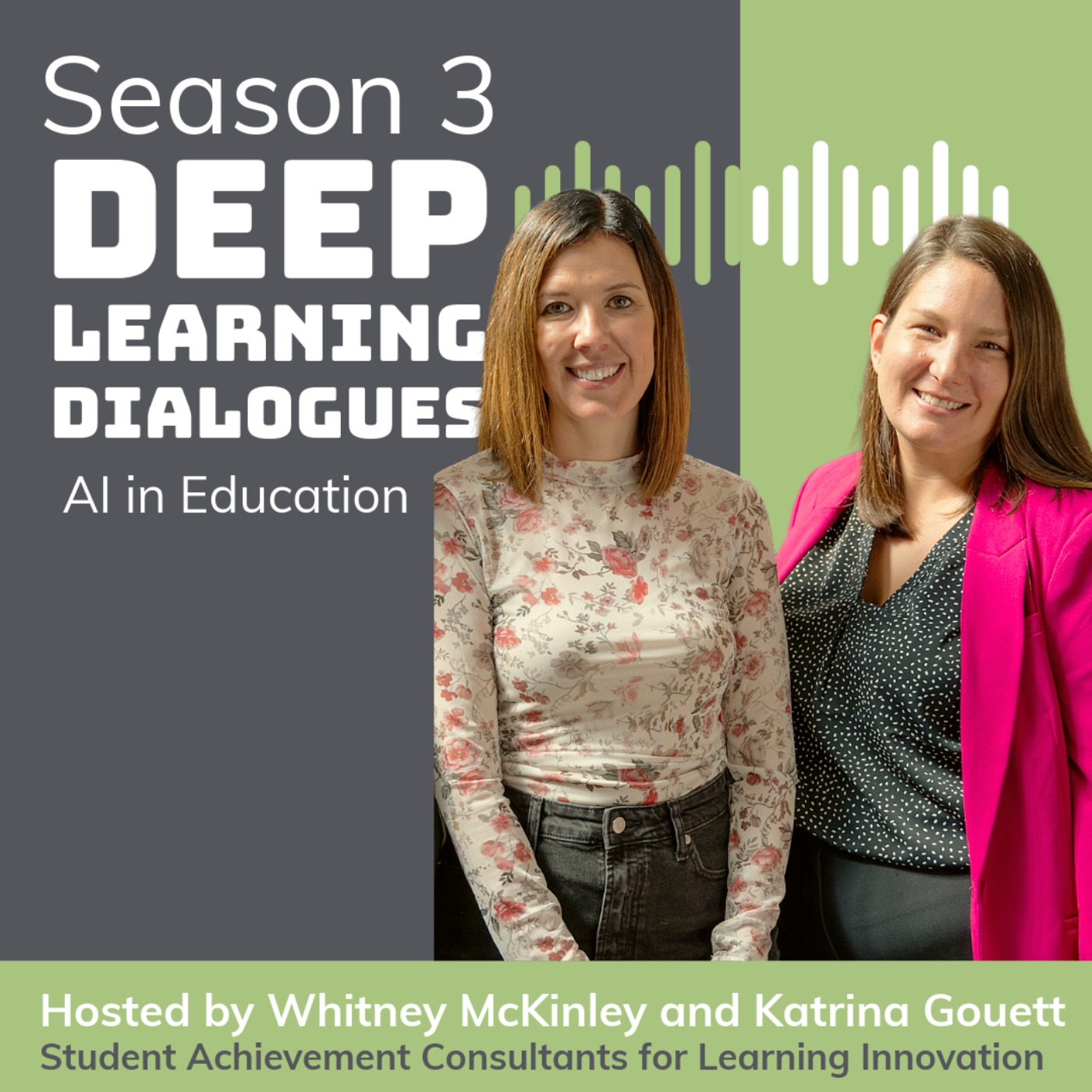
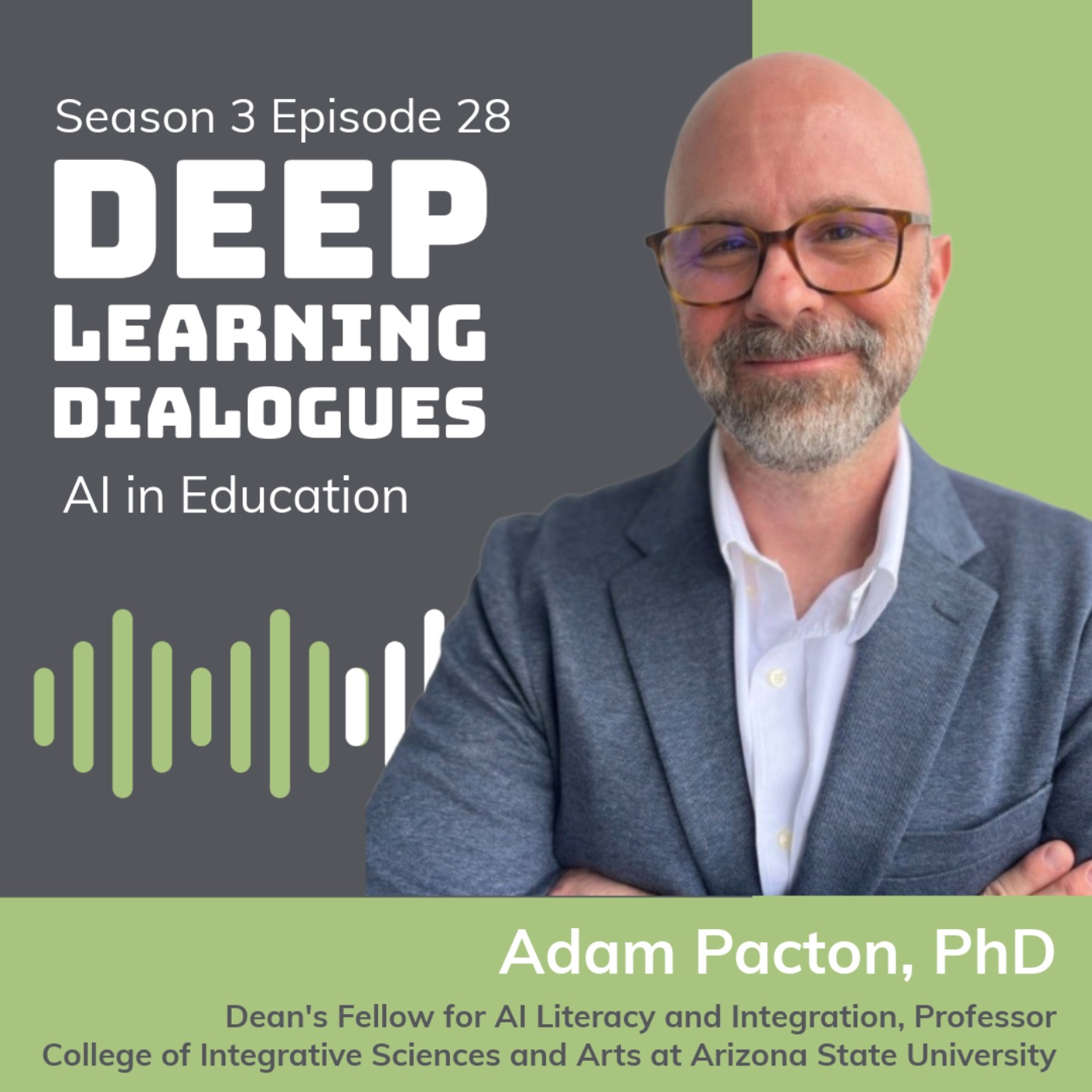
| 6/18/26 | ![]() Beyond the Trap: Why Hidden AI Prompts Fail Educators and Students | In this episode of Deep Learning Dialogues, hosts Whitney McKinlay and Katrina Gouett sit down with Dr. Adam Pacton to unpack the controversial practice of "prompt injection" or hiding invisible text in assignments to catch students using generative AI. Moving past the initial "ick" factor or ethical intuition that such tactics turn classrooms into policing environments rather than spaces of mutual trust, the conversation explores the concrete legal, technical, and pedagogical failures of these traps. Dr. Pacton explains how hidden instructions act as an accessibility nightmare under regulations like the ADA Title II and Ontario's AODA, because screen readers accidentally surface the invisible text, confusing students who rely on assistive technology. Rather than relying on flawed detection mechanisms, the episode advocates for a systemic paradigm shift toward "process over product," urging institutions to provide teachers with the cover and resources needed to meaningfully redesign assessments and foster relational intelligence. You can read the episode summary here.Dr. Adam Pacton is an associate teaching professor and Dean's fellow for AI literacy and integration at the College of Integrative Sciences and Arts at Arizona State University. Working at the intersection of pedagogy, ethics, and emerging technology, he focuses on institutional AI governance while helping educators move away from fear-based compliance toward thoughtful, human-centered classroom integration. With a PhD in rhetoric and composition, Dr. Pacton brings a deeply grounded perspective to language practices, change management, and student agency in the age of artificial intelligence. Outside of his academic and administrative leadership roles, he rounds out his human perspective as a father, an avid video game player, and a passionate fan of fantasy and sci-fi literature.Episode Link:-ASU Guidance on Hidden-Text/Prompt Injection Techniques in AssignmentsWant to know more?You can check out our: WCDSB GenAI Guidelines, infographics, and Innovation website: https://innovate.wcdsb.ca/Feedback? You can ask your questions or give us feedback on the show here Want to get in touch? Contact Katrina & Whitney by email at: katrina.gouett@wcdsb.ca and whitney.mckinley@wcdsb.ca or on LinkedIn Hosted on Acast. See acast.com/privacy for more information. | — | ||||||
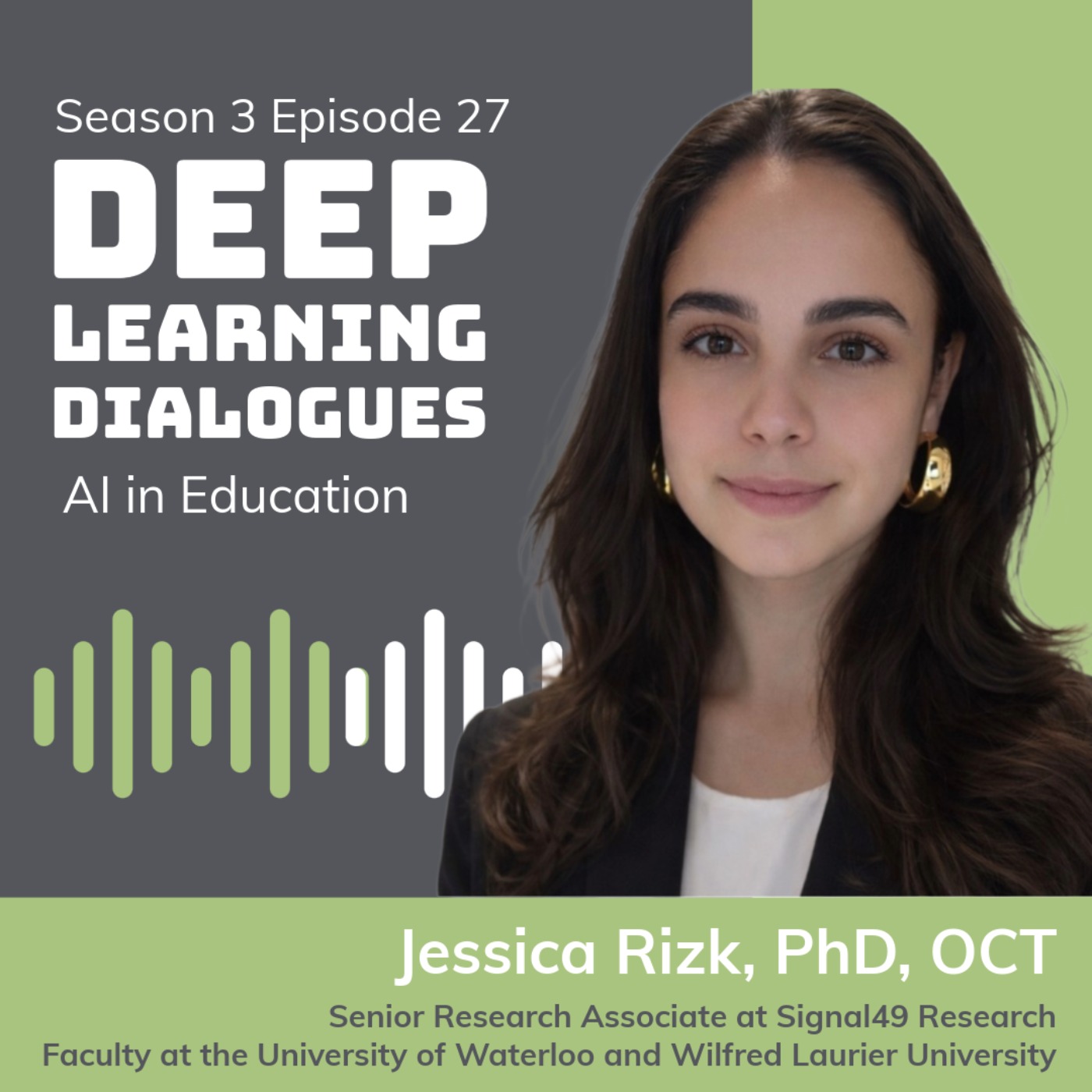
| 6/11/26 | ![]() The Messy Middle: Navigating Artificial Intelligence in the Classroom✨ | artificial intelligenceeducation+3 | Jessica Rizk | Signal 49 ResearchWilfrid Laurier University+1 | Canada | artificial intelligenceeducation+3 | — | 45m 20s | |
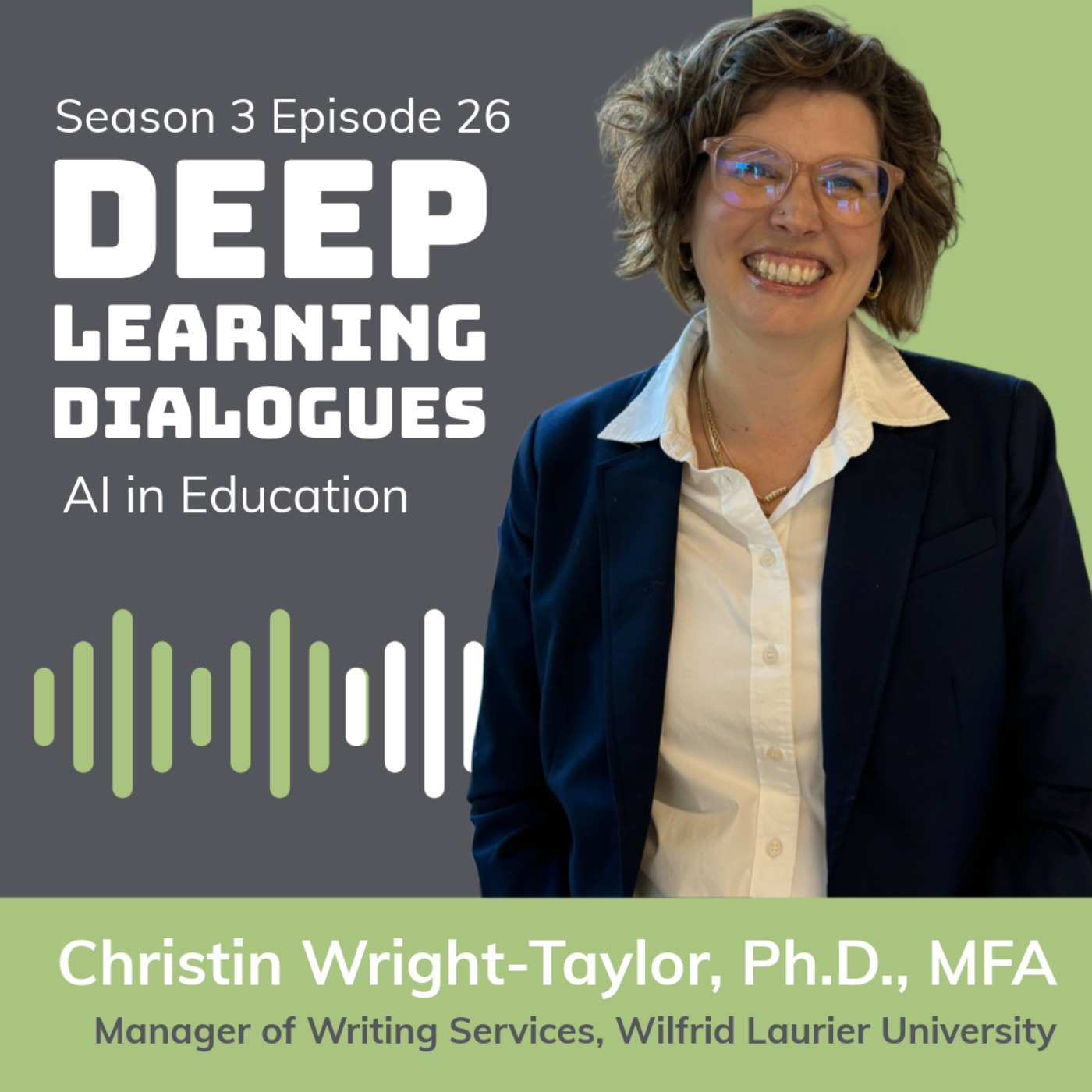
| 6/4/26 | ![]() Critical Thinking, AI Co-Authorship, and the Future of Academic Writing✨ | critical thinkingAI co-authorship+4 | Dr. Christin Wright-Taylor | Wilfrid Laurier UniversityUniversity of Waterloo+1 | — | generative AIacademic writing+4 | — | 49m 22s | |
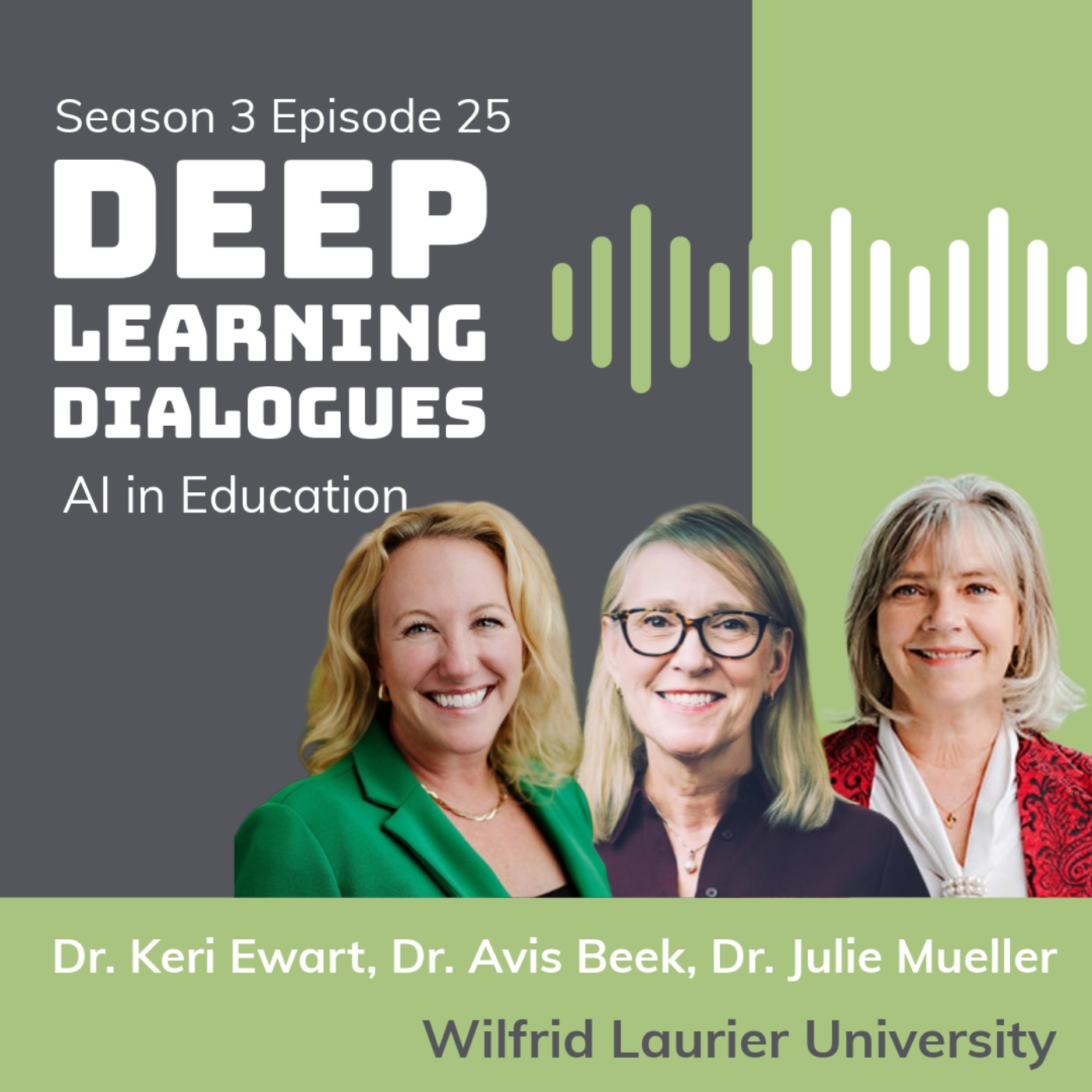
| 5/22/26 | ![]() The Cognitive Death or Deeper Thinking? The AI Tug-of-War✨ | cognitive offloadingcognitive replacement+5 | Dr. Julie MuellerDr. Avis Beek+1 | Wilfrid Laurier University | — | AI in educationcognitive skills+5 | — | 52m 35s | |
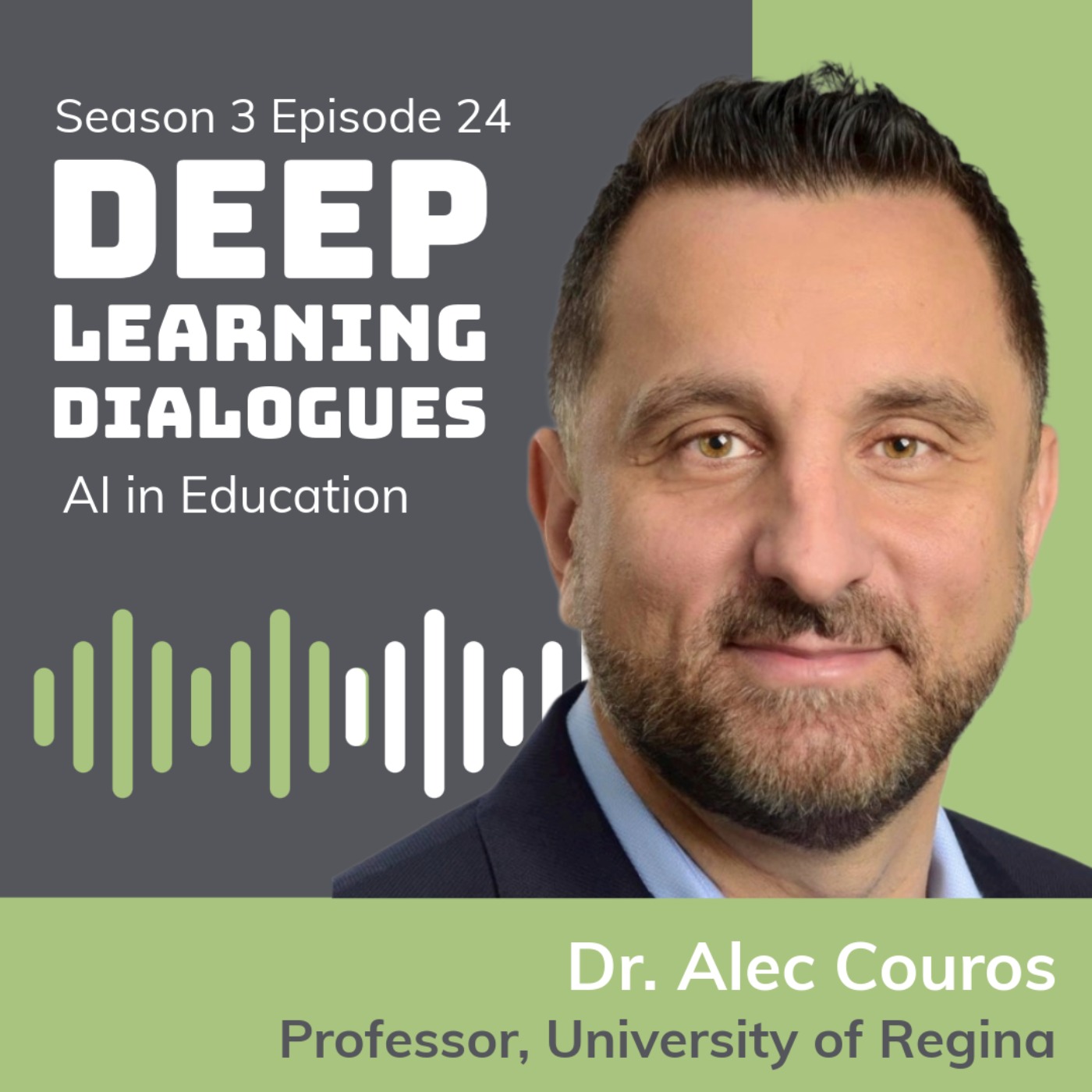
| 4/2/26 | ![]() The First Draft: Preserving the "Friction" of Human Thinking✨ | AI in educationproductive struggle+4 | Dr. Alec Couros | University of ReginaThe Shortcut That Costs Us Everything | — | AIeducation+5 | — | 38m 46s | |
| 3/27/26 | ![]() Levity and Learning: AI Leadership at St. Benedict CSS✨ | AI leadershipeducation+3 | Jordan Figueiredo | St. Benedict Catholic Secondary School | Cambridge Ontario | artificial intelligenceleadership+3 | — | 33m 36s | |
| 3/19/26 | ![]() Students Leading the Way with Benny's Innovator Group✨ | AI literacypeer-to-peer learning+4 | Lindsay LeBeauLisa Wollziefer | St. Benedict Catholic Secondary School | — | AI literacystudent-led initiative+4 | — | 54m 30s | |
| 3/13/26 | ![]() An AI Dialogue with Student Voice at the Center✨ | AI in educationstudent voice+3 | Rosie CurieSavannah+2 | St. Benedict Secondary School | — | AI literacyZero to Infinity+3 | — | 1h 01m 17s | |
| 3/13/26 | ![]() From Zero to Infinity: AI Transparency in the Classroom✨ | AI transparencyacademic integrity+3 | — | AI Assessment Scale (AIAS)Generative AI Acceptable Use Scale+3 | — | AI transparencyacademic integrity+5 | — | 28m 52s | |
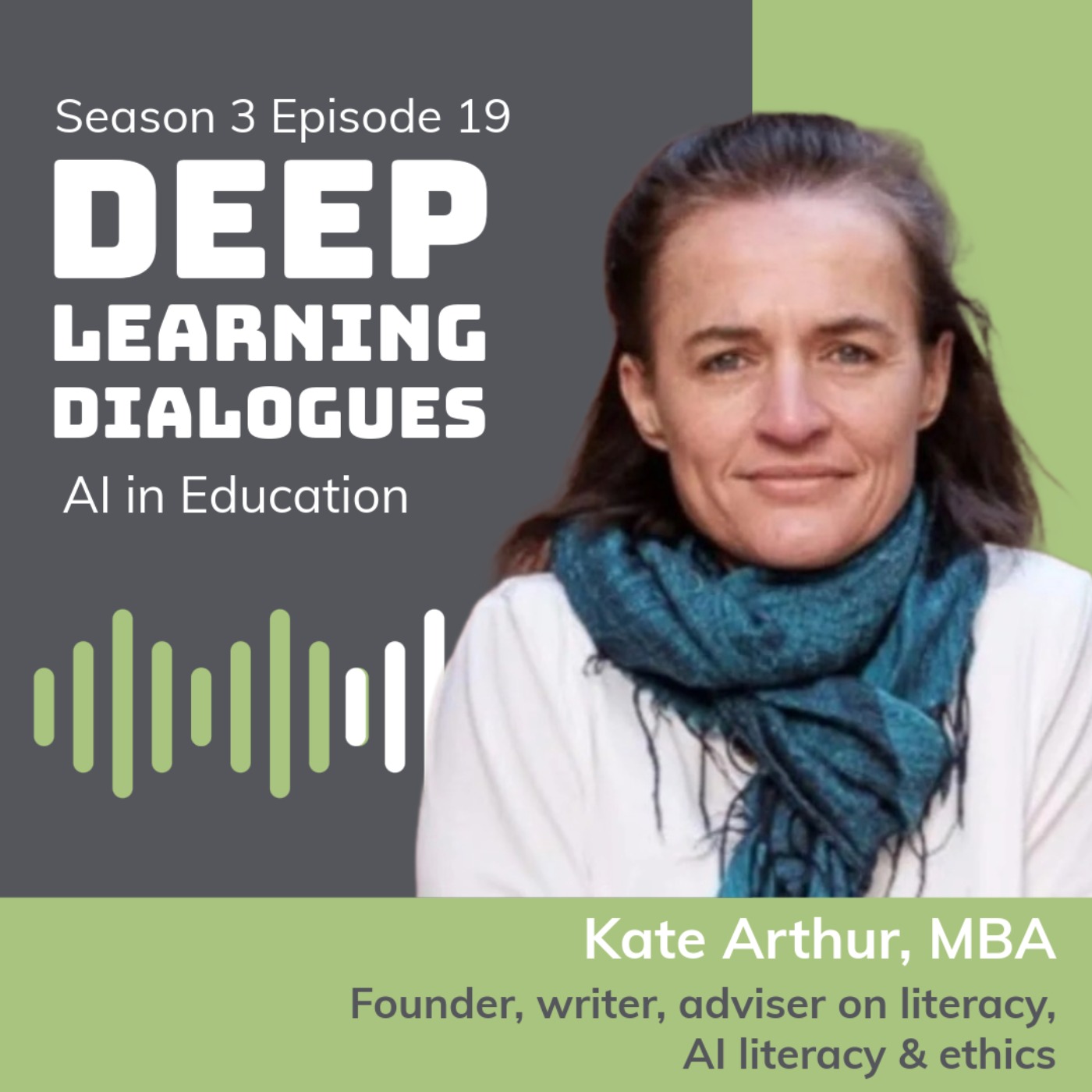
| 3/7/26 | ![]() Educators: the Chaperons of Knowledge✨ | educationAI literacy+5 | Kate Arthur | UNESCOUNICEF+2 | — | educationAI+6 | — | 48m 11s | |
Want analysis for the episodes below?Free for Pro Submit a request, we'll have your selected episodes analyzed within an hour. Free, at no cost to you, for Pro users. | |||||||||
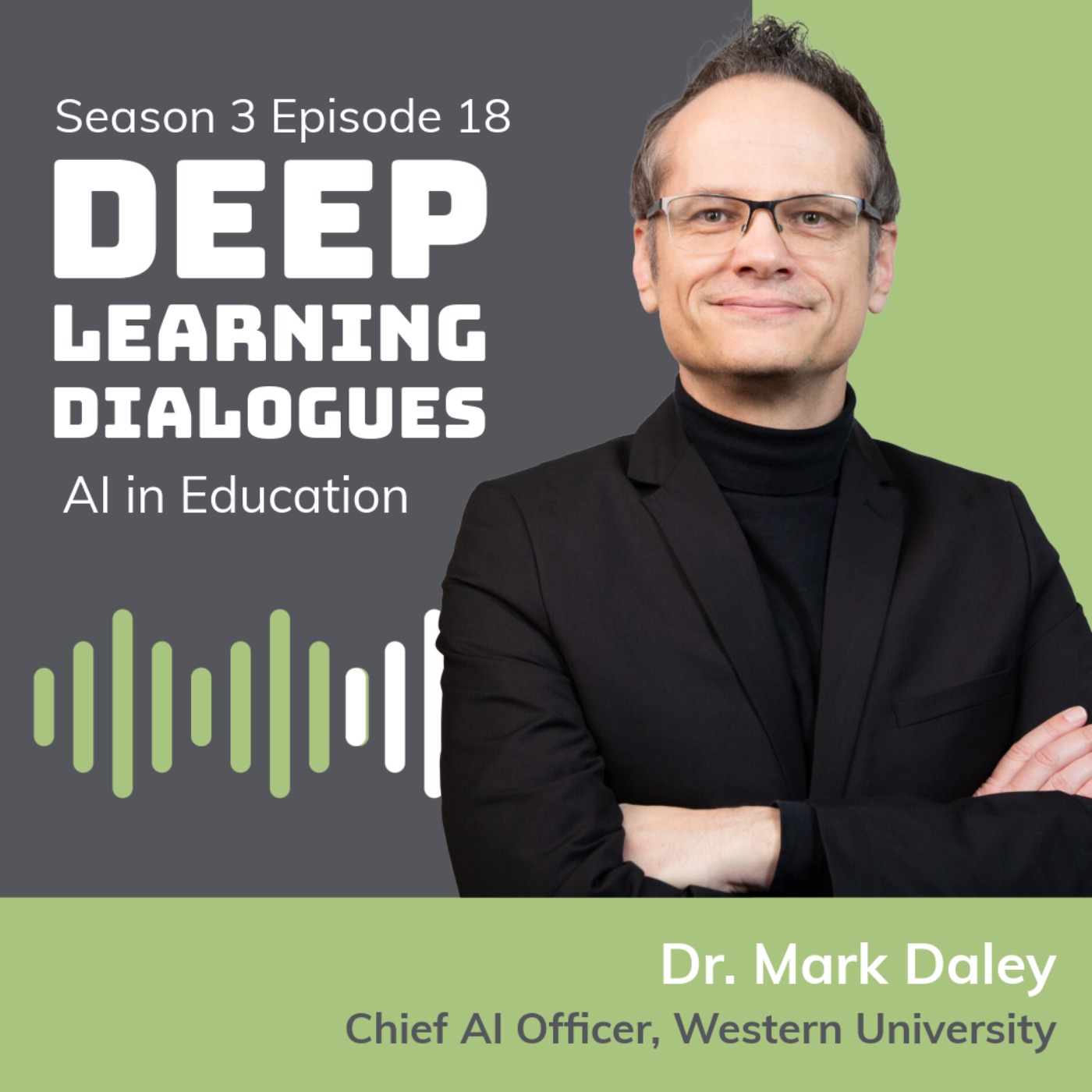
| 2/19/26 | ![]() Why We Still Teach the Basics When AI Can Do It All✨ | educationAI+4 | Dr. Mark Daly | Western UniversityNSERC+1 | Canada | AIeducation+5 | — | 28m 32s | |
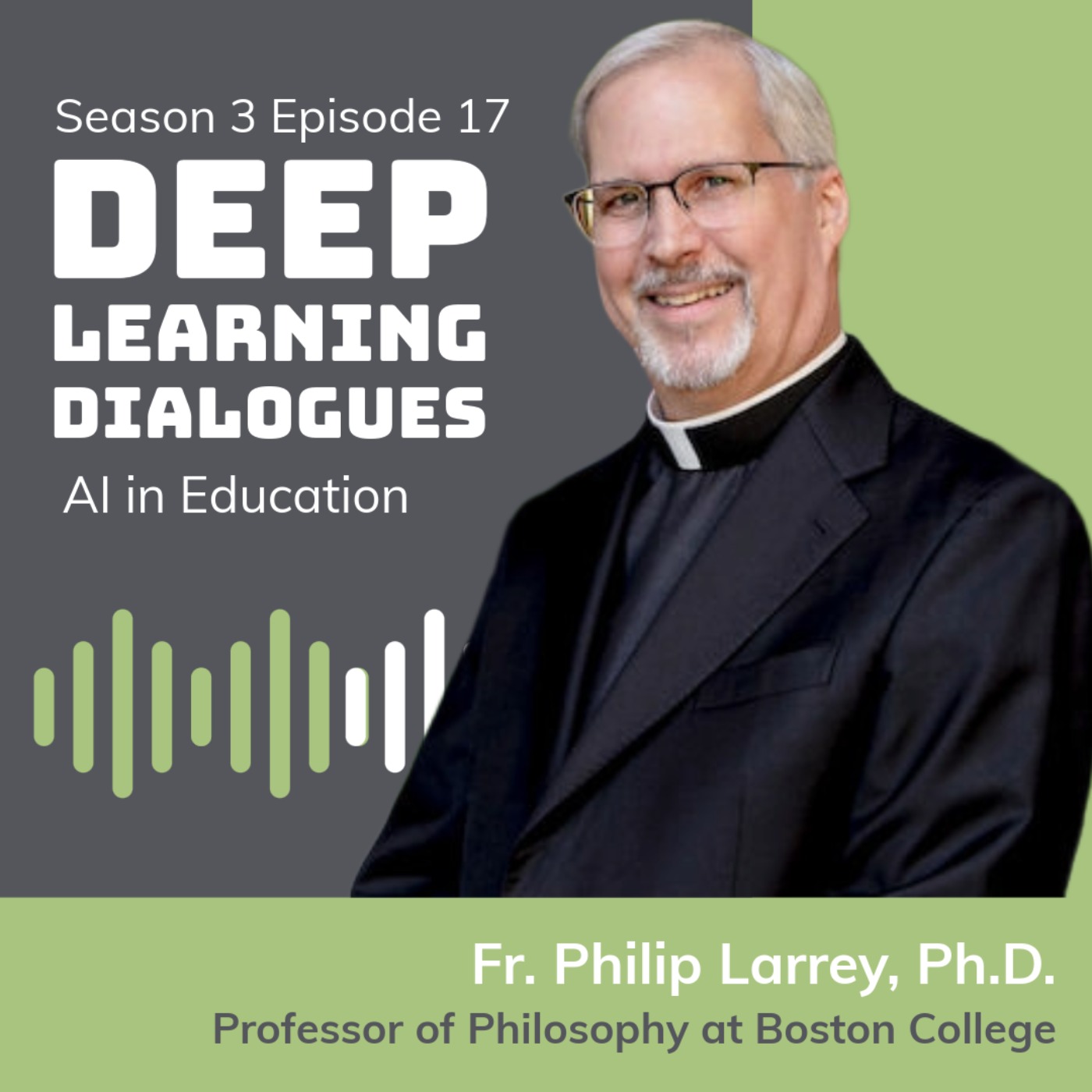
| 2/12/26 | ![]() The Alignment Problem: Bridging the Gap Between Tech and Tradition✨ | artificial intelligencehuman values+4 | Father Philip Larrey | Boston CollegeVatican+3 | — | alignment problemAI ethics+4 | — | 42m 42s | |
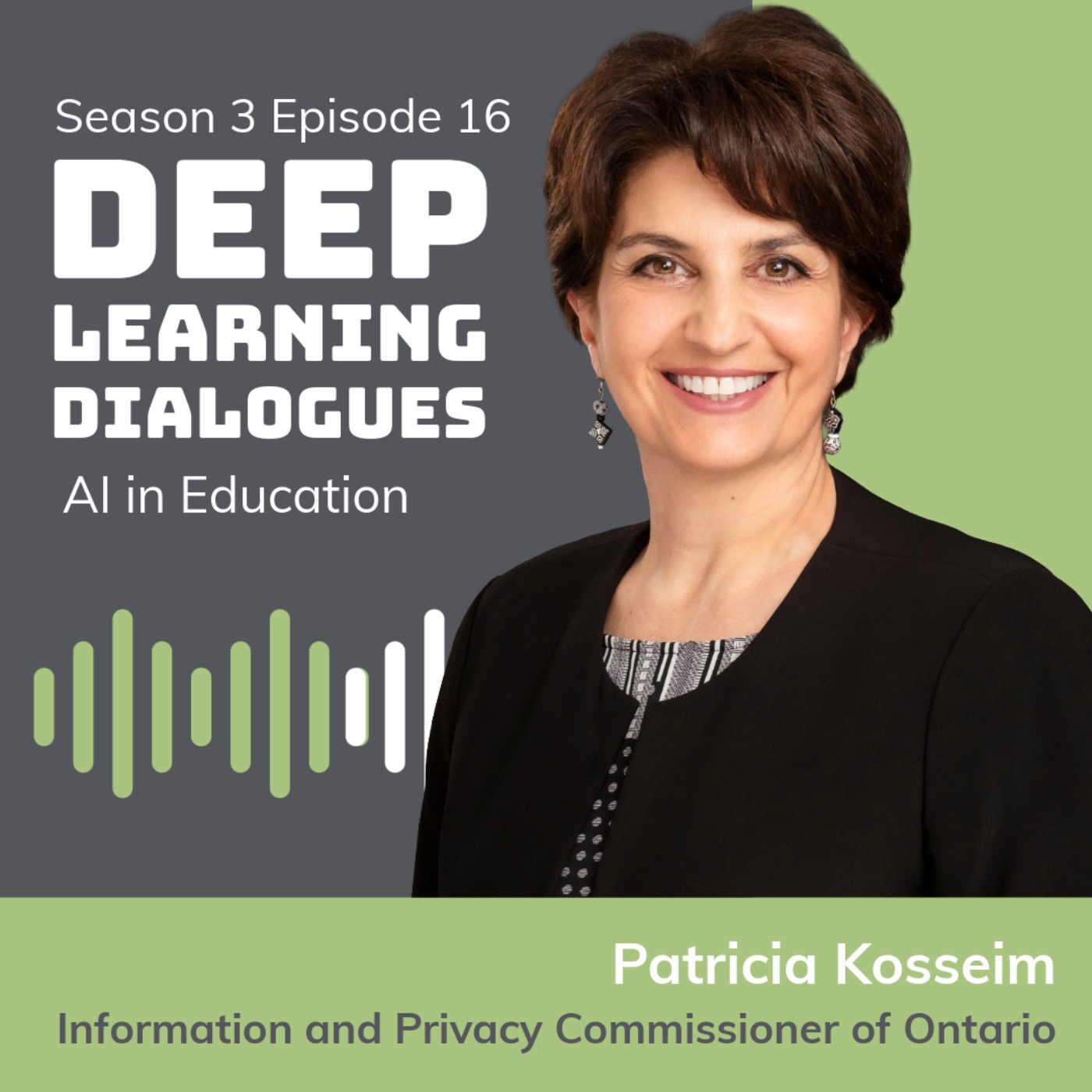
| 2/6/26 | ![]() Navigating EDSTA: A New Era of Digital Security in Ontario Schools✨ | digital securitystudent privacy+3 | Patricia Kosseim | Information and Privacy Commissioner of Ontarioipc.ca+3 | Ontario | EDSTAstudent privacy+3 | — | 46m 27s | |
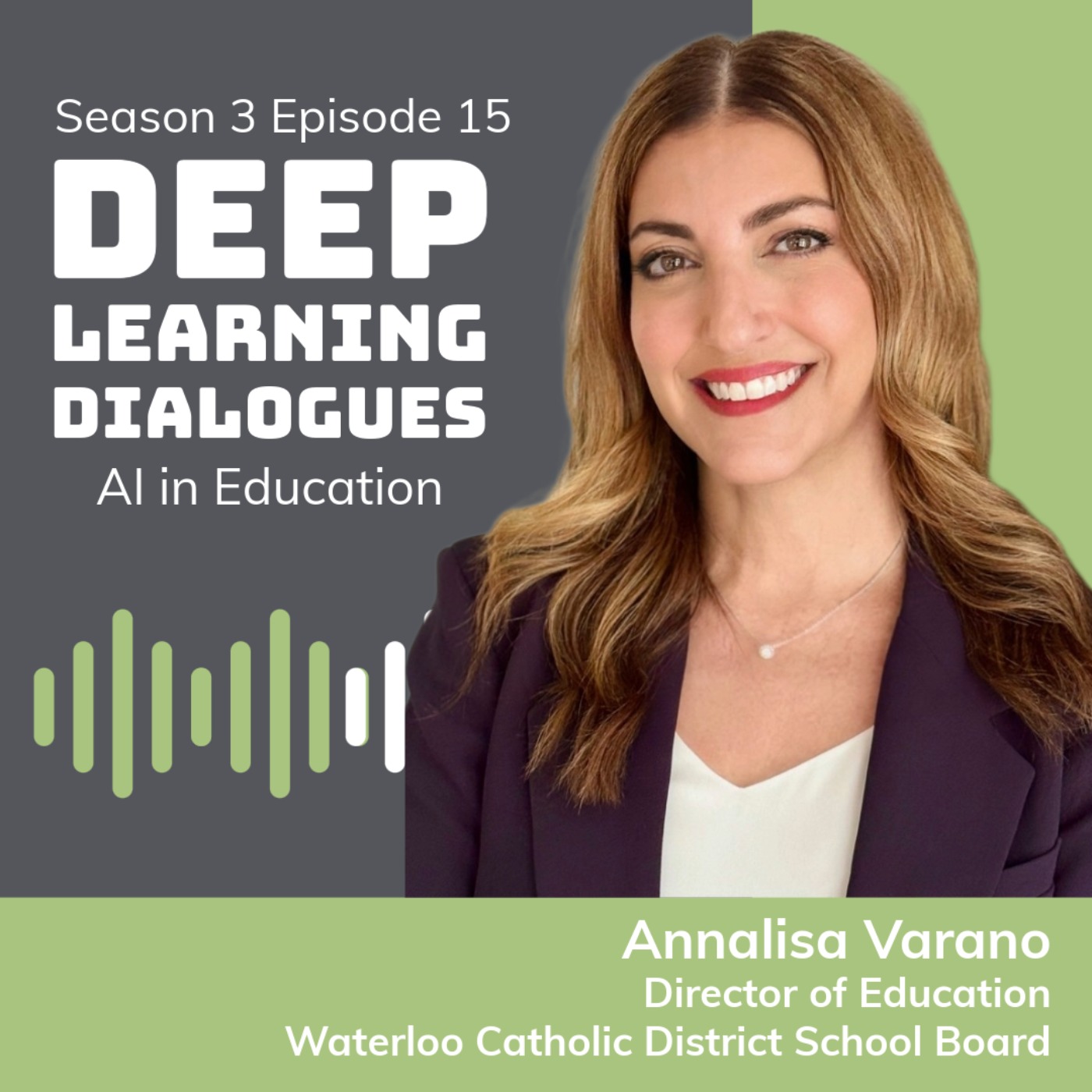
| 1/1/26 | ![]() The Heart of the Classroom: WCDSB’s Faith-Based Vision for Student-Centered AI✨ | faith-based educationgenerative AI+3 | Annalisa Varano | Waterloo Catholic District School BoardSimcoe Muskoka Catholic District School Board+1 | — | AIeducation+3 | — | 40m 04s | |
| 12/18/25 | ![]() From AI Aware to AI Fluent: Practical Steps for Educators | In this episode of Deep Learning Dialogues, hosts Whitney McKinley and Katrina Gouett explore the practical steps required for educators to move from being "AI aware" to "AI fluent". Guest Meghan Hargrave discusses how to bridge the digital divide by integrating generative AI into K-12 classrooms with a focus on purpose and pedagogy rather than just buzzwords. The conversation covers actionable strategies for using AI as a "thought partner" for tasks such as creating formative assessments and brainstorming for Professional Learning Communities (PLCs). Listeners will also learn about the importance of establishing a shared language for AI use within school systems and maintaining a balance between technology and the development of students' authentic personal voices.Read the full summary here.Meghan Hargrave is an educational consultant, coach, and former teacher who specializes in literacy and instructional practices. She is the owner of Meghan M. Hargrave, LLC, where she works with K-12 schools and systems to translate complex research and board demands into practical classroom strategies. As an expert in educational technology, Meghan is the co-author of The Artificial Intelligence Playbook and Teaching Students to Use AI Ethically and Responsibly. Her work focuses on helping educators and caregivers navigate the noise of modern educational technology to support student learning through purposeful, research-grounded tools.You can find Meghan on LinkedIn, Instagram @letmeknowhowitgoes and on her website https://www.meghanhargrave.com/ Want to know more?You can check out our: WCDSB GenAI Guidelines, infographics, and Innovation website: https://innovate.wcdsb.ca/Feedback? You can ask your questions or give us feedback on the show here Want to get in touch? Contact Katrina & Whitney by email at: katrina.gouett@wcdsb.ca and whitney.mckinley@wcdsb.ca or on LinkedIn Hosted on Acast. See acast.com/privacy for more information. | — | ||||||
| 12/11/25 | ![]() Encountering AI with a Moral Compass: Faith, Ethics, and Education | In this episode of Deep Learning Dialogues, hosts Whitney McKinley and Katrina Gouett engage with Giancarlo Brotto, an educator and AI advocate, to explore the intersection of education, artificial intelligence, and ethics. They discuss the importance of viewing AI as a gift that should serve humanity, the varying perspectives of students and educators on AI, and the need for moral discernment in its use. The conversation emphasizes the role of educators in guiding students through the complexities of AI, the necessity of integrating AI into the curriculum, and the importance of vulnerability and co-learning in the classroom. Brotto calls for a collective effort to ensure that faith-based institutions lead the way in navigating AI's challenges and opportunities.Giancarlo Brotto is a dynamic Canadian educator, strategist, and keynote speaker with over two decades of experience helping schools and ministries harness technology to better serve students. A former university and secondary mathematics teacher, he transitioned into leadership roles and founded PAVE EDU, a company that guides school systems, governments, and businesses through AI adoption. His work focuses on preparing educators and families to thrive in an AI-infused world by grounding innovation in ethics and social-emotional learning. Within the Catholic community, he is known for his presentation Navigating Faith and Wisdom, where he encourages using a moral compass to encounter AI as a gift that aligns with Catholic social teachings.You can find Giancarlo on LinkedIn and Instagram.Show Links:Encountering Artificial Intelligence pdfhttps://paveedu.org/ http://aireadyschools.caWant to know more?You can check out our: WCDSB GenAI Guidelines, infographics, and Innovation website: https://innovate.wcdsb.ca/Feedback? You can ask your questions or give us feedback on the show here Want to get in touch? Contact Katrina & Whitney by email at: katrina.gouett@wcdsb.ca and whitney.mckinley@wcdsb.ca or on LinkedIn Hosted on Acast. See acast.com/privacy for more information. | — | ||||||
| 12/4/25 | ![]() Redefining Tech Education: Inside Mila’s AI for Good Lab | In this episode, hosts Katrina Gouett and Whitney McKinley welcome Jennifer Addison, Project Manager for the AI for Good Lab at Mila, Quebec’s artificial intelligence institute. Jennifer details the lab’s mission to equip women and gender-diverse individuals with the skills to build machine learning projects, fostering a more inclusive tech culture and inspiring leaders to use AI for social good. The conversation explores the power of curiosity-driven learning and the importance of creating safe, grade-free environments where students feel empowered to ask questions, collaborate rather than compete, and challenge the status quo. They also discuss how K-12 educators can adopt these principles by becoming co-learners alongside their students to navigate the evolving AI landscape together.Jennifer Addison is the Project Manager for the AI4Good Lab at Mila - Quebec Artificial Intelligence Institute. The Lab is a 7-week program that equips women and gender diverse people with the skills to build their own machine learning projects. The program is designed to open doors for those who have historically been underrepresented in the AI industry, contribute to a more inclusive and diverse tech culture and to inspire the next generation of leaders to use AI as a tool for social good.Prior to Mila, Jennifer worked in Human Resources at the Business Development Bank of Canada where she contributed to the development and advancement of the corporate Diversity, Equity, Inclusion and Accessibility strategy. With over a decade of experience in the non-profit sector, in the US and Canada, she specializes in developing and implementing programs designed to address and disrupt structural inequities and discrimination experienced by equity-deserving communities.You can find Jennifer on LinkedInWant to know more?You can check out our: WCDSB GenAI Guidelines, infographics, and Innovation website: https://innovate.wcdsb.ca/Feedback? You can ask your questions or give us feedback on the show here Want to get in touch? Contact Katrina & Whitney by email at: katrina.gouett@wcdsb.ca and whitney.mckinley@wcdsb.ca or on LinkedIn Hosted on Acast. See acast.com/privacy for more information. | — | ||||||
| 11/28/25 | ![]() EQAO’s Human-Centered Approach to Artificial Intelligence | In this week’s episode of Deep Learning Dialogues, hosts Whitney McKinley and Katrina Gouett are joined by Dr. Jennifer Hove, Director of Data and Reporting at EQAO, to navigate the complex intersection of artificial intelligence and large-scale assessment. Dr. Hove outlines the agency’s "slow and steady" roadmap to AI adoption, emphasizing a human-centered framework where Ontario educators remain the primary drivers of assessment creation and scoring. The conversation explores how EQAO is looking to leverage technology for quality assurance rather than replacement , the challenges of maintaining academic integrity in a digital landscape , and the rigorous review processes ensuring fairness, validity, and bias mitigation. Tune in for an insightful look at how EQAO is building public trust and preparing for the future of education while keeping student equity at the forefront.Dr. Jennifer Hove is the Director of Data and Reporting at EQAO, where she oversees the agency's psychometrics, data science, research, and IT teams to drive digital transformation and generate actionable educational insights. With over two decades of experience spanning academia, government, and the K-12 sector, Dr. Hove is a recognized leader in educational measurement and assessment analytics. She and her colleagues are two-time winners at the International eAssessment Awards, and she currently serves as a board member for the International e-Assessment Association.Want to know more?You can check out our: WCDSB GenAI Guidelines, infographics, and Innovation website: https://innovate.wcdsb.ca/Feedback? You can ask your questions or give us feedback on the show here Want to get in touch? Contact Katrina & Whitney by email at: katrina.gouett@wcdsb.ca and whitney.mckinley@wcdsb.ca or on LinkedIn Hosted on Acast. See acast.com/privacy for more information. | — | ||||||
| 11/22/25 | ![]() Walking Quietly with AI: Medicine Wheel Teachings for Ethical Tech | In this conversation, we explore how Indigenous governance and cultural frameworks can guide ethical technology use in education. Sheri Cecchetto introduces the Medicine Wheel as a holistic lens for approaching AI in K–12 classrooms—emphasizing reflection, relationship-building, and responsibility over speed and profit. Together, we unpack themes of digital sovereignty, environmental impact, and the importance of slowing down to make intentional choices about technology. This episode challenges educators to rethink AI literacy by centering Indigenous values and collective care.Sheri Cecchetto is Anishinaabe Kwe from Wabigoon Lake Ojibwe Nation and a field coordinator and sessional instructor in the School of Indigenous Relations at Laurentian University. Her work focuses on Indigenous social work, emergent learning, and decolonizing education. A passionate advocate for Indigenous governance and digital sovereignty, Sherri brings a unique perspective on how cultural teachings can inform ethical AI use. Beyond the classroom, she is an avid beadworker whose art reflects her deep connection to land and community.You can find Sheri on LinkedInLink to "Theory of Water" by Leanne Betasamosake SimpsonWant to know more?You can check out our: WCDSB GenAI Guidelines, infographics, and Innovation website: https://innovate.wcdsb.ca/Feedback? You can ask your questions or give us feedback on the show here Want to get in touch? Contact Katrina & Whitney by email at: katrina.gouett@wcdsb.ca and whitney.mckinley@wcdsb.ca or on LinkedIn Hosted on Acast. See acast.com/privacy for more information. | — | ||||||
| 11/13/25 | ![]() Braiding Knowledge: Indigenous Law Meets AI in Education | In this episode of Deep Learning Dialogues, hosts Whitney McKinley and Katrina Gouett sit down with Taryn Michel, an Indigenous educator, law scholar, and community leader, to explore the intersection of Indigenous knowledge systems and artificial intelligence in K–12 education. Taryn shares her journey as a professor in the Bachelor of Indigenous Social Work program at Laurentian University and offers insights into Indigenous data sovereignty, ethical AI use, and the importance of relational learning. From the significance of consent and community co-design to the potential of AI tools like Google Lens in supporting cultural revitalization, this conversation invites educators to reimagine AI literacy through the lens of Indigenous values, including the seven grandfather teachings and the medicine wheel. Tune in to discover how AI can become a relational helper—not a replacement—when guided by intention, respect, and heart work.Taryn Michel is an Indigenous educator, legal scholar, and community leader from Michipicoten First Nation and the Martin Clan. She holds a Juris Doctor with an Indigenous specialization from the University of Ottawa and teaches in the School of Indigenous Relations at Laurentian University, where she also contributes to the sociology of law. Taryn’s work centers on revitalizing Anishinaabe law, promoting community wellness, and mentoring Indigenous students to reclaim space in academic and legal institutions. She serves as a band councilor and as president of the board for the N'Swakamok Indigenous Friendship Centre in Sudbury. Deeply committed to ethical, relational approaches to education and technology, Taryn brings a powerful voice to conversations about Indigenous data sovereignty, AI literacy, and the importance of co-designing educational tools with community.You can contact Taryn by email at tmichel2@laurentian.caWant to know more?You can check out our: WCDSB GenAI Guidelines, infographics, and Innovation website: https://innovate.wcdsb.ca/Feedback? You can ask your questions or give us feedback on the show here Want to get in touch? Contact Katrina & Whitney by email at: katrina.gouett@wcdsb.ca and whitney.mckinley@wcdsb.ca or on LinkedIn Hosted on Acast. See acast.com/privacy for more information. | — | ||||||
| 11/6/25 | ![]() AI and the Heart Work: Indigenous Wisdom in a Digital Age | In this powerful episode of Deep Learning Dialogues, we continue our conversation with Dr. Taima Moeke-Pickering, Director of the School of Indigenous Relations at Laurentian University. This episode explores how educators can ethically and respectfully integrate AI into K–12 classrooms while honoring Indigenous knowledge systems. Dr. Moeke-Pickering shares insights on land-based learning, trauma-informed pedagogy, and the importance of “showing up” with intention and care. This episode is a call to rethink how we teach with technology—grounded in values of sustainability, justice, and self-determination. Whether you're new to AI or deeply immersed, this conversation offers both inspiration and practical guidance for educators navigating the AI twilight zone.Dr. Taima Moeke-Pickering is the Director of the School of Indigenous Relations at Laurentian University. With roots in Aotearoa (New Zealand) and tribal affiliations to Ngāti Pūkeko, Tūhoe, and Ngāti Awa, Dr. Moeke-Pickering brings a deeply relational and global Indigenous perspective to her work. Her research focuses on Indigenous methodologies, decolonization, women’s empowerment, and food sovereignty. She is known for integrating participatory approaches like PhotoVoice and for developing educational frameworks rooted in Indigenous knowledge and self-determination. A passionate educator and advocate, Dr. Taima Moeke-Pickering is committed to transforming education through heart work, cultural safety, and community-led innovation.Want to know more?You can check out our: WCDSB GenAI Guidelines, infographics, and Innovation website: https://innovate.wcdsb.ca/Feedback? You can ask your questions or give us feedback on the show here Want to get in touch? Contact Katrina & Whitney by email at: katrina.gouett@wcdsb.ca and whitney.mckinley@wcdsb.ca or on LinkedIn Hosted on Acast. See acast.com/privacy for more information. | — | ||||||
| 10/30/25 | ![]() Digital Land Back: Indigenous Teachings for AI Justice | In this powerful opening to a four-part series, hosts Whitney McKinley and Katrina Gouett sit down with Dr. Taima Moeke-Pickering, Sheri Cecchetto, and Taryn Michel from Laurentian University’s School of Indigenous Relations to explore how artificial intelligence intersects with Indigenous law, land, and sovereignty. This conversation challenges listeners to rethink AI not as neutral, but as deeply tied to land, community, and responsibility. Through Indigenous teachings, legal frameworks, and personal stories, the guests offer pathways for ethical AI use in education—rooted in reciprocity, environmental justice, and the wisdom of seven generations. This episode is a call to educators to center Indigenous perspectives in shaping the future of technology.Our Guests are:Dr. Taima Moeke-Pickering Director & Professor, School of Indigenous Relations, Laurentian UniversitySheri Cecchetto Field Coordinator & Sessional Instructor, School of Indigenous Relations, Laurentian UniversityTaryn Michel Juris Doctor & Lecturer, School of Indigenous Relations, Laurentian UniversityLink: University of Guelph PresentationWant to know more?You can check out our: WCDSB GenAI Guidelines, infographics, and Innovation website: https://innovate.wcdsb.ca/Feedback? You can ask your questions or give us feedback on the show here Want to get in touch? Contact Katrina & Whitney by email at: katrina.gouett@wcdsb.ca and whitney.mckinley@wcdsb.ca or on LinkedIn Hosted on Acast. See acast.com/privacy for more information. | — | ||||||
| 10/23/25 | ![]() The Disengaged Teen: Reimagining Student Engagement in the Age of AI | In this episode of Deep Learning Dialogues, hosts Katrina Gouett and Whitney McKinley welcome award-winning journalist and author Jenny Anderson to explore the urgent challenges of student disengagement and the transformative potential of generative AI in education. Drawing from her book The Disengaged Teen: Helping Kids Learn Better, Feel Better, and Live Better, Jenny shares insights into the four dynamic modes of learning—passenger, achiever, resistor, and explorer—and how educators can help students shift toward deeper engagement. Through real stories, audience questions, and practical strategies, this conversation offers a hopeful and actionable roadmap for fostering curiosity, agency, and meaningful learning in an AI-integrated world.Jenny Anderson is an award-winning journalist and author whose work focuses on student engagement and learning science. After spending a decade covering finance at the New York Times, she made a deliberate shift to what matters most: how young people learn. Her new book, The Disengaged Teen: Helping Kids Learn Better, Feel Better, and Live Better, addresses the youth mental health crisis and unprecedented rates of student disengagement. She continues to write for publications including The New York Times, TIME, and The Atlantic, and shares insights with thousands of education leaders through her Substack newsletter, How to Be Brave.You can also find Jenny on LinkedIn.Want to know more?You can check out our: WCDSB GenAI Guidelines, infographics, and Innovation website: https://innovate.wcdsb.ca/Feedback? You can ask your questions or give us feedback on the show here Want to get in touch? Contact Katrina & Whitney by email at: katrina.gouett@wcdsb.ca and whitney.mckinley@wcdsb.ca or on LinkedIn Hosted on Acast. See acast.com/privacy for more information. | — | ||||||
| 10/16/25 | ![]() Privacy Empathy in the Age of AI: How the IPC is Guiding Ontario’s Schools | In this episode of Deep Learning Dialogues, we sit down with Patricia Kosseim, Ontario’s Information and Privacy Commissioner, to explore the critical intersection of student privacy, educational technology, and artificial intelligence. From the challenges school boards face when negotiating with EdTech vendors to the ethical complexities of AI in classrooms, Commissioner Kosseim offers expert insights and practical guidance for educators. We discuss the importance of “privacy empathy,” the role of the IPC in safeguarding student data, and the resources available to help schools navigate this evolving digital landscape with confidence and care.Patricia Kosseim is the Information and Privacy Commissioner of Ontario. She is a lawyer by profession and has extensive experience as a senior executive working in complex, inter-disciplinary environments, across public, private and health sectors. Through integration of legal practice, public policy and academic research, she has led large teams and major strategic initiatives to address ethical, legal and social implications of emerging technologies. She connects people and creative ideas to advance critical reflection, converge around common goals and work towards practical solutions. In March 2025, she was awarded the King Charles III Coronation Medal, in recognition of her valuable contribution to Ontario and to Canada.Find further information at:ipc.ca Instagram: https://www.instagram.com/ipc.ontario/ A Guide to Privacy and Access to Information in Ontario SchoolsDigital Privacy Charter - 12 commitments supporting teachers and studentsYouth ambassador tool kitYouth advisory council Want to know more?You can check out our: WCDSB GenAI Guidelines, infographics, and Innovation website: https://innovate.wcdsb.ca/Feedback? You can ask your questions or give us feedback on the show here Want to get in touch? Contact Katrina & Whitney by email at: katrina.gouett@wcdsb.ca and whitney.mckinley@wcdsb.ca or on LinkedIn Hosted on Acast. See acast.com/privacy for more information. | — | ||||||
| 10/10/25 | ![]() Exploring AI Literacy Through Minecraft: The Cyber Safe Dig Deeper World | Join us as we welcome educator and game creator Blaise Patterson to discuss the innovative Minecraft EDU Cyber Safe AI Dig Deeper World. Discover how this interactive experience helps students build AI literacy, digital citizenship, and critical thinking skills through engaging, age-appropriate gameplay. Learn about the challenges of designing meaningful AI education, strategies for supporting teachers, and practical classroom resources for fostering safe and responsible technology use. Blaise Patterson is an Education Content Creator with Cleverlike Studios, where he creates immersive learning experiences using popular video games like Minecraft and Fortnite. With a deep passion for games-based learning, Blaise has developed several Minecraft Education worlds featured in the in-game library and numerous scholastic esports programs. He and his team of learning experience designers and game developers work to transform students from players to creators, equipping them with digital competencies for career readiness. As Director of Industry Partnership with the Ontario School Esports Association, Blaise also builds connections between schools and organizations, supporting teachers in implementing esports programs from daily instruction to district-wide competitions across K-12 and post-secondary education.Want to know more?You can check out our: WCDSB GenAI Guidelines, infographics, and Innovation website: https://innovate.wcdsb.ca/Feedback? You can ask your questions or give us feedback on the show here Want to get in touch? Contact Katrina & Whitney by email at: katrina.gouett@wcdsb.ca and whitney.mckinley@wcdsb.ca or on LinkedIn Hosted on Acast. See acast.com/privacy for more information. | — | ||||||
Showing 25 of 79
Pitch Fit is a Pro feature
See how bookable this show is for guests, which brands already advertise, the per-episode ad value, and the best-fit guest and sponsor profile. The numbers are blurred on the free plan.
How readily this show books outside guests like you.
How proven this show is for host-read sponsorships.
For Guests
ProFor Advertisers
ProUpgrade to Pro to unlock guest cadence, sponsor categories, fit scores, and per-episode ad value for this show.