

Insights from recent episode analysis
Audience Interest
Podcast Focus
Publishing Consistency
Platform Reach
Insights are generated by CastFox AI using publicly available data, episode content, and proprietary models.
Total monthly reach
Estimated from 4 chart positions in 4 markets.
By chart position
- 🇬🇧GB · Music Interviews#9230K to 100K
- 🇦🇺AU · Music Interviews#1055K to 30K
- 🇪🇸ES · Music Interviews#7310K to 30K
- 🇮🇪IE · Music Interviews#110500 to 3K
- Per-Episode Audience
Est. listeners per new episode within ~30 days
14K to 49K🎙 Daily cadence·60 episodes·Last published 4d ago - Monthly Reach
Unique listeners across all episodes (30 days)
46K to 163K🇬🇧61%🇦🇺18%🇪🇸18%+1 more - Active Followers
Loyal subscribers who consistently listen
18K to 65K
Market Insights
Platform Distribution
Reach across major podcast platforms, updated hourly
Total Followers
—
Total Plays
—
Total Reviews
—
* Data sourced directly from platform APIs and aggregated hourly across all major podcast directories.
On the show
Recent episodes
Utah Saints on Not Having a Plan B
Jun 21, 2026
1h 09m 25s
Tenacious on Judge Jules Picking Our First-Ever Track
Jun 14, 2026
1h 09m 21s
Chris Agnelli on Is Too Much Choice KILLING Dance Music?
Jun 7, 2026
1h 17m 36s
Chris Agnelli on Creating Classics and Rebuilding an Anthem after Losing it!
May 31, 2026
55m 43s
Mark Sherry on Making Anthems, World Tours & 30 Years In Dance Music
May 24, 2026
1h 07m 48s
Social Links & Contact
Official channels & resources
Official Website
Login
RSS Feed
Login
| Date | Episode | Description | Length | ||||||
|---|---|---|---|---|---|---|---|---|---|
| 6/21/26 |  Utah Saints on Not Having a Plan B | Utah Saints join Dexter Jones for a candid, funny and insightful conversation about building one of the most recognisable names in dance music with absolutely no backup plan. From pressing their first white labels and navigating the unpredictable world of music promotion, to surviving industry changes, technological revolutions and three decades of dance music culture, this episode explores how Utah Saints turned passion, persistence and a healthy disregard for conventional career advice into a remarkable success story. Along the way, we discuss the realities of running events, why most people completely misunderstand what makes a great DJ, and the lessons they've learned from spending 35 years at the heart of club culture. If you love rave history, dance music, DJ culture, festival stories and honest conversations about what it really takes to survive in the music industry, this episode is packed with wisdom, humour and nostalgia. In this episode: ▪️ Why Utah Saints never had a Plan B▪️ The business model that would make a bank manager laugh▪️ How they built a career that wasn't supposed to work▪️ Surviving 35 years in the music industry▪️ The risks and realities of running festivals and events▪️ Why track selection is more important than technology▪️ The art of reading a crowd and taking people on a journey▪️ How dance music culture has evolved over three decades▪️ The challenges facing DJs, promoters and artists today▪️ The stories behind the Utah Saints name▪️ Lessons learned from a lifetime in club culture▪️ Why they're still passionate about music after all these years Chapters 📖 00:00:00 Why Utah Saints Had NO PLAN B00:02:15 The Brutal Reality of Running Dance Music Events00:08:35 Why Promoters Are Taking Huge Financial Risks Today00:16:05 From White Labels to Worldwide Success00:18:40 How Utah Saints Accidentally Became a Global Dance Act00:22:20 The Surprising Story Behind the Utah Saints Name00:27:10 Leeds, Rave Culture & The Birth of UK Dance Music00:33:05 Why Utah Saints Walked Away from the Rave Circuit00:37:45 The Biggest Risks That Changed Their Career Forever00:44:50 Has Technology Made DJing Easier or Better?00:47:15 The Most Important DJ Skill Nobody Talks About00:49:50 Sampling Kate Bush, Metallica & Dance Music Innovation00:55:00 The Worst Technical Disasters of Their Career01:00:00 Are Festivals Killing Nightclubs?01:03:40 What Utah Saints Would Do Differently Starting Today01:04:40 The Legacy of Utah Saints & 35 Years in Dance Music | 1h 09m 25s | ||||||
| 6/14/26 |  Tenacious on Judge Jules Picking Our First-Ever Track | Tenacious join Dexter Jones for a nostalgic, hilarious and inspiring conversation about the rollercoaster journey from passionate clubbers and bedroom producers to hearing their own music played on the biggest stage in dance music. From losing an irreplaceable DAT tape in the post and painstakingly rebuilding tracks from memory, to the surreal moment they discovered their music had been championed by Judge Jules on BBC Radio 1, this episode is packed with the kind of stories that remind you just how different the dance music industry used to be. We discuss white labels, record shops, mixtapes, taking chances, near disasters, and the persistence it takes to keep going when everything seems to be working against you. Through equal parts determination, talent and a bit of chaos, Tenacious prove that sometimes the craziest setbacks lead to the biggest breakthroughs. If you love trance, club culture, behind-the-scenes music stories and hearing how some of the most memorable dance records came to life, this episode is full of humour, honesty and nostalgia. In this episode: ▪️ How a lost DAT tape nearly destroyed everything▪️ Rebuilding an entire track from memory▪️ The moment Judge Jules played their track on BBC Radio 1▪️ Receiving 98 missed calls after the broadcast▪️ The power of white labels and record shop culture▪️ Sampling, creativity and making something from almost nothing▪️ The realities of breaking through in the pre-social media era▪️ Why persistence mattered more than perfection▪️ Hilarious stories from life on the dance music circuit▪️ The highs, lows and near misses behind the scenes▪️ What today's producers can learn from the old-school approach▪️ Lessons from decades spent in dance music Chapters 📖 00:00 Judge Jules, Tiësto & The DAT Tape That Vanished01:07 Introduction: Meet Tenacious05:50 World Dance, Seduction & The Early Rave Scene10:00 Learning To DJ: Weddings, Mobile Discos & First Gigs14:15 Under-18 Clubs, Jungle & Drum & Bass Beginnings18:45 The Birth Of Tenacious & Early Studio Experiments23:30 The First Tracks: Learning Production The Hard Way28:15 The Trance Explosion & Falling In Love With Ibiza33:20 Cream Ibiza, Radio 1 Weekenders & Clubland's Golden Era38:10 The Story Behind Their Biggest Breakthrough43:50 Judge Jules Made Our Track 'Tried & Tested'49:20 Touring, DJ Life & How The Industry Has Changed54:15 New Releases, Summer Plans & Ibiza 202659:45 Slip Back In Time, Community & Staying Grounded01:06:40 The Ultimate Closing Track & Final Thoughts | 1h 09m 21s | ||||||
| 6/7/26 |  Chris Agnelli on Is Too Much Choice KILLING Dance Music? | Chris Agnelli joins Dexter Jones once again for part two of an honest, hilarious and thought-provoking conversation about the changing face of dance music, the realities of life as a DJ and producer, and the stories that never make it into the headlines. From the staggering fact that more tracks are now released on Beatport in a single week than were released in the whole of 1999, to his candid thoughts on ghost producers and authenticity in electronic music, Chris opens up like never before. We discuss rebuilding El Niño from memory, rediscovering forgotten remixes, surviving a surreal gig in Beirut with armed guards, and the pressures of trying to maintain a career in an increasingly crowded industry. Chris also reflects on streaming, social media, TikTok, podcasting, and what aspiring DJs and producers really need to understand if they want to stand out in today's landscape. If you love trance, dance music, behind-the-scenes stories and hearing the unfiltered truth from artists who have lived through multiple eras of club culture, this episode is packed with insight, humour and nostalgia. In this episode: ▪️ More tracks released on Beatport in a week than the whole of 1999▪️ Chris' honest thoughts on ghost producers▪️ Rebuilding El Niño from memory▪️ The unbelievable Beirut gig with armed guards▪️ Rediscovering forgotten remixes from the past▪️ The pressures of surviving in the modern music industry▪️ Streaming, downloads and the death of physical music▪️ Advice for aspiring DJs and producers▪️ TikTok, social media and building an audience today▪️ The realities of podcast growth and content creation▪️ Behind-the-scenes stories from decades in dance music▪️ Lessons learned from a lifetime in the scene --- Chapters 📖 00:00 Teaser: Ghost Producers, Beirut Chaos & Dance Music Secrets02:07 The Beatport Explosion: More Tracks Released in a Week Than 199902:34 The Problem With Ghost Producers02:53 Rebuilding El Niño From Memory03:17 The Crazy Beirut Gig With Armed Guards08:02 Breaking Through in the Dance Music Industry13:47 The Reality of DJ Success and Pressure20:54 How the Music Industry Changed Forever29:28 Streaming, Downloads and the Death of Physical Music38:57 Advice for Aspiring Producers and DJs46:06 Can Social Media Really Grow a Podcast?48:25 TikTok, Spotify and Building an Audience Today59:27 Behind-the-Scenes Stories From the Dancefloor01:08:42 Looking Back: Lessons From a Lifetime in Music01:15:18 Final Thoughts and What's Next | 1h 17m 36s | ||||||
| 5/31/26 |  Chris Agnelli on Creating Classics and Rebuilding an Anthem after Losing it! | Chris Agnelli joins me for a fascinating deep dive into the story of Agnelli & Nelson, the creation of El Niño and Everyday (amongst others), the golden era of trance, and the wild reality of dance music during the 1990s and 2000s. From growing up in Northern Ireland during the rave explosion to creating one of the most iconic trance records ever made, Chris shares the untold stories behind Agnelli & Nelson's rise, the birth of El Niño, signing to the legendary Extravaganza label, and the moment everything changed forever. We discuss how El Niño was created, how the original file was lost and had to be rebuilt from scratch, the incredible story of the Spanish student who unknowingly became the voice of a trance anthem, and what it was like receiving support from Pete Tong, Judge Jules and Radio 1 at the height of trance culture. Chris also reflects on Ibiza, Gatecrasher, Privilege, Eden, early DJ technology, vinyl culture, and how clubbing has evolved over the last three decades. If you were there during the golden era of trance, Gatecrasher, Godskitchen, Cream, Radio 1 and Ibiza, this episode is packed with nostalgia, insider stories and moments you won't hear anywhere else. In this episode: ▪️ The untold story behind El Niño▪️ How Agnelli & Nelson exploded worldwide▪️ Pete Tong, Judge Jules & Radio 1 support▪️ The file corruption that nearly killed a trance classic▪️ The Spanish student behind the famous vocal▪️ Ibiza & the golden era of trance▪️ Vinyl, CDJs & the evolution of DJ culture▪️ Life inside the dance music industry Chapters: 00:00 Intro01:12 Ibiza, Es Paradis & The Golden Era04:45 Why Chris Agnelli Hated Playing Privilege08:32 The Wild Alex P Ibiza Story11:40 Life Before Mobile Phones & Social Media15:48 Growing Up In Northern Ireland's Rave Scene20:35 Discovering Electronic Music & Early Production24:58 Meeting Robbie Nelson28:15 Creating El Niño33:22 "The File Corrupted"36:45 Rebuilding El Niño From Scratch39:50 The Spanish Student Behind The Vocal44:18 Signing To Extravaganza Records47:05 Pete Tong, Judge Jules & Radio 1 Support50:10 Shooting The El Niño Video In Cuba53:05 The Rise Of Agnelli & Nelson55:15 Part Two Preview | 55m 43s | ||||||
| 5/24/26 |  Mark Sherry on Making Anthems, World Tours & 30 Years In Dance Music | Mark Sherry joins me for a fascinating deep dive into the untold story behind Public Domain, Operation Blade, tech-trance, rave culture, and the realities of surviving decades in dance music. From the explosive success of Operation Blade, chart success, and touring the world, to the harsh realities of the music industry and learning lessons the hard way, Mark opens up like never before. We discuss how a scene-defining rave anthem was born after watching the film Blade, how Judge Jules championed the record on Radio 1, the rise of Public Domain, and what really happened behind the scenes. Mark also reflects on his journey through club culture and how dance music has changed forever. If you were there during the golden era of clubbing, trance, hard house, and rave culture, this episode is packed with nostalgia, insider stories, and moments you won’t hear anywhere else. In this episode: ▪️ The true story behind Operation Blade▪️ How Public Domain exploded worldwide▪️ Judge Jules & Radio 1 support▪️ Touring the world & chart success▪️ Learning the hard way in the music industry▪️ Ibiza, club culture & dance music evolution▪️ The reality of surviving decades as a DJ & producer --- Chapters: 00:00 Intro02:08 The Untold Story Behind Operation Blade08:14 How Mark Sherry & Public Domain Exploded13:22 Judge Jules, Radio 1 & UK Chart Success18:47 Touring The World & Top of the Pops24:10 “We Learned The Hard Way” – Music Industry Lessons30:56 The Truth About Dance Music Contracts36:18 Public Domain, Fame & Getting Ripped Off42:35 The Evolution of Trance, Hard House & Rave Culture49:12 Ibiza, Space & How Clubbing Changed Forever55:26 Surviving Decades In Dance Music1:01:18 Mark Sherry’s Advice For DJs & Producers1:05:11 One More Tune | 1h 07m 48s | ||||||
| 5/17/26 |  Nick Rafferty on Night Clubbing Changed Forever | 🎧 Nick Rafferty: The Night Clubbing Changed Forever | Godskitchen, 90s Clubbing & The Golden Era Nick Rafferty joins Dexter Jones for a deep dive into the madness, energy and reality of 90s clubbing culture. From Godskitchen, Sundissential, Cream tours and Space Ibiza to Tony De Vit, vinyl culture, hard house, trance and the golden era of UK nightlife, Nick shares what life was really like during one of the most iconic periods in dance music history. We discuss: ⚡ The night clubbing changed forever⚡ Why Millennium changed nightlife⚡ Godskitchen, Sundissential & Birmingham club culture⚡ Tony De Vit and the harder sound revolution⚡ Playing 3 gigs in one night across the UK⚡ Life as a DJ before phones & social media⚡ Vinyl culture and exclusive records⚡ The reality behind the DJ lifestyle⚡ Severe anxiety, burnout & beta blockers⚡ How clubbing culture changed forever Chapters: 00:00 Intro01:00 What Changed Clubbing Forever?02:15 The Smoking Ban & The End Of An Era04:20 Why Millennium Changed Clubbing07:10 “Promoters & DJs Took The Piss”09:20 Playing 3 Gigs In One Night11:40 The Dawn Of Digital Music14:10 Pete Tong, Essential Tunes & Vinyl Culture17:00 “Nobody Else Had This Record”19:30 DJs Were Clubbers Back Then22:00 Godskitchen, Cream & Touring The UK25:00 Severe Anxiety, Beta Blockers & Burnout29:00 The Dark Side Of DJ Life32:30 Hard House, Trance & The Scene Today35:00 Tony De Vit, Passion & Legendary Last Tracks37:20 Final Thoughts Whether you were raving at Godskitchen, Gatecrasher, Cream, Passion, Sundissential, Bowlers, Ministry of Sound or Space Ibiza, this episode will bring back memories. 👇 Do you agree with Nick? When did clubbing change forever in your opinion? | 38m 27s | ||||||
| 5/10/26 |  Nick Rafferty on The Madness of 90s Clubbing | Nick Rafferty joins Dexter Jones for a deep dive into the madness, energy and reality of 90s club culture. From Sundissential, Godskitchen and Cream… to three gigs a night, vinyl culture, Tony De Vit, severe anxiety, beta blockers and the rise and fall of the golden era of clubbing. Nick opens up about what life was really like behind the packed dancefloors and iconic nights that shaped a generation. Topics include: • Sundays Central & Birmingham club culture• Godskitchen at The Sanctuary• Tony De Vit & the harder sound revolution• Space Ibiza & Cream tours• Playing multiple gigs a night across the UK• The reality of “the chemical generation”• Severe anxiety & burnout behind the scenes• Vinyl culture & exclusive record “You’d turn up at the club like a Cheshire cat with a bag full of records thinking… nobody else has got this little beauty.” A raw, funny, nostalgic and honest conversation with one of the true figures from the golden era of UK clubbing. Chapters: 00:00 Introduction to Nick Rafferty01:07 Podcast Introduction & How Nick Rafferty Got Into Dance Music04:52 Early Clubbing Days, DJ Culture & Rare Vinyl Records09:57 Collecting Music, Digging For Tracks & DJ Identity14:58 Learning To DJ, Vinyl Mixing & Early Influences19:36 Clubland Culture, Hard House & Packed Dancefloors23:39 The Explosion Of UK Clubbing In The 90s28:17 Sundissential, Promoting & Building A Club Brand32:45 Birmingham Club Scene, Energy & Crowd Atmosphere37:49 The Evolution Of DJs, Fame & Modern Club Culture42:25 Legendary Nights, Residencies & Touring Stories | 47m 02s | ||||||
| 5/3/26 |  Utah Saints on How Sampling Changed Music Forever | This week I sit down with Utah Saints, true pioneers of UK electronic music, to break down one of the most important topics in dance music history… sampling. From making tracks in their bedrooms on Atari computers and Akai samplers, to landing on Top of the Pops six times, Utah Saints share the real story behind how sampling changed music forever. We go deep into the early 90s rave scene, white labels, Leeds club culture, and the moment electronic music broke into the mainstream. They also open up about the pressure from the industry, the controversy around sampling, and why today’s music landscape feels completely different. If you’re into dance music, DJ culture, music production, or the history of rave, this is a conversation you don’t want to miss.ž Chapters: 00:00 Introduction01:45 Utah Saints on Top of the Pops (6 Times)04:30 How Utah Saints Met (1991)08:00 Early DJ Days & Winning the DMC12:00 Leeds Club Scene Before the Rave Explosion16:30 First Tracks & Breakthrough Moment21:30 From Bedroom Music to Chart Success26:30 The Truth About Sampling32:30 Utah Saints Classical Event (Leeds)34:00 How the Orchestra Works39:00 Leeds Millennium Square Event42:30 Authenticity in Modern Dance Music48:00 Breaking Through in Today’s Music Industry56:20 Let’s Do a Part 2 🎯 THINGS WE TALK ABOUT How Utah Saints got started in 1991Winning the DMC and early DJ cultureMaking music on Atari and Akai samplersThe rise of sampling in dance musicThe truth about Top of the PopsPressure to “fake” performances on TVWhite labels and underground club cultureLeeds rave scene and early electronic musicHow tracks were made in bedroomsWhy sampling was misunderstoodThe difference between music then vs nowWhy modern artists struggle to break throughAuthenticity in today’s music industryThe return of smaller club nights and real crowds 🚀 ABOUT UTAH SAINTS Utah Saints are one of the UK’s most influential electronic acts, known for blending sampling, house, and rave culture into mainstream success. With multiple Top of the Pops appearances and iconic releases, they helped shape the sound of 90s dance music. 👊 SUPPORT THE CHANNEL If you enjoyed this episode, it would mean a lot if you: 👉 Follow me👉 Drop a review with your thoughts Podcasts are one of the hardest formats to grow, and your support genuinely makes a difference. | 57m 01s | ||||||
| 4/26/26 |  Danny Whittle on IMS, Pacha & the Evolution of Ibiza | Danny Whittle joins The Dexter Jones Podcast, the man behind the evolution of Ibiza club culture. From serving in the Royal Navy during the Falklands War, to becoming a firefighter, to ultimately shaping the global dance music industry… Danny’s journey is unlike anything you’ve heard before. In this episode, we go deep into the real story behind Ibiza’s transformation. From Renaissance to Pacha, the rise of superstar DJs, building one of the most iconic nightclub brands in the world, and launching IMS Ibiza — the event that changed the business of electronic music forever. Danny breaks down how Ibiza went from a party island to a global music powerhouse, the realities of running clubs at the highest level, and why the industry today is more complex, and more competitive, than ever. This is a rare, behind-the-scenes look at the decisions, risks, and moments that helped shape modern club culture. If you’re into Ibiza, dance music, DJ culture, or the business behind it all — this is a must-watch. Chapters: 0:00 The Danny Whittle Story 1:30 Growing Up in Stoke – Early Life & Music Influence5:00 Why He Joined the Royal Navy at 178:30 Falklands War – Life on the Front Line13:00 From War to Firefighter – A New Chapter17:30 Leaving the Fire Service – Forced Career Change20:30 How He Accidentally Entered the Music Industry25:00 Renaissance Era – Learning the Ibiza Scene30:30 The Stress of Events – “Crisis Management” Explained34:30 Moving to Ibiza – First Major Breakthrough39:00 Taking Over Pacha – The Big Opportunity44:30 Building Pacha Into a Global Brand50:00 Booking Superstars – Guetta, Swedish House Mafia & More55:00 How Ibiza Became the Global Dance Capital60:00 Launching IMS Ibiza – Changing the Industry64:30 Why the Ibiza Season Got Longer69:00 The Reality of the Modern Music Industry73:00 Why Booking DJs Is Harder Than Ever76:30 Building Chinois Ibiza – Starting Again80:00 Finding New Talent & Future DJs83:30 Passion vs Business – The Real Balance86:30 His Biggest Achievement in Life89:00 The One Track That Defines Ibiza92:00 Final Thoughts – Ibiza Then vs Now 🔥 Things we talk about: • Growing up in Stoke and early music influences• Joining the Royal Navy and serving in the Falklands War• Life after the military and becoming a firefighter• How Danny accidentally entered the music industry• Working with Renaissance and the early Ibiza scene• Transforming Pacha into a global brand• Booking the world’s biggest DJs and building iconic residencies• The rise of David Guetta, Swedish House Mafia, and superstar DJs• Why Ibiza became the centre of electronic music• Launching IMS Ibiza and extending the season• The business behind clubs, DJs, and global events• Why booking artists is harder than ever today• Building Chinois Ibiza and creating a modern club brand• Finding and developing new DJ talent• The reality of stress and pressure in the events industry• Passion vs business in nightlife• The evolution of Ibiza from underground to global | 1h 23m 38s | ||||||
| 4/19/26 |  DJ CASH ONLY on Walking Away From Music… And Coming Back Stronger | DJ CASH ONLY joins the Dexter Jones Podcast to break down the real story behind the name, and why it has absolutely nothing to do with money. From starting out in the underground putting on small community parties, to building a multi-million pound social enterprise that empowered young people, stepping away from music completely, and then returning to play 60+ shows worldwide, all without a manager or agent, this is a very different kind of DJ journey. We start with the meaning behind “CASH ONLY”, inspired by art and identity rather than money, and how that idea reflects a deeper mindset around music, culture, and not chasing the obvious. From there, we get into the early days, raving at 16, discovering the scene, putting on local events in community centres, and building something from the ground up before things ever scaled. #DexterJones #clubculture #djpodcast Chapters 00:00 Is "DJ CASH MONEY" really about the money?04:30 Starting Out: UK Rave Culture & First Steps08:45 How to build a community-led party from scratch14:20 Mixing music with mission: Why I built a social enterprise20:10 The Truth: Why I walked away from the music industry24:30 The Sam Divine meeting that changed everything28:00 Finding my purpose: The "Cash Only" comeback32:40 60 global shows with no manager: How I did it38:15 The Reality of the DJ Industry (What they don't tell you)44:00 Independence & Identity: Staying true to the brand51:10 Networking vs. Talent: How to get noticed today57:45 Burnout, mental health, and the touring lifestyle1:04:30 Developing your signature sound in a crowded market1:10:15 The future of "DJ CASH ONLY" and the next chapter1:18:50 Advice for upcoming DJs: How to play the long game1:24:45 Why it was always about the people (Final thoughts) We also get into: • the reality behind the name “CASH ONLY” and why it’s misunderstood• putting on grassroots parties and building a local following• creating a social enterprise and working with young people• turning community projects into something sustainable• stepping away from music and focusing on something completely different• the role Sam Divine played in pushing him back into DJing• returning to music with a new mindset and approach• building a career without a manager or agent• playing 60+ shows worldwide and performing at major festivals• the reality of the DJ industry behind the scenes• why independence matters more than ever in dance music This is a proper behind-the-scenes conversation with someone who’s taken a completely different path through dance music — from grassroots community work to global DJing. If you’re into DJ culture, underground music, house music, independent artists, or real stories behind the industry, this one will land. The Dexter Jones Podcast explores the stories, people and realities behind dance music, Ibiza culture, production, DJing and the electronic music industry. If you enjoy the episode, drop a comment with your take:Is it better to build independently in today’s music industry, or do artists still need managers and agents to succeed? | 1h 25m 39s | ||||||
Want analysis for the episodes below?Free for Pro Submit a request, we'll have your selected episodes analyzed within an hour. Free, at no cost to you, for Pro users. | |||||||||
| 4/12/26 |  Paul Maddox on Ghosts Producers vs Engineers. | Paul Maddox, known for his work across Tidy Trax, hard house, hard dance and studio engineering, joins me for a deep conversation about music production, ghost production, sound engineers, AI, the changing club scene, and why so many roles in electronic music are misunderstood. We start with one of the biggest misconceptions in dance music: ghost producers and engineers are not the same thing. Paul explains where the confusion comes from, why people get defensive about it, and how professional records are often made through collaboration, technical support, and very different skill sets. From there, we go deep into Paul’s own story. We talk about starting out as a producer before DJing, learning the craft in the late 90s, working with basic gear, discovering dance music through Radio 1, handing demo CDs to DJs, and eventually breaking through with the Tidy Boys and landing an in-house engineering role. We also get into: • the difference between engineering, co-production and ghost production• why some artists need technical help, not a ghost producer• how electronic music blurs the lines between artist, producer and engineer• building tracks in person versus online sessions• how Paul moved across hard house, hard dance, trance, techno and house• working with artists across different genres• AI in music production and why it can enhance creativity but not replace it• why modern music can feel more derivative• the importance of edits, streaming versions and holding attention online• the rise, fall and return of hard house and harder dance sounds• how clubbing culture, festivals, visuals and social media have changed the scene• why producers now have to do everything, from making music to building a brand 00:00 Intro: The Maddox & Glazby Connection05:15 Producer vs DJ: What comes first?08:42 Working with Darius Syrossian & Bryan Kearney12:30 How COVID changed studio sessions forever15:45 Engineering vs. Ghost Producing: The Truth19:20 Why the Dance Industry pulls people down24:10 Starting on a PC in 1998: The early days32:50 That life-changing call from the Tidy Boys40:15 The "Unbaking a Cake" AI Analogy48:20 Is Hard House having a massive resurgence?55:30 The decline of the "Weekly Club" and the rise of the "Show"01:05:10 Why Social Media is killing talented artists This is a proper behind-the-scenes conversation with someone who has lived it from the inside. If you are into hard house, dance music production, club culture, studio work, or the real mechanics of how tracks get made, this one will land. The Dexter Jones Podcast explores the stories, people and realities behind dance music, Ibiza culture, production, DJing and the electronic music industry. | 1h 10m 36s | ||||||
| 4/5/26 |  William Daniel on Being 15 and Selling Records To The Biggest DJs In The World | In this episode of The Dexter Jones Podcast, I sit down with William Daniel to break down how he got into the music industry at just 15 years old… and ended up working directly with some of the biggest DJs in the world. From working in a record shop in Glasgow to sending promos to Judge Jules, Paul Oakenfold, and Radio 1, William shares how he built a network from scratch and earned respect in one of the most competitive industries out there. We dive into vinyl culture, record shops, and what it was really like selling music to names like Paul van Dyk, Armin van Buuren, and Ferry Corsten… all before most people even know what they want to do with their lives. This is a real insight into how the dance music industry works behind the scenes — no shortcuts, no hype… just experience. If you’re a DJ, producer, or trying to break into the music industry, this episode is packed with lessons. 🔑 THINGS WE TALK ABOUT: * How William Daniel got into the music industry at 15* Working in a record shop during the vinyl era* Sending promos to DJs like Judge Jules and Paul Oakenfold* Radio 1 exposure and early DJ promotion* Building a DJ network from scratch* Selling records to Paul van Dyk, Armin van Buuren, and Ferry Corsten* How record shops shaped the dance music scene* Breaking into the electronic music industry with no connections* DJ culture in the early trance and house scene* How to get noticed as a DJ or producer* The importance of taste, track selection, and music knowledge* Behind the scenes of the DJ industry* Advice for new DJs and producers* The reality of the music business vs social media perception 00:00 AI Is Changing Music Forever… Here’s The Truth01:16 A Surprise Guest From The Dance Music Scene05:56 Getting Into Music From An Early Age08:03 Discovering Record Shops & DJ Culture15:41 Is AI Replacing Music Producers?21:11 The Power Of Vinyl & Old School DJing29:15 How Hard Is It To Break Through As A DJ Today?37:12 Releasing Music On Labels (How It Really Works)45:23 The State Of Trance Music Right Now52:38 Ghost Producing In Dance Music Explained59:08 Artist Fees vs Reality – The Big Disconnect01:05:47 The Last Track Of The Night (DJ Psychology) | 1h 08m 26s | ||||||
| 3/29/26 | Steve Arnold on Working in the Dance Music Industry | From raves to reality… this is what it’s really like working in the dance music industry. In this episode of The Dexter Jones Podcast, I sit down with Steve Arnold to break down his journey from the early rave scene through to working behind the scenes in dance music. From Godskitchen and Global Gathering to artist liaison roles, interviews, and the real grind it takes to break into the industry… this is the side of dance music most people never see. We dive into the Midlands rave scene, UK club culture, and what it actually takes to build a career in electronic music. No hype, no filters… just real stories from inside the industry. If you’re a DJ, producer, or just obsessed with dance music culture, this one’s for you. 🎙️ WHAT WE TALK ABOUT In this episode, we cover the reality of working in the dance music industry, from the UK rave scene to major events like Godskitchen and Global Gathering. • How to get into the dance music industry• The UK rave scene and Midlands club culture• Behind the scenes of DJ life and artist liaison work• The grind of becoming a DJ and building a name• Dance music events, touring and industry insights• Then vs now: how clubbing and DJ culture has evolved• Honest advice for new DJs and producers | 1h 13m 54s | ||||||
| 3/25/26 |  Micky Modelle on 4 Decades in Dance Music | Micky Modelle joins The Dexter Jones Podcast to share his incredible journey through 4 decades in dance music — from the early days of Belfast’s underground club scene during one of its most turbulent periods, to the rise of vinyl culture, Clubland, and the evolution of the global dance music industry. In this episode, we dive deep into what it was really like coming up in a time with no roadmap, no social media, and no shortcuts — where DJs built careers from record shops, word of mouth, and pure passion. Micky opens up about the realities of the industry, the shift from vinyl to digital, and why success today isn’t the same as it once was. This is a raw and honest conversation about longevity, adapting to change, and surviving in one of the most competitive industries in the world. --- 🎧 In this episode, we cover:Growing up and DJing in Belfast during a turbulent eraHow club culture thrived despite real-world conflictThe early days of vinyl and what success really looked likeSelling records vs streaming culture todayThe truth about longevity in the music industryWhy you can’t stay on top foreverHow technology has changed everything for DJs and producersStories from the early underground sceneAdvice for the next generation of DJs --- ⏱️ CHAPTERS 00:00 – Belfast Was a War Zone03:20 – Early Club Scene Outside the City08:45 – Winging It: No Set Path15:10 – Vinyl Days & Record Sales22:30 – Then vs Now: The Industry Shift35:40 – You Can’t Stay on Top Forever48:15 – Technology Changed Everything58:20 – Stories from the Scene1:10:00 – Advice for New DJs --- 🎤 About Micky Modelle Micky Modelle is a respected DJ and producer with over 40 years in the dance music industry. Known for his influence across multiple eras — from underground club culture to commercial dance — he has witnessed and adapted to every major shift in the scene. | 1h 22m 30s | ||||||
| 3/22/26 |  Pritchard on Dirty Sanchez: Inside MTV’s Wildest Show, Ibiza and Reinvention | Dirty Sanchez was one of MTV’s wildest and most controversial TV shows, reaching over 400 million viewers across 64 countries and becoming a global phenomenon in the early 2000s. In this episode, Pritchard from Dirty Sanchez joins the podcast to reveal what really happened behind the scenes of the MTV show, from how Dirty Sanchez started and exploded worldwide to the full-on lifestyle, Ibiza stories, and the reality of life after fame. How did it become MTV’s wildest and most popular show? In this episode, I sit down with Pritchard to uncover the full story behind Dirty Sanchez, from its unexpected beginnings to its rise as one of the biggest shows MTV ever produced. What started as a group of mates filming skateboarding, pranks, and chaos quickly turned into something far bigger than anyone imagined. MTV were looking for a UK version of the Jackass movement, and within no time, Dirty Sanchez exploded onto screens around the world — reaching over 400 million people across 64 countries. But none of that was the plan. As Pritchard explains, they genuinely thought it would be one show, one year… just getting paid to party and have a laugh. Instead, it became a global phenomenon. We talk about what life was really like during that time — travelling the world, pushing boundaries, and living a lifestyle that was completely full on. The energy, the madness, and the pressure to keep going further eventually started to take its toll. We also dive deep into Ibiza — a huge part of the journey. From performing live at Bar M to experiencing the island at its peak, Pritchard shares how Ibiza became the place where everything escalated. The freedom, the atmosphere, and the culture made it a playground where anything felt possible — and where some of the wildest moments happened. But this episode isn’t just about chaos. It’s about what happens after. We talk about the reality of that lifestyle, the impact it has over time, and how Pritchard has completely transformed his life since those days. From stepping away from alcohol to doing serious work on himself, this is a side of the story that most people never hear. From global fame… to personal change. If you remember Dirty Sanchez, this is the story behind it. If you don’t — this is one you won’t expect. ⚡️ WHAT WE COVER IN THIS EPISODE: • The origins of Dirty Sanchez and how it started from skateboarding and prank videos• How MTV discovered the crew and turned it into a global TV show• Reaching 400 million viewers across 64 countries• Why they never expected Dirty Sanchez to blow up• What life was really like behind the scenes of MTV’s wildest show• The “get paid to party” lifestyle and how it became full on• The pressure to keep pushing boundaries• How the chaos and lifestyle took its toll• Ibiza stories, Bar M residency, and wild island moments• Living in Ibiza during the peak years• Life after Dirty Sanchez• Personal transformation, sobriety, and self-work• Reflections on fame, identity, and change ⏱️ CHAPTERS 00:00 – Dirty Sanchez: 400 Million Viewers Worldwide05:32 – From Pro Skateboarder to Filming Chaos07:15 – Ibiza Residency & Party Lifestyle Begins12:16 – MTV Discovery: The UK’s Jackass Era13:07 – Becoming MTV’s Biggest Show Ever16:44 – Life After Dirty Sanchez: The Dirty Vegan Journey23:32 – Rowing the Atlantic: The Ultimate Challenge28:02 – Why He Turned to Veganism37:52 – “Sleep When You’re Dead” Lifestyle42:17 – Personal Reinvention & Life Transformation52:16 – Dealing with Anxiety & Mental Health58:28 – Discovering a Passion for Cooking1:06:55 – The Importance of Exercise & Routine1:09:03 – Favourite Life Chapters & Lessons Learned --- All About Pritchard: https://www.mathewpritchard.com/ | 1h 09m 50s | ||||||
| 3/15/26 |  Denney on Back To Basics, Hot Creations & Ibiza's Underground Scene | In this episode of The Dexter Jones Podcast, I sit down with DJ and producer Denney (James Denney) to explore the journey behind a career that has taken him from the early days of UK club culture to some of the most respected underground dance floors in the world. From his beginnings playing at Sugar Shack, through the legendary Back To Basics nights in Leeds, to releasing music on Jamie Jones’ Hot Creations, Denney shares the story of how he built a life in dance music. This is a brilliant conversation about the evolution of the underground scene, the reality of becoming a DJ, and what it really takes to sustain a career in dance music. In this episode, we talk about • Denney’s early days discovering dance music• Playing at Sugar Shack and learning to DJ• Working at the legendary Back To Basics in Leeds• How underground club culture shaped his career• The journey to releasing music on Hot Creations• Touring internationally and playing in Ibiza• The realities of building a long-term DJ career• How the dance music scene has evolved over the years• Advice for DJs trying to break into the industry Timestamps 00:00 Introduction02:14 Discovering dance music07:40 The Sugar Shack years15:10 Back To Basics and the Leeds scene25:32 Learning the craft of DJing38:20 The underground club culture49:05 Releasing music on Hot Creations58:41 Playing Ibiza and touring internationally1:09:30 How the dance music scene has evolved1:18:05 Advice for new DJs1:23:40 Final thoughts --- Follow Denney: Instagram: https://www.instagram.com/denneymusic/ Facebook: https://www.facebook.com/DenneyMusic Soundcloud: https://soundcloud.com/denney Subscribe If you enjoy real stories from the dance music world, make sure you subscribe to The Dexter Jones Podcast for new episodes every week featuring DJs, producers and key figures from the global club scene. | 1h 18m 18s | ||||||
| 3/8/26 |  Sundissential Founder Madders: From Crack Addiction to Recovery | In this episode of The Dexter Jones Podcast, Paul “Madders” Madan returns for part two, sharing the raw and brutally honest story behind the rise and fall of Sundissential, one of the most iconic club brands in UK dance music history. Madders was at the centre of the 90s rave explosion, helping build Sundissential into a phenomenon that packed superclubs across Birmingham and Leeds. But behind the scenes, addiction was taking hold. What started with early rave culture and Class A drugs slowly spiralled into cocaine, crack addiction, and eventually losing everything. In this powerful conversation, Madders opens up about the darkest years of his life, the collapse of Sundissential, his battle with addiction, and the long road to recovery. This is a brutally honest story about rave culture, fame, ego, addiction and redemption. If you were part of the UK club scene in the 90s and early 2000s, this episode will take you right back to one of the wildest eras in dance music history. Topics covered in this episode • The rise of Sundissential and UK hard house culture• Life behind the scenes of 90s rave promotions• How addiction slowly took control• Crack cocaine and the downward spiral• The collapse of a legendary club brand• Hitting rock bottom• Recovery and rebuilding life after addiction Chapters 00:00 – “Crack Was My Life”03:02 – When Did It Start Going Wrong?04:39 – The First Time I Took a Class A Drug06:55 – The Invisible Line Into Addiction12:19 – Active Recovery Since 201727:39 – The Moment I Started Using Crack Cocaine33:36 – The Beginning of the End for Sundissential37:19 – Three Weeks in Birmingham Crack Houses42:17 – When Sundissential Went Bust1:00:03 – “If I Thought This Mug Would Change How I Felt…”1:02:48 – The Moment of Clarity About Paul “Madders” Madden Paul “Madders” Madden was a co-founder of Sundissential, one of the most influential hard house club brands in the UK. During the late 90s and early 2000s, Sundissential events attracted thousands of clubbers every week and helped shape the UK dance music scene. After years of addiction and personal struggles, Madders is now in recovery and works helping others facing similar challenges. Subscribe for more stories from dance music culture The Dexter Jones Podcast explores the real stories behind club culture, DJs, promoters and the people who built the dance music scene. 🎧 New episodes every week. Subscribe here:https://www.youtube.com/@dexterjonesibiza --- The Wellbourne Clinic The Wellbourne Clinic is a UK-based addiction treatment centre that provides professional support for people struggling with drug and alcohol addiction. The clinic offers therapy-based treatment programmes designed to help individuals understand the root causes of addiction and build the tools needed for long-term recovery. With a focus on personalised care, The Wellbourne Clinic provides a safe and supportive environment where people can begin rebuilding their lives. Their approach combines therapeutic support, recovery guidance, and community-based recovery pathways to help individuals move forward with stability and purpose. Paul “Madders” Madden now works within addiction recovery support and has been involved in helping others facing similar struggles. If you or someone you know is struggling with addiction, you can learn more about their work here: https://thewellbourneclinic.co.uk/ --- Addiction & Recovery Support If you or someone you know is struggling with drug or alcohol addiction, there are organisations that offer confidential help and support. Alcoholics Anonymous (AA)Support groups for people struggling with alcohol addiction.https://www.alcoholics-anonymous.org.uk Narcotics Anonymous (NA)Support meetings for people recovering from drug addiction.https://ukna.org FRANK – UK Drug Advice ServiceFree confidential advice about drugs and addiction.📞 0300 123 6600https://www.talktofrank.com Drinkline – National Alcohol HelplineFree confidential helpline for people con | 1h 09m 27s | ||||||
| 3/1/26 |  Paul Glazby on Burnout and Leaving the Dance Music Scene | Paul Glazby returns to The Dexter Jones Podcast for Part 2 of this in-depth Hard House interview, diving into UK club culture, Vicious Circle Records, Tidy Trax era dance music, DJ burnout, music industry politics, management failures, and the real reason he stepped away from the UK Hard House scene. In this episode, Paul Glazby opens up about losing 75% of his DJ income, building multiple gym businesses, moving to New Zealand and Australia, starting again at 40 in real estate, and why Hard House and underground dance music have come back into his life after more than a decade away. If you lived through the UK Hard House era, this is essential listening.If you’ve ever walked away from something you loved, this will resonate even more. This is not just about DJing.It’s about identity, reinvention, burnout and rebuilding. In this episode we cover: • The collapse of his DJ career• Losing 75% of his bookings overnight• Fake gigs and music industry politics• Launching Red Management• Seven years of burnout juggling fitness and DJing• The 10-hour farewell set• Moving abroad and completely disconnecting from dance music• Losing half his gym membership overnight• Reinventing himself in real estate at 40• The return of Hard House• The one track he would close the night with — 🎧 CHAPTERS 00:00 The Collapse: “My DJ Career Looked Like It Was On Its Ass”01:09 Losing 32 Kilos & Reinventing Myself Through Fitness06:01 Drugs, DJing & The Night Everything Changed08:12 Tidy Management, Trophy Twins & Industry Politics12:55 Fake Gigs, Cancelled Bookings & A 75% Income Drop19:42 Launching Red Management & Taking Back Control20:26 Seven Years of Burnout: 5:30am Clients + Weekend Gigs21:57 “I’m Never Gonna Do A UK Gig” – The Final Announcement26:36 Moving Abroad & Losing Touch With Dance Music33:00 The Gym Collapse: Losing Half My Members Overnight34:22 Starting Again at 40: From DJ to Real Estate40:05 “Music’s In The Blood” – Hard House Comes Back47:13 The One Last Track: RRF – Yomamba — About Paul Glazby Paul Glazby is a UK Hard House DJ and producer known for Vicious Circle Records and his work during the peak of the Tidy Trax era. A key figure in underground UK club culture, he has released extensively across the Hard Dance scene and remains one of the most respected names in Hard House history. | 52m 39s | ||||||
| 2/22/26 |  Paul Glazby on Hard House's Greatest Era and What's Coming Next | 🎧 Paul Glazby: Hard House’s Greatest Era & Why It’s Coming Back This week on the podcast, I sit down with Paul Glazby, DJ, producer, label owner, and founder of hard house record label Vicious Circle, to unpack the rise, fall, and resurgence of Hard House. From teaching himself to mix in secret…To clearing the dancefloor at Insomniacs before becoming a resident…To build one of the most influential Hard House labels of the early 2000s… This is a deep dive into one of the most important eras in UK club culture. We talk about: • The real impact of Tony De Vit’s passing on Hard House• How Gatecrasher & trance briefly overtook the harder sound• The explosion of 2000–2002 Hard House• Building Vicious Circle from scratch• Producing classics like Kick It• The vinyl collapse & MP3 era• Why Hard House is back• The new generation pushing 150–160 BPM• And how podcasting reignited Paul’s passion for music This is Part 1 of 2. Part 2 drops very soon. If you were there in the early 2000s… this will hit.If you weren’t… this explains everything. 🔥 Topics Covered: Hard House historyVicious Circle RecordsInsomniacs SheffieldTony De VitTidy TraxBK & Hard Dance evolutionHard House comeback 2025Vinyl era vs digitalUK club culture 1998–2005Why are harder sounds trending again 🎶 About Paul Glazby Paul Glazby emerged from Sheffield’s underground scene in the late 90s and became one of the defining names of UK Hard House. Founder of Vicious Circle, his productions helped shape the tougher edge of the genre during its peak years. After a long hiatus, he has returned — producing new music, relaunching labels and hosting the Hard House History podcast. ⏱ Chapters 00:00 Introduction: Hard House Then vs Now03:12 Teaching Himself to Mix in Secret07:45 The Night Half the Club Walked Out12:30 Tony De Vit’s Death & The Scene Shift18:40 Gatecrasher, Trance & The Hard House Takeover24:10 The 2000–2002 Hard House Explosion30:25 Launching Vicious Circle Records36:50 Producing “Kick It” & Signature Sound43:15 Vinyl Collapse & The MP3 Era49:40 Why Hard House Is Coming Back56:10 The New 150–160 BPM Generation01:02:30 Podcasting, Comeback & What’s Next New episodes every Sunday at 5pm UK.No clickbait. No bots. Just real stories from the people who built the scene. If you’ve been enjoying the journey this past year, thank you.We’re just getting started. | 1h 10m 53s | ||||||
| 2/15/26 |  JFK on Why he Can't Walk Away From Passion | In this episode, I sit down with Jason "JFK" Kinch to unpack 30 years of PaSSion and the era of weekly UK club culture before the corporate superclubs and festivals muddied the waters. Operating alongside Gatecrasher, Cream and Godskitchen. Before huge production budgets and global DJ brands. PaSSion was building something different. From the early days of flyering streets and risking everything financially, to flying in unknown artists like Ferry Corsten and a young Armin van Buuren who was still at university, this is a raw and honest look at what it really took to survive in the golden era of UK clubbing. JFK opens up about: • The reality of losing money as a promoter• Why are you only ever as good as your last party• The integrity of Tony De Vit turning down upfront feed to remain resident• Taking risks on artists nobody knew• Growing from 750 capacity to 2,500• And why seeing that first person run onto the dancefloor still makes it all worth it This is not a throwback for its own sake.This is clubbing history from someone who lived it. If you care about UK club culture, trance history, and the foundations of the scene before it went global, this episode is essential viewing. Subscribe or follow for more club culture deeps dive with the people who built the scene. Chapters: 00:00 30 Years of Passion - Before the Superclubs07:35 The Emporium - Mark & Eric and the Birth of Passion10:42 The Brutal First Six Months of Passion16:48 Why Is He Called JFK?21:52 Weekly Partying in the 90s Club Scene28:26 Running The Emporium Nightclub32:36 The Tony De Vit Residency Story37:25 Ferry Corsten at Passion - Before the Fame39:02 Booking a Student Armin van Buuren43:46 Taking Passion to Ibiza52:57 Tiësto at Cream Ibiza – The Superclub Era1:00:14 The Generational Shift in UK Clubbing1:06:54 The Return of Passion1:12:00 Modern Day Clubbing Challenges1:17:47 The Truth About Promoters Losing Money1:20:28 Why He Can Never Walk Away1:36:18 The Last Tune of the Night | 1h 38m 25s | ||||||
| 2/8/26 | 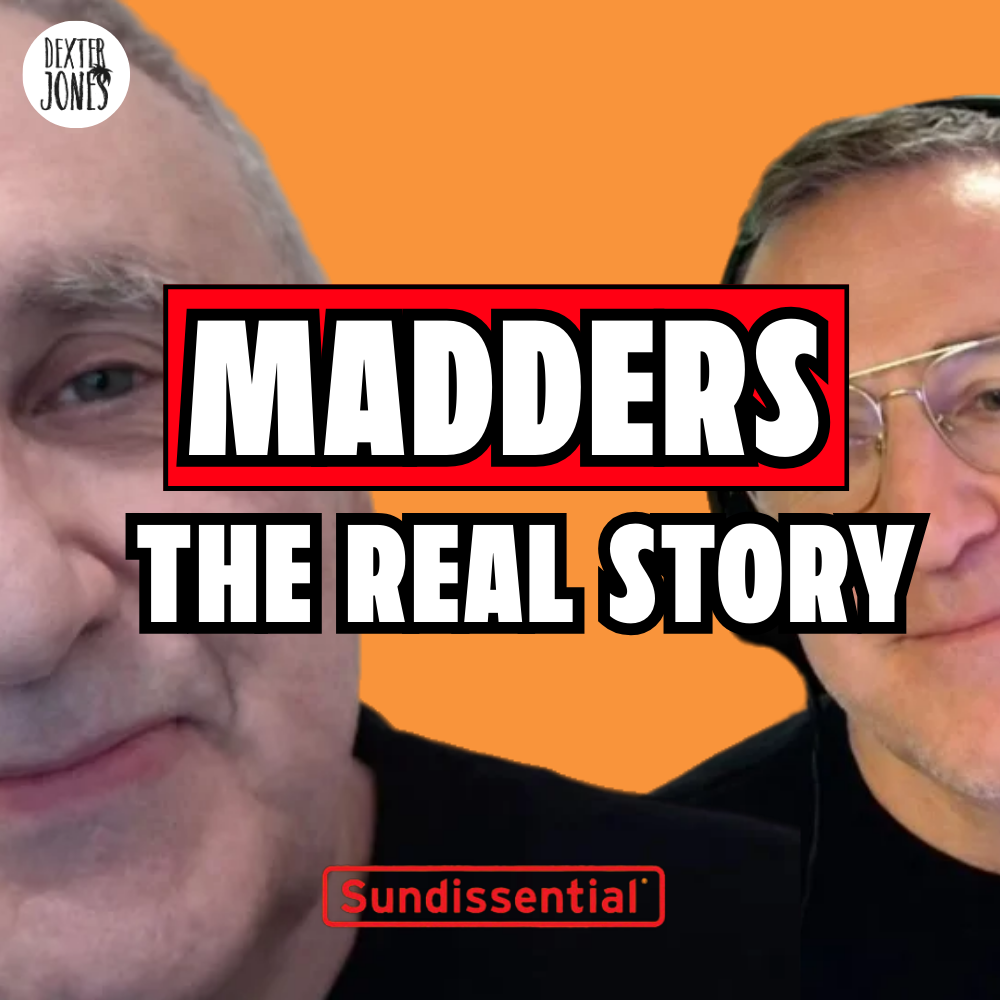 Paul "Madders" Madan on Sundissential, Addiction and Recovery | This episode of the Dexter Jones Podcast tells the real story of Paul Madan AKA "Madders", who is one of the defining figures behind Sundissential and UK club culture. It’s an honest, unfiltered conversation about success, addiction, collapse, and recovery. From the height of clubland to a twenty-year battle with crack cocaine, this episode goes beyond dance music into accountability, survival, and rebuilding a life. This is one of the most important conversations we’ve ever recorded on the Dexter Jones Podcast. This is not a nostalgia piece. It’s a raw, human conversation about success, excess, addiction, collapse, recovery, and the long road back to finding meaning again. From the rise of Sundissential and packed-out clubs to a twenty-year battle with crack cocaine, losing everything, finally finding recovery and his true purpose in life, this episode goes far beyond dance music. It’s about accountability, survival, and choosing to face life head-on. This episode is dedicated to everyone around the world living with any version of addiction, and to those in recovery who choose courage, honesty, and hope every single day. In this episode, we cover: 📖 The real story behind Sundissential and its impact🤯 The pressure, chaos, and reality behind the scenes🤧 Addiction, denial, and hitting rock bottom😢 Losing everything and starting again▵ Recovery, responsibility, and life today🥰 What survival actually looks like when the noise stops ---Chapters 📖 00:00 Intro | The Real Story Begins04:08 Why He’s Always Been Called “Madders”06:13 The Rumour That Madders Was Dead10:14 Addiction Tightens Its Grip25:53 Promoting the First Events | Early Clubland Days37:32 How His Mum Invented the Name Sundissential44:53 Sundissential Grows to 100,000 Members57:51 Five Thousand People Turn Up to One Club01:05:00 Sundissential Becomes a Superclub Brand01:27:56 Club Deaths, Media Pressure, and Everything Falling Apart --- THE WELLBOURNE CLINICA huge thank you to Paul and the team at The WellBOURNE Clinic for the vital work they do supporting people affected by addiction and recovery. If you’d like to learn more about their approach and the support they offer, please visit their website: https://thewellbourneclinic.co.uk/ | 1h 32m 38s | ||||||
| 2/1/26 |  Saytek on Live Techno vs DJing | Live performance in electronic music is widely misunderstood.In this episode, Saytek explains what playing live actually means and why it is fundamentally different from DJing. Saytek has never DJed. Every performance is built, arranged, and performed live in real time. Nothing is pre-arranged, nothing is duplicated, and no two sets are ever the same. He has been part of electronic music culture for decades, from early UK rave and squat parties to international touring, Berlin clubs, Ibiza seasons, and headlining techno rooms around the world. His background in sound engineering and deep technical understanding shaped a live performance approach that prioritises creativity, risk, and connection with the crowd. In this conversation, we break down the realities of live techno performance. We talk honestly about gear, Ableton, hardware myths, Berlin vs UK culture, why live acts are rarer than DJs, the sacrifices involved, and how electronic musicians actually think while performing. This is not a DJ debate.It’s an explanation. Topics include: • Why Saytek has never DJed• What live techno performance really involves• Hardware, Ableton, and the myth of “cheating”• Sound engineering roots and early London club culture• Squat parties, illegal raves, and DIY scenes• Berlin vs UK techno culture• What defines an electronic musician• AI, creativity, and human imperfection• Gear Acquisition Syndrome and why more gear isn’t the answer ⏱️ PODCAST CHAPTERS 00:00 – Saytek: “I’ve Never DJed”04:27 – What Is Techno (and Why Live Matters)10:56 – Live Techno Gear Explained12:52 – Ableton Live: Tool or Cheat?19:06 – How Saytek Got Into Live Performance26:08 – London, Club Home & Sound Engineering Roots32:19 – Squat Parties & Illegal Raves in London35:53 – Berlin vs UK: Techno Culture Explained45:02 – What Is an Electronic Musician (Not a DJ)54:27 – AI, Creativity & the Future of Electronic Music01:08:44 – Gear Acquisition Syndrome (GAS) Explained If you’re a DJ, live act, producer, promoter, or someone interested in how electronic music is actually performed, this episode will give you real insight. | 1h 07m 48s | ||||||
| 1/25/26 |  Stephen Kirkwood on trading turntables for Pizza… and getting both! | Today, I sit down with one of the most respected and quietly influential figures in modern trance and electronic music, Stephen Kirkwood. Stephen’s story is not the usual DJ success narrative. This is a deep, honest conversation about creativity, resilience, graft, and finding multiple ways to survive and thrive in an industry that constantly shifts beneath your feet. If you know Stephen for his productions, his releases on major labels, or his appearances at iconic venues like Amnesia Ibiza, this episode reveals the layers behind the music. If you do not know his story yet, this is a rare opportunity to hear how a working-class kid from Scotland built a career in trance, production, education, and business by staying adaptable and relentlessly consistent. We talk about Stephen’s journey from early DJ gigs and self-promoted club nights to working with industry heavyweights, hearing his music played by legends like Paul van Dyk, and eventually playing after them on some of the biggest stages in dance music. One of the most surprising parts of this conversation is how Stephen built Banging Pizza, a now multi-location pizza business that became a genuine hub for the Scottish electronic music scene. What started as a lockdown pivot turned into a thriving brand, with shops run and franchised by DJs and producers from the scene itself. It is a perfect example of creative thinking outside the booth. We go deep into music production, the reality of putting in 10,000 hours, why most tracks fail before one finally works, and how mentorship from figures like Lange, Mark Sherry and David Forbes shaped Stephen’s sound and mindset. Stephen also opens up about teaching the next generation through Escapade Studios and why education and community matter more than ever in today’s music industry. This episode also explores:• The pressure of playing after global trance legends• Law of attraction, manifestation, and belief• Why consistency beats perfection in music careers• The truth about ghost production vs collaboration• Using AI as a creative tool in modern production• Social media, micro-communities, and the 1,000 true fans principle• Why trance is experiencing a genuine resurgence• How Ibiza performances change an artist forever We also talk candidly about rejection, releases falling through at the last minute, managing expectations, and how to stay mentally grounded in an industry built on highs and lows. This is not just an interview for DJs. It is a conversation for any creative, entrepreneur, or artist trying to build something meaningful while navigating pressure, comparison, and constant change. If you love Ibiza culture, trance music, electronic production, behind-the-scenes industry stories, or real conversations about creativity and survival in music, this episode will resonate deeply. Do not forget to subscribe for more long-form conversations with DJs, producers, promoters, and the people who built the culture from the inside out. Chapters: 00:00 Intro – Stephen Kirkwood: Trance, Ibiza & Creative Survival03:15 When Covid Stopped Music and Forced a Pivot07:31 Growing Up in Scotland: Where Music First Entered His Life09:35 Starting a Local Club Night and Promoting Parties14:27 SKcapade Studios: Teaching Producers and Giving Back17:32 The 10,000-Hour Truth About Music Production22:52 Ibiza, Law of Attraction and Manifesting Big Moments25:03 Lange, Mentorship and Real Industry Friendships40:25 The First Time Hearing His Music Played by the Legends45:40 Social Media, DJs and Building a Real Audience50:28 Why 1,000 True Fans Beats Huge Follower Counts55:44 Playing After Paul van Dyk and Going “Cloud Nine”59:28 AI in Music Production: Tool or Threat?01:12:15 One More Tune: The Perfect Last Track of the Night | 1h 15m 26s | ||||||
| 1/18/26 |  Habs Akram on Carl Cox saying “Best visuals I’ve ever seen” | In this episode of The Dexter Jones Podcast, Dexter Jones sits down with Habs Akram, a pioneering VJ, visual artist, and live visual mixer who has helped shape how electronic music events, clubs, and festivals look for over 35 years. Working alongside some of the biggest names in dance music, including Carl Cox, Habs has played a key role in bringing club visuals, live video mixing, and stage visuals into global electronic music culture, from underground London parties to Ibiza superclubs, Glastonbury, and world tours. Often mistaken for “the lighting guy”, Habs explains what a VJ actually does, why visuals matter on the dance floor, and how live visual mixing can completely change the way music is experienced in clubs and festivals. We dive into: 🔥 The moment Carl Cox told Habs: “Best visuals I’ve ever seen”🎥 Why VJs are still misunderstood and undervalued in club culture🌍 Touring the world with Nine Inch Nails and creating visuals used as lighting🎬 How Habs’ work ended up in AI: Artificial Intelligence, directed by Steven Spielberg🎪 The infamous Glastonbury “blag” that led to running the Pyramid Stage🧠 Mixing visuals live, in real time, not pressing play📱 The decade-long journey to building V4M, a live visual app that fits in your pocket🎶 Why visuals should respond to music, not overpower it🖤 The art of restraint, blackouts, and understanding the shape of sound This episode is not just about visuals. It’s about timing, instinct, creativity, and what it really means to bring music to life on a dance floor. If you’ve ever wondered how iconic nights actually come together behind the scenes, this one’s for you. Chapters: 00:00 Why I wanted Habs Akram on the podcast (VJ & visual pioneer)02:14 VJ vs lighting engineer – what a VJ really does03:01 How live visual mixing actually works in clubs and festivals03:30 West London roots, early rave culture & clubbing history04:01 Turning up to Slinky in a suit – learning the rave scene06:53 From corporate AV to underground dance music visuals07:51 The visual idea that was ahead of its time10:02 Nine Inch Nails tour, Spielberg & breaking into world tours25:38 Carl Cox’s compliment: “Best visuals I’ve ever seen”28:40 Why Habs doesn’t rate AI visuals in dance music50:28 V4M app explained – live visuals from your phone1:05:15 Space Ibiza years & the golden era of club culture1:14:00 The secret sauce: blackouts, timing & reading the drop1:22:18 Last tune to end the night – closing moments --- Download the V4M APP www. https://visuals4music.com/ Info: https://www.facebook.com/Habsy.Akram | 1h 24m 24s | ||||||
| 1/11/26 |  Jason Fubar on why the system is broken and dance music Is harder than ever | The System Is Broken: Why Dance Music Is Harder Than Ever | Jason FUBAR In this episode of The Dexter Jones Podcast, I sit down with Jason FUBAR, a long-time DJ, promoter, and rave scene grafter who has lived every era of dance music culture first-hand. Jason has been part of the scene for over 35 years. From the early rave days in Blackpool to superclubs, festivals, bars, the Royal Navy, Ibiza, Mallorca, and booking future superstars before they were even known, he’s seen the industry evolve from the inside. This conversation is a reality check on why dance music feels broken right now. We talk honestly about rising costs and shrinking margins, exclusivity deals, micro-venues versus mega clubs, and why promoters are being squeezed harder than ever. Jason also shares stories from running bars and festivals, touring internationally, and witnessing UK rave culture being built from the ground up. This is not nostalgia for nostalgia’s sake.It’s about the current reality, what has changed, and what still makes dance music special after 30+ years. 🎧 Take your time with this one. We talk about: ■ Why it now costs more to make less money in dance music■ Rising overheads, ticket pricing, and the real pressure promoters face■ How exclusivity deals are damaging local scenes■ Why small 200–300 capacity parties are making a comeback■ Social media, trolling, and the abuse aimed at DJs and promoters■ DJ culture then vs now, and why the scene feels different■ Ibiza, BCM Mallorca, and the Balearic circuit■ The Syndicate Blackpool and the superclub era■ Why originality in music is disappearing■ What still makes dance music worth fighting for Chapters: 00:00 The System Is Broken: Why Dance Music Is Harder Than Ever08:23 You Used to Spend a Quid to Make a Tenner13:25 Starting Out DJing in the Early Rave Era (1991)24:14 Joining the Royal Navy While DJing33:29 English Drinking Culture and Festival Spending Power38:25 Back to the Old Pool Festival: Risks, Costs and Crowd Control51:24 Trolling on Social Media: Abuse, Misogyny and Promoter Hate01:03:09 The Syndicate Superclub, Blackpool (5,000 Capacity Era)01:18:37 BCM Mallorca and Breaking Into the Balearic Scene01:29:46 How Early Facebook Changed Ibiza Forever01:32:19 Music Production Today: Remixes, Samples and Industry Laziness01:40:36 One More Tune: Final Track Choices and Podcast Wrap-Up ----more---- For guest invitations, sponsorship proposals, and collaboration enquiries, please contact Dexter: rave@onemoretimeibiza.com | 1h 46m 38s | ||||||
Showing 25 of 70
Pitch Fit is a Pro feature
See how bookable this show is for guests, which brands already advertise, the per-episode ad value, and the best-fit guest and sponsor profile. The numbers are blurred on the free plan.
How readily this show books outside guests like you.
How proven this show is for host-read sponsorships.
For Guests
ProFor Advertisers
ProUpgrade to Pro to unlock guest cadence, sponsor categories, fit scores, and per-episode ad value for this show.
Chart Positions
4 placements across 4 markets.
Chart Positions
4 placements across 4 markets.