
Insights from recent episode analysis
Audience Interest
Podcast Focus
Publishing Consistency
Platform Reach
Insights are generated by CastFox AI using publicly available data, episode content, and proprietary models.
Total monthly reach
Estimated from 6 chart positions in 6 markets.
By chart position
- 🇵🇭PH · Medicine#2110K to 30K
- 🇨🇿CZ · Medicine#4710K to 30K
- 🇳🇿NZ · Medicine#5010K to 30K
- 🇩🇰DK · Medicine#573K to 10K
- 🇨🇭CH · Medicine#182500 to 3K
- Per-Episode Audience
Est. listeners per new episode within ~30 days
10K to 32K🎙 Daily cadence·23 episodes·Last published 6d ago - Monthly Reach
Unique listeners across all episodes (30 days)
34K to 106K🇵🇭28%🇨🇿28%🇳🇿28%+3 more - Active Followers
Loyal subscribers who consistently listen
14K to 42K
Market Insights
Platform Distribution
Reach across major podcast platforms, updated hourly
Total Followers
—
Total Plays
—
Total Reviews
—
* Data sourced directly from platform APIs and aggregated hourly across all major podcast directories.
On the show
Recent episodes
Red Light Therapy for Eyes Review: Can It Improve Vision or Damage Your Retina?
May 27, 2026
Unknown duration
My Concussion Story | What I Learned About Brain Injury, Vision Problems & Recovery with Dr. Jacqueline Theis
May 20, 2026
Unknown duration
Eye Surgery Recovery Mistakes That Can Ruin Your Results (LASIK, PRK, ICL & Cataract Surgery Tips)
May 13, 2026
Unknown duration
Optimizing Eye Health Before LASIK, PRK & Cataract Surgery
May 6, 2026
Unknown duration
Best Eye Allergy Relief at Home: Fix Red, Itchy, Watery Eyes Fast
Apr 29, 2026
Unknown duration
Social Links & Contact
Official channels & resources
Official Website
Login
RSS Feed
Login
| Date | Episode | Description | Length | ||||||
|---|---|---|---|---|---|---|---|---|---|
| 5/27/26 |  Red Light Therapy for Eyes Review: Can It Improve Vision or Damage Your Retina? | Can red light therapy actually improve your vision?Can red light therapy actually improve your vision? Optometrist Dr. Joseph Allen breaks down the latest research on red light therapy, photobiomodulation, macular degeneration, dry eye disease, diabetic retinopathy, and myopia control. Learn how red light affects retinal health, inflammation, mitochondria, and eye safety, plus the major risks of using unregulated LED devices at home. If you’ve been curious about infrared light therapy, vision improvement, or eye wellness trends, this episode is a must-listen.What You Will Learn✅ How red light therapy works inside the cells and mitochondria✅ Why photobiomodulation may help macular degeneration and diabetic retinopathy✅ How red light therapy could improve dry eye disease and eyelid inflammation✅ The emerging research on slowing myopia progression in children✅ Why wavelength, power density, and dosage matter for eye safety✅ The risks of using unregulated red light therapy devices online✅ What doctors are currently using in clinical settings for retinal conditions👉 Like the podcast? Stay updated with the latest eye health tips, treatments, and expert advice by signing up for the newsletter at Dr. Eye Health👉Red Light Research https://www.doctoreyehealth.com/red-light-referencesTimestamps00:00 Red light therapy for eye health explained02:05 How photobiomodulation affects mitochondria and inflammation04:18 Red light therapy for macular degeneration and retinal disease06:30 Can red light therapy help diabetic eye disease?07:20 Red light therapy for dry eye disease and chalazions08:10 Research on slowing childhood myopia progression09:50 Wavelengths, power density, and retinal response11:05 The biggest safety concerns with red light therapy devices13:10 Professional vs at-home red light therapy treatments14:05 Previous interview with ophthalmologist Dr. Robert DodsonKey TakeawaysRed light therapy may help improve retinal function and visual acuity in some eye diseasesFDA-approved light therapy devices for macular degeneration are now entering the marketResearch suggests benefits for dry eye disease, inflammation, and diabetic retinal swellingSafety concerns remain, especially with online LED devices lacking regulationProfessional supervision is important before trying any red light therapy for vision🎧 Learn more about red light therapy for eye health, dry eyes, and retinal treatment Red Light Therapy: Eye Health Miracle? https://youtu.be/jnbGuZIPljs?si=AWs8w-XcNMvurw3_ Red Light Therapy Eye Treatment Explained: What Actually Works? | Dr. Robert Dotsonhttps://youtu.be/LJsCmeDi0fU?si=33IVy7NPInrJ0LeORed Light Therapy for Dry Eyes https://youtu.be/eTB6RGYQbTI?si=4HBrWZaiYzucOlLC Resources & LinksWebsite: Doctor Eye Health https://www.doctoreyehealth.com/YouTube: Doctor Eye Health https://www.youtube.com/@DoctorEyeHealthInstagram: @doctoreyehealth https://www.instagram.com/doctoreyehealthTikTok: Doctor Eye Health https://www.tiktok.com/@doctoreyehealthFacebook: Doctor Eye Health https://www.facebook.com/DoctorEyeHealthLinkedIn: Dr. Joseph Allen https://www.linkedin.com/red light therapy, photobiomodulation, eye health, macular degeneration, diabetic retinopathy, dry eye treatment, myopia control, red light therapy eyes, retinal health, infrared light therapy, diabetic macular edema, vision improvement, eye doctor podcast, optometry podcast, mitochondrial health, retinal disease treatment, low level light therapy, eye inflammation, pediatric myopia, eye wellness | — | ||||||
| 5/20/26 |  My Concussion Story | What I Learned About Brain Injury, Vision Problems & Recovery with Dr. Jacqueline Theis | One snowboard crash changed everything. After suffering a concussion while snowboarding in Canada, Dr. Joseph Allen shares the emotional and physical reality of concussion recovery, traumatic brain injury, memory loss, and vision problems after concussion on this episode of the Doctor Eye Health podcast. Joined by neuro-optometrist Dr. Jacqueline Theis, they break down post-traumatic amnesia, brain injury rehabilitation, and how modern concussion treatment has evolved beyond simply resting in a dark room.What You Will Learn✅ How concussion symptoms can appear without headaches or dizziness✅ Why vision problems are common after traumatic brain injuries✅ How memory loss and post-traumatic amnesia affect recovery✅ Why active rehabilitation improves concussion recovery outcomes👉 Like the podcast? Stay updated with the latest eye health tips, treatments, and expert advice by signing up for the newsletter here: https://www.doctoreyehealth.com/Key Timestamps(00:00) Dr. Joseph Allen shares his snowboarding concussion story in Canada(01:11) Dr. Jacqueline Theis explains her experience treating concussion patients(03:06) The Snowboarding Accident in Canada and the missing memory gap begins(06:41) Early Signs of Concussion and Memory Loss(09:24) Hidden Concussion Symptoms and ER Decision(12:21) Post-Traumatic Amnesia and Anxiety After Brain Injury(15:27) Inside the Quebec ER Experience(18:30) Modern Concussion Recovery and Brain Injury Rehab(21:26) Exercise, Whiplash Recovery, and Vision Rehabilitation(25:00) Why Concussion Symptoms Can Last for Years(26:24) The Importance of Multidisciplinary Concussion CareKey Takeaways🔹 Concussions can happen even without obvious symptoms🔹 Vision dysfunction is common after brain injuries🔹 Recovery approaches for concussion have changed dramatically🔹 Patients can still improve years after a concussionWant More from Dr Eye Health? Check out these Videos:Are Your Migraines a Warning Sign? Migraine Aura, Triggers, and Treatments Explained https://youtu.be/dBtj8-ITb8M?si=JlsQMZI5Y3ihyr9XWhat causes PHOTOPHOBIA (light sensitivity) and how to fix it https://youtu.be/ikQUUoyyZIY?si=NDUnBco69meOhWQ9🎧 Enjoyed this episode? Don’t forget to hit subscribe so you never miss an episode of the Doctor Eye Health podcast! Coming soon: Vision Issues After Concussion 👀🧠About Dr. Jacqueline TheisDr. Jacqueline Theis is a neuro-optometrist specializing in concussion rehabilitation, traumatic brain injury vision therapy, and neurological vision disorders. She completed her optometry training and neuro-optometric residency at University of California, Berkeley and has spent over a decade working alongside leading brain injury physicians, neurologists, and rehabilitation specialists helping patients recover from concussion-related vision dysfunction and neurological symptoms.LinkedIn: https://www.linkedin.com/in/jacqueline-theis-od-faao/Resources & LinksWebsite: Doctor Eye Health https://www.doctoreyehealth.com/YouTube: Doctor Eye Health https://www.youtube.com/@DoctorEyeHealthInstagram: @doctoreyehealth https://www.instagram.com/doctoreyehealthTikTok: Doctor Eye Health https://www.tiktok.com/@doctoreyehealthFacebook: Doctor Eye Health https://www.facebook.com/DoctorEyeHealthLinkedIn: Dr. Joseph Allen https://www.linkedin.com/DISCLAIMER:This video is for educational purposes only and does not provide medical advice. Watching this content does not establish a doctor-patient relationship. Always consult your physician or eye care professional regarding any medical condition or treatment decisions. All content and information is for general information purposes only and does not replace a consultation with your own doctor or health professional. In addition, some of the links in this post may be affiliate links, meaning, at no cost to you, I will earn a small commission if you click through and make a purchase.concussion recovery, concussion symptoms, traumatic brain injury, vision problems after concussion, concussion rehabilitation, post traumatic amnesia, neuro optometry, brain injury recovery, concussion treatment, snowboarding concussion, head injury recovery, vision therapy, traumatic brain injury recovery, concussion podcast, Dr Joseph Allen, Dr Jacqueline Theis, neuro optometrist, eye health podcast, brain injury rehabilitation, concussion vision problems | — | ||||||
| 5/13/26 |  Eye Surgery Recovery Mistakes That Can Ruin Your Results (LASIK, PRK, ICL & Cataract Surgery Tips) | Thinking about LASIK, PRK, ICL, or cataract surgery? The biggest risk to your vision isn’t the procedure, it’s what you do after. Learn the most common eye surgery recovery mistakes, how to prevent dry eye after surgery, and the exact steps to protect your vision and healing for the best possible outcome.Eye surgery recovery can make or break your results. Whether you’re preparing for LASIK, PRK, SMILE, ICL, or cataract surgery, knowing what to avoid is just as important as the procedure itself.On the Dr. Eye Health Podcast, Dr. Joseph Allen shares the most common mistakes patients make after eye surgery and how to optimize healing for better vision outcomes.From skipping post-operative eye drops to ignoring dry eye symptoms, missing follow-up appointments, and even rubbing your eyes too soon, these small mistakes can lead to complications, discomfort, and long-term vision issues.You’ll also learn practical, research-backed tips to support your recovery, reduce inflammation, and protect your eyes after surgery so you can heal faster and see clearly.In This Episode You Will Learn✅ The biggest mistakes people make after LASIK, PRK, and cataract surgery✅ How to prevent dry eye after eye surgery✅ Why post-operative eye drops are critical for healing✅ The best habits to protect your vision and avoid complicationsGet the references for this episode: https://doctoreyehealth.com/eye-surgery-referencesTimestamps 00:00 Eye surgery recovery mistakes that affect vision outcomes01:56 Why skipping post-op eye drops can cause complications03:29 How to prevent dry eye after LASIK or cataract surgery05:52 Why follow-up appointments are critical after eye surgery07:48 Risks of rubbing your eyes after surgery10:25 Eyelid hygiene and reducing dry eye symptoms post-surgery12:14 Activity restrictions after eye surgery (swimming, lifting, flying)14:05 Why sunglasses and UV protection speed healing15:31 Sleep and recovery for optimal eye healing17:01 Managing expectations after LASIK, PRK, or cataract surgeryKey Takeaways🔹 Skipping prescribed eye drops can lead to inflammation and serious complications🔹 Dry eye after surgery is common and requires consistent use of artificial tears🔹 Follow-up appointments help detect issues you may not feel or see🔹 Protecting your eyes from rubbing, bacteria, and UV exposure is critical for healingWant to go deeper into eye surgery prep, dry eye treatment, and recovery? Explore these related episodes from the Dr. Eye Health Podcast hosted by Dr. Joseph Allen:CRAZY Eye Side Effects! 10 Common Medications you didn't know affects your eyes: https://youtu.be/oXkvSUlwfss?si=6nc20_cya6hqIFMH7 PROVEN Treatments for Dry Eyes After LASIK Eye Surgery https://www.youtube.com/live/5dAzMEXJZks?si=1vRsLBDlm1uUihYG5 WORST Eye Surgery Mistakes! https://youtu.be/r9pOl15NQ0E?si=dQJSy8UP9VN2-swGResources & LinksWebsite: Doctor Eye Health https://www.doctoreyehealth.com/YouTube: Doctor Eye Health https://www.youtube.com/@DoctorEyeHealthInstagram: @doctoreyehealth https://www.instagram.com/doctoreyehealthTikTok: Doctor Eye Health https://www.tiktok.com/@doctoreyehealthFacebook: Doctor Eye Health https://www.facebook.com/DoctorEyeHealthLinkedIn: Dr. Joseph Allen https://www.linkedin.com/DISCLAIMER:This video is for educational purposes only and does not provide medical advice. Watching this content does not establish a doctor-patient relationship. Always consult your physician or eye care professional regarding any medical condition or treatment decisions. All content and information is for general information purposes only and does not replace a consultation with your own doctor or health professional. In addition, some of the links in this post may be affiliate links, meaning, at no cost to you, I will earn a small commission if you click through and make a purchase.Guest BioDr. Joseph Allen is a practicing optometrist and the creator of Dr. Eye Health, a leading platform focused on eye care education, vision health, and helping patients make informed decisions about procedures like LASIK, PRK, and cataract surgery. | — | ||||||
| 5/6/26 |  Optimizing Eye Health Before LASIK, PRK & Cataract Surgery | Preparing for eye surgery isn’t just about the procedure, it’s about optimizing your eye health, tear film, and recovery before you ever step into the clinic. Whether you're considering LASIK, PRK, cataract surgery, or ICL, the steps you take before surgery can directly impact your results, healing time, and risk of dry eye complications.On the Dr. Eye Health Podcast, Dr. Joseph Allen breaks down the exact pre-surgery protocol he personally followed before his own ICL procedure. From eyelid hygiene and tear film optimization to supplements and lifestyle habits, this episode gives you a complete, research-backed guide to preparing your eyes for surgery.In This Episode You Will Learn✅ How to prepare your eyes before LASIK, PRK, cataract, or ICL surgery✅ Why eyelid hygiene and warm compresses improve surgical outcomes✅ How to optimize your tear film and reduce dry eye risk✅ The best supplements and habits to support healing and recoveryCheck out the eye surgery references here -https://doctoreyehealth.com/eye-surgery-referencesTimestamps00:00 Eye surgery preparation overview and why it matters02:15 Eyelid hygiene routine before eye surgery04:03 Warm compress benefits for dry eye and gland health05:26 How tear film affects surgical accuracy and healing06:21 When to stop wearing contact lenses before surgery07:12 Best artificial tears and how often to use them09:55 Prescription treatments for dry eye before surgery12:14 Supplements that support eye health and recovery15:36 Sleep, nutrition, and healing optimization tips16:48 Final thoughts and post-surgery prep previewKey Takeaways🔹 Preparing your eyes before surgery can improve accuracy, healing, and outcomes🔹 Eyelid hygiene and warm compresses support gland function and tear stability🔹 Dry eye treatment before surgery is critical, even if symptoms are mild🔹 Lifestyle habits like sleep, hydration, and nutrition directly impact recoveryRelated Episodes & ResourcesWant to go deeper into eye surgery prep, dry eye treatment, and recovery? Explore these related episodes from the Dr. Eye Health Podcast hosted by Dr. Joseph Allen:Having Eye Surgery? Do This First https://youtu.be/h5Hej-IL_0Q?si=D-kXRrcKcdTlMIatDoes LASIK Eye Surgery Wear Off With Time? https://youtu.be/m1toi6ZjsLI?si=o1jaT8MPBDwqxeKwLASIK Eye Surgery: The Good the Bad and the Ugly,https://www.youtube.com/live/nFB89TCUfik?si=-IeyIFl0UD2k1iWjShould You Get SMILE, LASIK, or PRK Eye Surgery?https://youtu.be/acowAvor738?si=WAXq4ntXhBlQZQnPGuest BioDr. Joseph Allen is a Doctor of Optometry and founder of the Dr. Eye Health Podcast. He specializes in eye health education, dry eye management, and vision care, helping patients better understand how to protect and optimize their vision through research-backed strategies.Resources & LinksWebsite: Doctor Eye Health https://www.doctoreyehealth.com/YouTube: Doctor Eye Health https://www.youtube.com/@DoctorEyeHealthInstagram: @doctoreyehealth https://www.instagram.com/doctoreyehealthTikTok: Doctor Eye Health https://www.tiktok.com/@doctoreyehealthFacebook: Doctor Eye Health https://www.facebook.com/DoctorEyeHealthLinkedIn: Dr. Joseph Allen https://www.linkedin.com/DISCLAIMER:This video is for educational purposes only and does not provide medical advice. Watching this content does not establish a doctor-patient relationship. Always consult your physician or eye care professional regarding any medical condition or treatment decisions. All content and information is for general information purposes only and does not replace a consultation with your own doctor or health professional. In addition, some of the links in this post may be affiliate links, meaning, at no cost to you, I will earn a small commission if you click through and make a purchase.eye surgery preparation, LASIK preparation, PRK surgery tips, cataract surgery prep, ICL surgery recovery, dry eye treatment before surgery, tear film optimization, eyelid hygiene, omega 3 eye health, eye health podcast | — | ||||||
| 4/29/26 |  Best Eye Allergy Relief at Home: Fix Red, Itchy, Watery Eyes Fast | Struggling with red, itchy eyes, watery irritation, or puffy eyelids? Eye allergies can seriously mess with your day and even stop you from wearing contact lenses. The good news is there are simple, effective at-home remedies and over-the-counter solutions that can calm symptoms fast and help protect your eyes long term.Eye allergies are more common than most people realize, and they don’t just affect people who think they have allergies. In this episode, we break down exactly what causes eye allergy symptoms, how eye doctors diagnose them, and the best ways to treat red, itchy, and irritated eyes at home.From powerful over-the-counter antihistamine drops to preservative-free lubricating solutions and simple home remedies like cold compresses, you’ll learn how to reduce inflammation, soothe irritation, and prevent future flare-ups.If you’ve been dealing with dry, red, or uncomfortable eyes, this episode gives you clear, practical solutions you can start using right away.In This Episode You Will Learn✅ What actually causes red, itchy, watery eyes✅ The best over-the-counter eye drops for allergy relief✅ How to reduce eye inflammation without medication✅ Why some “get the red out” drops can make symptoms worse✅ Simple at-home remedies to calm irritation and swelling👉 Like the podcast? Stay updated with the latest eye health tips, treatments, and expert advice by signing up for the newsletter here: https://www.doctoreyehealth.com/👉Download the free Dry Eye Drop Guide - www.doctoreyehealth.com/eye-drop-downloadTimestamps00:00 Eye Allergy Symptoms: Red, Itchy, Watery Eyes01:41 Best Eye Drops for Eye Allergies (Antihistamine + Mast Cell Stabilizers)02:58 Over-the-Counter Allergy Drops: Cost & Accessibility03:14 Preservative-Free Eye Drops & Dry Eye Relief03:51 Oral Antihistamines & Dry Eye Side Effects04:18 Best Drops for Red Eyes (And What to Avoid)05:27 Why You Shouldn’t Mask Red Eyes Before an Eye Exam05:39 Eyelid Cleaning Wipes for Allergies06:08 Cold Compress for Eye Allergy Relief06:36 When to See an Eye Doctor for Eye Allergies07:22 Best Artificial Tears for Eye Irritation & DrynessWant to Learn More About Eye Drops? 👇If you’re still trying to figure out which eye drops are right for you or why your symptoms aren’t improving, check out these next videos:👉STOP Using the Wrong Eye Drops ! An Eye Doctor’s Guide to Dry Eye Dropshttps://youtu.be/DIac1PNQmBg👉 Why Do My Eyes Feel Worse After Eye Dropshttps://youtu.be/BsBxiQFx3oQ👉 5 Amazing Benefits of Manuka Honey Eye Dropshttps://youtu.be/cbxuLYLE28Q👉 The #1 Best Eye Drops for Itchy Eyes (Allergy Relief Guide)https://youtu.be/QYvhmQgQxyQDownload the free Dry Eye Drop Guide - www.doctoreyehealth.com/eye-drop-downloadKey Takeaways🔹 Eye allergies can affect people even without obvious allergy symptoms🔹 Antihistamine + mast cell stabilizer drops provide both fast and long-term relief🔹 Preservative-free eye drops are safer for frequent daily use🔹 Some redness drops can cause rebound redness and should be avoided🔹 Cold compresses can reduce swelling fast but should be limited to 10–15 minutesResources & LinksWebsite: Doctor Eye Health https://www.doctoreyehealth.com/YouTube: Doctor Eye Health https://www.youtube.com/@DoctorEyeHealthInstagram: @doctoreyehealth https://www.instagram.com/doctoreyehealthTikTok: Doctor Eye Health https://www.tiktok.com/@doctoreyehealthFacebook: Doctor Eye Health https://www.facebook.com/DoctorEyeHealthLinkedIn: Dr. Joseph Allen https://www.linkedin.com/DISCLAIMER:This video is for educational purposes only and does not provide medical advice. Watching this content does not establish a doctor-patient relationship. Always consult your physician or eye care professional regarding any medical condition or treatment decisions. All content and information is for general information purposes only and does not replace a consultation with your own doctor or health professional. In addition, some of the links in this post may be affiliate links, meaning, at no cost to you, I will earn a small commission if you click through and make a purchase.eye allergies, red itchy eyes relief, watery eyes treatment, eye allergy remedies, antihistamine eye drops, dry eye relief, puffy eyes treatment, eye irritation causes, allergy eye drops over the counter, eye care tips | — | ||||||
| 4/22/26 |  Omega-3 Fatty Acids Explained: EPA vs DHA, Testing, Dosing & Side Effects | Most people are taking omega-3 supplements wrong… and don’t even realize it.In this expert-led episode, omega-3 fatty acids are broken down simply covering EPA vs DHA, real omega-3 benefits, proper dosing, testing your omega-3 index, and the truth about side effects.Dr. Joseph Allen sits down with leading researcher Dr. Bill Harris to explain how omega-3 works in the body, how much EPA and DHA you actually need, and how to know if your fish oil supplement is effective.You’ll learn why most people are underdosing, how to choose the right omega-3 supplement, and how omega-3 supports heart health, brain function, inflammation, and eye health with clear, evidence-based guidance you can actually use.In This Episode You Will Learn✅ The difference between EPA, DHA, and plant-based omega-3✅ Why most people are taking omega-3 incorrectly✅ How omega-3 affects heart health, inflammation, and brain function✅ How to test your omega-3 levels with the Omega-3 Index✅ The truth about fish oil supplements, dosing, and absorptionIf you want to test the omega 3 numbers in your own blood (Before and after) Save 5% with OmegaQuant https://omegaquant.com/ref/533Timestamps(00:00) Omega-3 Basics Explained: What They Are & Why They Matter (03:12) Types of Fats: Saturated vs Omega-3 vs Omega-6 (06:39) EPA vs DHA vs ALA: Key Differences Explained (11:05) Omega-3 Benefits for Heart, Brain & Inflammation (17:37) Omega-3 and Eye Health: Retina, Vision & Macular Degeneration (19:22) Omega-3 Deficiency: Are Most People Low? (22:00) Omega-3 Index Test: How to Measure Your Levels (26:43) How to Read Fish Oil Labels (EPA & DHA Explained) (29:17) Best Omega-3 Dosage: How Much Do You Need? (31:02) Why Some Omega-3 Studies Fail (Dose & Duration Issues) (32:04) Fish Oil Forms: Triglyceride vs Ethyl Ester (40:01) EPA vs DHA Ratio: Does It Matter? (42:07) Omega-3 Safety: Side Effects, Bleeding & Risks (48:04) Omega-3 and Atrial Fibrillation Risk ExplainedKey Takeaways🔹 Most people are underdosing omega-3 or taking the wrong type of supplement🔹 EPA and DHA (marine omega-3s) provide the most proven health benefits, not plant-based ALA🔹 Omega-3 can lower triglycerides, reduce inflammation, and support heart and brain health🔹 The Omega-3 Index (8–12%) is the optimal range for long-term health outcomes🔹 Proper dosing and consistency matter more than the brand or ratio of EPA to DHAWatch more on omega-3, fish oil, and EPA vs DHA:👉I Took Omega 3 Fish Oil for 90 Days, Here’s What Happened: https://youtu.be/UyiQINLdjDk👉Best Omega 3 Fish Oil for Dry Eyes: https://youtu.be/UQfD2mdKAl0👉I Tried Vegan Omega 3 for 3 Months – Is It as Good as Fish Oil?: https://youtu.be/WhHCOVivP_kGuest BioWilliam S. Harris, PhD Founder & President of the Fatty Acid Research Institute & Founder, OmegaQuant Analytics Dr. Harris has been a leading researcher in the omega-3 fatty acid field for 40 years. He has over 360 scientific papers on fatty acids and health, the vast majority on omega-3. He has been on the faculty of three medical schools (Universities of Kansas, Missouri (at Kansas City), and South Dakota), and has received 5 NIH grants to study omega-3. He was the co-author on three AHA statements on fatty acids and heart health. As the co-inventor of the Omega-3 Index (and other omega-3 blood tests) and founder of OmegaQuant Analytics, Dr. Harris has been ranked among the top 2% of scientists worldwide based on the impact of his research.Website links:Fatty Acid Research Institute: www.fareinst.orgOmegaQuant Analytics: www.omegaquant.comSocial Media Links/Handles:Facebook: @Omega3IndexInstagram: @OmegaQuantYouTube: @OmegaQuantLabLinkedIn: @OmegaQuant-AnalyticsTwitter: @OmegaQuantTwitter: @FariOmega3LinkedIn: @FattyAcidResearchInstituteResources & LinksWebsite: Doctor Eye Health https://www.doctoreyehealth.com/YouTube: Doctor Eye Health https://www.youtube.com/@DoctorEyeHealthInstagram: @doctoreyehealth https://www.instagram.com/doctoreyehealthTikTok: Doctor Eye Health https://www.tiktok.com/@doctoreyehealthFacebook: Doctor Eye Health https://www.facebook.com/DoctorEyeHealthLinkedIn: Dr. Joseph Allen https://www.linkedin.com/DISCLAIMER:This video is for educational purposes only and does not provide medical advice. Watching this content does not establish a doctor-patient relationship. Always consult your physician or eye care professional regarding any medical condition or treatment decisions. All content and information is for general information purposes only and does not replace a consultation with your own doctor or health professional. In addition, some of the links in this post may be affiliate links, meaning, at no cost to you, I will earn a small commission if you click through and make a purchase.omega-3 fatty acids, EPA vs DHA, fish oil supplements, omega-3 benefits, omega-3 dosing, omega-3 index test, eye health nutrition, inflammation reduction, heart health supplements, omega-3 side effects | — | ||||||
| 4/15/26 |  Do Sunglasses Cause Skin Cancer? The Truth From an Eye Doctor | Do sunglasses cause skin cancer? Are sunglasses bad for your eyes or actually protecting you from UV damage? Eye doctor Dr. Joseph Allen breaks down the truth about sunglasses, UV light exposure, and skin cancer risk.With viral claims spreading online, this episode explains how UV radiation affects your eyes and skin, whether sunglasses block “beneficial” sunlight, and if sunglasses could increase your risk of skin cancer.Learn how UV exposure impacts eye health, vision, and long-term damage, including sunburn on the eye, photokeratitis, and skin cancer risks around the eyes.If you’ve ever wondered “are sunglasses bad for you?” or questioned UV protection, sunscreen, and eye health advice, this episode gives you the real, research-backed answers.Timestamps(00:00) Are Sunglasses Actually Bad for Your Eyes? (Hook)(01:10) Why Eye Doctors Recommend Sunglasses (UV Protection Explained)(03:31) Sunburn on the Eye: Photokeratitis & UV Damage(05:45) UV Light Risks: Cataracts, Skin Aging & Eye Growths(07:12) UVA vs UVB: What Actually Reaches Your Eyes(08:40) Why Kids Need More UV Protection Than Adults(10:20) Internet Claims: Do Sunglasses Cause More Harm?(11:08) New Research: UV Light Through the Eye & Body Effects(13:04) Can UV Exposure Improve Skin or Health? (Mouse Studies)(15:14) The Risks: UV Exposure Linked to Aging & Memory Issues(16:40) Why This Research Isn’t Proven in Humans Yet(18:00) Final Verdict: Should You Still Wear Sunglasses?👉 Like the podcast? Join our newsletter for more eye health tips and updates: https://www.doctoreyehealth.com/Key Takeaways🔹 Sunglasses are primarily recommended to protect your eyes from harmful UV radiation🔹 UV exposure can lead to eye damage, irritation, and increased risk of diseases like cataracts🔹 Some early research suggests UV light may trigger biological responses, but it’s not proven in humans🔹 Most evidence still strongly supports wearing sunglasses during peak UV hours🔹 Eye protection is especially important for children and high-exposure environments like snow or waterCheck out Why I ALWAYS Wear Sunglasses (why sunglasses are important): https://youtu.be/tIsd6ynG_OIAbout the HostDr. Joseph Allen is an optometrist and the creator of the Dr. Eye Health Podcast, where he educates listeners on vision care, eye health, and how to optimize overall wellness through better eye care practices.ResourcesReferences for this episode: https://doctor-eye-health.aweb.page/uv-light-research-accessWebsite: Doctor Eye Health https://www.doctoreyehealth.com/YouTube: Doctor Eye Health https://www.youtube.com/@DoctorEyeHealthInstagram: @doctoreyehealth https://www.instagram.com/doctoreyehealthTikTok: Doctor Eye Health https://www.tiktok.com/@doctoreyehealthFacebook: Doctor Eye Health https://www.facebook.com/DoctorEyeHealthLinkedIn: Dr. Joseph Allen https://www.linkedin.com/DISCLAIMER:This video is for educational purposes only and does not provide medical advice. Watching this content does not establish a doctor-patient relationship. Always consult your physician or eye care professional regarding any medical condition or treatment decisions. All content and information is for general information purposes only and does not replace a consultation with your own doctor or health professional. In addition, some of the links in this post may be affiliate links, meaning, at no cost to you, I will earn a small commission if you click through and make a purchase.sunglasses eye health, are sunglasses bad for your eyes, UV light eye damage, vision health tips, eye doctor advice, photokeratitis, UV protection eyes, cataracts risk UV, macular degeneration prevention, eye safety sunlight | — | ||||||
| 4/8/26 | 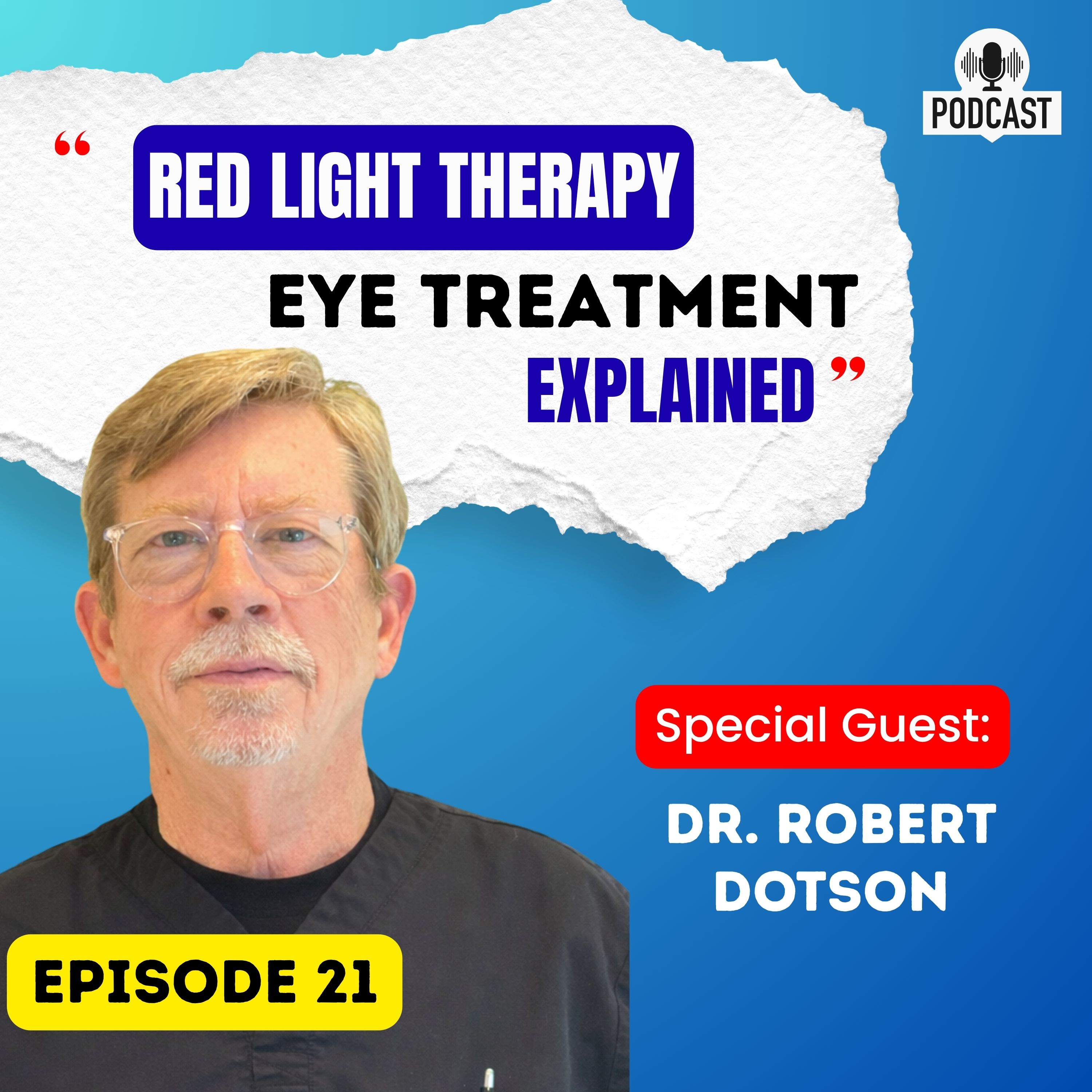 Red Light Therapy Eye Treatment Explained: What Actually Works? | Dr. Robert Dotson | Red light therapy for eye health is everywhere right now, but what’s real, what’s hype, and what actually works? Dr. Joseph Allen sits down with ophthalmologist Dr. Robert Dotson to break down the science behind photobiomodulation, red light therapy, and how it may impact conditions like dry eye, macular degeneration, and more.With over 40 years of experience and decades researching light-based treatments, Dr. Dotson shares what the research really says about wavelengths, safety, dosing, and the growing number of at-home devices entering the market.In This Episode, You Will Learn:✅ What red light therapy (photobiomodulation) actually is✅ How red and near-infrared light affect eye health at a cellular level✅ The role of mitochondria and ATP production in healing✅ Why wavelength, power, and dosage matter more than you think✅ The truth about at-home red light devices like Arun Light✅ Safety concerns when using light therapy around the eyes✅ How red light therapy may support macular degeneration and dry eyeCurious about red light therapy for your eyes? The Arunlight device is designed with clinically studied wavelengths to support eye health and mitochondrial function.Learn more about Arun Light here:👉 https://arunalight.com/Timestamps (00:00) Red Light Therapy for Eye Health: What Is It & Does It Work?(03:30) How Dr. Robert Dotson Discovered Photobiomodulation(06:18) Early Macular Degeneration Research & Vision Improvements(08:42) How Red Light Therapy Works at the Cellular Level(11:34) Mitochondria, ATP & Why Light May Boost Healing(14:07) Red vs Blue vs Infrared Light: What’s the Difference?(16:02) Why Combining Wavelengths May Be More Effective(19:22) The Right Dose: Power, Joules & Eye Safety Explained(21:35) Sunlight, UV Exposure & Natural Red Light Benefits(25:05) At-Home Red Light Devices: What Works & What to Avoid(31:30) Pulsing vs Continuous Light: Does It Make a Difference?(37:45) Eyes Open vs Closed: What’s Safer & More Effective?(44:10) FDA Devices vs Consumer Devices: Key Differences(50:30) Who Should (and Shouldn’t) Use Red Light TherapyKey Takeaways🔹 Red light therapy works at a cellular level, helping regulate inflammation and healing🔹 The right dose matters too little does nothing, too much can reduce benefits🔹 Not all devices are created equal many lack transparency around wavelength and power🔹 Light therapy may improve mitochondrial function and ATP production, boosting energy in cells🔹 Clinical devices using multiple wavelengths may be more effective than single-wavelength tools🔹 At-home devices can be helpful, but they are not a replacement for medical treatment🎥 Want to Learn More About Red Light Therapy?👉Red Light Therapy: Eye Health Miracle? https://youtu.be/jnbGuZIPljs👉Red Light Therapy for Dry Eyes https://youtu.be/eTB6RGYQbTI👉Red light research https://www.doctoreyehealth.com/red-light-referencesAbout the Guest: Dr. Robert DotsonDr. Robert Dotson is a highly experienced ophthalmologist with over 40 years in medical practice and more than 20 years focused on photobiomodulation research. He has played a key role in developing light-based therapies for eye conditions and has contributed to innovations in FDA-approved devices for macular degeneration.LinkedIn: Dr Robert Dotson- https://www.linkedin.com/in/robert-dotson-md-8b9a7711/Sponsor:This episode is sponsored by Arunlight, a red light therapy device designed specifically for eye health and daily wellness.If you’re looking for a simple, at-home option backed by research, you can learn more here:👉 https://arunalight.com/Use code DREYEHEALTH10% for 10% off your order.Resources:Website: Doctor Eye Health https://www.doctoreyehealth.com/YouTube: Doctor Eye Health https://www.youtube.com/@DoctorEyeHealthInstagram: @doctoreyehealth https://www.instagram.com/doctoreyehealthTikTok: Doctor Eye Health https://www.tiktok.com/@doctoreyehealthFacebook: Doctor Eye Health https://www.facebook.com/DoctorEyeHealthLinkedIn: Dr. Joseph Allen https://www.linkedin.com/DISCLAIMER:This video is for educational purposes only and does not provide medical advice. Watching this content does not establish a doctor-patient relationship. Always consult your physician or eye care professional regarding any medical condition or treatment decisions. All content and information is for general information purposes only and does not replace a consultation with your own doctor or health professional. In addition, some of the links in this post may be affiliate links, meaning, at no cost to you, I will earn a small commission if you click through and make a purchase.red light therapy, eye health, photobiomodulation, red light therapy eyes, macular degeneration treatment, dry eye treatment, vision health, low level light therapy, mitochondrial health, ATP production, eye care technology, red light therapy benefits, is red light therapy safe for eyes, red light therapy for macular degeneration, how red light therapy works, best red light device for eyes | — | ||||||
| 4/1/26 | 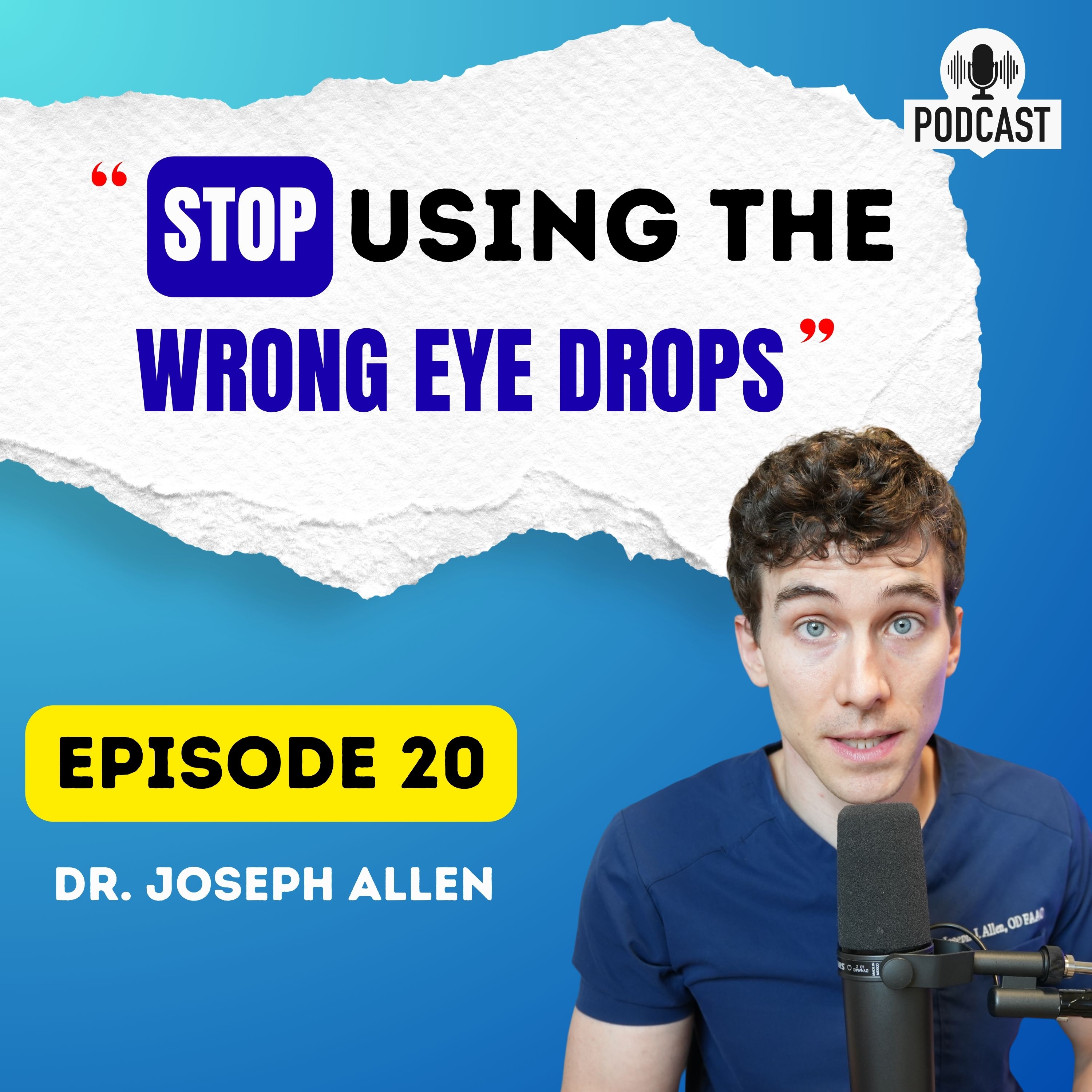 STOP Using the Wrong Eye Drops - An Eye Doctor’s Guide to Dry Eye Drops | Dry eyes won’t improve if you’re using the wrong artificial tears. Most people are making common dry eye mistakes that actually make symptoms worse. In this episode of the Dr. Eye Health Podcast, Dr. Joseph Allen breaks down how to choose the best eye drops for dry eyes, including preservative-free artificial tears, lipid vs aqueous drops, and key ingredients like hyaluronic acid. Learn how to treat dry eye symptoms, reduce eye irritation, and improve blurry vision with the right strategy. If you struggle with chronic dry eye, burning eyes, red eyes, or screen-related dryness, this episode will help you find real relief and protect your eye health long-term.In This Episode You Will Learn✅ Why preservative-free artificial tears are critical for eye health✅ The dangers of “get the red out” eye drops✅ How to match eye drops to your type of dry eye✅ Key ingredients to look for like hyaluronic acid and trehalose✅ Why consistency matters more than switching brands✅ When artificial tears can actually make dry eye worse✅ Why eye drops are only the first step in treating dry eye👉 Download the free Dry Eye Drop Guide -www.doctoreyehealth.com/eye-drop-downloadTimestamps(00:00) Dry Eyes Won’t Improve Until You Fix This(00:45) Tip 1: Go preservative-free eye drops(02:45) Tip 2: Avoid “get the red out” drops(04:10) Tip 3: There is no single best eye drop(05:15) Tip 4: Match the drop to your dry eye type(07:40) Tip 5: Key ingredients to look for(09:30) Tip 6: Why consistency is everything(12:30) Tip 7: Don’t rely only on symptoms(13:30) Tip 8: Use nighttime gel or ointment(14:35) Tip 9: Switch strategy, not just brands(15:20) Tip 10: Eye drops are not the full treatment(16:25) Final thoughts and next stepsWant to Learn More About Eye Drops? 👇If you’re still trying to figure out which eye drops are right for you or why your symptoms aren’t improving, check out these next videos:👉 Why Do My Eyes Feel Worse After Eye Dropshttps://youtu.be/BsBxiQFx3oQ👉 5 Amazing Benefits of Manuka Honey Eye Dropshttps://youtu.be/cbxuLYLE28Q👉 The #1 Best Eye Drops for Itchy Eyes (Allergy Relief Guide)https://youtu.be/QYvhmQgQxyQ🤩 Download the free Dry Eye Drop Guide -www.doctoreyehealth.com/eye-drop-downloadKey Takeaways🔷 Not all artificial tears are the same, choosing the right type matters🔷 Preservatives like BAK can worsen dry eye and damage the eye surface🔷 Dry eye is multifactorial, treatment must match the underlying cause🔷 Artificial tears help symptoms but don’t treat the root problemResources & LinksTFOS DEWS III: https://pubmed.ncbi.nlm.nih.gov/40467022/Ingredients; https://pmc.ncbi.nlm.nih.gov/articles/PMC8910031/Formulations: https://pubmed.ncbi.nlm.nih.gov/36769079/Evidence Based Guidance; https://pubmed.ncbi.nlm.nih.gov/33401019/Website: Doctor Eye Health https://www.doctoreyehealth.com/YouTube: Doctor Eye Health https://www.youtube.com/@DoctorEyeHealthInstagram: @doctoreyehealth https://www.instagram.com/doctoreyehealthTikTok: Doctor Eye Health https://www.tiktok.com/@doctoreyehealthFacebook: Doctor Eye Health https://www.facebook.com/DoctorEyeHealthLinkedIn: Dr. Joseph Allen https://www.linkedin.com/dry eyes, artificial tears, best eye drops for dry eyes, preservative free eye drops, dry eye treatment, eye health, blurry vision, eye irritation, lipid eye drops, aqueous dry eye, hyaluronic acid eye drops, eye doctor adviceDISCLAIMER:This video is for educational purposes only and does not provide medical advice. Watching this content does not establish a doctor-patient relationship. Always consult your physician or eye care professional regarding any medical condition or treatment decisions. All content and information is for general information purposes only and does not replace a consultation with your own doctor or health professional. In addition, some of the links in this post may be affiliate links, meaning, at no cost to you, I will earn a small commission if you click through and make a purchase. | — | ||||||
| 3/25/26 | 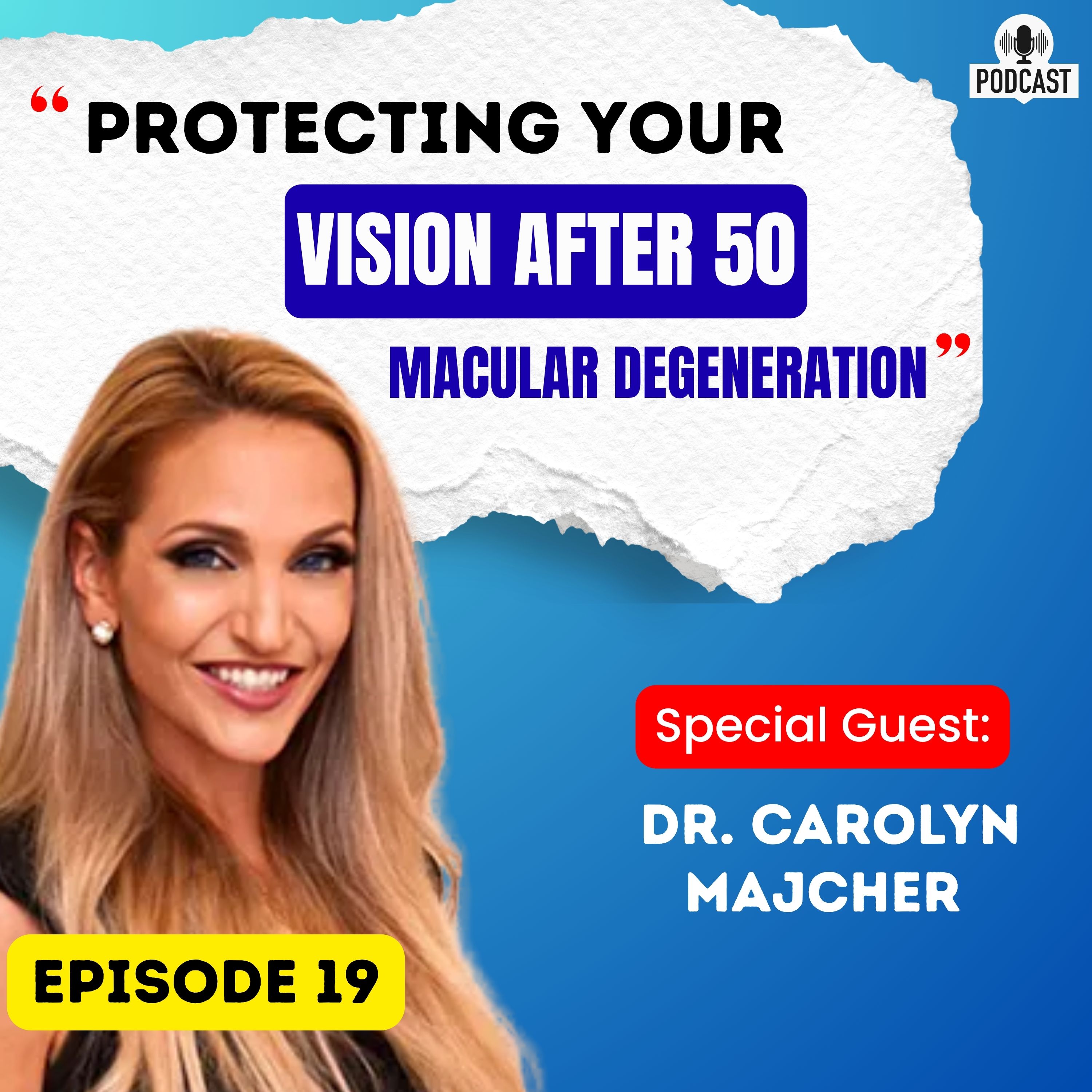 Protect Your Vision After 50: Macular Degeneration Explained + Early Warning Signs & Treatments | Macular degeneration is a leading cause of vision loss after age 50, but most people miss the early signs of macular degeneration until it’s too late. On the Dr. Eye Health Podcast, Dr. Joseph Allen is joined by retinal expert Dr. Carolyn Majcher to break down age-related macular degeneration (AMD), including symptoms, causes, and treatment options like anti-VEGF injections, OCT imaging, and red light therapy. Learn how to detect macular degeneration early, protect your central vision, and slow progression with lifestyle changes, nutrition, and modern eye care technology.In This Episode You Will Learn✅ What macular degeneration is and why it often goes undetected after age 50✅ Early warning signs like drusen, pigment changes, and vision loss✅ The difference between dry vs wet macular degeneration✅ How OCT imaging and advanced eye scans detect AMD early✅ Treatment options including anti-VEGF injections and new therapies✅ How lifestyle, diet, and smoking impact your risk of vision lossSubscribe to the Doctor Eye Health Podcast for trusted vision care education and expert insights that help you understand the powerful connection between lifestyle choices and your eye health.Timestamps(00:00) Protect Your Vision After 50: Macular Degeneration Explained (01:05) What is macular degeneration and who is at risk (03:10) Early signs including drusen and pigment changes (07:05) Dry vs wet macular degeneration explained (09:55) Vision loss symptoms and real patient impact (12:45) Advanced imaging like OCT and autofluorescence (15:05) Detecting wet macular degeneration early (20:50) Anti-VEGF injections and how they work (24:45) New treatments for geographic atrophy (30:55) Red light therapy and emerging treatments (38:10) Lifestyle changes to slow macular degeneration (43:50) Blue light vs UV light and eye health (47:05) Key advice for doctors and patientsWant more information on Macular Degeneration? Check out these videos 👇👉5 Natural Ways toPrevent and Treat Macular Degeneration: https://www.youtube.com/live/if-fytdsYoI?si=uZHFDp6tDfFbL3sv👉Dry VS Wet Macular Degeneration - Age Related Macular Degeneration (AMD) Explained: https://youtu.be/USIG_KjlvNs?si=-OL8c1qJYTW3UsCN👉Testing Macular Degeneration Symptoms - Dark Adaptometry with the AdaptDx Pro https://youtu.be/mR6d4QjN6KE?si=tKNQwTVn2w7u_fmxKey Takeaways🔷 Macular degeneration is a leading cause of blindness but often develops without early symptoms🔷 Early detection using OCT and imaging can preserve vision and prevent severe damage🔷 Wet macular degeneration requires urgent treatment with injections to stop vision loss🔷 Lifestyle choices like diet, smoking, and UV protection play a major role in progressionGuest BioDr. Carolyn Majcher, OD, FAAO, FORS is a professor at Northeastern State University Oklahoma College of Optometry and a leading expert in retinal disease. She has published extensive research on macular degeneration and retinal imaging, lectures internationally, and works with companies developing new technologies and treatments for vision preservation.LinkedIn : https://www.linkedin.com/in/dr-carolyn-majcher-od-faao-fors-15b7b17bWebsite: Carolyn Majcher, OD, FAAO • Intrepid Eye SocietyResources Review of AMD: https://pubmed.ncbi.nlm.nih.gov/38193957/Lightsite III Trial: https://pubmed.ncbi.nlm.nih.gov/37972955/Blue Blocking IOL research referenced: https://pubmed.ncbi.nlm.nih.gov/40659110/https://pubmed.ncbi.nlm.nih.gov/32717342/Website: Doctor Eye Health https://www.doctoreyehealth.com/YouTube: Doctor Eye Health https://www.youtube.com/@DoctorEyeHealthInstagram: @doctoreyehealth https://www.instagram.com/doctoreyehealthTikTok: Doctor Eye Health https://www.tiktok.com/@doctoreyehealthFacebook: Doctor Eye Health https://www.facebook.com/DoctorEyeHealthLinkedIn: Dr. Joseph Allen https://www.linkedin.com/DISCLAIMER:This video is for educational purposes only and does not provide medical advice. Watching this content does not establish a doctor-patient relationship. Always consult your physician or eye care professional regarding any medical condition or treatment decisions. All content and information is for general information purposes only and does not replace a consultation with your own doctor or health professional. In addition, some of the links in this post may be affiliate links, meaning, at no cost to you, I will earn a small commission if you click through and make a purchase.macular degeneration, age related macular degeneration, AMD symptoms, vision loss after 50, eye health, retina disease, OCT eye scan, wet vs dry AMD, anti VEGF treatment, geographic atrophy, eye doctor advice, vision protection, macular degeneration symptoms, early signs of macular degeneration, how to prevent macular degeneration, macular degeneration treatment options, vision loss after 50 causes, how to protect eyesight as you age, central vision loss causes, what is macular degeneration, blurry vision center of eye | — | ||||||
Want analysis for the episodes below?Free for Pro Submit a request, we'll have your selected episodes analyzed within an hour. Free, at no cost to you, for Pro users. | |||||||||
| 3/18/26 | 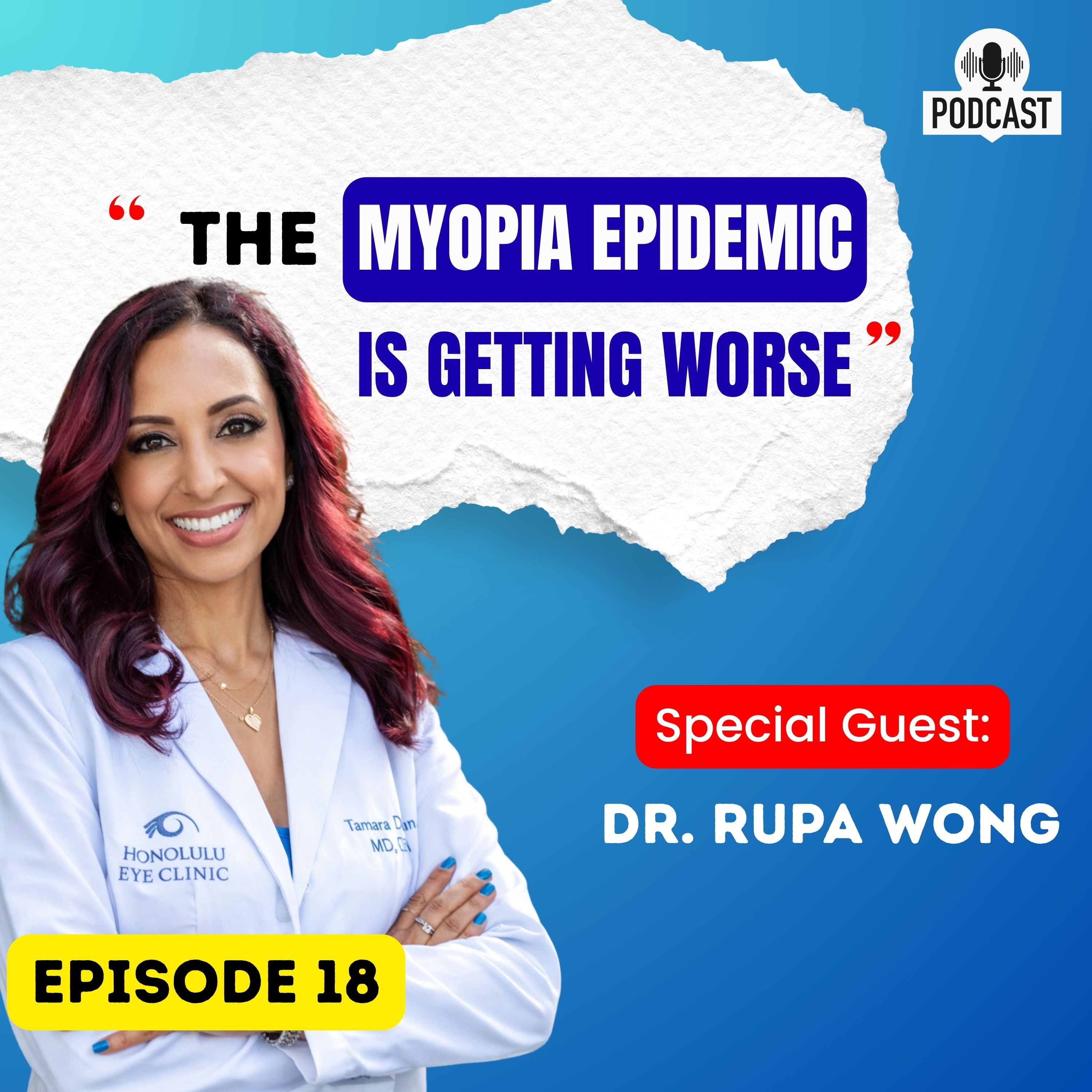 The Myopia Epidemic Is Getting Worse (and how to stop it) | Myopia is rising fast and the global myopia epidemic is becoming a serious public health concern. In some regions, nearly 90% of the population is now myopic, with rates of myopia in children increasing every year. But myopia isn’t just about needing glasses earlier in life. Progressive myopia significantly increases the risk of serious and potentially blinding eye diseases like retinal detachment, glaucoma, cataracts, and myopic maculopathy, making myopia prevention and myopia control more important than ever.On the Dr. Eye Health Podcast, Dr. Joseph Allen is joined by pediatric ophthalmologist Dr. Rupa Wong to unpack the global myopia epidemic. Together they explore why myopia is increasing, the lifestyle factors driving it, and the science-backed strategies that can slow its progression in children.From low-dose atropine drops to special myopia-control glasses and contact lenses, this conversation breaks down what parents, patients, and eye care professionals need to know about protecting long-term vision.In This Episode You Will Learn✅ Why myopia is increasing rapidly around the world✅ The serious long-term eye disease risks associated with high myopia✅ How lifestyle habits like screen time and indoor living affect children’s vision✅ Evidence-based treatments that can slow or prevent myopia progression✅ Why outdoor time may be one of the most powerful prevention tools👉 If you enjoy evidence-based eye health education from real doctors and researchers, follow the Dr. Eye Health Podcast so you never miss an episode.Timestamps00:00 The growing global myopia epidemic03:50 Why nearsightedness is more than just needing glasses08:00 The long-term risks of high myopia and eye disease13:40 Why children today are becoming nearsighted earlier17:00 Signs a child may be developing myopia19:20 Can myopia be reversed? What the science says20:00 Low-dose atropine drops for myopia control26:00 Special myopia control glasses and new lens technology30:00 Myopia control contact lenses and orthokeratology37:00 Emerging treatments like red light therapy41:00 Combining treatments to slow myopia progression44:40 Lifestyle tips for parents to protect children’s visionWant to learn more about Myopia check out these other episodes:👉 Children's Eye Health: Essential Tips and ... 👉 How to Slow & Stop Myopia - The Ultimate Myopia Management Guide👉Myopia Management with MiSight® 1 Day Contact Lenses!👉This will affect over 50% of people - the Myopia PandemicKey Takeaways🔹 Myopia is a growing global health issueNearsightedness is increasing worldwide, with some countries reporting up to 90% prevalence among young adults.🔹 The real concern is long-term eye healthHigh myopia dramatically increases the risk of retinal detachment, glaucoma, cataracts, and myopic maculopathy.🔹 Lifestyle plays a major roleIncreased near work, screen use, and reduced outdoor time are key drivers behind rising myopia rates in children.🔹 Prevention and early intervention matterLow-dose atropine drops, specialized glasses, and myopia-control contact lenses can significantly slow progression.🔹 Outdoor time is one of the best natural protectionsResearch shows that at least two hours of outdoor light per day can help reduce the risk of developing myopia.Guest BioDr. Rupa Wong is a board-certified pediatric ophthalmologist specializing in strabismus surgery and childhood eye diseases. She treats both pediatric and adult patients and has extensive experience in myopia management and prevention strategies.Dr. Wong frequently lectures on pediatric eye health and is passionate about helping families understand how to protect children’s vision in a screen-driven world.Myopia, myopia management, myopia epidemic, myopia control, nearsightedness in children, pediatric eye health, low dose atropine, myopia prevention, eye health podcast, vision science, childhood vision problems, screen time and eyesightDISCLAIMER:This video is for educational purposes only and does not provide medical advice. Watching this content does not establish a doctor-patient relationship. Always consult your physician or eye care professional regarding any medical condition or treatment decisions. All content and information is for general information purposes only and does not replace a consultation with your own doctor or health professional. In addition, some of the links in this post may be affiliate links, meaning, at no cost to you, I will earn a small commission if you click through and make a purchase. | — | ||||||
| 3/11/26 |  Lifestyle Changes for Dry Eye Disease: Daily Habits That Actually Help | Dry eye disease is not just about eye drops. Daily habits, screen time behavior, hydration, sleep, and environmental exposure all play a major role in dry eye symptoms, eye inflammation, and ocular surface disease.On the Doctor Eye Health Podcast, Dr. Joseph Allen breaks down the lifestyle changes for dry eye disease that actually help reduce symptoms, improve tear film stability, and support long-term dry eye relief. Learn which daily habits worsen dry eye, which ones protect your eyes, and how small changes can make a big difference for evaporative dry eye and meibomian gland dysfunction.This episode is ideal for anyone dealing with chronic dry eye, burning eyes, blurry vision, or eye irritation that flares with screens, stress, or environmental triggers.What You’ll Learn✅ Why lifestyle changes matter in dry eye disease✅ How screen time and blinking affect dry eye symptoms✅ The role of hydration, sleep, and diet in eye health✅ Daily habits that help reduce eye inflammation✅ How environment and air quality impact evaporative dry eye👉Subscribe to the Doctor Eye Health Podcast for trusted vision care education and expert insights that help you understand the powerful connection between lifestyle choices and your eye health.Timestamps(00:00) Lifestyle Changes for Dry Eye Disease (02:10) What dry eye really is beyond eye drops (05:30) Screen time, blinking, and digital eye strain (09:15) Hydration, sleep, and tear production (13:40) Environmental triggers and dry eye flare ups (18:20) Daily habits that support ocular surface health (23:50) What to avoid if you have chronic dry eye (29:30) Building sustainable routines for dry eye reliefKey Takeaways🔹 Dry eye disease is strongly influenced by daily habits🔹 Screen time and reduced blinking worsen dry eye symptoms🔹 Hydration, sleep, and environment affect tear quality🔹 Small lifestyle changes can lead to lasting dry eye relief👉 Check out My Struggle With Dry Eyes here:https://youtu.be/sE-IRvy8d6o?si=6EbpBBaOFRtxrpLe👉 Then watch What Causes Dry Eyes to understand what’s really driving dry eye disease:https://www.youtube.com/watch?v=SKqfXe4kPOUAbout Our GuestDr. Ahmed FahmyDry Eye SpecialistMinnesota Eye Consultants https://www.mneye.com/Dr. Fahmy specializes in advanced ocular surface disease and dry eye management. He is the founder and chair of the Ocular Surface Disease Symposium, an advanced education event focused on modern dry eye treatments and in-office procedures.Resources MentionedWebsite: Doctor Eye Health https://www.doctoreyehealth.com/YouTube: Doctor Eye Health https://www.youtube.com/@DoctorEyeHealthInstagram: @doctoreyehealth https://www.instagram.com/doctoreyehealthTikTok: Doctor Eye Health https://www.tiktok.com/@doctoreyehealthFacebook: Doctor Eye Health https://www.facebook.com/DoctorEyeHealthLinkedIn: Dr. Joseph Allen https://www.linkedin.com/DisclaimerThe information in this video is not intended nor implied to be a substitute for professional medical advice, diagnosis or treatment. All content and information is for general information purposes only and does not replace a consultation with your own doctor or health professional. In addition, some of the links in this post may be affiliate links, meaning, at no cost to you, I will earn a small commission if you click through and make a purchase.dry eyes, dry eye disease, lifestyle changes for dry eye, daily habits for dry eye, dry eye relief, ocular surface disease, meibomian gland dysfunction, MGD, evaporative dry eye, eye inflammation, screen time eye strain, blinking rate, digital eye strain, hydration and dry eye, sleep and eye health, chronic dry eye, burning eyes, blurry vision dry eye, dry eye flare ups, eye health podcast, Dr Eye Health, Dr Joseph Allen, eye doctor tips, optometry podcast | — | ||||||
| 3/4/26 |  Is Your Gut Destroying Your Vision? (Expert Interview) | What if your dry eye, macular degeneration, or even glaucoma didn’t actually begin in your eyes? What if the root cause of your eye inflammation started with poor gut health?On the Dr. Eye Health Podcast, Dr. Joseph Allen sits down with dry eye specialist and nutrition expert Mila Ioussifova to explain the gut–eye axis and how gut imbalance and microbiome health may be fueling dry eye disease, glaucoma, and macular degeneration.From gut health and dry eye to probiotics, inflammation, and autoimmune eye disease, this conversation explores how your microbiome may be affecting your vision more than you realize.What You’ll Learn✅ What the gut–eye axis is and how your microbiome influences eye inflammation✅ How gut dysbiosis may contribute to dry eye, glaucoma, and macular degeneration✅ The real connection between rosacea, autoimmune disease, and ocular surface disease✅ The difference between probiotics and prebiotics and why most supplements fall shortCheck out https://offer.inmodeaesthetics.ca/envision to learn how Envision Eye’s treatments could be the next step in your dry eye journey.Timestamps(00:00) Could your vision problems actually start in your gut?(02:26) Why nutrition changed Mila’s dry eye treatment approach(07:21) Why eye doctors should ask about bowel health(14:02) Gut dysbiosis explained(19:50) Leaky gut and systemic inflammation(29:38) Eye diseases linked to gut imbalance(35:31) What damages your microbiome(46:27) Probiotics vs prebioticsKey Takeaways🔹 Inflammation that begins in the gut can circulate through the bloodstream and affect the eyes.🔹 Dry eye, rosacea, glaucoma, and macular degeneration all show emerging links to gut dysbiosis.🔹 Antibiotics, processed foods, stress, and poor sleep disrupt your microbiome.🔹 Supporting gut health requires both probiotics and prebiotic fiber from real food.About Our Guest Mila Ioussifova, OD, CNS, FAAO, FOWNSDr. Mila Ioussifova is an optometrist, dry eye specialist, and certified nutrition expert. She is a board member of the Ocular Wellness & Nutrition Society and completed advanced training through the American Nutrition Association. Her work integrates functional medicine and clinical dry eye treatment to address inflammation at the root cause.Sponsor: InMode: https://www.inmodemd.com/Envision Treatment: https://www.envisiontreatment.com/Resources Mentioned Mila Ioussifova, OD, CNS, FAAO, FOWNS: https://www.linkedin.com/in/mila-ioussifova-od-faao-cns-fowns-37962435/ Website: Doctor Eye Health https://www.doctoreyehealth.com/YouTube: Doctor Eye Health https://www.youtube.com/@DoctorEyeHealthInstagram: @doctoreyehealth https://www.instagram.com/doctoreyehealthTikTok: Doctor Eye Health https://www.tiktok.com/@doctoreyehealthFacebook: Doctor Eye Health https://www.facebook.com/DoctorEyeHealthLinkedIn: Dr. Joseph Allen https://www.linkedin.com/DisclaimerThe information in this video is not intended nor implied to be a substitute for professional medical advice, diagnosis or treatment. All content and information is for general information purposes only and does not replace a consultation with your own doctor or health professional. In addition, some of the links in this post may be affiliate links, meaning, at no cost to you, I will earn a small commission if you click through and make a purchase.dry eye, gut eye axis, gut health and vision, ocular surface disease, meibomian gland dysfunction, MGD, evaporative dry eye, eye inflammation, probiotics for dry eye, microbiome and eye disease, glaucoma risk factors, macular degeneration prevention, autoimmune dry eye, rosacea and eyes, Sjogren’s syndrome, Mediterranean diet eye health | — | ||||||
| 2/25/26 |  Advanced Dry Eye Disease Treatments: Options Beyond Eye Drops | Advanced dry eye disease often requires treatment beyond eye drops. Dr. Joseph Allen explores advanced dry eye treatments, including prescription medications and in-office procedures designed to reduce inflammation, improve tear film stability, and treat meibomian gland dysfunction. Learn why artificial tears are not always enough, how evaporative dry eye develops, and what modern ocular surface disease treatment options can provide lasting dry eye relief.What You’ll Learn✅ Why artificial tears are often not enough for dry eye disease✅ How inflammation drives chronic dry eye symptoms✅ What prescription dry eye medications actually treat✅ How in-office procedures help restore tear film stability👉Subscribe to the Doctor Eye Health Podcast for trusted vision care education and expert insights that help you understand the powerful connection between lifestyle choices and your eye health.Timestamps(00:00) Advanced Dry Eye Disease Treatments(02:10) What advanced dry eye disease really means(05:45) Inflammation and the ocular surface(09:20) Meibomian gland dysfunction explained(13:40) Why tear quality matters more than tear quantity(18:05) Prescription treatments for dry eye disease(23:30) In-office dry eye procedures overview(29:10) IPL therapy and meibomian gland health(35:00) Long-term dry eye management strategiesKey Takeaways🔹 Dry eye disease is often driven by inflammation, not lack of tears🔹 Meibomian gland dysfunction causes tear evaporation and blurry vision🔹 Prescription medications help calm ocular surface inflammation🔹 In-office treatments can jumpstart healing when drops fail👉 Check out My Struggle With Dry Eyes here:https://youtu.be/sE-IRvy8d6o?si=6EbpBBaOFRtxrpLe👉 Then watch What Causes Dry Eyes to understand what’s really driving dry eye disease:https://www.youtube.com/watch?v=SKqfXe4kPOUAbout Our GuestDr. Ahmed FahmyDry Eye SpecialistMinnesota Eye Consultants https://www.mneye.com/ Dr. Fahmy specializes in advanced ocular surface disease and dry eye management. He is the founder and chair of the Ocular Surface Disease Symposium, an advanced education event focused on modern dry eye treatments and in-office procedures.Resources MentionedWebsite: Doctor Eye Health https://www.doctoreyehealth.com/YouTube: Doctor Eye Health https://www.youtube.com/@DoctorEyeHealthInstagram: @doctoreyehealth https://www.instagram.com/doctoreyehealthTikTok: Doctor Eye Health https://www.tiktok.com/@doctoreyehealthFacebook: Doctor Eye Health https://www.facebook.com/DoctorEyeHealthLinkedIn: Dr. Joseph Allen https://www.linkedin.com/DisclaimerThe information in this video is not intended nor implied to be a substitute for professional medical advice, diagnosis or treatment. All content and information is for general information purposes only and does not replace a consultation with your own doctor or health professional. In addition, some of the links in this post may be affiliate links, meaning, at no cost to you, I will earn a small commission if you click through and make a purchase.dry eye, dry eye disease, advanced dry eye treatment, ocular surface disease, meibomian gland dysfunction, MGD, evaporative dry eye, eye inflammation, dry eye relief, prescription dry eye drops, IPL for dry eye, eye health podcast, Dr Eye Health, Dr Joseph Allen, chronic dry eye, dry eye symptoms, burning eyes, blurry vision dry eye, tear film instability, eyelid inflammation, rosacea dry eye, eye doctor podcast, optometry podcast, ophthalmology education | — | ||||||
| 2/18/26 |  When Dry Eye Turns Into Chronic Eye Pain - Expert Discussion | When dry eyes turn into chronic eye pain, it may no longer be just a tear problem. Severe dry eye can evolve into neuropathic eye pain and neurotrophic keratitis due to corneal nerve damage and trigeminal nerve dysfunction.Why do some people have intense eye pain with a normal exam, while others have corneal damage but feel nothing?Dr. Joseph Allen is joined by cornea specialist Dr. Laura Periman and neuro-optometrist Dr. Jacqueline Theis to break down the science behind chronic ocular pain.In This Episode You Will Learn✅ Why dry eye can become chronic eye pain✅ The role of inflammation in corneal nerve damage✅ How neuropathic eye pain develops✅ What neurotrophic keratitis really means✅ Why anti-inflammatory treatment alone may not work✅ How concussion and brain injury affect dry eye symptoms✅ The connection between TMJ, neck tension, and eye pain✅ Why chronic ocular pain needs emotional and sleep supportSubscribe to the Doctor Eye Health Podcast for trusted vision care education and expert insights that help you understand the powerful connection between lifestyle choices and your eye health.Timestamps(00:00) When dry eye becomes chronic eye pain (02:21) Inflammation and corneal nerve damage (03:18) Neurosensory dry eye after brain injury (06:27) How the trigeminal nerve connects eye and brain (12:32) Chronic inflammation and hyperalgesia (17:17) Neurotrophic keratitis vs neuropathic pain (21:35) Trigeminal neuralgia and nerve treatment (23:12) Botox, bruxism, and referred eye pain (27:11) Proparacaine challenge test explained (35:07) Pain management medications and PRP (37:06) Anxiety, sleep, and chronic ocular pain👀 Watch: My Struggle with Dry Eyes https://youtu.be/sE-IRvy8d6o?si=6EbpBBaOFRtxrpLeKey Takeaways🔹 Dry eye can progress into chronic eye pain when corneal nerves become damaged🔹 Neuropathic eye pain may exist even when the eye surface looks normal🔹 Neurotrophic keratitis may cause damage without pain🔹 Chronic ocular pain requires a team-based approachAbout the Guests:Dr Laura Periman Dry Eye MasterBoard-certified ophthalmologistCornea and refractive surgery fellowship trainedFounder, Perryman Eye Institute, SeattleLinkedIn: https://www.linkedin.com/in/lauraperiman/ Website: https://dryeyemaster.com/about-laura-periman/ Jacqueline Theis, OD, FAAO, FNAP Residency-trained neuro-optometristSpecialist in brain injury and neurosensory dysfunctionPracticing within a multidisciplinary brain injury center in Richmond, VirginiaLinkedIn: https://www.linkedin.com/in/jacqueline-theis-od-faao/ Website: https://concussioncarecentre.com/traumatic-brain-injury-specialists/jacqueline-theis/Resources MentionedWebsite: Doctor Eye Health https://www.doctoreyehealth.com/YouTube: Doctor Eye Health https://www.youtube.com/@DoctorEyeHealthInstagram: @doctoreyehealth https://www.instagram.com/doctoreyehealthTikTok: Doctor Eye Health https://www.tiktok.com/@doctoreyehealthFacebook: Doctor Eye Health https://www.facebook.com/DoctorEyeHealthLinkedIn: Dr. Joseph Allen https://www.linkedin.com/DISCLAIMER: All content in this video and description including information, opinions, content, references, and links is for informational purposes only. The Author does not provide any medical advice on the Site. Accessing, viewing, reading, or otherwise using this content does NOT create a physician-patient relationship between you and its author. Providing personal or medical information to the Principal author does not create a physician-patient relationship between you and the Principal author or authors. Nothing contained in this video or its description is intended to establish a physician-patient relationship, to replace the services of a trained physician or health care professional, or otherwise to be a substitute for professional medical advice, diagnosis, or treatment. You should consult a licensed physician or appropriately-credentialed health care worker in your community in all matters relating to your health.dry eye, chronic eye pain, dry eye pain, severe dry eye, burning eyes, eye pain causes, painful dry eyes, neuropathic eye pain, neurotrophic keratitis, corneal nerve damage, ocular surface disease, trigeminal nerve eye pain, chronic ocular pain, why does dry eye hurt, eye pain but normal exam, chronic eye pain after dry eye, severe eye pain that will not go away, dry eye inflammation, brain injury dry eye symptoms, why do my eyes hurt, severe eye pain no redness, stabbing eye pain, eye pain not improving with drops, dry eye that won’t go away, constant eye pain | — | ||||||
| 2/11/26 |  Warm Compresses for Dry Eye: You’re Probably Doing It Wrong. | Warm compresses for dry eyes are one of the most recommended treatments, yet most people are doing them wrong. Dr. Joseph Allen explains how warm compress therapy works, the correct time and temperature, and how heat supports meibomian gland function, tear film stability, and long-term relief from dry eye disease, meibomian gland dysfunction MGD, blepharitis, and eyelid inflammation, while also covering evidence based methods, eyelid massage, rosacea considerations, safety concerns, and when cold compresses may be the better option for irritated eyes.If you struggle with dry eyes, burning, fluctuating vision, or eyelid irritation, this episode provides practical, research-backed guidance you can start using immediately.In This Episode You Will Learn✅ What warm compresses actually do for dry eye disease✅ How heat helps melt thickened oils in the meibomian glands✅ Why washcloth warm compresses are the least effective option✅ The ideal temperature and duration for safe, effective results✅ Why daily consistency matters more than intensity✅ When eyelid massage is helpful and when it can cause harm✅ How rosacea can change warm compress recommendations✅ When cold compresses may be a better choice✅ Which warm compress devices eye doctors trust mostSubscribe to the Doctor Eye Health Podcast for trusted vision care education and expert insights that help you understand the powerful connection between lifestyle choices and your eye health.Eye Compress Products and ResourcesCompresses and Eyelid Hygiene Productshttps://helpmyze.com/collections/doctor-eye-healthuse code DEH10 for 10% your order of $35 or more!Air Activated Masks (single use, great for travel)Tear Restore EyeRelax with Mint: https://amzn.to/4kbMHcqBruder Eyedration: https://amzn.to/4rCAUr6MYZE (coming soon)Microwavable MasksMYZE (coming soon)Bruder https://bit.ly/3sCTCnl (Use code EYEHEALTH10 for 10% off)Self-Heating (OPEN-EYE DESIGN)Tear Restore https://bit.ly/TearRestore Use code DrEyeHealth for 15% offRechargeable MaskBlinkJoy https://amzn.to/3ZlWSmnEyelid Cold CompressBruder Cold Compress: https://amzn.to/4rErziKKey Timestamps00:00 What warm compresses for dry eyes03:37 How meibomian gland dysfunction develops05:36 How eyelid warm compresses help dry eye08:45 Why washcloth warm are not recommended09:20 How long to do eyelid warm compresses10:51 Ideal temperature for warm compresses11:40 Eyelid massage tips and pressure warnings13:25 Warm compresses and rosacea15:38 Comparing popular warm compress devices21:07 Disposable and travel-friendly compress24:09 Rechargeable masks and quality concernsKey Takeaways💎 Warm compresses help restore oil flow from the meibomian glands💎 Heat must be maintained long enough to reach therapeutic benefit💎 Daily use over weeks leads to better long-term improvement💎 Too much heat or pressure can damage delicate eyelid tissue💎 Rosacea patients may benefit more from cold compresses💎 The best warm compress is the one you will use consistentlyAbout the HostDr. Joseph Allen is an optometrist, educator, and host of the Doctor Eye Health Podcast and YouTube channel. He specializes in dry eye disease, contact lenses, and ocular surface health. Dr. Allen regularly lectures nationally and internationally on evidence-based eye care and patient education.Resources MentionedWebsite: Doctor Eye Healthhttps://www.doctoreyehealth.com/YouTube: Doctor Eye Healthhttps://www.youtube.com/@DoctorEyeHealthInstagram: @doctoreyehealthhttps://www.instagram.com/doctoreyehealthTikTok: Doctor Eye Healthhttps://www.tiktok.com/@doctoreyehealthFacebook: Doctor Eye Healthhttps://www.facebook.com/DoctorEyeHealthLinkedIn: Dr. Joseph Allenhttps://www.linkedin.com/DisclaimerThe information in this video is not intended nor implied to be a substitute for professional medical advice, diagnosis, or treatment. All content is for educational purposes only and does not replace consultation with your own eye care professional.dry eye disease, warm compresses for dry eye, dry eyes relief, how to use warm compresses for dry eye, dry eye treatment at home, natural treatment for dry eyes, meibomian gland dysfunction, blepharitis, eyelid inflammation, warm compress therapy, best temperature for warm compresses, meibomian gland dysfunction treatment, warm compress vs cold compress for eyes, eye inflammation, evidence based dry eye treatment, eyelid massage technique for dry eye, tear film instability, burning eyes and fluctuating vision | — | ||||||
| 2/4/26 |  My Struggle With Dry Eye (And What Finally Helped) | Dry eye syndrome can cause burning, irritation, fluctuating vision, and long-term damage to the corneal surface. In this episode, Dr. Joseph Allen shares his personal dry eye journey, what actually causes dry eye disease, and how omega-3 supplements, lifestyle habits, and modern treatments can help stabilize the tear film and bring dry eye into remission. From contact lens wear and screen time to meibomian gland dysfunction, IPL therapy, and omega-3 dosing, this episode breaks down what really works for long-term dry eye relief.In This Episode You Will Learn✅ Why dry eye often starts with contact lens use, screen time, and reduced blinking✅ What meibomian gland dysfunction is and how it impacts tear film stability✅ How omega-3 supplements support eye lubrication and reduce inflammation✅ Why warm compresses and eyelid hygiene improve oil gland function✅ How IPL therapy and modern dry eye treatments improve long-term outcomes✅ Why lifestyle habits like sleep, diet, humidity, and exercise matter for dry eye✅ How dry eye can go into remission but still requires maintenanceKey Timestamps00:00 Dr. Allen’s personal dry eye journey02:30 What causes meibomian gland dysfunction05:20 Warm compress benefits and eyelid hygiene08:02 Contact lenses and dry eye progression12:31 Omega-3s and lifestyle changes for dry eye14:02 IPL therapy and advanced treatments18:00 Eye surgery decisions and dry eye risk23:48 Maintaining remission and long-term eye health28:00 Resources and next stepsKey Takeaways💎 Dry eye is more than irritation. It impacts vision quality, eye health, and daily comfort.💎 Omega-3 supplements help support tear quality and reduce inflammatory stress on the eye.💎 Meibomian gland dysfunction is one of the most common drivers of dry eye disease.💎 Lifestyle habits like sleep, hydration, humidity, and screen breaks seriously matter.About the HostDr. Joseph Allen is an optometrist, educator, and host of the Doctor Eye Health Podcast and YouTube channel. He specializes in dry eye disease, contact lenses, and ocular health education. Dr. Allen regularly lectures nationally and internationally on eye care innovations and patient education.RESOURCES MENTIONED:Website: Doctor Eye HealthYouTube: Doctor Eye HealthInstagram: @doctoreyehealthTikTok: Doctor Eye HealthFacebook: Doctor Eye HealthLinkedIn: Dr. Joseph AllenDisclaimer: The information in this video is not intended nor implied to be a substitute for professional medical advice, diagnosis or treatment. All content and information is for general information purposes only and does not replace a consultation with your own doctor/health professional. In addition, some of the links in this post may be affiliate links, meaning, at no cost to you, I will earn a small commission if you click through and make a purchase.dry eye, omega 3 for dry eye, dry eye treatment, meibomian gland dysfunction, eye health, contact lenses, tear film, eye inflammation, IPL therapy, eyelid hygiene, artificial tears, optometry podcast, vision health | — | ||||||
| 1/28/26 |  Eye Doctor Explains: Omega-3s for Dry Eye | Dry eyes, burning, redness, irritation, blurry vision, and eye fatigue affect millions of people every day. If you’ve ever struggled with dry eye syndrome, you’ve probably tried artificial tears, warm compresses, eye drops, and lifestyle changes with mixed results. But what if the best natural treatment for dry eyes isn’t another eye drop at all?In this episode of the Dr. Eye Health Podcast, Dr. Joseph Allen breaks down the science behind omega-3 fatty acids for dry eye treatment and why omega-3 supplementation has become one of the most researched natural solutions for improving tear production, reducing inflammation, and preventing tear film evaporation. You’ll learn exactly how omega-3s support eye health at a cellular level, how they improve meibomian gland function, and why inflammation plays such a major role in chronic dry eye symptoms.Dr. Allen explains the difference between dietary omega-3 sources and omega-3 supplements, how much omega-3 you should take for dry eye relief, which forms absorb best, and how long it realistically takes to see results. The episode also covers supplement safety, counterfeit supplement risks, third-party testing, and how to read omega-3 labels correctly so you know what you’re actually getting.If you’re searching for a natural dry eye treatment, want to improve eye comfort, reduce inflammation, protect long-term eye health, and make smarter supplement decisions, this episode delivers practical, evidence-based guidance you can actually use.In This Episode You Will Learn✅ What causes dry eye syndrome and why tears evaporate too quickly✅ Why omega-3 fatty acids are the best natural treatment for dry eyes✅ How omega-3s reduce inflammation in the eye and eyelids✅ How omega-3s improve tear production and meibomian gland function✅ Diet vs supplementation for omega-3 absorption✅ How much omega-3 to take for dry eye relief✅ Triglyceride vs ethyl ester omega-3 forms✅ How long it takes to see real dry eye improvement✅ How to avoid counterfeit or low-quality supplementsTimestamps(00:00) What dry eye syndrome is and why tears evaporate(00:28) Why omega-3s are the best natural dry eye treatment(01:48) The debate around omega-3 supplementation(03:36) What omega-3 fatty acids are and where they come from(04:54) Omega-3 benefits for inflammation, heart, brain, and retina(05:11) How omega-3s reduce inflammation in dry eye(05:29) How omega-3s improve tear production(06:04) Meibomian glands and tear evaporation explained(07:18) Best food sources for omega-3s(08:06) Plant sources vs fish sources of omega-3(08:27) Omega-3 supplements and counterfeit risks(10:23) How to test your omega-3 levels(11:47) Recommended omega-3 dosage for dry eyes(12:45) EPA vs DHA for eye health(12:50) Triglyceride vs ethyl ester absorption(13:53) How long omega-3s take to work(14:25) When to see an eye doctor for dry eye(17:30) Dr. Allen’s personal omega-3 experimentKey Takeaways🔷 Omega-3 fatty acids reduce inflammation that drives dry eye symptoms.🔷 Omega-3s improve tear production and tear film stability.🔷 Meibomian gland function improves with consistent omega-3 intake.🔷 Diet alone may not provide enough bioavailable omega-3s.🔷 Supplement quality and absorption form matter.🔷 Results typically take 2 to 3 months of consistent use.Resources & MentionsIf you want to track the omega 3 numbers in your own blood (like I have),Save 5% with OmegaQuant https://omegaquant.com/ref/533If you wish to dive down the rabbit hole of how omega 3s can help with dry eye, as I did, here is a list of referenced studies to help you.Omega 3 and MGDhttps://www.ncbi.nlm.nih.gov/pmc/arti…https://www.ncbi.nlm.nih.gov/pmc/arti…https://www.ncbi.nlm.nih.gov/pmc/arti…https://www.ncbi.nlm.nih.gov/pmc/arti…https://www.ncbi.nlm.nih.gov/pmc/arti...Meta-analysis support for Improved tear productionhttps://www.ncbi.nlm.nih.gov/pmc/arti…https://pubmed.ncbi.nlm.nih.gov/30702…https://www.ncbi.nlm.nih.gov/pmc/arti...Triglyceride vs Ethyl Ester Omega 3shttps://www.ncbi.nlm.nih.gov/pmc/arti...Additional supporthttps://pubmed.ncbi.nlm.nih.gov/26322…https://www.ncbi.nlm.nih.gov/pmc/arti...RESOURCES MENTIONED:Website: Doctor Eye HealthYouTube: Doctor Eye HealthInstagram: @doctoreyehealthTikTok: Doctor Eye HealthFacebook: Doctor Eye HealthLinkedIn: Dr. Joseph AllenDisclaimer: The information in this video is not intended nor implied to be a substitute for professional medical advice, diagnosis or treatment. All content and information is for general information purposes only and does not replace a consultation with your own doctor/health professional. In addition, some of the links in this post may be affiliate links, meaning, at no cost to you, I will earn a small commission if you click through and make a purchase.Omega 3 for dry eye referencesCalder PC. Omega-3 fatty acids and inflammatory processes. Nutrients. 2010 Mar;2(3):355-374. doi: 10.3390/nu2030355. Epub 2010 Mar 18. PMID: 22254027; PMCID: PMC3257651.Petermann AB, Reyna-Jeldes M, Ortega L, Coddou C, Yévenes GE. Roles of the Unsaturated Fatty Acid Docosahexaenoic Acid in the Central Nervous System: Molecular and Cellular Insights. Int J Mol Sci. 2022 May 12;23(10):5390. doi: 10.3390/ijms23105390. PMID: 35628201; PMCID: PMC9141004.Bookstaff RC, PaiBir S, Bharaj SS, Kelm GR, Kulick RM, Balm TK, Murray JV. The safety of the use of ethyl oleate in food is supported by metabolism data in rats and clinical safety data in humans. Regul Toxicol Pharmacol. 2003 Feb;37(1):133-48. doi: 10.1016/s0273-2300(02)00043-0. PMID: 12662915.Krupa KN, Fritz K, Parmar M. Omega-3 Fatty Acids. [Updated 2024 Feb 28]. In: StatPearls [Internet]. Treasure Island (FL): StatPearls Publishing; 2025 Jan-. Available from: https://www.ncbi.nlm.nih.gov/books/NBK564314/Wang WX, Ko ML. Efficacy of Omega-3 Intake in Managing Dry Eye Disease: A Systematic Review and Meta-Analysis of Randomized Controlled Trials. J Clin Med. 2023 Nov 10;12(22):7026. doi: 10.3390/jcm12227026. PMID: 38002640; PMCID: PMC10672334.Dry Eye Assessment and Management Study Research Group; Asbell PA, Maguire MG, Pistilli M, Ying GS, Szczotka-Flynn LB, Hardten DR, Lin MC, Shtein RM. n-3 Fatty Acid Supplementation for the Treatment of Dry Eye Disease. N Engl J Med. 2018 May 3;378(18):1681-1690. doi: 10.1056/NEJMoa1709691. Epub 2018 Apr 13. PMID: 29652551; PMCID: PMC5952353.Elhamaky TR. Efficacy of omega-3 fatty acids and punctal plugs in the prevention of isotretinoin-associated ocular surface disease. Eur J Ophthalmol. 2021 Sep;31(5):2339-2345. doi: 10.1177/1120672120945655. Epub 2020 Jul 28. PMID: 32722939.Jo YJ, Lee JS. Effects of dietary high dose DHA omega-3 supplement in dry eye with meibomian gland dysfunction. Int J Ophthalmol. 2021 Nov 18;14(11):1700-1706. doi: 10.18240/ijo.2021.11.08. PMID: 34804859; PMCID: PMC8569578.Al-Namaeh M. A systematic review of the effect of omega-3 supplements on | — | ||||||
| 1/21/26 |  They Lied to You About Eye Vitamins | You’ve been told to take eye vitamins. You’ve seen lutein supplements everywhere. You’ve probably heard that leafy greens protect your vision and that nutrition alone should be enough. But what if most of what you’ve been told about eye vitamins, retinal health, and vision supplements is outdated, incomplete, or just flat wrong?In the Doctor Eye Health Podcast, Dr. Joseph Allen sits down with Professor John Nolan, one of the world’s leading researchers in macular carotenoids, eye nutrition, and brain health, to break down the real science behind eye vitamins, lutein, zeaxanthin, macular pigment density, and how nutrition impacts both visual performance and cognitive health.You’ll learn why the eye is a biomarker for brain nutrition and cognitive function, why most people are severely deficient in carotenoids, and why diet alone often fails to deliver enough lutein to support retinal health. Professor Nolan explains how absorption actually works, why supplement quality and label accuracy matter more than most consumers realize, and how poorly regulated supplements can undermine eye health outcomes.The conversation also explores how macular pigment improves contrast sensitivity, night vision, and visual processing speed, why athletes and high performers are often deficient in eye nutrients, and how emerging research connects eye vitamins to inflammation, oxidative stress, Alzheimer’s risk, and cardiometabolic health.If you care about eye health, brain health, vision supplements, macular degeneration prevention, or evidence-based nutrition, this episode gives you the clarity most marketing won’t.In This Episode You Will Learn✅ Why Many Eye Vitamins Fail to Deliver Real Clinical Benefits✅ How Lutein, Zeaxanthin, and Meso-Zeaxanthin Support Retinal and Brain Health✅ Why the Eye Acts as a Biomarker for Cognitive Performance✅ How Macular Pigment Improves Contrast Sensitivity and Night DrivingSponsor - MacuHealth Vitreous Health Supplement (Use code ALLEN20 for 20% off)https://macuhealth.comTimestamps(00:00) They Lied to You About Eye Vitamins(11:21) How carotenoids accumulate in the retina and connect to brain health(17:58) Diet vs supplementation and the $6 spinach smoothie experiment(18:37) Why supplement quality, testing, and validation matter(19:38) The problem with supplement regulation and misleading labels(21:00) How certified supplement programs protect patients and doctors(22:07) How much lutein and carotenoids people actually get from food(26:37) What supplementation improves for vision and eye disease risk(27:39) How macular pigment improves contrast sensitivity and night driving(28:49) Why athletes and high performers are often nutrient deficient(37:48) How carotenoids reduce inflammation and oxidized LDL(44:26) Lifestyle changes that support long-term eye and brain health(46:33) Sleep research and emerging nutrition scienceKey Takeaways🔷 The eye is a powerful indicator of brain nutrition and cognitive health🔷 Most people are significantly deficient in retinal carotenoids🔷 Not all eye vitamins are created equal and many fail quality testing🔷 Increasing macular pigment improves contrast sensitivity and visual clarity🔷 Long-term consistency delivers the strongest benefitsGuest BioProfessor John Nolan is a globally recognized nutritional biochemist and vision science researcher specializing in macular carotenoids, retinal health, and cognitive performance. He is a founder and chair of the Brain and Ocular Nutrition Conference and has spent decades studying how lutein, zeaxanthin, and meso-zeaxanthin influence eye health, inflammation, brain aging, and disease prevention.Resources MentionedSponsor: MacuHealth Vitreous Health Supplement (Use code ALLEN20 for 20% off)https://macuhealth.comJohn Nolan website: https://profjohnnolan.com/John Nolan YouTube: https://www.youtube.com/@ProfJohnNolanJohn Nolan Instagram: https://www.instagram.com/profjohnnolan/John Nolan LinkedIn: https://www.linkedin.com/in/johnmnolan/Connect + FollowInstagram: @DoctorEyeHealthYouTube: Doctor Eye HealthWebsite: DoctorEyeHealth.comDisclaimer: The information in this video is not intended nor implied to be a substitute for professional medical advice, diagnosis or treatment. All content and information is for general information purposes only and does not replace a consultation with your own doctor/health professional. In addition, some of the links in this post may be affiliate links, meaning, at no cost to you, I will earn a small commission if you click through and make a purchase.Doctor Eye Health, Dr Joseph Allen, Vision, Eye Health, Eye Health Tips, eye vitamins, lutein benefits, macular health, retinal health, vision supplements, eye health podcast, optometry podcast, carotenoids, macular pigment, brain nutrition, cognitive health, inflammation, eye disease prevention, visual performance | — | ||||||
| 1/14/26 |  7 Bad Habits Making Dry Eye Worse | Dry eye treatment doesn't have to be complicated when you understand the habits sabotaging your progress. In this episode of the Dr. Eye Health podcast, Dr. Joseph Allen reveals seven common mistakes that worsen dry eye disease and prevent healing—even when you're using eye drops regularly. From digital eye strain and screen time to neglecting eyelid hygiene and choosing the wrong artificial tears, these overlooked factors could be the reason your eyes aren't improving. Discover practical, evidence-based solutions for managing environmental triggers, improving tear film quality, and finally getting relief from chronic irritation.What You’ll Learn in This Episode:✅ How excessive screen time disrupts your blinking patterns and accelerates tear film evaporation, plus strategies to reduce digital eye strain✅ Why using the wrong eye drops with harsh preservatives like BAK can make dry eyes worse✅ The critical role of eyelid hygiene in preventing blepharitis and inflammation that blocks oil glands and worsens dry eye symptoms✅ How environmental factors, autoimmune conditions, diet, and even sleeping with eyes partially open contribute to chronic dry eye diseaseSubscribe to the Doctor Eye Health Podcast for trusted vision care education and expert insights that help you understand the powerful connection between lifestyle choices and your eye health.TIMESTAMPS:(00:00) Seven bad habits that worsen dry eye disease despite using eye drops and treatments(00:57) Excessive screen time reduces blinking frequency and causes incomplete blinks, accelerating tear film evaporation(01:44) Environmental factors like air conditioning contribute to dry eyes, as well as a lack of eyelid hygiene and cleaning eyelashes, which prevents blepharitis (03:45) Avoiding harmful eye drops with BAK preservatives and choosing preservative-free artificial tears, and sleeping with eyes partially open(05:31) Not managing other health conditions and eating food and drink that cause inflammationKEY TAKEAWAYS:💎 Sleeping with eyes partially open causes chronic overnight exposure that prevents corneal healing—Use nighttime ointments, sleep masks, or eyelid tape for protection 💎 "Get the red out" drops containing vasoconstrictors create a rebound effect, making redness and irritation worse over time💎 Managing underlying health conditions like diabetes, rosacea, and hormone issues is essential, as these trigger inflammatory flare-ups that worsen dry eye symptomsABOUT THE GUEST:RESOURCES MENTIONED:Website: Doctor Eye HealthYouTube: Doctor Eye HealthInstagram: @doctoreyehealthTikTok: Doctor Eye HealthFacebook: Doctor Eye HealthLinkedIn: Dr. Joseph AllenMy Favorite Eye Drops for Dry Eyes: • Best Eye Drops for Dry Eyes - Eye Drops Ex... My Favorite Warm Eye CompressesTear Restore EyeRelax with Mint: https://amzn.to/4kbMHcqTear Restore https://bit.ly/TearRestore Use code DrEyeHealth for 15% offEye Love https://bit.ly/EyeLoveCompressDry Eye Treatments at home and for beginners: K • Dry Eye Treatments for Beginners Best Vitamins for Dry Eyes E • Best Vitamins and Supplements for Dry Eye ... Omega 3s and Dry Eye Y • Omega 3 Fish Oil for Dry Eyes How to Use Eye Drops Better - W • How to Use Eye Drops CORRECTLY! What Causes Dry Eyes? - Watch this O • What Causes Dry Eyes? Eye Doctor Explains ... Dry Eye Home Treatment Tips R • Home Remedy for Dry Eyes | 7 Tips for Dry ... Advanced dry eye treatments for severe dry eye D • Advanced Dry Eye Treatments: A Guide and R... The information in this video is not intended nor implied to be a substitute for professional medical advice, diagnosis or treatment. All content and information is for general information purposes only and does not replace a consultation with your own doctor or health professional. In addition, some of the links in this post may be affiliate links, meaning, at no cost to you, I will earn a small commission if you click through and make a purchase.Doctor Eye Health, Dr Joseph Allen, Vision, Eye Health, Eye Health Tips, Dry Eye Treatment, Dry Eye Disease, Eye Drops, Digital Eye Strain, Screen Time, Eyelid Hygiene, Artificial Tears, Blepharitis, Dry Eye Symptoms, Autoimmune Conditions, Excessive Screen Time, Tear Film Evaporation | — | ||||||
| 1/7/26 |  My Health Journey | Dr. Joseph Allen shares his personal eye health journey on the Doctor Eye Health Podcast, revealing how childhood vision symptoms, such as migraine with aura and eye floaters, sparked his passion for optometry. His path through optometry school exposed him to patients with chronic disease challenges, including systemic inflammation and diabetes. Discovering how diet and exercise enabled type 2 diabetes remission, he experimented with whole foods diet approaches that improved his gut health and eczema treatment. This episode explores how diet and exercise affect eye health and why he created the Doctor Eye Health channel for accessible vision care education.What You’ll Learn in This Episode:✅ How childhood vision symptoms like migraine with aura and eye floaters can spark curiosity about your eye health journey and lead to a career in vision care education✅ Why diet and exercise play a critical role in managing chronic disease prevention, systemic inflammation, and even achieving type 2 diabetes remission while protecting your eyes✅ The powerful connection between gut health and vision, including how a whole foods diet and plant-based nutrition can improve conditions like eczema treatment and overall eye wellness✅ What motivated Dr. Allen to create the Doctor Eye Health Podcast, and why does understanding the relationship between lifestyle factors and contact lenses, eye doctor visits, and comprehensive vision care matter for everyoneSubscribe to the Doctor Eye Health Podcast for trusted vision care education and expert insights that help you understand the powerful connection between lifestyle choices and your eye health.TIMESTAMPS:(00:00) Dr. Allen discovers the secret to healthy eyes, and he shares his personal eye health journey with migraine with aura, which sparked early curiosity about the visual system(04:53) Getting contact lenses in junior high transforms confidence and solidifies positive eye doctor experiences that inspire an optometry career(08:01) Discovering that gut health issues and eczema were tied to dairy intolerance reveals how systemic inflammation affects multiple body systems(12:20) Learning about type 2 diabetes remission through a whole foods diet leads to a three-month plant-based nutrition experiment with transformative results(16:00) Experimenting with plant-based nutrition and increasing fruits, vegetables, and greens improves gut health, skin, and energy levels significantly(19:58) Early subscribers validate the need for this podcast, and Dr. Allen emphasizes being curious about health symptoms and understanding that the eyes, mind, and body are interconnectedKEY TAKEAWAYS:💎 Systemic inflammation shows up early in the gut health, eyes, and skin—being curious and proactive about your vision symptoms can lead to significant health discoveries and better chronic disease prevention💎 Traditional medical training often focuses on treating symptoms rather than addressing root causes, but diet and exercise, combined with whole foods diet approaches, can create powerful transformations in both eye health journey and overall wellness💎 Personal health experiences with migraine with aura, eye floaters, and eczema treatment inspired Dr. Allen to a deeper vision care education and motivated him to share knowledge to help others find answers about their own eye concernsRESOURCES MENTIONED:Website: Doctor Eye HealthYouTube: Doctor Eye HealthInstagram: @doctoreyehealthTikTok: Doctor Eye HealthFacebook: Doctor Eye HealthLinkedIn: Dr. Joseph AllenDisclaimer: The information in this video is not intended nor implied to be a substitute for professional medical advice, diagnosis or treatment. All content and information is for general information purposes only and does not replace a consultation with your own doctor/health professional. In addition, some of the links in this post may be affiliate links, meaning, at no cost to you, I will earn a small commission if you click through and make a purchase.Doctor Eye Health, Dr. Joseph Allen, Eye Health Tips, Eye Health, Vision, Migraine With Aura, Eye Floaters, Optometry Career, Chronic Disease, Systemic Inflammation, Diet And Exercise, Type 2 Diabetes Remission, Whole Foods Diet, Optometry, Eye Health Journey, Eye Care | — | ||||||
| 12/31/25 |  7 Eye Diseases That Can Steal Your Vision | Most eye diseases develop slowly and quietly, with zero pain and almost no warning signs until permanent damage has already happened. In this episode, Dr. Joseph Allen breaks down the seven most common eye diseases that can silently steal your sight, how to spot them early, and what you can do right now to protect your vision for life.Dr. Allen explains why conditions like amblyopia, myopia, dry eye disease, cataracts, diabetic retinopathy, macular degeneration, and glaucoma affect millions of people worldwide, often without symptoms. You will learn the red flags to watch for, the lifestyle changes that actually make a difference, and modern treatment options that can help prevent irreversible vision loss.Whether you are a parent, someone with a family history of eye disease, or just trying to stay ahead of your health, this episode gives you a clear, practical guide to the most important threats to your eyesight. In This Episode You Will Learn✅ The 7 most common eye diseases and who is most at risk✅ Early warning signs that often go unnoticed✅ What makes some eye diseases completely preventable✅ How lifestyle, genetics, and health conditions impact your vision✅ When to get checked and how oftenWant weekly eye and health tips that actually help? Join the Doctor Eye Health newsletter at DoctorEyeHealth.comTimestamps(00:00) What if vision loss happens with no symptoms (00:27) Meet Dr. Joseph Allen and today’s topic (00:52) Overview of the 7 eye diseases (01:03) Disease 1: Amblyopia (Lazy Eye) (02:13) Why amblyopia develops and why early exams matter (03:02) Disease 2: Myopia (Nearsightedness) (04:05) Warning signs and risk of severe myopia (05:01) How to slow myopia progression (06:25) Disease 3: Dry Eye Disease (07:00) Symptoms, pain, blurry vision, and triggers (08:17) Why early treatment prevents long term damage (08:52) Disease 4: Cataracts (09:20) Early symptoms and what to watch for (10:02) Prevention and why cataract surgery works so well (10:58) Disease 5: Diabetic Retinopathy (11:33) Why early stages have zero symptoms (12:29) Preventing progression and treatment options (13:11) Disease 6: Age Related Macular Degeneration (14:00) Early warning signs and lifestyle risk factors (15:03) How to slow AMD progression (15:59) Disease 7: Glaucoma (16:41) Why it is called the silent thief of sight (17:02) How pressure damages the optic nerve (17:51) Prevention and current treatmentsKey Takeaways🔹 Many eye diseases cause no pain or noticeable symptoms early on🔹 Childhood screenings alone are not enough to catch amblyopia🔹 Myopia progression can often be slowed with outdoor time and specific treatments🔹 Dry eye disease is more complex than lack of tears and needs early care🔹 Cataracts are common and highly treatable with modern surgery🔹 Diabetic retinopathy often goes unnoticed until bleeding occurs🔹 Macular degeneration and glaucoma can cause irreversible vision loss without regular examsGuest BioDr. Joseph Allen is a board certified optometrist, educator, and creator of the Doctor Eye Health channel. His mission is to make eye care easy to understand, accessible, and empowering for patients. His content reaches millions of viewers who want trusted information about eye health, vision protection, and new treatment options.Resource LinksWebsite: doctoreyehealth.comYouTube: Doctor Eye HealthInstagram: @doctoreyehealthTikTok: @doctoreyehealthFacebook: Doctor Eye HealthLinkedIn: Dr. Joseph AllenDisclaimer: The information in this video is not intended nor implied to be a substitute for professional medical advice, diagnosis or treatment. All content and information is for general information purposes only and does not replace a consultation with your own doctor/health professional. In addition, some of the links in this post may be affiliate links, meaning, at no cost to you, I will earn a small commission if you click through and make a purchase.eye diseases, vision loss, amblyopia, myopia, dry eye disease, cataracts, diabetic retinopathy, macular degeneration, glaucoma, pediatric eye exams, eye health, retina health, optic nerve, ocular surface disease, Doctor Eye Health | — | ||||||
| 12/17/25 |  The Truth about Dry Eye | Dry eye syndrome hits way more people than you think, and this episode breaks down what actually causes dry eye, why symptoms get so intense, and how the condition becomes chronic if it’s not treated early. Dr. Joseph Allen unpacks the vicious cycle of dry eye, tear film instability, inflammation, and long term risks like scarring, nerve damage, and neuropathic pain.In this episode, Dr. Allen breaks down the full dry eye pathway from the first signs of irritation all the way to severe outcomes when left untreated. He explains tear volume vs tear evaporation, why meibomian gland dysfunction affects most dry eye patients, and why preservatives in common eye drops can worsen symptoms over time.You’ll hear the exact steps of the vicious cycle: tear film instability, hyperosmolarity, inflammation, goblet cell damage, and corneal surface changes. Dr. Allen also shares real patient cases showing how untreated dry eye can progress to scarring, vision loss, corneal nerve damage, neurotrophic keratitis, and neuropathic corneal pain.The episode closes with encouragement, updated treatment options, and steps to protect your eyes at every stage.In This Episode You Will Learn✅ The real difference between occasional dryness and chronic dry eye✅ What starts the vicious cycle of tear evaporation and inflammation✅ How hormones, medications, aging, allergies, and environment trigger symptoms✅ What happens long term if dry eye is untreated and why early care mattersWant weekly eye and health tips that actually help? Join the Doctor Eye Health newsletter at DoctorEyeHealth.comTimestamps (00:00) What dry eye is and why it happens(01:24) Main causes of dry eye(02:51) Tear volume vs tear evaporation(07:00) Meibomian gland dysfunction explained(08:10) Blepharitis and other common contributors(09:45) Preservatives, inflammation, and the vicious cycle(14:17) How dry eye symptoms show up(16:34) What happens when dry eye is ignored(19:29) Severe damage, scarring, and nerve issues(29:45) Treatment options and hope for recovery Key Takeaways🔹 Dry eye is a chronic condition driven by both tear volume and tear evaporation🔹 Meibomian gland dysfunction affects over 80 percent of dry eye patients🔹 Inflammation is the fuel behind worsening symptoms and surface damage🔹 Early diagnosis and consistent care prevent long term complicationsGuest BioDr. Joseph Allen is an optometrist, creator of the Doctor Eye Health channel, and educator specializing in dry eye disease, ocular surface dysfunction, and patient centered eye care. His work reaches millions of viewers who want to understand their vision and improve long term eye health.Resources MentionedWebsite: doctoreyehealth.comYouTube: Doctor Eye HealthInstagram: @doctoreyehealthTikTok: @doctoreyehealthFacebook: Doctor Eye HealthLinkedIn: Dr. Joseph AllenDisclaimer: The information in this video is not intended nor implied to be a substitute for professional medical advice, diagnosis or treatment. All content and information is for general information purposes only and does not replace a consultation with your own doctor/health professional. In addition, some of the links in this post may be affiliate links, meaning, at no cost to you, I will earn a small commission if you click through and make a purchase.dry eye, dry eye disease, dry eye syndrome, ocular surface disease, meibomian gland dysfunction, MGD, tear evaporation, tear film instability, Sjogrens, SPK, corneal staining, inflammation, hyperosmolarity, preservative free drops, blepharitis, allergies, contact lens dryness, neuropathic pain, neurotrophic keratitis, calcific band keratopathy, Doctor Eye Health, Dr Joseph Allen | — | ||||||
| 12/10/25 |  What Causes Dry Eyes | Dry eye syndrome is rising fast because of screen time, inflammation, autoimmune issues, and meibomian gland dysfunction and younger people are feeling it more than ever. In this episode of the Dr. Eye Health Podcast, Dr. Joseph Allen and Dr. Cecelia Koetting unpack the real reasons behind dry eye, why it’s not “just dryness,” and the simple lifestyle and clinical treatments that actually work.Dry eyes isn’t one thing. It’s a syndrome with multiple layers- oil, aqueous, mucin and when even one system breaks down, your tear film can’t stabilize. Dr. Allen and Dr. Koetting break down the science in an easily understandable way, from “dirty windshield” corneal staining to how blinking drops by two-thirds when you’re scrolling your phone.They also dive into inflammation cycles, autoimmune triggers, diabetes-related nerve damage, incomplete blinking, eyelid position, preservatives like BAK, lash serums, Accutane, Botox complications, sleep apnea, thyroid issues, and more.This one is packed with real answers and real-life strategies you can use to protect your vision long-term.What You’ll Learn✅ The top causes of dry eye syndrome most people never hear about✅ Why meibomian gland dysfunction is behind 60 percent of cases✅ How hormones, autoimmune issues, meds, and screen time make symptoms worse✅ Simple steps you can take today to reduce dryness and protect your ocular surface👉 Want real relief from dry eye? Check out TheraTears’ Dry Eye Therapy lineup and find the right product for your eyes: https://www.theratears.com/Timestamps(00:00) Intro: Why dry eye is misunderstood(00:20) How screen time lowers blink rate from 20 BPM to as low as 7 BPM(01:00) What tear film layers actually do(02:40) Dry eye vs dry eye disease vs syndrome(05:00) Keratoconjunctivitis sicca explained(07:30) “Dirty windshield” analogy for corneal staining(09:00) How fluorescein + lissamine green dyes show damage(11:20) Is dry eye becoming more common or just diagnosed more?(12:40) Autoimmune issues + inflammation(15:00) Diabetes, neuropathy + ocular surface nerve damage(17:45) How chemo + Accutane affect meibomian glands(18:30) Eyelid position, incomplete blink, Botox, and TMJ(22:00) Floppy eyelid syndrome + sleep apnea(24:10) BAK preservatives and long-term surface damage(26:01) Tear production issues: Sjogren’s, dehydration, meds(30:00) Hormones, menopause, HRT + dry eye(32:00) Thyroid disorders + ocular surface changes(34:00) MGD causes: bacteria, rosacea, demodex, lash products(40:36) Inflammation cycle + why symptoms get worse(44:00) Three lifestyle steps every patient should start today(46:58) Lid hygiene: tea tree, okra, manuka, hypochlorous acidKey Takeaways🔹 Dry eye is a multi-layered syndrome, not a single issue🔹 Meibomian glands drive most cases- oil imbalance leads to evaporation🔹 Inflammation is both a symptom and an accelerator of dry eye🔹 Lifestyle habits (blinking, hygiene, hydration) truly change outcomesAbout our Guest:Dr. Cecelia Koetting is an assistant professor at the University of Colorado School of Medicine specializing in anterior segment disease, ocular surface disease, neuro-optometry, and perioperative care. She is active in clinical research and widely known for her expertise in dry eye, meibomian gland dysfunction, and complex ocular surface conditions.Resources MentionedDr Cecelia Koetting LinkedInWebsite: doctoreyehealth.comYouTube: Doctor Eye HealthInstagram: @doctoreyehealthTikTok: @doctoreyehealthFacebook: Doctor Eye HealthLinkedIn: Dr. Joseph AllenSponsor- TheraTears official site — “Dry Eye Therapy” info & product finder: https://www.theratears.com/ TheraTearsTheraTears Lubricating Eye Drops product page: https://www.theratears.com/products/theratears-dry-eye-therapy-lubricant-eye-drops-multi-use TheraTearsTheraTears Extra Preservative-Free Vials product page: https://www.theratears.com/products/theratears-extra-preservative-freeDisclaimer: The information in this video is not intended nor implied to be a substitute for professional medical advice, diagnosis or treatment. All content and information is for general information purposes only and does not replace a consultation with your own doctor/health professional. In addition, some of the links in this post may be affiliate links, meaning, at no cost to you, I will earn a small commission if you click through and make a purchase.dry eye, dry eye disease, ocular surface disease, meibomian gland dysfunction, MGD, evaporative dry eye, eye inflammation, eye health podcast, Dr Eye Health, Dr Joseph Allen, eye doctor tips, screen time eye strain, blinking rate, autoimmune dry eye, Sjogren’s syndrome, thyroid eye disease, floppy eyelid syndrome, preservatives in eye drops, BAK free drops, lid hygiene, hypochlorous acid, omega 3 for eyes | — | ||||||
| 12/3/25 |  5 Best Foods For Better Eye Health & Clearer Vision | Looking for the best foods for better eye health and clearer vision? In this episode of the Doctor Eye Health Podcast, Dr Joseph Allen breaks down the top foods for eye health, how nutrition for your eyes really works, and simple changes you can make today to protect your vision long term.You will learn how specific nutrients support the retina, lower your risk of cataracts, macular degeneration, dry eye, and even help your brain process what you see more clearly. From carrots and sweet potatoes to leafy greens, omega 3 rich fish, and vitamin E packed snacks, this is your starter guide to eating for long term eye health and vision wellness.What You Will Learn In This Episode ✅ The truth about carrots, sweet potatoes, and vitamin A for your eyes ✅ Why leafy greens, lutein, and zeaxanthin act like natural blue light filters for your macula ✅ How omega 3s, vitamin C, vitamin E, and zinc support your retina and help prevent eye disease ✅ Practical, realistic tips to add more eye healthy foods into your day starting nowWant weekly eye and health tips that actually help? Join the Doctor Eye Health newsletter at DoctorEyeHealth.com Timestamps(00:00) Welcome to the Doctor Eye Health Podcast and today’s topic – best foods for your eyes(00:44) Why the eyes and retina are some of the most highly metabolic tissues in the body(01:18) How the “carrots are good for your eyes” idea started and why sweet potatoes might be even better(02:34) Food 2 – leafy greens like kale and spinach, plus lutein and zeaxanthin for macular health and blue light protection(03:41) Food 3 – citrus fruits and vitamin C for cataract and macular degeneration prevention(04:26) Food 4 – omega 3 fatty acids from salmon, tuna, walnuts and more, plus how they relate to macular degeneration, diabetic retinopathy, and dry eye(05:20) Why Dr Allen is so into omega 3 research and his own three to four month omega 3 trial for dry eye(07:00) Food 5 – vitamin E and zinc from beans, legumes, avocados, almonds, sunflower seeds and how they support night vision and low light seeing(08:03) Final recap, how to use these five foods as a starting point, and where to find more Doctor Eye Health videos and resourcesKey TakeawaysEye health starts in your kitchenThe retina is highly metabolic and creates a lot of oxidative stress, so it needs steady antioxidant support from foods to stay healthy over time.Carrots are great, sweet potatoes might be better Both are rich in beta carotene that your body converts to vitamin A so your eyes can interpret light, but sweet potatoes often contain even more beta carotene per serving.Leafy greens, vitamin C, omega 3s, vitamin E, and zinc are eye health power playersThese nutrients support the macula, act like natural blue light filters, and help reduce risk for cataracts, macular degeneration, diabetic retinopathy, and dry eye disease.Food first, then supplements if neededOmega 3s and other nutrients work best as part of a healthy diet and any supplements should be discussed with a healthcare provider because more is not always better.About the HostDr Joseph Allen is an optometrist and the creator of the Doctor Eye Health YouTube channel and podcast. He shares practical, science based tips on eye health, vision care, and the latest in eye related research, helping people understand how lifestyle and nutrition impact their eyes from everyday strain and dry eye to long term conditions like macular degeneration.Resource LinksWebsite: doctoreyehealth.comYouTube: Doctor Eye HealthInstagram: @doctoreyehealthTikTok: @doctoreyehealthFacebook: Doctor Eye HealthLinkedIn: Dr. Joseph Allenbest foods for eye health, foods for eye health, nutrition for eye health, foods for vision, eye health diet, eye health nutrition, retina health, macular degeneration prevention, cataract prevention, omega 3 for eye health, lutein and zeaxanthin, vitamin C for eyes, vitamin E for eyes, zinc for eyes, dry eye relief, Dr Joseph Allen, Doctor Eye Health Podcast | — | ||||||
Showing 25 of 29
Sponsor Intelligence
Sign in to see which brands sponsor this podcast, their ad offers, and promo codes.
Chart Positions
7 placements across 6 markets.
Chart Positions
7 placements across 6 markets.