Insights from recent episode analysis
Audience Interest
Podcast Focus
Publishing Consistency
Platform Reach
Insights are generated by CastFox AI using publicly available data, episode content, and proprietary models.
Most discussed topics
Brands & references
Total monthly reach
Estimated from 1 chart position in 1 market.
By chart position
- 🇨🇱CL · Mental Health#843K to 10K
- Per-Episode Audience
Est. listeners per new episode within ~30 days
1.5K to 5K🎙 Weekly cadence·54 episodes·Last published 1w ago - Monthly Reach
Unique listeners across all episodes (30 days)
3K to 10K🇨🇱100% - Active Followers
Loyal subscribers who consistently listen
900 to 3K
Market Insights
Platform Distribution
Reach across major podcast platforms, updated hourly
Total Followers
—
Total Plays
—
Total Reviews
—
* Data sourced directly from platform APIs and aggregated hourly across all major podcast directories.
On the show
From 10 epsHosts
Recent guests
Recent episodes
Quiet Strength - Caring Deeply Without Burning Out - a Conversation with Margaret Cullen
Jun 11, 2026
Unknown duration
Empowering Wellness: Exercise as Medicine for Mind and Body
Apr 30, 2026
52m 36s
A conversation with Dr Lara Boyd - Harnessing Neuroplasticity & Mastering Change in Uncertain Times
Mar 20, 2026
52m 04s
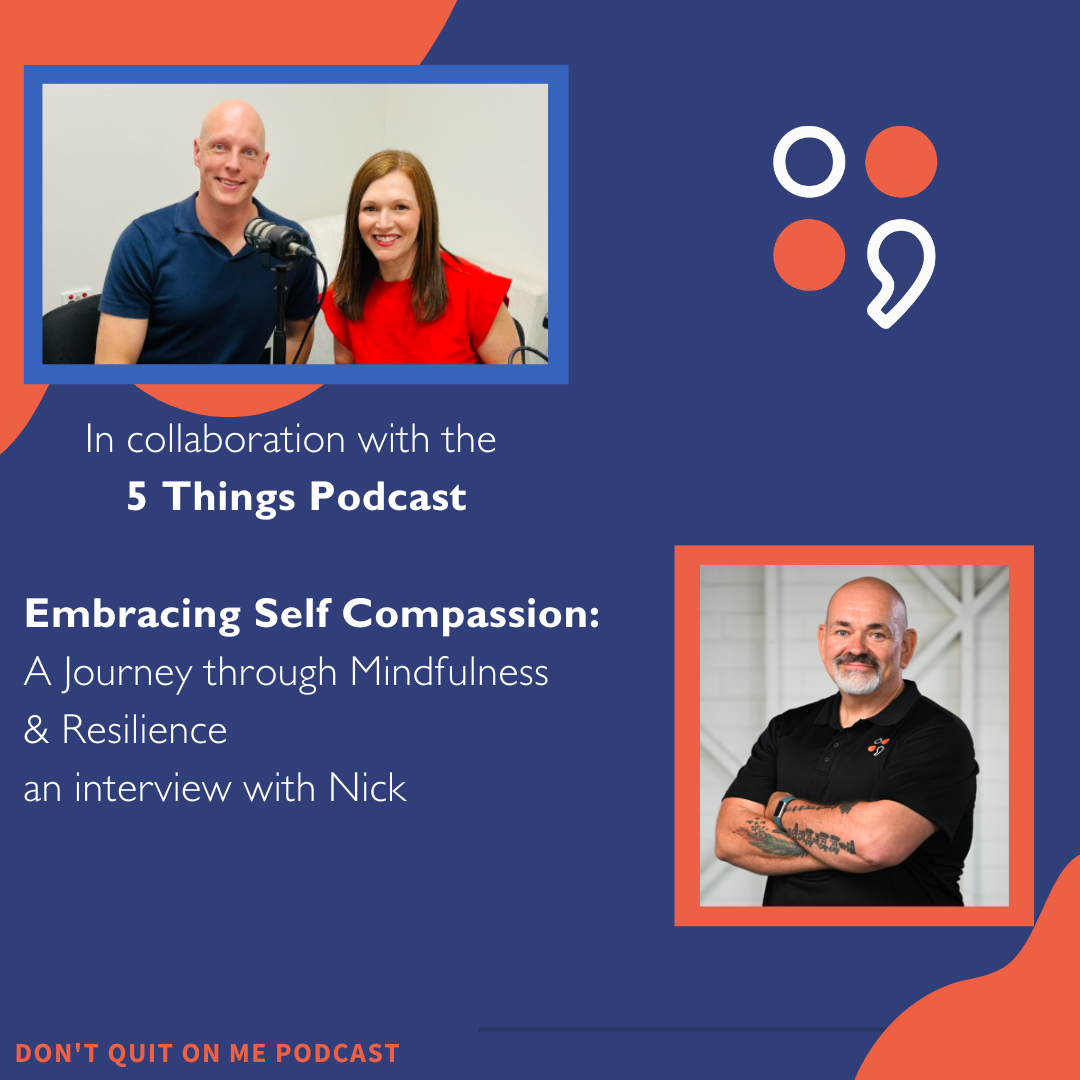
Embracing Compassion: A Journey through Mindfulness and Resilience - An Interview with Nick
Feb 12, 2026
43m 17s
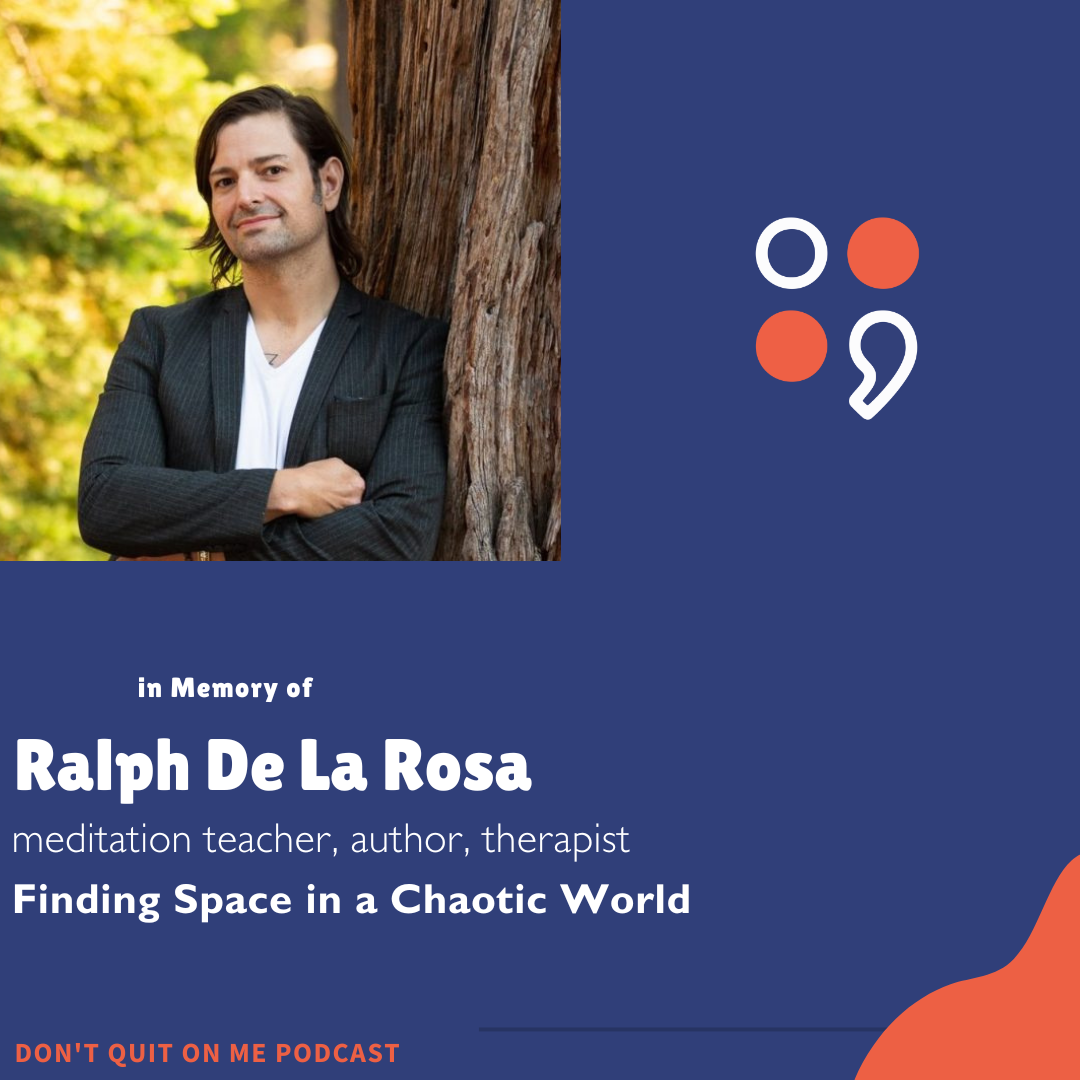
Finding Space in a Chaotic World - Ralph De La Rosa
Dec 24, 2025
34m 38s
Social Links & Contact
Official channels & resources
Official Website
Login
RSS Feed
Login
| Date | Episode | Topics | Guests | Brands | Places | Keywords | Sponsor | Length | |
|---|---|---|---|---|---|---|---|---|---|
| 6/11/26 | ![]() Quiet Strength - Caring Deeply Without Burning Out - a Conversation with Margaret Cullen | In this episode, I'm joined by author, and mindfulness and compassion teacher Margaret Cullen for a thoughtful conversation on equanimity - the steady, grounded quality that helps us meet life's uncertainty without being swept away by it. Together, we explore her new book Quiet Strength, and what equanimity really means, how it differs from detachment, and why it matters in a world that often pulls us toward reactivity, outrage and overwhelm. Margaret also discusses the Four Immeasurables - loving-kindness, compassion, sympathetic joy and equanimity - and reflects on how each can help us cultivate a more open, balanced and caring way of being. From navigating emotional ups and downs, to caring deeply about injustice without burning out, this conversation offers practical insight into how mindfulness and equanimity can support our wellbeing and strengthen our capacity for compassion. The episode closes with a simple guided practice to help you pause, breathe and reconnect with a sense of calm presence. Margaret's new book Quiet Strength is available through her website and booksellers: https://margaretcullen.com/ | — | ||||||
| 4/30/26 | ![]() Empowering Wellness: Exercise as Medicine for Mind and Body✨ | exercisemental health+3 | Dr. Sue Broadbent | ME/CFSfibromyalgia+1 | — | exercise as medicinemental health+4 | — | 52m 36s | |
| 3/20/26 | ![]() A conversation with Dr Lara Boyd - Harnessing Neuroplasticity & Mastering Change in Uncertain Times✨ | neuroplasticitybrain change+4 | Dr Lara Boyd | — | — | neuroplasticitybrain health+5 | — | 52m 04s | |
| 2/12/26 | ![]() Embracing Compassion: A Journey through Mindfulness and Resilience - An Interview with Nick✨ | compassionmindfulness+3 | Jesse SpurrLiz Crowe | 5 Things Podcast | — | compassionmindfulness+5 | — | 43m 17s | |
| 12/24/25 | ![]() Finding Space in a Chaotic World - Ralph De La Rosa✨ | meditationgrief+4 | Ralph De La Rosa | — | — | meditationgrief+5 | — | 34m 38s | |
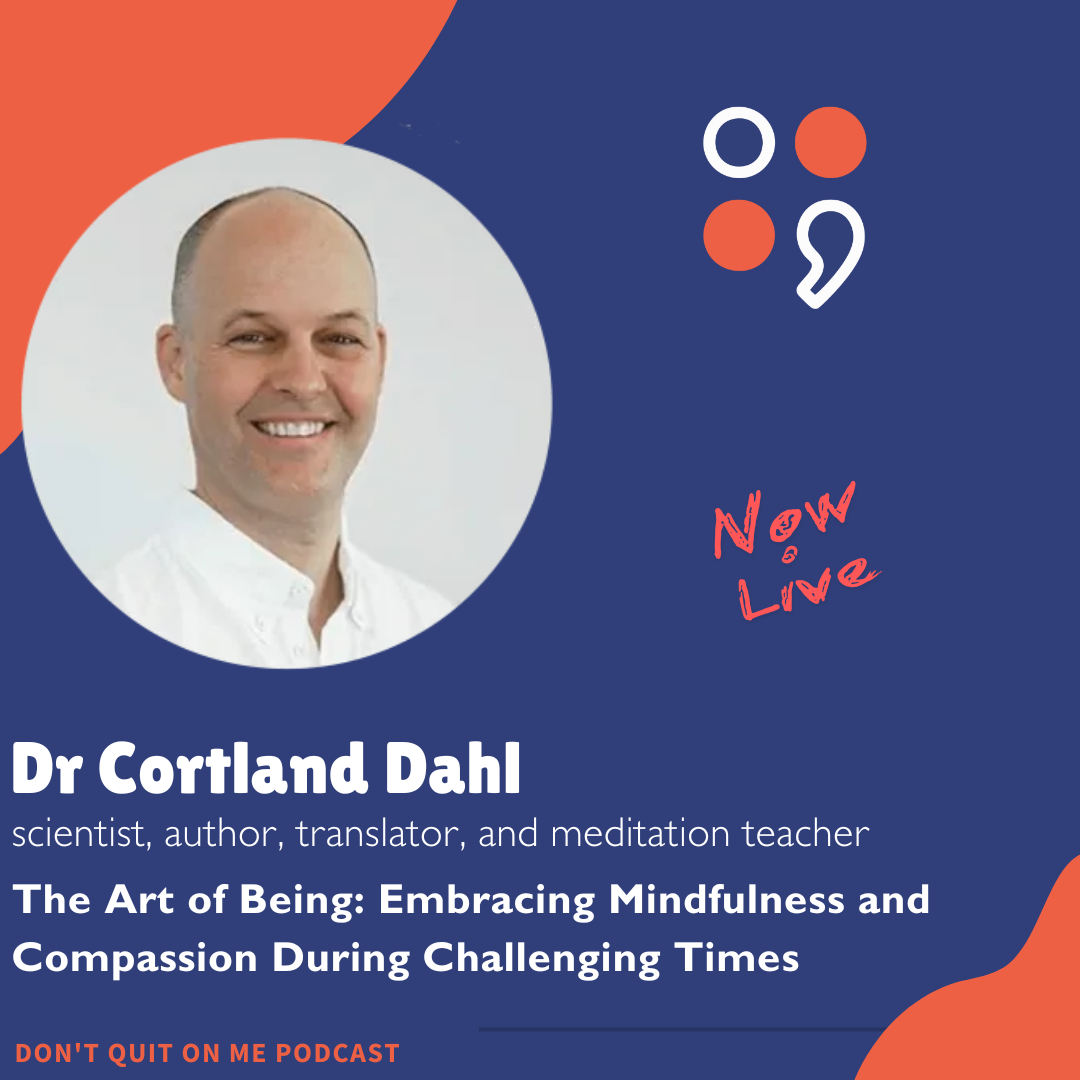
| 11/17/25 | ![]() The Art of Being: Embracing Mindfulness and Compassion During Challenging Times with Cortland Dahl✨ | mindfulnesscompassion+4 | Cortland Dahl | Center for Healthy Minds | — | mindfulnesscompassion+5 | — | 1h 01m 38s | |
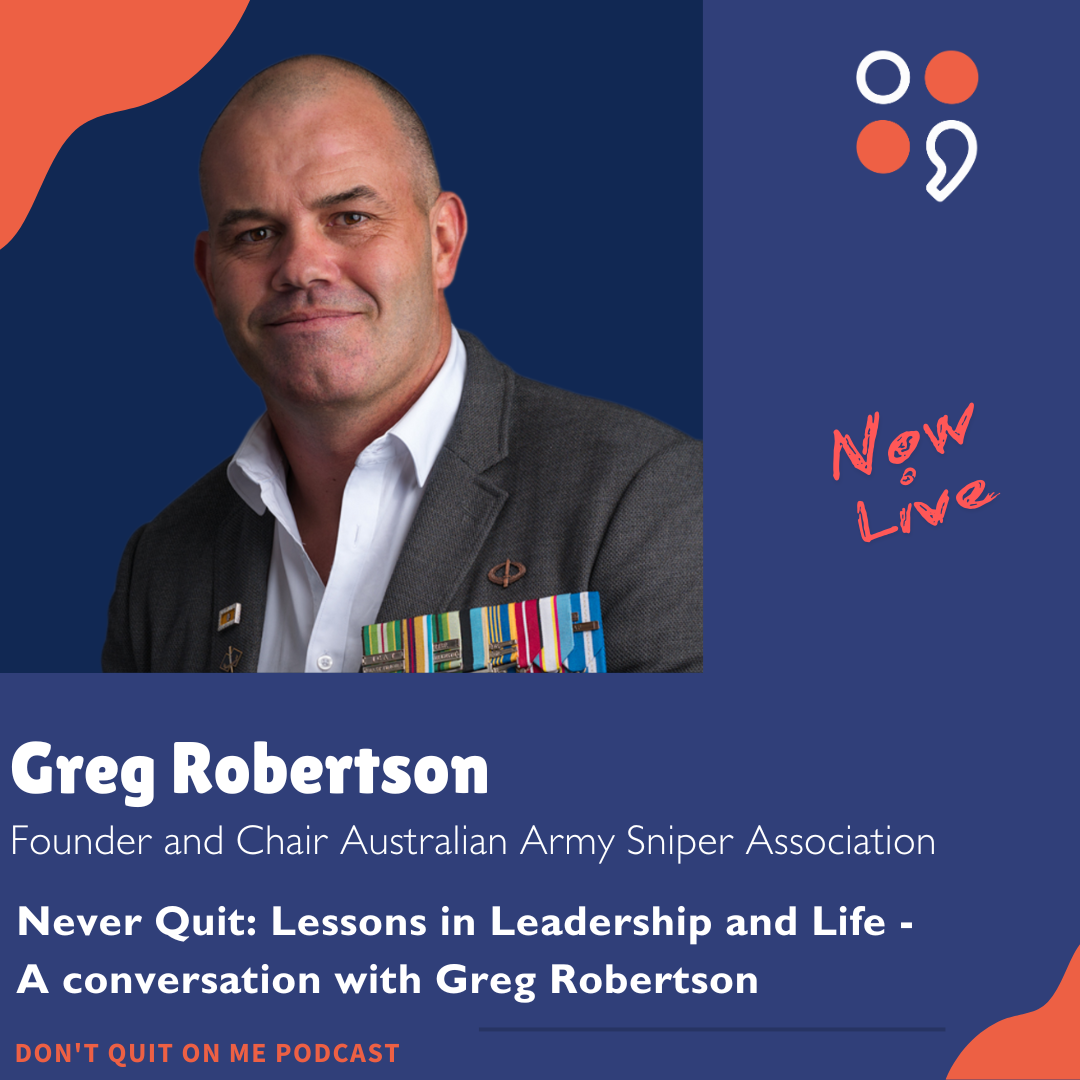
| 9/11/25 | ![]() Never Quit: Lessons in Leadership and Life - A conversation with Greg Robertson✨ | military experiencemental health+4 | Greg Robertson | US Army Sniper AssociationArmy Sniper Association | Australia | militarymental health+5 | — | 48m 25s | |
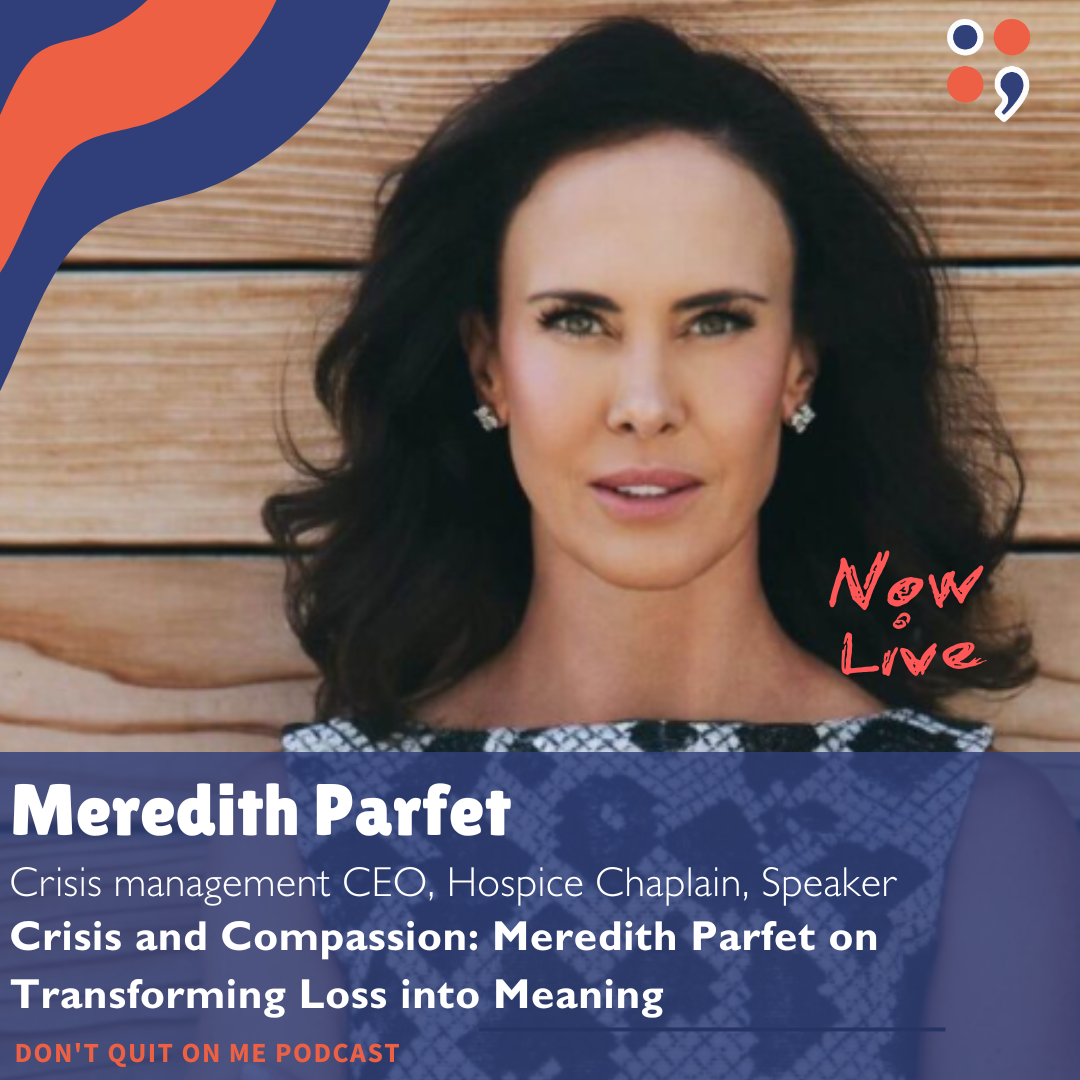
| 7/26/25 | ![]() Crisis and Compassion: Meredith Parfet on Transforming Loss into Meaning✨ | griefcrisis management+4 | Meredith Parfet | Raynard Group | — | griefcrisis+5 | — | 52m 20s | |
| 7/8/25 | ![]() The Generous Exchange: Maria Sirois on Burnout, Resilience, Beauty and Excellence✨ | burnoutresilience+4 | Maria Sirois | The Generous Exchange | — | burnoutresilience+5 | — | 48m 10s | |
| 5/22/25 | ![]() The New Happy - A Journey into Compassion and Resilience - Stephanie Harrison✨ | compassionresilience+4 | Stephanie Harrison | — | — | happinesscompassion+5 | — | 50m 59s | |
Want analysis for the episodes below?Free for Pro Submit a request, we'll have your selected episodes analyzed within an hour. Free, at no cost to you, for Pro users. | |||||||||
| 4/28/25 | ![]() The Future of Behavioral Science with Steven Hayes: Beyond Bell Curves✨ | behavioral scienceACT model+4 | Steven Hayes | ACT | — | behavioral scienceACT model+5 | — | 57m 40s | |
| 3/2/25 | ![]() The Healing Power of Expressive Writing: An Interview with Dr. Jamie Pennebaker | The Healing Power of Expressive Writing: An Interview with Dr. Jamie Pennebaker In this enlightening episode, we delve into the transformative world of expressive writing with Dr. Jamie Pennebaker, a leading researcher in the field. Dr. Pennebaker recounts the fascinating journey from his initial studies on the impact of journaling on overcoming trauma to the development of the computer program, Linguistic Inquiry and Word Count (LIWC). Discover how expressive writing can remarkably improve physical and mental health, the significance of language in understanding emotional states, and practical advice for implementing these insights into daily life. Whether it's navigating personal hardships or fostering self-awareness, this conversation uncovers the profound benefits of putting thoughts into words. 00:00 Introduction and Welcome 00:31 Discovering the Power of Expressive Writing 03:09 The First Study and Its Impact 06:02 Methodology and Instructions for Expressive Writing 09:48 Health Benefits and Challenges of Expressive Writing 17:07 Exploring Language and Mental Health 39:30 Case Study: Kathleen Folbigg and Text Analysis 43:16 Reflections and Future Outlook Mental Health Resources Australia: * Lifeline Australia: 13 11 14 or lifeline.org.au * Beyond Blue: 1300 22 4636 or beyondblue.org.au * 1800RESPECT: 1800 737 732 or 1800respect.org.au * Kids Helpline: 1800 55 1800 or kidshelpline.com.au * SANE Australia: 1800 187 263 or sane.org United States: * National Sexual Assault Hotline: 1-800-656-HOPE or RAINN (Rape, Abuse & Incest National Network) at rainn.org * National Suicide Prevention Lifeline: 988 * Crisis Text Line: Text HOME to 741741 * The National Alliance on Mental Illness (NAMI): 1-800-950-NAMI (6264) or nami.org * Substance Abuse and Mental Health Services Administration (SAMHSA): 1-800-662-HELP (4357) or samhsa.gov United Kingdom: * National Domestic Abuse Helpline: 0808 2000 247 or nationaldahelpline.org.uk * Rape Crisis England & Wales: 0808 802 9999 or rapecrisis.org.uk * Samaritans: 116 123 or samaritans.org * Mind: 0300 123 3393 or mind.org.uk * Shout Crisis Text Line: Text SHOUT to 85258 * NHS mental health services: via your GP or the NHS website. | — | ||||||
| 1/18/25 | ![]() Embracing Self-Compassion: A Conversation with Chris Germer | In this insightful conversation, Chris Germer talks about his journey in discovering and co-creating mindful self-compassion with Kristen Neff. Chris shares his personal struggles with anxiety, shame and public speaking, and how practicing loving-kindness meditation transformed his experiences of fear and shame. He discusses the complementary roles of self-compassion and mindfulness in managing intense emotions, describing the three key components: mindfulness, common humanity, and self-kindness. We also explore the application of self-compassion in preventing burnout and enhancing caregiving, and discuss strategies for fostering compassion within organizations. The conversation concludes with a guided self-compassion practice led by Chris, offering a practical tool for integrating these insights into daily life. 00:00 Introduction and Welcome 00:26 Discovering Self-Compassion 01:44 Overcoming Public Speaking Anxiety 06:55 The Role of Self-Compassion in Mindfulness 09:46 Components of Mindful Self-Compassion 13:59 Applying Self-Compassion in Daily Life 18:12 Self-Compassion for Caregivers and Burnout 22:49 Building a Compassionate Organization 29:04 Practical Advice for Difficult Times 36:46 Future Directions and New Projects 44:38 Guided Self-Compassion Practice 58:26 Closing Remarks | — | ||||||
| 11/1/24 | ![]() Building Resilience in Ukraine with MMFIT - Liz Stanley | Dr. Liz Stanley is a renowned expert in resilience, stress, and trauma recovery. As a professor at Georgetown University, she has dedicated her career to understanding the social structures that drive human behaviour, especially during times of stress and conflict. Dr. Stanley is the creator of Mindfulness-based Mind Fitness Training (MMFT®), a groundbreaking program that has been empirically validated to help individuals build resilience and recover from trauma. Recently, Dr. Stanley has been at the forefront of efforts to support the mental health recovery of those affected by the conflict in Ukraine. In collaboration with the Ukrainian Catholic University and Forest Glade Veterans Hospital, she has brought MMFT® to Ukraine, providing vital self-regulation skills to veterans, first responders, healthcare providers, and community leaders. Her work is empowering Ukrainians to support their own mental health amidst the ongoing challenges of war1. Dr. Stanley's compassionate approach and dedication to healing have made a profound impact on countless lives, offering hope and practical tools for recovery in some of the most challenging environments. Liz Stanley Home Page Building Resilience: MMFIT's Impact and Insights with Liz Stanley In this episode, the conversation covers substantial ground about personal and community-level actions to support individuals in crisis, focusing on the application of Mindfulness-based Mind Fitness Training (MMFIT) in conflict zones like Ukraine. Dr Liz Stanley delves into the importance of contemplative traditions, somatic work and nueroscience to navigate challenging emotions. She provides extensive insights into working with veterans and civilians in Ukraine, highlighting the profound impact and necessity of MMFIT in aiding those dealing with PTSD and other trauma-related conditions. Liz explains the science behind MMFIT and the critical role of self-compassion and attention management in stress regulation. The conversation also touches on the importance of collective regulation and how personal calmness can positively affect societal stress levels. If listeners are inspired thay can support ongoing MMFIT projects, particularly those aiding Ukrainians in their recovery and resilience-building efforts. 00:00 Introduction to the Theme of the Show 01:01 Deep Work and Wisdom 01:32 Updates on MMFIT in Ukraine 02:11 Challenges Faced by Ukraine 03:34 Training and Translation Efforts 04:32 Impact of the War on Training 05:07 Reflections on the Work 09:15 Overview of MMFIT 12:40 Understanding the Brain's Response to Stress 18:42 The Importance of Self-Compassion 24:43 Allostatic Load and Its Effects 27:09 Internal Gaslighting 32:37 Practical Tools for Reducing Suffering 40:18 The Ripple Effect of Regulation 42:38 How to Support and Engage with the Work 44:33 Conclusion and Final Thoughts | — | ||||||
| 10/19/24 | ![]() Dr Shauna Shapiro - Transforming Lives with Self-Compassion and Mindfulness | Transforming Lives with Self-Compassion and Mindfulness: An Interview with Dr. Shauna Shapiro. In this heartfelt and insightful interview, Dr. Shauna Shapiro, a renowned psychologist and professor, shares her journey into the field of mindfulness and self-compassion, shaped significantly by a life-changing spinal surgery at age 17, Shauna discusses how she overcame pain and anxiety through mindfulness practice and devloping Self Compassion. The conversation discusses her transformative experiences in Thailand and how these relate to the scientific foundations of self-compassion and neuroplasticity. Shauna explains how resistance to pain exacerbates suffering and the importance of cultivating emotional regulation and grounding techniques. Through personal stories and practical advice, including the simple yet powerful practice of saying 'Good morning, I love you,' she illustrates the profound impact of these practices on mental and emotional well-being. The interview also touches on innovative therapies like ketamine-assisted treatment for trauma, emphasizing that it is never too late to rewire our minds for greater happiness and fulfillment. This conversation is a deep dive into the harmonious alignment of mindfulness, self-compassion, and the transformative effects of utlising these in our daily practice. Books by Shauna (drshaunashapiro.com) Articles by Shauna – Shauna Shapiro (drshaunashapiro.com) Videos – Shauna Shapiro (drshaunashapiro.com) 00:00 Introduction and Welcome 00:45 Shauna Shapiro's Journey into Mindfulness 03:29 The Concept of Units of Suffering 05:34 Exploring Self-Compassion 09:20 The Power of Self-Love: 'Good Morning, I Love You' 13:59 The Practice of Self-Love 15:23 Understanding Negativity Bias 16:47 Managing Intense Emotions 18:42 The Power of Self-Compassion 22:49 Exploring Mind Bloom and Neuroplasticity 24:24 Final Thoughts and Resources | — | ||||||
| 9/5/24 | ![]() Ralph De La Rosa- Finding Meaning Amidst Chaos: A Journey Through Trauma, Compassion and Healing | Finding Meaning Amidst Chaos: A Journey Through Trauma, Compassion and Healing In this moving episode, I have a chat with freind of the show Ralph, who is a trauma therapist, meditation teacher and author. Ralph shares candid details about his recent harrowing experience of facing sudden liver failure. Despite dealing with immense physical and emotional pain, he offers valuable insights on trauma, healing, and finding meaning even in the darkest times. We discuss the critical role of compassion, both self-directed and from others, in the recovery process. The conversation also touches on the importance of creating something meaningful out of traumatic experiences, the power of community, and the human need to connect and be validated during periods of intense suffering. This episode is a heartfelt tribute to resilience and the human spirit's capacity to turn pain into growth, and to Ralph's ongoing comitment to lessen suffering on the planet. 00:00 Warm Greetings and Catching Up 00:42 Navigating Emotional Turbulence 01:31 A Rollercoaster Journey 03:45 Facing a Health Crisis 07:52 Living with Illness 18:13 Understanding Trauma 26:58 Resuming Life Post-Isolation 27:19 A Chaotic Relationship and Polyamory 28:14 The Impact of Trauma and Context 30:17 Hospital Experience and Isolation 31:19 Support from Meditation Students 32:54 Therapy and Emotional Support 42:50 Navigating Suicidal Thoughts 45:27 Healing Through Compassion and Creativity 48:24 Forming a Band and Creative Outlets 50:40 Final Reflections and Gratitude | — | ||||||
| 8/21/24 | ![]() Nikki-Szabo-Building-Resilient-Individuals-and-Communities | Nikki Szabo is a dedicated and compassionate professional with over 25 years' experience in community welfare and the education sectors. Nikki holds a graduate diploma in social science and a degree in Community Welfare from Southern Cross University, and has worked in various roles including program and project management, advocacy, wellbeing support and case management. At the Iris Foundation, Nikki is deeply involved in research, training and development. She's passionate about delivering resilience based creative programs for children and young people, and she actively contributes to policy writing and evidence based research. Nikki's person centered and strengths-based approach has earned her a reputation for positively engaging individuals of all ages and facilitating meaningful outcomes and sessions. As an accredited Mental Health First Aid Trainer and Resilience Trainer, Nikki is committed to promoting mental health awareness and resilience in the community. Her work aligns with her dedication to social justice. education and overall mental well being. Nikki's also the reason that I decided to become a certified resilience coach. | — | ||||||
| 7/21/24 | ![]() Dr Jane Compson Being Mindful of Trauma in Meditation | Dr. Jane Compson is an Associate Professor in Interdisciplinary Arts and Sciences at the University of Washington, Tacoma. With a rich background in religious studies and ethics, she passionately applies insights from Buddhist traditions to contemporary contexts, including higher education, environmental education, and healthcare. Dr. Compson is a trained facilitator of Mindfulness-Based Stress Reduction and Compassion Cultivation Training, dedicated to enhancing well-being and resilience through her CARE program. Her commitment to community service and ethical engagement shines through her teaching and research, making her a beloved figure in both academic and local communities. Navigating the Intersection of Meditation, Trauma, and Compassion with Dr Jane Compson In this insightful episode, we welcome Jane, who delves into her transformative journey from Christian traditions to Buddhism and her extensive work in meditation and trauma. Jane shares personal experiences that spurred her spiritual inquiries. She discusses the nuances and challenges of meditation, particularly when influenced by trauma, and the importance of recognizing these experiences rather than ignoring them. Jane introduces the Trauma Resiliency Model, emphasizing the need for somatic awareness and gentle approaches to trauma. She also highlights her development of the CARE model of self-care, which integrates compassion, awareness, resilience, and ethics, offering a balanced approach to personal wellbeing. This episode provides valuable perspectives on how to thoughtfully and compassionately approach meditation practices, especially for those who may be struggling with their mental health. 00:00 Introduction and Welcome 00:16 Exploring Meditation and Mental Health 01:04 Jane's Journey into Contemplative Traditions 02:23 Personal Tragedy and Spiritual Questions 03:34 Discovering Buddhism 05:11 Academic Pursuits and Career Path 09:20 Meditation and Trauma 21:32 Understanding Trauma Resiliency 30:08 Understanding Trauma Resiliency 31:05 The Importance of Self-Care 32:14 Compassion and Mindfulness Training 34:09 Critiques and Context of Mindfulness 38:06 Introducing the CARE Model 41:58 Online and Community-Based Teaching 48:58 Final Thoughts and Reflections Jane's linkedin page: https://www.linkedin.com/in/jane-compson-2b1548162/ Jane's faculty page: https://faculty.washington.edu/jcompson/ Express interest in the CARE program: https://centerforcare.thinkific.com/ The Trauma Resource Institute: https://www.traumaresourceinstitute.com/ A really helpful resource for people how have had adverse meditation experience: https://www.cheetahhouse.org/ | — | ||||||
| 5/24/24 | ![]() Venerable Robina Courtin - The Boundless Potential of the Human Heart | The Transformative Journey of Venerable Robina Courtin: Insights from "Don't Quit On Me" Podcast The latest episode of "Don't Quit On Me," is an an extraordinary conversation with Venerable Robina Courtin, a Buddhist nun whose life epitomizes the boundless potential of the human heart. Her journey from a rebellious youth in Melbourne, Australia, to becoming a beacon of wisdom and compassion in the Tibetan Gelugpa tradition is nothing short of inspirational. **A Beacon of Compassion and Wisdom** Born into a conventional background, Robina's early life was characterized by a relentless quest for truth and freedom. This journey took her from contemplating a life as a Carmelite nun through the pathways of feminist activism and prisoners' rights to eventually studying martial arts. However, it was the teachings of Tibetan Buddhism, discovered somewhat serendipitously, that resonated with her spirit of service and justice, marking the beginning of a profound transformation. Since her ordination in the late 1970s, Venerable Robina has dedicated her life to teaching and working tirelessly for the Foundation for Preservation of the Mahayana Tradition. Her editorial work and her leadership at the Liberation Prison Project have left an indelible mark on the spread of Buddhist teachings in the West. **The Path to Enlightenment through Adversity** Throughout the podcast, Robina shares her engaging life story, highlighting her transition from a "radical lesbian separatist feminist" to a devoted Buddhist nun. What stands out is her emphasis on using adversity as a path for enlightenment. Robina candidly speaks about her past, filled with exploration and rebellion, tracing her steps towards a life dedicated to the Dharma. Her journey is a testament to the transformative power of Buddhist practice, proving that enlightenment is accessible to all, regardless of their past. Robina's approachable teaching style continues to inspire students around the globe, embodying the essence of turning suffering into a path for spiritual awakening. **Meditation, Compassion, and the Power of Mind** The conversation around the importance of meditation, dealing with 'crazy energy', and understanding the nature of self. Robina eloquently describes the process of becoming aware of one's inherent 'crazy energy', learning to control one's behavior, and eventually harnessing this energy for productive actions. The conversation delves into the concepts of self-hatred and self-cherishing and explores how these seemingly contradictory feelings coexist within us. Robina draws from Buddhism's vast well of knowledge to explain these phenomena, highlighting the Buddha's teachings as a practical guide for transforming our minds. **In Practice: A Lesson from Prison** Perhaps the most moving part of the discussion is Robina's recount of Sunny Jacobs, author of "Stolen Time", a woman wrongly placed on death row, who embodies the principles of Buddhism by mastering the art of controlling her mind under dire circumstances. Sunny's story serves as a powerful illustration of the human capacity for resilience and transformation through the practice of mindfulness and compassion, even in the most challenging situations. Robina's reflections on the importance of compassion, both for oneself and others, and the practice of meditation offer deep insights into the path to liberation. Her life and teachings serve as a vivid reminder that the journey towards enlightenment is within reach for everyone, requiring only the willingness to embrace change and the dedication to pursue truth. **Conclusion** Venerable Robina appearance on "Don't Quit On Me" podcast offers a profound look into the life of a woman who has transformed her every trial into a step towards enlightenment. Her narrative is not just a story of personal triumph but a beacon of hope for anyone seeking to find peace, understanding, and compassion in their lives. Through her experiences, we learn that with mindfulness and determination, the path to spiritual awakening is a journey that all of us can undertake. | — | ||||||
| 4/5/24 | ![]() Nick Propper Rest and Recovery the Keys for Long Term Success | Rest and Recovery - the Keys for Long Term Success Nick Propper is a sought after expert, keynote speaker and facilitator on the topic of building sustainable human performance. Nick works extensively within the senior leadership groups of some of the world's leading organizations, including Yale School of Medicine, Goldman Sachs, Procter & Gamble, Morgan Stanley, DaVita, G100, United States Ski & Snowboard Team, United States Air Force and the United States Federal Intelligence Community. Prior to co-founding Impact Human Performance, Nick was a leader at the Johnson & Johnson Human Performance Institute. In this role Nick was both a performance Coach, leading clients through high impact programming in the fields of Energy Management and Resilience, and the lead for the Professional Service Business Unit. Before specializing in the Human Performance industry Nick held several senior leadership positions in a fifteen-year career at Omnicom, the world's leading holding company of marketing and communications agencies. After running agencies in the UK and Europe, Nick's last role was Global Chief Operating Officer and Chief Client Officer at Porter Novelli, a Global Communications Consultancy. Nick studied at Loughborough University in the UK where he earned a BA in European Business Administration and he remains an avid sportsman, spending his free time on the tennis court, on his road bike or skiing in the mountains with his family. Nick on LinkedIn Impact Human Performance – We help people perform at their best, more often. --- Contact Nick at Don't Quit on Me Podcast | — | ||||||
| 2/23/24 | ![]() Mark McConville- Humour and Laughter as Protective Factors for Mental Health | Mark McConville is a seasoned comedian and a respected lecturer in Suicidology. With over two decades of experience in the entertainment industry, he has become one of Australia's most reliable and professional comedians. Mark's academic journey in mental health is equally impressive; he graduated from Griffith University with a Master's Degree in Suicidology and received the Griffith Award for Academic Excellence in 2016. His work now bridges the gap between laughter and serious discussions about mental health, emphasizing the power of humor in suicide prevention. As an Adjunct Lecturer at The Australian Institute for Suicide Research and Prevention, Mark continues to enlighten and engage audiences with his unique blend of comedy and compassion. Mental Health Resources Lifeline 13 11 14 Beyond Blue 1300 22 46 36 - for online chat (3pm-12am AEST) or email responses within 24 hours MensLine Australia 1300 78 99 78 Kids Helpline 1800 55 1800 13 YARN 13 92 76 - 24/7 for Aboriginal and Torres Strait Islander people SANE Australia 1800 18 7263 headspace 1800 650 890 youthbeyondblue 1300 224 636 Veterans Support Service 1800 011 046 PANDA (perinatal anxiety and depression) 1300 726 306 The Eating Disorders Centre (eating disorders) (07) 3844 6055 Butterfly Foundation (eating disorders) 1800 334673 QLife (LGBTI) 1800 184 527 Griefline 1300 845 745 Grow Australia (support through peer groups) 1800 558 268 Suicide Call Back Service 1300 659 467 24-hour national telephone counselling and online service for people 18 years and over Kids Helpline 1800 55 1800 Free confidential 24-hour telephone and online counselling for young people aged 5 to 25 years Beyond Blue 1300 22 4636 24-hour telephone support and online chat service with links to local services e-headspace Online counselling for young people 12 to 25 years MindhealthconnectWebsite aggregates mental health resources and content from the leading health Blue Knot Helpline and Redress Support Service Supporting adult survivors of childhood trauma and adult survivors of institutional child sexual abuse around the National Redress Scheme Call 1300 657 380 helpline@blueknot.org.au 1800 Respect Support if you, or someone you know, is experiencing sexual assault or domestic and family violence. 1800 737 732 available 24/7 - Online chat - available 24/7 - 1800respect.org.au | — | ||||||
| 1/23/24 | ![]() Maggie O'Shea - Is Self Compassion The Antidote To Burnout | Maggie O'Shea is a relationship therapist and mental health social worker in private practice with over 30 years of experience in the field. Maggie lives in Castlemaine in Australia and teaches Masters of Counselling students in Melbourne at Swinburne University and Relationships Australia. Maggie's practice MindfulPresence specializes in group-work and retreats for individuals and couples. She is trained and registered to teach the 8-week mindfulness based stress reduction and mindful self-compassion programs, as well as positive neuroplasticity, yoga, and Brene Brown's Daring Way and Rising Strong. She offers the Mindful Self Compassion program and her own Relationship Renew program live and online most school terms as well as transformative residential retreats for both individuals and couples in Australia and Bali. To find out more about Maggie and MindfulPresence, please go to her website: www.mindfulpresence.com.au | — | ||||||
| 12/25/23 | ![]() Amber Lea Starfire - How Journaling Can Help To Relieve Stress | Amber Lea Starfire is a writer and writing coach who has published two memoirs and several journaling how-to books. She has also developed a series of online classes and workshops that have helped many people journal and deepen their writing practice. Amber says "Bringing truth and creativity into the world — and empowering others to do the same — is the work of my life. I truly believe that there is power in the story of people's lives. My work here combines what I've learned from a career in teaching and writing, an MFA in Creative Nonfiction from the University of San Francisco and an MA in Education from Stanford University, as well as more than two decades of developing an audience for my own life-writing. I'm fascinated with the unique path each writer takes in finding his or her voice. You can absolutely do this. I'd love to know what project or inspiring idea has led you here! Let me know what you're working on and how I might support you. Life is either a daring adventure or nothing. Security does not exist in nature, nor do the children of men as a whole experience it. Avoiding danger is no safer in the long run than exposure. ~Helen Keller https://writingthroughlife.com/ | — | ||||||
| 12/2/23 | Dr Rick Hanson - Compassion - Good Medicine For Difficult Times | Rick Hanson, Ph.D., is a psychologist, Senior Fellow at UC Berkeley's Greater Good Science Center, and New York Times best-selling author. His seven books have been published in 31 languages and include Making Great Relationship, Neurodharma, Resilient, Hardwiring Happiness, Just One Thing, Buddha's Brain, and Mother Nurture - with over a million copies in English alone. He's the founder of the Global Compassion Coalition and the Wellspring Institute for Neuroscience and Contemplative Wisdom, as well as the co-host of the Being Well podcast - which has been downloaded over 9 million times. His free newsletters have 250,000 subscribers, and his online programs have scholarships available for those with financial needs. He's lectured at NASA, Google, Oxford, and Harvard. An expert on positive neuroplasticity, his work has been featured on CBS, NPR, the BBC, and other major media. He began meditating in 1974 and has taught in meditation centers worldwide. He and his wife live in northern California and have two adult children. He loves the wilderness and taking a break from emails. https://www.rickhanson.net/ https://www.globalcompassioncoalition.org/ | — | ||||||
| 10/29/23 | ![]() When The Pain Sets In - The Role of Meditation in Chronic Pain | " … it's really fascinating actually like the human, at the biological level at the psychological level, we are built to tolerate pain, and we're built to grow stronger from enduring difficulty, we're actually made for it. That's like how it works. Joy matters too - don't get me wrong, you know, but the difficult stuff is always there. So, we might as well get good at utilizing that end of the spectrum as well." Ralph De La Rosa Music with kind permission from Krishna Das https://www.krishnadas.com/ Gathering in the light-Om-Narayani. Krishna Das. https://krishnadasmusic.com/collections/music/products/gathering-in-the-light What is this and why read or listen? What follows is an exploration of my journey of living with chronic pain and accompanying mental health challenges. I now understand, the experience of mental ill health has contributed to the degree and severity with which I have felt this pain. I started collating my thoughts around the idea of exploring chronic physical pain, and how meditation might help as an intervention to assist people living with these conditions, to experience less suffering. As we will discuss in a bit, pain, whether is physical, emotional, or social, is experienced in similar parts of the brain. So is you know someone who experiences any of these challenges, there may be something in here that might help. So primarily, we will look at how using a meditative practice might help to reduce suffering, reclaim access to moments of joy and openness and foster the ability to be able to pursue a life worth living, in the presence of pain. Someone once sent me a post on social media with a picture and a quote saying "Life is not about waiting for the storm to pass. It's about learning to dance in the rain." I was near vomiting with a migraine at the time, so there was no dancing to be done and the message was not received with the love it was sent with. I think it's important to mention that there is no part of my life that living with chronic pain has not affected. I remember sitting in a psychologist's office on the North Side of Brisbane, and I was quiet for quite a while, trying to curate the thoughts so that I could adequately relay how desperate I felt, but not so much so that I have a short involuntary time in hospital. The words that came out of my mouth spoke to the total sense of loss that I felt as a result of living with chronic pain and the 'things' that I was not able to do or participate in as a result – "Am I even lovable?" I choked out, in tears. I am not sure what my psychologist answered. In mental health circles they often talk about the biopsychosocial contributors to understanding mental ill health, and that a clear understanding of these can be the bedrock to solid recovery. It's fair to say and not at all dramatic to say that living with chronic pain for the last 14 years has nearly cost me my life, my marriage, and my grip on sanity. So, the fact that I am writing this, and that this episode is being produced is testament to the fact that recovery is definitely possible. Recovery as I've come to understand it is a concept which is defined by each person as to how they might like to live despite the challenges they face, be they mental health, chronic physical health or other challenge. Having a living experience of chronic and persistent pain, has also come with many gifts. This is one of the reasons for this episode - I would like to be able to pass these gifts forward so that hopefully, wherever you are on your journey, whether it's living with chronic pain, mental health or other challenge, that you may find a point of resonance here and maybe a tool that you can add to your toolkit. The second reason is that this forms part of an assessment for an advanced diploma in meditation. Having skin in the game as it were, I feel like I may have a bit of an advantage, by way of lived experience. However this works meets you, may you be well, play be happy may you be safe and may you live at ease of heart with whatever comes to you in life. "What counts in battle is what you do when the pain sets in." John Short The quote above comes from a book that I read about 14 years ago from Dean Karnases called Ultra Marathon Man. In the book Dean talks about nearing the end of one of the ultra marathons, that he ran, with several injuries and nothing left in the tank. Dean's dad offers some advice and empathy, but as he's about to walk away he says "what counts in battle is what you do when the pain sets in". This has become somewhat of a guidepost for me, as I explored the terrain chronic physical and emotional pain. Towards the end, I will include a selection of resources and links. In hosting the Don't Quit on Me podcast, I have spoken with a variety of subject matter experts, in an effort to understand ways to navigate intense stress and pain, in the most intelligently, i.e with the least amount of suffering possible. A key point from the show comes to mind, talked about by Dr Dan Harvey and Insight Meditation teacher Sebene Selassie, about the experience of emotional, social pain and physical pain being processed in similar parts of the brain. In my very limited understanding, this means that tools that help to reduce suffering for physical pain, may also be useful for the experience of social and emotional pain. Skin in the Game "It is indeed a radical act of love just to sit down and be quiet for a time by yourself". Jon Kabat-Zinn It's just after 4am and the birds are starting to sing. First one … then another… during the dawn chorus their songs seem louder, livelier and more urgent than during the day. Maybe they seize this space to sing, before the noise of the day can interrupt their beautiful, melodic songs that call each day in to being. I am awake at this time most mornings. This morning a sequence of experiences; a conjoined blur - pain from a decent tension headache that has been hanging around for days, coupled with pain from fibromyalgia, panic and it's cousin a dense cognitive fog – the residue of a nightmare – I still sense, something dark, very close, too close to see, temporarily I can't move. As consciousness returns, and with-it, limited movement, I go through the morning ritual, an attempt to ease the pain and fog, and see how much I am able to function and extract from the day. Off to the loo, two bottles of water and then into a portable infrared sauna, to warm up the heaviness living in the muscles and connective tissue, and with any luck subdue the constant companion. Infrared Sauna is also starting to be looked at as a tool for living with chronic pain conditions. (Tsagkaris et al., 2022) I have a living experience with chronic migraines, tension headaches and fibromyalgia, something that has been around for roughly the last 14 years. Each day is a balancing act between the pain, the anxiety caused by the pain, my energy levels, and as I am beginning to understand and will touch on later, any sense of imminent danger that I may perceive. Each day, an attempt to balance accomplishment without overtaxing a system in survival mode, so much that I pay for it for the coming days. There are a couple of reasons why the pain may have become such a permanent fixture in my life, and I'll explore them briefly, but one thing I have noticed, is that focusing on why is nowhere near as helpful as what now. If I look back for a point of origin with the physical pain several things happened around the time it started; my mom's passed away, I also trained for a marathon, before which I came down with a respiratory virus. Post race I had blood work done which showed Ross River virus and another virus had been present in my system but were not currently active. I am also a survivor childhood trauma which in and of itself heightens someone's baseline perception of threat and as we'll explore can accentuate and amplify the body's attempt to report pain signals. There is also a strong correlation between trauma survivors and chronic pain sufferers (Asmundson, PTSD and the experience of pain: Research and clinical implications of shared vulnerability and mutual maintenance models). In 1994 Dr Paul brand wrote the book Pain the Gift That Nobody Wants, describing his work with leprosy patients in India, and the essential role that pain has in keeping us safe. Without , he argues, we would be exposed to an unacceptable level of danger, leaving us devoid of mechanisms to warn us of impending threat. If I think about my own experience, this is certainly a truism - pain by its very nature, and the way we experience it, is deeply unpleasant, very real, and is designed to get our attention and cause us to recoil. It is a message for us to act, to protect ourselves from the perceived threat. What happens through, when these signals fall out of calibration, when they report pain too loudly or for too long - when there is no longer a present threat that requires us to act, or the message we are receiving is disproportionate to the threat? This is something I have sat with and worked through for many years, leading to this exploration of how the practice of meditation may be helpful to those, like me, who live with chronic pain. As I said earlier, through hosting the Don't Quit on Me podcast I have had the opportunity to ask many people for their insights about the nature of pain, and why creating mental space around the experience of pain can reduce suffering. I have also looked at the links between how we experience physical pain and emotional pain, and how they are felt in similar parts of the brain. Can meditation really help with pain? An article published in May 2023 on Healthline.com, looked at exactly this, Meditation for Chronic Pain Management and, spoiler alert, they found, amongst other things, the following three key points: "A 2018 study of meditation, mindfulness, and the brain suggested that in the long term, meditation can change the structure of your brain. The resulting change in cortical thickness in some brain areas makes you less pain-sensitive. The neural mechanisms meditation uses to modify pain are different from those used by other techniques. For example, a 2012 studyTrusted Source determined that meditation promoted cognitive disengagement and an increased sensory processing of the actual pain. Meditation also induces the body's own opioid system. A very small, randomized, double-blind study from 2016 used the opioid blocker naloxone or a placebo and studied pain reduction with meditation. The group with the placebo experienced significantly less pain than the group that had the opioid blocker. Research is ongoing to look at the exact physiological mechanisms involved with meditation." (Hecht, 2020) That Sounds Painful What is Pain? Dr Dan Harvey is a Lecturer in Musculoskeletal Physiotherapy and a pain scientist at the University of South Australia. Along with Dr Lorimer Moseley, Dan is an author of the book 'Pain and The Nature of Perception: A New Way to Look at Pain' which uses visual illusions to describe features of perception that are relevant to understanding and treating pain. Dan holds a Masters of Musculoskeletal and Sports Physiotherapy, a chronic pain focussed PhD, and serves on the education committees for the Australian Pain Society and Pain Revolution. Below is and excerpt from my interview with Dan (Coriat, Dr Daniel Harvey - The path through pain 2022): I asked Dan about his preferred definition for pain. Dan said " the official definition from the international association for the study of pain, "Pain is an unpleasant, sensory and emotional experience associated with actual or potential tissue damage."" He went on to say: "... I prefer a simpler definition, which is just something that's unpleasant that has a location to it. The location part is what distinguishes pain from other unpleasant experiences. I guess anxiety for example is very unpleasant, but you can't point to it. You know, you could simplify my definition even further … It's (pain) something unpleasant you can point to. Because it's certainly unpleasant, but it's unique from other unpleasant experiences, in that it actually has a location, usually in the body, but obviously the exception to that is something like phantom limb pain. You can still point to the pain, but you are effectively pointing in mid air. Because you're experiencing it in a location of the body which no longer exists." The Mental and Psychological Experience of Pain I asked Dan about the similarities between psychological and physical pain. "There's a lot of overlap. … one of the early discoveries when we started using imaging techniques to see what was happening in the brain of people in pain, was that we discovered that there is no one pain area, but rather it's many different areas that seem to be active. And there's something about that combination of brain areas that gives rise to the experience. Many of those areas that are active overlap with areas associated with anxiety and fear and other unpleasant experiences. And I guess that's one reason why we might see a higher prevalence of persistent pain problems in people who tend to be higher in trait, anxiety and depression, and maybe even have clinical levels of anxiety and depression. We think there's some sense in which brain areas that are active, and resulting in anxiety, facilitate the networks associated with pain and sort of have this facilitating effect. On this point, when I spoke with much loved Insight Meditation teacher Sebene Selassie, I asked her the following question (Coriat, Dr Daniel Harvey - The path through pain 2022): Nick: "I've heard you say in an interview. You were talking about the pain you experienced during cancer, and how it started to become a predictive response, you would feel some pain and you would assume that that would continue, and it would be without break. However, when you deepened your practice, you discovered that you could find spaces between the pain. Could you talk about this. And also, I think if there's a link to how many of us are experiencing pain, and when we do feel pain, obviously there's an instinctual response to assume it's going to be ongoing and be to kind of self-medicate..." Sebene: "I could talk about physical pain, and just to name that this is true for social pain as well, because actually, our brains process them in the same way. So physical pain and social pain are processed in the same parts of the brain. So, you know, our perceptions of them are really similar and so predicated on what's happened in the past. You know, we build kind of our perceptual reality based on what we've seen before. So, you know, I have a mic in front of me, if I've never seen a mic before, you know, but then I learned what it is every time I see something shaped like this, I'm going to assume it's a mic, and I don't have to kind of go through the relearning process to figure it out. Our brain kind of builds up that knowing something, and that's useful for a lot of things, but it's not very useful in kind of a moment-to-moment sensory experience of a sensation or emotion, or, other people's emotions or speech or relationship with us. And so again, whether it's physical pain or social pain, like our interactions with others, we really want to develop, through this capacity of mindfulness, of embodied awareness of what's happening, the capacity to sense what's happening moment to moment. Instead of, you know, I see Nick and the last time Nick and I met, you know, we had a little bit of a misunderstanding, and now I'm going to interpret every different look of his as some kind of critique of me. Rather than meeting you fresh and deciding, you know, Nick has bad days too, and I'm gonna see what today brings rather than the assumption of, you know, what my experience has been in the past. And that's what I experienced with physical pain that I went through some periods of really, really painful surgeries or treatments or emergency conditions that emerged in my body and even lying in the hospital or at home experiencing this pain, I could kind of predictably assume, oh, there's that sensation in my belly. I know what that's going to lead to. And so, start to kind of almost anticipate and tense and create more tension and pain and not really have a moment to moment kind of intimate experience of what was happening. And when I could slow down, actually connect to this embodied awareness, feel the sensation in my belly, I could see that, Oh yeah, it's this throbbing strong pain, but now it's actually dissipated. When I breathe really deeply, actually it creates some space there and now my foot's going numb. I actually don't even really feel this pain in my belly right now. So, rather than having kind of this fixated fear, tense attention to things there internally our own physical or emotional experience, or externally what's going on with someone, we kind of create more spaciousness, create kind of more awareness, bring some relaxation and ease to what's happening, and that can often change everything for us." The Mechanisms of Pain Back to the chat with Dan, I asked him if there was a simple way to understand the mechanisms that drive or report the experience of pain. "I'm not sure if there's a simple way, but a way we like to break it down in the physio program is thinking about inputs, processing and outputs. So, what this does is just let you think about the different components that might be happening in the background that lead to an experience of pain. The input is (comprises) the information that arrives at the brain, so some of that information comes through nerves in the body. Some of it also comes through our eyes and ears, because our brain is always gathering data, about what's happening in our bodies and what's happening in the world. So, we can refer to those things as inputs. Of course, information from the body is really important, particularly in acute pain. But the other inputs are also really important. I could give an example there. A paper cut might hurt extraordinarily, but someone could actually fracture a bone in their foot, in a football game and not notice it. So, there's something about the totality of data, not just the information itself from the body, but what it's combined with at a given time. So that's the inputs. The processing is about what's happening in the brain. So, how is the brain interpreting that data, and how's it making sense of it. In order to make sense of it, the brain considers not just the inputs, but also, what those inputs mean with respect to information that's already stored in the brain, from past experience, from knowledge, from what the doctor told you, from what you read on a scan, all of these things are also influential, when the brain is interpreting what's happening in the body. So, all of those things can potentially have an influence as well. So that's inputs and processing. Then we can think about outputs. And these days we actually think about pain as an output because anatomical textbooks used to describe pain as an input from the body in the quote unquote pain nerves, which we now call nociceptors or danger detectors. But the pain isn't pain until we experience it. And so, because of that fact, we tend to think of it as an output. My physio students always say an output to where though? And I think that the best way to phrase that is it's an output from our brains into our conscious awareness - and that's much more philosophical than it is scientific, but I think we know so little about the brain that sometimes philosophy is the best way to explain and articulate these sort of things. You know, pain exists amongst a range of outputs. So often when you have pain, you also have some level of fear about it. You might have muscle tension associated with it, along with stress responses, go hormonal responses like cortisol, and then that can interact with the immune system. And so what's happening there can then feed back into the system in a sort of circular way." Reality leaves a lot to the imagination. I asked Dan about a quote that iI heard him make in a lecture "Reality leaves a lot to the imagination. " I think some background to this is that the brain is bombarded with so much sensory information at a given time, that it needs some sort of method to make sense of all that data, because there remember what comes to the brain from our sensors is merely electrical impulses. It's (the brain's) task is to filter out the irrelevant ones and make sense of the relevant ones. What seems to seems to be happening is the brain uses its past experience and knowledge that it already has stored to determine what's the irrelevant information that it can filter out, and how it might make sense of the relevant information and give us feelings and perceptions that help us make sense of the world and our bodies and help to guide our actions in a way that you know, helps us to flourish and promotes our survival and all that. So again, it's quite, it's quite philosophical … I think there's still a lot to be drawn out of that way of thinking that can help people with pain. I think we are really just at the start of that. I guess it's only fairly recently that we've moved from continuing to look for some 'Magic bullet' or some specific problem in the body. We've started to open our minds to looking more broadly about what's happening in the immune system and in the brain and our perceptual system more broadly." A New Reality? Based on what Dan was saying it's interesting to also note that a study in 2018 at Harvard showed that short daily doses of meditation can literally grow the grey matter in the areas of the brain associated with self-awareness and self-compassion, and can reduce the grey matter in the parts of the brain associated with stress. This to me and, obviously to the researchers is incredibly promising for those who are walking a path accompanied by pain of any kind - that a no/low cost intervention, that is simple to instigate, with little known side effects, can have this profound an effect. (Powell, Harvard researchers study how mindfulness may change the brain in depressed patients 2018) What is Meditation? Meditation sort of hit me in the face in the late '90s. I was working at a bank at the time, as a technical writer, and was experiencing what I have now come to understand as early signs of a severe depression episode. I wondered up the Queen Street mall in Brisbane, and there was a Virgin Music Store off to left. In there they had listening stations with a selection of some of the newest CDs to have a listen to. This lunch break I felt like I was about to break. I made my way in to the classical room which was sectioned off from the rest of the store by a glass wall. On one stand was a CD by a fella called Robert Gass, singing, with his choir, Om. The primordial syllable over and over for about 30 minutes. As I pushed passed the initial boredom, I was transported to a world where things were calm, still and all that was present was this moment. What is meditation? Well, it depends on who you ask. After having asked many people for definitions of what meditation and mindfulness are one definition of Mindfulness shared by Dr Christine Runyan I loved for it's simplicity and humanness. Christine is a clinical health psychologist, Professor in the Department of Family Medicine and Community Health at the University of Massachusetts Medical School, and the Co-Founder of Tend Health. Christine is also a mindfulness teacher at the University of Massachusetts Centre for Mindfulness. I asked Christine during the show how she defines Mindfulness, and what it meant to her: (Coriat, Dr Christine Runyan - Mental Health and covid - On Forgiveness and Healing 2021) Christine: "So, I define mindfulness both as present moment awareness, but I add the quality of compassion, if you will. You know compassion is often a term we think of around the presence of suffering. All our present moment experiences don't include suffering, so in moments where there are, I would say present moment with awareness with compassion, and maybe if there's not suffering, present moment awareness with kindness. I think that standard Jon Kabat-Zinn definition is without judgment. I find that whether you're parenting a child or sort of teaching an animal something, offering something to do rather than not to do can be a little more helpful right? So instead of don't do this, rather offer an instruction of something to do, and I've really come to that. And in my work, MBCT is a treatment for people who have recurrent depression and there is amount of judgment and self-judgment that comes alongside recurrent depression and experiencing that phenomenon. And so it can be a hard stop, cause it's sort of like they don't have a frame for how to be in a way that doesn't include self-judgment, so instead kind of an invitation to sort of have that present moment awareness with kindness can be an invitation of something to add rather than something not to do, because as soon as you sort of have that without judgment and people notice that they judge, you know then you start down the rabbit hole of judgment. So that's how I define it." Another description about what meditation is, comes from one of my favourite Buddhist teachers Pema Chodron. "Meditation is a process of lightning up, of trusting the basic goodness of what we have and who we are, and of realising that any wisdom that exists, exists in what we already have. We can lead our life so as to become more awake to who we are and what we're doing rather than trying to improve or change or get rid of who we are or what we're doing. The key is to wake up, to become more alert, more inquisitive and curious about ourselves." There are a couple of points that I particularly like about what Pema said: 1) We are already wise, despite what our inner monologue may tell us, and the limitations that the experience of being in pain has led us to believe. 2) Many of us are sort of asleep to what's going on in our lives. This is understandable in the presence of persistent pain. One of the initial ways to deal with the constant onslaught of noxious stimuli is to literally disassociate from what's going on in the body. A critical part of the healing journey Is to become aware of the sensations in our body and learn to meet them with curiosity instead of an inbuilt narrative and catastrophizing. 3) Curiosity and not self-condemnation is one of the keys to loosening the shackles of self-imposed suffering. And lastly, I feel that no discussion on a definition of meditation would be complete without a word from one of the founders of insight meditation in the West. Sharon Salzberg is a meditation pioneer, world-renowned teacher, and New York Times bestselling author. She is one of the first to bring mindfulness and lovingkindness meditation to mainstream American culture over 45 years ago, inspiring generations of meditation teachers and wellness influencers. I spoke with Sharon in November of last year and asked her what is the invitation that meditation offers. "Well, right from the beginning, I am going to introduce the idea of meditation as a skills training. And the first night of the first retreat, (that Sharon attended) which is 10 days long, he said, the Buddha did not teach Buddhism. The Buddha taught way of life. And that's exactly what I was looking for. You know, he said, this is open to anybody. Maybe you belong to a different faith tradition. Maybe you don't really, feel drawn to faith traditions. Doesn't matter, it's a practice and, and it's like a muscle group. You exercise, you know, So the first skill is really concentration or stabilizing attention somewhat. Most of us would say we're kind of all over the place. You sit down to think something through, and you're gone, you're just gone. And our minds jump to the past, or the future and we're anxious and we're just all over the place. And what we do in concentration training, as we gather our attention, we bring it together and we rest, we settle. So, there's a very different sense of centeredness and settledness and just kind of stability in awareness. And then there's mindfulness training, which is kind of like the word of the hour, which can mean many different things. It does mean many things. And I like to think of mindfulness as a quality of awareness where our attention to what's happening in the present moment, our perception of what's happening in the present moment is not so distorted by bias, like old fears - I should never let myself feel this thing. Or many times something happens, especially let's say, it's discomfort in the body, or we feel a shattered expectation, or we feel disappointment, or heartache. We start projecting it into the future. Like, what's it gonna feel like tomorrow? It'll be even worse. What's gonna feel like next week? What's gonna feel like next month? And before we knew it, we've got like a whole lifetime of anticipated struggle as well as what's actually going on right now - that makes it of course, much harder. So, there are a lot of ways in which we have filters or we have distortions of our perception and what we learn to do is relinquish the hold of those things so we're left with what's actually happening and that's why mindfulness is set to be the vehicle for inside understanding. You know, instead of being all caught up in like fighting our experience or being overwhelmed by our experience, we can take a look at our experience and have a very different view of it and mixed up in there always both as a kind of a constituent element and later as a fruition or a benefit is loving kindness or kindness. I don't think you can actually do these practices well without, in a sneaky way, developing some loving kindness, even if it's never talked about. It's like, the fundamental exercise in many systems. Even if they grow and they change and it becomes a much more elaborate kind of practice. The foundational note, which we keep coming back to again and again, is usually choosing an object of awareness, like I'd say the feeling of the breath, the sensation of the in and out breath, resting our attention on that object, and then when our attention wanders, which it will, learning how to gently let go and come back. That sounds easy. Isn't that easy? You know? Because the great temptation as soon as we realize, oh, I'm not with the breath, is to judge ourselves and be down on ourselves, and berate ourselves and feel like a failure. You know, to actually let go and start over means there's a good degree of self-compassion that's developing also, even if we never name it that, even if we didn't even realize that it's happening, and so, to do any of these things well means that's cooking also. So, it will be there, it has to be there. And then of course it is like a fruition because the more we see, yeah, this is not just me, you know, it's like that sense of isolation was another addon. There was something else I plopped on top of what was going on. I don't need to do that. The more we see this is the human condition we're all trying, we're all kind of a mess, you know? Uh, and we wish ourselves well. We wish others well. That starts to get more and more natural." My Journey with Meditation I first started a meditation practice through attending a yoga class. I was having a chat with the teacher at the end of the class, and I asked her for some tips on navigating the pain and suffering that I was going through, without overdoing it. She asked if I had experienced Kirtan before. I hadn't but heard in her explanation the word meditation, and this was something I wanted to explore more, as my sister had sent me a copy of the Jon Kabbat Zin book Full Catastrophy Living a few years earlier and the promise of stillness or calm inside stressful moments was very appealing. At the time I had an orange VW bus which I drove up to a yoga school just on the outskirts of Eumundi and enjoyed one of the strangest and yet most profound evenings that I've ever had. I was both fearful and intrigued, and at one point was wondering whether it should be experienced closed or eyes open, so as not to miss what was going on. As I closed my eyes, I could see a white light connecting all of our foreheads together. Powerful and strange. Given that this was my first 'go' at it, I made my excuses and jumped in the van to go home, a little bit freaked out but pleasantly so. In retrospect I wonder what might have happened if I'd stayed. However I listened to a CD that I had bought from the studio at the beginning of the chant, all the way home and was instantly hooked. I bought a couple of yoga magazines and found out that Krishna Das was coming to Australia, immediately booked in for a workshop and Kirtan on two separate days at Palmwoods on the sunshine coast in QLD. Again I started the weekend in a decent amount of pain and experiencing very high levels of anxiety and severe depression, however by the end of the weekend I was beaming and felt such a strong bond to the people who I had been chanting with. It was quite unfathomable. I have a beautiful picture of myself with Krishna Das at the end the weekend. For many years mantra repetition became my default meditation. Something that I could pull out of my back pocket whether I was at work at home or out and about, a non pharmaceutical intervention that helped to center me and bring me out of the tyrany of cascading thoughts and more in to this moment – the only moment in which we have any say about what goes on. Many years later I interviewed KD for a book and he mentioned a quote by the Indian sage Ramana Maharishi; He said '"The only freedom we have is in the moment. How we meet each moment, how we meet each experience." All the practices we do, bring us more into the moment, give us more of a sense of confidence in ourselves, and in just being. And from that deeper place, we can meet all the difficult things that come to us in life and all of the wonderful things that come to us in life, without being totally washed away by them or absorbed in them or lost in them. We can enjoy the beautiful things and we can allow the unhappy things to exist and pass away again.' Now it's probably imprtant to clarify, mostly for my own understanding as I mix the two up, the difference between Kirtan and bhakti. Kirtan and bhakti are both related to the devotional singing of mantras, sacred names or praises of the divine. However, they are not exactly the same. Kirtan is a form of call-and-response chanting that involves a leader and a group of participants. The leader sings a line of a mantra, and the group repeats it back. Kirtan is usually accompanied by musical instruments such as harmonium, tabla, mridanga, etc. Kirtan is a way of expressing love and devotion to the divine through sound and music. Kirtan can also help to cut through the illusion of separation and connect to the heart and the present moment. Bhakti is a Sanskrit word that means "love, devotion, faith, loyalty, attachment". Bhakti is one of the paths of yoga that focuses on cultivating a personal relationship with the divine through various practices such as kirtan, bhajan, japa, puja, etc. Bhakti is also a philosophical and theological concept that describes the nature of devotion and surrender to the supreme reality. One of the differences between kirtan and bhakti is that kirtan is a specific practice or technique of bhakti, while bhakti is a broader term that encompasses various forms of devotion. Another difference is that kirtan is usually performed in a group setting, while bhakti can be practiced individually or collectively. A third difference is that kirtan follows a structured format of call-and-response, while bhakti can be more spontaneous and creative in expressing one's feelings and emotions. KD also says of chant more generally ""It's like an older, deeper, bigger being. It's a space, a presence, a feeling. These names are the names of that place inside of us that is love, pure being, pure awareness, pure joy." Kirtan—and other forms of mantra practice, such as seated meditation—help us uncover that place inside of us, he says: "our true nature." (Kripalu Centre for Yoga and Health, 2021) Over the follwing years I have adopted a fluid approach to meditation, utilising practices from Vedic, Buddhist and some secular Mindfulness traditions, and varying types of breathwork grounding and awareness of sound meditations. The important point to mention here is, I feel that, as a person living with pain, the last thing you probably need in your life is another stick to beat yourself with about what you should be doing. I think if the promise of a clamer mind, less catastrophising and less pain resonates with you, look for and try something that makes sense, or feels good you. Or more eloquently from the Buddha's teachings: "Do not believe in anything simply because you have heard it. Do not believe in anything simply because it is spoken and rumoured by many. Do not believe in anything simply because it is found written in your religious books. Do not believe in anything merely on the authority of your teachers and elders. Do not believe in traditions because they have been handed down for many generations. But after observation and analysis, when you find that anything agrees with reason and is conducive to the good and benefit of one and all, then accept it and live up to it." Self Compassion Before we have a go at a practice to draw this to a close, it's essential to add a point that I touched on very briefly before, and that's the point of self-compassion. The most succinct way I've heard described, was by Liz Stanley: "I would just say it's really important (for listeners) to recognize that one of the ways we actually make things worse for ourselves, is when we let our thinking brains judgments about what might be going on in our mind and body, kind of get stuck because those judgements actually make things worse. So, to give an example, if somebody is experiencing chronic pain, and they're feeling self-judgment, or shame, or impatience, or anger, about the fact that they are feeling chronic pain, that kind of judgment and any narrative that the thinking brain might be kicking up around it 'it shouldn't be this way', you know it was doing better, I should have done my exercises, any sort of stories that might be there, when the thinking brain does that, the survival brain perceives those thinking brain judgements as threatening. And so, it turns on even more stress arousal. So, if someone's experiencing discomfort and then they're judging it, they're actually making that stress arousal. Likewise, we often have habits to compare what's going on in us with someone else. Like we might experience a wave of anxiety about an upcoming test or something. And then the thinking brain's like, well, I shouldn't be anxious about that, that's not really a big deal. You know, this other person, well, they're dealing with this and this and this and this in comparison, what I'm dealing with is really not a problem. You can hear the judgment in that. And when the thinking brain starts, those kinds of comparing thoughts that devalue what's going on in our body, again, the survival brain finds that challenging, and it will turn on more stress arousal. So as much as possible, if someone is experiencing a wave of emotion or a wave of stress or defaulting to engage in a coping mechanism that they might not want to be engaging in, a habit they wish they could break - as much as possible just meet that experience with some kindness, and see if you can set that judging aside, because the judging is only making it worse. It's only making the, the survival brain that much more amped up." (Coriat, Dr Christine Runyan - Mental Health and covid - on forgiveness and healing 2021) That's the last thing I really wanted to say, Nick, because I know it's something I really struggled with" Practice References Music throughout the podcast Das, K. (2007). Gathering in the light-Om-Narayani. Krishna Das. https://krishnadasmusic.com/collections/music/products/gathering-in-the-light Other References Haggai et al, S. (2016, July). Mindfulness meditation modulates pain through endogenous opioids. The American Journal of Medicine. https://www.amjmed.com/article/S0002-9343(16)30302-3/fulltext Zeidan et al., F. (2023, February). Disentangling self from pain: mindfulness meditation–induced pain relief is driven by thalamic–default mode network decoupling. Journal for the International Association for Pain. https://journals.lww.com/pain/Fulltext/2023/02000/Disentangling_self_from_pain__mindfulness.8.aspx Powell, A. (2018, August 27). Harvard researchers study how mindfulness may change the brain in depressed patients. Harvard Gazette. https://news.harvard.edu/gazette/story/2018/04/harvard-researchers-study-how-mindfulness-may-change-the-brain-in-depressed-patients/ Tsagkaris, C., Papazoglou, A. S., Eleftheriades, A., Tsakopoulos, S., Alexiou, A., Găman, M.-A., & Moysidis, D. V. (2022, March 14). Infrared radiation in the management of musculoskeletal conditions and chronic pain: A systematic review. European journal of investigation in health, psychology and education. https://www.ncbi.nlm.nih.gov/pmc/articles/PMC8946909/ Hecht, M. (2020, September 4). Meditation for pain relief: What to know & how to try it. Healthline. https://www.healthline.com/health/meditation-for-chronic-pain Asmundson, G. J. (2022, December 2). PTSD and the experience of pain: Research and clinical implications of shared vulnerability and mutual maintenance models. Canadian journal of psychiatry. Revue canadienne de psychiatrie. https://pubmed.ncbi.nlm.nih.gov/12553128/ Coriat, N. (2022, October 20). Dr Daniel Harvey - The path through pain. Don't Quit on Me. https://www.podpage.com/dont-quit-on-me/dr-daniel-harvey-the-path-through-pain/ Coriat, N. (2021, March 11). Sebene Selassie - belonging in an age of disconnect. Don't Quit on Me. https://www.podpage.com/dont-quit-on-me/s1e3 Coriat, N. (2021, December 31). Dr Christine Runyan - Mental Health and covid - on forgiveness and healing. Don't Quit on Me. https://www.dontquiton.me/dr-christine-runyan-mental-health-and-covid-on-forgiveness-and-healing/ Center for Yoga and Health, K. (2021, July 11). The Beginners' Guide to Kirtan and Mantra. Kripalu. https://kripalu.org/resources/beginners-guide-kirtan-and-mantra | — | ||||||
Showing 25 of 56
Pitch Fit is a Pro feature
See how bookable this show is for guests, which brands already advertise, the per-episode ad value, and the best-fit guest and sponsor profile. The numbers are blurred on the free plan.
How readily this show books outside guests like you.
How proven this show is for host-read sponsorships.
For Guests
ProFor Advertisers
ProUpgrade to Pro to unlock guest cadence, sponsor categories, fit scores, and per-episode ad value for this show.
Chart Positions
1 placement across 1 market.
Chart Positions
1 placement across 1 market.