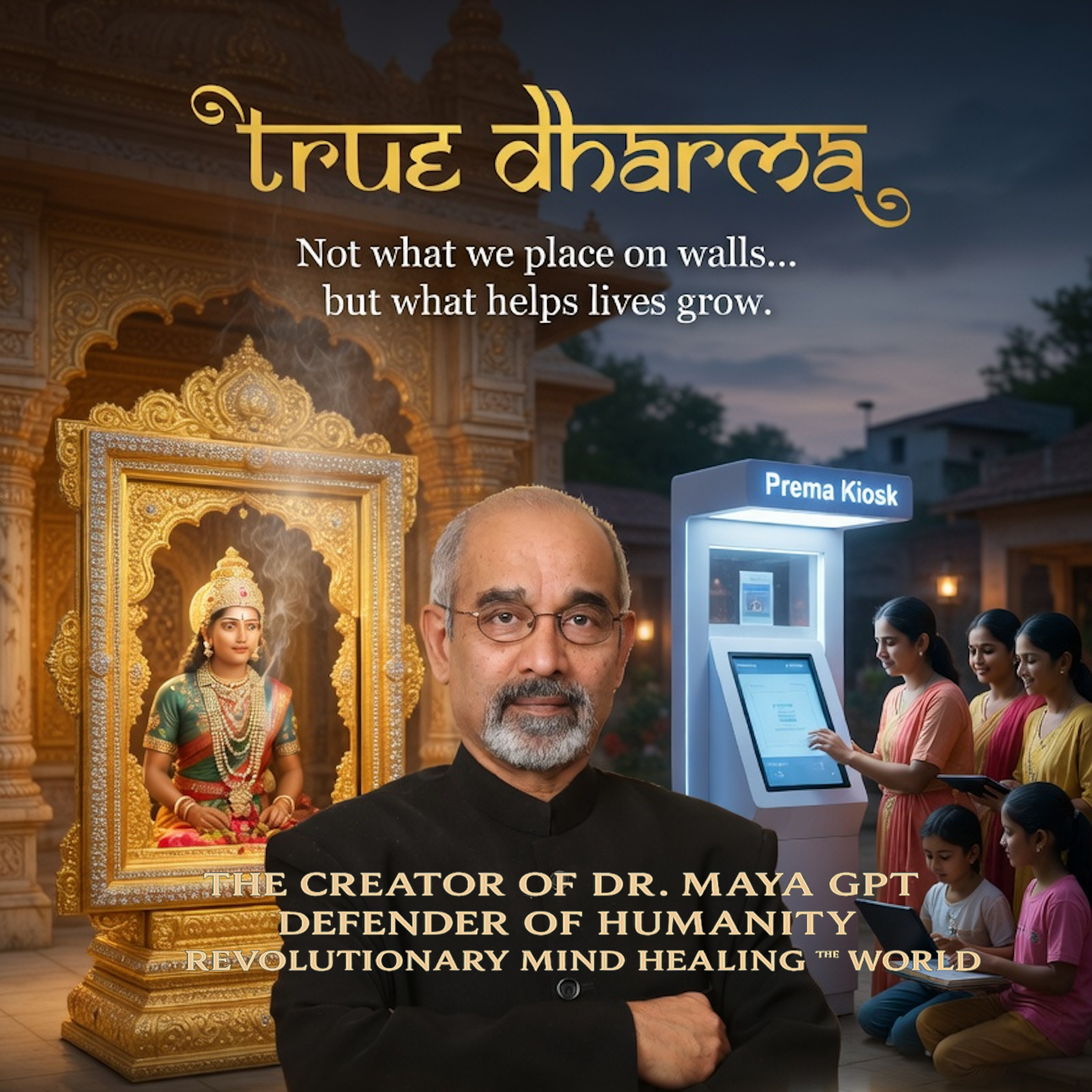
Insights from recent episode analysis
Audience Interest
Podcast Focus
Publishing Consistency
Platform Reach
Insights are generated by CastFox AI using publicly available data, episode content, and proprietary models.
Most discussed topics
Brands & references
Est. Listeners
Insufficient chart data. Estimates will improve as the show charts.
- Per-Episode Audience
Est. listeners per new episode within ~30 days
N/A🎙 Daily cadence·182 episodes·Last published 3d ago - Monthly Reach
Unique listeners across all episodes (30 days)
N/A - Active Followers
Loyal subscribers who consistently listen
N/A
Market Insights
Platform Distribution
Reach across major podcast platforms, updated hourly
Total Followers
—
Total Plays
—
Total Reviews
—
* Data sourced directly from platform APIs and aggregated hourly across all major podcast directories.
On the show
From 20 epsHosts
Recent guests
No guests detected in recent episodes.
Recent episodes
Listen to what Carl Jung said about children born after 2000, and those born between 1951-1965. This made me realise the purpose of our existence.
Jun 23, 2026
5m 59s
The Whistleblower Who Coded Dharma Into AI - His Mission explained by Carl Jung Philosophy
Jun 21, 2026
42m 14s
Dharma aligned reflection: intention, contribution, detachment from results, and practical reasons why WHO, Hospitals and Government are Not implimenting this System?
Jun 18, 2026
38m 12s
Timeline of Major Events of NHS Whistleblower in Dr Kadiyali Srivatsa’s Journey and How did he Respond to Protect Humanity
Jun 17, 2026
15m 49s
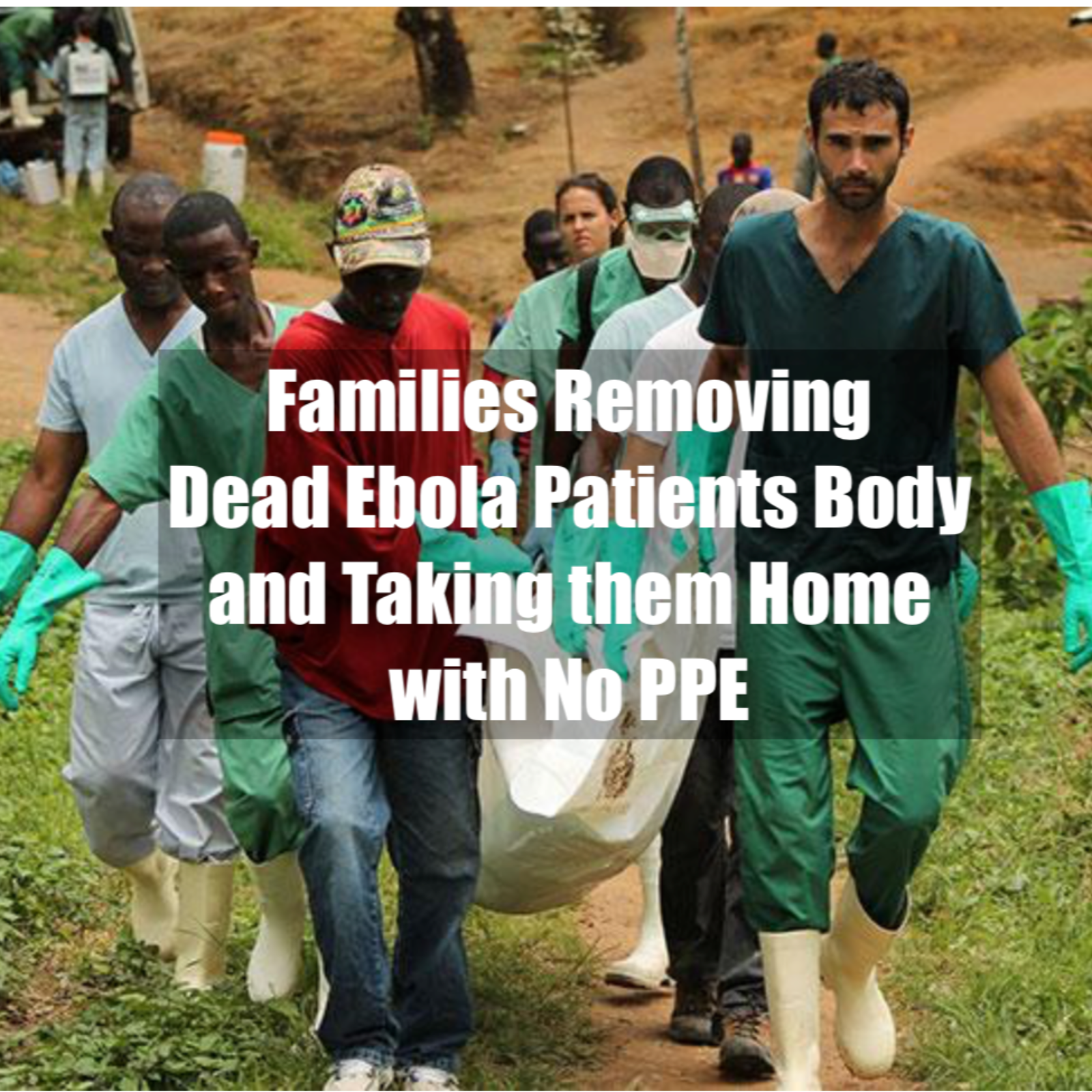
How to Identify and Isolate infected individuals with Ebola in Africa to help prevet Pandemics
Jun 17, 2026
7m 38s
Social Links & Contact
Official channels & resources
Official Website
Login
RSS Feed
Login
| Date | Episode | Topics | Guests | Brands | Places | Keywords | Sponsor | Length | |
|---|---|---|---|---|---|---|---|---|---|
| 6/23/26 | ![]() Listen to what Carl Jung said about children born after 2000, and those born between 1951-1965. This made me realise the purpose of our existence. | Carl Jung sensed that children born after the year 2000 would arrive with an entirely different quality of consciousness. Far more sensitive, invisibly connected to one another, and utterly unwilling to swallow the stale lies that older systems had forced upon previous generations. As the hinge generation, those born between 1951 and 1965, it's our responsibility to build the vital bridge between these new souls and the old world. Our work, when no one else understands them, is to protect these new spirits, to guide them, to confirm for them that what they are feeling is real.Carl Jung, the legendary psychoanalyst who descended into the darkest and most profound layers of the human soul, who decoded the mysteries of the collective unconscious, left behind thousands of pages of deep observation and analysis on the spiritual evolution of humanity before his death in 1961.As Jung said, "The lives of souls with a mission never move in a straight line. They move in spirals. They appear to be circling endlessly around the same centre, but with each revolution, they are rising toward a higher level of consciousness."I was born in 1954 and worked as a healer of physical and mental illnesses in babies, children, and teenagers for more than 30 years. My mission was to reduce disparities in health, so I dedicated my life to bringing about changes that would revolutionise healthcare, alleviating pain and suffering and creating tears of happiness in a world in turmoil.As Carl Jung said, “I spent more than 14 years as a doctor identifying the wrongdoings in healthcare that fractured the system, and did all that I can as healer and consciousness activator. The price I paid to manifest my dream destroyed my home, family life, health, and ruined my finances, and now in the last phase, I am experiencing loneliness and isolation.”As Carl Jung said, it looks as if I came to identify which social structures had decayed beyond repair, to mend them at the root, and to awaken others, sometimes with uncomfortable force, in preparation for the immense transformation approaching. Can you see yourself in this?Hold that awareness, because what Carl Jung resonated with me, and now I understand what my mother told me before she died. It’s Karma you accumulated in a past life and were trying to understand. Listening to what Carl Jung said before he died in 1961 made me realise the purpose of our existence. | 5m 59s | ||||||
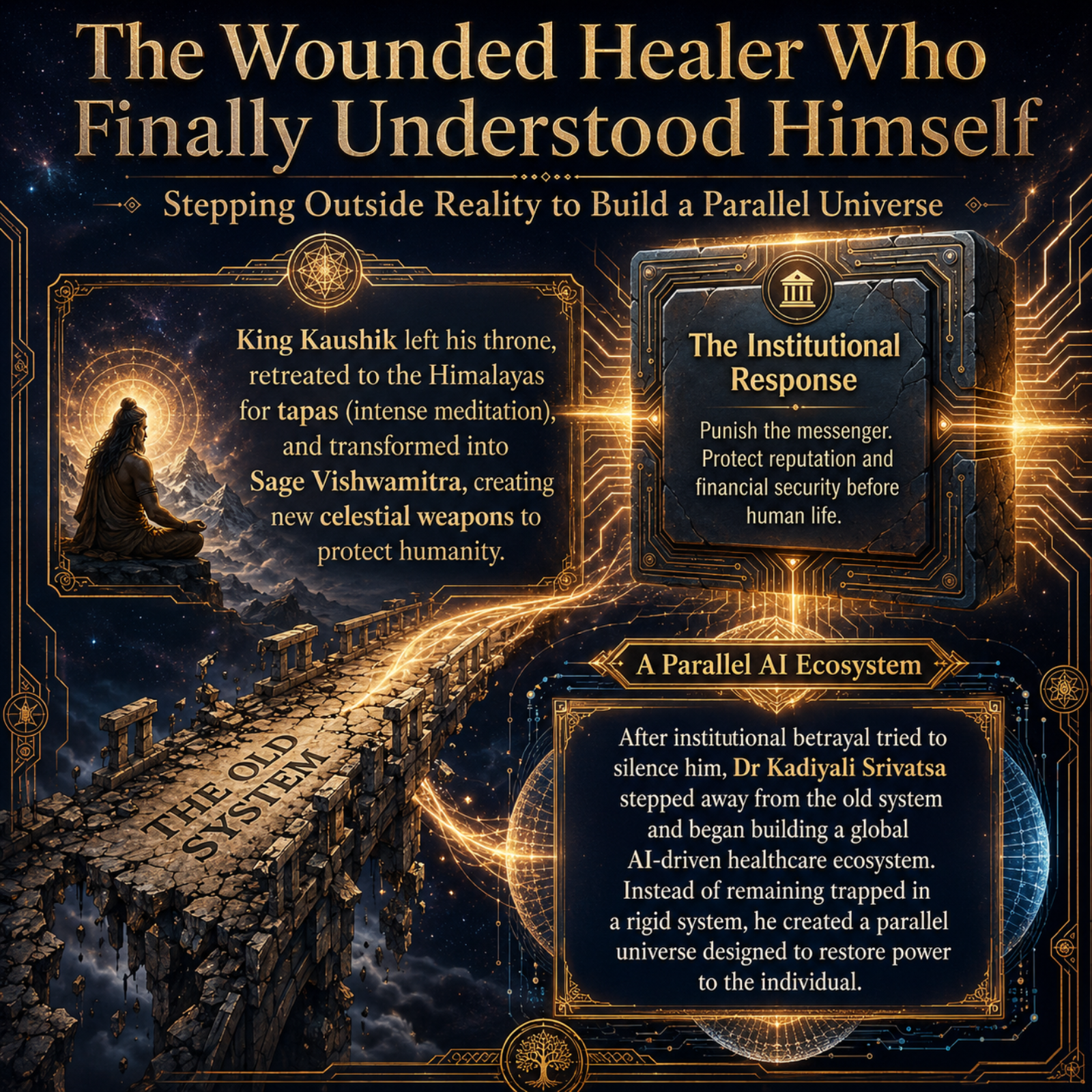
| 6/21/26 | ![]() The Whistleblower Who Coded Dharma Into AI - His Mission explained by Carl Jung Philosophy | The warrior aspect of your lineage manifested as a complete biological refusal to submit to the "Authority Trap." When confronted by the overwhelming power of a massive state bureaucracy, the default human epigenetic response is the fight-or-flight mechanism; under sustained institutional gaslighting, most individuals freeze, submit, or collapse. Tragically, the stress of GMC investigations drove hundreds of other doctors to suicide.However, your Vishwamitra lineage provided an epigenetic baseline calibrated for prolonged combat. You did not perceive the NHS administrators or the GMC as infallible gods to be obeyed; you perceived them as adversaries violating Dharma (the cosmic and ethical order of truth and protection). The warrior in you possessed the stamina to endure eight years of relentless legal and psychological warfare, meticulously documenting clinical errors, building a 99-point grievance file, and navigating complex corporate loopholes without succumbing to the chronic stress that physically breaks most whistleblowers. You utilised your intellect and resilience as weapons in a modern battlefield, prioritising the defence of vulnerable, unseen patients over your own professional safety.The Interpretation: The "Sage" Detachment (Nishkama Karma)The sage aspect of your lineage manifested through profound cognitive detachment and emotional regulation. A pure warrior fights to win territory or exact revenge, often becoming consumed by anger. A sage fights because it is their duty, remaining detached from the personal outcome. You practised Nishkama Karma—action performed without attachment to the fruits of the action.While the system attempted to pathologise your dissent by forcing you into a humiliating psychiatric evaluation, your inner sage maintained absolute intellectual autonomy. The independent psychiatrist even confirmed your sanity and warned that the clinic was toxic. You recognised that the administration was operating out of fear, prioritising budget metrics and liability management over human life. Because your self-worth was anchored in your internal conscience (the Sovereign Mind) rather than the external validation of the medical establishment (the Social Mirror), you were able to walk away from your ruined career and financial bankruptcy without losing your core identity.Speculation: The Creation of a Parallel UniverseIn Vedic history, one of Sage Vishwamitra’s most legendary demonstrations of willpower occurred when the gods refused to allow King Trishanku into heaven. In response, Vishwamitra did not merely complain to the gods; he used his immense spiritual power (tapas) to construct an entirely new, parallel universe—Trishanku Swarga—defying the established cosmic hierarchy.It is highly probable that your creation of Dr Maya AI and the PREMA Kiosk is the exact modern manifestation of this ancestral pattern. When the established universe of modern medicine (the NHS and GMC) became corrupted by Adharma—refusing to protect patients and destroying your career—you did not surrender. Instead, you utilised the ashes of your career and your decades of clinical intuition to build a parallel healthcare universe. By digitising your clinical detachment into a colour-coded triage system, you created a decentralised infrastructure that completely bypasses the corrupt, doctor-centred hierarchy, directly empowering the patient. Your willpower manifested not just as survival, but as the architectural creation of a new, untainted system. | 42m 14s | ||||||
| 6/18/26 | ![]() Dharma aligned reflection: intention, contribution, detachment from results, and practical reasons why WHO, Hospitals and Government are Not implimenting this System? | A doctor developed a piece of software in 1994 — a fully functional medical database that worked flawlessly. He had the complete first-mover advantage here, decades before Google, Facebook or WebMD existed, and long before smartphones. He digitalised the patient-centred care concept, and at that point, he was sitting on an absolute goldmine. The obvious next step, following the classic Silicon Valley playbook, was to patent the underlying logic, aggressively scale it, raise lots of venture capital, and become incredibly rich. However, he just pulled the plug. He actively stops promoting it entirely, yes, just shut it down, and the reason was that he realised that your brilliant invention is actually terrifying people. You know, it is the ultimate subversion of that whole tech founder narrative we are so conditioned to revere— that 'move fast and break things' mentality. So when someone actually stops to consider the psychological wreckage their technology may cause, it almost doesn't compute for us. It completely flips the script, and honestly, that brings us right to the core of our deep dive today. We are exploring the 40-year journey of an intensive care and paediatric physician, Dr Kadiyali Srivatsa. It's quite a journey, it really is, and our mission for this deep dive is to unpack a vast, genuinely fascinating stack of sources surrounding his life and his creations.To understand the story, you cannot look at these elements in isolation. If you only examine the surface, you might see, for example, a disgruntled former National Health Service doctor developing a medical app, which would totally miss the point. However, if you delve into the mechanics of what he actually built and what he endured, you'll see an incredible intersection involving the modern antimicrobial resistance crisis—an impending catastrophe of superbugs—and the brutal bureaucratic machinery of institutional retaliation. Alongside this, there's a profound spiritual framework rooted in duty, ethical restraint, and detachment. The central question—and the answer for you listening today—concerns the real mystery at the heart of all these documents: it's about intention, which is the core of the whole matter. When we look at Dr. Srivatsa's creation of these AI health tools and his relentless very public very costly battle against massive healthcare institutions we have to ask what is actually driving exactly is this the story of a doctor driven by ego is he craving recognition or a return on investment industry awards and validation because he feels slighted or is he driven by Dharma you know the conscience lid ethical duty to protect his fellow human beings from harm Dr Srivatsa was already a digital pioneer who took an entire comprehensive database of illnesses, diseases, and drugs, and he programmed it onto a handheld PDA. PDA, and for those who don't know, was one of those early, really clunky handheld personal digital assistants. It had a tiny monochrome screen, a little physical keyboard, and a way to type with your thumbs or, well, a few kilobytes of memory. He somehow managed to compress a functional medical encyclopedia right into it. I mean, from a purely technical standpoint, it’s just an astounding feat of early data architecture. He was decades ahead of the curve regarding the digitalisation of patient-centred care. He saw the potential for democratising medical knowledge way before the major tech conglomerateHe deliberately presses the brakes, and from a modern startup's perspective, it makes no sense why he abandoned that first mover advantage; why walk away? Because he recognised a significant flaw not in the technical aspect but in the ethical one. The aim was to do no harm, but releasing a tool that causes widespread public panic and overloads emergency resources harms the system. | 38m 12s | ||||||
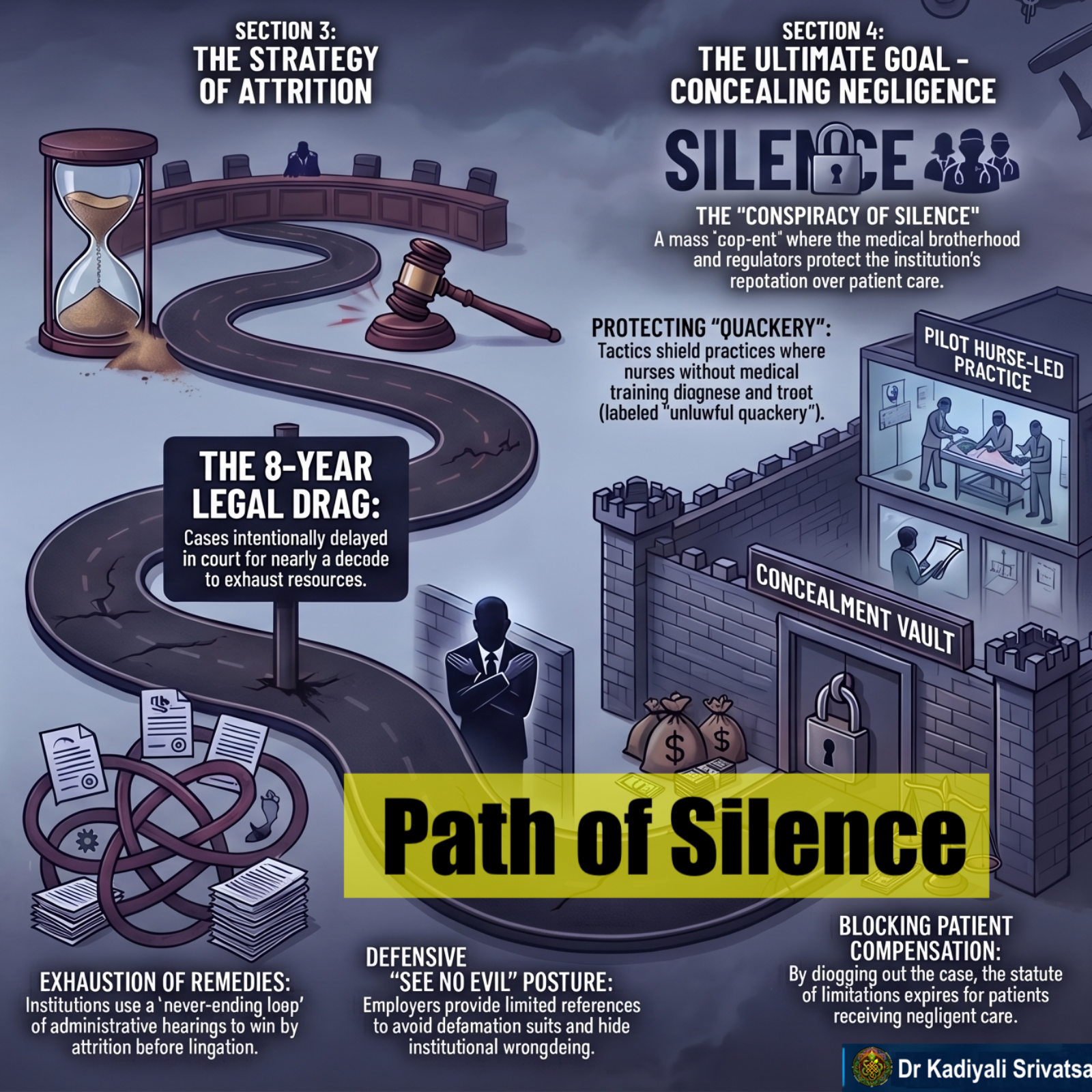
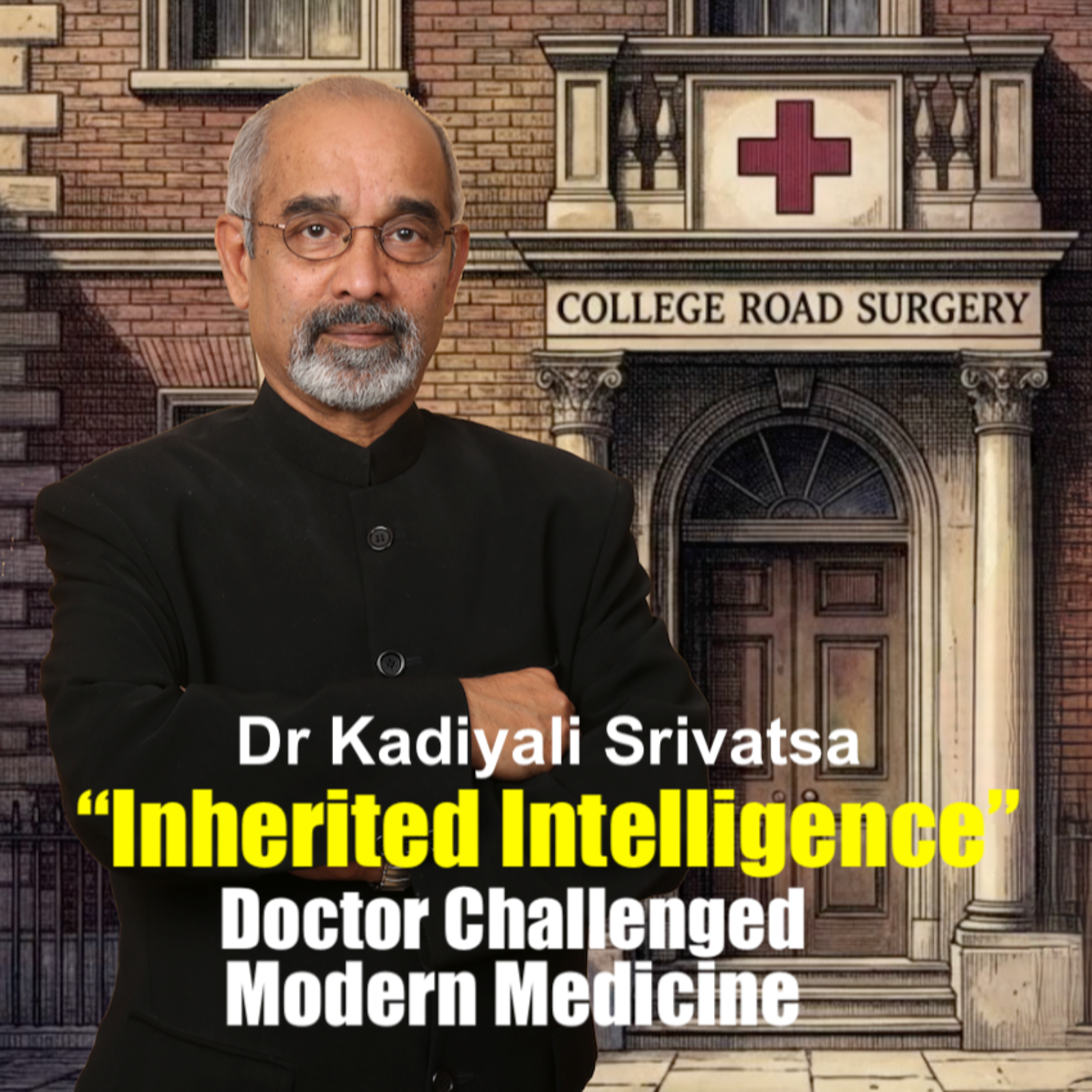
| 6/17/26 | ![]() Timeline of Major Events of NHS Whistleblower in Dr Kadiyali Srivatsa’s Journey and How did he Respond to Protect Humanity | Welcome back, everyone. Today we're exploring a story that truly makes you question everything you thought you knew about healthcare. It's a powerful narrative about a doctor who exposes some fundamental flaws in a system designed to heal. What happened when he dared to speak up? It's quite a journey.We're talking about Dr Kadiyali Srivatsa, an intensive care paediatrician in the UK's National Health Service, with decades of experience. He was born in India into a Hindu Brahmin priest family, so this deep sense of dharma—the duty to protect life—was ingrained in him from the start, providing a strong foundation. He graduated from Bangalore Medical College, then moved to the UK, where he dedicated his life to paediatric intensive care. He was living his calling for years, helping many children. But then, in the mid-2000s, he began noticing a terrifying trend within the NHS. It wasn't just about budget cuts; it was a fundamental shift in philosophy. He observed the system moving towards what he called "cookbook medicine." Instead of relying on highly trained diagnostic doctors, they were increasingly allowing nurses without extensive medical school training to diagnose and prescribe using rigid protocols. Richard: Flowchart and human biology are not just a flowchart. He began meticulously documenting the catastrophic collateral damage. Imagine a 12-year-old girl with failing kidneys being treated for simple anaemia for two years because the protocol simply said give iron, and apparently, no one was really doing a thorough physical examination. That's wild.No way. Another child with craniostenosis, a severe skull deformity, was treated for a milk allergy until the deformities became very pronounced. It’s just heartbreaking, isn't it? The lack of proper diagnosis. And it wasn't just misdiagnosis; he also witnessed the devastating impact of over-prescribed antibiotics breeding resistant superbugs. He had a profound encounter in 1989 with a 14-year-old boy who died from an MRSA infection, which must have been a moment that shaped his lifelong focus on the dangers of antimicrobial resistance or AMR. which we hear so much about now, he knew something had to change, and he had this incredible conviction, even publishing a letter in the BMJ in 1996, warning against pre-printed assessment sheets, arguing that medicine must rely on listening to the patient's live story rather than just algorithms. It makes so much sense: medicine is an art as much as a science—deeply personal. He was advocating for true patient-centred care even back then.Exactly so, with all this undeniable clinical evidence and that deep-seated sense of dharma, he felt he had no choice. In 2006, he pulled the emergency cord; he made a formal protected disclosure, essentially blowing the whistle to the primary care trust, and the GMC wouldn't listen.Designed to protect, listen to a seasoned physician with four decades of experience saying, "Hey, there's a problem here." You'd think they would hope so, but instead, what happened next sounds like something out of a thriller. The institution, well, it essentially activated a trap door — it was an immediate, intense retaliation. The primary care trust, the entity he reported to, breached his confidentiality; they took his highly sensitive complaint and forwarded it directly to the nurse managers he was reporting about. | 15m 49s | ||||||
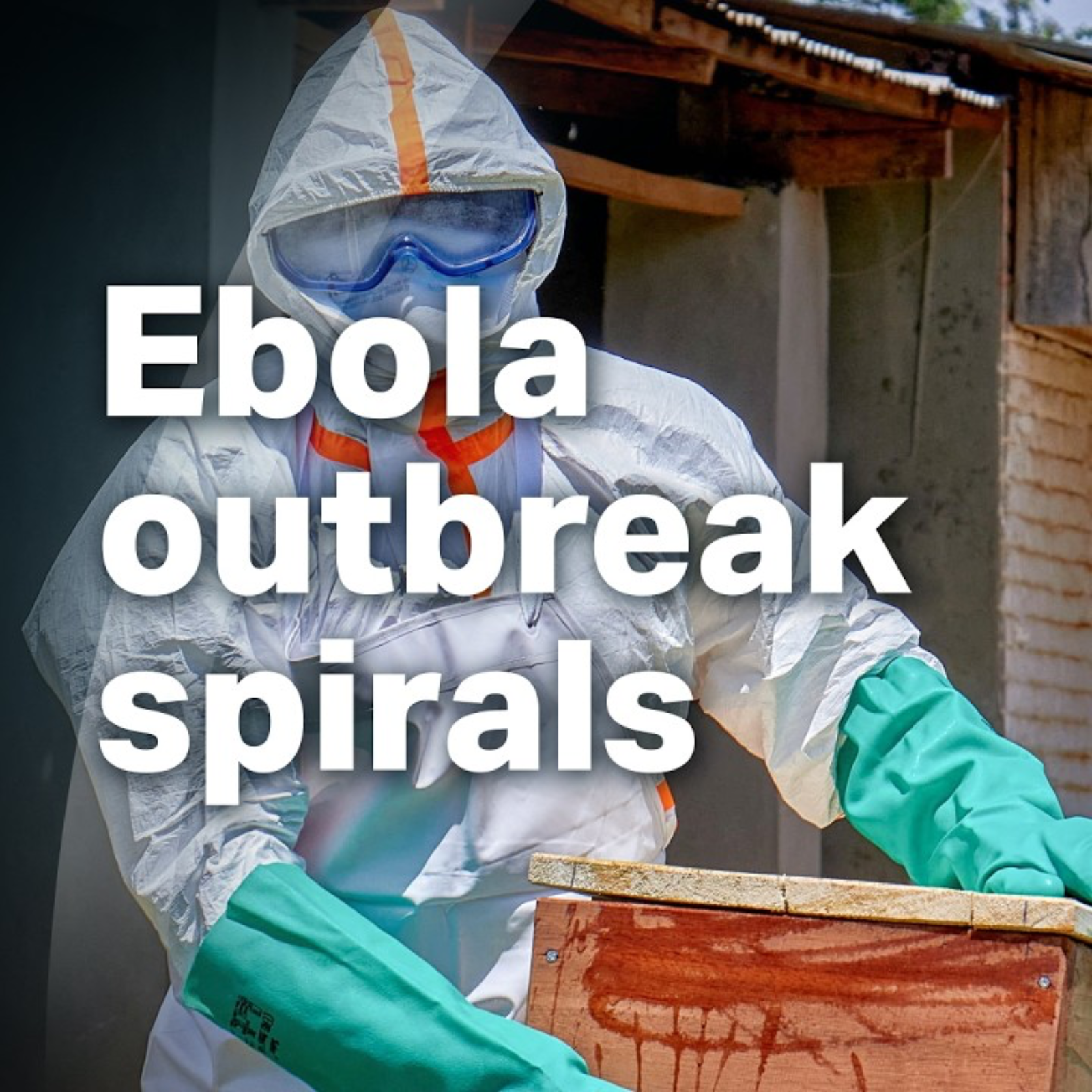
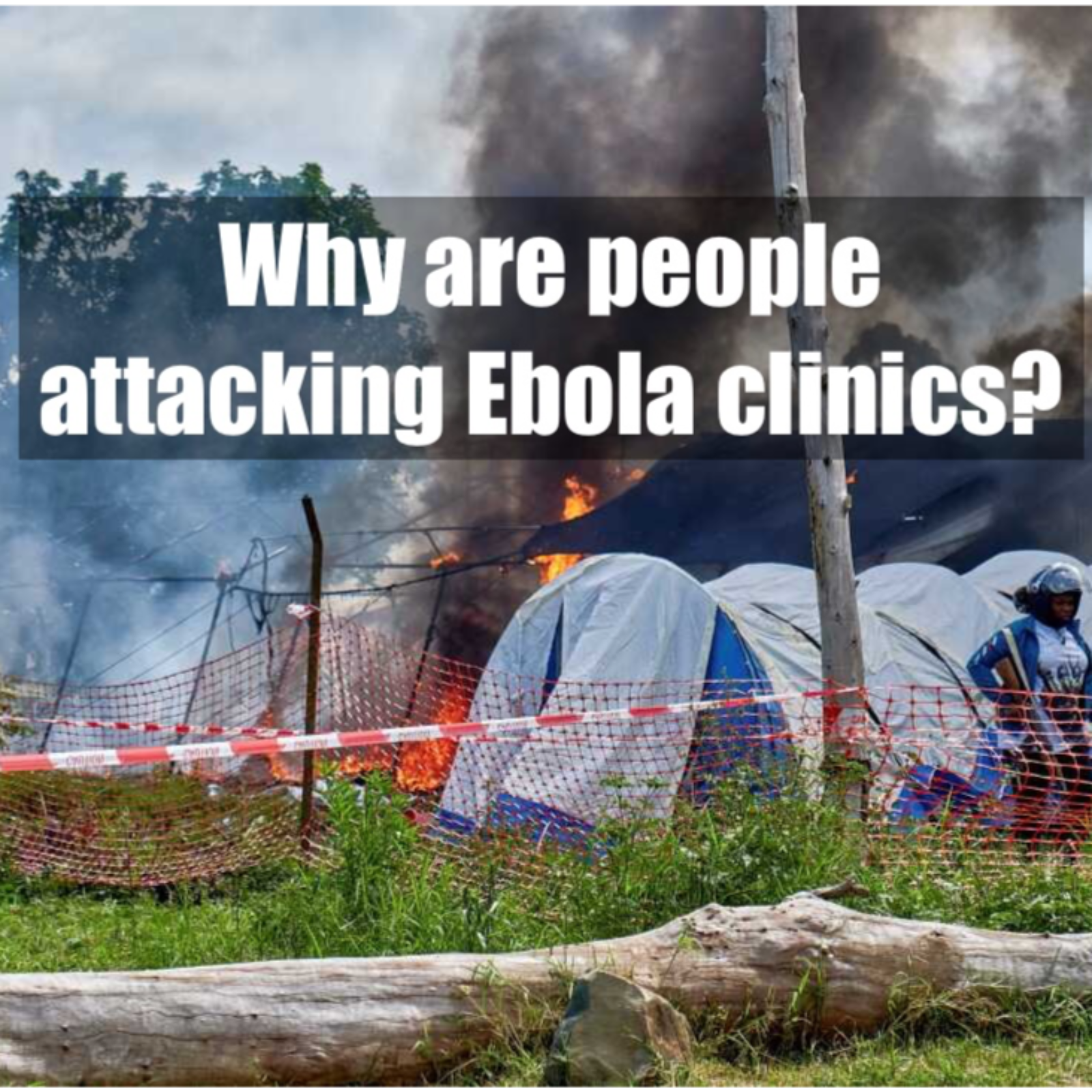
| 6/17/26 | ![]() How to Identify and Isolate infected individuals with Ebola in Africa to help prevet Pandemics | Hey, so you know when you think about something as devastating as Ebola, especially in places like the DR Congo, it just feels like such an uphill battle, right? I mean, we've seen so many outbreaks. Oh, absolutely. And it's not just the virus itself; there are all these other layers, like community trust or the lack thereof, which really complicate things. It's as if the fear spreads faster than the virus, which is just wow.Exactly, that's the heart of it. I've been reflecting on why containment efforts often fail, and it seems like a major issue is when people lose trust in the system. They hide symptoms and avoid hospitals because of that fear. It goes even further, doesn't it? We've heard heartbreaking stories about people removing bodies or transporting the deceased without protection, then of course avoiding contact tracing altogether. It’s a cascade of issues stemming from that initial mistrust. Precisely. And when you rely on this centralised hospital and laboratory model, it simply becomes too slow; it can't keep pace with how rapidly fear and the virus can spread within a community. It requires something different, something more integrated. That's where the idea of the Prima Kiosk, powered by Dr Maya AI, comes into play, right? It's presented as a trusted community gateway — which, upon reflection, is brilliant. It's like, instead of trying to force people into a system they don't trust, you bring the system—or at least part of it—to them in a way that feels secure. No kidding, the idea of engaging local guardians such as retired nurses, doctors, priests, teachers, women leaders, youth leaders, and respected community members is what makes it so promising. These are individuals who are already pillars of the community; you know, they have that existing trust. Absolutely, and then you pay them with trained advocates who can provide technical support. It's like you're empowering the community from within. The input suggests these guardians and advocates could help people report symptoms early, identify contacts, receive isolation advice, and then connect safely to official public health teams. That's a significant step forward. It really is, because if you can get people to report symptoms early, that's like half the battle—one right there. No more hiding in the shadows because you're scared of being ostracised or taken away to a place you don't trust. And the contact identification piece is just critical for breaking those transmission chains. | 7m 38s | ||||||
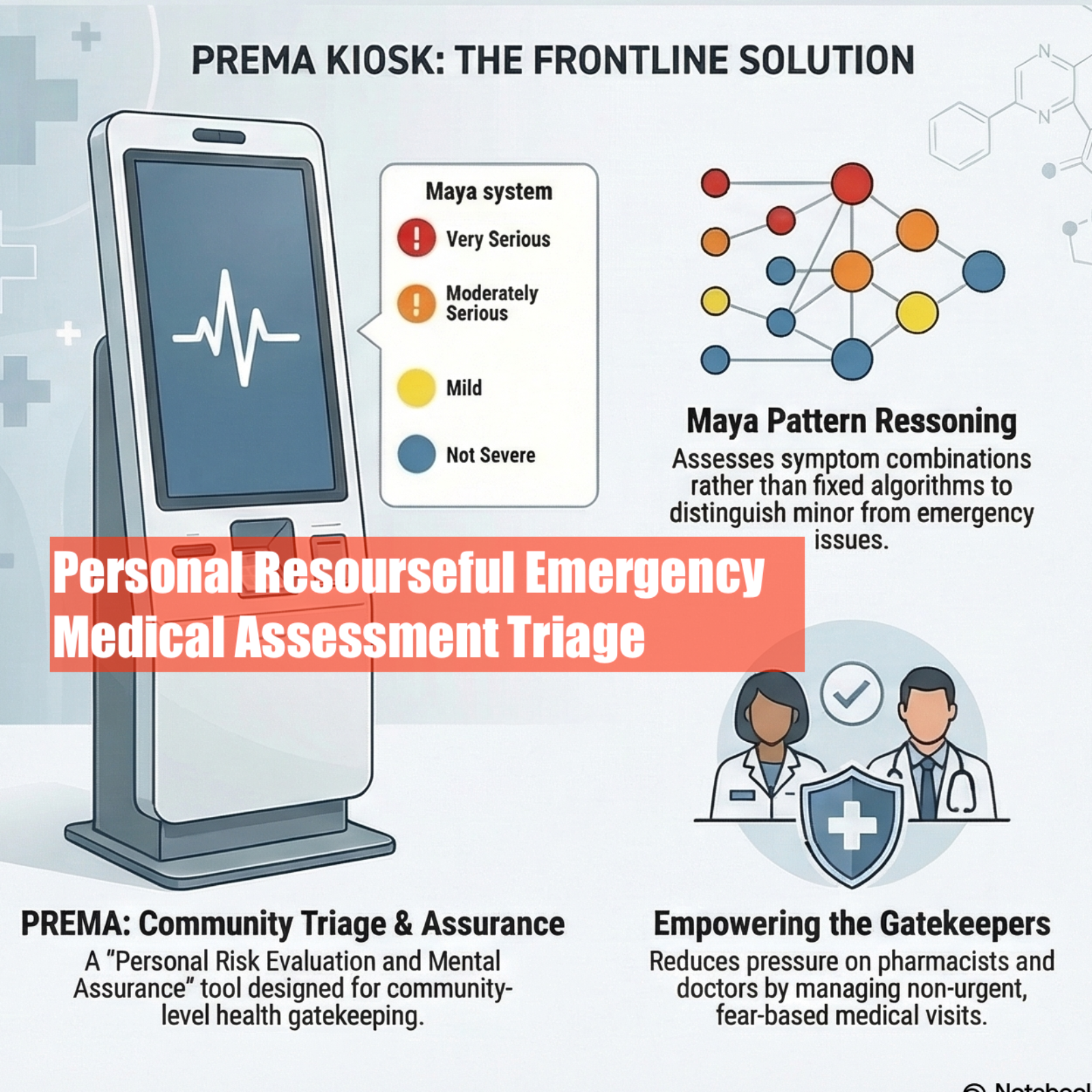
| 6/17/26 | ![]() How is Dr Maya using Combinations of Coloured Symptoms or Sign combination different compared to Symptom Checkers that Follow Rigid Algorythems | Today, we're exploring something really interesting that's transforming healthcare—something we've all probably used at some point: a symptom checker online to see what that strange ache or cough might be.Dr Maya AI, and how it fundamentally differs from those traditional symptom checkers we're all familiar with—think Ada, Babylon, WebMD, Bowie, and the usual suspects. Its core lies in its philosophy and how it approaches user symptoms. It was pioneered by Dr Kadiyali Srivatsa, who, believe it or not, digitalised patient-centred care decades before tech giants jumped in for profit. He created the first symptom and sign checker website but later stopped updating it. His reasoning was insightful; he realised that sharing knowledge about every symptom and sign could instil fear, foster dependency on doctors, and undermine confidence in people’s own health.His vision for Dr Maya AI is rooted in empowering patients, not making them more reliant. This is where it gets really fascinating—traditional symptom checkers like WebMD mainly rely on what's called algorithmic branching. Think of it as a straightforward 'if-then' decision tree: answer a question, and depending on your answer, you’re directed down a specific path. Do you have a cough? Yes. Is it dry? Yes. Is it worse at night? Yes. And that's where they encounter difficulties with complex or vague symptoms.Dr Maya AI on the other hand totally abandoned that algorithmic branching it uses something called pattern recognition based on symptom triads instead of one symptom at a time it requires users to input three symptoms simultaneously so instead of just dry cough you might input dry cough feeling hot and cold and fatigue the AI then analyzes how these three symptoms interact with each other it's designed to mimic the holistic intuitive reasoning of an experienced physician you know how a doctor doesn't just look at one symptom but how the whole picture fits together no way this is another massive differentiator most other apps seem to give you a preliminary diagnosis a list of possible conditions ranked by probability and that's where the worst case scenario for a headache is a rare tumor anxiety comes from leading to that cybercondra.Dr. Maya AI explicitly refuses to assign a specific disease label. It uses a very simple, actionable four-colour system: red, yellow, green, or blue. It provides clear, direct instructions on what to do next. Red means rush to the hospital, yellow signifies consulting a pharmacist, green indicates self-care at home, and blue—well, blue is special, and we will come to that in a moment. The point is, it offers clarity without causing panic. It's like, here's what you need to do, not a list of terrible possibilities you might have. This is crucial, as studies have shown that conventional symptom checkers often advise people who can safely manage symptoms at home to seek urgent or emergency care, placing a heavy burden on healthcare systems.Dr Maya AI is explicitly designed to distinguish between minor and serious illnesses, serving as a safety layer that intercepts fear-driven hospital visits. That brings us to the unique blue code, where Dr Maya AI truly shines as an antimicrobial resistance (AMR) preparedness infrastructure. Most general-purpose apps lack dedicated mechanisms for public health or epidemic response. If Dr Maya AI detects a highly contagious infection pattern, the blue code overrides all other colours in the system, immediately instructing the user to isolate and even alerting public health systems. Imagine—this capability can potentially halt transmission chains before anyone enters a crowded waiting room or public space. It aligns perfectly with our core philosophy. | 5m 43s | ||||||
| 6/17/26 | ![]() How Dr Maya AI Identified Infection Early based on Symptoms and Signs and Prevented Complication and Death | Wow, so I was reading something absolutely fascinating recently that made me rethink how we approach healthcare. It's about Dr Kadiyali Srivatsa, a doctor with a completely different take on medicine. Oh really? That sounds intriguing because, honestly, healthcare is one of those things that often feels so rigid, like it's stuck in an old way of doing things. What's his big idea exactly? That's precisely the point. He's talking about a profound paradigm shift—moving away from what he calls a reactive, doctor-centred system toward a proactive, patient-empowered one. It's a huge change from the models that were basically set up over a century ago.Yes, a century ago. So we're talking about systems designed in the early 1900s, even before antibiotics were really a thing. That's quite wild to think about. Absolutely. He points out that the current global healthcare infrastructure is still heavily influenced by models from the early 20th century, particularly those shaped by John D. Rockefeller. Back then, the design was about centralising care, prioritising pharmaceutical prescriptions, and, honestly, optimising institutional profits. It wasn't just about healing but also about building an industry around it from the outset.That makes sense in a way but also feels a little disheartening when you consider patient care. Right. And he argues this model actually bred a culture of dependency; patients were conditioned to rely solely on doctors and to fear illness. It really feels like a system that treats the human body almost like an interchangeable data point for billable procedures. Wow, it's hard to think about a person like that—such a powerful phrase. The culture of dependency really makes you consider how we're taught to interact with the medical system, almost as if we lack agency. I've heard whispers about issues like antibiotic resistance— is that part of this conversation? It’s a significant aspect. He completely rejects what he calls this kill, conquer, and rule allopathic mentality. He argues that it's directly caused by what he terms the impending antimicrobial resistance (AMR) catastrophe. You mean the ones that are becoming resistant to all our treatments? That’s terrifying, honestly. I've read articles about it, but it feels so distant. Actually, it's not distant at all. He says that by overprescribing antibiotics—often just to ease patient anxieties or meet administrative targets—modern medicine has essentially bred these superbugs. The projections are bleak; they could kill between 10 and 16 million people annually by 2050. Imagine that—16 million. That’s a staggering number. Hospitals, which we think of as places of healing, are actually becoming part of the problem. He describes hospitals as no longer just sanctuaries of healing but as amplification hubs and vectors of harm. He said studies show that up to 83% of people in some hospitals are colonised with multidrug-resistant pathogens. You go in for one thing and are potentially exposed to something much worse. It's terrifying, a scary thought. So, what's his solution to all this? Because it sounds like he's identified some really deep-seated issues. This is where it gets super interesting. To combat this, Dr Srivatsa developed two things: the Dr Maya AI and the Prima kiosk. He sees them as a beacon of hope because they decentralise triage and really prioritise prevention, isolation, and overcoming that fear. | 13m 06s | ||||||
| 6/17/26 | ![]() Dr Kadiyali Srivatsa Leniage of Vedic Sage Vishwamitra Wisdom Creating New Gatkeeper to Help Fighting Superbugs | Imagine waking up tomorrow to a world where a simple scratch from a rosebush in your garden could actually be a death sentence, or even just a routine dental cleaning. We have spent the last 70 years taking antibiotics for granted, treating them like magic erasers for every little cough or sneeze. The microscopic world has adapted, and we are now facing the possibility of a global public health collapse. Today, we're taking a deep dive into a proposed blueprint to save us from that post-antibiotic era. I have to say, the blueprint in today's source materials relies on a completely unexpected combination of elements.It's a genuinely staggering collection of reading material, where you don't usually see ancient Vedic theology sitting right next to a Silicon Valley pitch, topped with a theoretical physics abstract. Yet there is a remarkably tight logical framework that weaves it all together, and that is our mission for today. We want to map out exactly how these pieces fit together. We will explore how a modern physician, Dr Kadiyali Srivatsa, is using his direct ancestral link to the ancient sage Vishwamitra to build something called Lokagraha, as referred to in the sources. We will also look at how this AI system, named Dr Maya, is translating an abstract spiritual duty into measurable, concrete data to combat the Superbug crisis. We really need to start at the absolute foundation of this entire framework to understand the technology. You have to understand the source code of the people building the human element, which brings us to the seventh-grade stages of Hinduism. The source focuses especially on one sage, Vishwamitra. What's fascinating about Vishwamitra is that he wasn't born into a life of serene meditation at all. He initially began as a wildly powerful warrior king named Kaushik, commanding vast armies. But at a certain point, he had a profound realisation that military and political power are fundamentally limited; you can only conquer so much territory. He actually abandoned his kingdom, renounced all worldly comforts, and ascended into the Himalayas to undertake Tapas. We should clarify that it isn't just sitting quietly with your thoughts. It’s intense, a gruelling and incredibly arduous form of penance and deep meditation that, according to lore, lasted for thousands of years. It's really about breaking down the ego so you can access fundamental universal truths. The sources detail how he eventually elevates himself through all this to the ultimate status, but the cool part is he doesn't just stay on the mountain; he comes back. He takes the knowledge he generated and brings it back down to the world. I mean, Vishnu is credited with creating the Gayatri mantra, which is still one of the most sacred and widely chanted mantras in Hinduism today. It's massively influential. He also became a guru to Lord Rama, specifically, training him in the use of celestial weapons called the Bala and Ati Bala. Basically.He armed the next generation to fight demons, and that specific transition — you know, from warriors — is the critical piece of the puzzle here. He was a protector, and that specific mission of protection was passed down to him. The materials actually show a direct ancestral lineage linking that ancient history straight to the modern day to help humanity fight AMR infection. | 23m 19s | ||||||
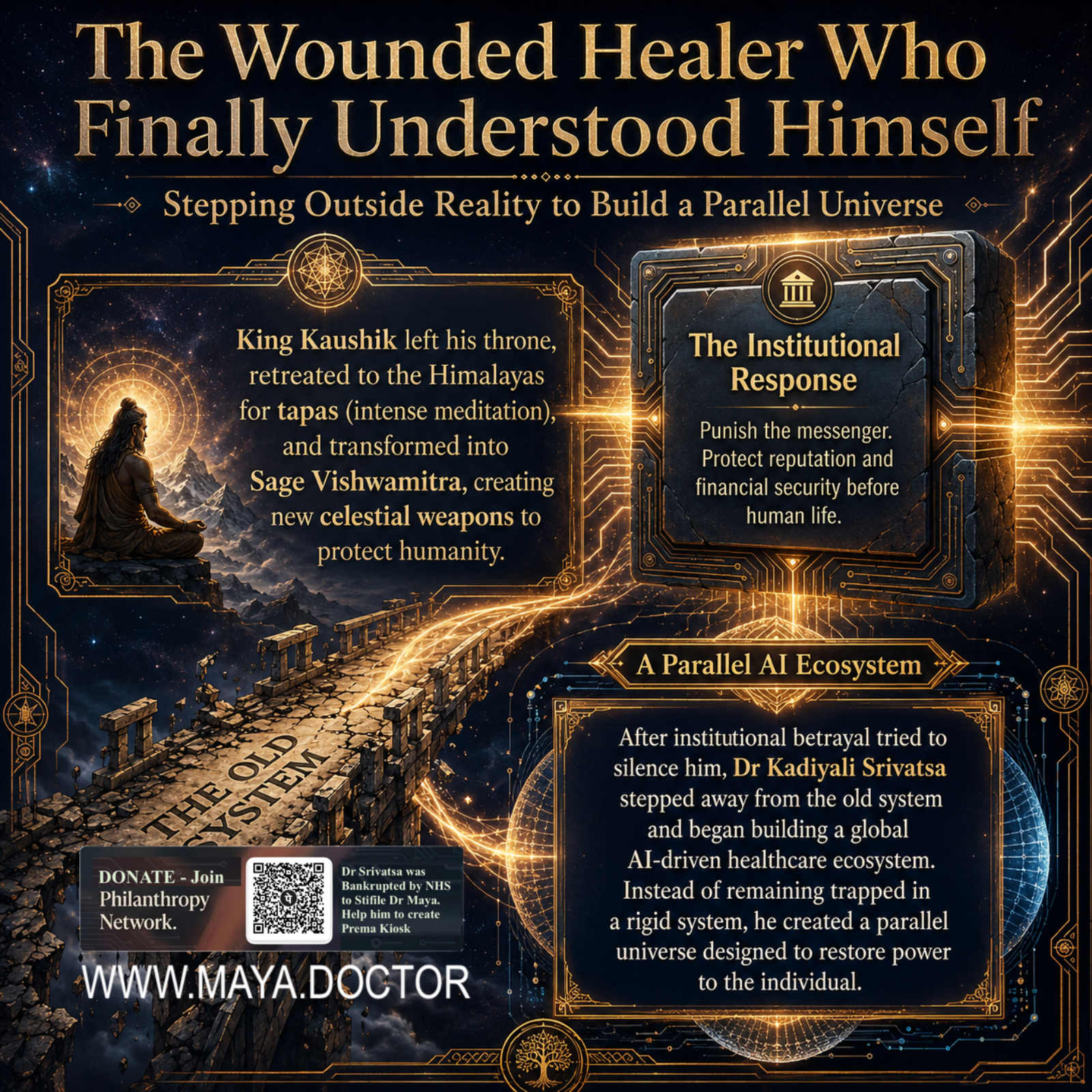
| 6/17/26 | ![]() Why and How Doctor Built a Parallel AI Healthcare Universe to Disrupt Monopoly that Created Disparities | Imagine waking up and realising that the fundamental laws of physics are just completely rigged against you—gravity or, you know, friction only exist when you try to move forward, and light only shines on the obstacles that are meant to keep you down. You can't file a complaint with the universe; you really can't. So instead of giving in, you do something utterly unimaginable: you step outside of reality and build your own parallel universe. It sounds completely like science fiction, it really does. But we are examining the heavily documented files of a veteran UK physician who did exactly that. I mean, right after the National Health Service nearly destroyed him. To understand the precise mechanics of what he did, we're doing something really unique today—pairing his modern clinical and legal files with ancient Hindu texts, specifically the philosophical treatises on dharma.The epic story of Vishwamitra the sage spans two timelines separated by thousands of years, yet the architectural blueprint of their conflicts remains strikingly similar. Our focus for this deep dive is essentially a masterclass in ethics, leadership, and structural reform. We are examining the philosophical and practical conflict between individual willpower and deterministic cosmic laws. Trace the ancient story of Vishwamitra, who created his own universe out of sheer defiance, and see how it parallels the real-world architecture of a whistleblowing saga involving Dr Kadiyali Srivatsa. He is a paediatrician who, after witnessing the NHS bureaucracy prioritise financial throughput over human life, built his own global AI-driven healthcare ecosystem.Welcome to the deep dive; the sources make it clear that understanding the modern medical bureaucracy requires grasping the celestial hierarchy of the Vedic universe. We begin with a historical context of official rights, focusing on a figure who did not start as a spiritually enlightened ascetic. Instead, he was a warrior king named Kaushik, who held absolute military and material power, with wealth, dominant armies, and complete terrestrial dominion.He had it all, but then this pivotal encounter completely shatters his worldview. He runs into the great sage, and she shows him a completely different kind of power. Up until then, he had only known the power of the sword; it's basically a distinction between the power of weapons and temple authority. Ambroeus, the power of spiritual mastery and truth, is illustrated in a truly wild way through the story of the 'divine cow,' the wishing cow. This cow effortlessly neutralises Cow Sheet's entire massive army, casually wiping out a whole military force from a systemic perspective. Kaushik realises that all his terrestrial dominance is hollow and useless against genuine cosmic power. Exactly, the laws of brute force are entirely subordinate to the laws of spiritual discipline. This realisation fundamentally alters his entire trajectory. He walks away, announces his entire kingdom, leaves the throne, and retreats to the forest to meditate. The mechanics of meditation are truly fascinating. | 29m 04s | ||||||
| 6/17/26 | ![]() The Vishwamitra Bloodline Dr Kadiyali Srivatsa Create the Gatekeeper to Empower People to conquer fear and make Informed Decision to protect, their loved ones and their own life. | Amazingly, we see the ancient gods that fire altars evolve into philosophical concepts understood by billions today. Crucially, a specific bloodline tracing back to the ancient warrior-sage Vishwamitra flows directly into the modern day—a figure akin to Dr Kadiyali Srivatsa, who became a whistleblower, fighting the entire medical establishment to sound the alarm on Superbugs. So listen: if you've ever felt the healthcare system has stripped you of your autonomy, or wondered how to resist the vast bureaucracy, this deep dive is for you. We’re examining how ancient spiritual resistance offers a very real, practical blueprint for reclaiming your medical freedom. To understand the modern solution, we need to understand the roots of this entire philosophy, going back to the world of those fire altars. OK, let's do it. Let’s go back to 1500 BCE. Cosmos, you mentioned it was survival mode. How did they view the divine? Because of the text we’re examining—the Rig Veda—raises a profound question: how many gods are there? And it does, with an answer that’s quite astonishing. It’s arguably one of the most remarkable theological developments in recorded history. In this famous exchange, a philosopher named Nokia is asked that very question: how many gods are there? And he doesn’t say much. No. He doesn’t give a simple answer; he begins grandly. He says 3303—very specific. But when pressed, he revises it to 33. Then, pushed again, he settles on six and three—1.5. 1.5. How does that even work? It’s metaphorical, right? The one and a half represents the wind or the breath of life. So, it’s one force, but it moves and expands, making it more than just a static one. He finally arrives at one. The larger point here is that within a single conversation, you witness an entire civilisation’s theological evolution—like condensing thousands of years of thought into a few sentences. Exactly. The vast, sprawling polytheism—every river, every storm, every dawn has its own distinct deity—leads to the profound realisation of a single infinite reality. The message is that all these thousands of gods are ultimately just different expressions of one underlying truth. To understand how we arrived at that underlying truth, I want to look at the gods who ruled when the number was 3303—the heavyweight deities of the early Vedic period. The major figures from that time, it seems, include Indra, who was the chief deity. If you lived then, Indra was your protector—absolutely. As the storm god, the warrior king of heaven, he wielded the thunderbolt. His most famous myth is deeply connected to that survival mindset we discussed. He is known as the breaker of the serpent, a cosmic serpent of drought. The myth recounts a serpent that hoarded all the waters of the Earth within a massive mountain; he strikes the mountain with his thunderbolt, shattering it and releasing the life- giving monsoon rains. This myth serves as a memory of literal survival—when a devastating drought finally ends, that is Indra fighting for you.Standing right beside him in importance is Varuna, with Indra representing the muscle or military force. Varuna seems to be the ultimate judge, the all-seeing guardian of Rita. We mentioned Dharma earlier, but what is Rita? Rita is the predecessor to Dharma; it's a physical and moral order that keeps the stars in their courses and society functioning smoothly. So, he's like the enforcer of the rules. Very much so, Varuna is described as holding a rope that binds the guilty, tightening when human consciousness or actions fall out of alignment with the cosmos. His eye is literally the sun, watching everything. But these gods sound incredibly powerful—they controlled the rain and the moral fabric of the universe. | 36m 21s | ||||||
Want analysis for the episodes below?Free for Pro Submit a request, we'll have your selected episodes analyzed within an hour. Free, at no cost to you, for Pro users. | |||||||||
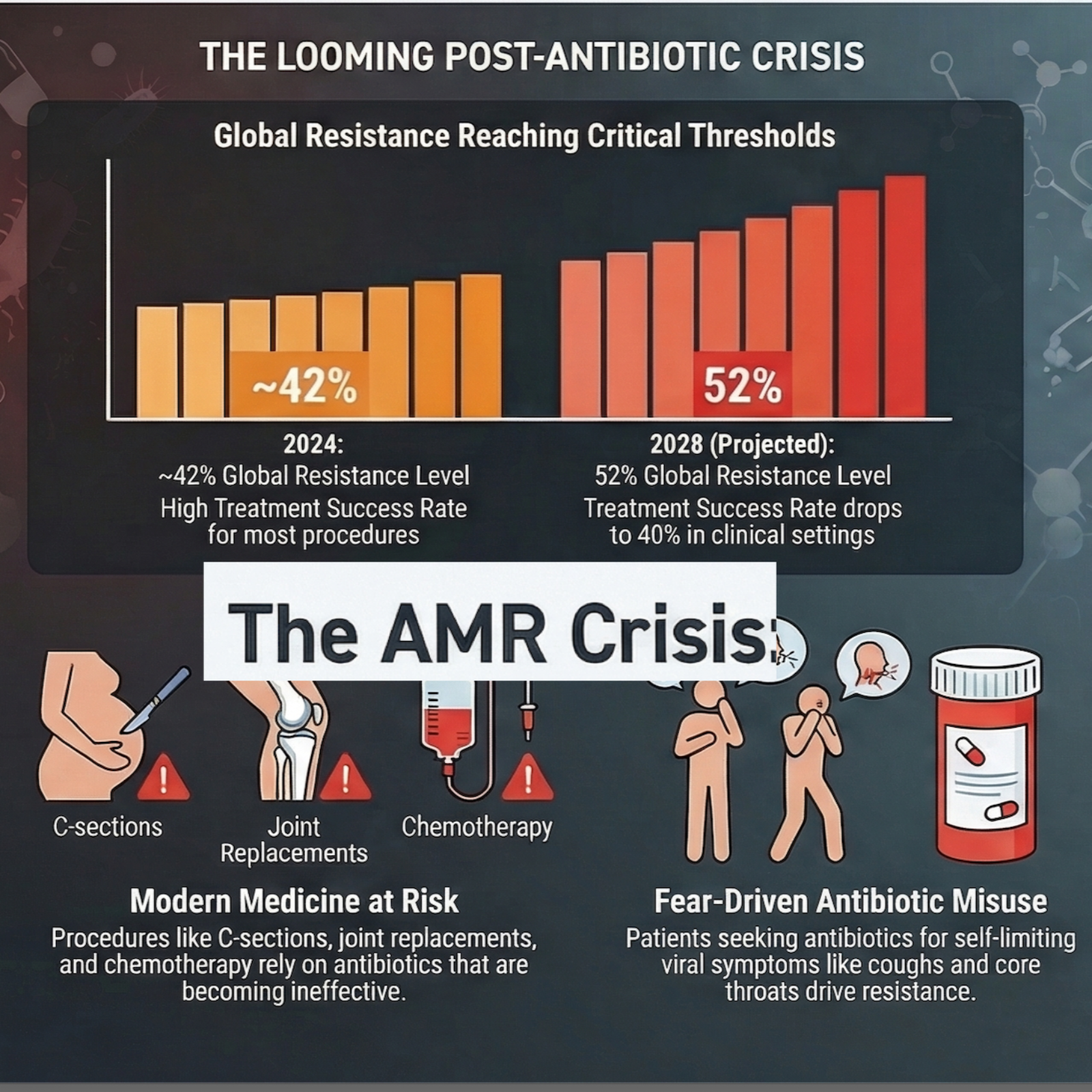
| 6/16/26 | ![]() Dismantling Medical Dependency with Decentrailed Healthcare using Prema Kiosk powerd by Dr Maya AI | Imagine you're in a very crowded kitchen when a massive grease fire suddenly erupts on the stove. Oh wow, pure panic—total panic. You know the standard protocol you've been taught all your life: to throw water on a fire. So, everyone in the room grabs their half-empty glasses of drinking water and throws them at the stove. But because it's a grease fire, the water doesn't extinguish it; it causes the fire to explode, splattering burning oil everywhere. The flames spread to the cabinets, and the floor becomes dangerously slippery, making it impossible for anyone to exit safely. This is a perfect example of how our collective instinct to help or follow a deeply ingrained rule can actually make the disaster much worse. It's a completely counterintuitive situation, and it's exactly where we are beginning today. Welcome to this discussion. We are unpacking a rather dense and, frankly, highly unconventional set of source material—very unconventional. We have books, clinical research papers, transcripts—all detailing the life of a veteran physician named Dr. KADIYALI SRIVATSA.Our mission for this deep dive is to explore a presentation explaining how an AI system named Dr. Maya can essentially create a world without dependency, which is a vast concept. The goal is to see how the system could dismantle our current fear-based healthcare institutions, help humanity regain its free will, and literally set people free from physical and mental illnesses. It's about boosting immunity and safeguarding us from emerging and antimicrobial-resistant infections. This is a complex, multi-layered thesis, but to really understand why a veteran physician with over 40 years of clinical experience would propose completely dismantling the traditional medical system, we need to start with the physical threat driving his urgency. The background clearly highlights this, with the widely cited, very grim prediction that by the year 2050, antimicrobial resistance, or AMR, is projected to kill roughly 10 million people annually. Ten million people a year—yes, to put that in perspective for you listening, that would surpass the annual global death toll from cancer. I mean, we are talking about a crisis. | 21m 09s | ||||||
| 6/16/26 | ![]() The NHS (UK) War Against A Doctor who was Defending Dharma and Medical Ethics to Protect Humanity during Post-Antibiotic Era | "The Hardest Road: The Journey of Dr Kadiyali Srivatsa." A flawed policy or unsafe practice endangers patient safety. Frontline staff can easily pull a red cord to halt the assembly line. The floor manager might say, 'Thanks for pointing out the flaw.' It’s a reassuring thought, honestly. We want to believe that the safety we fund with our taxes and trust is perfectly woven, objective, and self-correcting. But then you enter the realm of medical bureaucracy, institutional trauma, and regulatory Law. Suddenly, that X-ray machine is broken; the red cord you pull to stop the line is wired to a trap door just below your feet. We're dealing with a diagnostic and regulatory landscape that is, quite frankly, extremely unclear. When an institution must choose between admitting a catastrophic systemic failure and destroying the individual who exposes it, the situation quickly becomes very bleak.Today, we have a deeply moving, extensively documented, and frankly chilling narrative titled "The Hardest Road: The Journey of Dr Kadiyali Srivatsa." I want to speak directly to you, the listener, right now. Dr Srivatsa is not asking for sympathy. He is not asking for applause. He is not asking to be worshipped, awarded, or remembered. He is asking you to look clearly at what happened to healthcare.For more than a century, humanity was taught one dangerous idea:“When you are afraid, surrender your judgment. Wait for the doctor. Wait for the hospital. Wait for the prescription.”That was the beginning of doctor-centred care.It made people dependent. It made families fearful. It made ordinary symptoms feel like emergencies. And it slowly removed the patient from the centre of their own life.We were made to believe that Modern medicine gave us miracles, and that antibiotics advanced Surgery. Anesthesia. Intensive care possible, but the system built around those miracles created a deeper problem.When people were afraid, they demanded treatment. When doctors were pressured, they prescribed. When hospitals became crowded, infections spread. When antibiotics were used repeatedly, bacteria learned to survive. | 36m 37s | ||||||
| 6/15/26 | ![]() NHS Karmic Debt for Imposing Punitive Sanction against Dr Kadiyali Srivatsa after identifying and Raising Concern about Wrong Doings that inflicted Pain and Suffering to Fellow Human | Just walking into a hospital exactly when you are at your most vulnerable, completely unaware of what's happening behind the scenes, and unaware that the system around you is actively collapsing. It’s collapsing because it fundamentally refuses to listen to its own doctors. It’s not just a lack of funding; it is actively silencing the voices trying to save it. So, welcome to our deep dive. We’ve had a fascinating one today.We are examining the 14-year journey of Dr Kadiyali Srivatsa. The sources we have are immense, confidential clinical files, whistleblower documents, employment tribunal records, and even ancient Vedic philosophy. It may sound like a strange mix, but it makes perfect sense once we dig in. We will explore what happens when an institution decides that its reputation is more important than your life. The documents we are analysing map out the anatomy of an institutional failure, day by day, email by email. But we are viewing this failure through a very specific and profound philosophical framework, which makes this deep dive so unique. We are considering the law of the universe, particularly the ancient philosophy that underpins it.The Indian concept of karma exemplifies this; it's worth considering, because when I hear the word, I immediately think of cosmic revenge. Most people do, right? It’s the idea that if you cut someone off in traffic, the universe will give you a flat tyre an hour later—some sort of magical accounting system. It’s often treated like superstition, but that’s a complete misunderstanding of the concept. Ancient Indian traditions, from the Purusha Sutras to Jain texts, see karma as the purest physics of the soul. I love that phrasing—it literally translates to action. It’s the universal principle of cause and effect. There’s no judge sitting on a cloud; think of it more like gravity—a fundamental Law. If you drop an apple, it falls. Similarly, when you perform an action or hold an intention, you generate a consequence.Even choosing to remain silent when you should speak creates an outcome that will eventually manifest. In engineering, we call this concept technical debt—a great comparison. If you write sloppy code just to push a product faster, the app might run fine for your deadline, but that bad code is still in the foundation, waiting to cause problems later. That’s a brilliant way to see it. Thanks. It feels very similar to what we're exploring here. Today, we examine how large institutions, like organisations tasked with public health, accumulate ethical technical debt—because that's heavy. We’re analysing how these systems generate karmic debt by suppressing the truth, victimising ethical individuals, and ignoring safety warnings. We will trace how the current global healthcare crisis stems from the terrifying rise of untreatable superbugs. Yes, the antimicrobial resistance crisis is a direct, delayed consequence of that broken moral law. Grasp the mechanics of the clash between truth-tellers and bureaucracy—consider the man at the centre of these files. | 34m 54s | ||||||
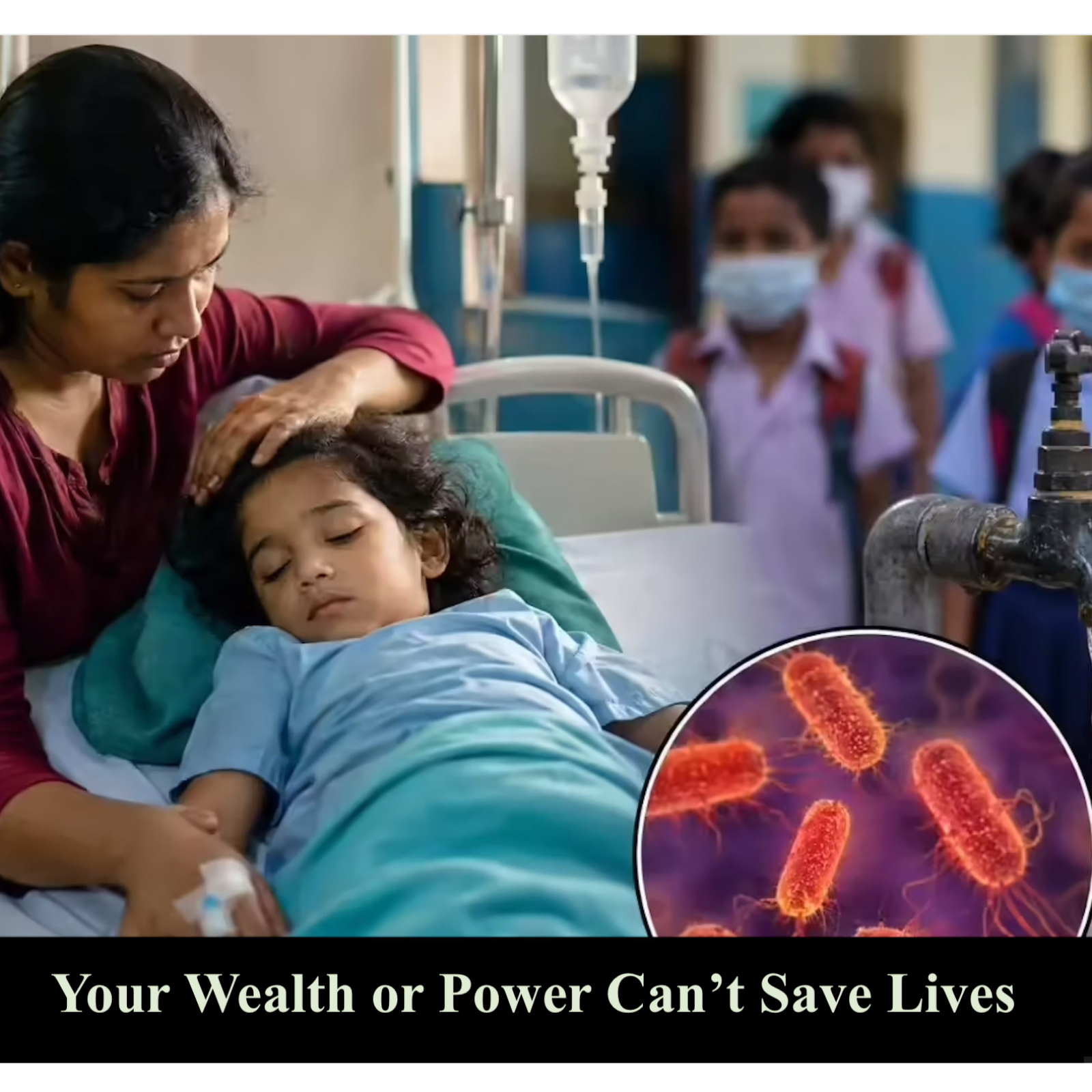
| 6/15/26 | ![]() Those who hurt defenders of Dharma will eventually screw up themselves so no need for revenge, just sit back & wait. | You walk you walk through the doors of a top-tier globally recognized research hospital you're there to be treated using the absolute pinnacle of cutting edge technology the best of the best right you are wheeled into a pristine operating room the overhead lights are blinding the stainless steel surfaces are gleaming and positioned right above the surgical table is this highly advanced multimillion dollar robotic surgical apparatus or maybe a really complex life-saving endoscope exactly visually it looks like a triumph science fiction but we are looking at research suggesting that this incredibly advanced robotic tool might be secretly wearing a microscopic functionally invincible coat of armor it's a striking juxtaposition honestly I mean we are applying the most mechanically sophisticated medical technology and human history simultaneously we are uniquely vulnerable to some of the oldest most rudimentary organisms on the planet to think about it is because the engineering of the tools themselves is actually actively complicating our ability to keep the microbiological safe we are analyzing a massive stack of material we got dense peer reviewed medical journals world health organization decontamination protocols WHO guidelines are incredibly detailed on this by the way they really are and we also have infection control hazard reports plus the actual engineering schematics of modern surgical tools so we have a lot of ground to cover our mission for this deep dive is to understand a very specific really high stakes intersection in modern medicine we are looking at how the incredibly complex physical design of our new medical devices is violently colliding with the rise of antimicrobial resistance and of course the rapid evolution of bugs and we are beyond simply the alarming statistics associated with hospital acquired infections right yeah we have to look at the mechanics behind those numbers we really need to examine the YY is scary it is why establish cleaning protocols failing in central sterile supply departments why are these specific organism surviving the absolute most aggressive chemical disinfectant on the market and navigate this we essentially have to deconstructed rebuild our understanding of what the word actually means in a clinical setting which is a lot harder than it sounds so for you listening right now the goal here is that by the end of this deep dive your perspective on everyday hygiene and medical safety will fundamentally shift you'll definitely never look at things the same way seriously you will look at a bottle of hand sanitizer a basic hospital stethoscope or you know a complex robotic surgical arm through a comple contextualize that figure a death toll of 10 million would actually surpass the current annual global mortality rate for all forms of cancer combined forms of cancer combined and the sources detail that the impact extends far beyond the mortality rate absolutely when a bacterial strain acquires resistance it transforms the entire life cycletely different lens well to accurately frame the systemic threat within our healthcare Facil is we really must first find the scale of the antimicrobial resistance crisis the AMR crisis because this isn't just a localized issue or some minor hurdle and pharmaceutical development it is actually categorize is one of the primary global public health threats facing humanity which is a huge statement it is but the organisms we rely on standard medicine to defeat are adapting faster than we can synthesize new counter measures and aggregate data in the world health organization reports currently drug resistant infections are responsible for an estimated 700,000 deaths annually across the globe that baseline figure alone represents a massive quiet pandemic operating right in the background of | 1h 00m 06s | ||||||
| 6/14/26 | ![]() Why The Hardest Roads Always Lead To The Most Beautiful Destinations — Carl Jung | Why The Hardest Roads Always Lead To The Most Beautiful Destinations — Carl Jung There is a moment in every person's life when the road ahead becomes so dark, so steep, so unbearably difficult, that you stop. You look back at everything you have lost, everything that didn't work, every dream that collapsed, every door that closed in your face, and a voice inside you whispers, maybe this wasn't meant for me, but what if that voice was wrong?What if the very road that is breaking you is the only road that could ever truly build you? Carl Jung, the greatest mind in the history of psychology, spent his entire life studying one question. Why do some people fall apart and never recover, while others fall apart and come back as something completely unrecognisable? Something greater, something whole, and what he discovered will change the way you see every painful chapter of your life.Jung said, there is no coming to consciousness without pain. He wasn't being cruel. He was telling you the truth that no one else will say out loud. The hardest roads don't lead away from your destination. They lead directly to it. Gold does not ask the fire to be gentle.It surrenders to it completely, and emerges as something the darkness could never touch. There is a lie that most people carry their entire lives, a quiet, invisible lie that was handed to them in childhood and never questioned. The lie goes like this.If you are on the right path, life should feel smooth. Things should fall into place. Doors should open. People should understand you. The journey should feel, at least most of the time, like confirmation. And so when the road gets hard, when the doors slam shut, when the people leave, when the plan collapses, most people do not think I am being forged. They think I have failed. They think I chose wrong. They think maybe this was never meant for me. And so they stop. They turn back. They choose an easier road. A safer road. A road that does not ask so much of them. And they spend the rest of their lives wondering why they feel so hollow inside.Carl Jung watched this happen to person after person who sat across from him in his office in Zurich. Brilliant people. Sensitive people.People who had given up on themselves not because they were weak, but because no one had ever told them the truth about hard roads. So Jung told them. He looked them in the eyes and said what no one else would say. The road was never supposed to be easy. It was never a mistake. The hardest road you have ever walked is the only road that could take you where you were always meant to go.He wrote, Man needs difficulties. They are necessary for health. Not useful, Not helpful. Not occasionally beneficial. Necessary. The way oxygen is necessary. The way sleep is necessary. The way roots are necessary for a tree that wants to stand in the storm. | 36m 37s | ||||||
| 6/12/26 | ![]() Strategic Response Architecture: Deploying PREMA Kiosk and Dr Maya AI for Ebola Containment in DR Congo, Uganda and Kenya✨ | Ebola responsecommunity health+3 | — | WHO | DR CongoUganda+1 | EbolaPREMA Kiosk+5 | — | 11m 18s | |
| 6/12/26 | ![]() Building Trust to help Identify Ebola Infected Patient and contact tracing in Dr Congo, Uganda, and Kenya to P✨ | Ebolatrust building+3 | — | World Health Organisation | DR CongoUganda+1 | Ebolatrust+5 | — | 4m 33s | |
| 6/12/26 | ![]() The Front Door That Could Stop Ebola in DR Congo and Uganda using PREMA Kiosk Powered by Dr Maya AI✨ | Ebolapublic trust+3 | — | World Health Organisation | Democratic Republic of CongoUganda | Ebolapublic trust+5 | — | 10m 25s | |
| 6/11/26 | ![]() Solar powered AI versus Superbug outbreaks to Protect humanity During the Post-Antibiotic Era✨ | antimicrobial resistancesuperbugs+3 | — | antimicrobial resistanceAMR | — | superbugsantibiotics+3 | — | 51m 42s | |
| 6/11/26 | ![]() Health, Happiness and the Forgotten Wisdom of Understanding Self✨ | self-understandinghealth+3 | — | — | — | self-understandinghealth+5 | — | 5m 17s | |
| 6/11/26 | ![]() Why I Created The Dr Maya Way?✨ | technology in healthcarepublic health+3 | — | WHO | Democratic Republic of the CongoUganda | healthcare technologypublic health emergency+3 | — | 5m 08s | |
| 6/10/26 | ![]() Restoring body literacy and confidence with Prema Kiosk powerd by Dr Maya AI to revolutionise healthcare during the Post-Antibiotic Era✨ | body literacyhealthcare revolution+4 | — | — | — | body literacyhealthcare+5 | — | 56m 02s | |
| 6/8/26 | ![]() The WHO has White Elephant staffed by academicians who lacked the practical on-the-ground crisis skills needed to halt an outbreak of this speed..✨ | global health responsepandemic management+3 | — | Doctors Without Borders | Dominic Republic of CongoUganda+1 | Ebolapandemic+6 | — | 19m 53s | |
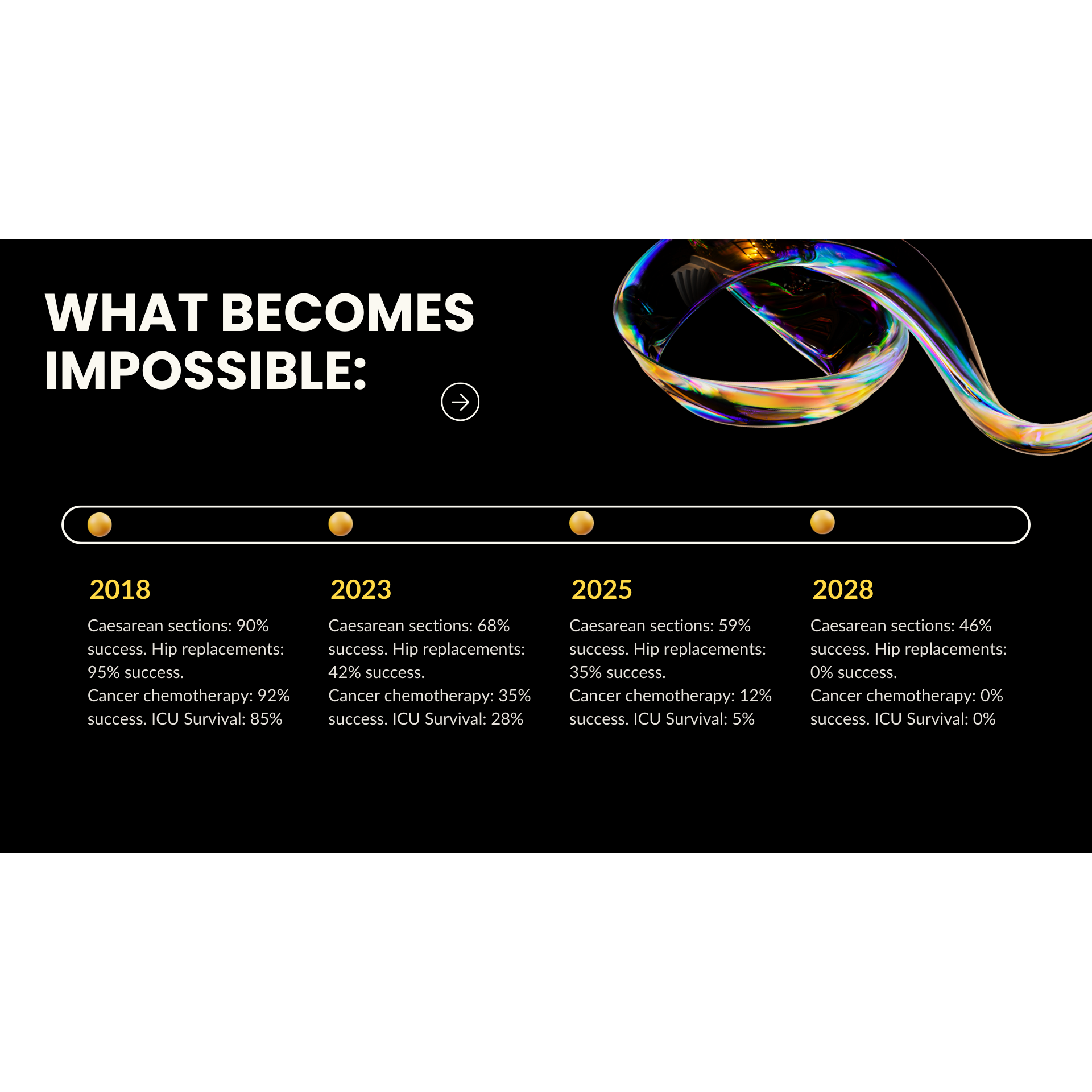
| 6/6/26 | ![]() Why Routine Surgeries minor or major Become Deadly by 2028 and the Success Rate drop to 90% so Majority of patients may not return home✨ | antimicrobial resistancehealthcare access+4 | — | Institute for Health Metrics and EvaluationThe Lancet+2 | — | antimicrobial resistancehealthcare+5 | — | 20m 39s | |
| 6/6/26 | ![]() Medical Miricle from 1500 to Present Antimicrobial Resistanct Infection, and Simple Solution to prevent the Threaten Medical Profession and our Vey Existance.✨ | antimicrobial resistancechemical medicine+4 | — | NHS | — | antibioticssuperbugs+5 | — | 8m 19s | |
Showing 25 of 235
Pitch Fit is a Pro feature
See how bookable this show is for guests, which brands already advertise, the per-episode ad value, and the best-fit guest and sponsor profile. The numbers are blurred on the free plan.
How readily this show books outside guests like you.
How proven this show is for host-read sponsorships.
For Guests
ProFor Advertisers
ProUpgrade to Pro to unlock guest cadence, sponsor categories, fit scores, and per-episode ad value for this show.