
Insights from recent episode analysis
Audience Interest
Podcast Focus
Publishing Consistency
Platform Reach
Insights are generated by CastFox AI using publicly available data, episode content, and proprietary models.
Most discussed topics
Brands & references
Total monthly reach
Estimated from 18 chart positions in 18 markets.
By chart position
- 🇬🇧GB · Music Interviews#30100K to 300K
- 🇦🇺AU · Music Interviews#1505K to 30K
- 🇨🇦CA · Music Interviews#1735K to 30K
- 🇮🇹IT · Music Interviews#5300K to 800K
- 🇮🇳IN · Music Interviews#18100K to 300K
- Per-Episode Audience
Est. listeners per new episode within ~30 days
338K to 991K🎙 ~2x weekly·78 episodes·Last published 6d ago - Monthly Reach
Unique listeners across all episodes (30 days)
675K to 2.0M🇮🇹40%🇬🇧15%🇮🇳15%+15 more - Active Followers
Loyal subscribers who consistently listen
203K to 595K
Market Insights
Platform Distribution
Reach across major podcast platforms, updated hourly
Total Followers
—
Total Plays
—
Total Reviews
—
* Data sourced directly from platform APIs and aggregated hourly across all major podcast directories.
On the show
From 15 epsHosts
Recent guests
Recent episodes
How Gomez's Tom Gray Ended Up Taking On Spotify in Parliament - Part 1
Jun 23, 2026
55m 58s
Geoff Barrow (Portishead) Made a Film with a Sleaford Mod and Every Penny Invada Had
Jun 16, 2026
1h 07m 39s
Sathnam Sanghera on George Michael: Iraq, Wham!, Empire, Fandom, and The Best Hit Rate in Chart History
Jun 9, 2026
1h 01m 37s
Los Campesinos! Part! Two! On Class, Privilege, And The Economics Of Bands vs Solo Artists
Jun 4, 2026
48m 54s
You! Me! 10 Million Spotify Streams! How Much?!?!! Why Los Campesinos! Stopped Being Quiet - Part 1
May 26, 2026
47m 24s
Social Links & Contact
Official channels & resources
Official Website
Login
RSS Feed
Login
| Date | Episode | Topics | Guests | Brands | Places | Keywords | Sponsor | Length | |
|---|---|---|---|---|---|---|---|---|---|
| 6/23/26 |  How Gomez's Tom Gray Ended Up Taking On Spotify in Parliament - Part 1 | Sean finally sits down with Tom Gray, songwriter, founding member of Gomez, and the person behind the Broken Record campaign that took on Spotify. This is the first bit of a two-part conversation. | 55m 58s | ||||||
| 6/16/26 |  Geoff Barrow (Portishead) Made a Film with a Sleaford Mod and Every Penny Invada Had | Films, Portishead, and how the people who went to those countryside raves in 1993 ended up voting Reform | 1h 07m 39s | ||||||
| 6/9/26 |  Sathnam Sanghera on George Michael: Iraq, Wham!, Empire, Fandom, and The Best Hit Rate in Chart History✨ | George Michaelmusic history+4 | Sathnam Sanghera | Wham!Tonight the Music Seems So Loud+3 | — | George MichaelWham!+5 | — | 1h 01m 37s | |
| 6/4/26 |  Los Campesinos! Part! Two! On Class, Privilege, And The Economics Of Bands vs Solo Artists✨ | music industryeconomics of music+3 | Gareth David | Los Campesinos! | — | musician economicsclass+3 | — | 48m 54s | |
| 5/26/26 |  You! Me! 10 Million Spotify Streams! How Much?!?!! Why Los Campesinos! Stopped Being Quiet - Part 1✨ | streaming economicsmusic industry+3 | Gareth | SpotifyLos Campesinos! | — | streamingLos Campesinos!+3 | — | 47m 24s | |
| 5/20/26 |  AI & Consent Special with Addison Rae, Dua Lipa and Taylor Swift featuring Dr Hayleigh Bosher✨ | AIConsent+4 | Addison RaeDua Lipa+2 | SamsungIce | — | AIConsent+6 | — | 1h 03m 14s | |
| 5/14/26 |  Ticket Touts Rejoice! DiS & Which? React to The King's Speech✨ | ticket toutinggovernment policy+4 | — | Labour governmentWhich?+1 | — | ticket toutingKeir Starmer+5 | — | 40m 29s | |
| 5/5/26 |  Two Music Fans. One Astonishing Fan-Led Review of Live & Electronic Music✨ | live musicelectronic music+3 | — | UK government | — | live musicelectronic music+3 | — | 41m 25s | |
| 4/28/26 |  The UK government promised to end ticket touting. So why hasn't it?✨ | ticket toutingconsumer rights+3 | consumer rights journalist | Which? | UK | ticket toutingsecondary ticketing+4 | — | 33m 54s | |
| 4/22/26 |  Movements & Music - Introducing Sounds Like Change✨ | podcast introductionmusic+2 | — | Drowned in Sound | — | Drowned in Soundpodcast+3 | — | 22m 29s | |
Want analysis for the episodes below?Free for Pro Submit a request, we'll have your selected episodes analyzed within an hour. Free, at no cost to you, for Pro users. | |||||||||
| 3/24/26 |  Nobody Consented to This: How AI Is Using Artists' Music, Voices and Likenesses Without Permission✨ | AImusic rights+3 | — | UK government | — | AImusicians+3 | — | 33m 00s | |
| 3/17/26 |  Can £125,000 Make a Difference to the Crisis in Live Music?✨ | live musicartist income+3 | — | music industry | — | live musicartist income+3 | — | 47m 32s | |
| 3/10/26 |  Why Does Electronic Music Sound Like Shoegaze? Art School Girlfriend on Lean In, positive nihilism, and making music for fun✨ | electronic musicshoegaze+3 | Art School Girlfriend | album | — | electronic musicshoegaze+3 | — | 58m 18s | |
| 3/3/26 |  What If You Could Taste Music? kwes. on his "dreamy" new LP on Warp✨ | music productionartist burnout+3 | kwes. | Warp | — | kwes.music+6 | — | 52m 27s | |
| 2/24/26 |  The Grassroots Pledge: Wrestling Instagram, Spotify, and the Arts Council with promoter David Littlefair✨ | grassroots musicmusic promotion+4 | David Littlefair | Arts CouncilSpotify+1 | — | grassrootsmusic promoter+4 | — | 1h 10m 33s | |
| 2/19/26 |  When Boycotts Work: Arms, Hope and Soundtracking Brexit with Gazelle Twin✨ | boycottsarms industry+4 | Gazelle Twin | Drowned in Soundarms industry | — | Gazelle Twinarms industry+4 | — | 56m 10s | |
| 2/10/26 |  GIRLI on Fighting Back: Activism, Safeguarding & Turning Rage Into a Rallying Cry✨ | activismmusic+3 | GIRLI | Slap on the Wrist | — | GIRLIactivism+3 | — | 55m 54s | |
| 2/3/26 | 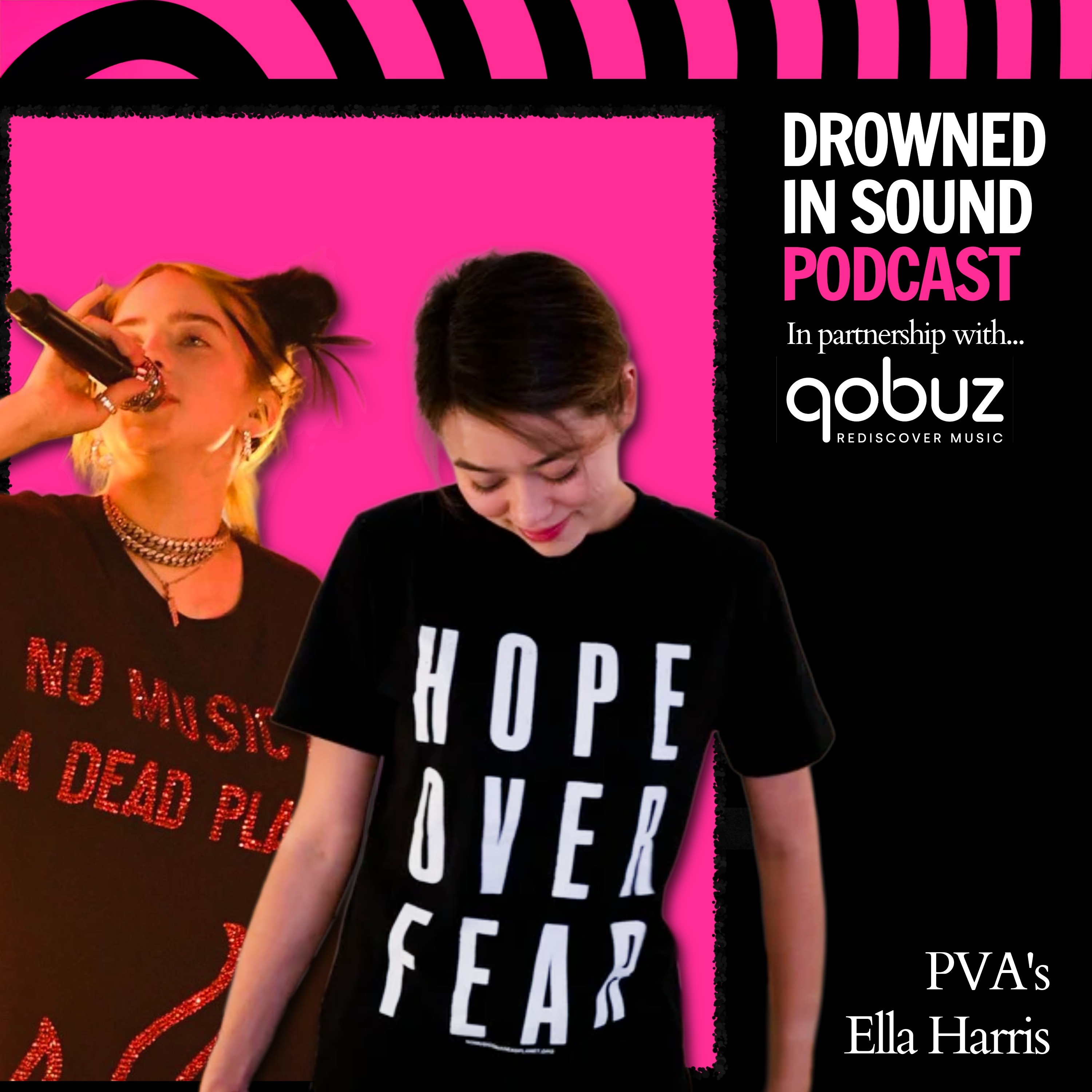 Why Hope Over Fear Trumps No Music On A Dead Planet: DiS meets PVA’s Ella Harris | "My brothers are 20 and they're always like 'we are so cooked.' And I'm just like no we're not. There's hope but you just gotta believe, you gotta believe in something." That quote accidentally captures Music Declares Emergency's strategic shift from awareness to action. After five years of "No Music On A Dead Planet" the Hope Over Fear campaign is building action hubs in grassroots venues - real physical spaces where fans, artists, and local communities organize around the climate crisis. In this episode, PVA front-person and MDE Campaigns Manager Ella Harris explains how the campaign works, why music fandom is inherently empathetic practice that translates to organizing power, and how she balances making escapist art (PVA's intimate new album No More Like This) with building climate infrastructure. The conversation tackles touring economics (trains cost £150, flights are just £30), why even festival headliners need day jobs, artists' fear of speaking out, and what £500 million in carbon offset funds could actually fix if redirected toward infrastructure. This is about hope over fear. Real-life organizing over digital despair. Infrastructure over individual guilt. This podcast is brought to you in partnership with Qobuz, the ethical music streaming platform. Visit drownedinsound.org/playlists to discover new music in Hi-Res lossless quality and start your 30-day free trial at qobuz.com/dis. Edited by: Josh Craggs at Dubble Audio Chapters 00:00 – Introduction: No music on a dead planet 02:10 – Wearing multiple hats: PVA and Music Declares Emergency 05:00 – Music fandom as an empathetic practice 07:30 – From merch to movement 10:45 – Action hubs and the future of grassroots venues 15:30 – Touring economics, energy costs, and structural limits 19:00 – Artists, activism, and the fear of speaking out 24:30 – Nature, creativity, and why hope needs infrastructure 31:00 – What £500 million could fix in the music ecosystem 35:00 – AI, empathy, and what human music still does best 38:30 – Outro: Depth, not breadth Continue the Conversation: Head to the Drowned in Sound community to chat about the topics in this episode. Subscribe: Get weekly essays, interviews, and insights from the Drowned in Sound newsletter - exploring music, culture, and resistance. Links & Resources: Music Declares Emergency - Learn more about the No Music On A Dead Planet movement, the Hope Over Fear campaign, and how artists, industry, and fans can get involved. Music Venue Trust - Support and protect the UK’s grassroots venues The Green Rider - Ideas for ‘green’ clauses for inclusion as part of your tech or hospitality riders. Hope Over Fear Campaign - The campaign funding real-world action hubs in grassroots venues, focused on collective climate action and community organising. No Music On A Dead Planet - The global artist-led movement connecting music, fandom, and climate justice. About the host: Sean Adams is the founder of Drowned in Sound, an independent music publication championing underground and independent artists since 2000. DiS explores how music fans discover their collective power through journalism, podcasts, and community organizing. Related episodes: - Tori Tsui: "How Music Fans Became Climate Activists" (Brian Eno, Billie Eilish, Fossil Fuel Treaty) - Giles Bidder: "Why Festival Headliners Still Need Part-Time Jobs" (101 Part Time Jobs, touring economics) - EarthSonic Live: Music, ecology, and collective action from Manchester Museum About Ella Harris: Ella Harris is the front-person and vocalist of London post-punk/electronic trio PVA, whose second album 'No More Like This' (produced by Kwake Bass) explores desire, devotion, and emotional indentation through trip-hop-influenced soundscapes. As Campaigns Manager for Music Declares Emergency, she leads the Hope Over Fear campaign, establishing action hubs in grassroots venues across the UK and Ireland. Previously, she founded Group Therapy Collective during lockdown, releasi | 1h 01m 59s | ||||||
| 1/27/26 | 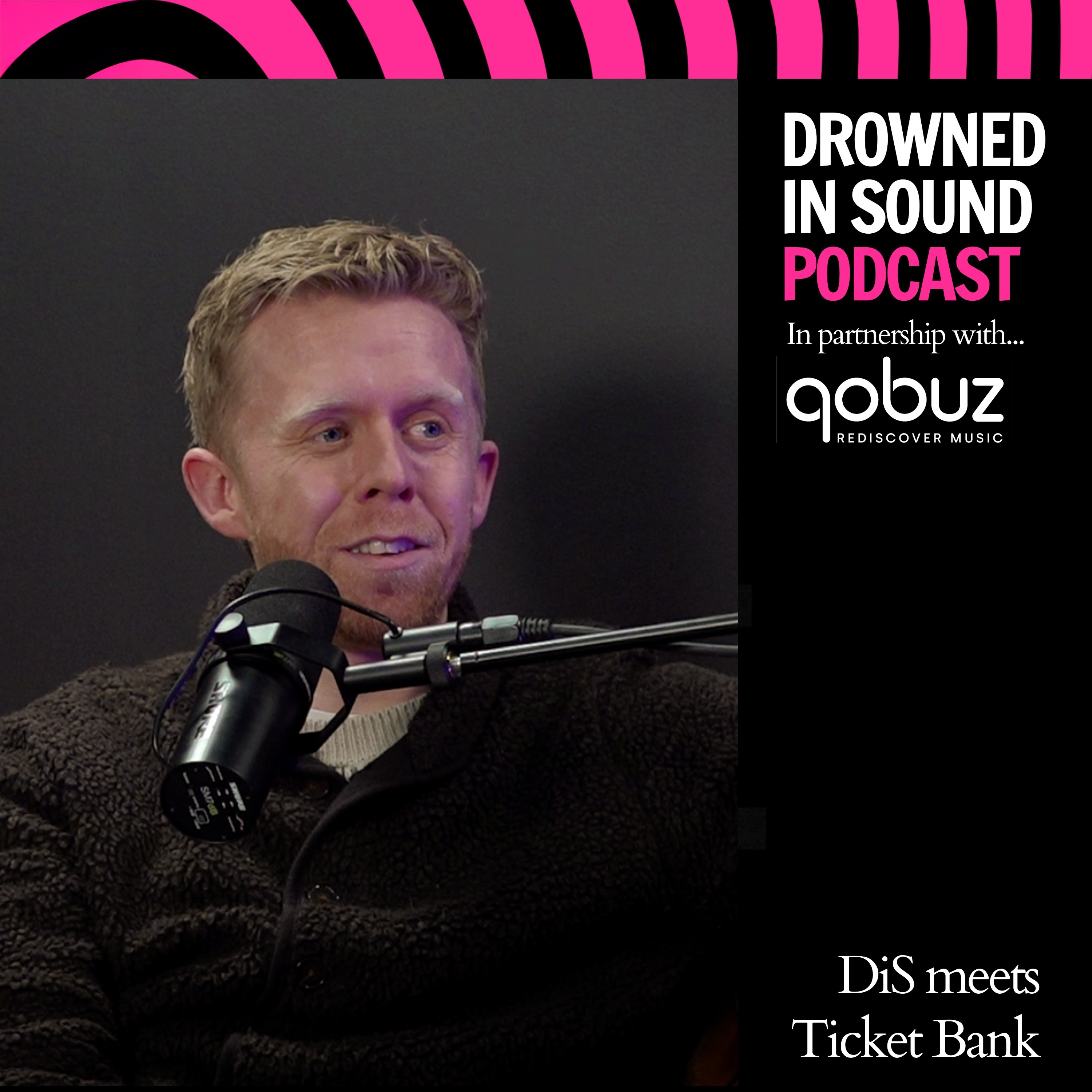 Over A Million Free Tickets: Discover The Ticket Bank's Mission | Many who otherwise couldn't afford a £40 show, let alone a £300 festival ticket, have accessed gigs because of a new initiative called The Ticket Bank. In this episode, DiS founder Sean Adams meets Jack from Tickets for Good and The Ticket Bank to understand how they're redistributing access to live music. From seeing empty seats at the O2 to a partnership with Barnardo's, followed by offering tickets to NHS workers, teachers, and carers, Jack explains how the infrastructure works, who it serves, and why more artists and venues need to get involved. The conversation covers touring economics, dynamic pricing myths, and the uncomfortable reality that an industry generating billions still prices out the people who need culture most. If you're singing about inequality, why would you only perform for those who can afford it? It’s an inspiring chat about who builds community, how change happens, and who the next generation of artists might not be without projects like this. This podcast is brought to you in partnership with Qobuz, the ethical music streaming platform. Visit drownedinsound.org/playlists to discover new music in Hi-Res lossless quality and start your 30-day free trial at qobuz.com/dis. This week's companion playlist features calm, ambient music from the community's picks of the best post-classical, drone, and ambient records. Two hours of peaceful listening to help you through the fog. Edited by: Josh Craggs at Dubble Audio Get Involved For artists, promoters, managers, venues: Contact Jack directly to discuss partnerships Email: jack@theticketbank.org For eligible audiences: Register via Tickets for Good or the Ticket Bank. New events added daily around 9am. Tickets for Good: https://ticketsforgood.co.uk Ticket Bank: https://theticketbank.org For everyone else: Share this episode with musicians, venues, and local promoters Tag artists in the comments and ask if they've heard of the Ticket Bank Send to your MP or local council about arts access If you know someone who might qualify, subtly share the links Continue the Conversation Join the Drowned in Sound community to discuss this episode http://community.drownedinsound.com Subscribe to the Drowned in Sound newsletter for weekly essays, interviews, and insights exploring music, culture, and collective power. http://drownedinsound.org Links & Resources Tickets for Good: https://ticketsforgood.co.uk Ticket Bank: https://theticketbank.org Music Venue Trust: https://www.musicvenuetrust.com Chapters 00:00 - Introduction: Why access to live music matters 01:20 - Empty seats at the O2: The origins of Tickets for Good 05:10 - Cost-of-living tickets and breaking industry stigma 07:00 - From Tickets for Good to the Ticket Bank 12:00 - How eligibility and verification work 16:00 - Touring economics and the dynamic pricing myth 18:15 - How artists, promoters, and managers can help 22:15 - Mental health, social prescribing, and cultural value 24:45 - What £500 million could fix 27:15 - Grassroots venues and inspiring the next generation 31:00 - How to register, donate tickets, or get involved 33:30 - Outro: Your mission | 41m 45s | ||||||
| 1/20/26 |  From 500 Podcasts to Radio 1: DiS meets 101 Part Time Jobs (Part 2) | Picking up where Part 1 left off, DiS returns to its conversation with Giles Bidder. Not to talk about how musicians survive, but about how stories travel, how listeners connect and what it really takes to build a music podcast in 2026. In this second instalment, Sean Adams turns the lens on the medium itself (yes, we’ve gone meta). Drawing on nearly 600 episodes of 101 Part Time Jobs, Giles reflects on the craft of interviewing, the ethics of editing, and why the best conversations often need space to breathe. This is less about hustle and more about care: how to hold people well, how to listen properly, and how to build trust over time. The conversation ranges from standout episodes and “slow-burn” storytelling to what it feels like to make work that actually helps people navigate their lives. Giles speaks openly about bad bosses, fear-based workplaces, and the quiet anger that fuels his show (as well as the small, human moments that make it worthwhile). A love for radio runs through this episode: Giles describes producing Shaun Keaveny’s Community Garden Radio as a lesson in warmth, humour, and emotional intelligence on air. From there, the pair broaden out into why podcasts have become such a powerful space for connection, especially for people stuck in boring jobs, long commutes, or lonely routines. Visit https://drownedinsound.org/playlists/ to discover new music in rich Hi-Res lossless quality and start your 30-day free trial of Qobuz at https://qobuz.com/dis. Edited by: Josh Craggs at Dubble Audio Chapters 00:00 - Intro01:30 - Standout episodes and “slow-burn” editing03:20 - When to cut vs when to let a story breathe05:10 - What makes a “good” episode in hindsight07:00 - Work gaffs, embarrassment, and shared vulnerability12:00 - Bad bosses, anger, and fear-based workplaces14:00 - Why people are quietly quitting18:00 - Why podcasts work on boring journeys21:00 - Community Garden Radio and the art of warmth22:30 - What great broadcasting feels like24:00 - Power, responsibility, and attention25:30 - Why trust matters more than reach27:00 - Outro Continue the Conversation: Head to the Drowned in Sound community to chat about the topics in this episode. Subscribe: Get weekly essays, interviews, and insights from the Drowned in Sound newsletter - exploring music, culture, and resistance. From scout-hut gigs to the economics of touring, DiS sits down with Giles Bidder - host of 101 Part Time Jobs for an unsentimental look at how creative lives are actually sustained today. In this first instalment, Sean Adams talks to one of the UK’s most quietly compelling broadcasters about the hidden labour behind music culture. Over nearly 600 episodes, Bidder has built one of the most humane music podcasts around, asking artists, writers, and comedians not about their success but about the jobs they’ve done to survive. Giles explains how 101 Part Time Jobs emerged as both portfolio and refuge: a way to make sense of a patchwork career, rediscover belonging, and document how people navigate a system that rarely works in their favour. Along the way, the conversation takes in touring economics, merch, sync, class, and why even bands who play the Roundhouse still need “normal jobs. What emerges is a stark but generous thesis: music is socially priceless and economically precarious. Until that gap closes, culture will continue to run on grit, goodwill, and vast amounts of invisible labour. Visit https://drownedinsound.org/playlists/ to discover new music in rich Hi-Res lossless quality and start your 30-day free trial of Qobuz at https://qobuz.com/dis. Chapters 00:00 - Intro 01:26 - Sitting in the “other chair”: Giles as guest, not host 04:05 - Ska/punk origins, micro-prejudices, and how scenes teach you 07:45 - Why 101 Part Time Jobs began: Universal Credit, lockdown, stability 08:55 - Human curation and introducing unknown artists 11:25 - The myth of “making it”: Roundhouse bands with day jobs 13:55 - Why meaningful art can s | 51m 26s | ||||||
| 1/20/26 |  Why Some Festival Headliners Still Need Part-Time Jobs (Part 1) | From scout-hut gigs to the economics of touring, DiS sits down with Giles Bidder - host of 101 Part Time Jobs for an unsentimental look at how creative lives are actually sustained today. In this first instalment, Sean Adams talks to one of the UK’s most quietly compelling broadcasters about the hidden labour behind music culture. Over nearly 600 episodes, Bidder has built one of the most humane music podcasts around, asking artists, writers, and comedians not about their success but about the jobs they’ve done to survive. Giles explains how 101 Part Time Jobs emerged as both portfolio and refuge: a way to make sense of a patchwork career, rediscover belonging, and document how people navigate a system that rarely works in their favour. Along the way, the conversation takes in touring economics, merch, sync, class, and why even bands who play the Roundhouse still need “normal jobs.” What emerges is a stark but generous thesis: music is socially priceless and economically precarious. Until that gap closes, culture will continue to run on grit, goodwill, and vast amounts of invisible labour. Visit https://drownedinsound.org/playlists/ to discover new music in rich Hi-Res lossless quality and start your 30-day free trial of Qobuz at https://qobuz.com/dis. Edited by: Josh Craggs at Dubble Audio Chapters 00:00 - Intro 01:26 - Sitting in the “other chair”: Giles as guest, not host 04:05 - Ska/punk origins, micro-prejudices, and how scenes teach you 07:45 - Why 101 Part Time Jobs began: Universal Credit, lockdown, stability 08:55 - Human curation and introducing unknown artists 11:25 - The myth of “making it”: Roundhouse bands with day jobs 13:55 - Why meaningful art can still leave artists broke 16:10 - Music is priceless but paid in grains of pennies 18:20 - Gilla Band, Lambrini Girls, and invisible cultural impact 19:25 - Class, rent, and the radical idea of simply covering your life 20:15 - Why customer-facing jobs matter (merch, coffee shops, respect) 23:55 - Hard work, timing, and opportunity 25:20 - Standout episodes and the “slow-burn” edit 29:10 - Bad bosses, anger, and fear-based workplaces 31:55 - Power, responsibility, and attention in podcasting Continue the Conversation: Head to the Drowned in Sound community to chat about the topics in this episode. Subscribe: Get weekly essays, interviews, and insights from the Drowned in Sound newsletter - exploring music, culture, and resistance. Links & Resources 101 Part Time Jobs (Giles Bidder) Community Garden Radio (Shaun Keaveny) Music Venue Trust - protecting grassroots venues Gilla Band Lambrini Girls Soho Radio Reading Festival | 35m 49s | ||||||
| 1/13/26 |  Kelly Lee Owens: Record Shops, Raves, and Rebuilding Music From the Ground Up | Fresh from touring stadiums with Depeche Mode, DiS meets electronic music pioneer to discuss her past, the present, and the future of music. This is part of Drowned in Sound’s 25th anniversary series in which Sean Adams continues the anniversary series by sits down with some of our favourite acts of the past quarter century. Kelly Lee Owens is very much one of those artists, who has featured in DiS year end lists and awards and playlists since releasing her debut EP. The episode starts on the education that comes from working in record shops and becomes a wide-ranging conversation about how music communities form, fracture, and sometimes regenerate. Moving across North Wales to London basements, from pressing white labels by hand to playing for 75,000 people with Depeche Mode, Kelly Lee Owens traces a path through all corners of music: the shops, venues, teachers, collectives, community centres, and accidental mentors that shaped her, her music, and her career. Sean and Kelly chat about their working class roots, the discipline of DJing as storytelling, and the economics of grassroots music. Kelly Lee Owens reflects on why she now deliberately plays shows in places artists rarely go, why she sees music as a form of healing as much as entertainment and why community matters more than scale. If there’s a thread running through it all…it’s this: music isn’t a product or a pipeline. It’s a relationship. And like any relationship, it needs time, space, and care to survive. Visit https://drownedinsound.org/playlists/ to discover new music in rich Hi-Res lossless quality and start your 30-day free trial of Qobuz at https://qobuz.com/dis. Edited by: Josh Craggs at Dubble Audio Chapters 00:00 - Introduction 02:00 - Record shops as education and community 05:05 - Obsession, discovery, and how taste is formed 10:00 - The early 2010s shift: risk, hedonism, and electronic culture 13:05 - DIY culture, SoundCloud, and pressing your own records 15:00 - Human curation vs automation and playlists 22:10 - Playing huge rooms: Depeche Mode, confidence, and scale 26:05 - Returning to small places: community shows and access 29:00 - Grassroots collapse, class, and structural inequality 32:10 - What £500 million could fix in music culture 42:05 - Music as healing, frequency, and emotional space 48:25 - The future: rebuilding value, community, and care 50:15 - Outro Continue the Conversation: Head to the Drowned in Sound community to chat about the topics in this episode. Subscribe: Get weekly essays, interviews, and insights from the Drowned in Sound newsletter - exploring music, culture, and resistance. Links & Resources: Music Venue Trust — protecting grassroots venueshttps://www.musicvenuetrust.com David Byrne — How Music Workshttps://davidbyrne.com/books/how-music-works Fabric London — venue history and cultural importancehttps://www.fabriclondon.com Piccadilly Records (Manchester)https://www.piccadillyrecords.com Pure Groove Records (London)https://puregroove.co.uk Kelly Lee Owenshttps://kellyleeowens.com Stop Making Sense — Talking Headshttps://www.talkingheadsofficial.com Cocteau Twinshttps://cocteautwins.com The Knife — Silent Shouthttps://theknife.net Warehouse Project (Manchester)https://www.thewarehouseproject.com Neuadd Ogwen / Bethesda community venuehttps://neuaddogwen.com | 53m 33s | ||||||
| 1/6/26 | Our 2026 predictions: New Acts, Big comebacks, Gig ticket laws, and more | So what will 2026 sound like? In this episode, Drowned in Sound founder Sean Adams and journalist Emma Wilkes look into their crystal balls (and the release schedules). Tips on which artists should break through and the corporate barriers they’ll need to navigate. Beyond tipping season, we explore the strange absence of shared musical moments, the growing anxiety around AI-generated music, the slow unravelling of trust in big tech platforms, and whether changes to ticketing, touring, and grassroots funding might start to rebalance power (and money) back towards scenes. There are also predictions - some cautious, some hopeful, some deliberately ridiculous. This episode tries to map the forces underneath the surface…the things that will shape what we hear, how we find it, and what it means to care about music in the first place. The Drowned in Sound podcast is presented in partnership with Qobuz, the pioneering high-quality music streaming and download platform for music enthusiasts and audiophiles. Each week we curate playlists on Qobuz, featuring our favourite records, artists, and the themes we explore on the show. Visit https://drownedinsound.org/playlists/ to discover new music in rich Hi-Res lossless quality and start your 30-day free trial of Qobuz at https://qobuz.com/dis. Edited by: Josh Craggs at Dubble Audio Chapters 00:00 - Introduction: What will music be like in 2026?02:30 - New bands, tipping season, and who breaks through next06:50 - Scenes, genres, and the collapse of old categories12:00 - Cities as culture: Leeds, Liverpool, Brighton, Beirut16:40 - Resilience, mental health, and sustaining music ecosystems20:40 - Grassroots levies, touring economics, and venue survival26:00 - Ticketing, regulation, and the slow response to abuse28:20 - AI, platforms, and the erosion of trust30:30 - Predictions: returns, collaborations, and surprise records35:20 - Tech futures, headphones, and augmented concerts38:50 - Hope, uncertainty, and what comes next Continue the Conversation: Head to the Drowned in Sound community to chat about the topics in this episode. Subscribe: Get weekly essays, interviews, and insights from the Drowned in Sound newsletter - exploring music, culture, and resistance. Links & Resources: FanFair Alliance - ticketing transparency and anti-touting campaigning Music Venue Trust - grassroots venue support and levy campaigning UK Government - ticket resale reform & consultation Action Fraud - advice on ticket scams and resale fraud Subvert - artist / label-owned music platform Bandcamp - direct-to-fan model and editorial writing The Jump - Shirley Manson's podcast Vespertine - Björk's podcast | 45m 51s | ||||||
| 1/1/26 |  Flying Rivers, Slipknot Swifts & Musical Frogs: Take This Podcast For A Walk In Nature | What if swifts sound like metal bands and rivers fly through the sky? This backstage look at EarthSonic Live reveals how music makes climate science accessible through music, field recording, conservation, and creativity. | 1h 07m 22s | ||||||
| 12/27/25 |  Can music still cut through in 2026? DiS meets a leading researcher | What does it actually mean to be a musician in an economy built for creators and why does it feel like the workload keeps growing while the rewards shrink? In this episode of the Drowned in Sound Podcast, Sean Adams is joined by Hanna Kahlert from MIDiA Research, whose work sits at the intersection of music, platforms, and the wider creator economy. Drawing on recent research into artists’ working lives, they explore why musicians increasingly face the same pressures as YouTubers and streamers without a lot of the same tools, protections, or paths to sustainability. They talk about the time sink of constant content creation, the distortion of success metrics, and how discovery has become both easier and more exhausting than ever. This includes: “lean back” listening, “lean through” fandom whilst the conversation reframes what engagement really looks like and why likes, views, and viral moments so often fail to translate into income or longevity. As streaming platforms push endless discovery and passive consumption, the duo ask hard questions about value, ownership, and what gets lost when music is treated as content and not an integral part of culture. The Drowned in Sound podcast is presented in partnership with Qobuz, the pioneering high-quality music streaming and download platform for music enthusiasts and audiophiles. Each week we curate playlists on Qobuz, featuring our favourite records, artists, and the themes we explore on the show. Visit https://drownedinsound.org/playlists/ to discover new music in rich Hi-Res lossless quality and start your 30-day free trial of Qobuz at https://qobuz.com/dis. Edited by: Josh Craggs at Dubble Audio Chapters 00:00 - Why musicians are being reframed as “creators” 05:20 - The problem with monetisation, takedowns, and copyright 12:10 - Lean back, lean in, and what “lean through” really means 20:00 - Discovery, algorithms, and the illusion of reach 28:00 - Are superfans real - and what actually makes a fan? 36:10 - Scenes, culture, and what’s been lost in platformisation 44:30 - AI, ownership, and the coming copyright reckoning 52:30 - The “dark forest” internet and the return of small spaces 59:30 - What the next 25 years of music might look like Continue the Conversation: Head to the Drowned in Sound community to chat about the topics in this episode. Subscribe: Get weekly essays, interviews, and insights from the Drowned in Sound newsletter - exploring music, culture, and resistance. Links & Resources: Cross Platform Success Using Social Platforms to Build Audience and Fandom MIDiA Research Hanna Kahlert – MIDiA Research Spotify Loud & Clear Report Music Publishers Begin Spotify Podcast Takedowns (Variety) | 1h 10m 45s | ||||||
Showing 25 of 87
Pitch Fit is a Pro feature
See how bookable this show is for guests, which brands already advertise, the per-episode ad value, and the best-fit guest and sponsor profile. The numbers are blurred on the free plan.
How readily this show books outside guests like you.
How proven this show is for host-read sponsorships.
For Guests
ProFor Advertisers
ProUpgrade to Pro to unlock guest cadence, sponsor categories, fit scores, and per-episode ad value for this show.
Chart Positions
22 placements across 18 markets.
Chart Positions
22 placements across 18 markets.