
Insights from recent episode analysis
Audience Interest
Podcast Focus
Publishing Consistency
Platform Reach
Insights are generated by CastFox AI using publicly available data, episode content, and proprietary models.
Most discussed topics
Brands & references
Total monthly reach
Estimated from 3 chart positions in 3 markets.
By chart position
- 🇬🇧GB · Personal Journals#1195K to 30K
- 🇸🇪SE · Personal Journals#1951K to 10K
- 🇵🇱PL · Personal Journals#116500 to 3K
- Per-Episode Audience
Est. listeners per new episode within ~30 days
3.3K to 22K🎙 Weekly cadence·105 episodes·Last published 3w ago - Monthly Reach
Unique listeners across all episodes (30 days)
6.5K to 43K🇬🇧70%🇸🇪23%🇵🇱7% - Active Followers
Loyal subscribers who consistently listen
1.9K to 13K
Market Insights
Platform Distribution
Reach across major podcast platforms, updated hourly
Total Followers
—
Total Plays
—
Total Reviews
—
* Data sourced directly from platform APIs and aggregated hourly across all major podcast directories.
On the show
From 10 epsHosts
Recent guests
Recent episodes
108: Group Relations Conferences: Leadership, Authority and the Human Condition
Jun 5, 2026
42m 40s
107: The Emotional Life of Organisations with Anton Obholzer
May 28, 2026
29m 59s
106: What happened to the working class?
May 19, 2026
35m 50s
105: The Liberal Order and the Fight for the Soul
Mar 23, 2026
39m 11s
104: When Anthropology meets Therapy
Feb 20, 2026
32m 56s
Social Links & Contact
Official channels & resources
Official Website
Login
RSS Feed
Login
| Date | Episode | Topics | Guests | Brands | Places | Keywords | Sponsor | Length | |
|---|---|---|---|---|---|---|---|---|---|
| 6/5/26 | 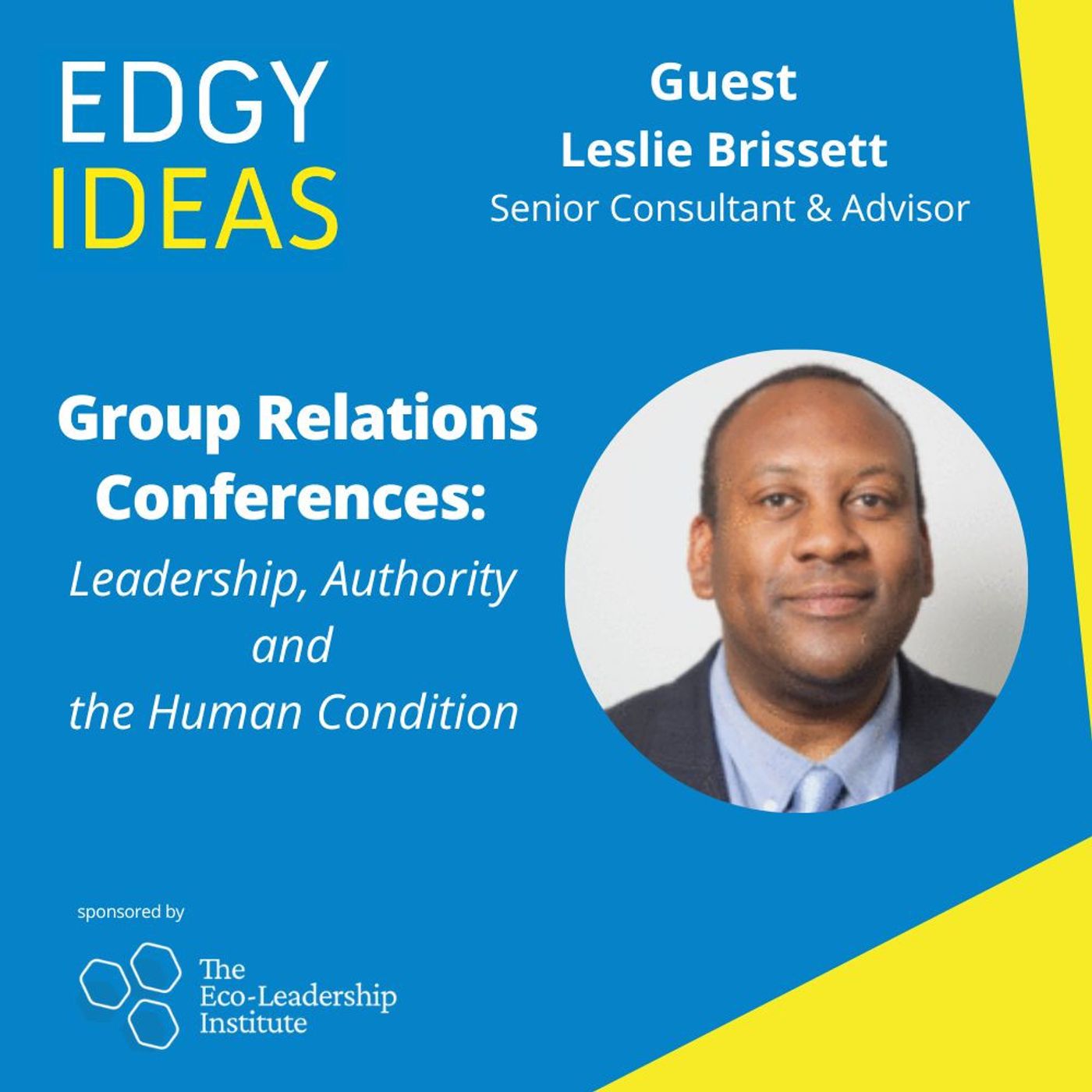 108: Group Relations Conferences: Leadership, Authority and the Human Condition | Show NotesIn this episode, Simon Western is joined by his long-time colleague, Leslie Brissett, to explore the history, purpose and enduring relevance of Group Relations Conferences. They trace the roots of this pioneering methodology from the early Leicester Conferences and the Tavistock Institute tradition to its contemporary applications in leadership, organisations and society. They discuss how Group Relations creates a temporary learning organisation where participants study authority, leadership, membership, and the unconscious in real time. They reflect on why these conferences can be deeply moving, often revealing hidden assumptions, internal constraints and patterns carried from our earliest relationships.Simon and Leslie also discuss the changing nature of leadership, the growing prominence of identity and systems thinking and the need to reconnect questions of soul, embodiment and spirituality with organisational life. Along the way, Simon shares how a Group Relations Conference helped him discover a different path to leadership - one that emerged not from hierarchy, but from working at the edge.This is a conversation about learning, freedom, authority and what it means to become more conscious participants in the systems we inhabit.Key Reflections Every Group Relations Conference is a unique, temporary learning organisation that can never be repeated in exactly the same way. Authority is not simply something exercised by leaders; it is shaped by how each of us relates to systems, roles, and early life experiences. Experiential learning can reveal aspects of ourselves that remain hidden in traditional education, coaching, therapy, or leadership development. Freedom often exposes the internal constraints and assumptions that unconsciously shape our behaviour. The origins of Group Relations are rooted in post-war efforts to understand authority, democracy, and the conditions that give rise to authoritarianism. Leadership does not only emerge from formal positions of power; it can arise from the edge of a system through connection and influence. Identity has become a more visible and important aspect of organizational life, inviting deeper reflection on both self and system. The future of Group Relations may lie in integrating embodiment, spirituality, and ecological ways of thinking with its psychoanalytic foundations. KeywordsGroup Relations, Leadership, Authority, Tavistock, Systems Thinking, Identity, Organisational Learning, Soul, WorkBrief BioLeslie has worked in organisational and community leadership for over 30 years. He is on the advisory board of the Eco-leadership Institute. He is the former Group Relations Programme Director at the Tavistock Institute of Human Relations, and is currently serving as the Board Secretary for the International Psychoanalytical Association. Leslie has studied human dynamics in experiential settings in many countries and acts as an adviser and consultant to boards, nations, groups and individuals seeking to improve the quality of life and deepen what it means to be human and humane. Leslie holds multiple degrees including master's degrees in Health Education from Kings College and Organisational Psychology, Social Policy and Non-Profit Policy from the London School of Economics and Political Science, as well as a PhD in Unconscious Decision Making from Trinity College. | 42m 40s | ||||||
| 5/28/26 | 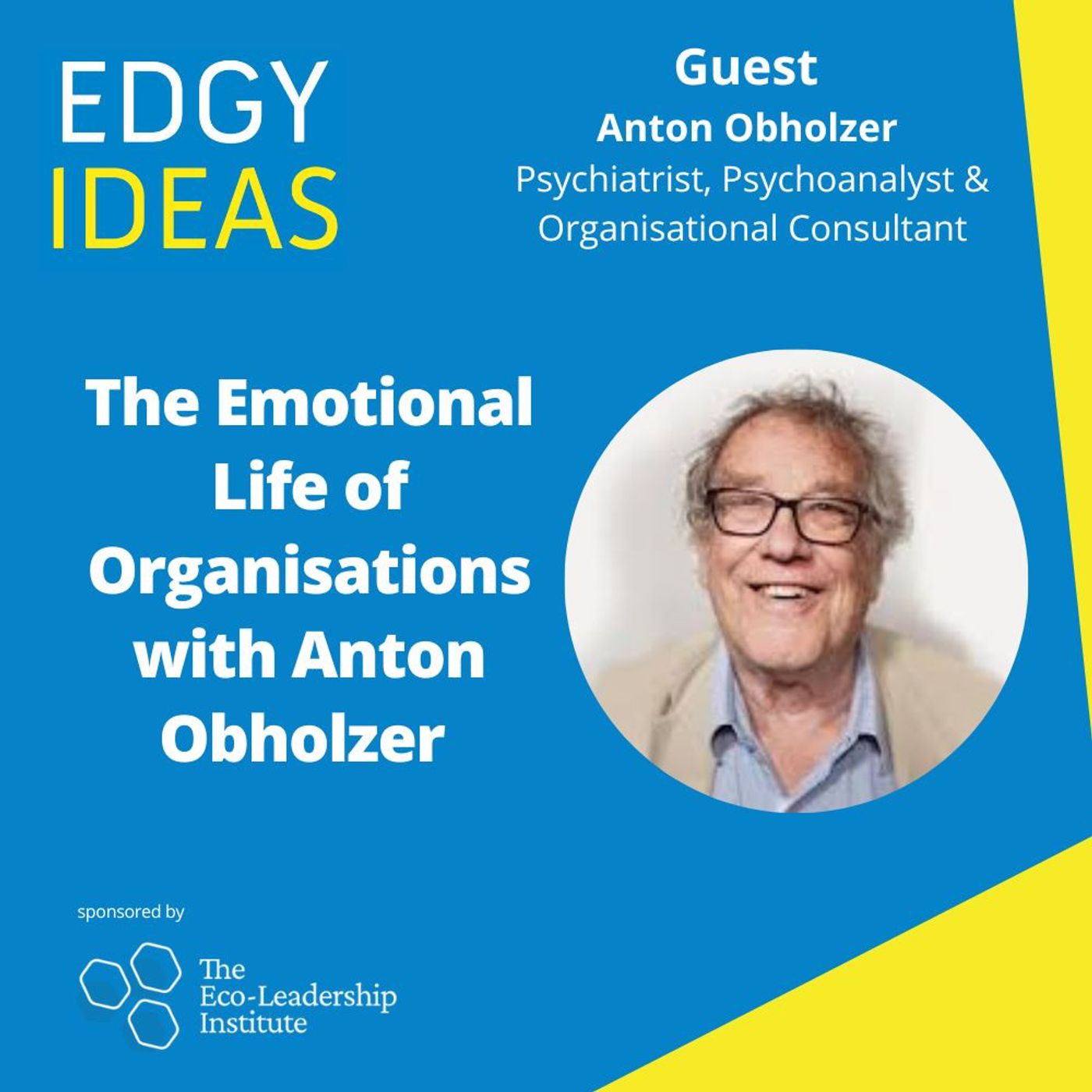 107: The Emotional Life of Organisations with Anton Obholzer | Show NotesIn this episode, Simon Western speaks with seasoned psychoanalyst and organisational consultant Dr. Anton Obholzer about the hidden emotional and relational dynamics shaping leadership, organisations and society. Anton is a hugely respected organisational consultant from the Tavistock tradition, and it is a delight to hear his wisdom and insights on this podcast. Moving beyond technical models of management and mental health, the conversation explores organisations as living systems embedded within wider social and political realities. Anton reflects on the Tavistock tradition, the influence of Eric Miller and the importance of understanding organisations not simply as structures of efficiency, but as emotional containers carrying anxiety, projection, creativity and possibility. Simon and Anton discuss leadership as a protective and generative force, creating the conditions for growth, talent and human flourishing.The dialogue explores the erosion of relational life in contemporary society, the dangers of organisations becoming spaces for unmanaged social anxiety, and the increasing dominance of technological and managerial rationality over human connection. They examine the importance of experiential learning, vulnerability, observation and creative practice in sustaining healthy organisations and societies.At the heart of the episode is a deeper question about how we live together in increasingly uncertain times. Rather than retreating into expertise, certainty or control, Anton calls for greater relational awareness, collective responsibility and societal imagination.Key Reflections Organisations are emotional and societal systems, not simply technical machines Leadership involves creating protective spaces where people and creativity can flourish Psychoanalysis offers ways to understand the hidden dynamics shaping organisational life Relational intelligence matters more than purely technical expertise Organisations often absorb and enact wider societal anxieties and fractures Creativity, art and dialogue are essential to organisational and societal health Experiential learning creates deeper awareness than abstract theory alone Technological advancement risks intensifying alienation and loss of human contact Mental health cannot be separated from political, social and organisational conditions Healthy societies require interdependence, vulnerability and collective responsibility KeywordsPsychoanalysis, Leadership, Organisational Dynamics, Tavistock, Anton Obholzer, Simon Western, Eco-Leadership, Relational Intelligence, Systems Thinking, Emotional Containment, Group Relations, Society, Human Connection, Organisational Culture, Creativity, Vulnerability, Interdependence.Brief BioDr. Anton Obholzer is a psychiatrist, Fellow of the Royal College of Psychiatrists, and both a child and adult psychoanalyst, trained at the Tavistock Clinic and the Institute of Psychoanalysis in London. Alongside his clinical work, he trained as an organisational consultant under Eric Miller at the Tavistock Institute of Human Relations, helping pioneer the application of psychoanalytic thinking to organisations, leadership, and institutional life.Until 2002, he served as Chief Executive of the Tavistock & Portman Clinics in London and continues as Chairman of the Consulting to Institutions Workshop and Senior Consultant in the Tavistock Consultancy Service. He has designed and directed group relations and management conferences internationally, and lectures widely on organisational change, leadership, and resistance under conditions of stress and turbulence.A Visiting Professor at the Universities of Vienna, Graz, and Innsbruck, faculty member at INSEAD’s Advanced Management Programme, and teacher across Europe, Dr. Obholzer has spent decades exploring the unconscious dynamics that shape organisations - especially when systems are under pressure.He is also the co-editor of the influential book The Unconscious at Work, a seminal text that examines how unconscious anxieties and emotional dynamics operate within organisations and institutions. His writings and publications have profoundly shaped the fields of systems psychodynamics, organisational consultancy, and leadership studies. | 29m 59s | ||||||
| 5/19/26 | 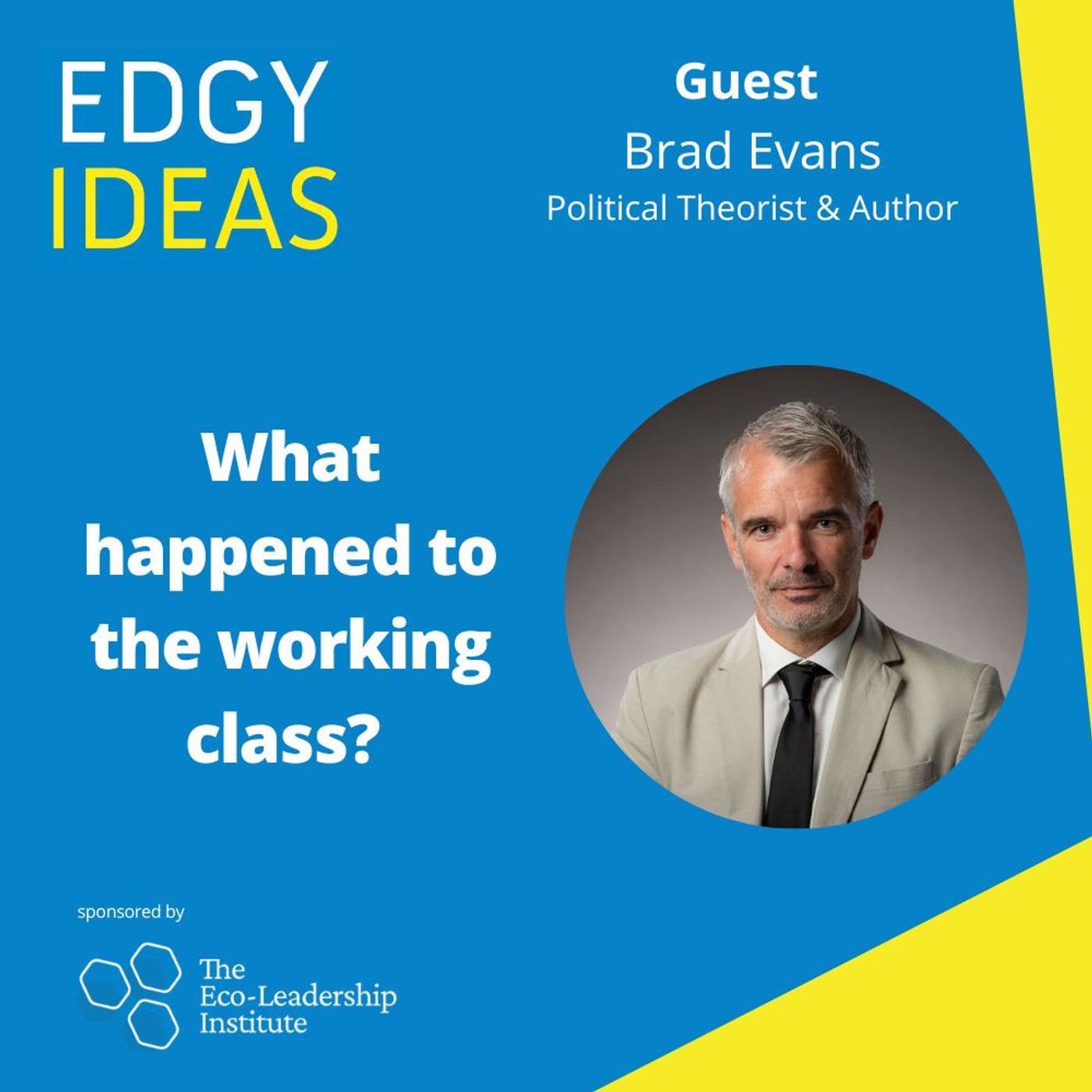 106: What happened to the working class? | Show NotesIn this episode, Simon Western speaks with political theorist and author Professor Brad Evans about the collapse of traditional working-class politics and the growing sense of abandonment across post-industrial communities. Drawing on Brad’s experiences growing up in the South Wales Valleys, the conversation explores how solidarity, class identity and community structures have been eroded by deindustrialisation, neoliberalism and the rise of precarious labour. They reflect on why many working-class communities no longer feel represented by progressive politics and why populist movements are gaining traction.Simon and Brad discuss the emotional and political consequences of precarity - from Brexit and nationalism to homelessness, resentment and the rise of the “precariat.” Rather than dismissing people drawn toward nationalist or populist politics, they ask what happens when communities lose dignity, voice and recognition. The conversation challenges simplistic binaries of left and right, arguing instead for deeper listening, political humility, and a renewed understanding of interdependence.The episode also turns toward possibility. Simon introduces ideas from his work on “precarious interdependence,” asking how we might learn to live creatively within uncertainty rather than retreat into fear, certainty, and division. They discuss the role of art, culture, dialogue, and political imagination in creating more humane futures - futures grounded not in nostalgia for the past, but in new forms of solidarity and shared becoming.Key Reflections Working-class communities have not simply lost jobs, but also the social bonds and identities that once gave meaning and solidarity. Populist movements gain power when people feel politically abandoned, unseen and culturally dismissed. Precarity can produce fear and division, but it can also open possibilities for new forms of creativity, mutuality and transformation. Nationalism often emerges in spaces where class consciousness and collective identity have collapsed. Real political dialogue begins when we stop demonising opponents and start listening to the conditions shaping their lives. Art and culture are not luxuries; they are essential for reimagining society and creating empathetic futures. KeywordsPrecarity, Working Class, Nationalism, Populism, Brexit, South Wales, Political Violence, Class Identity, Labour Party,Identity Politics, Mutuality, Interdependence, Neoliberalism, Community, Deindustrialisation, Arts & Politics, Political Agency, Democracy, Social ChangeBrief BioBrad Evans is a Professor of Political Violence & Aesthetics at the University of Bath, United Kingdom. He is the author of 20 books and edited volumes, along with over 150 academic and international media articles. Brad has written extensively on the state of international affairs, while making major theoretical contributions to the understanding of violence. He has previously held positions at the Universities of Bristol and Leeds, and has also taught at Columbia University in New York.Brad is widely known for bringing critical theory into public conversation through projects with The New York Times, Los Angeles Review of Books, and American Book Review. His recent work explores the politics of disappearance, bridging art, academia, and policy through exhibitions, public events, and global collaborations. He is also the founder of the internationally recognised Histories of Violence project, which connects critical research and public dialogue across more than 140 countries.A frequent speaker at institutions including Harvard, NYU, Columbia, UCLA, and the Guggenheim, Brad’s work moves between philosophy, politics, art, and lived experience. He is also the author of the acclaimed semi-biographical book How Black Was My Valley, reflecting on growing up in poverty in South Wales. His work and commentary have featured across major global media including the BBC, CNN, The New York Times, The Guardian, and Newsweek. | 35m 50s | ||||||
| 3/23/26 | 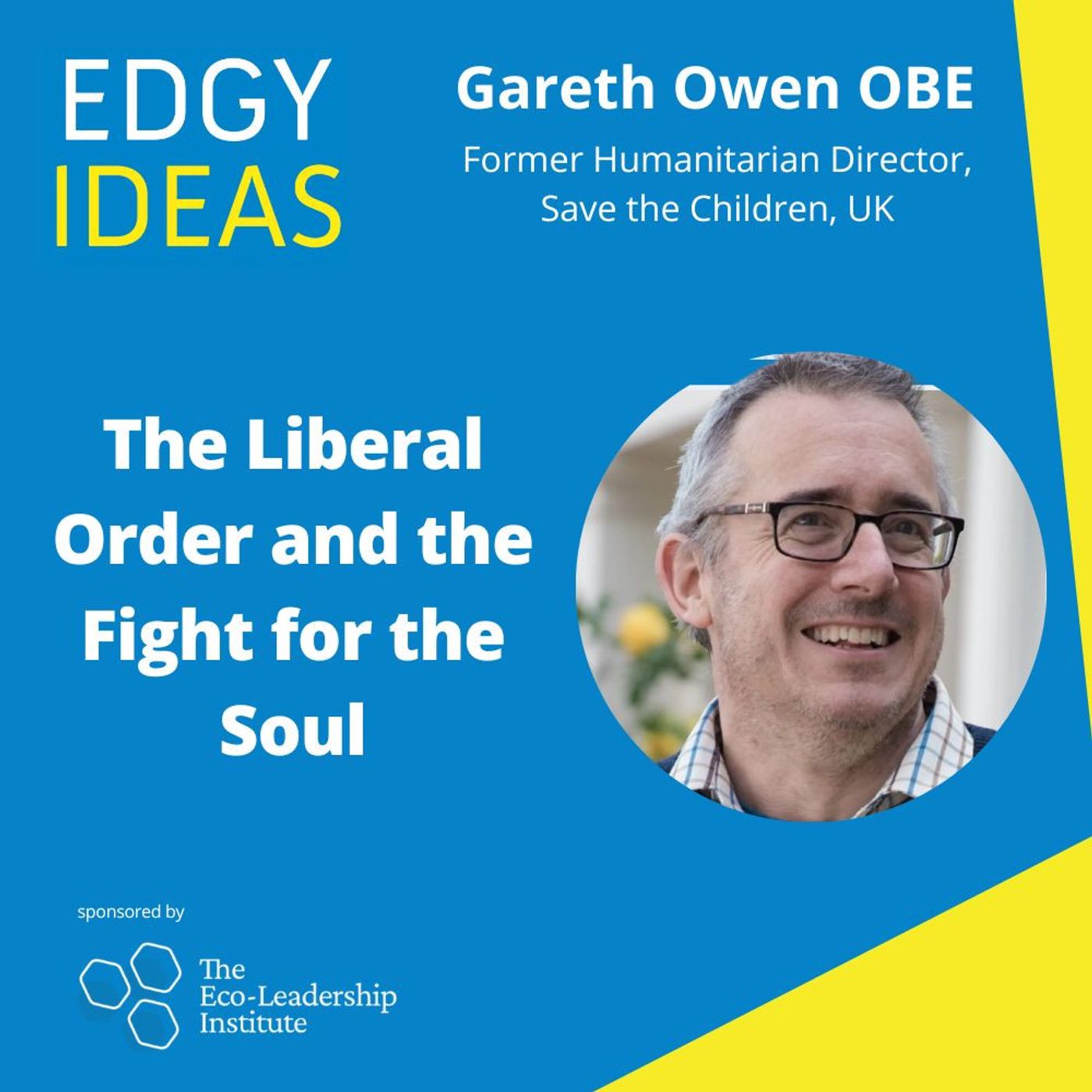 105: The Liberal Order and the Fight for the Soul✨ | humanitarianismglobal order+3 | Gareth Owen OBE | Save the ChildrenSave the Children UK’s+7 | UKSomalia+1 | liberal orderhumanitarian work+3 | — | 39m 11s | |
| 2/20/26 | 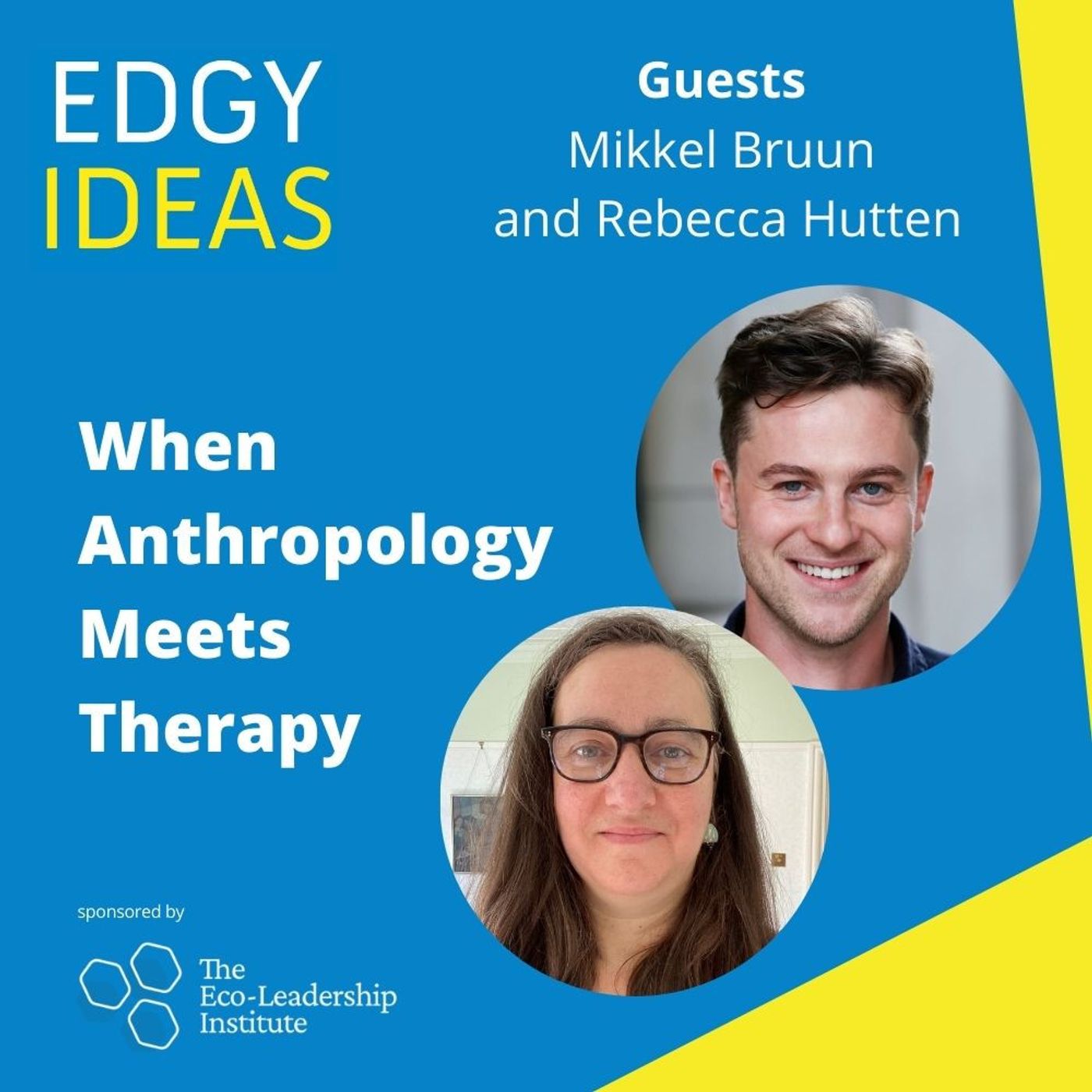 104: When Anthropology meets Therapy✨ | anthropologypsychology+4 | Dr Rebecca HuttenDr Mikkel Kenni Bruun | the University of Cambridgethe Healthcare Improvement Studies (THIS) Institute+7 | UK | ethnographytherapeutic work+2 | — | 32m 56s | |
| 1/21/26 | 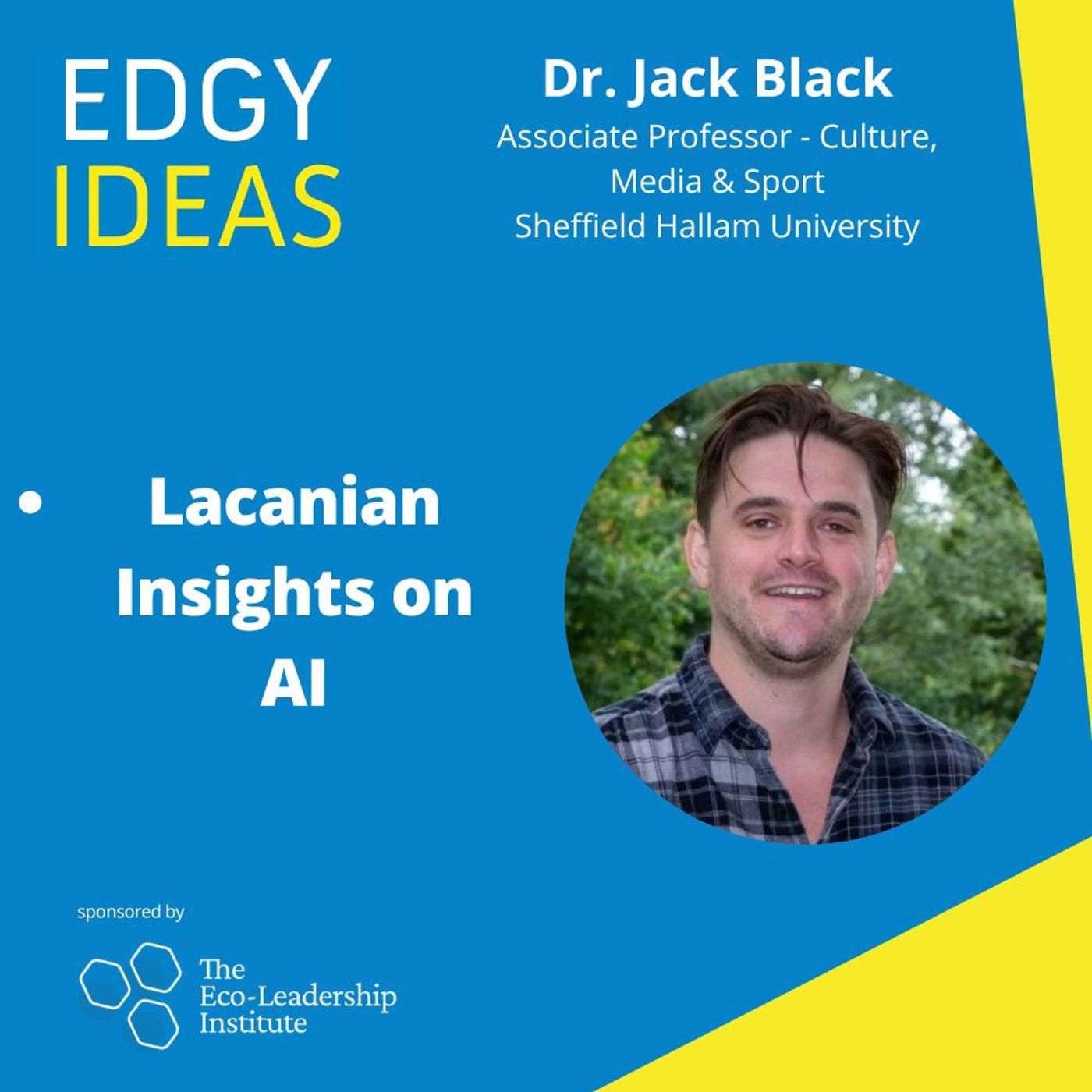 103: Lacanian Insights on AI✨ | AILacanian psychoanalysis+4 | Dr Jack Black | Sheffield Hallam UniversityRoutledge+5 | — | Big Otherhysteric discourse+2 | — | 36m 46s | |
| 1/9/26 | 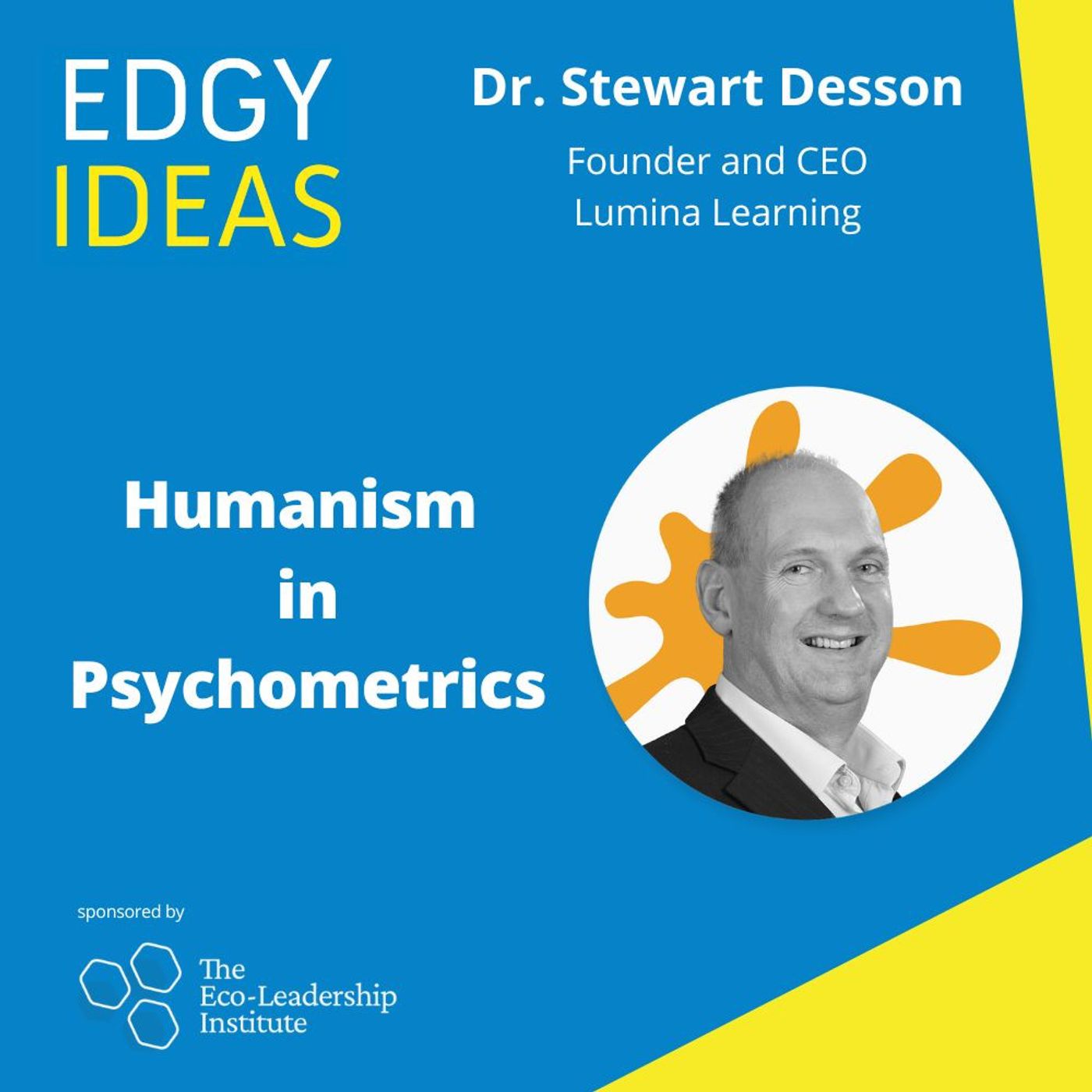 102: Humanism in Psychometrics✨ | psychometricshumanism+4 | Stewart Desson | Lumina SparkLumina Learning+3 | — | collaborationkindness+2 | — | 32m 42s | |
| 12/10/25 |  101: The Future of Coaching: AI, Ethics, and Belonging✨ | AIcoaching+6 | Tatiana Bachkirova | the International Centre for Coaching and Mentoring StudiesOxford Brookes University | UK | coaching psychologymoral practice+2 | — | 37m 27s | |
| 10/15/25 |  100: Soul at Work: Living a Good Life in a Disruptive Age✨ | soul at workliving a good life+3 | Chris YatesLeslie Brissett+2 | Edgy IdeasSoul at Work: Living a Good Life in a Disruptive Age | — | reflectioncelebration+2 | — | 43m 24s | |
| 9/4/25 |  99: Analytic Listening✨ | analytic listeningpsychoanalysis+4 | David Rothauser | Edgy IdeasOxford Brookes University+3 | Philadelphia | listeningsilence+3 | — | 38m 05s | |
Want analysis for the episodes below?Free for Pro Submit a request, we'll have your selected episodes analyzed within an hour. Free, at no cost to you, for Pro users. | |||||||||
| 8/19/25 |  98: Freedom and Meaning: Existential Coaching Approach✨ | existential coachingmeaning+3 | Natalie | the British Psychological Society’sDivision of Coaching Psychology+7 | — | existentialismcoaching+3 | — | 36m 32s | |
| 8/7/25 | 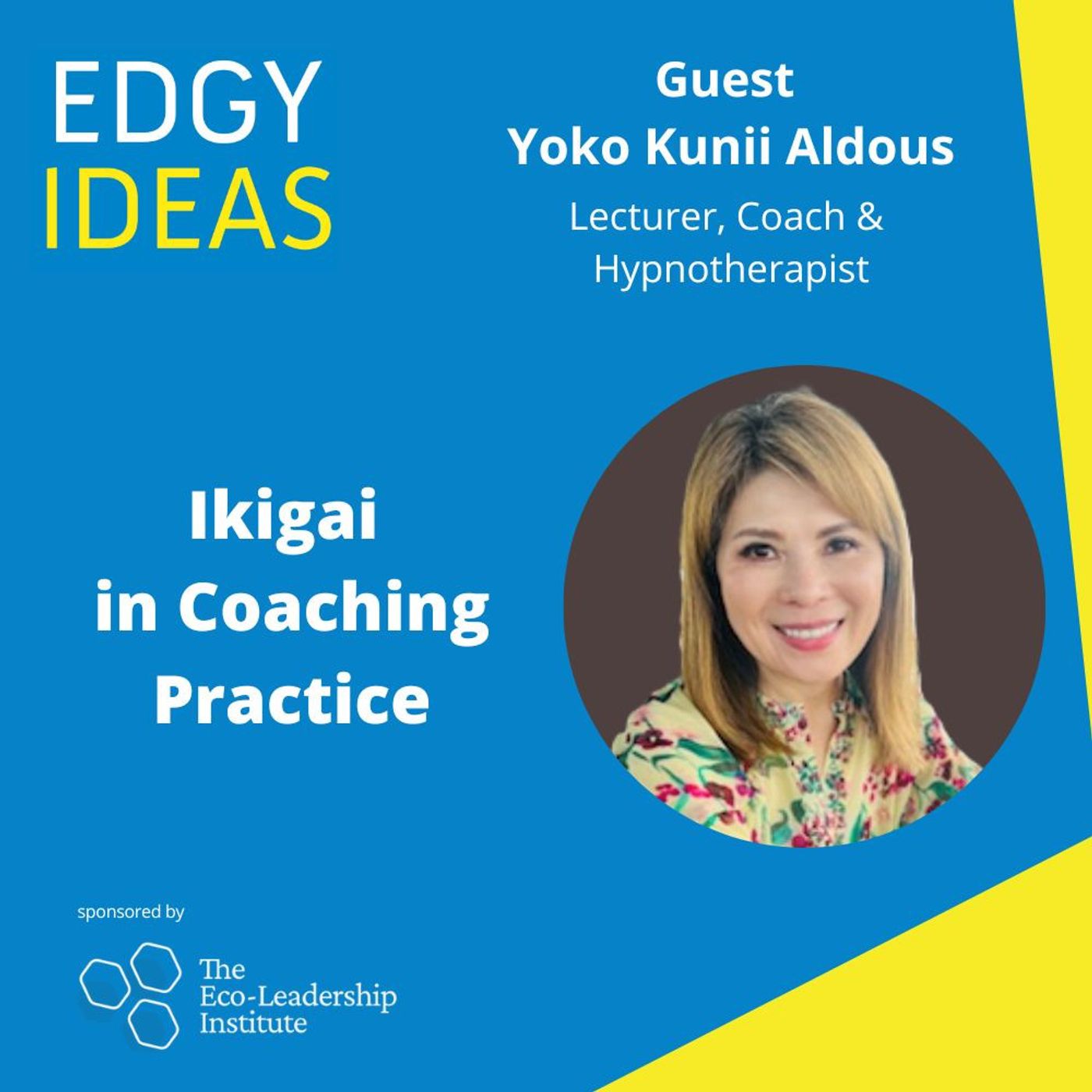 97: Ikigai in Coaching Practice✨ | Ikigaicoaching+3 | Yoko Kunii Aldous | the Ministry of DefenceBPS Division of Coaching Psychology+2 | JapanUK+1 | spiritualitywabi-sabi+3 | — | 34m 03s | |
| 7/25/25 |  96: Place: Identity and Belonging✨ | identitybelonging+3 | Daniel B. FrankCaro Bainbridge | Francis W. Parker SchoolSchools: Studies in Education+9 | ChicagoLiverpool | ChicagoLiverpool+3 | — | 53m 12s | |
| 7/9/25 |  95: The Leadership of Pope Francis | Show NotesIn this episode of Edgy Ideas, Simon Western is joined by Fr. David McCallum, a Jesuit priest and Executive Director of the Program for Discerning Leadership. Together, they explore the unique leadership style of Pope Francis and what it means for the future of the Catholic Church - and humanity at large.The conversation unfolds around the radical shift Pope Francis has led, prioritizing humility, listening, and symbolic action over institutional command. Fr. David shares moving anecdotes from his encounters with the Pope, offering insight into how leadership rooted in deep presence and discernment can inspire systemic change. They reflect on synodality as a leadership practice - a process rooted in dialogue, participation, and inclusion - and the ways it reorients traditional hierarchies toward relational and collective discernment.They discuss how change often emerges from the margins rather than the center, and how Pope Francis embraced paradox and complexity rather than rushing to resolve it. In a world increasingly polarized, this leadership invites us to see difference as generative and to engage across divides with empathy and courage.Looking ahead, the conversation calls on leaders across sectors to let go of rigid structures and embrace more inclusive, compassionate and participatory ways of leading. Through stories, reflection, and critical insight, this episode challenges the dominant narratives of leadership and offers a deeply human alternative.Key Reflections Leadership is a relational and spiritual practice, not a role tied to status or control. Navigating polarity and difference is essential in an increasingly divided world. The Church’s transformation under Pope Francis offers broader insights into how leaders can hold space for complexity. Leadership rooted in presence, encounter, and discernment can offer healing and direction in times of global uncertainty. Every meaningful interaction has the potential to be a transformative leadership act. KeywordsPope Francis, Jesuit leadership, synodality, listening, symbolic action, humility, Catholic Church, polarity, discernment, relational leadership, spiritual leadership, inclusion, soul at workBrief BioFr. David McCallum, S.J., Ed.D, is a Jesuit priest from the USA who serves as the founding Executive Director of the Program for Discerning Leadership, a special initiative of the Society of Jesus headquartered in Rome. The Program provides leadership formation and organizational development support for senior Vatican officials and major superiors of religious orders headquartered in Rome and internationally. From 2021-2024, Fr. McCallum has worked with the Secretariat for the Synod of Bishops on the Commission on Methodology, as a member of the international group that developed the synthesis of the National and Regional Bishop’s Conferences reports at Frascati, and as a facilitator expert at the Synods in October 2023 and 2024. Formerly, Fr. McCallum served as faculty member and then the Dean of the Madden School of Business and as the VP of Mission Integration and Development at Le Moyne College in Syracuse, NY. His doctoral research at Teachers College, Columbia University, focused on the implications of developmental diversity in meeting the leadership challenges of conflict, complexity, and ambiguity. | 38m 02s | ||||||
| 5/30/25 |  94: Building Civil Society: Reflections from a Lebanese Activist | Show NotesIn this episode, Simon Western speaks with Lebanese scholar and activist Karim Safieddine. Together, they discuss the vibrant and volatile political landscape of Lebanon, exploring how social movements, intellectual traditions, and grassroots activism collide and coalesce in the streets of Beirut. Karim shares his personal story of growing up amidst conflict, complexity, and contradiction, offering a lens into how identity is formed in a fractured society and how hope emerges through resistance.They explore themes of secularism, anti-establishment politics, and the evolving role of intellectuals in social change. The conversation touches deeply on what it means to live a good life and how ordinary people - through organising, dissent, and imagination - shape the possibility of a good civile society. Key Reflections· Elites often suppress transformative movements; activism persists through localised, organic mobilisation.· Intellectuals must step beyond theory and engage meaningfully with activist work.· A good life is not about material excess but about meaningful relationships, creativity, and communal survival.· Resistance is necessary for vitality; dissent keeps societies alive and evolving.· Bridging academia and activism is essential for sustainable change.· Empowering local voices and grassroots movements is crucial to Lebanon’s future.Keywordssocial movements, political sociology, secularism, identity, intellectuals, activism, anti-establishment, cosmopolitanism Brief BioKarim Safieddine is a PhD student in Sociology at the University of Pittsburgh whose work explores the intersection of social movements, intellectual history, and political power in Lebanon. With a particular focus on the Lebanese Left, Karim investigates how oppositional movements both contest and reproduce dominant ideological frameworks and structures of authority from the late 20th century to the present.Rooted in a Gramscian tradition yet open to diverse theoretical tools, his research engages with questions of leadership, resistance, and hegemony. His work bridges political sociology and historical analysis, offering critical insights into how movements emerge, evolve, and navigate Lebanon's sectarian and neoliberal political terrain.Karim holds an MSc in Comparative Politics from the London School of Economics (2020) and a BA in Economics from the American University of Beirut (2019). His academic interests include political and historical sociology, social movements, and the role of intellectuals in shaping public discourse. | 38m 14s | ||||||
| 5/1/25 |  93: Living Through Conflict: Insights from Ukraine | Show NotesIn this compelling and deeply human episode, Simon speaks with Daria (Dasha) Kuznetsova, a Ukrainian humanitarian professional working amidst the war in Ukraine.Daria brings a grounded yet emotionally resonant perspective on what it means to live in a war zone - not just physically, but psychologically and spiritually. She discusses how individuals and communities survive amidst collapse, and what it takes to begin imagining a future beyond trauma.Simon and Daria discuss themes of self-awareness, trauma recovery, and the embodied experience of conflict. Daria shares how the first years of war were marked by survival, scarcity of time, and emotional suppression, and how she has come to understand the necessity of listening to the body, building emotional resilience, and holding space for others.The conversation moves from personal coping mechanisms to wider systemic reflections - offering a rare insight into how community support and relational containment become lifelines in the face of collective breakdown. This episode invites us to consider how diversity, freedom, and emotional truth-telling are vital elements in rebuilding not just Ukraine, but any society fractured by violence or division.This episode will speak to leaders, coaches, and listeners who are drawn to the depths of human experience, particularly when systems are under strain. It also speaks to the power of Eco-Leadership, where relationality, resilience, and emotional intelligence create the conditions for regenerative futures.Key Reflections War reshapes both the physical environment and the emotional lives of those affected. Developing self-awareness is essential for navigating the psychological strain of conflict. Small, everyday actions can provide stability and a sense of control in times of crisis. The body often holds trauma that the mind cannot yet process or articulate. Strong community connections are vital for emotional and practical survival during war. Rebuilding society requires a foundation of safety, freedom of expression, and inclusion. Honest conversations about pain and recovery are the first steps toward collective healing. Keywordshumanitarian aid, war experiences, emotional resilience, community support, trauma recovery, self-awareness, coping mechanisms, rebuilding society, relational depth, Eco-LeadershipBrief BioDaria Kuznetsova is a humanitarian and recovery professional with over a decade of experience leading multisectoral and multipartner portfolios in Ukraine. Her work spans international humanitarian principles, large-scale project management, and strategic partnership development, guided by results-driven leadership approaches.Following the full-scale invasion, Daria played a key role in scaling up humanitarian efforts, managing projects funded by the EU, FCDO, USAID, SDC, BMZ, and other major donors. She currently expands her expertise into the areas of Partnership and Localization, overseeing a portfolio of more than 100 partnerships.Her current focus is on strategic development, mentoring, and fostering impactful, sustainable change within organizations and communities. | 33m 28s | ||||||
| 4/3/25 |  92: Modern Temples of Power | Show Notes In this conversation, Chris Yates and Simon Western discuss how organizations have become modern temples of power, shaping societal norms in positive and challenging ways. Organizations offer spaces to be productive, to deliver services and to provide meaning and development for individuals, yet they also can stifle individuality and feedback through corporate conformity. The podcast reflects on how art, small acts of kindness and ecosystems thinking are the leadership approaches that can transform organisations and liberate employees to engage relationally and realise their full potential.Chris questions traditional leadership models, highlighting the need to prioritize character over competence and move beyond the military-influenced structures that dominate corporate life. Leadership, they argue, is not about static positions but fluid relationships—emerging in unexpected places and shaped by small moments of humanity rather than grand, ego-driven achievements. The conversation also highlights the burden of projections on leaders, who risk becoming seduced by the images others place upon them.Looking ahead, Simon and Chris consider the future of leadership in a world that increasingly demands authenticity and interconnectedness. They call for a shift to eco-centric leadership, one that embraces moral responsibility, acknowledges the social role of organizations, and also seeks inspiration from art to reimagine work and leadership. Chris closes by reminding us that the smallest acts of kindness and courage in the face of adversity can reshape leadership, organizations, and society itself.Key Reflections Organizations hold immense power as modern temples, shaping societal norms and driving change. Corporate cultures often enforce conformity, stifling individuality, feedback, and personal identity. Leadership discussions focus too much on competence and too little on the moral character of leaders. Leadership is not a fixed title but a fluid, relational process that can emerge from unexpected places. Leaders must resist being seduced by the projections and expectations placed upon them. The future of leadership requires shifting from ego-driven ambition to collective, eco-centric responsibility. True leadership is found not in grand gestures but in small, everyday acts of humanity. Creativity and art offers a powerful lens to rethink work, leadership, and our role in the world. Keywordscorporate culture, society, leadership, power dynamics, identity, character, reimagination, eco-leadershipBrief BioChristopher Yates, Senior Vice President of Talent at Equinix, is a leader committed to professional and personal growth within organizations. He oversees Equinix’s global talent strategy, focusing on attracting, developing, and retaining diverse talent while aligning leadership initiatives with the company’s growth and innovation objectives. Previously Chris held senior OD positions in Microsoft, Ford, American Express, Caterpillar and HSBC bank, playing a vital role in shaping business transformation. Chris is co-author with Pooja Sachdev of Rewire: A Radical Approach to Tackling Diversity and Difference and has also co-authored Share: How Organizations Can Thrive in an Age of Networked Knowledge, Power and Relationships. Chris brings a huge breadth of experience to organisational thinking, and is admired for his empathy, dynamism and original and imaginative leadership. | 45m 41s | ||||||
| 3/20/25 |  91: Racial Consciousness in Coaching and Work | Show NotesIn this episode Bernice Hewson and Simon Western challenge the conventional coaching paradigm, exposing its tendency to operate in a decontextualized bubble—detached from the social, political, and historical forces shaping our identities. Bernice brings personal insights from her own journey toward racial consciousness, unpacking the ways coaching often fails to engage with racial trauma, frequently misdiagnosing it as imposter syndrome.Together, they explore the complexities of addressing racial identities in work and coaching, where labels and names carry power—how they define, constrain, and sometimes liberate.This isn’t about surface-level diversity work; it’s about questioning the structures within which coaching exists. They explore the profound discomfort required to build true racial literacy, the impact of institutional whiteness in coaching spaces, and the need for collaboration to ignite meaningful change. Coaching, Bernice argues, must move beyond individual self-improvement and cultivate a critical awareness—one that challenges dominant narratives and creates space for authentic shifts in practice.The episode closes with a call to action: to embrace the edges, hold space for the difficult conversations, and commit to coaching as a radical, relational, and socially conscious practice.Key Reflections Racial identity is more than just personal identity; it's a power dynamic. Understanding one's racial identity is crucial for effective coaching. Coaching often operates in a decontextualized bubble. Racial trauma is often misdiagnosed as imposter syndrome. Coaching can be part of the solution to systemic issues. Emotional resilience is key to holding difficult conversations. Institutional whiteness affects coaching practices. Using personal experiences as data can inform coaching. Language around DEI is evolving and requires confidence. Change in coaching requires collaboration and critical consciousness. Keywordsracial consciousness, identity, coaching, decolonization, belonging, racial equity, personal journeyBrief BioBernice Hewson, founder of Raising Racial Consciousness, is dedicated to challenging conventional thinking to build a racially equitable society. An accredited coach (European Mentoring and Coaching Council) and emotional intelligence practitioner, she holds a Psychosocial MA in ‘Race,’ Empire, and Post-coloniality.With over 15 years in corporate leadership, Bernice understands the complexities leaders face in driving meaningful diversity and inclusion strategies. She emphasizes that lasting change begins with individuals and that racially conscious leadership is essential for progress.Bernice equips leaders and coaches with the knowledge, language, and confidence to engage in critical diversity conversations. Through safe spaces for learning and reflection, she empowers professionals to develop race-consciousness as a core competency, fostering inclusion and equity in workplaces and beyond. | 38m 51s | ||||||
| 3/13/25 |  90: Narcissistic Leadership and Relational Leadership | Show NotesProf. Manfred Kets de Vries, is a global thought leader, who is best known for applying psychoanalytic thinking to the challenges of leaders and organisations. He discusses his journey from psychoanalysis to leadership development, the societal forces that shape leaders, and the critical role of emotional awareness in navigating today’s volatile landscapes. Kets de Vries exposes the hidden psychological currents that drive leadership—how unconscious patterns, unresolved trauma, and deep-seated insecurities manifest in boardrooms and political arenas alike. He explores the destructive nature of narcissistic leadership, the rising stress and impatience among CEOs, and the ways in which cultural expectations mold our leaders for better or worse. Manfred and Simon discuss toxic leadership today, and then focus on what can be done. Manfred shares his experience that ultimately leadership is about relationships—about the capacity for self-awareness, reflection, and genuine connection.In a world where political fault lines deepen, Manfred challenges us not just to analyze leadership from a distance but to engage with it personally—to recognize our own role in shaping the leadership cultures around us. Because leadership isn’t just about those at the top; it’s about how we choose to show up in our own lives, our communities, and our organizations.Key Reflections Toxic leadership can have devastating effects on organizations and society. Psychoanalysis provides valuable insights into leadership dynamics. Leaders are shaped by societal expectations and cultural contexts. Narcissism in leadership can lead to destructive outcomes. The current political climate reflects deeper societal issues. Stress and impatience are prevalent among CEOs today. Leadership is relational Creating a good life involves cultivating and appreciating happy moments. Everyone has the potential to make a difference in society. Keywordsleadership, toxic leadership, narcissism, psychoanalysis, organizational change, political leadership, societal impact, emotional intelligence, executive coaching, personal developmentBrief BioManfred F. R. Kets de Vries is the Distinguished Clinical Professor of Leadership Development and Organisational Change and the Raoul de Vitry d'Avaucourt Chaired Professor of Leadership Development, Emeritus, at INSEAD. He integrates economics, management, and psychoanalysis to explore leadership, executive stress, career dynamics, entrepreneurship, and corporate transformation. He founded the INSEAD Global Leadership Centre and directs The Challenge of Leadership Executive Education program.He has held professorships at McGill University, HEC Montréal, and Harvard Business School. A prolific scholar, he has authored 49 books and over 400 academic papers, with works translated into 31 languages. His latest book, Narcissistic Leadership, delves into the complex interplay between narcissism and leadership, offering profound insights into its impact on organizations and society. Among many other awards, he received the INSEAD Distinguished Teacher Award five times and was recognized as one of the world’s top 50 management thinkers by Financial Times, Le Capital, Wirtschaftswoche, and The Economist.As a consultant, he has advised leading organizations across the US, Canada, Europe, Africa, and Asia on organizational transformation and strategic human resource management. Honored as an Officer in the Order of Oranje Nassau, he is also an adventurer and a member of New York’s Explorers Club, frequently exploring remote regions such as the Arctic Circle, Siberia, and Central Africa. | 36m 56s | ||||||
| 3/6/25 |  89: Psychoanalysis, the Unconscious and the Spiritual | Show NotesProfessor Susan Long and Dr. Simon Western's conversation takes us on a journey into the roots of the unconscious, tracing its lineage from early philosophical thought to contemporary psychoanalysis. Susan challenges the dominant view that confines the unconscious to an individual and pathological framework, arguing instead for a more expansive understanding—one that is inherently social, cultural, and even ecological. She draws on thinkers like Schelling, whose work connects the unconscious with nature and spirit, suggesting that our inner depths are not isolated but enmeshed in the world around us. She critiques the ideological structures that shape how we perceive the unconscious, drawing on the Frankfurt School’s insights into culture and power. At the heart of this discussion is the notion that creativity—so often seen as an individual gift—actually emerges from the collective unconscious, offering both potential and peril.This conversation invites us to consider the ethical dimension of confronting the unconscious, urging us to move beyond mere self-awareness and towards a deeper responsibility—to ourselves, our communities, and the wider world.Key ReflectionsThe unconscious has historical roots that predate Freud.Schelling's work links the unconscious to nature and spirit.The unconscious is not just individual but also social and cultural.Creativity emerges from the collective unconscious.The Frankfurt School critiques how ideologies embed in culture.Human beings can be both creative and destructive.Neuroscience offers insights into the emotional aspects of the unconscious.The bicameral mind theory suggests a collective consciousness.Facing uncomfortable truths is an ethical responsibility.Individuality should not overshadow our connection to the community.Keywordsunconscious, psychoanalysis, Schelling, Freud, social dynamics, creativity, Frankfurt School, group mind, nature, ethical responsibilityBrief BioProfessor Susan Long is PhD Co-Lead and Research Lead at NIODA and former Professor of Creative and Sustainable Organisation at RMIT University, Melbourne. She supervises doctoral candidates, teaches in global programs such as INSEAD’s Master of Coaching and Consulting (Singapore), and consults on leadership, organisational change, and executive coaching.A trained clinical psychologist and psychotherapist, Susan has a deep interest in the unconscious and its influence on individuals, groups, and organisations. She has served on advisory boards, including Comcare’s Centre of Excellence for Research into Mental Health at Work, and was the founding President of Group Relations Australia. She is also a past President of the International Society for the Psychoanalytic Study of Organisations (ISPSO), where she contributed to advancing psychoanalytic approaches to leadership and organisational life. Her latest book, The Evolution of the Unconscious: Exploring Persons, Groups, Nature and Spirit, traces the historical development of unconscious thought, from early philosophical ideas to contemporary psychoanalysis. She explores how the unconscious operates not only within individuals but also within social, ecological, and spiritual dimensions. Through this lens, she challenges reductionist views and offers a broader, interconnected understanding. | 37m 49s | ||||||
| 2/25/25 |  88: Navigating Troubled Times: Capitalism in Crisis | Show NotesIn this conversation, Simon and Amitabh discuss the current state of the world characterized by a polycrisis, primarily driven by neoliberalism. They explore the implications of this crisis on civil society, the role of the left, and the importance of grassroots movements. The dialogue emphasizes the need for emotional engagement in advocacy and the potential for change through collective action and solidarity.Key Reflections We are facing a polycrisis that is a manifestation of neoliberalism. The current crisis is the biggest since World War II. Neoliberalism has shed its humane pretenses. The left has become too centrist and lacks radicalism. Grassroots movements are essential for systemic change. Civil society must focus on holding power accountable. Emotional engagement is crucial in advocacy work. Generational divides exist but are not the only factor in activism. International aid needs to be reimagined for effective collaboration. There is a growing quest for freedom and justice worldwide. Keywordspolycrisis, neoliberalism, left politics, civil society, grassroots movements, international aid, activism, generational perspectives, emotional engagement, human dignityBrief BioAmitabh Behar, Executive Director of Oxfam International, is a global civil society leader with decades of experience in human rights, economic inequalities, governance, and social justice. Previously CEO of Oxfam India, he has held leadership roles in CIVICUS, Navsarjan, and Yuva. He serves on several global boards, including the Global Fund for Community Foundation and the Norwegian Human Rights Fund. Before Oxfam, he was Executive Director of the National Foundation for India and co-chaired the Global Call to Action Against Poverty, a network of over 11,000 civil society organizations. His work focuses on democracy, philanthropy, and citizen participation. | 32m 59s | ||||||
| 2/10/25 |  87: Ecology, Psychoanalysis and the Good Life | Show NotesIn this conversation, Anna Harvey discusses her integration of psychoanalysis and ecology in her work as a senior lecturer in social work. She emphasizes the importance of understanding child protection within a broader sociopolitical context and advocates for a public health approach to social work. Anna explores how ecological perspectives can inform systemic thinking and the interconnectedness of individuals within their environments. The discussion highlights the need to decenter the individual and recognize the symbiotic relationships that exist in both nature and society. In this conversation, Simon and Anna explore the significance of language in psychoanalysis, the transformative practice of composting as a metaphor for personal growth, and the interconnectedness of all living beings. They discuss the importance of symbiosis in nature, the need to re-enchant our lives with spirituality, and the reflections on what it means to live a good life in a society that often prioritizes superficial experiences over deep connections.ReflectionsThe internal psychological world is shaped by external environmental factors.Ecology provides a lens to understand systemic interconnections.Diversity in ecosystems creates strength and resilience.Symbiosis is a fundamental aspect of life and ecology.Understanding our interconnectedness can reshape our approach to social issues. Composting encourages a physical and spiritual engagement with our thoughts.We are small parts of a vast interconnected universe.Modern life often alienates us from our true selves.Experiences should be deep and meaningful, not superficial.We must engage with diverse perspectives to grow.Living a good life involves recognizing our place in the world.Keywordsecology, psychoanalysis,social work, systemic thinking, ecological crisis, psychosocial approach, permaculture, interconnectedness, public health, psychoanalysis, composting, interconnectedness, symbiosis, ecology, spirituality, good life, education, nature, holistic thinkingBioAnna Harvey is a senior lecturer at the Tavistock and Portman Trust, teaching on the professional doctorate in social work. With 27 years of experience in child protection and social care, she leads modules on reflexivity, institutional observation, and psychosocial interventions, integrating psychoanalytic and ecological perspectives. Her teaching emphasizes self-awareness, therapeutic relationships, and systemic thinking. She supervises doctoral students, focusing on marginalised voices in social work. As a consultant, she trains professionals in reflective supervision. Her awareness of the ecological crisis led to organizing a climate psychology conference and co-editing a special journal issue. She incorporates ecological metaphors into social work education, helping students understand complexity, adaptation, and systemic interconnections. Her research explores interconnection and hyper-individualism. Personally, she home-educates her son in ecology, evolution, and natural history, driven by a deep passion for the dynamic interplay between biotic and abiotic systems, shaping both social work and environmental awareness. | 30m 30s | ||||||
| 1/17/25 |  86: AI Coaching: A Deep Dive | Show Notes:In this provocative episode, Simon and Lauri dive into the disruptive potential of AI to reshape coaching as we know it. They challenge traditional coaching paradigms, exploring how systemic coaching can integrate with AI to amplify impact. The conversation takes a sharp turn into ethics, questioning the accountability of AI designers and the values underpinning these technologies.Simon and Lauri explore the triad of AI, human coaches and clients, and how they might work together to co-create powerful organisational outcomes. As they unpack these relationships, they reveal new ways of thinking about human-AI collaboration.Lauri also brings his reflective lens to the bigger picture: what does it mean to live a good life and build a good society in the age of rapid technological change? This episode inspires a fresh take on adaptability, co-creation, and the need for conscious design in an ever-shifting world.Key Reflections: AI coaching is evolving into a new category of coaching. There is a bifurcation in the coaching market between AI and human coaches. AI can engage with large populations cost-effectively. Human coaching focuses on relational and embodied experiences. AI coaching raises philosophical and ethical questions about existence and relationships. Systemic coaching can help organizations understand their complexities better. AI can facilitate conversations that map out social contexts in organizations. The relationship between AI and human coaches can create a virtuous loop. A humane narrative for AI is necessary to alleviate fears. Living a good life involves understanding one's role in systems and networks. Keywords:AI coaching, systemic coaching, ethics, human connection, technology, organizational change, coaching methodologies, coaching relationships, coaching philosophy, coaching and AI | 36m 35s | ||||||
| 12/16/24 |  85: Re-enchantment with First Nations Worldviews | Show NotesIn this conversation, Simon and Mishel explore the significance of First Nations worldviews, and how through the modern worldview we have lost our relationships to the land and wider ecologies including our ancestors. Mishel McMahon, a proud Yorta Yorta woman living on Djaara Country, northern Victoria, Australia, and shares her lived experience and her academic research to help us break out of our limited modern mindsets, where humans are the top of a chain of being, rather than part of an ecology of co-existence and interdependence. She emphasizes the need to reconnect, the importance of relationality, and the concept of cyclical time. Michelle shares insights on how these perspectives can inform health and healing practices, and the conversation culminates in a call for re-enchantment and recognition of our interdependence with the world around us.ReflectionsFirst Nations worldviews offer a broader understanding of reality.Modern mindsets often reduce our connection to nature and each other.Relationality extends beyond human relationships to include all entities.Cyclical time emphasizes the interconnectedness of past, present, and future.Ancestors play a crucial role in decision-making and identity.Everything in nature is infused with spirit, creating a sense of family.Collective identity fosters collaboration and mutual support.Re-enchantment is necessary to combat disenchantment in modern life.Thinking is a communal practice, influenced by our surroundings.Connection to place is fundamental for personal and collective transformation.KeywordsFirst Nations, worldviews, modernity, relationality, ancestors, cyclical time, ecosystems, collective identity, re-enchantment, connection to natureBioMishel McMahon is a casual Senior Research Fellow, Violet Vines Marshman Research Centre and proud Yorta Yorta woman living on Djaara Country, northern Victoria. Through First Nations-led research Mishel positions First Nations worldviews, concepts and processes for application within the health and healing sector, and research methodologies. Mishel led the Victorian Aboriginal Research Accord project, an 'On Country' Aboriginal Youth Leadership Aboriginal youth mentoring: a pathway to leadership, Blak Butterfly: First Nations emergency care best practice framework Blak Butterfly and Replanting the Birthing Trees: Our Kids Growing Up Strong, Happy & Healthy. | 44m 16s | ||||||
| 11/21/24 |  84: Breaking Together with Jem Bendell | Breaking TogetherIn this conversation, Jem Bendel discusses his journey from a career in corporate sustainability to advocating for a radical shift in how we approach climate change and societal collapse. He reflects on his influential paper, 'Deep Adaptation,' which argues that the sustainability movement is no-longer appropriate and that we should prepare for societal collapse. Jem introduces his new framework, 'Breaking Together,' which emphasizes community resilience and eco-libertarianism as a path forward. He shares personal insights about his upbringing and how they shaped his worldview, ultimately advocating for a collective approach to lead localised change. Takeaways The sustainability movement has largely failed to address the urgency of climate change. Deep Adaptation provides a framework for discussing societal collapse. Many people have been radicalized by the realization of impending collapse. Eco-libertarianism offers a path that contrasts with eco-authoritarianism. Community resilience is essential in the face of societal challenges. Personal experiences can deeply influence one's worldview and actions. A good life is about inquiry, creativity, and connection, not just longevity. We must reclaim control over our resources and communities. The dominant narratives in society can limit our understanding of what is possible. Collective action and community engagement are crucial for creating a better future. BioProf. Jem Bendell is Founder of the Deep Adaptation movement, an emeritus professor with the University of Cumbria and the co-Founder of the International Scholars’ Warning on Societal Disruption and Collapse. He worked for over 20 years in corporate sustainability, helping launch or develop many international initiatives. That led to his recognition as a Young Global Leader. His 2018 paper "Deep Adaptation" was downloaded over a million times and is widely credited with helping inspire the growth of the Extinction Rebellion movement. That marked a departure, whereby he concluded the field of sustainability had failed. His new book "Breaking Together" goes further by outlining a collapse-based political framework. Jem also co-hosts the short online course Leading Through Collapse: https://www.katie-carr.com/leadingthroughcollapse. | 39m 58s | ||||||
Showing 25 of 108
Pitch Fit is a Pro feature
See how bookable this show is for guests, which brands already advertise, the per-episode ad value, and the best-fit guest and sponsor profile. The numbers are blurred on the free plan.
How readily this show books outside guests like you.
How proven this show is for host-read sponsorships.
For Guests
ProFor Advertisers
ProUpgrade to Pro to unlock guest cadence, sponsor categories, fit scores, and per-episode ad value for this show.
Chart Positions
3 placements across 3 markets.
Chart Positions
3 placements across 3 markets.