Energy News Beat Podcast
by Stuart Turley
Is this your podcast?Insights from recent episode analysis
Audience Interest
Podcast Focus
Publishing Consistency
Platform Reach
Insights are generated by CastFox AI using publicly available data, episode content, and proprietary models.
Most discussed topics
Brands & references
Total monthly reach
Estimated from 5 chart positions in 5 markets.
By chart position
- 🇬🇧GB · Daily News#6430K to 100K
- 🇨🇦CA · Daily News#1185K to 30K
- 🇮🇸IS · Daily News#643K to 10K
- 🇭🇰HK · Daily News#181500 to 3K
- 🇻🇳VN · Daily News#183500 to 3K
- Per-Episode Audience
Est. listeners per new episode within ~30 days
12K to 44K🎙 Daily cadence·300 episodes·Last published today - Monthly Reach
Unique listeners across all episodes (30 days)
39K to 146K🇬🇧68%🇨🇦21%🇮🇸7%+2 more - Active Followers
Loyal subscribers who consistently listen
12K to 44K
Market Insights
Platform Distribution
Reach across major podcast platforms, updated hourly
Total Followers
—
Total Plays
—
Total Reviews
—
* Data sourced directly from platform APIs and aggregated hourly across all major podcast directories.
On the show
From 36 epsHosts
Recent guests
Recent episodes
The Jones Act - Its Impact on DownStream with Colin Grabow, Cato Institute
Sep 3, 2026
Unknown duration
Energy Addition, Not Transition: Why Politics Is Failing the World
Sep 2, 2026
Unknown duration
The Everything Shortage: Why Global Supply Chains Are Breaking and What It Means for Energy Markets
Aug 30, 2026
Unknown duration
Energy, Elections & Service: A Veteran's Vision for Congress
Aug 29, 2026
Unknown duration
Life Will Find Away, and Oil Finds Markets
Aug 27, 2026
Unknown duration
Social Links & Contact
Official channels & resources
Official Website
Login
RSS Feed
Login
| Date | Episode | Topics | Guests | Brands | Places | Keywords | Sponsor | Length | |
|---|---|---|---|---|---|---|---|---|---|
| 9/3/26 | 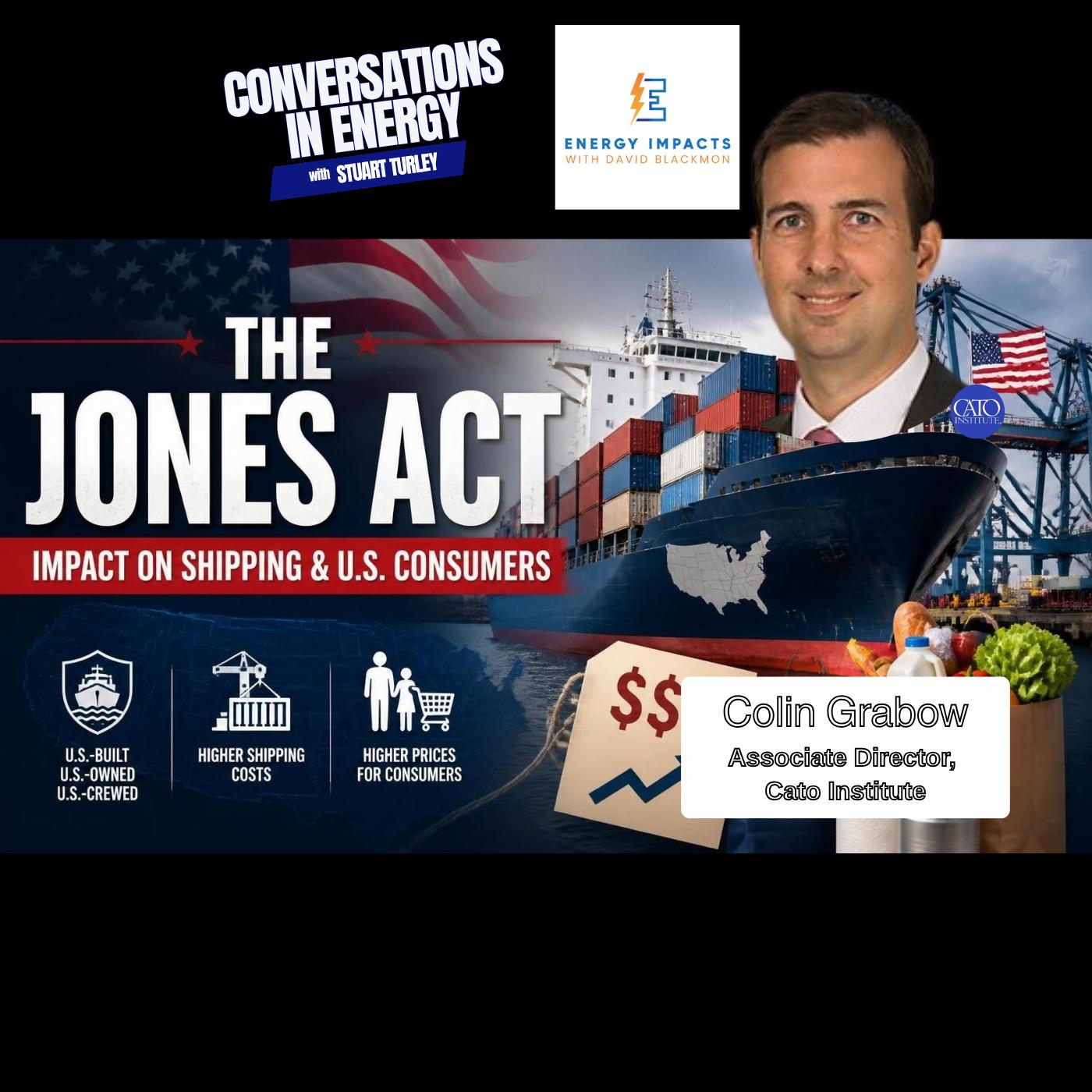 The Jones Act - Its Impact on DownStream with Colin Grabow, Cato Institute | The Jones Act: America's Self-Inflicted Economic WoundIn this episode of the Energy Newsbeat Podcast, hosts Stu Turley and David Blackmon sit down with Colin Grabow, Associate Director of the Cato Institute's Herbert A. Stiefel Center for Trade Policy Studies, to examine one of America's most counterintuitive and costly laws: the Jones Act. Enacted in 1920 as the Merchant Marine Act, this legislation requires all goods transported by water within U.S. borders to use American-flagged, American-built, and American-crewed vessels. What was intended as a national security measure has instead become an economic anchor, artificially inflating shipping costs and forcing states to import energy from overseas rather than from nearby domestic sources. With the Trump administration's recent suspension of the Jones Act, Grabow presents compelling data showing that in just six months, more energy has been shipped domestically than in any single year over the past 25 years—a real-world experiment that validates decades of economic arguments against the law. The conversation reveals a troubling paradox: while the U.S. claims the Jones Act protects national security, American ships are regularly sent to Chinese shipyards for repairs, and the law has shrunk the merchant marine fleet from 257 ships in 1980 to just 92 today. Through concrete examples ranging from California's refinery crisis to Puerto Rico's energy shortages, this episode exposes how protectionist policies meant to help American workers and shipyards have instead harmed consumers, reduced economic efficiency, and undermined the very security they claim to protect.Check out the Cato Institute Jones Act Tracker: https://www.cato.org/jones-act-waiver-tracker#key-findingsConnect with Colin Grabow on LinkedIn: https://www.linkedin.com/in/colingrabow/Check out David Blackmon's work on Substack: https://blackmon.substack.com/Check out The Energy News Beat Substack: https://theenergynewsbeat.substack.com/1. The Jones Act: Definition & OverviewThe podcast opens by explaining the Jones Act (Section 27 of the Merchant Marine Act of 1920), which requires that goods transported by water within the U.S. must use vessels that are U.S.-flagged, U.S.-built, at least 75% American-owned, and crewed by Americans. This foundational explanation sets up the entire discussion.2. Impact of the Jones Act Waiver on Energy SupplyA major focus is the Trump administration's suspension of the Jones Act, which has dramatically increased domestic energy shipments:California's refinery crisis: With refineries shutting down, the waiver enabled tankers to transport crude oil from Gulf Coast refineries through the Panama Canal to California—preventing a major supply crisisRecord-breaking shipments: In just 6 months, more crude oil, gasoline, and jet fuel were shipped than in any single year over the past 25 yearsCost savings: The waiver has saved consumers millions by enabling efficient domestic shipping3. Economic Inefficiency & Cost to ConsumersThe hosts discuss how the Jones Act artificially inflates shipping costs:U.S.-built tankers cost $210-240 million vs. $52-53 million in AsiaOperating costs for U.S. ships are $8.5 million more per year than foreign-flagged vesselsThis forces states like California and New England to import energy from overseas rather than from nearby U.S. sources4. National Security ParadoxesThe conversation highlights contradictions in the national security argument:The U.S. exports LNG globally but can't ship it domestically to states like New York and MassachusettsPuerto Rico and Hawaii are forced to import energy from foreign sources despite U.S. production capacityU.S. military builds warships in allied countries (Turkey, Japan, South Korea, Finland), yet commercial ships must be U.S.-builtAmerican ships are regularly sent to Chinese shipyards for repairs and maintenance5. Merchant Marine Fleet DeclineColin Grabow presents data showing the Jones Act has failed to maintain a robust U.S. shipping fleet:The fleet has shrunk from 257 ships in 1980 to just 92 todayU.S. shipyards produce only 2.6 ships per year on average vs. 40+ per year in South KoreaThe law hasn't created jobs—it's reduced them6. Regional Energy Crises & SolutionsThe waiver has addressed multiple regional energy shortages:California: 8+ million barrels of crude, 2.4 million barrels of diesel, 1.8 million barrels of jet fuelPuerto Rico: Record propane shipments (2.89 million barrels in 6 months vs. historical averages)New England: LNG and propane imports that were previously impossibleMid-Atlantic: 12 million barrels of crude shipped to refineries7. Political & Lobbying ObstaclesThe hosts discuss why the Jones Act persists despite its costs:Concentrated benefits vs. dispersed costs: Shipyard owners and operators lobby heavily to maintain the law, while consumers bear the costsCongressional gridlock: Previous reform efforts (2006-2007) failed despite support from the U.S. Chamber of Commerce and APIState interests: Louisiana opposes changes due to port economy dependence8. Hypocrisy & ContradictionsThe podcast highlights the absurdity of current policy:Refineries in New York were buying Russian oil because it was cheaper than Texas oil due to Jones Act shipping costsThe U.S. is the world's leading LNG exporter but can't ship it domesticallyCompanies advocating for the Jones Act for "national security" send their ships to China for repairs9. Potential Solutions & ReformColin Grabow proposes incremental reforms:Allow Americans to buy foreign-built ships (aligning with policy for airlines and trucking)Restrict to allied shipyards (NATO countries, Japan, South Korea)Implement a second registry (like Norway's international registry)Use direct subsidies instead of protectionism for national security needs10. Data-Driven Evidence & Future ResearchThe Cato Institute's Jones Act Waiver Tracker provides concrete evidence:241 voyages, 190 unique vessels, 65 million barrels shippedPlans to update 2018 and 2019 research papers on the Jones Act's economic and national security impactsThe waiver serves as a real-world experiment validating free-market predictionsOverall Theme: The podcast argues that the Jones Act is a self-inflicted economic wound that harms consumers, reduces shipping efficiency, contradicts national security claims, and fails to maintain a competitive merchant marine—and that the current waiver proves reform is both necessary and beneficial.At Energy News Beat, we Make Appendices Great Again.Check out the World's Greatest Podcast Show Notes at EnergyNewsBeat.co or EnergyNewsBeat.com, and the Energy News Beat Substack at: https://theenergynewsbeat.substack.com/A shout-out to Steve Reese and the Reese Energy Consulting group for sponsoring the Podcast https://reeseenergyconsulting.com/.Data2 if you have any business systems, can you trust A? Well, they have the patent on validation. . https://data2.zoholandingpage.com/energyAnd we have WellDatabase rolling, and we use their tools for the Energy News Beat weekly Rig Reports: https://welldatabase.com/Also entering Sponsor Rey Trevino, Pecos Operating https://pecos.energy/ | — | ||||||
| 9/2/26 | 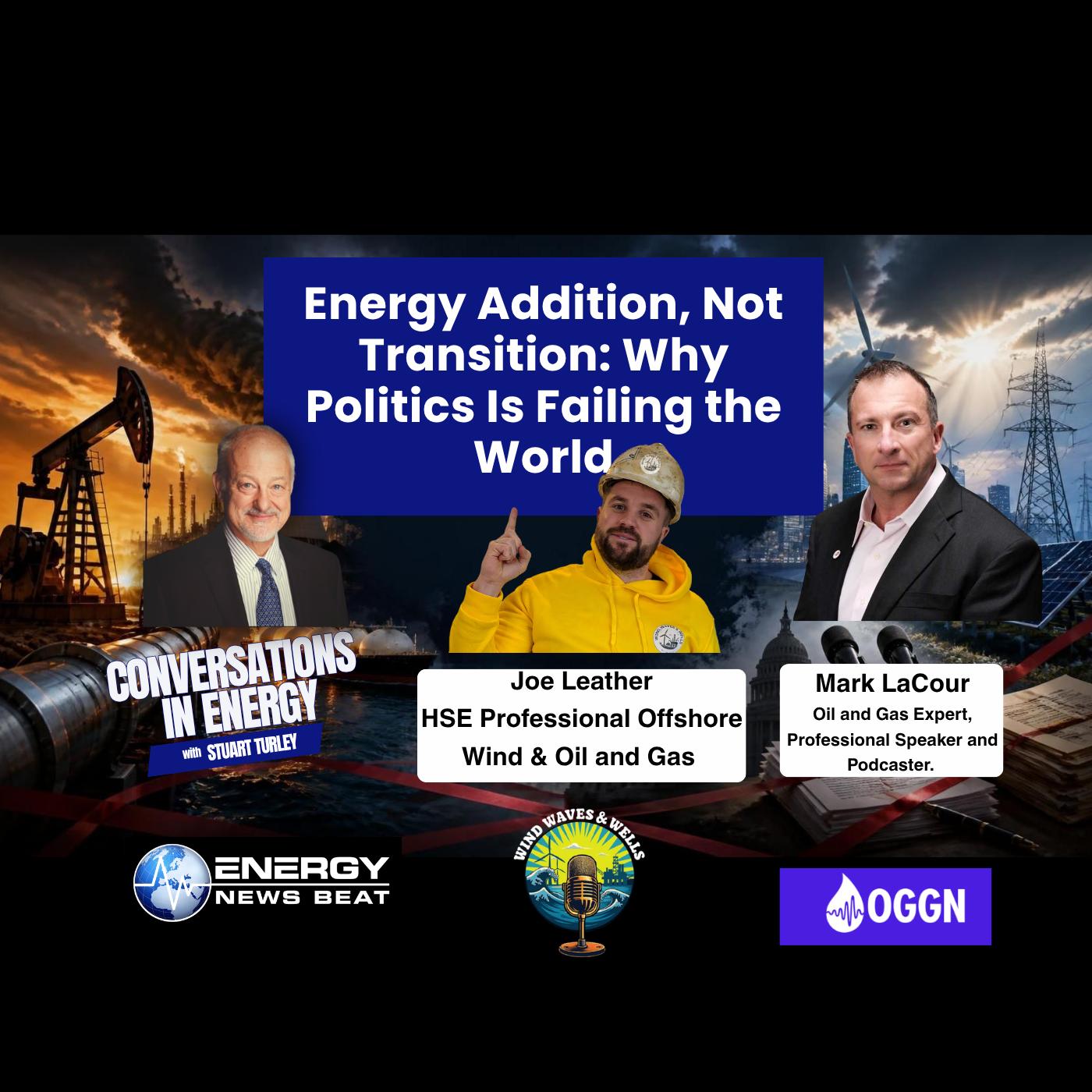 Energy Addition, Not Transition: Why Politics Is Failing the World | In a wide-ranging discussion that cuts through the noise of energy policy debates, three industry experts—Joe Leather (HSE Professional and Offshore Wind & Oil Podcast Host), Mark LaCour (Oil and Gas Expert and OGGN Editor-in-Chief), and Stu Turley (Energy News Beat Podcast Host)—tackle the contradictions, crises, and misconceptions shaping global energy markets. From record-breaking diesel prices in Scotland to California's paradoxical reliance on Russian crude despite abundant local reserves, this conversation exposes how political ideology disconnected from scientific reality is creating energy poverty, environmental hypocrisy, and geopolitical vulnerability. Rather than debating whether the world needs an energy transition, these experts argue for an "energy addition"—acknowledging that global demand will only grow while infrastructure, grid capacity, and rational policy lag dangerously behind. Their discussion reveals uncomfortable truths about net-zero politics, the aging infrastructure crisis, and why the solutions being implemented often make problems worse, not better. Yet amid the frustration, there's cautious optimism: technology is advancing rapidly, younger generations view energy differently, and the world may finally be waking up to what pragmatism demands.Check out Mark LaCour on The Great Oil Network OGGN https://oggn.com/Check out Joe Leather on his Great podcast https://windwavesandwells.com/1. Global Diesel Shortage CrisisThe hosts discuss the worldwide diesel shortage affecting prices dramatically—Joe paid £1.84 per liter (approximately $12.77/gallon) in Scotland. They explain this is caused by:Refinery turnaround season in the USIncreased global demand for dieselLimited crude oil supply due to Strait of Hormuz tensionsRefineries prioritizing jet fuel production over diesel due to higher profit margins2. UK Refinery Capacity CollapseThe UK is losing refinery capacity due to political and net-zero policies. The hosts explain the paradox: the UK fleet switched from petrol to diesel vehicles, but environmental politics prevented refineries from retrofitting to produce more diesel, creating an oversupply of petrol and shortage of diesel.3. Energy Politics vs. RealityA central theme is how political decisions disconnected from scientific understanding are harming energy security:California importing Russian crude while refusing to use its own local oil reservesNew York importing LNG from the Caribbean (sourced from Russia) instead of using abundant Pennsylvania natural gasGermany's failed renewable transition and subsequent energy poverty4. Energy Transition vs. Energy AdditionThe hosts argue the world needs an "energy addition" (more total energy), not a transition away from hydrocarbons. They emphasize:Growing global energy demandThe need for a diversified energy mixRenewable infrastructure inadequacy (grid capacity, decommissioning liability)5. Infrastructure & Grid ChallengesUK and US electrical grids are aging and insufficient for renewable integrationData centers (Microsoft, Amazon, Meta) are driving private infrastructure investmentInterconnection projects like Canada's $6 billion line to New York are underperforming6. Geopolitical Energy SecurityRussia using energy as a weapon (Germany's dependency on Russian gas)Strait of Hormuz disruptions and alternative shipping routesGhost fleets (unseaworthy tankers) moving sanctioned Russian oilThe Jones Act limiting US domestic shipping efficiency7. Environmental HypocrisyExamples of contradictory policies:Burning wood pellets shipped from the US as "net-zero" fuel in the UKScottish wind farms requiring diesel generators to operateImporting refined Russian oil while claiming environmental leadership8. Technology & InnovationAI discovering missed oil reserves in mature North Sea fieldsAutomation reducing rig crew sizes and improving safetyNew small, efficient "teapot refineries" being built at crude sources9. Political Polarization & HopeThe hosts discuss how extreme politics on both sides harm energy policy, but express cautious optimism that moderates are finding common ground and that "the world is healing."10. Generational Shift in PerceptionGeneration Alpha views the oil and gas industry positively—seeing it as innovative, well-paying, and cool—contrasting with their parents' anti-oil sentiment.The overarching message: Energy security requires pragmatic, science-based policy disconnected from political ideology.At Energy News Beat, we Make Appendices Great Again.Check out the World's Greatest Podcast Show Notes at EnergyNewsBeat.co or EnergyNewsBeat.com, and the Energy News Beat Substack at: https://theenergynewsbeat.substack.com/A shout-out to Steve Reese and the Reese Energy Consulting group for sponsoring the Podcast https://reeseenergyconsulting.com/.Data2 if you have any business systems, can you trust A? Well, they have the patent on validation. . https://data2.zoholandingpage.com/energyAnd we have WellDatabase rolling, and we use their tools for the Energy News Beat weekly Rig Reports: https://welldatabase.com/Also entering Sponsor Rey Trevino, Pecos Operating https://pecos.energy/ | — | ||||||
| 8/30/26 | 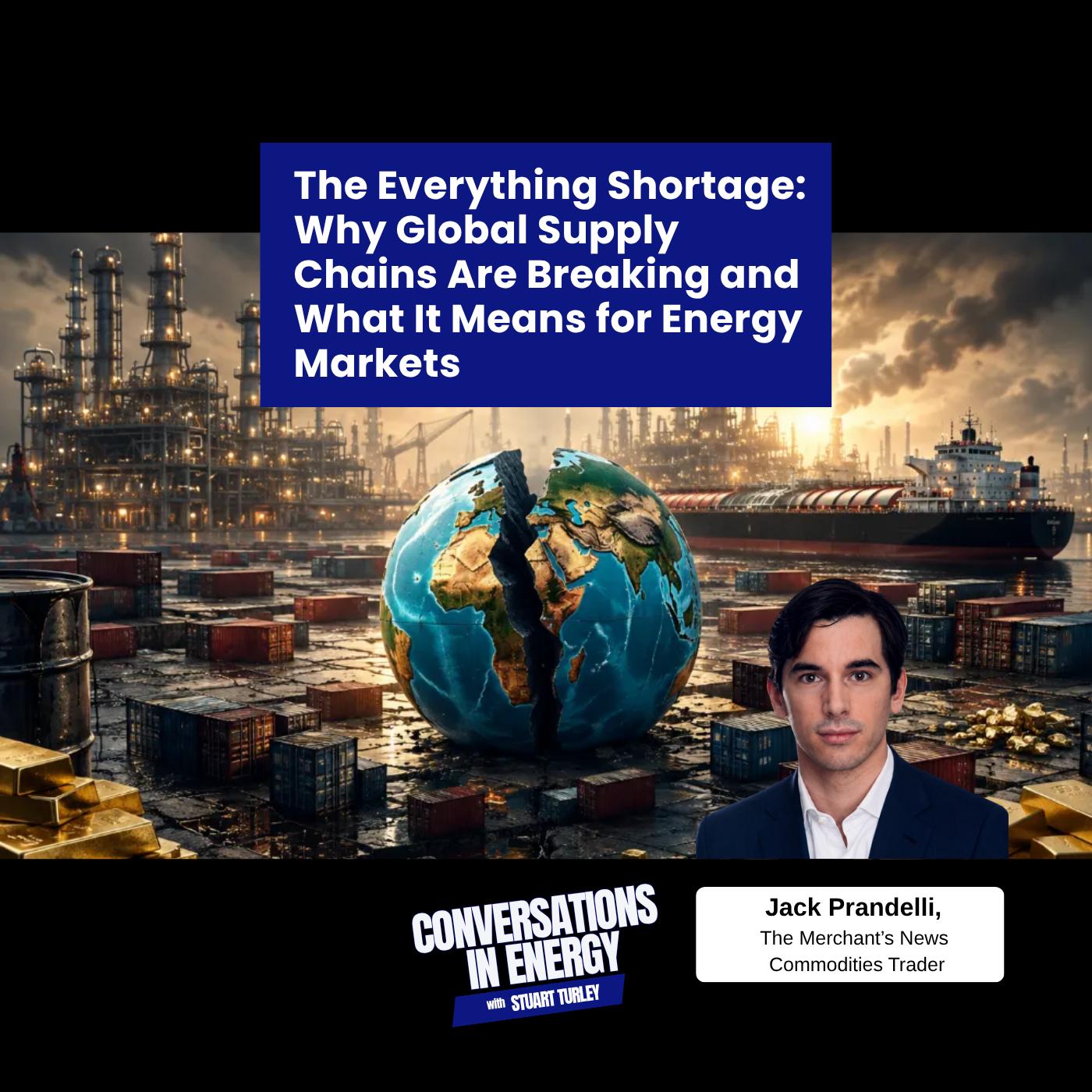 The Everything Shortage: Why Global Supply Chains Are Breaking and What It Means for Energy Markets | Jack Pandelli, The Merchant’s News Substack Author and commodities trader, stops by.The world is short of nearly everything. Shipping routes are under attack, refineries are maxed out, and energy policies have backfired. In this episode, commodities expert Jack Prandelli breaks down the "everything shortage"—the interconnected crises in oil, gas, food, and critical minerals that are reshaping geopolitics and creating the next commodity super-cycle. Discover why diesel is more valuable than crude oil, how drone warfare changed energy markets forever, and where smart investors should be looking.I highly recommend subscribing to The Merchant's News Substack.https://themerchantsnews.substack.com/1. Global Supply Chain Disruptions & Shipping CrisesThe podcast opens with a comprehensive discussion of how critical shipping routes and infrastructure are breaking down simultaneously. Key choke points under threat include:Strait of Hormuz – targeted by dronesSuez Canal – Saudi vessels avoiding drone attacksBlack Sea – ports and vessels targeted by dronesRhine River – water levels critically low due to heat, disrupting European logisticsPanama Canal – reduced traffic due to El Niño and low water levelsThis creates what Jack calls an "everything shortage" affecting global commerce.2. Oil Market Dynamics & Refinery BottlenecksWhile crude oil prices remain below $100/barrel, the real issue is in refined products. The podcast highlights:Record-breaking diesel crack spreads (refining margins)Diesel prices now higher than crude oil pricesGlobal refinery shortage (16 Russian refineries damaged, others under maintenance)This creates inflation pressure on the broader economy3. Energy Transition Policy FailuresJack criticizes aggressive ESG and net-zero policies in Western countries (Europe, US, UK) for:Pushing energy transition too fast without viable alternativesCreating energy cost disparities (California diesel at $7.80 vs. Texas at $5.05)Leaving economies still dependent on fossil fuels while discouraging investmentEurope's particular vulnerability without Russian gas supplies4. Geopolitical Oil & Gas CompetitionThe discussion covers strategic energy moves:Saudi Arabia successfully pivoting to sell oil to China via alternative routesIran losing market share to Saudi competitionQatar damaged (LNG facility attacked in February) and now a loser in the energy gameUAE protecting infrastructure with protective cages against drone attacksIraq emerging as a potential winner with US investment in pipelines5. Canada-US Energy Relations & TariffsJack analyzes Trump's tariff strategy:20% of Canadian goods hit with 50% tariffs, but oil and gas exemptedThis shows where real power lies – the US needs Canadian heavy oil for refineries9 out of 10 Canadian oil barrels go to the USCanada now exploring Chinese markets but facing low volumes and unfavorable pricingMost Canadian oil/gas infrastructure is US-owned, limiting Canadian control6. Commodity Inflation & Investment OpportunitiesThe podcast identifies interconnected commodity pressures:Copper shortage – data centers need metals; demand exceeds productionDiesel scarcity – affects mining, farming, and all transportationFood crisis – Ukraine/Russia supply disruptions + El Niño in South AmericaInvestment thesis: Companies at supply chain bottlenecks (refineries, pipeline builders, copper producers) will see gains7. Defense & AI Sector DemandEmerging demand drivers:Defense spending increasing due to fragmented global conflictsAI data centers requiring massive energy (US focusing on gas, not renewables)Both sectors driving metals and energy demand simultaneously8. Europe's Declining PositionConcerns about Europe's future:De-industrialization and closer ties to ChinaWeak energy independence without Russian gasSlower reshoring of critical minerals compared to the USPolitical instability preventing coherent energy policyBottom Line: The podcast paints a picture of a world facing simultaneous supply chain breakdowns, geopolitical energy competition, policy-driven energy shortages, and emerging commodity super-cycles—all creating both risks and investment opportunities for those who understand the interconnected nature of global energy and commodities markets.A shout-out to Steve Reese and the Reese Energy Consulting group for sponsoring the Podcast https://reeseenergyconsulting.com/.Data2 if you have any business systems, can you trust A? Well, they have the patent on validation. . https://data2.zoholandingpage.com/energyAnd we have WellDatabase rolling, and we use their tools for the Energy News Beat weekly Rig Reports: https://welldatabase.com/Also entering Sponsor Rey Trevino, Pecos Operating https://pecos.energy/ | — | ||||||
| 8/29/26 |  Energy, Elections & Service: A Veteran's Vision for Congress | Meet Eric Conroy, running for Congress in Ohio. In this episode of the Energy News Beat podcast, host Stu Turley sits down with Eric Conroy, an ex-CIA case officer and U.S. Air Force veteran running for Congress in Ohio's District 1. With over 14 years of combined service in military intelligence and covert operations across war zones in Iraq, Afghanistan, and Eastern Europe, Conroy brings a unique perspective to his campaign for a competitive House seat in the Cincinnati area. The conversation covers his path to public service, his recent endorsement from President Trump, and his vision for addressing critical issues facing Southwest Ohio—from election integrity and energy policy to economic competitiveness and congressional reform. Throughout the discussion, Conroy emphasizes the importance of affordable domestic energy, strong infrastructure, and bringing fresh leadership to Capitol Hill, while Turley probes his positions on oil and gas drilling, term limits, and how he plans to approach legislation as a common-sense conservative alternative to the incumbent.Reach out to Eric on his Website and donate - we need all of our great American First Vets winning and doing what is right for the American people. https://ericconroy.com/1. Congressional Campaign & Political BackgroundEric Conroy discusses his campaign for Congress in Ohio District 1 (Cincinnati area), which is a competitive 53% Republican district. He emphasizes the importance of this seat in potentially determining House control and introduces his opposition to incumbent Greg Landsman, whom he characterizes as a "radical leftist."2. Military & Intelligence ServiceConroy shares his extensive background as a 7-year Air Force intelligence officer (working in special operations) and 7-year CIA case officer. He discusses his deployments to Iraq, Afghanistan, Okinawa, Japan, and Eastern Europe, where his role involved recruiting sources in war zones.3. Election Integrity & Voting SecurityA significant portion focuses on election security, including the SAVE Act and voter ID requirements. Conroy highlights that over 70% of Americans (including Democrats) support voter ID laws, and criticizes the inconsistency of requiring IDs for shopping but not voting.4. Energy Policy & Oil & Gas DrillingThis is a central theme given the podcast's focus. Conroy strongly advocates for:Domestic oil and gas drilling as critical to economic competitivenessCheap, affordable energy as essential for manufacturing and economic successLong-term energy planning combined with short-term economic reliefForeign policy considerations related to energy security (Venezuela, Iran, Iraq)5. Economic Policy & Domestic IssuesDiscussion includes tax cuts, regulatory streamlining, small business support, and infrastructure development—particularly relevant to Ohio's role as a logistics hub.6. Congressional Committee PrioritiesConroy expresses interest in serving on committees focused on small business and transportation/infrastructure, reflecting Ohio's economic needs.7. Term Limits & Congressional ReformHe advocates for term limits to bring fresh ideas to Congress and criticizes career politicians who remain in office too long or use their positions for personal financial gain.8. Voter Engagement & Civic ParticipationThe podcast emphasizes the importance of informed, educated citizens voting and participating in democracy, particularly appealing to veterans and patriotic Americans.A shout-out to Steve Reese and the Reese Energy Consulting group for sponsoring the Podcast https://reeseenergyconsulting.com/.Data2 if you have any business systems, can you trust A? Well, they have the patent on validation. . https://data2.zoholandingpage.com/energyAnd we have WellDatabase rolling, and we use their tools for the Energy News Beat weekly Rig Reports: https://welldatabase.com/Also entering Sponsor Rey Trevino, Pecos Operating https://pecos.energy/ | — | ||||||
| 8/27/26 |  Life Will Find Away, and Oil Finds Markets | Welcome to the Energy News Beat podcast, where hosts Stu Turley and Rey Trevino (Pecos Operating) break down nine major stories shaping the global energy landscape. In this episode, they explore how oil and diesel markets are adapting to geopolitical disruptions—from Saudi Arabia's innovative shuttle tanker routes around the Houthis to China's strategic pivot toward Saudi oil. The conversation reveals critical vulnerabilities in America's energy infrastructure: record-low diesel inventories threatening supply chains, California's regulatory stranglehold driving operators away, and alarming grid security threats from Chinese equipment. Against this backdrop, the hosts examine how energy security intersects with food production, national defense, and economic stability, while highlighting President Trump's executive orders aimed at protecting the U.S. power grid. Whether you're an energy professional, investor, or concerned citizen, this episode delivers essential insights into why energy independence, refining capacity, and grid resilience have never been more critical to America's future.1. Oil Supply Routes & Geopolitical DisruptionsThe hosts discuss how Saudi Arabia is using shuttle tankers to route oil around the Houthis and Strait of Hormuz blockades, finding alternative paths to market via the Red Sea and Persian Gulf. This reflects how oil adapts to obstacles, similar to the Jurassic Park reference about nature finding a way.2. Diesel Crisis & Fuel Inventory ShortagesA critical focus is the impending diesel shortage in the U.S. Despite crude oil availability, diesel inventories are at record lows (down 2.2 million barrels). The hosts explain that refineries operating at 97% capacity are struggling to meet demand, and diesel prices continue rising even as gasoline stabilizes—a concerning trend since all consumer products rely on diesel for transport.3. China's Oil Strategy & Economic WarfareDiscussion of China buying large quantities of Saudi oil (replacing Iran as their supplier) and how U.S. sanctions on Venezuela and Iran are forcing China to pay full price instead of getting discounted oil, representing an economic war strategy.4. California's Energy CrisisThe podcast highlights California's severe energy problems: gasoline at $7.04/gallon vs. $5.65 in Texas, refining costs of $15/barrel vs. $5 in Texas, and how California was previously dependent on Venezuelan oil through China. The hosts criticize California's regulatory environment, noting that operators find it easier to work in Venezuela than California.5. Grid Security & Chinese Equipment ThreatsPresident Trump's executive order (14420) to remove Chinese grid equipment and secure the U.S. bulk power system is praised as essential protection against cyber attacks. The hosts emphasize the national security risk of using cheap Chinese components in critical infrastructure, citing examples like the UK's security drone boat sending data to China.6. UK Grid Vulnerabilities & Blackout WarningsCatherine Porter's warnings about the UK grid under net zero stress are discussed, with the UK issuing alerts about potential blackouts. The hosts contrast this with Texas's stable grid, which has avoided rolling blackouts thanks to natural gas production.7. Global Food Crisis & Fertilizer ShortageJP Morgan's warning of a looming global food crisis is highlighted, driven by the Ukraine-Russia war disrupting 27% of global grain exports. The connection between energy (oil/gas for fertilizer production and food transport) and food security is emphasized.8. California Tire RegulationsDiscussion of new California tire regulations that would eliminate low-cost tire options and increase prices by 15-20%, exemplifying government overreach that's driving businesses and people away from California to Texas.9. Energy Industry Sponsorships & ResourcesThe hosts promote various energy sector sponsors and tools: Pecos Operating, Data Squared (AI validation), Well Database, and Reese Energy Consulting, emphasizing the importance of quality reach and industry partnerships.Overall Theme: The podcast emphasizes how energy security, geopolitical strategy, and regulatory policy are interconnected, with the U.S. needing to strengthen domestic energy production, grid security, and refining capacity while avoiding California-style overregulation.All stories are on Energy News Beat https://energynewsbeat.co/1.Oil Will Find a Way2.Jeff Currie Dropping the Truth on CNBC3.The Impending Diesel Crisis and Its Impact on the United States4.Diesel Hits New Highs in Price, and Lows in Inventory5.White House Declares National Emergency to Secure the U.S. Bulk-Power System – Will We See If Chinese Grid Equipment Is Removed?6.Kathryn Porter sounds the practical alarm on the UK Grid7.JPMorgan Warns of Global Food Crisis Looming Next Year8.Dunlop Tires North America CEO Darren Thomas holds press conference on new rules for California9.A Tribute to Steve Reese: Oklahoma’s Steady Voice for Energy SanityA shout-out to Steve Reese and the Reese Energy Consulting group for sponsoring the Podcast https://reeseenergyconsulting.com/.Data2 if you have any business systems, can you trust A? Well, they have the patent on validation. . https://data2.zoholandingpage.com/energyAnd we have WellDatabase rolling, and we use their tools for the Energy News Beat weekly Rig Reports: https://welldatabase.com/Also entering Sponsor Rey Trevino, Pecos Operating https://pecos.energy/ | — | ||||||
| 8/23/26 | 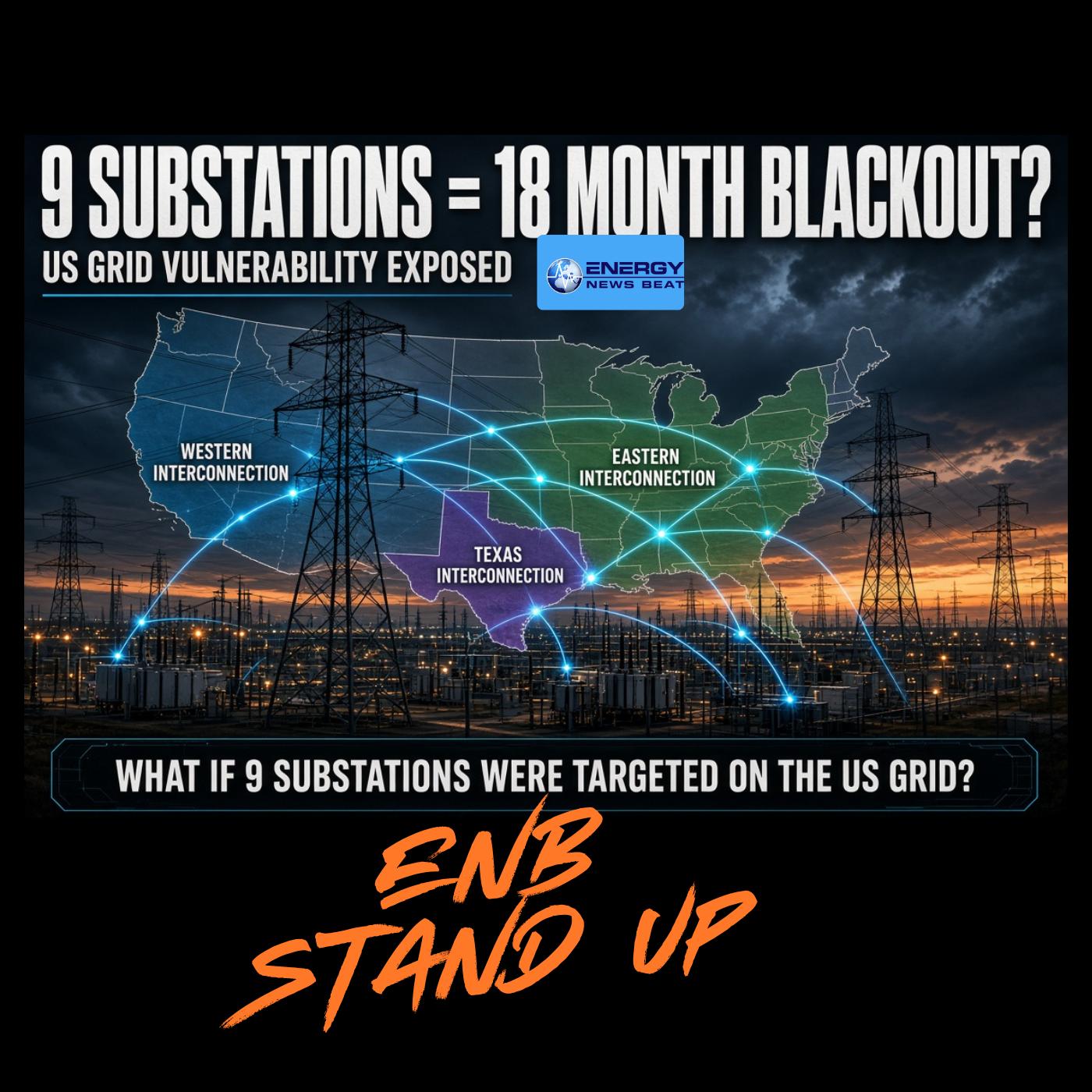 Is an 18-Month Blackout on the Horizon? Energy's Perfect Storm | Welcome to the Energy Newsbeat, where host Stu Turley breaks down the ten most critical energy stories shaping global markets and infrastructure. In this episode, we explore a landscape marked by unprecedented challenges and opportunities: from the alarming vulnerability of the U.S. power grid to coordinated cyberattacks, to Iraq's aggressive push to double oil production and reshape Middle Eastern energy politics. As geopolitical tensions escalate—with Ukraine striking Russian refineries and the U.S. tightening sanctions on Iran—the global energy market faces historic supply constraints, record-high refining margins, and tanker costs that are reshaping fuel prices worldwide. Meanwhile, the explosive growth of AI data centers is creating a power demand crisis that threatens to overwhelm manufacturing capacity for years to come. This episode examines how these interconnected forces—from grid security and sanctions effectiveness to renewable energy policy and oil market dynamics—are fundamentally transforming the energy landscape and what it means for consumers, investors, and national security.1. U.S. Grid Vulnerability & Blackout RiskThe host discusses the critical vulnerability of the U.S. power grid to coordinated attacks on substations. Former FERC chairman John Wellinghoff warned that targeting just nine key substations could cause an 18-month nationwide blackout, potentially affecting millions. The episode emphasizes the importance of backup power systems and preparedness.2. Iraq's Oil Production Expansion & OPEC DynamicsIraq is aggressively pursuing plans to double its oil production capacity to 8-10 million barrels per day, with major oil companies (Chevron, Exxon, BP) securing new contracts. The discussion explores whether OPEC will allow this expansion and how Iraq is building export routes through Turkey to bypass the Strait of Hormuz.3. Sanctions on Iran & Their EffectivenessThe episode covers U.S. Treasury Secretary Bessen's sanctions strategy against Iran, examining whether sanctions are effectively constraining Iran's oil exports. Evidence shows Iran's exports have collapsed from 1.8-2.1 million barrels per day to near zero, though Iran is finding workarounds using land-based truck transport.4. Drone Threats to Oil InfrastructureThe UAE has installed massive metal cage structures over oil storage tanks in Abu Dhabi for anti-drone protection—a response to increasing drone strikes on energy infrastructure in the Ukraine-Russia conflict. This reflects how modern warfare is changing energy security.5. Ukraine's Strikes on Russian RefineriesUkraine has successfully struck major Russian refineries, including the Lukoil refinery in Perm, degrading Russia's refining capacity and military fuel supply. This has significant global oil market implications.6. Diesel Supply Shortages & Crack SpreadsHedge funds are reducing bearish bets on European diesel, signaling expected fuel supply shortages. U.S. crack spreads (the profit margin for refining) have hit record highs at $102 per barrel, driven by tight inventories and high tanker costs—not refinery gouging.7. AI Data Center Power Demand CrisisGE Vernova's gas turbine backlog has hit 116 gigawatts with delivery delays until 2031. The episode explores how AI data centers' massive power appetite is creating a manufacturing bottleneck, forcing companies to "bring your own power" (BYOP) solutions.8. Floating Offshore Wind Farms in BritainThe UK is moving to expensive floating offshore wind farms with 200 new turbines and 300-400 kilometers of cables. The host argues this approach will increase energy costs and require natural gas backup, contradicting net-zero goals.9. Winter Gasoline Waiver & Ethanol PolicyThe Trump administration issued an emergency waiver allowing early transition to winter-grade gasoline to help curb prices. The host advocates for eliminating ethanol mandates, arguing it wastes energy and increases consumer costs.10. Venezuela Oil Rig RestartSchlumberger (SLB) is preparing to restart 15 idle oil rigs in Venezuela to ease drilling bottlenecks, though Venezuela faces energy constraints that complicate operations.Overarching Theme: The podcast emphasizes that global energy markets are tight, oil and gas remain essential long-term, and geopolitical factors (sanctions, conflicts, infrastructure attacks) are reshaping energy supply chains and prices.1.What if 9 Substations were Targeted on the US Grid? Would Jon Wellinghoff’s Prediction of an 18-Month US Grid Blackout Happen?2.Will Iraq leave OPEC, or will OPEC allow Iraq to double exports within six years?3.Will Choking Iran’s Economy End the War, or Are They Too Resilient?4.UAE Cageing Up Their Oil Storage for Anti-Drone Protection5.Ukraine Hits Lukoil Refinery. How Degraded is the Russian Refinery Capacity?6.Hedge Funds Cut Bearish Bets on European Diesel to Two-Year Low7.GE Vernova’s Gas Turbine Backlog Hits 116 GW. What Does This Mean for the AI Market?8.Britain Doubles Down on Wind by Moving to Floating Wind Farms for More Expensive Energy9.US Allows Early Sales of Winter Gasoline to Help Curb Prices10.SLB Prepares to Restart 15 Oil Rigs in VenezuelaA shout-out to Steve Reese and the Reese Energy Consulting group for sponsoring the Podcast https://reeseenergyconsulting.com/.Data2 if you have any business systems, can you trust A? Well, they have the patent on validation. . https://data2.zoholandingpage.com/energyAnd we have WellDatabase rolling, and we use their tools for the Energy News Beat weekly Rig Reports: https://welldatabase.com/ | — | ||||||
| 8/19/26 | 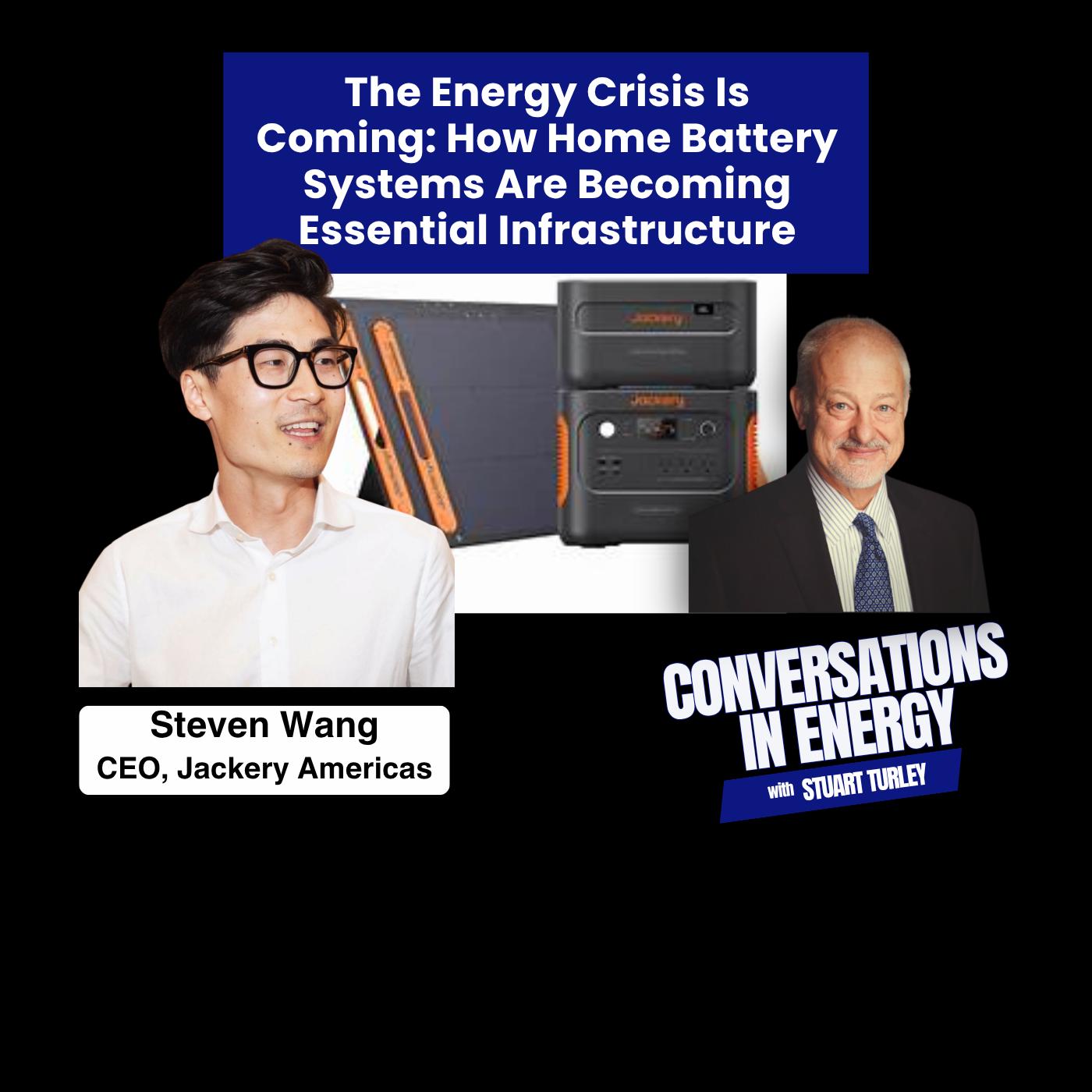 The Energy Crisis is Coming: How Home Battery Systems Are Becoming Essential Infrastructure | JPMorgan's stark warning about 2027 blackouts is spurring a 28% surge in home battery installations—and it's reshaping how Americans think about energy security. Steven Wang, CEO of Jackery Americas, stops by the Energy News Beat podcast.The United States faces an unprecedented energy challenge. Electricity demand is surging at a pace the nation's grid infrastructure simply cannot match. JPMorgan Chase recently issued a dire warning: rolling blackouts are coming to America by 2027. But unlike previous energy crises that left consumers helpless, a quiet revolution is underway in garages and basements across the country—one that's putting power literally back into people's hands.The numbers tell the story. Home battery installations surged 28% year-on-year in the first quarter of 2026, a remarkable growth rate that defies conventional wisdom. This isn't happening because of government mandates or renewable energy subsidies—in fact, it's accelerating after those subsidies began phasing out. Instead, Americans are waking up to a simple reality: energy security starts at home.https://www.jackery.com/Why Now?The convergence of three forces is driving this shift. First, grid instability is no longer a theoretical concern—it's a lived experience. Natural disasters, wildfires, and typhoons are causing increasingly frequent blackouts. Second, electricity costs are climbing, making backup power economically rational even for middle-class households. A single blackout that spoils a refrigerator's worth of food can pay for a home battery system. Third, the technology has finally matured. Modern power stations are reliable, safe, and genuinely user-friendly—no engineering degree required.Beyond Tesla: The Untapped MarketWhile Tesla's Powerwall has become synonymous with home energy storage, it's designed for larger homes (1,200-3,000 square feet) and carries a premium price tag comparable to a car. This leaves vast segments of the market underserved: apartment dwellers, renters, owners of smaller homes, and those seeking affordable backup for critical appliances.Companies like Jackery are filling this gap with innovative solutions. Their "Fridge Guard" product, for example, offers apartment residents their first real option for permanent backup power—something that was literally impossible just years ago. At $600-$1,000 per unit, multiple units can be deployed throughout a living space for under $2,000, providing comprehensive home backup power.A Global Problem Demands Global SolutionsThis isn't an American problem alone. Brazil, one of the world's most populous nations, faces even worse blackouts than the US. In parts of Africa, grid operators simply shut off power at predetermined times each day. Geopolitical instability is compounding these challenges worldwide. As battery costs continue their dramatic decline—dropping from nearly $1,000 per kilowatt-hour five years ago to just over $500 today—distributed energy storage is becoming economically viable in developing nations too.The Grid Gets SmarterPerhaps most intriguingly, home battery systems are evolving from individual backup solutions into a distributed network that can actually help the grid. Innovative programs like Jackery's partnership with Con Edison in New York demonstrate this potential. Consumers receive free power stations and subsidized electricity in exchange for allowing utilities to draw power during peak demand hours. During scorching summer days when everyone's air conditioning strains the grid, these home batteries discharge to the grid, preventing blackouts and reducing the need for expensive grid expansion.This is peak shaving—and it's a win-win. Utilities get demand flexibility without building new infrastructure. Consumers get free or cheap backup power. The grid becomes more resilient.What Comes NextThe next decade will be defined by three priorities: affordable self-sustainability (off-grid living for the masses), universal backup power (especially for underserved markets), and grid-scale peak shaving (turning millions of home batteries into a virtual power plant).The 2027 blackout warning isn't a death knell—it's a wake-up call. And Americans are answering it, one home battery at a time. The question is no longer whether you need backup power. It's how soon you'll install it.This podcast is with Steven Wang, CEO of Jackery Americas, on the Energy Newsbeat podcast, discussing the convergence of grid instability, technological maturity, and economic incentives driving the home energy storage revolution.We cover how Stu has been using Jackery products for years, and they are not only rock-solid; they can also save lives and money. A shout-out to Steve Reese and the Reese Energy Consulting group for sponsoring the Podcast https://reeseenergyconsulting.com/.Data2 if you have any business systems, can you trust A? Well, they have the patent on validation. . https://data2.zoholandingpage.com/energyAnd we have WellDatabase rolling in as a new sponsor. https://welldatabase.com/ | — | ||||||
| 8/16/26 | 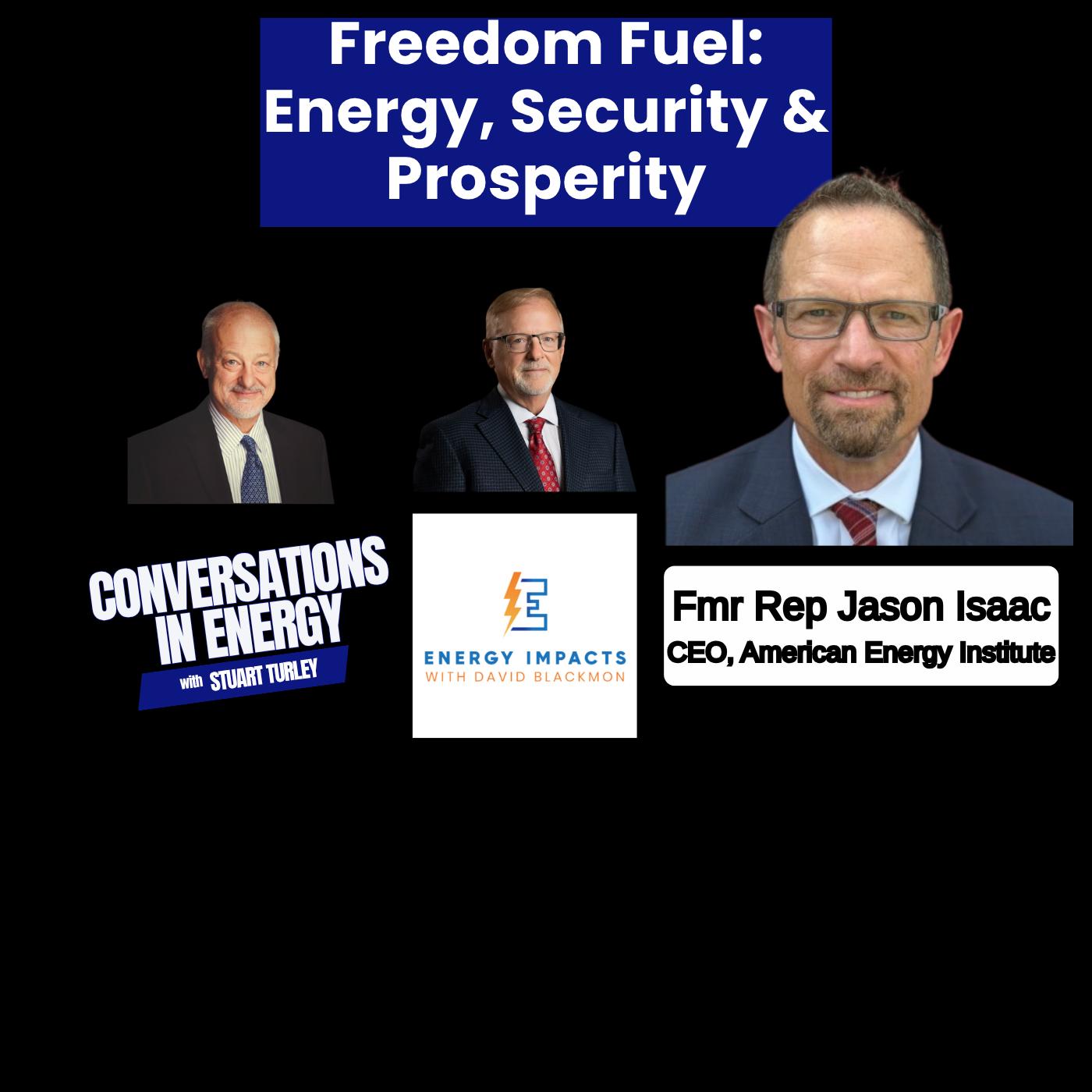 Freedom Fuel: Energy, Security & Prosperity - Frm Representative Jason Isaac | Welcome to Rate Payers First, where we cut through the noise on America's energy crisis. Join host David Blackmon, Stu Turley, and Frm Representative Jason Isaac as we expose the policies destroying your wallet, threatening national security, and crippling American energy independence. From windfall profit taxes to grid failures to Chinese equipment in our power lines—we're asking the questions Washington won't answer. Because affordable, reliable energy isn't a luxury. It's the foundation of prosperity, security, and freedom.This podcast is going out on both the Energy News Beat, and Energy Impacts Podcast and we highly recommend following Jason Isaac on his LinkedIn https://www.linkedin.com/in/jasonaisaac/, and also his website: https://americanenergyinstitute.com/Also check out David Blackmon's Substack https://blackmon.substack.com/, and The Energy News Beat Substack https://theenergynewsbeat.substack.com/1. Oil & Gas Pricing & Market DynamicsThe hosts debate President Trump's comments about oil companies "price gouging" on gasoline. They explain the "rocket and feather effect"—how prices spike quickly when supply concerns arise but take longer to fall. They note current gas prices are actually lower than during the Biden administration and lower than historical averages, despite public frustration.2. Windfall Profit Tax ConcernsDiscussion of proposed Democratic legislation (Ro Khanna and Bernie Sanders) to impose windfall profit taxes on oil companies. The guests argue this would ultimately harm consumers by raising costs and reducing investment, citing Texas as an example of how lower business taxes attract companies and economic growth.3. Data Centers & Critical Digital InfrastructureA major focus on the AI race against China and the importance of data centers. They contrast Governor Hokel's ban on data centers in New York with Governor Abbott's measured approach in Texas—a temporary halt to review environmental impacts. Key points include data centers' economic benefits (jobs, tax revenue, $1 billion to Texas education last year) and the need to protect water resources through responsible practices like desalination.4. Energy Grid Reliability & Market ReformExtensive discussion of Texas's grid challenges, including:Poor market design that doesn't reward reliabilityOver-reliance on intermittent wind and solar (53 GW added vs. only 3 GW of natural gas in 5 years)Rate payers bearing billions in costs to keep thermal plants on standbyLaunch of "Rate Payers First" coalition to advocate for consumer protection5. Supply Chain & National Security IssuesConcerns about Chinese equipment in the U.S. electrical grid, including:Chinese-made solar components and battery storage systemsRemote communication devices pinging back to ChinaThe incident at Camp Lejeune where a battery storage system was remotely restarted after being shut downNeed to bring manufacturing back to the U.S. and allied nations6. Wind & Solar Infrastructure ProblemsEnvironmental and practical concerns about renewable energy installations:Wind turbine graveyards in Sweetwater, Texas with disposal challengesOil leaking from turbine bases contaminating farmlandMassive concrete foundations making land unsuitable for future farmingPotential future "superfund sites" from damaged installations7. LNG & Energy ExportsCelebration of U.S. LNG production and exports as "freedom fuel" helping allies globally. Discussion of how American LNG is more affordable than alternatives and helps lift people out of poverty worldwide. Mention of major investments like Amazon's 7-gigawatt natural gas facility.8. Jones Act & Fuel SupplyThe importance of suspending the Jones Act (Merchant Marine Act of 1920) to allow cheaper fuel transport to California, Hawaii, Alaska, and Puerto Rico. Discussion of how the antiquated law drives up energy costs in these regions and harms industries like pharmaceuticals in Puerto Rico.9. California's Energy Crisis & National SecurityCalifornia's closure of refineries (down to 7 from 40) creates vulnerability for military bases and national security. The state's opposition to increased oil production threatens fuel supply for strategic military installations.10. Natural Gas Turbine ShortageA critical supply chain issue: 5-year waiting list for gas turbines, with old power plants being dismantled to salvage parts, limiting new natural gas generation capacity despite demand.The overarching theme is that affordable, reliable American energy is essential for economic prosperity, national security, and global stability—and that misguided policies (windfall taxes, renewable subsidies, Jones Act restrictions) undermine these goals.A shout-out to Steve Reese and the Reese Energy Consulting group for sponsoring the Podcast https://reeseenergyconsulting.com/.Data2 if you have any business systems, can you trust A? Well, they have the patent on validation. . https://data2.zoholandingpage.com/energyAnd we have WellDatabase rolling in as a new sponsor. https://welldatabase.com/ | — | ||||||
| 8/12/26 |  Doomberg and the New Oil and Gas Markets Post Hormuz | Doomberg stops by, and we solve the global oil crisis. We did not really solve the world’s oil problems, but boy, we sure covered them.In this Energy Newsbeat podcast episode, hosts Stu Turley and Doomberg dive deep into the interconnected crises reshaping global energy markets and geopolitics. From contested claims about oil flowing through the Strait of Hormuz to Putin’s stranglehold on European natural gas supplies, the conversation reveals how misinformation, geopolitical brinkmanship, and exponential technological change are colliding to create unprecedented uncertainty.Against this backdrop of energy scarcity and conflict, the hosts explore how artificial intelligence is driving explosive new demand for power, forcing a reckoning between renewable energy mandates and grid reliability. Through sharp analysis and candid debate, they argue that understanding energy flows—and who controls them—is essential to predicting everything from European political upheaval to the viability of AI infrastructure investments. It’s a masterclass in connecting the dots between commodity markets, military strategy, and the future of human civilization.Check out Doomberg.com https://newsletter.doomberg.com/Shout-out to Dave, one of our great subscribers, for commenting on the live feed.1. Global Oil Markets & The Strait of HormuzThe hosts debate conflicting information about oil flow through the Strait of Hormuz, with Chris Wright (Secretary of Energy) claiming 9 million barrels per day are flowing through. They discuss how market prices haven't responded as expected, suggesting either the market is efficiently pricing in a long-term U.S. siege against Iran, or there's misinformation in circulation. The conversation emphasizes that pipelines are being built to bypass the strait, making it increasingly irrelevant.2. Houthi Attacks & Alternative Shipping RoutesDiscussion of Houthi attacks on commercial ships in the Bab el-Mandab Strait, reducing flow to less than 1 million barrels per day. They note the phrase "Houthis in the blow ships" and question whether reported attacks are actually occurring or if misinformation is prevalent.3. Ukraine War & European Energy CrisisA major focus is an upcoming Doomberg article about how Putin controls Europe's energy future through natural gas. Key points include:Ukraine's loss of the air war and closing of the Black Sea port of OdessaEurope's dangerous dependency on Russian natural gas (4.5 BCF/day through Turkstream)European gas storage at only 59% capacity (vs. 83% in 2023)If Russia cuts off gas supplies, Europe could lose 40% of its storage capacityThe precarious position of European leadership (Ursula von der Leyen, Macron, Mertz) who may need to be replaced for political solutions4. Turkey's Strategic PositionTurkey's role as a NATO member while maintaining relationships with Russia and Iran, controlling the Turkish Straits, and serving as a potential energy hub between the Middle East and Europe. Discussion of Erdogan's health and political stability.5. U.S. Grid Reliability & Data Center DemandJPMorgan's warnings about rolling blackouts driven by:Accelerating AI demandForced installation of intermittent renewablesData centers requiring massive powerComparison between Texas (abundant natural gas, allowing data center growth) and New York (restrictive policies)The concept of "natural gas pods"—data centers with gas input and data output6. AI & Exponential GrowthA philosophical discussion on:Ray Kurzweil's "The Singularity is Near" and exponential technological growthAI model doubling time shrinking to approximately 3 months (trending toward daily improvements)The "human endeavor is infinite compute" as a strong predictive mental modelComparison to the Weimar hyperinflation period to illustrate the power of exponential trendsWhy skepticism about AI data center ROI is misplaced, similar to early shale gas skepticism7. Liberty Energy & Shale Gas in AustraliaBrief mention of Liberty Energy's expansion into Australian shale gas drilling, presented as a "tell" of emerging opportunities.8. Upcoming Doomberg ContentAnnouncement of a company deep dive on Chevron, examining its global operations, business model, and various investment exposure options.The podcast emphasizes how interconnected global energy markets are and how geopolitical decisions (particularly Putin's control of energy supplies) have cascading effects on everything from European stability to U.S. grid reliability and AI infrastructure development.The podcast has rolled over 3 million podcast listens on Apple and Spotify, and Doomberg's last episode was well over 110K - let's see how this one does. A shout-out to Steve Reese and the Reese Energy Consulting group for sponsoring the Podcast https://reeseenergyconsulting.com/.Data2 if you have any business systems, can you trust A? Well, they have the patent on validation. . https://data2.zoholandingpage.com/energyAnd we have WellDatabase rolling in as a new sponsor. https://welldatabase.com/ | — | ||||||
| 8/11/26 |  When Pipelines Replace Chokepoints: Energy's New Geopolitical Map | When geopolitical chaos erupts—Iranian tankers in the dark fleet, Houthi attacks in the Red Sea, Russian refineries under fire—oil prices should skyrocket. Yet here we are in August 2024 with WTI crude at just $83 a barrel, and the market hasn't collapsed. Why? Because the U.S. is producing nearly 14 million barrels a day, pipelines are bypassing chokepoints, and refineries are running flat out. But there's a catch. In this episode of the Energy Impact Podcast, Trisha Curtis—CEO of PetroNode, Chief Economist of the American Energy Institute, and Senior Consultant at the U.S. Department of Energy—joins David Blackmon and Stu Turley to break down the real story behind oil markets. They debate whether prices reflect reality, expose the refining capacity crisis that's keeping gas prices high, and challenge the media narratives that get it wrong.From China's strategic stockpiling to Iran's fading leverage to why the oil industry desperately needs better PR, this conversation separates market hype from hard data—and reveals what's really at stake for American energy security.Connect with Trisha Curtis at https://www.linkedin.com/in/trisha-curtis-petronerds/ or @petronerds633 on YouTubeThis is also going out on David Blackmon's podcast, Energy Impacts.Connect with David on his LinkedIn here https://www.linkedin.com/in/david-blackmon-2325189/1. U.S. Oil Production & Global Market DominanceThe hosts emphasize that the U.S. produces nearly 14 million barrels per day, making it the world's largest oil producer. This production level hasn't received adequate attention in media coverage, despite its significant geopolitical and economic implications. The Permian Basin, particularly in Texas and New Mexico, is driving record output growth.2. Oil Market Resilience During Geopolitical DisruptionsDespite major disruptions—including attacks on the Strait of Hormuz, Red Sea blockades by Houthis, and the Ukraine-Russia conflict—the oil market has adapted remarkably well. The hosts credit market forces, refinery efficiency, and alternative supply routes (like the East-West Pipeline) for preventing catastrophic price spikes that many predicted.3. Current Oil Pricing ($83/barrel WTI)The discussion explores why oil prices have remained relatively moderate despite geopolitical chaos. They debate whether prices reflect reality, with consideration for tanker insurance costs, physical delivery premiums, and crack spreads (refinery profit margins).4. Refining Capacity CrisisA critical issue: the U.S. has 128 operating refineries with an average age of 75-80 years, and only one new refinery (Brownsville) is coming online by 2027. California is losing refining capacity (6 of 7 refineries slated to close), which will have serious economic consequences. Refining capacity is the key bottleneck limiting gasoline and diesel price relief.5. Strategic Petroleum Reserve (SPR) & ExportsThe hosts discuss the SPR release strategy and defend continued crude oil and refined product exports as essential to global energy security. They emphasize that allowing exports supports the market and benefits U.S. energy interests.6. China's Energy Strategy & StockpilingChina has significantly reduced oil imports (down 5 million barrels/day) and is drawing on massive strategic reserves. The hosts suggest China is using this period as a "test run" for potential future blockades (like closing the Strait of Malacca during a Taiwan conflict).7. Middle East Geopolitical ComplexityThe discussion covers Iran's leverage (tanker fleet, strait control), OPEC's fragmentation (UAE's departure), Iraq's alignment with Iran, and the role of alternative pipelines reducing dependence on the Strait of Hormuz.8. Turkey, Pakistan & Regional MediationThe hosts highlight emerging geopolitical tensions involving Turkey and Pakistan as mediators, with concerns about extremism funding and the potential for regional escalation.9. Industry Communication & LeadershipThe hosts criticize the oil and gas industry for poor public relations and not taking credit for market stability and affordable energy. They call for better industry leadership and advocacy.This podcast presents a nuanced view of global energy markets, emphasizing market adaptation, U.S. strategic advantages, and the critical importance of refining infrastructure and policy decisions around exports and reserves.Check out the Energy News Beat Substack at https://theenergynewsbeat.substack.com/A shout-out to Steve Reese and the Reese Energy Consulting group for sponsoring the Podcast https://reeseenergyconsulting.com/.Data2 if you have any business systems, can you trust A? Well, they have the patent on validation. . https://data2.zoholandingpage.com/energyAnd we have WellDatabase rolling in as a new sponsor. https://welldatabase.com/ | — | ||||||
Want analysis for the episodes below?Free for Pro Submit a request, we'll have your selected episodes analyzed within an hour. Free, at no cost to you, for Pro users. | |||||||||
| 8/5/26 | 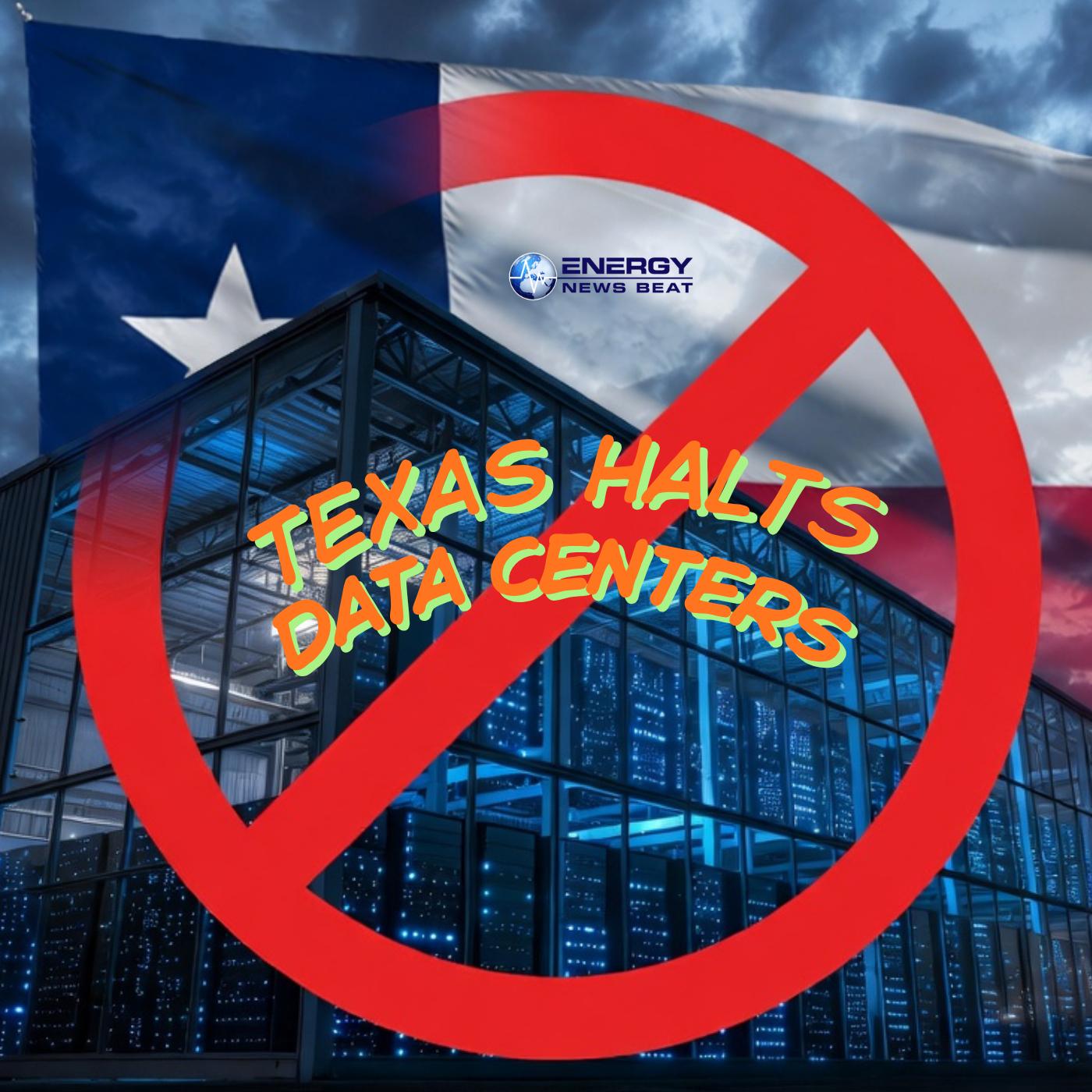 Grid Collapse or Energy Reality: Eight Stories That Will Define 2027 | In a rapidly shifting global energy landscape, the stakes have never been higher. From Texas governors taking unprecedented action on data centers to Houthi attacks disrupting critical shipping lanes, from Europe's plummeting LNG reserves to the fundamental clash between net zero policies and energy reality, this episode of the Energy News Beat cuts through the noise to deliver eight critical stories that will reshape how you think about energy security, grid stability, and economic resilience. Whether you're an industry professional, policymaker, or simply someone concerned about the reliability of the power grid and the affordability of energy, this conversation exposes the hard truths behind the headlines—including why demand destruction is coming, why coal consumption is hitting record highs despite net zero mandates, and why 2027 could be a pivotal year for American energy independence. Buckle up: this is essential listening for anyone who wants to understand where energy markets are headed and what it means for your wallet and your future.1. Data Center Regulation & Energy ImpactTexas Governor Abbott has halted new data center connections to the ERCOT grid pending a comprehensive audit. This follows New York's similar moratorium. The host emphasizes concerns about data centers' massive water consumption and energy demands, noting ERCOT has over 1,800 projects (474 gigawatts) in its interconnection queue.2. Global Energy Market VolatilityThe podcast covers extreme volatility in global energy markets driven by geopolitical tensions, security concerns, and climate-related disruptions. Oil prices fluctuate between $75-$114 per barrel, with significant disparities between paper and physical delivery prices.3. Red Sea & Houthi AttacksOngoing attacks by Houthis on shipping in the Red Sea and Bab-El-Mendeb Strait are disrupting oil and LNG supply chains. Recent cargo ship sinkings and attacks on Aramco facilities are constraining global energy supplies.4. European Energy CrisisEurope faces severe drought conditions affecting the Rhine and Danube rivers, preventing barge transport of fuel. LNG inventories have dropped dramatically (from 85.2% to 57.1% in one year), creating critical supply shortages.5. Refinery Capacity & Demand DestructionGlobal refineries are running at full capacity as buffers dwindle. The host predicts demand destruction will eventually reduce fuel prices, but warns of short-term price increases and supply constraints.6. Net Zero Policy CritiqueThe host argues that net zero policies lead to de-industrialization and fiscal collapse. He contends that increased wind and solar investment paradoxically increases fossil fuel consumption due to manufacturing and grid support needs.7. Coal Demand & Bank of England PolicyDespite the Bank of England cutting support for thermal coal, global coal consumption is at record highs and projected to continue rising through 2027, contradicting net zero objectives.8. U.S. Power Grid VulnerabilitiesNew York City's aging power barges pose blackout risks. The host criticizes energy policy decisions, including reliance on Canadian hydroelectric imports, and warns of grid instability due to renewable energy integration challenges.9. Williams Companies AcquisitionWilliams Companies announced a $5.5 billion deal to acquire Momentum Midstream, demonstrating continued investment in midstream infrastructure.10. Preparedness & Backup Power SolutionsThe host emphasizes the need for personal preparedness with backup power solutions like solar panels and battery storage units, predicting increased grid instability in 2027.A shout-out to Steve Reese and the Reese Energy Consulting group for sponsoring the Podcast https://reeseenergyconsulting.com/.Data2 if you have any business systems, can you trust A? Well, they have the patent on validation. . https://data2.zoholandingpage.com/energyAnd we have WellDatabase rolling in as a new sponsor. https://welldatabase.com/ | — | ||||||
| 8/4/26 |  From Smokestacks to Solutions: How Standard Carbon is Decarbonizing Energy | What if the solution to the alleged climate change was hiding in plain sight—literally in the smokestacks of power plants, factories, and boilers around the world? On this episode of the Energy Newsbeat Podcast, host Stu Turley sits down with Natan Shahar, founder of Standard Carbon, to explore a breakthrough technology that's turning CO2 emissions into pipeline-grade natural gas. Drawing inspiration from Mars mission architecture and driven by New York City's aggressive climate regulations,Standard Carbon has cracked the code on making clean energy economically viable—not through subsidies or carbon credits, but through clever energy arbitrage. With commercial systems already operating in Manhattan and Israel, and a growing pipeline of contracts from Europe to Pakistan, Shahar reveals why this technology could be the missing piece in the global energy puzzle, solving not just climate concerns, but the energy security crisis facing nations worldwide.For Blue States and Countries following Net Zero policies, this podcast is critical. Consumers and constituents want low-cost energy with the least impact on the environment. Couple that with wind and solar needing dispatchable power to fill in when the wind does not blow, or the sun does not shine. Producing natural gas out of CO2 that is burning from coal, or other industrial processes, is a real win for everyone. For countries that still have coal plants, this would be a much more cost-effective way to bring them into the Net Zero world rather than just shutting them down.1. Standard Carbon's Core TechnologyThe company produces pipeline-grade natural gas (methane) from CO2 emissions captured from combustion sources like power plants, boilers, cement factories, and refineries. They capture CO2 from smokestacks and convert it into usable natural gas through a process combining three established technologies: amine-based carbon capture, low-pressure alkaline electrolysis, and 19th-century Sabatier methanation chemistry.2. Operational Readiness & DeploymentStandard Carbon has deployed two commercial-scale systems—one in Israel (2023) and one in New York City (2025). The NYC system is publicly accessible in Manhattan and operated by the Grove School of Engineering at City College, providing transparent, third-party verification of the technology's effectiveness.3. Market Economics & Competitive AdvantagesThe business model focuses on three key factors:Cost of intermittent power: Using cheap, off-peak electricity (often negatively priced wind/solar power at night)Fossil fuel pricing: Competing against natural gas and LNG prices in different marketsRegulatory incentives: Carbon pricing and decarbonization mandatesThe company can produce gas competitively in markets like Europe and New York City, where LNG and fossil fuel prices are high.4. Geographic Market OpportunitiesPrime markets include:New York City: Most aggressive climate regulations globally (3x higher carbon price than EU)Europe & UK: Strong decarbonization regulations and high LNG pricesJapan, South Korea, Taiwan: Coal plants being reactivated; high energy security concernsPakistan: Energy security crisis driving interest in energy independenceSaudi Arabia & GCC countries: High oil-based electricity generation5. Energy Security & Geopolitical ContextThe Strait of Hormuz chokepoint is critical for global energy supply. Recent developments include:UAE and Saudi Arabia pipeline expansionsIraq's new Mediterranean pipeline projectsPakistan's LNG crisis and power shortagesQatar cutting LNG/LPG exportsEuropean dependence on energy imports6. Regulatory & Policy LandscapeBiden Administration: Inflation Reduction Act rejected "imaginary" renewable credits; requires real-time renewable useTrump Administration: Favors "firm" energy (batteries, geothermal, green molecules) over intermittent sourcesBoth administrations converged on prioritizing reliable, available energyNew Secretary of Energy Chris Wright emphasizes levelized cost of energy vs. electricity7. Carbon Credits vs. Real MoleculesStandard Carbon is moving away from carbon credit trading toward delivering certified clean fuel with chain-of-custody verification. Customers want actual low-carbon gas delivered through pipelines, not accounting credits—a more valuable business model than credit trading.8. Technology Origins & InspirationNatan's inspiration came from reading "The Case for Mars" by Dr. Robert Zubrin, which described producing rocket fuel from Mars's CO2 atmosphere. He adapted this concept for Earth-based applications after New York City passed aggressive climate legislation in 2019.9. Grid Resiliency & Data Center PowerA critical emerging use case: AI data centers require localized power generation near urban centers due to latency requirements. Gas-fired generation is the only practical option, making decarbonized gas essential for powering future AI infrastructure in cities.10. Intellectual Property & Competitive MoatStandard Carbon has filed extensive patents in the US and Europe to protect their integrated technology, though the core components are well-established. The competitive advantage lies in the integration and optimization rather than individual technologies.This is a compelling story about how existing technologies can be combined to address both energy security and decarbonization challenges in a commercially viable way.Follow Natan on his LinkedIn here: https://www.linkedin.com/in/natan-shahar-3ba84920/Check out Standard Carbon here: https://www.standardcarbon.com/Check the articles on https://theenergynewsbeat.substack.com/A shout-out to Steve Reese and the Reese Energy Consulting group for sponsoring the Podcast https://reeseenergyconsulting.com/.Data2 if you have any business systems, can you trust A? Well, they have the patent on validation. . https://data2.zoholandingpage.com/energyAnd we have WellDatabase rolling in as a new sponsor. https://welldatabase.com/ | — | ||||||
| 7/30/26 |  OIl Ignores Prices Ignore Physical Costs - 10 Big Stories on the Energy News Beat Standup | In this explosive episode of the Energy News Beat Daily Standup, host Stu Turley breaks down ten major stories that expose a widening chasm between what financial markets are signaling and what's actually happening on the ground in global energy infrastructure.From a $40-50 disconnect between paper oil prices and physical barrel delivery costs, to California's dramatic collapse from 38 refineries down to just seven, Turley reveals how geopolitical tensions, regulatory overreach, and decades of underinvestment are creating a perfect storm in energy security.With Russian refining capacity crippled by drone strikes, Middle Eastern facilities under attack, and the UN quietly admitting its climate doomsday scenarios were implausible, this episode challenges conventional wisdom on energy policy and makes a compelling case that energy security truly starts at home—through domestic production capacity, not wishful thinking about net-zero mandates that have cost over $10 trillion while delivering far less energy independence than nuclear investment could have provided.1. Oil Price Disconnect: Paper vs. Physical MarketsWTI futures hovering in low-to-mid $90s while physical delivery costs ~$120$40-50 premium between paper markets and actual barrel acquisitionRefinery crack spreads at historic highs (96% in US)Future traders focused on de-escalation; physical markets screaming warnings2. Two Solutions to Reduce Fuel PricesIncrease refining capacity – No new US refineries in decades; first new one coming to Brownsville, Texas (2025)Demand destruction – Governor Newsom’s attempts failed; demand only slightly down as people leave CaliforniaPhysics matter; policy must align with infrastructure reality3. Global Refining CrisisRussia: Every refinery hit by drones; capacity down to 40%India: Only country with spare refining capacityQatar: Down from 77-80 MTPA to 12 MTPA due to Strait of Hormuz blockadeQatar Energy adapting: Using US carriers to maintain contracts4. Middle East Security ThreatsIraq militias attacking Saudi refineries for second consecutive daySaudi air defenses intercepting dronesEgypt also targetedBab-El-Mendeb Strait closure = $120 oil; currently at $845. LNG Market BoomSurge in Final Investment Decisions (FIDs) for new liquefaction capacity84 million tons of new capacity in 2025; 37 MTPA in first half 2026US leading project growthLNG must bypass choke points for true energy security6. Venezuela Oil Resurgence$13 billion in sales since Maduro’s captureProduction rebounding: 800K barrels/day (January) → 1.2M barrels/day (March-April)Chevron and Exxon positioning for expansionPotential model for Iranian recovery (without IRGC)7. US Crude Inventory DeclineDown 7.2 million barrels to 404.5 millionCushing, Oklahoma at 18.6 million barrels (near operational bottom of 20M)Cushing lost importance to world oil pricingParadox: Empty Cushing should support prices, but doesn’t8. California’s Transportation Fuel Infrastructure CollapseDemands 58 million gallons daily: 37M gasoline, 11M jet fuel, 10M dieselRefinery count: 38 → 7 (6 more closing due to CARB regulations)Limited import pipes; insufficient storage capacityProduction declining sharply while demand remains highMost expensive transportation fuels in nation for residents9. Natural Gas Success StoryExpand Energy (NASDAQ: EXE) reports 27.5 MMCF/day from Hainesville wildcatNorth America’s largest independent natural gas producer performing wellVectorVest rating: Buy10. Europe’s Energy Crisis: Nuclear Shutdown During Heat WaveFrance shutting off GoFan2 nuclear reactor due to 40°C heat waveNuclear plants rely on river water for cooling (design flaw)Environmental regulations limit water discharge temperatureEU electricity mix: 30% wind/solar (vs. 29% fossil fuels) – but at what cost?De-industrialization and higher consumer costs11. Climate Policy ReckoningUN climate panel quietly admits doomsday scenarios were implausible$10.4 trillion spent on wind and solar globallyAlternative scenario: Same investment in nuclear = 174 additional reactors (vs. 94 current US reactors) + 1,700 worldwideNet-zero policies result in 38% higher consumer energy costs in blue statesFear-mongering and policy misalignment with physics12. Key Takeaway: Energy Security Starts at HomeDomestic production capacity is criticalEnergy dominance displayed through exportsRealistic policy must account for infrastructure constraintsNeighbor-to-neighbor preparedness (emergency power solutions like Jackery)1.Oil Prices Ignore the Warnings of the Physical Markets. Refinery Crack Spreads Grow2.Iraq Militias Attack Saudi Oil Facilities for a Second Day3.LNG Vessel Demand Soars as US Leads Project Growth, and Qatar is Offline4.QatarEnergy Adapting while Protecting its Revenue Stream5.U.S. Sale of Venezuela’s Oil Hits $13 Billion Since Maduro Capture6.US Crude Oil Inventories Decreased by 7.2 mb to 404.5 mb7.The impending collapse of California’s transportation fuel infrastructure8.Expand Energy’s First Far Western Haynesville Wildcat IPs 27.5 MMcf/d9.France Shuts Off More Nuclear Power as Heat Builds Across Europe, Sparking an Energy Domino of FailuresStill very relevant - 10: UN Climate Panel Quietly Admits Its Doomsday Climate Scenarios Were ‘Implausible’ – How much money has been spent on Net Zero because of lies?Check the articles on https://theenergynewsbeat.substack.com/A shout-out to Steve Reese and the Reese Energy Consulting group for sponsoring the Podcast https://reeseenergyconsulting.com/.Data2 if you have any business systems, can you trust A? Well, they have the patent on validation. . https://data2.zoholandingpage.com/energyAnd we have WellDatabase rolling in as a new sponsor. https://welldatabase.com/ | — | ||||||
| 7/23/26 | 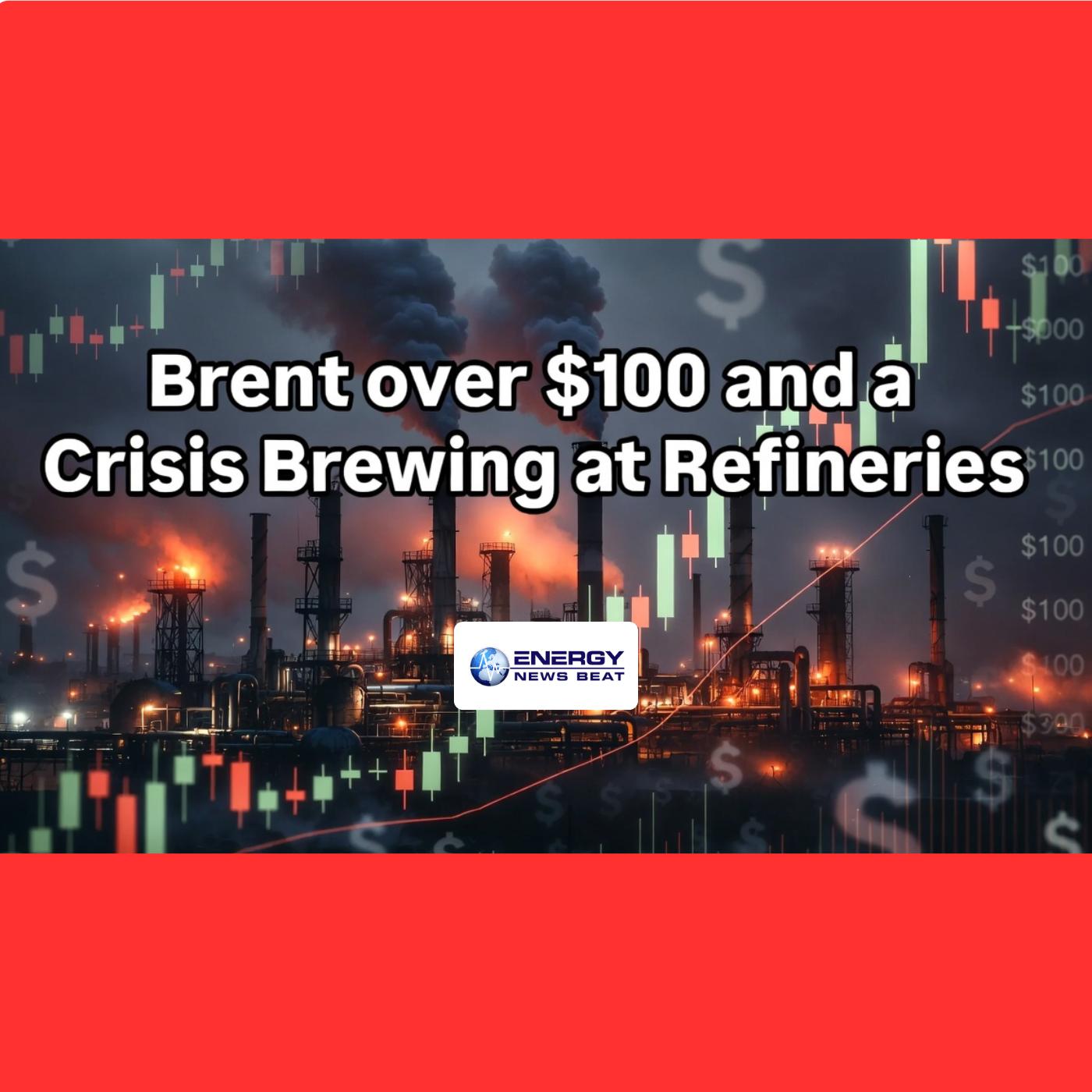 Brent over $100 and a Crisis Brewing at Refineries | Rey Trevino, Crude Truth Podcast Host, and President at Pecos Operating stops by.We have a wild stand-up with 8 huge stories. It is fun having guests on the stand-up, and Rey brought the receipts today. The picture above was created by Grok, and it is Clark Savage standing by the tanker “Stan Turley” - I think Grok was having a moment.With Brent crude surging past $100 per barrel and West Texas Intermediate jumping dramatically, the conversation reveals how Houthi attacks on shipping lanes, Chinese strategic positioning, and disruptions at key maritime chokepoints are reshaping energy markets worldwide. Through an in-depth discussion with energy expert RT Trevino, the podcast challenges prevailing narratives about the energy transition, presenting compelling data that shows fossil fuels still account for 86% of global energy consumption. From Europe’s LNG crisis and America’s emergence as a natural gas superpower to the manufacturing exodus from Canada to the U.S., this episode provides essential context for investors, policymakers, and anyone seeking to understand the complex forces driving energy prices and global economic security in 2026.1. Oil Price Surge & Global Geopolitical TensionsBrent crude has surged above $100/barrel, with West Texas Intermediate (WTI) jumping from $81 to $91. This spike is driven by geopolitical instability, particularly Houthi attacks on tankers in the Bab El-Mandab Strait and the Red Sea, which are disrupting global oil supply routes and forcing tankers to take longer routes around the world.2. Strategic Chokepoints & Supply Chain DisruptionsThe podcast discusses critical maritime chokepoints—the Bab El-Mandab Strait, Suez Canal, and Panama Canal—all facing disruptions. VLCCs (Very Large Crude Carriers, carrying ~2 million barrels each) cannot fully load through the Suez Canal, and the Panama Canal is experiencing drought conditions. These disruptions add months to shipping times and significantly impact global energy markets.3. China’s Strategic Positioning & U.S. Energy PolicyThe hosts explore China’s role in global energy dynamics, including its partnership with Iran and the Houthis, and how President Trump’s sanctions on Venezuelan and Iranian oil are affecting global supply. There’s discussion of a Chinese military base in Yemen and how U.S. strategic bombing targets infrastructure supplying Iran.4. LNG Supply Crisis & Europe’s Energy DependencyEurope faces an LNG supply crisis, forcing buyers toward coal and natural gas. The podcast highlights the hypocrisy of European nations sanctioning Russia while importing 90% of Russia’s LNG. Germany’s decision to blow up coal plants and Japan’s mothballing of nuclear facilities are criticized as short-sighted energy policy.5. U.S. Natural Gas as the FutureThe U.S. is positioned as the “Saudi Arabia of natural gas” and is exporting record amounts to Europe. The podcast emphasizes natural gas as a critical energy source and advocates for expanded infrastructure and production.6. Grid Reliability & Energy Mix RealityUsing Texas ERCOT as an example, the discussion shows that despite renewable energy investments, fossil fuels remain essential. Natural gas provided 62% of grid power, wind 25%, and solar dropped to zero at night. The grid required battery storage to prevent blackouts, demonstrating the unreliability of intermittent renewables.7. Global Energy StatisticsKey data points: 86% of the world’s energy still comes from fossil fuels (gasoline, diesel, transportation), and 57% of global electricity is generated from fossil fuels. This underscores that the energy transition is actually an “energy addition,” not a replacement.8. Manufacturing Shift from Canada to the U.S.A KPMG survey shows 42% of Canadian manufacturers have moved or are moving production to the United States, driven by pro-business U.S. policies and concerns about supply chain dependency on China.9. Corporate Earnings & Energy Sector PerformanceGE Vernova reported strong Q2 2026 earnings ($11 billion, up 22%), with natural gas turbines sold out for five years. Tesla’s Q2 earnings showed record deliveries but profit concerns due to AI investments.10. Oil & Gas Investment OpportunitiesWe conclude with a discussion of oil and gas as solid investment portfolio additions, offering monthly revenue, tax deductions, and long-term returns compared to renewables, which have years before generating returns.●1.Brent at $100 and U.S. Refinery Utilization at 96%: What This Means for Consumers and Investors2.LNG Supply Crisis Pushes Buyers Toward Coal, Natural Gas, and Oil: Energy Security Takes Center Stage3.Greece Exposes the Hypocrisy and Limits of Europe’s Russia Energy Sanctions4.Mark P. Mills Covers the Myth of an Energy Transition5.Fossil Fuels Still Generate 57% of the World’s Electricity — But We Remain Deeply Dependent on Them for Transportation, Manufacturing, and Building the “Renewables” Themselves6.GE Vernova Raises 2026 Outlook on Surging AI-Driven Power Demand While Advancing Venezuela7.Nearly Half of Canadian Manufacturers Are Moving to the US — A Self-Inflicted Wound from Tariffs, Uncertainty, and Costly Green Policies8.Tesla’s Q2 2026 Earnings: Record Deliveries and Energy Growth Overshadowed by Profit Miss Amid Massive AI InvestmentsCheck the articles on https://theenergynewsbeat.substack.com/A shout-out to Steve Reese and the Reese Energy Consulting group for sponsoring the Podcast https://reeseenergyconsulting.com/.Data2 if you have any business systems, can you trust A? Well, they have the patent on validation. . https://data2.zoholandingpage.com/energyAnd we have WellDatabase rolling in as a new sponsor. https://welldatabase.com/ | — | ||||||
| 7/22/26 |  The Next Generation Nuclear Program with Grace Vanderhei and Alina Voss | In this Energy Newsbeat podcast episode, host Stu Turley sits down with nuclear experts Grace Vanderheide (nuclear fuels engineer and former Miss America) and Alina Voss (NX Atomics) to explore the nuclear industry’s pivotal moment. As the U.S. restarts decommissioned reactors and deploys advanced reactor designs, the conversation reveals that nuclear’s future hinges not on engineering breakthroughs alone, but on solving the unsexy realities: grid infrastructure, ratepayer affordability, and honest public communication.From passive safety mechanisms to manufacturing innovation, the speakers tackle misconceptions about nuclear while confronting hard truths about cost discipline, transmission bottlenecks, and the need to engage women and younger generations in the energy transition.Here is Grace’s LinkedIn: https://www.linkedin.com/in/gracevanderhei/Here is Alina’s LinkedIn: https://www.linkedin.com/in/alinavoss/1. Nuclear Fleet Expansion & Reactor RestartsThe conversation highlights the restart of decommissioned reactors (Three Mile Island, Palisades, Dwayne Arnold) and power upgrades to existing plants. Grace explains that power upgrades alone could generate the equivalent of about seven new nuclear reactors over 2-5 years—a cost-effective way to increase energy output without building new facilities.2. Grid Infrastructure & Transmission CrisisA critical theme is the neglected state of America’s transmission and distribution infrastructure, which is 20 years behind in many regions. Alina emphasizes that transmission has been “completely slept on” and warns that without grid upgrades, new generation capacity (whether nuclear or data centers) will face the same challenges. The grid is the “missing middle” that most Americans don’t understand.3. Ratepayer Concerns & Energy AffordabilityBoth speakers stress that public fear isn’t primarily about nuclear safety anymore—it’s about electricity costs. They discuss how data centers and new energy projects risk being blamed for rate increases, and how the nuclear industry must avoid the same PR pitfalls by being transparent about costs and protecting consumers from project overruns.4. Net Zero Targets vs. RealityGrace and Alina critique net zero marketing as disconnected from actual energy policy. They argue that closing nuclear plants while pursuing net zero targets is contradictory, and that voluntary blackouts/brownouts represent a failure of grid planning rather than a solution. They advocate for maximizing clean energy generation rather than reducing consumption.5. Advanced Nuclear Fuel & TechnologyGrace discusses accident-tolerant fuel (ATF) and high-assay, low-enriched uranium (HALEU), explaining how 90-95% of spent nuclear fuel is reusable. Alina describes NX Atomics’ liquid metal-cooled reactors and passive safety features, emphasizing innovation in manufacturing (3D printing) and financing models.6. Passive Safety & Reactor DesignBoth experts explain passive safety mechanisms—how reactors automatically shut down without human intervention or external power (using gravity to drop control rods). This addresses public misconceptions about nuclear accidents.7. Small Modular Reactors (SMRs) & ManufacturingThe discussion highlights SMRs as a manufacturing challenge, not just an engineering one. Alina notes that companies like Allo Atomics are building factories alongside reactors to achieve economies of scale. The key is treating nuclear as a manufacturing game, not just an engineering project.8. Construction Cost & Timeline DisciplineGrace emphasizes that the #1 priority for nuclear expansion is delivering projects on time and on budget. She argues that nuclear engineers’ perfectionism culture conflicts with business realities, and that construction specialists—not engineers—should lead builds once designs are finalized.9. Workforce & Gender DiversityGrace highlights the quadrupling of nuclear engineering undergrad enrollment (from 14 to 60+ students per class at UW-Madison). She stresses the need to engage women in nuclear, noting that women are often unaware nuclear is clean energy and need clearer messaging about its value proposition.10. Public Perception & Communication StrategyBoth speakers discuss how to communicate nuclear’s benefits authentically, especially as AI-generated social media content proliferates. They emphasize the need for human-to-human interaction and authentic storytelling to build trust, particularly with younger generations and women.11. Uranium Supply ChainGrace expresses interest in the global uranium supply chain and how it will evolve with nuclear expansion—a critical but underexplored topic.12. Political & Policy SupportThe conversation touches on positive momentum from policymakers (like Energy Secretary Chris Wright) and the need for intentional policy to protect ratepayers and avoid the mistakes made with data centers.This was an absolute blast, and honestly it is great to see young people taking the reins and running after nuclear. We need all the power we can get, and the future is bright with nuclear enthusiasts like Grace and Alina. Thank you both for your leadership and stopping by the podcast - Stu Check the articles on https://theenergynewsbeat.substack.com/A shout-out to Steve Reese and the Reese Energy Consulting group for sponsoring the Podcast https://reeseenergyconsulting.com/.Data2 if you have any business systems, can you trust A? Well, they have the patent on validation. . https://data2.zoholandingpage.com/energyAnd we have WellDatabase rolling in as a new sponsor. https://welldatabase.com/ | — | ||||||
| 7/21/26 |  Brent Above 90 Dollars. Hormuz Tensions and the New Oil Reality | Oil is up, China is buying again, and America's energy future is at a crossroads. In this episode, we tackle eight stories that matter: geopolitical chaos driving Brent above $90, the SPR disaster, Halliburton's shale boom, the AI data center power crisis, and why the Trump administration is reshaping energy policy. This is the energy news you can't afford to miss.1. Oil Market Volatility & Geopolitical TensionsThe podcast opens with oil prices surging above $90/barrel for Brent crude, driven by attacks in Kuwait, tanker incidents in the Strait of Hormuz, and renewed U.S.-Iran tensions. The Houthis are also active in the Red Sea, creating additional supply chain disruptions. Analysts are predicting higher oil prices for longer, with crack spreads at historic highs.2. U.S. Oil & Gas Production StrengthHalliburton reports positive outlook for North American shale activity in 2026. The U.S. has reached a record 13.586 million barrels per day in 2025, with enhanced oil recovery and the Permian Basin continuing to thrive. Natural gas exports and LNG are highlighted as critical economic drivers.3. Strategic Petroleum Reserve (SPR) CrisisThe Biden administration's mismanagement of the SPR is heavily criticized—including massive drawdowns without refill (180-300 million barrels), wasted taxpayer dollars on damaged equipment, and aging infrastructure. The GAO warns of "looming operational limitations," and the host emphasizes the need to refill the SPR given current geopolitical risks.4. Data Center & AI Power Demand ExplosionData centers are on track to consume up to 20% of U.S. electricity by 2035 due to AI growth—a 4-5x increase from current levels. However, grid transmission bottlenecks are a major constraint; the U.S. needs 5,000 miles of new high-voltage transmission lines annually but has only added 392 in the last two years.5. UK North Sea Energy PolicyThe incoming UK Prime Minister is signaling support for North Sea oil and gas projects (Jack Draw gas field, Rosbank oil field), though the host expresses skepticism about bureaucratic obstacles. The irony is highlighted: the UK imports Norwegian gas while sitting on untapped North Sea reserves.6. Iraq's Oil Export StrategyIraq is shipping 4 million barrels per day via 1,400 tanker trucks daily—a forced paradigm shift due to geopolitical constraints. Iraqi oil companies are also partnering with Chevron, ExxonMobil, and ConocoPhillips to capture flared gas, reducing Iraq's reliance on imported energy.7. Trump Administration Energy Policy & Climate Research AccountabilityPresident Trump has ordered a suspension and potential debarment of officials tied to fraudulent climate research. The host criticizes the "false climate narrative" and argues for an "all of the above" energy approach (coal, natural gas, nuclear) until technology allows full transition to renewables.8. Federal Energy Subsidies & SpendingIn fiscal year 2025, federal subsidies and tax expenditures totaled $64.1 billion, with renewables, EVs, and efficiency capturing 90% ($57.9-58 billion), while fossil fuels received only $2.6 billion. The host distinguishes between subsidies and tax incentives.1.Brent Tops $90 as Tanker Hit in Strait of Hormuz Amid Escalating US-Iran Tensions — Is “Higher for Longer” Here to Stay?2.Halliburton Sees Improvement in North American Activity in 20263.US Strategic Petroleum Reserve Sites Left Inoperable Under Biden Administration — Trump and Energy Secretary Wright Race to Fix the Damage4.Data Center Growth on Track to Absorb a Fifth of US Power Use by 2035: Nuclear Had Better Be Implemented Before We Get There5.U.S. Needs 5,000 Miles of New High-Voltage Lines Annually — It Only Built 3926.New UK Prime Minister Set to Back North Sea Oil and Gas Projects7.Thousands of Tanker Trucks Haul Iraq’s Oil to Secure Revenue: A Forced but Strategic Paradigm Shift8.President Trump Orders a Review of the Green Graft and False Research ProvidedCheck the articles on https://theenergynewsbeat.substack.com/A shout-out to Steve Reese and the Reese Energy Consulting group for sponsoring the Podcast https://reeseenergyconsulting.com/.Data2 if you have any business systems, can you trust A? Well, they have the patent on validation. . https://data2.zoholandingpage.com/energyAnd we have WellDatabase rolling in as a new sponsor. https://welldatabase.com/ | — | ||||||
| 7/17/26 | oil market rebalancinggeopolitical disruptions+5 | — | — | RussiaUkraine+7 | oil marketRussia+6 | — | 19m 05s | ||
| 7/15/26 | nuclear energyinnovation+4 | Yasir Arafat | Allo AtomicsAmerican manufacturing+2 | — | nuclear reactorenergy crisis+6 | — | 40m 23s | ||
| 7/9/26 | oil market volatilitygeopolitical tension+3 | Trisha Curtis | PetroNerds | IranStrait of Hormuz+4 | energy marketsgeopolitical leverage+5 | — | 1h 03m 51s | ||
| 7/7/26 | courageleadership+4 | Rye Barcott | With HonorCourage Can Save Us | United StatesVietnam | courageleadership+6 | — | 35m 58s | ||
| 7/6/26 | Oil and Gas MarketsSanctions Against Russia+3 | Doomberg | European Court of Justice | RussiaEU+2 | oil marketsgas markets+6 | — | 58m 15s | ||
| 7/3/26 | LNG SupplyGeopolitics+4 | Jack Prandelli | LNGcopper+2 | QatarU.S.+4 | LNGoil prices+6 | — | 54m 24s | ||
| 7/1/26 | nuclear energyuranium industry+4 | Thomas Land | uraniumsilver+4 | ChinaUnited States | nuclear reactorsuranium enrichment+6 | — | 36m 46s | ||
| 6/30/26 | stock market performanceeconomic outlook+5 | Paul Auslander | LinkedInSpaceX+3 | United States | stock marketAI+7 | — | 31m 29s | ||
| 6/26/26 | nuclear energyoil market volatility+4 | — | Department of EnergyAalo Atomics+3 | United StatesUK+3 | Aalo-Xnuclear approval+7 | — | 28m 55s | ||






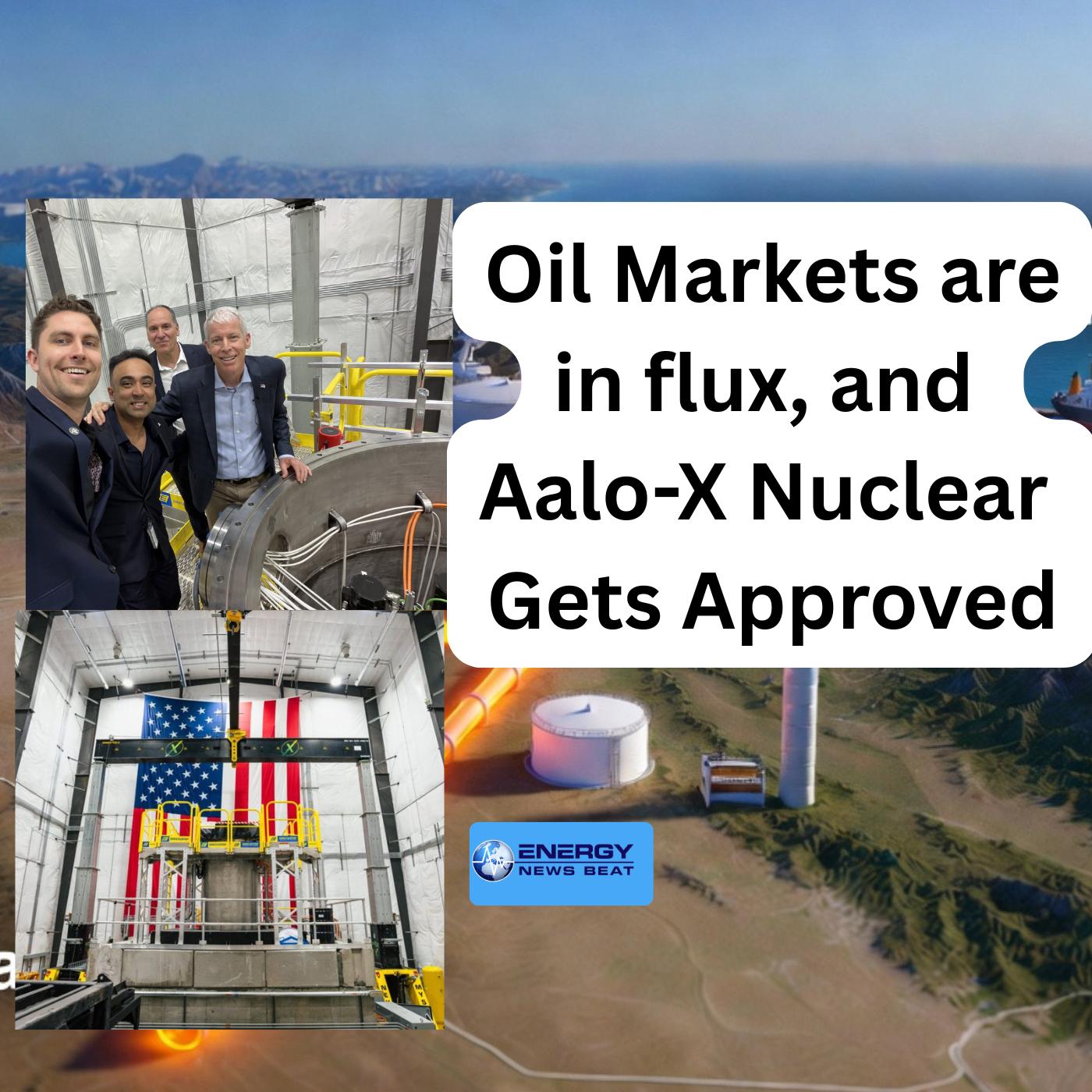
Showing 25 of 300
Pitch Fit is a Pro feature
See how bookable this show is for guests, which brands already advertise, the per-episode ad value, and the best-fit guest and sponsor profile. The numbers are blurred on the free plan.
How readily this show books outside guests like you.
How proven this show is for host-read sponsorships.
For Guests
ProFor Advertisers
ProUpgrade to Pro to unlock guest cadence, sponsor categories, fit scores, and per-episode ad value for this show.
Similar Audience Demographics
Podcasts that attract a similar listener profile

Some Unapproved Thinking | Forbidden History | Conspiracy Insights | Hidden History
Tracy Brinkmann | Forbidden History | Conspiracy Insights | Hidden History | Historical Patterns

Competent Man Podcast
Tom Bodrovics

Palisades Gold Radio
Collin Kettell

Thoughtful Money with Adam Taggart
Adam Taggart | Thoughtful Money

The HC Commodities Podcast
Paul Chapman, HC Group

The David Lin Report
The David Lin Report

Coffee and a Mike
Michael Farris
Chart history for Energy News Beat Podcast
Peaked at #64 in United Kingdom, currently #64 in United Kingdom.
| Market | Genre | Peak | Current | Trend |
|---|---|---|---|---|
| United Kingdom | — | #64 | #64 | — |
| IS | — | #64 | #64 | — |
| Canada | — | #118 | #118 | — |
| HK | — | #181 | #181 | — |
| VN | — | #183 | #183 | — |
Chart Positions
5 placements across 5 markets.
Chart Positions
5 placements across 5 markets.