

Insights from recent episode analysis
Audience Interest
Podcast Focus
Publishing Consistency
Platform Reach
Insights are generated by CastFox AI using publicly available data, episode content, and proprietary models.
Total monthly reach
Estimated from 1 chart position in 1 market.
By chart position
- 🇦🇺AU · Medicine#9630K to 100K
- Per-Episode Audience
Est. listeners per new episode within ~30 days
15K to 50K🎙 ~2x weekly·204 episodes·Last published yesterday - Monthly Reach
Unique listeners across all episodes (30 days)
30K to 100K🇦🇺100% - Active Followers
Loyal subscribers who consistently listen
12K to 40K
Market Insights
Platform Distribution
Reach across major podcast platforms, updated hourly
Total Followers
—
Total Plays
—
Total Reviews
—
* Data sourced directly from platform APIs and aggregated hourly across all major podcast directories.
On the show
Recent episodes
Episode 189 - Medical Cybercrime with Dave Vosnakes and Stephanie Way
May 25, 2026
Unknown duration
Episode 188 - Perimenopause, Menopause and MHT with Dr Sugandha Kumar (Part 2)
Apr 27, 2026
Unknown duration
Episode 187 - Perimenopause, Menopause and MHT with Dr Sugandha Kumar (Part 1)
Mar 30, 2026
Unknown duration
Episode 186 - Early Onset Cancer with Professor Dorothy Keefe
Mar 9, 2026
Unknown duration
Episode 185 - Pandemics - A Repeating History with Dr Robert M Kaplan
Jan 27, 2026
Unknown duration
Social Links & Contact
Official channels & resources
Official Website
Login
RSS Feed
Login
| Date | Episode | Description | Length | ||||||
|---|---|---|---|---|---|---|---|---|---|
| 5/25/26 |  Episode 189 - Medical Cybercrime with Dave Vosnakes and Stephanie Way | Medical cybercrime refers to criminal activities involving cyber-attacks on healthcare systems, devices and data. These attacks can range from ransomware and data breaches to the exploitation of vulnerabilities in medical devices, posing serious threats to patient safety, data privacy and the stability of healthcare operations.According to the Office of the Australian Information Commissioner in 2023, the healthcare industry tops the list for cyber-attacks. Healthcare became the most reported non-government sector for cybercrime incidents in FY2023–24 with more attacks than financial services, education and other critical infrastructure industries, highlighting its vulnerability, further ransomware attacks targeting the Australian health sector are growing.Highlighting this point 41% of healthcare organisations in Australia experienced a cyber-attack in 2023. This marks a significant rise in the targeting of this critical sector with a 71% year on year increase in global cyber-attacks targeting healthcare organisations.32% of healthcare cyber incidents involved compromised accounts or credentials, others included malware infections (17%) and compromised network infrastructure (12%).Patients are also concerned, in one survey 82% of Australians indicated they were worried about unauthorised access to personal health records and consider health information security when choosing healthcare providers. 33% said they were “very to extremely worried” about the security of their health information.In December 2022, Medibank, the Australian health insurance giant, was the victim of a major data breach, affecting the personal details of 9.7 million customers. The attack was believed to be linked to a well-known ransomware group based in Russia, the REvil ransomware gang.Eastern Health an operator of 4 Melbourne hospitals subsequently fell victim to a cyberattack causing certain elective surgeries to be postponed at the time. Another notable incident targeted Melbourne Heart Group.Reinforcing these concerns tech giant Microsoft has also stated that the healthcare sector (and aligned industries) is one of the top targets for cyber criminals.Types of Medical Cybercrime include: Ransomware Attacks: These attacks encrypt a healthcare organisation's data, demanding a ransom for its release, potentially disrupting critical services and delaying patient care. Data Breaches: Cybercriminals may steal sensitive patient information, including medical records, financial data, and personal details, for various malicious purposes. Medical Device Exploitation: Vulnerabilities in connected medical devices, such as pacemakers or insulin pumps, can be exploited to compromise patient safety or disrupt treatment. Supply Chain Attacks: Cybercriminals may target the healthcare organisation's supply chain, compromising vendors or partners to gain access to the primary target. Phishing Attacks: These attacks involve tricking individuals into revealing sensitive information or installing malware, often through deceptive emails or websites. Social Engineering: Attackers use psychological manipulation to gain access to systems or information.Impact of medical cybercrime on patient safety, data privacy, financial losses, operational disruptions and erosion of trust cannot be overstated.To explore and discuss this topic in more detail we are joined on this podcast by both Dave Vosnakes and Stephanie Way from The Australian Government National Office of Cybersecurity who provide an expert overview of the growing problem. Please welcome them to the podcast.References:Office of the Australian Information CommissionerAct Now. Stay SecureAustralian Signals Directorate | — | ||||||
| 4/27/26 |  Episode 188 - Perimenopause, Menopause and MHT with Dr Sugandha Kumar (Part 2) | It is now increasingly recognised that women’s health care needs at menopause have been both under-recognised and under-treated by medical practitioners, and that menopause management has not been emphasised adequately in graduate and post-graduate education. Considering that half the world’s population spend about a third of their lives after menopause, this unmet need must be recognised and addressed. I was curious to explore this subject in greater detail and welcome the opportunity to review some basic science and definitions.Menopause, also known as the climacteric, is the time when menstrual periods permanently stop, marking the end of the reproductive stage for females. It is often defined as having occurred when a woman has not had any menstrual bleeding for a year.Perimenopause is the natural stage in a woman’s life occurring before the final menstrual period, or menopause, when a woman's body transitions away from its reproductive years. Based on these criteria, perimenopause starts when there are persistent differences in cycle length of seven or more days between consecutive cycles and continues until 12 months after the last menstrual period. During this time, the ovaries gradually become less functional, leading to changes in menstrual cycles and potential infertility.Perimenopause is a time when risk factors for chronic disease need to be considered, including acceleration of bone loss, increase in cardiovascular risk arising from adverse changes in lipids and altered glucose metabolism. Cancer screening programs, including bowel, breast, and cervical cancer should also be discussed with patients at this time.Medical treatment of perimenopause and menopause is aimed at ameliorating symptoms and to prevent bone loss and is centred on the use of menopausal hormone therapy (MHT) with replacement of oestrogens either alone, in the case of previous hysterectomy, or combined with progesterone when the uterus is present.Many of the concerns about MHT raised by older studies are no longer considered barriers to its use in healthy women. The risks arise around discussions of breast cancer, uterine cancer and cardiovascular disease including thromboembolic events and strokes.For cardiovascular disease the evidence pertaining to MHT risk relates to timing and the use of oral rather than transdermal oestrogen. If oral or transdermal oestrogen therapy is initiated within 10 years or earlier since menopause or less than age 60 years, there may be a slightly reduced coronary heart disease risk.With this background I would like to introduce Dr Sugandha Kumar. Dr Kumar is an Obstetrician and Gynaecologist committed to providing comprehensive women’s health care in the south-eastern suburbs of Melbourne.Sugandha did her early specialist training at a prestigious medical institute in India (PGIMER, Chandigarh) and completed her advance training in Obstetrics and Gynaecology in Australia (Monash and Eastern Health). She holds specialist appointments at Box Hill Hospital and has a strong focus on improving outcomes for her patients by offering up-to-date and evidence-based treatment options. She provides obstetric and gynaecological and is expert in advanced laparoscopic surgery including laparoscopic hysterectomy and endometriosis surgery as well as having specialist interest in menopausal hormone therapy. Please welcome Sugandha to the podcast which we will present in two parts.References:Dr Sugandha Kumar : Create Fertility: www.createfertility.com.auhttps://www.thelancet.com/series/menopauseSwan Study: JAMA 2015;175:531–39 | — | ||||||
| 3/30/26 |  Episode 187 - Perimenopause, Menopause and MHT with Dr Sugandha Kumar (Part 1) | It is now increasingly recognised that women’s health care needs at menopause have been both under-recognised and under-treated by medical practitioners, and that menopause management has not been emphasised adequately in graduate and post-graduate education. Considering that half the world’s population spend about a third of their lives after menopause, this unmet need must be recognised and addressed. I was curious to explore this subject in greater detail and welcome the opportunity to review some basic science and definitions. Menopause, also known as the climacteric, is the time when menstrual periods permanently stop, marking the end of the reproductive stage for females. It is often defined as having occurred when a woman has not had any menstrual bleeding for a year.Perimenopause is the natural stage in a woman’s life occurring before the final menstrual period, or menopause, when a woman's body transitions away from its reproductive years. Based on these criteria, perimenopause starts when there are persistent differences in cycle length of seven or more days between consecutive cycles and continues until 12 months after the last menstrual period. During this time, the ovaries gradually become less functional, leading to changes in menstrual cycles and potential infertility.Perimenopause is a time when risk factors for chronic disease need to be considered, including acceleration of bone loss, increase in cardiovascular risk arising from adverse changes in lipids and altered glucose metabolism. Cancer screening programs, including bowel, breast, and cervical cancer should also be discussed with patients at this time.Medical treatment of perimenopause and menopause is aimed at ameliorating symptoms and to prevent bone loss and is centred on the use of menopausal hormone therapy (MHT) with replacement of oestrogens either alone, in the case of previous hysterectomy, or combined with progesterone when the uterus is present.Many of the concerns about MHT raised by older studies are no longer considered barriers to its use in healthy women. The risks arise around discussions of breast cancer, uterine cancer and cardiovascular disease including thromboembolic events and strokes.For cardiovascular disease the evidence pertaining to MHT risk relates to timing and the use of oral rather than transdermal oestrogen. If oral or transdermal oestrogen therapy is initiated within 10 years or earlier since menopause or less than age 60 years, there may be a slightly reduced coronary heart disease risk.With this background I would like to introduce Dr Sugandha Kumar. Dr Kumar is an Obstetrician and Gynaecologist committed to providing comprehensive women’s health care in the south-eastern suburbs of Melbourne.Sugandha did her early specialist training at a prestigious medical institute in India (PGIMER, Chandigarh) and completed her advance training in Obstetrics and Gynaecology in Australia (Monash and Eastern Health). She holds specialist appointments at Box Hill Hospital and has a strong focus on improving outcomes for her patients by offering up-to-date and evidence-based treatment options. She provides obstetric and gynaecological and is expert in advanced laparoscopic surgery including laparoscopic hysterectomy and endometriosis surgery as well as having specialist interest in menopausal hormone therapy. Please welcome Sugandha to the podcast which we will present in two parts.References:Dr Sugandha Kumar : Create Fertility: www.createfertility.com.auhttps://www.thelancet.com/series/menopauseSwan Study : JAMA 2015;175:531–39 | — | ||||||
| 3/9/26 |  Episode 186 - Early Onset Cancer with Professor Dorothy Keefe | Australians in their 30s and 40s are experiencing unprecedented rates of at least 10 different cancers. Between the year 2000 and 2024, for 30- to 39-year-olds, early onset prostate cancer increased by 500%, pancreatic cancer by 200%, liver cancer by 150%, uterine cancer by 138%, and kidney cancer by 85%.Australia is a world leader when it comes to bowel cancer and, again since the year 2000, the rate of bowel cancer in 30- to 39-year-olds has increased by 173%, and the stage the cancer is at when diagnosed is often advanced. DNA mutations in young onset colorectal cancer are very specific, including those involving mismatch repair genes and the P53 tumour suppressor gene, suggesting particular factors or exposures might be implicated.Although the cause for young onset cancer is not known, experts believe environmental toxin exposures maybe interacting with specific vulnerable genes to cause malignant changes. A person with nonvulnerable genes exposed to the same toxin would be unaffected. The Human Exposome Project is documenting and studying these exposures and encompasses environmental factors as well as lifestyle and their connections and interactions in an attempt to explain the causes of different diseases.Other factors considered relevant to the increased onset of young cancers may include:Childhood obesity and increasing obesity in young adultsAlteration of the microbiome through antibiotic use and eating ultra processed foods, as well as through caesarean section. Being borne by caesarean section could result in the acquisition of a microbiome different to those born vaginally. Interestingly, E coli colonisation of the colon at an early age may be relevant in this respect by way of exposure to colibactin, a potentially mutagenic bacterial toxin produced by E coli.Microplastic exposure including polychlorinated biphenyls (PCB’s) and poly fluroalkyl substances (PFAS), which are found in nonstick cookware, food packaging and some cosmetics. These have been referred to as “forever chemicals” because of their very long environmental persistence.Thinking about this emerging problem, I was curious to learn more about the trending incidence and to seek advice regarding how we should be counselling our patients regarding appropriate recommendations for the age of entry to cancer screening programmes.It was a very special honour to have Prof Keefe from Cancer Australia accept my invitation to be a guest on the Podcast. Prof Keefe is the CEO of Cancer Australia and an honorary Clinical Professor in the School of Medicine at the University of Adelaide. She has enjoyed an illustrious career as a Medical Oncologist and Professor of Cancer Medicine and has a special interest and expertise in gastrointestinal toxicity of cancer treatment, supportive care in cancer, and both medical leadership and health reform.Her pedigree of publications, awards and commendations is enviable and her commitment to improving cancer outcomes through her clinical work, professorship and role at Cancer Australia is exceptional. I am so pleased we can welcome her to the podcast.ReferencesProfessor Dorothy Keefe. researchers.adelaide.edu.auCancer Australia. www.canceraustralia.gov.auWhy Is Early Onset Cancer on the Rise? National Cancer Institute. Cancer.govEarly-Onset Cancer. canceraustralia.gov.auThe Alarming Rise of Early-Onset Colorectal Cancer. Markey, Srinath. www1.racgp.org.auThe Latest Research on Why So Many Young Adults Are Getting Cancer. Piersol. mskcc.orgDr Norman Swan, ABC. (July 7th, 2025) | — | ||||||
| 1/27/26 |  Episode 185 - Pandemics - A Repeating History with Dr Robert M Kaplan | A pandemic is defined as a new disease or new strain of an existing disease spreading worldwide. An ‘outbreak’ refers to a localised epidemic – something that affects hundreds, sometimes thousands; an ‘epidemic’ refers to an illness or infection that is in excess of normal, and ‘pandemic’ is an epidemic that occurs over a very wide area, crosses international boundaries, and touches thousands or millions.The enormous health and financial impacts of epidemics and pandemics are made worse through human foibles like fear, denial, panic, complacency, hubris, and self-interest. Experts advise we can end epidemics by facing up to them and by applying concrete actions ensuring, building resilient health systems, fortifying 3 lines of defence against disease including prevention detection and response, and ensuring timely and accurate communication, investing in smart innovation and spending wisely to prevent disease before an epidemic strikes.Pandemics have far reaching effects as we have recently witnessed with Covid -19, and I was curious to reflect on the way we responded to this threat as a community from the psychological perspective. Humans have had to respond to many pandemics over the course of recoded history, notably the so-called black plagues or black death spread by rats carrying yersinia pestis infected fleas hidden within their pelt.A series of black death pandemics dramatically and profoundly affected European and Middle Eastern populations both in the 6–8th century plague of Justinian and 14th–19th century, killing up to half the local population (over 100 million people), but paradoxically bringing about cultural and economic renewal.Before this was a deadly smallpox pandemic called the Antonine Plague during the time of Marcus Aurelius around 160–180 AD, killing an estimated 25–30 % of the Roman population and no doubt far more through Eurasia (between and 5 and 20 million). In the 16 th century between 1545 and 1548, the so called Cocoliztli epidemic in Mexico and Central America, caused by an unidentified pathogen, reportedly killed 5–15 million.Fast forward to 1918 – Spanish Flu caused by influenza H1N1 with between 17–100 million dead, the HIV epidemic responsible for approximately 44 million deaths with fortunately treatments now available, and not forgetting bird flu and swine flu, our most recent pandemic experience with Covid 19 claiming 7–36 million lives.When I came across Dr Robert Kaplans excellent article in the May edition of the GUT REPUBLIC discussing pandemics and the often-flawed human response where fear, emotion and disinformation easily crowd perspective, I was keen to invite him to talk on this subject on Everyday Medicine.Rob is a forensic psychiatrist and clinical associate professor at Western Sydney University, as well as a keen historian and author with a sharp wit and eye for the arcane. His latest book is The King who Strangled his Psychiatrist and Other Dark Tales, but he also has a deep catalogue of publishing including the books Medical Murder: Disturbing tales Of Doctors Who Kill and The Exceptional Brain and How It Changed the World amongst others.He is a sort after speaker and key thinker in forensic psychiatry and serves on the Professional Advisory Panel Victim’s Services. Please welcome Rob to the Podcast.ReferencesDr Robert Kaplan: www. rkaplan.com.auThe End Of Epidemics. Dr Jonathan D Quick. Scribe Publications 2018The Little Book of History. www.dk.com Wikipedia | — | ||||||
| 12/16/25 |  Podcast 184. Memory with Dr Natalie Grima | Memory is the cognitive process of acquiring, storing and retrieving information. It's the mind's ability to encode, store and recall experiences and knowledge, allowing for learning, adaptation, and the formation of personal identity. There are different types of memory, including short-term memory, where information is held briefly and long-term memory, where information is held for extended periods. There is sensory memory where information relating to senses such as sight, sound and smell are retained, explicit memory recalling memories or facts and events and implicit memory that influences our behaviour without conscious awareness; for example, like riding a bike or driving your car.Memory storage involves multiple brain regions, but the hippocampus is crucial for forming new memories, especially long-term memories and acts as a gateway for encoding and consolidating memories. The cerebral cortex and prefrontal cortex also participate in memory storage and retrieval.Without memory, our enjoyment of life’s wonderful pleasures and diversity is severely compromised. Unfortunately, memory loss is also a key feature of dementia and is often cited as an early clinical marker of cognitive decline in a patient who is starting to have difficulty coping with the complexity of life, their medication schedule, shopping lists and daily tasks.I was curious to understand how we may improve and maintain our own memories whilst also providing advice in terms of exercises that may benefit our patients coping with early cognitive decline. The history of memory recall starts in Greece with Simonides of Ceos in ~500 BC. Simonides is credited with developing the ‘method of loci’ or ‘room method ‘of memory recall after an earthquake collapsed the roof at a banquet he had just attended, killing all inside. Relying on his visual memory, he was able to accurately identify the corpses by precisely recalling their seating arrangements as he had noticed them while he was reciting poetry to the guests. This method, now popularised by many teaching memory techniques, highlights the value of linking things we need to remember together to enhance their recall. It is also interesting that memory for music and songs is often retained until late in cognitive decline.In an attempt to explore the ideas behind the complex subject of memory in more detail, it was an honour to have Dr Natalie Grima accept an invitation for the podcast. Natalie is a clinical neuropsychologist based in Melbourne and the founder of Neuro Psychological Counselling Australia. She is a senior clinical neuropsychologist at Monash Health and has published widely, completing her doctorate at Monash University and undertaking advanced clinical training at Harvard Medical School. Natalie has a special interest in the diagnosis of dementia, psychiatric conditions and cognitive rehabilitation following acquired brain injuries. She also has an expert knowledge on the subject of memory. Please welcome her to the podcast.References:Dr Natalie Grima: www.neuropychconsulting.com.auhttps://mocacognition.com/Simonides of Ceos-Wikipedia | — | ||||||
| 10/28/25 |  Episode 182. Molecular Pathology with Dr Pranav Dorwal | Molecular pathology combines molecular analysis with traditional morphology and immunohistochemistry to understand disease at its most fundamental level. The field continues to evolve as new discoveries enter clinical practice.Through molecular pathology, our knowledge of genetic mutations and targeted therapies has expanded. It is now rare for a tumour report to omit genetic findings. This discipline, while distant from daily clinical work, underpins treatment algorithms and prognostic models.The ten hallmarks of cancer include: genome instability and mutation, resistance to cell death, sustained proliferative signalling, evasion of growth suppressors, replicative immortality, angiogenesis, invasion and metastasis, altered metabolism, tumour-promoting inflammation, and immune evasion.Normal DNA contains proto-oncogenes that promote growth and tumour suppressor genes that restrain it. When balanced, they regulate healthy proliferation. Mutations in either disturb this balance, driving uncontrolled growth.Germline mutations are inherited and present in every cell, while somatic mutations are acquired, often influenced by smoking, ultraviolet exposure, or diet. When proto-oncogenes mutate, they become oncogenes.The RAS and BRAF oncogenes are key in molecular pathology. RAS controls upstream signalling that triggers cell growth, differentiation, and survival. Mutated RAS genes cause constant activation, leading to excessive signalling. The three RAS genes, HRAS, KRAS, and NRAS, are found in 20 to 25 percent of all human tumours and in 90 percent of pancreatic cancers. The BRAF gene, on chromosome 7, regulates downstream signalling and cell growth. BRAF mutations occur in about 10 percent of colorectal cancers, up to 50 percent of papillary thyroid cancers, and 27 to 67 percent of melanomas.Other oncogenes include MYC, EGFR, and HER2. HER2 amplification is seen in some breast and ovarian cancers. These findings are vital as targeted treatments, such as JAK inhibitors and monoclonal antibodies, act on these pathways. A single mutation can activate an oncogene.Tumour suppressor genes perform repair functions including correcting DNA mismatches, regulating the cell cycle, and promoting apoptosis. As telomeres shorten with age, mismatch repair errors increase. Mutated genes lose this ability, causing abnormal protein synthesis. Reports often describe mismatch repair proficient (no mutation) or mismatch repair deficient (mutation present), particularly in colon cancer.Key tumour suppressor genes include BRCA1, BRCA2, and the Lynch syndrome genes MLH1, MSH2, MSH6, and PMS2. When mutated, they increase the risk of breast, ovarian, prostate, colon, uterine, and pancreatic cancers. While often inherited, mutations can also arise spontaneously or through epigenetic silencing. Each gene has two copies; both must be affected before suppression is lost. This two-hit hypothesis, proposed by Knudson in 1971, explains tumour development with ageing.Methylation, sometimes noted in reports, refers to chemical modification of CpG (cytosine-phosphate-guanine) sites within a gene, often influenced by epigenetic factors. Abnormal methylation disrupts DNA repair, leading to failed tumour suppression.This is a brief overview of a complex and evolving field.Joining me is Dr Pranav Dorwal, Molecular and Anatomical Pathologist at Monash Health, also working in Diagnostic Genomics. Dr Dorwal is an examiner for molecular pathology, researcher, and author of over 60 publications. He has held positions at MD Anderson Cancer Center (Houston, USA) and Memorial Sloan Kettering Cancer Center (New York, USA), completed a fellowship at ANU Canberra, and received the Chancellor’s Gold Medal for Clinical Pathology.Please welcome Dr Pranav Dorwal to the podcast.References:Dr Pranav Dorwal – www.monashhealth.org | www.genomicdiagnostics.com.auOncology at a Glance, Graham Dark, Wiley-Blackwellwww.pmc.ncbi.nlm.nih.gov | — | ||||||
| 9/1/25 |  Episode 179. Oncology in General Practice with Dr Michael Fernando | Cancer is one of the biggest health challenges worldwide. In 2021, about 15% of all deaths were cancer-related. In Australia, there are approximately 624 cases of cancer per 100,000 people, an incidence which has increased by about 7 % over 20 years, with an estimated 43 % of people being diagnosed by the age of 85 years. On a positive note, improved oncological medicine and care have reduced mortality by about 25 % which is very reassuring. The top ten cancers diagnosed in Australia, starting with the most common, are Prostate Cancer, followed by Breast Cancer, Melanoma, Colorectal Cancer, Lung Cancer, Non-Hodgkin Lymphoma, Kidney Cancer, Pancreatic Cancer, Thyroid Cancer and Uterine Cancer. From this group, deaths are more common with Lung Cancer, followed by Colorectal cancer and then Pancreatic and Breast cancer.Often, a primary practitioner will make the diagnosis or suspect changes in his/her patient that lead to a diagnosis being established. Whilst most treatment regimens are initiated by Oncologists, radiotherapists or Surgeons, the primary practitioner is very frequently saddled with managing many of the day-to-day issues arising from therapy and the emotional trauma associated with cancer treatment. I was interested to explore oncology in general practice more with my colleague, Oncologist Dr Michael Fernando, who generously joins us today on the podcast. Michael is beginning his journey in medicine and brings a huge amount of compassion, maturity and enthusiasm with him. He also jointly runs a podcast called Oncology for the Inquisitive Mind, which has been very well received, and I strongly recommend it to you.Please welcome Michael to the conversation.References.Dr Michael Fernando. Epping Specialist Group. www.eppingspecialistgroup.comOncology for the Inquisitive Mind: podcasts.apple.com | — | ||||||
| 8/18/25 | 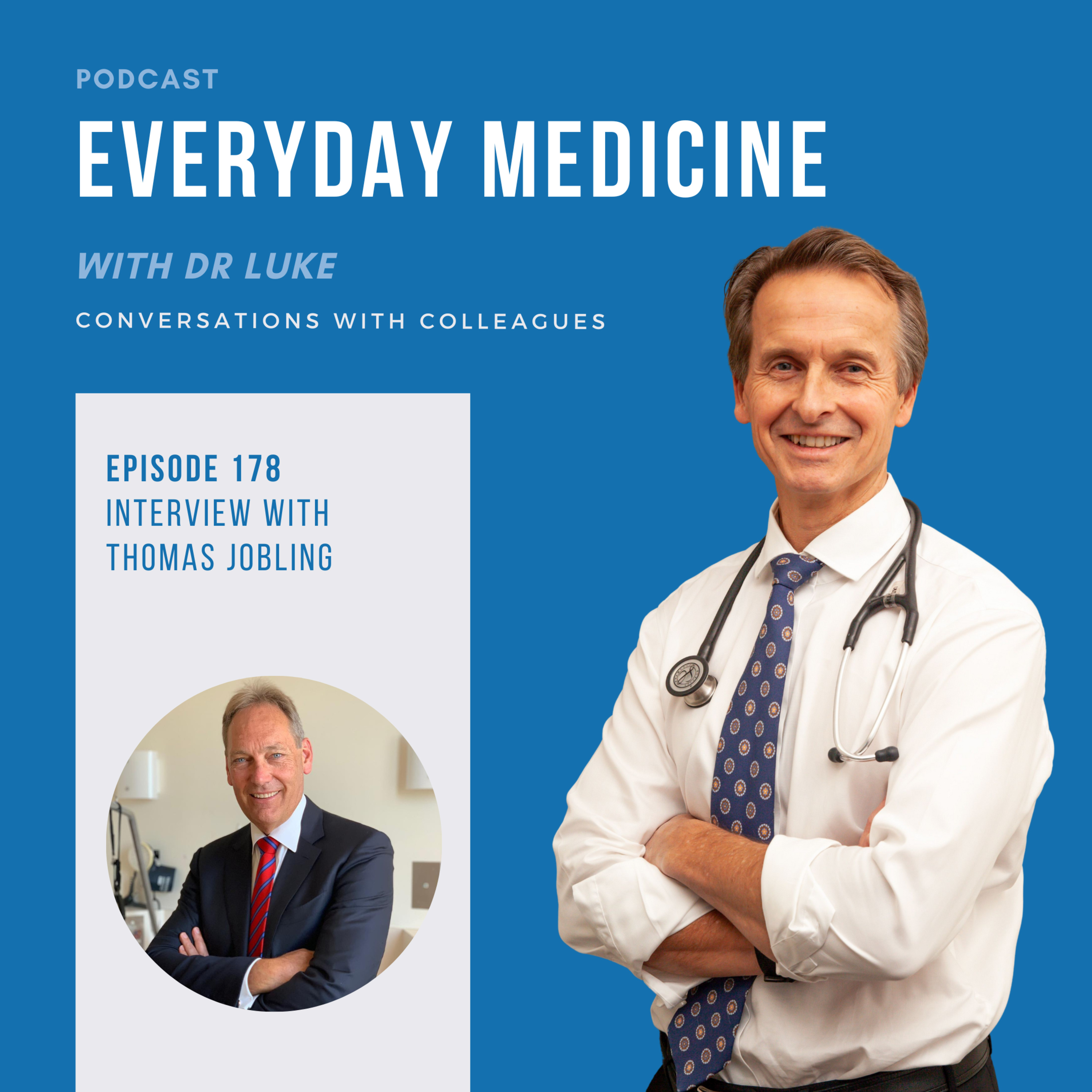 Episode 178. Uterine and Cervical Cancer with Professor Thomas Jobling | Uterine cancer is the fifth most common cancer in females and the most common cancer of the female genital tract in Australia, with about 3,300 cases annually and 660 deaths. The major prevalence is in women between 50 and 70 years, and the quoted major risk factors include: early onset menarche and late menopause, obesity, nulliparity, unopposed oestrogen treatments, polycystic ovaries with prolonged anovulation, extended use of tamoxifen for breast cancer treatment and Lynch syndrome, which confers a 30 % lifetime incidence. Presenting with abnormal PV bleeding or prolonged post-menopausal bleeding, other presentations may include dyspareunia, pelvic pressure, weight loss, anaemia and in later stages, possibly pelvic pain. Whilst a PAP smear will frequently be negative, pelvic imaging revealing a suspicious endometrium and subsequently hysteroscopy and biopsy guide the diagnosis. Patients with more than 50 % myometrial invasion have a six-to-seven-fold higher prevalence of pelvic lymph node metastases and advanced surgical stage compared with women with less than 50 % invasion. With current management the five-year survival has improved over the past 40 years to 83 %. In contrast to endometrial cancer, which has seen an increasing incidence since 1982 of about 0.9 % per year, Cervical cancer prevalence has reduced from 14 per 100,000 in 1982 to 7 per 100,000 in 2017, influenced by the introduction of the HPV vaccine Gardesil in 2007. Gardesil 9 is the HPV vaccine used in Australia’s National HPV Vaccination Program, providing 100 % protection against HPV strains 6,11,16,18,31,33,45,52 and 58, which are known to cause genital warts and cervical and other HPV -related cancers. Types 16 and 18 cause most of the HPV -associated cancers. This vaccine is recommended for all children aged 12 to 13 years and is free for all Australians aged 12 to 25 years. The vaccine is estimated to prevent up to 90% of cervical cancers and 96% of anal cancers.I was fortunate in this podcast to have a conversation with Professor Thomas Jobling regarding the risks and management of endometrial and cervical cancer. Tom is a gynaecological oncologist, ex-AFL footballer and medical researcher with a very respected reputation in Melbourne and internationally. He has extensive experience with minimally invasive surgery, including robotic surgery, for gynaecologic cancer. His main research area is ovarian cancer for which he received an Order of Australia Medal in 2017, and he is currently Head of Gynaecological Health and VMO at Peter MacCallum Hospital.Please welcome Professor Jobling to the podcast.References :Professor Tom Jobling: reception_tjobling@bigpond.com.auEndometrial Cancer Treatment-NCI Endometrial Cancer-Cancer Australia | — | ||||||
| 8/5/25 | 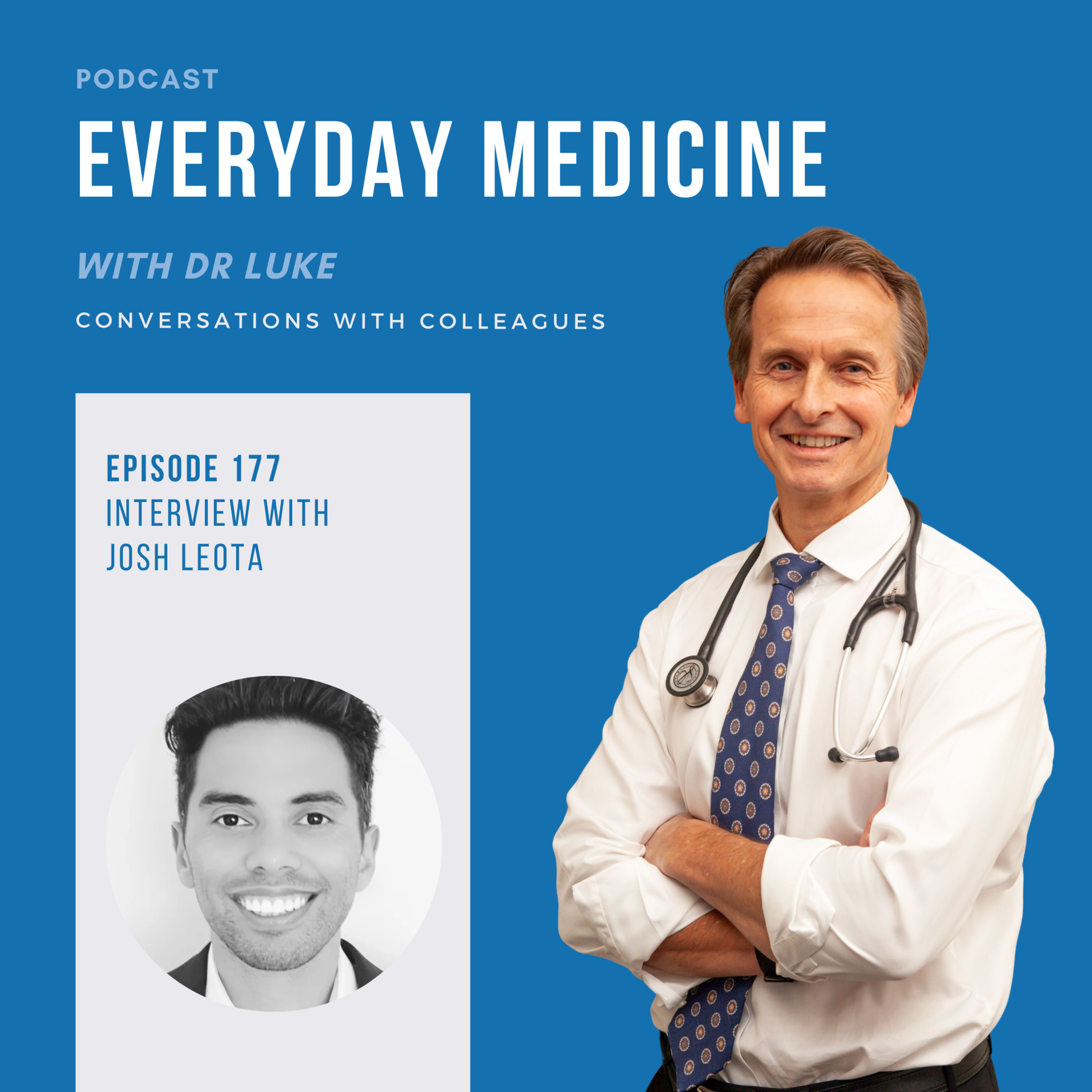 Episode 177. Sleep Hygiene with Josh Leota | The pace of modern life may not give many of us the time to stop, rest and recover with a good night’s sleep, yet sleep is as important for good health as diet and exercise. Regular healthy sleep improves brain performance, mood and health. Poor sleep hygiene is associated with increased risk of heart disease, stroke, obesity, impaired immune and cognitive function.Sleep consists of two distinct states as shown by EEG: REM sleep (rapid eye movement sleep), where dreaming occurs, and non-REM sleep, which is divided into 4 stages. Sleep is cyclical, with four or five REM periods during the night, accounting for about 1/4 of total sleep. Initial REM periods are shorter than later ones. During REM sleep, information is believed to be cemented into memory.Stage 4 sleep is the deepest, during which blood pressure, heart rate and breathing slow, muscles relax, and both growth and repair processes are believed to occur. Stage 4 usually occurs in the first several hours of sleep. Variations in sleep may be due to shift work, travel or individual patterns. Creativity and responsiveness to unfamiliar situations are impaired by sleep loss.Alcohol, smoking and stimulants such as caffeine, cold remedies and cocaine can reduce sleep time. Benzodiazepines tend to increase total sleep time with variable effects on non-REM sleep. Antidepressants tend to decrease REM sleep, with rebound on withdrawal in the form of nightmares.For most adults, 7–9 hours of uninterrupted sleep is recommended — a little less for older adults and more (8–11 hours) for teenagers, with even more needed for infants and toddlers. Sleep dysfunction is common and includes short sleep (less than 6 hours for under 65s, or 5 hours for older adults), long sleep (longer than recommended), poor sleep quality (frequent waking, difficulty falling asleep), and disorders such as sleep apnoea, restless leg syndrome and insomnia.Doctor-diagnosed sleep disorders affect about 1 in 5 adults, and 48% of adult Australians report at least two sleep-related problems. Up to 19% report not getting enough sleep. Shift workers (around 16% of the Australian workforce) are at higher risk, with 1 in 3 experiencing sleep disorders, including falling asleep at work and having a 60% higher risk of accidents compared to non-shift workers.An Australian survey of 1,050 adults revealed that sleeping pills were being used by 37%, 14% were using melatonin, and the majority were taking a range of hypnotics, including benzodiazepines and non-benzodiazepine products (e.g. Zopiclone from the cyclopyrrolone group or orexin receptor antagonists).I wondered if this high level of prescribing indicates that our general approach to advising patients on sleep should change in favour of promoting more natural ways of achieving sleep hygiene. To satisfy my curiosity and gain insights into healthy sleep patterns and how to achieve this naturally, we are joined by senior research scientist Josh Leota from Monash University’s School of Psychological Sciences.Josh is actively involved in sleep research, especially regarding the effects of sleep on athletic performance, and is currently studying a cohort of elite female athletes competing locally and after travelling through time zones interstate. I was very pleased to welcome Josh to share smart insights into understanding sleep cycles, how poor sleep may impact health, and advice on achieving sleep without pharmacological assistance.References:Josh Leota, Research Fellow. School of Psychological Sciences, Monash University, 270 Ferntree Gully Rd, Notting Hill, Vic 3168Sleep problems as a risk factor for chronic conditions: www.aihw.gov.auhttps://www.nature.com/articles/s41467-025-58271-x | — | ||||||
Want analysis for the episodes below?Free for Pro Submit a request, we'll have your selected episodes analyzed within an hour. Free, at no cost to you, for Pro users. | |||||||||
| 3/11/25 |  Episode 167. Low-Calorie Meal Replacement with Glennis Winnett | Obesity has become a major public health concern, with an estimated 34% of Australians classified as obese—defined as having a body mass index (BMI) of 30 kg/m² or more due to excess body fat. It is now the second leading risk factor for chronic disease in Australia, increasing the likelihood of developing type 2 diabetes, metabolic syndrome (including cirrhotic liver disease), osteoarthritis, and several types of cancer, as well as contributing to higher all-cause mortality.While the pathophysiology of obesity is not yet fully understood, the primary goal of obesity management is to prevent and address obesity-related complications while improving overall quality of life. Standard treatment objectives include setting a weight loss target of approximately 10% for individuals with a BMI of 30–40 kg/m² and 15% for those with a BMI over 40 kg/m². This is initially achieved through dietary, exercise, and behavioural modifications before considering pharmacotherapy or bariatric surgery.Dietary approaches that focus on calorie restriction are the most common first-line strategies for obesity management. These approaches emphasise consuming a wide variety of predominantly unprocessed foods while limiting high-calorie, nutrient-poor options such as sugar-dense foods, refined carbohydrates, and alcohol. Various low-carbohydrate, high-protein diets—such as the Atkins, Keto, and South Beach diets—have gained popularity over the years. However, studies have shown that low-calorie meal replacement diets are more effective for weight loss compared to conventional low-energy, food-based diets.Calorie-restricted diets can be categorised based on daily calorie intake:Low-energy diets (LEDs) allow for 1,000–1,500 calories per day.Very-low-energy diets (VLEDs) restrict intake to 600–800 calories per day, with carbohydrate consumption limited to less than 50 grams per day.Meal replacements serve as a behavioural strategy that promotes weight loss by reducing food choices while controlling intake. These products are typically high in protein, low in carbohydrates, and fortified with essential vitamins and minerals. They can be used to replace all daily meals or just one to two meals per day. While many meal replacement products are available on the market, many do not meet the recommended daily protein intake.In this episode, we speak with Glennis Winnett from the nutrition company Formulite, which has developed a range of high-protein meal replacement products, including shakes, bars, recovery protein, and soup. Formulite offers Australia's only VLED programme that meets protein requirements with a three-product-per-day plan, supporting obese patients on their weight loss journey.During our conversation, Glennis shares her motivation for developing the impressive Formulite product line and discusses how these meal replacements can be incorporated into effective dietary strategies for weight loss.Please welcome Glennis to the episode!References:www.formulite.com.auMin et al., The Effect of Meal Replacement on Weight Loss According to Calorie-Restriction Type and Proportion of Energy Intake: A Systematic Review of Randomised Controlled Trials. Journal of the Academy of Nutrition and Dietetics, 2021, Vol 121, Number 8.Obesity, WHO, 30 June 2020. | — | ||||||
| 2/11/25 | 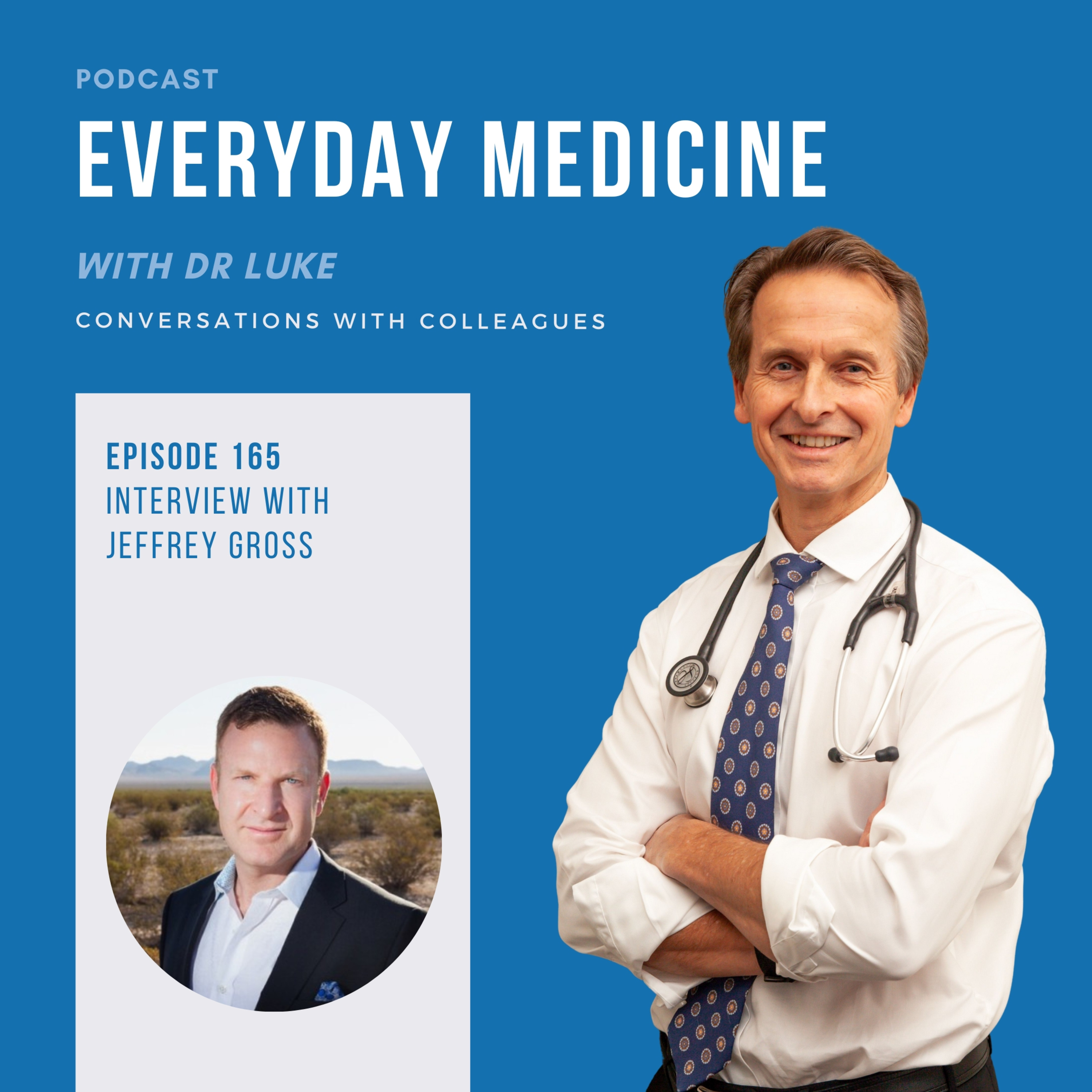 Episode 166. Regenerative medicine with Dr Jeffrey Gross | The field of regenerative medicine is receiving significant interest with the objective of restoring damaged tissues to health using biological products, as well as influencing age-related decay.The use of pluripotent stem cells has been studied for some years now with the hope of nurturing their undifferentiated state into specific cell types reflecting the target tissues requiring repair. Another approach has been to harness the biological properties of exosomes. Exosomes are nano-sized biovesicles released by all nucleated cells into surrounding body fluids upon fusion of tiny intracellular multivesicular bodies and the plasma membrane.These small vesicles, measuring between 40 and 160 nanometers, were first identified in the late 1980s and initially were proposed as cellular waste resulting from cell damage or by-products of cell homeostasis with little or no effect on neighboring cells. This initial simple interpretation of their function has now been supplanted by new insights into their physiological roles. Exosomes carry a complex cargo of proteins, lipids, and nucleic acids and are now recognized as functional vesicles capable of delivering very important cargoes of information to target cells they encounter. This chemical messaging may ultimately reprogram the recipient cells remotely from their release and represent a novel mode of intercellular communication as well as playing a major role in many cellular processes such as immune response, signal transduction, and antigen presentation.It is likely that the cargo of exosomes may differ significantly depending upon the function of the originating cell type and its current physiological state, including states of transformation, differentiation, stimulation, or stress.A current line of study aims to determine whether active exosome cargo may offer prognostic information on a range of diseases such as chronic inflammation, cardiovascular and renal disease, neurodegenerative diseases, lipid metabolic disease, and tumors. Additionally, as exosomes are not immunogenic, they are being examined for their potential to actively deliver biological therapeutics across different biological barriers to target cells, including across the blood-brain barrier.References:Dr. Jeffrey Gross:www.ReCELLebrate.comStem Cells and Regenerative Medicine: From Molecular Biology to Clinical Applications. Academic Press. 2021.Exosomes in Cell-to-Cell Communication and Regenerative Medicine. Theranostics. 2020.www.ncbi.nlm.nih.govThe Role of Exosomes in Regenerative Medicine and Tissue Engineering. Frontiers in Bioengineering. 2019.www.frontiersin.org | — | ||||||
| 1/22/25 | 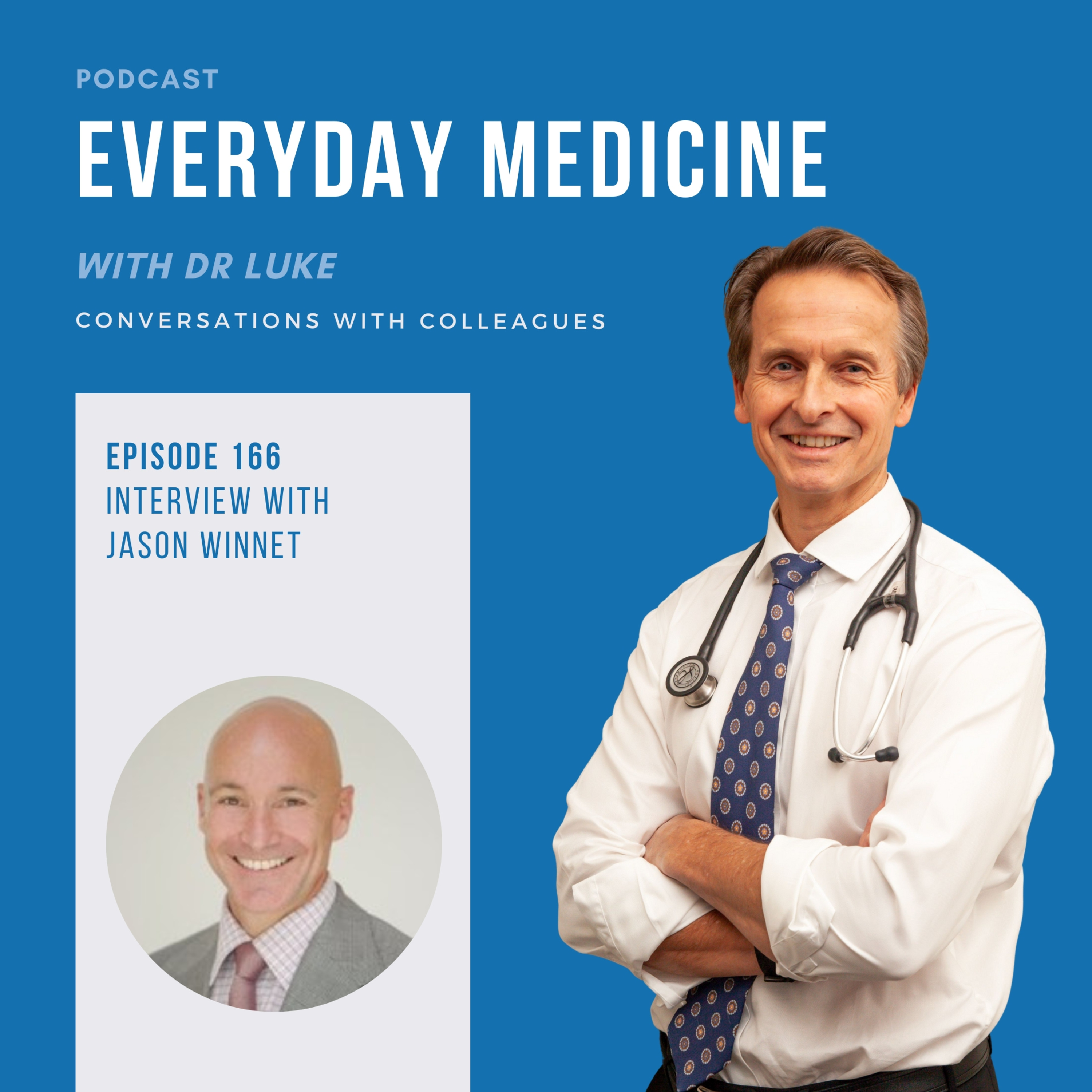 Episode 165. Modern Approaches to Bariatric Surgery – Dr. Jason Winnett | In this episode, we delve into the critical issue of obesity and the transformative potential of bariatric surgery with Dr. Jason Winnett, a leading expert in weight loss treatments and Director of the Winnett Specialist Group in Melbourne. With obesity affecting 67% of Australians and posing severe health risks such as type 2 diabetes, heart disease, and cancer, Dr. Winnett explores how modern surgical techniques are offering hope to those struggling to achieve sustainable weight loss through traditional methods.Dr. Winnett provides insights into the latest bariatric procedures, including gastric sleeve and mini-gastric bypass surgeries, highlighting their effectiveness in achieving long-term weight loss and managing chronic conditions. We also discuss pre-surgical pharmacological approaches, the role of multidisciplinary care, and the importance of managing potential nutritional deficiencies.This episode offers a comprehensive overview of the advancements in bariatric surgery and its critical role in combating obesity. Tune in to learn from Dr. Winnett's decades of expertise and discover how these treatments are transforming lives.Resources and References:* Winnett Specialist Group: winnettspecialistgroup.com.au* Australian Institute of Health and Welfare: Impact of Overweight and Obesity as a Risk Factor for Chronic Conditions, 2017* Australian Bariatric Surgery Registry, 2019* Swedish Obesity Study: J Internal Medicine, 2013* British Obesity and Metabolic Surgery Society Guidelines, 2020 Update* RACGP Guide to Bariatric Metabolic Surgery, 2017 | — | ||||||
| 1/20/25 |  Episode 164. Vascular Fistulas - The Door to Haemodialysis with Dr Ming Yii | As a background to this podcast in 2021 there were 15 200 Australians with kidney failure receiving dialysis, a doubling of the number receiving dialysis from 2000 with a male-to-female ratio of approximately 2 to 1. 82% of these patients were receiving chronic haemodialysis all of whom required an arterio venous vascular shunt for access. A small proportion (18%) were being managed by peritoneal dialysis and in that year, there were 857 functioning kidney transplants. Of the haemodialysis patients 25% were being dialysed in hospital, 65 % in satellite centres and 9 % at home. Indigenous Australians representing 2.5 % of the population comprised 9% of patients commencing renal replacement therapy highlighting a very significant health burden for first nations people. The main indications for patients receiving dialysis included having severe renal failure with a GFR less than 15ml/min/1.75m2 accompanied by complications such as metabolic acidosis, hyperkalaemia, pericarditis, encephalopathy, intractable volume overload, anorexia with weight loss and lethargy, peripheral neuropathy, intractable gastrointestinal symptoms or having an e GFR of 5-9 ml/min or less despite being asymptomatic. Vascular access for haemodialysis is accomplished by the creation of an arteriovenous fistula or use of a prosthetic graft with catheters providing temporary access only. As normal veins are not strong enough to cope with the high pump pressures and the rapid blood flow from a dialysis machine a native fistula joining vein to artery, normally in the forearm is created. As the fistula matures over 6 to 8 weeks the vein adapts and thickens leading to a stable fistula ready for use. Both immediate, early and late complications are described including infection, aneurysm, thrombosis and staphylococcal infection. Despite expert surgery up to 30% of fistulas are unusable. The Kidney Disease Outcome Quality Initiative (KDOGI) describes the Rule of 6 for fistulas comprising being: Ready for use 6 weeks or more after being formed, having a blood flow through the fistula of 600 ml/ min, a diameter of 6 mm accessible for 6 cm and at 6 mm depth. To learn more about arteriovenous fistulas as well as the Do’s and Don’ts of fistula care in primary practice we welcome back Dr Ming Yii. Ming is a well-recognised expert in vascular surgery and is the director of vascular and transplant surgery at Monash Health and adjunct Senior lecturer with Monash University. Ming is also part of the Monash transplant team in kidney and pancreas transplantation and brings a wealth of knowledge and experience as well as an effusive personality to accompany his skills. In this episode he discusses his approach to fistula formation and for their ongoing management and care. References: Dr Ming Yii. mingyiivascular.com.au or admin@yiivascular surgery.com.au www.webmd.com Webster AC et al. Chronic Kidney Disease. Lancet .2017Mar 25;389 (10075):1238-52. National Kidney Foundation: kidney.org | — | ||||||
| 1/6/25 |  Episode 163. Snake Bite Envenomation in Australia with Dr Tim Jackson | Show Notes: Snake Bite Envenomation in Australia with Dr Tim Jackson Australia is home to many of the world’s most dangerous snake species so familiarity with snake bite management and understanding the clinical effects of snake bite is vital for Australian doctors, especially those with a rural practice. Each year in Australia there are about 1000 recorded snake bites but fortunately only 2-3 deaths, most of these relate to bites from the brown snake. This contrasts with a vastly higher number of reported deaths from snake bite in India and Africa contributing to a recorded 100 000 deaths from envenomation globally. Australian snakes, also known as elapids, deliver a venom through their bite which predominantly exerts systemic effects. There are five major venom types for Australian snakes. Minor to moderate local effects may also be experienced depending on the snake genera. Snake venom is a complex mixture of many components including peptides, enzymes, phospholipases, proteases, and others. The venoms may have a potent pro coagulant effect leading to venom induced consumptive coagulopathy which may ultimately lead to defective coagulation through consumption of clotting factors. D- Dimer levels will be high in such instances. A primary anticoagulant effect may occur without significant D-Dimer production but significant bleeding. Other effects include neurotoxicity where toxins have either pre or post synaptic targets. Early signs of developing paralysis such as ptosis need to be watched for closely in the hope of avoiding a neurotoxic flaccid paralysis that may require ventilation. Myotoxicity predominantly affects skeletal muscle and may lead to profound rhabdomyolysis with renal injury and intravascular haemolysis as associated sequelae. Clinical diagnosis of envenomation may be based on a definite history of observed snake bite however more cryptic presentations where definite snake bite has not been observed may result in baffling systemic effects with minimal local evidence of a bite. It’s important to be aware of envenomation as a potential diagnosis in such cases. Detecting coagulopathy is the most urgent investigation to consider after an Australian snake bite. A complete coagulation panel including D-Dimer assessment is essential, electrolyte, renal function and creatinine phosphokinase levels should also be checked. For a well patient these tests should be ordered at presentation, after removal of the first aid pressure bandage and then again at 6 and 12 hours post bite, assuming preceding tests have been normal. Evidence of envenomation requires stabilisation of the patient and administration of antivenom. Australia is the only country with commercially available snake venom detection kits that may assist in the identification of venom that has been inoculated and provide a very helpful guide to the appropriate antivenom to administer. A polyvalent vaccine is also available for administration although larger in volume and associated with more side effects than the ‘monovalent ‘antivenoms correctly chosen from the kits mentioned above. Doses are the same for adults, children and the pregnant. Expert assistance from a toxicologist and intensivist should be sought early if troubling signs and symptoms of envenomation are observed. In this episode we have a conversation with Dr Tim Jackson who is co-head of the Australian Venom Research Unit at Melbourne University and an evolutionary biologist. Tim brings a huge and enthusiastic wealth of knowledge to this discussion, and it was a real honour to invite him as an expert guest. Please welcome Tim to the podcast. References: Dr Tim Jackson - AVRU - Australian Venom Research Unit - Melbourne University White, J.A Clinician’s Guide to Australian Venomous Bites and Stings, BioCSL, Melbourne 2013. Preventing and managing snake bites. (PDF). Qld Govt. May 2018 | — | ||||||
| 12/16/24 |  Episode 162. Medical Outreach Programs with Sister Jodie Manssen | Episode 162 Show Notes. Medical Outreach Programs with Sister Jodie Manssen In this episode, we sit down with the inspiring Sister Jodie Manssen, an expert ICU and emergency nurse, adventurer, and philanthropist, whose journey exemplifies compassion and dedication. In 2023, Jodie self-funded and volunteered with TrekMedic, a Melbourne-based nonprofit comprised of volunteer doctors, nurses, and allied health professionals. This organization provides basic healthcare, education, and emergency aid to underprivileged communities around the world. Jodie spent over two months of her time and expertise participating in TrekMedic’s annual trip to Nepal, sacrificing the financial security of her regular job to make an incredible impact. Highlights from the Nepal Trip (Sept–Oct 2023): Treated 1,698 patients across five remote villages. Performed over 300 dental procedures, including extractions and fillings. Managed cases of trauma, hypertension, diabetes, infectious diseases, rheumatologic disorders, and lesions requiring excision. Addressed numerous eye and ear complaints and donated over 400 pairs of glasses. Overcame challenges such as monsoon rains, leech bites, narrow goat paths, and high altitudes to deliver care. Jodie’s current work involves supporting First Nations communities in Alice Springs while preparing for her next adventure, attending to ski, snowboard, and mountain trauma in New Zealand’s winter season. References: TrekMedic: trekmedic1@gmail.com Sister Jodie Manssen: Find her wherever there’s an adventure and someone in need of help! About the Podcast:Join us for this compelling conversation with Jodie, where we dive into her life-changing experiences in Nepal, her dedication to helping underserved communities, and her adventurous spirit. You won’t want to miss this incredible story of resilience, compassion, and purpose. | — | ||||||
| 12/9/24 |  Episode 161. The Health Practitioner’s Journey with Michael Kenihan | Michael Kenihan is nothing short of a legend in the Australian allied health community. Over four decades, he has made remarkable contributions as a sports physiotherapist, business manager, sports administrator, entrepreneur, coach, and thought leader in health and sports medicine. A fellow of Sports Medicine Australia, Michael has led Australia’s largest allied health network, Life Care, navigating major acquisitions, divestitures, and even an IPO. His entrepreneurial ventures include founding the Melbourne Stem Cell Centre and the innovative technology application R-U-Ontrak. Michael's positive energy, vitality, and deep expertise are reflected in his brilliant new book, The Health Practitioners Journey. This essential guide offers a four-stage career plan designed for health practitioners - from recent graduates to seasoned professionals - providing practical strategies for achieving both clinical excellence and financial success. The book lays out a clear roadmap: building and owning a patient list, leveraging that equity, and eventually preparing for a commercial sale. More than a manual, The Health Practitioners Journey is a companion for all health practitioners, including doctors, physiotherapists, and allied healthcare workers. It emphasises harvesting knowledge, recognising personal potential, and attaining a fulfilling career. Packed with insights, actionable tips, and strategies, it’s a must-read for anyone at any stage of their healthcare career, from starting private practice to navigating the complexities of mature career management. It was an absolute privilege to be introduced to Michael and to interview him for our podcast. Please join me in welcoming Michael Kenihan to the conversation! | — | ||||||
| 11/18/24 |  Episode 160. Motor Neuron Disease (MND) with Associate Professor Ernie Butler (Part 2) | Motor neuron disease (MND) is a rare group of neurodegenerative disorders causing motor nerves in the brain and spine to lose function over time. It affects approximately 2,000 Australians (1 in 11,000), with two new diagnoses daily and a 1:300 lifetime risk. MND is more common in males (60%) than females (40%), particularly those aged 75–84. While 10% of cases have a hereditary cause, the genetic fault is identifiable in only 60% of these cases. Types of MND 1. Amyotrophic Lateral Sclerosis (ALS): The most common form, affecting both upper and lower motor neurons, leads to muscle weakness in the arms, legs, mouth, and respiratory system. ALS patients typically live 3–5 years post-diagnosis, but supportive care can extend survival. Prominent figures such as Stephen Hawking and Lou Gehrig had ALS. In Australia, Neale Daniher's 2013 diagnosis raised significant awareness. ALS is sometimes associated with frontotemporal dementia (10–15% of cases). 2. Primary Lateral Sclerosis (PLS): A rare, non-fatal form that progresses slowly, affecting brain neurons. 3. Progressive Bulbar Palsy (PBP): Involves the brainstem, causing speech, swallowing, and choking difficulties. Often co-occurs with ALS. 4. Progressive Muscular Atrophy: Affects lower motor neurons, leading to gradual muscle wasting in the arms, legs, and mouth. 5. Spinal Muscular Atrophy (SMA): An inherited condition caused by a genetic change (SMA1), mainly affecting children. 6. Kennedy’s Disease: An inherited disorder affecting males, causing muscle weakness, twitching, and other symptoms such as gynecomastia and azoospermia. Causes and Risk Factors While 10% of MND cases are hereditary, the rest arise randomly. The exact causes remain unclear, but factors such as genetics, toxins, viruses, and environmental influences are believed to contribute. Symptoms and Diagnosis Early symptoms, such as muscle twitching, weakness, and slurred speech, may mimic other conditions like multiple sclerosis. Diagnosis is challenging due to the lack of specific biomarkers, though imaging like MRI or CT can help rule out other conditions. Treatment and Management While MND has no cure, various treatments can slow its progression and help manage symptoms. Medications like Riluzole, which reduces glutamate release, can extend short-term survival in ALS, while Edaravone slows disease progression in milder cases. Baclofen helps alleviate muscle stiffness, and Botox provides temporary relief from muscle spasticity. Supportive therapies, including physical therapy, speech therapy, and NSAIDs, can reduce discomfort from cramps, spasms, and mild pain, improving the patient’s quality of life. Guest Expert In this episode, we welcome back Associate Professor Ernie Butler, a consultant neurologist and founding member of Frankston Neurology Group. He specialises in managing multiple sclerosis, myasthenia gravis, and Parkinson’s disease. Prof. Butler holds leadership roles at Peninsula Health, Monash Health, and the Monash MS clinic. He previously joined us on episodes covering multiple sclerosis, myasthenia gravis, and Guillain-Barre syndrome. Join us as we explore MND in-depth with Associate Professor Butler, gaining insights from his extensive expertise in neurology. | — | ||||||
| 11/5/24 |  Episode 159. Parkinson's Disease with Associate Professor Ernie Butler (part 1) | Exploring Parkinson's Disease with Associate Professor Ernie Butler In this episode, we dive into Parkinson’s Disease (PD), a progressive neurodegenerative disorder that primarily impacts dopamine-producing neurons in the substantia nigra, leading to motor and non-motor symptoms. Our guest, Associate Professor Ernie Butler, consultant neurologist and founder of Frankston Neurology Group, provides expert insights into PD's complexities. Pathophysiology of Parkinson’s DiseasePD affects dopaminergic neurons in the substantia nigra, leading to a significant drop in dopamine, a neurotransmitter essential for movement. Dopamine loss disrupts communication between the substantia nigra and corpus striatum, impairing motor functions. Additionally, the loss of norepinephrine-producing nerve endings can cause non-motor symptoms like fatigue and blood pressure irregularities. Lewy bodies, protein aggregates containing alpha-synuclein, are also present and may contribute to neuronal death. Global ImpactAs the second most common neurodegenerative disorder, PD affects millions worldwide, with over 200,000 cases in Australia. Around 38 new cases are diagnosed daily, and one in five diagnoses is made before age 50. Core Symptoms of Parkinson’s DiseasePD's four main motor symptoms are: Tremor - Typically a “pill-rolling” tremor noticeable at rest. Rigidity - Muscle stiffness, often evident when limbs are moved. Bradykinesia - Slowed movement, which reduces facial expression and complicates tasks. Postural Instability - Impaired balance, often resulting in a shuffling gait and episodes of “freezing.” Parkinson’s Plus SyndromesSeveral conditions mimic PD but include unique symptoms: Multiple System Atrophy (MSA): Involves autonomic symptoms like poor coordination. Lewy Body Dementia: Features motor symptoms and cognitive impairment with visual hallucinations. Progressive Supranuclear Palsy (PSP): Includes gait instability, eye movement issues, and mood changes. Corticobasal Degeneration (CBD): Causes rigidity, balance problems, and tau protein deposits. Risk FactorsPD risk factors include: Age: Most cases begin around age 70. Biological Sex: More common in men. Genetics: About 25% of patients have a family history, with mutations in genes like GBA and LRRK2. Environmental Exposure: Living in rural areas and exposure to pesticides may increase risk. Diagnosis and TreatmentPD is diagnosed through medical history and neurological exams, as CT and MRI scans often show no abnormalities in early stages. Treatment OptionsWhile PD has no cure, several treatments help manage symptoms: Medications: Dopamine precursors (levodopa and carbidopa) increase dopamine. COMT inhibitors (entacapone) extend the effect of levodopa. Anticholinergics reduce tremors, while amantadine treats dyskinesia. Surgical Intervention: Deep Brain Stimulation (DBS) involves implanting electrodes in the brain to improve motor symptoms in patients unresponsive to medication. With extensive experience in managing PD, MS, and myasthenia gravis, Associate Professor Ernie Butler is a senior neurology specialist at Frankston Neurology Group and Monash Health. He has been featured in prior episodes on Multiple Sclerosis and Myasthenia Gravis, providing valuable insights into complex neurological conditions. References Frankston Neurologyhttps://www.frankstonneurology.com.au › ...Our Neurologists Parkinson's Foundationhttps://www.parkinson.org › what-is...What is Parkinson's? National Institute of Neurological Disorders and Stroke (.gov)https://www.ninds.nih.gov › disordersParkinson's Disease | National Institute of Neurological Disorders ... | — | ||||||
| 10/21/24 |  Episode 158. Forest Ecology, Bush Fires and Health with Professor David Lindenmayer | It’s difficult to walk through an old-growth natural forest anywhere in the world and not feel awe and a connection to the majesty of our beautifully stunning Earth, however, when these amazing ecosystems burn as forest fires the consequence has devastating outcomes for affected communities. In recent times in Australia the Ash Wednesday fires of 1983 claimed 75 lives, The Black Saturday Fires of 2009 claimed 173 lives, 3500 buildings, and 2000 houses and the Black Summer fires of 2019/2020 claimed 26 lives and 2500 houses. The health consequences in terms of mental health, acute pulmonary disease and socioeconomic effects from these disasters is difficult to comprehend and the loss of life devastating. The normal response to fire prevention has been to recommend controlled burns and to thin forests through commercial logging. Is this scientifically correct? We talk with Professor David Lindenmayer from the Fenner School of Environment at ANU in this episode to explore this idea further. David is a leading world expert on forest ecology and resource management, conservation science and biodiversity conservation. He has published over 900 peer reviewed scientific papers and written 48 books with his latest book The Forest Wars addressing myths concerning forest management and ecology to be released in the next few weeks. He is frequently consulted by government and has lectured widely on this subject. His scientific work has pointed to the reduced flammability of mature forests, wet or dry, compared to younger forests subject to recent logging or controlled burn offs. Forest disturbance has been found to stimulate flammability; an effect referred to as disturbance-stimulated flammability. Both crown fire -where burn occurs up to 7 times the height of flames, and house loss were more likely in the 2009 tragic Victorian fires if the area within 1 km of houses had been burnt off within the past 5 years. His work highlights the value of reviewing the science on the subject at hand, to be curious and question the evidence and rationale underpinning decision making and to muster the courage and commitment to educate the world despite the resistance and ignorance that exists to hear and understand the truth. As Bill Mollison said, “If we lose the forests, we lose our only teachers”. It was a great privilege to have this conversation with David who I believe is at the vanguard of ecological change and thinking both in Australia and on the world stage. I look forward to reading his new book The Forest Wars and hope you will also. Please welcome David to the podcast References: Professor David Lindenmayer, Professor of Ecology and Conservation Biology at the Australian National University’s Fenner School of Environment and Society Identifying and managing disturbance-stimulated flammability in woody ecosystems. David Lindenmayer and Phil Zylstra, Biological Reviews (2023) The Forest Wars, David Lindenmayer, Allen & Unwin 2024 | — | ||||||
| 10/8/24 |  Episode 157. Globus and Cough with Dr Andrew Martin (part 3) | Globus, a persistent or intermittent sensation of a lump or foreign body in the throat, is a well-defined clinical symptom. Though it is non-painful, it can be long-lasting, difficult to treat, and prone to recurrence. Interestingly, this sensation often improves with eating and typically does not accompany dysphagia (difficulty swallowing) or odynophagia (painful swallowing). Globus is a common condition, accounting for about 4% of new referrals to ear, nose, and throat (ENT) clinics, and is reported by up to 46% of apparently healthy individuals, with peak incidence in middle age. The condition affects men and women equally, though women are more likely to seek medical care for it. The origins of globus pharyngeus trace back to Hippocrates, who noted it around 2,500 years ago. In 1707, Purcell provided the first accurate description, attributing it to pressure on the thyroid cartilage from the contraction of the neck's strap muscles. Historically, the condition was labeled as "globus hystericus" due to its frequent association with menopause or psychological factors. However, in 1968, Malcomson introduced the more accurate term "globus pharyngeus" after discovering that most patients with globus did not have a hysterical personality. The exact cause of globus remains unknown, but it appears to be multifactorial. While data are limited, recent studies suggest that factors such as gastroesophageal reflux disease (GERD), abnormalities of the upper esophageal sphincter (UES), psychological and psychiatric disorders, and stress may contribute to the sensation of globus. The variety of potential causes has made it challenging to establish standard investigation and treatment strategies, requiring an open mind when considering possible causes. Dr. Andrew Martin, a practicing ENT surgeon based in the southeastern suburbs of Melbourne and Northern Tasmania, sheds light on this condition. He completed his MBBS at The University of Queensland in 2008, following a Bachelor of Pharmacy Sciences with Honours from Monash University in 2003. In 2021, he earned his fellowship with the Royal College of Surgeons in Otolaryngology and Head and Neck Surgery in New Zealand and completed an Advanced Fellowship in Head and Neck Surgery at The Royal Melbourne Hospital in 2022. Dr. Martin has special interests in nasal obstruction, obstructive sleep apnea, ear and balance issues, chronic sinus disease, mid-facial pain, pediatric ENT, as well as swallowing, voice, and throat disorders. Beyond his professional achievements, Andrew is a dedicated family man with two young daughters and enjoys hunting and fishing in his free time. It was a privilege to have this insightful conversation with him about globus symptoms. Please welcome Dr. Andrew Martin to the podcast. References: Dr Andrew Martin "Globus pharyngeus: A review of its etiology, diagnosis and treatment." World Journal of Gastroenterology. 2012 May 28; 18(20): 2462–2471. Published online 2012 May 28. doi: 10.3748/wjg.v18.i20.2462 https://www.uptodate.com/contents/globus-sensation | — | ||||||
| 9/23/24 |  Episode 156. Mid Facial Pain with Dr Andrew Martin (part 2) | Approximately 1 in 10 adults will experience pain or discomfort in the mid-facial region, with a higher prevalence among females and young adults. Understandably, many patients attribute this pain to sinus issues, given the proximity of the sinuses to the face. However, nasal endoscopy and CT scans have shown that chronic sinus infections are not as common a cause of facial pain as one might think. Sinusitis typically causes significant pain only when accompanied by thick nasal drainage, loss of smell, or nasal obstruction. In these cases, nasal endoscopy usually reveals some drainage or inflammation. Facial pain related to sinusitis is generally alleviated, at least partially, by a course of antibiotics. When sinusitis is ruled out, other potential causes of mid-facial pain should be considered, including: Tension Headache: This type of headache may manifest as pressure or tightness across the bridge of the nose, forehead, or the back of the head. The face may feel "swollen," and the nose may seem "blocked," though there is no actual breathing obstruction. Tenderness over the forehead and cheeks is common. A low dose of amitriptyline (10-25mg, up to 75mg) taken at night for six weeks typically relieves this pain. Migraine Headaches: More common in women with a family history of migraines, these headaches can last up to 48 hours and are often associated with nausea. Nasal congestion is also not uncommon. Acute treatment may include antimigraine medications such as sumatriptan (50mg). For frequent episodes, preventative medications like pizotifen or amitriptyline may be effective. Cluster Headache: This condition, more common in men, causes severe unilateral pain around the forehead, eye, and cheek, often lasting over an hour. The affected eye and nose typically water on the side of the pain. Treatment is similar to that for migraines. Temporomandibular Joint Dysfunction (Myofascial Pain): Inflammation around the jaw joints can lead to pain, which may be alleviated by rest and simple analgesia. Neurologic Pain: Conditions such as trigeminal neuralgia, postherpetic neuralgia, and glossopharyngeal neuralgia often cause severe, burning pain and may involve trigger points. Medications like gabapentin can be effective in managing this type of pain. Dr. Andrew Martin is a practicing ENT surgeon based in Melbourne's southeastern suburbs and Northern Tasmania. He earned his MBBS from The University of Queensland in 2008, following a Bachelor of Pharmacy Sciences with honours from Monash University in 2003. In 2021, he completed his fellowship with the Royal College of Surgeons in Otolaryngology and Head and Neck Surgery in New Zealand, followed by an Advanced Fellowship in Head and Neck Surgery at The Royal Melbourne Hospital in 2022. Dr. Martin has a special interest in various conditions, including nasal obstruction, obstructive sleep apnoea, ear and balance problems, chronic sinus disease and mid-facial pain, paediatric ENT, and disorders related to swallowing, voice, and the throat. Beyond his medical practice, he is a dedicated family man with two young daughters and enjoys hunting and fishing. It was a privilege to have Dr. Martin join us for this conversation, where we explored the complexities of mid-facial pain in greater detail. Please join me in welcoming Dr. Andrew Martin to the podcast. References: andrewmartinent.com Nick S. Jones. Midfacial Segment Pain: Implications for Rhinitis and Sinusitis. Curr Allergy Asthma Rep. 2004 May. North Melbourne ENT | — | ||||||
| 9/16/24 |  Episode 155. Allergic Rhinitis and Sinusitis with Dr Andrew Martin (part 1) | Rhinitis, Sinusitis, and Rhinosinusitis are common conditions frequently seen in primary care. Studies indicate that 1.4 out of every 100 general practice encounters involve acute or chronic sinusitis, and over 2 million Australians are estimated to suffer from chronic rhinosinusitis. In some studies, this condition has shown a greater impact on social functioning than chronic heart failure, angina, or back pain. Anatomy and Pathophysiology: The paranasal sinuses—frontal, maxillary, ethmoid, and sphenoid—are lined with ciliated epithelium and goblet cells, forming a mucociliary blanket that traps and moves harmful particles to the nasopharynx. The maxillary sinus, the largest air-filled sinus in the body, has a draining ostium only 2.4 mm in diameter, making it particularly prone to blockage during infection or inflammation. Treatment for sinusitis focuses on restoring mucociliary clearance and drainage while addressing underlying inflammation. Acute Rhinosinusitis: The spectrum of acute rhinosinusitis (ARS) includes the common cold, post-viral ARS, and acute bacterial rhinosinusitis. Though less than 2% of viral upper respiratory infections progress to bacterial infections, antibiotics are prescribed in over 85% of sinusitis cases. Symptoms of ARS include nasal obstruction, discharge, changes in smell, facial pain or pressure, and cough. Facial pain may worsen when bending forward and can radiate to the teeth. Diagnosis requires the sudden onset of two or more symptoms, with at least one being nasal blockage, congestion, obstruction, or discharge, accompanied by facial pain or pressure and/or a reduction in smell. Nasal examination should assess for discharge (clear or purulent), polyposis, swelling, and erythema. Chronic Rhinosinusitis (CRS): CRS presents in two forms, distinguished by the presence or absence of nasal polyps. It is defined by the persistence of symptoms for more than 12 weeks, including nasal congestion, discharge, facial pain or pressure, and reduced smell. Viral and bacterial infections are the most common causes, with Streptococcus, Pneumococcus, Haemophilus, and Moraxella being the usual bacterial suspects. Other factors such as allergies, structural abnormalities, ciliary dysfunction, immunodeficiencies, and fungal infections should also be considered. Allergic Rhinitis: Allergic rhinitis, commonly known as hay fever, affects around 18% of Australians. Despite its name, allergic rhinitis is not caused by hay and does not result in fever. It typically presents with sneezing, itching, rhinorrhoea, nasal congestion, and lacrimation, triggered by allergen exposure. These allergens can often be identified through patient history, but RAST serology may be required when clear precipitants are not evident. To deepen our understanding of these conditions, we welcome Dr. Andrew Martin, a practicing ENT surgeon in Melbourne's Southeastern suburbs and Northern Tasmania. Dr. Martin completed his MBBS at The University of Queensland in 2008 after earning a Bachelor of Pharmacy Sciences with Honours from Monash University in 2003. He completed his fellowship with the Royal College of Surgeons in Otolaryngology and Head and Neck Surgery in New Zealand in 2021, followed by an Advanced Fellowship in Head and Neck Surgery at The Royal Melbourne Hospital in 2022. Dr. Martin’s specialties include nasal obstruction, obstructive sleep apnoea, ear and balance disorders, chronic sinus disease, mid-facial pain, paediatric ENT, and disorders affecting swallowing, voice, and throat. Outside of his medical practice, he is a devoted family man with two young daughters and enjoys hunting and fishing. It was a privilege to have this conversation with him as we explored rhinitis and rhinosinusitis in more detail. Please join me in welcoming Dr. Andrew Martin to the podcast. References: Dr Andrew Martin National Institutes of Health - Rhinitis and Sinusitis Journal of Allergy and Clinical Immunology - Rhinitis and Sinusitis | — | ||||||
| 9/2/24 |  Episode 154. Functional Breathing with Dr Allan Abbott (Part 2) | In an earlier episode titled Breathing we had the privilege to explore heathy breathing patterns and the Bohr effect which governs oxygen delivery to tissues with physiotherapist and breathing expert Allan Abbott, if you haven’t had an opportunity to listen to that podcast, I recommend it as an introduction to the subject we are covering today. Allan has been exploring breathing techniques to enhance exercise performance and improved health for many years and has created a dynamic company called Health Innovations that can be found at healthinnovations.net.au in order to bring this important knowledge into public forum. Although most of us pay little attention to breathing technique in our busy world, many cultures and alternative health practises such as YOGA and Ayurveda have focused on this for centuries and the recent excellent book Breath by James Nestor explores the importance of breathing technique in detail including the influence on facial structure and disease brought about by mouth breathing and poor execution of this seemingly automatic task. Allan takes us further in this podcast episode in which we explore functional breathing, breathing during exercise and how we can utilise breathing techniques to replicate high altitude training at sea level to improve performance and stamina in ways you may not have considered possible. Allan was generous enough to give up a good deal of his spare time taking me on a deep dive through these breath training techniques one on one. We focused first on nasal breathing light, slow and deep utilising the diaphragm rather than purely chest muscles and aiming for a 4 second nasal inhalation followed by a slow nasal exhalation over 6 seconds. This develops the habit of six breaths per minute. We then worked on the breath oxygen level test - the so-called BOLT with the objective of building CO2 tolerance to reduce the ‘gassing out’ feeling that can occur when one trains at a moderate exercise intensity. Subsequently Allan took me to ‘altitude’ with some strong breath holds during exercise simulating the reduced partial pressure of oxygen experienced as we venture 2000 metres above sea level and more, slowly resetting central CO2 chemoreceptors, increasing our haematocrit, erythropoietin and 2-3 DPG levels as well as enhancing myoglobin production, mitochondrial density, and cardiac output. Allan is meticulous about this training and on establishing correct technique noting this would not be appropriate for those with advanced lung disease. I really enjoyed learning from him and have implemented these exercises into my daily routine. I hope this conversation will pique your interest as it did mine as we share the art of functional breathing. Please welcome Allan to the conversation. References: Allan Abbott at: healthinnovations.net.au (+61) 0419379371 Buteyko.com Acute Effects of Repeated Cycling Sprints in Hypoxia Induced by Voluntary Hypoventilation. Woorens/ European Journal of Applied Physiology. September 2017 Repeated Sprint Training in Hypoxia Rugby. Woorens . European Journal of Sport Science. 2018. Intermittent Hypoxia Training. Sohagatay et al. Journal of Human Kinetics Vol32/2012 197-210 Hypercapnic Hypoxic Training. Bakovic et al. Journal of Applied Physiology 2003, Vol 95 No 4 1460-1466 Breathing Pattern Disorders and Functional Movement. Bradley et Al. International Journal of Physiotherapy Feb 2014,9(1),28-39 James Nestor- Breath - The New Science of a Lost Art. Riverhead Books, 2020 | — | ||||||
| 8/26/24 |  Episode 153. Functional Breathing with Dr Allan Abbott (Part 1) | In an earlier episode titled 'Breathing' we had the privilege to explore heathy breathing patterns and the Bohr effect which governs oxygen delivery to tissues with physiotherapist and breathing expert Allan Abbott, if you haven’t had an opportunity to listen to that podcast, I recommend it as an introduction to the subject we are covering today. Allan has been exploring breathing techniques to enhance exercise performance and improved health for many years and has created a dynamic company called Health Innovations that can be found at healthinnovations.net.au in order to bring this important knowledge into public forum. Although most of us pay little attention to breathing technique in our busy world, many cultures and alternative health practises such as YOGA and Ayurveda have focused on this for centuries and the recent excellent book Breath by James Nestor explores the importance of breathing technique in detail including the influence on facial structure and disease brought about by mouth breathing and poor execution of this seemingly automatic task. Allan takes us further in this podcast episode in which we explore functional breathing, breathing during exercise and how we can utilise breathing techniques to replicate high altitude training at sea level to improve performance and stamina in ways you may not have considered possible. Allan was generous enough to give up a good deal of his spare time taking me on a deep dive through these breath training techniques one on one. We focused first on nasal breathing light, slow and deep utilising the diaphragm rather than purely chest muscles and aiming for a 4 second nasal inhalation followed by a slow nasal exhalation over 6 seconds. This develops the habit of six breaths per minute. We then worked on the breath oxygen level test - the so-called BOLT with the objective of building CO2 tolerance to reduce the ‘gassing out’ feeling that can occur when one trains at a moderate exercise intensity. Subsequently Allan took me to ‘altitude’ with some strong breath holds during exercise simulating the reduced partial pressure of oxygen experienced as we venture 2000 metres above sea level and more, slowly resetting central CO2 chemoreceptors, increasing our haematocrit, erythropoietin and 2-3 DPG levels as well as enhancing myoglobin production, mitochondrial density, and cardiac output. Allan is meticulous about this training and on establishing correct technique noting this would not be appropriate for those with advanced lung disease. I really enjoyed learning from him and have implemented these exercises into my daily routine. I hope this conversation will pique your interest as it did mine as we share the art of functional breathing. Please welcome Allan to the conversation. References: Allan Abbott at: healthinnovations.net.au (+61) 0419379371 Buteyko.com Acute Effects of Repeated Cycling Sprints in Hypoxia Induced by Voluntary Hypoventilation. Woorens/ European Journal of Applied Physiology. September 2017 Repeated Sprint Training in Hypoxia Rugby. Woorens . European Journal of Sport Science. 2018. Intermittent Hypoxia Training. Sohagatay et al. Journal of Human Kinetics Vol32/2012 197-210 Hypercapnic Hypoxic Training. Bakovic et al. Journal of Applied Physiology 2003, Vol 95 No 4 1460-1466 Breathing Pattern Disorders and Functional Movement. Bradley et Al. International Journal of Physiotherapy Feb 2014,9(1),28-39 James Nestor- Breath - The New Science of a Lost Art. Riverhead Books, 2020 | — | ||||||
Showing 25 of 164
Sponsor Intelligence
Sign in to see which brands sponsor this podcast, their ad offers, and promo codes.
Chart Positions
1 placement across 1 market.
Chart Positions
1 placement across 1 market.