Insights from recent episode analysis
Audience Interest
Podcast Focus
Publishing Consistency
Platform Reach
Insights are generated by CastFox AI using publicly available data, episode content, and proprietary models.
Est. Listeners
Based on iTunes & Spotify (publisher stats).
- Per-Episode Audience
Est. listeners per new episode within ~30 days
1,001 - 10,000 - Monthly Reach
Unique listeners across all episodes (30 days)
5,001 - 25,000 - Active Followers
Loyal subscribers who consistently listen
5,001 - 15,000
Market Insights
Platform Distribution
Reach across major podcast platforms, updated hourly
Total Followers
—
Total Plays
—
Total Reviews
—
* Data sourced directly from platform APIs and aggregated hourly across all major podcast directories.
On the show
Recent episodes
Podcast 192 - Salicylate Toxicity Management w/ Dr. Brookeman & Nicholas Henchal
Apr 22, 2026
Unknown duration
Podcast 191 - Sepsis Update w/ Kevin Collopy
Mar 7, 2026
Unknown duration
Podcast 190 - Intubation Triggers w/ Nicole Hooser
Feb 18, 2026
Unknown duration
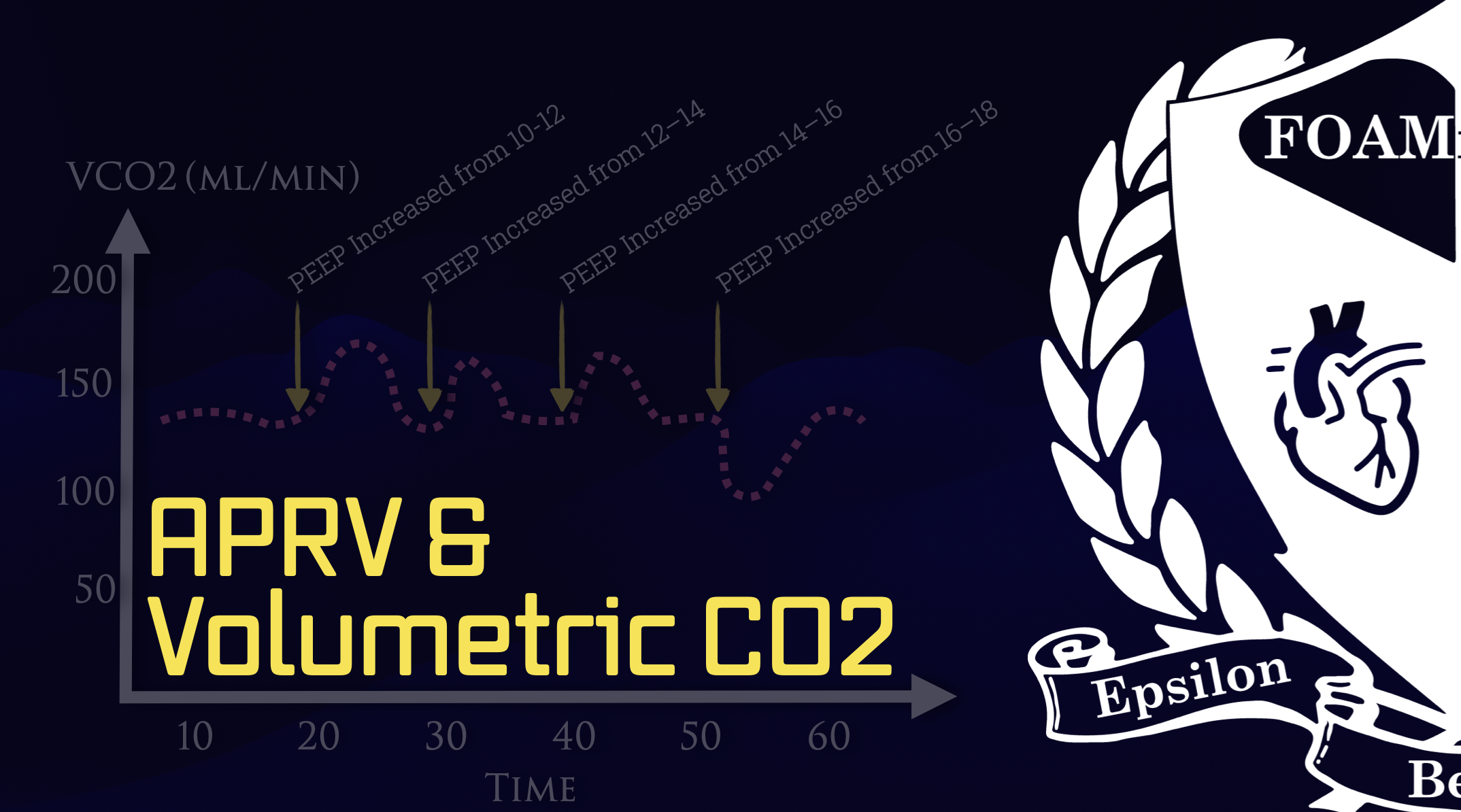
Podcast 189 - APRV & Volumetric CO2 w/ Joe Hylton
Jan 19, 2026
Unknown duration
Podcast 188 - Sodium Nitrite Ingestion & Methemoglobinemia w/ Dr. Brookeman
Dec 11, 2025
Unknown duration
Social Links & Contact
Official channels & resources
Official Website
Login
RSS Feed
Login
| Date | Episode | Description | Length | ||||||
|---|---|---|---|---|---|---|---|---|---|
| 4/22/26 | Podcast 192 - Salicylate Toxicity Management w/ Dr. Brookeman & Nicholas Henchal | In this episode, flight paramedic Nicholas Henchal and EMS physician Dr. Harrison Brookeman break down salicylate toxicity from the ground up. What started as a casual conversation at the crew table turns into a deep dive into one of the most misunderstood overdoses in EMS and critical care. They walk through the full spectrum of aspirin toxicity, from subtle prehospital clues to advanced hospital management. You'll hear how patients can appear relatively stable early on, why respiratory alkalosis precedes metabolic acidosis, and how the situation can spiral once the electron transport chain is disrupted. The conversation also delves into real-world decision-making: when to suspect it, when not to intubate, how to manage ventilation if you have to, and why treatments like bicarbonate, glucose, and even dialysis play a critical role. There's also a strong discussion of the dangers of missing this diagnosis and how quickly things can go downhill if the underlying physiology isn't understood. Link to interactive Anion Gap Tool: https://claude.ai/artifacts/latest/d3b744cf-5a1b-4bb7-88bc-4f74fd97ec16 FOAMfrat.com | — | ||||||
| 3/7/26 | Podcast 191 - Sepsis Update w/ Kevin Collopy | What does sepsis management look like for EMS? Tyler and Kevin Collopy break down the current state of sepsis care, including EMS recognition, hospital sepsis bundles, fluid strategies, vasopressor use, lactate trends, and the debate around prehospital antibiotics. The conversation focuses on practical decision-making and why identifying septic shock early can change outcomes long before the patient reaches the hospital. | — | ||||||
| 2/18/26 | Podcast 190 - Intubation Triggers w/ Nicole Hooser | "GCS less than 8, intubate." We've all heard it. Many of us were taught it. In this episode of the FOAMfrat Podcast, Tyler and FOAMfrat educator Nicole Hooser examine one of the most repeated airway phrases in EMS and why it may be doing more harm than good. From the origins of the "less than 8" mindset in GCS to the real-world complexity of airway decision-making, this conversation examines what actually matters when deciding whether to take a patient's airway. They discuss: • Why a GCS of 8 is not a magic number • The math behind GCS scoring combinations and why 8 carries so much variability • Airway protection versus airway reflexes • Resuscitation before intubation • The momentum problem once an RSI has been initiated • When hesitation is appropriate • When decisive action is necessary • Flight-specific pressures and transport considerations • Sedation versus full RSI • Reversible causes of altered mental status you cannot miss Nicole shares real-world flight cases, including moments of disagreement with partners and the professional growth that follows those cases. The episode also explores how experience, bias, fear, and pattern recognition shape airway decisions. If you've ever wondered whether you truly needed to intubate a patient, this episode challenges reflexive thinking and reinforces a more deliberate approach. Guest: Nicole Hooser Listen in and weigh in on the discussion. | — | ||||||
| 1/19/26 | Podcast 189 - APRV & Volumetric CO2 w/ Joe Hylton | In this episode of the FOAMfrat Podcast, we sit down with Joe Hylton, one of the go-to ventilator educators in critical care transport, to break down APRV in a way that actually makes sense. We move beyond surface level explanations and get into how APRV really works, why it is so effective for ARDS and severe hypoxemia, and how volumetric capnography can give you real-time physiologic feedback when titrating mean airway pressure and PEEP. This is not a "set it and forget it" APRV discussion. We dig into the mechanics, the physiology, and the bedside decision making that matters in transport and critical care environments. Topics covered in this episode: • How APRV differs from conventional pressure control ventilation • Why mean airway pressure is the real driver of recruitment • Using flow curves and time constants instead of guesswork • Volumetric CO₂ vs end-tidal CO₂ and why the difference matters • Identifying optimal recruitment and overdistension in real time • How VĊO₂ trends can guide PEEP and pressure adjustments • APRV pitfalls, misconceptions, and when paralysis may still make sense • Practical APRV setup on Hamilton ventilators for transport teams If APRV has ever felt like ventilator voodoo, this episode pulls the curtain back and ties the mechanical settings to what is actually happening at the alveolar and capillary level. Joe brings deep experience from working with Hamilton Medical systems, and the discussion is framed through real-world transport and ICU decision making, including insights relevant to teams like Life Link III and other critical care programs. This episode is ideal for: • Flight paramedics and critical care transport clinicians • ICU nurses and respiratory therapists • Medical directors and educators • Anyone who wants to understand APRV beyond memorized settings 🎧 Listen, learn, and rethink how you approach lung recruitment. Subscribe for more high-yield critical care and EMS education from FOAMfrat. | — | ||||||
| 12/11/25 | Podcast 188 - Sodium Nitrite Ingestion & Methemoglobinemia w/ Dr. Brookeman | In this episode of the FOAMfrat Podcast, Dr. Harrison Brookeman joins the discussion to examine methemoglobinemia and the emerging prehospital threat of sodium nitrite ingestion. Often viewed as a rare toxicology concept, this condition is appearing more frequently and can progress rapidly with devastating consequences if it is not recognized early. The episode focuses on what matters most to EMS clinicians in the field: the physiology of methemoglobinemia, why these patients appear profoundly hypoxic despite adequate ventilation, and the classic clue: a pulse oximetry reading that remains fixed around 85 percent regardless of oxygen delivery. The conversation also addresses iatrogenic causes such as benzocaine exposure, expected mental status changes, and why oxygen alone does not correct the problem. Emphasis is placed on prehospital decision-making, including early involvement with poison control, transport destination considerations, and the importance of ensuring these patients are taken to the right facility the first time. This episode is intended to sharpen recognition, improve pattern awareness, and prepare providers for a call that does not follow typical respiratory failure patterns. | — | ||||||
| 8/21/25 | Podcast 187 - Dynamic PEEP? | Ventilation Strategies for Metabolic Acidosis w/ Melody Bishop, RRT | A little over a year ago, I made a short reel discussing ventilating a patient in a severe metabolic acidosis. In the video, I mentioned that minimal to no PEEP might be appropriate. Not because the patient doesn't need PEEP, but because the shortened cycle time at higher respiratory rates can unintentionally generate dynamic PEEP on its own. But what if it was intentional? What if the presence of a wider pressure when the ventilator switches into exhalation would cause the air to exit more rapidly? In this podcast, I discuss my thought process with respiratory therapist extraordinare, Melody Bishop @melodybishop_rt. She helps surface some definitions and distinctions to terms like air-trapping, Set PEEP, & auto-PEEP while we discuss ventilation strategies in metabolic acidosis. The blog below was what I had sent her before the podcast to get all my thoughts & illustrations down in writing. As always, please follow your local guidelines, and I hope you enjoy listening to the conversation. | — | ||||||
| 8/7/25 | Podcast 186 - Should we throw away our pelvic binders? w/ Dr John Lyng | Pelvic binders have long been considered a standard intervention in the management of suspected pelvic fractures in the prehospital setting. However, recent guidance from the National Association of EMS Physicians (NAEMSP) challenges some of the long-standing assumptions surrounding their use. In a recent FOAMfrat podcast episode, I spoke with Dr. John Lyng, editor-in-chief of the NAEMSP Trauma Compendium, to explore the evidence and rationale behind their newly released position statement on pelvic fracture management. | — | ||||||
| 7/12/25 | Podcast 185 - Eating Disorders w Hanna Thompson | In this episode, Tyler sits down with Hanna Thompson to discuss a critical yet often overlooked topic in EMS—eating disorders. Drawing from personal experience and clinical insight, they explore how these conditions present both medically and behaviorally, especially in prehospital and interfacility transport settings. They break down the subtle physical signs that EMS providers can look for—such as Russell's sign, lanugo, unexplained bradycardia, and electrolyte disturbances—and emphasize the importance of sensitive history taking. The conversation also dives into the dangers of refeeding syndrome, slow correction strategies, fluid choice, and the clinical significance of thiamine, magnesium, and phosphate replacement. What You'll Learn: How eating disorders can manifest in EMS calls Why you may be treating the consequences, not the disorder itself Red flags like bradycardia, lanugo, and Russell's sign How to handle refeeding syndrome safely Why dextrose, fluids, and electrolyte replacement should be approached cautiously The connection between electrolyte shifts and seizures or arrhythmias Key Takeaway: Patients with eating disorders are medically and psychologically fragile. In EMS, we often encounter them through the effects of the disorder—not the diagnosis itself. Recognizing subtle clues and avoiding aggressive interventions could save a life. Resources Mentioned: Hannah's blog on EMS considerations in eating disorders Data on post-COVID spikes in eating disorder incidence Guidelines for electrolyte correction and refeeding syndrome Disclaimer: This podcast is for educational purposes only and not a substitute for clinical protocols or medical direction. Always consult your agency's guidelines and medical control. | — | ||||||
| 6/13/25 | Podcast 184 - Diastolic Augmentation w/ Brian Cress | In this episode, Tyler Christifulli sits down with cardiac perfusionist Brian Cress to dig into the physiology of coronary perfusion, the mechanics of the intra-aortic balloon pump (IABP), and the clinical finesse of diastolic augmentation. Whether you're just starting to encounter balloon pumps or want to sharpen your transport strategy, this discussion is packed with visual metaphors, waveform analysis, and real-world pearls. | — | ||||||
| 5/17/25 | Podcast 183 - Cardiac Ultrasound w/ Dr. Weimersheimer | In this conversation, Dr. Peter Weimersheimer discusses various techniques and tips for performing cardiac ultrasound in emergency medicine. He emphasizes the importance of understanding probe movements such as sliding, fanning, and rocking to optimize cardiac views. The discussion also covers troubleshooting common challenges in cardiac imaging, the critical role of gel in obtaining clear images, and the transition between different cardiac views. Dr. Weimersheimer emphasizes the importance of identifying cardiac pathologies through ultrasound and shares techniques for obtaining the apical four-chamber view. The conversation concludes with insights into the impact of ultrasound on patient care and decision-making in emergency situations. In this conversation, Dr. Peter Weimersheimer shares his expertise on cardiac ultrasound techniques, with a focus on the apical four-chamber view and the importance of understanding ventricular shape and function. He discusses practical tips for navigating ultrasound views in critical situations, optimizing imaging techniques, and utilizing patient physiology to enhance imaging quality. The conversation also covers the interpretation of right ventricular size in cardiac arrest and differentiating between the inferior vena cava (IVC) and aorta during ultrasound imaging. | — | ||||||
Want analysis for the episodes below?Free for Pro Submit a request, we'll have your selected episodes analyzed within an hour. Free, at no cost to you, for Pro users. | |||||||||
| 4/29/25 | Podcast 182 - AHORA Spanish Stroke Assessment | Stroke assessment tools like BEFAST are crucial for swiftly identifying symptoms and expediting treatment. However, language barriers can hinder prompt care for non-English speakers, particularly in the Hispanic community. Developed through a collaborative effort, AHORA adapts the traditional stroke assessment to be culturally and linguistically appropriate for the Spanish-speaking population. Designing Ahora The need for a specific tool became apparent when traditional tools like BEFAST were found to be ineffective for those who did not speak English. After discarding the complex "Rapido," Banerjee's team crafted Ahora, including Marcia Wilson, MD, and Remley Crowe, PhD. This tool was made to mirror BEFAST but is simplified for practical use within the Spanish-speaking population. | — | ||||||
| 3/14/25 | Podcast 180 - MCI Collaboration w/ ATCEMS & Travis County Star Flight | In this episode of the FOAMfrat podcast, join as we discuss mass casualty management with Chief Robert Luckritz of Austin Travis County EMS and Justin Soulier from Travis County Star Flight. Explore the strategies and challenges in mass casualty responses in one of the fastest-growing urban areas in the U.S. | — | ||||||
| 1/21/25 | Podcast 178 - ECPR Eligibility and Preparation w/ Alec Wilcox | In this episode, Alec Wilcox & I discuss ECPR eligibility & preparation. ECPR, or extracorporeal cardiopulmonary resuscitation, involves taking a patient in cardiac arrest, sucking blood from their venous system, oxygenating it externally, and then pumping it back into their arterial system. This procedure helps maintain blood circulation and oxygen delivery during cardiac arrest, serving as a bridge to further therapy. | — | ||||||
| 12/29/24 | Podcast 177 - Implementing Ultrasound w/ Allen Wolfe | The integration of point-of-care ultrasound (POCUS) is transforming emergency medical services (EMS) by enhancing diagnostic capabilities and improving accuracy in answering important clinical questions. Recently, I had the opportunity to discuss this topic extensively with Allen Wolfe, the Senior Director of Education at Life Link III. A significant challenge in incorporating ultrasound technology within EMS has been overcoming initial barriers to adoption. Many programs, burdened by cost concerns and technological intimidation, have historically relegated ultrasound units to the back shelves. However, as Allen outlined, strategic changes in accessibility and training can dramatically alter this landscape. | — | ||||||
| 10/27/24 | Podcast 174 - "I Rolled My Ambulance" Interview w/ Kyle Rice | In this episode of FOAMfrat, Tyler speaks with paramedic Kyle Rice to discuss a deeply personal and eye-opening experience—rolling his ambulance after running a red light. Kyle shares the lessons he learned about complacency, crew resource management, and the often-overlooked dangers of driving with lights and sirens. Together, they explore how EMS providers can stay vigilant behind the wheel, adopt safer driving practices, and shift their mindset when responding to emergencies. If you're an EMS provider, this episode is a must-listen for understanding the real-life risks of complacency and how to prevent accidents. | — | ||||||
| 7/2/24 | Podcast 170 - Finger Thoracostomy w/ Dr. Cynthia Griffin | In this conversation, Tyler and Dr. Cynthia Griffin discuss the finger thoracostomy procedure. They cover topics such as when to choose finger thoracostomy over needle decompression, the equipment needed for the procedure, the technique for performing the procedure, and potential complications and tips for success. They also touch on the use of chest tubes and the management of tension physiology. Overall, the conversation provides a comprehensive overview of the finger thoracostomy procedure. | — | ||||||
| 10/30/23 | Podcast 163 - What Can We Learn From A Ketamine Infusion Clinic? w/ Chris Carlstrom | Chris Carlstrom is a flight nurse at Life Link III and also works part-time at a ketamine infusion clinic. We've had some interesting conversations on shift regarding his experiences with ketamine in the clinic versus emergency medicine and I finally was able to get one of these conversations recorded for the podcast. Enjoy Podcast 163 - What Can We Learn From A Ketamine Infusion Clinic? w/ Chris Carlstrom. | — | ||||||
| 11/27/21 | Podcast 140 - "We Removed Nitro From Our STEMI Guideline" w/ Matt Schneider | In this episode, we talk with Matt Schneider, a Battalion Chief and Paramedic for the Mequon fire department in Ozaukee County. Sam and I had the privilege of sitting in on a guideline update presented by Matt a few weeks ago. One of the guidelines that caught our attention was the decision to remove nitroglycerin from the STEMI guideline. Listen in as Matt describes how their guideline committee arrived at this decision. "Matt's views, comments, and opinions expressed in this segment do not represent the position of his employer(s), or associated agencies/institutions". | — | ||||||
| 9/23/21 | Podcast 136 - Intranasal Delivery (or not) | One of my first calls as a paramedic was to our local ski hill for a 26-year-old guy who crashed into a tree while snowboarding. The ski patrol brought him down to the patrol room and we met them inside. The guy was literally screaming in pain and saying: "just put me out, man!" I could see his leg was obviously deformed below the knee. Now, this dude was covered in gear, and starting an IV was going to take a little while. I looked at my partner and remembered we had just got this new gadget that connects to the end of a syringe and lets you inject medication into someone's nose. It was called a mucosal atomizer device (MAD). I pulled up 100 mcg (2 ml) and gave 1 ml per nare. I told the guy that he would be feeling reeeeallll good anytime now. we waited.. and waited.. | — | ||||||
| 9/9/21 | Podcast 134 - When Gallbladders Attack w/ Cynthia Griffin | What does jaundiced skin, right upper quadrant pain, and a fever mean? In this episode, Dr. Cynthia Griffin and I discuss everything gallbladder and biliary colic! Check out the blog post here: https://www.foamfratblog.com/post/when-gall-bladders-attack | — | ||||||
| 8/20/21 | Podcast 132 - Reversal Rehearsal "Warfarin" | In this episode, Sam and I discuss warfarin's mechanism of action and reversal. Check out the blog for more information! https://www.foamfratblog.com/post/podcast-132-reversal-rehearsal-warfarin | — | ||||||
| 8/5/21 | Podcast 130 - Getting To Know The NREMT "Certification Questions" | 200 comment Facebook post where I asked, \"what questions would you like me to ask the NREMT?\" These are the questions that seem to be the most popular.","type":"unstyled","depth":0,"inlineStyleRanges":[],"entityRanges":[],"data":{}}],"entityMap":{},"VERSION":"8.46.0"}"> In this episode, I interview NREMT's Chief Certification Officer, Mark Terry, and Certification Manager, Megan Hollern. I really enjoyed this conversation and felt it cleared up many misconceptions and confusion surrounding initial certification and certification renewal. After carefully going through a >200 comment Facebook post where I asked, "what questions would you like me to ask the NREMT?" These are the questions that seem to be the most popular. 200 comment Facebook post where I asked, \"what questions would you like me to ask the NREMT?\" These are the questions that seem to be the most popular.","type":"unstyled","depth":0,"inlineStyleRanges":[],"entityRanges":[],"data":{}}],"entityMap":{},"VERSION":"8.46.0"}"> 200 comment Facebook post where I asked, \"what questions would you like me to ask the NREMT?\" These are the questions that seem to be the most popular.","type":"unstyled","depth":0,"inlineStyleRanges":[],"entityRanges":[],"data":{}}],"entityMap":{},"VERSION":"8.46.0"}"> 1. Besides reciprocity amongst select states, what is the benefit of maintaining your NREMT? 2. If I let my NREMT lapse, or never even got my NR, what is the process in order for me to get it back? 3. The hour requirements are broken down into general categories (i.e. trauma, cardiology, etc.), are the subcategories mandatory or suggested? 4. Do you ever see the instructor-led hour requirements coming back? | — | ||||||
| 7/23/21 | Podcast 128 - Who Gets A Right-Sided ECG? w/ Dr. Stephen Smith & Tom Bouthillet | In this episode, Tyler interviews Tom Bouthillet and Dr. Stephen Smith on who exactly should get a right-sided ECG. Do not delay transport to PCI to grab a right-sided ECG. If you do decide to perform a right-sided ECG, it should not be for the decision on whether or not to give nitro. If time permits, it may be helpful and confirm your suspicions of RV involvement. Isolates RV infarcts are extremely rare. In EMT school, I was taught how to assist a patient taking their own nitroglycerin if they developed chest pain. I had to make sure they weren't on any phosphodiesterase inhibitors, grab a blood pressure, and make sure they took the right dose. We would obtain a 12 lead, but I had no clue what I was looking at, and my decision to give nitro was not based on any specific ECG finding. Fast-forward to paramedic school, and I am taught to ALWAYS perform a 12 lead before giving nitroglycerin. Why? Wellll If they had an inferior wall MI, nitroglycerin was a hard stop. Every time the student would give nitro before obtaining a 12 lead in simulation, their patients would code...Every. Time. I thought this was weird because patients were prescribed nitroglycerin if they developed chest pain at home. They were certainly not performing a 12 lead on themselves prior to doing this. So what was the fear? The Fear EMS is full of cautionary tales (as my buddy Brian Behn points out in this blog). The fear of administering nitroglycerin to a patient with an inferior wall MI is the possibility of plummeting the blood pressure if there is right ventricular (RV) involvement. Because the RV is preload dependent, dropping preload with nitroglycerin could cause hypotension. This is probably a good place to say that the LV is preload dependent too, but the LV preload is dependent on the RV preload. So if you wipe out the RV, the LV follows. I believe the fear of nitro is probably healthy, but not for JUST inferior wall MIs. The benefit of sublingual nitro has yet to be proven (as Dr. Smith points out in the interview) and on top of that, a study published in Prehospital Emergency Care in 2015 found that hypotension occurred post-NTG in 38/466 inferior STEMIs and 30/339 non-inferior STEMIs, 8.2% vs. 8.9%, p = 0.73. That means it makes literally no difference where the MI is. | — | ||||||
| 7/16/21 | Podcast 127 - Boyle's and Henry's Law! Gas Laws Explained | We've been exposed to gas laws our whole life, and we have intuition about what will happen to gas under certain conditions. For example, people notice that the pressure in their tires might become low on a very cold day. Or perhaps you've been at very high altitudes and you've been short of breath. And everyone knows that if you shake a carbonated beverage before opening it you'll be cleaning up a mess very shortly. Each of these observations has been classified into the laws, and we'll be splitting them up between this blog and the next. Stating the laws is one thing - anyone with google can copy and paste their definitions. However, we have a special interest in these laws as medical professionals because we deal with them on a different level. Sometimes we're manipulating these gas laws on purpose, and other times we're dealing with their side effects. Or perhaps we're just trying to pass our FP-C, CCP-C, or CFRN exam ;) Let's dive (pun intended) right in! | — | ||||||
| 7/9/21 | Podcast 126 - ECMO Physiology | The concept of taking blood out of the body, oxygenating it, removing the CO2, and then putting back in, fascinates me. A few years ago I admittedly knew very little about extracorporeal membrane oxygenation (ECMO) and its indications. I remember going to a class on ECMO at Life Link III and having questions like: Are we actually pumping blood backward through the body? What happens to the blood in the heart when using ECMO in cardiac arrest (ECPR)? What kind of vent settings should I use? I am by no means an expert on ECMO, in fact, I have only been on a handful of ECMO transports, but the concept fascinates me and I thought a blog breaking down a few concepts of ECMO physiology would be beneficial. | — | ||||||
Showing 25 of 50
Sponsor Intelligence
Sign in to see which brands sponsor this podcast, their ad offers, and promo codes.
Chart Positions
2 placements across 2 markets.
Chart Positions
2 placements across 2 markets.