
Focus and Chill - productivity tactics for AuDHDers and other neurodivergent folks
by Jeremy Nagel
Is this your podcast?Insights from recent episode analysis
Audience Interest
Podcast Focus
Publishing Consistency
Platform Reach
Insights are generated by CastFox AI using publicly available data, episode content, and proprietary models.
Most discussed topics
Brands & references
Total monthly reach
Estimated from 1 chart position in 1 market.
By chart position
- 🇫🇮FI · Self-Improvement#140500 to 3K
- Per-Episode Audience
Est. listeners per new episode within ~30 days
250 to 1.5K🎙 ~2x weekly·133 episodes·Last published 5d ago - Monthly Reach
Unique listeners across all episodes (30 days)
500 to 3K🇫🇮100% - Active Followers
Loyal subscribers who consistently listen
150 to 900
Market Insights
Platform Distribution
Reach across major podcast platforms, updated hourly
Total Followers
—
Total Plays
—
Total Reviews
—
* Data sourced directly from platform APIs and aggregated hourly across all major podcast directories.
On the show
From 15 epsHost
Recent guests
Recent episodes
Was That Productivity Advice Ever Designed for an ADHD Brain?
Aug 30, 2026
47m 56s
ADHD, Autism, and Psychological Safety at Work - Ep 143 w/ Emily Kendall
Aug 16, 2026
56m 28s
How an ADHD Diagnosis Changed My Productivity- Ep 142 w/ Amanda Riley
Aug 2, 2026
38m 14s
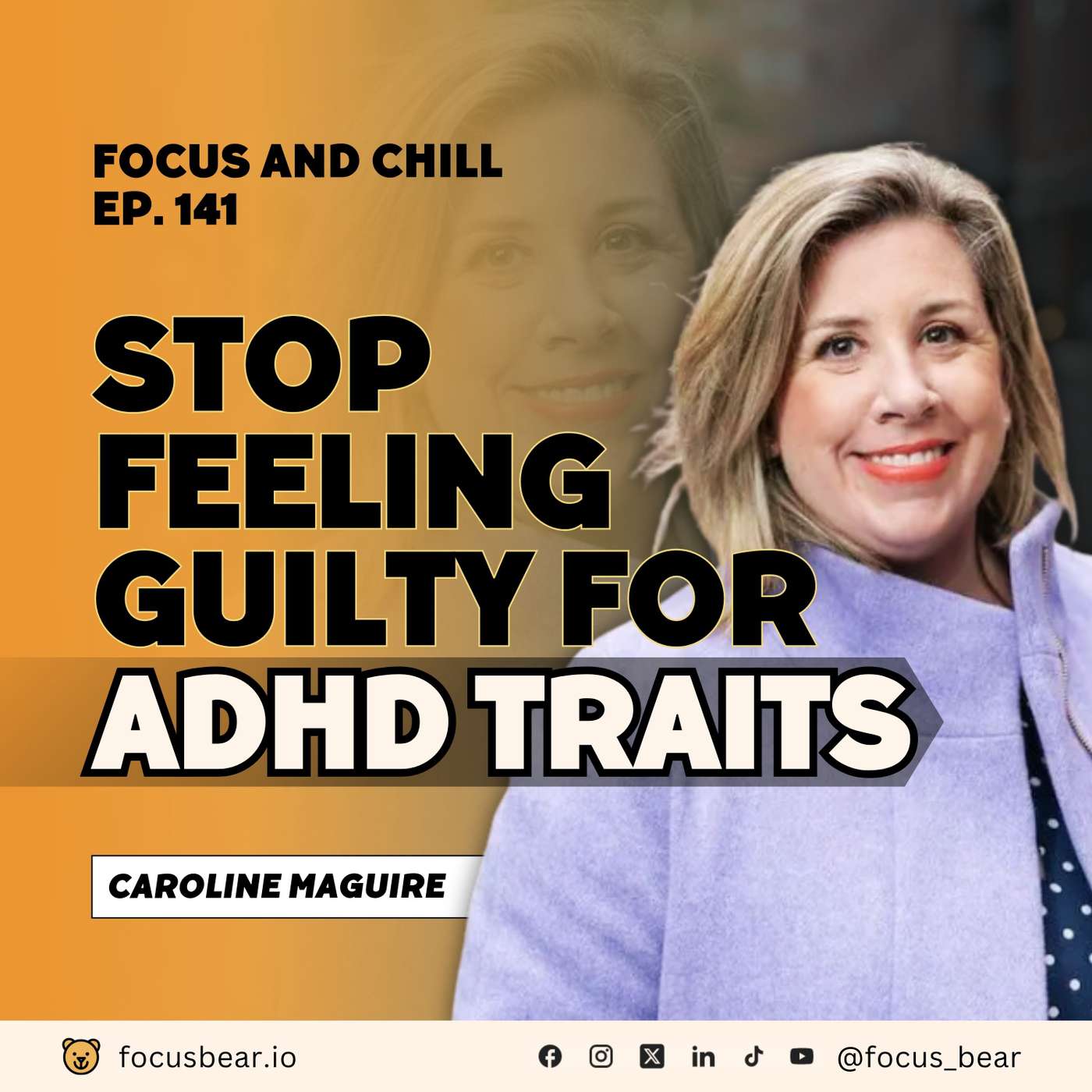
ADHD and Executive Dysfunction: Why We Carry So Much Shame - Ep. 141 w/ Caroline Maguire
Jul 18, 2026
44m 26s
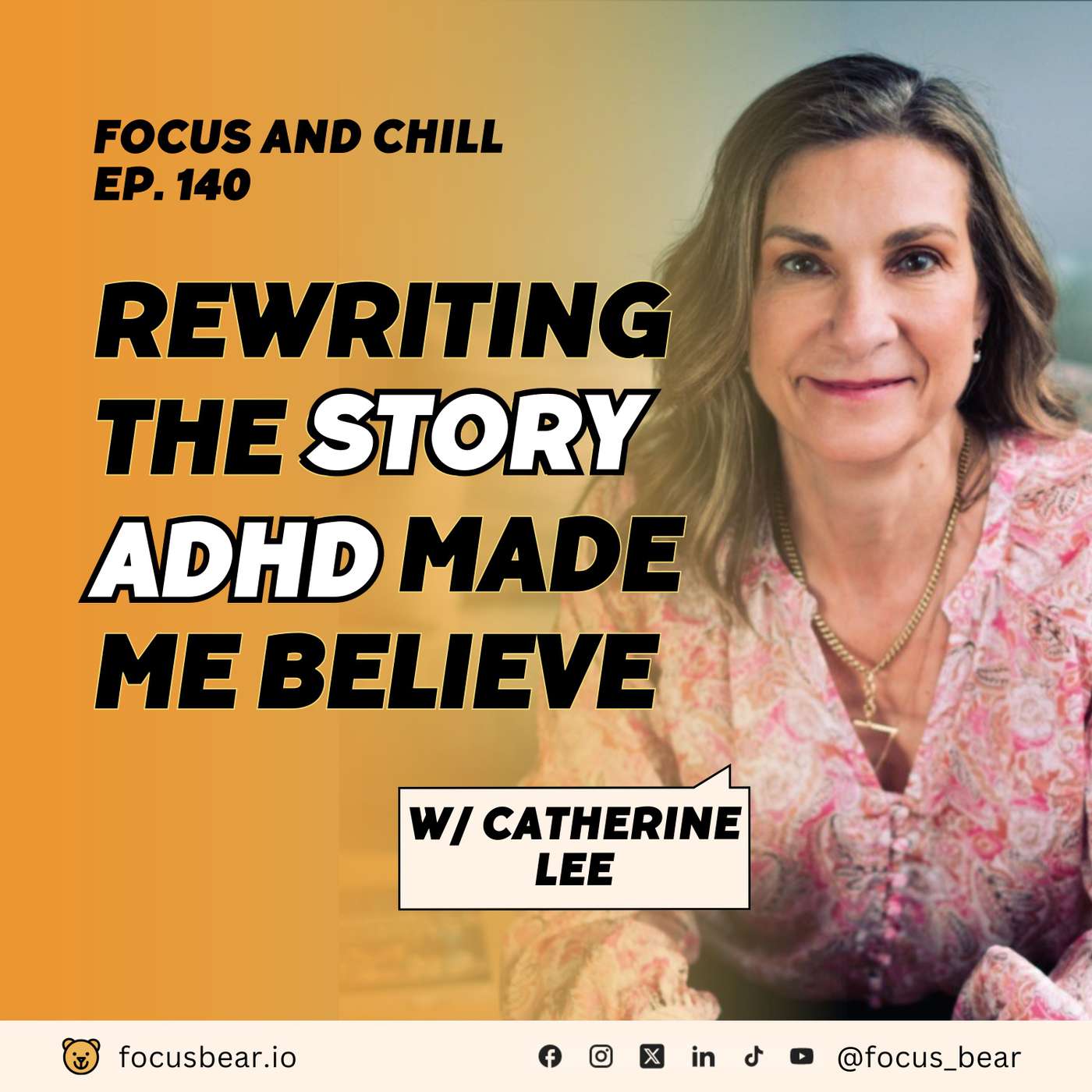
I Thought I Was Lazy. It Was ADHD All Along | Late ADHD Diagnosis - Ep 140 w/ Catherine Lee
Jun 27, 2026
43m 45s
Social Links & Contact
Official channels & resources
Official Website
Login
RSS Feed
Login
| Date | Episode | Topics | Guests | Brands | Places | Keywords | Sponsor | Length | |
|---|---|---|---|---|---|---|---|---|---|
| 8/30/26 | 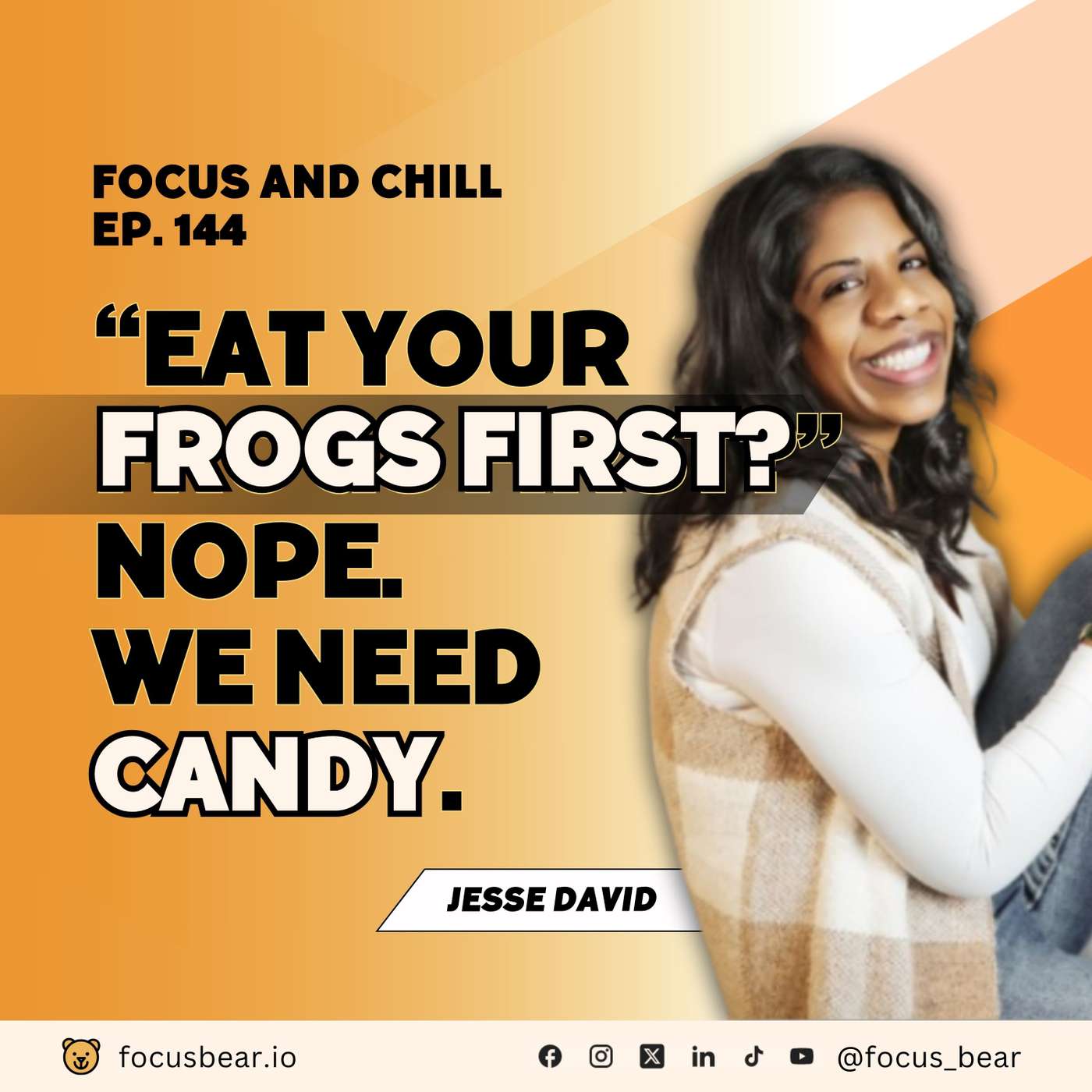 Was That Productivity Advice Ever Designed for an ADHD Brain? | Was that productivity advice ever designed for an ADHD brain? Jesse David shares how discovering her ADHD changed the way she understands herself, manages productivity, and approaches work. From executive dysfunction and dopamine to self-accommodation and workplace systems, this episode explores why productivity advice designed for neurotypical people doesn't always translate to ADHD brains. Jesse David is an HR Business Partner in the technology space with a background in teaching and software development. She discovered her ADHD while researching how to support someone at work and now incorporates neurodiversity into her work, advocacy, and community-building.Episode Highlights01:34 — Discovering ADHD by accidentJesse initially researched ADHD to better support someone she worked with, without realizing she was learning about herself too. As she learned about time blindness, executive functioning, dopamine, and emotional regulation, her own past experiences suddenly started making sense.10:49 — How ADHD changed the way she talks to herselfAfter her diagnosis, Jesse gained language for experiences that previously only caused frustration and self-criticism. Instead of asking why she couldn't simply do something, she could recognize when she needed dopamine, had been using too much executive function, or needed to step back and rest.17:38 — Finding strengths after diagnosisJesse talks about leaning into pattern recognition, relationship-building, curiosity, and movement rather than focusing only on the things ADHD makes difficult. Understanding her strengths has helped her make choices that better fit who she actually is.28:17 — Building productivity systems around ADHDJesse uses time blocks, reminders, routines, and dedicated periods for side projects to reduce the executive-function demands of deciding what to do next. She also adapts her schedule around when she has the most energy and uses enjoyable activities to make boring tasks easier to start.34:29 — “Eat your frogs first” doesn't work for ADHDJesse pushes back on the classic advice to tackle your hardest task first, joking that ADHD brains sometimes need candy before they can eat the frog. Underneath the humor is a serious point: productivity strategies need to account for dopamine, motivation, and individual neurodivergent needs.35:51 — Was that productivity advice designed for you?Jesse questions why neurodivergent people are expected to follow productivity advice built around very different lived experiences. She argues that systems designed with neurodivergent people in mind can ultimately benefit parents, people with different circadian rhythms, and many others too.46:36 — Be compassionate with yourselfJesse's final message is to treat yourself with the same compassion you would give your best friend. ADHD doesn't mean things are broken, it means you may work differently, and understanding that can help you lean into the things you're genuinely good at.Productivity ideas Jesse shares:Build routines to reduce executive-function demandsBlock time around how your brain works bestSchedule "side quests" instead of fighting themUse external systems for tasks and remindersMake difficult tasks more enjoyableAsk whether productivity advice was designed for a brain like yoursConnect with Jesse:LinkedIn: https://www.linkedin.com/in/jesselizdavid/Website: https://leafling.caConnect with Jeremy:LinkedIn: https://linkedin.com/in/nageljeremyEmail: [email protected] from Focus Bear:Website: https://focusbear.ioLinkedIn: https://www.linkedin.com/company/focus-bear/Youtube: https://www.youtube.com/@focusbearappTwitter: https://twitter.com/focusbear1Instagram: https://www.instagram.com/focus_bear/Facebook: https://www.facebook.com/focusbearapp/Podcast: https://podcast.focusbear.ioTiktok: https://www.tiktok.com/@focusbear | 47m 56s | ||||||
| 8/16/26 |  ADHD, Autism, and Psychological Safety at Work - Ep 143 w/ Emily Kendall | What happens when your performance review focuses on how you communicate instead of the work you actually deliver? Emily Kendall shares her experience of masking ADHD and autism in the workplace, the cost of trying to fit the expected mold, and how finding acceptance helped her understand and advocate for her strengths.Emily Kendall is a neurodivergent engineer and workplace advocate who works to advance neuroinclusion beyond awareness and into action. With over a decade in corporate environments, she has helped establish neurodiversity networks, contributed to advisory forums, and supports organizations in creating more inclusive workplaces.Episode Highlights00:08:49 — The hidden cost of masking at workEmily explains how trying to fit conventional workplace expectations led to performance reviews focused on eye contact, fidgeting, and social cues rather than her actual work. She eventually spent so much mental energy trying to appear "right" that there was less capacity left to do the job itself.00:12:02 — Finding people who helped her feel acceptedTwo people at work helped Emily see that her neurodivergent traits could be strengths rather than weaknesses. Their support gave her the confidence to disclose, advocate for what she needed, and have more constructive conversations with her leaders.00:16:30 — Why neuroinclusive workplaces benefit everyoneEmily argues that neurodivergent employees often have much more to offer when they aren't spending their energy trying to fit a particular mold. Creating an environment where people can work in ways that suit their strengths can improve both individual wellbeing and business outcomes.00:18:14 — Challenging workplace hierarchiesEmily talks about "hierarchy blindness" and why she is comfortable questioning senior leaders and challenging established ways of doing things. While this can be a valuable strength, she also discusses the risk of being perceived as someone who doesn't fit the organization's culture.00:35:17 — Productivity systems that work with ADHDEmily shares how she manages her workload through structured email and calendar systems while also learning that being productive doesn't mean everything has to happen immediately. She reflects on the need to balance efficiency with slowing down, thinking, and giving herself space to respond more deliberately.00:54:41 — Be curious, not judgmentalEmily closes with a message about responding to difference with curiosity rather than assuming that doing something differently is wrong. For her, acceptance means giving people the freedom to work and live in ways that make sense for them while creating environments where everyone can feel valued.Connect with Emily: LinkedIn: linkedin.com/in/emily-kendall-55722494Connect with Jeremy:LinkedIn: https://linkedin.com/in/nageljeremyEmail: [email protected] from Focus Bear:Website: https://focusbear.ioLinkedIn: https://www.linkedin.com/company/focus-bear/Youtube: https://www.youtube.com/@focusbearappTwitter: https://twitter.com/focusbear1Instagram: https://www.instagram.com/focus_bear/Facebook: https://www.facebook.com/focusbearapp/Podcast: https://podcast.focusbear.ioTiktok: https://www.tiktok.com/@focusbear#ADHD #Neurodiversity #WorkplaceInclusion | 56m 28s | ||||||
| 8/2/26 |  How an ADHD Diagnosis Changed My Productivity- Ep 142 w/ Amanda Riley | "Just use a calendar." It's one of the most common productivity tips—but for many people with ADHD, it simply isn't enough. Amanda Riley shares why traditional productivity advice often falls short, how ADHD time blindness really works, and the systems that help neurodivergent people succeed at work and in everyday life.Amanda Riley is the founder of Thriving with Neurodiversity, an accredited neurodiversity coach, and workplace consultant. She helps organizations build neuroinclusive workplaces through coaching, workshops, and practical strategies that support different ways of thinking.Episode Highlights01:47 — The ADHD diagnosis that finally explained everythingAmanda shares how researching her daughter's ADHD diagnosis led to recognizing the same patterns in herself. Receiving her own diagnosis gave years of confusion new meaning and helped her understand her strengths instead of focusing only on her struggles. 08:05 — Why workplaces should adapt to different brainsAmanda explains why neurodivergent people shouldn't be expected to fit into one-size-fits-all workplaces. Designing communication and systems that work for different thinking styles benefits everyone—not just neurodivergent employees. 18:04 — The productivity system Amanda uses with every clientBefore any project begins, Amanda establishes clear expectations around communication, availability, and preferred ways of working. This simple framework reduces misunderstandings, lowers anxiety, and helps teams collaborate more effectively. 19:54 — ADHD time blindness isn't just being lateAmanda describes how ADHD can make you genuinely believe a meeting is at the wrong time—even when you're completely convinced you're right. She explains why multiple alarms, experimenting with systems, and accepting time blindness are far more effective than relying on memory alone. 26:51 — Why generic productivity advice fails ADHD brainsSimple advice like "just use a calendar" or "set a reminder" often ignores how ADHD actually works. Amanda discusses why neurodivergent people need flexible systems built around lived experience rather than one-size-fits-all productivity rules. 36:39 — Know your strengths, not just your diagnosisAmanda closes the episode with practical advice for neurodivergent listeners: identify your strengths, learn how to articulate them, and don't let society define you only by your challenges. Connect with Amanda: LinkedIn: https://www.linkedin.com/in/amandajrileyWebsite: https://thrivingwithneurodiversity.com.au/Connect with Jeremy:LinkedIn: https://linkedin.com/in/nageljeremyEmail: [email protected] from Focus Bear:Website: https://focusbear.ioLinkedIn: https://www.linkedin.com/company/focus-bear/Youtube: https://www.youtube.com/@focusbearappTwitter: https://twitter.com/focusbear1Instagram: https://www.instagram.com/focus_bear/Facebook: https://www.facebook.com/focusbearapp/Podcast: https://podcast.focusbear.ioTiktok: https://www.tiktok.com/@focusbear#ADHD #Productivity #Neurodiversity | 38m 14s | ||||||
| 7/18/26 | ADHDexecutive dysfunction+4 | Caroline Maguire | Friendship Skills for Neurodivergent AdultsWhy Will No One Play With Me? | — | ADHDexecutive dysfunction+5 | — | 44m 26s | ||
| 6/27/26 | ADHD diagnosisneurodiversity+4 | Catherine Lee | Neurodiverse Safe Work InitiativeLethbridge Piper & Associates | Queensland | ADHDneurodivergent+5 | — | 43m 45s | ||
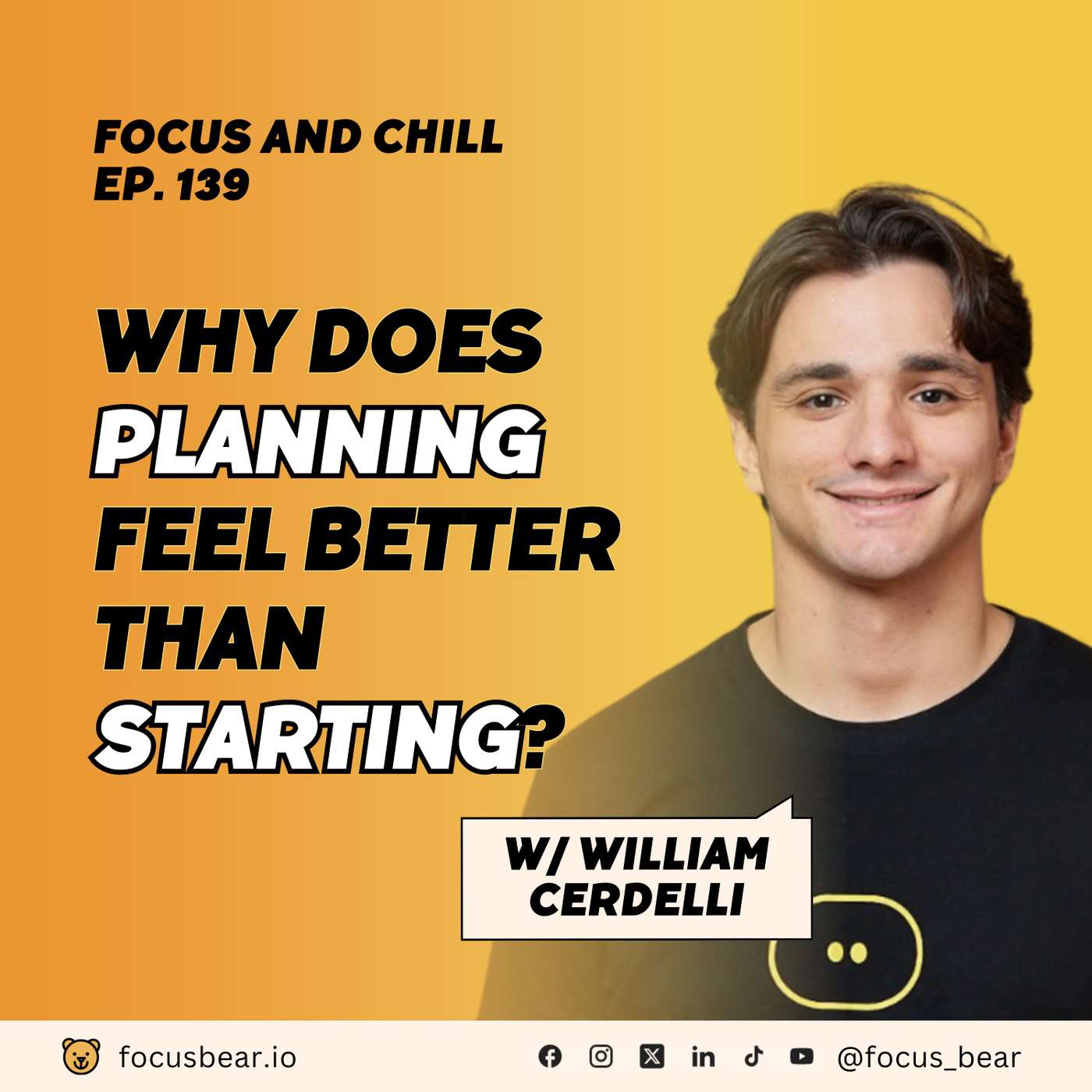
| 6/1/26 | ADHDproductivity+4 | William Cerdelli | StuHey Stu | Italy | ADHDproductivity systems+5 | — | 39m 57s | ||
| 5/9/26 | ADHDautism+3 | Pip Scott-Allen | — | — | ADHDautism+5 | — | 38m 08s | ||
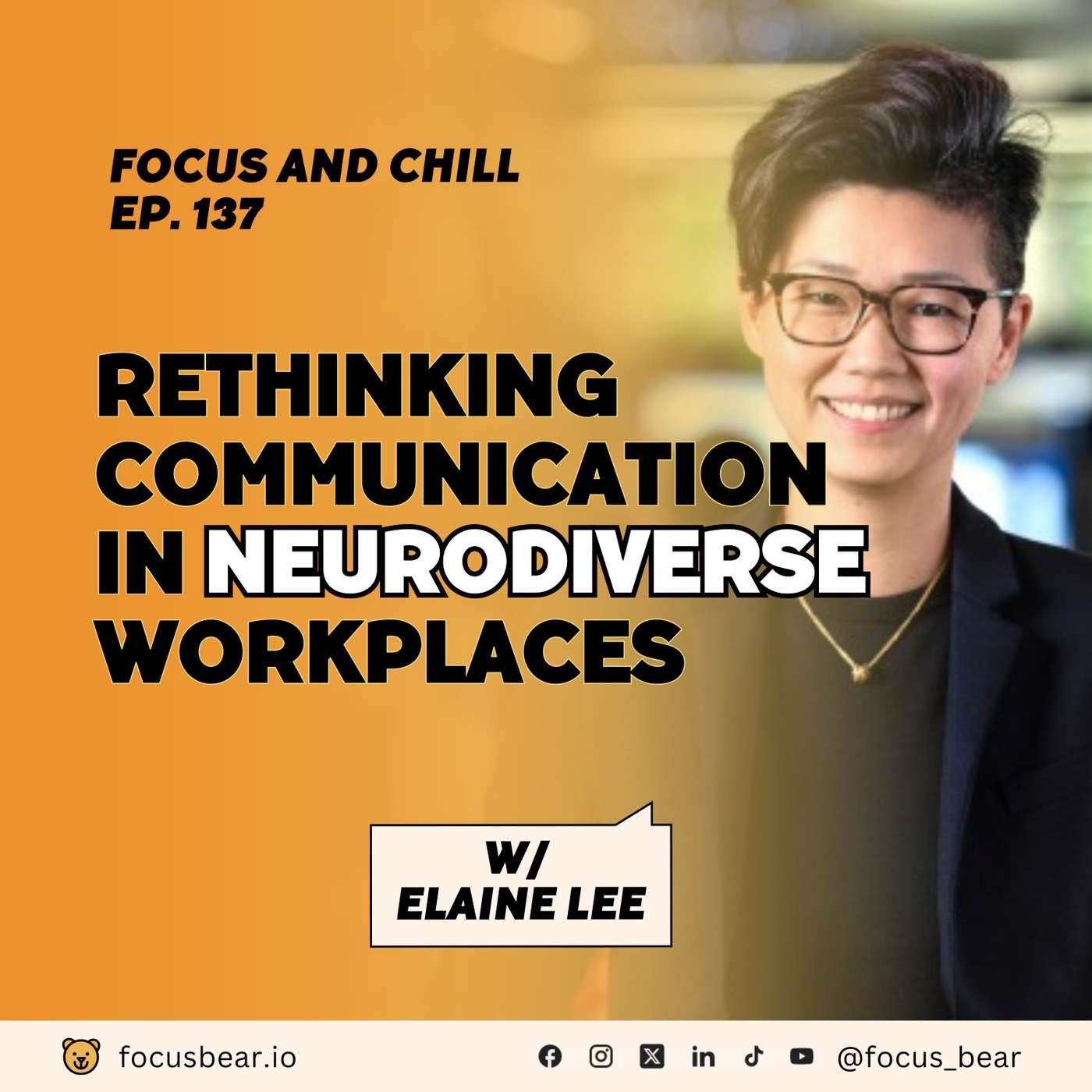
| 4/30/26 | communication differencesADHD+5 | Elaine Lee | Evro | — | ADHDautism+6 | — | 45m 46s | ||
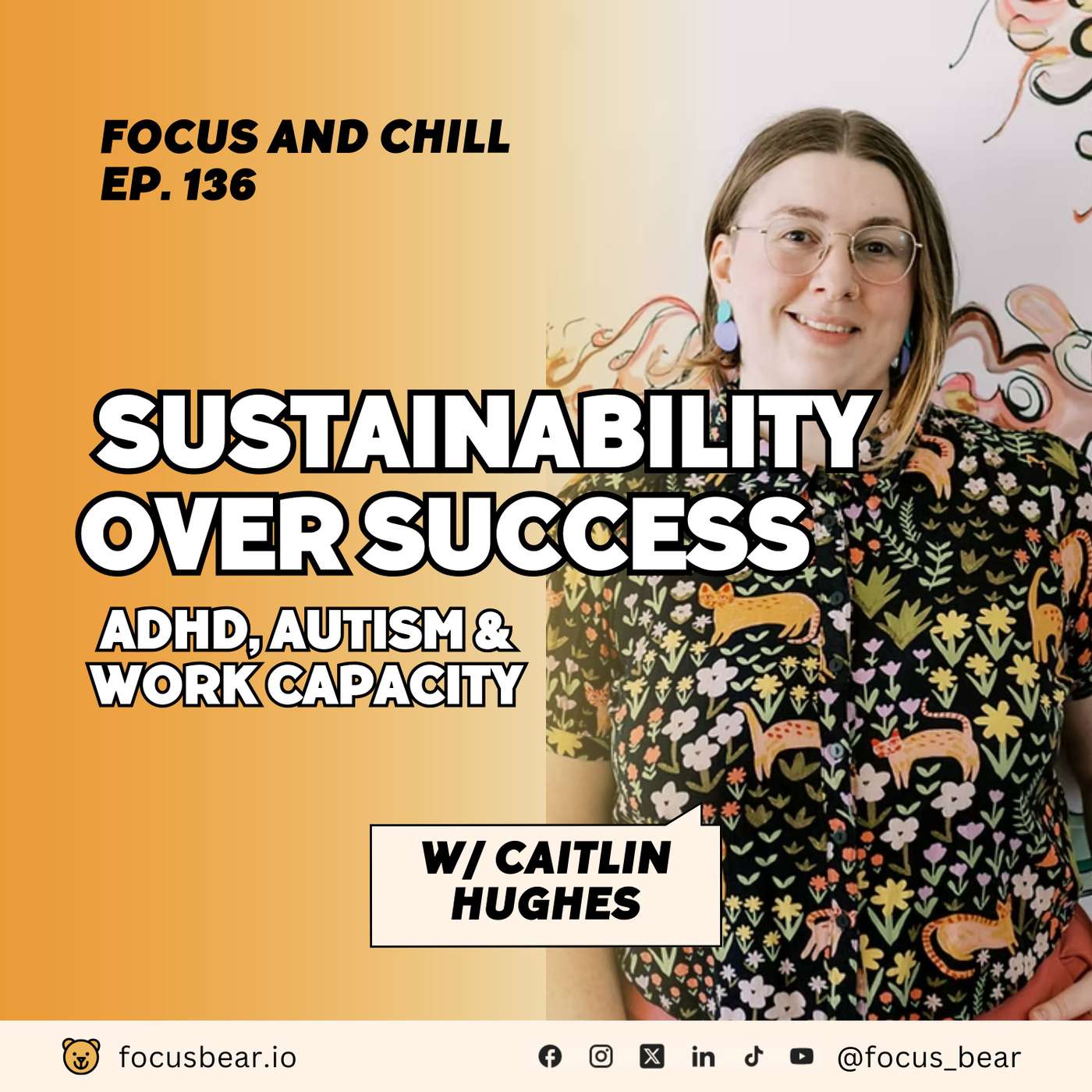
| 4/5/26 | ADHDautism+4 | Caitlin Hughes | Queensland University of TechnologyCathartic Collaborations | — | ADHDautism+6 | — | 35m 41s | ||
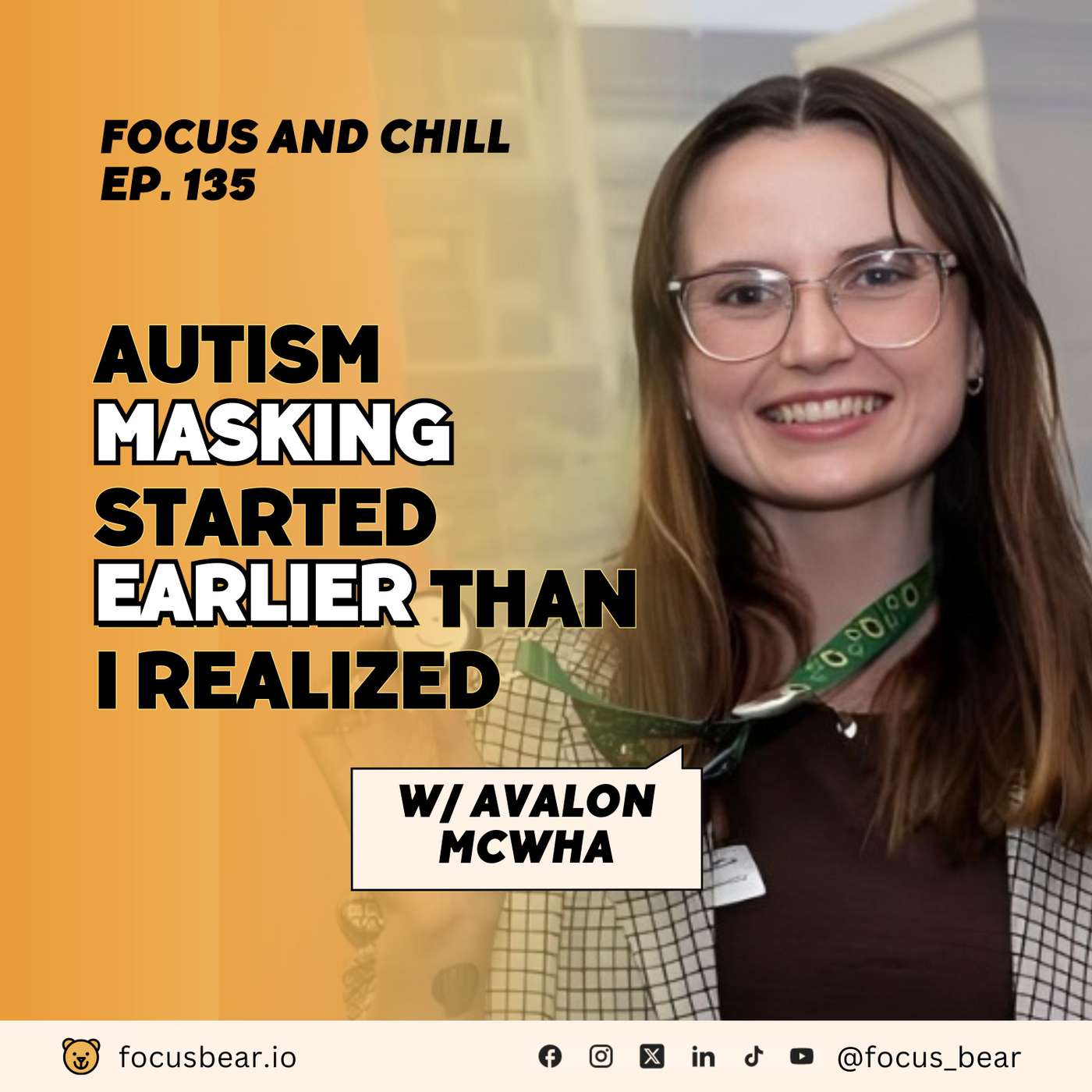
| 3/8/26 | autismADHD+4 | Avalon McWha | PebblRoyal Melbourne Hospital | — | autismADHD+5 | — | 43m 05s | ||
Want analysis for the episodes below?Free for Pro Submit a request, we'll have your selected episodes analyzed within an hour. Free, at no cost to you, for Pro users. | |||||||||
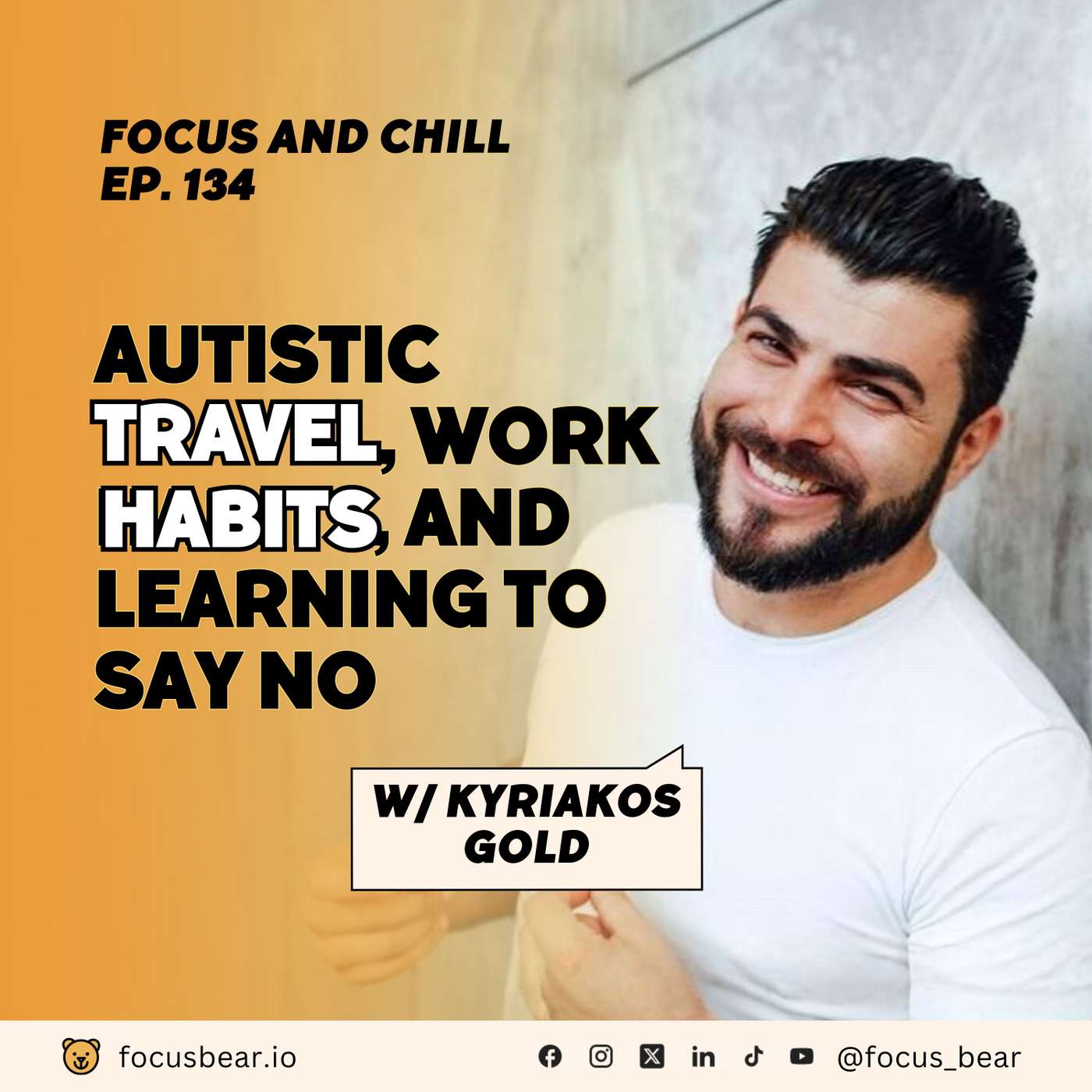
| 3/1/26 | autismtravel+4 | Kyriakos Gold | Just Gold Agency | — | autistic travelwork habits+5 | — | 27m 19s | ||
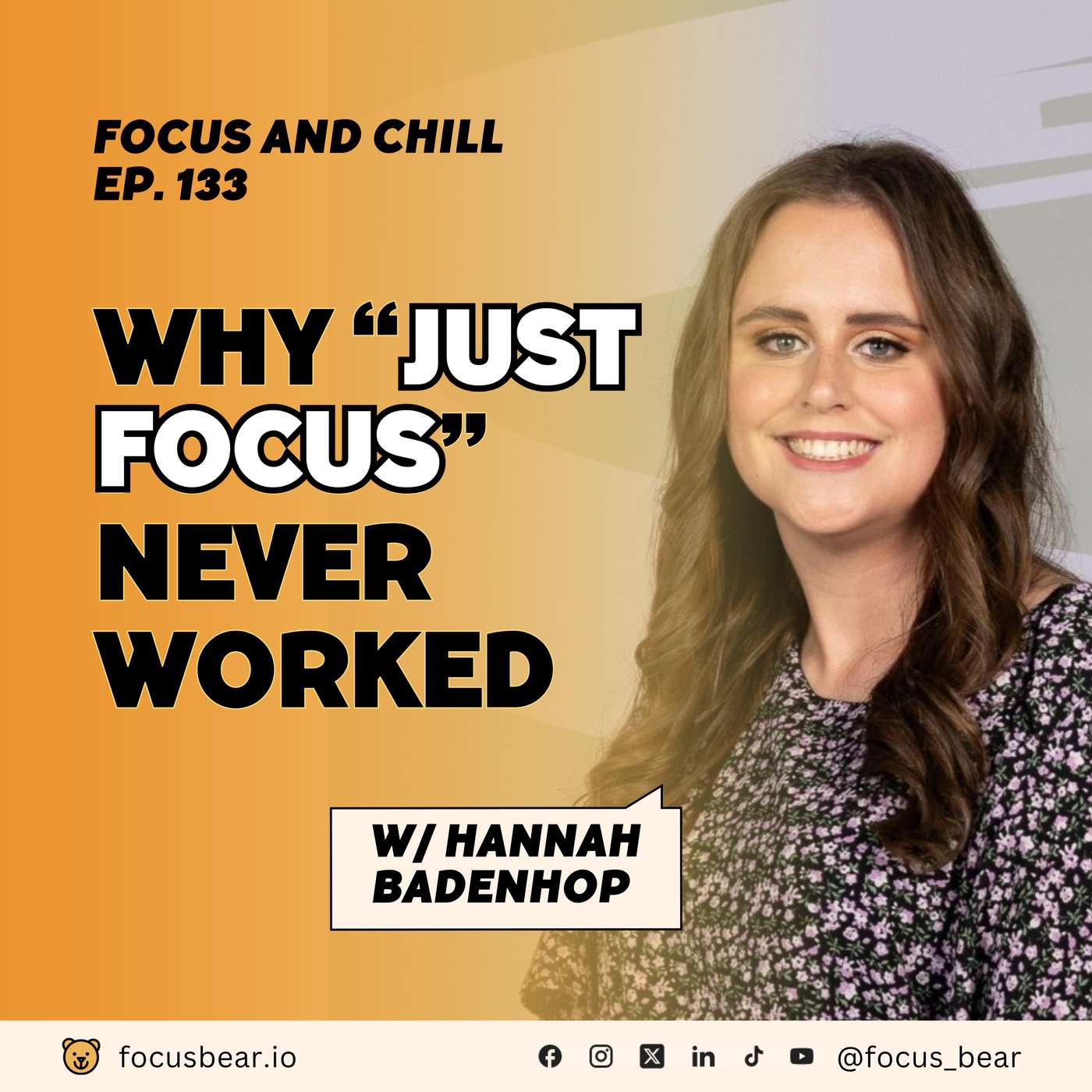
| 2/20/26 | ADHDautism+3 | Hannah Badenhop | Autism South AustraliaNeuro Inclusive Recruiting+1 | — | ADHDautism+3 | — | 33m 07s | ||
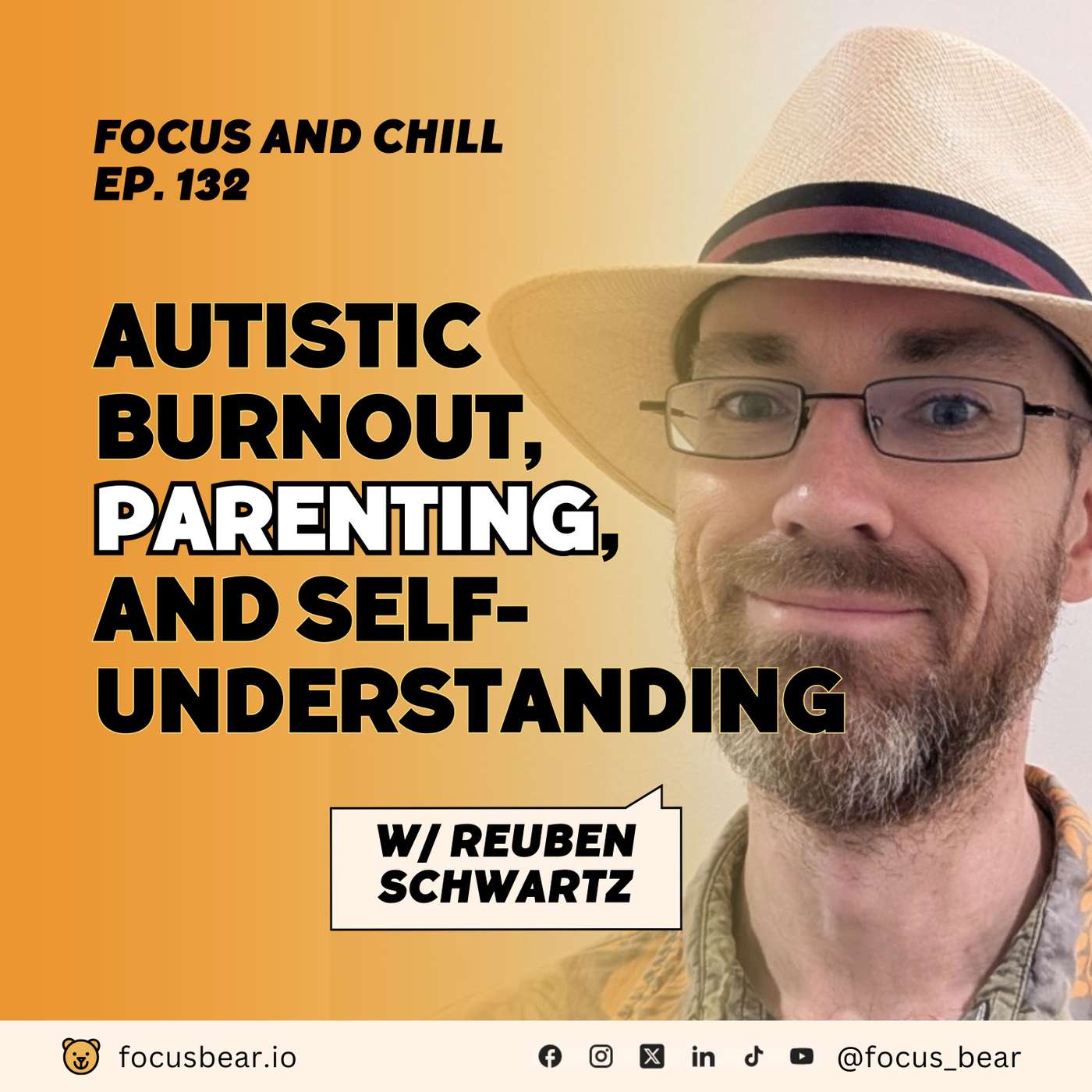
| 2/15/26 | autistic burnoutparenting+4 | Reuben Schwartz | Choose Your Own Adventure | Sydney | autistic burnoutparenting+4 | — | 1h 00m 17s | ||
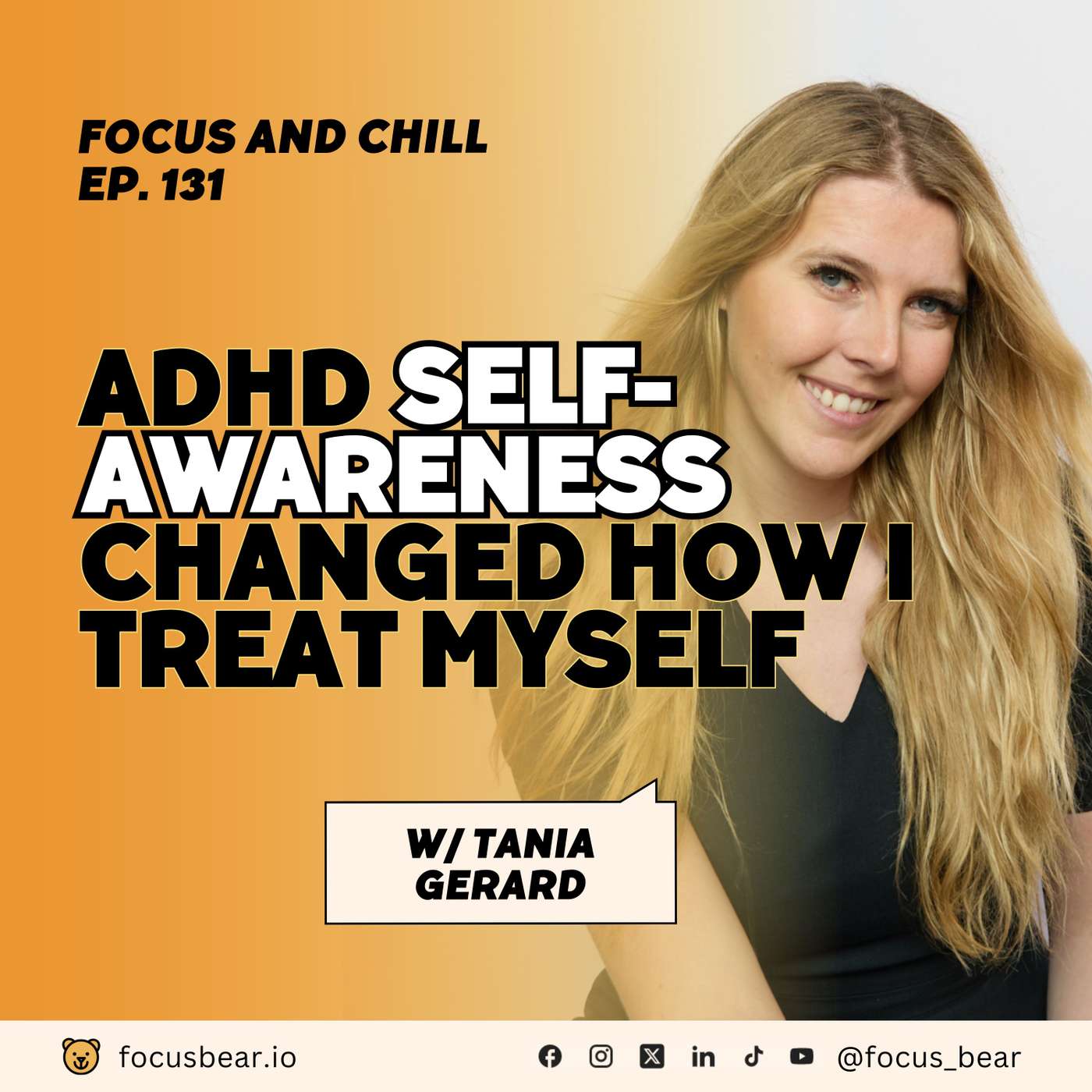
| 2/7/26 | ADHDself-awareness+4 | Tania Gerard | Tania Gerard Digital UK | — | ADHDself-acceptance+5 | — | 50m 11s | ||
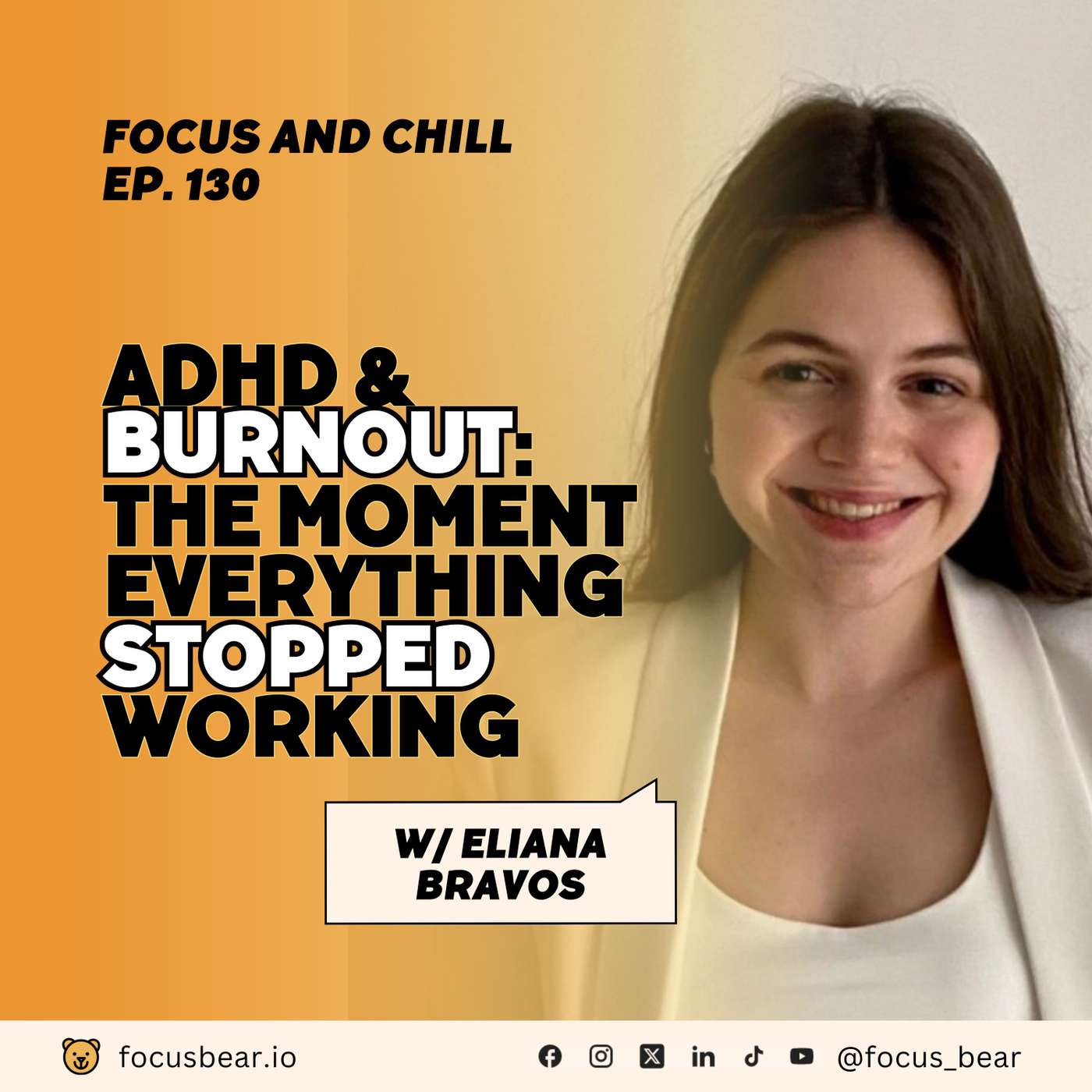
| 2/4/26 | ADHDburnout+3 | Eliana Bravo | ND Connect | University of Toronto | ADHDburnout+5 | — | 38m 53s | ||
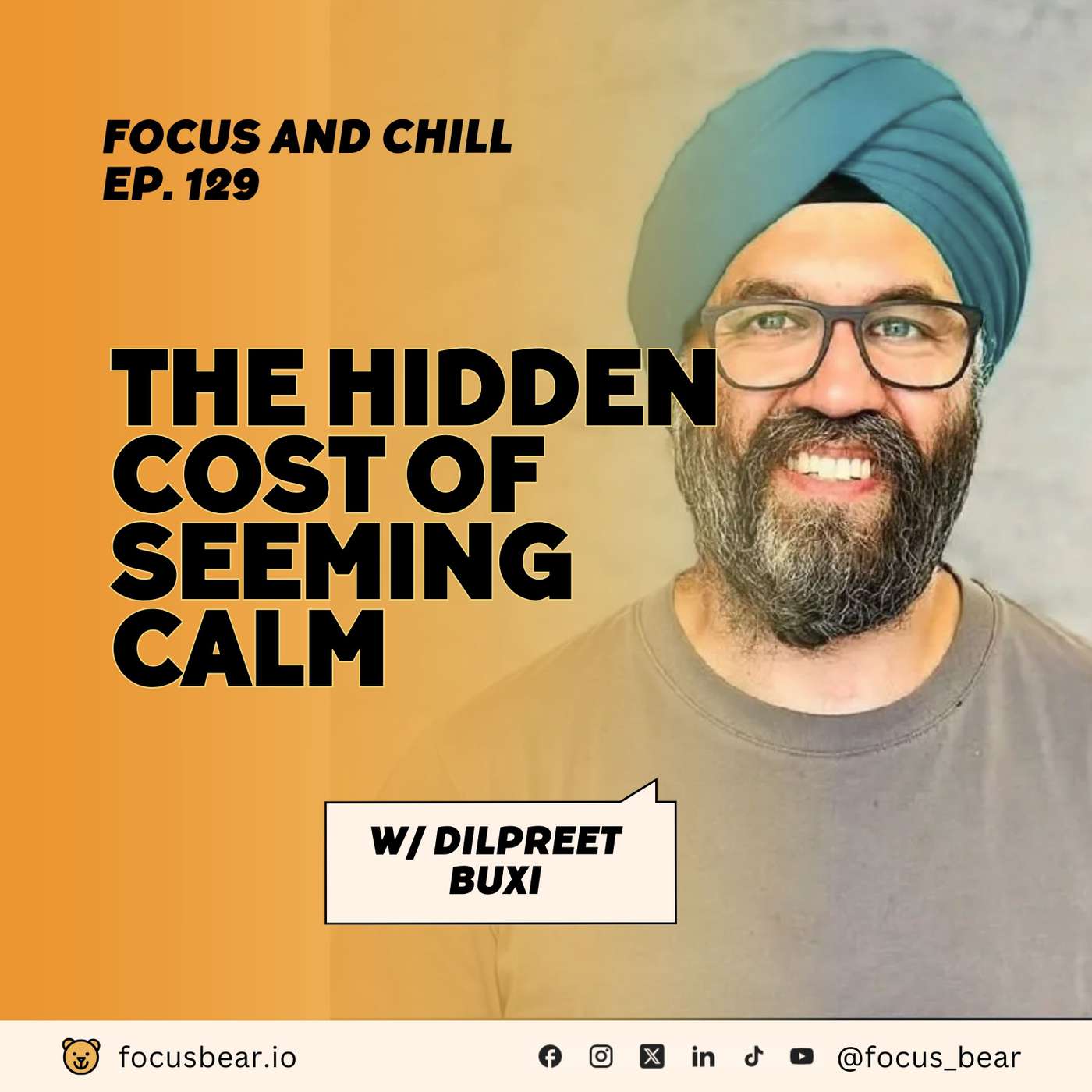
| 1/26/26 | ADHDmasking+4 | Dilpreet Buxi | Philia LabsMonash University+1 | Melbourne | calmnervous system+4 | — | 36m 02s | ||
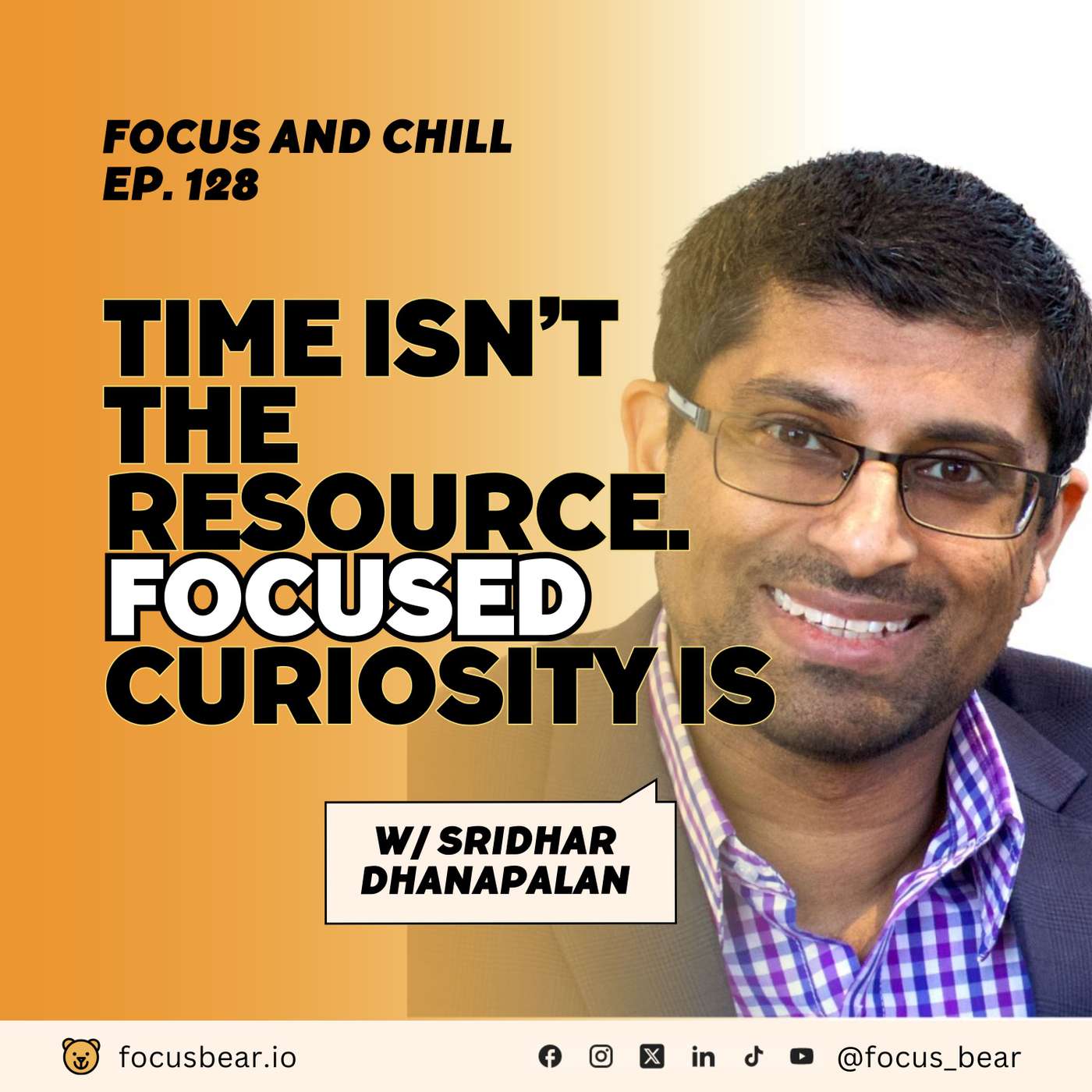
| 1/18/26 | autismADHD+4 | Sridhar Dhanapalan | IBM Consulting | — | focused curiosityhyperfocus+5 | — | 45m 03s | ||
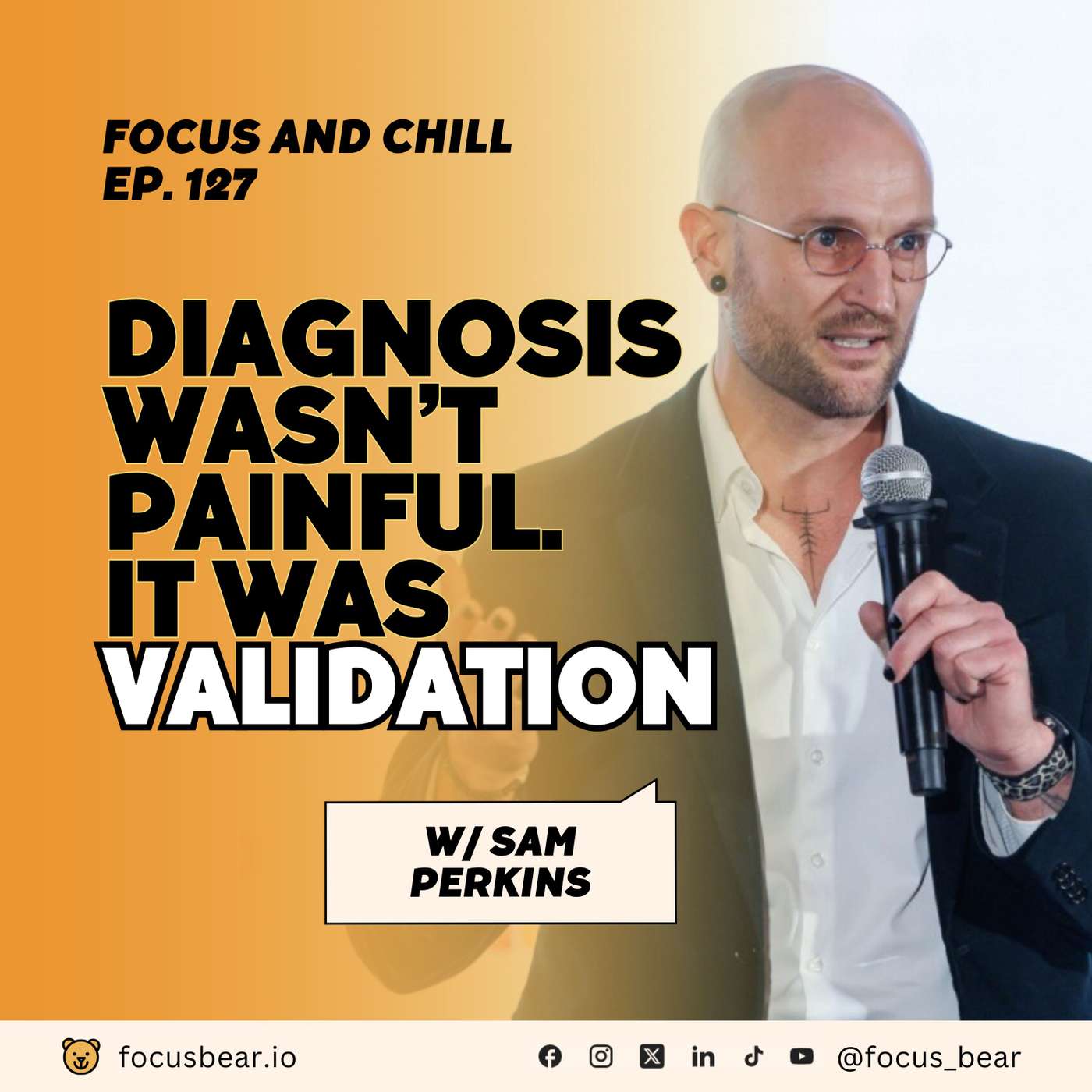
| 1/18/26 | neurodivergent leadershipADHD working styles+4 | Sam Perkins | Cellular Agriculture AustraliaDifferent, Not Less | — | neurodivergentADHD+5 | — | 51m 03s | ||
| 1/14/26 | 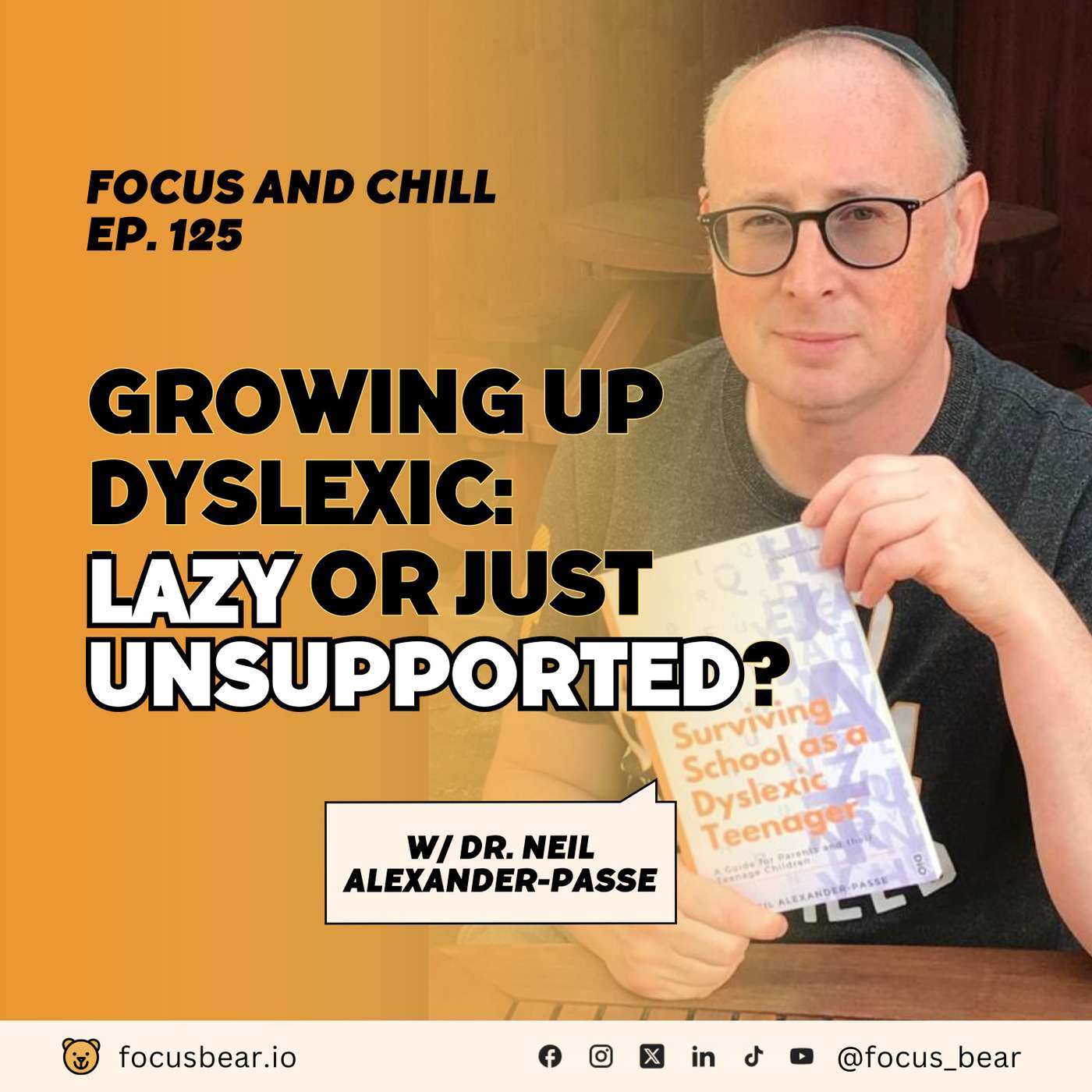 The Hidden Trauma of Dyslexia in School (and How to Heal) – Dr. Neil Alexander-Passe – Ep 125 | Growing up neurodivergent can leave you believing you’re stupid or lazy — even when the real issue is the way school is structured.In this episode we interviewed Dr. Neil Alexander-Passe about the lived experience of dyslexia, school-based trauma, and how neurodivergent people make sense of education systems that weren’t designed for them. They discuss identity, learning differences, productivity, and what it means to find ways of working that actually fit.Dr. Neil Alexander-Passe is a psychologist, researcher, and author who has dyslexia himself and has spent over 20 years specialising in the emotional and mental-health experiences of people with learning differences. He has published 18 books (in English and Italian) and 13 peer-reviewed papers on dyslexia and neurodiversity, exploring links with trauma, creativity, success, parenting, and mental health. He completed his PhD in 2018, researching dyslexia, traumatic schooling, and post-school success, and currently works as an exam access assessor while continuing his research and writing.Episode Highlights01:44 – Late dyslexia diagnosis and growing up feeling “stupid”Neil describes being diagnosed with dyslexia at 12 and how years of misunderstanding at school led him to internalise the belief that he was “stupid,” shaping his self-concept well into adulthood.02:40 – Changing schools and not fitting traditional learningHe reflects on moving schools repeatedly and realising later that the issue wasn’t effort or intelligence, but a mismatch between dyslexia and rote, traditional teaching methods.04:13 – Discovering strengths through artNeil shares how art college became the first place where learning made sense, allowing him to build confidence and a career after years of academic failure.05:00 – Returning to education as an adult with the right supportsAs an adult learner, he explains how time, reduced pressure, and practical accommodations transformed his ability to succeed academically.11:21 – ADHD traits and having multiple careersNeil talks about being assessed for ADHD and how having multiple roles and projects suits his neurotype far better than the idea of a single “job for life.”22:30 – Writing at night and layered editingHe describes his non-traditional writing process, including working late at night and using layered editing across digital and paper formats to support focus and clarity.39:02 – Growing up neurodivergent: shame, strengths, and finding your keysIn his closing reflection, Neil explains how neurodivergent children can grow up feeling “stupid or lazy,” and why finding individual strengths — rather than focusing on deficits — is key to long-term wellbeing.Connect with Dr. Neil:LinkedIn: https://www.linkedin.com/in/dr-neil-alexander-passe-0b10b22/Connect with Jeremy:LinkedIn: https://linkedin.com/in/nageljeremyEmail: [email protected] from Focus Bear:Website: https://focusbear.ioLinkedIn: https://www.linkedin.com/company/focus-bear/Youtube: https://www.youtube.com/@focusbearappTwitter: https://twitter.com/focusbear1Instagram: https://www.instagram.com/focus_bear/Facebook: https://www.facebook.com/focusbearapp/Podcast: https://podcast.focusbear.ioTiktok: https://www.tiktok.com/@focusbear | 43m 02s | ||||||
| 1/13/26 | 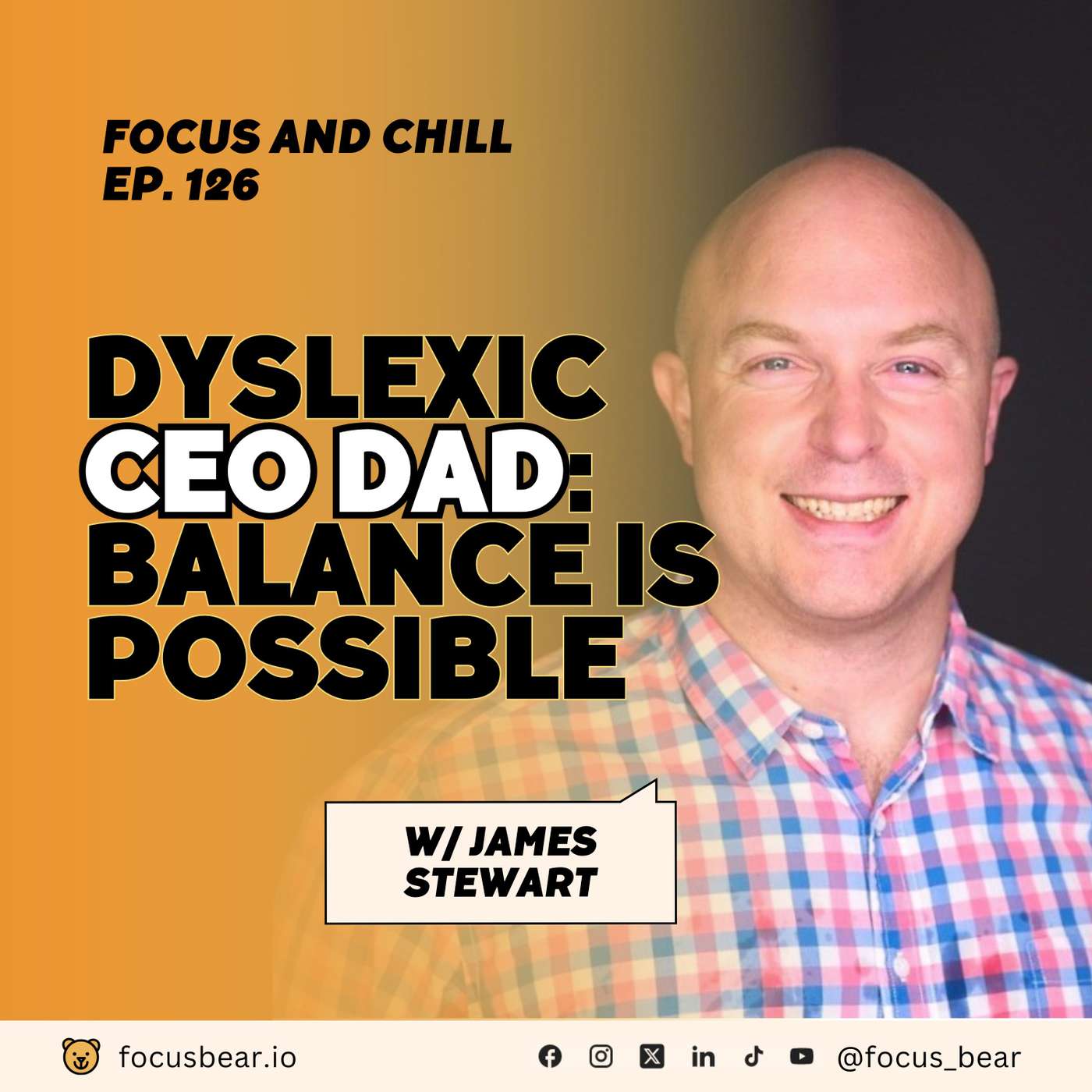 Dyslexia + Parenting + CEO Pressure: James Stewart on Fatherhood & Founder Life – Ep 126 | What happens when a dyslexic engineer enters venture capital, climate tech, and leadership? In Ep 126, James Stewart shares how neurodiversity shaped his education, career, parenting, and his work at Always Carbon.James Stewart is a UK chartered mechanical engineer (Cambridge), MBA holder, angel investor, venture partner at Loyal VC, and CEO/co-founder of Always Carbon, a company focused on carbon removal using biochar.Episode Highlights:00:02:04 — Diagnosed dyslexic at six James shares he was diagnosed with dyslexia early, and how it shaped both his educational and professional life. His relationship with dyslexia has changed significantly in recent years, especially in how he now views it as something to build with rather than “fix.”00:03:30 — Swimming saved his confidence A teacher threatened to stop him from going swimming because he struggled in school. That moment helped his parents realize something deeper was happening, and it became the turning point that led to assessment and support.00:07:30 — Cambridge wasn’t neurodiverse-friendly He describes Cambridge in the 2000s as not welcoming for neurodiverse students, despite the prestige. But he credits support systems and learning how to study in ways that worked for his brain as what carried him through.00:10:00 — Neurodiversity drives progress James argues neurodiverse thinkers bring huge value by challenging the status quo and solving problems differently. He frames it as a feature of human evolution: society advances because some people are wired to think outside the “normal” system.00:11:12 — Visual thinking in engineering He strongly agrees dyslexic thinkers often excel in spatial reasoning and 3D thinking, which fits engineering naturally. His approach is visual: diagrams and mind maps beat long documents because they surface structure and meaning faster.00:15:00 — Always Carbon and biochar explained James breaks down biochar simply: plants pull CO2 from the air, and converting plant waste into stable carbon can lock it away for hundreds to thousands of years. The key insight: the same material also improves agriculture through water retention, microbiome support, and fertilizer effectiveness.00:21:11 — Water is everything (and we forget it) Jeremy brings up water utilities and James goes deep into appreciation for reliable clean water. He points out many people don’t realize how fragile water systems can be globally until they experience unsafe supply firsthand.00:27:00 — A venture fund for dyslexic founders James shares he’s investigating launching a VC fund specifically investing in dyslexic and neurodiverse founders. The emotional core here: late diagnosis often comes with trauma, and he’s not willing to accept that as “normal.”00:30:24 — Parenting changes your priorities As a founder dad, he became more ruthless about what deserves his time: if it’s not worth missing time with his child, it’s not worth doing. He also shares a practical scheduling tactic: clustering “unbreakable meetings” on specific days to stay flexible for parenting responsibilities.00:48:30 — Networking is a benevolent act James closes with a powerful lens shift: networking isn’t selfish when your motives are good. It becomes a way to connect people to opportunities they couldn’t reach alone, making networking a form of service.Connect with James:LinkedIn: https://www.linkedin.com/in/james-stewart-a38626/Website: https://www.alwayscarbon.com/Connect with Jeremy:LinkedIn: https://linkedin.com/in/nageljeremyEmail: [email protected] from Focus Bear:Website: https://focusbear.ioLinkedIn: https://www.linkedin.com/company/focus-bear/Youtube: https://www.youtube.com/@focusbearappTwitter: https://twitter.com/focusbear1Instagram: https://www.instagram.com/focus_bear/Facebook: https://www.facebook.com/focusbearapp/Podcast: https://podcast.focusbear.ioTiktok: https://www.tiktok.com/@focusbear | 50m 11s | ||||||
| 1/11/26 | 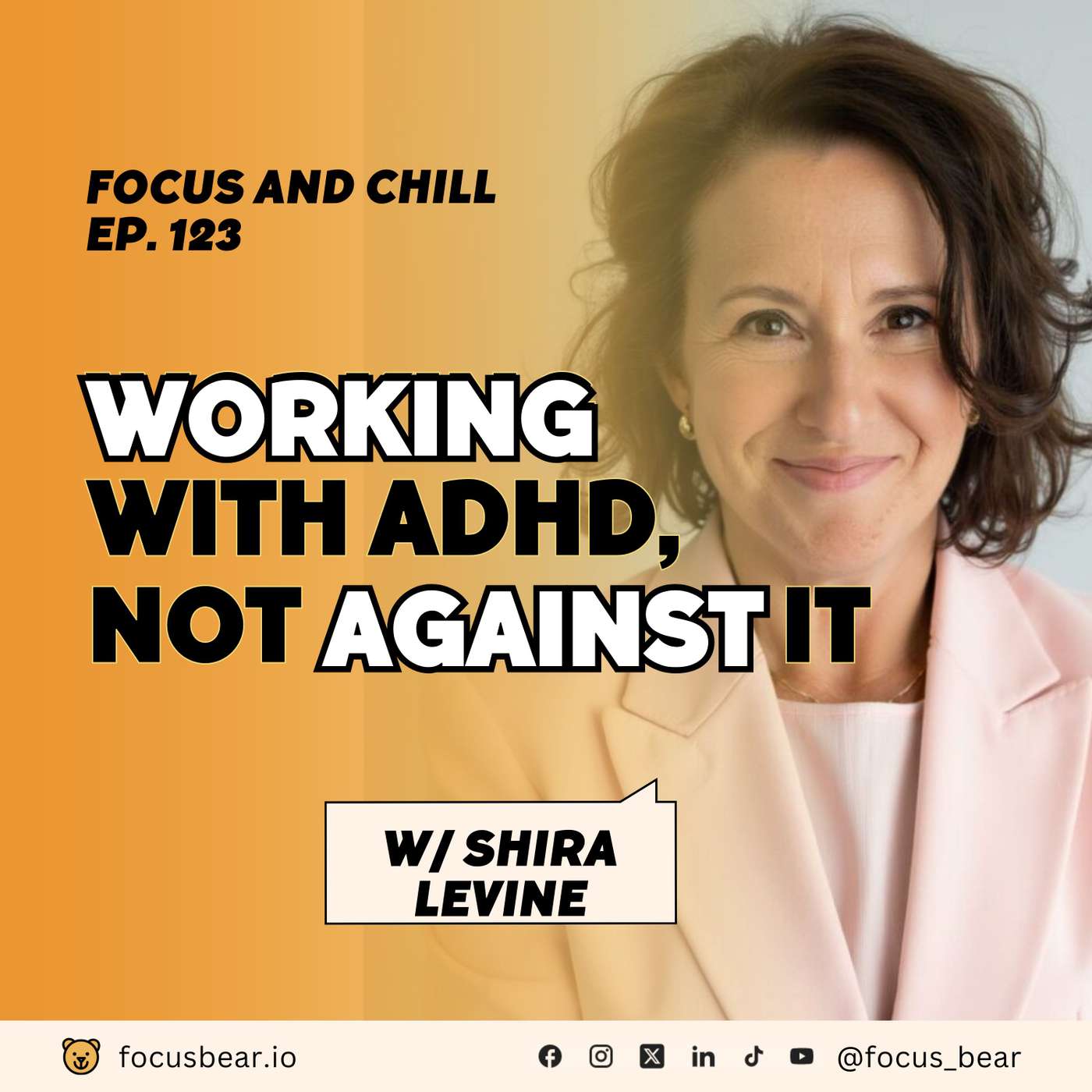 What ADHD Actually Feels Like: Shira Levine on Medication, Focus, and Self-Acceptance – Ep 123 | What does ADHD actually feel like in your body and mind?Shira Levine was diagnosed in the 1980s — and describes the moment medication helped her feel grounded for the first time.Shira is a Silicon Valley–trained marketing and customer engagement strategist with decades of experience in retention, loyalty, and community-driven growth. Diagnosed with ADHD as a teenager in the 1980s, she brings a rare long-term perspective on neurodiversity, work, creativity, and self-acceptance.Episode Highlights:00:06:30 — What ADHD feels like in the body Shira describes living with ADHD as walking on pavement covered by a thin layer of water — never fully grounded. Medication didn’t “fix” her, but helped her finally feel present and connected to the world.00:17:20 — Productivity, dragons, and scope creep She explains how neurodivergent people often solve problems that aren’t theirs to solve. Learning when to say no became essential to doing meaningful work.00:18:45 — Ruthless prioritization without shame Shira reframes prioritization not as discipline, but as protection against overwhelm. Seeing too much can be a strength — if boundaries exist.00:29:00 — Why she rejects minimalism Minimalism and rigid productivity systems never worked for her ADHD brain. She gives explicit permission to reject trends that create more shame than clarity.00:30:30 — Fidgets, movement, and regulation From shells to paper clips, Shira explains how keeping her hands busy helps her stay present. Regulation, not stillness, is the goal.00:33:00 — Designing tools for real ADHD lives She describes the need for multidimensional timers that match how neurodivergent people actually multitask. ADHD isn’t a failure of focus — it’s a different operating system.00:35:30 — Night routines and protecting sleep Putting her phone on another floor and reading fiction nightly helped Shira become a “gold medal sleeper.” Structure supports rest, not restriction.00:38:00 — A simple mental exercise for racing thoughts Listing seven things seen and seven things done becomes a grounding practice when sleep feels impossible. Focus follows structure.00:40:30 — Self-acceptance, obsession, and dialing it down Shira reflects on learning to work with ADHD rather than against it. Obsession and intensity aren’t flaws — the work is knowing when to modulate them.Connect with Shira:LinkedIn: https://www.linkedin.com/in/supershiralevineWebsite: https://fanchismo.com/Connect with Jeremy:LinkedIn: https://linkedin.com/in/nageljeremyEmail: [email protected] from Focus Bear:Website: https://focusbear.ioLinkedIn: https://www.linkedin.com/company/focus-bear/Youtube: https://www.youtube.com/@focusbearappTwitter: https://twitter.com/focusbear1Instagram: https://www.instagram.com/focus_bear/Facebook: https://www.facebook.com/focusbearapp/Podcast: https://podcast.focusbear.ioTiktok: https://www.tiktok.com/@focusbear | 43m 36s | ||||||
| 1/6/26 | 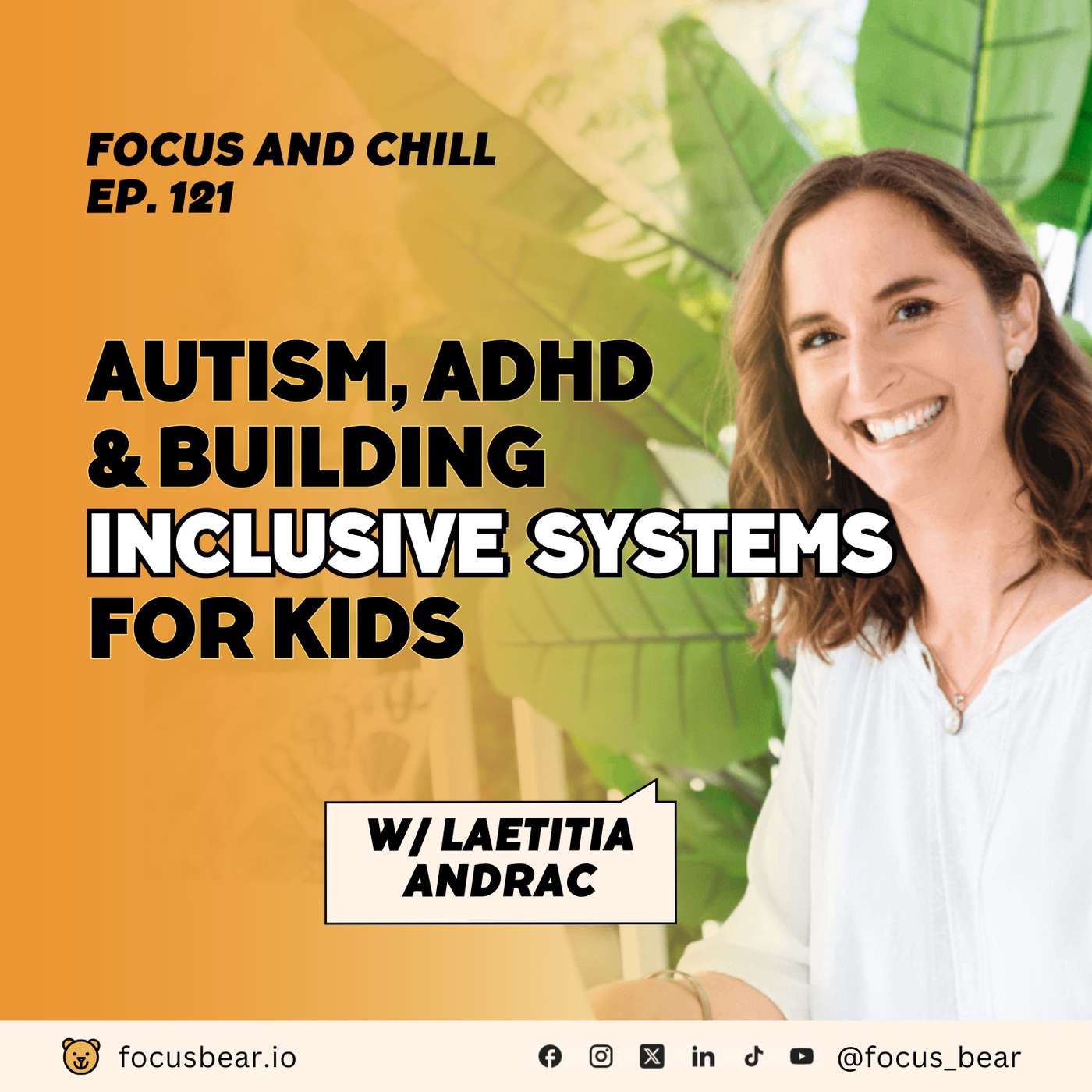 Autism, ADHD & Building Inclusive Systems for Kids with Letitia Andrac – Episode 121 | What if nothing was ever wrong with you or your child, just misunderstood?In this episode, Laetitia Andrac shares how late autism and ADHD diagnosis reshaped her identity, parenting, and mission to build truly inclusive systems for neurodivergent children.Laetitia Andrac is a five-time founder, bestselling author, and CEO of Understanding Zoe, an AI-powered platform helping parents, educators, and therapists better support neurodivergent children. Late diagnosed autistic and ADHD, she brings lived experience to systems-level change in education, healthcare, and leadership.Episode Highlights00:00:41 — Discovering neurodivergence through motherhood Laetitia explains how concerns raised about her daughter’s development triggered a deeper exploration of autism and ADHD in her family. What started as advocacy for her child became self-discovery.00:03:00 — Late autism diagnosis and reclaiming identity After initially dismissing autism, Laetitia describes the moment everything clicked. The diagnosis brought relief, validation, and self-compassion.00:06:11 — Childhood exclusion and autistic burnout She shares early experiences of rejection sensitivity, boredom at school, and later autistic burnout in high-pressure consulting roles. These patterns only made sense in hindsight.00:08:42 — From lived experience to systemic change Understanding Zoe was born from the desire to prevent children from growing up confused and unsupported. The goal is shared understanding, not constant parental advocacy.00:09:14 — Why diagnosis should never feel like being “broken” Laetitia emphasizes choosing neurodiversity-affirming clinicians. Diagnosis should explain, not pathologize.00:14:00 — When unmasking is not safe Unmasking is personal, but environments are not always ready. She describes shutdowns caused by neurotypical networking expectations.00:17:56 — Hyperfocus as a real strength Her ability to solve complex problems quickly powered her consulting career. Without recovery time, however, it also led to collapse.00:22:38 — How Understanding Zoe reduces parental load The platform centralizes assessments, therapy notes, and insights so educators and carers can support children consistently.00:29:17 — Productivity through agile, not pressure Letitia explains why agile ways of working suit neurodivergent brains better than rigid schedules.Connect with Laetitia:Websites:https://understandingzoe.com/https://www.essentialshift.co/LinkedIn:https://www.linkedin.com/company/understandingzoehttps://www.linkedin.com/company/essential-shift/Instagram: https://www.instagram.com/understanding.zoehttps://www.instagram.com/essential.shiftConnect with Jeremy:LinkedIn: https://linkedin.com/in/nageljeremyEmail: [email protected] from Focus Bear:Website: https://focusbear.ioLinkedIn: https://www.linkedin.com/company/focus-bear/Youtube: https://www.youtube.com/@focusbearappTwitter: https://twitter.com/focusbear1Instagram: https://www.instagram.com/focus_bear/Facebook: https://www.facebook.com/focusbearapp/Podcast: https://podcast.focusbear.ioTiktok: https://www.tiktok.com/@focusbear | 38m 19s | ||||||
| 1/5/26 | 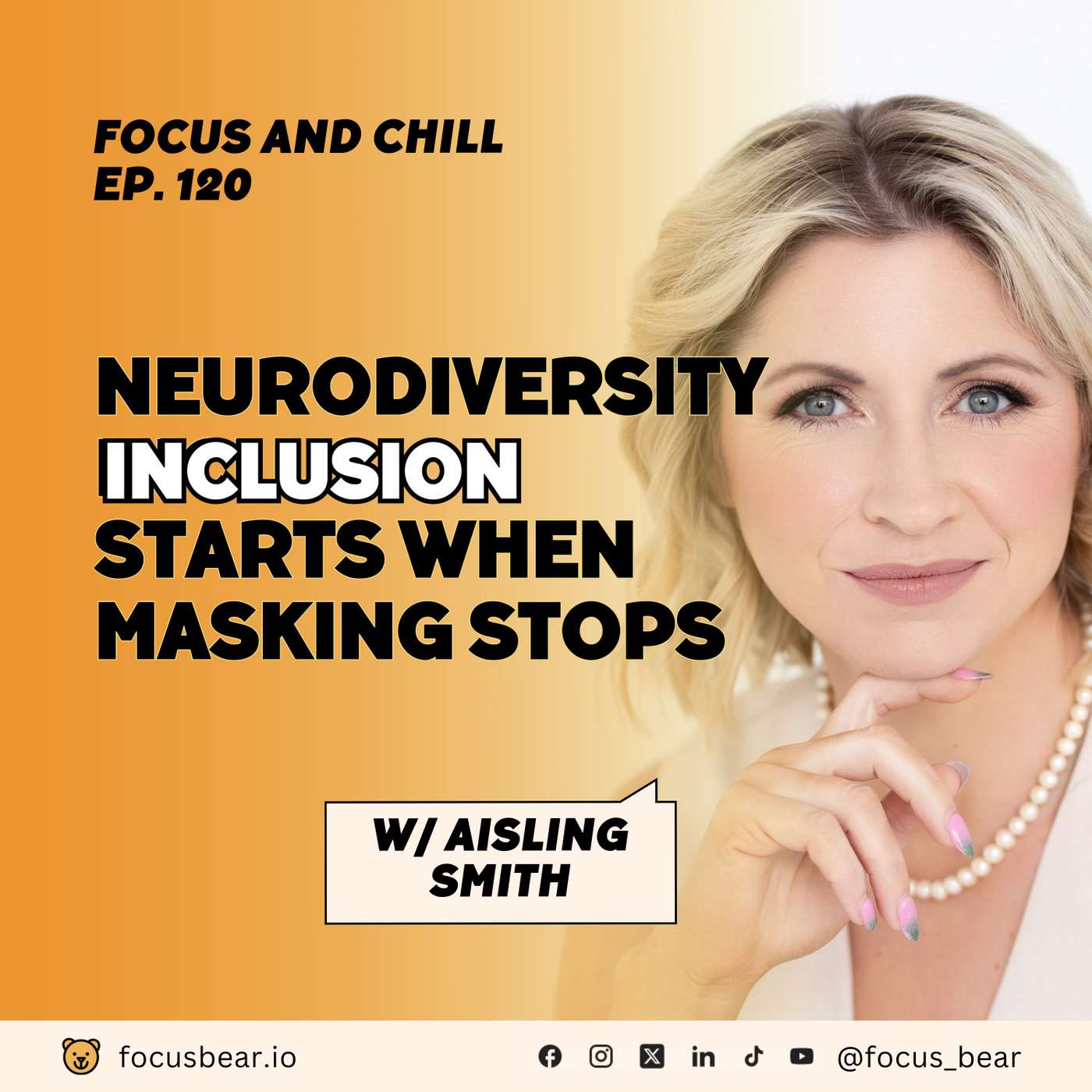 Autism, ADHD & Unmasking at Work: Aisling Smith on Neurodiversity Inclusion - Episode 120 | “I’ve masked so much. I’m a chameleon. I didn’t even know who I was anymore.”In this episode, Aisling Smith explains how unmasking, self-knowledge, and better workplace design can transform both careers and confidence.Aisling Smith is an award-winning neurodiversity trainer, international speaker, and inclusion consultant. Late diagnosed autistic and ADHD, she works with organizations worldwide to create neuro-inclusive workplaces and empower neurodivergent employees to thrive without masking.Episode Highlights00:02:27 — Discovering neurodivergence through motherhood Aisling shares how her son’s autism diagnosis led her to recognize her own ADHD and autism. What began as advocacy for her child became a profound personal awakening.00:07:37 — Masking and losing your sense of self She describes lifelong masking as becoming a “chameleon” and believing this was normal. The realization reframed decades of exhaustion and emotional strain.00:10:57 — When labels become tools, not limits Aisling explains how labels only limit us if we inherit society’s biases. Reclaiming them as self-knowledge creates freedom rather than restriction.00:16:29 — Leaving corporate training to work authentically After diagnosis, she realized she could no longer train leadership through a neurotypical lens. This moment sparked her shift into neurodiversity inclusion work.00:22:00 — Why neurodivergent employees burn out Workplaces are designed for 80% of people, leaving others to mask and suffer. Burnout is not failure, but a predictable outcome of poor systems.00:25:30 — The ‘volcanic’ moment at work Meltdowns are never about one incident. Aisling explains how small ignored stressors build until the final breaking point.00:27:30 — Empowerment beats accommodation True inclusion isn’t about special treatment. It’s about empowering everyone to work in ways that suit their nervous system and strengths.00:33:30 — Productivity doesn’t have one solution She challenges productivity dogma, arguing that tools work temporarily and must adapt to seasons, energy, and regulation.00:47:45 — Rebuilding identity with affirmations Aisling describes dismantling years of internalized criticism by intentionally rewriting self-belief and identity.00:50:18 — Routines change with life seasons From 5am routines to single motherhood, she explains why flexibility matters more than discipline when building sustainable habits.Subscribe for more conversations on focus, identity, and meaningful work. Listen to the full episode and follow Aisling Smith on LinkedIn for neurodiversity insights and training resources.Connect with Aisling:Website: https://aisling-smith.com/LinkedIn: linkedin.com/in/aisling-smith-vance-neurodiversityConnect with Jeremy:LinkedIn: https://linkedin.com/in/nageljeremyEmail: [email protected] from Focus Bear:Website: https://focusbear.ioLinkedIn: https://www.linkedin.com/company/focus-bear/YouTube: https://www.youtube.com/@focusbearappTwitter: https://twitter.com/focusbear1Instagram: https://www.instagram.com/focus_bear/Facebook: https://www.facebook.com/focusbearapp/ | 1h 00m 37s | ||||||
| 12/27/25 | 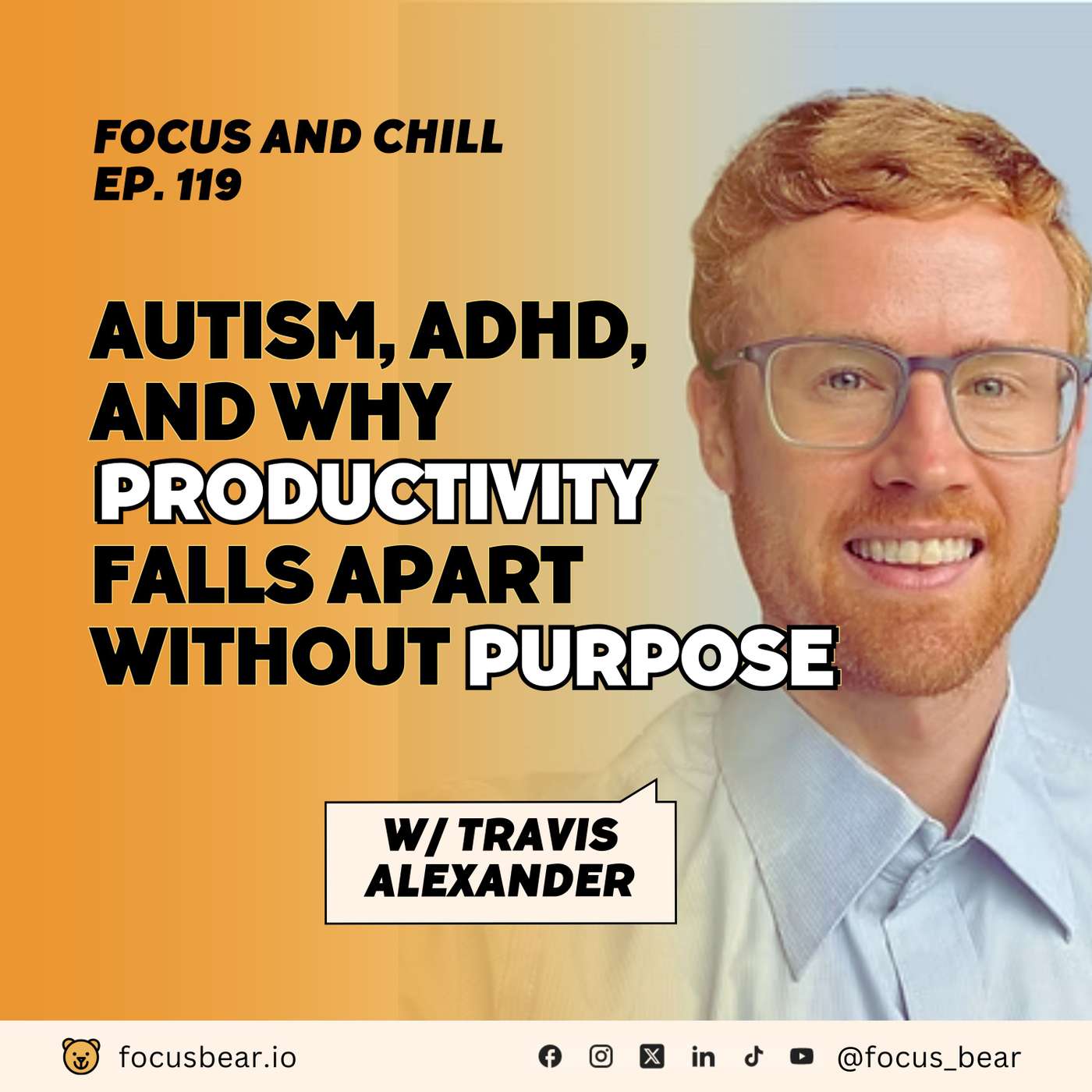 Autism, ADHD, and Why Productivity Falls Apart Without Purpose – Ep 119 with Travis Alexander | “I’m very good at starting things, then halfway through I ask: why am I doing this?”In this episode, Travis Alexander shares an honest conversation about career confusion, productivity struggles, and the long road to self-understanding after late diagnoses of autism, ADHD, and dyslexia. Together, we explore why work can feel harder without clear purpose, how masking shows up in careers and productivity, and what actually helps when motivation keeps collapsing halfway through.Travis Alexander is a science and engineering master’s graduate who has worked across startups, corporate medical technology, and creative projects. Diagnosed with dyslexia, autism, and ADHD later in life, he is now a neurodivergent advocate and author of Stairway to the Spectrum, where he reflects on identity, work, and self-awareness. Outside of work, Travis enjoys breakdancing, running, and spending time with his wife.Episode Highlights: 00:02:02 – Diagnosed with dyslexia, but answers didn’t last Travis shares how his first diagnosis explained some struggles, but didn’t stop problems from resurfacing in work, relationships, and decision-making.00:03:00 – Autism and ADHD discovered much later A decade after dyslexia, Travis realizes autism and ADHD were still unrecognized, helping explain long-standing confusion and burnout.00:09:15 – Self-awareness after late diagnosis Rather than “fixing” productivity, diagnosis gave Travis clarity, closure, and a way to understand past mistakes without self-blame.00:14:30 – Fifteen to twenty jobs and still searching Travis reflects on job-hopping across industries and why finding the right career fit has been so difficult but necessary.00:21:06 – Productivity collapses without a clear ‘why’ He explains why he often starts strong, loses motivation halfway, and how reconnecting to purpose is what actually sustains productivity.00:23:19 – Masking at work and following instructions A candid look at workplace conflict, masking through compliance, and why “just do it this way” can be deeply exhausting for neurodivergent people.Connect with Travis:Website: https://www.travisalexander.com.au/Connect with Jeremy:LinkedIn: https://linkedin.com/in/nageljeremyEmail: [email protected] from Focus Bear:Website: https://focusbear.ioLinkedIn: https://www.linkedin.com/company/focus-bear/Youtube: https://www.youtube.com/@focusbearappTwitter: https://twitter.com/focusbear1Instagram: https://www.instagram.com/focus_bear/Facebook: https://www.facebook.com/focusbearapp/Podcast: https://podcast.focusbear.ioTiktok: https://www.tiktok.com/@focusbear | 43m 48s | ||||||
| 12/23/25 | 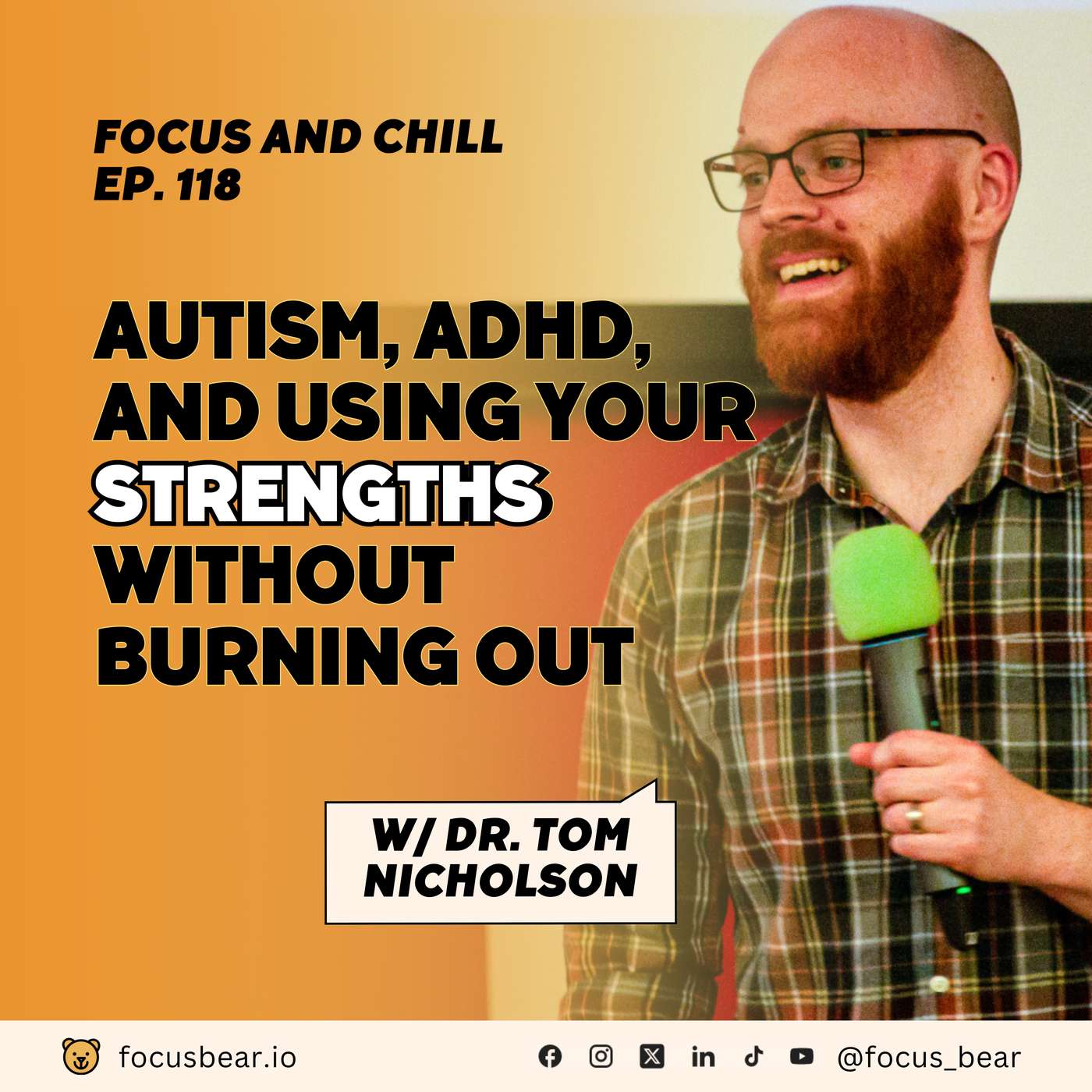 Autism, ADHD, and Using Your Strengths Without Burning Out – Ep 118 with Dr Tom Nicholson | Burnout is your body telling you: stop. I’m going to make you stop.In this episode, Dr Tom Nicholson breaks down how productivity, overperformance, and even “success” can quietly become coping mechanisms that lead to burnout. Drawing from lived experience, academia, and clinical work, he explores how neurodivergent people can use their strengths without masking themselves into exhaustion.Dr Tom Nicholson is an assistant professor of mental health nursing, public speaker, and trainer specializing in neurodivergence and inclusion. He combines lived experience with clinical and academic expertise to help individuals and organizations rethink productivity, burnout, and sustainable ways of working.Episode Highlights 00:02:12 – Diagnosed with ADHD at five and labeled “the problem child” Dr Tom describes being diagnosed in the mid-1990s and quickly framed as disruptive rather than supported. Despite doing well academically, he internalized the message that effort and compliance mattered more than wellbeing, laying the groundwork for overworking later in life.00:03:37 – Discovering autism later in adulthood He explains diagnostic overshadowing and how ADHD became the explanation for every difficulty he had. Autism was missed entirely, even as he became a specialist himself, showing how easily burnout risks can be overlooked when people appear “high functioning.”00:06:08 – Reframing school trauma and constant effort With a later autism lens, Dr Tom revisits his school experiences and recognizes how much energy went into coping, masking, and adapting. This reframing helps explain why productivity and overperformance often feel compulsory rather than optional.00:17:30 – Productivity works in bursts, not all day Dr Tom explains that his productivity comes in intense, focused bursts followed by long recovery periods. Expecting steady, all-day output ignores how many neurodivergent brains actually function and pushes people into boom-and-bust cycles.00:25:23 – Early fatherhood collides with productivity culture He speaks candidly about sleep deprivation, routine collapse, and identity shifts during the first year of parenting. Hustle culture and productivity myths make this period far harder, especially for neurodivergent parents with high sensory and rest needs.00:32:36 – When productivity advice turns into self-punishment Dr Tom reflects on consuming large amounts of self-help and productivity content. Instead of helping, it reinforced the belief that he was never doing enough, turning tools into weapons for self-criticism rather than support.00:39:30 – Burnout as a forced stop After pushing through a PhD, lockdown, and a newborn, his body shut everything down. He describes burnout not as weakness, but as the body enforcing boundaries when the mind refuses to listen.00:44:59 – The question behind overworking The episode closes with a powerful reflection: much productivity is driven by old narratives and the need to prove something. Dr. Tom invites listeners to ask whether their drive comes from genuine values or from trying to outrun past judgments.Connect with Dr. Tom:LinkedIn: linkedin.com/in/dr-tom-nicholson-089727131Instagram: https://www.instagram.com/drtomnicholsonConnect with Jeremy:LinkedIn: https://linkedin.com/in/nageljeremyEmail: [email protected] from Focus Bear:Website: https://focusbear.ioLinkedIn: https://www.linkedin.com/company/focus-bear/Youtube: https://www.youtube.com/@focusbearappTwitter: https://twitter.com/focusbear1 | 47m 05s | ||||||

Showing 25 of 141
Pitch Fit is a Pro feature
See how bookable this show is for guests, which brands already advertise, the per-episode ad value, and the best-fit guest and sponsor profile. The numbers are blurred on the free plan.
How readily this show books outside guests like you.
How proven this show is for host-read sponsorships.
For Guests
ProFor Advertisers
ProUpgrade to Pro to unlock guest cadence, sponsor categories, fit scores, and per-episode ad value for this show.
Chart history for Focus and Chill - productivity tactics for AuDHDers and other neurodivergent folks
Peaked at #140 in Finland, currently #140 in Finland.
| Market | Genre | Peak | Current | Trend |
|---|---|---|---|---|
| Finland | — | #140 | #140 | — |
Chart Positions
1 placement across 1 market.
Chart Positions
1 placement across 1 market.