

Insights from recent episode analysis
Audience Interest
Podcast Focus
Publishing Consistency
Platform Reach
Insights are generated by CastFox AI using publicly available data, episode content, and proprietary models.
Total monthly reach
Estimated from 9 chart positions in 9 markets.
By chart position
- 🇺🇸US · Music History#32100K to 300K
- 🇨🇦CA · Music History#1355K to 30K
- 🇦🇺AU · Music History#1885K to 30K
- 🇸🇪SE · Music History#6710K to 30K
- 🇳🇿NZ · Music History#3310K to 30K
- Per-Episode Audience
Est. listeners per new episode within ~30 days
71K to 230K🎙 Weekly cadence·63 episodes·Last published 1w ago - Monthly Reach
Unique listeners across all episodes (30 days)
142K to 459K🇺🇸65%🇨🇦7%🇦🇺7%+6 more - Active Followers
Loyal subscribers who consistently listen
42K to 138K
Market Insights
Platform Distribution
Reach across major podcast platforms, updated hourly
Total Followers
—
Total Plays
—
Total Reviews
—
* Data sourced directly from platform APIs and aggregated hourly across all major podcast directories.
On the show
Recent episodes
70s Rerun - The Spirit of 76: Pop Music in America's Bicentennial
Jun 15, 2026
Unknown duration
Ep. 61: American Top 40 in the 80s
Jun 4, 2026
Unknown duration
Ep. 60: One-Hit Wonders of the 70s
May 1, 2026
Unknown duration
Ep. 59 - Bands and Booze on the Festival Express of 1970
Feb 22, 2026
Unknown duration
Ep. 58 - WKRP in Cincinnati
Dec 29, 2025
Unknown duration
Social Links & Contact
Official channels & resources
Official Website
Login
RSS Feed
Login
| Date | Episode | Description | Length | ||||||
|---|---|---|---|---|---|---|---|---|---|
| 6/15/26 | 70s Rerun - The Spirit of 76: Pop Music in America's Bicentennial | As the U.S. approaches the 150th anniversary of The Declaration of Independence, FTR70 looks back to Episode 31, which examines 1976 and state of the nation -- and pop music -- in that bicentennal year. Things were a bit dicey in America in 1976. Gerald Ford was president, even though he only became president because of Nixon's Watergate scandal. The country was dealing with high gas prices, a shaky economy, the challenges of living with the civil rights legislation of the 1960s, and the consequences of American involvement in Vietnam. Not matter how much you trusted Walter Cronkite, the nightly news could be a bit stressful. If you were looking for an escape from all that, the pop music world was just the ticket! "Afternoon Delight," anyone? | — | ||||||
| 6/4/26 |  Ep. 61: American Top 40 in the 80s | Casey Kasem was at the height of his powers as the 1980s began. The countdown show that he launched on July 4, 1970, "American Top 40," was now an international phenomenon and could be heard on over 500 stations around the world. Casey had made rooting for your favorite single's climb up the Billboard charts akin to a sport — would your favorite song be played after the drumroll this week? He even branched out to a Top 10 countdown television show. However, you could also make the case that his success led to his own demise as "American Top 40" attracted competitors, particularly in the form of radio disc jockey Rick Dees. This episode moves beyond the 70s and into 80s, following the changes in the music and the show itself, leading to the end of Casey Kasem's reign as the king of pop music countdowns. | — | ||||||
| 5/1/26 |  Ep. 60: One-Hit Wonders of the 70s | The 1970s gave us some of the most memorable songs ever recorded and some artists who, for one reason or another, only broke through once. In this episode, we take a closer look at those so-called "one-hit wonders" and the stories behind the songs that stuck. From the laid-back groove of "How Long" by Ace, to the quiet melancholy of "Good Time Charlie's Got the Blues" by Danny O'Keefe, we explore what made these tracks connect and why they lasted. We'll get into the funk-rock crossover of "Play That Funky Music" by Wild Cherry, the sunny pop of "Sweet City Woman" by The Stampeders, the tight pop classic "Cruel to Be Kind" by Nick Lowe, and the disco smash "Ring My Bell" by Anita Ward. And how do you make a hit song about a brief encounter in a Chevy van, anyway? Was it luck? Timing? Skill? A little of all of that? Tune in for a discussion on these classic hits of the 1970s. | — | ||||||
| 2/22/26 | Ep. 59 - Bands and Booze on the Festival Express of 1970 | Imagine a train carrying the precious cargo that includes Janis Joplin, The Grateful Dead, The Band, and many more of our legendary performers! This was not a figment of the imagination but a real tour in the summer of 1970. This episode examines why this tour, which is not considered in the same vein as Woodstock, deserves its place in early 70s rock history. | — | ||||||
| 12/29/25 | Ep. 58 - WKRP in Cincinnati | "Baby, if you ever wondered, wondered whatever became of me, I'm living on the air in Cincinnati, Cincinnati WKRP." In this episode, WKRP in Cincinnati proves that a sitcom can be more than laughs—it can capture a cultural moment. Through sharp writing and memorable characters, the show explores the intersection of music, politics, and culture through the power of radio. In this case, it was a fictional radio station on a sitcom that aired from 1978 to 1982. However, even though it was fictional, it felt real to its fans and even to record labels, who appreciated its authenticity and its cultural reach. | — | ||||||
| 10/26/25 |  Ep. 57 - Punk and New Wave at New York's CBGB | Television. The Ramones. Patti Smith. The Talking Heads. Blondie. These bands and more used the iconic club, CBGB, as their proving ground, giving rise to punk and new wave rock. The environment might have been dicey, but hey, what's a few weird smells and maybe a rat or two when you have the chance to listen to some of the most unique live music the 70s had to offer! | — | ||||||
| 8/17/25 |  Ep. 56 - Talk Shows of the 1970s | Americans watched a lot of television in the 70s and talk shows were among the most popular shows to watch. Talk shows were the true intersection of music, politics, and culture. This episode will examine some of the most popular talk shows of the 70s including "Dinah!" "The Mike Douglas Show," and, of course, "The Tonight Show" with Johnny Carson. Its hard to discuss 70s politics without Richard Nixon entering the fray, which he does in his attempts to deport Mike Douglas's co-host, John Lennon, and by using the power of the presidency to threaten "Soul!" and other public affairs programming on PBS. | — | ||||||
| 6/24/25 | Ep. 55: Heartland Rock is about More than the Heartland | The heartland is an American region, but heartland rock is not regional. In fact, it can be argued that it is more of a culture than a sub-genre of rock. This episode discusses the origins of heartland rock and the themes that attracted fans to it, which are far more universal than record companies and music executives of the 70s and 80s would have liked to admit. Artists such as Bob Seger, Bruce Springsteen, and John Mellencamp created music that touched on feelings and issues that many people could relate to, whether they lived in the American heartland or not. | — | ||||||
| 6/10/25 | 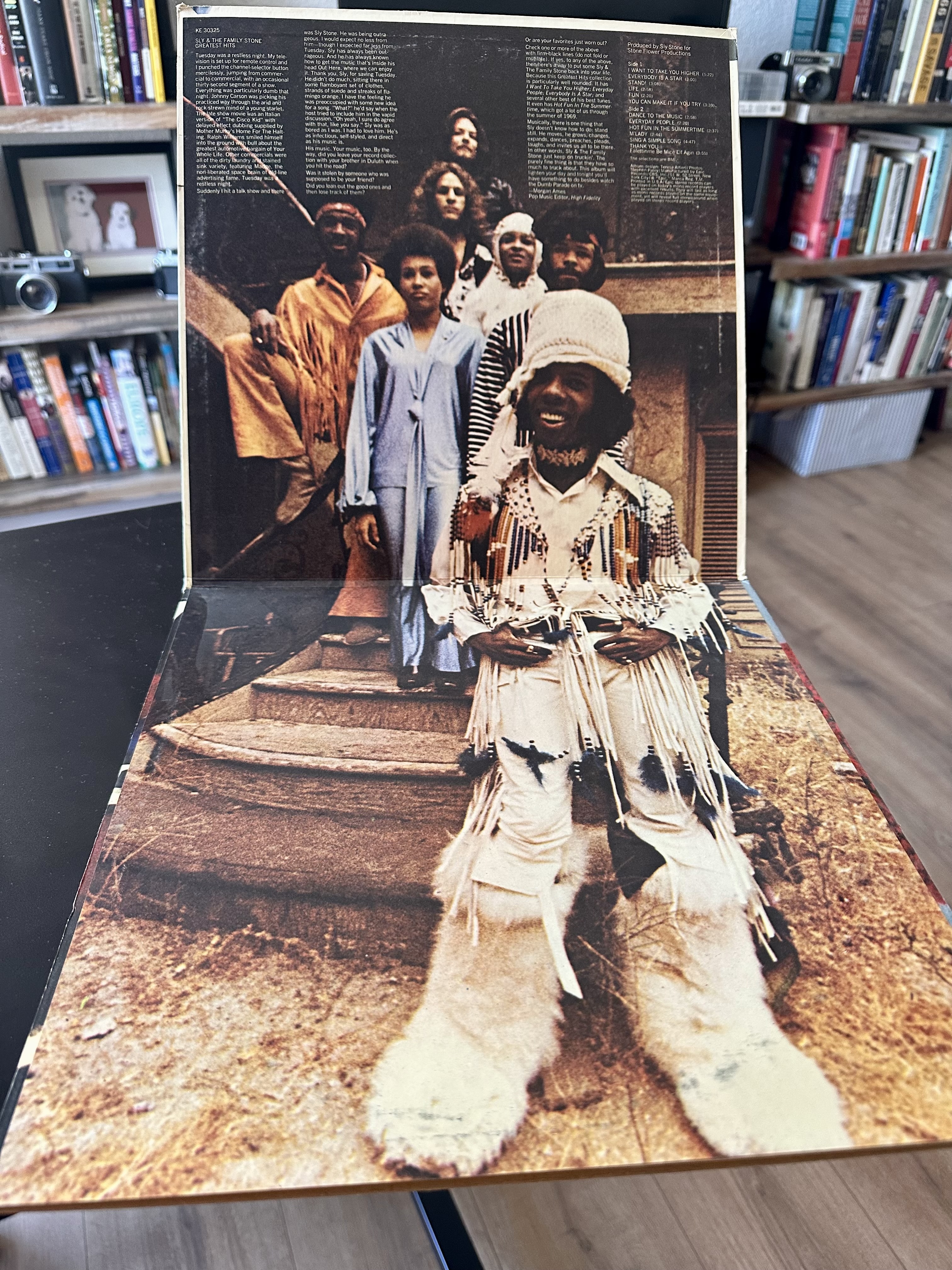 FTR70 Sound Bite: Remembering Sly Stone | No description provided. | — | ||||||
| 5/4/25 | Ep. 54: Into the 80s! What Came Next for 70s Heavy Metal? | How did heavy metal change from the 70s to the 80s? This episode examines the birth of "hair metal" and how, for a short but LOUD period of time, heavy metal was one of the most popular genres in American music. Bands such as Quiet Riot, Def Leppard, and even Van Halen benefitted from widespread exposure on MTV as the visual aspect of a band's image became as important as the music. *This also marks a change in venue for 80s music topics as FTR80 will be merged into the FTR70 feed. Look for 80s topics to be a continuation of topics previously discussed on FTR70.* | — | ||||||
Want analysis for the episodes below?Free for Pro Submit a request, we'll have your selected episodes analyzed within an hour. Free, at no cost to you, for Pro users. | |||||||||
| 3/23/25 |  Ep. 53 - More than Charley Pride: African Americans in 70s Country | The roots of country music are black and white. So, why do most people think of country as a white person's genre? This episode considers answers to that question and examines the contributions that African American artists made to country music in the 1970s. | — | ||||||
| 11/27/24 |  Ep. 52 - 70s Christmas Music | It isn't easy to write an original Christmas song that stands the test of the time, but artists of the 70s gave us several, such as "Feliz Navidad" by Jose Feliciano and "Step into Christmas" by Elton John. These songs, combined with some iconic covers, added a wide variety of Christmas music created in the 70s to the holiday song canon. | — | ||||||
| 10/13/24 |  Ep. 51 - The Softer Side of 70s Rock | Rock critics may have hated it but millions of music fans loved so-called "soft rock." This episode examines possible theories for this genre's popularity and makes the case that this "safer" version of rock music may have actually been an expansion of it that is still part of popular music. *Fans of this podcast should also check out "For the Record: The 80s!* | — | ||||||
| 7/16/24 |  Ep. 3 - Nostalgia, Race, and Rebels in 70s Southern Rock (Encore) | Southern rock from bands such as the Allman Brothers and Lynyrd Skynyrd was not just loved by Americans from the South. Southern rock has broad appeal. For many white southerners, though, this form of rock tapped into a desire for nostalgia, rebellion, and a reclaiming of the South as a distinct region. This episode discusses the question of how we should think about that music now, as well as the very thorny question of what the Confederate flag has to do with any of it. | — | ||||||
| 6/17/24 |  Ep. 2: Countryish Music of the 1970s (Encore) | How and why did artists such as John Denver and Olivia Newton-John upset the country music establishment in the 1970s? Country radio has created the country music sound it has wanted since Elvis and rock and roll began to lure away its customers. This was not pleasing to country music purists in the 1970s. This episode discusses why more people began to listen to "countryish" music in the 70s and why it became difficult to distinguish country from other pop music. [This episode has been slightly updated since its original publication in November 2018.] | — | ||||||
| 5/29/24 |  Ep. 1: Disco Doesn't Suck (Encore) | Disco and the 70s had a love-hate relationship. This episode examines who hated disco and why, as well as why it thrived in the underground until radio and the movie, "Saturday Night Fever," helped bring disco into the mainstream. | — | ||||||
| 5/13/24 |  Ep. 50 - The Travolta Trilogy | In just over a two-year span as the 1970s marched on toward the 1980s, John Travolta starred in three cultural touchstone movies: "Saturday Night Fever" (released on December 12, 1977), "Grease" (released on June 16, 1978), and "Urban Cowboy" (released on June 6, 1980). This episode examines the cultural significance of those films, the music in them, and how much Travolta himself had to do with the popularity of the movies. | — | ||||||
| 3/30/24 |  Ep. 49 - Austin City Limits and the 70s Country Music Revolution | In 1974, a local Austin PBS station aired the first episode of "Austin City Limits" and, with that, took the first step to showing the entire country how Austin, Texas celebrated and encouraged experimentation with country music. One of the founders of the show carried a business card that described the show's music as "free form country folk rock science fiction gospel gum existential bluegrass guacamole opera music." As the show celebrates it's 50th anniversary in 2024, it continues to be an example of how a commitment to music rather than glitz and glamour can find a loyal television audience. | — | ||||||
| 3/1/24 |  Ep. 48 - The "Worst" of the 70s? The Music of 1974 | The year 1974 shoulder much of the blame for the so-called worst music of not only the 1970s, but the worst of all time. Is this true? While we know that 1974 had much good to offer, is it true that it also had the worst of the worst? If so, does it matter. This episode takes a closer look at some songs considered the all-time worst, including "Seasons in the Sun" by Terry Jacks, "Cat's in the Cradle," by Harry Chapin, and "Billy, Don't Be a Hero" by Bo Donaldson and the Heywoods. | — | ||||||
| 11/19/23 |  Ep. 47 - Dick Clark's Entertainment Empire | Did you watch television in the 70s? If so, it was highly likely that you watched something that was created or produced by Dick Clark. The centerpiece of his entertainment empire was "American Bandstand," but there was more than that, including "New Year's Rockin' Eve" and "The 25,000 Pyramid." Clark was concerned about his legacy and this episode examines just what that legacy was and how it was part of 70s pop culture. | — | ||||||
| 9/20/23 |  Ep. 46 - The Chaos and Music of the Ozark Music Festival of 1974 | What could possibly happen to make a music festival be tagged as "3 Days of Sodom and Gomorrah?" How about toilets on fire? Drugs being sold as openly as sex? Young rock fans strolling naked through the streets of Sedalia, Missouri as they ditched their clothing to cope with the summer heat? Yes, all this and more descended on this small Missouri town in a festival that was marketed, in part, to town officials as a method of showcasing bluegrass music. There was a little bluegrass but there was a whole lot more of rock. As bad as the behavior of many of the fans was, that was how great the music was. Twenty-seven bands in all, including The Nitty Gritty Dirt Band, The Eagles, The Ozark Mountain Daredevils, REO Speedwagon, and more performed for hot, thirsty, and high rock fans in an epic and unforgettable weekend of rock (mostly) music. | — | ||||||
| 7/18/23 |  Ep. 45 - Oh, Canada! Canada's Rock Music Industry in the 70s | In the 1970s, it was not easy for Canadians to produce and distribute music that would be widely received by American or Canadian audiences. Their was the issue of cost and, maybe even more importantly, the issue of credibility. Canada's content laws made radio listeners skeptical about the bands they heard and whether they were "good," which tended to mean they had received an American stamp of approval. This episode examines the work and, in many cases, the perseverence of Canadian bands including Bachman Turner Overdrive, Rush, and Triumph as they worked to create careers that were sustainable beyond the Canadian borders. | — | ||||||
| 7/20/22 |  Ep. 3 - Nostalgia, Race, and Rebels in 70s Southern Rock | Southern rock from bands such as the Allman Brothers and Lynyrd Skynyrd was not just loved by Americans from the South. Southern rock had broad appeal. For many white southerners, though, this form of rock tapped into a desire for nostalgia, rebellion, and reclaiming the South as a distinct region. The 1970s was a time when regional distinctions in the United States were fading and as the South became more like the rest of America, the rest of America became more like the South. This episode discusses the question of how we should think about that music now, as well as the very thorny question of what the Confederate flag has to do with any of it. --- Send in a voice message: https://podcasters.spotify.com/pod/show/amy-lively/message | — | ||||||
| 6/15/22 |  Ep. 31 - The Spirit of '76: Pop Music on America's Bicentennial | Suffice to say that America's spirit in 1976 was a bit...mixed. The first half of the 70s carried the weight of war, social discord, and assorted political drama that began in the 60s. Even the very question of whether or not the U.S. should celebrate and, if so, how, was up in the air. This episode examines the collective mood of the U.S. on the occasion of its 200th birthday and takes a look at songs that made it to #1 on the Billboard Hot 100. --- Send in a voice message: https://podcasters.spotify.com/pod/show/amy-lively/message | — | ||||||
| 8/4/21 |  Ep. 4 - Music of the 70s (Sexual) Revolution | Did music help push the sexual revolution in the 1970s or was the music reflecting the changes in how society viewed sexuality? Music has always been used to sell sex but the message was delivered more directly in the 70s. The sexual revolution and music's role in it are explored using the music of Loretta Lynn, Led Zeppelin, The Archies (!), Marvin Gaye, Labelle, Donna Summer, and Patti Smith. --- Send in a voice message: https://podcasters.spotify.com/pod/show/amy-lively/message | — | ||||||
Showing 25 of 50
Pitch Fit is a Pro feature
See how bookable this show is for guests, which brands already advertise, the per-episode ad value, and the best-fit guest and sponsor profile. The numbers are blurred on the free plan.
How readily this show books outside guests like you.
How proven this show is for host-read sponsorships.
For Guests
ProFor Advertisers
ProUpgrade to Pro to unlock guest cadence, sponsor categories, fit scores, and per-episode ad value for this show.
Chart Positions
9 placements across 9 markets.
Chart Positions
9 placements across 9 markets.