Anat Shahar on What Makes a Planet Habitable
About this episode
Anat Shahar discusses the conditions necessary for a planet to be habitable, focusing on the role of liquid water and its formation through chemical reactions.
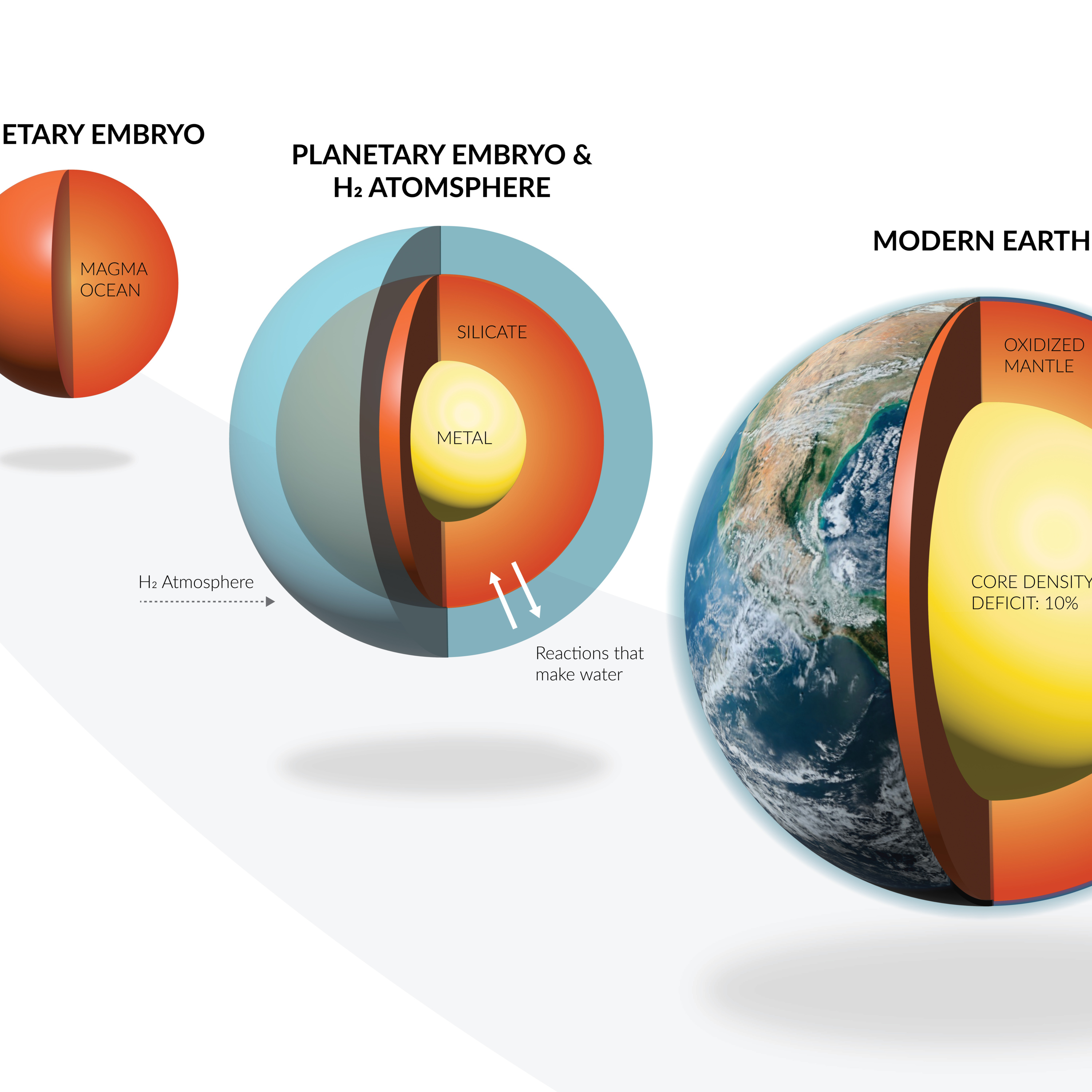
Over 6,000 exoplanets have now been found, and the number is constantly rising. This has galvanized research into whether one of them might host life. Since all forms of life on Earth require liquid water, at least at some stage in their life cycle, it is natural to suppose that in order to be habitable, an exoplanet should also have liquid water. While much of the public discussion has focussed on constraining the so-called Goldilocks zone, i.e., not too hot nor too cold for liquid water to exist, an equally key issue is how a planet would get its water in the first place. In the podcast, Anat Shahar explains how her modeling and experiments predict that plenty of water would form as a result of chemical reactions between the hydrogen atmospheres observed on many exoplanets and the magma ocean with which planets initially form.. Shahar is a Staff Scientist and Deputy for Research Advancement at the Earth and Planets Laboratory at the Carnegie Institution for Science in Washington, DC.
More episodes of Geology Bites
- Steve Brusatte on the Dinosaurs That Survived the Asteroid
- Materials in Extreme Environments
- Esther Sumner on Turbidity Currents
- Hal Levison on the Mission to Jupiter's Trojan Asteroids
- Sara Pruss on the First Reef Builders
- Michael Manga on Wet Eruptions
Explore listener stats, chart rankings, contacts and more on the Geology Bites podcast page.