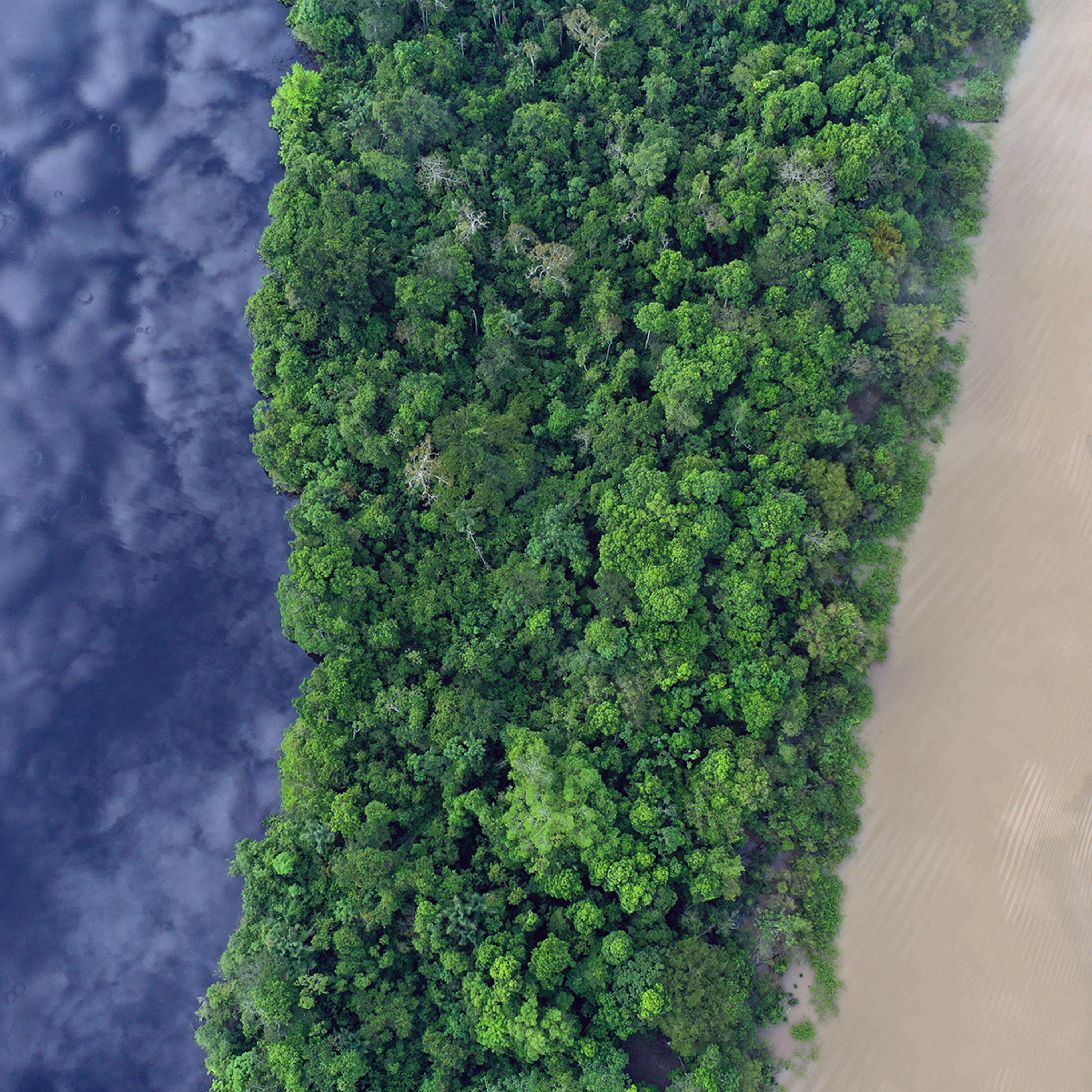
Carina Hoorn on the Evolution of the Amazon Basin
About this episode
Carina Hoorn discusses the evolution of biodiversity in the Amazon Basin driven by geological changes.
The Amazon Basin is the most biodiverse region on Earth, being the home of one in five of all bird species, one in five of all fish species, and over 40,000 plant species. In the podcast Carina Hoorn explains how the rise of the Andes and marine incursions drove an increase in biodiversity in the Early Miocene. This involved the arrival of fresh river-borne sediments from the eroding mountains and the diversification of aqueous environments caused by influxes of salt water during the marine incursions. Hoorn is an Associate Professor in the Institute for Biodiversity and Ecosystem Dynamics at the University of Amsterdam and Research Associate at the Negaunee Integrative Research Center, Earth Science Section, Field Museum of Natural History, Chicago.
More episodes of Geology Bites
- Steve Brusatte on the Dinosaurs That Survived the Asteroid
- Materials in Extreme Environments
- Esther Sumner on Turbidity Currents
- Hal Levison on the Mission to Jupiter's Trojan Asteroids
- Sara Pruss on the First Reef Builders
- Michael Manga on Wet Eruptions
Explore listener stats, chart rankings, contacts and more on the Geology Bites podcast page.