Insights from recent episode analysis
Audience Interest
Podcast Focus
Publishing Consistency
Platform Reach
Insights are generated by CastFox AI using publicly available data, episode content, and proprietary models.
Most discussed topics
Brands & references
Est. Listeners
Based on iTunes & Spotify (publisher stats).
- Per-Episode Audience
Est. listeners per new episode within ~30 days
10,001 - 25,000 - Monthly Reach
Unique listeners across all episodes (30 days)
25,001 - 75,000 - Active Followers
Loyal subscribers who consistently listen
15,001 - 40,000
Market Insights
Platform Distribution
Reach across major podcast platforms, updated hourly
Total Followers
—
Total Plays
—
Total Reviews
—
* Data sourced directly from platform APIs and aggregated hourly across all major podcast directories.
On the show
From 10 epsHost
Recent guests
Recent episodes
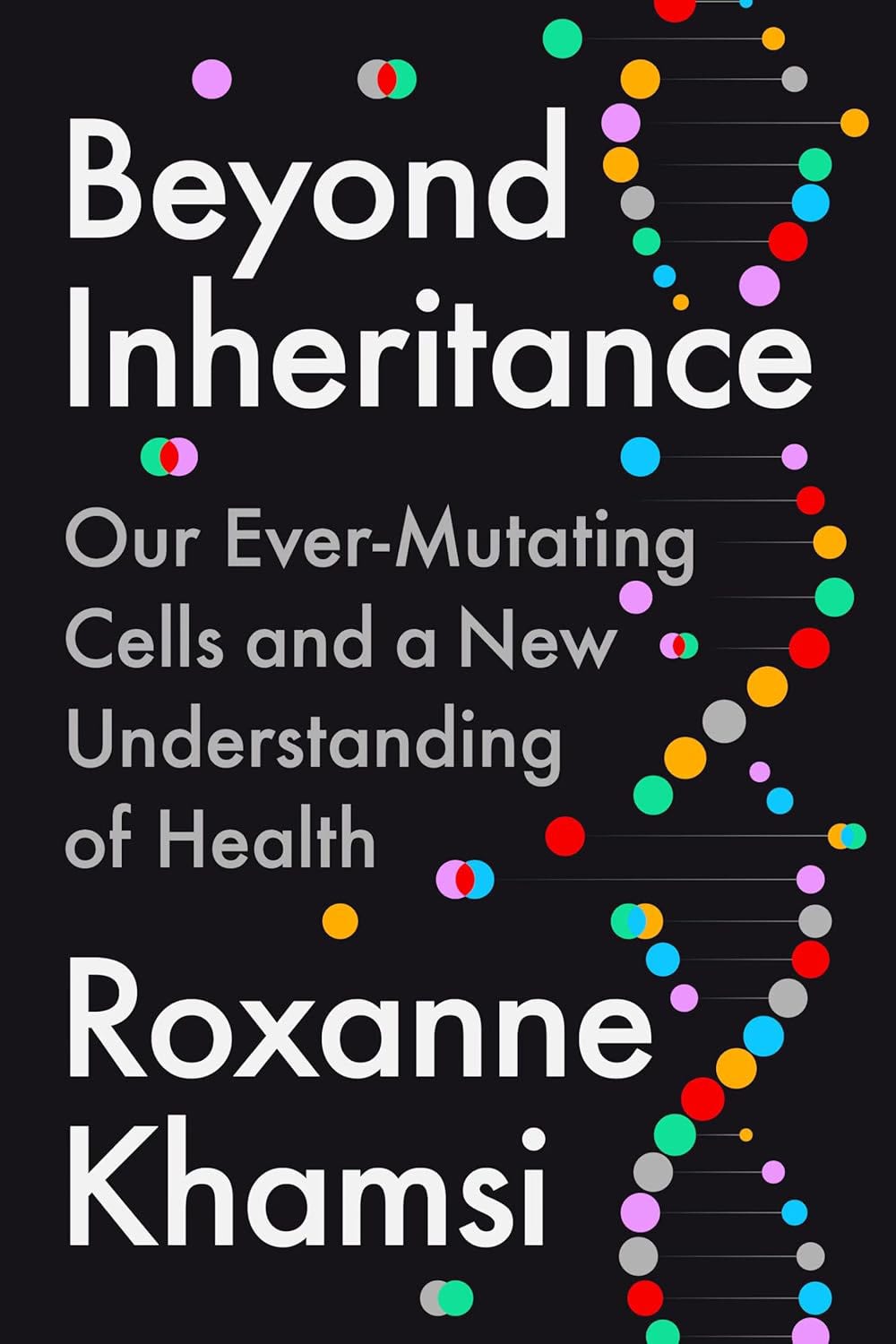
Roxanne Khamsi: We Are All Genetic Mosaics
Apr 25, 2026
51m 36s
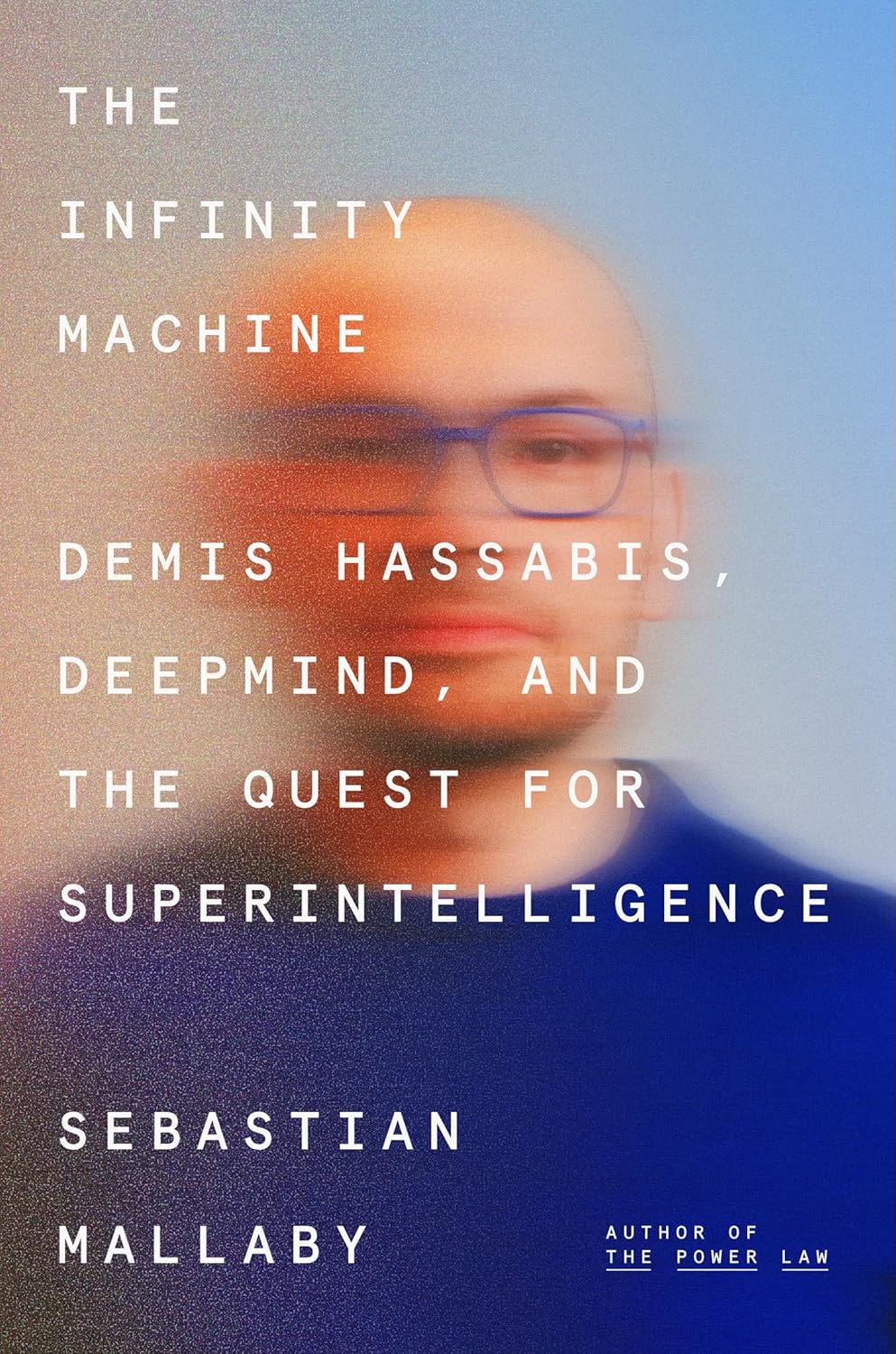
Sebastian Mallaby: The Infinity Machine
Apr 19, 2026
53m 43s
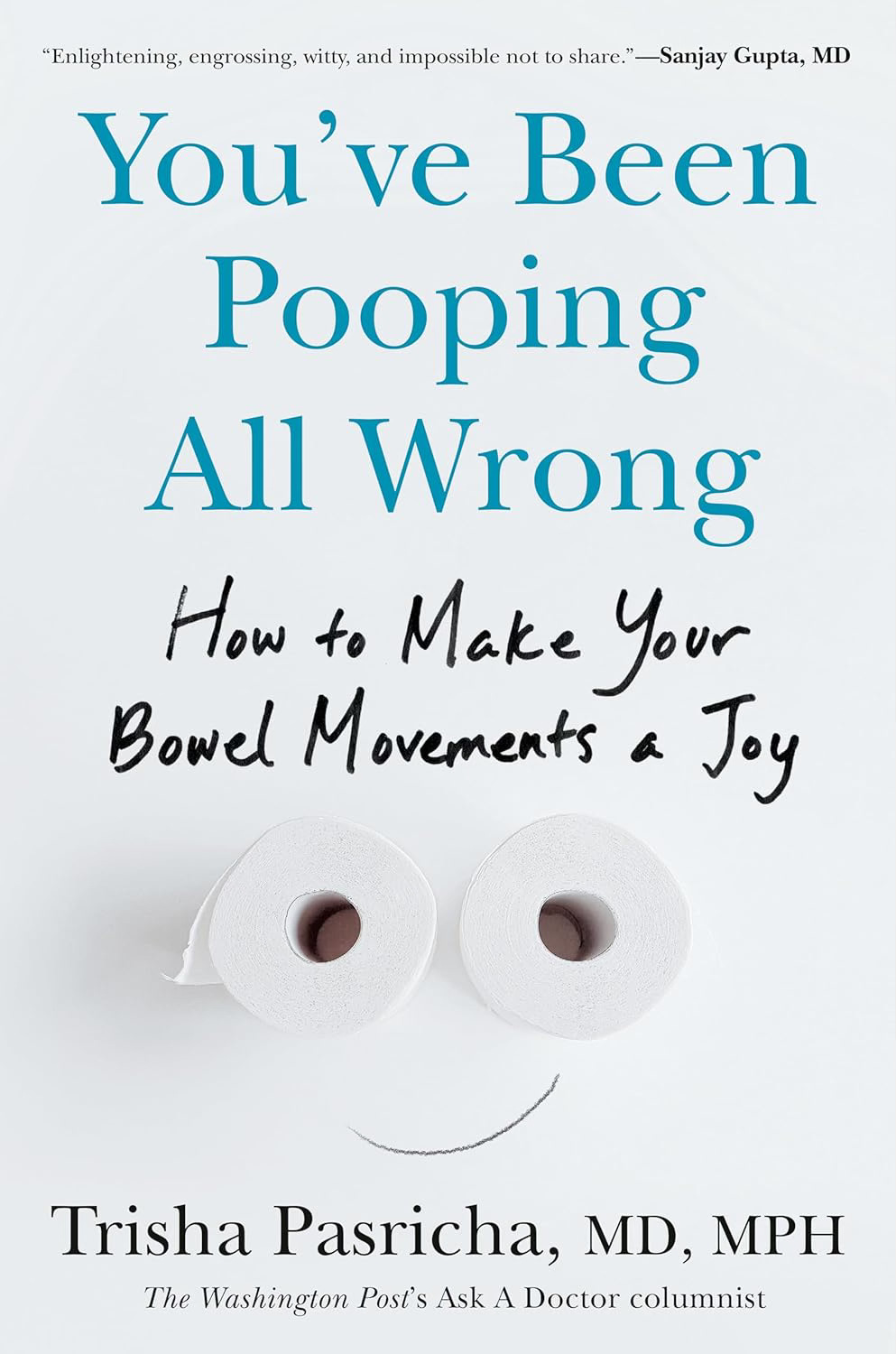
Trisha Pasricha: How to Get to Poophoria, Making Your Bowel Movements a Joy!
Apr 10, 2026
56m 49s
On the Future of Species
Mar 29, 2026
45m 21s
A Master Class on Sleep
Mar 6, 2026
57m 10s
Social Links & Contact
Official channels & resources
Official Website
Login
RSS Feed
Login
| Date | Episode | Topics | Guests | Brands | Places | Keywords | Sponsor | Length | |
|---|---|---|---|---|---|---|---|---|---|
| 4/25/26 | ![]() Roxanne Khamsi: We Are All Genetic Mosaics✨ | genetic mosaicssomatic mutations+3 | Roxanne Khamsi | BEYOND INHERITANCE | — | geneticsmutations+3 | — | 51m 36s | |
| 4/19/26 | ![]() Sebastian Mallaby: The Infinity Machine✨ | AI progressDeepMind+4 | Sebastian Mallaby | AlphaFoldDeepMind+5 | — | AIDeepMind+6 | — | 53m 43s | |
| 4/10/26 | ![]() Trisha Pasricha: How to Get to Poophoria, Making Your Bowel Movements a Joy!✨ | gastroenterologybowel movements+4 | Trisha Pasricha | Harvard Medical SchoolThe Washington Post | — | bowel movementsgut health+6 | — | 56m 49s | |
| 3/29/26 | ![]() On the Future of Species✨ | synthetic biologygenome editing+3 | Adrian Woolfson | GenyroNature Biotechnology+3 | — | synthetic biologygenome sequencing+3 | — | 45m 21s | |
| 3/6/26 | ![]() A Master Class on Sleep✨ | sleep medicinedeep sleep+5 | Yo-El Ju | Washington UniversityHarvard+1 | — | sleepdeep sleep+7 | — | 57m 10s | |
| 2/4/26 | ![]() Robert Wachter & Eric Topol - Discuss a Giant Leap Book✨ | healthmedicine+3 | Robert Wachter | Ground Truths | — | Robert WachterEric Topol+5 | — | 45m 47s | |
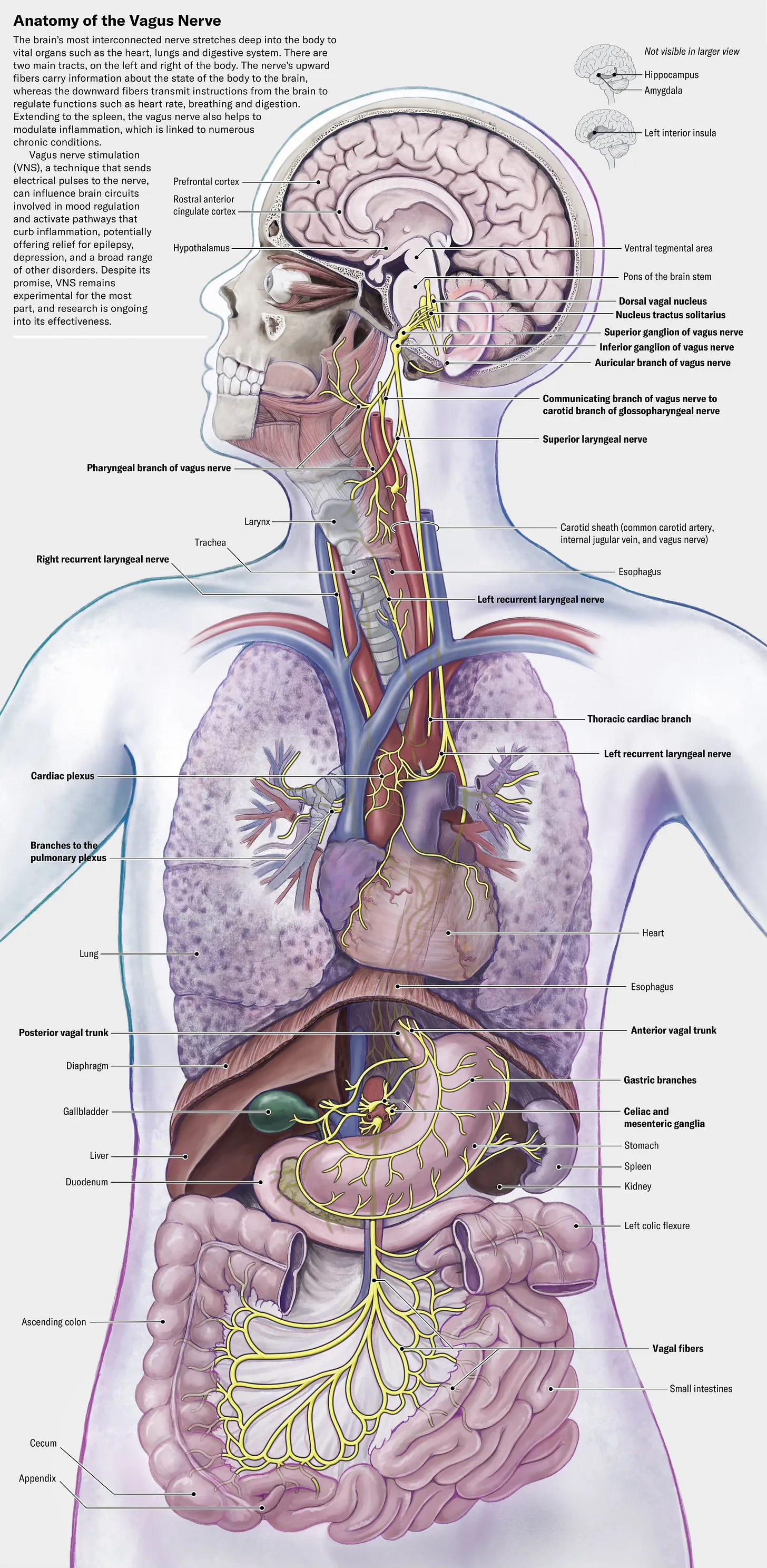
| 2/1/26 | ![]() Vagus Nerve Stimulation and the Immune System✨ | vagus nerveimmune system+3 | Dr. Kevin Tracey | Feinstein InstituteNorthwell Health+2 | — | vagus nerveimmune system+3 | — | 1h 03m 59s | |
| 1/18/26 | ![]() A Look Into the Blue Zones✨ | Blue Zoneslongevity+4 | Dan Buettner | Blue Zones LLCAdventist Health+3 | — | Blue Zoneslongevity+5 | — | 55m 31s | |
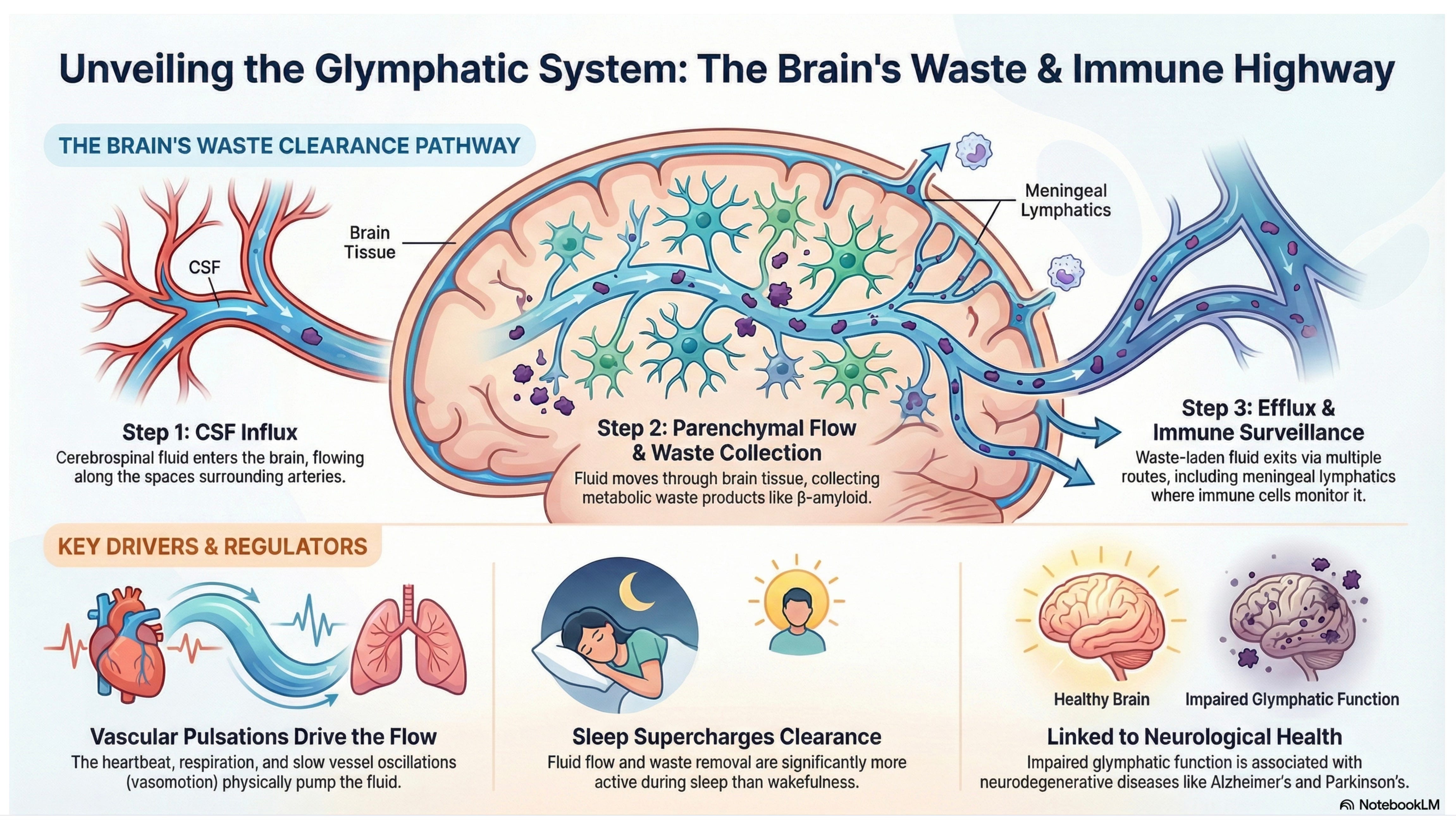
| 12/21/25 | ![]() How Our Brain Drains Its Waste Products✨ | brain drainageimmune system+4 | Jonathan Kipnis | Washington UniversityNeuron+3 | — | glymphaticsatrial fibrillation+4 | — | 56m 21s | |
| 12/7/25 | ![]() The Story of Francis Crick, a new masterpiece biography by Matthew Cobb✨ | biographyscience+4 | Matthew Cobb | University of ManchesterThe Astonishing Hypothesis+1 | — | Francis CrickMatthew Cobb+5 | — | 59m 14s | |
Want analysis for the episodes below?Free for Pro Submit a request, we'll have your selected episodes analyzed within an hour. Free, at no cost to you, for Pro users. | |||||||||
| 11/28/25 | ![]() Jennifer Gunter & Eric Topol: Discuss Women’s Health and Recent Changes by FDA for MHT | A couple of weeks ago, the FDA Commissioner published a WSJ oped “The FDA Liberates Women’s Hormone Replacement Therapy” (←gift link) and, with other FDA colleagues, a JAMA essay entitled “Updated Labeling for Menopausal Hormone Therapy” (open-access). That change, and the data cited, led to a series of articles in the days that followed, such as at STAT News “FDA reverses decades-old warning on hormone therapy products for menopause. Agency says the treatments o!fer heart, brain, and bone health benefits” and at the Washington Post “The FDA finally corrects its error on menopause hormone therapy. Women have been needlessly scared away from effective treatments.” If you read through these links, you’ll be confused. Does MHT have proven cognitive benefits? What about a study from 1991 that showed ~50% reduction of fatal heart events with MHT? Or the 35% decreased risk of Alzheimer’s disease? Or the breast cancer increased risk attributed to medroxyprogesterone acetate?I turned to my go-to gynecologist truth teller, Dr. Jen Gunter, to get her review of the evidence. This is a complex topic, with old data from the 2002 Women’s Heath Initiative (WHI), new reports since, population level analysis, changes in preparations of MHT including local delivery, and much more.Here is our conversation which isn’t just about MHT but includes “Big Wellness” marketing direct to middle aged women, the new FDA approved drug for hot flashes, the $14 million cut of the NIH’s Office of Women’s Health , marked increase in philanthropic support of women’s health research, the Surgeon General nominee, ovarian failure, and a lightning round on proven benefits of MHT.Here’s a brief clip on her views of the women’s health “wellness” predatorsWe also discussed the reasons for Dr. Gunter’s planned move next year back to Canada after practicing gynecology for 3 decades in the United States. I referred to a recent GT I wrote about the WHI and the potential favorable impact of MHT on the immune system, as suggested by new data on organ clocks. That finding, which has been replicated, may be linked to healthy aging, extending healthspan.****************************Thanks to the >190,000 Ground Truths subscribers from every US state and 210 countries. Your subscription to these free essays and podcasts makes my work in putting them together worthwhile.If you found this interesting PLEASE share it!Paid subscriptions are voluntary and all proceeds from them go to support Scripps Research. They do allow for posting comments and questions, which I do my best to respond to. Please don’t hesitate to post comments and give me feedback. Let me know topics that you would like to see covered.Many thanks to those who have contributed—they have greatly helped fund our summer internship programs for the past two years. It enabled us to accept and support 47 summer interns in 2025! We aim to accept even more of the several thousand who will apply for summer 2026.Thank you Debbie Weil, Cynthia Brumfield, Sara Garcia, Harshi Peiris, Ph.D., Liane Moccia, and over 1,000 others for tuning into my live video with Dr. Jen Gunter! Join me for my next live video in the app. Get full access to Ground Truths at erictopol.substack.com/subscribe | 1h 00m 50s | ||||||
| 11/8/25 | ![]() Dr. Susan Monarez—Former CDC Director, First Live Interview | Dr. Susan Monarez was the first CDC Director to be confirmed by the Senate and served from July 31, 2025 – August 27, 2025. Because she refused to give approval to new vaccine recommendations without ever seeing them or their evidence and firing scientists without cause, she was fired. In my view, she’s a hero for standing up for science and speaking truth to power.In her first live interview since leaving the CDC, we review her background. That includes growing up in rural Wisconsin and getting her college and PhD education at UW-Madison, the latter in microbiology and immunology. She then went on to 18 years of government service with an extensive portfolio of jobs and management at BARDA, the White House, ARPA-H, and others, before becoming Acting Director of the CDC in early 2025.We discussed the horrific CDC shooting on August 8th, days after she started. Then we reviewed a conversation that we had on August 19th in which she laid out her exciting vision for the future of CDC, emphasizing the goal of prevention (BTW, CDC stands for Centers for Disease Control and Prevention) and asked me to help as an advisor. At the time, she was well aware, with growing tension, that her tenure at CDC might be limited. I asked about her perspective for the jobs of 4,300 people at CDC who have been terminated, which account for more than 1/3rd of the workforce, no less the gutting of the budget.Then we got into what she learned from this ordeal and her plans for the future, which includes a very ambitious initiative: 90/90/2035. As you’ll see from our conversation, Dr. Monarez is exceptionally resilient and an optimist. She’s got lots to do in the years ahead to carry out her mission of promoting human health!Dr. Monarez just started a Substack The Road Best Traveled so you can follow her there. It was a real privilege for me to do this interview with her. In deep admiration of her willingness to not only take on the job of CDC Director in tough circumstances, her professionalism during testimony at the Senate committee hearing, her impressive yet unrealized vision for transforming the CDC, and refusing to cave to immense pressure from the HHS Secretary to move ahead with his agenda. Thank you Julie, Stephen B. Thomas, PhD, David Dansereau, MSPT, Dr. Sara Wolfson, Vau Geha, and >500 others for tuning into my live video with The Road Best Traveled! Thanks for being a Ground Truths subscriber! Please spread the word. Get full access to Ground Truths at erictopol.substack.com/subscribe | 54m 36s | ||||||

| 11/5/25 | ![]() Seth Berkley & Eric Topol - Discuss Fair Doses Book | Get full access to Ground Truths at erictopol.substack.com/subscribe | 47m 19s | ||||||

| 10/1/25 | ![]() Tom Frieden & Eric Topol - Discuss the Formula for Better Health Book | Get full access to Ground Truths at erictopol.substack.com/subscribe | 35m 02s | ||||||


| 9/14/25 | ![]() Shana Kelley: Biosensors to Track Proteins and Inflammation in Our Blood in Real Time | Prof Shana Kelley is the Neena Schwartz Professor of Chemistry and Biomedical Engineering at Northwestern University and President of the CZI Chicago Biohub, which brings together life scientists at Northwestern, University of Chicago, and U. Illinois Urbana Champaign. Her lab’s website provides recent publications in the 3 major areas of biomolecular sensors, rare and single cell analysis, and intracellular molecular delivery.You are undoubtedly familiar with wearable biosensors on the wrist and rings, and continuous glucose monitoring (CGM), all of which can transmit physiologic data in real time to your smartphone. What is different about Prof Kelley’s work is the ingenious way of continuously tracking any proteins in our blood via a sensor that could function just like CGM in the future (hair thin sensor applied just below the skin and data relayed to your smartphone). A proof-of-concept paper in Science showed how exquisitely sensitive such a sensor worked to track inflammation markers [interleukin-6 (IL-6) and tumor necrosis factor (TNF)] in the diabetic rat model. As seen. below, just the injection of insulin evoked inflammation, and introduction of lipopolysaccharide (LPS) did so markedly.This capability opens up the potential for monitoring body-wide inflammation in real time, but also extends to many other conditions such as autoimmune diseases, heart failure (e.g. continuous brain natriuetic peptide monitoring), and neurodegenerative diseases (with specific markers of neuroinflammation). This innovation represents a new dimension in individualized (precision) medicine.In our conversation, Shana takes us through the discovery of these unique bimolecular sensors that have no reagents, and use electricity to shake off the protein from DNA strands. And she maps out the path to clinical trials and commercialization in the next couple of years.Thank you Stephen B. Thomas, PhD, Linda Kemp, Lynn L, Pat Mumby PhD, David Hobson, and many others for tuning into my live video with Shana Kelley! Join me for my next live video in the app, along with posts on biomedical news and analysis.***********************************************************************Thanks you for your listening, reading and subscribing to Ground Truths.If you found this interesting PLEASE share it!That makes the work involved in putting these together especially worthwhile.All content on Ground Truths—its newsletters, analyses, and podcasts, are free, open-access.Paid subscriptions are voluntary and all proceeds from them go to support Scripps Research. They do allow for posting comments and questions, which I do my best to respond to. Please don't hesitate to post comments and give me feedback. Let me know topics that you would like to see covered.Many thanks to those who have contributed—they have greatly helped fund our summer internship programs for the past two years. It enabled us to accept and support 47 summer interns in 2025! Get full access to Ground Truths at erictopol.substack.com/subscribe | 31m 17s | ||||||
| 9/12/25 | ![]() Charlotte Blease: Is A.I. Going to Remedy Medicine’s Problems? | Thank you Bruce Lanphear, Clyde Wilson, Tracy Dennis-Tiwary, Diego Pereyra, Dr Mike Hunter, and many others for tuning into my live video with Charlotte Blease! Join me for my next live video in the app.Whether A.I. will transform the practice of medicine in a positive way remains controversial. Health researcher Prof Charlotte Blease, on faculty at Uppsala University in Sweden and researcher at Harvard University, has written a new book —Dr. Bot—that critically assesses the unmet needs in healthcare and whether A.I. can fulfill them. She provides an optimistic viewpoint (see the subtitle), and our conversation probes whether that is justified. She has a substack, too, hereThanks for listening to Ground Truths. Through analytic essays and podcasts, I try to cover the important issues and discoveries in life science and medicine. If you have suggestions for topics I should get into, please pass them along. Get full access to Ground Truths at erictopol.substack.com/subscribe | 30m 37s | ||||||
| 9/8/25 | ![]() Peter Hotez & Eric Topol - Discuss “Science Under Siege” book | Thank you Sara Garcia, Andrew O'Malley BSc PhD, Sam Hester, Julie, Stephen B. Thomas, PhD, and so many others for tuning into my live video with Peter Hotez! Join me for my next live video in the app.Peter Hotez and I discuss his new book, co-authored with Michael Mann, SCIENCE UNDER SEIGE, on the anti-science superstorm culminating from the climate crisis, the Covid pandemic, and a vast interconnected network that has waged a direct assault on scientific truth.During our conversation we trace history of priors in civilization, such as Lysenko and Stalinism in the last century. And acknowledge the future role of A.I. for promoting infinite disinformation. Beyond human suffering and direct health outcome consequences (such as Red Covid), the toll this is taking on the career of young scientists, universities, public health agencies, and loss of public trust are reviewed. The interdependent role of the media and the wellness industry is touched on.The book and our conversation puts forth a call to arms, potential solutions, including the need to move away from invisible scientists and political activism.Thanks for listening to Ground Truths podcasts and reading the analytic posts.In case you missed any, these are a few recent and related ones:Podcasts with Michael Osterholm and Sanjay Gupta on their new books—The Big One and It Doesn’t Have to Hurt, respectively.Next up is Charlotte Blease and her new book Dr. Bot on where we are headed with medical A.I.If you found this interesting PLEASE share it!That makes the work involved in putting these together especially worthwhile.All content on Ground Truths—its newsletters, analyses, and podcasts, are free, open-access.Paid subscriptions are voluntary and all proceeds from them go to support Scripps Research. They do allow for posting comments and questions, which I do my best to respond to. Please don't hesitate to post comments and give me feedback. Let me know topics that you would like to see covered.Many thanks to those who have contributed—they have greatly helped fund our summer internship programs for the past two years. Get full access to Ground Truths at erictopol.substack.com/subscribe | 53m 07s | ||||||
| 9/5/25 | ![]() Sanjay Gupta & Eric Topol - Discuss “It Doesn’t Have to Hurt” book | Thank you Jose Bolanos MD, Dr. Zeest Khan, Lawrence Toole, Julie, Stephen B. Thomas, PhD, and many others for tuning into my live video with Dr. Sanjay Gupta. Join me for my next live video in the app.A Brief Summary of Our ConservationWe discussed the new understanding and approach to chronic pain, which affects nearly 1 in 4 adults. Dr. Gupta gets personal telling the story of his wife, Rebecca, who has an autoimmune disease and at one point he had to carry her up stairs. He also tells the story of his mother who had a back injury and didn’t want to live because of the pain. How his family members got relief is illuminating.Our whole understanding and approach to pain has changed, with the acronym change from RICE to MEAT.A newly approved drug Suzetrigine (Journavx) exploits the sodium channel gene mutation initially discovered via a family of fire walkers. It’s the first new pain medicine approved for more than 2 decades. Many other new non-opioid treatments are reviewed, no less lifestyle changes (anti-inflammatory diet and sleep), and acupuncture.Sanjay’s research over the past few years has led to a video special on CNN with the same title as the book, set to air 9 PM EST Sunday. If you know someone suffering chronic pain, please share the post. Get full access to Ground Truths at erictopol.substack.com/subscribe | 22m 06s | ||||||
| 9/3/25 | ![]() Mike Osterholm & Eric Topol - Discuss “The Big One” book | Get full access to Ground Truths at erictopol.substack.com/subscribe | 36m 12s | ||||||
| 8/17/25 | ![]() Bruce Lanphear: Chronic Lead Exposure, a Risk Factor for Heart Disease | This is a hybrid heart disease risk factor post of a podcast with Prof Bruce Lanphear on lead and a piece I was asked to write for the Washington Post on risk factors for heart disease.First, the podcast. You may have thought the problem with lead exposure was circumscribed to children, but it’s a much bigger issue than that. I’ll concentrate on the exposure risk to adults in this interview, including the lead-estrogen hypothesis. Bruce has been working on the subject of lead exposure for more than 30 years. Let me emphasize that the problem is not going away, as highlighted in a recent New England Journal of Medicine piece on lead contamination in Milwaukee schools, “The Latest Episode in an Ongoing Toxic Pandemic.”Transcript with links to the audio and citationsEric Topol (00:05):Well, hello. This is Eric Topol with Ground Truths, and I'm very delighted to welcome Professor Bruce Lanphear from Simon Fraser University in British Columbia for a very interesting topic, and that's about lead exposure. We tend to think about lead poisoning with the Flint, Michigan, but there's a lot more to this story. So welcome, Bruce.Bruce Lanphear (00:32):Thank you, Eric. It's great to be here.Eric Topol (00:33):Yeah. So you had a New England Journal of Medicine (NEJM) Review in October last year, which was probably a wake up to me, and I'm sure to many others. We'll link to that, where you reviewed the whole topic, the title is called Lead Poisoning. But of course it's not just about a big dose, but rather chronic exposure. So maybe you could give us a bit of an overview of that review that you wrote for NEJM.Bruce Lanphear (01:05):Yeah, so we really focused on the things where we feel like there's a definitive link. Things like lead and diminished IQ in children, lead and coronary heart disease, lead and chronic renal disease. As you mentioned, we've typically thought of lead as sort of the overt lead poisoning where somebody becomes acutely ill. But over the past century what we've learned is that lead is one of those toxic chemicals where it's the chronic wear and tear on our bodies that catches up and it's at the root of many of these chronic diseases that are causing problems today.Eric Topol (01:43):Yeah, it's pretty striking. The one that grabbed me and kind of almost fell out of my chair was that in 2019 when I guess the most recent data there is 5.5 million cardiovascular deaths ascribed to relatively low levels, or I guess there is no safe level of lead exposure, that's really striking. That's a lot of people dying from something that cardiology and medical community is not really aware of. And there's a figure 3 [BELOW] that we will also show in the transcript, where you show the level where you start to see a takeoff. It starts very low and by 50 μg/liter, you're seeing a twofold risk and there's no threshold, it keeps going up. How many of us do you think are exposed to that type of level as adults, Bruce?Bruce Lanphear (02:39):Well, as adults, if we go back in time, all of us. If you go back to the 1970s when lead was still in gasoline, the median blood lead level of Americans was about 13 to 15 µg/dL. So we've all been exposed historically to those levels, and part of the reason we've begun to see a striking decline in coronary heart disease, which peaked in 1968. And by 1978, there was a 20% decline, 190,000 more people were alive than expected. So even in that first decade, there was this striking decline in coronary heart disease. And so, in addition to the prospective studies that have found this link between an increase in lead exposure and death from cardiovascular disease and more specifically coronary heart disease. We can look back in time and see how the decline in leaded gasoline led to a decline in heart disease and hypertension.Eric Topol (03:41):Yeah, but it looks like it's still a problem. And you have a phenomenal graph that's encouraging, where you see this 95% reduction in the lead exposure from the 1970s. And as you said, the factors that can be ascribed to like getting rid of lead from gasoline and others. But what is troubling is that we still have a lot of people that this could be a problem. Now, one of the things that was fascinating is that you get into that herbal supplements could be a risk factor. That we don't do screening, of course, should we do screening? And there's certain people that particularly that you consider at high risk that should get screened. So I wasn't aware, I mean the one type of supplements that you zoomed in on, how do you say it? Ayurvedic?Supplements With LeadBruce Lanphear (04:39):Oh yeah. So this is Ayurvedic medicine and in fact, I just was on a Zoom call three weeks ago with a husband and wife who live in India. The young woman had taken Ayurvedic medicine and because of that, her blood lead levels increased to 70 µg/dL, and several months later she was pregnant, and she was trying to figure out what to do with this. Ayurvedic medicine is not well regulated. And so, that's one of the most important sources when we think about India, for example. And I think you pointed out a really important thing is number one, we don't know that there's any safe level even though blood lead levels in the United States and Europe, for example, have come down by over 95%. The levels that we're exposed to and especially the levels in our bones are 10 to 100 times higher than our pre-industrial ancestors.Bruce Lanphear (05:36):So we haven't yet reached those levels that our ancestors were exposed to. Are there effects at even lower and lower levels? Everything would suggest, we should assume that there is, but we don't know down below, let's say one microgram per deciliter or that's the equivalent of 10 parts per billion of lead and blood. What we also know though is when leaded gasoline was restricted in the United States and Canada and elsewhere, the companies turned to the industrializing countries and started to market it there. And so, we saw first the epidemic of coronary heart disease in the United States, Canada, Europe. Then that's come down over the past 50 years. At the same time, it was rising in low to middle income countries. So today over 95% of the burden of disease from lead including heart disease is found in industrializing countries.Eric Topol (06:34):Right. Now, it's pretty striking, of course. Is it true that airlines fuel is still with lead today?Bruce Lanphear (06:45):Well, not commercial airlines. It's going to be a small single piston aircraft. So for example, when we did a study down around the Santa Clara County Airport, Reid-Hillview, and we can see that the children who live within a half mile of the airport had blood lead levels about 10% higher than children that live further away. And the children who live downwind, 25% higher still. Now, nobody's mapped out the health effects, but one of the things that's particularly troubling about emissions from small aircraft is that the particle size of lead is extraordinarily small, and we know how nanoparticles because they have larger surface area can be more problematic. They also can probably go straight up into the brain or across the pulmonary tissues, and so those small particles we should be particularly worried about. But it's been such a long journey to try to figure out how to get that out of aircraft. It's a problem. The EPA recognized it. They said it's an endangerment, but the industry is still pushing back.Eric Topol (07:55):Yeah, I mean, it's interesting that we still have these problems, and I am going to in a minute ask you what we can do to just eradicate lead as much as possible, but we're not there yet. But one study that seemed to be hard to believe that you cited in the review. A year after a ban leaded fuel in NASCAR races, mortality from coronary heart disease declined significantly in communities near racetracks. Can you talk about that one because it's a little bit like the one you just mentioned with the airports?Bruce Lanphear (08:30):Yeah. Now that study particularly, this was by Alex Hollingsworth, was particularly looking at people over 65. And we're working on a follow-up study that will look at people below 65, but it was quite striking. When NASCAR took lead out of their fuel, he compared the rates of coronary heart disease of people that live nearby compared to a control group populations that live further away. And he did see a pretty striking reduction. One of the things we also want to look at in our follow-up is how quickly does that risk begin to taper off? That's going to be really important in terms of trying to develop a strategy around preventing lead poisoning. How quickly do we expect to see it fall? I think it's probably going to be within 12 to 24 months that we'll see benefits.Eric Topol (09:20):That's interesting because as you show in a really nice graphic in adults, which are the people who would be listening to this podcast. Of course, they ought to be concerned too about children and all and reproductive health. But the point about the skeleton, 95% of the lead is there and the main organs, which we haven't mentioned the kidney and the kidney injury that occurs no less the cardiovascular, the blood pressure elevation. So these are really, and you mentioned not necessarily highlighted in that graphic, but potential cognitive hit as well. You also wrote about how people who have symptoms of abdominal pain, memory impairment, and high blood pressure that's unexplained, maybe they should get a blood level screening. I assume those are easy to get, right?Bruce Lanphear (10:17):Oh yeah, absolutely. You can get those in any hospital, any clinic across the country. We're still struggling with having those available where it's most needed in the industrializing countries, but certainly available here. Now, we don't expect that for most people who have those symptoms, lead poisoning is going to be the cause, right. It'd still be unusual unless you work in an industry, for example, smelting batteries to recycle them. We don't expect it to be real common, and we're not even sure, Eric, whether we should be doing widespread screening. If I looked at this as a population scientist, the real focus should be on identifying the sources. We mostly know where those are here and radically moving it down. Getting rid of the lead service lines, which was such a big part of what President Biden was doing, and it was perfect. For every dollar invested to reduce lead exposure from those lead service lines. Ronnie Levin at Harvard said there'd be a 35-fold return in cost, benefits really, and this has always been true, that reducing lead exposure throughout the past 40 years has always been shown to be amazingly cost beneficial. The problem is operating within a free market health system, even though there's tremendous social benefits, that benefit isn't going to be monetized or privatized. And so, who's going to make those decisions? We hope our government is, but that doesn't always play out.Eric Topol (11:52):Well. What's interesting is, as opposed to the problems we have today that are prominent such as the microplastic, nanoplastics, the air pollution, the forever chemicals, that just keep getting worse, I mean, they are just cumulative. This one, there was tremendous improvement, but it’s still not enough. And I guess you're zooming in on the lead lines. That'd be the most important thing to work on today. Another thing that has come up, there's been trials, as you may I'm sure, because all over this field of chelation, there's a trial that was run by the NIH, supported by NH that looked at chelation to prevent coronary disease. Is there any evidence that people who have a problem with lead would benefit from chelation therapy?Bruce Lanphear (12:44):Well, there's two major studies that have been done, and Tony Lamas was in charge of both of them. The first one Trial to Assess Chelation Therapy (TACT) study, it was a randomized controlled trial, not intended specifically to focus on lead, but rather it was to look at sort of this alternative therapy. They found significant benefits about an 18% reduction in subsequent cardiac events. That led to a second study that was just published last year, and it was focused on people who had diabetes. They saw some benefit, but it wasn't significant. So whether that's because there wasn't enough variability and exposure, it's not entirely clear, but we've seen this with lead in IQ deficits in kids where we can show that we can reduce blood lead levels. But ultimately what tends to happen is once you've taken lead out of the blood, some of it's released again from the bone, but you still have all that lead in the bone that's there. You get some of it out, but you're not going to get the bulk of it out.The Lead-Estrogen HypothesisEric Topol (13:47):Right. It's a reservoir that's hard to reckon with. Yeah. Now another thing, you have a Substack that is called Plagues, Pollution & Poverty, and you wrote a really provocative piece in that earlier and April called How Estrogen Keeps Lead - and Heart Attacks - in Check, and basically you got into the lead estrogen hypothesis.Eric Topol (14:10):Can you enlighten us about that?Bruce Lanphear (14:12):Yeah. A lot of the seminal work in this area was done by Ellen Silbergeld, who's a brilliant and somewhat peculiar toxicologist and Ellen for years, I focused on childhood lead exposure, and for years Ellen would tell me, almost demolish me for not studying adults. And because she had found back in 1988 that as women go into menopause, their blood lead levels spike increased by about 30%, and that's where most of our lead is stored is in our bone. And so, as I was thinking about this, it all became clear because blood lead levels in boys and girls is about the same. It's comparable up until menarche, and then girls young women's blood leads fall by about 20%. And they stay 20% lower throughout the reproductive years until menopause. And especially during those first few years around menopause, perimenopause, you see fairly striking increases in the weakening of the bone and blood lead levels.Bruce Lanphear (15:19):So that might very well help to explain why estrogen is protected, because what happens is throughout the reproductive life, women are losing a little bit of lead every month. And estrogen is at its lowest during that time, and that's going to be when blood lead is at its highest because estrogen pushes lead into the bone. Not only that, women lose lead into the developing fetus when they're pregnant. So what Ellen found is that there was less of a spike around menopause for the women that had three or four pregnancies because they had offloaded that into their babies. So all of this, if you put it together, and this is of course in a very short note of it, you can see that lead increases dyslipidemia, it leads to tears in the endothelium of the arterial wall, it's going to increase thrombosis. All of these things that we think of as the classic atherosclerosis. Well, what estrogen does is the opposite of those. It decreases dyslipidemia, it repairs the arterial endothelial wall. So how much of it is that estrogen is protective, and how much is it that it's moving lead out of the system, making it less biologically available?Eric Topol (16:46):Yeah, I know. It's really interesting. Quite provocative. Should be followed up on, for sure. Just getting to you, you're a physician and epidemiologist, MD MPH, and you have spent your career on this sort of thing, right? I mean, is your middle name lead or what do you work on all the time?Bruce Lanphear (17:09):Yeah, I've been doing this for about 30 years, and one of my mentors, Herb Needleman spent 40 years of his career on it. And in some ways, Eric, it seems to me particularly in these very difficult entrenched problems like lead, we don't have any pharmaceutical company reaching out to us to promote what we do. We've got industry trying to squash what we do.Bruce Lanphear (17:35):It really does take a career to really make a dent in this stuff. And in a way, you can look at my trajectory and it is really following up on what Herb Needleman did and what Clare Patterson did, and that was finding the effects at lower and lower levels. Because what we do with lead and most other toxic chemicals, the ones that don't cause cancer, is we assume that there's a safe level or threshold until we prove otherwise. And yet when you look at the evidence, whether it's about asbestos and mesothelioma, air pollution and cardiovascular mortality, lead and cardiovascular mortality, benzene and leukemia, none of those exhibit a threshold. In some cases, the risks are steepest proportionately at the lowest measurable levels, and that really raises some tremendous challenges, right? Because how are we going to bring air pollution or lead down to zero? But at the same time, it also provides these tremendous opportunities because we know that they're causing disease. We know what the sources are. If we could only bring about the political will to address them, we could prevent a lot of death, disease, and disability. I mean, about 20% of deaths around the world every year are from air pollution, lead, and other toxic chemicals, and yet the amount of money we invest in them is just paltry compared to what we invest in other things. Which is not to pit one against the other, but it's to say we haven't invested enough in these.Eric Topol (19:14):No, absolutely. I think your point, just to make sure that it's clear, is that even at low levels, this is of course where most of the population exposure would be, and that's why that's so incriminating. Now, one of the things I just want to end up with is that we know that these are tiny, tiny particles of lead, and then the question is how they can synergize and find particulate matter of air pollution in the nanoplastic, microplastic story and binding to forever chemicals, PFAS. How do you process all that? Because it's not just a single hit here, it's also the fact that there's ability to have binding to the other environmental toxins that are not going away.Bruce Lanphear (20:10):That's right. And in a way, when we talk about lead playing this tremendous role in the rise and decline of coronary heart disease, we can't entirely separate it out, for example, from air pollution or cigarette smoke for that matter, nor plastic. So for example, with air pollution, if we look at air pollution over the past century, up until the 1980s, even into the 1990s, it was leaded, right? So you couldn't separate them. If you look at cigarette smoke, cigarette tobacco in the 1940s and 1950s was grown in fields where they used lead arsenic as an insecticide. So smokers even today have blood lead levels that are 20% higher than non-smokers, and people who are not smokers but exposed to secondhand smoke have blood lead levels 20% higher than non-smokers who aren't exposed to secondhand smoke. So in a way, we should try to tease apart these differences, but it's going to be really challenging. In a way we can almost think about them as a spectrum of exposures. Now with plastics, you can really think of plastics as a form of pollution because it's not just one thing. There's all these additives, whether it's the PFAS chemicals or lead, which is used as a stabilizer. And so, all of them really are kind of integrated into each other, which again, maybe there's some opportunity there if we really were ready to tackle.Eric Topol (21:40):And interestingly, just yesterday, it was announced by the current administration that they're stopping all the prior efforts on the forever chemicals that were initiated in the water supply. And I mean, if there's one takeaway from our discussion, it's that we have to get all over this and we're not paying enough attention to our environmental exposures. You've really highlighted spotlighted the lead story. And obviously there are others that are, instead of getting somewhat better, they're actually going in the opposite direction. And they're all tied together that’s what is so striking here, and they all do many bad things to our bodies. So I don't know how, I'm obviously really interested in promoting healthy aging, and unless we get on this, we're chasing our tails, right?Bruce Lanphear (22:31):Well, I think that's right, Eric. And I was reading the tips that you'd written about in preparation for your book release, and you focused understandably on what each of us can do, how we can modify our own lifestyles. We almost need six tips about what our government should do in order to make it harder for us to become sick, or to encourage those healthy behaviors that you talked about. That's a big part of it as well. One of the things we're celebrating the hundredth anniversary. This is not really something to celebrate, but we are. The hundredth anniversary of the addition of tetraethyl lead to gasoline. And one of the key things about that addition, there was this debate because when it was being manufactured, 80% of the workers at a plant in New Jersey suffered from severe lead poisoning, and five died, and it was enough that New York City, Philadelphia and New Jersey banned tetraethyl lead.Bruce Lanphear (23:31):Then there was this convening by the US Surgeon General to determine whether it was safe to add tetraethyl lead to gasoline. One scientist, Yandell Henderson said, absolutely not. You're going to create a scourge worse than tuberculosis with slow lead poisoning and hardening of your arteries. Robert Kehoe, who represented the industry said, we know lead is toxic, but until you've shown that it's toxic when added to gasoline, you have no right to prohibit us from using it. So that is now known as the Kehoe rule, and it's relevant not only for lead, but for PFAS, for air pollution, for all these other things, because what it set as a precedent, until you've shown that these chemicals or pollution is toxic when used in commerce, you have no right to prohibit industry from using it. And that's the fix we're in.Eric Topol (24:27):Well, it sounds too much like the tobacco story and so many other things that were missed opportunities to promote public health. Now, is Canada doing any better than us on this stuff?Bruce Lanphear (24:40):In some ways, but not in others. And one of the interesting thing is we don't have standards, we have guidelines. And amazingly, the cities generally try to conform to those guidance levels. With water lead, we're down to five parts per billion. The US is sticking around with ten parts per billion, but it's not even really very, it's not enforced very well. So we are doing better in some ways, not so good in other ways. The European Union, generally speaking, is doing much better than North America.Eric Topol (25:15):Yeah, well, it doesn't look very encouraging at the moment, but hopefully someday we'll get there. Bruce, this has been a really fascinating discussion. I think we all should be thankful to you for dedicating your career to a topic that a lot of us are not up on, and you hopefully are getting us all into a state of awareness. And congratulations on that review, which was masterful and keep up the great work. Thank you.Bruce Lanphear (25:42):Thank you, Eric. I appreciate it.________________________________________________My Recommendations for Preventing Heart Disease (Markedly Truncated from Text and Graphics Provided in SUPER AGERS)Recently the Washington Post asked me for a listicle of 10 ways to prevent heart disease. I generally avoid making such lists but many people have de-subscribed to this newspaper, never subscribed, or missed the post, so here it is with links to citations:Guest column by Eric Topol, MDThe buildup of cholesterol and other substances in the wall of our arteries, known as atherosclerosis, is common. It can lead to severe plaques that narrow the artery and limit blood flow, or to a crack in the artery wall that can trigger blood clot formation, resulting in a heart attack.While we’ve seen some major advances in treating heart disease, it remains the leading killer in the United States, even though about 80 percent of cases are considered preventable. There are evidence-based steps you can take to stave it off. As a cardiologist, here’s what I recommend to my patients.1. Do both aerobic and resistance exerciseThis is considered the single most effective medical intervention to protect against atherosclerosis and promote healthy aging. Physical activity lowers inflammation in the body. Evidence has shown that both aerobic and strength training forms of exercise are important. But only 1 in 4 Americans meet the two activity guidelines from the American Heart Association: aerobic exercise of 150 minutes per week of at least moderate physical activity, such as walking, bicycling on level ground, dancing or gardening, and strength training for at least two sessions per week, which typically translates to 60 minutes weekly.The protective benefit of exercise is seen with even relatively low levels of activity, such as around 2,500 steps per day (via sustained physical activity, not starting and stopping), and generally increases proportionately with more activity. It used to be thought that people who exercise only on the weekend — known as “weekend warriors” — put themselves in danger, but recent data shows the benefits of exercise can be derived from weekend-only workouts, too.2. Follow an anti-inflammatory dietA predominantly plant-based diet — high in fiber and rich in vegetables, fruits and whole grains, as seen with the Mediterranean diet — has considerable evidence from large-scale observational and randomized trials for reducing body-wide inflammation and improving cardiovascular outcomes.Foods rich in omega-3 fatty acids, such as salmon, also form part of a diet that suppresses inflammation. On the other hand, red meat and ultra-processed foods are pro-inflammatory, and you should limit your consumption. High protein intake of more than 1.4 grams per kilogram of body weight per day — around 95 grams for someone who is 150 pounds — has also been linked to promoting inflammation and to atherosclerosis in experimental models. That is particularly related to animal-based proteins and the role of leucine, an essential amino acid that is obtained only by diet.3. Maintain a healthy weightBeing overweight or obese indicates an excess of white adipose tissue. This kind of tissue can increase the risk of heart disease because it stores fat cells, known as adipocytes, which release substances that contribute to inflammation.In studies, we’ve seen that glucagon-like peptide (GLP-1) drugs can reduce inflammation with weight loss, and a significant reduction of heart attacks and strokes among high-risk patients treated for obesity. Lean body weight also helps protect against atrial fibrillation, the most common heart rhythm abnormality.4. Know and avoid metabolic syndrome and prediabetesTied into obesity, in part, is the problem of insulin resistance and metabolic syndrome. Two out of three people with obesity have this syndrome, which is defined as having three out of five features: high fasting blood glucose, high fasting triglycerides, high blood pressure, low high-density lipoprotein (HDL) and central adiposity (waist circumference of more than 40 inches in men, 35 inches in women).Metabolic syndrome is also present in a high proportion of people without obesity, about 50 million Americans. Prediabetes often overlaps with it. Prediabetes is defined as a hemoglobin A1c (a measure of how much glucose is stuck to your red blood cells) between 5.7 and 6.4 percent, or a fasting glucose between 100 and 125 milligrams per deciliter.Both metabolic syndrome and prediabetes carry an increased risk of heart disease and can be prevented — and countered — by weight loss, exercise and an optimal diet.As the glucagon-like peptide drug family moves to pills and less expense in the future, these medications may prove helpful for reducing risk in people with metabolic syndrome and prediabetes. For those with Type 2 diabetes, the goal is optimizing glucose management and maximal attention to lifestyle factors.5. Keep your blood pressure in a healthy rangeHypertension is an important risk factor for heart disease and is exceptionally common as we age. The optimal blood pressure is 120/80 mm Hg or lower. But with aging, there is often an elevation of systolic blood pressure to about 130 mm Hg, related to stiffening of arteries. While common, it is still considered elevated.Ideally, everyone should monitor their blood pressure with a home device to make sure they haven’t developed hypertension. A mild abnormality of blood pressure will typically improve with lifestyle changes, but more substantial elevations will probably require medications.6. Find out your genetic riskWe now have the means of determining your genetic risk of coronary artery disease with what is known as a polygenic risk score, derived from a gene chip. The term polygenic refers to hundreds of DNA variants in the genome that are linked to risk of heart disease. This is very different from a family history, because we’re a product of both our mother’s and father’s genomes, and the way the DNA variants come together in each of us can vary considerably for combinations of variants.That means you could have high or low risk for heart disease that is different from your familial pattern. People with a high polygenic risk score benefit the most from medications to lower cholesterol, such as statins. A polygenic risk score can be obtained from a number of commercial companies, though it isn’t typically covered by insurance.I don’t recommend getting a calcium score of your coronary arteries via a computed tomography (CT) scan. This test is overused and often induces overwhelming anxiety in patients with a high calcium score but without symptoms or bona fide risk. If you have symptoms suggestive of coronary artery disease, such as chest discomfort with exercise, then a CT angiogram may be helpful to map the coronary arteries. It is much more informative than a calcium score.7. Check your blood lipidsThe main lipid abnormality that requires attention is low-density cholesterol (LDL), which is often high and for people with increased risk of heart disease should certainly be addressed. While lifestyle improvements can help, significant elevation typically requires medications such as a statin; ezetimibe; bempedoic acid; or injectables such as evolocumab (Repatha), alirocumab (Praluent) or inclisiran (Leqvio). The higher the risk, the more aggressive LDL lowering may be considered.It should be noted that the use of potent statins, such as rosuvastatin or atorvastatin, especially at high doses, is linked to inducing glucose intolerance and risk of Type 2 diabetes. While this is not a common side effect, it requires attention since it is often missed from lack of awareness.A low high-density lipoprotein (HDL) cholesterol often responds to weight loss and exercise. We used to think that high HDL was indicative of “good cholesterol,” but more recent evidence suggests that is not the case and it may reflect increased risk when very high.To get a comprehensive assessment of risk via your blood lipids, it’s important to get the apolipoprotein B (apoB) test at least once because about 20 percent of people have normal LDL and a high apoB.Like low HDL, high fasting triglycerides may indicate insulin resistance as part of the metabolic syndrome and will often respond to lifestyle factors.The lipoprotein known as Lp(a) should also be assessed at least once because it indicates risk when elevated. The good news is scientists are on the cusp of finally having medications to lower it, with five different drugs in late-stage clinical trials.8. Reduce exposure to environmental pollutantsIn recent years, we’ve learned a lot about the substantial pro-inflammatory effects of air pollution, microplastics and forever chemicals, all of which have been linked to a higher risk of heart disease. In one study, microplastics or nanoplastics in the artery wall were found in about 60 percent of more than 300 people. Researchers found a vicious inflammatory response around the plastics, and a four- to fivefold risk of heart attacks or strokes during three years of follow-up.While we need policy changes to address these toxic substances in the environment, risk can be reduced by paying attention to air and water quality using filtration or purification devices, less use of plastic water bottles and plastic storage, and, in general, being much more aware and wary of our pervasive use of plastics.9. Don’t smoke This point, it should be well known that cigarette smoking is a potent risk factor for coronary artery disease and should be completely avoided.10. Get Good SleepAlthough we tend to connect sleep health with brain and cognitive function, there’s evidence that sleep regularity and quality are associated with less risk of heart disease. Regularity means adhering to a routine schedule as much as possible, and its benefit may be due to our body’s preference for maintaining its circadian rhythm. Sleep quality — meaning with fewer interruptions — and maximal deep sleep can be tracked with smartwatches, fitness bands, rings or mattress sensors.Sleep apnea, when breathing stops and starts during sleep, is fairly common and often unsuspected. So if you’re having trouble sleeping or you snore loudly, talk to your doctor about ruling out the condition. Testing for sleep apnea can involve checking for good oxygen saturation throughout one’s sleep. That can be done through a sleep study or at home using rings or smartwatches that include oxygen saturation in their sensors and body movement algorithms that pick up disturbed breathing.Eric Topol, MD, is a cardiologist, professor and executive vice president of Scripps Research in San Diego. He is the author of “Super Agers: An Evidence-Based Approach to Longevity” and the author of Ground Truths on Substack.*********************°°°°°°°°°°°°°°°°°°°°Thanks to many of you Ground Truths subscribers who helped put SUPER AGERS on the NYT bestseller list for 4 weeks.Here are 2 recent, informative, and fun conversations I had on the topicMichael Shermer, The SkepticRuss Roberts, EconTalk I’m also very appreciative for your reading and subscribing to Ground Truths.If you found this interesting PLEASE share it!That makes the work involved in putting these together especially worthwhile.All content on Ground Truths—its newsletters, analyses, and podcasts, are free, open-access.Paid subscriptions are voluntary and all proceeds from them go to support Scripps Research. They do allow for posting comments and questions, which I do my best to respond to. Please don't hesitate to post comments and give me feedback. Let me know topics that you would like to see covered.Many thanks to those who have contributed—they have greatly helped fund our summer internship programs for the past three years. Just a week ago we just had nearly 50 interns (high school, college and medical students) present posters of the work they did over the summer and it was exhilarating! Some photos below Get full access to Ground Truths at erictopol.substack.com/subscribe | 25m 53s | ||||||
| 7/13/25 | ![]() Owen Tripp: Why Can't I Find and Get to the Right Doctor? | Eric Topol (00:06):Hello, this is Eric Topol from Ground Truths, and I'm delighted to welcome Owen Tripp, who is a CEO of Included Health. And Owen, I'd like to start off if you would, with the story from 2016, because really what I'm interested in is patients and how to get the right doctor. So can you tell us about when you lost your hearing in your right ear back, what, nine years ago or so?Owen Tripp (00:38):Yeah, it's amazing to say nine years, Eric, but obviously as your listeners will soon understand a pretty vivid memory in my past. So I had been working as I do and noticed a loss of hearing in my right ear. I had never experienced any hearing loss before, and I went twice actually to a sort of national primary care chain that now owned by Amazon actually. And they described it as eustachian tube dysfunction, which is a pretty benign common thing that basically meant that my tubes were blocked and that I needed to have some drainage. They recommended Sudafed to no effect. And it was only a couple weeks later where I was walking some of the senior medical team at my company down to the San Francisco Giants game. And I was describing this experience of hearing loss and I said I was also losing a little bit of sensation in the right side of my face. And they said, that is not eustachian tube dysfunction. And well, I can let the story unfold from there. But basically my colleagues helped me quickly put together a plan to get this properly diagnosed and treated. The underlying condition is called vestibular schwannoma, even more commonly known as an acoustic neuroma. So a pretty rare benign brain tumor that exists on the vestibular nerve, and it would've cost my life had it not been treated.Eric Topol (02:28):So from what I gather, you saw an ENT physician, but that ENT physician was not really well versed in this condition, which is I guess a bit surprising. And then eventually you got to the right ENT physician in San Francisco. Is that right?Owen Tripp (02:49):Well, the first doctor was probably an internal medicine doctor, and I think it's fair to say that he had probably not seen many, if any cases. By the time I reached an ENT, they were interested in working me up for what's known as sudden sensorineural hearing loss (SSHL), which is basically a fancy term for you lose hearing for a variety of possible pathologies and reasons, but you go through a process of differential diagnosis to understand what's actually going on. By the time that I reached that ENT, the audio tests had showed that I had significant hearing loss in my right ear. And what an MRI would confirm was this mass that I just described to you, which was quite large. It was already about a centimeter large and growing into the inner ear canal.Eric Topol (03:49):Yeah, so I read that your Stanford brain scan suggested it was about size of a plum and that you then got the call that you had this mass in your brainstem tumor. So obviously that's a delicate operation to undergo. So the first thing was getting a diagnosis and then the next thing was getting the right surgeon to work on your brain to resect this. So how did you figure out who was the right person? Because there's only a few thousand of these operations done every year, as I understand.Owen Tripp (04:27):That's exactly right. Yeah, very few. And without putting your listeners to sleep too early in our discussion, what I'll say is that there are a lot of ways that you can actually do this. There are very few cases, any approach really requires either shrinking or removing that tumor entirely. My size of tumor meant it was really only going to be a surgical approach, and there I had to decide amongst multiple potential approaches. And this is what's interesting, Eric, you started saying you wanted to talk about the patient experience. You have to understand that I'm somebody, while not a doctor, I lead a very large healthcare company. We provide millions of visits and services per year on very complex medical diagnoses down to more standard day-to-day fare. And so, being in the world of medical complexity was not daunting on the basics, but then I'm the patient and now I have to make a surgical treatment decision amongst many possible choices, and I was able to get multiple opinions.Owen Tripp (05:42):I got an opinion from the House clinic, which is closer to you in LA. This is really the place where they invented the surgical approach to treating these things. I also got an approach shared with me from the Mayo Clinic and one from UCSF and one from Stanford, and ultimately, I picked the Stanford team. And these are fascinating and delicate structures as you know that you're dealing with in the brain, but the surgery is a long surgery performed by multiple surgeons. It's such an exhausting surgery that as you're sort of peeling away that tumor that you need relief. And so, after a 13 hour surgery, multiple nights in the hospital and some significant training to learn how to walk and move and not lose my balance, I am as you see me today, but it was possible under one of the surgical approaches that I would've lost the use of the right side of my face, which obviously was not an option given what I given what I do.Eric Topol (06:51):Yeah, well, I know there had to be a tough rehab and so glad that you recovered well, and I guess you still don't have hearing in that one ear, right?Owen Tripp:That's right.Eric Topol:But otherwise, you're walking well, and you've completely recovered from what could have been a very disastrous type of, not just the tumor itself, but also the way it would be operated on. 13 hours is a long time to be in the operating room as a patient.Owen Tripp (07:22):You've got a whole team in there. You've got people testing nerve function, you've got people obviously managing the anesthesiology, which is sufficiently complex given what's involved. You've got a specialized ENT called a neurotologist. You've got the neurosurgeon who creates access. So it's quite a team that does these things.Eric Topol (07:40):Yeah, wow. Now, the reason I wanted to delve into this from your past is because I get a call or email or whatever contact every week at least one, is can you help me find the right doctor for such and such? And this has been going on throughout my career. I mean, when I was back in 20 years ago at Cleveland Clinic, the people on the board, I said, well, I wrote about it in one of my books. Why did you become a trustee on the board? And he said, so I could get access to the right doctor. And so, this is amazing. We live in an information era supposedly where people can get information about this being the most precious part, which is they want to get the right diagnosis, they want to get the right treatment or prevention, whatever, and they can't get it. And I'm finding this just extraordinary given that we can do deep research through several different AI models and get reports generated on whatever you want, but you can't get the right doctor. So now let's go over to what you're working on. This company Included Health. When did you start that?Owen Tripp (08:59):Well, I started the company that was known as Grand Rounds in 2011. And Grand Rounds still to this day, we've rebranded as Included Health had a very simple but powerful idea, one you just obliquely referred to, which is if we get people to higher quality medicine by helping them find the right level and quality of care, that two good things would happen. One, the sort of obvious one, patients would get better, they'd move on with their lives, they'd return to health. But two and critically that we would actually help the system overall with the cost burden of unnecessary, inappropriate and low quality care because the coda to the example you gave of people calling you looking for a physician referral, and you and I both know this, my guess is you've probably had to clean plenty of it up in your career is if you go to the wrong doctor, you don't get out of the problem. The problem just persists. And that patient is likely to bounce around like a ping pong ball until they find what they actually need. And that costs the payers of healthcare in this country a lot of money. So I started the company in 2011 to try to solve that problem.Eric Topol (10:14):Yeah, one example, a patient of mine who I've looked after for some 35 years contacted me and said, a very close friend of mine lives in the Palm Springs region and he has this horrible skin condition and he's tortured and he's been to six centers, UCSF, Stanford, Oregon Health Science, Eisenhower, UCLA, and he had a full workup and he can't sleep because he's itching all the time. His whole skin is exfoliating and cellulitis and he had biopsies everywhere. He’s put on all kinds of drugs, monoclonal antibodies. And I said to this patient of mine I said, I don't know, this is way out of my area. I checked at Scripps and turns out there was this kind of the Columbo of dermatology, he can solve any mystery. And the patient went to see him, and he was diagnosed within about a minute that he had scabies, and he was treated and completely recovered after having thousands and thousands of dollars of all these workups at these leading medical centers that you would expect could make a diagnosis of scabies.Owen Tripp (11:38):That’s a pretty common diagnosis.Eric Topol (11:40):Yeah. I mean you might expect it more in somebody who was homeless perhaps, but that doesn't mean it can't happen in anyone. And within the first few minutes he did a scrape and showed the patient under the microscope and made a definitive diagnosis and the patient to this day is still trying to pay all his bills for all these biopsies and drugs and whatnot, and very upset that he went through all this for over a year and he thought he wanted to die, it was so bad. Now, I had never heard of Included Health and you have now links with a third of the Fortune 100 companies. So what do you do with these companies?Owen Tripp (12:22):Yeah, it's pretty cool. These companies, so very large organizations like Walmart and JPMorgan Chase and the rest of the big pioneers of American industry and business put us in as a benefit to help their employees have the same experience that I described to provide almost Eric Topol like guidance service to help people find access to high quality care, which might be referring them into the community or to an academic medical center, but often is also us providing care delivery ourselves through on-demand primary care, urgent care, behavioral health. And now just last year we introduced a couple of our first specialty lines. And the idea, Eric, is that these companies buy this because they know their employees will love it and they do. It is often one of, if not the most highly rated benefits available. But also because in getting their employees better care faster, the employees come back to work, they feel more connected to the company, they're able to do better and safer and higher quality work. And they get more mileage out of their health benefits. And you have to remember that the costs of health benefits in this country are inflating even in this time of hyperinflation. They're inflating faster than anything else, and this is one of most companies, number one pain points for how they are going to control their overall budget. So this is a solution that both give them visibility to controlling cost and can deliver them an excellent patient experience that is not an offer that they've been able to get from the traditional managed care operators.Eric Topol (14:11):So I guess there's a kind of multidimensional approach that you're describing. For one, you can help find a doctor that's the right doctor for the right patient. And you're also actually providing medical services too, right?Owen Tripp (14:27):That's right.Eric Topol (14:30):Are these physicians who are employed by Included Health?Owen Tripp (14:34):They are, and we feel very strongly about that. We think that in our model, we want to train people, hire people in a specific way, prepare them for the kind of work that we do. And there's a lot we could spend time talking about there, but one of the key features of that is teamwork. We want people to work in a collaborative model where they understand that while they may be expert in one specific thing that is connected to a service line, they're working in a much broader team in support of the member, in support of that patient. And we talk about the patients being very first here, and you and I had a laugh on this in the past, so many hospitals will say we're patient first. So many managed care companies will say they're patient first, but it is actually hard the way that the system is designed to truly be patient first. At Included Health, we measure whether patients will come back to us, whether they tell their friends about us, whether they have high quality member satisfaction and are they living more healthy days. So everybody gets surveyed for patient reported outcomes, which is highly unusual as you know, to have both the clinical outcomes and the patient reported outcomes as well.Eric Topol (15:41):Is that all through virtual visits or are there physical visits as well?Owen Tripp (15:47):Today that is all through virtual visits. So we provide 24/7/365 access to urgent care, primary care, behavioral health, the start of the specialty clinic, which we launched last year. And then we provide support for patients who have questions about how these things are going to be billed, what other benefits they have access to. And where appropriate, we send them out to care. So obviously we can't provide all the exams virtually. We can't provide everything that a comprehensive physical would today, but as you and I know that is also changing rapidly. And so, we can do things to put sensors and other observational devices in people's homes to collect that data positively.Eric Topol (16:32):Now, how is that different than Teladoc and all these other telehealth based companies? I mean because trying to understand on the one hand you have a service that you can provide that can be extremely helpful and seems to be relatively unique. Whereas the other seems to be shared with other companies that started in this telehealth space.Owen Tripp (16:57):I think the easiest way to think about the difference here is how a traditional telemedicine company is paid and how we're paid because I think it'll give you some clue as to why we've designed it the way we've designed it. So the traditional telehealth model is you put a quarter in the jukebox, you listen to a song when the song's over, you got to get out and move on with the rest of your life. And quite literally what I mean is that you're going to see one doctor, one time, you will never see that same doctor again. You are not going to have a connected experience across your visits. I mean, you might have an underlying chart, but there's not going to be a continuity of care and follow up there as you would in an integrated setting. Now by comparison, and that's all derived from the fact that those telehealth companies are paid by the drink, they're paid by the visit.Owen Tripp (17:49):In our model, we are committing to a set of experience goals and a set of outcomes to the companies that you refer to that pay our bill. And so, the visits that our members enjoy are all connected. So if you have a primary care visit, that is connected to your behavioral health visit, which is great and is as it should be. If you have a primary care appointment where you identify the need for follow-up cardiology for example. That patient can be followed through that cardiology visit that we circle back, that we make sure that the patient is educated, that he or she has all their questions answered. That's because we know that if the patient actually isn't confident in what they heard and they don't follow through on the plan, then it's all for naught. It's not going to work. And it's a simple sort of observation, but it's how we get paid and why we think it's a really important way to think about medicine.Eric Topol (18:44):So these companies, and they're pretty big companies like Google and AT&T and as you said, JPMorgan and the list goes on and on. Any one of the employees can get this. Is that how it works?Owen Tripp (18:56):That's right, that's right. And even better, most of what I've described to you today is at a low or zero cost to them. So this is a very affordable, easy way to access care. Thinking about one of our very large airline clients the other day, we're often dealing with their flight crews and ramp agents at very strange hours in very strange places away from home, so that they don't have to wait to get access to care. And you can understand that at a basic humanitarian level why that's great, but you can also understand it from a safety perspective that if there is something that is impeding that person's ability to be functioning at work, that becomes an issue for the corporation itself.Eric Topol (19:39):Yeah, so it's interesting you call it included because most of us in the country are excluded. That is, they don't have any way to turn through to get help for a really good referral. Everything's out of network if they are covered and they're not one of the fortunate to be in these companies that you're providing the service for. So do you have any peers or are there any others that are going to come into this space to help a lot of these people that are in a tough situation where they don't really have anyone to turn to?Owen Tripp (20:21):Well, I hope so. Because like you, I've dedicated my career to trying to use information and use science and use in my own right to bring along the model. At Included Health, we talk about raising the standard of care for everybody, and what we mean by that is, we actually hope that this becomes a model that others can follow. The same way the Cleveland Clinic did, the same way the Mayo Clinic did. They brought a model into the world that others soon try to replicate, and that was a good thing. So we'd like to see more attempt to do this. The reality is we have not seen that because unfortunately the old system has a lot of incentives in place to function exactly the way that it is designed. The health system is going to maximize the number of patients that correspond to the highest paying procedures and tests, et cetera. The managed care company is going to try to process the highest number of claims, work the most efficient utilization management and prior authorization, but left out in the middle of all of that is the patient. And so, we really wanted to build that model with the patient at the center, and when I started this company now over a decade ago, that was just a dream that we could do that. Now serving over 10 million members, this feels like it's possible and it feels like a model others could follow.Eric Topol (21:50):Yeah, well that was what struck me is here you're reaching 10 million people. I'd never heard of it. I was like, wow. I thought I try to keep up with things. But now the other thing I wanted to get into you with is AI. Obviously, that has a lot of promise in many different ways. As you know, there are some 12 million diagnostic serious errors a year in the US. I mean you were one, I've been part of them. Most people have been roughed up one way or another. Then there's 800,000 Americans who have disability or die from these errors a year, according to Johns Hopkins relatively recent study. So one of the ways that AI could help is accuracy. But of course, there's many other ways it can help make the lives of both patients helping to integrate their data and physicians to go through a patient's records and set points of their labs and all sorts of other things. Where do you see AI fitting into the model that you've built?Owen Tripp (22:58):Well, I'll give you two that I'm really excited about, that I don't think I hear other people talking about. And again, I'm going to start with that patient, with that member and what he or she wants and needs. One and Eric, bear with me, this is going to sound very banal, but one is just making sense of these very complicated plan documents and explanations of benefits. I'm aware of how well-trained you are and how much you've written. I believe you are the most published in your field. I believe that is a fact. And yet if I showed you a plan description document and an explanation of benefit and I asked you, Eric, could you tell me how much it's going to cost to have an MRI at this facility? I don't think you would've any way of figuring that out. And that is something that people confront every single day in this country. And a lot of people are not like you and me, in that we could probably tolerate a big cost range for that MRI. For some people that might actually be the difference between whether they eat or not, or get their kids prescription or not.Owen Tripp (24:05):And so, we want to make the questions about what your benefits cover and how you understand what's available to you in your plan. We want to make that really easy and we want to make it so that you don't have to have a PhD in insurance language to be able to ask the properly formatted question. As you know, the foundation models are terrific at that problem. So that's one.Eric Topol (24:27):And that's a good one, that's very practical and very much needed. Yeah.Owen Tripp (24:32):The second one I'm really excited about, and I think this will also be near and dear to your heart, is AI has this ability to be sort of nonjudgmental in the best possible way. And so, if we have a patient on a plan to manage hypertension or to manage weight or to manage other elements of a healthy lifestyle. And here we're not talking about deep science, we're just talking about what we've known to work for a long period of time. AI as a coach to help follow through on those goals and passively take data on how you're progressing, but have behind it the world's greatest medical team to be able to jump in when things become more acute or more complex. That's an awesome tool that I think every person needs to be carrying around, so that if my care plan or if my goal is about sleeping better, if my goal is about getting pregnant, if my goal is about reducing my blood pressure, that I can do that in a way that I can have a conversation where I don't feel as a patient that I'm screwing up or letting somebody down, and I can be honest with that AI.Owen Tripp (25:39):So I'm really excited about the potential for the AI as an adjunct coach and care team manager to continue to proceed along with that member with medical support behind that when necessary.Eric Topol (25:55):Yeah, I mean there's a couple of things I'd say about that. Firstly, the fact that you're thinking it from the patient perspective where most working in AI is thinking it from the clinician perspective, so that's really important. The next is that we get notifications, and you need to not sit every hour or something like that from a ring or from a smartwatch or whatever. That isn't particularly intelligent, although it may be needed. The point is we don't get notifications like, what was your blood pressure? Or can you send a PDF of your heart rhythm or this sort of thing. Now the problem too is that people are generating lots of data just by wearing a smartwatch or a fitness band. You've got your activity, your sleep, your heart rate, and all sorts of things that are derivatives of that. No less, you could have other sensors like a glucose monitoring and on and on. No less your electronic health record, and there's no integration of any of this.Eric Topol (27:00):So this idea that we could have a really intelligent AI virtual coach for the patient, which as you said could have connects with a physician as needed, bringing in the data or bringing in some type of issue that the doctor needs to attend to, but it doesn't seem like anything is getting done. We have the AI capabilities, but nothing's getting done. It's frustrating because I wrote about this in 2019 in the Deep Medicine book, and it's just like some of the most sophisticated companies you would think Apple, for the ring Oura and so many others. They have the data, but they don't integrate anything, and they don't really set up notifications for patients. How are we going to get out of this rut?Owen Tripp (27:51):We are producing oil tankers of data around personal experience and not actually turning that into positive energy for what patients can do. But I do want to be optimistic on this point because I actually think, and I shared this with you when we last saw each other. Your thinking was ahead of the time, but foundational for people like me to say, we need to go actually make that real. And let me explain to you what I mean by making it real. We need to bring together the insight that you have an elevated heart rate or that your step count is down, or that your sleep schedule is off. We need to bring that together with the possibility of connecting with a medical professional, which these devices do not have the ability to do that today, and nor do those companies really want to get in that business. And also make that context of what you can afford as a patient.Owen Tripp (28:51):So we have data that's suggestive of an underlying issue. We have a medical team that's prepared to actually help you on that issue. And then we have financial security to know that whatever is identified actually will be paid for. Now, that's not a hard triangle conceptually, but no one of those companies is actually interested in all the points of the triangle, and you have to be because otherwise it's not going to work for the patient. If your business is in selling devices. Really all I'm thinking about is how do I sell devices and subscriptions. If my business is exclusively in providing care, that's really all I'm thinking about. If my business is in managing risk and writing insurance policies, that's really all I'm thinking about. You have to do all those three things in concert.Eric Topol (29:34):Yeah, I mean in many ways it goes back to what we were talking about earlier, which is we're in this phenomenal era of information to the fifth power. But here we are, we have a lot of data from multiple sources, and it doesn't get integrated. So for example, a person has a problem and they don't know what is the root cause of it. Let's say it's poor sleep, or it could be that they're having stress, which would be manifest through their heart rate or heart rate variability or all sorts of other metrics. And there's no intelligence provided for them to interpret their data because it's all siloed and we're just not really doing that for patients. I hope that'll happen. Hopefully, Included Health could be a lead in that. Maybe you can show the way. Anyway, this has been a fun conversation, Owen. It's rare that I've talked in Ground Truths with any person running a company, but I thought yours.Eric Topol (30:36):Firstly, I didn't know anything about it and it’s big. And secondly, that it's a kind of a unique model that really I'm hoping that others will get involved in and that someday we'll all be included. Maybe not with Included Health, but with better healthcare in this country, which is certainly not the norm, not the routine. And also, as you aptly pointed out at terrible costs with all sorts of waste, unnecessary tests and that sort of thing. So thanks for what you're doing and I'll be following your future efforts and hopefully we can keep making some strides.Owen Tripp (31:15):We will. And I wanted to say thanks for the conversation too and for your thinking on these topics. And look, I want to leave you just with a quick dose of optimism, and you and I both know this. The American system at its best is an extraordinary system, unrivaled in the world, in my opinion. But we do have to have more people included. All the services need to be included in one place. When we get there, we're going to really see what's possible here.Eric Topol (31:40):I do want to agree with you that if you can get to the right doctor and if you can afford it, that is ideally covered by your insurance. It is a phenomenal system, but getting there, that's the hard part. And every day people are confronted. I'm sure, thousands and thousands with serious condition either to get the diagnosis or the treatment, and they have a really rough time. So anyway, so thank you and I really appreciate your taking the time to meet with me today.****************************************************************Thanks for listening, watching, reading and subscribing to Ground Truths.An update on Super Agers:It is ranked #5 on the New York Times bestseller list (on the list for 4th time)https://www.nytimes.com/books/best-sellers/advice-how-to-and-miscellaneous/New podcastsPBS Walter Isaacson, Amanpour&Co Factually, With Adam ConoverPeter Lee, Microsoft Researchhttps://x.com/MSFTResearch/status/1943460270824714414If you found this interesting PLEASE share it!That makes the work involved in putting these together especially worthwhile.Thanks to Scripps Research, and my producer, Jessica Nguyen, and Sinjun Balabanoff for video/audio support.All content on Ground Truths—its newsletters, analyses, and podcasts, are free, open-access.Paid subscriptions are voluntary and all proceeds from them go to support Scripps Research. They do allow for posting comments and questions, which I do my best to respond to. Please don't hesitate to post comments and give me feedback. Let me know topics that you would like to see covered.Many thanks to those who have contributed—they have greatly helped fund our summer internship programs for the past two years. Get full access to Ground Truths at erictopol.substack.com/subscribe | 32m 27s | ||||||
| 7/8/25 | ![]() Priscilla Chan & Jennifer Doudna: New Center for Pediatric CRISPR Cures | Eric Topol (00:05):Hello, it's Eric Topol from Ground Truths, and I've got some really exciting stuff to talk to you about today. And it's about the announcement for a new Center for pediatric CRISPR Cures. And I'm delight to introduce doctors Jennifer Doudna and Priscilla Chan. And so, first let me say this is amazing to see this thing going forward. It's an outgrowth of a New England Journal paper and monumental report on CRISPR in May. [See the below post for more context]Let me introduce first, Dr. Doudna. Jennifer is the Li Ka Shing Chancellor's Chair and a Professor in the departments of chemistry and of molecular and cell biology at the University of California Berkeley. She's also the subject of this book, one of my favorite books of all time, the Code Breaker. And as you know, the 2020 Nobel Prize laureate for her work in CRISPR-Cas9 genome editing, and she founded the Innovative Genomics Institute (IGI) back 10 years ago. So Jennifer, welcome.Jennifer Doudna (01:08):Thank you, Eric. Great to be here.Eric Topol (01:10):And now Dr. Priscilla Chan, who is the co-founder of the Chan Zuckerberg Initiative (CZI) that also was started back in 2015. So here we are, a decade later, these two leaders. She is a pediatrician having trained at UCSF and is committed to the initiative which has as its mission statement, “to make it possible to cure, prevent, and manage all diseases in this century.” So today we're going to talk about a step closer to that. Welcome, Priscilla.Priscilla Chan (01:44):Thank you. Thanks for having me.Eric Topol (01:46):Alright, so I thought we'd start off by, how did you two get together? Have you known each other for over this past decade since you both got all your things going?Jennifer Doudna (01:56):Yes, we have. We've known each other for a while. And of course, I've admired the progress at the CZI on fundamental science. I was an advisor very early on and I think actually that's how we got to know each other. Right, Priscilla?Priscilla Chan (02:11):Yeah, that's right. We got to know each other then. And we've been crisscrossing paths. And I personally remember the day you won the Nobel Prize. It was in the heart of the pandemic and a lot of celebrations were happening over Zoom. And I grabbed my then 5-year-old and got onto the UCSF celebration and I was like, look, this is happening. And it was really cool for me and for my daughter.Eric Topol (02:46):Well, it's pretty remarkable convergence leading up to today's announcement, but I know Priscilla, that you've been active in this rare disease space, you've had at CZI a Rare As One Project. Maybe you could tell us a bit about that.Priscilla Chan (03:01):Yeah, so at CZI, we work on basic science research, and I think that often surprises people because they know that I'm a pediatrician. And so, they often think, oh, you must work in healthcare or healthcare delivery. And we've actually chosen very intentionally to work in basic science research. In part because my training as a pediatrician at UCSF. As you both know, UCSF is a tertiary coronary care center where we see very unusual and rare cases of pediatric presentations. And it was there where I learned how little we knew about rare diseases and diseases in general and how powerful patients were. And that research was the pipeline for hope and for new discoveries for these families that often otherwise don't have very much access to treatments or cures. They have a PDF that maybe describes what their child has. And so, I decided to invest in basic science through CZI, but always saw the power of bringing rare disease patient cohorts. One, because if you've ever met a parent of a child with rare disease, they are a force to be reckoned with. Two, they can make research so much better due to their insights as patients and patient advocates. And I think they close the distance between basic science and impact in patients. And so, we've been working on that since 2019 and has been a passion of ours.Eric Topol (04:40):Wow, that's great. Now Jennifer, this IGI that you founded a decade ago, it's doing all kinds of things that are even well beyond rare diseases. We recently spoke, I know on Ground Truths about things as diverse as editing the gut microbiome in asthma and potentially someday Alzheimer’s. But here you were very much involved at IGI with the baby KJ Muldoon. Maybe you could take us through this because this is such an extraordinary advance in the whole CRISPR Cures story.Jennifer Doudna (05:18):Yes, Eric. It's a very exciting story and we're very, very proud of the teamwork that went into making it possible to cure baby KJ of his very rare disease. And in brief, the story began back in August of last year when he was born with a metabolic disorder that prevented him from digesting protein, it's called a urea cycle disorder and rare, but extremely severe. And to the point where he was in the ICU and facing a very, very difficult prognosis. And so, fortunately his clinical team at Children's Hospital of Philadelphia (CHOP) reached out to Fyodor Urnov, who is the Director of Translational Medicine at the IGI here in the Bay Area. They teamed up and realized that they could quickly diagnose that child because we had an IRB approved here at the IGI that allowed us to collect patient samples and do diagnosis. So that was done.Jennifer Doudna (06:26):We created an off-the-shelf CRISPR therapy that would be targeted to the exact mutation that caused that young boy's disease. And then we worked with the FDA in Washington to make sure that we could very safely proceed with testing of that therapy initially in the lab and then ultimately in two different animal models. And then we opened a clinical trial that allowed that boy to be enrolled with, of course his parents' approval and for him to be dosed and the result was spectacular. And in fact, he was released from the hospital recently as a happy, healthy child, gaining lots of weight and looking very chunky. So it's really exciting.Eric Topol (07:16):It's so amazing. I don't think people necessarily grasp this. This timeline [see above] that we'll post with this is just mind boggling how you could, as you said Jennifer, in about six months to go from the birth and sequencing through cell specific cultures with the genome mutations through multiple experimental models with non-human primates even, looking at off-target effects, through the multiple FDA reviews and then dosing, cumulatively three dosing to save this baby's life. It really just amazing. Now that is a template. And before we go to this new Center, I just wanted to also mention not just the timeline of compression, which is unimaginable and the partnership that you've had at IGI with I guess Danaher to help manufacture, which is just another part of the story. But also the fact that you're not just even with CRISPR 1.0 as being used in approvals previously for sickle cell and β-thalassemia, but now we're talking about base editing in vivo in the body using mRNA delivery. So maybe you could comment on that, Jennifer.Jennifer Doudna (08:38):Yeah, very good point. So yeah, we used a version of CRISPR that was created by David Liu at the Broad Institute and published and available. And so, it was possible to create that, again, targeted to the exact mutation that caused baby KJ’s disease. And fortunately, there was also an off-the-shelf way to deliver it because we had access to lipid nanoparticles that were developed for other purposes including vaccinations. And the type of disease that KJ suffered from is one that is treatable by editing cells in the liver, which is where the lipid nanoparticle naturally goes. So there were definitely some serendipity here, but it was amazing how all of these pieces were available. We just had to pull them together to create this therapy.Eric Topol (09:30):Yeah, no, it is amazing. So that I think is a great substrate for starting a new Center. And so, maybe back to you Priscilla, as to what your vision was when working with Jennifer and IGI to go through with this.Priscilla Chan (09:45):I think the thing that's incredibly exciting, you mentioned that at CZI our mission is to cure, prevent, and manage all disease. And when we talked about this 10 years ago, it felt like this far off idea, but every day it seems closer and closer. And I think the part that's super exciting about this is the direct connection between the basic science that's happening in CRISPR and the molecular and down to the nucleotide understanding of these mutations and the ability to correct them. And I think many of us, our imaginations have included this possibility, but it's very exciting that it has happened with baby KJ and CHOP. And we need to be able to do the work to understand how we can treat more patients this way, how to understand the obstacles, unblock them, streamline the process, bring down the cost, so that we better understand this pathway for treatment, as well as to increasingly democratize access to this type of platform. And so, our hope is to be able to do that. Take the work and inspiration that IGI and the team at CHOP have done and continue to push forward and to look at more cases, look at more organ systems. We're going to be looking in addition to the liver, at the bone marrow and the immune system.Priscilla Chan (11:17):And to be able to really work through more of the steps so that we can bring this to more families and patients.Eric Topol (11:30):Yeah, well it's pretty remarkable because here you have incurable ultra-rare diseases. If you can help these babies, just think of what this could do in a much broader context. I mean there a lot of common diseases have their roots with some of these very rare ones. So how do you see going forward, Jennifer, as to where you UC Berkeley, Gladstone, UCSF. I'm envious of you all up there in Northern California I have to say, will pull this off. How will you get the first similar case to KJ Muldoon going forward?Jennifer Doudna (12:13):Right. Well, IGI is a joint institute, as you probably know, Eric. So we were founded 10 years ago as a joint institute between UC Berkeley and UCSF. And now we have a third campus partner, UC Davis and we have the Gladstone Institute. So we've got an extraordinary group of clinicians and researchers that are coming together for this project and the Center to make it a success. We are building a clinical team at UCSF. We have several extraordinary leaders including Jennifer Puck and Chris Dvorak, and they are both going to be involved in identifying patients that could be enrolled in this program based on their diagnosis. And we will have a clinical advisory group that will help with that as well. So we'll be vetting patients probably right after we announce this, we're going to be looking to start enrolling people who might need this type of help.Eric Topol (13:18):Do you think it's possible to go any faster right now than the six months that it took for KJ?Jennifer Doudna (13:26):I think it could be. And here's the reason. There's a very interesting possibility that because of the type of technology that we're talking about with CRISPR, which fundamentally, and you and I have talked about this previously on your other podcast. But we've talked about the fact that it's a programmable technology and that means that we can change one aspect of it, one piece of it, which is a piece of a molecule called RNA that's able to direct CRISPR to the right sequence where we want to do editing and not change anything else about it. The protein, the CRISPR protein stays the same, the delivery vehicle stays the same, everything else stays the same. And so, we're working right now with FDA to get a platform designation for CRISPR that might allow streamlining of the testing process in some cases. So it'll obviously come down to the details of the disease, but we're hopeful that in the end it will be possible. And Priscilla and I have talked about this too, that as AI continues to advance and we get more and more information about rare diseases, we'll be able to predict accurately the effects of editing. And so, in some cases in the future it may be possible to streamline the testing process even further safely.Eric Topol (14:51):And I also would note, as you both know, well this administration is really keen on genome editing and they've had a joint announcement regarding their support. And in my discussions with the FDA commissioner, this is something they are very excited about. So the timing of the new Center for pediatric CRISPR Cures is aligned with the current administration, which is good to see. It's not always the case. Now going back, Priscilla, to your point that not just for the liver because delivery has been an issue of course, and we're going to try to get after a lot of these really rare diseases, it's going to go beyond there. So this is also an exciting new dimension of the Center, as you said, to go after the bone marrow for hematopoietic cells, perhaps other organs as well.Priscilla Chan (15:42):I mean what the expertise and feasibility, the immune system is going to be the next target. Jennifer Puck has been a pioneer in this work. She's the one who designed the newborn screen that will be the tool that picks up these patients as they are born. And I think the thing that's tremendous is the immune system, first of all is active in many, many diseases, not just these cases of children born with partial or absence of immune systems. And the course right now that these babies are left with is complete isolation and then a very long and arduous course of a bone marrow transplant with high morbidity and mortality. And even if after the transplant you have complications like graft versus host and immunosuppression. And so, the idea of being able to very specifically and with less the conditioning and morbidity and mortality of the treatment, being able to address this is incredible. And the implications for other diseases like blood cancers or other hematopoietic diseases, that's incredible. And that actually has an incredibly broad base of patients that can benefit from the learnings from these babies with severe combined immunodeficiencies.Eric Topol (17:10):Yeah, I think that goes back to a point earlier maybe to amplify in that previous CRISPR generation, it required outside the body work and it was extremely laborious and time consuming and obviously added much more to the expense because of hospitalization time. This is different. This is basically doing this inside the affected patient's body. And that is one of the biggest reasons why this is a big step forward and why we're so fortunate that your Center is moving forward. Maybe before we wrap up, you might want to comment, Jennifer on how you were able to bring in to build this platform, the manufacturing arm of it, because that seems to be yet another dimension that's helpful.Jennifer Doudna (18:01):Indeed, yes. And we were again fortunate with timing because you mentioned briefly that the IGI had set up a program with the Danaher Corporation back in January of last year. We call it our Beacon project. And it's focused on rare disease. And it's a really interesting kind of a unique partnership because Danaher is a manufacturing conglomerate. So they have companies that make molecules, they make proteins, they make RNA molecules, they make delivery molecules. And so, they were excited to be involved with us because they want to be a provider of these types of therapies in the future. And they can see the future of CRISPR is very exciting. It's expanding, growing area. And so, that agreement was in place already when the baby KJ case came to our attention. And so, what we're hoping to do with Danaher is again, work with them and their scientists to continue to ask, how can we reduce the cost of these therapies by reducing the cost of the molecules that are necessary, how to make them efficiently. We already, it's very interesting, Fyodor Urnov has toured their plant in North Dakota recently, and he found in talking to their engineers, there are a number of things that we can already see will be possible to do that are going to make the process of manufacturing these molecules faster and cheaper by a lot.Eric Topol (19:28):Wow.Jennifer Doudna (19:28):So it's a win-win for everybody. And so, we're really excited to do that in the context of this new Center.Eric Topol (19:36):Oh, that's phenomenal because some of these disorders you don't have that much time to work with before they could be brain or organ or vital tissue damage. So that's great to hear that. What you built here is the significance of it can't be under emphasized, I'll say because we have this May report of baby KJ, which could have been a one-off and it could have been years before we saw another cure of an ultra-rare disorder. And what you're doing here is insurance against that. You're going to have many more cracks at this. And I think this is the excitement about having a new dedicated Center. So just in closing, maybe some remarks from you Priscilla.Priscilla Chan (20:24):I just want to emphasize one point that's really exciting as we talk about these ultra-rare cases that they're often like one in a million. All these learnings actually help maximize the impact of lots of research across the sector that impacts actually everyone's health. And so, our learnings here from these patients that have very significant presentations that really can stand to benefit from any treatment is hopefully paving the way for many, many more of us to be able to live healthier, higher quality lives through basic science.Eric Topol (21:13):And over to you, Jennifer.Jennifer Doudna (21:15):Couldn't agree more. It's a really interesting moment. I think what we hope we are, is we're at sort of an inflection point where, as I mentioned earlier, all the pieces are in place to do this kind of therapeutic and we just need a team that will focus on doing it and pulling it together. And also learning from that process so that as Priscilla just said, we are ultimately able to use the same strategy for other diseases and potentially for diseases that affect lots of people. So it's exciting.Eric Topol (21:46):For sure. Now, if I could just sum up, this is now a decade past the origination of your work of CRISPR and how already at the first decade culminated in sickle cell disease treatment and β-thalassemia. Now we're into the second decade of CRISPR. And look what we've seen, something that was unimaginable until it actually happened and was reported just a little over a month ago. Now going back to Priscilla's point, we're talking about thousands of different rare Mendelian genomic disorders, thousands of them. And if you add them all up of rare diseases, we're talking about hundreds of millions of people affected around the world. So this is a foray into something much bigger, no less the fact that some of these rare mutations are shared by common diseases and approaches. So this really big stuff, congratulations to both of you and your organizations, the Innovative Genomics Institute and the Chan Zuckerberg Initiative for taking this on. We'll be following it with very deep interest, thank you.****************************************************Thanks for listening, reading and subscribing to Ground Truths.If you found this interesting PLEASE share it!That makes the work involved in putting these together especially worthwhile.Thanks to Scripps Research, and my producer, Jessica Nguyen, and Sinjun Balabanoff for video/audio support.All content on Ground Truths—its newsletters, analyses, and podcasts, are free, open-access.Paid subscriptions are voluntary and all proceeds from them go to support Scripps Research. They do allow for posting comments and questions, which I do my best to respond to. Please don't hesitate to post comments and give me feedback. Let me know topics that you would like to see covered.Many thanks to those who have contributed—they have greatly helped fund our summer internship programs for the past two years. Get full access to Ground Truths at erictopol.substack.com/subscribe | 23m 08s | ||||||
| 6/29/25 | ![]() Adam Kucharski: The Uncertain Science of Certainty | “To navigate proof, we must reach into a thicket of errors and biases. We must confront monsters and embrace uncertainty, balancing — and rebalancing —our beliefs. We must seek out every useful fragment of data, gather every relevant tool, searching wider and climbing further. Finding the good foundations among the bad. Dodging dogma and falsehoods. Questioning. Measuring. Triangulating. Convincing. Then perhaps, just perhaps, we'll reach the truth in time.”—Adam KucharskiMy conversation with Professor Kucharski on what constitutes certainty and proof in science (and other domains), with emphasis on many of the learnings from Covid. Given the politicization of science and A.I.’s deepfakes and power for blurring of truth, it’s hard to think of a topic more important right now.Audio file (Ground Truths can also be downloaded on Apple Podcasts and Spotify)Eric Topol (00:06):Hello, it's Eric Topol from Ground Truths and I am really delighted to welcome Adam Kucharski, who is the author of a new book, Proof: The Art and Science of Certainty. He’s a distinguished mathematician, by the way, the first mathematician we've had on Ground Truths and a person who I had the real privilege of getting to know a bit through the Covid pandemic. So welcome, Adam.Adam Kucharski (00:28):Thanks for having me.Eric Topol (00:30):Yeah, I mean, I think just to let everybody know, you're a Professor at London School of Hygiene and Tropical Medicine and also noteworthy you won the Adams Prize, which is one of the most impressive recognitions in the field of mathematics. This is the book, it's a winner, Proof and there's so much to talk about. So Adam, maybe what I'd start off is the quote in the book that captivates in the beginning, “life is full of situations that can reveal remarkably large gaps in our understanding of what is true and why it's true. This is a book about those gaps.” So what was the motivation when you undertook this very big endeavor?Adam Kucharski (01:17):I think a lot of it comes to the work I do at my day job where we have to deal with a lot of evidence under pressure, particularly if you work in outbreaks or emerging health concerns. And often it really pushes the limits, our methodology and how we converge on what's true subject to potential revision in the future. I think particularly having a background in math’s, I think you kind of grow up with this idea that you can get to these concrete, almost immovable truths and then even just looking through the history, realizing that often isn't the case, that there's these kind of very human dynamics that play out around them. And it's something I think that everyone in science can reflect on that sometimes what convinces us doesn't convince other people, and particularly when you have that kind of urgency of time pressure, working out how to navigate that.Eric Topol (02:05):Yeah. Well, I mean I think these times of course have really gotten us to appreciate, particularly during Covid, the importance of understanding uncertainty. And I think one of the ways that we can dispel what people assume they know is the famous Monty Hall, which you get into a bit in the book. So I think everybody here is familiar with that show, Let's Make a Deal and maybe you can just take us through what happens with one of the doors are unveiled and how that changes the mathematics.Adam Kucharski (02:50):Yeah, sure. So I think it is a problem that's been around for a while and it's based on this game show. So you've got three doors that are closed. Behind two of the doors there is a goat and behind one of the doors is a luxury car. So obviously, you want to win the car. The host asks you to pick a door, so you point to one, maybe door number two, then the host who knows what's behind the doors opens another door to reveal a goat and then ask you, do you want to change your mind? Do you want to switch doors? And a lot of the, I think intuition people have, and certainly when I first came across this problem many years ago is well, you've got two doors left, right? You've picked one, there's another one, it's 50-50. And even some quite well-respected mathematicians.Adam Kucharski (03:27):People like Paul Erdős who was really published more papers than almost anyone else, that was their initial gut reaction. But if you work through all of the combinations, if you pick this door and then the host does this, and you switch or not switch and work through all of those options. You actually double your chances if you switch versus sticking with the door. So something that's counterintuitive, but I think one of the things that really struck me and even over the years trying to explain it is convincing myself of the answer, which was when I first came across it as a teenager, I did quite quickly is very different to convincing someone else. And even actually Paul Erdős, one of his colleagues showed him what I call proof by exhaustion. So go through every combination and that didn't really convince him. So then he started to simulate and said, well, let's do a computer simulation of the game a hundred thousand times. And again, switching was this optimal strategy, but Erdős wasn't really convinced because I accept that this is the case, but I'm not really satisfied with it. And I think that encapsulates for a lot of people, their experience of proof and evidence. It's a fact and you have to take it as given, but there's actually quite a big bridge often to really understanding why it's true and feeling convinced by it.Eric Topol (04:41):Yeah, I think it's a fabulous example because I think everyone would naturally assume it's 50-50 and it isn't. And I think that gets us to the topic at hand. What I love, there's many things I love about this book. One is that you don't just get into science and medicine, but you cut across all the domains, law, mathematics, AI. So it's a very comprehensive sweep of everything about proof and truth, and it couldn't come at a better time as we'll get into. Maybe just starting off with math, the term I love mathematical monsters. Can you tell us a little bit more about that?Adam Kucharski (05:25):Yeah, this was a fascinating situation that emerged in the late 19th century where a lot of math’s, certainly in Europe had been derived from geometry because a lot of the ancient Greek influence on how we shaped things and then Newton and his work on rates of change and calculus, it was really the natural world that provided a lot of inspiration, these kind of tangible objects, tangible movements. And as mathematicians started to build out the theory around rates of change and how we tackle these kinds of situations, they sometimes took that intuition a bit too seriously. And there was some theorems that they said were intuitively obvious, some of these French mathematicians. And so, one for example is this idea of you how things change smoothly over time and how you do those calculations. But what happened was some mathematicians came along and showed that when you have things that can be infinitely small, that intuition didn't necessarily hold in the same way.Adam Kucharski (06:26):And they came up with these examples that broke a lot of these theorems and a lot of the establishments at the time called these things monsters. They called them these aberrations against common sense and this idea that if Newton had known about them, he never would've done all of his discovery because they're just nuisances and we just need to get rid of them. And there's this real tension at the core of mathematics in the late 1800s where some people just wanted to disregard this and say, look, it works for most of the time, that's good enough. And then others really weren't happy with this quite vague logic. They wanted to put it on much sturdier ground. And what was remarkable actually is if you trace this then into the 20th century, a lot of these monsters and these particularly in some cases functions which could almost move constantly, this constant motion rather than our intuitive concept of movement as something that's smooth, if you drop an apple, it accelerates at a very smooth rate, would become foundational in our understanding of things like probability, Einstein's work on atomic theory. A lot of these concepts where geometry breaks down would be really important in relativity. So actually, these things that we thought were monsters actually were all around us all the time, and science couldn't advance without them. So I think it's just this remarkable example of this tension within a field that supposedly concrete and the things that were going to be shunned actually turn out to be quite important.Eric Topol (07:53):It's great how you convey how nature isn't so neat and tidy and things like Brownian motion, understanding that, I mean, just so many things that I think fit into that general category. In the legal, we won't get into too much because that's not so much the audience of Ground Truths, but the classic things about innocent and until proven guilty and proof beyond reasonable doubt, I mean these are obviously really important parts of that overall sense of proof and truth. We're going to get into one thing I'm fascinated about related to that subsequently and then in science. So before we get into the different types of proof, obviously the pandemic is still fresh in our minds and we're an endemic with Covid now, and there are so many things we got wrong along the way of uncertainty and didn't convey that science isn't always evolving search for what is the truth. There's plenty no shortage of uncertainty at any moment. So can you recap some of the, you did so much work during the pandemic and obviously some of it's in the book. What were some of the major things that you took out of proof and truth from the pandemic?Adam Kucharski (09:14):I think it was almost this story of two hearts because on the one hand, science was the thing that got us where we are today. The reason that so much normality could resume and so much risk was reduced was development of vaccines and the understanding of treatments and the understanding of variants as they came to their characteristics. So it was kind of this amazing opportunity to see this happen faster than it ever happened in history. And I think ever in science, it certainly shifted a lot of my thinking about what's possible and even how we should think about these kinds of problems. But also on the other hand, I think where people might have been more familiar with seeing science progress a bit more slowly and reach consensus around some of these health issues, having that emerge very rapidly can present challenges even we found with some of the work we did on Alpha and then the Delta variants, and it was the early quantification of these.Adam Kucharski (10:08):So really the big question is, is this thing more transmissible? Because at the time countries were thinking about control measures, thinking about relaxing things, and you've got this just enormous social economic health decision-making based around essentially is it a lot more spreadable or is it not? And you only had these fragments of evidence. So I think for me, that was really an illustration of the sharp end. And I think what we ended up doing with some of those was rather than arguing over a precise number, something like Delta, instead we kind of looked at, well, what's the range that matters? So in the sense of arguing over whether it's 40% or 50% or 30% more transmissible is perhaps less important than being, it's substantially more transmissible and it's going to start going up. Is it going to go up extremely fast or just very fast?Adam Kucharski (10:59):That's still a very useful conclusion. I think what often created some of the more challenges, I think the things that on reflection people looking back pick up on are where there was probably overstated certainty. We saw that around some of the airborne spread, for example, stated as a fact by in some cases some organizations, I think in some situations as well, governments had a constraint and presented it as scientific. So the UK, for example, would say testing isn't useful. And what was happening at the time was there wasn't enough tests. So it was more a case of they can't test at that volume. But I think blowing between what the science was saying and what the decision-making, and I think also one thing we found in the UK was we made a lot of the epidemiological evidence available. I think that was really, I think something that was important.Adam Kucharski (11:51):I found it a lot easier to communicate if talking to the media to be able to say, look, this is the paper that's out, this is what it means, this is the evidence. I always found it quite uncomfortable having to communicate things where you knew there were reports behind the scenes, but you couldn't actually articulate. But I think what that did is it created this impression that particularly epidemiology was driving the decision-making a lot more than it perhaps was in reality because so much of that was being made public and a lot more of the evidence around education or economics was being done behind the scenes. I think that created this kind of asymmetry in public perception about how that was feeding in. And so, I think there was always that, and it happens, it is really hard as well as a scientist when you've got journalists asking you how to run the country to work out those steps of am I describing the evidence behind what we're seeing? Am I describing the evidence about different interventions or am I proposing to some extent my value system on what we do? And I think all of that in very intense times can be very easy to get blurred together in public communication. I think we saw a few examples of that where things were being the follow the science on policy type angle where actually once you get into what you're prioritizing within a society, quite rightly, you've got other things beyond just the epidemiology driving that.Eric Topol (13:09):Yeah, I mean that term that you just use follow the science is such an important term because it tells us about the dynamic aspect. It isn't just a snapshot, it's constantly being revised. But during the pandemic we had things like the six-foot rule that was never supported by data, but yet still today, if I walk around my hospital and there's still the footprints of the six-foot rule and not paying attention to the fact that this was airborne and took years before some of these things were accepted. The flatten the curve stuff with lockdowns, which I never was supportive of that, but perhaps at the worst point, the idea that hospitals would get overrun was an issue, but it got carried away with school shutdowns for prolonged periods and in some parts of the world, especially very stringent lockdowns. But anyway, we learned a lot.Eric Topol (14:10):But perhaps one of the greatest lessons is that people's expectations about science is that it's absolute and somehow you have this truth that's not there. I mean, it's getting revised. It's kind of on the job training, it's on this case on the pandemic revision. But very interesting. And that gets us to, I think the next topic, which I think is a fundamental part of the book distributed throughout the book, which is the different types of proof in biomedicine and of course across all these domains. And so, you take us through things like randomized trials, p-values, 95 percent confidence intervals, counterfactuals, causation and correlation, peer review, the works, which is great because a lot of people have misconceptions of these things. So for example, randomized trials, which is the temple of the randomized trials, they're not as great as a lot of people think, yes, they can help us establish cause and effect, but they're skewed because of the people who come into the trial. So they may not at all be a representative sample. What are your thoughts about over deference to randomized trials?Adam Kucharski (15:31):Yeah, I think that the story of how we rank evidence in medicines a fascinating one. I mean even just how long it took for people to think about these elements of randomization. Fundamentally, what we're trying to do when we have evidence here in medicine or science is prevent ourselves from confusing randomness for a signal. I mean, that's fundamentally, we don't want to mistake something, we think it's going on and it's not. And the challenge, particularly with any intervention is you only get to see one version of reality. You can't give someone a drug, follow them, rewind history, not give them the drug and then follow them again. So one of the things that essentially randomization allows us to do is, if you have two groups, one that's been randomized, one that hasn't on average, the difference in outcomes between those groups is going to be down to the treatment effect.Adam Kucharski (16:20):So it doesn't necessarily mean in reality that'd be the case, but on average that's the expectation that you'd have. And it's kind of interesting actually that the first modern randomized control trial (RCT) in medicine in 1947, this is for TB and streptomycin. The randomization element actually, it wasn't so much statistical as behavioral, that if you have people coming to hospital, you could to some extent just say, we'll just alternate. We're not going to randomize. We're just going to first patient we'll say is a control, second patient a treatment. But what they found in a lot of previous studies was doctors have bias. Maybe that patient looks a little bit ill or that one maybe is on borderline for eligibility. And often you got these quite striking imbalances when you allowed it for human judgment. So it was really about shielding against those behavioral elements. But I think there's a few situations, it's a really powerful tool for a lot of these questions, but as you mentioned, one is this issue of you have the population you study on and then perhaps in reality how that translates elsewhere.Adam Kucharski (17:17):And we see, I mean things like flu vaccines are a good example, which are very dependent on immunity and evolution and what goes on in different populations. Sometimes you've had a result on a vaccine in one place and then the effectiveness doesn't translate in the same way to somewhere else. I think the other really important thing to bear in mind is, as I said, it's the averaging that you're getting an average effect between two different groups. And I think we see certainly a lot of development around things like personalized medicine where actually you're much more interested in the outcome for the individual. And so, what a trial can give you evidence is on average across a group, this is the effect that I can expect this intervention to have. But we've now seen more of the emergence things like N=1 studies where you can actually over the same individual, particularly for chronic conditions, look at those kind of interventions.Adam Kucharski (18:05):And also there's just these extreme examples where you're ethically not going to run a trial, there's never been a trial of whether it's a good idea to have intensive care units in hospitals or there's a lot of these kind of historical treatments which are just so overwhelmingly effective that we're not going to run trial. So almost this hierarchy over time, you can see it getting shifted because actually you do have these situations where other forms of evidence can get you either closer to what you need or just more feasibly an answer where it's just not ethical or practical to do an RCT.Eric Topol (18:37):And that brings us to the natural experiments I just wrote about recently, the one with shingles, which there's two big natural experiments to suggest that shingles vaccine might reduce the risk of Alzheimer's, an added benefit beyond the shingles that was not anticipated. Your thoughts about natural experiments, because here you're getting a much different type of population assessment, again, not at the individual level, but not necessarily restricted by some potentially skewed enrollment criteria.Adam Kucharski (19:14):I think this is as emerged as a really valuable tool. It's kind of interesting, in the book you're talking to economists like Josh Angrist, that a lot of these ideas emerge in epidemiology, but I think were really then taken up by economists, particularly as they wanted to add more credibility to a lot of these policy questions. And ultimately, it comes down to this issue that for a lot of problems, we can't necessarily intervene and randomize, but there might be a situation that's done it to some extent for us, so the classic example is the Vietnam draft where it was kind of random birthdays with drawn out of lottery. And so, there's been a lot of studies subsequently about the effect of serving in the military on different subsequent lifetime outcomes because broadly those people have been randomized. It was for a different reason. But you've got that element of randomization driving that.Adam Kucharski (20:02):And so again, with some of the recent shingles data and other studies, you might have a situation for example, where there's been an intervention that's somewhat arbitrary in terms of time. It's a cutoff on a birth date, for example. And under certain assumptions you could think, well, actually there's no real reason for the person on this day and this day to be fundamentally different. I mean, perhaps there might be effects of cohorts if it's school years or this sort of thing. But generally, this isn't the same as having people who are very, very different ages and very different characteristics. It's just nature, or in this case, just a policy intervention for a different reason has given you that randomization, which allows you or pseudo randomization, which allows you to then look at something about the effect of an intervention that you wouldn't as reliably if you were just digging into the data of yes, no who's received a vaccine.Eric Topol (20:52):Yeah, no, I think it's really valuable. And now I think increasingly given priority, if you can find these natural experiments and they’re not always so abundant to use to extrapolate from, but when they are, they're phenomenal. The causation correlation is so big. The issue there, I mean Judea Pearl's, the Book of Why, and you give so many great examples throughout the book in Proof. I wonder if you could comment that on that a bit more because this is where associations are confused somehow or other with a direct effect. And we unfortunately make these jumps all too frequently. Perhaps it's the most common problem that's occurring in the way we interpret medical research data.Adam Kucharski (21:52):Yeah, I think it's an issue that I think a lot of people get drilled into in their training just because a correlation between things doesn't mean that that thing causes this thing. But it really struck me as I talked to people, researching the book, in practice in research, there's actually a bit more to it in how it's played out. So first of all, if there's a correlation between things, it doesn't tell you much generally that's useful for intervention. If two things are correlated, it doesn't mean that changing that thing's going to have an effect on that thing. There might be something that's influencing both of them. If you have more ice cream sales, it will lead to more heat stroke cases. It doesn't mean that changing ice cream sales is going to have that effect, but it does allow you to make predictions potentially because if you can identify consistent patterns, you can say, okay, if this thing going up, I'm going to make a prediction that this thing's going up.Adam Kucharski (22:37):So one thing I found quite striking, actually talking to research in different fields is how many fields choose to focus on prediction because it kind of avoids having to deal with this cause and effect problem. And even in fields like psychology, it was kind of interesting that there's a lot of focus on predicting things like relationship outcomes, but actually for people, you don't want a prediction about your relationship. You want to know, well, how can I do something about it? You don't just want someone to sell you your relationship's going to go downhill. So there's almost part of the challenge is people just got stuck on prediction because it's an easier field of work, whereas actually some of those problems will involve intervention. I think the other thing that really stood out for me is in epidemiology and a lot of other fields, rightly, people are very cautious to not get that mixed up.Adam Kucharski (23:24):They don't want to mix up correlations or associations with causation, but you've kind of got this weird situation where a lot of papers go out of their way to not use causal language and say it's an association, it's just an association. It's just an association. You can't say anything about causality. And then the end of the paper, they'll say, well, we should think about introducing more of this thing or restricting this thing. So really the whole paper and its purpose is framed around a causal intervention, but it's extremely careful throughout the paper to not frame it as a causal claim. So I think we almost by skirting that too much, we actually avoid the problems that people sometimes care about. And I think a lot of the nice work that's been going on in causal inference is trying to get people to confront this more head on rather than say, okay, you can just stay in this prediction world and that's fine. And then just later maybe make a policy suggestion off the back of it.Eric Topol (24:20):Yeah, I think this is cause and effect is a very alluring concept to support proof as you so nicely go through in the book. But of course, one of the things that we use to help us is the biological mechanism. So here you have, let's say for example, you're trying to get a new drug approved by the Food and Drug Administration (FDA), and the request is, well, we want two trials, randomized trials, independent. We want to have p-values that are significant, and we want to know the biological mechanism ideally with the dose response of the drug. But there are many drugs as you review that have no biological mechanism established. And even when the tobacco problems were mounting, the actual mechanism of how tobacco use caused cancer wasn't known. So how important is the biological mechanism, especially now that we're well into the AI world where explainability is demanded. And so, we don't know the mechanism, but we also don't know the mechanism and lots of things in medicine too, like anesthetics and even things as simple as aspirin, how it works and many others. So how do we deal with this quest for the biological mechanism?Adam Kucharski (25:42):I think that's a really good point. It shows almost a lot of the transition I think we're going through currently. I think particularly for things like smoking cancer where it's very hard to run a trial. You can't make people randomly take up smoking. Having those additional pieces of evidence, whether it's an analogy with a similar carcinogen, whether it's a biological mechanism, can help almost give you more supports for that argument that there's a cause and effect going on. But I think what I found quite striking, and I realized actually that it's something that had kind of bothered me a bit and I'd be interested to hear whether it bothers you, but with the emergence of AI, it's almost a bit of the loss of scientific satisfaction. I think you grow up with learning about how the world works and why this is doing what it's doing.Adam Kucharski (26:26):And I talked for example of some of the people involved with AlphaFold and some of the subsequent work in installing those predictions about structures. And they'd almost made peace with it, which I found interesting because I think they started off being a bit uncomfortable with like, yeah, you've got these remarkable AI models making these predictions, but we don't understand still biologically what's happening here. But I think they're just settled in saying, well, biology is really complex on some of these problems, and if we can have a tool that can give us this extremely valuable information, maybe that's okay. And it was just interesting that they'd really kind of gone through that kind process, which I think a lot of people are still grappling with and that almost that discomfort of using AI and what's going to convince you that that's a useful reliable prediction whether it’s something like predicting protein folding or getting in a self-driving car. What's the evidence you need to convince you that's reliable?Eric Topol (27:26):Yeah, no, I'm so glad you brought that up because when Demis Hassabis and John Jumper won the Nobel Prize, the point I made was maybe there should be an asterisk with AI because they don't know how it works. I mean, they had all the rich data from the protein data bank, and they got the transformer model to do it for 200 million protein structure prediction, but they still to this day don't fully understand how the model really was working. So it reinforces what you're just saying. And of course, it cuts across so many types of AI. It's just that we tend to hold different standards in medicine not realizing that there's lots of lack of explainability for routine medical treatments today. Now one of the things that I found fascinating in your book, because there's different levels of proof, different types of proof, but solid logical systems.Eric Topol (28:26):And on page 60 of the book, especially pertinent to the US right now, there is a bit about Kurt Gödel and what he did there was he basically, there was a question about dictatorship in the US could it ever occur? And Gödel says, “oh, yes, I can prove it.” And he's using the constitution itself to prove it, which I found fascinating because of course we're seeing that emerge right now. Can you give us a little bit more about this, because this is fascinating about the Fifth Amendment, and I mean I never thought that the Constitution would allow for a dictatorship to emerge.Adam Kucharski (29:23):And this was a fascinating story, Kurt Gödel who is one of the greatest logical minds of the 20th century and did a lot of work, particularly in the early 20th century around system of rules, particularly things like mathematics and whether they can ever be really fully satisfying. So particularly in mathematics, he showed that there were this problem that is very hard to have a set of rules for something like arithmetic that was both complete and covered every situation, but also had no contradictions. And I think a lot of countries, if you go back, things like Napoleonic code and these attempts to almost write down every possible legal situation that could be imaginable, always just ascended into either they needed amendments or they had contradictions. I think Gödel's work really summed it up, and there's a story, this is in the late forties when he had his citizenship interview and Einstein and Oskar Morgenstern went along as witnesses for him.Adam Kucharski (30:17):And it's always told as kind of a lighthearted story as this logical mind, this academic just saying something silly in front of the judge. And actually, to my own admission, I've in the past given talks and mentioned it in this slightly kind of lighthearted way, but for the book I got talking to a few people who'd taken it more seriously. I realized actually he's this extremely logically focused mind at the time, and maybe there should have been something more to it. And people who have kind of dug more into possibilities was saying, well, what could he have spotted that bothered him? And a lot of his work that he did about consistency in mass was around particularly self-referential statements. So if I say this sentence is false, it’s self-referential and if it is false, then it's true, but if it's true, then it's false and you get this kind of weird self-referential contradictions.Adam Kucharski (31:13):And so, one of the theories about Gödel was that in the Constitution, it wasn't that there was a kind of rule for someone can become a dictator, but rather people can use the mechanisms within the Constitution to make it easier to make further amendments. And he kind of downward cycle of amendment that he had seen happening in Europe and the run up to the war, and again, because this is never fully documented exactly what he thought, but it's one of the theories that it wouldn't just be outright that it would just be this cycle process of weakening and weakening and weakening and making it easier to add. And actually, when I wrote that, it was all the earlier bits of the book that I drafted, I did sort of debate whether including it I thought, is this actually just a bit in the weeds of American history? And here we are. Yeah, it's remarkable.Eric Topol (32:00):Yeah, yeah. No, I mean I found, it struck me when I was reading this because here back in 1947, there was somebody predicting that this could happen based on some, if you want to call it loopholes if you will, or the ability to change things, even though you would've thought otherwise that there wasn't any possible capability for that to happen. Now, one of the things I thought was a bit contradictory is two parts here. One is from Angus Deaton, he wrote, “Gold standard thinking is magical thinking.” And then the other is what you basically are concluding in many respects. “To navigate proof, we must reach into a thicket of errors and biases. We must confront monsters and embrace uncertainty, balancing — and rebalancing —our beliefs. We must seek out every useful fragment of data, gather every relevant tool, searching wider and climbing further. Finding the good foundations among the bad. Dodging dogma and falsehoods. Questioning. Measuring. Triangulating. Convincing. Then perhaps, just perhaps, we'll reach the truth in time.” So here you have on the one hand your search for the truth, proof, which I think that little paragraph says it all. In many respects, it sums up somewhat to the work that you review here and on the other you have this Nobel laureate saying, you don't have to go to extremes here. The enemy of good is perfect, perhaps. I mean, how do you reconcile this sense that you shouldn't go so far? Don't search for absolute perfection of proof.Adam Kucharski (33:58):Yeah, I think that encapsulates a lot of what the book is about, is that search for certainty and how far do you have to go. I think one of the things, there's a lot of interesting discussion, some fascinating papers around at what point do you use these studies? What are their flaws? But I think one of the things that does stand out is across fields, across science, medicine, even if you going to cover law, AI, having these kind of cookie cutter, this is the definitive way of doing it. And if you just follow this simple rule, if you do your p-value, you'll get there and you'll be fine. And I think that's where a lot of the danger is. And I think that's what we've seen over time. Certain science people chasing certain targets and all the behaviors that come around that or in certain situations disregarding valuable evidence because you've got this kind of gold standard and nothing else will do.Adam Kucharski (34:56):And I think particularly in a crisis, it's very dangerous to have that because you might have a low level of evidence that demands a certain action and you almost bias yourself towards inaction if you have these kind of very simple thresholds. So I think for me, across all of these stories and across the whole book, I mean William Gosset who did a lot of pioneering work on statistical experiments at Guinness in the early 20th century, he had this nice question he sort of framed is, how much do we lose? And if we're thinking about the problems, there's always more studies we can do, there's always more confidence we can have, but whether it's a patient we want to treat or crisis we need to deal with, we need to work out actually getting that level of proof that's really appropriate for where we are currently.Eric Topol (35:49):I think exceptionally important that there's this kind of spectrum or continuum in following science and search for truth and that distinction, I think really nails it. Now, one of the things that's unique in the book is you don't just go through all the different types of how you would get to proof, but you also talk about how the evidence is acted on. And for example, you quote, “they spent a lot of time misinforming themselves.” This is the whole idea of taking data and torturing it or using it, dredging it however way you want to support either conspiracy theories or alternative facts. Basically, manipulating sometimes even emasculating what evidence and data we have. And one of the sentences, or I guess this is from Sir Francis Bacon, “truth is a daughter of time”, but the added part is not authority. So here we have our president here that repeats things that are wrong, fabricated or wrong, and he keeps repeating to the point that people believe it's true. But on the other hand, you could say truth is a daughter of time because you like to not accept any truth immediately. You like to see it get replicated and further supported, backed up. So in that one sentence, truth is a daughter of time not authority, there's the whole ball of wax here. Can you take us through that? Because I just think that people don't understand that truth being tested over time, but also manipulated by its repetition. This is a part of the big problem that we live in right now.Adam Kucharski (37:51):And I think it's something that writing the book and actually just reflecting on it subsequently has made me think about a lot in just how people approach these kinds of problems. I think that there's an idea that conspiracy theorists are just lazy and have maybe just fallen for a random thing, but talking to people, you really think about these things a lot more in the field. And actually, the more I've ended up engaging with people who believe things that are just outright unevidenced around vaccines, around health issues, they often have this mountain of papers and data to hand and a lot of it, often they will be peer reviewed papers. It won't necessarily be supporting the point that they think it's supports.Adam Kucharski (38:35):But it's not something that you can just say everything you're saying is false, that there's actually often a lot of things that have been put together and it's just that leap to that conclusion. I think you also see a lot of scientific language borrowed. So I gave a talker early this year and it got posted on YouTube. It had conspiracy theories it, and there was a lot of conspiracy theory supporters who piled in the comments and one of the points they made is skepticism is good. It's the kind of law society, take no one's word for it, you need this. We are the ones that are kind of doing science and people who just assume that science is settled are in the wrong. And again, you also mentioned that repetition. There's this phenomenon, it's the illusory truth problem that if you repeatedly tell someone someone's something's false, it'll increase their belief in it even if it's something quite outrageous.Adam Kucharski (39:27):And that mimics that scientific repetition because people kind of say, okay, well if I've heard it again and again, it's almost like if you tweak these as mini experiments, I'm just accumulating evidence that this thing is true. So it made me think a lot about how you've got essentially a lot of mimicry of the scientific method, amount of data and how you present it and this kind of skepticism being good, but I think a lot of it comes down to as well as just looking at theological flaws, but also ability to be wrong in not actually seeking out things that confirm. I think all of us, it's something that I've certainly tried to do a lot working on emergencies, and one of the scientific advisory groups that I worked on almost it became a catchphrase whenever someone presented something, they finished by saying, tell me why I'm wrong.Adam Kucharski (40:14):And if you've got a variant that's more transmissible, I don't want to be right about that really. And it is something that is quite hard to do and I found it is particularly for something that's quite high pressure, trying to get a policymaker or someone to write even just non-publicly by themselves, write down what you think's going to happen or write down what would convince you that you are wrong about something. I think particularly on contentious issues where someone's got perhaps a lot of public persona wrapped up in something that's really hard to do, but I think it's those kind of elements that distinguish between getting sucked into a conspiracy theory and really seeking out evidence that supports it and trying to just get your theory stronger and stronger and actually seeking out things that might overturn your belief about the world. And it's often those things that we don't want overturned. I think those are the views that we all have politically or in other ways, and that's often where the problems lie.Eric Topol (41:11):Yeah, I think this is perhaps one of, if not the most essential part here is that to try to deal with the different views. We have biases as you emphasized throughout, but if you can use these different types of proof to have a sound discussion, conversation, refutation whereby you don't summarily dismiss another view which may be skewed and maybe spurious or just absolutely wrong, maybe fabricated whatever, but did you can engage and say, here's why these are my proof points, or this is why there's some extent of certainty you can have regarding this view of the data. I think this is so fundamental because unfortunately as we saw during the pandemic, the strident minority, which were the anti-science, anti-vaxxers, they were summarily dismissed as being kooks and adopting conspiracy theories without the right engagement and the right debates. And I think this might've helped along the way, no less the fact that a lot of scientists didn't really want to engage in the first place and adopt this methodical proof that you've advocated in the book so many different ways to support a hypothesis or an assertion. Now, we've covered a lot here, Adam. Have I missed some central parts of the book and the effort because it's really quite extraordinary. I know it's your third book, but it's certainly a standout and it certainly it's a standout not just for your books, but books on this topic.Adam Kucharski (43:13):Thanks. And it's much appreciated. It was not an easy book to write. I think at times, I kind of wondered if I should have taken on the topic and I think a core thing, your last point speaks to that. I think a core thing is that gap often between what convinces us and what convinces someone else. I think it's often very tempting as a scientist to say the evidence is clear or the science has proved this. But even on something like the vaccines, you do get the loud minority who perhaps think they're putting microchips in people and outlandish views, but you actually get a lot more people who might just have some skepticism of pharmaceutical companies or they might have, my wife was pregnant actually at the time during Covid and we waited up because there wasn't much data on pregnancy and the vaccine. And I think it's just finding what is convincing. Is it having more studies from other countries? Is it understanding more about the biology? Is it understanding how you evaluate some of those safety signals? And I think that's just really important to not just think what convinces us and it's going to be obvious to other people, but actually think where are they coming from? Because ultimately having proof isn't that good unless it leads to the action that can make lives better.Eric Topol (44:24):Yeah. Well, look, you've inculcated my mind with this book, Adam, called Proof. Anytime I think of the word proof, I'm going to be thinking about you. So thank you. Thanks for taking the time to have a conversation about your book, your work, and I know we're going to count on you for the astute mathematics and analysis of outbreaks in the future, which we will see unfortunately. We are seeing now, in fact already in this country with measles and whatnot. So thank you and we'll continue to follow your great work.**************************************Thanks for listening, watching or reading this Ground Truths podcast/post.If you found this interesting please share it!That makes the work involved in putting these together especially worthwhile.I’m also appreciative for your subscribing to Ground Truths. All content —its newsletters, analyses, and podcasts—is free, open-access. I’m fortunate to get help from my producer Jessica Nguyen and Sinjun Balabanoff for audio/video tech support to pull these podcasts together for Scripps Research.Paid subscriptions are voluntary and all proceeds from them go to support Scripps Research. They do allow for posting comments and questions, which I do my best to respond to. Please don't hesitate to post comments and give me feedback. Many thanks to those who have contributed—they have greatly helped fund our summer internship programs for the past two years.A bit of an update on SUPER AGERSMy book has been selected as a Next Big Idea Club winner for Season 26 by Adam Grant, Malcolm Gladwell, Susan Cain, and Daniel Pink. This club has spotlighted the most groundbreaking nonfiction books for over a decade. As a winning title, my book will be shipped to thousands of thoughtful readers like you, featured alongside a reading guide, a "Book Bite," Next Big Idea Podcast episode as well as a live virtual Q&A with me in the club’s vibrant online community. If you’re interested in joining the club, here’s a promo code SEASON26 for 20% off at the website. SUPER AGERS reached #3 for all books on Amazon this week. This was in part related to the segment on the book on the TODAY SHOW which you can see here. Also at Amazon there is a remarkable sale on the hardcover book for $10.l0 at the moment for up to 4 copies. Not sure how long it will last or what prompted it.The journalist Paul von Zielbauer has a Substack “Aging With Strength” and did an extensive interview with me on the biology of aging and how we can prevent the major age-related diseases. Here’s the link. Get full access to Ground Truths at erictopol.substack.com/subscribe | 45m 10s | ||||||
| 6/17/25 | ![]() Eric Topol With Devi Sridhar on her new book- How Not to Die (Too Soon) | Thanks to so many of you who joined our live conversation with Devi Sridhar! Professor Devi Sridhar is the Chair of Global Public Health at the University of Edinburgh. Over the past 2 decades she has become one of the world’s leading authorities and advisors for promoting global health. Her new book —How No to Die Too Soon—provides a unique outlook for extending healthspan with a global perspective admixed with many personal stories. We talked about lifestyle factors with lessons from Japan (on diet) and the Netherlands (on physical activity), ultra-processed foods, air pollution and water quality, the prevention model in Finland, guns, inequities, the US situation for biomedical research and public health agency defunding, and much more. Get full access to Ground Truths at erictopol.substack.com/subscribe | 37m 51s | ||||||
| 6/14/25 | ![]() Matthew Walker: Promoting Our Sleep Health | My conversation with Matthew Walker, PhD on faculty at UC Berkeley where he is a professor of neuroscience and psychology, the founder and director of the Center for Human Sleep Science, and has a long history of seminal contributions on sleep science and health. Audio File (also downloadable at Apple Podcast and Spotify)“Sleep is a non-negotiablebiological state required for the maintenance of human life . . . our needsfor sleep parallel those for air, food, and water.”—Grandner and FernandezEric Topol (00:07):Hello, it's Eric Topol with Ground Truths, and I am really delighted to welcome Matt Walker, who I believe has had more impact on sleep health than anyone I know. It's reflected by the fact that he is a Professor at UC Berkeley, heads up the center that he originated for Human Sleep Science. He wrote a remarkable book back in 2017, Why We Sleep, and also we'll link to that as well as the TED Talk of 2019. Sleep is Your Superpower with 24 million views. That's a lot of views here.Matt Walker:Striking, isn't it?Eric Topol:Wow. I think does reflect the kind of impact, you were onto the sleep story sooner, earlier than anyone I know. And what I wanted to do today was get to the updates because you taught us a lot back then and a lot of things have been happening in these years since. You're on it, of course, I think you have a podcast Sleep Diplomat, and you're obviously continued working on the science of sleep. But maybe the first thing I'd ask you about is in the last few years, what do you think has been, are there been any real changes or breakthroughs in the field?What Is New?Matt Walker (01:27):Yeah, I think there has been changes, and maybe we'll speak about one of them, which is the emergence of this brain cleansing system called the glymphatic system, but spreading that aside for potential future discussion. I would say that there are maybe at least two fascinating areas. The first is the broader impact of sleep on much more complex human social interactions. We think of sleep at maybe the level of the cell or systems or whole scale biology or even the entire organism. We forget that a lack of sleep, or at least the evidence suggests a lack of sleep will dislocate each other, one from the other. And there's been some great work by Dr. Eti Ben Simon for example, demonstrating that when you are sleep deprived, you become more asocial. So you basically become socially repellent. You want to withdraw, you become lonely. And what's also fascinating is that other people, even they don't know that you sleep deprived, they rate you as being less socially sort of attractive to engage with.Matt Walker (02:35):And after interacting with you, the sleep deprived individual, even though they don't know you're sleep deprived, they themselves walk away feeling more lonely themselves. So there is a social loneliness contagion that happens that a sleep deprived lonely individual can have almost a viral knock on effect that causes loneliness in another well-rested individual. And then that work spanned out and it started to demonstrate that another impact of a lack of sleep socially is that we stop wanting to help other people. And you think, well, helping behavior that's not really very impactful. Try to tell me of any major civilization that has not risen up through human cooperation and helping. There just isn't one. Human cooperative behavior is one of our innate traits as homo sapiens. And what they discovered is that when you are insufficiently slept, firstly, you don't wish to help other people. And you can see that at the individual level.Matt Walker (03:41):You can see it in groups. And then there was a great study again by Dr. Eti Ben Simon that demonstrated this at a national level because what she did was she looked at this wonderful manipulation of one hour of sleep that happens twice a year to 1.6 billion people. It's called daylight savings time at spring. Yeah, when you lose one hour of sleep opportunity. She looked at donations across the nation and sure enough, there was this big dent in donation giving in the sleepy Monday and Tuesday after the clock change. Because of that sleep, we become less willing to empathetically and selflessly help other individuals. And so, to me I think it's just a fascinating area. And then the other area I think is great, and I'm sorry I'm racing forward because I get so excited. But this work now looking at what we call genetic short sleepers and sort of idiots like me have been out there touting the importance of somewhere between seven to nine hours of sleep.Matt Walker (04:48):And once you get less than that, and we'll perhaps speak about that, you can see biological changes. But there is a subset of individuals who, and we've identified at least two different genes. One of them is what we call the DEC2 gene. And it seems to allow individuals to sleep about five hours, maybe even a little bit less and show no impairment whatsoever. Now we haven't tracked these individuals across the lifespan to truly understand does it lead to a higher mortality risk. But so far, they don't implode like you perhaps or I would do when you are limited to this anemic diet of five hours of sleep. They hang in there just fine. And I think philosophically what that tells me, and by the way, for people who are listening thinking, gosh, I think I'm probably one of those people. Statistically, I think you are more likely to be struck by lightning in your lifetime than you are to have the DEC2 gene. Think about what tells us, Eric. It tells us that there is a moment in biology in the evolution of this thing called the sleep physiological need that has changed such that mother nature has found a genetic way to ZIP file sleep.Matt Walker (06:14):You can essentially compress sleep from seven to nine hour need, down to five to six hour need. To me, that is absolutely fascinating. So now the race is on, what are the mechanisms that control this? How do we understand them? I'm sure much to my chagrin, society would like to then say, okay, is there a pill that I can take to basically ZIP file my own sleep and then it becomes an arms race in my mind, which is then all of a sudden six hours becomes the new eight hours and then everyone is saying, well, six hours is my need. Well I'll go to four hours and then it's this arms race of de-escalation of sleep. Anyway, I'm going on and on, does that help give you a sense of two of the what I feel the more fascinating areas?Eric Topol (07:01):Absolutely. When I saw the other recent report on the short sleep gene variant and thought about what the potential of that would be with respect to potential drug development or could you imagine genome editing early in life that you don't need any sleep? I mean crazy stuff.Matt Walker (07:19):It was amazing.Glymphatics and Deep Sleepfor more, see previous Ground Truths on this topic Eric Topol (07:22):No, the mechanism of course we have to work out and also what you mentioned regarding the social and the behavior engagement, all that sort of thing, it was just fascinating stuff. Now we touched on one thing early on to come back to the glymphatics these channels to get rid of the waste metabolites from the brain each night that might be considered toxic metabolites. We've learned a lot about those and of course there's some controversy about it. What are your thoughts?Matt Walker (07:55):Yeah, I think there's really quite comprehensive evidence suggesting that the brain has this cleansing system like the body has one the lymphatic system, the brain has one the glymphatic system named after these glial cells that make it up. And I think there's been evidence from multiple groups across multiple different species types, from mouse models all the way up to human models suggesting that there is a state dependent control of the brain cleansing system, which is a fancy way of saying if you are awake in light NREM, deep NREM or perhaps you're just quiet and you are resting in your wakefulness, the glymphatic system is not switched on at the same rate across all of those different brain states. And I think the overwhelming evidence so far using different techniques in different species from different groups is that sleep is a preferential time. It's not an exclusive time, it's a preferential time when that brain cleansing system kicks into gear because as some people have, I think argued, and you could say it's hyperbolic, but wakefulness is low level from a biochemicals perspective, it's low level brain damage and sleep is therefore your sanitary salvation that combat that biochemical cascade.Matt Walker (09:15):So in other words, a better way of putting it would be, sleep is the price that you pay for wakefulness in some ways. And I think there was a recent controversial study that came out in 2022 or 2023, and they actually suggested quite the opposite. They said using their specific imaging methods, they found that the sort of clearance, the amount of cerebral spinal fluid, which is what washes through the brain to cleanse the toxins, the rate of that flow of cerebral spinal fluid was highest during wakefulness and lowest during deep NREM sleep, the exact opposite of what others have found. Now, I think the defendants of the glymphatic sleep dependent hypothesis pushed back and said, well, if you look at the imaging methods. Firstly, they’re nonstandard. Secondly, they were measuring the cerebral spinal flow in an artificial way because they were actually perfusing solutions through the brain rather than naturally letting it flow and therefore the artificial forcing of fluid changed the prototypical result you would get.Matt Walker (10:27):And they also argued that the essentially kind of the sampling rate, so how quickly are you taking snapshots of the cerebral spinal fluid flow. Those were different and they were probably missing some of the sleep dependent slow oscillations that seemed to sort of drive that pulsatile flow. Honestly, I think that paper was still very well done, and I still think there is right now, I would still cleave to the majority of overwhelming evidence considering it's not just from one group in one species, but across multiple species, multiple groups. And I think it's nevertheless a weight of burden that has pushed back. And my sense right now, I used to think and cleaves to the notion that it was a sleep expressly selective process. Now I don't think that that's the case anymore. I think that the glymphatic system is a dynamic system, but it's always looking for the opportunity to go into cleansing mode. And you can kind of go into almost like a low battery mode when you are awake, but in quiet rest. And I think that can drive some already early clearance from the brain and then when you go into sleep, it's like powering your phone off entirely. It truly gets the chance to cleanse and reboot the biochemical system. But I think it's really interesting. I think there's a lot of work still yet to be done. It's not quite as case closed as we used to think.Eric Topol (12:03):Yeah, I mean first of all, it's great that you straighten out the controversy because that's exactly what I was referring to. And secondly, as you also pointed out, the weight of the evidence is that it's a sleep dependent phenomena, particularly during flow wave deep sleep is at least what I've seen.Matt Walker (12:21):Yes.Eric Topol (12:22):What's also interesting, your point about it being dynamic, which fascinating, there was a paper in my field of cardiology, people with atrial fibrillation had less active glymphatic, less clearance which was really interesting. And then the other finding that's also noteworthy was that Ambien made things worse. What do you think about that?We Are An Embodied OrganismMatt Walker (12:45):I think it's really interesting, and just to come back to your point about the AFib paper, what we know is that this cleansing system in the brain does seem to track the big slow brainwaves of deep slow wave sleep, but it's not only tracking the big slow brainwaves. If anything, there's something to do with the cardiorespiratory cycle, the respiration rate and the cardiac signal that may actually sink with the brainwaves. And it's essentially a cardiorespiratory neurophysiological coupling, which is a lot of ways, which is to say heart, lungs and brain coupled together. And it's the coupling of the cardiorespiratory slow oscillations that drive these pulsatile fluid mechanical, it's literally a hydro mechanical, hydro meaning cerebral spinal fluid push and pull in and out of the system drawing those metabolites out. So ago, if you have a disrupted either cardiac or respiratory or neurophysiological signal, no wonder the glymphatic system isn't going to work as efficiently.Matt Walker (14:00):I think that's a beautiful demonstration of the hemineglect that people like me who study sleep largely from the neck upwards would miss. But if you think about sleep is not just for the brain, it's for the body and it's not just for the body, it's for the brain. And we're an embodied organism. We study the organism in silos, neurology, psychiatry, cardiology, respiratory, but they all interact. And so, I think what's lovely about your example is the reminder that if you don't study the body in this study of the glymphatic system, you could miss out a profound explanation that possibly accounts for the head scratching, I don't know why we're getting this result. So that's a long way to come back to it. But the same group that was the pioneer in the discovery of the glymphatic system led by Maiken Nedergaard at the University of Rochester.In SUPER AGERS, p. 57. SRI-sleep regulatory indexSleep MedicationsMatt Walker (15:01):She has gone on to then look to say, well, if this is a sleep dependent process of brain cleansing during deep sleep, what about sleeping pills because so many people are either taking or are addicted to sleeping pills. And we've gone through, we’re in the era of web 3.0 with sleeping pills, we started off web 1.0 which were the benzos, the kind of temazepam, diazepam, lorazepam. Then we went to web 2.0, which was sort of the Ambien (zolpidem), Lunesta, Sonata. And what was common about those two classes of drugs is that they both went after something called the GABA receptor in the brain, which is this major inhibitory receptor in the brain. And essentially, they were called sedative hypnotics because they sedated your cortex. And when you take an Ambien and not going to argue you're awake. You're clearly not awake, but to argue you're a naturalistic sleep, if you look at this, physiology is an equal fallacy.Matt Walker (16:01):They made this interesting experimental hypothesis that when you take Ambien, you sleep longer and based on how you score deep sleep, it would seem as though Ambien increases the amount of minutes that you spend in deep sleep. But if you look at the electrical signature during that “increased deep sleep” it's not the same. Ambien takes a big bite. There's a big dent out of the very slowest of the slow brainwaves, and it's the slowest of the slow brainwaves that drive the glymphatic system. So what they found was that when you take Ambien or you give mice Ambien. Yes, they sleep longer, they seem to have more deep sleep, but the brain cleansing mechanism seem to be reduced by anywhere between 30-40%, which is counterintuitive. If you are sleeping more and you're getting more deep sleep and the glymphatic system is active during deep sleep, you should get greater cleansing of the brain.Matt Walker (17:05):Here they found, yes, the drug increased sleep, particularly deep sleep, but it empowered the cleansing of the brain system. Now, have we got evidence of that in humans yet? No, we don't. I don't think it's far away though, because there was a counter study that brings us onto web 3.0. There's a new class of sleep medications. It's the first class of medications that have actually been publicly advocating for, they're called the DORAs drugs, and they are a class of drugs and there's three of them that are FDA approved right now. DORA stands for dual orexin receptor antagonists, which means that these drugs go in there and they block the action of a chemical called orexin. What is orexin? Orexin is the volume button for wakefulness. It dials at wakefulness, but these drugs come into your system and unlike the sedative sort of baseball bat to the cortex, which is Ambien, these drugs are much more elegant.Matt Walker (18:11):They go down towards the brainstem and they just dial down the volume on wakefulness and then they step back, and they allow the antithesis of wakefulness to come in its place, which is this thing called naturalistic sleep. And people sleep longer. So as a scientist, you and I perhaps skeptics would then say, well, so you increase sleep, and I have four words for you. Yes, and so what. Just because you increase sleep, it doesn't mean that it's functional sleep. It could just be like the old notion of junk DNA, that it's epiphenomenal sleep. It's not functional sleep. There was a study out of WashU and they took 85-year olds and above and they gave them one of these DORAs drugs. It's a drug called Belsomra, it’s a play on good sleep or beautiful sleep, chemical named suvorexant and randomized placebo control. What they found is that when they took the drug, yes, these older adults slept longer, they had more deep sleep, but then what they did was clever. Before and after the night of sleep, they drew blood because we can now measure markers of β-amyloid and tau protein circulating in the bloodstream, which are these two markers of Alzheimer's disease.Matt Walker (19:28):Why is that relevant to the glymphatic system? It's relevant because two of the pieces of metabolic detritus that the cleansing system washes away at night, β-amyloid and tau. I'm sure enough of what they found was that not only did the adults sleep longer with these sleeping medications, they also had a greater clearance of β-amyloid and tau within the bloodstream. So this was the exact opposite of the Ambien study, which was where they were seeing an impairment in the glymphatic activity. Here in humans was a study with the web 3.0 sleep medications. Suvorexant, not only did it increase sleep, but it seemed to increase. Well, the assumption was that it was increasing glymphatic clearance because at least as the end outcome product, there was greater clearance of β-amyloid and tau protein in the blood. It wasn't just junk sleep, it was functional sleep. So for the first time I'd seen a sleeping medication that increased sleep more naturalistically, but that increased sleep made you the organism function better the next day as a consequence. Does that make any sense?Eric Topol (20:38):Absolutely. And it's interesting that we may have a sleep medicine finally or a class that actually is doing what is desired. This is one of the other things I was going to ask you about is that as you pointed out, this is an interaction throughout the organism, throughout the human being, and we've seen studies about how sleep disrupts metabolism and through that of course, and even separately, can take down our immune system or disrupt that as well. And so, one of the questions I guess is your thoughts about these other effects because you mentioned of course the potential of looking at things like p-Tau217 markers or other markers that would denote the status of your ultimate risk for moving on to Alzheimer's disease. But there's these other factors that also play a role with lack of adequate sleep and perhaps particularly sleep quality. I wonder if you could just comment about this because there's so many different systems of the body that are integrated here, and so the sanitary effect that you just described with the ability to potentially see less, at least biomarkers for what would be considered risks to ultimately develop Alzheimer's, there's also these other very important effects when we talk about high quality sleep, I guess, right? And maybe you could comment about that.Matt Walker (22:21):Yeah, I think quantity is what we've been talking about in some ways, but quality has also come onto the radar as absolutely essential. And what we find is that the quality of your sleep is as if not more predictive of both all-cause mortality, cardiovascular mortality, metabolic mortality, and in some regards, cancer mortality as well. And when I say quality of sleep, what we're really referring to here is at least one of two things. One is the continuity of your sleep. So you could be sleeping for eight and a half hours according to your sleep tracker, but maybe you are getting eight and a half hours by spending ten hours of time in bed because you are awake so much throughout the night and your sleep is very sort of punctured and littered with all of these awakenings across the night. That's sufficient quantity of sleep eight and a half hours, but it's poor quality of sleep because you are spending too much time awake.Matt Walker (23:30):And so, our measure of quality of sleep typically is what we call sleep efficiency. Of the time that you are in bed, what percent of that time are you asleep? And we like to see some measure of at least 85% or above because once you get less than 85% in terms of your sleep quality or your sleep efficiency, then you start to see many of these unfolding system-wide impairments. You seem to have high risk of diabetes, high risk obesity, high risk, as we said, cardiovascular disease. Also, hormonal changes both in men and in women. We see upstairs in the brain with poor quality of sleep, much more so than quantity of sleep. Poor quality of sleep is a more powerful predictor of mood disturbances and psychiatric conditions. And in fact, I think if you look at the data, at least in my center in the past 23 years, we've not been able to discover a single psychiatric condition in which sleep is normal, which to me is a stunning revelation. And what that tells us is that in many of those conditions they do seem to be getting not too bad of quantity of sleep. What is the marker of psychiatric sleep disturbance is not short quantity, it's poor quality of sleep. So I think it's a wonderful important point that I don't think we pay enough attention to, which is the quality.Eric Topol (25:05):Yes. And the other thing that you've emphasized, and I just want to reiterate to people listening or watching that is the regularity story, just like you said with quality. The data and I'll put the figure in that shows the link between regularity and cardiovascular, neurodegenerative, cancer, that regularity thing. A lot of people don't understand how important that is as well.Matt Walker (25:30):Stunning study from data from the UK Biobank, and this is across thousands and thousands of individuals and they tracked quantity and they tracked regularity and they split people up into the quartiles, those who were most regular and those who were least regular. And as you'll see in those sort of the figure that you flash up, those people who were in the upper quartile of regularity, de-risk all-cause mortality, cancer mortality, cardiovascular mortality, it was stunning. And then they did a cute little experiment of a statistical test where they took quantity because they had it in these individuals and regularity and they kind of put them in the same statistical bucket and did a sort of a Coke Pepsi challenge to see which one won out. And what it seemed to be was that regularity almost beat out quantity in terms of predicting all-cause mortality. Now that's not to say that you can get away with saying, well, I sleep four hours a night, but I sleep very regularly, consistently four hours a night. No, you need both, but regularity. I was someone who based on my remarkably vanilla and pedestrian personality, I've always been quite regular in my regard. But goodness me, even when I read that paper, I thought I'm doubling down on regularity. It's so important. That tells us, I think something that is in some ways a story not about sleep. It's a story about your circadian rhythm.Matt Walker (27:02):We speak a lot, or I speak a lot about sleep, and I think I've probably done a mis service to the other aspect of the sleep wake rhythmicity, which is called your 24 hours circadian rhythm. Now your sleep pressure, the drive to sleep is independent of your circadian rhythm, but they often work beautifully in harmony with each other, and you fall asleep, and you stay asleep. But I think the circadian system is critical because, excuse me, and what the circadian rhythm also regulates, sneezing right at the inopportune moment when you are recording a podcast. But nevertheless, what that tells me is that when you feed your brain signals of wake sleep consistency, which is to say wake, sleep, timing, regularity, there is something about feeding the brain signals of regularity that anchor your 24-hour circadian rhythm and as a consequence, it improves the quantity and the quality of your sleep. They're intertwined.What About Sleep Trackers?Eric Topol (28:09):That's a terrific explanation for what I think a lot of people don't appreciate it's importance. Now, last topic about tracking. Now we understand how important sleep is. It is the superpower I am with you on that really brought that to light in so many ways. But of course, now we can track it with rings with smart watches and we get these readouts things like efficiency as part of the Oura score and other rings and deep sleep or NREM, REM, the works, you can see your awake times that you didn't know you're awake and the whole bit. Do you recommend for people that aren't getting great sleep quality beyond that they should try to establish a regular schedule that they should track to try to improve it and of course how would they improve it? Or are these things like having a cold mattress temperature that is controlled? What are the tricks that you would suggest for trying to improve your sleep through tracking? Or do you think tracking shouldn't be done?Matt Walker (29:16):Oh gosh, it's such a wonderful question and as with wonderful questions, the answer is usually it's complicated and I have to be careful because for someone who's currently wearing three different sleep trackers, it's going to be hard for me to answer this question completely in the negative. And there are three different sleep trackers. But I would say that for the most part, I like the idea of sleep tracking if you are sleeping well, meaning if as long as you're not suffering from insomnia. The reason is because sleep unlike those two other critical of health, which is diet and exercise, is very difficult to subjectively estimate. So if I were to ask you, Eric, how many times have you worked out in the past week, you'd be able to tell me how cleanly or how poorly have you been eating in the past week. You could tell me.Matt Walker (30:09):But if I was to say to you, Eric, how much deep sleep did you get last Tuesday? And if you don't have a sleep tracker, you'd say, I don't know. And so, there's something useful about tracking, especially a non-conscious process that I think is meaningful to many. And often medicine we say what gets measured gets managed, and there is that trite sort of statement. I do think that that's still true for sleep. So many people I've spoken to have, for example, markedly reduced the amount of alcohol consumption because they've been seeing the huge impact that the alcohol consumption in the evening has on their ring smart ring data as a consequence. So overall, I think they're pretty good. When people ask me what's the best sleep tracker, I usually say it's the one that you wear most frequently because if I come up with a band, headband, chest straps, all sorts of different things and it's a hundred percent accurate, but after three uses of it, you stop using it, that's a useless sleep tracker. So I like to think about sleep trackers that are low friction and no friction. When we go to sleep, we take things off, we don't put things on. That's why I liked things like the ring. For example, I think that's a non-intrusive way. I think the mattress may be as if not better because it's a completely friction less device. You don't have to remember to charge it. You don't have to put it on, you just fall into bed, and it tracks your sleep.Matt Walker (31:40):One form factor, I like to think about sleep trackers is the form factor itself. But then the other is accuracy. And I think right now if you look at the data, probably Oura is winning the ring kind of wars. If you look at all wristband wars, I think it's probably the most accurate relative to something like Fitbit or Apple Watch or the Whoop Band. But they're all pretty close. I think Oura is probably the leader in class right now at least. Keep in mind that I used to be an advisor for Oura. I want to make that very clear. So take what I say with a grain of salt in that regard. I think to your question, well, I'll come back to mattresses in just one second.Matt Walker (32:34):For people who are struggling with sleep, I think you've got to be very, very careful with sleep trackers because they can have the counterproductive effect where I gave you the example of alcohol or eating too late. And these sleep trackers help you modify your behaviors to improve your sleep. Well, there are places where these trackers can actually do you a disservice. When you get so hyper focused on your data and your data not looking good each and every day, it becomes a self-fulfilling prophecy of a negative spiral. And we now have a condition in sleep medicine called orthosomnia. So ortho in medicine typically means straightened. So you've heard of orthodontic straightening teeth, orthopedic straightening bones, orthosomnia is about getting so obsessed with getting your sleep perfect and your sleep straight that it causes an insomnia like syndrome. Now, I don't know, I think the press has made more of this than there is.Matt Walker (33:30):It probably is about 5-7% of the population. I would say at that moment in time, do one of two things. Either take the ring off entirely and just say, I'm going to get my sea legs back underneath me, get some cognitive behavioral therapy for insomnia. And when I'm confident I'll put the ring back on. Or don't throw the baby out with the bath water, keep wearing the ring. Try to say to yourself only on let's say a Sunday afternoon, will I open up the app and look historically what's been happening during the past week so that you keep getting your data, but you don't get the angiogenic daily sort of repetition of reinforcement of I'm not sleeping well. I should also note by the way that I think sleep trackers are not a substitute for either a sleep recording laboratory, but also, they're not a substitute for ultimately telling you entirely how good your sleep is.Matt Walker (34:24):Don't forget, you should always keep in mind how do I feel the next day? Because I think a lot of people will see their readiness score as 92 and they feel miserable. They just feel rough. And then another day, my readiness score was 62 and I just went out and I just ran my fastest five mile that I've done in the past six months. So don't forget that subjective sense of sleep is just as important as objective measures of sleep. The final thing I would say to your point about the mattresses, I actually do think that they are a really great vehicle for sleep augmentation because these smart mattresses, they're filled with sensors, things like Eight Sleep, and they will assess your physiology, they will track your sleep just like a sleep tracking ring. But what's also good is that because they can manipulate temperature and your sleep is so thermoregulatory sensitive that they create this kind, it's almost like this bent arc of thermal story throughout the night because you have to warm up at the surface to cool down at the core to fall asleep, then you have to stay cool to stay asleep, then you have to warm up to wake up and they take you through that natural change.Matt Walker (35:41):But they do it intelligently because they're measuring your sleep minute to minute. And then they're saying, I'm tweaking temperature a little bit. Has sleep improved? Has it become worse? Oh, it's become better. Let's lean into that. Let's get them even colder. Oh, wait a second, it's getting worse. Let's warm it back up a little bit. It's like a staircase method, like a Richter shock. And gradually they find your sweet spot and I think that is a really elegant system. And now they're measuring snoring. Snoring perturbations, and they can augment the bed and raise the angle of the bed up just a little bit so that the gravity doesn't have as much of a hold on your airway because when you're lying on your back, the airway wants to collapse down to gravity, and when you raise back up again, it will change that. And so, I think that there's lots of new advantages in, I think mattress technology that we'll see coming out into the future. I think it's a great vehicle for sleep augmentation.Eric Topol (36:37):That's terrific. Well, this has been for me, very educational, as I would've predicted, if anybody's up on everything in this area, it would be you. So thank you, Matt. It's a really brilliant discussion, really enlightening. We could talk some more hours, but I think we've encapsulated some of the big things. And before we finish up, is there anything else you wanted to say?Matt Walker (37:05):No, I think just to thank you for both your work in general in terms of science communication, your offer here specifically to allow me to try to be a very poorly communicated voice of sleep, and also just what you've done in general for I think the accuracy of science communication out into the public. Please never stop, continue to be a shining light for all of us. You are remarkable. Thank you, Eric.Eric Topol (37:31):Oh, you're very kind. And I look forward to the next chance we get to visit in person. It's been too long, Matt. And all the best to you. Thanks for joining today.************************************************A quick pollI cover much about sleep and healthy aging in SUPER AGERS, which has been on the NYT Bestseller list for 3 weeks. I’m very grateful to many of you for being one of the book’s readers.And thanks for reading and subscribing to Ground Truths.If you found this interesting please share it!That makes the work involved in putting these together especially worthwhile.All content on Ground Truths—its newsletters, analyses, and podcasts, are free, open-access.Paid subscriptions are voluntary and all proceeds from them go to support Scripps Research. They do allow for posting comments and questions, which I do my best to respond to. Many thanks to those who have contributed—they have greatly helped fund our summer internship programs for the past two years Get full access to Ground Truths at erictopol.substack.com/subscribe | 37m 41s | ||||||
Showing 25 of 86
Sponsor Intelligence
Sign in to see which brands sponsor this podcast, their ad offers, and promo codes.
Chart Positions
26 placements across 22 markets.
Chart Positions
26 placements across 22 markets.