
Hands On Hands Off: Manual Therapy & Orthopedic Physical Therapy (AAOMPT)
by AAOMPT
Is this your podcast?Insights from recent episode analysis
Audience Interest
Podcast Focus
Publishing Consistency
Platform Reach
Insights are generated by CastFox AI using publicly available data, episode content, and proprietary models.
Most discussed topics
Brands & references
Total monthly reach
Estimated from 1 chart position in 1 market.
By chart position
- 🇮🇳IN · Medicine#1601K to 10K
- Per-Episode Audience
Est. listeners per new episode within ~30 days
300 to 3K🎙 Daily cadence·227 episodes·Last published 6d ago - Monthly Reach
Unique listeners across all episodes (30 days)
1K to 10K🇮🇳100% - Active Followers
Loyal subscribers who consistently listen
300 to 3K
Market Insights
Platform Distribution
Reach across major podcast platforms, updated hourly
Total Followers
—
Total Plays
—
Total Reviews
—
* Data sourced directly from platform APIs and aggregated hourly across all major podcast directories.
On the show
From 10 epsHosts
Recent guests
Recent episodes
Josh Funk on Scaling Rehab 2 Perform and the Business Future of PT
Aug 28, 2026
Unknown duration
Dr. Thomas Ibounig on Incidental Rotator Cuff Abnormalities and Shoulder MRI
Aug 21, 2026
Unknown duration
Tim Fearon on Exercise, Manual Therapy, and Patient Responsibility
Aug 14, 2026
Unknown duration
Should PTs Be the First Provider for Musculoskeletal Pain?
Aug 7, 2026
Unknown duration
Jess Ellis on the Reality of Pro Sports PT, Clinical Honesty, and Pragmatic Practice
Aug 6, 2026
Unknown duration
Social Links & Contact
Official channels & resources
Official Website
Login
RSS Feed
Login
| Date | Episode | Topics | Guests | Brands | Places | Keywords | Sponsor | Length | |
|---|---|---|---|---|---|---|---|---|---|
| 8/28/26 | 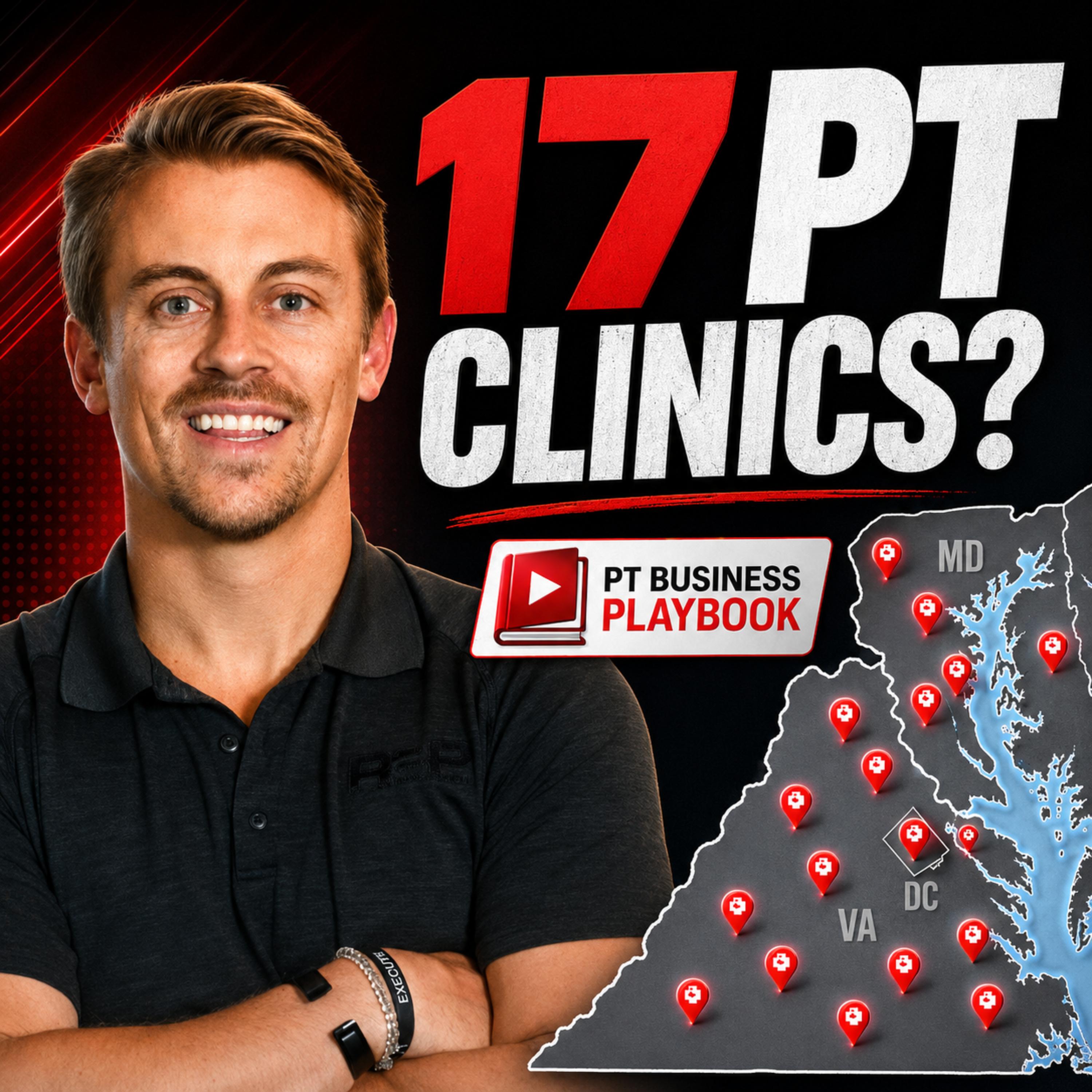 Josh Funk on Scaling Rehab 2 Perform and the Business Future of PT | In this episode, Seth Peterson talks with Josh Funk, founder of Rehab 2 Perform, about private practice ownership, business growth, staffing, reimbursement, clinical education, and the future of physical therapy.Josh shares how his own rehab experience at Ohio State inspired him to build a more active, performance-oriented community rehab model. He explains how early entrepreneurial experiments, side hustles, personal training, coaching, and customer service roles helped prepare him to launch Rehab 2 Perform just three years after PT school.The conversation covers practical resources for clinicians interested in business, including SBDC, SCORE, local accelerators, and the Goldman Sachs 10,000 Small Businesses program. Josh also discusses what it takes to grow from one clinic to 17, how to understand payer value and internal economy, and why practice owners need to treat staff recruitment with the same strategic attention they give patient acquisition.Josh also describes how residency programs can serve as attraction magnets, career accelerators, and company-wide education engines. The episode closes with a forward-looking conversation about healthspan, diagnostics, wellness screening, and why physical therapists should become more proactive in risk stratification and prevention-oriented care.Key TakeawaysGreat business ideas often come from bad personal experiences.Josh’s own contrast between high-level rehab at Ohio State and community-based care helped spark the Rehab 2 Perform concept.Microdose entrepreneurship before you cut the cord.Josh emphasizes side hustles, coaching, training, and customer service as low-risk ways to build business skills before opening a practice.Free business mentorship exists. Use it.SBDC, SCORE, local accelerators, and Goldman Sachs 10,000 Small Businesses helped Josh build business literacy without draining early-stage cash.Practice owners must understand reimbursement.Josh argues that owners need to understand payer value, administrative burden, MPPR, billing differences, cash services, and the internal economy of the practice.Staff acquisition needs a funnel.Many practices have a patient marketing funnel, but no talent funnel. Josh sees this as a major missed opportunity.Residency can raise the floor across a company.A residency program does not only benefit the resident. It creates a pourover effect that can improve the whole clinical ecosystem.Build a process-dependent company, not a people-dependent company.High achievers may leave. The owner’s job is to operationalize their genius so the organization keeps growing.PT needs to move into healthspan and diagnostics.Josh believes the public is ready for proactive screening, risk stratification, wellness, and physical capability conversations.Find Josh and Rehab 2 Perform:https://rehab2perform.com/https://www.instagram.com/drjoshfunk/ | — | ||||||
| 8/21/26 |  Dr. Thomas Ibounig on Incidental Rotator Cuff Abnormalities and Shoulder MRI | In this episode, host Leda McDaniel speaks with Dr. Thomas Ibounig, shoulder and elbow surgeon at Helsinki University Hospital and researcher with the Finnish Centre for Evidence-Based Orthopaedics.Dr. Ibounig discusses his 2026 JAMA study, “Incidental Rotator Cuff Abnormalities on Magnetic Resonance Imaging.” The conversation explores how common rotator cuff abnormalities are on MRI, including in asymptomatic individuals, and what that means for clinicians interpreting imaging findings in patients with shoulder pain.The study used a representative Finnish population sample, bilateral 3 Tesla MRI imaging, shoulder surgeon clinical examination, and extensive questionnaire data to examine the relationship between imaging findings, symptoms, clinical tests, and broader patient factors.Dr. Ibounig explains why MRI findings and isolated clinical tests may not identify the source of pain as reliably as clinicians often assume. He also discusses why terminology matters when explaining imaging to patients, how structural findings can become over-medicalized, and why future research needs to look beyond anatomy toward psychological, occupational, metabolic, and longitudinal contributors to shoulder pain.This episode is especially relevant for orthopedic manual physical therapists, surgeons, sports clinicians, educators, and anyone helping patients make sense of shoulder MRI findings.Link to referenced study: https://jamanetwork.com/journals/jamainternalmedicine/fullarticle/2844659Key TakeawaysMRI abnormalities are extremely common after age 40.Dr. Ibounig reports that nearly every shoulder over 40 in the study showed some abnormality on MRI.Abnormal does not always mean pathological.Findings such as tendinopathy, partial-thickness tears, and even some full-thickness tears may be part of aging rather than the clear source of symptoms.Symptoms and imaging do not map cleanly.Full-thickness rotator cuff tears were more common in symptomatic shoulders, but many findings were also present in asymptomatic shoulders.Clinical tests may not add as much certainty as clinicians hope.Even a thorough clinical exam did not clearly improve the ability to distinguish symptomatic from asymptomatic rotator cuff findings.Language matters.Telling a patient their shoulder is “torn” or “broken” can create fear, even when the finding may be common for their age.Shoulder pain needs a broader explanatory model.Dr. Ibounig emphasizes that future research should explore pain mechanisms beyond structure, including psychological, metabolic, occupational, and longitudinal factors.Clinical humility is essential.One of the episode’s strongest messages is that experience often brings less certainty, not more. | — | ||||||
| 8/14/26 | 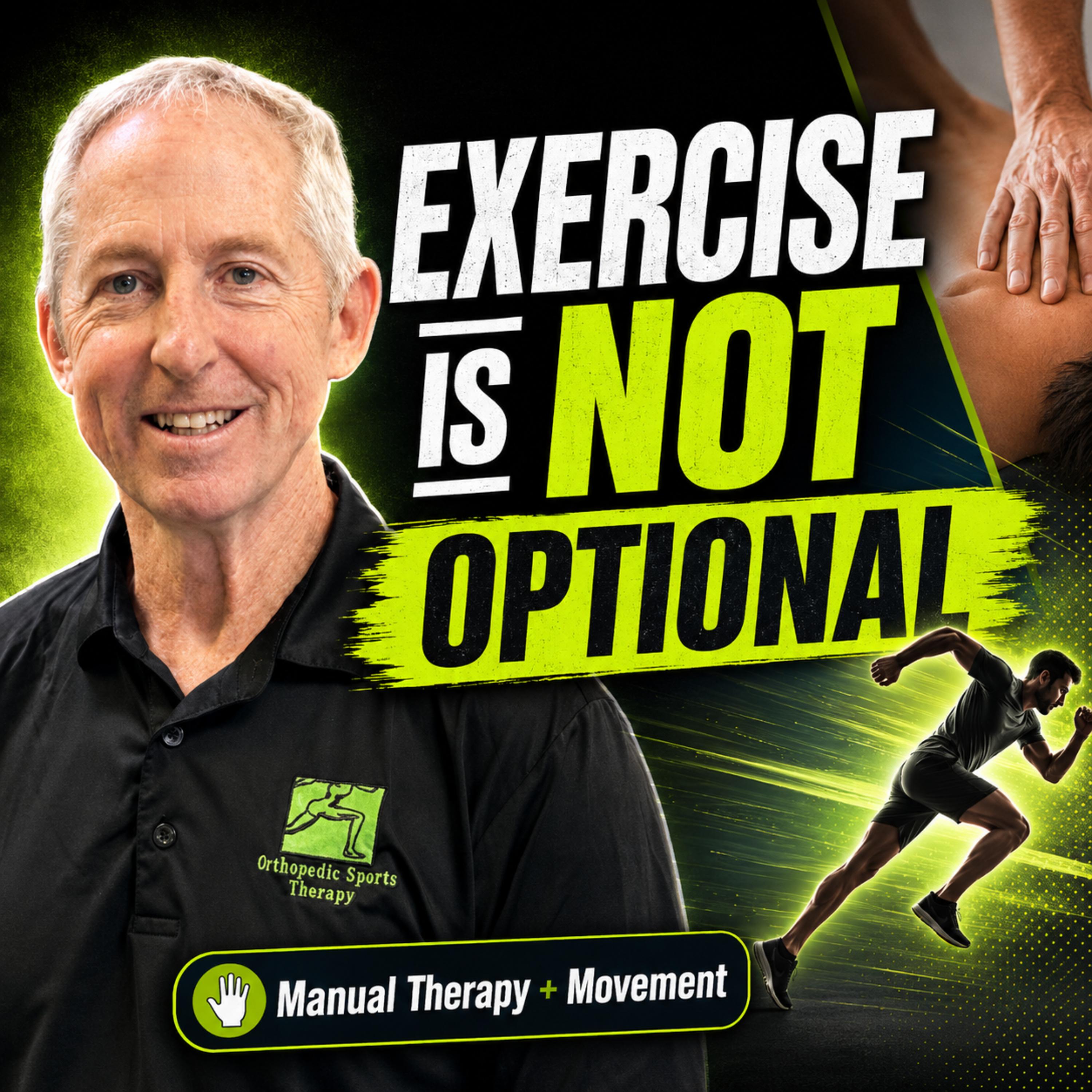 Tim Fearon on Exercise, Manual Therapy, and Patient Responsibility | In this episode, Seth speaks with Tim Fearon, a respected leader in orthopedic manual physical therapy, about the role of exercise in manual therapy practice.Tim reflects on retirement, mentorship, and the clinical evolution that led him to place exercise and patient responsibility at the center of care. He shares how early mentorship shaped his manual therapy skills, but how recurring patient problems forced him to ask a harder question: if symptoms improve but the problem returns, did we really fix anything?The conversation explores Tim’s shift toward active participation, PNF principles, the Maitland model, reassessment, and exercise as a reasoned clinical intervention rather than a generic home program. Tim also challenges clinicians to stop treating exercise as the less important part of care, stop overdosing patients with too many exercises, and stop outsourcing the very thing that helps patients take ownership of their recovery.The episode also looks toward the future of physical therapy, including remote therapeutic monitoring, exercise apps, online programs, and why skilled clinicians who can integrate passive care, active care, and patient psychology will continue to matter.Key TakeawaysManual therapy alone may not create lasting change. Tim describes realizing that he could improve symptoms manually, but patients sometimes returned with the same problem because the underlying functional capacity had not changed.Exercise should be reasoned like manual therapy. Tim emphasizes using reassessment after active interventions just as clinicians do after passive techniques.Patient psychology matters. The best exercise is not just biomechanically appropriate. It has to match the person’s behavior, motivation, tolerance, and readiness.Do not overdose the home program. Tim warns that giving too many exercises can reduce adherence and cause patients to abandon even the most important pieces.Exercise should not be treated as lower-value care. Handing exercise off too casually can signal to the patient that it is less important than the manual treatment.The patient must own part of the outcome. Tim repeatedly returns to personal responsibility: patients need to experience that what they do can change their symptoms and function.Generic exercise apps will help some people, but not everyone. Tim sees value for people in the middle of the bell curve, but warns that more complex patients still need skilled clinical reasoning.Skilled PTs integrate passive and active care. Tim is not dismissing manual therapy. He argues that passive care and active management work best when they are both delivered with skill and intention. | — | ||||||
| 8/7/26 | 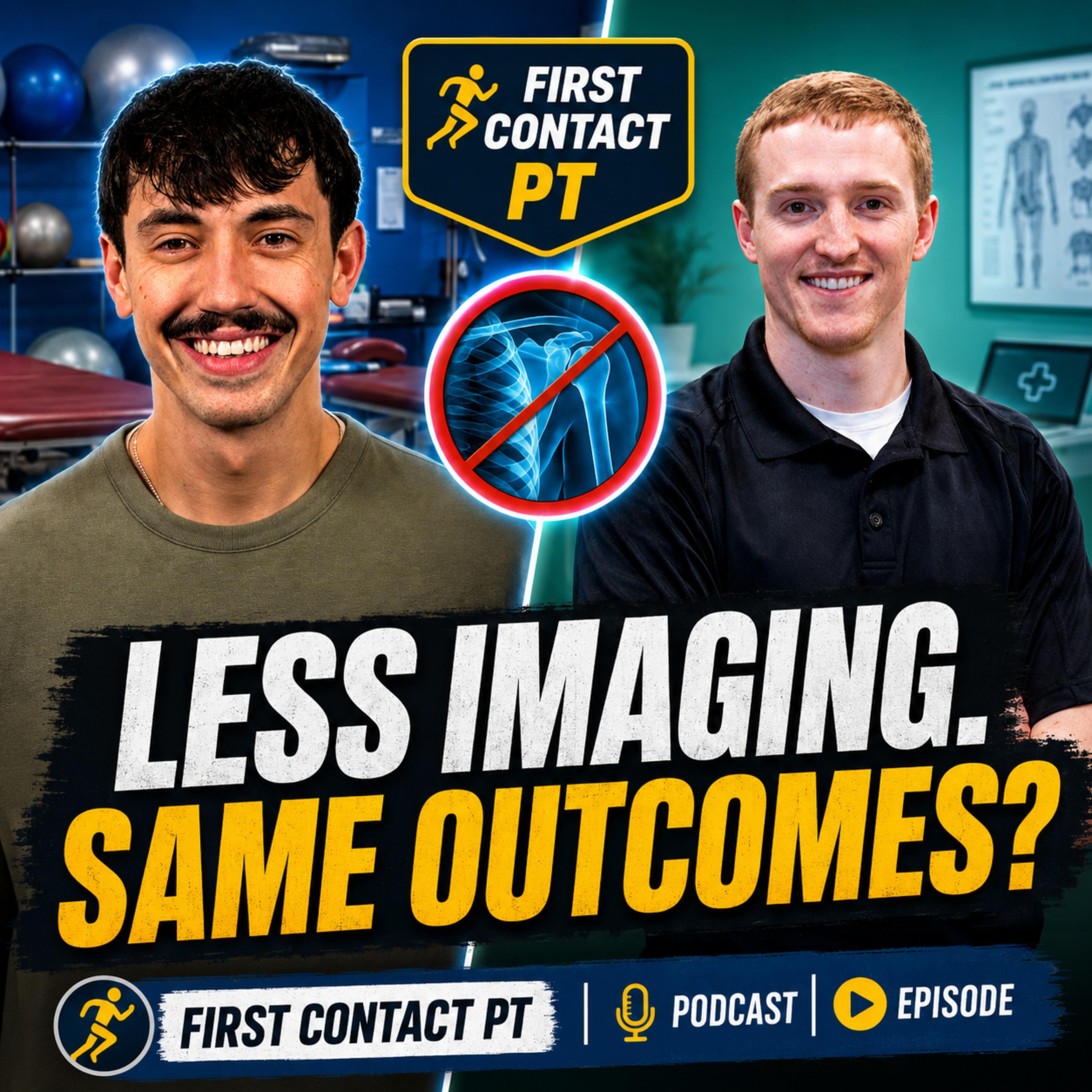 Should PTs Be the First Provider for Musculoskeletal Pain? | In this episode, host Dr. Nick Rainey is joined by Dr. Bremen Abuhl and Dr. Dallas Ehrmantraut to discuss their 2025 Physical Therapy Journal article, “First Contact Physical Therapy Compared to Usual Primary Care for Musculoskeletal Disorders: A Systematic Review and Meta-Analysis of RCTs.”The conversation explores whether physical therapists should serve as the first point of contact for patients with musculoskeletal disorders and how first contact PT compares with usual primary care.Dr. Abuhl and Dr. Ehrmantraut discuss their findings, including reduced imaging utilization, reduced prescription medication utilization, and similar clinical outcomes for pain, disability, and health-related quality of life. They also unpack the terminology around direct access, first contact PT, and primary care PT, and explain why direct triage models may offer a more efficient pathway for patients.The episode also addresses real-world implementation barriers, including reimbursement models, state scope-of-practice variation, imaging privileges, medication prescribing, stakeholder buy-in, and the need for PTs to step confidently into first contact roles.Key TakeawaysFirst contact PT is not the same as direct access. Direct access means patients can choose PT without referral. First contact PT means the PT is the first provider evaluating the patient for that episode of care.The study found lower healthcare utilization. First contact PT was associated with 45% less imaging and 71% less prescription medication utilization compared with usual primary care.Clinical outcomes were similar. Pain, disability, and health-related quality of life outcomes were statistically similar between first contact PT and usual primary care.Less imaging is not automatically the goal. The more important question is appropriate utilization: avoiding both overuse and underuse.Implementation is a system problem. Scope of practice, reimbursement, stakeholder buy-in, state law, and health system workflows all influence whether first contact PT can work.Direct triage may be the stronger model. Compared with warm handoffs, direct triage allows patients with appropriate MSK presentations to start with PT as the first provider.PTs need to be ready for real-world first contact care. That includes identifying red flags, determining urgency, ordering or recommending imaging when appropriate, and referring to the right provider when needed. Chapters: 00:00 — Welcome and guest introductions 01:17 — Dr. Bremen Abuhl’s path into first contact PT research 03:13 — Dr. Dallas Ehrmantraut’s clinical spark for the topic 06:16 — Overview of the PTJ systematic review and meta-analysis 09:52 — Direct access vs first contact PT vs primary care PT 13:15 — Global evidence and limited U.S.-based RCTs 16:24 — Imaging findings and appropriate utilization 20:37 — Medication utilization findings 23:27 — Clinical outcomes: pain, disability, and quality of life 25:20 — Study limitations and downstream utilization 27:13 — Why longer-term outcomes matter 31:15 — Risk of bias and crossover between groups 33:36 — U.S. system barriers to first contact PT 36:37 — Reimbursement, payer models, and stakeholder concerns 40:45 — Direct triage vs warm handoff models 44:15 — Scope of practice and state-level barriers 46:08 — Real-world safety, red flags, and PT decision-making 48:01 — Call to action for physical therapists 50:06 — Closing thoughts | — | ||||||
| 8/6/26 |  Jess Ellis on the Reality of Pro Sports PT, Clinical Honesty, and Pragmatic Practice | In this episode, Seth sits down with Jess Ellis, fellowship-trained physical therapist, former NBA health and performance leader, founder of Rehab Code, and consultant for professional athletes.Jess shares his career path from early burnout in high-volume physical therapy to mentorship with Tim Fearon, fellowship training, EXOS, the Portland Trail Blazers, the New York Knicks, and his current work in mentorship, consulting, and concierge care.The conversation explores the realities of working in professional sports, including the pressure of return-to-play decisions, reduced clinical autonomy, team politics, athlete relationships, and the lifestyle tradeoffs that come with elite sport. Jess also discusses his PhD work on athlete buy-in with wearable technology and force plate testing, raising important questions about trust, data, ethics, and shared decision-making.This episode also gets into the deeper professional questions many PTs face: Are you actually getting better? Are you pursuing mastery or professional FOMO? Are you being clinically honest with yourself and your patients? And are you relying on theory, or producing meaningful change?A sharp, candid conversation for clinicians interested in OMPT, sports rehab, mentorship, career development, and pragmatic clinical reasoning.Chapters: 00:00 — Welcome and Jess Ellis intro01:34 — Burnout, mentorship, and fellowship training03:00 — EXOS, NBA roles, and Rehab Code06:23 — Career growth and owning your opportunities09:11 — OMPT in pro sports11:01 — Imaging, structure, and pathomechanics12:55 — Why fellowship changed Jess’s reasoning14:54 — The reality of working in pro sports17:01 — Return-to-play pressure18:08 — Leadership, politics, and athlete trust20:10 — Lifers, burnout, and leaving sport23:43 — Athlete data, wearables, and Jess’s PhD27:50 — Clinical bias and shared decision-making30:00 — Pain science communication problems31:43 — Mentorship and PT career paths34:15 — Professional FOMO vs mastery35:54 — Clinical honesty and getting better37:47 — Pragmatism, listening, and results40:11 — Where to find Jess Ellis | — | ||||||
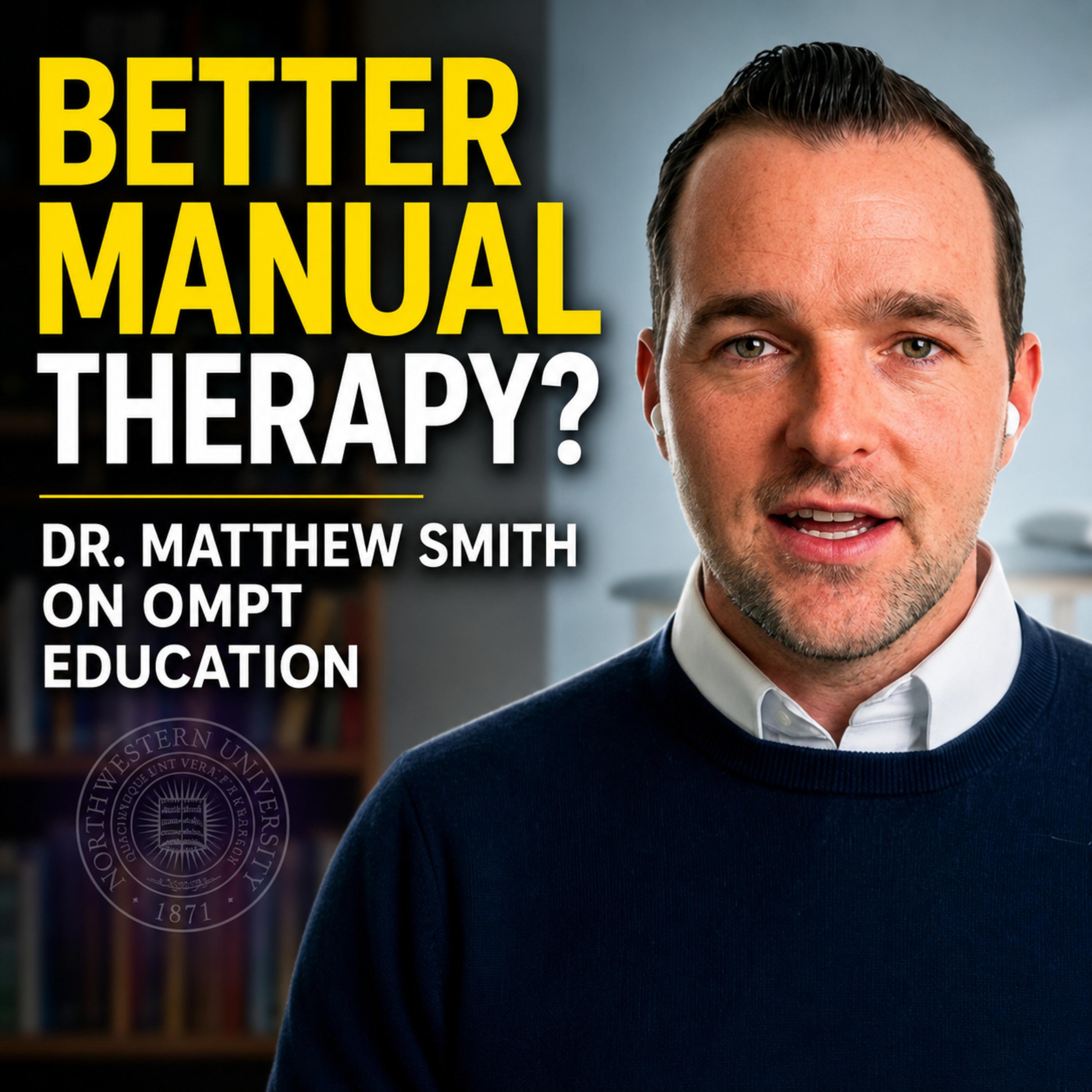
| 7/7/26 | Orthopedic Manual Physical Therapy EducationClinical Reasoning+4 | Dr. Matthew Smith | Clinical Science in Manual Therapy GrantAAOMPT | — | OMPTDPT education+6 | — | 24m 37s | ||
| 6/26/26 | cervicogenic headachemigraine+3 | Gwen JullZhiqi Liang | AAOMPTIFOMPT | — | cervicogenic headachemigraine+3 | — | 44m 10s | ||
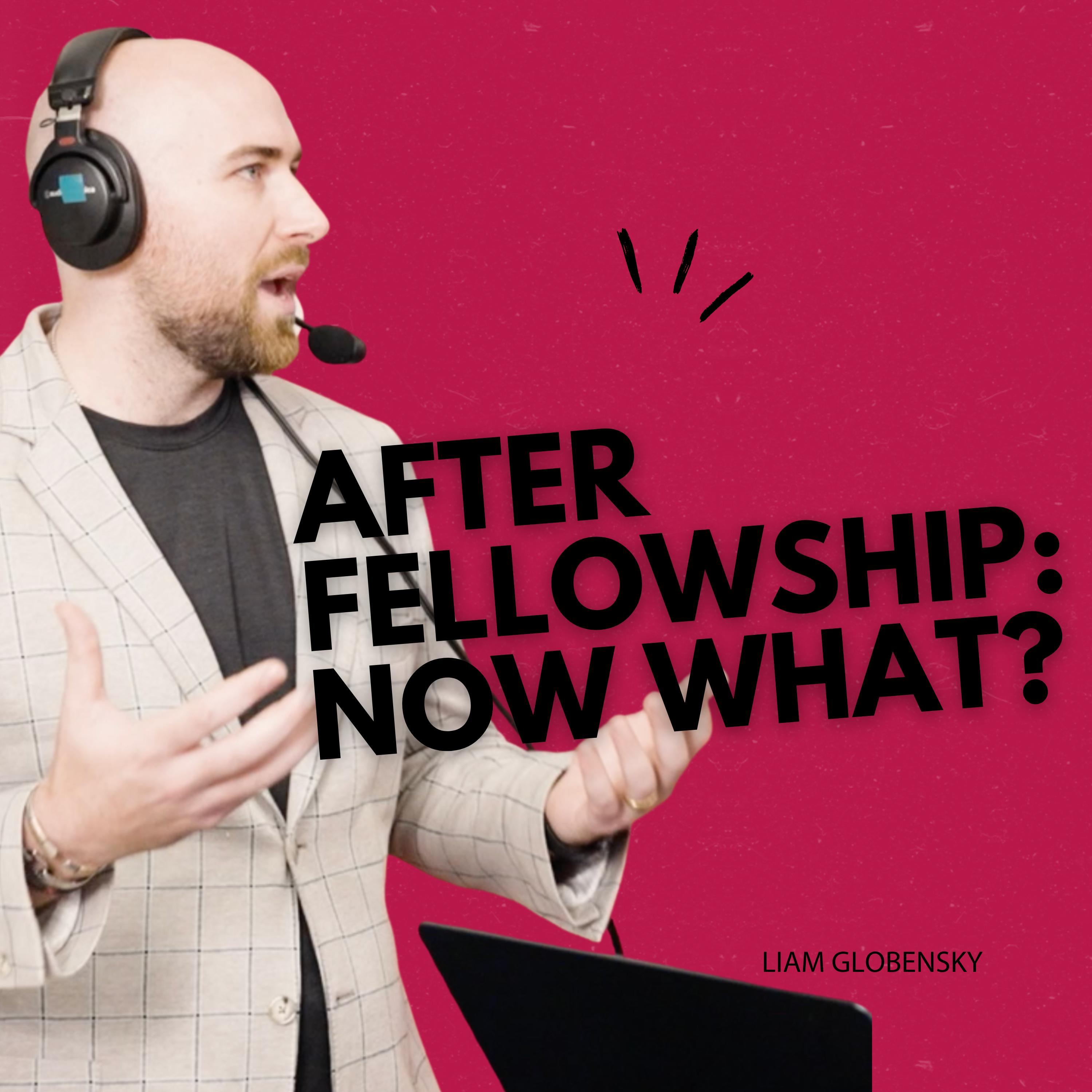
| 4/14/26 | fellowshipmentorship+4 | Liam Globensky | Brooks RehabilitationBrooks Institute of Higher Learning | — | fellowshipmentorship+5 | — | 17m 13s | ||
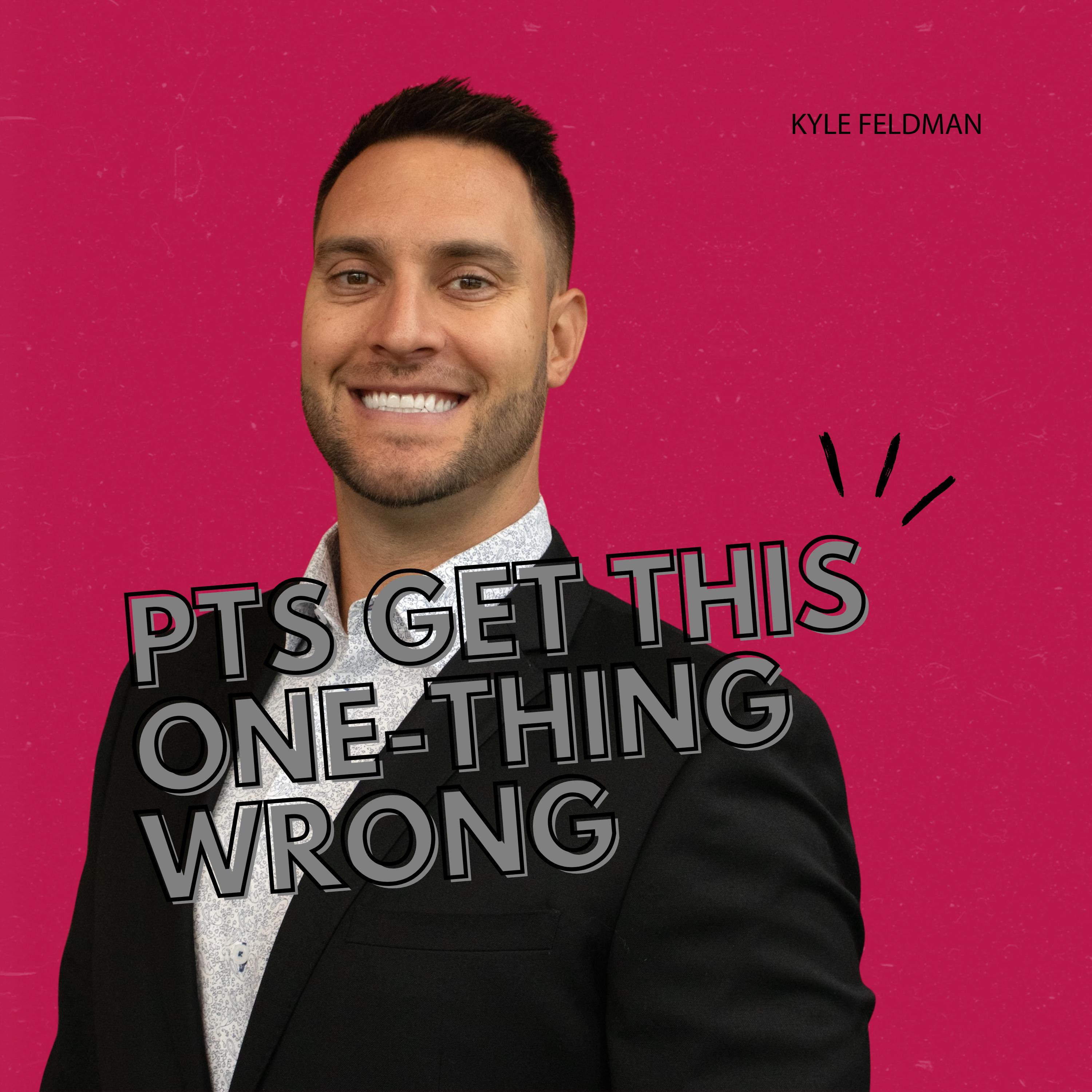
| 4/7/26 | clinical reasoningtherapeutic alliance+5 | Kyle Feldman | ReEnvision PTWE ARE Physiotherapy | — | clinical reasoningtherapeutic alliance+6 | — | 16m 11s | ||
| 3/24/26 | clinical reasoningmentorship+4 | Lee Marinko | Boston UniversityAAOMPT+2 | — | clinical reasoningmentorship+5 | — | 12m 43s | ||
Want analysis for the episodes below?Free for Pro Submit a request, we'll have your selected episodes analyzed within an hour. Free, at no cost to you, for Pro users. | |||||||||
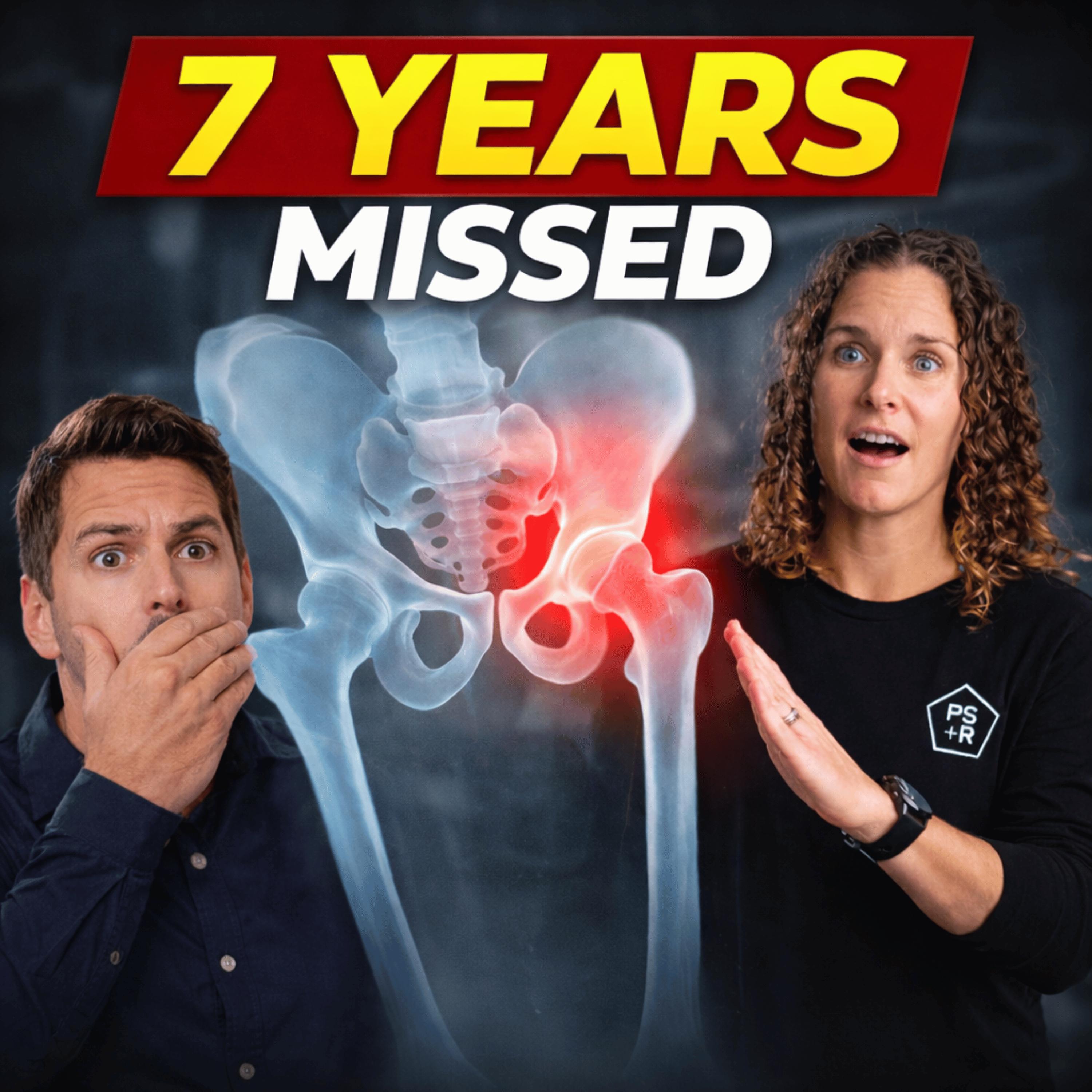
| 3/19/26 | hip dysplasiadiagnosis+4 | Dr. Libby Bergman | AAOMPT | — | hip dysplasiadiagnosis delay+6 | — | 15m 25s | ||
| 3/18/26 | ethical responsibilitiesscope of practice+4 | — | AAOMPT | — | ethical breachphysical therapist assistant+5 | — | 25m 34s | ||
| 3/16/26 | social determinants of healthoutpatient physical therapy+3 | Rachel Beilfuss | NorthwesternMarquette University+1 | — | social determinants of healthoutpatient PT+5 | — | 14m 50s | ||
| 3/10/26 | musculoskeletal caredigital health innovations+4 | Clare Ardern | University of British ColumbiaDigiMSK | — | musculoskeletal healthdigital health tools+4 | — | 19m 27s | ||
| 3/3/26 | post-professional developmentadvocacy+3 | Liam Globensky | Brooks RehabilitationBrooks Institute of Higher Learning+1 | — | fellowshipphysical therapy+4 | — | 17m 13s | ||
| 2/24/26 | Why Communication Is the Real Superpower in Manual Therapy | John Seivert, PT, a clinician with more than 40 years of experience blending skilled orthopedic manual therapy with the art of Motivational Interviewing.Fresh off his conference breakout sessions — Touch, Talk, and Transform — John breaks down what holistic OMPT looks like today, why communication is the foundation of effective care, and how accurate empathy changes outcomes.We explore:The current state of OMPT and where the field is headingWhy “How good are you at listening?” might be the most important question in therapyHow MI empowers patients to make meaningful changeWhat John has learned from four decades of treating, teaching, and bike racingHis reflections on retirement, mentorship, and legacyIf you’re a clinician, student, educator, or anyone who cares about whole-person care, this is a conversation that will sharpen your skills — and your humanity.0:00 – Intro0:27 – Who Is John Seivert?1:35 – Touch, Talk & Transform: The Masterclass4:22 – The Current State of OMPT7:50 – Why It All Starts With Communication11:10 – How to Actually Listen in a Clinical Encounter14:40 – Motivational Interviewing in Orthopedic Practice18:55 – Role Modeling Listening for Patients & Learners22:30 – What 40 Years of OMPT Has Taught John26:15 – Bike Racing at 65: Lessons for Clinicians30:02 – Preparing for Retirement & Passing the Torch33:10 – Final Thoughts & Advice for New Clinicians???? Guest: John Seivert, PTFaculty at Kaiser Permanente Fellowship Program, EIM Weekend Intensive Faculty, MINT Trainer | — | ||||||
| 2/17/26 | Why AAOMPT Membership Matters | AAOMPT Fellow and educator Laura Wenger joins us to explore the future of membership, community, and belonging within orthopaedic manual physical therapy.Laura teaches foundational clinical reasoning at the University of Utah’s hybrid DPT pathway, treats patients weekly in a rural outpatient ortho practice, and serves as Co-Chair of AAOMPT’s Inclusive Membership & Engagement Committee (IMEC). Her work sits at the intersection of education, patient care, and organizational leadership.In this episode, Laura shares what IMEC is working on, how AAOMPT can better serve clinicians across training levels, and why belonging and representation matter for the future of the profession.In this episode, we cover:???? Who AAOMPT members actually are — and who we want to reach???? The biggest opportunities for member engagement year-round???? How AAOMPT supports professional + personal growth???? The value of SIGs, committees, and leadership pathways???? Fellowship pathways & mentorship: where they shine???? Why DEI work is essential for OMPT’s long-term health???? How Laura teaches clinical reasoning to a new generation of DPT students???? Practicing in rural settings + hybrid education insightsThis one is essential listening for current AAOMPT members — and anyone curious about joining. | — | ||||||
| 2/12/26 | The Worst Pain Is Unexplained Pain — Rethinking Diagnosis in Physical Therapy | The worst pain is unexplained pain. In this episode of the Hands-On, Hands-Off Podcast, physical therapists Amy McDevitt and Paul Mintkin explore why pain without a clear diagnosis is often the most distressing—and how physical therapists can communicate pain more effectively when imaging, MRI findings, and pathoanatomy don’t provide clear answers.This conversation dives deep into pain science, musculoskeletal pain, low back pain, and the limitations of medical imaging in explaining symptoms. We discuss how over-reliance on MRI results can increase fear, catastrophizing, and confusion for patients—and how language, context, and functional diagnosis can dramatically change outcomes.Learn how to reframe pain using the ICF model, why pain does not equal tissue damage, and how PTs can shift from chasing a pain generator to treating the whole person. The episode includes a real-time patient role-play, practical communication strategies, and insights on direct access physical therapy, lifestyle factors (sleep, stress, activity), and the future of PT education.This episode is essential listening for physical therapists, manual therapists, rehab professionals, and students looking to improve patient communication, reduce fear, and deliver truly person-centered care. | — | ||||||
| 2/10/26 | 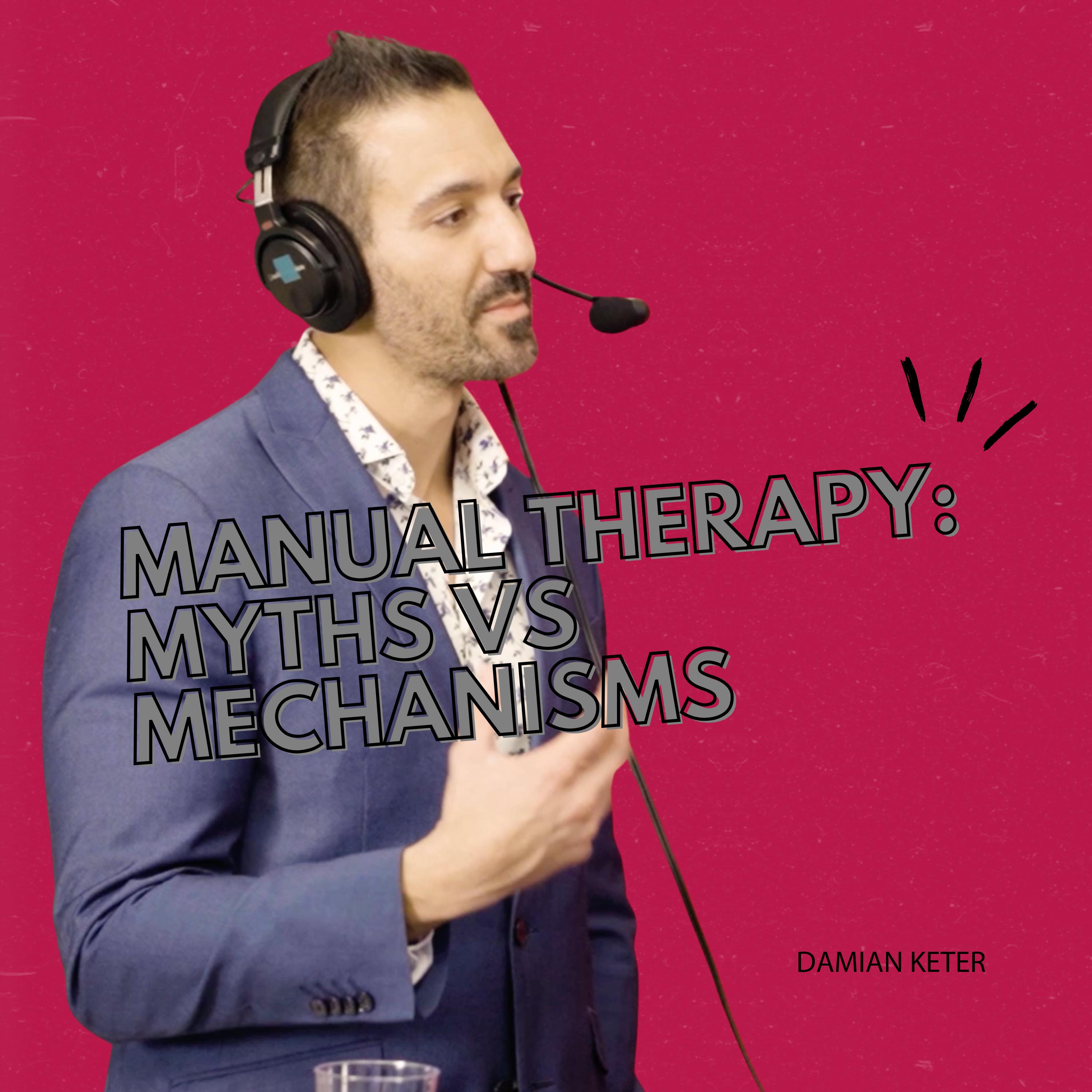 Manual Therapy Mechanisms & the Future of MT Education | Damian Keter | Damian Keter joins the show to unpack manual therapy treatment mechanisms and how our profession needs to evolve its education around MT.Damian is a clinician specializing in complex pain at the VA and a clinical researcher whose work centers on MT mechanisms and manual therapy training paradigms. If you’ve ever wondered what actually happens when we deliver manual therapy — and how to teach it more effectively — this episode delivers clarity.Topics:• Manual therapy mechanism research • Contextual effects and clinical reasoning • How MT education needs to evolve • Helping clinicians move beyond outdated models • The future of manual therapy in PT | — | ||||||
| 2/3/26 | 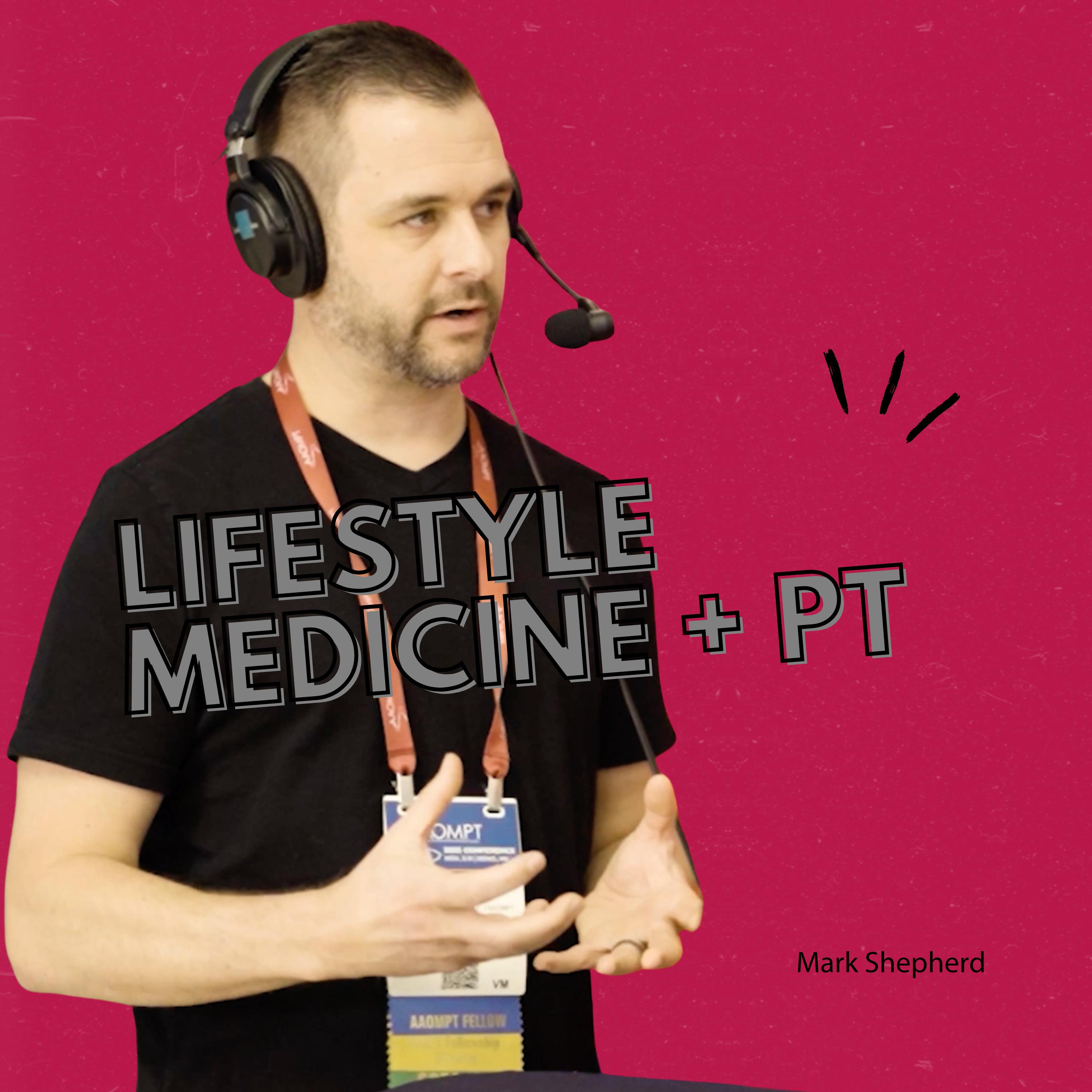 Lifestyle Medicine Meets OMPT: A Conversation with Mark Shepherd | Mark Shepherd joins the podcast to discuss person-centered clinical reasoning, lifestyle medicine, and how to improve the way PTs make sense of pain.Mark is Program Director of the Bellin College OMPT Fellowship, a DPT faculty member, and a clinician who blends manual therapy, patient values, and lifestyle-based interventions to build clearer clinical hypotheses. His recent publication introduces an updated reasoning model: the person-centered hypothesis, which emphasizes individualized sense-making over rigid diagnostic categories.In this episode: • What “person-centered hypothesis” means in practice • How lifestyle medicine empowers rather than dilutes OMPT care • Improving reasoning in complex pain cases • Why clinicians should anchor decisions in patient values • Mark’s journey through education, teaching, and fellowship leadershipA must-listen for clinicians and educators who want a more modern, human approach to reasoning. | — | ||||||
| 1/29/26 |  How IFOMPT Shapes Global Manual Therapy Education and Practice | What role does IFOMPT play in global manual and musculoskeletal physiotherapy?In this episode of the Hands-On, Hands-Off Podcast, leaders from AAOMPT sit down with IFOMPT President Dr. Paolo Sanzo to discuss international education standards, evidence-informed practice, and global collaboration. The conversation explores how IFOMPT supports clinicians, educators, and researchers worldwide—and why global consistency ultimately improves patient care.00:00 – Introduction to the AAOMPT–IFOMPT collaborative series01:29 – Introducing Dr. Paolo Sanzo and IFOMT leadership03:19 – What IFOMPT is and its role within World Physiotherapy04:12 – Paolo’s journey through IFOMPT leadership roles05:21 – IFOMPT’s growth since 197407:11 – IFOMPT’s vision and mission explained09:47 – Education standards and member organization requirements12:10 – International monitoring and maintaining consistency17:49 – Evidence-based practice and global context20:16 – IFOMPT as a research and collaboration conduit23:14 – Challenges and opportunities of global collaboration26:18 – Working with international organizations and regions30:35 – Strategic priorities and future direction32:46 – Advice for clinicians pursuing excellence34:02 – Final reflections and closing remarks | — | ||||||
| 1/27/26 | 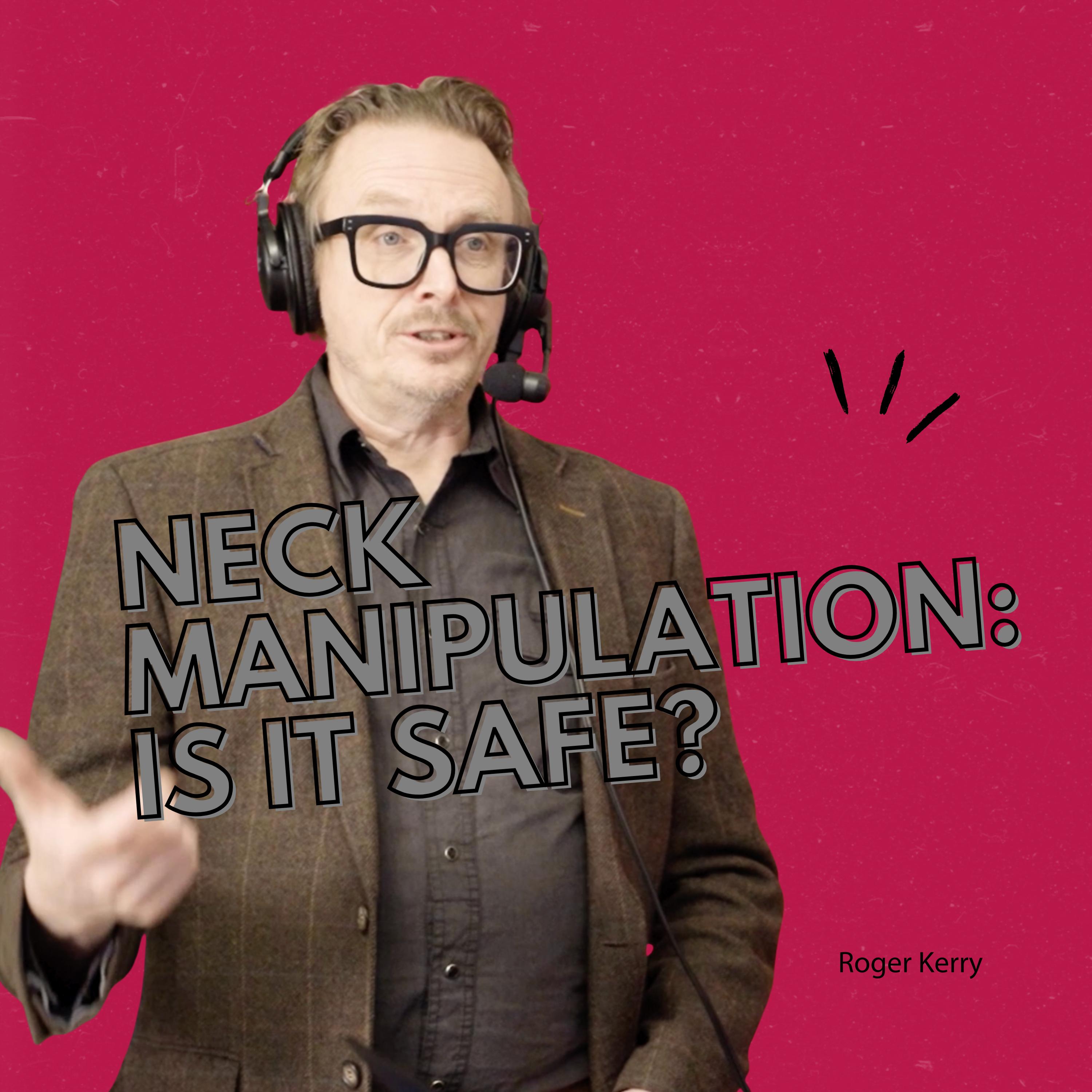 Neck Manipulation Myths, Risks & Evidence with Roger Kerry | Professor Roger Kerry joins the podcast to unpack one of the most debated topics in musculoskeletal care: the risks and benefits of manual therapy for people with head and neck pain.Roger is the lead for the physiotherapy program at the University of Nottingham, an interprofessional curriculum designer, researcher, PhD supervisor, and author of the new textbook The Head & Neck: Theory & Practice. His AAOMPT keynote focuses on cutting through decades of misinformation and helping clinicians understand what the evidence actually says.In this conversation:• Cervical manual therapy: what’s risky, what’s not, and what’s misunderstood• Why head & neck pain is still surrounded by outdated ideas• The problem with the way we teach manual therapy• How educators can break restrictive traditions• What emerging PhD work is revealing about the future of physical therapy• Roger’s personal journey from failed rehab patient → world-class academicThis episode is essential listening for anyone who treats neck pain or teaches manual therapy. | — | ||||||
| 1/22/26 | 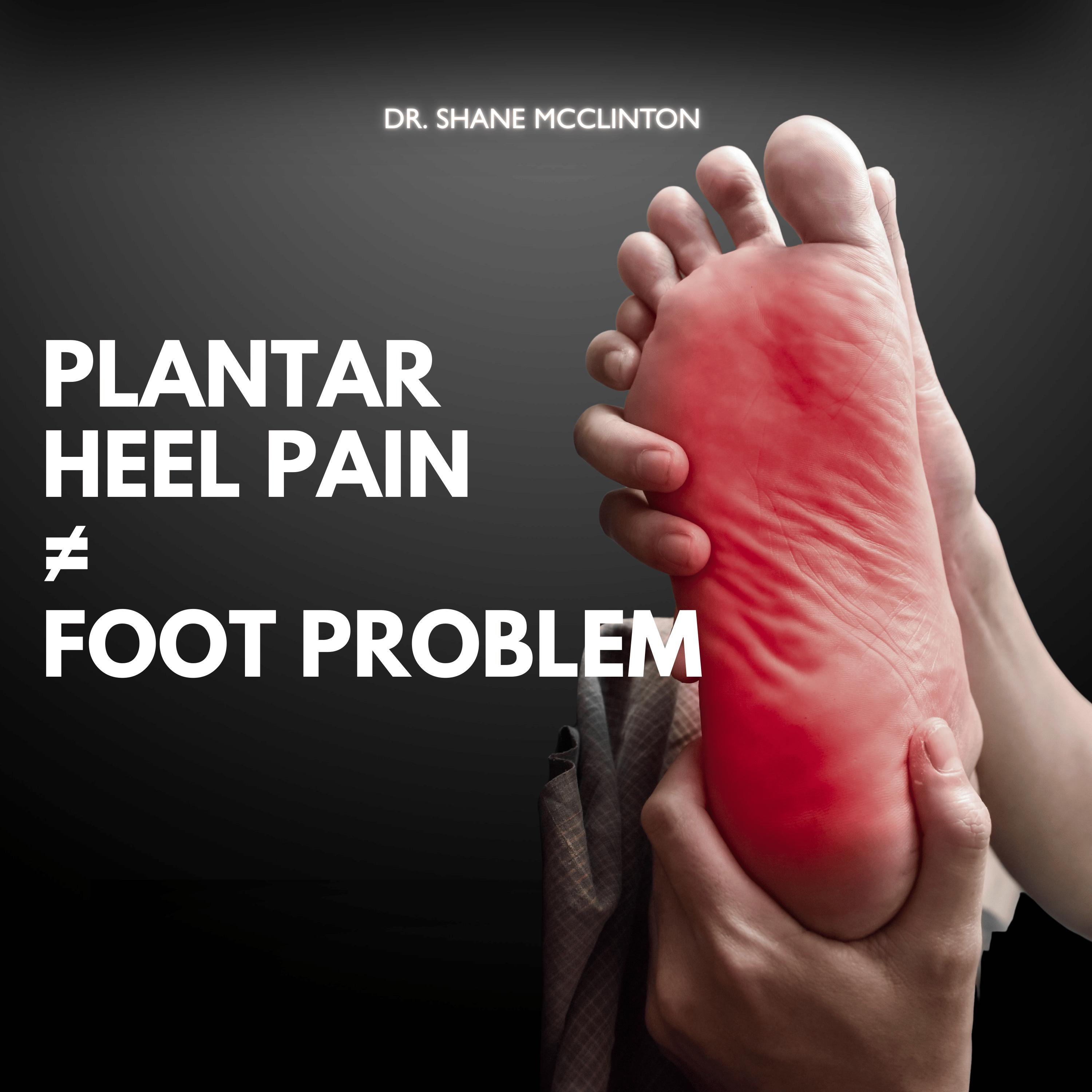 Is Physical Therapy Worth the Cost for Plantar Heel Pain? A 3-Year Answer | In this episode of the Hands-On, Hands-Off Podcast, Dr. Trenton Rehman sits down with Dr. Shane McClinton to discuss plantar heel pain and the role of physical therapy in both clinical outcomes and healthcare costs.Dr. McClinton walks through a series of studies stemming from his doctoral research, including a randomized clinical trial, a detailed case series, and a three-year cost-effectiveness analysis. Together, they explore how adding physical therapy to usual podiatry care impacts pain, function, quality of life, and long-term costs.Key themes include manual therapy, impairment-based exercise, proximal contributions to heel pain, interdisciplinary collaboration, and why plantar heel pain may deserve the same clinical mindset as low back pain.Key Takeaways (Listener-Facing)Plantar heel pain is a multidimensional condition with local and proximal contributors.Adding physical therapy to usual podiatry care improved outcomes and reduced costs over three years.Manual therapy and exercise were delivered pragmatically and tailored to impairments.Strengthening may be underutilized in plantar heel pain management.Collaboration between physical therapists and podiatrists benefits patients and reduces downstream burden.⏱️ TIMESTAMPED CHAPTERS (YouTube + Podcast)00:00 – Introduction to the episode and guest00:01 – Dr. Shane McClinton’s background and research focus00:03 – Why plantar heel pain referrals to PT are low00:07 – Rationale for studying cost-effectiveness00:10 – Study design overview (RCT + pragmatic approach)00:15 – Description of podiatry-only vs podiatry + PT care00:17 – Inclusion and exclusion criteria00:22 – Case series: why eight different heel pain presentations00:26 – Manual therapy strategies used in the study00:30 – Clinical practice guidelines and decision-making00:32 – Pain mechanisms, education, and chronicity00:35 – Proximal vs local treatment decisions00:38 – Three-year cost-effectiveness results explained00:44 – Implications for referrals and collaboration00:48 – Final take-home message from Dr. McClinton | — | ||||||
| 1/20/26 | 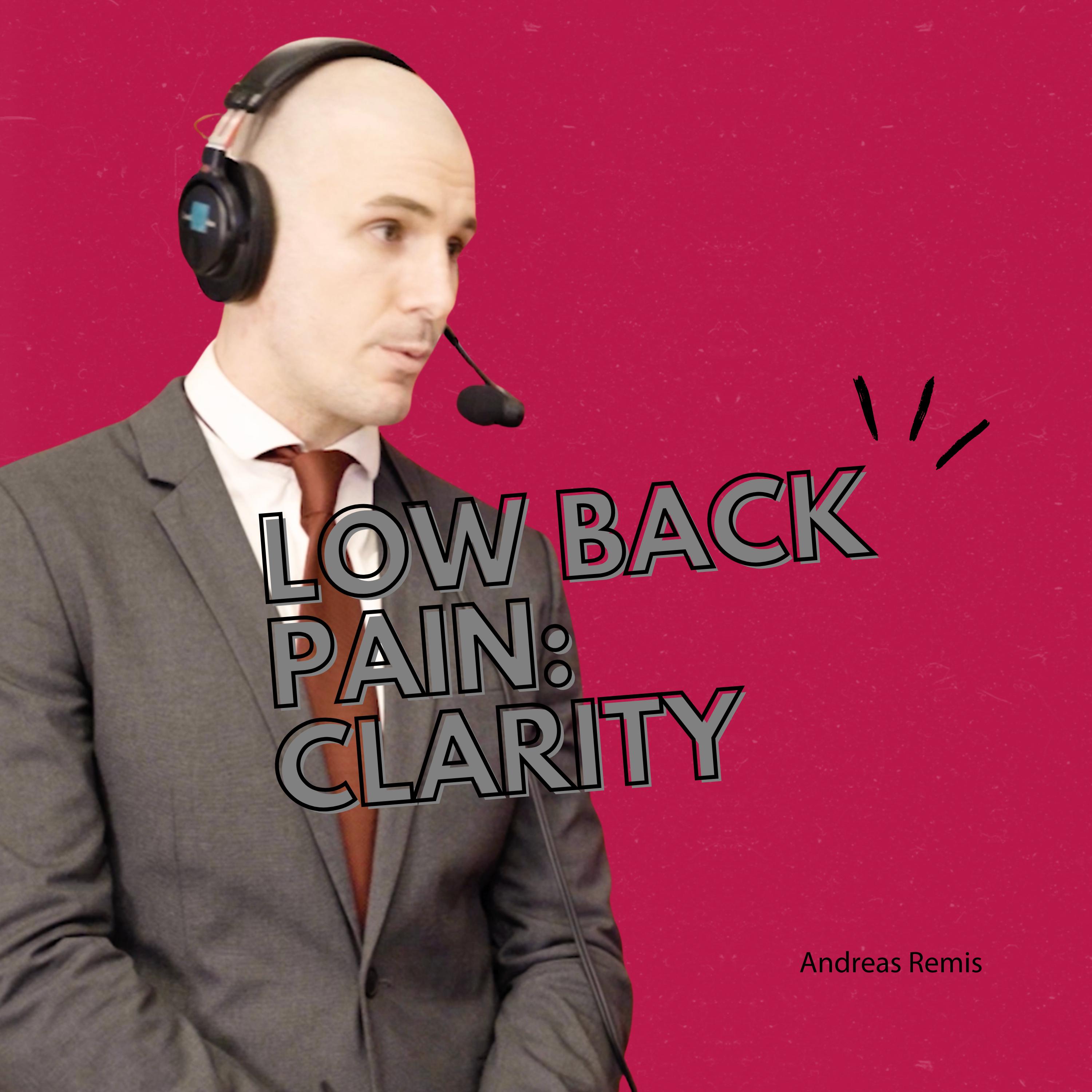 Low Back Pain Doesn’t Have to Be Confusing | Andreas Remis | Andreas Remis joins the podcast to unpack low back pain in a way that finally makes sense — bridging APTA CPG classifications, real-world clinical diagnosis, and the confusing world of radiographic findings.As faculty across multiple fellowships and residencies within the Duke Health System — and an educator shaped by his own poor rehab experience as a patient — Andreas brings a thoughtful, grounded approach to one of PT’s most complex conditions.In this episode:• LBP classification: CPG vs imaging vs clinical reasoning• How expert clinicians simplify diagnosis• Why radiographs often mislead clinicians and patients• The turning point when PTs begin to feel “value-confident”• Teaching LBP across OMPT pipelines• Lessons Andreas learned from being a failed patientIt’s a must-listen episode for clinicians, residents, and fellows treating low back pain. | — | ||||||
| 1/15/26 | Directional Preference When Time Matters | Josh Kidd | When the cost of delay is measured in millions of dollars and operational readiness, guesswork isn’t an option.In this episode, we sit down with Josh Kidd, physical therapist, researcher, residency director, and embedded clinician working with special operations personnel and fighter pilots. Josh shares how directional preference plays a central role in clinical decision-making when time, performance, and safety all matter.We explore what directional preference actually is (and what it isn’t), why it should be viewed as an assessment rather than an exercise, and how inconsistent definitions in the research have led many clinicians to misunderstand or abandon it altogether.Josh also walks through real-world data from a tactical setting, where his team has used directional preference to help service members return to duty 36% faster, while empowering patients to self-manage and reducing recurrence.This conversation connects research, clinical reasoning, and performance-based care—challenging clinicians to rethink not just what they do, but how they think.???? In This Episode, You’ll Learn:Why directional preference matters beyond the spineThe most common misconceptions clinicians have about directional preferenceHow inconsistent research definitions affect real-world practiceHow directional preference can guide prognosis and return-to-duty decisionsWhat clinicians can learn from high-stakes military performance environmentsOne mindset shift that can immediately improve clinical reasoning | — | ||||||


Showing 25 of 232
Pitch Fit is a Pro feature
See how bookable this show is for guests, which brands already advertise, the per-episode ad value, and the best-fit guest and sponsor profile. The numbers are blurred on the free plan.
How readily this show books outside guests like you.
How proven this show is for host-read sponsorships.
For Guests
ProFor Advertisers
ProUpgrade to Pro to unlock guest cadence, sponsor categories, fit scores, and per-episode ad value for this show.
Chart history for Hands On Hands Off: Manual Therapy & Orthopedic Physical Therapy (AAOMPT)
Peaked at #160 in India, currently #160 in India.
| Market | Genre | Peak | Current | Trend |
|---|---|---|---|---|
| India | — | #160 | #160 | — |
Chart Positions
1 placement across 1 market.
Chart Positions
1 placement across 1 market.