
HIT Like a Girl Pod: Empowering Women in Health IT
by Like a Girl Media
Is this your podcast?Insights from recent episode analysis
Audience Interest
Podcast Focus
Publishing Consistency
Platform Reach
Insights are generated by CastFox AI using publicly available data, episode content, and proprietary models.
Most discussed topics
Brands & references
Total monthly reach
Estimated from 1 chart position in 1 market.
By chart position
- 🇮🇳IN · Medicine#1821K to 10K
- Per-Episode Audience
Est. listeners per new episode within ~30 days
500 to 5K🎙 Weekly cadence·341 episodes·Last published 2d ago - Monthly Reach
Unique listeners across all episodes (30 days)
1K to 10K🇮🇳100% - Active Followers
Loyal subscribers who consistently listen
300 to 3K
Market Insights
Platform Distribution
Reach across major podcast platforms, updated hourly
Total Followers
—
Total Plays
—
Total Reviews
—
* Data sourced directly from platform APIs and aggregated hourly across all major podcast directories.
On the show
From 14 epsHosts
Recent guests
Recent episodes
Prescribing Wealth: A Doctor's Prescription for Financial Freedom
Sep 1, 2026
22m 53s
From Patient to Pioneer: Mariya Filipova on Investing, Convergent Care, and the Oral-Systemic Health Revolution
Aug 25, 2026
36m 33s
Investing in Women's Health Isn't a "Nice-to-Have"—It's Infrastructure. Here's Why.
Aug 18, 2026
27m 08s
The $70 Billion Blind Spot: Why Women’s Health is Underfunded and How We Fix It
Aug 13, 2026
24m 04s
Value-Based Care Unwoven: The Math, The Mission & The Sisterhood
Jul 21, 2026
25m 19s
Social Links & Contact
Official channels & resources
Official Website
Login
RSS Feed
Login
| Date | Episode | Topics | Guests | Brands | Places | Keywords | Sponsor | Length | |
|---|---|---|---|---|---|---|---|---|---|
| 9/1/26 |  Prescribing Wealth: A Doctor's Prescription for Financial Freedom | Is your money working for you, or are you just working for your money? Dr. Nkem Ezeamama, CEO of Pheenyx Capital Investment, is an ER physician who discovered that the business of medicine was changing faster than the practice of it. When a private equity firm took over her hospital and began slashing physician hours, she realized relying solely on her clinical income was a risk she couldn't afford. In this episode of HIT Like a Girl pod, Nkem shares her journey with host Joy Rios from treating patients to building Pheenyx Capital, a firm that helps healthcare professionals break free from the "golden handcuffs" of their salaries. Tune in to hear: The Trigger: How the shift to "corporate medicine" forced Dr. Ezeamama to pivot from burnout to building wealth. The Results: How she and 150 investors (90% in healthcare!) have acquired over $153 million in assets. The "Scarcity" Trap: Why so many high-earning professionals suffer from imposter syndrome and how she helps them shift to an abundance mindset. The Mission: Why she is focused on pulling up other women in a historically male-dominated industry and what it takes to get started. If you are a busy professional looking to diversify your income and build a legacy, this is the roadmap you’ve been waiting for. Key Points with Timestamps 01:00 | From Burnout to Building Wealth: Dr. Nkem Ezeamama, an ER physician, was forced to rethink her career when a private equity firm took over her hospital, cut physician hours, and shifted focus to the "business of medicine" over patient care. This led her to seek alternative income sources. 02:10 | The Genesis of Phoenix Capital: Recognizing that few healthcare professionals and women were investing in real estate, Dr. Ezeamama built a company to help others build passive income and grow wealth outside their daily practice. 03:45 | The Biggest Win: A Mindset Shift: The most significant impact she's made is helping healthcare professionals overcome the limiting belief that they can only do medicine, shifting their mindset from being a "worker" to becoming an "owner" of income-producing assets. 04:45 | The Reality Check on the Housing Market: While the market is daunting, she emphasizes that the first step is education, and the second is partnering with the right operator who understands market analysis, population growth, and landlord-friendly terms. 06:10 | The Numbers So Far: In just 3.5 years, Pheenyx Capital has grown to 150 investors (90% healthcare professionals), acquired $153 million in assets across the Southeast, and provided housing for nearly 800 families. 07:45 | Women as Investors: In a historically male-dominated field, Dr. Ezeamama is proud that she has a higher percentage of women investors than men. Her goal is to create more seats at the table for women and pull others up as she grows. 09:30 | The Abundance vs. Scarcity Mindset: She openly discusses overcoming imposter syndrome and emphasizes that there is "plenty for all of us." She encourages women to link arms and go far together, rather than competing from a place of scarcity. 12:15 | Small Steps Lead to Financial Freedom: She stresses that financial freedom is not achieved overnight but through consistency and taking tiny steps every day. She lives by the motto, "Tiny drops fill an ocean." 13:00 | Leading with Gratitude: Dr. Ezeamama credits gratitude for helping her appreciate how far she has come, which is essential for maintaining the mindset to continue moving forward. 14:45 | The Magic Number to Start Investing: To invest in Pheenyx Capital's deals, SEC rules require a $200,000 annual income (or $300,000 with a spouse) or a $1 million net worth (excluding primary residence). However, she notes that other real estate avenues (like duplexes or single-family homes) require much less capital to start. 17:45 | The Goal: 10,000 Healthcare Professionals: Her big-picture mission for Pheenyx Capital is to help 10,000 healthcare professionals start building wealth and understanding that financial freedom is possible. 19:00 | Group Investing: You Don't Have to Do It Alone: She emphasizes that investors don't need to manage properties themselves—they can pool capital while she and her team handle the day-to-day operations, allowing them to continue doing what they love. | 22m 53s | ||||||
| 8/25/26 |  From Patient to Pioneer: Mariya Filipova on Investing, Convergent Care, and the Oral-Systemic Health Revolution | When a routine physical uncovered a giant kidney tumor, Mariya Filipova’s life and career trajectory were irrevocably changed. Faced with the daunting "standard" medical path of a nephrectomy, she chose to take a weekend to think differently. That single decision sparked an 18-month journey as her own healthcare quarterback, coordinating care across oncology, nephrology, genetics, and computational science—and ultimately preserving both her kidneys and her quality of life. Today, as the founding partner of Marram Ventures and CEO of Proclaim Health, Mariya is on a mission to fix the systemic fragmentation she experienced firsthand. Her powerful investment thesis—"Convergent Care"—seeks to break down the professional and financial silos that have separated oral health from overall health for nearly 100 years. In this compelling episode, she discusses the startling lack of women in venture capital decision-making roles, the connection between gum disease and chronic conditions like diabetes and preterm labor, and why the solution lies in understanding healthcare's complex incentive structures. Join host Rebecca Love for a conversation that exposes the absurdity of a fractured system and offers a clear, actionable blueprint for how patients, employers, and investors can drive the change toward a truly integrated healthcare future. Why Women Investors Matter: The absence of women in venture capital decision-making roles isn't just a diversity issue—it's a market failure. By investing in what matters to the 51% of the population that makes the majority of healthcare decisions, we can build a smarter, more effective system. The Power of a Frustrated Patient: Mariya’s personal health scare taught her that a successful outcome isn't just surviving surgery; it's returning to a full, vibrant life. This patient-centered definition of success is the north star for her investment and leadership philosophy. The Healthcare "Black Box": As an executive at a major health plan, Mariya discovered the system's shocking inability to aggregate simple data, like total employer spending across medical, dental, and vision benefits. The same silos that frustrate patients are embedded in the business of healthcare. A 100-Year Divide: The separation of medicine and dentistry is a historical accident, not a biological reality. The scientific consensus is clear: inflammation in the mouth directly impacts the heart, brain, and pregnancy outcomes, yet the system refuses to connect the dots. Speaking the Language of Incentives: True change won’t come from disruption alone. It requires speaking the language of employers, health plans, and benefit administrators—showing how convergent care can reduce costs and improve quality by lowering high-cost claims (like NICU stays) through better oral health. Key TakeawaysKey Points with Timestamps 00:00 | Welcome & Guest Intro Host Rebecca Love introduces Mariya Filipova, a woman she describes as one of the most incredible people in her decade-long career. 01:30 | The Thesis & The Disconnect Mariya defines "Convergent Care" and explains the investment thesis behind Marram Ventures. She discusses the shocking statistic that only 10-17% of VC decision-making roles are held by women. 05:47 | A Life-Changing Diagnosis Mariya shares the pivotal story of her "accidental find" of a giant kidney tumor, revealing how a routine physical turned her from a jet-setting executive into a scared patient in 72 hours. 08:19 | The 18-Month Journey She details her decision to reject a "convenient" nephrectomy and coordinate her own care. This section reveals her inspiring fight to preserve her kidney and her life, and how she defines success as "full recovery." 15:39 | Fragmentation from the Inside Mariya exposes the "shocking" reality of the business side of healthcare. A simple request to an employer's total spend across medical and dental took a six-week project to complete. 18:09 | The Oral-Systemic Link Mariya connects the dots between gum disease and chronic conditions like diabetes, heart disease, and preterm labor, calling out the scientific absurdity of treating the mouth as separate from the body. 21:20 | The Role of Incentives Mariya explains how to drive change by speaking the language of benefit managers. She details how a single preterm labor claim can cost up to $1 million, and how preventative dental care can prevent it. 24:00 | The Power of the Employer She makes the case for why self-insured employers are the key to unlocking convergence, acting as the "buyer" who has the power to demand integrated dashboards and better benefits. 27:09 | Actionable Steps & The Call to Invest Mariya provides a powerful, three-part call to action for patients, employers, and women. She encourages female executives to start seeing themselves as investors, building wealth while supporting mission-aligned companies. 33:35 | Closing & Thanks Rebecca and Mariya wrap up with final thoughts on the future of healthcare and the power of women in investment. | 36m 33s | ||||||
| 8/18/26 |  Investing in Women's Health Isn't a "Nice-to-Have"—It's Infrastructure. Here's Why. | What if we told you that investing in women's health isn't just the right thing to do—it's the smart thing to do? Marissa Fayer has spent 22 years turning that argument into action. She's the CEO and founder of the global nonprofit HerHealthEQ (deploying women's health equipment across 12 countries, serving 150,000 women) and the for-profit DeepLook Medical (imaging software that sees inside dense tissue). And now, she's the author of the new book Undervalued to Unavoidable: Women's Health as Infrastructure. In this episode of HIT Like a Girl podcast, Marissa joins Joy Rios to make the case that women's health isn't a niche issue—it's the foundation of a functioning society. Tune in to hear: 🔥 The Economic Argument: Why framing equity as an economic imperative moves money faster than moral arguments ever will. 💰 Move Money, Move the Needle: How consumers, investors, and philanthropists can redirect capital toward women-led companies and solutions. 📊 The Stats That Shocked a Banker: Why a top executive told Marissa, "I literally cannot unhear this." 🧠 From Data to Action: We have the data. Now what? Marissa breaks down small, actionable steps anyone can take—whether you're in a boardroom, at a clinic, or at your kitchen table. ⚠️ The 35-Minute Gap: Why it takes 35 minutes longer to diagnose a woman having a heart attack than a man—and what that means for women's health outcomes. If you've ever wondered why we keep studying the problem without fixing it, this episode is your wake-up call. Key Points with Timestamps [02:45] The Multipreneur Mission: Marissa Fayer, CEO of HerHealthEQ (nonprofit) and DeepLook Medical (for-profit), and author of Undervalued to Unavoidable, explains that her daily drive comes from impacting women's health globally through better screening, technology, and access. [05:30] The Numbers Don't Lie: We have the data on the massive disparities in women's health, but talking about the problem isn't enough. It’s time to move from conversation to action. [06:50] The New Economic Argument: To get traction, frame women's health as an economic issue, not just an equity one. Companies with women in leadership and on boards are better investments and more effective with capital, making it a smarter business decision. [09:20] How to "Move Money": Action includes moving capital toward women-owned brands, asking financial advisors to invest in women-led funds, and supporting healthcare companies that prioritize women. [13:00] What Anyone Can Do Today: You don't have to be a CEO to make a difference. Small steps include asking why there are no women in a meeting, advocating for menopause and elder care policies in the workplace, or sending a form letter to a congressperson. [15:00] The "I Can't Unhear It" Moment: A top bank executive told Marissa he couldn't stop thinking about how women are systematically left out of infrastructure decisions, which was the catalyst for changing his perspective. [16:20] The 35-Minute Gap: It takes 35 minutes longer to diagnose a woman having a heart attack than a man, leading to irreparable harm. This is because symptoms in women (like back pain and stomach issues) are often dismissed or mistaken for other conditions. [18:30] The High Cost of Exclusion: Women were excluded from clinical trials until 1993, and enrollment is still only at 40%. Marissa argues that it is far more costly to retrofit products than to design them with women in mind from the start. [22:00] Women's Health is Infrastructure: Just as we invest in repairing roads and bridges, we must invest in the health of women—because they are the foundation of a functioning society. [24:00] Beyond Conversation: While we still need to share the facts, the priority is action. This means voting with your money, time, and resources to support women's health and leadership. | 27m 08s | ||||||
| 8/13/26 |  The $70 Billion Blind Spot: Why Women’s Health is Underfunded and How We Fix It | Less than 1% of healthcare venture capital goes to women's health. This isn't just a funding gap—it's a health crisis that affects 51% of the population. In this powerful kickoff to the "Invest Like a Girl" series, hosts Rebecca Love, Joy Rios, and Grace Vinton pull back the curtain on a system where men (who make up 85% of VC general partners) are making the vast majority of decisions about which health solutions get funded and brought to market. The hosts dive deep into the startling statistics: women make 80% of healthcare decisions, yet conditions like menopause, endometriosis (which takes seven years to diagnose), and cardiovascular disease—the number one killer of women—remain chronically underfunded. They unpack the systemic biases, from male-based symptom models that delay cardiac care for women by an average of 35 minutes, to the social dynamics of "golf course" deal-making that exclude women investors. But this episode isn't just about the problem. It's a rallying cry for action. With the largest wealth transfer in history moving to women over the next decade, the hosts explore how women can harness their financial power to reshape the future of healthcare, build generational wealth, and finally demand the innovations they deserve. Key Takeaways The Funding Gap is a Health Gap: Less than 1% of healthcare VC goes to women's health. This directly correlates with delayed diagnoses, inferior treatments, and poorer health outcomes for women across the board. The 80% Rule: Women make 80% of healthcare decisions for their families but are almost entirely absent from the rooms where health solutions are funded. This disconnect is a massive market failure. The "35-Minute" Disparity: Because cardiac symptoms are modeled on male patients, women experiencing heart attacks face an average 35-minute delay in diagnosis—a delay that can mean the difference between life and death. The Trust and Bias Problem: Women investors face unique hurdles, from being told to "pitch like a man" to being excluded from informal networking and "male bonding" that often seals deals. This is compounded by a trust gap where founders and colleagues often default to male counterparts. The Wealth Transfer is a Tipping Point: The largest intergenerational transfer of wealth in history is heading to women. How women choose to invest—and whether they prioritize mission-aligned, women's health solutions—will reshape the economy and healthcare for generations. Convergent Care is Key: The hosts highlight the need for a "convergence" approach, breaking down historical silos (like the 100-year separation of dentistry and medicine) to treat the whole person. Chapters & Key Moments 00:00 | Series Kickoff The hosts introduce a multi-part series on investing, fundraising, and the women's health funding gap, explaining why this conversation is critical right now. 00:30 | Why Investing Now Rebecca sets the stage by highlighting the shocking statistic that women represent only 10-17% of the investor market. 00:43 | Women Missing in VC The hosts expand on the lack of women in General Partner roles (less than 15%), pointing out that the same people are making decisions about products for a population they don't fully understand. 01:46 | Health Funding Gap Grace reveals that less than 1% of healthcare VC goes to women's health. This section breaks down the "90% problem"—where the tiny women's health pie is itself dominated by reproductive health, fertility, and women's cancers, leaving everything else behind. 04:15 | Underfunded Conditions The conversation turns to the "least attention" areas: menopause, endometriosis (and its seven-year diagnosis delay), PCOS, and cardiovascular disease—the number one killer of women that remains vastly underfunded. 05:37 | Data to Action Joy recounts a powerful conversation with investor Marissa Fayer, who highlights the "35-minute delay" in diagnosing women's cardiac events and issues a call to action: "We don't need to talk about the statistics anymore. It's time to take some action." 07:56 | Diversity in Dealflow & Bias in Fundraising The hosts discuss how the lack of diversity leads to blind spots. Rebecca shares a personal story of being told to "pitch like a man," illustrating the double-bind women founders face. 10:38 | The "Golf Course" Problem The conversation explores how informal male networking spaces can exclude women investors, forcing them to work twice as hard to build trust and perform due diligence, often lengthening the investment timeline. 12:04 | Women as Investors Joy shares her awakening about the existence of women's health-focused funds and real estate investing for passive income. She challenges the narrative that investing is "complicated" and only for men. 13:58 | Wealth Transfer Moment Rebecca highlights the JPMorgan study on the largest transfer of wealth in history moving to women. She poses the critical question: "What will women do when they control the assets of that large amount of dollars?" 14:53 | Financial Independence Joy shares her personal pride in being the first woman in her family to buy a house on her own, illustrating the liberating power of financial independence and the need to empower other women to do the same. 18:20 | Convergence Health Lens The hosts connect the conversation back to themes of "convergent care" showing how breaking down health silos is a critical part of solving the women's health funding puzzle. 20:46 | Impact Beyond Returns & Allies Wrap Up The hosts close by emphasizing that investment returns are important, but so are health outcomes and community impact. They end with a shout-out to male allies who are pulling women up through the ranks. | 24m 04s | ||||||
| 7/21/26 | value-based carepopulation health+4 | Rachael Jones | Lightbeam Health SolutionsSintax+1 | — | value-based carepopulation health+8 | — | 25m 19s | ||
| 7/14/26 | patient advocacydata rights+4 | Andrea Downing | Anthropic's Claude MythosProject Glasswing+2 | — | patient datadata ownership+5 | — | 27m 17s | ||
| 7/7/26 | federal fundingOMB rule+4 | Elizabeth Ginexi, PhD | NIHOMB+4 | — | OMBNIH funding+6 | — | 32m 41s | ||
| 6/30/26 | women in healthcareleadership+4 | Grace VintonRebecca Love | HIT Like a Girl Podhealthcare AI | Puerto Vallarta, Mexico | women's voiceshealthcare leadership+3 | — | 22m 11s | ||
| 11/18/25 | health equityLatino health+3 | Dr Jhaimy FernandezDr Yimdriuska Magan | Alma FirstHLTH 2025+5 | — | digital navigatorsICE raids+3 | — | 21m 37s | ||
| 11/11/25 | AIXR+3 | Dr Aditi Joshi | AIAmerican Healthcare+8 | ParisFrance+6 | unlearningcognitive off-ramps+2 | — | 16m 28s | ||
Want analysis for the episodes below?Free for Pro Submit a request, we'll have your selected episodes analyzed within an hour. Free, at no cost to you, for Pro users. | |||||||||
| 10/28/25 | addictionrecovery+3 | Hilary Phelps | recovery toolkitThe Right Room+8 | — | self-caredepression+3 | — | 19m 13s | ||
| 10/21/25 | endocannabinoid systemcannabis medicine+4 | Dr Leigh Vinocur | synthetic THC pillDrLeigh.com+7 | — | cannabis sciencemedical cannabis+3 | — | 28m 31s | ||
| 10/14/25 | sports medicineathlete health+3 | Dr Marcia Faustin | Division IWomen’s Gymnastics+6 | USLos Angeles | Fuel Your SoulBiospychosocial+5 | — | 19m 37s | ||
| 10/7/25 | reproductive healthcareabortion+3 | Alexis McGill Johnson | TikTokPlanned Parenthood’s+9 | America | backdoor abortion banhealthcare system+3 | — | 18m 29s | ||
| 9/30/25 | gun violencechildren's health+3 | Dr Annie Andrews | AnnieChirpy Bird Health IT+8 | AmericaSouth Carolina | Health and Human ServicesTheir Future PAC+2 | — | 15m 19s | ||
| 8/19/25 | gender gaphealthcare innovation+3 | Valentina Milanova | DayeHIT Like A Girl+5 | Europe | diagnostic tamponsCBD-infused tampons+2 | — | 10m 31s | ||
| 8/12/25 | women's healthhormone monitoring+3 | Anna Luisa Schaffgotsch | ImpliHIT Like A Girl | — | IVFmenopause+3 | — | 13m 33s | ||
| 8/5/25 | gender equalityglobal health+3 | Anna Coates | the World Health OrganizationWHO+2 | Latin America | Sustainable Development Goalsgender equity+3 | — | 21m 10s | ||
| 7/29/25 |  Why Your Stethoscope Needs a Megaphone: Women in Medicine Take On Power | What happens when medicine’s most fearless leaders gather to dismantle systemic barriers? Guest host Dana Trampas brings you frontline access from the Women in Medicine Summit, sitting down with Dr. Shikha Jain—triple board-certified oncologist, founder of the Women in Medicine Summit, and a thunderous voice for change. This isn’t just another healthcare conference. It’s a battle plan for equity, where pioneers like Dr. Jain and speakers including Hillary Phelps tackle medicine’s toughest crises: Why gender disparities still hemorrhage talent from healthcare—and how to suture the wound. The legislative earthquakes shaking patient care (and how doctors must grab the megaphone). Social media’s double-edged scalpel: How physicians can combat misinformation without burning out. The shocking absence of doctors in politics—and why every prescription pad should come with a campaign plan. New this year: Explosive sessions on negotiation mastery, clinical women’s health breakthroughs, and resilience tactics for an industry on the brink. 🎧 Episode Highlights 00:00 | Dana Trampas Takes the Mic: Why This Summit Changes Everything 01:42 | Behind the Scenes: The Game-Changing Additions to This Year’s Event 04:42 | Dr. Jain’s Firestarter Take: “Gender Equity Isn’t Nice—It’s Nonnegotiable” 06:59 | Public Health in the Post-Truth Era: How Doctors Can Outshout Misinformation 10:09 | From Clinic to Twitter: Why Physicians Must Claim Their Space Online 12:58 | “We Need 100 More Doctors in Congress”—The Policy Prescription Medicine Needs 17:09 | Lightning Round: Dr. Jain’s Unfiltered Takes on Burnout, Leadership & More 20:08 | Your Invitation to the Revolution (Sept 18-20) 💡 Why Listen? You’ll get summit-level insights without a $2,000 ticket. Actionable tools to combat disparities in your own institution. A rallying cry for every healthcare pro tired of “just coping” with broken systems. 🗓️ Join the movement at the Women in Medicine Summit (Sept 18-20)—where the most urgent conversations in healthcare begin. 🔗 Learn more & register: https://www.womeninmedicinesummit.org/ 🔗 Follow Dr. Shikha Jain 🔗 Subscribe for more no-filter healthcare truth-telling #WomenInMedicine #HealthcareEquity #MedTwitter #PhysicianLeadership #HealthcarePolicy | 23m 00s | ||||||
| 5/6/25 |  Care Anywhere, Challenges Everywhere: Laura Rogers Spills the Tea at ViVE (HIT Like a Girl Crossover!) | Beyond the Hospital Walls: Ensuring Safety, Security & Equity in the "Care Anywhere" Era As care delivery expands beyond traditional hospital settings, critical questions emerge: How do we safeguard patient safety and cybersecurity in decentralized care? What does it take to ensure equitable access to high-quality care for all? In this episode of HITea with Grace, Grace Vinton sits down with Laura Rogers, Senior Director of Healthcare Strategy at SHI International, to explore how the "Care Anywhere" model is reshaping healthcare. They discuss: 🔹 The Driving Forces – Why home-based care is gaining momentum 🔹 Tech & Infrastructure – The IT backbone needed to support remote care 🔹 Key Challenges – From cybersecurity risks to reimbursement barriers 🔹 The Gender Impact – How this shift affects women, who often balance their own health with caregiving duties What innovations are making "Care Anywhere" possible? What hurdles remain? Tune in for insights that could redefine the future of care delivery! 💡 Brought to you by the HIT Like a Girl Podcast and HITea with Grace – amplifying women’s voices in health IT. | 22m 57s | ||||||
| 4/22/25 |  Transforming Healthcare Through Interoperability and Innovation | 🎙️ What does it take to create a healthcare system that truly works for everyone? In this episode of HIT Like a Girl, host Demi Radeva sits down with Kristen Valdes, founder and CEO of b.well Connected Health, to explore how interoperability and innovation are reshaping the future of healthcare. Kristen shares her journey from working with Medicare and Medicaid Services to developing one of the first private Medicare Advantage plans. The conversation dives into: The critical role of interoperability in breaking down barriers to data sharing. How federal mandates and consumer expectations are driving the need for seamless digital experiences. The importance of partnerships—from big tech companies like Samsung to healthcare providers—in advancing innovation. Why policy changes are essential to improving access and equity in healthcare. 💡 Kristen’s vision for the future of healthcare is one where technology empowers consumers, simplifies complexity, and bridges gaps in care. Key Moments: ⏱️ 01:19 | Policy Shifts and Industry Changes ⏱️ 02:52 | Interoperability Challenges and Solutions ⏱️ 05:28 | Consumer Expectations in Healthcare ⏱️ 07:32 | The Future of Digital Health and Partnerships ⏱️ 09:51 | Enabling and Educating Providers ⏱️ 11:36 | Innovations and Partnerships Driving Change ⏱️ 15:00 | Bold Predictions for the Future of Digital Health 🎧 Tune in to hear Kristen’s inspiring insights on how interoperability and innovation are transforming healthcare—and what it means for patients, providers, and policymakers alike. Why Listen? This episode is a must-listen for anyone passionate about healthcare innovation, interoperability, and the future of consumer-driven care. Kristen’s expertise and vision offer a roadmap for creating a more connected, accessible, and equitable healthcare system. | 22m 08s | ||||||
| 4/15/25 |  Closing the Last Mile: AI's Role in Healthcare Transformation | 🎙️ How can AI bridge the gap between data and actionable insights in healthcare? In this episode of HIT Like a Girl, hosts Demi Radeva and Kim Perry, Chief Growth Officer of emtelligent, dive into the transformative potential of AI in healthcare. Kim shares her expertise on the evolution of clinical AI, particularly Natural Language Processing (NLP), and how it’s turning unstructured data into actionable insights. The conversation explores: The progress and challenges of AI-driven documentation in healthcare. Why accuracy and transparency are non-negotiable in AI solutions. The critical role of healthcare-specific NLP tools in improving operational efficiency. How policy shifts and technological expertise are shaping the future of healthcare innovation. 💡 Kim’s insights highlight the importance of closing the “last mile” in healthcare AI—where data meets real-world impact. Key Moments: ⏱️ 01:03 | Current Trends and Challenges in Healthcare AI ⏱️ 02:34 | The Role of NLP in Clinical Documentation ⏱️ 03:46 | Overcoming Barriers to AI Adoption ⏱️ 07:34 | The Future of AI in Healthcare ⏱️ 10:19 | Conclusion and Final Thoughts 🎧 Tune in to discover how AI is revolutionizing healthcare—one insight at a time. Why Listen? This episode is a must-listen for anyone interested in AI, healthcare innovation, and the future of data-driven care. Kim’s expertise offers a roadmap for leveraging AI to improve efficiency, accuracy, and patient outcomes. | 12m 20s | ||||||
| 4/8/25 | 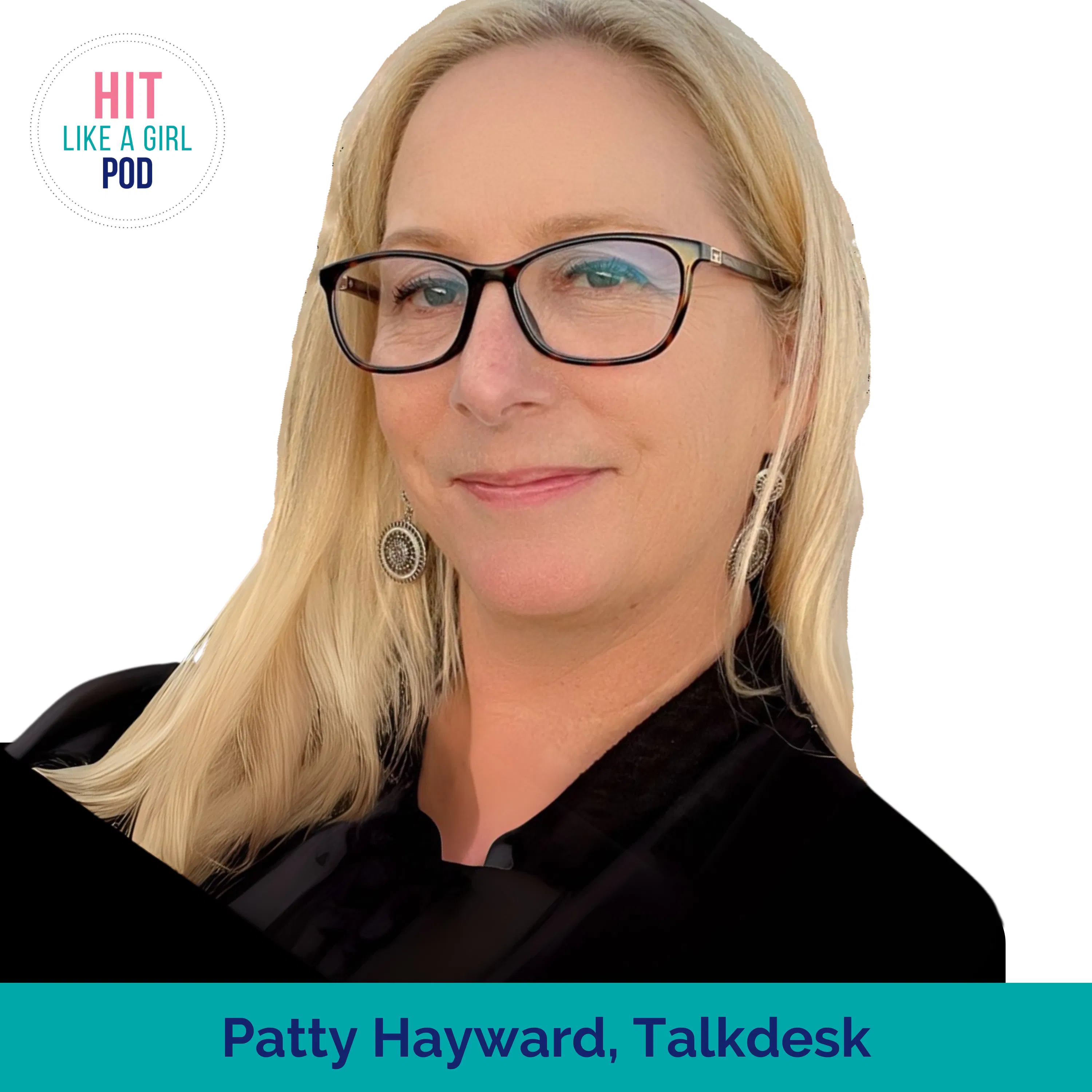 Exploring AI and Innovation in Healthcare: A Conversation with Patty Hayward | 🎙️ How can we harness the power of AI to transform healthcare while keeping humanity at the center? In this episode of HIT Like a Girl, host Demi Radeva sits down with Patty Hayward, a trailblazer in healthcare IT with over 25 years of experience. Patty shares her fascinating journey from conservation biology to tackling some of the biggest challenges in healthcare IT, including automation, AI integration, and improving systems for both payers and providers. The conversation dives into: The delicate balance between science and art in healthcare innovation. How AI is reshaping patient experiences, from diagnostics to care delivery. The importance of managing bias, ensuring data security, and fostering responsible AI adoption. The role of empathy and intentionality in policy-making and technology design. 💡 Patty’s insights are a powerful reminder that technology is not just about efficiency—it’s about enhancing human connection and care. Key Moments: ⏱️ 00:14 | Patty Hayward’s Journey into Healthcare ⏱️ 01:28 | The Intersection of Science and Art in Healthcare ⏱️ 02:05 | Policy Shifts and the Role of AI in Healthcare ⏱️ 03:23 | Real-World Applications of AI in Healthcare ⏱️ 04:37 | Responsible AI Adoption: Managing Bias and Ensuring Security ⏱️ 06:48 | How Technology is Transforming Patient Interactions ⏱️ 10:39 | Women Leading the Charge in Healthcare Technology ⏱️ 13:07 | Patty’s Message to Policymakers: Empathy and Intentionality Matter 🎧 Tune in to hear Patty’s inspiring story and learn how we can shape a future where technology and humanity work hand in hand. Why Listen? This episode is a must-listen for anyone passionate about AI, healthcare innovation, and the human side of technology. Patty’s expertise and perspective offer a roadmap for creating a healthcare system that’s not only smarter but also more compassionate. | 16m 11s | ||||||
| 4/1/25 |  Revolutionizing Healthcare with Reusable Networked Identities | 🎙️ What if your identity could seamlessly follow you through every healthcare experience? In this episode of HIT Like a Girl, hosts Demi Radeva and Shriya Palekar sit down with a visionary healthcare expert to explore how reusable networked identities are transforming the patient experience. Drawing parallels to their groundbreaking work in secure identity verification at airports, Shriya explains how this innovative approach can streamline healthcare processes, improve efficiency, and empower patients. The conversation dives into: The potential of reusable identities to enhance interoperability and reduce administrative burdens. How policy shifts under the new administration could shape the future of healthcare technology. The transformative impact of the 21st Century Cures Act on patient data access and consent management. The critical role of women in healthcare leadership and the need for diverse perspectives in driving innovation. 💡 This episode is a masterclass in how technology can bridge gaps between patients, providers, and policymakers—while putting control back in the hands of consumers. Key Moments: ⏱️ 00:47 | Vision for a Networked Identity in Healthcare ⏱️ 01:17 | Policy Shifts and Their Impact on the Industry ⏱️ 03:46 | Balancing Provider and Patient Perspectives ⏱️ 04:38 | Identity Verification and Consent Management ⏱️ 05:22 | How the 21st Century Cures Act is Changing the Game ⏱️ 06:17 | Empowering Women in Healthcare Leadership ⏱️ 07:23 | A Message to Policymakers: Prioritize Expertise and Nuance 🎧 Tune in to discover how reusable networked identities are paving the way for a more connected, efficient, and patient-centered healthcare system. Why Listen? This episode is a must-listen for anyone interested in healthcare innovation, patient empowerment, and the intersection of technology and policy. The guest’s insights offer a roadmap for creating a healthcare system that works for everyone—patients, providers, and policymakers alike. | 9m 58s | ||||||
| 3/25/25 |  From Patient to Advocate—Transforming Healthcare Through Patient Insights | 🎙️ What happens when patients take the lead in shaping healthcare innovation? In this episode of HIT Like a Girl, guest host Demi Radeva sits down with Molly Schreiber, a passionate patient advocate who has lived with type 1 diabetes for 35 years and rheumatoid arthritis. Molly shares her incredible journey from being a patient to joining Savvy Cooperative, a patient-owned marketplace revolutionizing how healthcare companies access patient insights and data. Together, Demi and Molly explore: The critical gaps between patient needs and industry deliverables. How patient-centric approaches can drive better healthcare solutions. The ongoing challenges in digital health, including accessibility, interoperability, and data privacy—especially in women’s health. Why patient collaboration is essential for meaningful policy and innovation. 💡 Molly’s story is a powerful reminder that patients aren’t just beneficiaries of healthcare—they’re its most valuable partners. Key Moments: ⏱️ 00:17 | Molly’s Personal Healthcare Journey ⏱️ 00:59 | Policy Shifts and Industry Changes ⏱️ 02:21 | Bridging the Gap Between Patient Needs and Industry Delivery ⏱️ 03:18 | How Savvy Cooperative is Empowering Patients ⏱️ 05:36 | Overcoming Challenges in Digital Health Accessibility ⏱️ 07:12 | Interoperability and Patient Control Over Data ⏱️ 08:21 | The Untapped Value of Patient Data ⏱️ 10:07 | Women’s Health Data and Privacy Concerns ⏱️ 11:17 | How to Improve Patient Collaboration in Healthcare ⏱️ 12:24 | Molly’s Message to Policymakers 🎧 Tune in to hear Molly’s inspiring story and learn how patient insights are shaping the future of healthcare. Why Listen? This episode is a must-listen for anyone passionate about patient advocacy, healthcare innovation, and data-driven solutions. Molly’s insights are a call to action for policymakers, industry leaders, and innovators to put patients at the center of healthcare. | 15m 49s | ||||||




Showing 25 of 349
Pitch Fit is a Pro feature
See how bookable this show is for guests, which brands already advertise, the per-episode ad value, and the best-fit guest and sponsor profile. The numbers are blurred on the free plan.
How readily this show books outside guests like you.
How proven this show is for host-read sponsorships.
For Guests
ProFor Advertisers
ProUpgrade to Pro to unlock guest cadence, sponsor categories, fit scores, and per-episode ad value for this show.
Chart history for HIT Like a Girl Pod: Empowering Women in Health IT
Peaked at #182 in India, currently #182 in India.
| Market | Genre | Peak | Current | Trend |
|---|---|---|---|---|
| India | — | #182 | #182 | — |
Chart Positions
1 placement across 1 market.
Chart Positions
1 placement across 1 market.