
How I Doctor with Dr. Graham Walker
by Offcall
Is this your podcast?Insights from recent episode analysis
Audience Interest
Podcast Focus
Publishing Consistency
Platform Reach
Insights are generated by CastFox AI using publicly available data, episode content, and proprietary models.
Most discussed topics
Brands & references
Total monthly reach
Estimated from 2 chart positions in 2 markets.
By chart position
- 🇵🇪PE · Medicine#2410K to 30K
- 🇳🇿NZ · Medicine#148500 to 3K
- Per-Episode Audience
Est. listeners per new episode within ~30 days
5.3K to 17K🎙 ~2x weekly·76 episodes·Last published yesterday - Monthly Reach
Unique listeners across all episodes (30 days)
11K to 33K🇵🇪91%🇳🇿9% - Active Followers
Loyal subscribers who consistently listen
3.1K to 9.9K
Market Insights
Platform Distribution
Reach across major podcast platforms, updated hourly
Total Followers
—
Total Plays
—
Total Reviews
—
* Data sourced directly from platform APIs and aggregated hourly across all major podcast directories.
On the show
From 20 epsHost
Recent guests
Recent episodes
Medicine Is Headed Toward Semi-Autonomous Care. Are Doctors Ready? With Counsel Health CMO Rishi Khakhkhar
Sep 3, 2026
Unknown duration
The Physician-Owned Practice That Private Equity Can't Buy With Dr. Bradley Block
Aug 27, 2026
Unknown duration
Dr. Ari Brown on What Happened to Trust Between Parents and Pediatricians
Aug 20, 2026
Unknown duration
Dr. Karandeep Singh Doesn’t Trust AI Blindly. That’s Exactly Why UC San Diego Health Trusts Him With It
Aug 13, 2026
Unknown duration
Running Kaiser's Largest Medical Group Taught Former CEO Dr. Robert Pearl What’s Actually Broken in Healthcare
Aug 6, 2026
Unknown duration
Social Links & Contact
Official channels & resources
Official Website
Login
RSS Feed
Login
| Date | Episode | Topics | Guests | Brands | Places | Keywords | Sponsor | Length | |
|---|---|---|---|---|---|---|---|---|---|
| 9/3/26 | 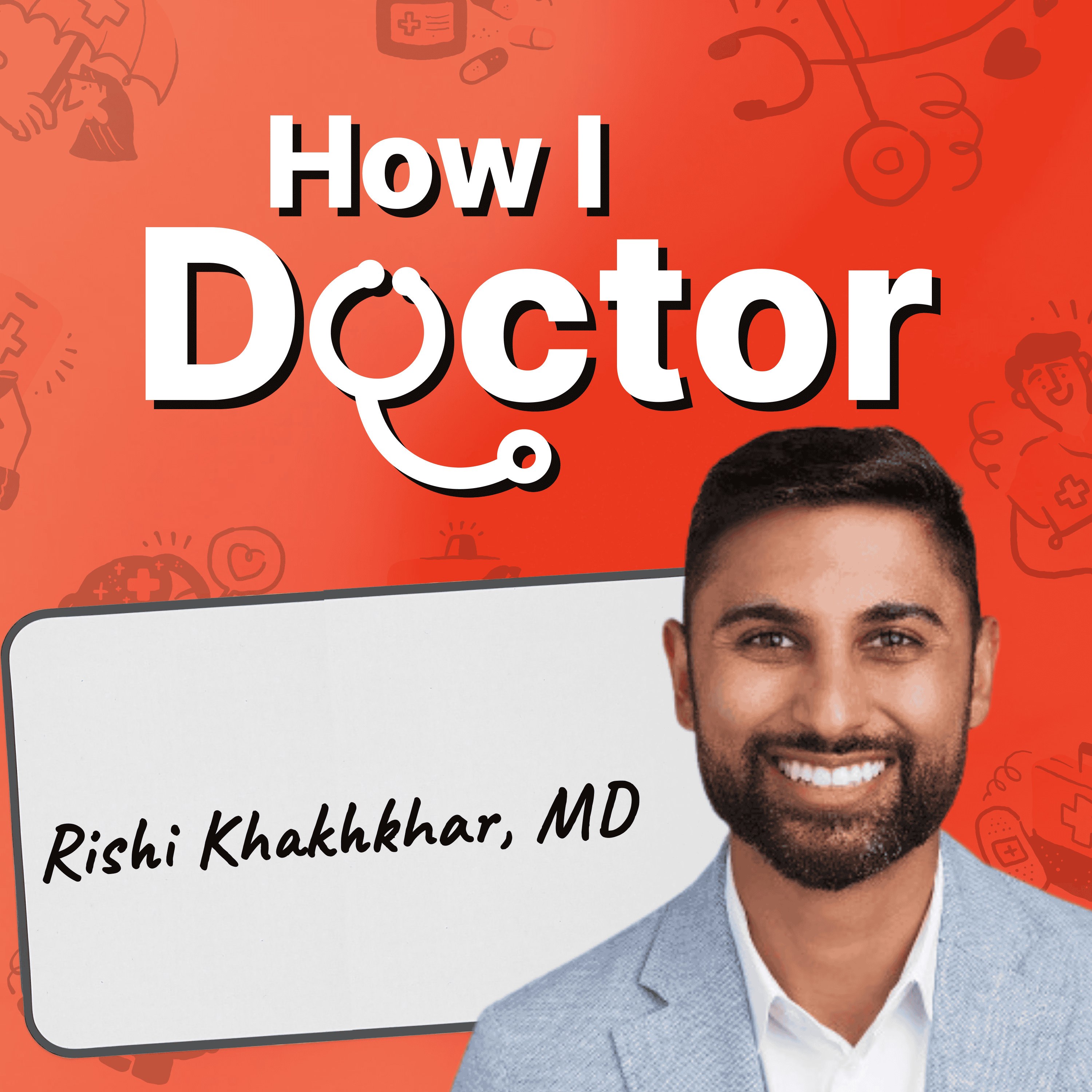 Medicine Is Headed Toward Semi-Autonomous Care. Are Doctors Ready? With Counsel Health CMO Rishi Khakhkhar | A recent JAMA perspective argued that AI already outperforms physicians in many cases. One emergency physician building an AI health company thinks that argument gets the timeline right and the conclusion wrong.In this episode of How I Doctor, Offcall co-founder Dr. Graham Walker sits down with Dr. Rishi Khakhkhar, an emergency physician at Mount Sinai and Chief Medical Officer of Counsel Health, an AI-enabled virtual care company. Rishi splits his week between ER shifts and building toward what he calls semi-autonomous care, a deliberate middle stage between fully human and fully automated medicine.The two start with the patients Rishi sees in the ER who never needed to be there, then work through how AI-assisted, physician-supervised care actually functions in practice: an AI takes a full history first, flags when a physician should join, and leaves the decision to escalate in the patient's hands. From there the conversation turns to the JAMA piece itself, with Rishi agreeing that AI can already outperform physicians on narrow tasks like reading subtle EKGs, while pushing back hard on the idea that human-in-the-loop care is holding medicine back. He compares it to Waymo's years of supervised driving before removing the human behind the wheel, and argues medicine shouldn't rush that same transition.The conversation closes on what's structurally in the way: a 50-state licensing system built for a pre-internet world, the deskilling risk facing residents who train alongside tools that already outperform them, and what Rishi thinks primary care looks like in 2036, when it may no longer be built around a relationship with one person at all.What You'll LearnHow AI-assisted care actually works: what the AI is allowed to decide, and what always escalates to a physicianWhere Rishi agrees and disagrees with the JAMA perspective arguing AI already beats doctorsWhy Rishi resists skipping past human-in-the-loop careWhat Rishi tells residents they still need to learn without AI, and what he thinks doesn't matter as much anymoreWhat Rishi thinks primary care looks like by 2036🩺 Offcall is more than a platform — it’s a community. Join today!📝 For a full transcript of this episode click HERE🎧 Subscribe to receive new How I Doctor episodes directly in your feed here: https://episodes.fm/1767429315👨⚕️Follow Dr. Graham Walker onLinkedIn https://www.linkedin.com/in/graham-walker-md/ IG https://www.instagram.com/ubergraham/ Bluesky https://bsky.app/profile/drgrahamwalker.com ✉️ Join our newsletter On/Offcall here https://offcall.beehiiv.com/subscribe 🟧 Follow Offcall on LinkedIn https://www.linkedin.com/company/joinoffcall/ IG https://www.instagram.com/offcalldotcom/ TikTok https://www.tiktok.com/@offcalldotcom | — | ||||||
| 8/27/26 | 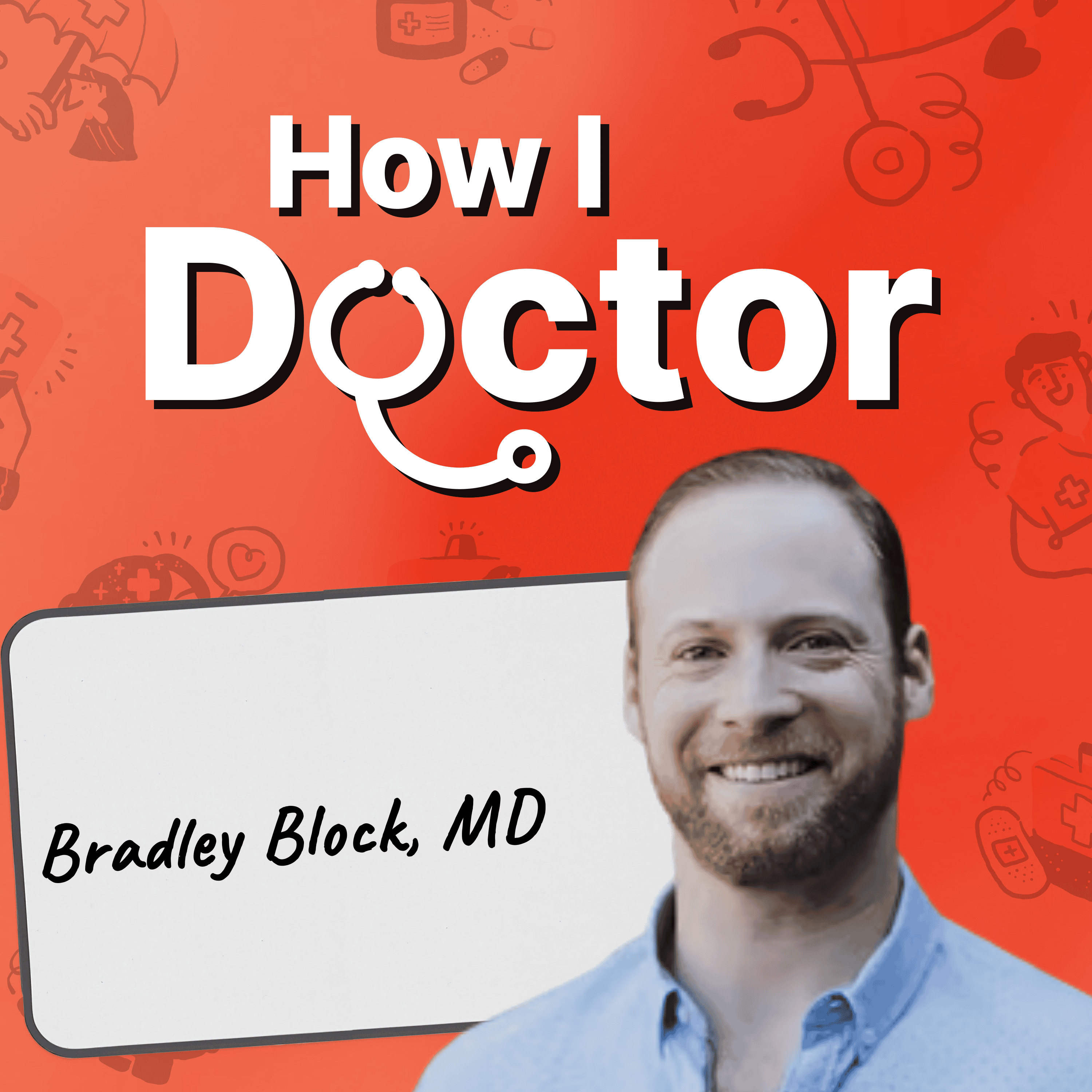 The Physician-Owned Practice That Private Equity Can't Buy With Dr. Bradley Block | Private equity has been buying up ENT and allergy practices at a fast clip. One group has stayed independent and grown into the largest player in its space anyway.In this episode of How I Doctor, Offcall co-founder Dr. Graham Walker sits down with Dr. Bradley Block, an otolaryngologist and board member at ENT and Allergy Associates, the country's largest ENT, allergy, and audiology practice. Brad is also the voice behind Succeed in Medicine, a physician communication podcast he ran for years and hundreds of episodes before stepping away this spring.The two start with why Brad built a podcast in the first place, a solo project born out of a long commute and a simple question: how were his partners seeing more patients per hour than he was without sacrificing the visit. From there the conversation turns to ENTA itself, a practice built on a contract every incoming physician can read on day one, one with a clear, no buy-in path to full equity partnership. That structure now spans roughly 170 partners, and Brad makes the case that scale, not resistance, is exactly what keeps private equity away. He also gets specific about what it costs to build a model like this: founding partners who sacrificed financially to create it, then retired with no buyout at all.The conversation closes on where the real disadvantage lies for independent practices, not efficiency or leadership, but lobbying power on Capitol Hill, where large health systems can outspend independent groups on influencing the reimbursement rules everyone has to live by.What You'll Learn Why Brad built a physician communication podcast because the one he needed didn't existHow ENTA's contract guarantees a clear, no buy-in path to full equity partnership for every incoming physicianWhy a 170 partner structure is nearly impossible for private equity to acquire, and why Brad argues it wouldn't even helpWhat the founding partners gave up to create the model ENTA runs on todayThe one question Brad tells physicians to ask before joining any practice, and why the leverage to ask it disappears the moment they signResources and Where to Find BradFind Brad on LinkedIn: Find Brad's ENTA profile: Succeed in Medicine (podcast archive): succeedinmedicine.com Find Brad on Instagram and Threads: @succeedinmedicine 🩺 Offcall is more than a platform — it’s a community. Join today!📝 For a full transcript of this episode click HERE🎧 Subscribe to receive new How I Doctor episodes directly in your feed here: https://episodes.fm/1767429315👨⚕️Follow Dr. Graham Walker onLinkedIn https://www.linkedin.com/in/graham-walker-md/ IG https://www.instagram.com/ubergraham/ Bluesky https://bsky.app/profile/drgrahamwalker.com ✉️ Join our newsletter On/Offcall here https://offcall.beehiiv.com/subscribe 🟧 Follow Offcall on LinkedIn https://www.linkedin.com/company/joinoffcall/ IG https://www.instagram.com/offcalldotcom/ TikTok https://www.tiktok.com/@offcalldotcom | — | ||||||
| 8/20/26 |  Dr. Ari Brown on What Happened to Trust Between Parents and Pediatricians | Dr. Ari Brown is a pediatrician in Austin, Texas, who has run her own independent practice, 411 Pediatrics, for more than 13 years and been a pediatrician for more than 30. She's the author of the bestselling Baby 411 series, Baby 411, Toddler 411, and the newly released Expecting 411, books that have sold millions of copies and made her one of the most trusted parent educators in the country. Every new edition means going back and correcting the record, including reversing her own earlier guidance to delay introducing peanuts and eggs once the evidence flipped.In this episode of How I Doctor, Dr. Graham Walker talks with Ari about what happened to trust between parents and pediatricians, and what it actually takes to hold that trust together while the ground underneath the science keeps shifting. They dig into why vaccines have become victims of their own success, as parents who've never seen measles or chickenpox come to fear the shot more than the disease, and why so many pediatricians have moved onto social media to fight misinformation directly. Ari reframes physicians as teachers first, and walks through the honesty and communication skills she thinks medical training still underserves.Ari and Graham also get into how instant portal access to labs and imaging has reshaped the emotional weight of practicing medicine, how she coaches families through screens and digital parenting, and what she's seeing families care about most today, from nutrition to developmental milestones. The conversation closes on a warning: with margins this thin, Ari believes independent pediatric practices, and the kind of long-term, trusted care they provide, are genuinely at risk of disappearing.What You'll LearnWhy Ari calls vaccines "victims of their own success" and what that means for how parents perceive riskWhy she believes physicians are teachers first, and what medical training still gets wrong about communicationHow instant portal access to labs and imaging has quietly reshaped physician workload and burnoutWhat's actually changed for families in the last decade, from screen time to a growing focus on developmental milestonesWhy Ari believes independent pediatric practice is at real risk of disappearing, and what's at stake if it does🩺 Offcall is more than a platform — it’s a community. Join today!📝 For a full transcript of this episode click HERE🎧 Subscribe to receive new How I Doctor episodes directly in your feed here: https://episodes.fm/1767429315👨⚕️Follow Dr. Graham Walker onLinkedIn https://www.linkedin.com/in/graham-walker-md/ IG https://www.instagram.com/ubergraham/ Bluesky https://bsky.app/profile/drgrahamwalker.com ✉️ Join our newsletter On/Offcall here https://offcall.beehiiv.com/subscribe 🟧 Follow Offcall on LinkedIn https://www.linkedin.com/company/joinoffcall/ IG https://www.instagram.com/offcalldotcom/ TikTok https://www.tiktok.com/@offcalldotcom | — | ||||||
| 8/13/26 | 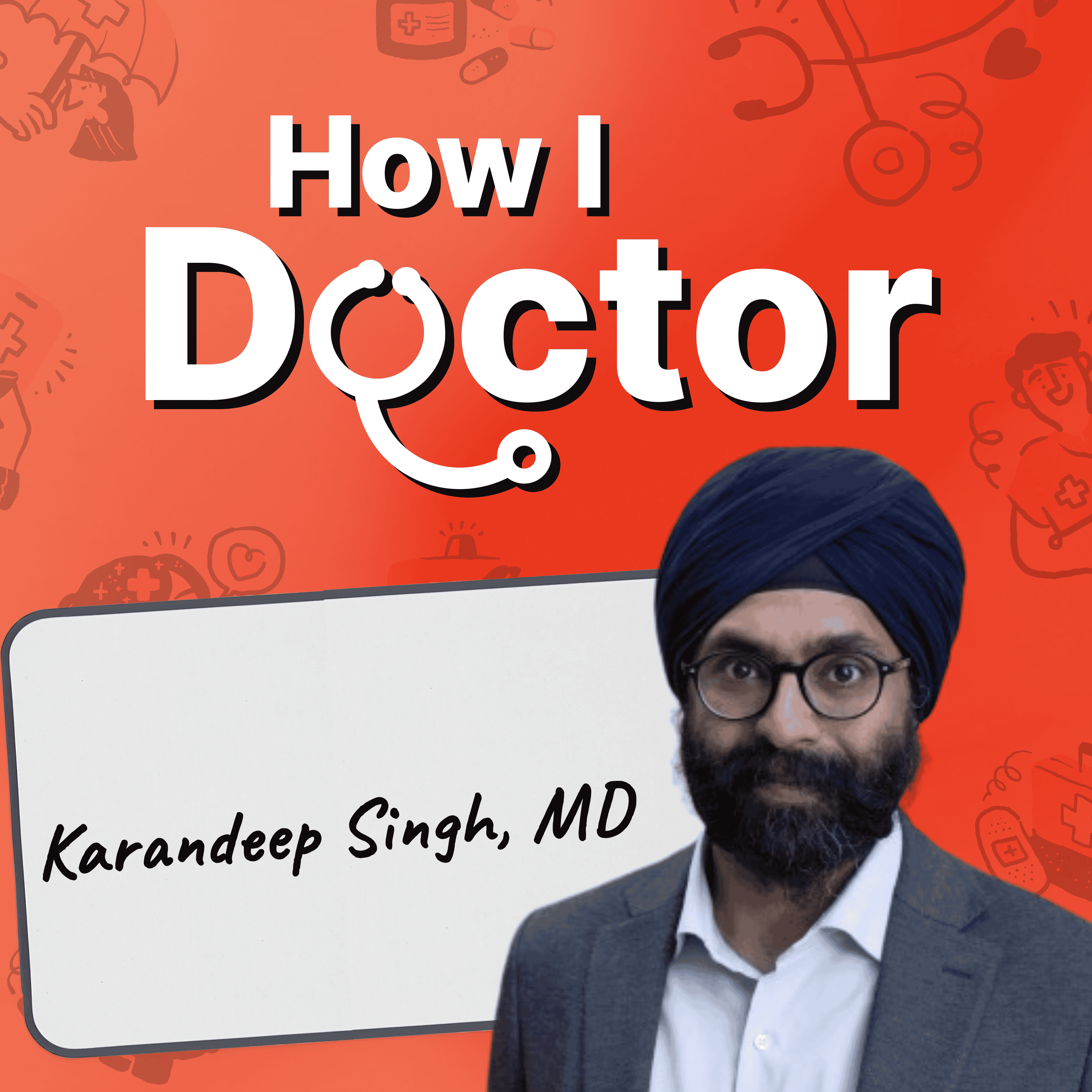 Dr. Karandeep Singh Doesn’t Trust AI Blindly. That’s Exactly Why UC San Diego Health Trusts Him With It | Dr. Karandeep Singh is a practicing nephrologist, an informaticist, and the inaugural Chief Health AI Officer at UC San Diego Health, where he also leads the Joan and Irwin Jacobs Center for Health Innovation. Back in 2021 at the University of Michigan, he published research questioning Epic's own sepsis model, finding it worked only about 63% of the time and that a clinician might have to evaluate eight separate alerts just to find one real case of sepsis. He's one of the rare people who has been on both sides of AI in medicine, exposing a flawed model and now deciding which ones get deployed at all.In this episode of How I Doctor, Dr. Graham Walker talks with Karandeep about what it actually takes to govern AI inside a health system, and why the doctors who trust AI the least are often the ones best equipped to run it. Karandeep traces his path from teaching himself to code at age eight, through building tools to solve his own clinical frustrations in training, to formally discovering biomedical informatics as a field only during his nephrology fellowship.Karandeep and Graham dig into why generative AI feels transformative to physicians while predictive AI often doesn't, even when the data shows it's saving lives. They walk through a real case study of using agentic AI to automate pre-colonoscopy prep calls without cutting nurses out of the loop, and unpack what a Chief Health AI Officer's job actually involves day to day. The conversation closes on Karandeep's case for regulatory sandboxes, structured ways to test AI-enabled care models that current rules don't yet allow, and his prediction for where AI scribes are headed next.What You'll LearnWhy Karandeep's research found Epic's sepsis model wasn't doing what its own model card claimedWhy predictive AI creates work that's hard to feel, while generative AI's time savings are noticeable almost dailyHow UC San Diego Health automated colonoscopy prep calls with AI while keeping nurses at the center of careWhat a Chief Health AI Officer actually does across evaluation, governance, and implementationWhy Karandeep believes regulatory sandboxes, not blanket approval, are how AI expands access to care🩺 Offcall is more than a platform — it’s a community. Join today!📝 For a full transcript of this episode click HERE🎧 Subscribe to receive new How I Doctor episodes directly in your feed here: https://episodes.fm/1767429315👨⚕️Follow Dr. Graham Walker onLinkedIn https://www.linkedin.com/in/graham-walker-md/ IG https://www.instagram.com/ubergraham/ Bluesky https://bsky.app/profile/drgrahamwalker.com ✉️ Join our newsletter On/Offcall here https://offcall.beehiiv.com/subscribe 🟧 Follow Offcall on LinkedIn https://www.linkedin.com/company/joinoffcall/ IG https://www.instagram.com/offcalldotcom/ TikTok https://www.tiktok.com/@offcalldotcom | — | ||||||
| 8/6/26 |  Running Kaiser's Largest Medical Group Taught Former CEO Dr. Robert Pearl What’s Actually Broken in Healthcare | Dr. Robert Pearl spent 18 years as CEO of The Permanente Medical Group, the nation's largest physician-led medical group, where he oversaw the care of more than 5 million Kaiser Permanente members delivered by 10,000 physicians and 38,000 staff. He's since become one of healthcare's most direct critics from the inside, a Forbes healthcare contributor, a LinkedIn Top Voice, and the author of the Washington Post bestseller "Mistreated" and his newest book, "ChatGPT, MD," which argues generative AI will become as essential to physicians as the stethoscope.In this episode of How I Doctor, Dr. Graham Walker sits down with Robert, his former CEO, to trace some of the hardest calls of his tenure, including the lunchroom video he made to prepare 10,000 physicians and staff for the uncertainty of the Affordable Care Act. That instinct for delivering an uncomfortable diagnosis before anyone wants to hear it runs through the entire conversation.Robert doesn't think AI's biggest opportunity in healthcare is cutting physician headcount. He argues the real prize, close to $1.8 trillion by his estimate, is preventing the chronic disease that drives most heart attacks, strokes, and kidney failure before it ever starts.Graham and Robert get into why fee-for-service quietly rewards a patient staying sick, how hospital consolidation and private equity have monetized medicine in ways unique to the United States, why he believes capitation is the prerequisite for AI to actually work, and what a routine doctor's visit could look like in five years if his vision plays out.What You'll LearnWhy Robert says cutting physician jobs is the wrong AI strategy for hospitalsThe real math behind the $1.8 trillion he says is sitting in chronic disease preventionWhy fee-for-service rewards treating a complication over preventing oneHow capitation changes what a physician group is financially motivated to want for a patientWhat Robert thinks a doctor's visit looks like in five years🩺 Offcall is more than a platform — it’s a community. Join today!📝 For a full transcript of this episode click HERE🎧 Subscribe to receive new How I Doctor episodes directly in your feed here: https://episodes.fm/1767429315👨⚕️Follow Dr. Graham Walker onLinkedIn https://www.linkedin.com/in/graham-walker-md/IG https://www.instagram.com/ubergraham/Bluesky https://bsky.app/profile/drgrahamwalker.com✉️ Join our newsletter On/Offcall here https://offcall.beehiiv.com/subscribe🟧 Follow Offcall onLinkedIn https://www.linkedin.com/company/joinoffcall/IG https://www.instagram.com/offcalldotcom/TikTok https://www.tiktok.com/@offcalldotcom | — | ||||||
| 7/30/26 |  Dr. Jordan Shlain: Insurance Killed Primary Care, So I Built a Practice Without It | Dr. Jordan Shlain is an internist,= and founder of Private Medical, one of the longest-running concierge practices in the country, and a doctor who has spent 25 years arguing that primary care should never have been bundled into health insurance in the first place. His practice, and his writing on Substack at Don't Listen To Me, have made him one of concierge medicine's most direct voices, direct enough that the New England Journal of Medicine recently devoted a piece to asking whether his model has something to teach the rest of primary care.In this episode of How I Doctor, Dr. Graham Walker sits down with Jordan to trace the origin story back to when a canceled business meeting sent Jordan wandering into a hotel lobby, where he talked his way into becoming the on-call physician for the Mandarin Oriental. That accidental job became San Francisco On Call Medical Group, then Private Medical in 2002, and eventually a 25-year experiment in what happens when a doctor's incentives and a patient's health point in exactly the same direction.Jordan doesn't hedge. Insurance, he argues, is a financial hedge against catastrophic loss, not a mechanism for a doctor visit, and folding primary care into that system created most of the dysfunction physicians and patients feel today.Graham and Jordan get into the actual economics of membership-based primary care, why fee-for-service quietly rewards a patient staying sick, what trust really means when it's stripped down to a promise instead of a marketing term, and why Jordan believes AI will only help physicians if it restores their agency instead of adding another layer of control.What You'll LearnWhy Jordan argues insurance was never built for routine primary careThe real math behind a membership-based practiceHow a flat annual membership changes what a doctor is financially motivated to want for a patientThe real definition of trustJordan's prediction that 90 percent of healthcare could already move to email, text, and videoWhat Jordan would eliminate from healthcare tomorrow if he could🩺 Offcall is more than a platform — it’s a community. Join today!📝 For a full transcript of this episode click HERE🎧 Subscribe to receive new How I Doctor episodes directly in your feed here: https://episodes.fm/1767429315👨⚕️Follow Dr. Graham Walker onLinkedIn https://www.linkedin.com/in/graham-walker-md/IG https://www.instagram.com/ubergraham/Bluesky https://bsky.app/profile/drgrahamwalker.com✉️ Join our newsletter On/Offcall here https://offcall.beehiiv.com/subscribe🟧 Follow Offcall onLinkedIn https://www.linkedin.com/company/joinoffcall/IG https://www.instagram.com/offcalldotcom/TikTok https://www.tiktok.com/@offcalldotcom | — | ||||||
| 7/23/26 |  51 of the Top 100 Healthcare Companies Had a Physician Founder: Dr. David Lortscher Explains Why | Dr. David Lortscher is a dermatologist turned founder of Curology, one of the first companies to combine telehealth, prescription skincare, and a subscription model into something patients would actually use. He's also the author of a new book making a data backed case that should unsettle every hospital administrator who's ever doubted a physician founder: Why Doctors Win.In this episode of How I Doctor, Dr. Graham Walker sits down with David to trace his path from a dermatopathology fellowship waiting for him at UCLA to starting Curology, and then a decade later stepping back from the CEO seat. That gave him time to go looking for proof that his own success wasn't a fluke.What he found is that 51 of the top 100 healthcare companies founded in the last 40 years had a physician founder!Graham and David get into why the doctor plus engineer pairing keeps showing up in the biggest healthcare success stories, the blind spot that trips up even smart physician founders, and David's blunt rule for anyone gathering advice before making the leap: take the inputs, not the conclusions.What You'll LearnWhy physician founded healthcare companies outperform at roughly 3x the rate you'd expect from their overall representation among foundersThe doctor plus engineer combination that shows up in 7 of the 10 companies profiled in Why Doctors Win, and why it worksHow an MD behind your name changes the way you sell into a hospital, from the CMO's office up to the CEO and CFOThe most common blind spot physician founders hit: falling for the technology itself instead of the harder question of who will actually pay for itDavid's rule for gathering advice from as many people as possible while still keeping the final decision your own🩺 Offcall is more than a platform — it’s a community. Join today!📝 For a full transcript of this episode click HERE🎧 Subscribe to receive new How I Doctor episodes directly in your feed here: https://episodes.fm/1767429315👨⚕️Follow Dr. Graham Walker onLinkedIn https://www.linkedin.com/in/graham-walker-md/IG https://www.instagram.com/ubergraham/Bluesky https://bsky.app/profile/drgrahamwalker.com✉️ Join our newsletter On/Offcall here https://offcall.beehiiv.com/subscribe🟧 Follow Offcall onLinkedIn https://www.linkedin.com/company/joinoffcall/IG https://www.instagram.com/offcalldotcom/TikTok https://www.tiktok.com/@offcalldotcom | — | ||||||
| 7/16/26 | AI in healthcareEHR technology+3 | Dr. Brian Anderson | Coalition for Health AIOpenAI+2 | — | health AIEHR+5 | — | 31m 28s | ||
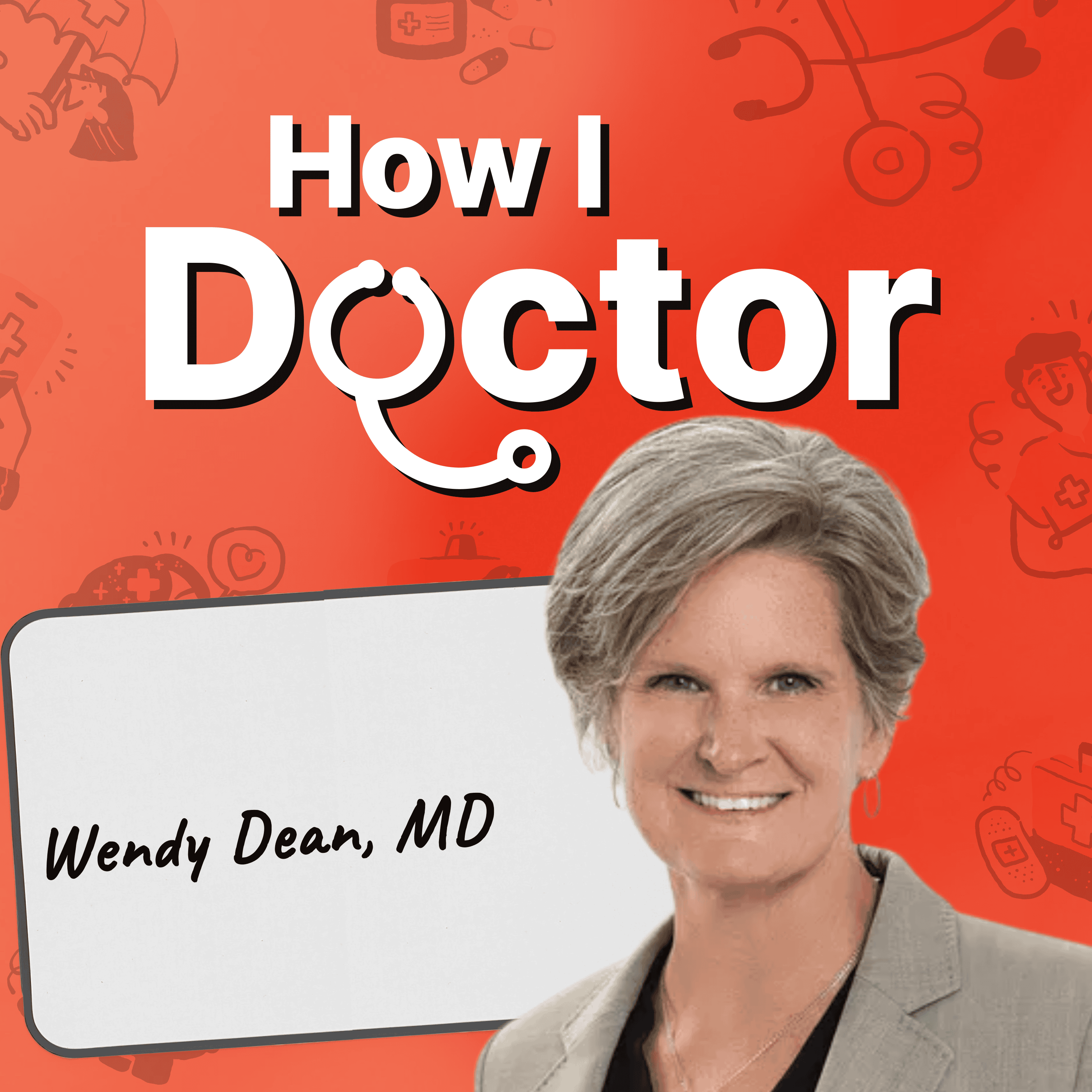
| 7/9/26 | U.S. healthcare systemhigh deductible plans+4 | Dr. Wendy Dean | Moral Injury in Healthcare43cc+1 | — | healthcare reformMRI costs+4 | — | 39m 02s | ||
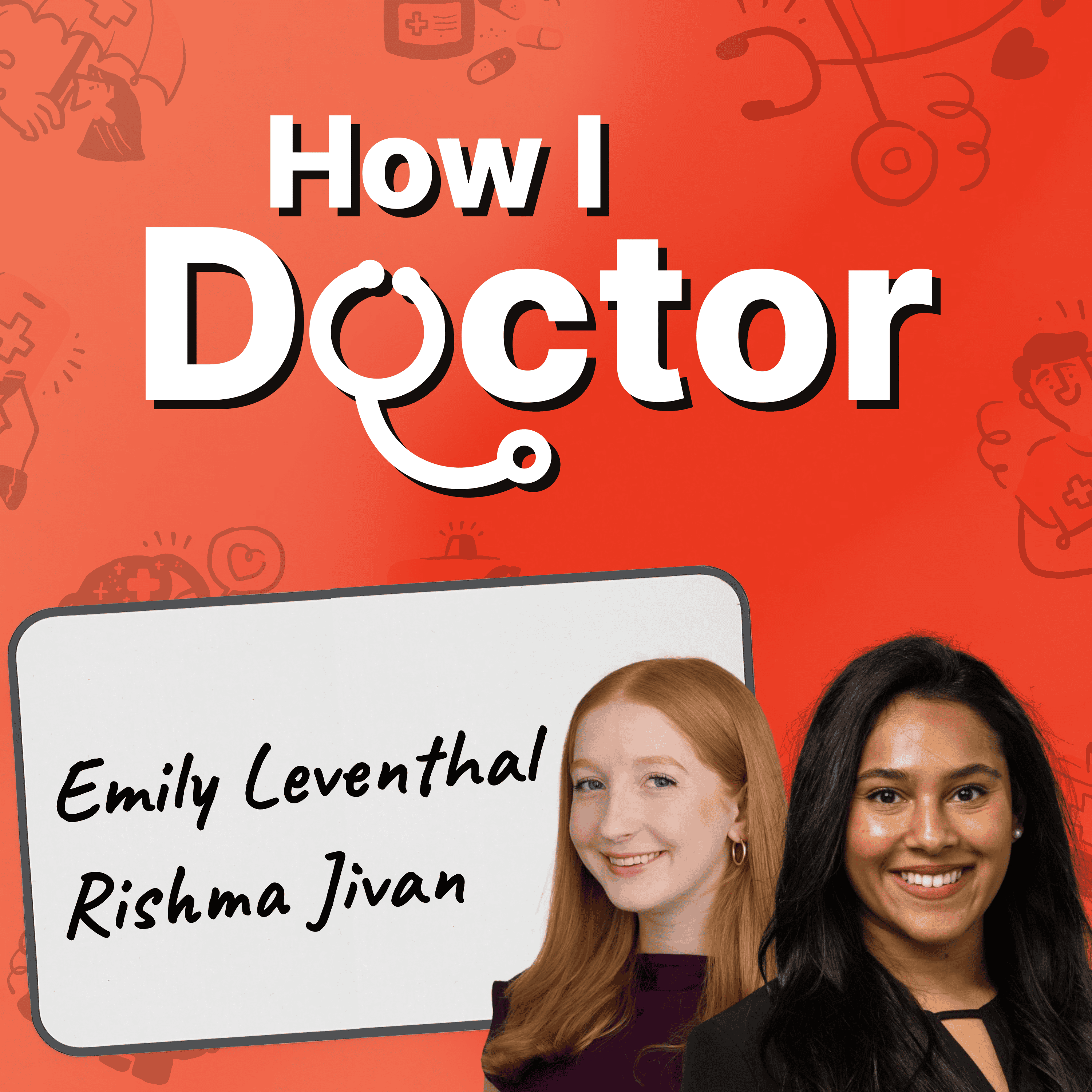
| 7/2/26 | AI in medicinemedical training+3 | Emily LeventhalRishma Jivan | Icahn School of Medicine at Mount SinaiRush Medical College+2 | — | AImedical training+3 | — | 35m 42s | ||
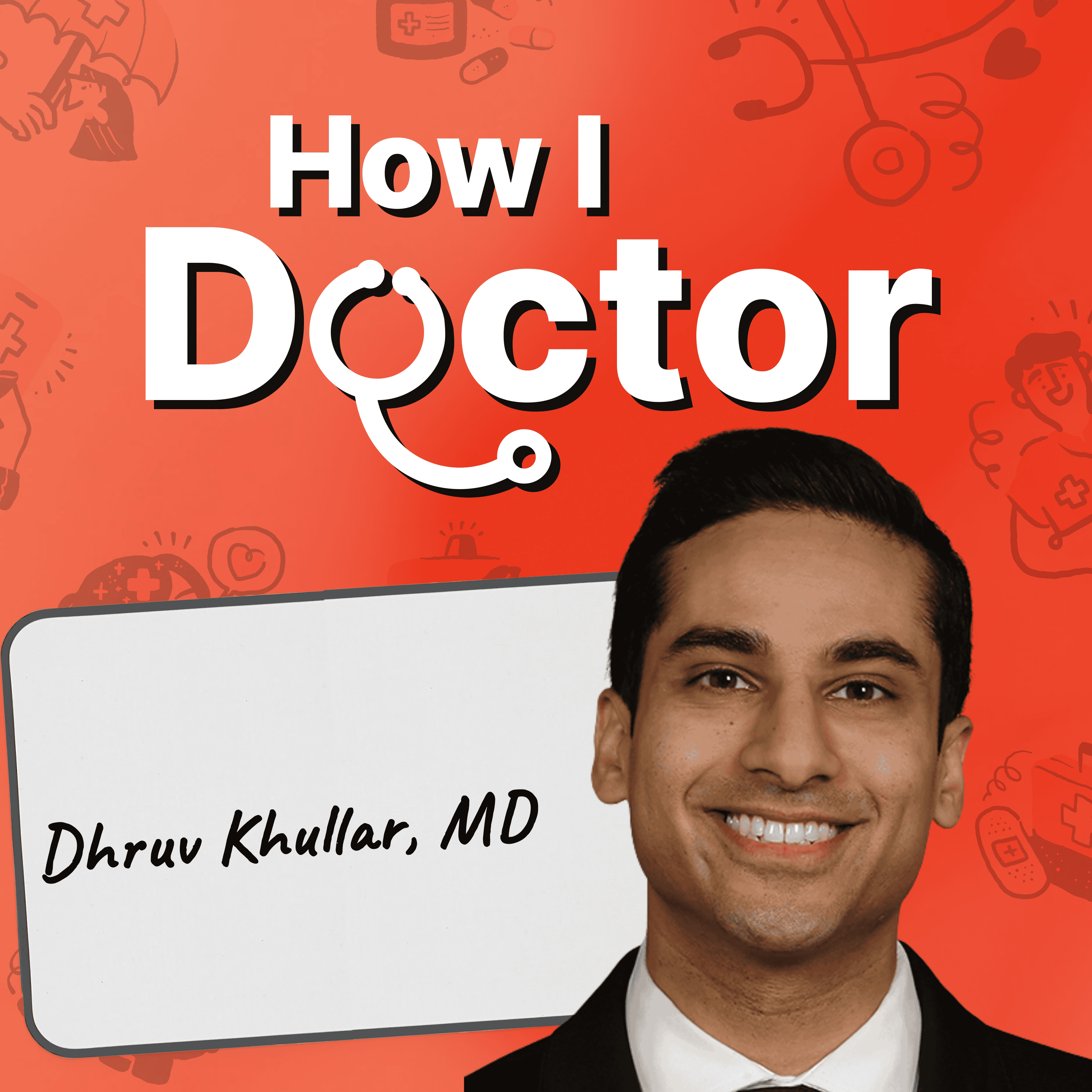
| 6/25/26 | AI in medicinemedical authority+4 | Dhruv Khullar | New York PresbyterianWeill Cornell+2 | United States | AIhealthcare+5 | — | 37m 07s | ||
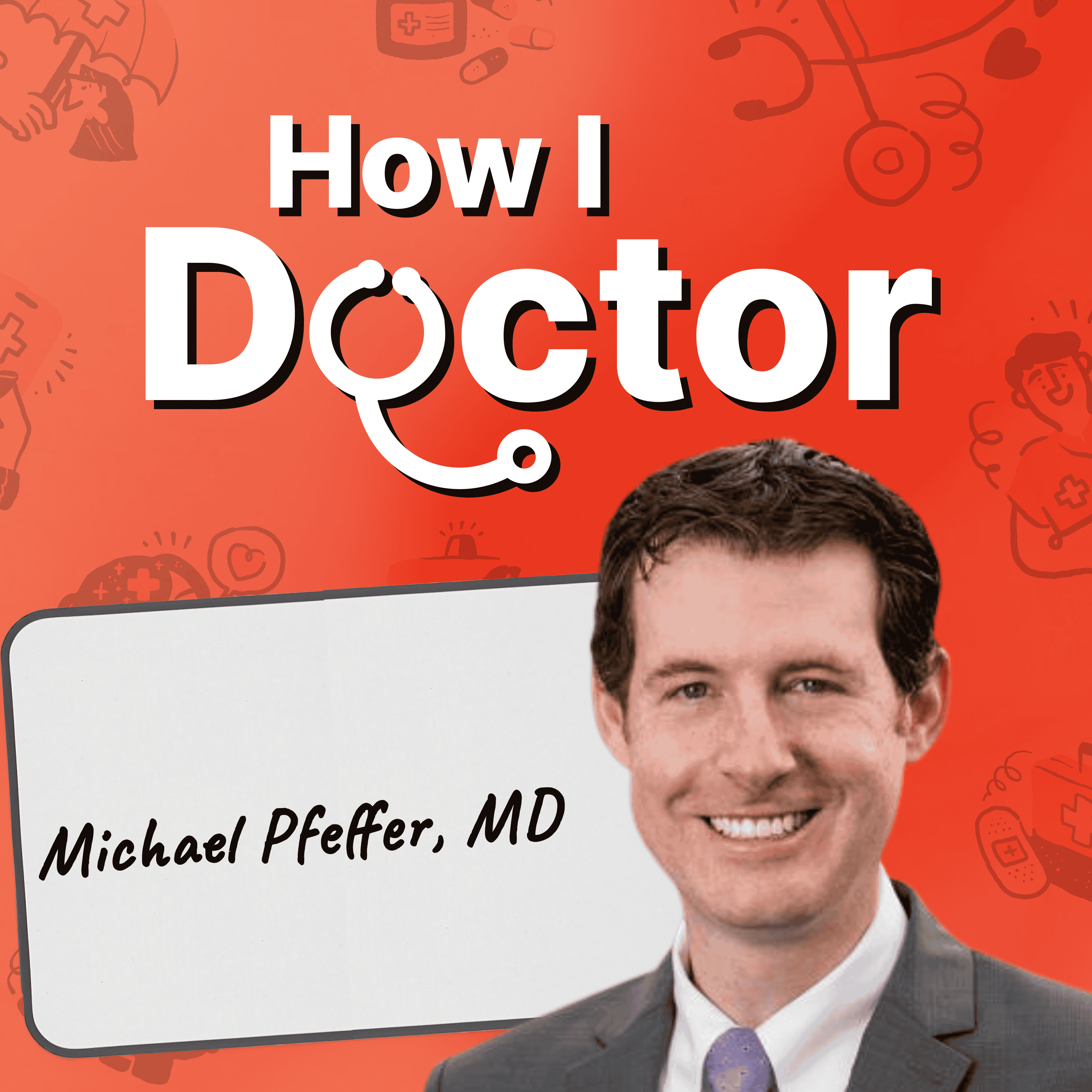
| 6/18/26 | AI in healthcareclinical decision support+4 | Dr. Michael Pfeffer | Stanford HealthcareChatEHR | — | AI toolshealthcare innovation+4 | — | 35m 03s | ||
| 6/11/26 | anonymous healthcarephysician burnout+4 | Dr. Orange | health systemTikTok | — | anonymous doctorphysician struggles+5 | — | 34m 09s | ||
| 6/4/26 | moral injuryclinician distress+5 | Dr. Wendy Dean | Moral Injury of HealthcareSTAT News+2 | — | moral injuryburnout+7 | — | 35m 54s | ||
| 5/28/26 | physician burnoutAmerican Medical Association+3 | Dr. John Whyte | American Medical AssociationFDA+1 | — | physician burnoutAMA+5 | — | 31m 36s | ||
| 5/21/26 | patient caremedical language+3 | Dr. Rana Awdish | Henry Ford HealthMayo Clinic Proceedings+2 | — | healingNever Words+5 | — | 36m 39s | ||
| 5/14/26 | health techstartup funding+3 | Dr. John Dayton | Wildfire PartnersStanford | — | healthcare startupSeven Ps framework+3 | — | 38m 03s | ||
| 5/7/26 | referral systemindependent practice+3 | Dr. Basil Kahwash | VanderbiltOffcall | Columbus, Ohiooffcall.com/manifesto | referralsindependent physicians+3 | — | 42m 12s | ||
| 4/30/26 | physician mental healthhealthcare systems+4 | Dr. Stefanie Simmons | Dr. Lorna Breen Heroes' FoundationNew York Presbyterian | Ann Arbor, Michigan | physician mental healthDr. Lorna Breen+7 | — | 38m 21s | ||
| 4/23/26 | TV show impact on medicinephysician grief+4 | Dr. Jeremy Faust | Brigham and Women's HospitalMedPage Today+1 | — | The Pittphysician grief+5 | — | 45m 07s | ||
| 4/16/26 | AI in healthcareclinical documentation+3 | Dr. Travis Bias | SolventumHealth Information Systems | U.S.Kenya+1 | AI documentationphysician payment+3 | — | 35m 48s | ||
| 4/9/26 | AI in healthcarephysician support+3 | Yann LeCunDr. Bob Wachter+1 | MetaAMI+4 | — | AIhealthcare+6 | — | 28m 07s | ||
| 4/2/26 | pay gapmedicine+3 | Dr. Pamela Buchanan | Melanated Medicine | — | pay transparencyBlack women physicians+3 | — | 37m 54s | ||
| 3/26/26 | telemedicinestroke care+3 | Dr. Raj NarulaDr. Melanie Winningham | SevaroVirginia | — | stroke caretelemedicine+4 | — | 37m 37s | ||
| 3/19/26 | medical misinformationhealth tech+3 | Dr. Geeta Nayyar | SalesforceAT&T+2 | — | medical misinformationhealth tech+3 | — | 33m 03s | ||



Showing 25 of 97
Pitch Fit is a Pro feature
See how bookable this show is for guests, which brands already advertise, the per-episode ad value, and the best-fit guest and sponsor profile. The numbers are blurred on the free plan.
How readily this show books outside guests like you.
How proven this show is for host-read sponsorships.
For Guests
ProFor Advertisers
ProUpgrade to Pro to unlock guest cadence, sponsor categories, fit scores, and per-episode ad value for this show.
Chart history for How I Doctor with Dr. Graham Walker
Peaked at #24 in PE, currently #24 in PE.
| Market | Genre | Peak | Current | Trend |
|---|---|---|---|---|
| PE | — | #24 | #24 | — |
| New Zealand | — | #148 | #148 | — |
| PE | — | #182 | #182 | — |
Chart Positions
3 placements across 2 markets.
Chart Positions
3 placements across 2 markets.