
Insights from recent episode analysis
Audience Interest
Podcast Focus
Publishing Consistency
Platform Reach
Insights are generated by CastFox AI using publicly available data, episode content, and proprietary models.
Total monthly reach
Estimated from 4 chart positions in 4 markets.
By chart position
- 🇦🇺AU · Medicine#1145K to 30K
- 🇮🇱IL · Medicine#2410K to 30K
- 🇸🇬SG · Medicine#543K to 10K
- 🇨🇭CH · Medicine#183500 to 3K
- Per-Episode Audience
Est. listeners per new episode within ~30 days
5.5K to 22K🎙 Daily cadence·24 episodes·Last published 3d ago - Monthly Reach
Unique listeners across all episodes (30 days)
19K to 73K🇦🇺41%🇮🇱41%🇸🇬14%+1 more - Active Followers
Loyal subscribers who consistently listen
7.4K to 29K
Market Insights
Platform Distribution
Reach across major podcast platforms, updated hourly
Total Followers
—
Total Plays
—
Total Reviews
—
* Data sourced directly from platform APIs and aggregated hourly across all major podcast directories.
On the show
Recent episodes
In Focus: Why Your Skin Changes in Midlife
May 12, 2026
12m 39s
HOW TO MENOPAUSE: A Gynaecologist’s Guide to the Biggest Controversies in Hormone Health
May 5, 2026
57m 17s
IN FOCUS: Low Milk Supply. Why It Happens & What Actually Helps
Apr 21, 2026
17m 17s
HOW TO GLOW: What Actually Works for Midlife Skin
Apr 14, 2026
57m 03s
IN FOCUS: When Labour Is Not Progressing. How Obstetricians Decide What Happens Next.
Apr 7, 2026
19m 08s
Social Links & Contact
Official channels & resources
Official Website
Login
RSS Feed
Login
| Date | Episode | Description | Length | ||||||
|---|---|---|---|---|---|---|---|---|---|
| 5/12/26 |  In Focus: Why Your Skin Changes in Midlife | If your skin has started to feel like it belongs to someone else - drier, duller, slower to recover - you’re not imagining it.In this In Focus episode, Dr Natalie Hutchins sits down with consultant dermatologist Dr Justine Hextall to talk through what is happening to skin in midlife, and why. They cover the science of collagen loss around menopause, the role oestrogen plays in skin hydration, elasticity and even antioxidant protection, and why the gut microbiome may matter more to your complexion than your 10-step routine. Dr Hextall also shares what she considers truly non-negotiable for midlife skin. Unsurprisingly, the list is much shorter than the beauty industry would have you believe.This episode is part of our In Focus series: shorter, topic-led conversations designed to give you real clinical insight.⚠️ For medical education only. Please consult your doctor or dermatologist for personalised advice.Thanks for reading The Woman's Handbook! Subscribe for free to receive new posts and support my work. This is a public episode. If you would like to discuss this with other subscribers or get access to bonus episodes, visit thewomanshandbook.substack.com | 12m 39s | ||||||
| 5/5/26 |  HOW TO MENOPAUSE: A Gynaecologist’s Guide to the Biggest Controversies in Hormone Health | If you’ve spent any time looking up menopause information online, you’ll know that it’s anything but a calm and coherent space.You’ll find one clinician saying you must start HRT as soon as perimenopause begins. Another says hormones are for symptom relief only.One influencer insists testosterone is essential for energy, cognition, and mood. Another suggests the evidence is not yet there.Other debates rage simultaneously regarding hormone testing, brain health, longevity…. The list goes on.I’ve had many women tell me the noise is just too loud; we’ve gone from famine to feast seemingly overnight, the divergent camps so fervent in their views. Some women tell me they end up feeling so paralysed with overwhelm, they do nothing. After a generation of women missed out on the benefits of having a hormone supported menopause transition because of the way evidence was translated back in the early 2000s, it feels particularly tragic that this is contributing to more confusion now.“Can’t you all just sing from the same hymn sheet and agree?”, is a question I’ve been asked. But the reality is, doctors have always disagreed, especially in areas in which the evidence is less robust and opinion prevails. But now, instead of those disagreements playing out in a passive aggressive letter to a journal editor or during the Q&A session in a conference room, the arena is now social media. A platform we know rewards black and white views over nuance, acerbic take downs, and exceptionalist opinions; in full view of the women watching. Camps have formed. And women are stuck in the middle.But there is also a second driver of controversy; the commercial interest. The menopause space has become a lucrative marketplace. And the evidence gaps have provided fertile ground for preliminary findings to be presented as fact in order to recoup investments; think facial oestrogen creams and menopause supplements. Non-medical, unregulated wellness products that make up 94% of the 20 billion dollars that is the current menopause market, projected to keep growing.That’s why I wanted to make this episode with Dr Vikram Talaulikar, specialist in reproductive medicine and certified British Menopause Society Specialist, to give women an understanding of the reasons behind some of these controversies, how to navigate the various uncertainties and approach these conversations with their doctors.Thanks for reading The Woman's Handbook! Subscribe for free to receive new posts and support my work.What We Cover in This EpisodeWe go through the major areas of controversy one by one:Hormone testing: why blood tests are largely unhelpful for diagnosing perimenopause in women over 45, what the fluctuating hormone landscape of perimenopause actually looks like, and why continuous hormone monitoring devices are interesting technology that is not yet clinically useful.Use of hormonal contraception in perimenopause: how the pill can actually stabilise wildly fluctuating hormones in ways that standard HRT sometimes cannot.Use of testosterone beyond libido: what the evidence does and does not support, why a trial to well counselled patients despite the guidelines may be the answer and why the assays most commonly used to test testosterone levels in women were never designed to measure the ranges relevant to women in the first place.Use of HRT as a longevity drug: what the cardiovascular data actually shows, why the timing window matters, what we can and cannot say about HRT and dementia prevention, and whether women without symptoms are missing out by not taking HRT.What I Hope You to Take from ThisWhat I loved about this episode was Vikram’s calm, knowledgeable and balanced approach to some of the most contested areas in menopause medicine, in which he champions putting women’s autonomy at the centre of decision making.Whilst his approach is firmly evidence informed, it isn’t puritanical, allowing room for individual preferences, priorities and context. This is of course something we do everyday in medicine behind clinic doors, but this nuance and flexibility can often get lost when discussing these topics online in short form content.If you’ve been confused about whether or not you need to add in testosterone or whether you should be taking HRT for long-term health even if you don’t have symptoms, I hope this episode gives you a good framework for how to approach these grey areas with your doctor.Episode Timestamps00:03:09 Why is there so much controversy in the menopause space, and how should women evaluate the information they encounter?00:07:43 What is actually happening hormonally during perimenopause, and how does that differ from postmenopause?00:10:55 Should women be testing their hormone levels? What the NICE guidelines say, and why blood tests are often misleading in perimenopause.00:13:05 Continuous hormone monitoring devices: interesting technology, not yet clinically useful.00:18:18 The pill in perimenopause: why hormonal contraception can stabilise symptoms in ways standard HRT sometimes cannot.00:28:50 Testosterone beyond libido: what the evidence supports, what remains uncertain, and how Vikram approaches prescribing in practice.00:37:00 HRT and cardiovascular disease: what the WHI got wrong, why modern HRT is different, and what the timing window actually means.00:43:00 HRT and dementia prevention: why this remains a genuinely contested area, and what we can say for women with premature menopause or genetic risk.00:48:44 The three things that are not controversial: premature and early menopause, ethnicity and menopause timing, and bone health.00:53:01 Cancer-related menopause: a group that deserves more support, and the evidence for vaginal oestrogen even in women with hormone-sensitive tumours.Thanks for reading The Woman's Handbook! This post is public so feel free to share it.I’d love to hear your thoughts in the comments! This is a public episode. If you would like to discuss this with other subscribers or get access to bonus episodes, visit thewomanshandbook.substack.com | 57m 17s | ||||||
| 4/21/26 |  IN FOCUS: Low Milk Supply. Why It Happens & What Actually Helps | Worrying that your baby is not getting enough milk is one of the most common anxieties in early motherhood.And often, it can become a source of guilt and self-doubt long before anyone has properly explained what is actually happening.In this gateway episode, Dr Natalie Hutchins is joined by Dr Mythili Pandi, a family physician and International Board Certified Lactation Consultant (IBCLC), to unpack how milk production really works, and why low milk supply is often more complex than women realise.They explain the role of oxytocin and prolactin, and how everything from birth trauma and pain to blood loss, C-sections, sleep deprivation, and lack of support can affect supply in those early days.Just as importantly, they talk about what low supply actually looks like.Because in many cases, what feels like “not enough” may not be low supply at all.Simple things, such as whether your baby is producing enough wet and dirty nappies, are often more useful than tracking exact minutes or volumes.This conversation also covers latch, milk transfer, and why night feeds matter so much for maintaining supply. While supplements are often marketed as the answer, the reality is that support, reassurance, and the right guidance are usually far more important.KEY TAKEAWAYS* Low milk supply is often influenced by birth experience, stress, pain, and support* C-sections and blood loss can delay milk coming in* Milk production relies on oxytocin and prolactin* A good latch should not feel painful* Wet and dirty nappies are often the best indicator your baby is getting enough* Supplements have limited evidence* Night feeds are key for maintaining supply* Most women benefit more from support than quick fixesIf breastfeeding feels hard, it does not mean you are failing.Often, understanding what is happening and getting the right support can make all the difference.. This is a public episode. If you would like to discuss this with other subscribers or get access to bonus episodes, visit thewomanshandbook.substack.com | 17m 17s | ||||||
| 4/14/26 |  HOW TO GLOW: What Actually Works for Midlife Skin | If your skin suddenly feels more sensitive, drier, duller or less “bouncy” than it used to, you’re not imagining it.Midlife brings real changes to the skin — from collagen loss and hormonal shifts to increased sensitivity, pigmentation and inflammation. Add social media skincare advice into the mix, and it’s no wonder so many women feel overwhelmed.In this episode, Dr Natalie Hutchins sits down with Dr Justine Hextall to unpack what is actually happening to your skin in your 30s, 40s and beyond — and what really works.They discuss:* Why menopause can accelerate collagen loss so dramatically* Why your skin barrier matters more than any expensive product* The truth about sunscreen myths and online misinformation* Whether vitamin C and retinoids are worth using* How to introduce actives without irritating your skin* What lifestyle factors really affect your skin (stress, sleep, gut health)* When in-clinic treatments may be worth considering* Why “preventative Botox” in your 20s may not be worth the hype* Why teenage skincare routines are becoming a real problemOne of the clearest messages from this conversation: healthy skin is often about doing less, but doing it consistently.Protect your barrier. Keep skin calm. Wear sunscreen. Be patient.Because glowing skin isn’t about chasing every trend. It’s about understanding what your skin actually needs.Listen now for an honest, reassuring guide to skin health at every age. This is a public episode. If you would like to discuss this with other subscribers or get access to bonus episodes, visit thewomanshandbook.substack.com | 57m 03s | ||||||
| 4/7/26 | 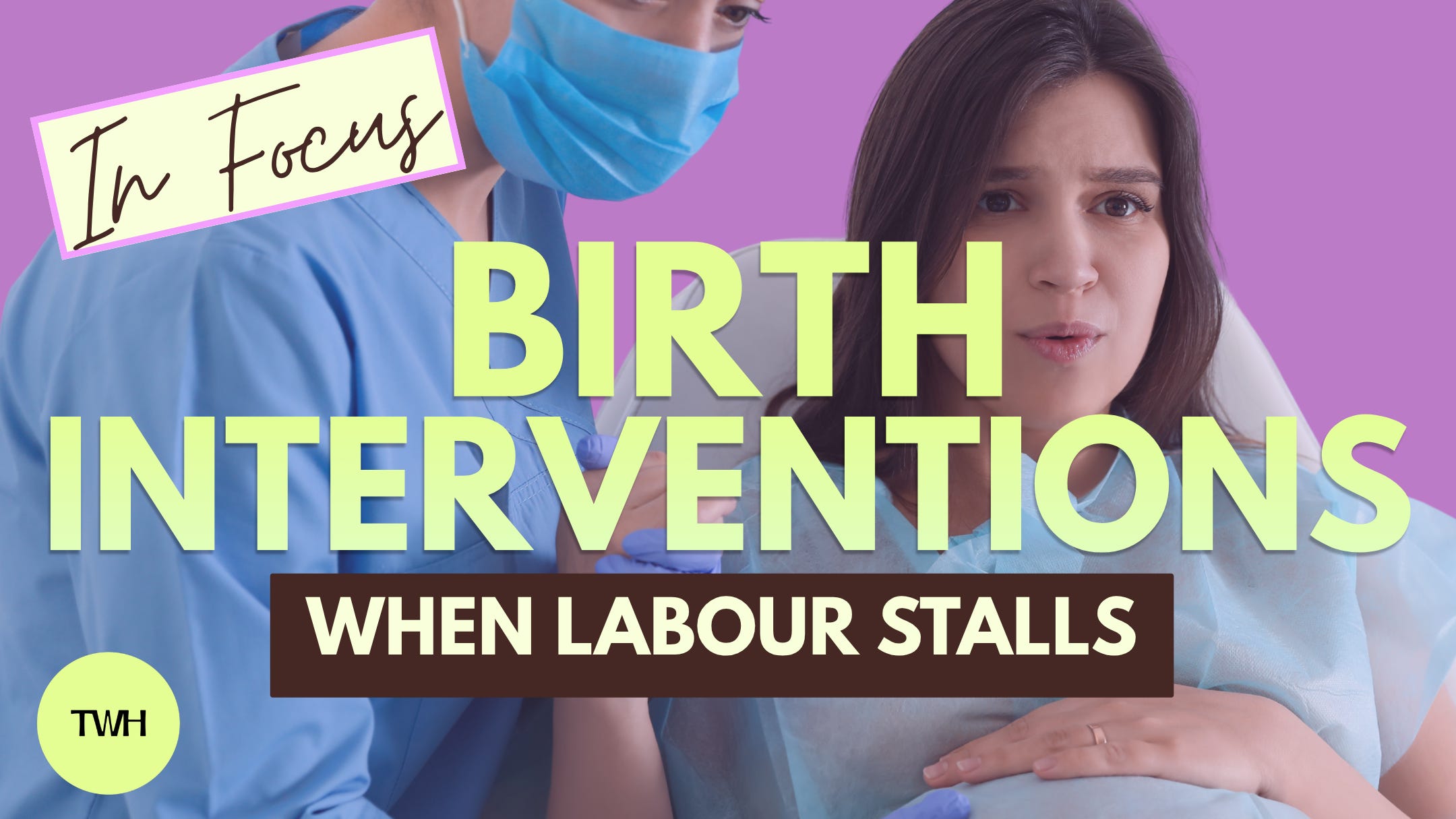 IN FOCUS: When Labour Is Not Progressing. How Obstetricians Decide What Happens Next. | Labour does not always move in a straight line, and one of the most stressful moments for women can be hearing that progress has slowed or stopped.In this clip from How To Be A Woman, Dr Natalie Hutchins speaks with consultant obstetrician Jess McMicking about what doctors are really assessing when they monitor labour progress, when waiting is still appropriate, and when intervention becomes necessary.They discuss how clinicians think about slow labour, second stage pushing, directed pushing versus following your body, and the difficult decisions that can arise when instrumental delivery or caesarean section are being considered.“It’s not about obstetricians not understanding physiological birth. It’s actually about trying to get the best outcome and trying to diagnose potentially an obstructive labour as early as possible.”This conversation offers a calm, practical look at a part of labour that often feels frightening or poorly explained. The aim is not to create fear, but to help women understand the reasoning behind these decisions so they can feel more informed and more involved if labour does not go exactly to plan.Key Takeaways:• Labour progress is assessed using more than just cervical dilatation• Slow progress does not always mean immediate intervention• Doctors are looking at the whole clinical picture, including the baby, the mother, and signs of obstruction• In second stage, timing matters, but context matters too• Directed pushing can be helpful, especially if an epidural is in place• Instrumental delivery and caesarean section each have their own risks depending on where the baby is• The goal is not simply to intervene, but to achieve the safest and most appropriate outcomeWhen labour slows down, it can be easy to feel that something is being taken out of your hands. But one of the most helpful things women can understand is that these decisions are rarely based on a stopwatch alone. They are based on the whole picture in front of the team at that moment. Conversations like this can help make that process feel less mysterious, and hopefully leave women feeling more confident, informed and supported. This is a public episode. If you would like to discuss this with other subscribers or get access to bonus episodes, visit thewomanshandbook.substack.com | 19m 08s | ||||||
| 3/31/26 |  HOW TO BREASTFEED: The Truth About Low Milk Supply, Pumping & Your Mental Health | Breastfeeding is often held up as the gold standard of early motherhood.Natural. Instinctive. Best.And yet, for many women, it is one of the hardest and most emotionally loaded parts of the postpartum experience.In this conversation, Dr Natalie Hutchins is joined by Dr Mythili Pandi, a family physician and International Board Certified Lactation Consultant (IBCLC), who supports mothers through the realities of feeding with both medical expertise and practical, real-world guidance.Together, they unpack the biology, the expectations, and the reality of breastfeeding, and why the “all or nothing” narrative needs to change.We begin with the physiology. How milk is produced, and the hormonal balance between oxytocin and prolactin that drives supply.But it quickly becomes clear that breastfeeding is not just biology.Birth experience. Stress. Pain. Sleep deprivation. Lack of support.All of these shape whether it works, and how it feels.One of the most important reframes from this episode:Breastfeeding is not just the transfer of milk, it is the transfer of comfort, security, and connection.Which means that even when feeding doesn’t go to plan, much of what matters most is still there.We talk about why “low supply” is often misunderstood.In many cases, simple indicators such as wet and dirty nappies are more reliable than tracking minutes, volumes, or rigid schedules.Because breastfeeding, like early motherhood, does not respond well to control. It requires trust.We also explore:* Latch and positioning, and what effective feeding actually looks like* Why night feeds matter, with prolactin peaking overnight* The limits of supplements and quick fixes* How much the right support can change outcomesUnderlying all of this is modern motherhood.Many women are doing this without a “village”, balancing recovery, exhaustion, and often an early return to work.In that context, breastfeeding can quickly become another source of pressure.And perhaps most importantly, we talk about permission.Permission to adapt.Permission to combine feeding methods.Permission to stop.Because it does not have to be all or nothing.CHAPTERS00:00 Breastfeeding Isn’t All or Nothing02:00 How Milk Supply Actually Works06:20 Low Milk Supply. What’s Really Going On08:25 Is Your Baby Getting Enough Milk?12:05 Breast vs Bottle. What Really Matters17:05 Feeding on Demand vs Schedules21:15 Latch Problems, Tongue Tie and Pain27:25 Do Supplements Increase Milk Supply?31:45 Night Feeds. The Secret to Supply33:50 When to Stop Breastfeeding (Without Guilt)KEY TAKEAWAYS:* Breastfeeding is more than milk, it is connection, comfort, and bonding* It does not have to be all or nothing, any amount still has value* Milk supply is influenced by stress, birth experience, pain, and support* “Low supply” is often misinterpreted, nappies matter more than tracking feeds* A good latch should not be painful* Night feeds are key for maintaining supply* Supplements have limited evidence, support matters more* Skin-to-skin remains powerful, even without direct breastfeeding* If breastfeeding is harming mental health, it is okay to stop* A well-supported mother matters more than how a baby is fedBreastfeeding can be beautiful. It can also be difficult, frustrating, and emotional.Both can be true.What matters most is not how closely you follow an ideal, but whether you are supported, informed, and able to make decisions that work for you and your baby.Because at the centre of all of this is not just feeding.It is a relationship. This is a public episode. If you would like to discuss this with other subscribers or get access to bonus episodes, visit thewomanshandbook.substack.com | 45m 04s | ||||||
| 3/24/26 |  IN FOCUS: Why PCOS Makes Weight Loss So Hard. Insulin Resistance, Diet & What Actually Works | You’re doing everything right. And still gaining weight.This is one of the most frustrating and misunderstood parts of PCOS.In this conversation, Dr Bassel Wattar explains why weight loss in PCOS isn’t simply about calories, discipline, or willpower, but about underlying metabolic and hormonal dysfunction.What emerges is a much more nuanced picture, one that challenges the advice many women are still being given.Key takeaways:* Weight gain in PCOS is often driven by insulin resistance and metabolic inflexibility, not lack of effort* Standard calorie restriction alone is often ineffective. What you eat matters as much as how much* Lower glycaemic approaches, intermittent fasting, and structured dietary strategies may offer better results* Some women will require additional support, including metformin or GLP-1 medications, as part of a broader plan* Even without weight loss, dietary changes can improve symptoms such as cycle irregularity and acne* PCOS is not one-size-fits-all: treatment must be personalised to the individualDr Bassel Wattar is an Associate Professor in Reproductive Medicine whose work focuses on metabolic dysfunction and fertility outcomes in women with PCOS. His approach centres on personalised, physiology-led care.If weight isn’t just about calories… what does that mean for how we approach women’s health?I’d love to hear your experience. Has this been your story too? This is a public episode. If you would like to discuss this with other subscribers or get access to bonus episodes, visit thewomanshandbook.substack.com | 13m 23s | ||||||
| 3/17/26 |  How to Think Like Your Obstetrician: Understanding Birth Interventions | Birth today often involves medical interventions, yet many women enter labour without fully understanding what those interventions are, why they are used, and how they may influence the course of labour.In this episode of How To Be A Woman, Dr Natalie Hutchins speaks with consultant obstetrician Jess McMicking about the most common birth interventions, including induction of labour, epidurals, assisted delivery and caesarean sections.They discuss why intervention rates have increased across many healthcare systems, how the “cascade of interventions” can sometimes occur once labour becomes medicalised, and why informed consent and education are so important in modern maternity care.“Birth interventions can be life-saving - but understanding when and why they are used helps women feel more informed and confident during labour.”This conversation is not about rejecting medical care - many interventions are essential and life-saving - but about helping women understand the options available so they can make informed decisions during labour.When women understand how labour works, what interventions involve, and why they may be recommended, they are often better able to navigate the maternity system with greater clarity and confidence.Key Takeaways• Birth interventions are increasingly common in modern maternity care, particularly in hospital settings.• Induction of labour may be recommended for medical reasons, but it can sometimes change the natural progression of labour.• Epidurals can provide effective pain relief, but they may also influence labour dynamics and mobility.• Once labour becomes more medicalised, a “cascade of interventions” can sometimes occur.• Assisted deliveries (forceps or vacuum) may be used when labour is prolonged or the baby needs help being delivered quickly.• Caesarean sections can be planned or emergency procedures, and understanding the difference is important for informed decision-making.• Hospital protocols and monitoring can influence how labour progresses and when interventions are suggested.• The most important factor is informed consent - understanding why an intervention is being recommended and what the alternatives are.Chapters00:00 Introduction02:10 Why birth interventions are increasing06:30 Induction of labour - what it involves12:45 Epidurals: benefits and trade-offs19:40 The cascade of interventions explained27:10 Assisted deliveries: forceps and vacuum34:30 Planned vs emergency C-sections41:20 Hospital protocols and decision making47:50 Advocating for yourself during labour52:10 Final advice for expectant mothersUnderstanding how medical decisions are made during labour can help remove some of the uncertainty that many women feel as birth approaches. Interventions such as induction, epidurals or caesarean sections can be important and sometimes life-saving, but when women understand the reasoning behind them, they are better equipped to ask questions, participate in decisions, and approach birth with greater confidence.Our aim with conversations like this is simply to make the system a little more transparent, so women feel more informed and supported as they navigate pregnancy and childbirth.If you’d like to receive future conversations on women’s health, pregnancy and longevity, you can subscribe to How To Be A Woman This is a public episode. If you would like to discuss this with other subscribers or get access to bonus episodes, visit thewomanshandbook.substack.com | 1h 00m 41s | ||||||
| 3/10/26 |  IN FOCUS: The Truth About Motherhood Nobody Prepares You For | Why do so many mothers feel blindsided by the emotional reality of having a baby?In this focused clip from our episode on Matrescence, perinatal psychotherapist Dr Silvia Wetherell explains why the transition into motherhood is often far more complex than women are led to expect.From intrusive thoughts and postpartum rage to the profound identity shift that comes with becoming a mother, many women discover that the emotional landscape of early motherhood looks nothing like the version they were shown during pregnancy.The issue isn’t that women can’t handle the truth — it’s that we often fail to prepare them honestly for what lies ahead.Instead of scaring women, Dr Wetherell argues, we should be educating them — so they understand that these experiences are part of a very real psychological transition known as matrescence.Understanding this shift can transform feelings of shame and confusion into something far more compassionate: recognising that nothing is “wrong” with you — you’re becoming a mother.Watch the full episode here: This is a public episode. If you would like to discuss this with other subscribers or get access to bonus episodes, visit thewomanshandbook.substack.com | 15m 02s | ||||||
| 3/3/26 |  PCOS Is Not Just About Your Ovaries | Polycystic ovary syndrome affects up to 1 in 10 women.And yet many still leave consultations unclear about what it actually means for their body. It’s often reduced to irregular periods, “cysts,” or difficulty getting pregnant.But PCOS is not simply a reproductive diagnosis. And the consequences of misunderstanding it extend far beyond fertility.In this week’s episode of The Woman’s Handbook, I speak with reproductive endocrinologist Dr Bassel Wattar about what PCOS really is — and why we need to think about What We Unpack:00:00 – What PCOS actually is (and why the name misleads)Why the “cysts” aren’t really cysts. Why PCOS is likely more metabolic than ovarian.15:30 – PCOS in teenagers: when is it normal puberty?The brain–ovary axis takes years to mature. Diagnosing too early — or too late — both carry risks.22:00 – Insulin resistance & “metabolic inflexibility”Why so many women say:“I’m doing everything right — why am I still gaining weight?”The answer is physiological, not moral.27:30 – Long-term health risksPCOS isn’t just about ovulation. We discuss diabetes risk, endometrial health, sleep apnoea and mental health.41:00 – Metformin & GLP-1 injectionsAre they revolutionary? When are they appropriate? And what are the caveats?50:00 – The pill: treatment, masking, or both?Is it a band-aid? Can it cause PCOS? What actually happens when you stop it?The Bigger Issue:What became clear in this conversation is how fragmented PCOS care can be.Acne is treated separately from weight. Weight separately from mood. Mood separately from fertility. But the physiology is interconnected.Unless we address PCOS as a whole-body endocrine and metabolic condition, women will continue to receive holistic care and the thread connecting each aspect of the condition will remain unseen.We also discuss:· Why lean women can still have PCOS· Whether the name “polycystic ovary syndrome” should change· Why treatment must evolve across the life course· And how social media narratives often oversimplify complex physiologyIf you have PCOS, or suspect you might, this episode will likely challenge at least one assumption you’ve been given.And I’d genuinely love to know:What has been the most confusing part of PCOS for you; diagnosis, weight, fertility, the pill, or something else?Let me know. This is a public episode. If you would like to discuss this with other subscribers or get access to bonus episodes, visit thewomanshandbook.substack.com | 1h 06m 13s | ||||||
Want analysis for the episodes below?Free for Pro Submit a request, we'll have your selected episodes analyzed within an hour. Free, at no cost to you, for Pro users. | |||||||||
| 3/3/26 |  HOW TO THRIVE POSTPARTUM: Matrescence, Motherhood & Why So Many Women Struggle After Birth | Motherhood is often portrayed as instinctive, blissful, and immediately fulfilling. But for many women, the transition into motherhood is far more complex; emotionally, psychologically, and relationally.In this episode of The Woman’s Handbook Podcast: How To Be A Woman, I’m joined by Dr Silvia Wetherell Ph.D., a perinatal counsellor and psychotherapist specialising in maternal mental health.We explore matrescence, the developmental transition into motherhood, and unpack why so many women feel blindsided, overwhelmed, or like they’re “failing”, when in reality, they’re experiencing a normal, human response to an enormous life change.Guest BioDr Silvia Wetherell Ph.D., is a perinatal counsellor, psychotherapist, and researcher specialising in maternal mental health. Her work spans the full reproductive journey; from fertility challenges and pregnancy, to birth trauma and the first years postpartum.She has a particular clinical and research interest in birth trauma, postnatal anxiety, and trauma-informed therapies including EMDR, and works extensively with women and couples navigating the psychological transition to parenthood.What We Cover In This Episode00:00 – Matrescence: why motherhood is a developmental transition • Becoming a mother isn’t an “event”; it’s a stage spanning pregnancy to years postpartum • Why comparing matrescence to adolescence reduces shame and self-judgement03:20 – “Baby brain” and why you don’t feel like yourself • Structural brain changes plus sleep deprivation affect memory and decision-making • Emotional intensity increases, including overwhelming love and vulnerability06:10 – Returning to work: identity shift, confidence dips, and ‘mummy-tracking’• Why cognitive load feels heavier after maternity leave • The mismatch between workplace expectations and postnatal recovery08:20 – The most common maternal mental health presentations • Birth trauma, prenatal depression, postpartum anxiety and panic • Fertility struggles, pregnancy loss, and relationship strain after baby09:40 – Why modern motherhood feels so overwhelming • How “not wanting to scare women” leads to unrealistic expectations • The gap in antenatal education around identity, emotions, and relationships16:10 – Couple dynamics after baby: assumptions, resentment, and survival mode • Why even strong relationships struggle after childbirth • Communication, expectations, and becoming allies rather than adversaries19:05 – Ambivalence in motherhood: love, boredom, anger, and rage • Why instant bonding isn’t guaranteed and why that’s okay • Postpartum irritability and rage as common manifestations of exhaustion23:00 – Intrusive thoughts after birth: common but rarely discussed • Why mothers fear disclosing them • The crucial reassurance: if the thought disturbs you, it’s not a reflection of intent31:30 – The loss of the village and the impact of isolation • Why modern mothers, especially expats, are more vulnerable • How shared experience and connection protect mental health34:10 – Birth trauma: when ‘everything went fine’ doesn’t feel fine • Trauma as a subjective experience, not just a physical outcome • Why PTSD after birth is often mislabelled as postnatal depression44:30 – Treating trauma: EMDR, memory reconsolidation, and why Tetris helps • How EMDR helps reprocess traumatic birth and fertility experiences • The evidence behind playing Tetris after trauma to reduce memory intensityWhat You Will Learn· What is matrescence, and how does it affect a woman’s brain and identity?· Why don’t all mothers feel an instant bond with their baby?· Are intrusive thoughts after birth normal — and what do they actually mean?· How can postpartum anxiety present differently from depression?· Why does motherhood trigger anger, irritability, and emotional overwhelm?· How does birth trauma differ from postnatal depression?· Why are women with fertility struggles at higher risk of postnatal distress?· What role does perfectionism play in maternal mental health?· How does isolation and loss of community affect new mothers?· When should women seek professional support — and from whom?Key Takeaways· If motherhood feels harder than you expected, you are not failing; you are adapting. This is matrescence, and it deserves the same compassion and understanding we give adolescence.· Loving your baby and struggling at the same time is not a contradiction; it’s human. Ambivalence, grief, boredom, anger, and joy can all coexist.· Intrusive thoughts do not mean you are a bad or dangerous mother. They are common, distressing, and treatable.· You were never meant to do this alone. Isolation is one of the biggest drivers of maternal distress, and seeking support early is a strength, not a failure.Further Resources· PANDA – Perinatal Anxiety & Depression Australia https://panda.org.au· COPE – Centre of Perinatal Excellence https://www.cope.org.au· Postpartum Support International (PSI) https://www.postpartum.net· NICE Guidelines: Antenatal & Postnatal Mental Health (UK) https://www.nice.org.uk/guidance/cg192· Royal College of Psychiatrists – Perinatal Mental Health https://www.rcpsych.ac.uk/mental-health/problems-disorders/perinatal-mental-health· Birth Trauma Association (UK) https://www.birthtraumaassociation.org.ukAs always, this episode is for educational purposes only and does not replace personalised medical care. If anything discussed resonates with you, please speak to your GP or a qualified healthcare professional.Related Content- https://www.thewomanshandbook.com/post/perinatal-mental-health-how-to-spot-the-signs-start-the-conversations-and-get-help- https://www.thewomanshandbook.com/post/how-pregnancy-changes-your-brain-the-science-behind-baby-brain - https://www.thewomanshandbook.com/post/book-club-matrescence-by-lucy-jones This is a public episode. If you would like to discuss this with other subscribers or get access to bonus episodes, visit thewomanshandbook.substack.com | 57m 50s | ||||||
| 2/24/26 |  IN FOCUS: Could Longevity Medicine Change How We Treat Endometriosis? | Endometriosis affects an estimated 200 million women worldwide, yet research has historically framed it as a purely gynaecological problem — managed mainly through surgery or hormonal suppression.In this clip from How To Be A Woman, Professor Andrea Maier suggests a different perspective: what if endometriosis is also connected to the biology of ageing?She explains how hallmarks of ageing — such as chronic inflammation, immune dysfunction, mitochondrial impairment and microbiome imbalance — are already present in many women’s health conditions, including endometriosis and PCOS. This opens the possibility that geroscience and longevity medicine could help uncover new mechanisms — and new treatments.The conversation touches on:* Why endometriosis is still dramatically understudied* The limits of current treatment options* How repurposed longevity drugs may offer new hope* Why quality of life matters as much as lifespan* The urgent need for better-designed, collaborative trials🎧 Watch or Listen to the full episode:HOW TO STAY ALIVE: Longevity Medicine, NAD, Peptides & What Actually Works➤https://thewomanshandbook.substack.com/p/how-to-stay-alive-is-longevity-medicine?r=5h5ltdThis episode is part of How To Be A Woman, the podcast from The Woman’s Handbook, exploring women’s health from menarche to matriarchy — with science, nuance, and zero hype.🔗 https://www.thewomanshandbook.com📸 https://www.instagram.com/thewomanshandbook?igsh=YXF1aGw3MDZwdnZi This is a public episode. If you would like to discuss this with other subscribers or get access to bonus episodes, visit thewomanshandbook.substack.com | 8m 15s | ||||||
| 2/17/26 |  HOW TO STAY ALIVE - Understanding Longevity Medicine (NAD, Peptides and Stem Cells Explained) | Longevity medicine has an image problem.For many people, longevity has become synonymous with social-media trends, expensive supplement stacks, IV drips, and unregulated interventions; much of which is poorly evidenced and driven more by hype than science. That perception isn’t wrong. But it is also not the full picture.Behind the noise is geroscience and precision geromedicine: an evidence-based medical discipline focused on understanding the biology of ageing and translating that knowledge into ethical, clinically grounded care aimed at optimising healthspan, not chasing youth.In this episode of The Woman’s Handbook Podcast: How to Be a Woman, I’m joined by Professor Andrea Maier, a world-leading geriatrician and authority in healthy longevity medicine, to distinguish real science from marketing. We explore what longevity medicine actually is, how it differs from what dominates social media, and why standards and evidence matter as this field evolves.The purpose of this conversation is not to convince you to pursue longevity interventions, but for those women interested, it’s to help give you the knowledge to recognise evidence-based practice, and understand what is, and is not, supported by science.Guest BioProfessor Andrea Maier is an internationally recognised geriatrician and longevity scientist at the forefront of precision ageing medicine. Her work focuses on translating geroscience, the biology of ageing, into ethical, evidence-based clinical practice.She is a leading advocate for precision gero-medicine, integrating genomics, lifestyle medicine, digital biomarkers, and emerging therapeutics to optimise healthspan while actively antagonising the ageing process. She also plays a key role in shaping global standards for evidence-based longevity clinics and clinical practice.What We Will Cover00:00 – What longevity medicine really is (and isn’t) • Why longevity is not about IV drips or supplement stacks• Healthspan vs lifespan explained • Why hype obscures real medicine03:15 – Defining healthy longevity & precision gero-medicine • Geroscience and the biology of ageing • How this differs from functional or integrative medicine • Why ageing itself is a treatable process05:40 – Why women have been left out of ageing research • The historic reproductive lens of women’s health • Why sex and gender matter in longevity science • The shift toward female-specific ageing research08:40 – From organ systems to cellular mechanisms • Why treating heart disease alone misses the bigger picture • Targeting root causes instead of symptoms • Preventing disease decades earlier12:40 – The hallmarks of ageing explained • Cellular senescence (“zombie cells”) • Mitochondrial dysfunction, DNA damage & telomeres • Why these mechanisms link ageing and chronic disease17:45 – Biological age vs chronological age • What wearables and consumer tests can (and can’t) tell you • Why interpretation matters more than numbers • The danger of data without clinical context22:30 – How much can lifestyle medicine really change ageing? • Why “eat less, move more” isn’t enough • Precision lifestyle medicine explained • Using trends, not snapshots, to guide care30:50 – When should longevity medicine start? • Why waiting until 40 is already late • Intergenerational health and pregnancy • Why it’s never too late to benefit33:35 – NAD, peptides & stem cells: separating evidence from hype • NAD as an outcome, not a treatment • Why IV NAD makes little physiological sense • The risks of unregulated peptides and stem cell therapies42:35 – How to find an evidence-based longevity clinic • Red flags to watch for • Global registries and standards• Why ethics and transparency matterWhat You Will Learn· What is healthy longevity medicine, and how is it different from biohacking?· Why is ageing now considered a modifiable biological process?· How does women’s ageing differ biologically from men’s?· What are the hallmarks of ageing and why do they matter clinically?· Are consumer biological age tests reliable or actionable?· How much impact can lifestyle medicine have on healthspan?· When should women start thinking about longevity medicine?· Is NAD supplementation actually useful and for whom?· Are peptides and stem cells safe or evidence-based for longevity?· How can you tell if a longevity clinic is practising responsibly?Key Takeaways· Longevity medicine isn’t about living forever, it’s about living better for longer. The goal is preserving function, independence, and quality of life, not chasing youth.· Ageing itself is now recognised as a biological process we can influence. By targeting root mechanisms like cellular senescence and mitochondrial health, we shift medicine from reactive to preventative.· If an intervention isn’t evidence-based, regulated, and measurable; pause. More is not better in longevity medicine; precision and context matter far more than novelty.Further Resources· Healthy Longevity Medicine Society Evidence-based frameworks and clinical standards for longevity medicine https://healthylongevitymedicine.org· Longevity Clinic World Registry (by Longevity.Technology) Global registry of longevity clinics with transparency on evidence levels https://longevityclinicworld.com· National Institute on Aging (NIA) Research on the biology of ageing and age-related disease https://www.nia.nih.gov· Nature Reviews: Geroscience Peer-reviewed research on ageing mechanisms and interventions https://www.nature.com/subjects/geroscienceThe content of this episode is for educational purposes only and does not replace personalised medical advice. If you are affected by any of the topics discussed, please speak to your doctor or a qualified healthcare professional. This is a public episode. If you would like to discuss this with other subscribers or get access to bonus episodes, visit thewomanshandbook.substack.com | 43m 59s | ||||||
| 2/12/26 |  Welcome to The Woman's Handbook | Evidence-based women's health education for every stage of life; from puberty and pregnancy to menopause and longevity from a doctor that has lived it, personally and professionally. This is a public episode. If you would like to discuss this with other subscribers or get access to bonus episodes, visit thewomanshandbook.substack.com | 1m 10s | ||||||
| 2/10/26 |  IN FOCUS: Breast Cancer & Sugar, Keto and Fasting | Does sugar really “feed” cancer? Should you be fasting during treatment? And do diets like keto actually improve outcomes — or just add more stress during an already overwhelming time?In this focused episode of How to Be a Woman, Dr Natalie Hutchins is joined by medical oncologist Dr Steven Tucker to unpack the evidence around nutrition, metabolism, and breast cancer.This conversation cuts through some of the most persistent — and often harmful — myths around sugar, diet, fasting, and cancer treatment. Rather than extreme rules or internet trends, this episode focuses on what the science actually shows, what remains uncertain, and where women should (and shouldn’t) place their energy.This is a curated extract from the full HOW TO BREAST CANCER: What Women Need to Know about Breast Cancer Screening & Prevention episode. For the complete discussion — including screening, mammograms, treatment options, and lifestyle risk — we recommend watching the full episode.⚠️ MEDICAL EDUCATION:This video is for educational purposes only and discusses cancer nutrition, metabolism, and treatment-related considerations. This is a public episode. If you would like to discuss this with other subscribers or get access to bonus episodes, visit thewomanshandbook.substack.com | 15m 36s | ||||||
| 1/20/26 |  HOW TO BREAST CANCER: What Women Need to Know About Breast Cancer Screening & Prevention | Breast cancer rates are rising in younger women, yet confusion about screening and prevention is at an all-time high. In this episode, UCLA-trained Medical Oncologist Dr. Steven Tucker breaks down exactly what you need to know to lower your risk.We discuss the truth about mammograms (do they cause cancer?), the link between alcohol and recurrence, and whether fasting or Keto diets actually help during treatment.⚠️ MEDICAL EDUCATION: This video is for educational purposes only and discusses cancer screening, risk reduction, and treatment protocolsIn this video, we cover:00:00 – The Breast Cancer Epidemic: Why rates are rising in young women06:20 – It's not one disease: Understanding Breast Cancer Subtypes09:00 – Modern Treatments: Chemo vs. Immunotherapy vs. Targeted Therapy14:40 – The "Sugar Feeds Cancer" Myth: Metabolism & Nutrition explained20:30 – Fasting During Chemo: Does it reduce side effects? (Evidence review)28:30 – Can Ozempic/GLP-1s reduce cancer recurrence?42:30 – Screening Guide: When should you actually get a mammogram?50:00 – False Positives & Overdiagnosis: The risks of screening too early01:17:00 – MYTH BUSTING: Do mammograms cause cancer? (Radiation facts)01:24:00 – Lifestyle Factors: Alcohol, Weight & Exercise (What moves the needle?)Follow Dr. Natalie Hutchins:https://www.thewomanshandbook.comVisit The Woman’s Handbook on Instagramhttps://www.instagram.com/thewomanshandbook?igsh=YXF1aGw3MDZwdnZiDr. Steven Tucker is a Medical Oncologist specializing in breast cancer, metabolic health, and personalized medicine.Dr Steven Tucker:https://tuckermedical.com/#breastcancer #mammogram #cancerprevention #womenshealth #breastcancerawareness This is a public episode. If you would like to discuss this with other subscribers or get access to bonus episodes, visit thewomanshandbook.substack.com | 1h 34m 03s | ||||||
| 1/13/26 |  IN FOCUS: What Exactly is Pelvic Floor / Tools that Work | (Focused Episode)What exactly is the pelvic floor — and why does it matter so much to your everyday life?In this abridged episode of How to Be a Woman, Women’s Health Physiotherapists Monica Donaldson and Tamara Gerdis focus on two essential parts of pelvic health:understanding what the pelvic floor actually does, and how devices and aids can support it — without surgery.We break down the anatomy of the pelvic floor, explain why Kegels aren’t always the answer, and explore practical tools like pessaries that can dramatically improve quality of life when used correctly.This episode features selected sections from the full “How to Pelvic Floor” conversation. If you’re experiencing symptoms related to pregnancy, postpartum recovery, menopause, sex, or pain, we highly recommend watching the full-length episode for the complete discussion.⚠️ MEDICAL EDUCATION:This video contains anatomical models and educational demonstrations of the female pelvic floor for health literacy purposes.⸻⭐⭐ Watch the Full Episode ⭐⭐👉 HOW TO PELVIC FLOOR: How to Stop Leaking, Prolapse and Pain | Physio Guidehttps://open.spotify.com/show/42BumFtWULWUGPDPkRAMPZ⸻Monica Donaldson and Tamara Gerdis are specialist Women’s Health Physiotherapists at Physio Down Under, dedicated to empowering women through evidence-based pelvic health care.⸻Follow Dr Natalie Hutchinshttps://www.thewomanshandbook.comVisit The Woman’s Handbook on Instagramhttps://www.instagram.com/thewomanshandbook?igsh=YXF1aGw3MDZwdnZi This is a public episode. If you would like to discuss this with other subscribers or get access to bonus episodes, visit thewomanshandbook.substack.com | 37m 45s | ||||||
| 1/6/26 |  HOW TO PELVIC FLOOR: How to Stop Leaking, Prolapse and Pain | Physio Guide | Experiencing leaking, heaviness, or pain? In this episode, women’s health physiotherapists Monica Donaldson and Tamara Gerdis explain why pelvic floor dysfunction is common but NOT normal—and how to fix it without surgery.We discuss the truth about Kegels (and why they might be making your symptoms worse), how to manage prolapse, and why menopause changes your pelvic health.⚠️ MEDICAL EDUCATION: This video contains anatomical models and educational demonstrations of the female pelvic floor for health literacy purposes.⭐⭐ Watch These Videos Next ⭐⭐🤰 Preparing for birth? Watch this: HOW TO GIVE BIRTH:➤ https://www.youtube.com/watch?v=478NWT2obEo🧠 Postpartum struggles? Watch this: HOW TO SURVIVE POSTPARTUM➤ https://www.youtube.com/watch?v=diUSTj4YGPA🔥 Menopause symptoms? Watch this: HOW TO MAKE A CHANGE➤ https://www.youtube.com/watch?v=m4GRL05bZyUIn this video, we cover:00:00 – Why we ignore our pelvic floor (until it breaks)03:30 – Anatomy 101: What the pelvic floor actually does07:00 – The Kegel Myth: Why tightening isn't always the answer12:30 – How pregnancy & birth impact your pelvic muscles17:45 – Prolapse Explained: What that "heaviness" really means26:30 – Postpartum Recovery: What is "normal" leaking?31:30 – The Menopause Shift: Estrogen and your pelvic floor45:00 – Non-Surgical Solutions: Pessaries & Physio explained59:00 – Sex & Pain: Reclaiming intimacy after injury01:05:30 – Pelvic floor issues in teens and younger women (Prevention is key)01:16:56 - Pelvic floor devices and aids: which tools help and which don’tFollow Dr. Natalie Hutchins:https://www.thewomanshandbook.comVisit The Woman’s Handbook on Instagramhttps://www.instagram.com/thewomanshandbook?igsh=YXF1aGw3MDZwdnZiMonica Donaldson and Tamara Gerdis are specialist Women’s Health Physiotherapists at Physio Down Under, dedicated to empowering women through evidence-based pelvic health care.https://www.physiodownunder.sg#pelvicfloor #womenshealth #prolapse #postpartumrecovery #menopausehealth This is a public episode. If you would like to discuss this with other subscribers or get access to bonus episodes, visit thewomanshandbook.substack.com | 1h 39m 57s | ||||||
| 12/9/25 |  HOW TO MAKE A CHANGE: How Harnessing Lifestyle Change Can Improve Your Health with Tobey Hill | In this episode, Dr Natalie Hutchins speaks with health coach Tobey Hill about what it really takes to make a meaningful change in your health — especially when you’re living with a chronic health condition. Tobey shares how she used nutrition, routine and mindset shifts to support her body alongside medical care, and why true transformation starts with awareness, tiny steps and letting go of perfection. This is an honest, practical conversation about how to begin, how to keep going, and how the smallest daily decisions can create powerful change over time.What you’ll learn: • How food, routine and mindset can support autoimmune health • The difference between supporting your body vs. “going all or nothing” • Why noticing your thoughts changes how you heal • How to start meditation when you think you “can’t” • The truth about consistency and tiny habits • How to build change without abandoning conventional medicineEpisode timestamps:00:00 – Welcome & intro01:10 – Tobey’s diagnosis & early autoimmune journey05:35 – What macrobiotics actually meant for her09:58 – Balancing motherhood, work & big health change14:40 – Mindset, perfectionism & inner voice20:05 – Meditation that finally worked27:42 – Awareness as the real catalyst for change32:18 – Supporting health when you’re “too busy”36:45 – Tiny habits & building consistency42:20 – Identity shifts after leaving a legal career47:55 – How health coaching fits into medical care53:02 – Final takeaways & daily non-negotiablesGuest:Tobey Hill is a board-certified health and wellness coach specialising in women’s health, longevity and mindset transformation. After a successful and high-intensity career as a corporate tax lawyer, Tobey made a conscious pivot to focus on health when she was diagnosed with autoimmune hepatitis. Drawing on her own lived experience of combining conventional medicine with lifestyle medicine, she now empowers women and men to reclaim their health through nutrition, movement, breathwork, mindfulness and micro-habits. Having worked most recently at the evidence-based longevity clinic Chi Longevity in Singapore and in her private practice Be Limitless, Tobey collaborates with multi-disciplinary teams to help clients build sustainable lifestyle change rooted in vision, values and balance rather than perfection.Books Mentioned: • Tiny Habits — BJ Fogg • Reinventing Yourself — Stephen Chandler • Roar — Stacey SimsConnect:The Woman’s Handbook www.thewomanshandbook.comInstagram @thewomanshandbook Dr Natalie Hutchins http://linkedin.com/in/dr-natalie-hutchins-7521a8136Tobey Hill LinkedIn http://linkedin.com/in/tobeyahill-97Be Limitless https://www.belimitlesswellness.com/ This is a public episode. If you would like to discuss this with other subscribers or get access to bonus episodes, visit thewomanshandbook.substack.com | 55m 09s | ||||||
| 11/25/25 |  HOW TO GIVE BIRTH: What Nobody Tells You About Safety, Risk and Real Choice with Dr Lucy Lord | Giving birth has never felt more confusing. Home birth? Induction? Epidural? Freebirth? And how do you make safe choices when the UK maternity system is under pressure? In this episode of The Woman’s Handbook Podcast, Dr Natalie Hutchins sits down with legendary obstetrician Dr Lucy Lord MBE, who has delivered more than 6,000 babies during her 40 year career in private obstetrics, to talk honestly about how women can navigate birth safely and confidently, especially in a UK maternity system under intense strain.From home birth to induction, epidurals to elective C-sections, and even lotus birth and freebirthing, this is an unfiltered, deeply practical guide to making evidence-based choices and avoiding trauma.Lucy explains why focusing on process (“water birth”, “home birth”, “no epidural”) has eclipsed what actually matters: a healthy baby, a healthy mother (physically and psychologically), and preserved future fertility.If you’re pregnant or supporting someone who is, this episode will give you clarity you won’t find on social media.Listen now to learn:How to navigate birth safely in a strained healthcare systemHow to understand your true risk (not the one Instagram promises)What to prioritise in your birth planWhen choice empowers — and when it distractsHow to aim for the best birth you can, given your circumstancesDelve deeper into this topic over on www.thewomanshandbook.comGuest:Dr Lucy Lord is a consultant obstetrician and gynaecologist with over 40 years of experience in women’s health and more than 6,000 deliveries. A graduate of the University of Cambridge, she trained at Queen Charlotte’s and St Mary’s Hospitals before moving to Hong Kong, where she helped build Central Health Hong Kong into one of the region’s leading private medical groups. She was awarded an MBE in the UK’s 2022 New Year Honours List for services to health in Hong Kong.Dr Lord is known for her expertise in high-risk pregnancy, recurrent miscarriage, and evidence-based support for safe natural birth. A lifelong advocate for maternal mental health, she founded Central Health’s charitable arm—the Patient Care Foundation—and co-founded Mind Hong Kong, a major NGO focused on mental health access and stigma reduction. She now leads women’s health services at Central Health London, bringing her values-led, multidisciplinary approach to UK families.Connect with Dr Lucy Lord www.centralhealthlondon.com This is a public episode. If you would like to discuss this with other subscribers or get access to bonus episodes, visit thewomanshandbook.substack.com | 1h 31m 31s | ||||||
| 11/11/25 |  HOW TO FEED YOUR TEEN: Evidence-Based Guidance with Vanessa McNamara and Karlien Duvenage | Parents are swimming in nutrition advice—yet guidance often vanishes right when kids hit the tween and teen years, a period of intense physical, cognitive, and social growth (and soaring nutrient needs). Dr. Natalie Hutchins speaks with dietitians Vanessa McNamara and Karlien Duvenage about practical, evidence-based ways to feed teens without power struggles. They cover how to keep language around food neutral, why weight gain in puberty is a normal sign, and how to balance growing autonomy with the structure teens still need. You’ll hear common nutrient gaps (iron and calcium), smarter strategies for picky eaters, and what teen athletes really require around training—including RED-S and period health. The trio also outline early red flags for disordered eating and how a multidisciplinary team supports recovery. Myth-busting rounds touch on organic vs. conventional, microbiome tests, probiotics, multivitamins, and allergy vs. intolerance testing—plus a quick primer on dietitian vs. nutritionist.Resources mentioned: 'How to Raise an Intuitive Eater' by Sumner Brooks & Amee Severson'Feeding Families' by Jill CastleGuests: Vanessa McNamara is a Registered Dietitian and the founder of The Traveling Dietitian, a private practice based in Singapore where she has lived for the past 15 years. Vanessa supports children, teens, adults and families with practical, compassionate nutrition guidance that emphasises connection, confidence and enjoyment at the table. Her approach blends evidence-based nutrition with a deep respect for the emotional and social role food plays in family life.Vanessa works extensively in the prevention and treatment of disordered eating and serves as co-chair of the Eating Disorder Interest Group for the Singapore Dietetics Association. In this capacity, she advocates for earlier identification, clinician training and community support, helping dietitians feel empowered to work safely and sensitively with individuals at risk.Vanessa has a special passion for helping families raise confident, intuitive eaters. She believes that when meals become less about control and more about shared experience, children are better able to listen to their bodies, self-regulate, and build lifelong positive relationships with food.Karlien Duvenage is a Registered Dietitian originally from South Africa and now practising in Singapore. She specialises in supporting children and teens who experience feeding and eating challenges — particularly those who are neurodivergent, have sensory differences, chronic gastrointestinal conditions, disabilities or require support for eating disorders. Her practice is known for being gentle, trauma-informed and highly individualised.Karlien is co-chair of the Eating Disorder Interest Group within the Singapore Dietetics Association, where she works to build professional community, provide continuing education, and strengthen the early recognition of disordered eating in both clinical and non-clinical settings. Her work emphasises collaboration between families, clinicians, schools and therapists to ensure that young people are safely supported across the environments they live, learn and grow in.Grounded in compassion and guided by the belief that feeding is deeply connected to identity, emotional safety and autonomy, Karlien helps young people move toward a more trusting, regulated and confident relationship with food and their bodies.Connect: www.thewomanshandbook.comInstagram: @thewomanshandbook LinkedIn: Dr Natalie Hutchins LinkedIn: Vanessa McNamara www.thetravellingdietitian.comLinkedIn: Karlien Duvenage www.kdietitian.com This is a public episode. If you would like to discuss this with other subscribers or get access to bonus episodes, visit thewomanshandbook.substack.com | 1h 00m 34s | ||||||
| 10/28/25 |  HOW TO GET PREGNANT: Fertility Facts over Myths with Professor Huang | FERTILITY, WITHOUT THE NOISE.In this episode of The Woman’s Handbook: HOW TO BE A WOMAN, Dr. Natalie Hutchins speaks with Professor Zhongwei Huang, Clinician Scientist at the National University of Singapore, to cut through the myths and misinformation surrounding fertility. Together, Dr. Hutchins and Professor Huang explore what truly influences fertility — from age and ovarian reserve to genetics, lifestyle, and nutrition. They discuss how fertility naturally changes over time, the difference between egg quantity and egg quality, and why the number 35 is not a “magic off switch.” The conversation delves into the roles of ethnicity and genetics, how early nutrition and preconception health affect fertility, and why sustainable lifestyle habits matter far more than short-term “fertility diets.”The episode also addresses some of the most common areas of confusion: the real evidence behind folic acid supplementation, the myths surrounding MTHFR mutations, and the importance of vitamin D and calcium for reproductive and bone health. Professor Huang highlights why both partners play an equal role in conception — discussing the impact of smoking, alcohol, obesity, and sperm DNA fragmentation — and how small, consistent lifestyle changes can meaningfully improve reproductive outcomes.They also explore polycystic ovarian syndrome (PCOS) and endometriosis, explaining their effects on ovulation, egg quality, and overall reproductive function, as well as how early diagnosis and management can support fertility. Professor Huang shares insights on egg freezing, separating fact from fiction about success rates, costs, and realistic expectations, and discusses the emotional and medical aspects of miscarriage, unexplained infertility, and the critical role of empathy and emotional support in fertility care.The conversation closes with a hopeful look at ongoing research into reproductive ageing and what the future may hold for diagnostics that could help women better understand and preserve their fertility. Throughout, Dr. Hutchins and Professor Huang remind listeners that fertility is a shared journey, grounded in science, compassion, and self-care — and that there are many paths to creating a family.Guest: Dr Zhongwei Huang MBBS, PhD(Oxon), AFHEA (UK), MRCOG (UK), M.Med (O&G), FAMS is Deputy Director and Adjunct Assistant Professor of NUS Bia-Echo Asia Centre for Reproductive Longevity & Equality, Yong Loo Lin School of Medicine, National University of Singapore. Dr Huang completed his PhD on ovarian biology in 2011 at the University of Oxford, UK, and continues to contribute to the field as a clinician-scientist. Dr. Huang also dedicates his time to undergraduate and postgraduate medical teaching as well as performing translational research on fertility and reproductive ageing. Dr Huang’s research has been published in renowned journals such as Nature Aging, Cell Research, Nature Communications, Human Reproduction, Fertility & Sterility, Molecular Human Reproduction, Reproductive Sciences and Clinical Endocrinology.Dr Huang supports couples with fertility and sexual issues holistically as an integral part of his clinical practice. He also cares for mothers throughout their pregnancy and women in their post reproductive years. He is the Vice President of the Obstetrics and Gynaecological Society of Singapore (OGSS), President of the Society for the Study of Sexology and Andrology, Singapore (SSASS), Chair, Section of Reproductive Medicine, College of Obstetricians and Gynaecologists, Singapore (COGS) and Treasurer, Menopause Research Society, Singapore.Connect:The Woman’s Handbook website: www.thewomanshandbook.comInstagram: @thewomanshandbookFollow Dr. Natalie Hutchins: https://www.linkedin.com/in/dr-natalie-hutchins-7521a8136Follow Professor Huang Zhongwei: www.linkedin.com/in/dr-zhongwei-huang-5a58695b This is a public episode. If you would like to discuss this with other subscribers or get access to bonus episodes, visit thewomanshandbook.substack.com | 1h 20m 45s | ||||||
| 10/14/25 |  HOW TO MENOPAUSE YOGA: Interview with Menopause Yoga Instructor Justyna Gomula | 18 October is World Menopause Day. This year’s theme is “Lifestyle Medicine” highlighting how everyday choices - like movement, nutrition, sleep, stress management, and social connection - can influence how we experience menopause.To honour this, TWH is releasing this special episode of HOW TO BE A WOMAN, which explores how movement and mindfulness can transform the menopause journey.In this ‘MOVE WITH HER’ episode of HOW TO BE A WOMAN, Dr Natalie Hutchins sits down with yoga teacher Justyna Gomula, a certified Menopause Yoga instructor, to explore how mindful movement, breathwork, and self-compassion can help women navigate the hormonal changes of midlife.Justyna explains the philosophy behind Menopause Yoga—a therapeutic, evidence-based practice designed to soothe the nervous system, reduce inflammation, and ease symptoms such as anxiety, fatigue, and hot flushes. Together they discuss how yoga complements hormone therapy, how movement becomes “motion as lotion,” and how reframing menopause as a second spring empowers women to embrace this stage with wisdom and vitality.Watch and follow along Justyna’s ‘Meno-Rage’ Yoga Routine on our channel!Guest:Justyna Gomula is a Yoga Alliance-registered 500-hour instructor (RYT 500) who has taught yoga since 2014. Trained by Petra Kovni, the founder of Menopause Yoga™, Justyna combines Hatha and restorative techniques with breathwork, mindfulness, and positive psychology to support women through the three stages of menopause. Based in Singapore and the UK, she promotes yoga as a holistic toolkit for balance, strength, and emotional well-being at every life stage. Connect:Justyna Gomula on Instagram @justynayoginiThe Woman’s Handbook www.thewomanshandbook.comInstagram @thewomanshandbookLinkedIn Dr Natalie Hutchins http://linkedin.com/in/dr-natalie-hutchins-7521a8136Further resources:Menopause Yoga on www.menopause-yoga.com (you can find a directory of teachers by country on this site)International Menopause Society: www.imsociety.orghttps://www.imsociety.org/2024/07/23/the-effect-of-yoga-on-menopausal-symptoms-results-of-a-randomized-controlled-trial/?v=5dae429688afRead The Woman’s Handbook articles on this subject:https://www.thewomanshandbook.com/post/the-power-of-yoga-in-managing-menopause-symptomshttps://www.thewomanshandbook.com/post/meno-rage-why-menopause-can-make-you-feel-angry-and-how-yoga-can-help This is a public episode. If you would like to discuss this with other subscribers or get access to bonus episodes, visit thewomanshandbook.substack.com | 17m 33s | ||||||
| 10/14/25 |  MOVE WITH HER: "Meno-Rage" Yoga Routine with Justyna Gomula | Released to mark World Menopause Day (18 October), TWH shines a light on how yoga can support women through every stage of menopause.This ‘MOVE WITH HER’ session of HOW TO BE A WOMAN features a a guided “Meno-Rage” routine—an accessible sequence for calming heat, frustration, and mood swings through gentle poses, ocean breath, and even a playful lion’s roar to release tension. Whether you’re approaching, experiencing, or reflecting on menopause, this episode reminds you that movement, connection, and community are powerful medicine.Follow along and experience the benefits of Menopause Yoga.Watch our interview with Justyna on our channel!Guest:Justyna Gomula is a Yoga Alliance-registered 500-hour instructor (RYT 500) who has taught yoga since 2014. Trained by Petra Kovni, the founder of Menopause Yoga™, Justyna combines Hatha and restorative techniques with breathwork, mindfulness, and positive psychology to support women through the three stages of menopause. Based in Singapore and the UK, she promotes yoga as a holistic toolkit for balance, strength, and emotional well-being at every life stage.Connect:Justyna Gomula on Instagram @justynayoginiThe Woman’s Handbook www.thewomanshandbook.comInstagram @thewomanshandbookLinkedIn Dr Natalie Hutchins http://linkedin.com/in/dr-natalie-hutchins-7521a8136Further resources:Menopause Yoga on www.menopause-yoga.com (you can find a directory of teachers by country on this site)International Menopause Society: www.imsociety.orghttps://www.imsociety.org/2024/07/23/the-effect-of-yoga-on-menopausal-symptoms-results-of-a-randomized-controlled-trial/?v=5dae429688afRead The Woman’s Handbook articles on this subject:https://www.thewomanshandbook.com/post/the-power-of-yoga-in-managing-menopause-symptomshttps://www.thewomanshandbook.com/post/meno-rage-why-menopause-can-make-you-feel-angry-and-how-yoga-can-help This is a public episode. If you would like to discuss this with other subscribers or get access to bonus episodes, visit thewomanshandbook.substack.com | 21m 39s | ||||||
| 9/30/25 |  HOW TO ENDOMETRIOSIS: Expert Insights from the 16th World Congress (Sydney, May 2025) | In this special episode, Dr Natalie Hutchins convenes five leading endometriosis experts at the 16th World Congress on Endometriosis in Sydney (May 2025) to take listeners behind the scenes of cutting-edge research and patient care. You’ll hear from Dr Siew Lim, Prof Caroline Ford, Prof Holly Harris, Dr Lydia Coxon and Prof Antonina Mikocka-Walus as they discuss advances in diagnosis, nutrition, lifestyle and behavioural interventions, and the psychological dimensions of living with endometriosis. Together, they offer fresh insights and hopes for the future of endometriosis science and care.Dr Siew Lim is an Australian Accredited Practising Dietitian and health systems and equity researcher at Monash University, specialising in reproductive-age women’s health. With a background in physiology and nutrition, she earned her PhD in 2010 investigating weight management in young women. Her research addresses lifestyle behaviour change across disorders such as endometriosis, PCOS, gestational diabetes, and metabolic risk. She has contributed to clarifying how dietary and behavioural interventions may help manage endometriosis symptoms and associated metabolic dysfunction. She has published over 95 journal articles, secured more than AUD 6 million in grants, and holds leadership roles in professional societies. Professor Caroline Ford is a leading Australian medical researcher based at the University of New South Wales. She is Science Director of the new Ainsworth Endometriosis Research Insitute in NSW and heads the Gynaecological Cancer Research Group (GCRG), focusing on ovarian and endometrial cancers — from early detection strategies to novel anti-metastatic therapies. She has also advanced understanding of endometriosis through research into its molecular drivers, aiming to improve diagnosis and treatment. She founded the STEMMinist Book Club and has championed science communication and health literacy nationally. She’s a co-founder of the “Ovaries. Talk About Them” campaign.Professor Holly R. Harris is an epidemiologist and public health scholar whose research intersects women’s health, nutrition, and disease prevention. Based at the Fred Hutchinson Cancer Center, she investigates how diet, lifestyle, and gene–environment interactions influence risks for ovarian cancer, breast cancer, endometriosis and uterine fibroids. She currently leads dietary intervention trials in women with endometriosis to assess pain reduction and quality-of-life improvements. Her work also involves characterizing risk factors and interrelations among hormonally mediated conditions to inform targeted prevention and screening strategies. Dr Lydia Coxon is a postdoctoral researcher at the University of Oxford in the Pain in Women and EndoCaRe groups, specialising in mechanisms of pelvic pain. Her doctoral work examined whether endometriosis pain may include neuropathic-like components using fMRI, quantitative sensory testing and patient questionnaires. She contributed to the Translational Research in Pelvic Pain (TRiPP) and RoADPain studies, exploring pain stratification and risk factors for chronic pelvic pain. Her publications discuss evolving models of endometriosis-associated pain and prospects for targeted therapy. Professor Antonina Mickoka-Walus is a Professor of Health Psychology at Deakin University, renowned for her work in behavioural medicine and psychogastroenterology, where she explores the interaction between psychological states and gastrointestinal disorders. Her research spans clinical trials, observational studies, and systematic reviews, particularly focusing on how interventions like CBT and acceptance and commitment therapy can modulate disease activity. In recent years, she has extended her work into the domain of chronic pelvic pain and endometriosis, investigating the psychological burden, diagnostic delays, and supportive therapies for this condition. This is a public episode. If you would like to discuss this with other subscribers or get access to bonus episodes, visit thewomanshandbook.substack.com | 1h 19m 33s | ||||||
Showing 25 of 27
Sponsor Intelligence
Sign in to see which brands sponsor this podcast, their ad offers, and promo codes.
Chart Positions
5 placements across 4 markets.
Chart Positions
5 placements across 4 markets.