Humans + AI
Exploring and unlocking the potential of AI for individuals, organizations, and humanity
Insights from recent episode analysis
On the show
- Scott Wolfson1 ep
- Hala Nelson1 ep
- Kathleen deLaski1 ep
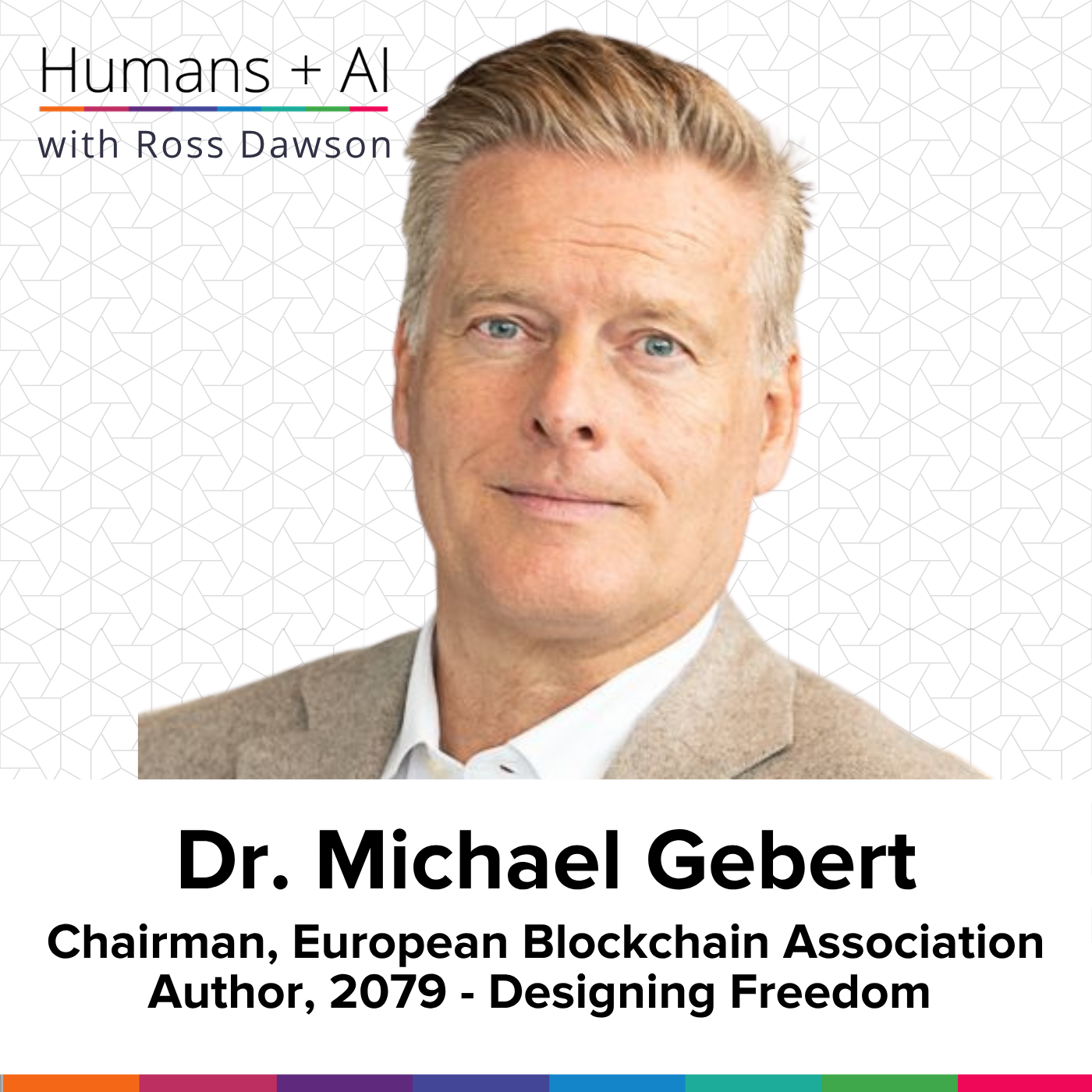
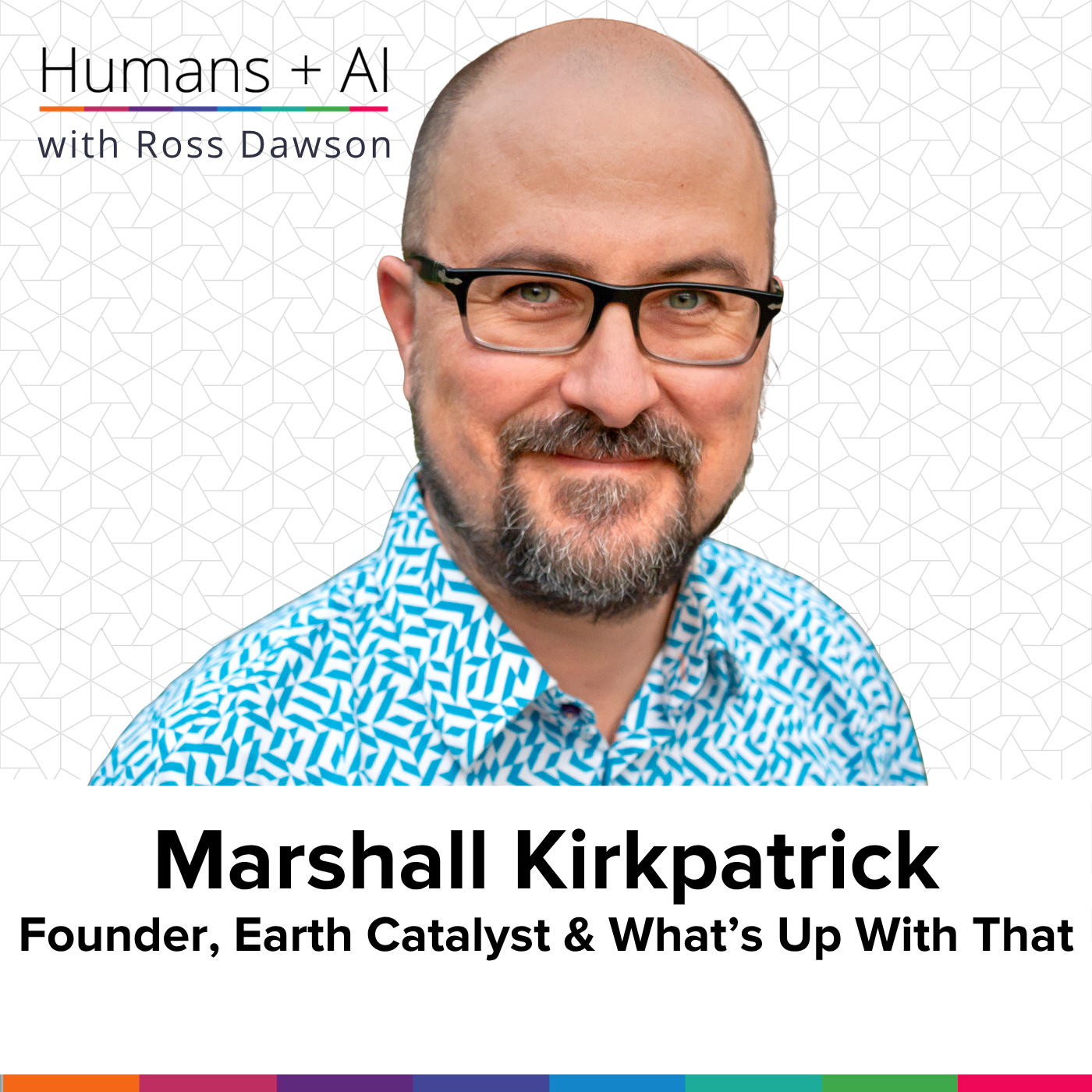
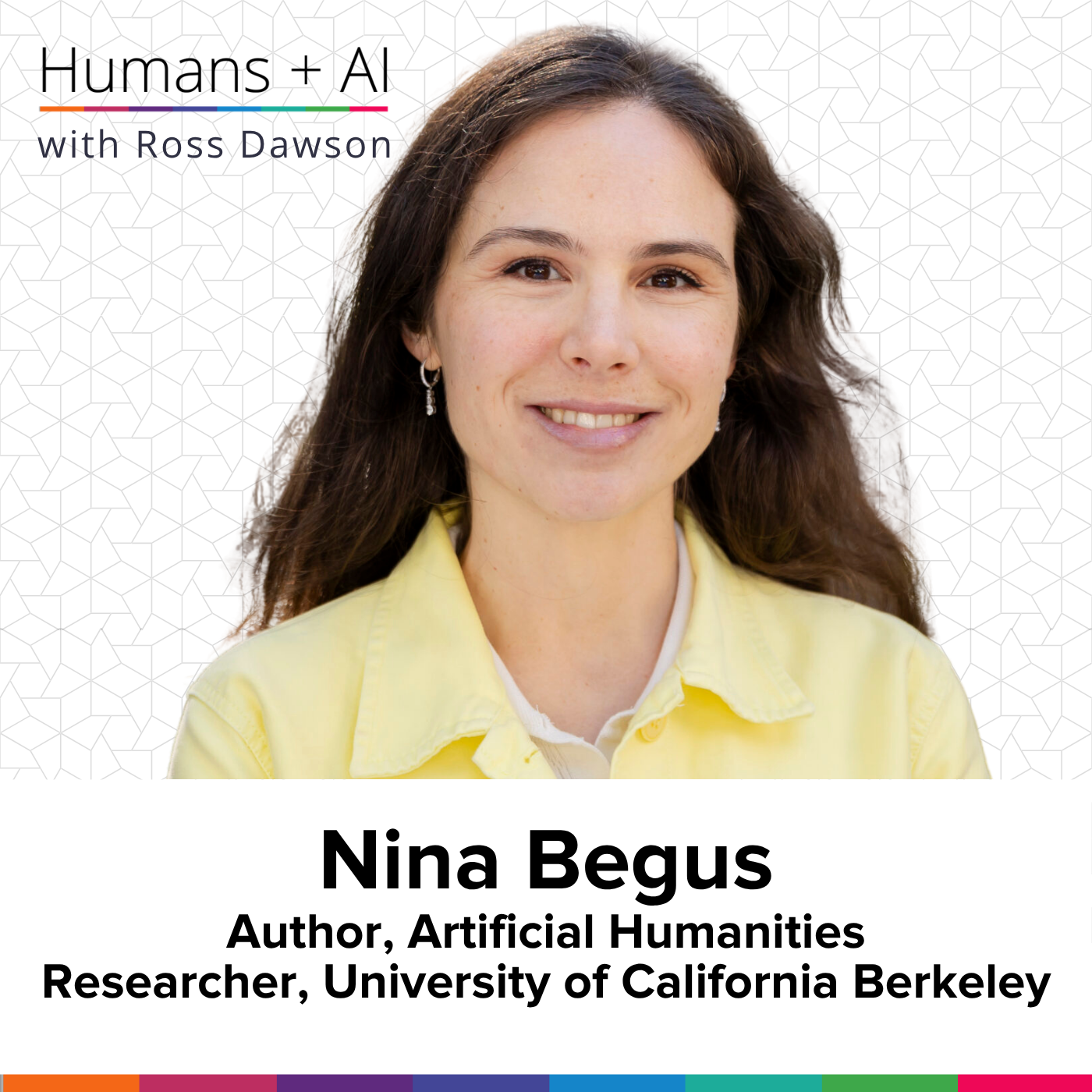
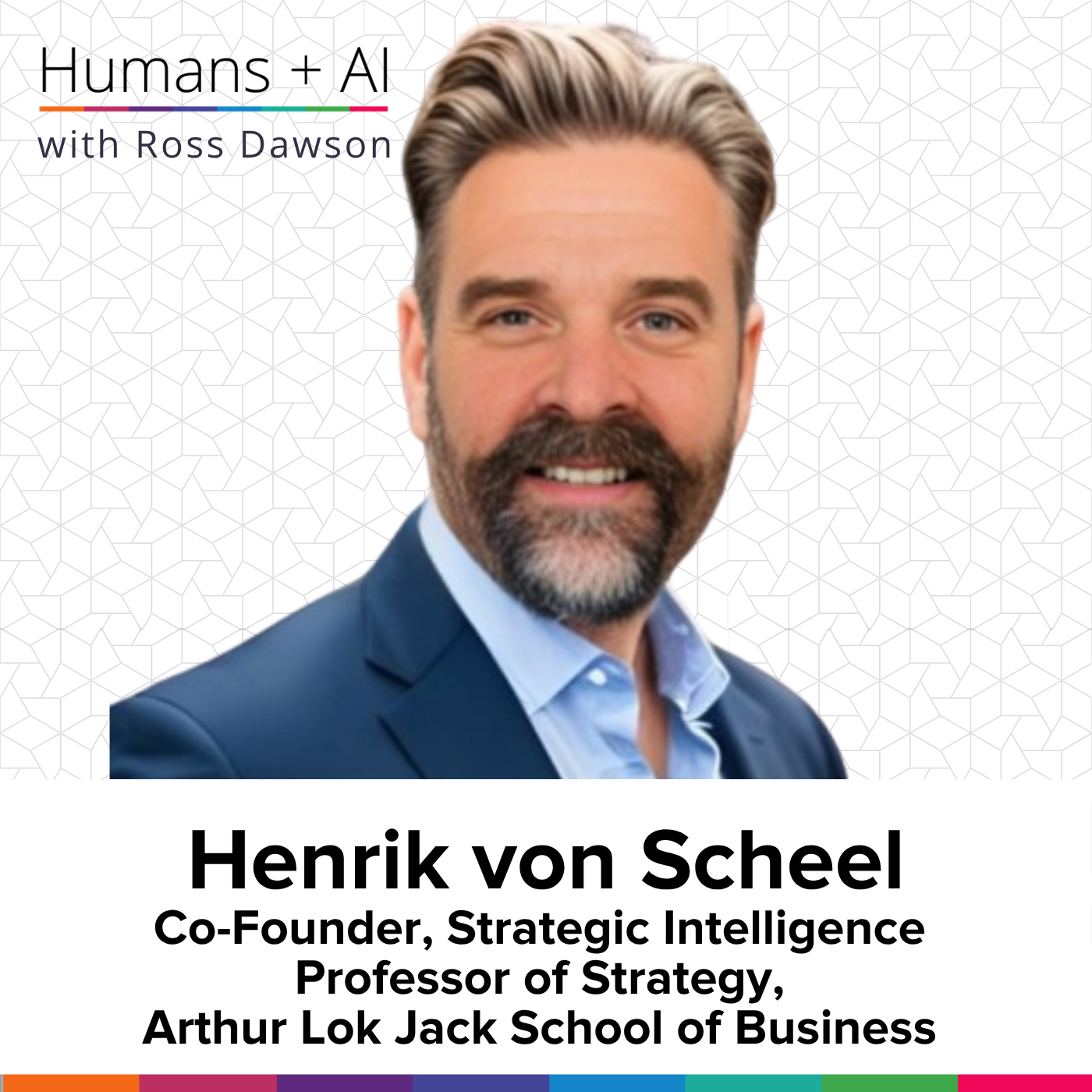
Also: David Vivancos, Jon Husband, Dr Michael Gebert, Marshall Kirkpatrick, Nina Begus, Henrik von Scheel, Ramez Naam, Gideon Nave, Steven Shaw, Daniel Fallmann, Natalie Buda Smith
Audience Interest
Podcast Focus
Publishing Consistency
Insights are generated by CastFox AI using publicly available data, episode content, and proprietary models.
Most discussed topics
Brands & references
Total monthly reach
Based on 1 signal.
Built from
By chart position
- 🇮🇳India · Management#132457 to 2.4K
- 🇷🇴RO · Management#11054 to 285
- Per-Episode Audience
Est. listeners per new episode within ~30 days
511 to 2.7K🎙 Biweekly cadence·200 episodes·Last published 2d ago - Monthly Reach
Unique listeners across all episodes (30 days)
730 to 3.9K🇺🇸71%🇮🇳26%🇷🇴3% - Active Followers
Loyal subscribers who consistently listen
292 to 1.5K
Market Insights
Platform Distribution
Reach across major podcast platforms, updated hourly
Total Followers
—
Total Plays
—
Total Reviews
—
* Data sourced directly from platform APIs and aggregated hourly across all major podcast directories.
| Date | Episode | Topics | Guests | Brands | Places | Keywords | Sponsor | Length | |
|---|---|---|---|---|---|---|---|---|---|
| 11/12/26 | 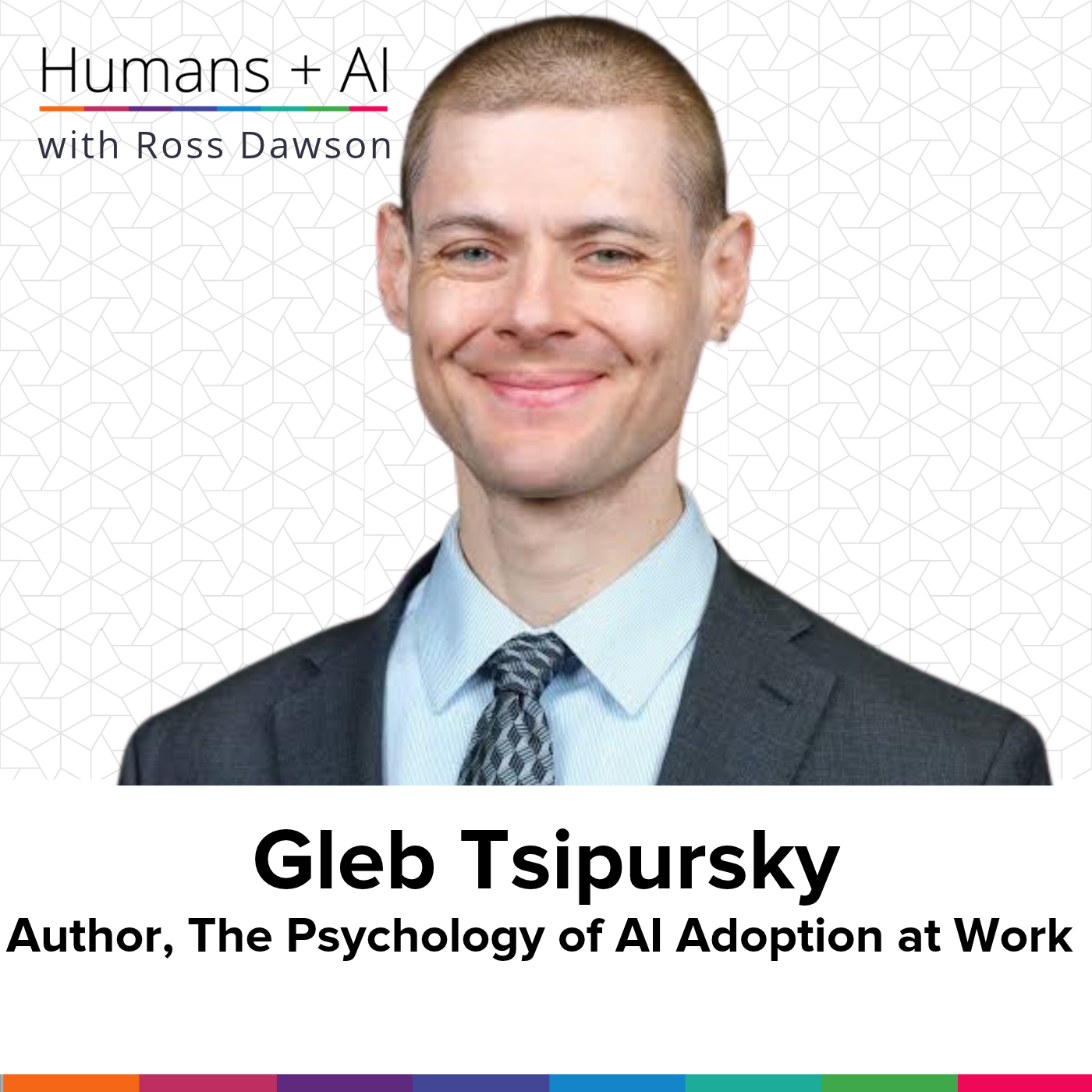 Gleb Tsipursky on the psychology of AI adoption, work identity, beyond social stigma, and win-win dynamics (HAI Ep63) | Gleb Tsipursky, CEO of future-of-work and behavioral economics consultancy Disaster Avoidance Experts, explains why most AI pilots fail to deliver measurable value at organizational scale. Drawing on cognitive neuroscience and his book The Psychology of AI Adoption at Work, he explores how employee psychology, fear of job loss, and professional identity shape AI adoption more than technology quality. Learn how individualized use cases, low-risk tasks, transparent reasoning, thoughtful work redesign, leadership modeling, psychological safety, and shared success stories can reduce AI-related stigma and help organizations redeploy employees for growth. | 33m 57s | ||||||
| 11/4/26 | 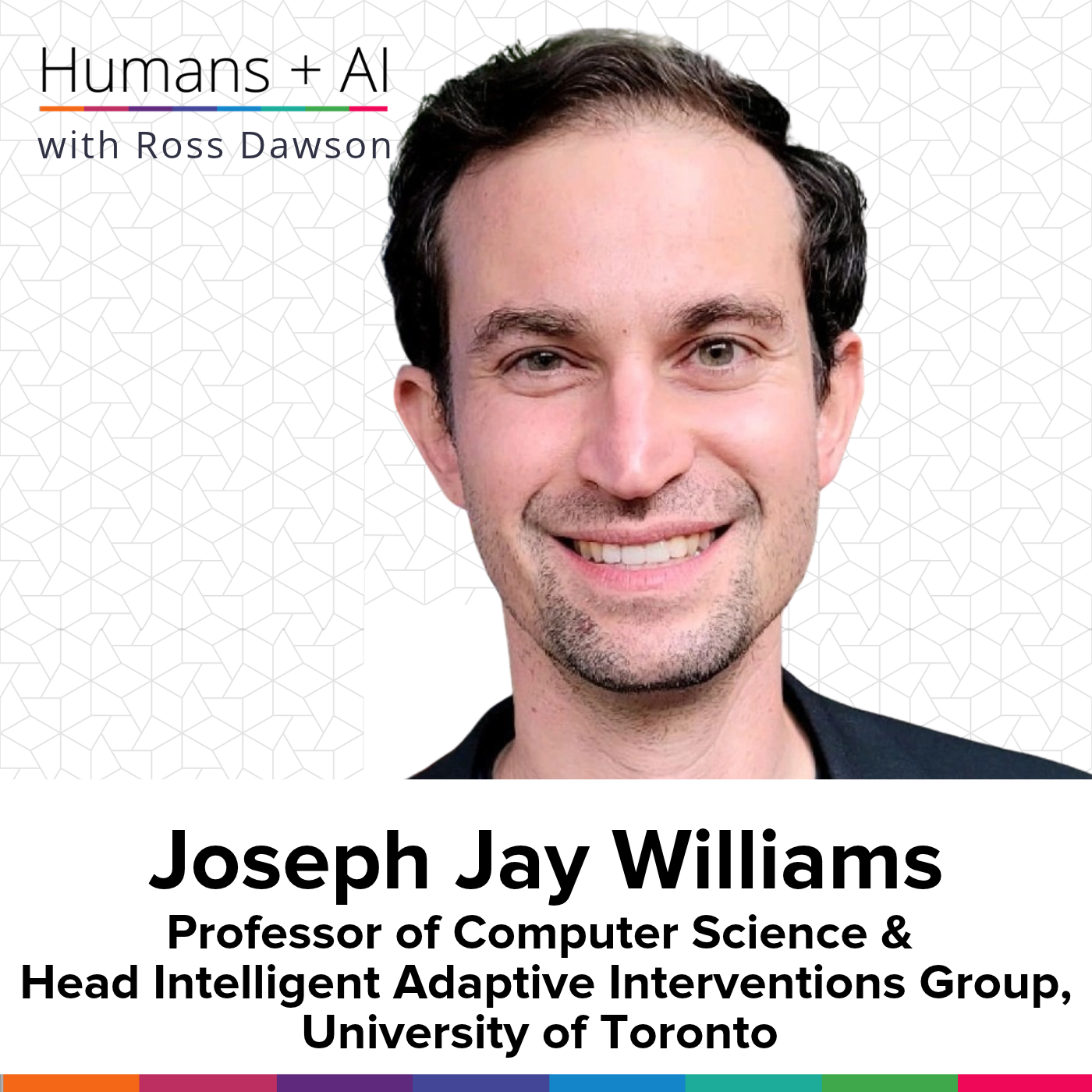 Joseph Jay Williams on adaptive experimentation, positive behavior change, AB prompting, and one minute experiments (HAI Ep62) | Joseph Jay Williams, Assistant Professor of Computer Science at the University of Toronto and leader of the Intelligent Adaptive Interventions research group, explores how adaptive experimentation can uncover better solutions to everyday problems. Learn how one-minute experiments simplify behavior change, reframing stress improves focus and collaboration, and AI combined with psychology can personalize interventions for individual needs. Williams also explains how adaptive AI systems can optimize for meaningful outcomes instead of attention alone, challenge unhelpful beliefs, support healthier decisions, and help people think more critically with tools such as AB Prompter and AB Scribe. | — | ||||||
| 10/28/26 | 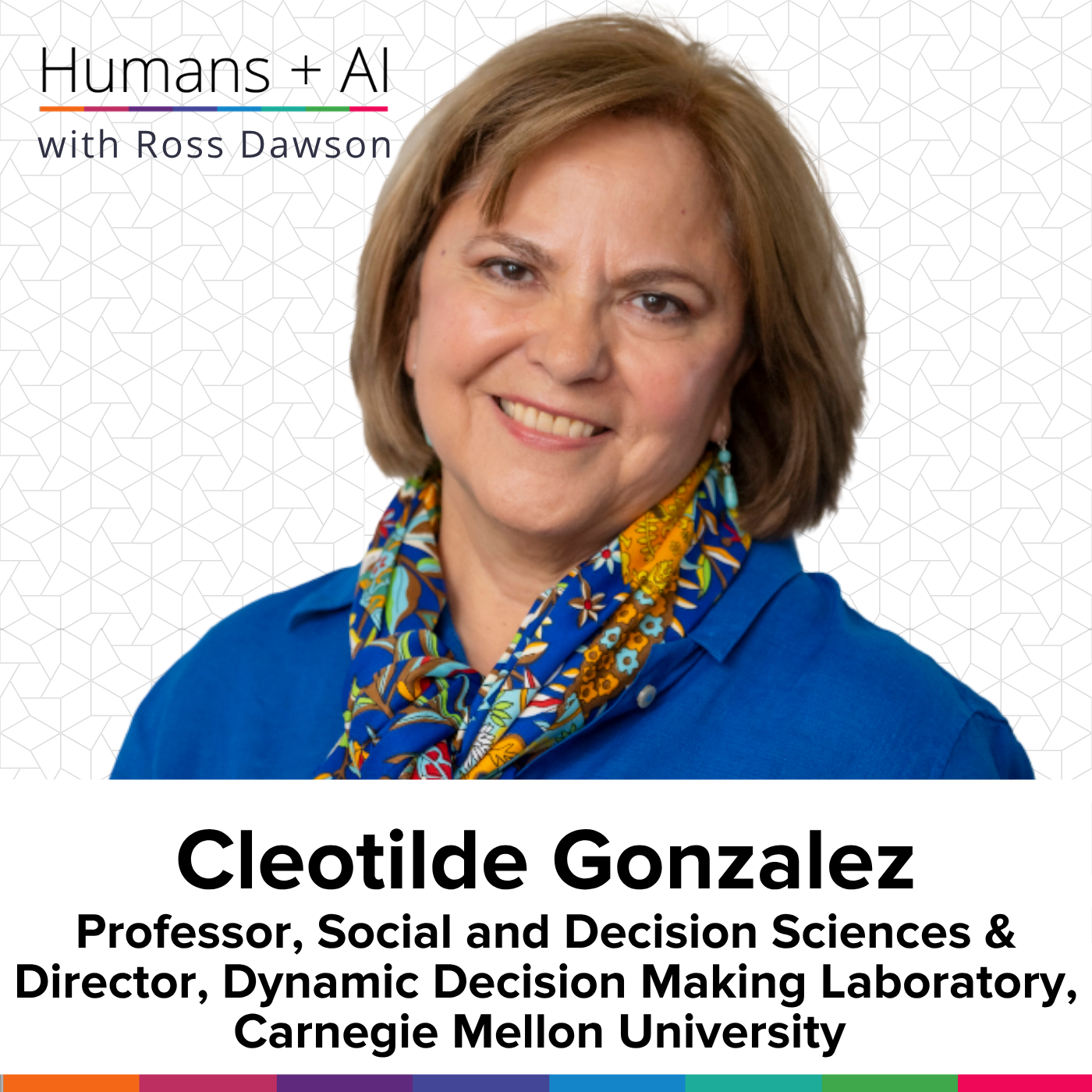 Cleotilde Gonzalez on human-AI complementary intelligence, theory of mind in teams, dynamic decision making, and metrics of complementarity (HAI Ep61) | Join Cleotilde Gonzalez, Professor of Social and Decision Sciences at Carnegie Mellon University and founding director of the Dynamic Decision Making Laboratory, as she explores the crucial differences between human-AI augmentation and genuine complementarity in decision making. Drawing on cognitive science and collective intelligence, Dr. Gonzalez discusses why effective human-AI teams require more than simply adding AI—highlighting the importance of theory of mind, mutual understanding, and thoughtful team role design. Listeners will gain actionable insights into measuring collaborative process metrics, distributing workload, and pioneering new organizational forms to enhance human-AI collaboration in high-stakes decisions. | 44m 16s | ||||||
| 10/21/26 | 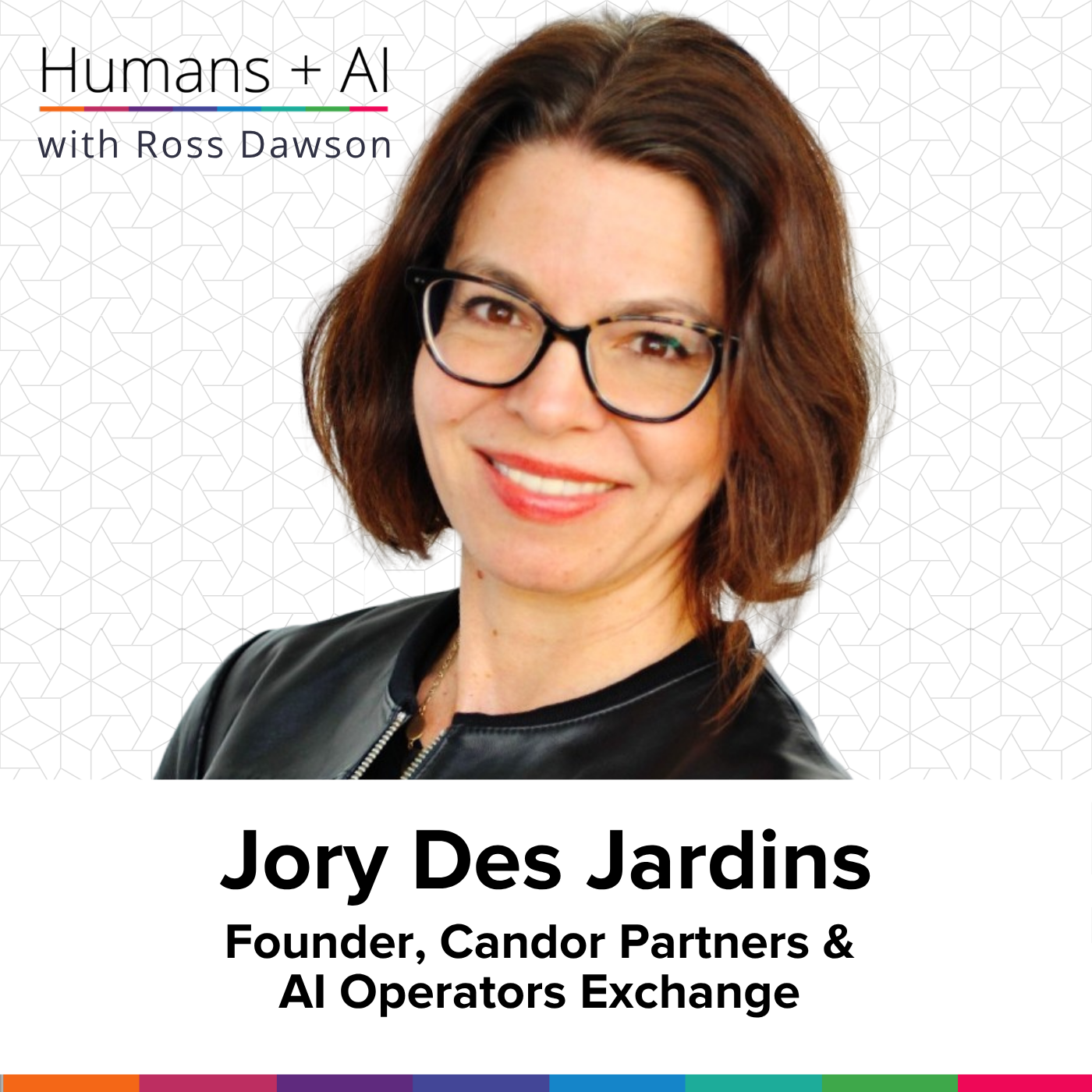 Jory Des Jardins on human agency architecture, following the judgment, human calibration, and brain capital (HAI Ep60) | In this episode, Jory Des Jardins—Founder & Principal at Candor Partners and author of 'Human Agency Architecture'—explores how organizations can navigate AI adoption while preserving essential human judgment and skill retention. Drawing on her experience leading initiatives like BlogHer and the AI Operators Exchange, Jory discusses frameworks for task delegation, the risks of cognitive foreclosure and succession hollowing, and the importance of transparency in building trust. Listeners will learn practical strategies for balancing productivity with human flourishing, ensuring organizations adapt to AI without sacrificing unique human strengths. | 34m 03s | ||||||
| 10/14/26 | 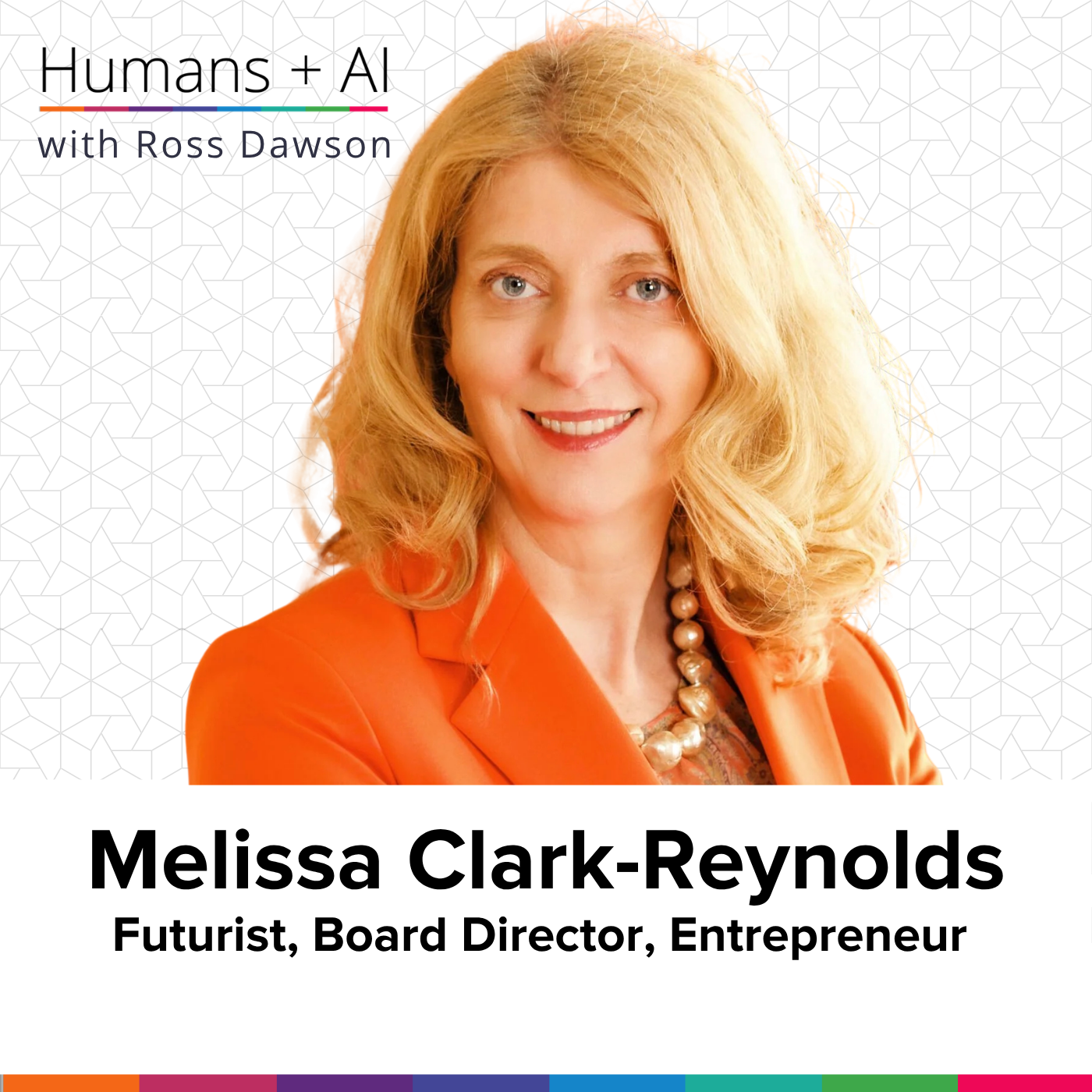 Melissa Clark-Reynolds on AI in the boardroom, improving judgment, creative friction, and foresight for agile strategy (HAI Ep59) | Futurist and professional director Melissa Clark-Reynolds, founder of FutureCentre.nz and NZ Order of Merit appointee, joins the podcast to explore how boards and senior leaders can navigate the myths and realities of AI adoption. Drawing on her expertise in strategy and disruptive business models, Clark-Reynolds discusses why embracing a capability multiplier mindset toward AI drives genuine productivity and how prompt engineering and board-level education are key. Listeners will gain practical foresight tools, learn strategies for effective AI governance, and discover how leaders can enhance their own judgment while reimagining their organization’s operating models for an AI-enabled future. | 36m 14s | ||||||
| 10/7/26 | 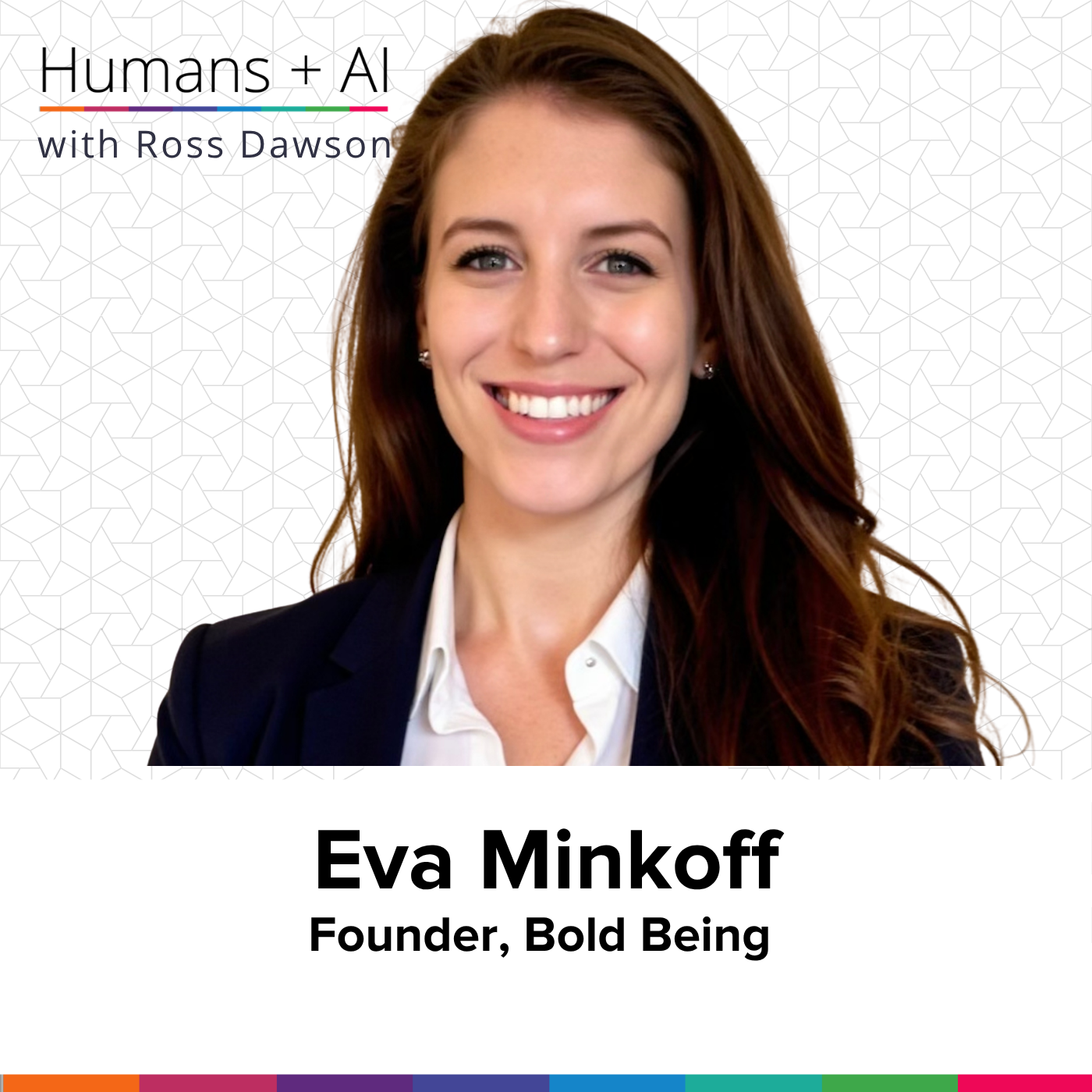 Eva Minkoff on connection to self, identity threat, augmenting ourselves, and the AIM method (HAI Ep58) | In this episode, Eva Minkoff, Founder of Bold Being and Chief Transformation Officer at Transformental, explores how rapid AI disruption is reshaping human identity, leadership, and wellbeing. She shares insights from her work with healthcare executives, offering practical strategies for cultivating self-compassion, authentic human connection, and resilience amid deep uncertainty. Listeners will learn why embracing vulnerability, admitting uncertainty, and augmenting human creativity are essential leadership skills for navigating transformational change in an AI-driven era. | 37m 04s | ||||||
| 9/30/26 | 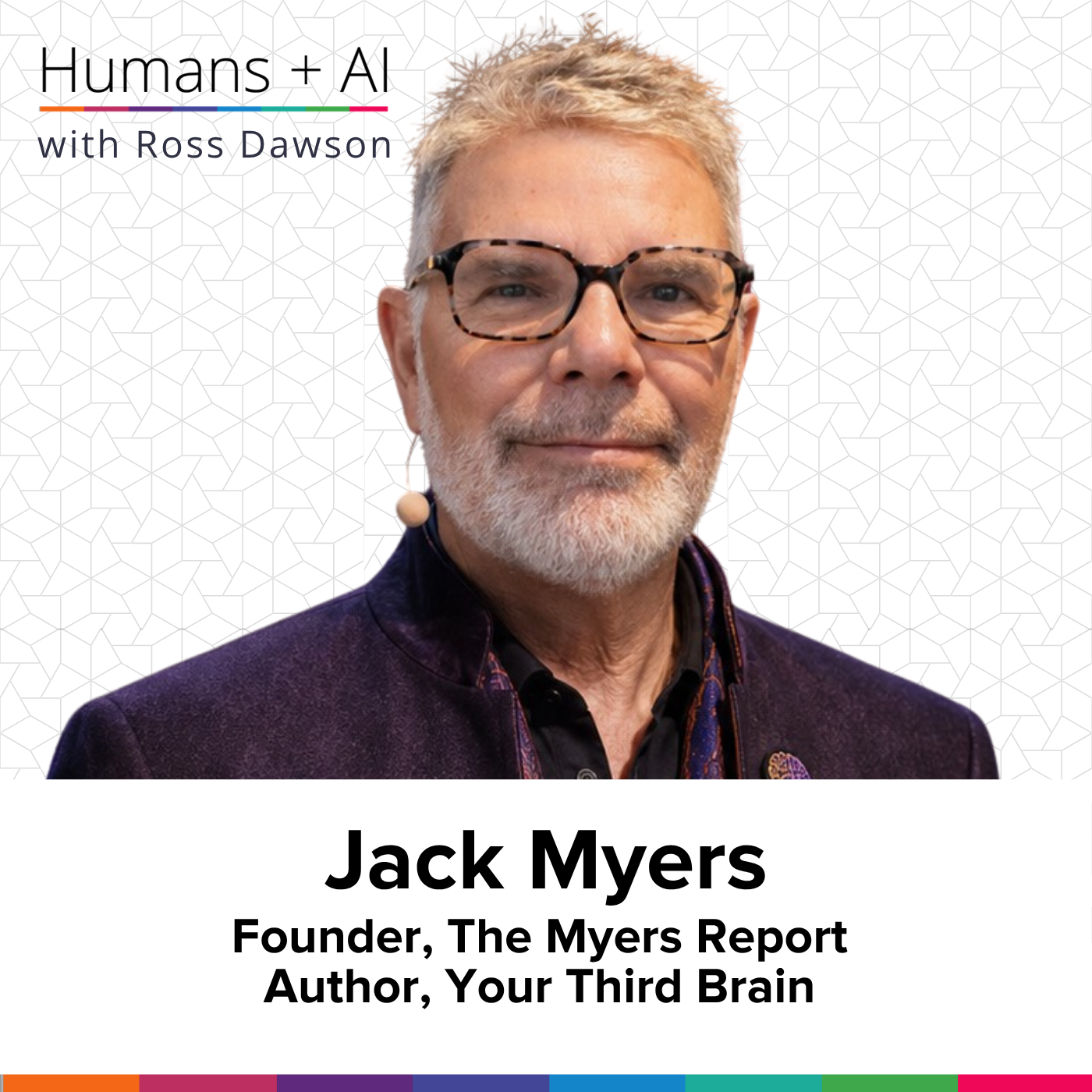 Jack Myers on media ecology, techno intuition, positive evolution, and your third brain (HAI Ep57) | In this episode, Jack Myers—media ecologist and founder of The Myers Report—explores the crucial interplay between human judgment and AI, drawing on his expertise and his latest book, Your Third Brain. Listeners will discover how 'third brain thinking' fosters a collaborative partnership between people and machine intelligence, and why techniques like 'techno intuition,' intentional pauses, and useful friction lead to smarter decisions. Myers also discusses the importance of preserving trust, empathy, and deep human connection as leaders navigate automation, offering actionable strategies to harness AI for collective intelligence and meaningful growth. | 36m 12s | ||||||
| 9/23/26 | 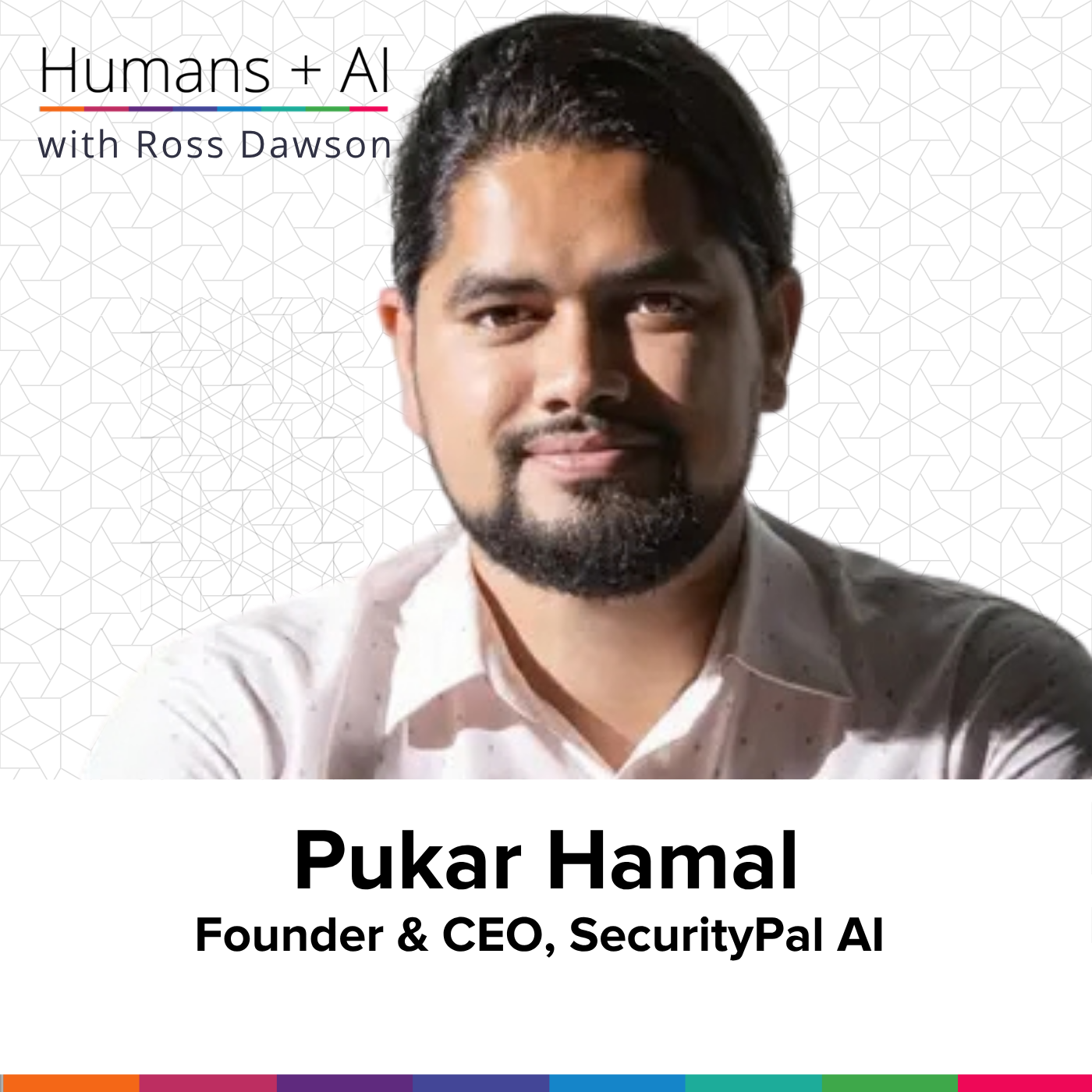 Pukar Hamal on personal agency, compute equality, being good at intelligence, and human inspiration (HAI Ep56) | In this episode, Pukar Hamal—Founder & CEO of SecurityPal AI and Nepalese startup hub Silicon Peaks—explores the emotional impact gap between AI-generated writing and human creativity, and examines how intelligence augmentation, not full automation, should guide AI’s future. Drawing on his cybersecurity expertise, Pukar discusses emerging concepts like zero data retention and the agentic security paradigm, highlighting why automation with verification, layered human validation, and compute equality are vital. Listeners will gain valuable insights into expanding human agency, overcoming the barrier to launching, and supporting focus and perseverance in an AI-driven world. | 39m 17s | ||||||
| 9/9/26 | 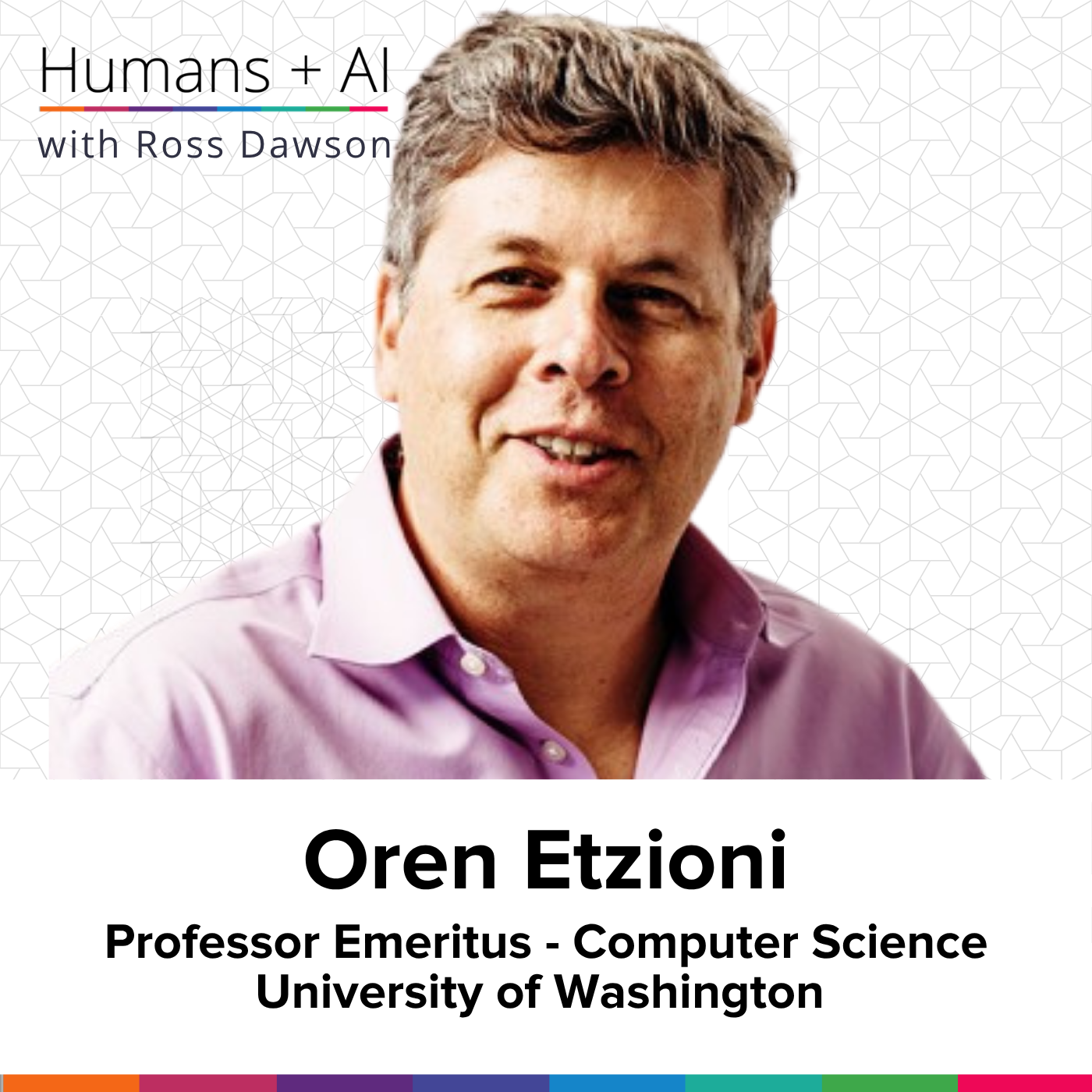 Oren Etzioni on the evolution of AI agents, bounded autonomy, augmenting science, and democratizing capabilities (HAI Ep55) | Join Professor Oren Etzioni, Professor Emeritus of Computer Science at the University of Washington and founding CEO of the Allen Institute for Artificial Intelligence, as he explores the evolution of agentic AI from early software agents to today’s autonomous assistants. Discover how natural language breakthroughs have transformed human-AI interaction, the challenges of building digital trust, and why maintaining human accountability remains essential. Tune in for practical insights on effective interface design, ways to bound AI autonomy, and how AI is democratizing cognitive potential and accelerating expert work. | 40m 44s | ||||||
| 8/19/26 |  Ross Dawson on Recursive Self-Improvement in Humans + AI Systems (HAI Ep54) | In this episode, futurist and strategy advisor Ross Dawson, Chairman of Advanced Human Technologies and founder of Informivity, explores how recursive self-improvement and double loop learning are transforming both AI systems and human learning in organizations. Listeners will discover key differences between single and double loop systems, the role of reinforcement learning in AI advancement, and practical steps for integrating effective learning loops to enhance AI-human collaboration. Ross shares why maintaining human judgment is crucial as AI evolves, and offers insights for chief learning officers on redesigning organizational learning for the AI era. | 19m 12s | ||||||
Want analysis for the episodes below?Free for Pro Submit a request, we'll have your selected episodes analyzed within an hour. Free, at no cost to you, for Pro users. | |||||||||
| 8/5/26 | 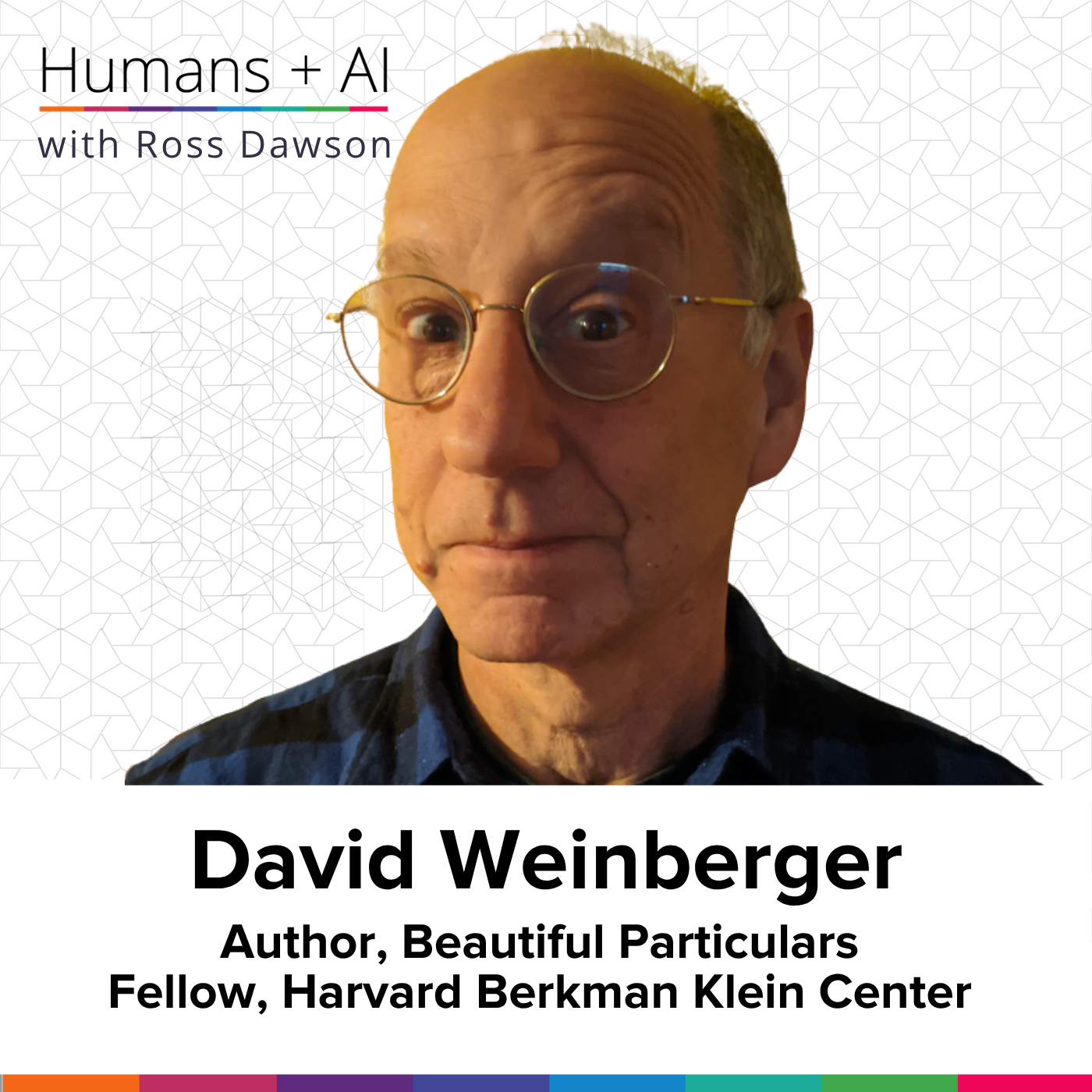 David Weinberger on beautiful particulars, healing the mind/body split, morality, and the case for optimism (HAI Ep53) | In this episode, David Weinberger—author of 'Beautiful Particulars' and researcher at Harvard MetaLab—explores how artificial intelligence is reshaping Western ideas about universal laws, human cognition, and the value of lived, bodily experiences. Listeners will discover why AI thrives on processing immense particulars and how integrating human generalization with AI’s specificity can build complementary intelligence. Weinberger offers insight into the philosophical impact of technology, the centrality of embodiment for meaning and morality, and an optimistic vision for using conversational AI to deepen learning and curiosity in real-life situations. | 37m 45s | ||||||
| 7/29/26 | 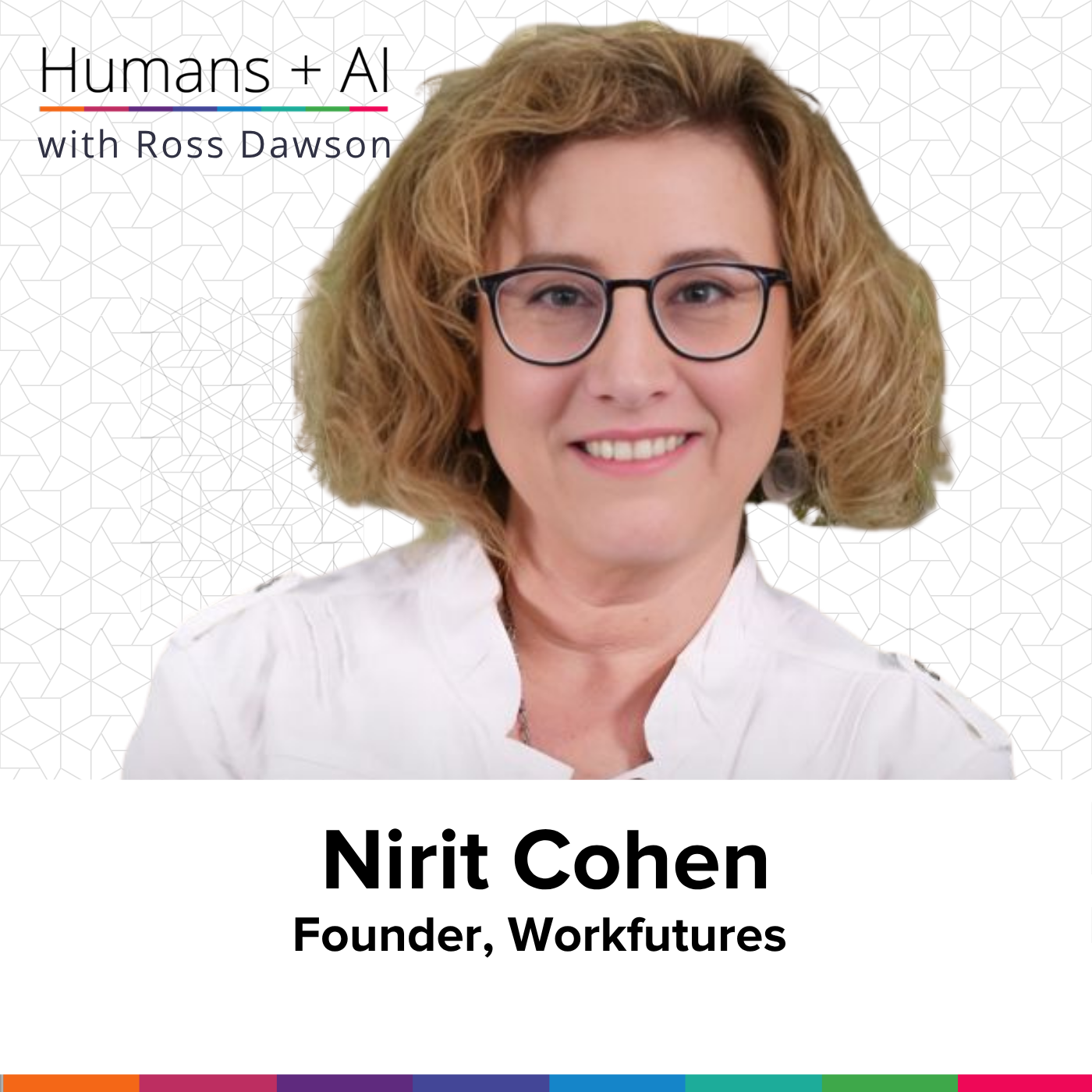 Nirit Cohen on uniquely human contribution, questions over answers, horizontal knowledge sharing, and intentional chaos (HAI Ep52) | In this episode, Nirit Cohen—founder of Workfutures and former senior global people leader at Intel—explores the shifting boundaries between work and life in an era shaped by technology and automation. Drawing on her expertise in digital workplace transformation, Cohen discusses why uniquely human contributions remain critical, how to uncover hidden value within organizations, and the dangers of viewing people as interchangeable with AI. Listeners will gain new perspectives on nurturing adaptability, collaboration, and human-centered leadership as organizations evolve in the face of automation and changing roles. | 34m 48s | ||||||
| 7/22/26 | 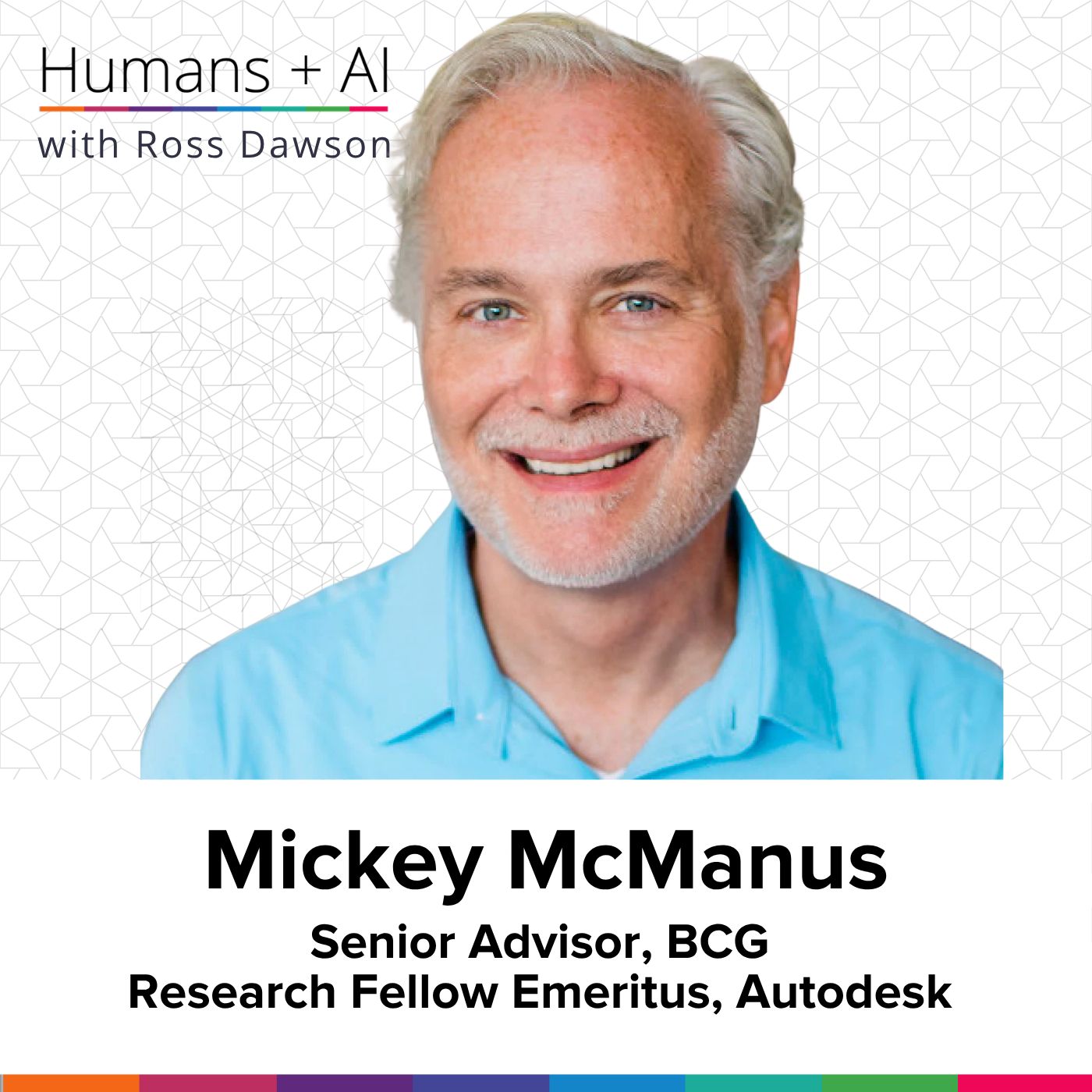 Mickey McManus on co-thinking, beautiful complexity, pro-social design, and evolutionary social science (HAI Ep51) | Join Mickey McManus, Executive Coach and Senior Advisor at Boston Consulting Group, as he explores the frontiers of embodied intelligence and cognitive scaffolding in AI-driven transformation. Drawing from evolutionary design principles and his experience in innovation labs, Mickey explains how human cognition extends into our environments and how feedback loops—both augmenting and corrupting—shape the future of pro-social AI and organizations. Listeners will gain valuable insights on pace layering, spatial thinking, and hands-on strategies for adopting AI, including ethical considerations at the cutting edge of synthetic biology. | 39m 04s | ||||||
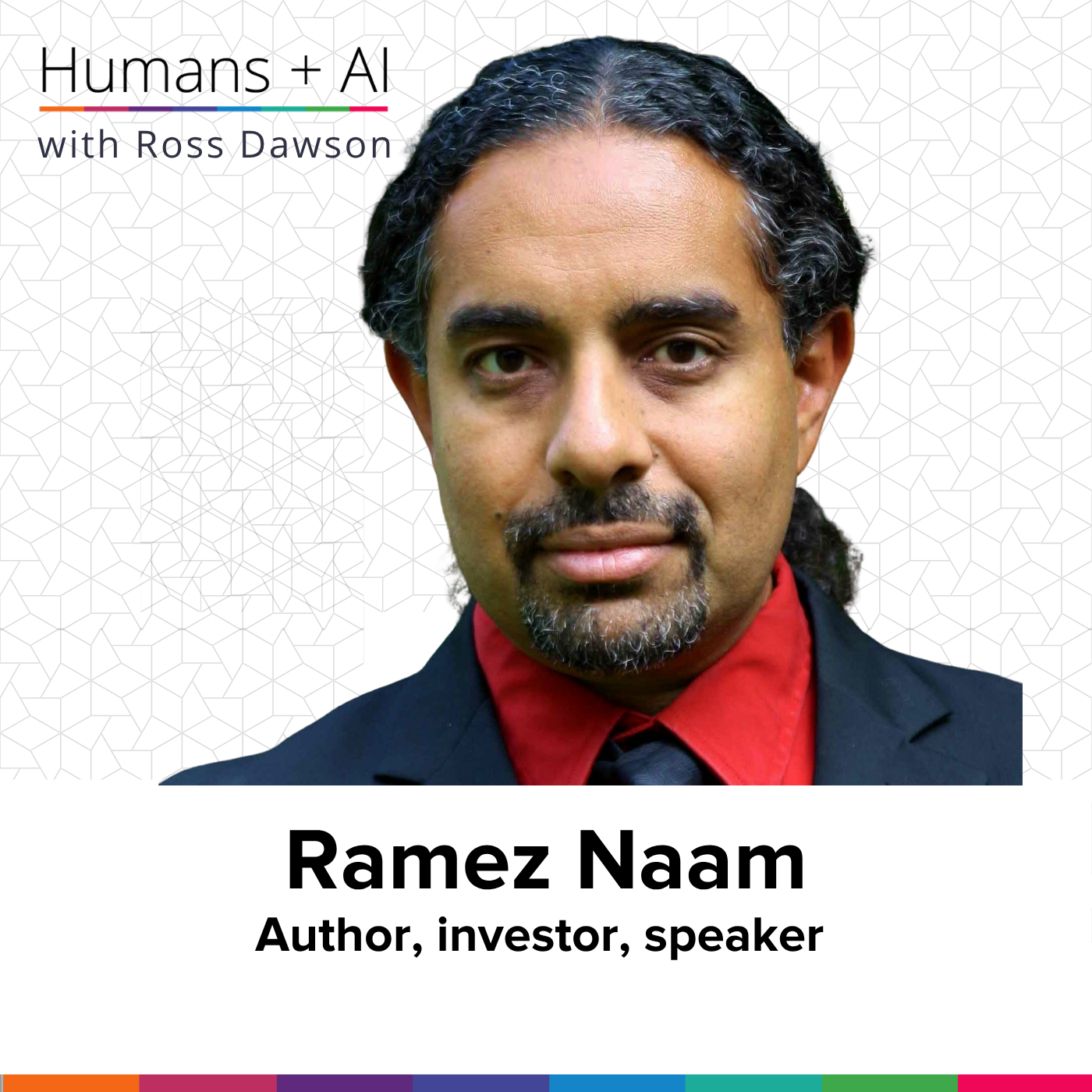
| 7/15/26 | cognitive prosthesesAI and human rights+3 | Ramez Naam | Singularity University | — | cognitive prosthesisbrain-to-AI interfaces+3 | — | 58m 23s | ||
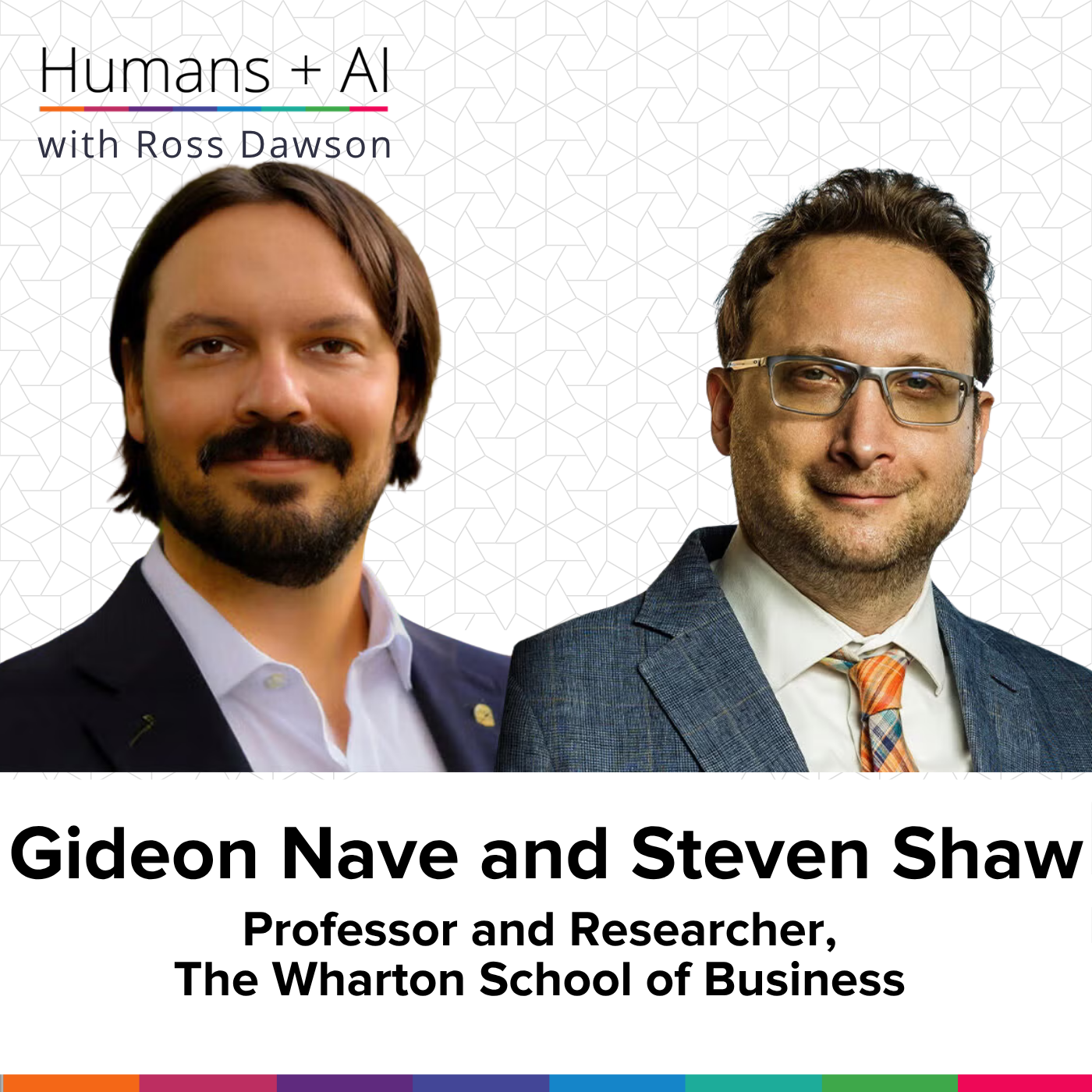
| 7/8/26 | system three cognitionAI ethics+3 | Gideon NaveSteven Shaw | Wharton | — | AIcognitive offloading+3 | — | 38m 53s | ||
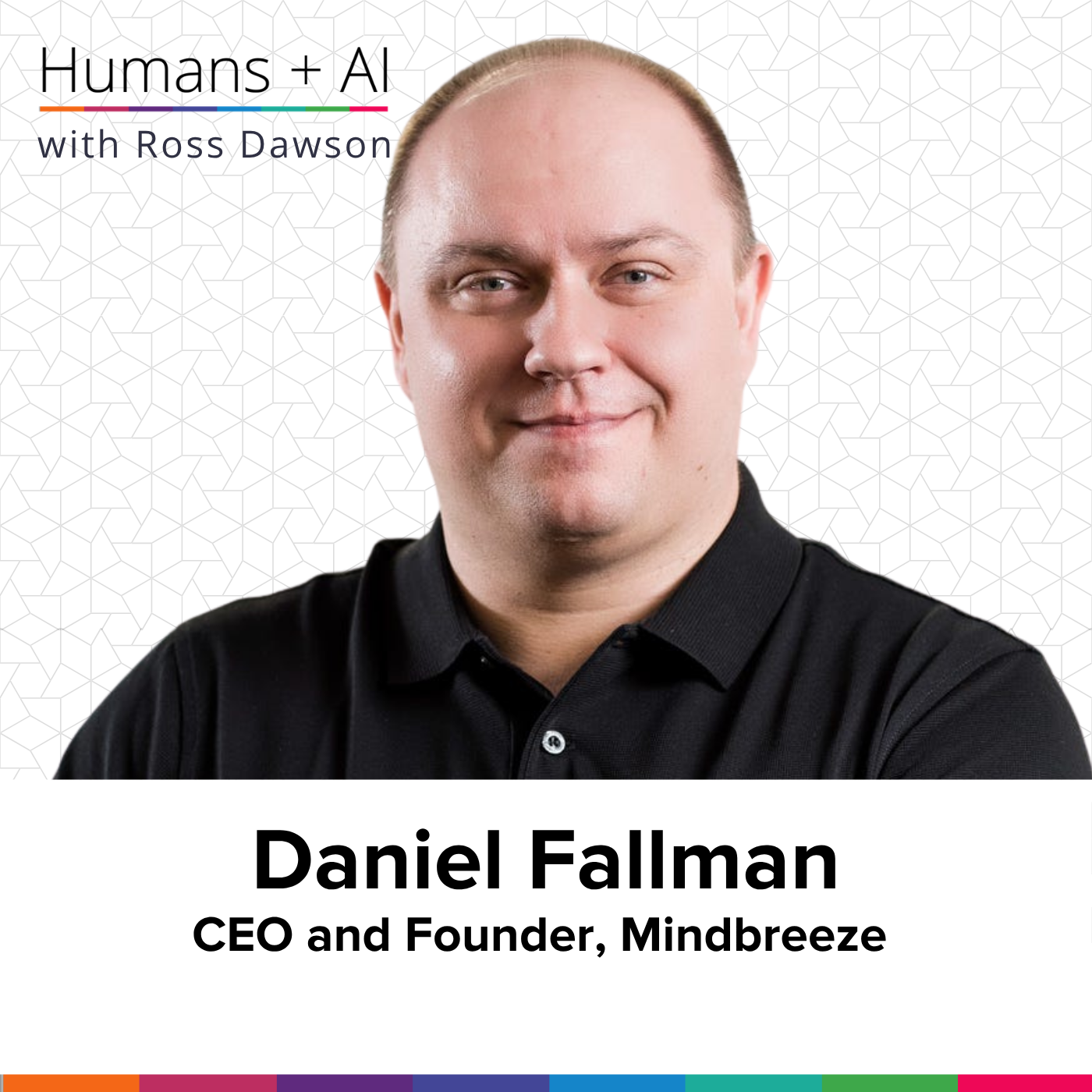
| 6/24/26 | democratizing expertiseAI augmentation+4 | Daniel Fallmann | Mindbreeze | — | AIhuman expertise+5 | — | 27m 00s | ||
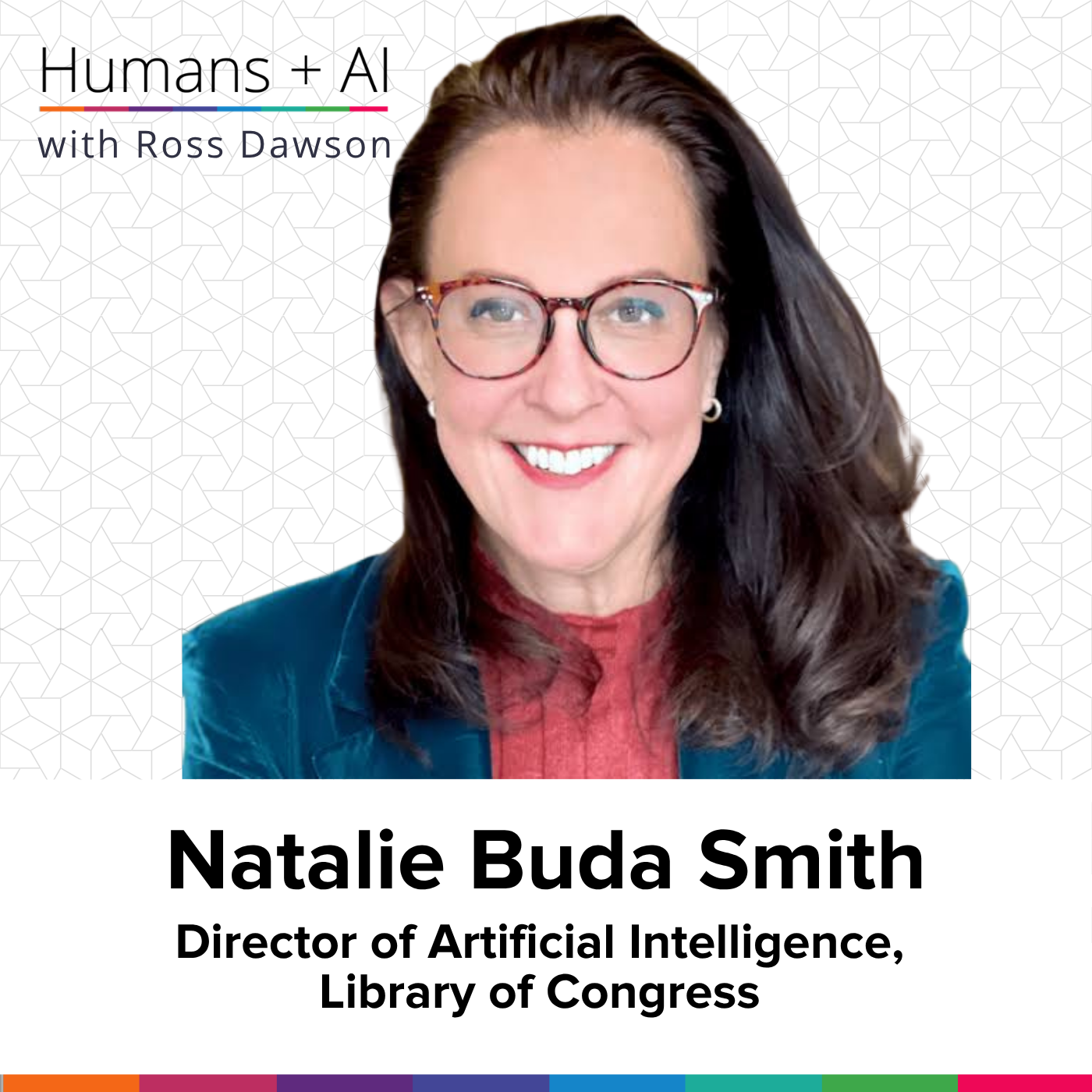
| 6/17/26 | AI in librariesdigital interfaces+4 | Natalie Buda Smith | Library of Congress | — | AIlibraries+5 | — | 33m 57s | ||
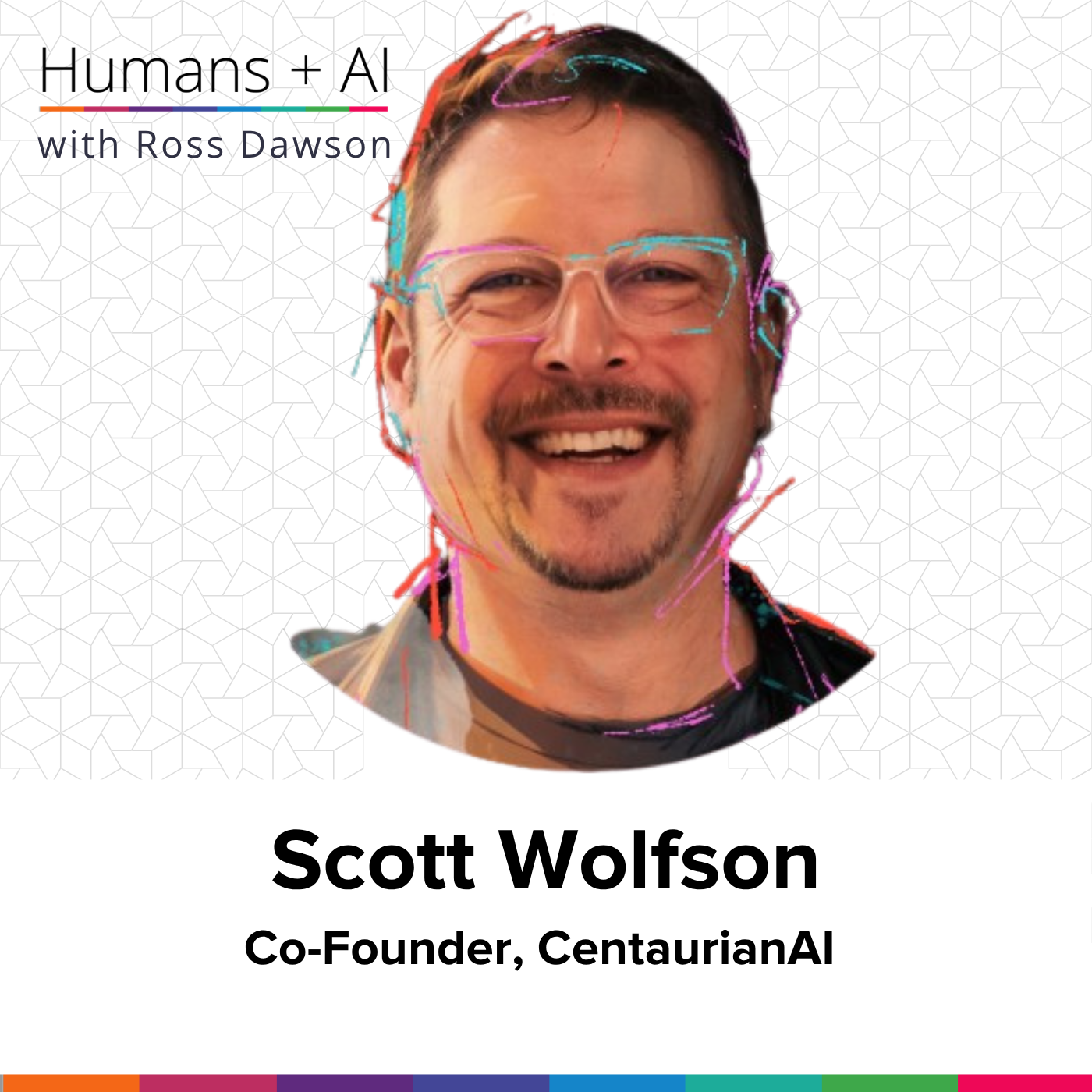
| 6/10/26 | cognitive fitnessAI+3 | Scott Wolfson | CentaurianAI | — | cognitive fitnessSystem 3 thinking+3 | — | 35m 41s | ||
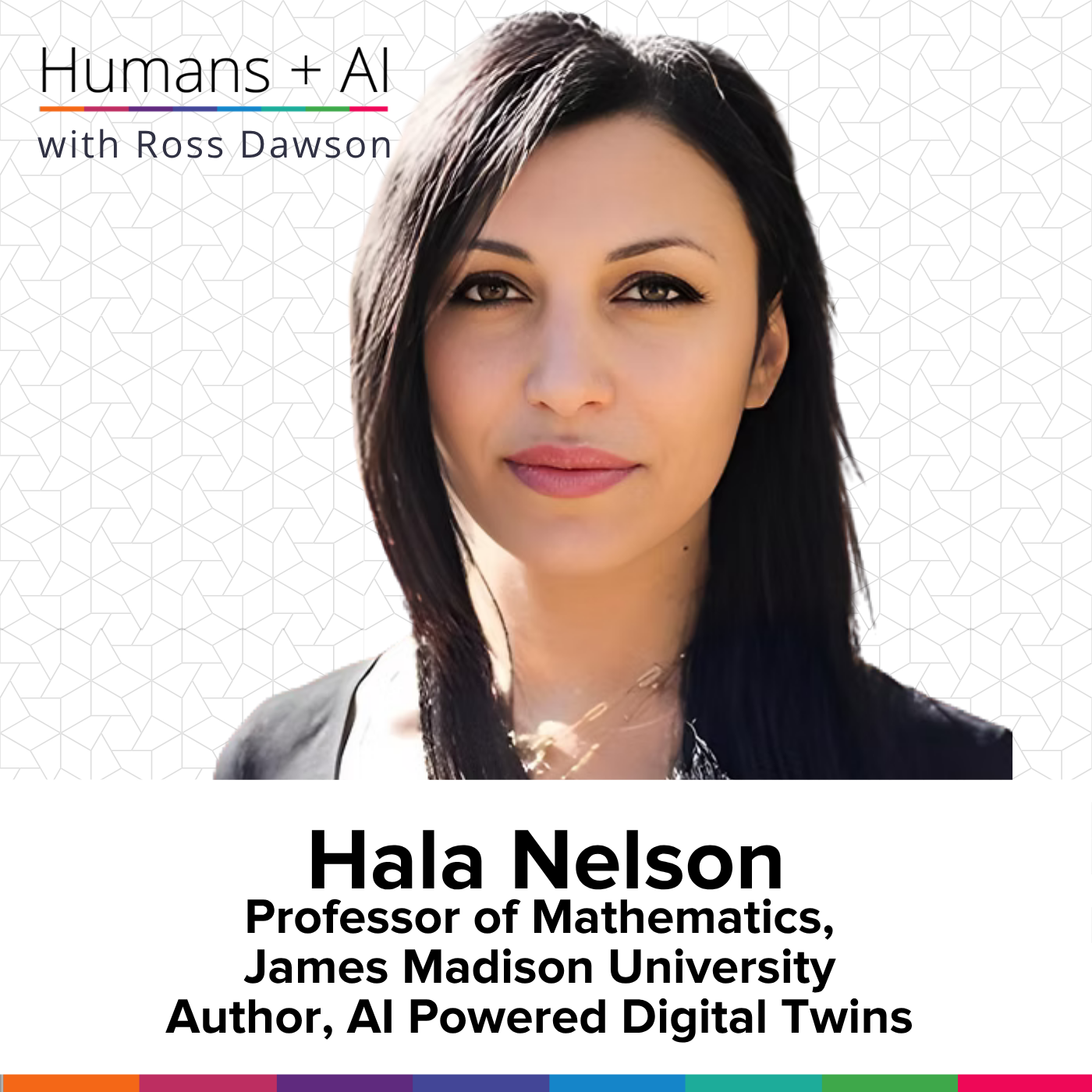
| 6/3/26 | human machine coexistenceAI capabilities+4 | Hala Nelson | — | — | AIdigital transformation+5 | — | 32m 26s | ||
| 5/27/26 | cognitive frictionhuman-AI collaboration+4 | — | Humans + AIAdvanced Human Technologies+2 | — | cognitive frictionhuman-in-the-loop+5 | — | 17m 48s | ||
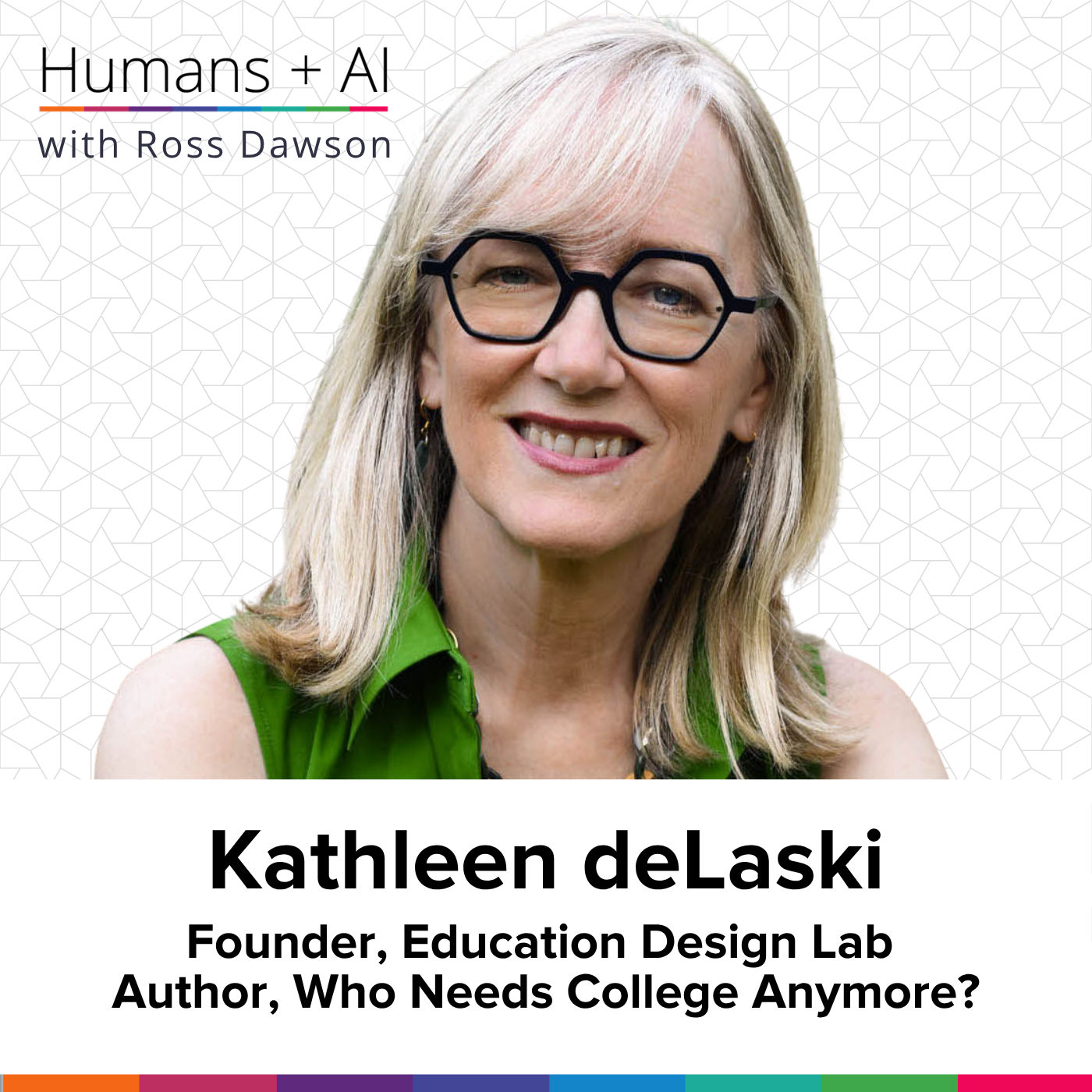
| 5/13/26 | higher educationgenerational mobility+5 | Kathleen deLaski | Education Design LabHarvard+2 | — | higher educationskillification+6 | — | 38m 36s | ||
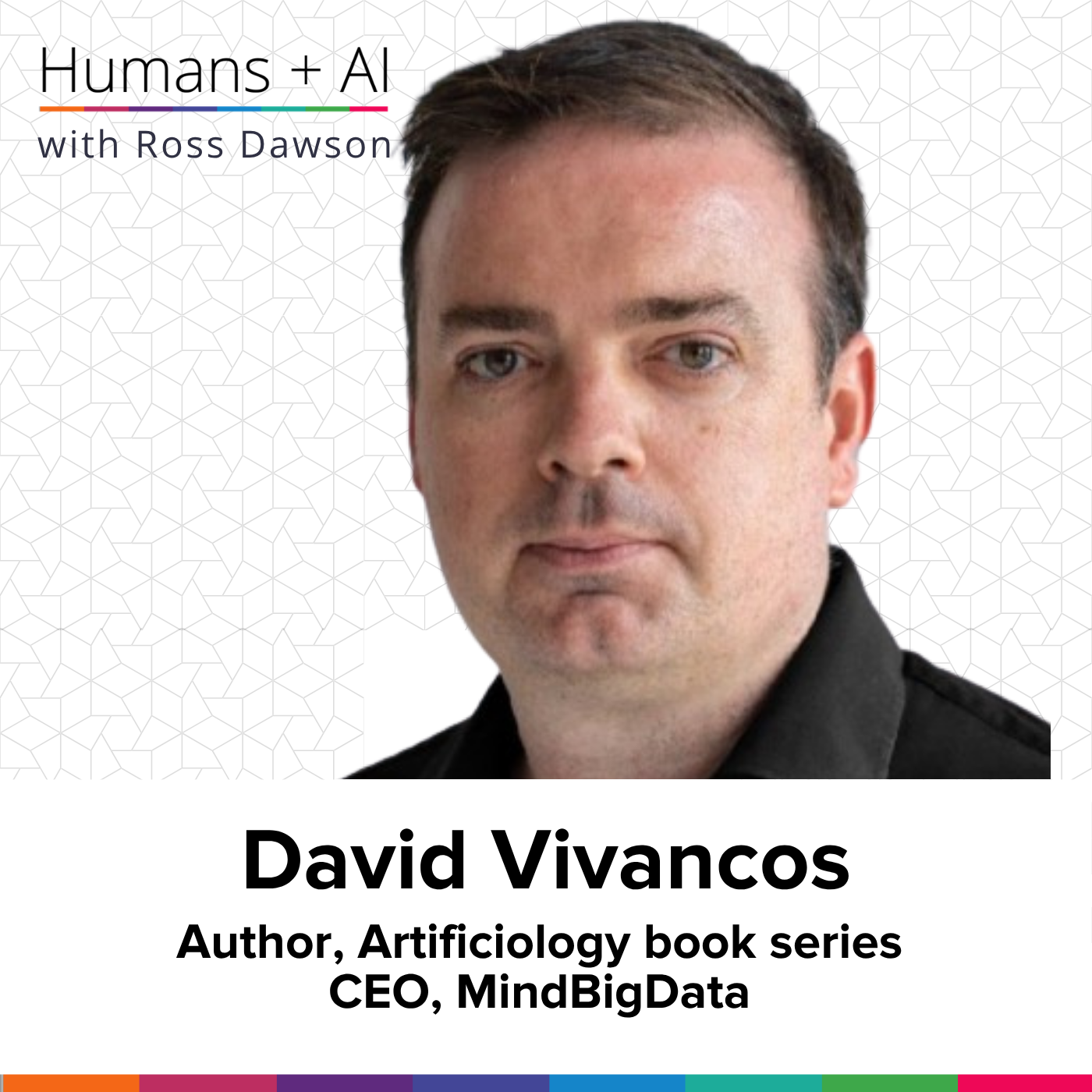
| 5/6/26 | AI and human progresscognitive flourishing+5 | David Vivancos | vivancos.comLinkedIn | — | AIcognitive atrophy+8 | — | 35m 59s | ||
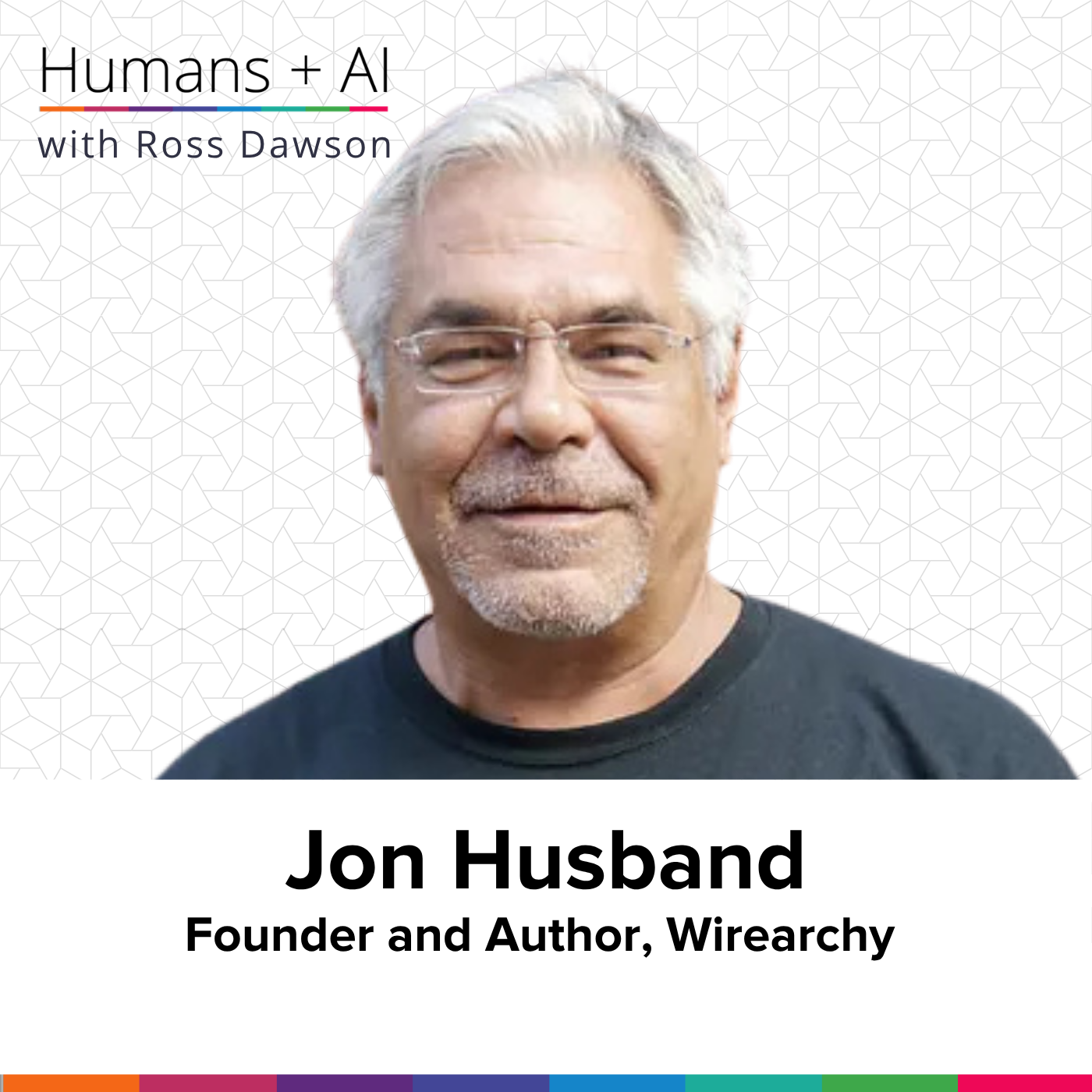
| 4/29/26 | wirearchyAI integration+4 | Jon Husband | Wirearchy | — | AIwirearchy+5 | — | 38m 14s | ||
| 4/22/26 | freedomcognitive sovereignty+4 | Dr Michael Gebert | European Blockchain AssociationAI Expert Forum+1 | Europe | freedomcognitive sovereignty+5 | — | 37m 43s | ||
| 4/8/26 | cognitive toolsgenerative AI+4 | Marshall Kirkpatrick | Earth CatalystWhat’s Up With That+2 | — | cognitive leverscombinatorial possibilities+5 | — | 39m 41s | ||
| 4/1/26 | artificial humanitiesAI archetypes+4 | Nina Begus | University of California, BerkeleyInterpretAI+2 | — | artificial intelligencehumanities+6 | — | 34m 46s | ||
| 3/25/26 | human-centered AIAI regulation+4 | Henrik von Scheel | Strategic IntelligenceClimate Asset Trust+3 | — | AIhuman evolution+5 | — | 47m 06s | ||
Showing 27 of 200
Pitch Fit is a Pro feature
See how bookable this show is for guests, which brands already advertise, the per-episode ad value, and the best-fit guest and sponsor profile. The numbers are blurred on the free plan.
How readily this show books outside guests like you.
How proven this show is for host-read sponsorships.
For Guests
ProFor Advertisers
ProUpgrade to Pro to unlock guest cadence, sponsor categories, fit scores, and per-episode ad value for this show.
Chart history for Humans + AI
Peaked at #110 in RO, currently #110 in RO.
| Market | Genre | Peak | Current | Trend |
|---|---|---|---|---|
| RO | — | #110 | #110 | — |
| India | — | #132 | #132 | — |
Chart Positions
2 placements across 2 markets.
Chart Positions
2 placements across 2 markets.