Insights from recent episode analysis
Audience Interest
Podcast Focus
Publishing Consistency
Platform Reach
Insights are generated by CastFox AI using publicly available data, episode content, and proprietary models.
Most discussed topics
Brands & references
Est. Listeners
Insufficient chart data. Estimates will improve as the show charts.
- Per-Episode Audience
Est. listeners per new episode within ~30 days
N/A🎙 Daily cadence·143 episodes·Last published 5d ago - Monthly Reach
Unique listeners across all episodes (30 days)
N/A - Active Followers
Loyal subscribers who consistently listen
N/A
Market Insights
Platform Distribution
Reach across major podcast platforms, updated hourly
Total Followers
—
Total Plays
—
Total Reviews
—
* Data sourced directly from platform APIs and aggregated hourly across all major podcast directories.
On the show
From 16 epsHosts
Recent guests
Recent episodes
Ep 153: Fixing Care and Workforce Challenges in Developmental Disabilities
Jun 22, 2026
Unknown duration
Ep 152: From Overlooked to Advocate: Neil Romano's Fight for Disability Rights and Respect
Jun 15, 2026
Unknown duration
Ep 151: Improving IDD Healthcare Through Telemedicine and Specialized Training
Jun 8, 2026
28m 09s
Ep 150: Empowering Learning: Building Inclusive Skills for Adults with Disabilities
Jun 1, 2026
21m 08s
Ep 149: Why 'Not Acting Right' Signals Hidden Health and Life Issues in IDD
May 25, 2026
56m 55s
Social Links & Contact
Official channels & resources
Official Website
Login
RSS Feed
Login
| Date | Episode | Topics | Guests | Brands | Places | Keywords | Sponsor | Length | |
|---|---|---|---|---|---|---|---|---|---|
| 6/22/26 | Ep 153: Fixing Care and Workforce Challenges in Developmental Disabilities | Dr. Paca Lipovac, a longtime leader in the developmental disabilities field, shares how a personal connection—her niece's disability—drew her into a 26‑year career dedicated to improving care for people with intellectual and developmental disabilities (IDD). She describes her work overseeing highly complex, medically fragile populations at Richmond Community Services, emphasizing the importance of creating "enviable lives" that mirror the dignity and opportunities anyone would want. Lipovac highlights major systemic challenges, including an expensive and fragmented U.S. healthcare system, inadequate Medicaid reimbursement, and a lack of provider training in IDD care, all of which limit access to necessary services. To address staffing shortages and improve care quality, she outlines innovative solutions such as partnering with colleges to train her own nurses and recruiting international direct support professionals, achieving strong retention and better continuity of care. She concludes with core principles for improving the field: treat people with disabilities first and foremost as people, act with deep respect, and build supportive "village-like" communities that foster meaningful relationships and better lives. | — | ||||||
| 6/15/26 | Ep 152: From Overlooked to Advocate: Neil Romano's Fight for Disability Rights and Respect | Neil Romano, a disability advocate and government official, shares how his personal experiences with dyslexia and growing up alongside family members with disabilities shaped his lifelong commitment to advancing opportunities for people with intellectual and developmental disabilities (IDD). Despite early discouragement and low expectations from educators, he overcame barriers to achieve academic and professional success, eventually serving in prominent roles in U.S. government and public health. Romano emphasizes shifting society's mindset from focusing on what people with disabilities cannot do to recognizing their abilities and potential, particularly in employment and healthcare. He highlights systemic challenges such as healthcare inequities, lack of provider training, and employment discrimination, while advocating for person-centered approaches, better education for professionals, and inclusive policies. Throughout, he underscores the importance of dignity and equal rights, concluding that respect—recognizing people with disabilities as individuals with the same desires and rights as others—is the most critical step toward improving their lives. | — | ||||||
| 6/8/26 | Ep 151: Improving IDD Healthcare Through Telemedicine and Specialized Training✨ | telemedicineintellectual and developmental disabilities+4 | Dr. Matthew Kaufman | StationMDIntellectAbility | — | telemedicineIDD+7 | — | 28m 09s | |
| 6/1/26 | ![]() Ep 150: Empowering Learning: Building Inclusive Skills for Adults with Disabilities✨ | inclusive educationintellectual disabilities+4 | Kathleen Chauffe | IntellectAbility | — | intellectual disabilitiescurriculum design+4 | — | 21m 08s | |
| 5/25/26 | Ep 149: Why 'Not Acting Right' Signals Hidden Health and Life Issues in IDD✨ | intellectual disabilitieshealth issues+4 | Dr. Matt Holder | IntellectAbility | — | intellectual disabilitiesdevelopmental disabilities+5 | — | 56m 55s | |
| 5/18/26 | Ep 148: Putting People First: The Power of Person-Centered Care✨ | person-centered careintellectual disabilities+4 | Tanya Richmond | IntellectAbility | — | person-centered practicesdeep listening+5 | — | 18m 32s | |
| 5/11/26 | Ep 147: Leading with Compassion: Building Inclusive, Person‑Centered Supports for People with IDD✨ | intellectual and developmental disabilitiesperson-centered supports+5 | Kari JohnstonJodie Marotz | New HorizonsHuman Service Agency | Watertown, South Dakota | IDDcompassion+6 | — | 23m 09s | |
| 5/4/26 | Ep 146: Dental Care Without Borders: Reaching Refugees and People with Disabilities✨ | dental carerefugees+4 | Dr. Aws Faidy | — | IraqUnited States | dental careoral health+5 | — | 23m 11s | |
| 4/27/26 | Ep 145: Personal Experience Driving Better, More Equitable Health Care for People With IDD✨ | health care equityintellectual disabilities+4 | Jim Laughman | Special Olympics | New JerseyPennsylvania | IDDhealth care access+5 | — | 15m 05s | |
| 4/20/26 | Ep 144: From Immigrant Health to Disability Justice: Dr. Lauren Clark on Advancing Health Equity✨ | health equitydisability justice+4 | Dr. Lauren Clark | UCLA | — | health equitydisability justice+6 | — | 15m 28s | |
Want analysis for the episodes below?Free for Pro Submit a request, we'll have your selected episodes analyzed within an hour. Free, at no cost to you, for Pro users. | |||||||||
| 4/13/26 | Ep 143: Improving Community‑Based Support Through Person‑Centered Quality Practices✨ | community-based supportperson-centered practices+4 | Marion Olivier | QlarantIntellectAbility | states | community supportintellectual disabilities+5 | — | 13m 48s | |
| 4/6/26 | Ep 142: Charting the LifeCourse: Empowering Individuals with IDD and Families Across the Lifespan✨ | intellectual disabilitiesdevelopmental disabilities+3 | Sheli Reynolds | University Center for Excellence in Developmental DisabilitiesCharting the LifeCourse Framework+1 | — | intellectual disabilitiesdevelopmental disabilities+3 | — | 15m 50s | |
| 3/31/26 | Ep 141: Mercer University Launches Comprehensive Health Center to Advance Care for Adults with IDD✨ | health careintellectual disabilities+3 | Dr. Jonathan Smith | Mercer University | Georgia | comprehensive careIDD+3 | — | 13m 47s | |
| 3/23/26 | Ep 140: Tennessee Leads with Innovative, Person‑Centered Support for People with IDD✨ | person-centered supportintellectual and developmental disabilities+5 | Brad Turner | Medicaid Alternative Pathways (MAPs)Tennessee Department of Disabilities and Aging | TennesseeInnovation Centers | TennesseeIDD+6 | — | 32m 11s | |
| 3/15/26 | Ep 139: From Misdiagnosis to Advocacy: Jacqueline Cuevas Finds Her Voice✨ | self-advocacyFunctional Neurological Disorder+4 | Jacqueline Cuevas | Self‑Advocates of Michigan | Michigancommunities of color | self-advocacyFunctional Neurological Disorder+6 | — | 15m 44s | |
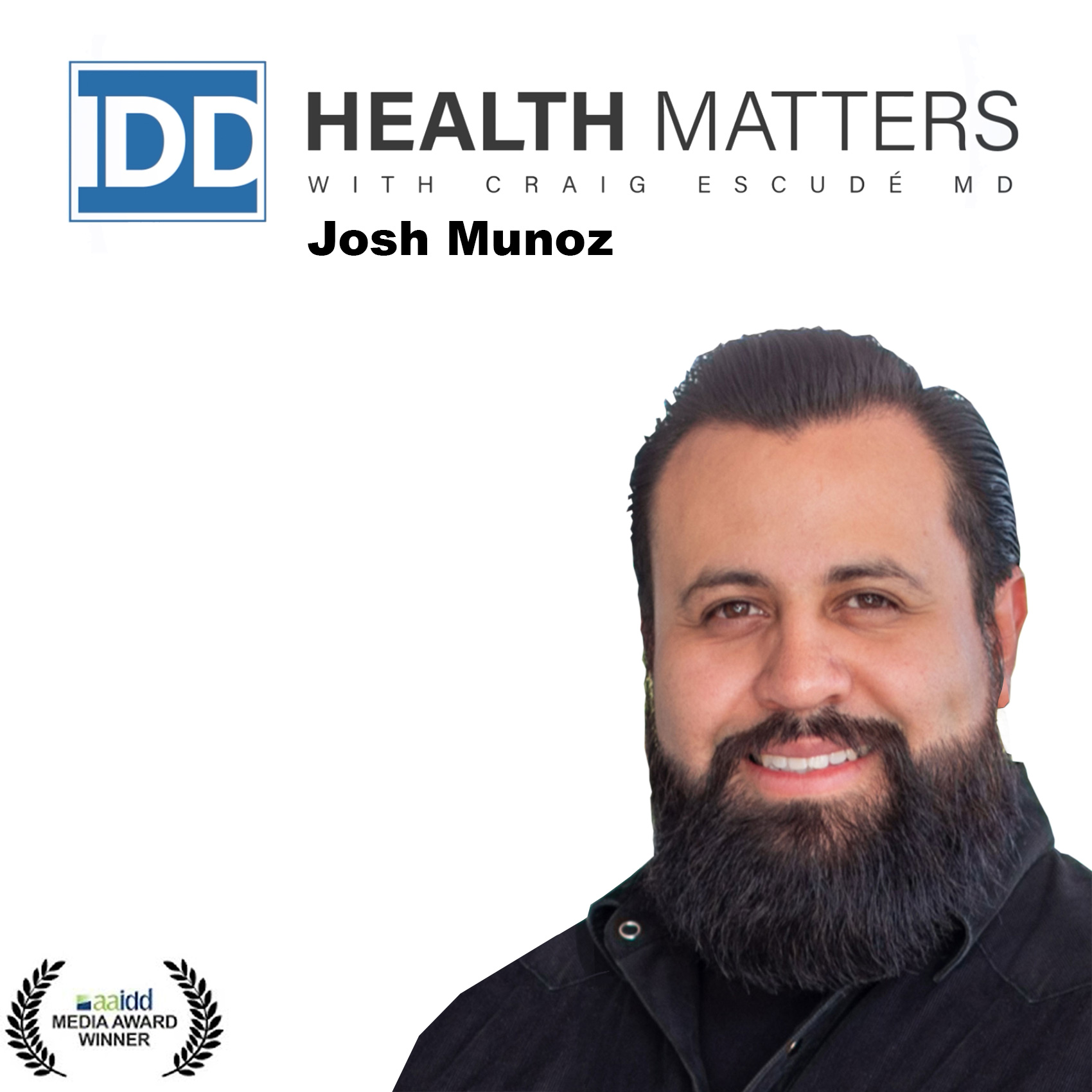
| 3/9/26 | Ep 138: Josh Muñoz on Supporting Independent Living for People with IDD✨ | independent livingintellectual and developmental disabilities+4 | Josh Muñoz | First Place AZIntellectAbility | Arizona | IDDindependent living+5 | — | 19m 15s | |
| 3/2/26 | Ep 137: Ley Linder on Medical, Environmental, and Emotional Roots of Behavior✨ | intellectual disabilitiesbehavior analysis+4 | Ley Linder | IntellectAbility | — | intellectual disabilitiesbehavior+6 | — | 20m 14s | |
| 2/23/26 | Ep 136: Finding Joy and Purpose in Caregiving: Kathy Parry's Story✨ | caregivinghealthcare advocacy+4 | Kathy Parry | IntellectAbility | — | caregivingmitochondrial disorder+5 | — | 16m 07s | |
| 2/16/26 | Ep 135: Auburn Nursing Leaders Transform IDD Care Training With Innovative Education | Dr. Rachael Sweeney and Dr. Amy Curtis from Auburn University's College of Nursing, discuss their work improving health care education for people with intellectual and developmental disabilities (IDD). They describe the lack of training nurses typically receive in communicating with and caring for individuals with IDD, sharing personal experiences that motivated their advocacy. To address this gap, they integrated IDD‑focused curriculum across undergraduate through doctoral nursing programs and partnered with community organizations for hands‑on clinical exposure. They also introduced "Gwen," a highly realistic pediatric simulation mannequin with Down syndrome, to help students practice communication, assessment, and compassionate care. Their efforts aim to reduce stigma, improve patient outcomes, promote interdisciplinary understanding, and inspire future providers to treat people with IDD with empathy, dignity, and individualized care. | — | ||||||
| 2/9/26 | Ep 134: Expanding Autism Understanding and Equity in Healthcare | Dr. Kristen Sohl, a pediatrician and founder of Echo Autism Communities, discusses Project ECHO—a model that connects specialists with generalists via virtual sessions to improve care for people in rural and underserved areas—and explains how it has expanded in Missouri to support fields like autism, HIV, chronic pain, and developmental disabilities. She describes the structure of an ECHO session, emphasizing community learning through case presentations and short "knowledge bursts." The conversation shifts to the evolution of autism understanding, noting increased prevalence largely due to improved screening, better diagnostic criteria, and broader awareness, while also addressing misinformation, the complexity of autism, and the lack of definitive causes. Dr. Sohl stresses the importance of trust with families, evidence‑based care, and caution with unsupported treatments. She concludes with three priorities for improving outcomes: better supports for people with profound autism, greater societal appreciation of autistic strengths, and stronger disability training in healthcare education, advocating for equitable, human‑centered care for all. | — | ||||||
| 2/2/26 | Ep 133: Danielle Terrell on Advocacy, Care, and Global Impact in IDD Support | In this episode, Danielle Terrell discusses her personal and professional journey working with individuals with intellectual and developmental disabilities (IDD). Danielle describes how her background in psychology, early community experiences, and roles as a direct support professional, ABA therapist, and transition specialist shaped her passion for advocacy and health equity. She highlights the complex healthcare and mental health challenges faced by children and adults with IDD, including real-life case examples that underscore gaps in provider training and support systems. The conversation also explores her international advocacy work in countries such as India, Kenya, and Tanzania, where she helped raise awareness, build services, and support families, revealing that barriers to care are global. Danielle concludes by sharing three guiding principles—saying yes to opportunities, learning directly from people with disabilities, and being bold in advocacy—to promote a world where people with IDD are supported not just to survive, but to truly thrive. | — | ||||||
| 1/26/26 | Ep 132: David Toback Shows How Person‑Centered Support Truly Transforms IDD Care | This episode features a conversation with David Toback about supporting people with intellectual and developmental disabilities (IDD). David describes his journey beginning in 2006 working in mental health and IDD, later contributing heavily to Georgia's transition from institutional care to community‑based services. They discuss the importance of person‑centered thinking—listening, responding, and acting based on what matters to each individual—and the practical skills involved, especially for people who communicate nonverbally. David explains how person‑centered approaches balance what is "important to" someone with what is "important for" their health, safety, and community inclusion. He also clarifies how these methods complement the Charting the LifeCourse framework, which helps organize long‑term goals and resources. Together, they emphasize that these tools support better, more meaningful lives and help deepen the purpose and passion of professionals in IDD services. David closes with three key recommendations: dig deeper by "asking about the ask," always determine whether someone needs help or simply listening, and make choices from wisdom rather than convenience. | — | ||||||
| 1/20/26 | Ep 131: Liz Zaso on Advocacy, Inclusion, and Empowering People with IDD | In this episode, care manager Liz Zaso shares how growing up in a family deeply involved in supporting people with intellectual and developmental disabilities shaped her passion for the field. Influenced by her parents' careers, her cousin with cerebral palsy, and early experiences with inclusion, Liz discusses the importance of training direct support professionals, advocating for equitable health care, and empowering individuals by focusing on their strengths. She highlights ongoing systemic challenges, including staffing shortages and inadequate provider education, while also celebrating the progress made in inclusion and global awareness. Liz offers examples from her career—such as supporting individuals pursuing meaningful goals—and emphasizes the need for community integration, advocacy, and positivity. The episode also acknowledges her nomination for the Annie Sullivan League Award, recognizing her dedication to improving the lives of people with IDD. | — | ||||||
| 1/12/26 | Ep 130: Improving Medication Safety With Tech‑Driven Innovation Featuring Brian Connery | Brian Connery, Vice President of Sales at On Health, explains how their electronic medication administration record (EMAR) system and connected "med box" hardware aim to reduce medication errors and simplify workflows for direct support professionals (DSPs). Connery describes the company's person‑centered, collaborative design approach, shaped by a founding story involving a family tragedy related to medication mismanagement. He also shares his personal journey from DSP to leadership roles across provider agencies and state services, highlighting the meaningful, community‑driven nature of the intellectual and developmental disabilities (IDD) field. Connery closes by offering three recommendations for improving supports in IDD—innovation through technology access, reducing silos via collaboration and data sharing, and ongoing education paired with shared responsibility—emphasizing that progress requires collective effort across providers, vendors, and advocates. | — | ||||||
| 1/5/26 | Ep 129: Rethinking Meds for People with IDD | This IDD Health Matters episode features Adam Chittam, a pharmacist specializing in long-term care for individuals with intellectual and developmental disabilities (IDD). Chittam explains that his organization, Tarrytown XPO Care Pharmacy, uniquely serves only the IDD population, which often faces complex medication regimens and polypharmacy—commonly 13–15 medications compared to four in the general population. He highlights the risks of drug interactions, the challenges of managing side effects, and the importance of avoiding unnecessary medications by addressing underlying causes of behaviors rather than attributing them solely to disability. Cheatham emphasizes education for caregivers, proper medication administration through compliance packaging, and the critical role pharmacists play in clinical teams to ensure safety and improve outcomes. He concludes by advocating for consistency, awareness of side effects, and engagement in this rewarding field. | — | ||||||
Showing 25 of 135
Pitch Fit is a Pro feature
See how bookable this show is for guests, which brands already advertise, the per-episode ad value, and the best-fit guest and sponsor profile. The numbers are blurred on the free plan.
How readily this show books outside guests like you.
How proven this show is for host-read sponsorships.
For Guests
ProFor Advertisers
ProUpgrade to Pro to unlock guest cadence, sponsor categories, fit scores, and per-episode ad value for this show.