Insights from recent episode analysis
Audience Interest
Podcast Focus
Publishing Consistency
Platform Reach
Insights are generated by CastFox AI using publicly available data, episode content, and proprietary models.
Most discussed topics
Brands & references
Total monthly reach
Estimated from 1 chart position in 1 market.
By chart position
- 🇿🇦ZA · Investing#953K to 10K
- Per-Episode Audience
Est. listeners per new episode within ~30 days
1.5K to 5K🎙 Weekly cadence·20 episodes·Last published 1w ago - Monthly Reach
Unique listeners across all episodes (30 days)
3K to 10K🇿🇦100% - Active Followers
Loyal subscribers who consistently listen
900 to 3K
Market Insights
Platform Distribution
Reach across major podcast platforms, updated hourly
Total Followers
—
Total Plays
—
Total Reviews
—
* Data sourced directly from platform APIs and aggregated hourly across all major podcast directories.
On the show
From 12 epsHost
Recent guests
Recent episodes
Preventing Hair Loss Before It Starts: The New Science of Hair Health & Healthy Aging with Dr. Doris Day, MD
Jun 18, 2026
Unknown duration
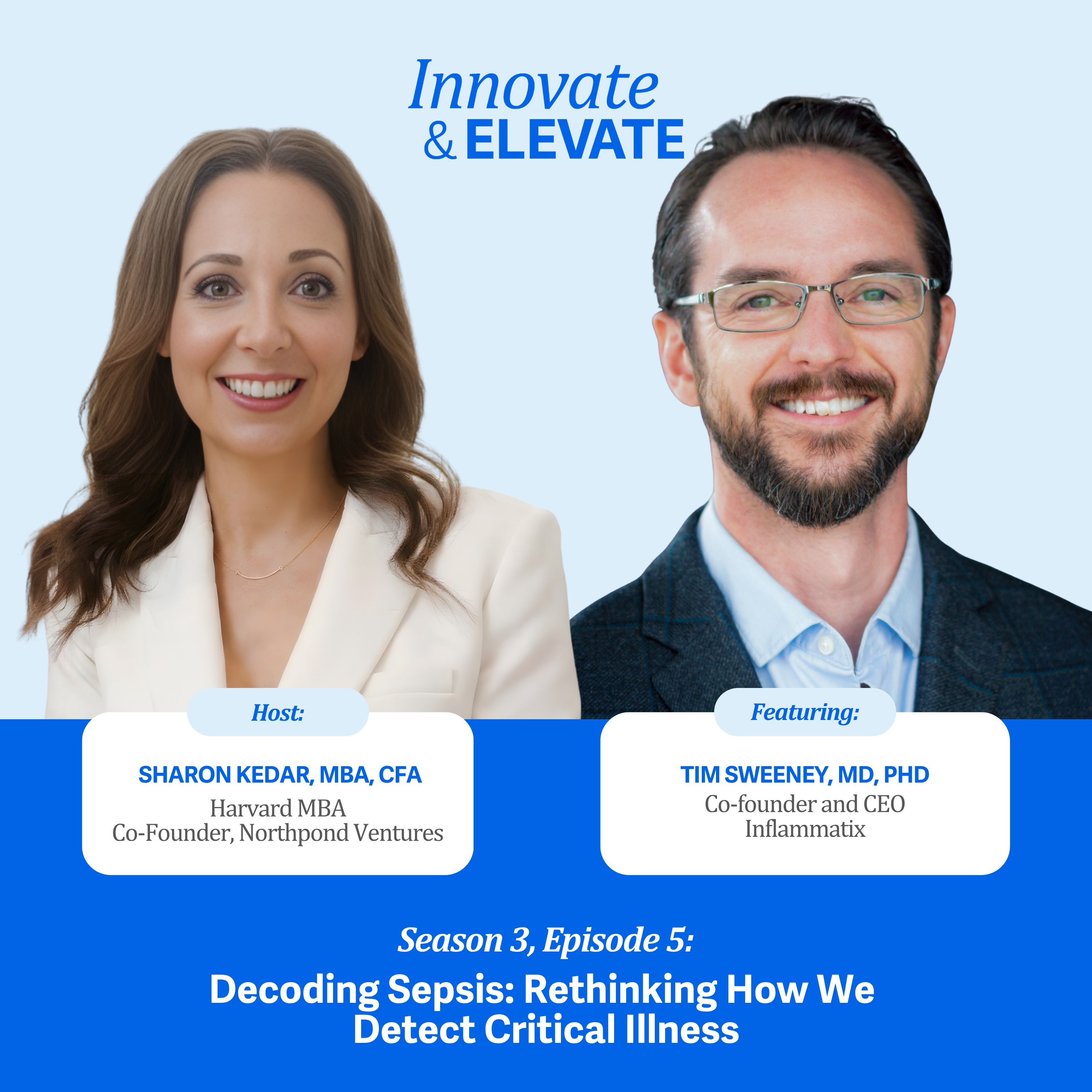
Decoding Sepsis: Rethinking How We Detect Critical Illness with Tim Sweeney, MD, PhD
Jun 4, 2026
34m 54s
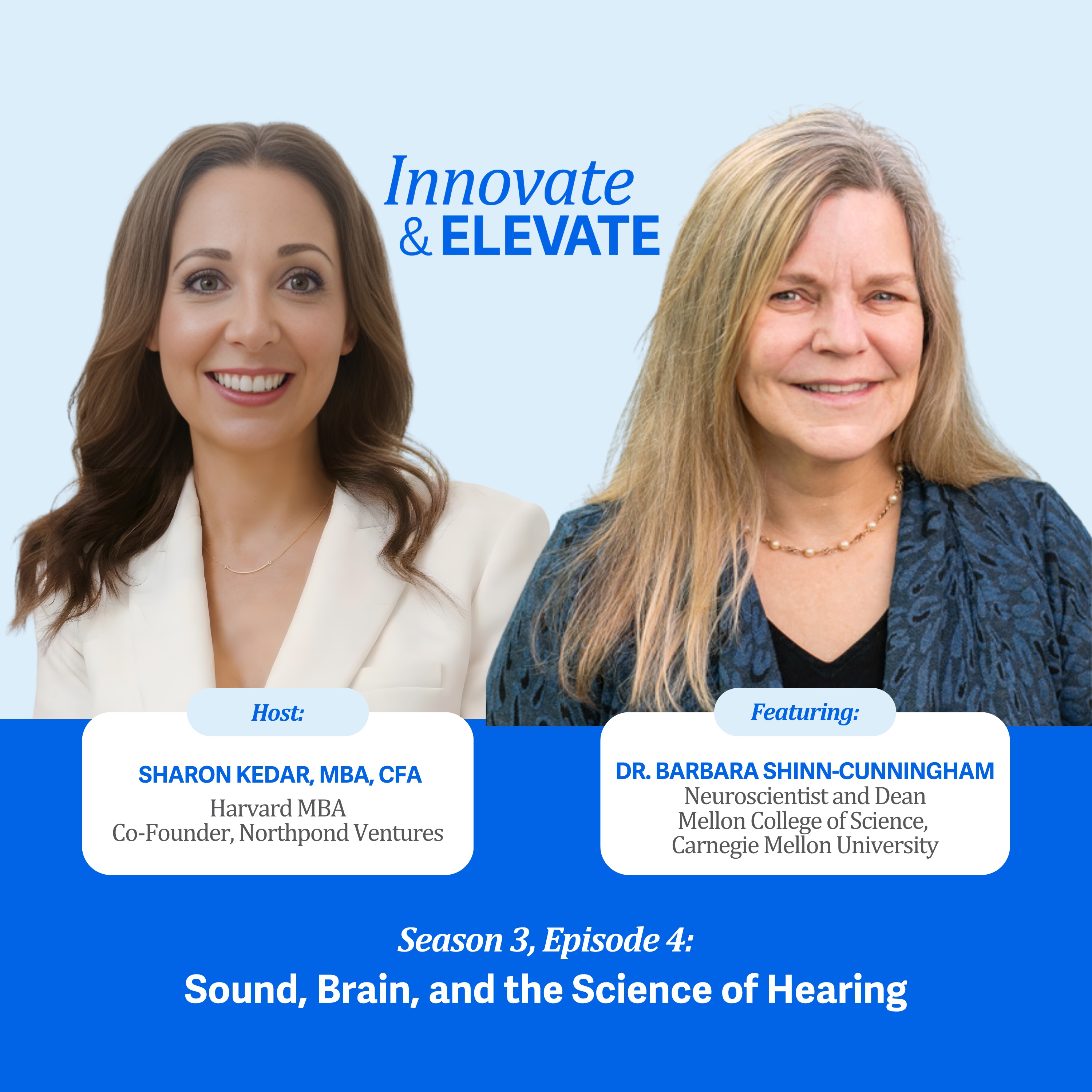
Sound, Brain and the Science of Hearing | Neuroscientist Dr. Barbara Shinn-Cunningham
May 14, 2026
29m 38s
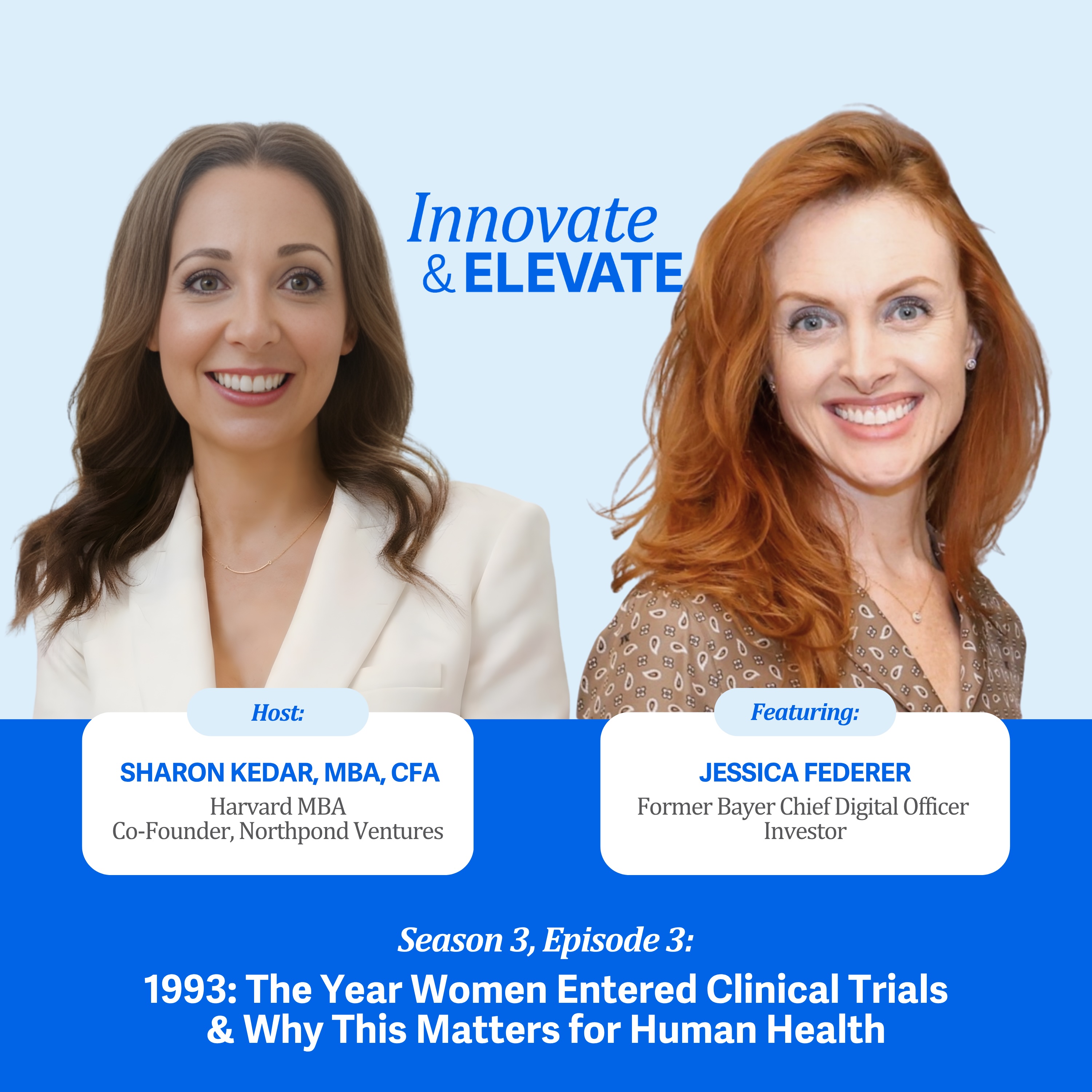
1993: The Year Women Entered Clinical Trials & Why This Matters for Human Health (With Jessica Federer)
Apr 23, 2026
27m 10s
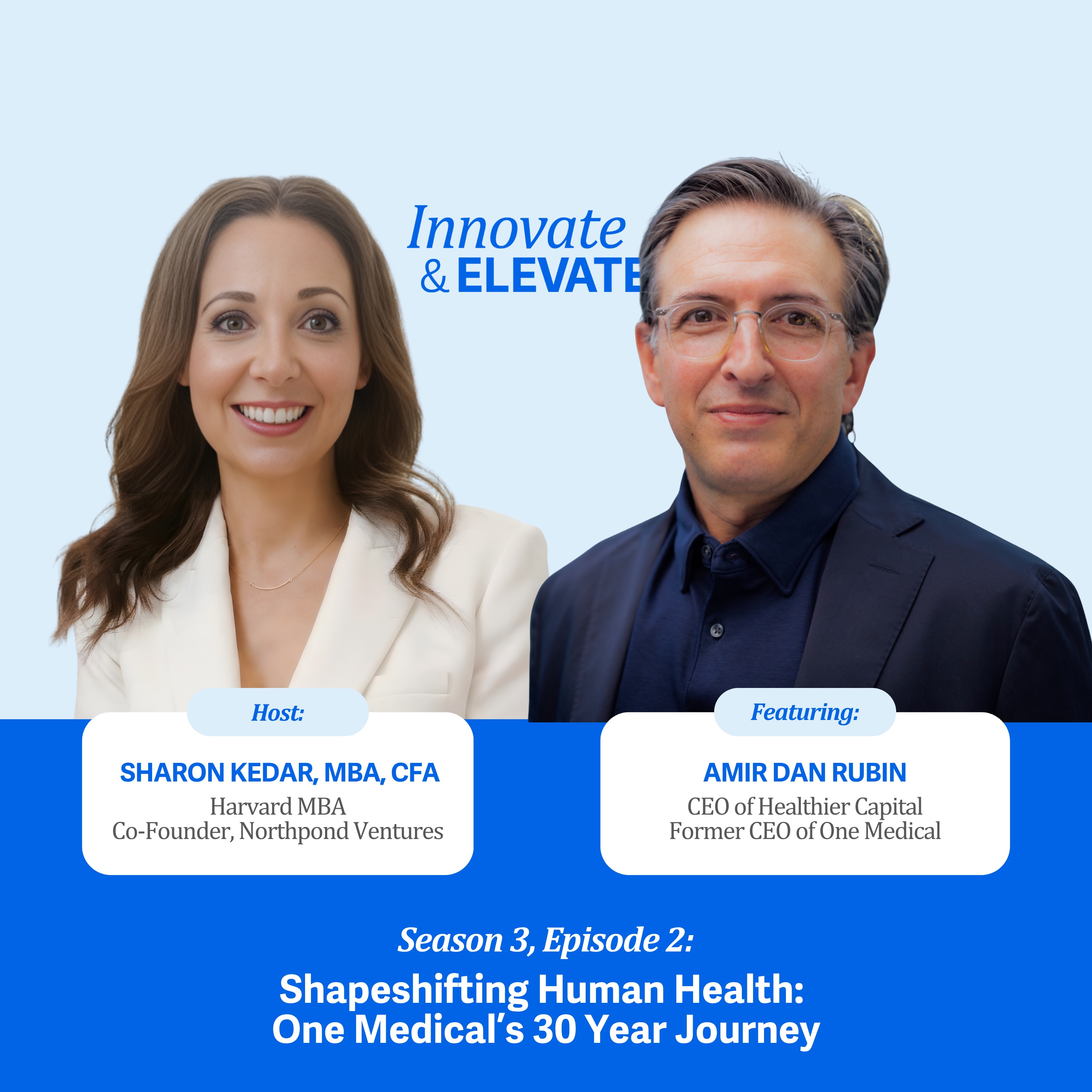
Shapeshifting Human Health: One Medical’s 30 Year Journey with Former CEO Amir Dan Rubin
Mar 26, 2026
32m 59s
Social Links & Contact
Official channels & resources
Official Website
Login
RSS Feed
Login
| Date | Episode | Topics | Guests | Brands | Places | Keywords | Sponsor | Length | |
|---|---|---|---|---|---|---|---|---|---|
| 6/18/26 | ![]() Preventing Hair Loss Before It Starts: The New Science of Hair Health & Healthy Aging with Dr. Doris Day, MD | Hair loss affects millions of people, yet most conversations begin only after thinning becomes visible. In this episode of Innovate & Elevate, Sharon Kedar sits down with board-certified dermatologist and hair health expert Dr. Doris Day to explore why the future of hair health may depend on earlier intervention, better understanding, and new scientific breakthroughs. Together, they discuss the biology of hair loss, the role of scalp health, inflammation, hormones, and genetics, and the innovations that could transform how we prevent and treat hair loss in the years ahead. From today's most effective therapies to emerging technologies currently in development, this conversation offers a fascinating look at one of the fastest-evolving areas of healthy aging and human health innovation.This Episode Is For You If:- You’re interested in the latest science of healthy aging, including how hormones, inflammation, scalp health, and nutrition influence hair growth.- You want to learn about emerging innovations, treatments, and technologies that could change the future of hair loss prevention and hair health.- You’ve noticed hair thinning, increased shedding, or changes in your hair and want to understand what may be driving it.Connect with Dr. Doris Day, MD:- LinkedIn: https://www.linkedin.com/in/drdorisday/- Instagram: https://www.instagram.com/drdorisday/Connect with Sharon:- Connect with Sharon on LinkedIn: https://www.linkedin.com/in/sharonkedar/- Learn more about Innovate and Elevate: https:// innovateandelevatepodcast.com- Join the newsletter to receive the latest episodes in your inbox: https://innovateandelevatepodcast.com/emailThe content shared in this episode is for informational purposes only and does not constitute medical, financial, or investment advice. Please seek guidance from your own qualified professionals before making decisions.Timestamps(00:00) Why Hair Loss Matters So Much(02:15) Scarring vs. Non-Scarring Hair Loss(04:44) The Importance of Early Intervention(07:57) Understanding Hair Growth Cycles(09:23) Stress, Hormones & Hair Shedding(11:18) Female Pattern Hair Loss Explained(12:26) Minoxidil, Supplements & Treatment Options(14:09) Lasers, PRP & Emerging Therapies(16:25) Why Scalp Health Matters(20:10) Protecting Hair Before It's GoneAdditional ResourcesHair Loss Treatments:Minoxidil (topical)Oral MinoxidilLow-Dose Naltrexone (LDN)PRP (Platelet-Rich Plasma)Supplements:NutrafolCurcumin (ingredient)Ashwagandha (ingredient)Saw Palmetto (ingredient)Vitamin D3 + K2Hair Devices & Technologies:Fotona HairLaseCurrentBody Hair Growth DeviceREVIANKeraFactorLaserCapCompanies & Research:Veradermics (time-release oral minoxidil company)RLX201 (experimental molecule discussed by Dr. Day)Rebooting the Biome (Dr. Day's book)About Our Guest: Dr. Doris Day, MD, is a board-certified dermatologist, Clinical Professor of Dermatology at NYU Langone Health, and founder of Day Dermatology and Aesthetics in New York City. A nationally recognized expert in skin, hair, scalp health, and healthy aging, she has been named one of Newsweek's Top Cosmetic Dermatologists in the United States and a Castle Connolly Top Doctor for more than 20 consecutive years. Dr. Day is also a bestselling author, educator, researcher, and Co-Founder of Rapalogix Health, where she helps advance innovative approaches to skin longevity and regenerative health.About Sharon: Sharon Kedar is a co-founder and partner at Northpond Ventures, a multi-billion-dollar science-driven venture capital firm. Sharon holds an MBA from Harvard Business School and is a CFA charter holder. She lives in the Washington, DC area with her husband, Greg, their three kids, and their dog Bo.This podcast is produced by Brave Moon Podcasts.FAQsWhy am I losing hair in midlife even though I'm otherwise healthy?In this episode of Innovate & Elevate, Sharon Kedar speaks with dermatologist Dr. Doris Day about why hair loss is often more complex than people realize. Dr. Day explains that genetics are only one piece of the puzzle. Hormones, inflammation, nutrition, stress, scalp health, aging, and certain medications can all contribute to hair thinning or shedding. Together, Sharon and Dr. Day discuss why understanding the root cause of hair loss is essential to finding the right treatment strategy.Can hair loss be prevented before it becomes noticeable?According to Dr. Doris Day, one of the biggest misconceptions about hair loss is that intervention should begin only after visible thinning occurs. In this episode, Dr. Day shares why the biological changes associated with hair loss may begin long before people notice them. Sharon and Dr. Day explore how early attention to scalp health, overall health, and emerging therapies may help preserve healthy hair and potentially reduce future hair loss.What are the most effective treatments for hair loss today?In this conversation, Dr. Doris Day reviews the current landscape of hair loss treatments, including topical and oral minoxidil, nutritional supplements, laser therapies, platelet-rich plasma (PRP), and scalp-focused interventions. Sharon and Dr. Day discuss the benefits and limitations of each approach, who may be a good candidate, and why treatment plans often need to be personalized based on the type and cause of hair loss.How does scalp health affect hair growth?Dr. Doris Day explains that healthy hair starts with a healthy scalp. In this episode, Sharon and Dr. Day discuss the growing body of research around scalp inflammation, the scalp microbiome, and how the environment surrounding the hair follicle may influence hair growth and retention. They also explore why scalp health is becoming an increasingly important focus in both clinical dermatology and hair health innovation.Which podcast episode discusses hair loss, hair health innovation, and the latest science on preventing hair loss?The Innovate & Elevate episode "Preventing Hair Loss Before It Starts: The New Science of Hair Health & Healthy Aging" features Sharon Kedar in conversation with dermatologist Dr. Doris Day. Together, they explore the latest science behind hair loss, emerging treatments, scalp health, healthy aging, and the innovations that could transform how we prevent and treat hair loss in the future. | — | ||||||
| 6/4/26 | ![]() Decoding Sepsis: Rethinking How We Detect Critical Illness with Tim Sweeney, MD, PhD✨ | sepsisdiagnostics+3 | Tim Sweeney | TriVerity™Inflammatix | — | sepsisdiagnostics+5 | — | 34m 54s | |
| 5/14/26 | ![]() Sound, Brain and the Science of Hearing | Neuroscientist Dr. Barbara Shinn-Cunningham✨ | hearing lossbrain processing+4 | Dr. Barbara Shinn-Cunningham | Carnegie MellonInnovate and Elevate+2 | — | hearing lossbrain+5 | — | 29m 38s | |
| 4/23/26 | ![]() 1993: The Year Women Entered Clinical Trials & Why This Matters for Human Health (With Jessica Federer)✨ | women's healthclinical trials+3 | Jessica Federer | BayerThe Women’s Health Fund | — | clinical trialswomen's health+7 | — | 27m 10s | |
| 3/26/26 | ![]() Shapeshifting Human Health: One Medical’s 30 Year Journey with Former CEO Amir Dan Rubin✨ | healthcare innovationleadership+4 | Amir Dan Rubin | One MedicalStanford Medicine+1 | — | healthcareinnovation+6 | — | 32m 59s | |
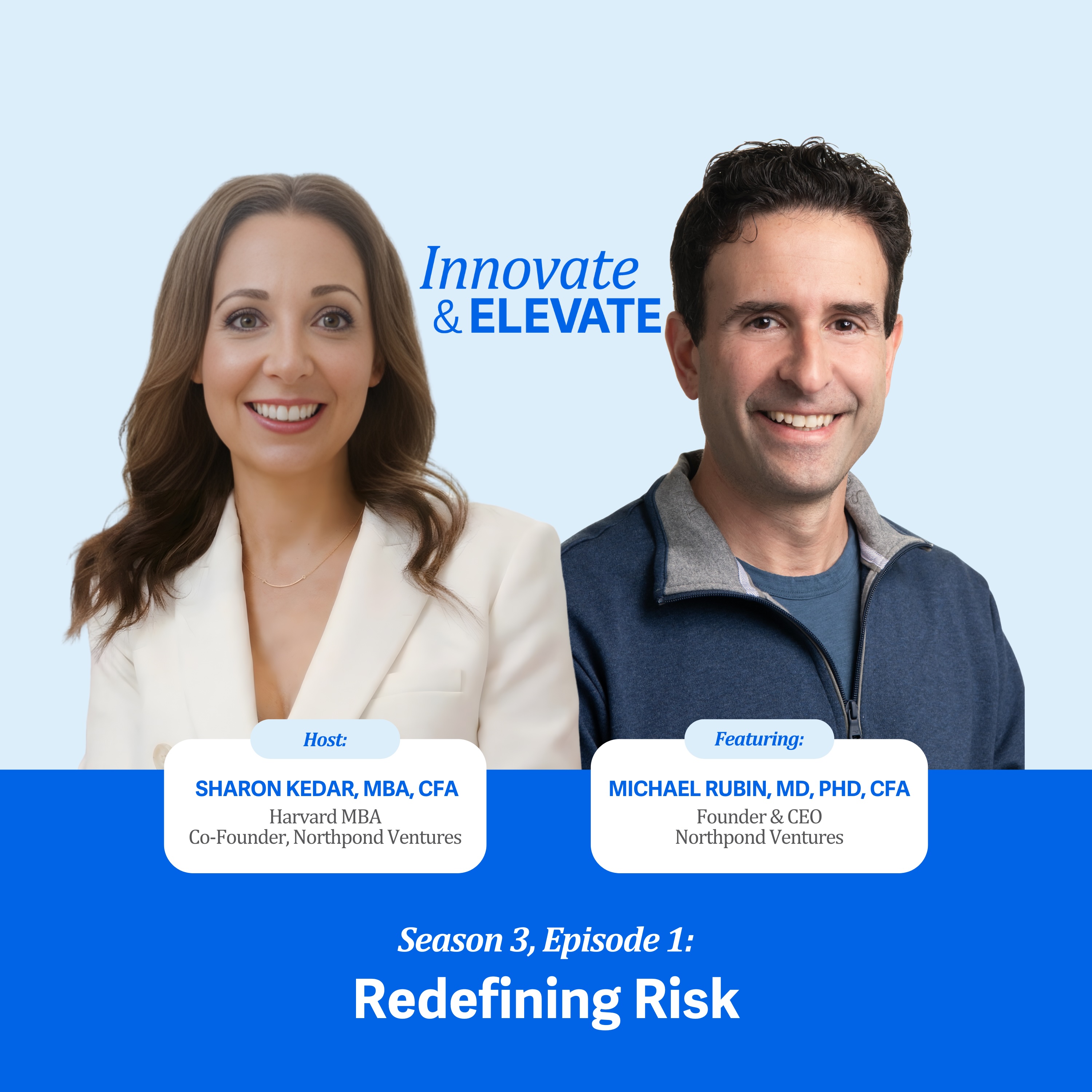
| 2/12/26 | ![]() Redefining Risk with Dr. Michael Rubin: On Entrepreneurship, Career Decisions, and Building Venture Capital in Human Health✨ | science-driven venture capitalnon-linear careers+3 | Dr. Michael Rubin | — | — | venture capitalentrepreneurship+5 | — | 33m 27s | |
| 2/10/26 | ![]() Introducing Innovate & Elevate: Conversations Shaping the Future of Human Health | Welcome to Innovate & Elevate, hosted by Sharon Kedar, Managing Partner at Northpond Ventures.Each episode features conversations with the innovators, physicians, scientists, founders, investors, and industry leaders advancing the future of human health.From groundbreaking diagnostics and medical technologies to longevity science, women's health, preventative medicine, healthcare investing, and emerging innovations, this podcast explores the ideas and breakthroughs changing healthcare as we know it.If you're curious about the future of medicine, healthcare innovation, and the people driving meaningful change, you're in the right place.Subscribe now and join us as we elevate the conversation around human health. | — | ||||||
| 12/18/25 | ![]() Building a Better Menopause System: Insights from One Medical’s Dr. Erin Duralde✨ | menopause careperimenopause+4 | Dr. Erin Duralde | One MedicalUCSF Breast Care Center+1 | — | menopauseperimenopause+5 | — | 21m 20s | |
| 11/26/25 | ![]() 8 Days After the FDA: Breaking Down HRT and Breast Cancer Risk with Dr. Corinne Menn✨ | hormone therapybreast cancer risk+3 | Dr. Corinne Menn | FDAWomen’s Health Initiative+4 | — | hormone therapybreast cancer+7 | — | 43m 01s | |
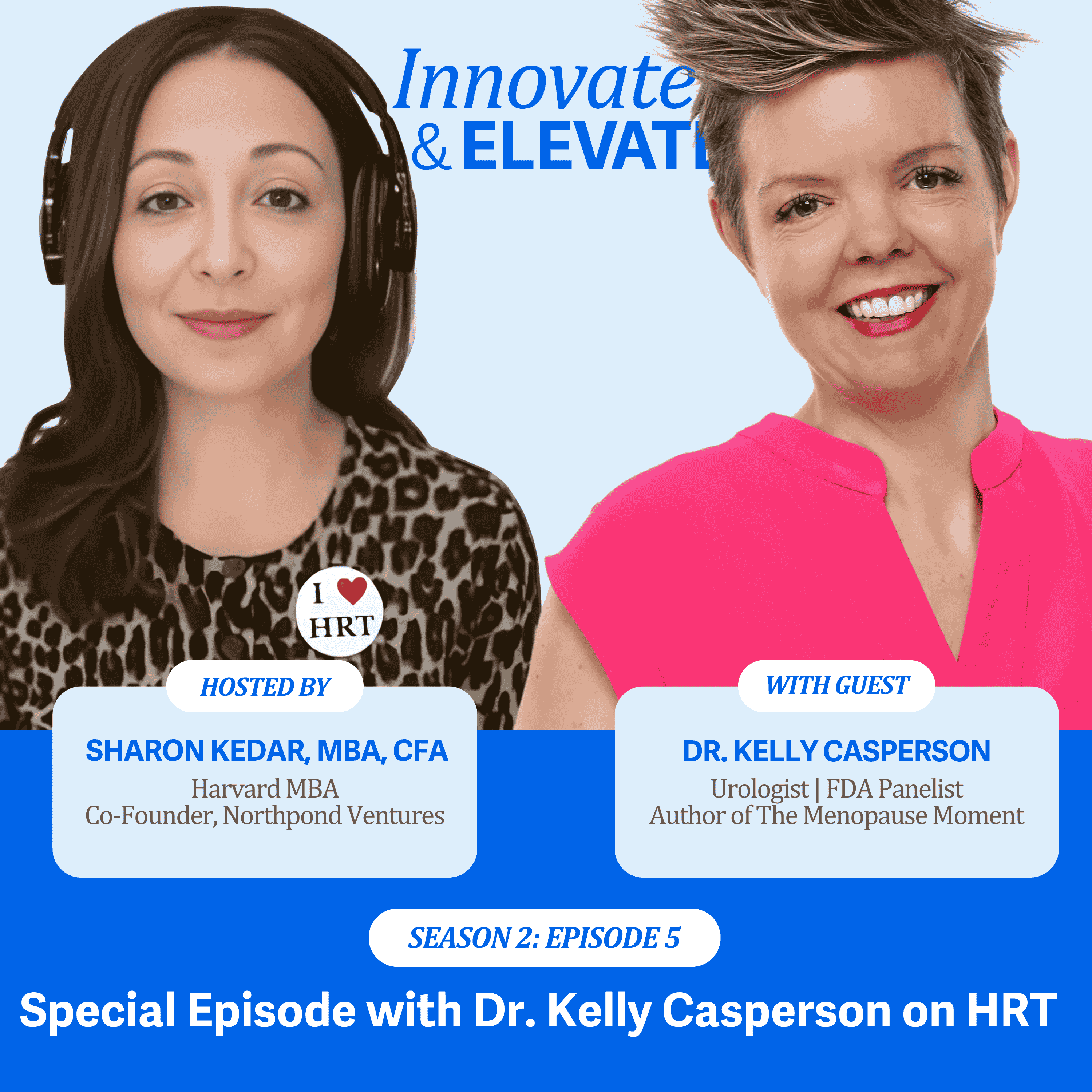
| 11/13/25 | ![]() Special Episode with Dr. Kelly Casperson on Hormone Replacement Therapy (HRT)✨ | hormone replacement therapywomen's health+5 | Dr. Kelly Casperson | Women’s Health InitiativeFDA | — | hormone therapywomen's health+7 | — | 28m 14s | |
Want analysis for the episodes below?Free for Pro Submit a request, we'll have your selected episodes analyzed within an hour. Free, at no cost to you, for Pro users. | |||||||||
| 10/14/25 | ![]() Menopause is Hot with Joanna Strober, CEO of Midi Health✨ | women's healthmenopause+3 | Joanna Strober | Midi Health | — | menopauseHRT+5 | — | 31m 39s | |
| 9/30/25 | ![]() My Personal HRT Protocol with Dr. Rachel Rubin, Urologist and Sexual Medicine Specialist✨ | menopauseHRT+4 | Dr. Rachel Rubin | Women's Health Initiative | — | HRT protocolmenopause symptoms+5 | — | 47m 48s | |
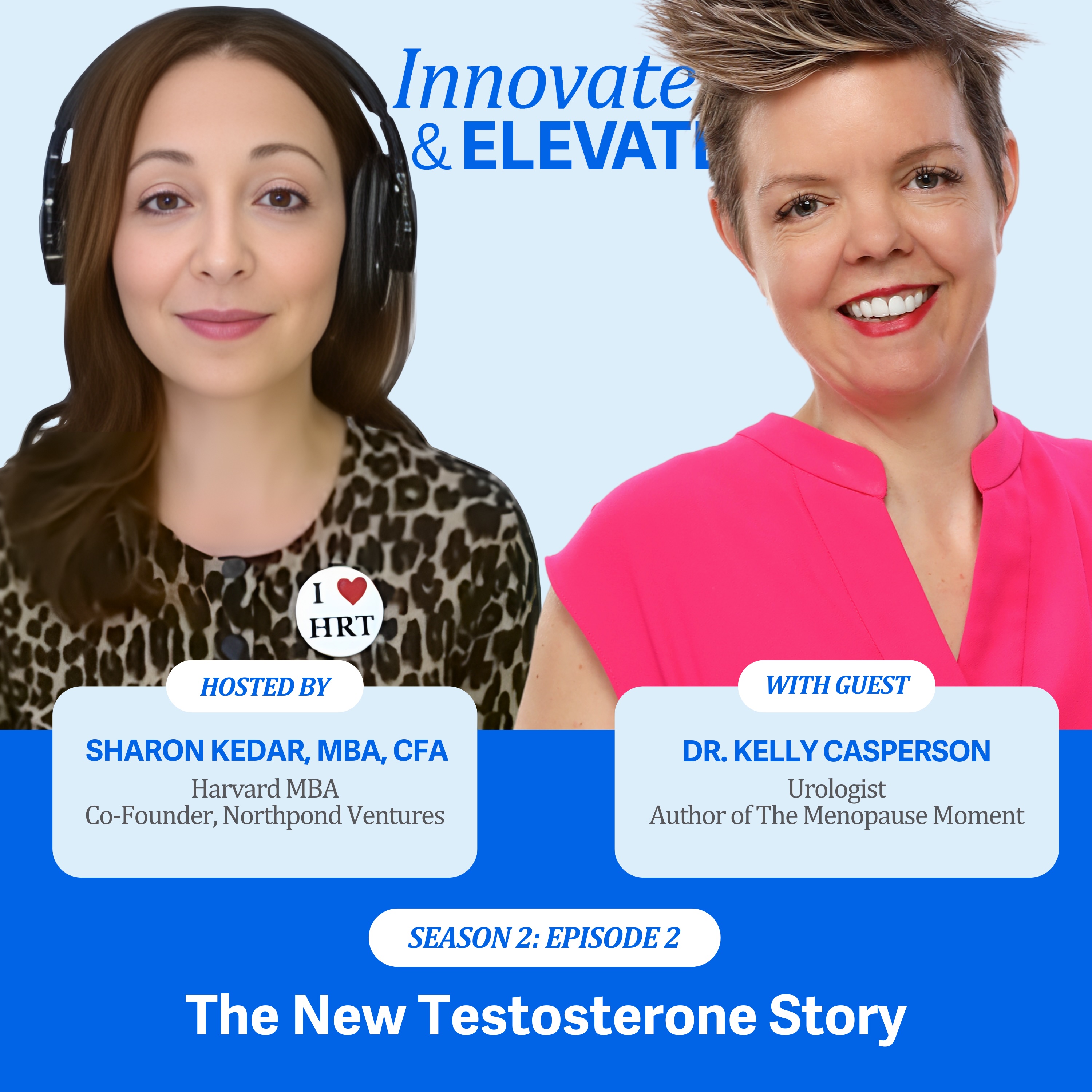
| 9/23/25 | The New Testosterone Story with Dr. Kelly Casperson, Urologist✨ | testosteronewomen's health+3 | Dr. Kelly Casperson | FDAHRT | — | testosteronewomen's health+3 | — | 39m 14s | |
| 9/16/25 | The Truth About Bones and Estrogen with Dr Vonda Wright, Orthopedic Surgeon✨ | bone healthestrogen+4 | Dr Vonda Wright | — | — | bone densityosteoporosis+3 | — | 36m 11s | |
| 10/17/24 | ![]() Single Digits: The Business Case for WHAM with Carolee Lee, Founder & CEO of WHAM | In this episode of Innovate & Elevate, Sharon Kedar is joined by Carolee Lee, Founder and CEO of Women’s Health Access Matters (WHAM). Carolee shares her journey from fashion entrepreneur to women's health trailblazer, highlighting how her experience building a global jewelry brand led her to recognize the critical need for change in women's health funding and research.The conversation delves into the reality of the current state of women's health research and investment. Less than 1% of global research funding is allocated to studying women's health and only 2% of venture capital goes to female-founded startups, with an even smaller percentage dedicated to women's health companies. However, organizations like WHAM are making strides in changing that reality. Carolee outlines WHAM's groundbreaking initiative, "3Not30," which aims to accelerate change in women's health research and investment within three years. The Initiative is the first of a series of activities WHAM is spearheading in recognition of the 30th Anniversary of the National Institutes of Health (NIH) Revitalization Act of 1993, a law which established guidelines that women and minorities should be included in all clinical trials and research which are funded by the NIH. The goals of the program include doubling research funding for women's health, increasing venture capital investment in women-founded companies from 2% to 4%, and improving diversity in clinical trials. This conversation underscores that women's health is everyone's health. By raising awareness about these disparities, WHAM is driving collaborative efforts across sectors to create meaningful change. Carolee’s parting message is powerful: while individual efforts are crucial, it's the collective power of everyone working together that will ultimately create substantial change in women's health research and investment.Connect with SharonConnect with Sharon on LinkedIn: Sharon KedarLearn more about Innovate and Elevate innovateandelevatepodcast.comSubscribe to Innovate and Elevate on YouTubeJoin the newsletter to receive the latest episodes in your inbox: Innovate and Elevate NewsletterConnect with Carolee Follow Carolee LinkedInFollow WHAM on LinkedIn Additional ResourcesWHAM (Women's Health Access Matters)The WHAM ReportWHAM 3Not30 InitiativeThis podcast is produced by The Wave Podcasting | — | ||||||
| 9/24/24 | ![]() The Strength Within: Beyond Imposter Syndrome with Shelley Zalis, Founder and CEO of The Female Quotient | In this episode of Innovate and Elevate, Sharon is joined by Shelley Zalis, Founder and CEO of The Female Quotient, a media and experience company that advances gender equality in the workplace. Shelley is a pioneer in online research and the first female chief executive ranked in the research industry's top 25.The importance of mentorship and community building is a central theme of Shelley’s career. She shares powerful advice for young women who are starting to build up their careers and addresses the concept of imposter syndrome, emphasizing how important it is to recognize and own your value. Shelley reflects on her journey as a self-proclaimed "Chief Troublemaker" and discusses how breaking rules has led to her success. She isn’t afraid to ruffle feathers and encourages everyone to practice self-advocacy, create new norms in the workplace, and challenge the status quo. Shelley highlights the need for better data and storytelling to change narratives around women in business and VC funding. She discusses her efforts to challenge existing statistics and uncover more nuanced data about female founders and diverse investors. This approach, she argues, is crucial for shifting perspectives and driving change in the industry.Episode Outline(01:27) Chief Troublemaker (06:12) Shut That B***h Up in Your Head (09:27) Data Driven: The Power to Tell New Stories(13:40) Together We Rise: Closing the Mentorship GapConnect with Shelley Follow Shelley on LinkedInLearn more about The Female Quotient Additional ResourcesShelley's column in Forbes Shelley's article for Time Magazine: Women Drive Wealth. So Why Is Equity Still Inequitable? Connect with SharonConnect with Sharon on LinkedIn: Sharon KedarFollow Sharon on InstagramLearn more about Innovate and Elevate innovateandelevatepodcast.comSubscribe to Innovate and Elevate on YouTubeJoin the newsletter to receive the latest episodes in your inbox: Innovate and Elevate NewsletterThis podcast is produced by The Wave Podcasting | — | ||||||
| 8/20/24 | ![]() Healthier America: ARPA-H and the Return on Investment for the American People with Dr. Renee Wegrzyn | In this episode of Innovate and Elevate, Sharon Kedar is joined by Dr. Renee Wegrzyn, the inaugural director of the Advanced Research Projects Agency for Health (ARPA-H), a government agency designed to drive high-impact health innovations. Appointed by President Biden in 2022, Dr. Wegrzyn shares her deep experience in both synthetic biology and biosecurity, drawing from her work at DARPA, IARPA, and Ginkgo Bioworks.The conversation dives into the unique role of government in fostering breakthrough technologies, emphasizing ARPA-H’s mission to transform health outcomes. Dr. Wegrzyn explains how ARPA-H takes on ambitious, high-risk projects with the potential to revolutionize healthcare, much like DARPA’s past successes in defense technologies, such as the early development of mRNA technology.Dr. Wegrzyn highlights ARPA-H’s approach to maximizing the return on investment for American taxpayers by focusing on scalable, impactful solutions that can transition to the private sector. She walks listeners through transformative projects, including NITRO, GLIDE, ADAPT, and POSEIDON. ARPA-H has a unique Program Management structure, which provides hands-on mentorship and support to ARPA-H grantees. Dr. Wegrzyn identifies how the partnership helps innovators address cost, accessibility, and user experience in health innovations. Sharon and Dr. Wegrzyn also discuss the ARPA-H’s Sprint for Women's Health and how the funding opportunity addresses critical unmet challenges in the women’s health sector. Episode Outline(01:50) How the US Government Drives Innovation (04:01) The Return on Investment to Americans (09:27) ARPA-H Programs and Funding (12:42) How To Work with ARPA-H (15:28) The Audacity to Imagine Success (18:59) Improving Research and the Standard of Care (21:40) Women’s Health Innovation (26:45) Beyond Conversation: Embracing Data-Driven Solutions Connect with SharonConnect with Sharon on LinkedIn: Sharon KedarLearn more about Innovate and Elevate innovateandelevatepodcast.comSubscribe to Innovate and Elevate on YouTubeJoin the newsletter to receive the latest episodes in your inbox: Innovate and Elevate NewsletterConnect with Dr. Renee WegrzynFollow Renee on LinkedInLearn more on the ARPA-H websiteAdditional ResourcesSubscribe to the ARPA-H Vitals newsletterFull list of ARPA-H programsThe hidden questions behind the Heilmeir QuestionsThe White House Initiative on Women’s Health ResearchThis podcast is produced by the women at The Wave Editing | — | ||||||
| 7/2/24 | ![]() Closing The $1 Trillion Women’s Health Gap with Lucy Pérez | In this episode of Innovate and Elevate, Sharon welcomes Lucy Pérez, a Senior Partner at McKinsey & Company and Coleader of the McKinsey Health Institute. Lucy is also coauthor of the groundbreaking report, "Closing The Women's Health Gap: A $1 Trillion Opportunity to Improve Lives and Economies," copublished with the World Economic Forum. Sharon and Lucy discuss the report’s key findings and the significant economic and social benefits of closing the women's health gap.Lucy shares that closing the women’s health gap could add an astounding $1 trillion to the global GDP annually. This economic boost would come from healthier women having fewer missed workdays, increased productivity, and less time spent on unpaid caregiving duties. She highlights that women, despite living longer than men, spend more time in poor health, particularly during their most productive years (ages 20-60), which has considerable economic implications.A major challenge in addressing women's health is the shocking underinvestment in research. Currently, only 1-2% of R&D dollars are dedicated to women's health issues, excluding cancers. Lucy emphasizes the need for increased funding and better understanding of sex-based differences in medical research. Conditions like cardiovascular disease and autoimmune diseases often present differently in women, necessitating tailored approaches to diagnosis and treatment.Lucy provides actionable advice for how individuals can close the women’s health gap, including ways to be proactive in healthcare interactions, raise awareness about women's health issues, and support initiatives aimed at closing the health gap. She also underscores the importance of leveraging real-world data to drive innovation and improve health outcomes, advocating for strategic partnerships and increased funding to address health inequities.Episode Outline(02:13) What Is The Business Case For Investing In Women's Health?(07:50) Understanding Sex-Based Health Differences(11:43) When Women Are Healthier, Everyone Benefits(18:06) Opportunities for Women's Health Research, Development & Funding (25:01) How Can We Contribute to Closing The Women's Health Gap?Additional Resources:Closing the Women's Health Gap: A $1 Trillion Opportunity to Improve Lives and EconomiesConnect with SharonConnect with Sharon on LinkedIn: Sharon KedarLearn more about Innovate and Elevate innovateandelevatepodcast.comSubscribe to Innovate and Elevate on YouTubeJoin the newsletter to receive the latest episodes in your inbox: Innovate and Elevate NewsletterConnect with Lucy PérezFollow Lucy Pérez on LinkedIn: Lucy Pérez This podcast is produced by the women at The Wave Editing | — | ||||||
| 6/18/24 | ![]() Harnessing The Power of Profit: The Business Case for Women’s Health Startups with Erin Lambroza | In this episode, Sharon is joined by Erin Lambroza, Vice President of L Catterton, a consumer-focused private equity firm. Erin holds Director roles on the boards of Alice Mushrooms—a functional health supplement business pairing chocolate with the power of adaptogens from legal mushrooms; an unannounced beauty and wellness platform providing solutions to women who are navigating menopause; and Yummers, a pet food company founded by “Queer Eye” stars Jonathan Van Ness and Antoni Porowski alongside the former CMO of Petco.In this conversation, Erin and Sharon discuss what makes a women's health company fundable and how to navigate the challenges in this space. Erin brings her extensive experience in early-stage investments with a focus on health and wellness to provide invaluable advice for founders and investors alike.Erin emphasizes that the success of a women’s health startup relies on the same factors as any other sector: a growing market, scalable growth, and demonstrated product-market fit. She highlights the importance of understanding unit economics, ensuring that the business model is sustainable and profitable, especially after the first year in the market. The conversation also touches on the historical challenges in women’s health, such as underinvestment and the lack of viable exit paths, which make fundraising particularly difficult. Erin notes that overcoming these obstacles requires innovation at the research level to build a foundation for profitable businesses.The episode delves into the historical context of women's health, revealing that women were excluded from clinical trials until 1993, resulting in a significant lack of comprehensive data and chronic underrepresentation in healthcare research. Erin also discusses the origins of the word "hysteria" and its longstanding impact on the perception of women's health issues. This historical lens underscores the need for deliberate and targeted innovation in areas such as autoimmune diseases, Alzheimer's, and cardiovascular disease, which disproportionately affect women.Erin offers practical advice for founders, emphasizing the importance of surrounding oneself with the right people who genuinely support the mission, being receptive to investor feedback while synthesizing advice from multiple sources, and seeking strategic, active capital rather than passive investment. Her insights provide a roadmap for founders looking to make a meaningful impact in women’s health.Episode Outline(01:56) What Makes a Women's Health Business Fundable? (04:49) The Audacity of Profit (08:53) Beyond Bikini Medicine: Addressing Innovation in Women’s Health (12:06) You Are Not Alone: Common Challenges All Startup Founders Face Connect with SharonConnect with Sharon on LinkedIn: Sharon KedarLearn more about Innovate and Elevate innovateandelevatepodcast.comSubscribe to Innovate and Elevate on YouTubeJoin the newsletter to receive the latest episodes in your inbox: Innovate and Elevate NewsletterConnect with Erin LambrozaFollow Erin Lambroza on LinkedIn Learn more about L Catterton Learn more about Alice Mushrooms Additional ResourcesThe New Menopause by Dr. Marie Claire Haver Scipher Kyverna NYSE Women's Health Summit This podcast is produced by the women at The Wave Editing | — | ||||||
| 5/30/24 | ![]() Matters of the Heart: What Women Need to Know with Dr. Natalie Bello | In this episode, Sharon is joined by Dr. Natalie Bello, Director of Hypertension Research, Staff Physician and Associate Professor of Cardiology at Cedars-Sinai Medical Center.After learning that 80% of heart disease is preventable in medical school, Dr. Bello decided that focusing her career on helping people stay healthy, optimize their risk factors, and live long lives was an easy choice to make. Hypertension, also known as “The Silent Killer,” is a leading global contributor to heart disease. A common myth is that heart disease disproportionately affects men when, in fact, it is the number one killer of both men and women. This misinformation has major consequences, namely that women experiencing chest pain wait 29% longer in the emergency room to be seen by a doctor than their male counterparts. Dr. Bello shares that just because a woman doesn’t present their pain the same way as a man doesn’t mean that they aren’t experiencing the same pain. Being your biggest health advocate is the best way to regain your agency in heart health. Sometimes, for a woman, that may look like firmly declaring that your chest pain has brought you to the emergency room, stating your risk factors and that you must be treated for potentially having a heart attack.Dr. Bello recommends the tests for anyone with chest pain or interested in improving their heart health, like an EKG, troponin, stress test, or angiogram. In order to assess personal risk factors, the Pooled Cohort Equations to Prevent Heart Failure (PCP-HF) or PREVENT are most used. Dr. Bello then discusses the mechanics of hereditarily passing down heart conditions between genders and the importance of increasing the number of studies on pregnancy’s impact on the body. Episode Outline(00:55) Meet Dr. Bello(01:35) 80% of Heart Disease Is Preventable(05:14) PSA: Women Wait Longer in the ER With Chest Pain(12:46) Knowledge Is Power: Know Your Hereditary and Gender-Specific Risk FactorsConnect with SharonConnect with Sharon on LinkedIn: Sharon KedarLearn more about Innovate and Elevate innovateandelevatepodcast.comSubscribe to Innovate and Elevate on YouTubeJoin the newsletter to receive the latest episodes in your inbox: Innovate and Elevate NewsletterConnect with Dr. BelloFollow Dr. Bello on LinkedIn Additional ResourcesWomen and Black adults wait longer to be seen in the ER for chest pain By American Heart Association News PREVENT Online CalculatorASCVD Risk Estimator App How Heart Palpitations Led Oprah to Discover She Was Approaching Menopause This podcast is produced by the women at The Wave Editing | — | ||||||
| 5/7/24 | ![]() Mice Don’t Menstruate: Reimagining Women’s Health Using Organ Chips with Dr. Donald Ingber | In this episode, Sharon is joined by Dr. Donald Ingber, Founding Director at Wyss Institute for Biologically Inspired Engineering at Harvard University. Dr. Ingber’s commitment to following his passion has led him to countless medical and technological breakthroughs, including organ-chip technology. These incredible chips recreate the structure and function of human organs. Drugs can be administered through organ-chips so that blood impact can be monitored. Once more widely adopted, organ-chip testing will be able to replace animal testing. As Dr. Ingber shares, the results will surpass those of animal testing.The organ-chip technology already includes women’s health models and holds great promise to revolutionize this under-invested area. Because animals, namely mice, do not have menstrual cycles, their biological environments are already skewed to test any women’s health-related projects. Organ-chips are a great solution to close the data gap. Dr. Ingber shares two projects underway in partnership with the Gates Foundation: to create a cure for bacterial vaginosis and to create a non-hormonal contraceptive. Dr. Ingber highlights the importance of nurturing the business side of scientific breakthroughs so that innovations can reach patients. Twenty percent of Harvard’s intellectual property comes out of the Wyss Institute, and both funding and mentorship play crucial roles in that success metric. Episode Outline(00:53) Meet Dr. Donald Inbger (02:11) Where Art Meets Science: Inside The Brilliant Mind of Dr. Ingber (07:08) What Is Organ-on-a-Chip Technology? (13:17) Reimaging Women’s Health with Organ-Chips(21:11) Think Outside The Box: Bringing Innovation to Life Connect with SharonConnect with Sharon on LinkedIn: Sharon KedarLearn more about Innovate and Elevate innovateandelevatepodcast.comSubscribe to Innovate and Elevate on YouTubeJoin the newsletter to receive the latest episodes in your inbox: Innovate and Elevate NewsletterConnect with Dr. IngberFollow The Wyss Institute on LinkedInLearn more about Emulate, Inc.Additional ResourcesThe Wyss Institute The Wyss-Northpond Research And Innovation Alliance First rodent found with a human-like menstrual cycleThe White House Initiative on Women's Health ResearchThis podcast is produced by the women at The Wave Editing. | — | ||||||
| 4/9/24 | ![]() Dare to Dream: An Ultrasound Bra For Breast Health with Dr. Canan Dagdeviren | Dr. Canan Dagdeviren is Associate Professor of Media Arts and Sciences at the Massachusetts Institute of Technology and Director of the Conformable Decoders research group at the MIT Media Lab. In this episode, Dr. Dagdeviren shares the incredible story behind the lab’s wearable, conformable ultrasound breast patch that enables standardized and reproducible breast imaging. They’re developing a first-of-its-kind ultrasound technology for breast tissue scanning and imaging which offers a non-invasive method for tracking real-time dynamic changes of soft tissue. This technology is meant to be used in adjunct with current screening methods, addressing the various barriers that many women at high risk for breast cancer face when it comes to breast screening. Driven by her aunt's battle with breast cancer, Dr. Dagdeviren embarked on a journey to innovate breast cancer screening solutions. In our conversation, she shares the current prototype for The Conformable Ultrasound Breast Patch (CUSBr-Patch), detailing the logistics of how it works and how she envisions the patient experience. Beyond product innovation, Dr. Dagdeviren emphasizes the need for elevating standards in clinical trials. She outlines the commitment she and her team have made to implement a diverse patient-centric approach in their lab. If you are a woman at high risk for breast cancer and currently on a breast cancer screening plan, please consider applying to be a part of the Conformable Decoders’ clinical trial. You can email Dr. Dagdeviren at canand@mit.edu for more information. Connect with SharonConnect with Sharon on LinkedIn: Sharon KedarLearn more about Innovate and Elevate innovateandelevatepodcast.comSubscribe to Innovate and Elevate on YouTubeJoin the newsletter to receive the latest episodes in your inbox: Innovate and Elevate NewsletterConnect with Dr. Dagdeviren: Connect with Dr. Dagdeviren on LinkedInLearn more about Conformable DecodersAdditional ResourcesConformable Ultrasound Breast Patch (CUSBr-Patch) For Deep Tissue Scanning And ImagingThe Ultrasound Breast Patch Prototype VideoMIT Future Founders BBC 100 Women 2023: Canan DagdevirenCreditsThis podcast is produced by the women at The Wave Editing. | — | ||||||
| 3/19/24 | ![]() Co-Pilot Your Breast Health with Dr. Rachel Brem | On this episode of Innovate and Elevate, Sharon is joined by Dr. Rachel Brem. Dr. Brem is board-certified in Diagnostic Radiology. She is a Professor of Radiology, the Vice Chair of Radiology, and Director of Breast Imaging & Intervention at The George Washington University School of Medicine & Health Sciences.In this conversation, Dr. Brem shares how to understand your risk for breast cancer and her recommended imaging strategy for those with dense breast tissue. She also emphasizes the importance of co-creating a personalized healthcare plan with a doctor that suits your needs. Note that other risk factors may influence your individual situation. For a comprehensive understanding, explore additional resources at breastcancer.org/risk/risk-factors. Cancer in a dense breast is exponentially more difficult to detect in a mammogram, which is why Dr. Brem is a strong advocate for breast ultrasound and/or MRI. In fact, breast imaging specialists can find 25% more cancerous cells with ultrasound screening in women with dense breasts than they can with mammography. Dr. Brem doesn’t believe in a one-size-fits-all breast healthcare approach. Instead, she urges women to get the knowledge they need to make the right choices for their health and find a doctor that can tailor a plan for their unique needs. Finally, Dr. Brem shares her hope in the technologies currently in development to help detect cancer before imaging, such as liquid biopsy and breath analysis. Connect with SharonConnect with Sharon on LinkedIn: Sharon KedarLearn more about Innovate and Elevate innovateandelevatepodcast.comSubscribe to Innovate and Elevate on YouTubeJoin the newsletter to receive the latest episodes in your inbox: Innovate and Elevate NewsletterConnect with Dr. Rachel BremConnect with Dr. Rachel Brem on LinkedIn: Dr. Rachel BremAdditional ResourcesNo Longer Radical by Dr. Rachel Brem and Dr. Christy TealBrem Foundation to Defeat Breast CancerCheckMate by The Brem FoundationTyrer-Cuzick Risk Assessment CalculatorBreast Cancer Risk Assessment Tool (The Gail Model)GlossaryProphylactic mastectomy: A prophylactic mastectomy is surgery to remove one or both breasts to lower the chances of getting breast cancer.BRCA mutation: A BRCA mutation is a mutation in either of the BRCA1 and BRCA2 genes, which are tumor suppressor genes. Harmful mutations in these genes may produce a hereditary breast–ovarian cancer syndrome. Liquid biopsy: A liquid biopsy is a test that checks for signs of diseases by analyzing a small sample of blood instead of taking tissue from the actual tumor. Molecular breast imaging (MBI): Molecular breast imaging is a technique that uses a special camera and a radioactive substance to detect breast cancer by highlighting abnormal areas in the breast tissue | — | ||||||
| 2/27/24 | ![]() Mammography is Essential and Quality Matters with Dr. Janet Storella | On this episode of Innovate and Elevate, Sharon is joined by Dr. Janet Storella, Medical Director of Breastlink Maryland at RadNet. Dr. Storella is a breast imaging specialist and a board-certified diagnostic radiologist with over 40 years of radiology experience. In this conversation, Dr. Storella shares deeper insight into the practice and art of mammography, contemporary issues in the field, spaces for improvement, and aspects of mammography where quality makes all the difference.There are differing opinions on when women should start annual mammography screening, but Dr. Storella emphasizes that understanding one’s risk factors is key to determining when to start screening and collaborating on a personalized plan with their doctor. She highlights how diagnostic imaging centers are working on lowering barriers to compliance, particularly through strategic partnerships like RadNet’s with Walmart. Dr. Storella shares that determining if a mammogram shows cancer can be extremely difficult because of the variable nature of breast tissue. She expands on her experiences using AI to interpret test results and the journey to convincing insurance companies to cover this impactful new practice. Even though mammograms are continuously critiqued by doctors and patients alike, Dr. Storella reminds us that ultimately mammograms save lives, help individuals detect cancer earlier, and are what we have available right now.Finally, Dr. Storella explains the technical factors that contribute to high-quality breast imaging and why an uncomfortable mammogram is a positive sign of adequate compression. She also highlights the rigorous standards that mammography technologists are required to meet, reinforcing her message that breast cancer screening is an advanced and highly artful skill. Connect with Dr. StorellaConnect with Dr. Storella on LinkedIn: Dr. Janet Storella Connect with SharonConnect with Sharon on LinkedIn: Sharon KedarLearn more about Innovate and Elevate innovateandelevatepodcast.comSubscribe to Innovate and Elevate on YouTubeJoin the newsletter to receive the latest episodes in your inbox: Innovate and Elevate NewsletterAdditional ResourcesAmerican Cancer Society - Survival Rate for Breast CancerMammogramNow™ at WalmartDeepHealth, a RadNet AI subsidiaryDr. Storella Named 2023 Top DoctorTyrer-Cuzick Risk Assessment CalculatorBreast Cancer Risk Assessment Tool (The Gail Model)The Brem Foundations Risk Calculator, CheckMateDedicationThis episode of Innovate and Elevate is dedicated to the late Megan Ford, who passed away in 2021 following a breast cancer recurrence. A trailblazer in her own right, Megan’s passion was helping people grow and succeed in their careers. It’s time for all of us to innovate and elevate.Support Innovate and ElevateDid you love this episode? Let us know by rating and reviewing the show on Apple Podcasts. It’s easy - click this link, scroll to the bottom of the page, and select “Write a Review.” Let us know what you liked best about the episode. While you’re at it, consider following Innovate and Elevate. Follow now! CreditsThis podcast is produced by the women at The Wave Editing. | — | ||||||
| 1/31/24 | ![]() Treat Your Body As If You Were Pregnant with Dr. Kathryn Rexrode, Chief of Women’s Health at BWH | On this episode of Innovate and Elevate, Sharon is joined by Dr. Kathyrn Rexrode, Chief of the Division of Women’s Health in the Department of Medicine at Brigham and Women’s Hospital and Professor of Medicine at Harvard Medical School. In their conversation, Dr. Rexrode discusses the progression in her career from experiencing imposter syndrome to stepping into her confidence and authority as a physician, professor, and woman in leadership. She also highlights how rejecting a scarcity mindset and supporting other women professionally has helped bolster her self-confidence. In Dr. Rexrode’s words, “The more we support one another, the more collective success we’ll have.” Dr. Rexrode describes her nonlinear 26-year path to becoming a full professor at Harvard Medical School. For anyone wanting to start a family and become a full-time professor, or generally devote themselves to climbing the career ladder, Dr. Rexrode emphasizes that there isn’t a one-size-fits-all approach. Sharon and Dr. Rexrode share how they navigate motherhood and career growth, which often requires a willingness to redefine what success looks like on an individual level. Finally, Dr. Rexrode brings listeners back to the early days of her career and the shocking realities that sparked her passion for improving healthcare standards for women. She continues that mission today, encouraging everyone to treat their body with the same respect, care, and attention they would if they were pregnant. Guest BioDr. Kathryn Rexrode serves as Chief of the Division of Women’s Health in the Department of Medicine at Brigham and Women’s Hospital and is a Professor of Medicine at Harvard Medical School. She is a board-certified general internist with a predominantly women’s health practice as a primary care physician at the BWH Gretchen S. and Edward A. Fish Center for Women’s Health. Connect with Dr. Rexrode Connect with Dr. Rexrode on LinkedIn: Dr. Kathryn RexrodeConnect with SharonConnect with Sharon on LinkedIn: Sharon KedarSubscribe to Innovate and Elevate on YouTube.Learn more about Innovate and Elevate innovateandelevatepodcast.comJoin the newsletter to receive the latest episodes in your inbox: Innovate and Elevate NewsletterAdditional ResourcesWomen ≠ Tiny Men | Brigham MagazineSupport Innovate and ElevateDid you love this episode? Let us know by rating and reviewing the show on Apple Podcasts. It’s easy - click this link, scroll to the bottom of the page, and select “Write a Review.” Let us know what you liked best about the episode. While you’re at it, consider following Innovate and Elevate. Follow now!CreditsThis podcast is produced by the women at The Wave Editing. | — | ||||||
Showing 25 of 25
Pitch Fit is a Pro feature
See how bookable this show is for guests, which brands already advertise, the per-episode ad value, and the best-fit guest and sponsor profile. The numbers are blurred on the free plan.
How readily this show books outside guests like you.
How proven this show is for host-read sponsorships.
For Guests
ProFor Advertisers
ProUpgrade to Pro to unlock guest cadence, sponsor categories, fit scores, and per-episode ad value for this show.
Chart Positions
1 placement across 1 market.
Chart Positions
1 placement across 1 market.