
Insights from recent episode analysis
Audience Interest
Podcast Focus
Publishing Consistency
Platform Reach
Insights are generated by CastFox AI using publicly available data, episode content, and proprietary models.
Most discussed topics
Brands & references
Est. Listeners
Insufficient chart data. Estimates will improve as the show charts.
- Per-Episode Audience
Est. listeners per new episode within ~30 days
N/A🎙 ~2x weekly·482 episodes·Last published 1w ago - Monthly Reach
Unique listeners across all episodes (30 days)
N/A - Active Followers
Loyal subscribers who consistently listen
N/A
Market Insights
Platform Distribution
Reach across major podcast platforms, updated hourly
Total Followers
—
Total Plays
—
Total Reviews
—
* Data sourced directly from platform APIs and aggregated hourly across all major podcast directories.
On the show
From 11 epsHosts
Recent guests
Recent episodes
Kids These Days: Reimagining Youth Mental Healthcare
May 28, 2026
25m 20s
Defining ‘Normal’: Overdiagnosing — Are We Pathologizing the Human Condition?
May 14, 2026
30m 56s
Injustice as Trauma: Tackling Systemic Bias in Mental Health Care
Apr 30, 2026
22m 43s
Why I Miss My Hallucinations with Kit Wallis aka SchizoKitzo
Apr 16, 2026
31m 18s
Rock Bottom to a Netflix Documentary: The Philly Captain Shares His Bipolar Journey
Apr 2, 2026
24m 38s
Social Links & Contact
Official channels & resources
Official Website
Login
RSS Feed
Login
| Date | Episode | Topics | Guests | Brands | Places | Keywords | Sponsor | Length | |
|---|---|---|---|---|---|---|---|---|---|
| 5/28/26 |  Kids These Days: Reimagining Youth Mental Healthcare | Is our mental health system helping children or simply getting better at labeling them? With some reports suggesting that 70% of adolescents are struggling with mental health issues, host Gabe Howard asks the tough question: Is it possible that the majority of teenagers are truly "sick" or is there a flaw in how we calculate and categorize human distress? Joining the show is Dr. Will Dobud, a social worker, researcher, and co-author of “Kids These Days: Understanding and Supporting Youth Mental Health.” Dr. Dobud pulls back the curtain on the clinical world, revealing that a staggering number of psychologists have concerns about the validity of the DSM, the very book used to dictate treatment and insurance coverage. He argues that the "expert-led" model often ignores the most predictive factors of success: the therapeutic relationship and the child’s own engagement. Listener Takeaways Learn why the therapeutic bond and the child's belief in the treatment are more predictive of recovery than the specific clinical interventions used. Learn how to perform a "resource audit" to identify your child's strengths and support systems rather than focusing exclusively on clinical deficits. Learn why a child’s belief that they are in the right place is the primary driver of improvement. Navigate the insurance system to ensure a child gets care without receiving a "severe and persistent" label that sticks with them for life. In this candid conversation, Dr. Dobud explains his philosophy of "crew, not passengers," encouraging parents to focus on what works rather than getting hung up on what they feel they “should” be doing. This episode is a must-listen for any caregiver who wants to support their child’s mental well-being while honoring their autonomy and long-term potential. * * * "The (child) is not the problem. The problem is the problem."~Dr. Will Dobud, co-author of Kids These Days * * * Our guest, Dr. Will Dobud, is a social worker, researcher, and educator who has worked with adolescents and families in the United States, Australia, and Norway. Will is from Washington, D.C., and divides his time between the United States and Australia each year. Will is an award-winning researcher and educator who has received recognition for excellence in research, teaching, and crime prevention. Dr. Dobud is a Senior Lecturer in Social Work at Charles Sturt University, Australia's largest social work school. Will is an invited international speaker who conducts workshops for therapists and families around the globe. Our host, Gabe Howard, is an award-winning writer and speaker who lives with bipolar disorder. He is the author of the popular book, "Mental Illness is an Asshole and other Observations," available from Amazon; signed copies are also available directly from the author. Gabe is also the host of the "Inside Bipolar" podcast with Dr. Nicole Washington. Gabe makes his home in the suburbs of Columbus, Ohio. He lives with his supportive wife, Kendall, and a Miniature Schnauzer dog that he never wanted, but now can’t imagine life without. To book Gabe for your next event or learn more about him, please visit gabehoward.com. Please share the show with everyone you know! Learn more about your ad choices. Visit megaphone.fm/adchoices | 25m 20s | ||||||
| 5/14/26 |  Defining ‘Normal’: Overdiagnosing — Are We Pathologizing the Human Condition? | In this thought-provoking episode, host Gabe Howard sits down with child psychiatrist and author Dr. Sami Timimi to challenge some of the most widely accepted ideas in modern mental health care. Drawing from his latest book, “Searching for Normal: A New Approach to Understanding Mental Health, Distress, and Neurodiversity,” Dr. Timimi explores why diagnoses like ADHD, depression, and anxiety may be less about biology and more about cultural context. The conversation dives into how labeling distress can sometimes obscure the real drivers of human experience—life experiences, relationships, and environments. Listeners will learn: the risks of viewing mental health challenges as lifelong disorders how context, development, and adversity shape emotional experiences what a more humane, supportive approach to distress could look like This episode invites listeners to reconsider what it means to be “normal,” and whether our current mental health framework is helping — or limiting — our understanding of the human condition. If you’ve ever questioned the labels, wondered about overdiagnosis, or wanted a deeper conversation about mental health beyond the surface, this episode is for you. “We have this fantasy that we can live lives that are devoid of any sort of emotional suffering, but that creates a really artificial idea about what life should be like." ~Dr. Sami Timimi, author of Searching for Normal Our guest, Dr. Sami Timimi, is a practicing consultant child and adolescent psychiatrist and psychotherapist in the UK's National Health Service. He has contributed to over forty books on subjects related to critical psychiatry, childhood, psychotherapy, depression, behavioral problems, and cross-cultural psychiatry; authored six books, including “Naughty Boys: Anti-Social Behaviour, ADHD, and the Role of Culture” and “Insane Medicine: How the Mental Health Industry Creates Damaging Treatment Traps and How You Can Escape Them”; co-edited four books, including “Liberatory Psychiatry: Philosophy, Politics and Mental Health with Carl Cohen”; and co-authored two others, including “The Myth of Autism: Medicalising Men’s and Boys’ Social and Emotional Competence” with Neil Gardiner and Brian McCabe. His most recent book is “Searching for Normal: A New Approach to Understanding Mental Health, Distress and Neurodiversity.” Our host, Gabe Howard, is an award-winning writer and speaker who lives with bipolar disorder. He is the author of the popular book, "Mental Illness is an Asshole and other Observations," available from Amazon; signed copies are also available directly from the author. Gabe is also the host of the "Inside Bipolar" podcast with Dr. Nicole Washington. Gabe makes his home in the suburbs of Columbus, Ohio. He lives with his supportive wife, Kendall, and a Miniature Schnauzer dog that he never wanted, but now can’t imagine life without. To book Gabe for your next event or learn more about him, please visit gabehoward.com. Please share the show with everyone you know! Learn more about your ad choices. Visit megaphone.fm/adchoices | 30m 56s | ||||||
| 4/30/26 |  Injustice as Trauma: Tackling Systemic Bias in Mental Health Care✨ | systemic biasmental health care+4 | Dr. Debra M. Kawahara | American Psychological Association | — | traumasystemic inequity+5 | — | 22m 43s | |
| 4/16/26 |  Why I Miss My Hallucinations with Kit Wallis aka SchizoKitzo✨ | mental healthhallucinations+4 | Kit Wallis | Healthline MediaWhy I Miss My Hallucinations | — | hallucinationsschizoaffective disorder+5 | — | 31m 18s | |
| 4/2/26 |  Rock Bottom to a Netflix Documentary: The Philly Captain Shares His Bipolar Journey✨ | mental healthbipolar disorder+5 | Jon McCann | Barack and Michelle ObamaNetflix+2 | — | bipolar journeymental health+8 | — | 24m 38s | |
| 3/19/26 |  Mental Health Isn’t a Movie: Olivia Nash on Changing Hollywood’s Narrative✨ | mental healthHollywood+4 | Olivia Nash | HollywoodHi | — | mental healthdepression+5 | — | 20m 52s | |
| 3/5/26 |  Does ‘Therapy Speak’ Hurt Relationships?✨ | therapy speakrelationships+3 | Dr. Isabelle Morley | — | — | therapy speakmental health awareness+3 | — | 25m 21s | |
| 2/19/26 |  Rethinking Narcissism: What Social Media Gets Wrong✨ | narcissismmental health+4 | Kati Morton | Healthline MediaWhy Do I Keep Doing This? Unlearn the Habits That Keep You Stuck and Unhappy | — | narcissistic personality disordergaslighting+3 | — | 24m 50s | |
| 2/5/26 |  New Year’s Resolutions Fail Because We Set Them Wrong✨ | New Year’s resolutionsgoal-setting+4 | Jodi Wellman | Healthline Media | — | New Year’s resolutionsmental health+4 | — | 25m 01s | |
| 1/22/26 |  Why Negative Self-Talk Feels True (And How to Stop Believing It)✨ | negative self-talkmental health+3 | Lynn Smith | NBCCNN Headline News | — | negative self-talkmental health+5 | — | 23m 15s | |
Want analysis for the episodes below?Free for Pro Submit a request, we'll have your selected episodes analyzed within an hour. Free, at no cost to you, for Pro users. | |||||||||
| 1/8/26 |  When Faith Hurts: Religion, Trauma, and Mental Health✨ | religious traumamental health+4 | Cassandra Brandt | Healthline MediaWhen Faith Hurts | — | religiontrauma+7 | — | 28m 08s | |
| 12/25/25 |  Medication & Schizophrenia: Why “Just Be Med Compliant” Fails✨ | medication adherenceschizophrenia+3 | Dr. Alberto Augsten | Healthline Media | — | schizophreniamedication nonadherence+3 | — | 52m 31s | |
| 12/18/25 |  Early Indicators of Schizophrenia✨ | schizophreniaearly symptoms+3 | Gabe HowardCarlos Larrauri | — | — | schizophreniaearly symptoms+5 | — | 42m 02s | |
| 12/11/25 |  Inside Schizophrenia: What Hallucinations Really Feel Like | Hallucinations are the most recognized—and most misunderstood—symptom of schizophrenia. Movies depict them as dramatic, terrifying commands or cinematic visions, but the lived reality is far more complex. In this episode we unravel what hallucinations actually are, why they happen, and how people learn to live with them. This episode is a special feature from our sister show Inside Schizophrenia. Hosted by Rachel Star Withers (who lives with schizophrenia), with Gabe Howard as co-host. (Don’t worry, new Inside Mental Health episodes return in 2026.) In this episode, Rachel shares her own experiences, from everyday “simple” hallucinations like sounds or shifting faces, to more intense, emotion-laden complex hallucinations. She challenges the assumption that hallucinations are always violent or dangerous—and breaks down the critical differences between hallucinations and sensory disturbances. Expert guest Dr. Paul Fitzgerald joins the conversation to explain how the brain creates these perceptual misfires, why hallucinations in schizophrenia differ from those caused by grief, sleep deprivation, or drugs, and what current research reveals about how universal these experiences are across different cultures and countries. Listener Takeaways The difference between simple vs. complex hallucinations Why hallucinations in schizophrenia feel different from drug- or grief-based ones Why reducing—not eliminating—hallucinations is often the realistic recovery goal How CBT and coping strategies help reduce fear and regain control Whether you live with schizophrenia, love someone who does, or are simply curious about how the brain works, this episode offers clarity, compassion, and surprising insights you won’t forget. Guest, Professor Paul Fitzgerald, completed his medical degree at Monash University and subsequently a Master of Psychological Medicine whilst completing psychiatric training. He then undertook a Clinical and Research Fellowship at the University of Toronto and The Clarke Institute of Psychiatry, Toronto, Ontario, Canada. On returning to Melbourne, he worked as a psychiatrist and completed a PhD in transcranial magnetic stimulation in schizophrenia. Since completing this PhD, he has developed a substantial research program including a team of over 25 psychiatrists, registrars, postdoctoral researchers, research assistants, research nurses, and students. Professor Fitzgerald runs a research program across both MAPrc and Epworth Clinic using brain stimulation and neuroimaging techniques including transcranial magnetic stimulation, functional and structural MRI, EEG, and near infrared spectroscopy. The primary focus of this program is on the development of new brain stimulation-based treatments for psychiatric disorders. Guest host, Rachel Star Withers, creates videos documenting her schizophrenia, ways to manage, and let others like her know they’re not alone and can still live an amazing life. She has written “Lil Broken Star: Understanding Schizophrenia for Kids” and a tool for schizophrenics, “To See in the Dark: Hallucination and Delusion Journal.” Learn more at RachelStarLive.com. Our host, Gabe Howard, is an award-winning writer and speaker who lives with bipolar disorder. He is the author of the popular book, "Mental Illness is an Asshole and other Observations," available from Amazon; signed copies are also available directly from the author. Gabe is also the host of the "Inside Bipolar" podcast with Dr. Nicole Washington. Gabe makes his home in the suburbs of Columbus, Ohio. He lives with his supportive wife, Kendall, and a Miniature Schnauzer dog that he never wanted, but now can’t imagine life without. To book Gabe for your next event or learn more about him, please visit gabehoward.com. Learn more about your ad choices. Visit megaphone.fm/adchoices | 57m 49s | ||||||
| 12/4/25 |  Chasing Happiness: Why Success Never Feels Like Enough | Why does happiness always feel one step away? In this episode, we welcome back positive psychology expert Jodi Wellman to explore why so many of us keep “moving the goalposts” on our own success, and learn why accomplishments that once thrilled us eventually feel ordinary. Jodi breaks down why we convince ourselves that one more thing — a new job, a relationship, a move, a big purchase — will finally deliver lasting happiness. Using Gabe’s own podcasting journey as a case study, the conversation exposes a mental trap familiar to anyone who’s ever felt like their wins “don’t count” for long. But this episode isn’t just about naming the problem — it’s about fixing it. Jodi offers practical, research-backed strategies to help you savor your accomplishments, find a healthier balance between ambition and contentment, and stop letting your inner critic erase your progress. Listener takeaways why humans believe they’re always “one thing away” from feeling fulfilled what the hedonic treadmill is and how it sabotages our happiness how to balance ambition with genuine joy so you can grow without feeling miserable If you’ve ever wondered, “Why don’t I feel successful?” this is the episode that can finally help you understand. “We like to dupe ourselves. It's just one of the features of our psychology. It all comes down to this idea called the hedonic treadmill. We think, and we go for it. We'll buy the pill, we'll make the move, we'll take the job, we'll buy the car, we'll do a thing. And usually it's external stuff, but sometimes it's internal, like, I will become the person that I've been meant to be and that will make me happy. But then, because we adapt so well, this is this hedonic adaptation, hedonic treadmill, we adapt so reliably, damn it. And we end up, over time, some of us shorter than others. Naturally, meh. Okay, well, how come it's not doing it for me anymore?” ~Jodi Wellman, MAPP Our guest, Jodi Wellman, MAPP is a speaker, author, and facilitator on living lives worth living. She founded Four Thousand Mondays to help people make the most of the time they are lucky to be above ground. With 25 years of corporate leadership experience (most recently as Senior Vice President of Operations at a leading health and lifestyle organization), Jodi has led private CEO advisory boards and coaches teams to work well and live even better. Jodi has a Master’s of Applied Positive Psychology from the University of Pennsylvania, where she is also an Assistant Instructor and facilitator in the Penn Resilience Program. She is an ICF Professional Certified Coach. Her book, "You Only Die Once: How to Make It to the End with No Regrets," made Adam Grant’s Summer Reading List and was a “Top 3 Psychology Book of 2024” by the Next Big Idea Club (curated by Malcolm Gladwell, Susan Cain, Adam Grant, and Dan Pink). Jodi has been featured in The New York Times, Oprah Daily, Fast Company, CNBC, Forbes, Psychology Today, The Los Angeles Times, and more. Jodi’s TEDx talk is called How Death Can Bring You Back to Life; with over 1.3 million views, it is the 14th most-watched TEDx talk released in 2022, out of 15,900! Our host, Gabe Howard, is an award-winning writer and speaker who lives with bipolar disorder. He is the author of the popular book, "Mental Illness is an Asshole and other Observations," available from Amazon; signed copies are also available directly from the author. Gabe is also the host of the "Inside Bipolar" podcast with Dr. Nicole Washington. Gabe makes his home in the suburbs of Columbus, Ohio. He lives with his supportive wife, Kendall, and a Miniature Schnauzer dog that he never wanted, but now can’t imagine life without. To book Gabe for your next event or learn more about him, please visit gabehoward.com. Learn more about your ad choices. Visit megaphone.fm/adchoices | 36m 45s | ||||||
| 11/27/25 |  How Racial Trauma Shapes Mental Health | Can a single conversation help rewrite centuries of racial trauma? In this episode, host Gabe Howard sits down with award-winning podcaster Dominic Lawson to explore how America’s racial wounds continue to shape our collective mental health — and what it takes to begin healing. From the generational echoes of slavery to the modern-day silencing of diversity and inclusion, Dominic breaks down why talking about race isn’t “divisive” — it’s essential. This candid, often uncomfortable, deeply human conversation shows that connection begins when we listen, show up, and see each other fully — no assumptions, no defensiveness, just honesty. Using vivid analogies (like concert tickets and cookouts), they discuss racism and racial trauma in approachable ways. Listeners will learn: why racial trauma still impacts communities today how privilege is better understood through access, not advantage how personal conversations can bridge racial divides practical ways to “do the work” without causing harm or overstepping If you’ve ever wondered how to talk about race — or where to even start — this episode is your invitation. Our guest, Dominic Lawson, is a 24x award-winning podcast host, producer, and editor based in Memphis, Tennessee. A U.S. Army veteran, he studied business administration at National American University before discovering his passion for podcasting in 2016. That year, he launched "The Startup Life Podcast,” providing listeners with insights into building businesses and advancing in their careers. Throughout the show's run, Lawson interviewed notable figures such as Marc Randolph, co-founder and first CEO of Netflix, and Tom Golisano, founder and chairman of Paychex. In 2021, Lawson joined Meadows Behavioral Healthcare as a podcast producer, editor, and host. He took the helm of the "Beyond Theory" podcast, facilitating in-depth conversations with experts in mental health and addiction recovery. His innovative approach led to the launch of "Recovery Replay" in April 2022, a groundbreaking podcast that chronicles personal recovery stories from three distinct perspectives. Demonstrating his versatility, Lawson introduced the "Black Is America" podcast on February 1, 2022, shedding light on lesser-known African American figures and narratives. The podcast garnered significant acclaim, earning multiple awards, including the 2023 Webby Award for Best Podcast-Individual Episode. Lawson's work has been recognized with numerous accolades and in recognition of his contributions to the industry, Lawson became a member of the Academy of Interactive & Visual Arts in November 2022. He has shared his expertise at events such as SXSW, Podcast Movement, and the University of Memphis. Beyond his professional endeavors, Lawson is dedicated to mentoring emerging podcasters, offering guidance on content creation and storytelling. He emphasizes the importance of meticulous attention to detail, advocating for the "2/3 minute" rule to maintain listener engagement. Outside of podcasting, Lawson enjoys spending time with his family, playing video games, watching movies — particularly Marvel and Hindi films — and exploring new podcast concepts. His commitment to storytelling and excellence continues to inspire and inform audiences, solidifying his reputation as a leading figure in the podcasting community. Our host, Gabe Howard, is an award-winning writer and speaker who lives with bipolar disorder. He is the author of the popular book, "Mental Illness is an Asshole and other Observations," available from Amazon; signed copies are also available directly from the author. Gabe is also the host of the "Inside Bipolar" podcast with Dr. Nicole Washington. Gabe makes his home in the suburbs of Columbus, Ohio. He lives with his supportive wife, Kendall, and a Miniature Schnauzer dog that he never wanted, but now can’t imagine life without. To book Gabe for your next event or learn more about him, please visit gabehoward.com. Learn more about your ad choices. Visit megaphone.fm/adchoices | 30m 56s | ||||||
| 11/20/25 |  Why They Drank the Kool-Aid: Psychology of Cults | Most of us think we’d never fall for a cult. We imagine the followers of Jim Jones as naïve, brainwashed, or broken people who “drank the Kool-Aid.” But what if that’s not the truth at all?In this eye-opening episode, host Gabe Howard speaks with the award-winning author of “Death in the Jungle: Murder, Betrayal, and the Lost Dream of Jonestown,” Candace Fleming, about the real story behind Jonestown, aka the Peoples Temple, and the mass suicide that shocked the world. Fleming reveals how ordinary, intelligent, and socially conscious people were slowly drawn into Jim Jones’s orbit — not because they wanted to die, but because they wanted to belong, to matter, and to change the world. Listener takeaways: Discover nine warning signs of a destructive or cult-like group. Learn why intelligent, well-intentioned people joined Jim Jones’ cult. Explore how to recognize and protect yourself from coercive influences. Listen in as they explore how groupthink, manipulation, and gradual isolation can transform a movement with noble intentions into something deeply destructive. Together, they dismantle the myths surrounding cults and reveal the psychological, emotional, and social dynamics that allow them to take hold. Ultimately, their conversation challenges us to confront an unsettling question: Could it happen to any of us? “They had started people with Peoples Temple, some of them back in the ‘50s when it was still in Indianapolis and truly was an integrated church, unheard of in the '50s. They followed Jones to California and then on to Guyana. And all of that was because of their own community. So people came for many reasons, but none of them because they were, as we would like to say, cultists, brainwashed, crazy.” ~Candace Fleming Our host, Candace Fleming, is the prolific and versatile award-winning author of many books for children and young adults. School Library Journal praised her most recent title, Murder Among Friends, which received four starred reviews, as a "chilling page-turner." Her previous book The Rise and Fall of Charles Lindbergh received six starred reviews, was a Kirkus, PW, Booklist, and SLJ Best Book of the Year, and was hailed by the Wall Street Journal as a “fascinating chronicle.” Candace’s The Family Romanov also received six starred reviews, won the Boston Globe-Horn Book Award for Nonfiction and the Los Angeles Times Book Prize, and was recognized as a Sibert Nonfiction Honor Book. Her many acclaimed picture books include Giant Squid, a Sibert Honor Book. Visit her on the web at candacefleming.com. Our host, Gabe Howard, is an award-winning writer and speaker who lives with bipolar disorder. He is the author of the popular book, "Mental Illness is an Asshole and other Observations," available from Amazon; signed copies are also available directly from the author. Gabe is also the host of the "Inside Bipolar" podcast with Dr. Nicole Washington. Gabe makes his home in the suburbs of Columbus, Ohio. He lives with his supportive wife, Kendall, and a Miniature Schnauzer dog that he never wanted, but now can’t imagine life without. To book Gabe for your next event or learn more about him, please visit gabehoward.com. Please Share the Show with EVERYONE You Know! Thank you! Learn more about your ad choices. Visit megaphone.fm/adchoices | 29m 46s | ||||||
| 11/13/25 |  Rock & Roll, ADHD, and Anxiety with Musician Harley Olivia | What happens when a neurodivergent flight attendant trades jet lag for guitar riffs and finds better mental health in the process? In this inspiring and wildly relatable episode, Canadian alt-rock singer-songwriter Harley Olivia joins Gabe Howard to share how embracing her creativity helped her manage ADHD, anxiety, and depression, and why ignoring your passions could make your mental health worse. From performing onstage to coping with social anxiety, Harley opens up about how she feels singing “rewired” her nervous system, why creative expression can be therapeutic, and how she finally gave herself permission to pursue music full-time, even when the world told her she was “making a mistake” (a song lyric and a true story!). Listener takeaways: why ignoring your creativity can worsen ADHD and depression the truth behind the “tortured artist” myth practical ways to channel anxiety into creative energy Whether you’re an aspiring artist, a mental health advocate, or simply trying to reconnect with what fuels you, this conversation will leave you inspired to follow your calling — no matter how unconventional it seems. “When I wrote that song, that was right before I finally made the leap to quit the airline and really focus on my music. Things sort of came to a head at that point of the most depressed, the most anxious, the most chaotic. I feel so bad for my family because I'm like, should I quit? I don't know, should I quit? They’re like, just quit! You want to! Make the decision! But the hardest thing about quitting was, like you were saying, leaving that stability. It's not like I was jumping into an already established music career.” ~Harley Olivia Our guest, Harley Olivia, is a neurodivergent, Toronto-based alt-rock artist crafting an energetic blend of rock and pop music. With infectious melodies, powerhouse vocals, and relatable lyrics about mental health and self-empowerment, Harley Olivia has carved out a bold and charismatic presence in the music scene. Formerly a globe-trotting flight attendant with over 50 countries visited and 8,000 hours in the air, Harley Olivia decided to swap the skies for the stage. Since then, she has released her debut EP “Hiding Little Pieces”, showcased at festivals like Canadian Music Week, NXNE, VENUEXVENUE and was crowned the winner of both the Jack Daniel’s Supporting Act Competition and Gussapolooza's Rising Sun Award in 2024. Harley has also received multiple Ontario Arts Council grants for her next EP, as she continues to collaborate and perform with JUNO Award-Winning Producer Siegfried Meier. Riding a wave of momentum, Harley Olivia commands the stage with her exhilarating performances, earning her opportunities to open for artists like SUMO CYCO, Softcult, Skye Wallace and Terra Lightfoot. For fans of Paramore, LØLØ and Garbage, Harley Olivia delivers a strong shot of dopamine that will get even the shyest of wallflowers moving their feet! Our host, Gabe Howard, is an award-winning writer and speaker who lives with bipolar disorder. He is the author of the popular book, "Mental Illness is an Asshole and other Observations," available from Amazon; signed copies are also available directly from the author. Gabe is also the host of the "Inside Bipolar" podcast with Dr. Nicole Washington. Gabe makes his home in the suburbs of Columbus, Ohio. He lives with his supportive wife, Kendall, and a Miniature Schnauzer dog that he never wanted, but now can’t imagine life without. To book Gabe for your next event or learn more about him, please visit gabehoward.com. Learn more about your ad choices. Visit megaphone.fm/adchoices | 32m 00s | ||||||
| 11/6/25 | 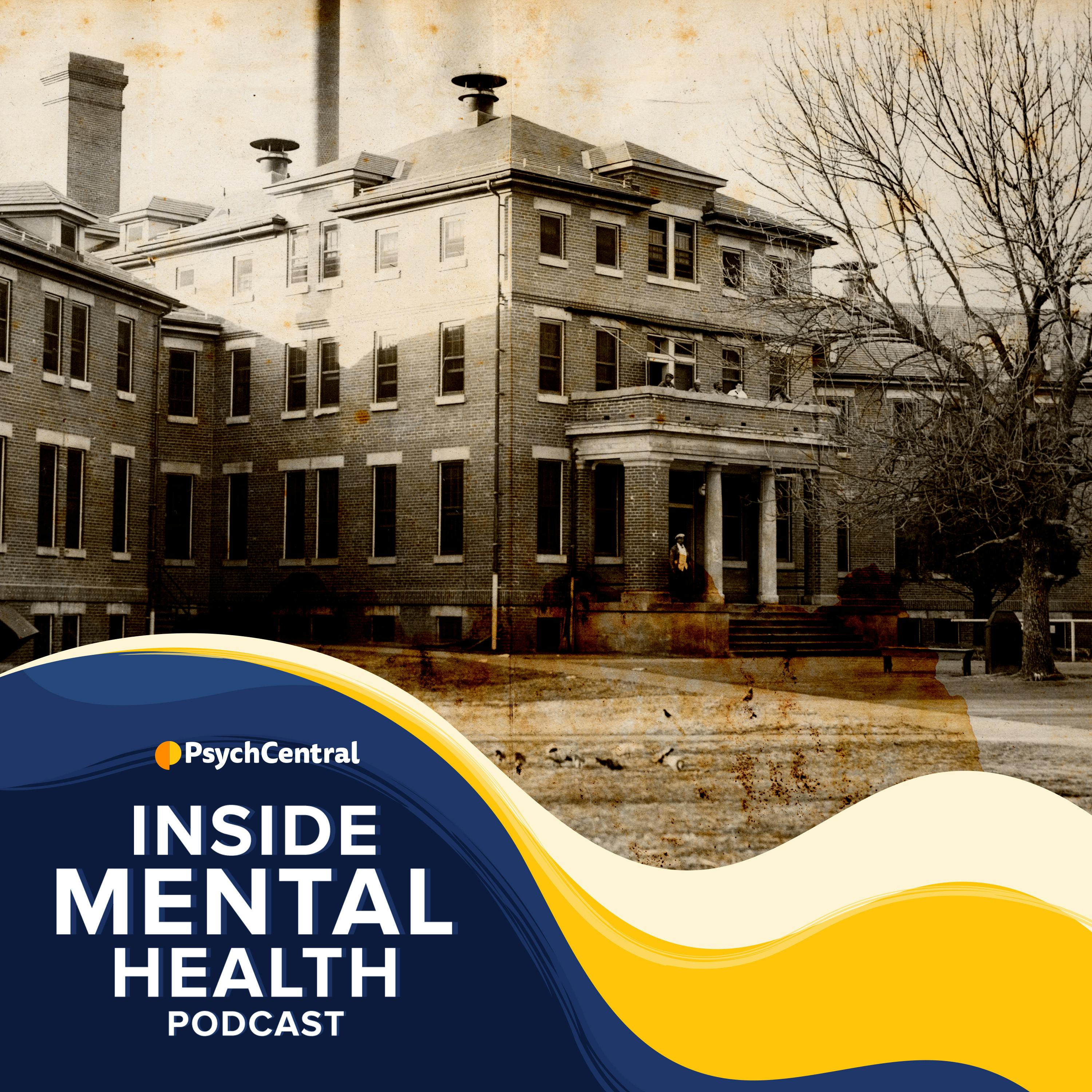 Race, Madness & the Complex History of a Jim Crow Asylum | What can the history of a Jim Crow–era mental asylum teach us about race and mental health today? MSNBC journalist Antonia Hylton joins Gabe Howard to discuss her powerful book “Madness: Race and Insanity in a Jim Crow Asylum,” a deeply researched look at Crownsville Hospital, once known as The Hospital for the Negro Insane.Antonia reveals how Black patients were forced to build their own hospital, how racism shaped their psychiatric care, and how hope slowly emerged amid cruelty and neglect. But this isn’t a simple story of heroes and villains. As Antonia emphasizes, Black people aren’t always the heroes, and white people aren’t always the villains at Crownsville Hospital. The truth is far more complex and human. Listener takeaways: why Crownsville’s story defies easy labels of good versus evil how racism shaped early psychiatric institutions how history still shapes modern mental health care Blending history, personal family stories, and modern mental health advocacy, Antonia and Gabe explore how Crownsville’s legacy still influences the modern mental health care we see today. This conversation is both haunting and hopeful, reminding us that healing requires courage, empathy, and an honest look at our past. “The other myth I want to dispel is that it's a black and white book where all the heroes are black and all the villains are white. This is a story where there are incredible and incredibly complicated people on all sides of it. And to me, that is the American story, that there are certainly the people who held on to the Confederate and antebellum attitudes and brought that to the hospital. But then there are people like Paul Lurz, who is a white man still alive, living in Anne Arundel County to this day, who dedicated 40 years of his life to saving and supporting children at this hospital. Black children, and who is beloved and adored in that community.” ~Antonia Hylton Our guest, Antonia Hylton, is a Peabody and Emmy-award-winning journalist, co-anchor of MSNBC / Weekend Primetime, and the co-host of the hit podcast Southlake and Grapevine. She graduated magna cum laude from Harvard University, where she received prizes for her investigative research on race, mass incarceration, and the history of psychiatry. MSNBC journalist Antonia Hylton is the author of “Madness: Race and Insanity in a Jim Crow Asylum,” a deeply researched look at Crownsville Hospital, once known as The Hospital for the Negro Insane. Our host, Gabe Howard, is an award-winning writer and speaker who lives with bipolar disorder. He is the author of the popular book, "Mental Illness is an Asshole and other Observations," available from Amazon; signed copies are also available directly from the author. Gabe is also the host of the "Inside Bipolar" podcast with Dr. Nicole Washington. Gabe makes his home in the suburbs of Columbus, Ohio. He lives with his supportive wife, Kendall, and a Miniature Schnauzer dog that he never wanted, but now can’t imagine life without. To book Gabe for your next event or learn more about him, please visit gabehoward.com. Learn more about your ad choices. Visit megaphone.fm/adchoices | 27m 47s | ||||||
| 10/30/25 |  Anosognosia in Schizophrenia: Understanding ‘A Lack of Insight’ with Guest Host Rachel Star Withers | Imagine everyone around you — family, friends, even your doctors — insisting you have a serious mental illness, yet you’re certain they’re wrong. This isn’t denial — it’s a symptom called anosognosia, a lack of awareness that can make treatment nearly impossible. In this episode, guest host Rachel Star Withers, who lives with schizophrenia, speaks with Dr. Xavier Amador, Founder and President of the LEAP Institute and author of the bestseller “I Am Not Sick, I Don’t Need Help!” Together, they unpack what anosognosia is, why it prevents so many people from accepting help, and how loved ones can build trust and connection instead of conflict. Dr. Amador has trained tens of thousands of professionals and families in his LEAP method — Listen, Empathize, Agree, Partner — a practical, compassionate approach that helps bridge the gap between awareness and recovery. Please Note: Our regular host, Gabe Howard, will be back next week! “I refuse to get any help because this is not a diagnosis. I don't need this medication. This medication is bad for me. They really don't understand that they have an illness. We need to help people who have anosognosia... They're being pushed through the cracks. They're ending up homeless. They're ending up in our criminal justice system. They're ending up in back bedrooms alone, not talking to family. I mean, they deserve us, us to be attending to this problem.” ~Dr. Xavier Amador, author of I Am Not Sick, I Don’t Need Help! Our guest, Dr. Xavier Amador, Founder and President of the LEAP Institute, is a world-renowned clinical psychologist, forensic expert, and author of 9 books, including the bestseller “I Am Not Sick, I Don’t Need Help!” His extensive work, books, and clinical research in schizophrenia, bipolar disorder, and other mental illnesses have been translated into 30 languages. Additionally, he has authored over 130 peer-reviewed scientific papers and has contributed his expertise to over 80 death penalty cases. He is also a family caregiver of two close relatives with schizophrenia and another with bipolar disorder. Dr. Amador has trained tens of thousands of professionals and families on LEAP® (Listen-Empathize-Agree-Partner), a communication approach that creates trusting relationships with people who have serious mental illness and anosognosia. www.leapinstitute.org Our guest host, Rachel Star Withers creates videos documenting her schizophrenia, ways to manage, and let others like her know they’re not alone and can still live an amazing life. She has written “Lil Broken Star: Understanding Schizophrenia for Kids” and a tool for schizophrenics, “To See in the Dark: Hallucination and Delusion Journal.” Learn more at RachelStarLive.com. Also, you can now check out her kids' mental health comic book line "The Adventures of ____, Vol. I. The Fearless Star, The Unstoppable Light, The Ambitious Focus,” now available on Amazon. The Adventures of series explores what it is like for children struggling with mental health and physical differences, while teaching simple coping techniques. The series helps children understand those around them who are different and empowers them. To listen to the Inside Schizophrenia podcast, please visit the official show page at psychcentral.com/IS or use your favorite podcast player. Our host, Gabe Howard, is an award-winning writer and speaker who lives with bipolar disorder. He is the author of the popular book, "Mental Illness is an Asshole and other Observations," available from Amazon; signed copies are also available directly from the author. Gabe is also the host of the "Inside Bipolar" podcast with Dr. Nicole Washington. Gabe makes his home in the suburbs of Columbus, Ohio. He lives with his supportive wife, Kendall, and a Miniature Schnauzer dog that he never wanted, but now can’t imagine life without. To book Gabe for your next event or learn more about him, please visit gabehoward.com. Learn more about your ad choices. Visit megaphone.fm/adchoices | 28m 58s | ||||||
| 10/23/25 |  Perinatal and Postpartum OCD: When Parenting Anxiety Becomes More | Intrusive thoughts are common for new parents — but when do they cross the line into something more serious? In this episode, you’ll learn how obsessive-compulsive disorder (OCD) latches onto what matters most — in this case, the safety and well-being of the baby — and how evidence-based treatment like exposure and response prevention (ERP) can bring relief.Joining host Gabe Howard is internationally recognized OCD and parenting expert Dr. Jenny Yip, who sheds light on perinatal and postpartum OCD. Dr. Yip explains how obsessions and compulsions can overwhelm expecting and new parents, from fears of accidentally harming the baby to overwhelming guilt about being a “bad” mom or dad. She also discusses the stigma surrounding taboo intrusive thoughts — including forbidden sexual thoughts — and how avoidance can interfere with bonding during the crucial early weeks of parenthood. Takeaways for listeners: the difference between usual parenting anxiety and perinatal or postpartum OCD common intrusive thoughts new parents experience but rarely discuss why avoidance harms bonding and increases OCD’s power Whether you’re a new parent, a clinician, or simply curious, this episode reveals the hidden struggles of perinatal and postpartum OCD — and the hope for recovery. “OCD will tackle whatever it is that you care about. And when a family is pregnant, or when they have their first child, or when they have multiple children, what they're going to care about most is that. The safety, the wellness of the mother, of the unborn, or the newborn. And then that's how OCD starts to build and manifest.” ~Dr. Jenny Yip Our guest, Dr. Jenny Yip, is a board-certified, licensed psychologist, author, speaker, and internationally acclaimed OCD, anxiety, and parenting expert. With nearly three decades of experience, she has treated individuals and families facing severe anxiety disorders, OCD, and parenting stress. In 2008, she founded the Renewed Freedom Center in Los Angeles, followed by the Little Thinkers Center in 2016, offering cutting-edge treatments. She serves on the board of directors for the International OCD Foundation, where she facilitates the Perinatal OCD Task Force and co-directs the BIPOC Behavior Therapy Training Institute. Dr. Yip is the creator of the Strategic Family Boundaries and the Stress-Less Life™ brand, which includes her popular podcast and Stress-Less Mama masterclass. She has authored several books, with her most recent, Hello Baby, Goodbye Intrusive Thoughts, ranking as a top new release. Our host, Gabe Howard, is an award-winning writer and speaker who lives with bipolar disorder. He is the author of the popular book, "Mental Illness is an Asshole and other Observations," available from Amazon; signed copies are also available directly from the author. Gabe is also the host of the "Inside Bipolar" podcast with Dr. Nicole Washington. Gabe makes his home in the suburbs of Columbus, Ohio. He lives with his supportive wife, Kendall, and a Miniature Schnauzer dog that he never wanted, but now can’t imagine life without. To book Gabe for your next event or learn more about him, please visit gabehoward.com. Learn more about your ad choices. Visit megaphone.fm/adchoices | 25m 49s | ||||||
| 10/16/25 |  Hollywood Often Gets OCD Wrong: Actor & Director Speak Out | Hollywood has never shied away from portraying obsessive-compulsive disorder (OCD) — but it often gets it wrong. Typically, OCD is reduced to a punchline, a quirky habit, or a stereotype about neatness and handwashing. In this episode, TV & movie actor Rachel Alig and award-winning filmmaker Sam Sabawi take us behind the scenes of their acclaimed short film “For All I Know” to show how OCD can — and should — be portrayed with truth and compassion. Sam, who lives with OCD, explains why lazy writing has distorted public understanding and how he used his lived experience to create an authentic story. Rachel shares the emotional depth required to embody a character with OCD, and how she avoided the clichés that Hollywood often leans on. Together, they reveal how real therapy techniques — especially exposure and response prevention (ERP) — were brought into the film to highlight the messy, ongoing reality of recovery. Listener takeaways: how Hollywood depictions have shaped public misconceptions of OCD and why the process of authentically portraying OCD on screen matters what OCD actually is — and isn’t why ERP therapy is the gold standard for treatment This is a rare insider look at mental illness through the eyes of two industry leaders determined to change how we see OCD. Listen now! Sam and Rachel's Award-Winning Short Film About OCD, For All I Know, is available on YouTube now. (Viewing Link: https://www.youtube.com/watch?v=-vwk4UPHKp0) Our guest, Sam Sabawi, is a two-time Emmy-nominated filmmaker whose work spans narrative fiction, documentary, and unscripted formats. A five-time Telly Award winner and two-time Anthem Gold recipient, Sabawi brings over a decade of experience in visual storytelling across scripted film, development, and branded content. His recent short film For All I Know explores the interior landscape of OCD to externalize intrusive thoughts. The film is currently on its festival circuit. Our guest, Rachel Alig, is quickly establishing herself as a dynamic force in both comedy and drama, with a growing list of standout performances across film, television, and commercial work. With over a decade of experience, she has shared the screen with acclaimed talent including John Magaro (The Big Short, PastLives, Carol), Lou Diamond Phillips, Nick Jonas, Jason Biggs, Rob Riggle, and Master P. Her most recent film, OMAHA—starring John Magaro—premiered at the 2025 Sundance Film Festival in the prestigious U.S. Dramatic Competition category and was acquired by Greenwich Entertainment for a theatrical release in early 2026. She also appears in FOUND FOOTAGE, distributed by Vertical Entertainment, which hit theaters nationwide on June 20, 2025. Rachel stars opposite of Lou Diamond Phillips and Malcolm McDowell in, ET TU, which started streaming on all major platforms this summer. And today, September 2, 2025, INVISIBLE, is streaming on Amazon Prime, where Rachel has the lead female role. Rachel’s craft is rooted in a strong foundation of training, including The Lee Strasberg Theatre and Film Institute in West Hollywood and The Groundlings. She further honed her skills through ongoing work with Lesly Kahn & Co. and two years of master classes at The Margie Haber Studio. Our host, Gabe Howard, is an award-winning writer and speaker who lives with bipolar disorder. He is the author of the popular book, "Mental Illness is an Asshole and other Observations," available from Amazon; signed copies are also available directly from the author. Gabe is also the host of the "Inside Bipolar" podcast with Dr. Nicole Washington. Gabe makes his home in the suburbs of Columbus, Ohio. He lives with his supportive wife, Kendall, and a Miniature Schnauzer dog that he never wanted, but now can’t imagine life without. To book Gabe for your next event or learn more about him, please visit gabehoward.com. Learn more about your ad choices. Visit megaphone.fm/adchoices | 23m 10s | ||||||
| 10/9/25 |  Punk Rock Meets Therapy: Understanding Dialectical Behavior Therapy (DBT) | How are punk rock and dialectical behavior therapy (DBT) related? More than you think. In this episode, clinical psychologist and bestselling author Dr. J.J. Kelly — the “punk rock doc” — joins the conversation to break down DBT with raw honesty, humor, and zero fluff. Far from a gimmick, DBT is an evidence-based therapy that blends mindfulness and cognitive behavioral therapy to help people regulate emotions, improve relationships, and move through life’s inevitable pain without making things worse. DBT isn’t just for young people or people with borderline personality disorder — it’s a practical skill set that anyone can use, from corporate execs to teens, from those struggling with bipolar disorder to anyone wanting stronger emotional intelligence. Listener takeaways include: why DBT isn’t a fad but a powerful, science-backed approach how to use the four DBT modules: mindfulness, distress tolerance, emotion regulation, and interpersonal effectiveness how validation, radical acceptance, and even anger can become tools for connection and growth Whether you’re curious about mental health treatments, skeptical of “newer” therapies, or just intrigued by the mashup of punk rock and psychology, this episode will leave you rethinking what emotional resilience really means. Cold Open Transcript: Gabe Howard: Behavioral therapy kind of makes sense. But what is DBT? Dr. J.J. Kelly: It's basically Zen mindfulness meets cognitive behavior therapy. Gabe Howard: And how do those two things merge? Dr. J.J. Kelly: Oh, beautifully. The mindfulness skills and the distress tolerance skills are the Zen stuff. And then the CBT is emotion regulation and interpersonal effectiveness skills. The assertiveness training, how to ask for things, how to say no in accordance with your values in the most effective way possible. Our guest, Dr. JJ Kelly, is a licensed clinical psychologist, EQ coach, and bestselling author making mental health accessible, fun, and stigma-free. Known as "The Punk Rock Doc," she blends humor, authenticity, and evidence-based techniques to help people build emotional resilience and take charge of their lives. As founder of UnorthoDocs, Inc., Dr. Kelly created a vibrant community where young adults learn to manage emotions, build confidence, and cultivate healthier relationships — without outdated therapy methods. Her expertise in Dialectical Behavior Therapy (DBT) empowers people to break free from self-doubt and master their emotions. A sought-after speaker and educator, she’s authored multiple books and helps thousands transform their lives through courses, coaching, and radical honesty. Her mission: disrupt outdated systems and teach people to be their own therapists. Our host, Gabe Howard, is an award-winning writer and speaker who lives with bipolar disorder. He is the author of the popular book, "Mental Illness is an Asshole and other Observations," available from Amazon; signed copies are also available directly from the author. Gabe is also the host of the "Inside Bipolar" podcast with Dr. Nicole Washington. Gabe makes his home in the suburbs of Columbus, Ohio. He lives with his supportive wife, Kendall, and a Miniature Schnauzer dog that he never wanted, but now can’t imagine life without. To book Gabe for your next event or learn more about him, please visit gabehoward.com. Learn more about your ad choices. Visit megaphone.fm/adchoices | 31m 15s | ||||||
| 10/2/25 |  Governor John Kasich on Youth Mental Health Crisis | The youth mental health crisis is one of the most urgent challenges facing families today — but what can be done at a policy level to create lasting change? In this episode, former Ohio Governor John Kasich joins host Gabe Howard to share his work with the Bipartisan Policy Center and their recommendations for addressing this national emergency. Governor Kasich explains why integrating mental health into primary care could be a game-changer for kids and adults alike. He highlights the small but critical legislative victories that are moving the needle and offers practical advice for advocates and parents: how to approach elected officials, how to use your personal story effectively, and how to channel passion into real influence without giving up in frustration. Three key takeaways for listeners: Why bipartisan cooperation is essential for mental health reform How integration of behavioral health into primary care can transform outcomes Concrete steps anyone can take to make their voices heard in government If you’ve ever felt powerless to change the system, this episode will inspire you to keep pushing, stay hopeful, and take action for the next generation. “And it's hard to build a relationship with a therapist to begin with. And then when they tell you you can't have it anymore and you got to go find another one. I think it's a lot easier to just say, I'll just try to make my way through this, even when it's really difficult. And that was another one we keep working on.” ~Former Ohio Governor, John Kasich Our guest, John Kasich, is a national leader who has spent a lifetime bringing people together to solve big problems and leaving the world around them just a little bit better than they found it. As the 69th Governor of Ohio (2011-2019), John Kasich led the Ohio Comeback. In his time as governor, he established JobsOhio, a first of its kind economic-development entity, and helped Ohio diversify its economy and create approximately 500,000 private-sector jobs. He went on to cut a record $5 billion in taxes, cut wasteful spending, reduce red tape and build Ohio’s rainy-day fund to more than $2 billion. Gov. Kasich ran for President in 2016. He was the last candidate to leave the GOP primary and finished third in the total delegate count. His message focused on unifying Americans rather than dividing them, championing the great potential of our citizens to make positive impacts in their own communities, a strong national defense and the importance of our international alliances. Today, he runs the Kasich Company strategic consulting firm and serves as a television commentator for NBC and MSNBC. He is also a fellow at the Bipartisan Policy Center, the Committee for a Responsible Federal Budget and the Meadows Mental Health Policy Health Institute. He is married to Karen Kasich and is the proud father of twin daughters. Our host, Gabe Howard, is an award-winning writer and speaker who lives with bipolar disorder. He is the author of the popular book, "Mental Illness is an Asshole and other Observations," available from Amazon; signed copies are also available directly from the author. Gabe is also the host of the "Inside Bipolar" podcast with Dr. Nicole Washington. Gabe makes his home in the suburbs of Columbus, Ohio. He lives with his supportive wife, Kendall, and a Miniature Schnauzer dog that he never wanted, but now can’t imagine life without. To book Gabe for your next event or learn more about him, please visit gabehoward.com. Learn more about your ad choices. Visit megaphone.fm/adchoices | 23m 48s | ||||||
| 9/25/25 |  Olympic Gold Medalist on Alcoholism, Recovery, and Redemption | How exactly does a three-time Olympic gold medalist end up with alcohol use disorder? At just 16, Carrie Bates stood on the Olympic podium with a gold medal around her neck. To the world, she had it all — talent, drive, and glory. But behind the scenes, Carrie was fighting a growing battle with alcohol that nearly cost her everything. In this episode, Olympian Carrie Bates opens up about her journey from the top of the podium to nearly losing everything. Despite her success, Carrie saw many of the same warning signs many people face: denial, escalating drinking, and the belief that achievement meant she couldn’t possibly have a problem. Surrounded by a culture that celebrated alcohol, she ignored loved ones’ concerns and spiraled into dangerous behaviors — until a crisis forced her to confront the truth. Listen and learn: how cultural messages about alcohol normalize addiction the early warning signs of alcohol misuse, even for high achievers why recovery is not instant — and how resilience leads to lasting change Carrie’s story is more than a cautionary tale. It’s proof that recovery is possible, even after relapse and setbacks. By learning to surrender, ask for help, and reframe what strength truly means, she found lasting healing — and now uses her voice to help others do the same. Our guest, Carrie Bates, is an advocate for recovery. As a three-time Olympic gold medalist (OLY) in swimming and a person in recovery, she deeply understands the interplay of the drive for excellence, trauma, life changes, and addiction. Sharing her truth and living her recovery out loud has been at the center of her work. Since 2012, she has helped others access treatment and fought to end the stigma that surrounds the brain disease of substance use disorder. Carrie came to Caron Treatment Center in 2025 as director of strategic growth and advocacy. In her role, she works with partners in recovery to help more families in need access treatment and support services, promote Caron’s neurorestorative approach to treatment, reduce stigma, and advance awareness about addiction as a brain disease and the benefits of recovery. Carrie is passionate about prevention, the importance of mental wellness, the impact of addiction on families, the difficulties women face in accessing treatment and recovery support, and the role of employers and workplaces to support recovery. Before coming to Caron, she served as an outreach manager for Hazelden Betty Ford where she worked directly with employers, patients, and their families to navigate the process of finding the treatment they need for sustainable recovery. Carrie has been a fixture in traditional media, podcasts and as a keynote speaker sharing her personal story, tips for families, and hope. Carrie spent the better part of her career before entering the treatment and recovery field as a sales and marketing career at Nike, Inc. She graduated from the University of Texas at Austin. Our host, Gabe Howard, is an award-winning writer and speaker who lives with bipolar disorder. He is the author of the popular book, "Mental Illness is an Asshole and other Observations," available from Amazon; signed copies are also available directly from the author. Gabe is also the host of the "Inside Bipolar" podcast with Dr. Nicole Washington. Gabe makes his home in the suburbs of Columbus, Ohio. He lives with his supportive wife, Kendall, and a Miniature Schnauzer dog that he never wanted, but now can’t imagine life without. To book Gabe for your next event or learn more about him, please visit gabehoward.com. Learn more about your ad choices. Visit megaphone.fm/adchoices | 27m 30s | ||||||
Showing 25 of 485
Sponsor Intelligence
Sign in to see which brands sponsor this podcast, their ad offers, and promo codes.