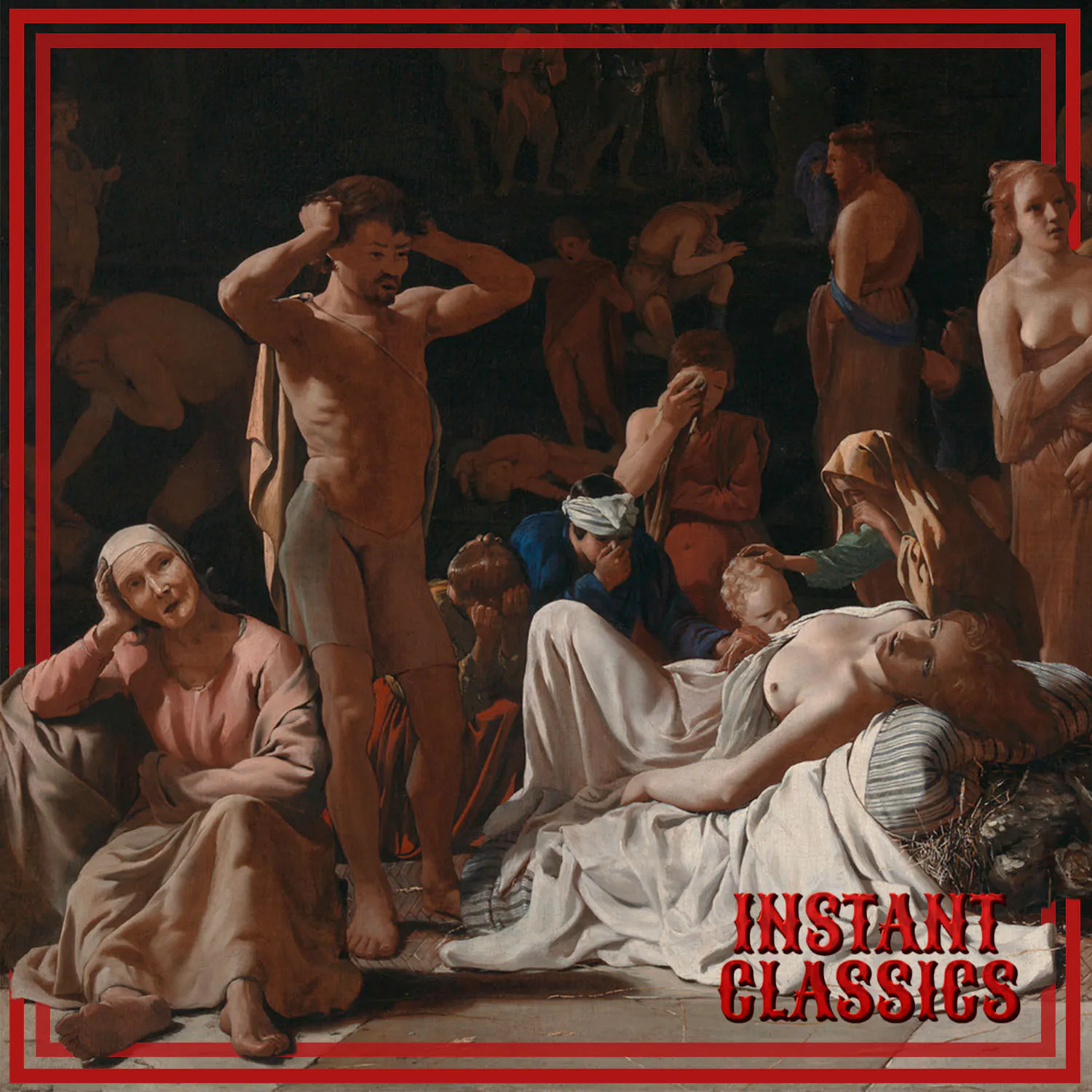
The Great Plague of Athens
About this episode
Mary and Charlotte discuss the Great Plague of Athens and Thucydides' historical account of the epidemic.
In 430 BCE, Athens was hit by a terrible plague that ultimately claimed around a third of the population. All the social niceties we associate with Ancient Athens collapsed. Citizens turned on one another. The dead were left unburied. Mary and Charlotte both recount and question the ‘facts’ of the epidemic as told by historian, eyewitness and plague survivor Thucydides. Thucydides’ account is remarkable in that it aligns with the emerging science of medicine in ancient Athens by focusing on the symptoms and natural causes rather than framing it as divine retribution from the gods. Yet, for all this, the truth is hard to pin down. We still don’t know what exactly the plague was. And Thucydides’ claims to be an objective historian are undermined by the way he presents the plague as a possible response to Athenian arrogance and hubris. Yet for all the gaps, we see many of the social characteristics of epidemics that have recurred throughout history. Social collapse, finger pointing, moralising, and arguments about which ‘truth’ to believe. Mary and Charlotte recommend some further reading: Thucydides describes the plague in his History 2, 47 - 55 Plutarch describes Pericles’ death…
People in this episode
Host: Vespucci
Guests: Mary, Charlotte
Topics covered
- plague
- Ancient Athens
- Thucydides
- epidemics
- social collapse
- historical accounts
Keywords
- Great Plague
- Athens
- Thucydides
- epidemic
- history
- social collapse
- ancient medicine
Mentioned in this episode
Organizations: The American Journal
Books & works: History, Life of Pericles
More episodes of Instant Classics
- Classic Chats: Grayson Perry on why he hates classical civilisation
- Talking Classics with Mary Beard
- Perpetua: A Martyr in Her Own Words
- Antigone: Girl vs Tyrant
- Roman Graffiti: The Writing on the Wall
- What Did the Romans Eat? Part 2: Plebs’ Food
Explore listener stats, chart rankings, contacts and more on the Instant Classics podcast page.