Native or Not? How Science, Politics, and Physics Decide Who Belongs
About this episode
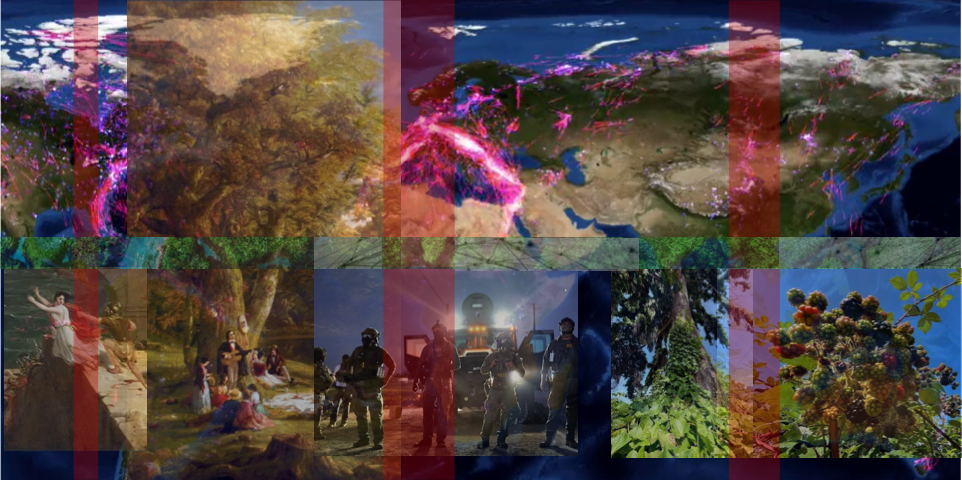
This episode explores the concepts of native and invasive species through the lenses of science, politics, and physics.
Hello Interactors, It’s been awhile as I’ve been enjoying summer — including getting in my kayak to paddle over to a park to water plants. Time on the water also gets me thinking. Lately, it’s been about what belongs here, what doesn’t, and who decides? This week’s essay follows my trail of thought from ivy-covered fences to international borders. I trace how science, politics, and even physics shape our ideas of what’s “native” and what’s “invasive.” INVASION, IVY, AND ICE As I was contemplating this essay in my car at a stop light, a fireweed seedling floated through the sunroof. Fireweed is considered “native” by the U.S. Government, but when researching this opportunistic plant — which thrives in disturbed areas (hence it’s name) — I learned it can be found across the entire Northern Hemisphere. It’s “native” to Japan, China, Korea, Siberia, Mongolia, Russia, and all of Northern Europe. Because its primary dispersal is through the wind, it’s impossible to know where exactly it originated and when. And unlike humans, it doesn’t have to worry about borders. So long as a species arrives on its own accord through wind, wings, currents, or chance — without a human hand guiding it…
More episodes of Interplace
- What the World Points To
- The Map that Murders and the Mind that Masks
- From Microsoft to the Surveillance State
- Street Snatches, Stolen Soil, and the Power of Care
- The Mind Can't Act Alone and AI Can't Either
- Trains, Planes, and Paved-Over Promises
Explore listener stats, chart rankings, contacts and more on the Interplace podcast page.