Kasterborous Classic TV: Exploring Doctor Who & Classic Sci-Fi
by Christian Cawley (host, producer) | James McLean (host) | Brian Terranova (host)
Last updated Oct 26, 2026Is this your podcast?Regular podcast featuring unique and in-depth discussions covering Doctor Who and other classic TV and movies, usually in the sci-fi and sci-fantasy fields. Launched in 2007, we've lost count of how many episodes we've a...
Insights from recent episode analysis
On the show
- Thom Gray1 ep
- Brian Terranova1 ep
- Lee Sullivan1 ep
Audience Interest
Podcast Focus
Publishing Consistency
Insights are generated by CastFox AI using publicly available data, episode content, and proprietary models.
Most discussed topics
Brands & references
Total monthly reach
Based on 1 signal.
Built from
By chart position
- 🇬🇧United Kingdom · After ShowsHOME#172657 to 3.5K
- 🇫🇷France · After Shows#118406 to 2.1K
- 🇦🇪AE · After Shows#80101 to 532
- Per-Episode Audience
Est. listeners per new episode within ~30 days
1.2K to 6.2K🎙 ~2x weekly·500 episodes·Last published 2d ago - Monthly Reach
Unique listeners across all episodes (30 days)
2.3K to 12K🇬🇧56%🇫🇷35%🇦🇪9% - Active Followers
Loyal subscribers who consistently listen
1.3K to 6.8K
Market Insights
Platform Distribution
Reach across major podcast platforms, updated hourly
Total Followers
—
Total Plays
—
Total Reviews
—
* Data sourced directly from platform APIs and aggregated hourly across all major podcast directories.
| Date | Episode | Topics | Guests | Brands | Places | Keywords | Sponsor | Length | |
|---|---|---|---|---|---|---|---|---|---|
| 10/26/26 |  Classic Doctor Who's Guest Stars – and Tom Baker Beyond the TARDIS | Classic Doctor Who featured an extraordinary range of guest actors, from familiar television faces to established stars of stage and screen. But how many were actually recognisable to audiences at the time?In this edition of Kasterborous, Christian Cawley and Brian A. Terranova revisit some of the more intriguing casting choices of the classic series.There's Dolores Gray, the American musical theatre star who appeared in Silver Nemesis, Don Henderson's memorable performance as Gavrok in Delta and the Bannermen, and Michael Gough, whose career extended far beyond his appearances in Doctor Who.The conversation also turns to the pleasure of recognising familiar actors in other programmes, particularly when revisiting classic British television.And what about Tom Baker? Brian recalls discovering the Fourth Doctor in an unexpected television role, leading to a discussion of Baker's career outside the TARDIS, from television drama and comedy to his distinctive voice work.It's a journey through classic Doctor Who, British television history and the actors who made these programmes memorable.Who is your favourite guest actor from classic Doctor Who? And what's the most unexpected Tom Baker appearance you've encountered?Join Christian and Brian for another Kasterborous conversation about Doctor Who and classic television. Enjoyed this episode? Support Kasterborous and watch our extended video editions on Patreon. | 23m 39s | ||||||
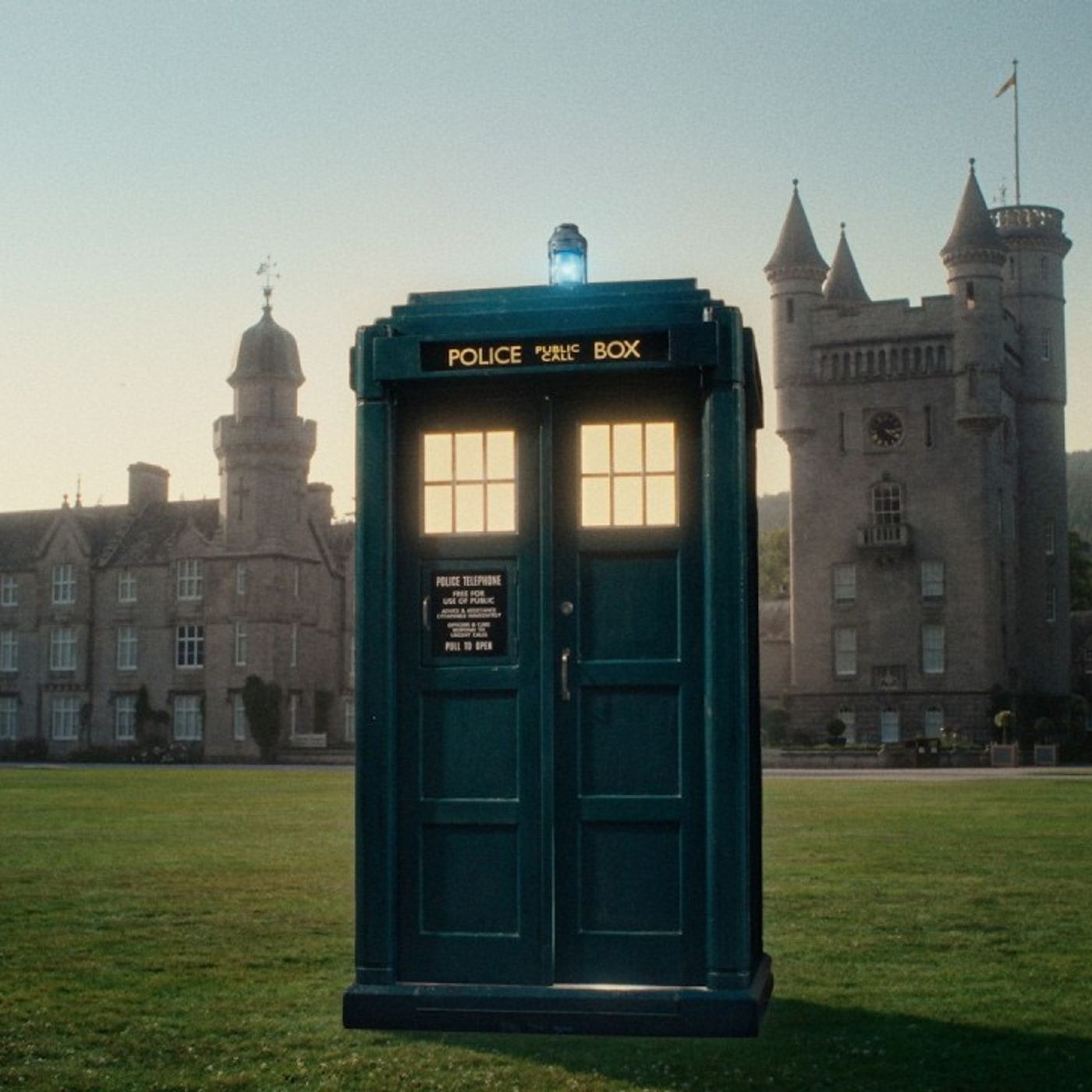
| 10/19/26 |  Doctor Who's Disney+ problem — Can TARDIS Crew save its future? | Russell T Davies has been reflecting on Doctor Who's partnership with Disney+, raising questions about whether the programme was ever a natural fit for the streaming platform. But while Doctor Who's international future remains uncertain, the BBC is preparing something rather different: TARDIS Crew, a new animated series for CBeebies aimed at introducing younger children to the Doctor's adventures.Could the key to Doctor Who's survival be attracting a new generation of British children rather than chasing an international streaming audience?In this edition of Kasterborous, Christian Cawley and James McLean explore three connected aspects of Doctor Who's past, present and future.We begin with Russell T Davies' forthcoming memoir, The Queerest of Folk, and his reflections on the Disney+ partnership. Was Doctor Who's problem the programme itself, or the platform on which it was being presented?The conversation then turns to some intriguing Doctor Who projects that never reached television, including abandoned Series 3 story ideas and discussions of the franchise's various spin-offs. It's a reminder that Doctor Who's history is full of alternative directions, unrealised ideas and opportunities that might have changed the programme considerably.Finally, attention turns to TARDIS Crew.With 52 short episodes planned for CBeebies, the animated series represents a very different approach to expanding the Doctor Who universe.James argues that introducing children to Doctor Who could be one of the smartest decisions the BBC has made for the franchise in years. Christian is less certain, questioning the role of merchandising and whether the cartoon will succeed in an increasingly competitive children's television market.The discussion also takes in In the Night Garden, Bluey, Hey Duggee and the enduring appeal of classic children's television.Join the conversation What do you think?Was Disney+ ever the right home for Doctor Who? Are there abandoned stories you'd still like to see produced? And could TARDIS Crew introduce enough new viewers to secure the programme's future?We'd love to hear your thoughts.Kasterborous is presented by Christian Cawley and James McLean, discussing Doctor Who, classic television, science fiction and popular culture.Visit Kasterborous.co.uk for more, subscribe to the podcast, and find us on YouTube and Patreon. | 23m 33s | ||||||
| 10/12/26 |  Doctor Who's Future: Who takes over, and what role will AI play? | Who will make Doctor Who next? And after the Disney+ experiment, could the programme be heading for its biggest reinvention since 2005?In this edition of Kasterborous, Christian Cawley and James McLean discuss the uncertain future of Doctor Who, from the BBC's search for a new production company to the controversy surrounding AI-generated Doctor Who. We start with the BBC's search for a new production partner. With Jed Mercurio, World Productions, ITV Studios and STV Studios among the names being discussed, Christian and James consider what a change of production company could mean for the series. Could Doctor Who move to Scotland? Would a smaller, more character-driven approach work better? And does the programme need to rediscover what made it successful in the first place?Then, we move onto the AI comments from new BBC Director-General Matt Britton. They've led to concerns within the organization and beyond about the implications for actors, writers and the wider television industry. Is artificial intelligence a useful creative tool, or does it threaten the very people who make television worth watching?In this episode Jed Mercurio and the companies interested in producing the next era. The possibility of ITV Studios or STV Studios taking over production. Whether Doctor Who needs a new creative direction as well as a new production company. The controversy surrounding AI-generated television and the BBC's response. Join the conversation! Who would you like to see producing Doctor Who? Should the programme embrace a completely new direction, or return to the approach that made it successful?Share your thoughts with us! Leave a comment, or email [email protected] is presented by Christian Cawley and James McLean, bringing you conversations about Doctor Who, science fiction, classic television and popular culture.This edition was released with additional materal for our Patreon members. Support Kasterborous on Patreon for extended video editions and archive content. | 22m 32s | ||||||
| 10/8/26 |  Streaming, Doctor Who, and 1970s superheroes | Hello! Another Kasterborous chat for you this week with the full team of Christian Cawley, James McLean, and Brian Terranova.This time, we're bringing together three conversations about television past and present — from the frustrations of streaming to Doctor Who edits and the decidedly different world of 1970s superheroes.First, has streaming actually made it harder to discover good television? With programmes scattered across an ever-growing collection of services, we look at how finding something to watch has changed — and whether we've lost something from the days when you could simply stumble across a great programme.Then we turn to Doctor Who. If you could go back to the original material and make your own edit, what would you change? Which stories could benefit from a little judicious cutting, rearranging or reconsideration?Finally, it's back to the 1970s and two very different attempts to bring Marvel superheroes to television: Spider-Man and The Incredible Hulk. Long before the MCU established what audiences expect from live-action superheroes, television had its own ideas about how these characters should work.Three conversations, one extended edition of Kasterborous.In this edition: Has streaming killed the accidental discovery of great television? The problem with programmes being scattered across multiple services What would we re-edit in classic Doctor Who? Looking back at television with the benefit of hindsight The strange world of 1970s live-action Spider-Man Bill Bixby, Lou Ferrigno and The Incredible Hulk How superhero television changed long before the MCU With Christian Cawley, James McLean and Brian A. Terranova. This edition is available as a video on our Patreon, with shorter videos on our YouTube channel. | 45m 35s | ||||||
| 9/28/26 | 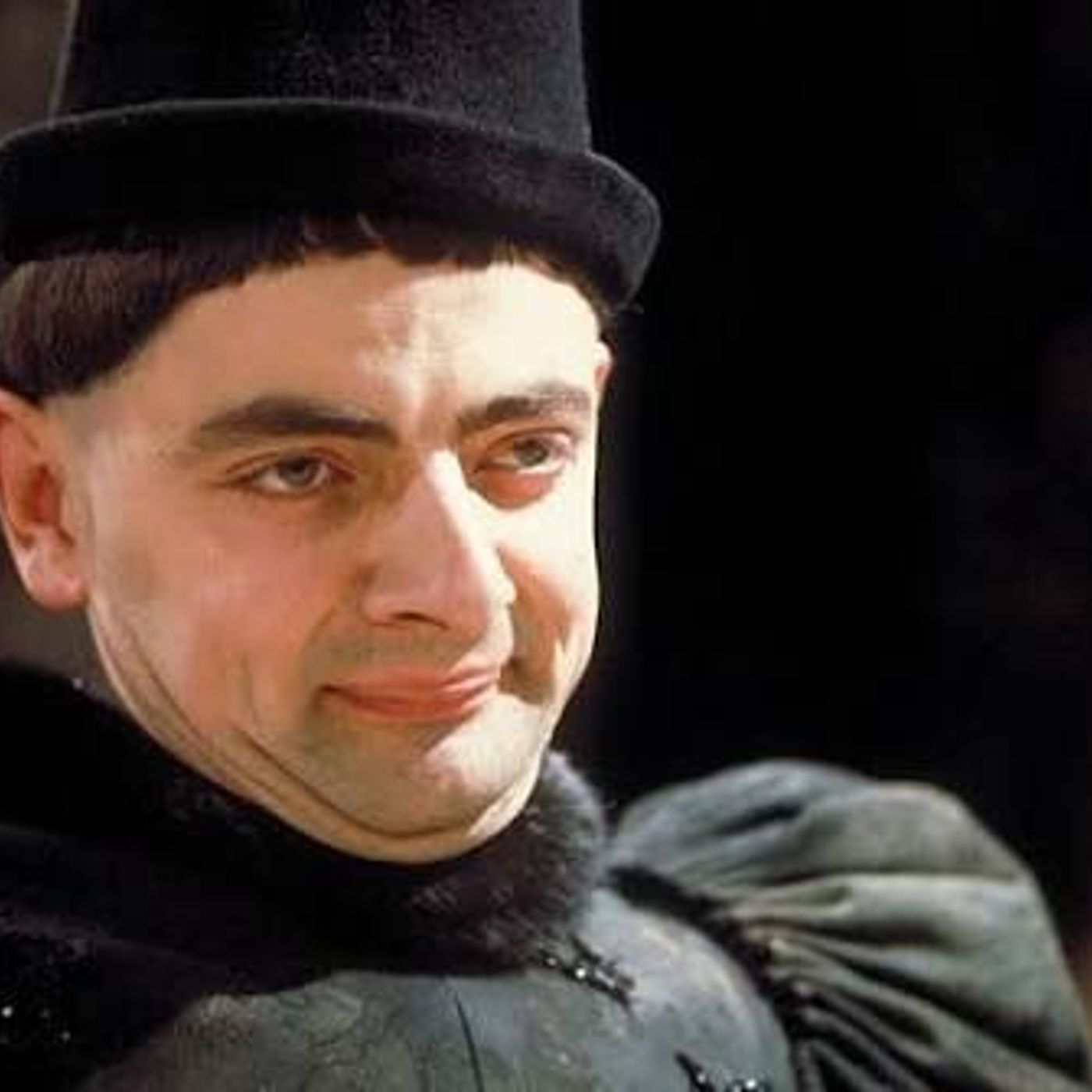 From Blackadder to Red Dwarf: What makes British comedy different? | Why did radio drama and comedy remain such a strong part of British broadcasting — while largely disappearing from American radio?In this edition of Kasterborous, Christian Cawley and Brian A. Terranova start with the very different audio traditions on either side of the Atlantic. Along the way, they encounter The Hitchhiker's Guide to the Galaxy, Star Wars on radio, Big Finish, and some almost-forgotten Doctor Who radio productions.That leads to the peculiar British tradition of bringing television comedy to radio, including Dad's Army, Fawlty Towers and Blackadder.But why did The Black Adder change so dramatically after its first series? Christian and Brian discuss the huge scale of Rowan Atkinson's original medieval comedy, the reduced budget that helped reshape the programme, the transformation of Blackadder and Baldrick, and whether moving comedy into the studio actually made it better.There's also Red Dwarf, live studio audiences, Jeeves and Wooster, Not Going Out, Fawlty Towers, panel shows, and the question of why British and American sitcoms developed such different approaches to comedy.In this episode: Why radio drama survived in Britain Doctor Who before Big Finish The British tradition of comedy on radio The Black Adder vs Blackadder II What happened when the budget disappeared Do sitcoms need a live audience? Red Dwarf: Back to Earth British vs American sitcoms When sitcoms start becoming dramas Presented by Christian Cawley with Brian A. Terranova.Kasterborous: Doctor Who, classic television and science fiction conversation since 2007. | 38m 32s | ||||||
| 9/21/26 |  Doctor Who's future: new producers, no showrunner... and AI? | The BBC has formally begun looking for the production team that will take Doctor Who into its next era — and some of the details suggest the series could be made rather differently in future.This week, Christian Cawley and James McLean examine the BBC's new Invitation to Tender for Doctor Who, including its emphasis on high-concept science fiction, distinctively British storytelling and episodic writers — and the intriguing suggestion that the programme may no longer follow the traditional showrunner model.Does the tender represent a genuine fresh start for Doctor Who? What does the BBC's instruction not to consult previous BBC Studios or Bad Wolf production teams tell us about its intentions? And with a new production unlikely to reach television until 2028 or 2029, what happens in the meantime?That leads to something rather more controversial: Doctor Who Reboot, a fan project using generative AI to create an unofficial continuation of the series.Christian and James discuss the results, the potential intellectual-property problem, and the much bigger question of whether using AI to recreate Doctor Who is fundamentally at odds with the programme itself.After all, if the Doctor is a character who repeatedly champions human creativity, individuality and freedom over technological conformity, is AI-generated Doctor Who a particularly strange contradiction?Plus: the Master's latest trick may have nothing on the Kasterborous YouTube channel finally passing 200 subscribers.With Christian Cawley and James McLean. | 48m 45s | ||||||
| 9/14/26 | 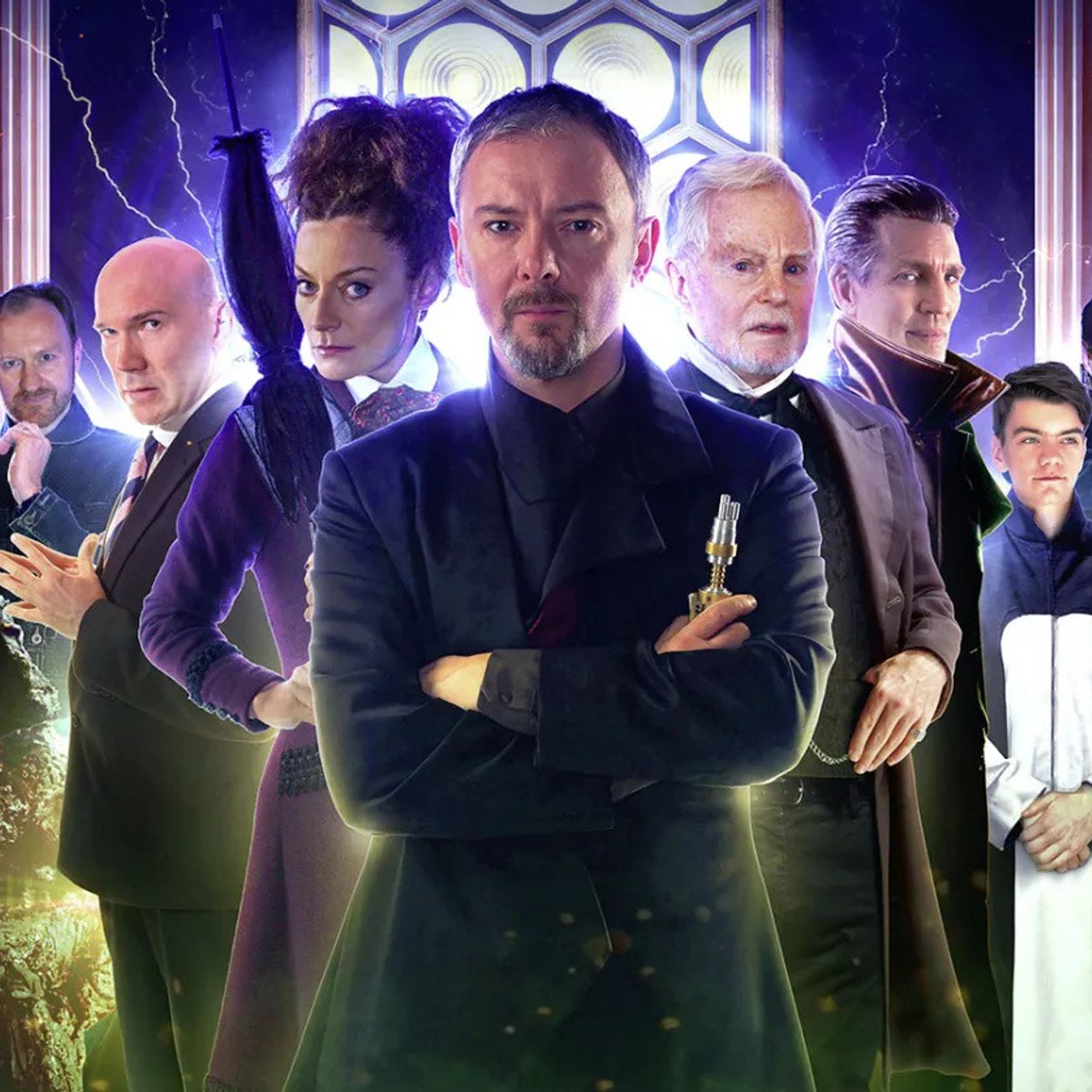 Who is the definitive Master? Doctor Who's greatest villain | The Master has been cheating death almost as long as the Doctor has been saving the universe — but can all those different incarnations actually be fitted into a coherent timeline?Christian Cawley and Brian A. Terranova take a trip through the Master's complicated history, from Roger Delgado and the decaying Master to Anthony Ainley, Eric Roberts, Derek Jacobi, John Simm and Michelle Gomez.Along the way, they revisit an old theory connecting the Master of the 1996 Doctor Who TV Movie with The Deadly Assassin, examine Big Finish's rather more elaborate attempt to make sense of the Master's regenerations, and consider what Eric Roberts has brought to the role on audio.----------------------------------------------------------------You can watch this week's episode on YouTube: https://www.youtube.com/watch?v=UUCImw-B1Cc----------------------------------------------------------------But continuity is only half the story. Was Doctor Who robbed of a potentially definitive Master by giving Derek Jacobi so little screen time? How does his colder interpretation compare with Delgado's original? And did John Simm effectively get a second chance to play the Master when he returned opposite Peter Capaldi?It's an attempt to untangle one of Doctor Who's most complicated characters — and work out what actually makes a great Master.With Christian Cawley and Brian A. Terranova. | 37m 25s | ||||||
| 9/7/26 | Doctor Whostreaming services+4 | — | NetflixAmazon+7 | — | Doctor Whostreaming+6 | — | 44m 04s | ||
| 8/31/26 | director's cutsThe X-Files+3 | — | The X-Files: I Want to BelieveBlade Runner+1 | — | director's cutThe X-Files+5 | — | 29m 59s | ||
| 8/24/26 | Doctor Whofuture of television+5 | — | Doctor WhoDoctor Who Night+1 | — | Doctor WhoDavid Tennant+7 | — | 28m 54s | ||
Want analysis for the episodes below?Free for Pro Submit a request, we'll have your selected episodes analyzed within an hour. Free, at no cost to you, for Pro users. | |||||||||
| 8/17/26 | film restorationDoctor Who+5 | — | Doctor WhoThe War Games in Colour+1 | — | film restorationDoctor Who+5 | — | 44m 43s | ||
| 8/12/26 | Doctor Who canonfan fiction+4 | — | Big FinishDoctor Who+3 | — | Doctor Whofan fiction+6 | — | 50m 22s | ||
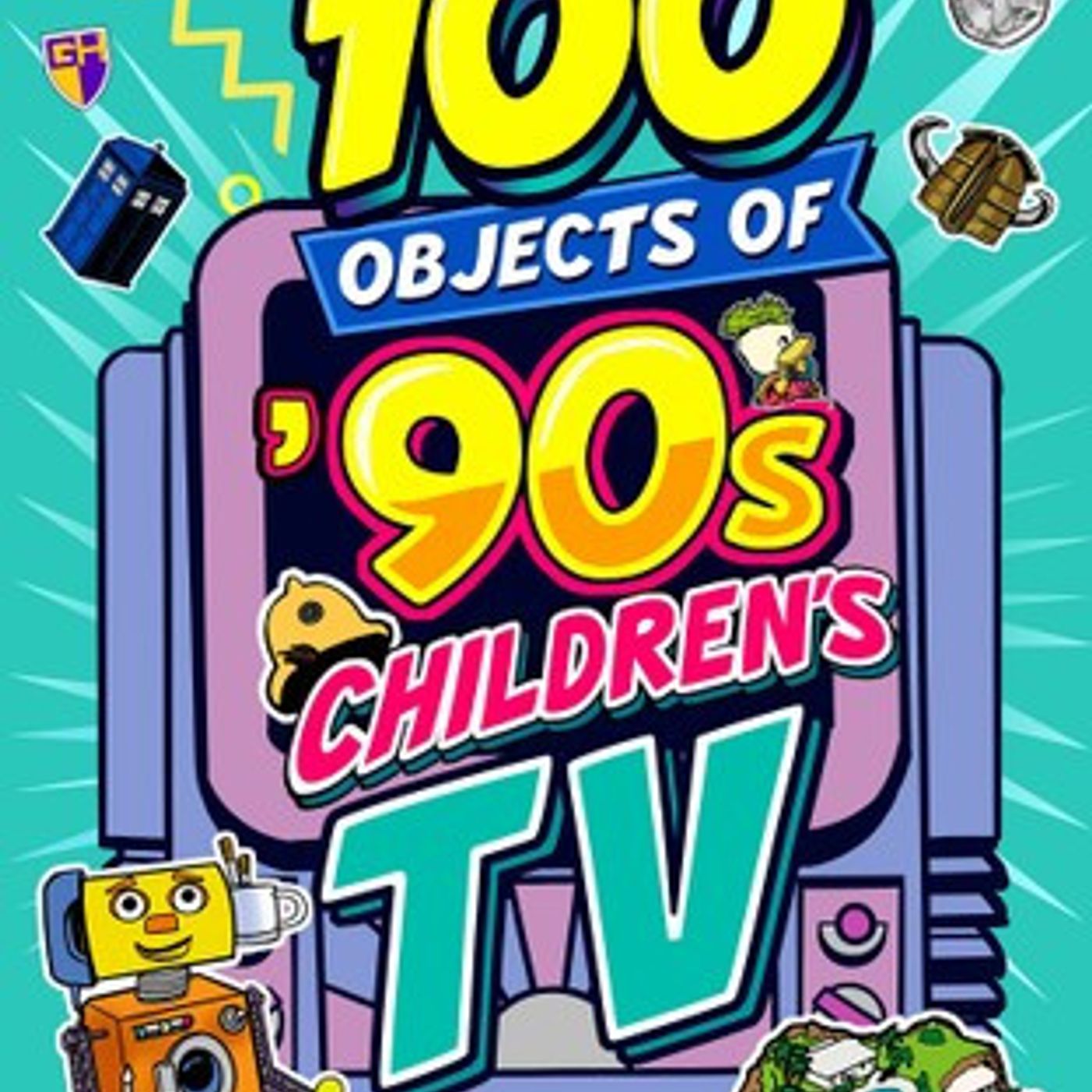
| 8/3/26 | 1990s children's televisionDoctor Who+5 | Thom Gray | Candy Bar Books100 Objects of '90s Children's TV+5 | — | Tracy IslandWonky Donkey+5 | — | 24m 17s | ||
| 7/27/26 | Doctor WhoMarvel+5 | — | BBCDoctor Who+3 | — | Doctor WhoMarvel fatigue+6 | — | 49m 15s | ||
| 7/20/26 | Doctor Who Series TwoDavid Tennant+4 | Brian Terranova | Doctor WhoDoctor Who Series Two+6 | — | Doctor WhoSeries Two+5 | — | 52m 07s | ||
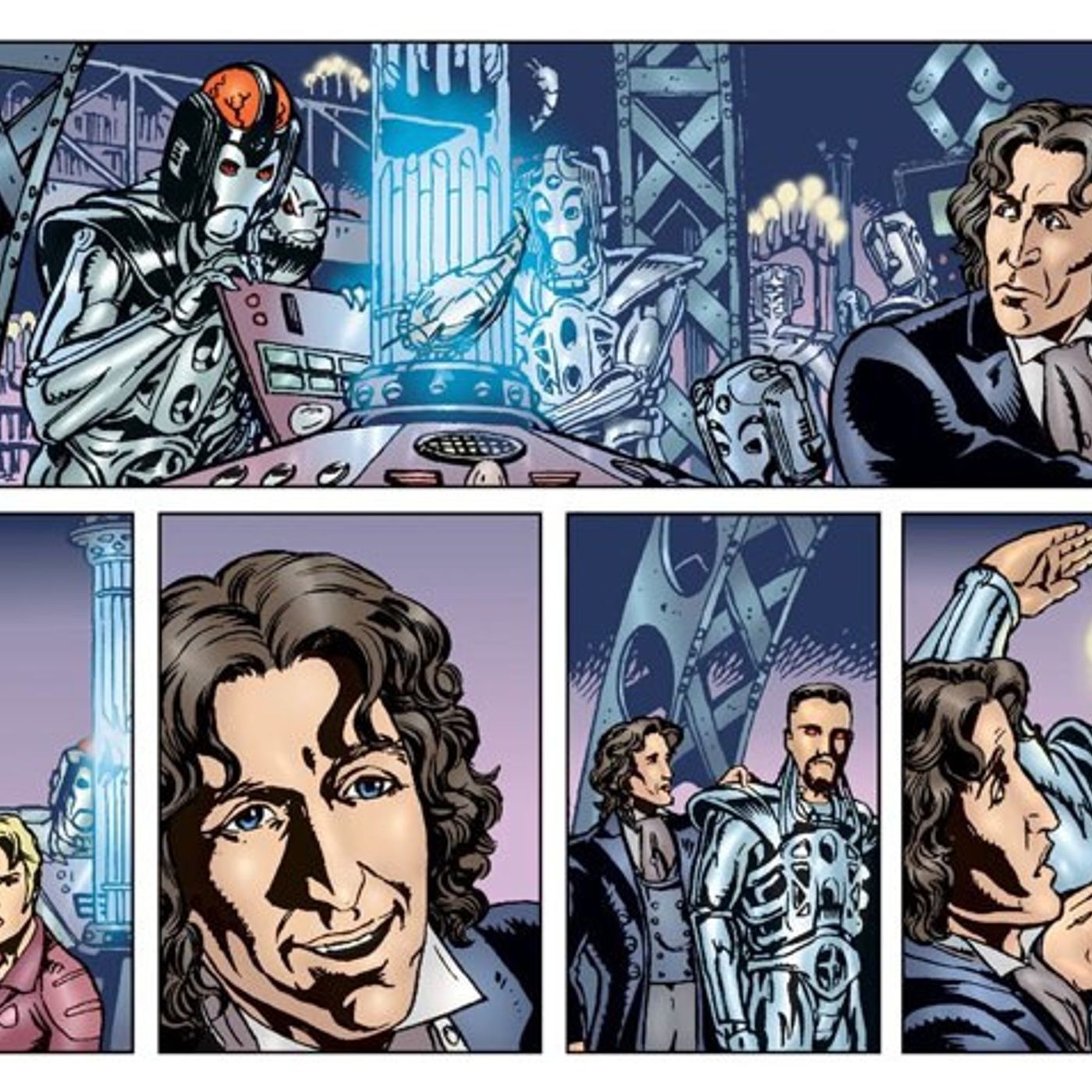
| 7/13/26 | Doctor Whocomic strips+5 | Lee Sullivan | Marvel UKDoctor Who Magazine | — | Doctor Whocomic artist+6 | — | 51m 54s | ||
| 7/6/26 | filmgaming+5 | — | SupergirlBlu-ray+6 | — | entertainment ownershipsuperhero fatigue+5 | — | 44m 05s | ||
| 7/6/26 | 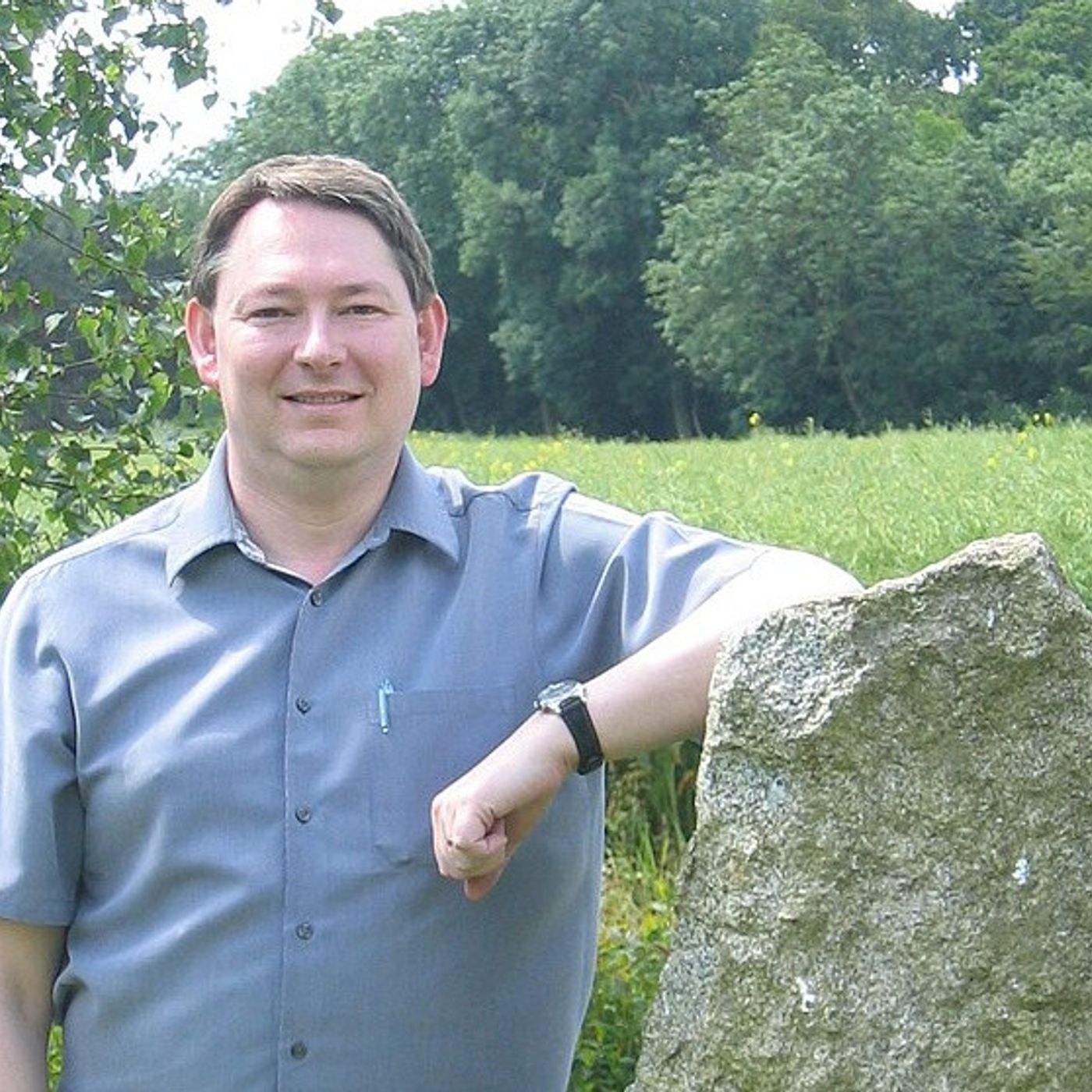 Remembering Justin Richards and Doctor Who's literary legacy | The Doctor Who world lost one of its most important creative voices with the passing of Justin Richards. This week, Christian Cawley and James McLean celebrate his remarkable contribution to the Whoniverse and discuss why his work mattered to generations of fans.From the Virgin New Adventures to BBC Books, Big Finish audio dramas, comics, and countless reference works, Justin Richards helped define Doctor Who during the years it was off television—and continued shaping the franchise long after its return.Christian and James both experienced the books when they were released, back when there was no Doctor Who on TV. Pre-Big Finish, these titles were the only tangible Doctor Who stories beyond the comic strip and the short-lived TV Movie, and were vital to positioning Doctor Who as a serious brand. Along the way, the conversation explores favourite novels, the evolution of Doctor Who publishing, and the enduring importance of books in keeping the series alive between 1989 and 2005. Also in this episode: Updates from the growing Kasterborous Archive on Patreon. A preview of an upcoming interview with Doctor Who artist Lee Sullivan. Our favourite Justin Richards novels and recommendations for new readers. The transition from Virgin Books to the BBC Books range. Justin Richards’ editorial influence on Doctor Who publishing. Why the Wilderness Years remain one of Doctor Who’s most creative periods. Whether you discovered Justin Richards through his novels, his audio dramas, or his work behind the scenes, this episode celebrates a writer whose influence on Doctor Who is difficult to overstate.The full uncut edition of this week’s podcast discussions can be found on our Patreon, along with the Kasterborous Archive.Kasterborous Archive on PatreonLook out for our main chat, landing later. | 13m 54s | ||||||
| 6/29/26 |  The “ersatz” Doctor: Why fandoms are obsessed with deleting the past | Christian Cawley and James McLean address some recent show reviews and consider a growing trend in major fandoms: the desire to rewind the clock, and remove episodes, or movies, that don’t align.Following a surprising Apple Podcasts review that labelled certain eras of Doctor Who as “ersatz,” they dive into the psychology of canon, the reality of “brand positivity,” and why big studios might actually consider wiping the slate clean.This episode first aired on our Patreon. Support the Kasterborous Archive on Patreon, and unlock interviews and "lost" items from our old website.Our topics this week The “professional” fans: Christian reads out a selection of listener reviews, including a three-star critique that calls out the “modern abomination” of Doctor Who. Defining “ersatz” Who: Where do you draw the line? Is everything off-screen fake? We discuss the subjective nature of what “counts” as real Doctor Who. The Star Wars sequel trilogy erasure rumours: Addressing the recurring social media storm that Disney is planning to “delete” the Star Wars sequels. Is it a legitimate business move or just fan wish-fulfilment? Canon as an audience construct: James argues that while fans obsess over timelines, producers only care about IP utility. Does “canon” even exist to the people making the movies? There’s also time to consider how shows like Scrubs and Roseanne used “light-touch revisionism” to ignore unpopular final seasons and return to familiar status quos, and the 1990s Timothy Zahn-penned Star Wars novels.Let us know what your thoughts are on this matter -- is it useful to remove or ignore multimillion dollar movies from a timeline? Can the same be done to Doctor Who -- or is it simply not necessary?Email us: [email protected] | 52m 10s | ||||||
| 6/22/26 |  Confessions of a 90s fan: How we survived the Doctor Who wilderness years | In this episode of Kasterborous, Christian Cawley and James McLean take a trip down memory lane to discuss the infamous "wilderness years" of Doctor Who. Inspired by current industry headlines and the recent status of the series, they recall and reflects on how they—and the wider fandom—navigated the period following the show's 1989 cancellation. Key topics this week The "Cancellation" Conversation: We break down the current state of Doctor Who and explore whether rumors of cancellation are merely a strategic attempt to generate discourse or a genuine reflection of industry instability. 1989 vs. Now: Comparing the experience of the late 80s with the modern era, and why it is so difficult for fans to determine the actual status of a production in today’s "post-truth" media landscape. The 90s Wilderness Years: James and Christian recall how they stayed engaged with the show during the hiatus, focusing on the rise of the Virgin New Adventures novels, VHS releases, and the importance of specialist shops like Forbidden Planet. Canonicity and Cash Cows: A deep dive into the 90s obsession with "official" canon and the changing perception of tie-in merchandise—from "crass commercial cash cows" to the more integrated, sophisticated marketing seen in modern franchise media. The Power of Independent Media: We highlight the opportunities for creativity in the "digital wild west," referencing the work of people like Gareth Kavanagh and Cutaway Comics as a blueprint for how fans and creators can keep a franchise alive. Mentions and links Substack: Follow our latest writing and discussions at gamingretro.substack.com. Cutaway Comics: Check out the excellent work being done by Gareth Kavanagh and the team at Cutaway Comics. Support our work in bringing lost and forgotten interviews and features from our old website to the Kasterborous Archive | 55m 41s | ||||||
| 6/12/26 | 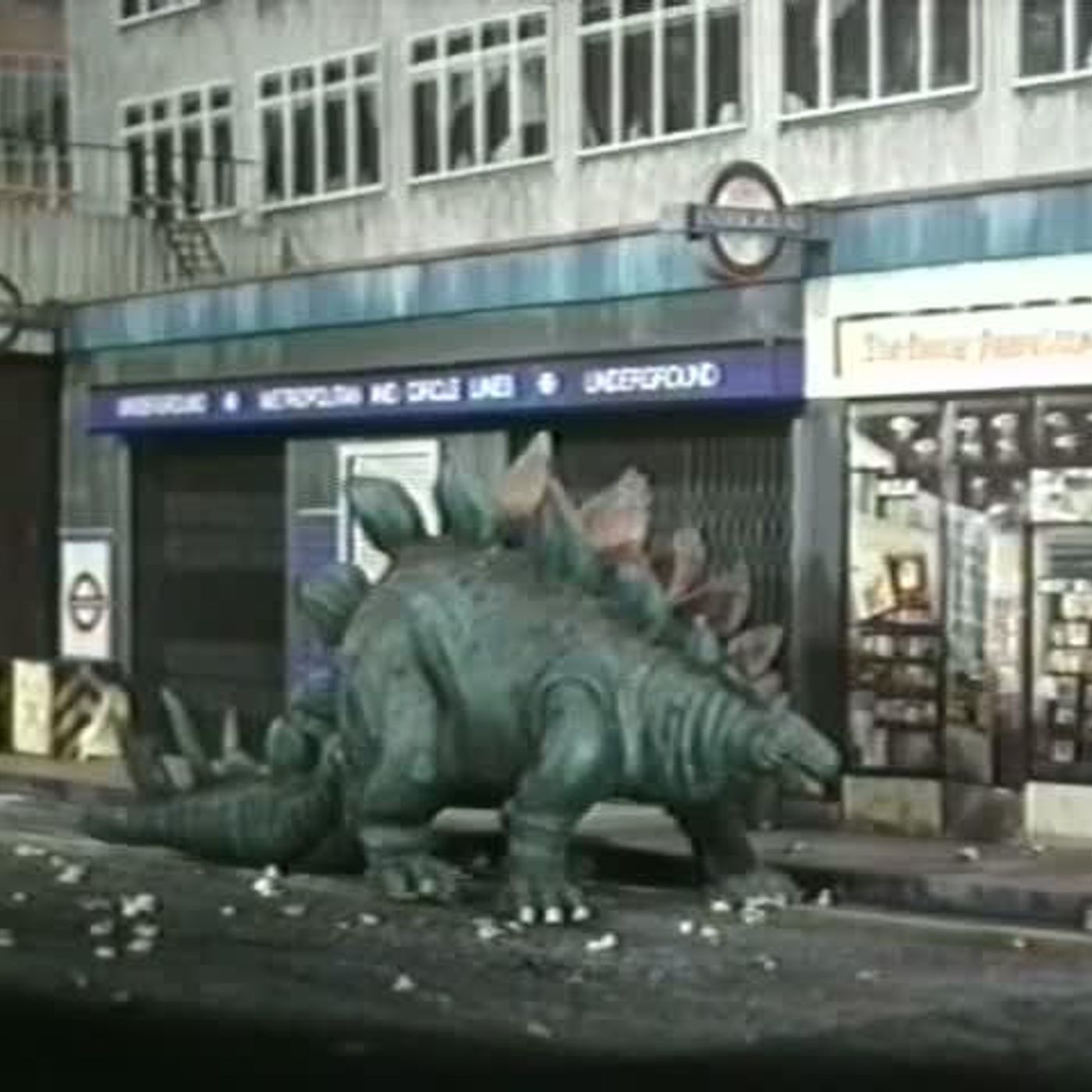 From CSO to space stations: ranking the best and worst of classic Doctor Who effects | Christian, Brian, and James dive into the complex, hodgepodge world of special effects in Classic Doctor Who. From the creative ingenuity required to mask limited budgets to the philosophical debate between practical effects and modern CGI, the team explores what makes certain classic effects timeless while others fall short.Key Discussion Points: The Art of "Classic" FX: Discussion on why classic Doctor Who effects often feel more engaging than seamless modern CGI, specifically the audience's enjoyment in understanding the "how-to" behind the curtain. Practical vs. CGI: Why practical effects, such as elaborate alien suits, maintained a sense of reality through consistent lighting and physical interaction, whereas some modern CGI struggles with aging and believability. The "Rubber Nose" Trope: Examining the shift in alien design from elaborate, ambitious suits to the more common Star Trek: TNG-inspired humanoid-with-a-prosthetic approach, and whether this was due to budget constraints, audience expectations, or actor comfort. CSO (Chroma Key) Analysis: A deep dive into the use of CSO in Classic Doctor Who, highlighting the technical ambition of stories like Underworld—despite its flaws—and comparing it to the near-seamless work in Silver Nemesis. The Best and Worst Effects: We offer our thoughts on what are the best and worst special effects in classic Doctor Who. Let us know what you think, as we really only skimmed the surface in this episode. Plus, there is also mention of: Doctor Who: Death to the Daleks, Silver Nemesis, The Five Doctors, Underworld, Revenge of the Cybermen, Invasion of the Dinosaurs, Trial of a Time Lord. Blake’s 7: Discussion on the recent release with updated VFX. Star Trek: Comparisons between its alien designs and the riskier, more varied approach taken by Doctor Who. Random Acts of Hopkirk (Deceased): Tom Baker’s interaction with extensive green screen work. Thanks for watching, and don't forget, joining our Patreon as a paid subscriber gives you access to the Kasterborous Archive, a growing collection of material that was either unused, or forgotten, from the days of the old Kasterborous website. | 1h 09m 40s | ||||||
| 6/10/26 | 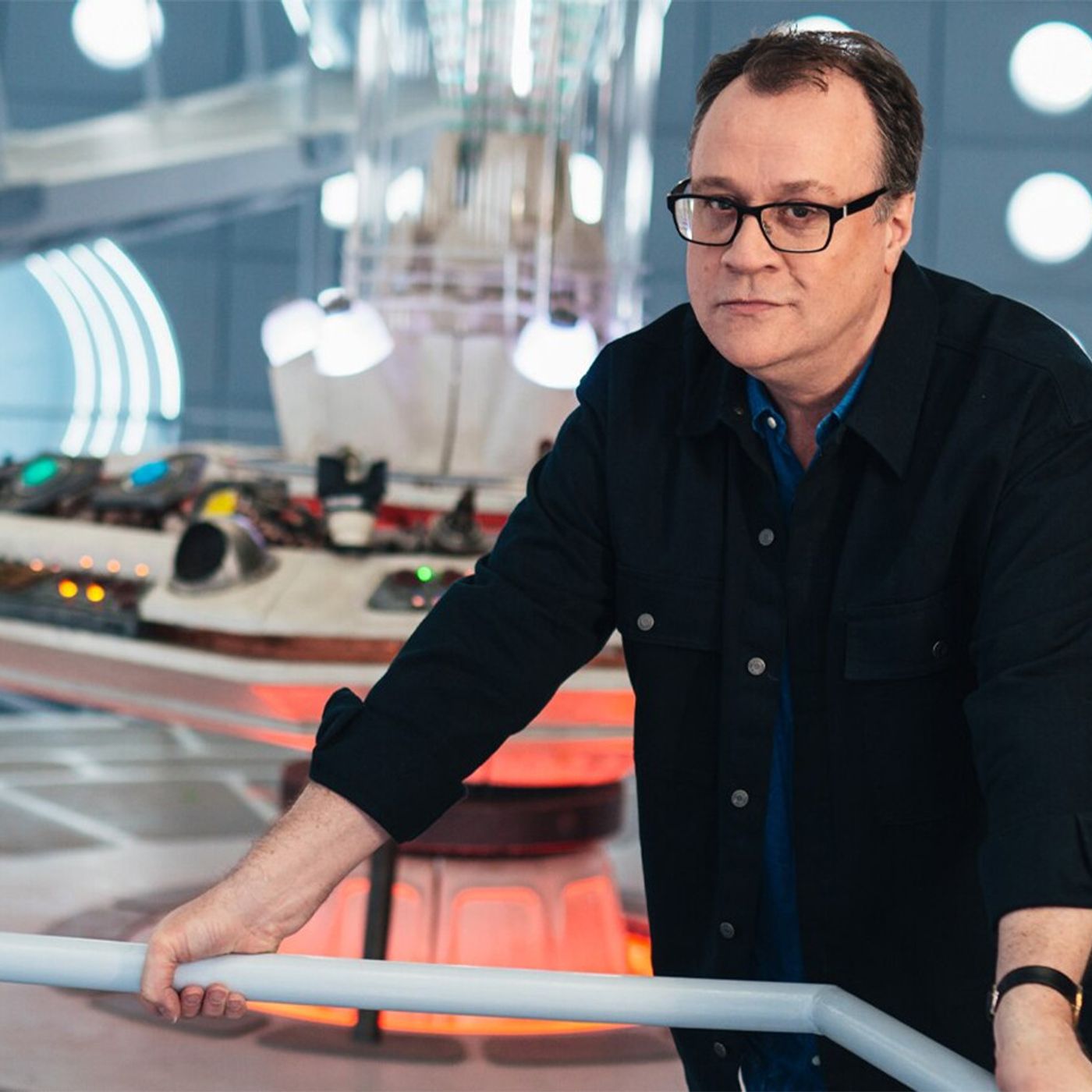 The end of an era: Russell T Davies out, no 2026 Christmas special, and a new future for Doctor Who | The TARDIS is changing hands—or at least, the keys might be. In a massive shake-up, the BBC has officially put Doctor Who out to tender, signaling a potential end to the current Russell T Davies era. While the show is far from cancelled, the search for a new production house to take the helm has sent shockwaves through the fandom.Join Christian Cawley and James McLean as they break down the implications of this news. What does it mean for the future of the series? Could this open the door for a radical creative shift, or are we looking at a period of uncertainty as the show prepares for its next phase?We also weigh in on whether the festive hiatus is a temporary blip or a sign that the BBC’s priorities are shifting away from appointment viewing.Tune in as we dissect the headlines and try to make sense of one of the biggest Doctor Who news stories of the year.As ever, let us know what you think. | 27m 48s | ||||||
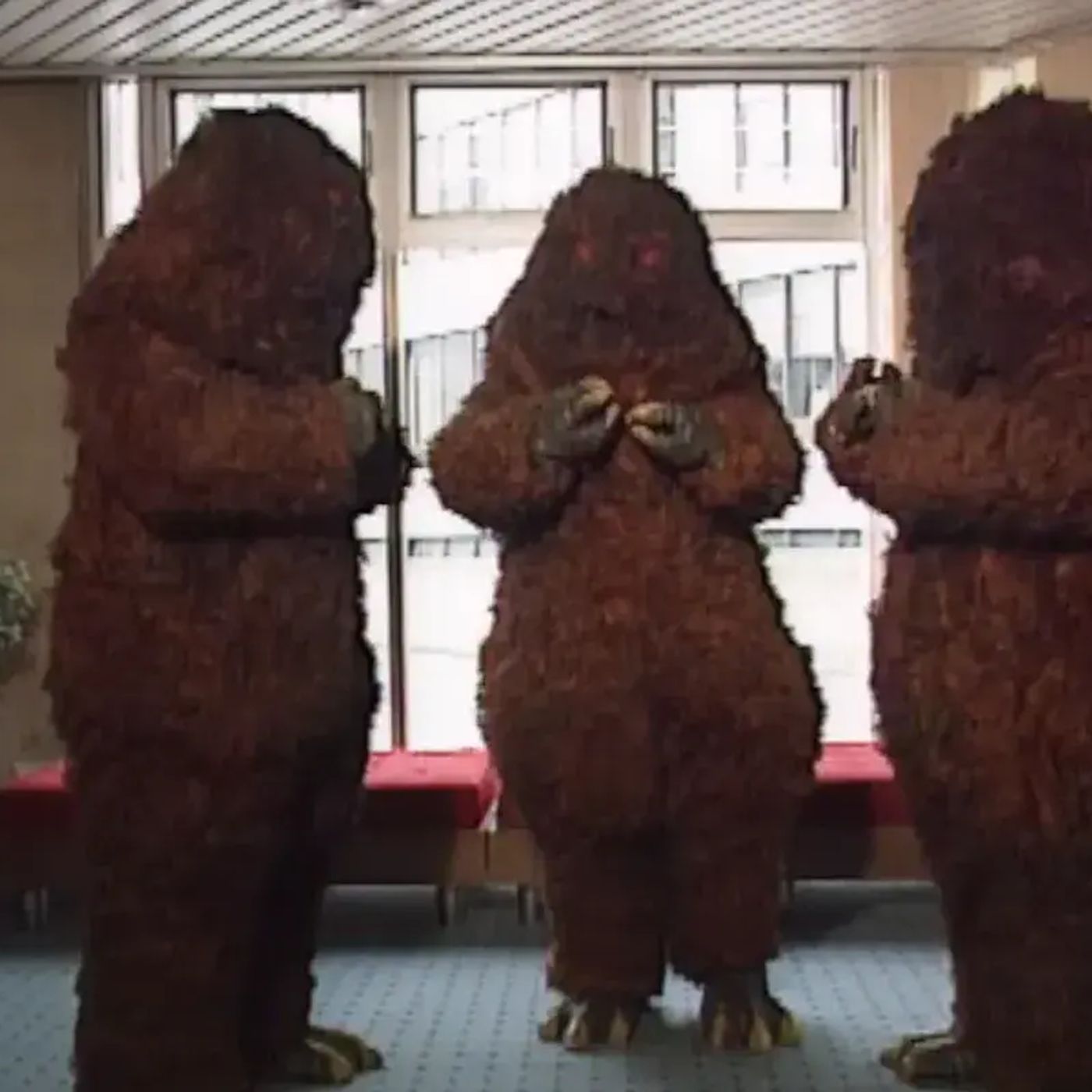
| 6/5/26 | 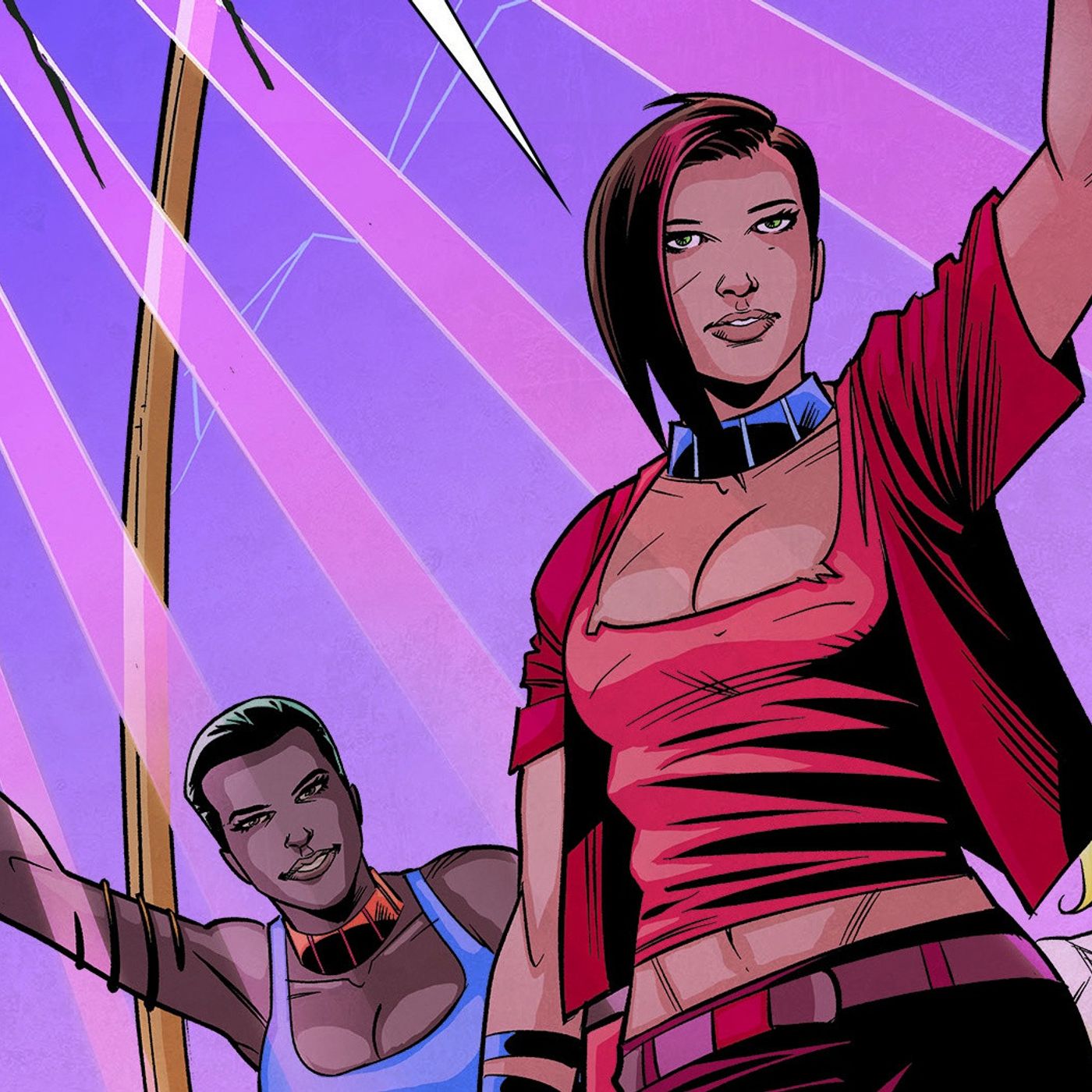 Stephen Wyatt returns to Paradise Towers in a brand-new comic project | This week on Kasterborous, Christian chats with Gareth Kavanagh about the latest Kickstarter from Cutaway Comics, Paradise Towers: Unalive the Multiverse.Returning to the neon-soaked world of Doctor Who's classic 1987 story Paradise Towers, the new graphic novel continues the adventures of the Kangs, Rezzies, and Caretakers as a fresh threat emerges from across the multiverse. The project is written by Sean Mason and builds on Cutaway's previous Paradise Towers comics. Visit the Paradise Towers: Unalive the Multiverse Kickstarter.Christian and Gareth discuss: Why Paradise Towers remains such a rich setting nearly 40 years after its television debut The development of Unalive the Multiverse Cutaway Comics' approach to expanding corners of the Doctor Who universe The continuing involvement of original Paradise Towers creator Stephen Wyatt Wyatt's first-ever comic strip, Scary Cat, created especially for this project The importance of creating opportunities for new comic creators The search for a brand-new artist to illustrate Wyatt's story, following Cutaway's tradition of helping emerging talent break into professional comics As Gareth explains, the artist search mirrors the process that originally brought artist Silvano Beltramo into the Paradise Towers range, demonstrating Cutaway Comics' commitment to discovering fresh talent.Also in this episodeAfter the interview, Christian takes viewers on a brief tour of the growing Kasterborous Archive on Patreon, showcasing some of the exclusive material available to supporters, including vintage podcast episodes, interviews, video content, and other treasures from nearly two decades of Kasterborous productions.Links Paradise Towers: Unalive the Multiverse Kickstarter Cutaway Comics official website Kasterborous on Patreon Build high for happiness — and watch out for multiversal murder squads! | 36m 01s | ||||||
| 5/30/26 |  Is Doctor Who actually cancelled? | You cannot have helped but notice that rumours are swirling about the future of Doctor Who, with tabloid reports suggesting that next year’s series and the 2026 Christmas special are facing cancellation. We dig into the reality behind these headlines, the struggle to find the next Time Lord, and why the current climate of “content saturation” is creating such an atmosphere of uncertainty.Quick TL;DR -- we don’t buy the “no one wants to play the Doctor” schtick, and nor should you.This chat does interrupt previously-scheduled chat about Mind Warp. We will be picking this up soon, but wanted to catch up on the latest news.Episode HighlightsHere’s what we actually cover this week: The comfort of the classics: Why we’re finding more affection for classic Doctor Who than the modern era. Is it nostalgia, or does the scarcity of the old episodes simply make them more precious? Panini stickers and the 1980s: A trip down memory lane. We discuss the joys of completing sticker albums—from Return of the Jedi to Transformers—and how they served as a vital, physical conduit to films in an era before on-demand viewing. Cutaway Comics and the Paradise Towers revival: We look at the new Unlive the Multiverse graphic novel and the exciting open artist competition for Scary Cat. Could this be the perfect time for a resurgence in spin-off material? Ncuti Gatwa on SNL UK: Thoughts on the recent Saturday Night Live monologue and why the current discourse surrounding Doctor Who feels like it’s being played for laughs. The cancellation rumours: Addressing the recent reports in The Sun and Radio Times. We break down why the “unnamed insider” narrative is often misleading and discuss the broader implications of the BBC’s current “uncertainty” era. Links and resources Cutaway Comics: Explore their library and find out more about their current projects and artist opportunities. The Doctor Who Companion: Our favourite Doctor Who online magazine. Join the Kasterborous Archive: Our Patreon is a collection of lost, forgotten, overlooked, and unheard interviews, features, and curios from 20+ years of writing and talking about Doctor Who Help us climb the charts! We are on a mission to raise our profile on Apple Podcasts, and we can’t do it without you.If you enjoy what we do, please leave a review.It takes 30 seconds but makes a massive difference in helping new listeners find us. While you’re there, make sure you’re subscribed so you never miss a drop.Not on Apple Podcasts? No problem. You can still help us grow. Leave a review on your platform of choice and send us the link via X/Twitter, Facebook, or directly to [email protected]. We’ll make sure to give you a shout-out in a future episode as a thank you for your support.Thanks! | 1h 02m 03s | ||||||
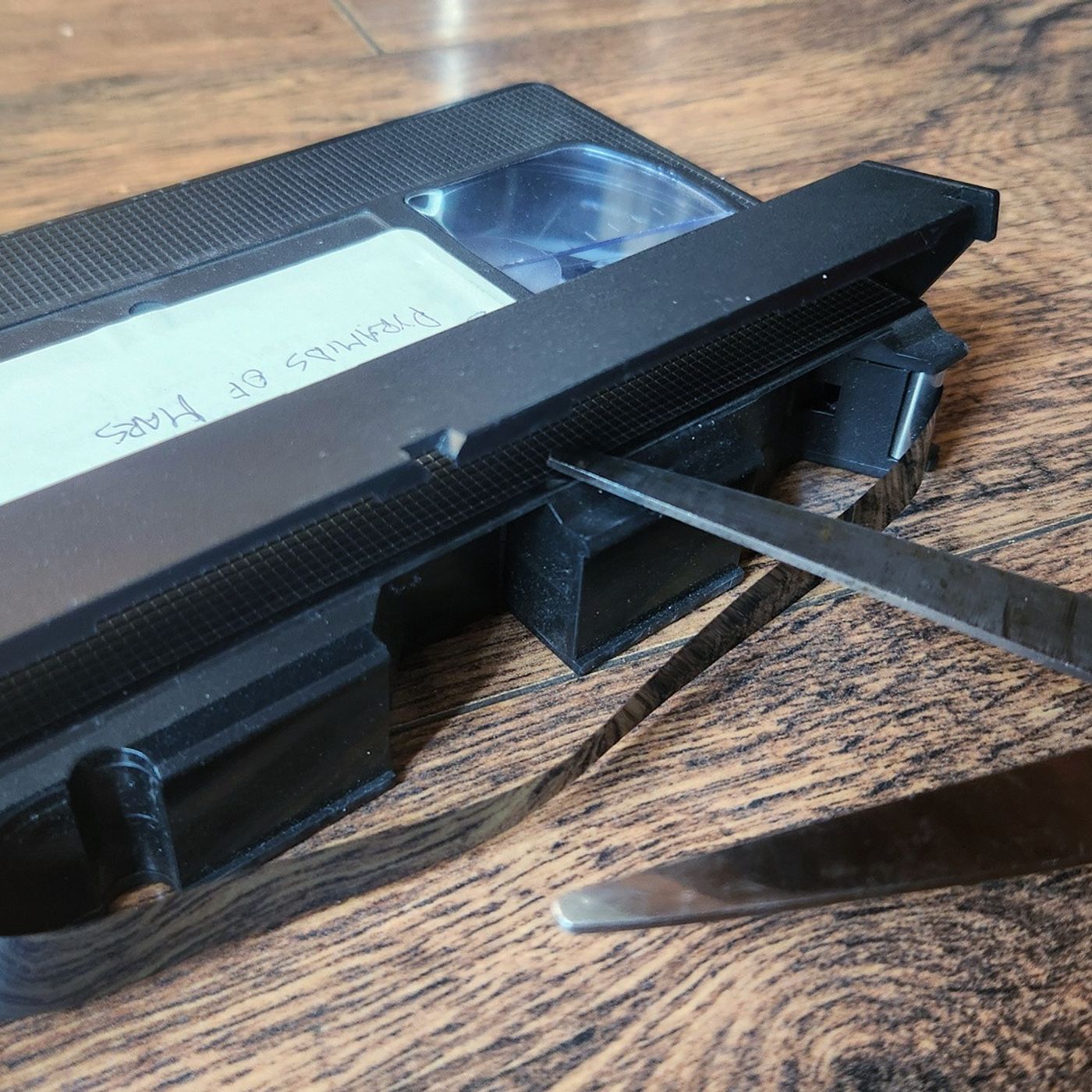
| 5/28/26 |  Forget the forgettable: Revisiting The Mysterious Planet finale | Christian Cawley and James McLean reach the final episode of The Mysterious Planet — and by this point, the commentary itself may be more entertaining than the serial under discussion. As the pair pick apart collapsing pacing, endless corridors, meaningless courtroom interruptions, and the baffling lack of anything recognisably “Earth-like” about Ravalox, the conversation expands into a broader discussion about Doctor Who itself: companion writing, Colin Baker’s wasted strengths, the failures of Trial of a Time Lord as a format, and whether the season could have worked better as a genuine deconstruction of the Doctor. There’s nostalgia for VHS culture, comparisons with The Daleks’ Master Plan, frustration over Peri’s lack of agency, and a surprisingly thoughtful debate about why some companions endure while others become little more than plot devices. By the end, the hosts are already bracing themselves for Mind Warp — and wondering if the real trial was the episodes they watched along the way.Join the Kasterborous Archive and influence topics for future shows.Help us climb the charts! We are on a mission to raise our profile on Apple Podcasts, and we can’t do it without you. If you enjoy what we do, please leave a review.It takes 30 seconds but makes a massive difference in helping new listeners find us. While you’re there, make sure you’re subscribed so you never miss a drop.Not on Apple Podcasts? No problem. You can still help us grow. Leave a review on your platform of choice and send us the link via X/Twitter, Facebook, or directly to [email protected]. We’ll make sure to give you a shout-out in a future episode as a thank you for your support.Thanks!What do you think of the Sixth Doctor's final stand? Let us know in the comments. | 28m 17s | ||||||


Showing 25 of 500
Pitch Fit is a Pro feature
See how bookable this show is for guests, which brands already advertise, the per-episode ad value, and the best-fit guest and sponsor profile. The numbers are blurred on the free plan.
How readily this show books outside guests like you.
How proven this show is for host-read sponsorships.
For Guests
ProFor Advertisers
ProUpgrade to Pro to unlock guest cadence, sponsor categories, fit scores, and per-episode ad value for this show.
Similar Audience Demographics
Podcasts that attract a similar listener profile

Doctor Who: Radio Free Skaro
The Three Who Rule

The Doctor Who Show
The Doctor Who Show

The Doctor Who Podcast
The Doctor Who Podcast

Pull To Open: A Random Doctor Who Podcast
Pete Pachal and Chris Taylor

Doctor Who: We're All Stories in the End
Iain Martin

Doctor Who: Too Hot For TV
Doctor Who: Too Hot For TV

Strangers in Space
StrangersCast
Chart history for Kasterborous Classic TV: Exploring Doctor Who & Classic Sci-Fi
Peaked at #80 in AE, currently #80 in AE.
| Market | Genre | Peak | Current | Trend |
|---|---|---|---|---|
| AE | — | #80 | #80 | — |
| France | — | #118 | #118 | — |
| United Kingdom | — | #172 | #172 | — |
Chart Positions
3 placements across 3 markets.
Chart Positions
3 placements across 3 markets.