

Insights from recent episode analysis
Audience Interest
Podcast Focus
Publishing Consistency
Platform Reach
Insights are generated by CastFox AI using publicly available data, episode content, and proprietary models.
Total monthly reach
Estimated from 2 chart positions in 2 markets.
By chart position
- 🇦🇺AU · Government#7530K to 100K
- 🇬🇧GB · Government#1365K to 30K
- Per-Episode Audience
Est. listeners per new episode within ~30 days
18K to 65K🎙 ~2x weekly·50 episodes·Last published today - Monthly Reach
Unique listeners across all episodes (30 days)
35K to 130K🇦🇺77%🇬🇧23% - Active Followers
Loyal subscribers who consistently listen
14K to 52K
Market Insights
Platform Distribution
Reach across major podcast platforms, updated hourly
Total Followers
—
Total Plays
—
Total Reviews
—
* Data sourced directly from platform APIs and aggregated hourly across all major podcast directories.
On the show
Recent episodes
Two Experts in the Room: How Jess’s Rule is Saving Lives
May 20, 2026
Unknown duration
He went in smiling: From tragedy to a national movement
May 6, 2026
Unknown duration
“The Best Apology Is Changed Behaviour” – Melissa Mead on Sepsis, Loss and Leading Change
Apr 22, 2026
Unknown duration
Hello my name is … Chris Pointon
Apr 8, 2026
Unknown duration
Rethinking Care for Older Adults With Jugdeep Dhesi
Mar 11, 2026
Unknown duration
Social Links & Contact
Official channels & resources
Official Website
Login
RSS Feed
Login
| Date | Episode | Description | Length | ||||||
|---|---|---|---|---|---|---|---|---|---|
| 5/20/26 |  Two Experts in the Room: How Jess’s Rule is Saving Lives | In this deeply moving episode, Matthew Winn speaks with Andrea Brady, mother of Jessica Brady, who died in 2021 at just 27 years old from stage 4 adenocarcinoma of unknown primary — a cancer that had spread throughout her body before it was ever diagnosed. Jess had been a healthy, non-smoking, health-conscious radio frequency engineer who designed satellites for a living. Over five months, she contacted her GP surgery 20 times with escalating and clearly concerning symptoms — a persistent cough, weight loss, night sweats, enlarged lymph nodes, and extreme fatigue. She saw six different GPs, never her named GP, and only had three face-to-face appointments. She was diagnosed with long COVID. When a private referral finally led to a biopsy, the truth was devastating. Jess died just three weeks later. Andrea describes how Jess herself was the driving force behind what followed. Even in hospital, Jess wanted her GP practice to understand what had happened, not through blame, but through awareness. For Andrea, channelling that grief into purpose was the only way forward. As she puts it, the doing cure, a phrase she borrows from author Michael Rosen who also lost a son, was the thing that kept her functioning. What began as a late-night campaign launch became a petition signed by nearly half a million people. After working with the Royal College of GPs, NHS England, and multiple Health Secretaries, Andrea recounts the persistence it took across four years and several ministerial changes— Jess’s Rule was formally implemented in September 2025. The rule establishes that when a patient presents to their GP on a third occasion without resolution, their case should be elevated for review and their symptoms thoroughly investigated, regardless of age or demographic. Andrea is candid about what gets in the way of good care. Unconscious bias is central, the assumption that someone young, healthy and articulate is unlikely to have something seriously wrong. She also highlights how quickly an unsubstantiated diagnosis, like Jess’s long COVID coding, can embed itself in a patient’s record and shape every subsequent consultation. And she references research showing that patients are interrupted, on average, within 17 to 23 seconds of speaking, before they’ve had the chance to fully describe what’s wrong. The Jessica Brady Cedar Trust, which Andrea co-founded in Jess’s name, has partnered with the RCGP to develop a learning module on early cancer diagnosis, funded the printing and distribution of Jess’s Rule posters to GP surgeries across England, and is supporting a three-year project developing an AI diagnostic tool for primary care. Interest in the campaign has now spread internationally, with oncologists and campaigners in Denmark, New Zealand, the United States, Scotland, Wales, and most recently the Isle of Man all making contact. The response from GP practices has been, in Andrea’s words, the most heartening thing. Surgeries emailing patients to express their support, referencing Jess’s Rule on their answerphone messages, and writing to the Trust to ask for more posters. Most powerfully, doctors have told Andrea they thought of Jess during a consultation and called a patient back. As Andrea says, quietly and with real emotion: Jess is doing the job. This episode is a testament to what quiet persistence, integrity, and love can achieve — and a reminder that behind every campaign for change is a family who simply wanted to be listened to. | — | ||||||
| 5/6/26 |  He went in smiling: From tragedy to a national movement | When Dr. John Gerrard went into hospital for a routine procedure, his family did what they were told and stayed away. Within weeks, the man who had been alert, mobile and smiling had lost his speech, his ability to eat, and his will to live. He died within six months. His daughter Nicci Gerrard and her friend Julia Jones asked each other a simple question: if it had been one of our children, would we have allowed ourselves to be turned away? The answer changed everything. In this episode, Julia tells Matthew Winn how that kitchen table conversation became John’s Campaign — a voluntary movement that has reshaped how the NHS thinks about family carers, and why the fight is far from over. | — | ||||||
| 4/22/26 |  “The Best Apology Is Changed Behaviour” – Melissa Mead on Sepsis, Loss and Leading Change | William Mead was a healthy, happy child. He was 17 days past his first birthday when he died from sepsis that should have been caught. His mother Melissa wasn’t listened to. The investigations that followed barely scratched the surface. But Melissa refused to let that be the end of the story. In this episode, she talks with raw honesty about loss, about fighting a system governed by fear, and about why the best apology in healthcare and in leadership is changed behaviour. | — | ||||||
| 4/8/26 |  Hello my name is … Chris Pointon | In this episode, Matthew Winn meets Chris Pointon — the man behind one of healthcare’s most powerful campaigns. Born from a conversation in a hospital side room with his terminally ill wife, Dr Kate Granger, the Hello, My Name Is campaign started with one simple question: why aren’t people introducing themselves? What followed changed millions of patient interactions across the world. With this year marking ten years since Kate’s death, Chris shares the raw, honest story of how two people with very different skills turned a moment of frustration into a global movement — and what he’s learned about leadership, loss, and why the little things matter most. | — | ||||||
| 3/11/26 | 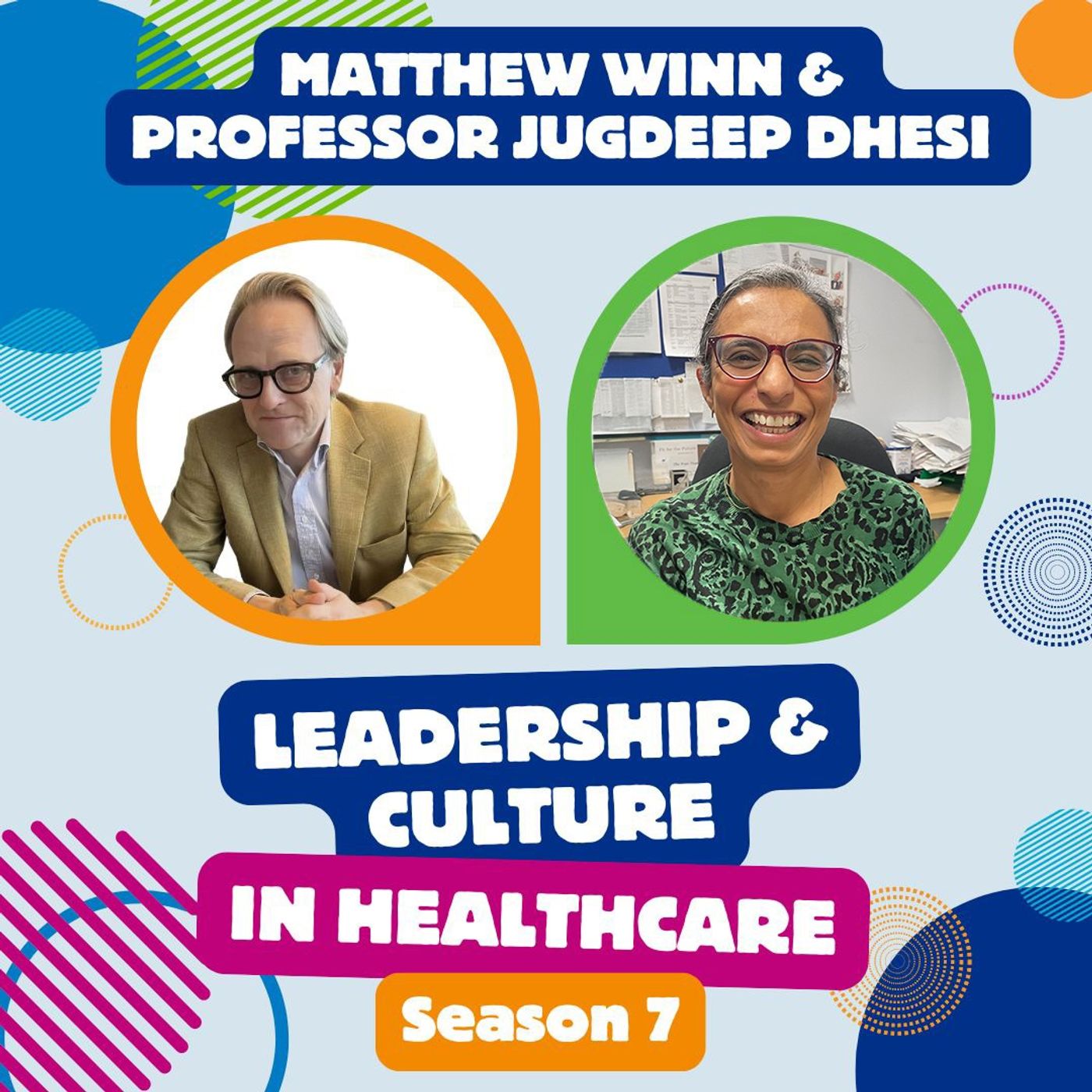 Rethinking Care for Older Adults With Jugdeep Dhesi | Professor Jugdeep Dhesi, President of the British Geriatrics Society, discusses the power of clinical leadership, the future of care for older people, and how evidence, shared decision-making, and compassionate innovation are transforming healthcare. From her journey into geriatric medicine to shaping national policy and driving integrated care, Professor Dhesi shares insights on leading change, challenging ageism, and putting patients at the heart of every decision. | — | ||||||
| 2/25/26 | 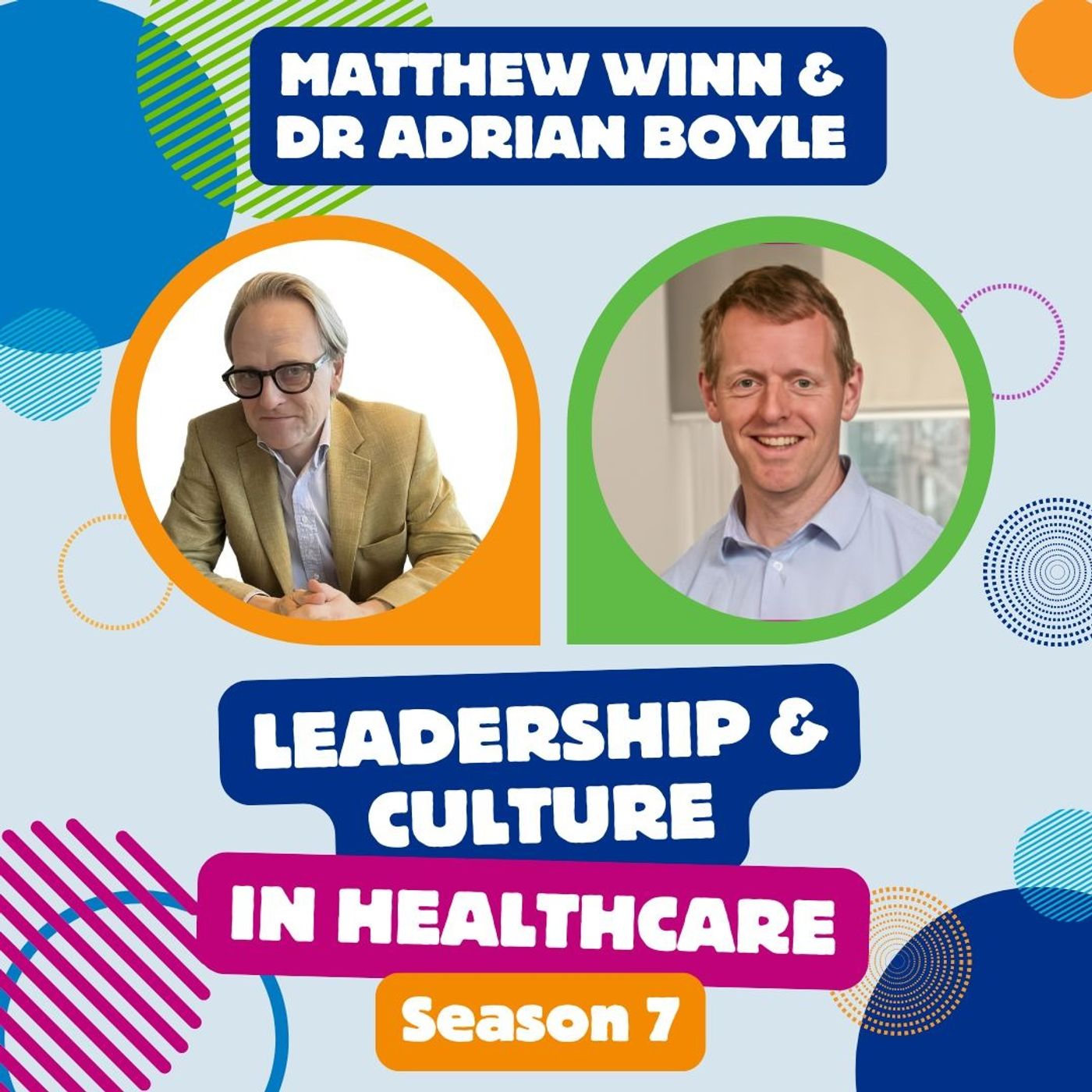 From A&E to Westminster: Inside National Clinical Leadership with Adrian Boyle | In this episode of Leadership and Culture in Healthcare, Matthew Winn speaks with Professor Adrian Boyle, Consultant in Emergency Medicine and former President of the Royal College of Emergency Medicine, about what it truly means to lead clinically at a national level. Adrian reflects on the realities of representing a profession under intense political, media, and public scrutiny, highlighting the careful judgement required to speak out without causing unintended harm to patients or the system. He frames emergency department pressures as a symptom of wider system failure rather than an isolated problem, challenges the NHS tendency towards short-term initiatives over sustained improvement, and emphasises the importance of evidence, credibility, and strategic influence in national leadership. The conversation offers a powerful insight into clinical leadership under pressure and a clear call to clinicians to engage, influence, and help shape the future of emergency care. | — | ||||||
| 2/11/26 | 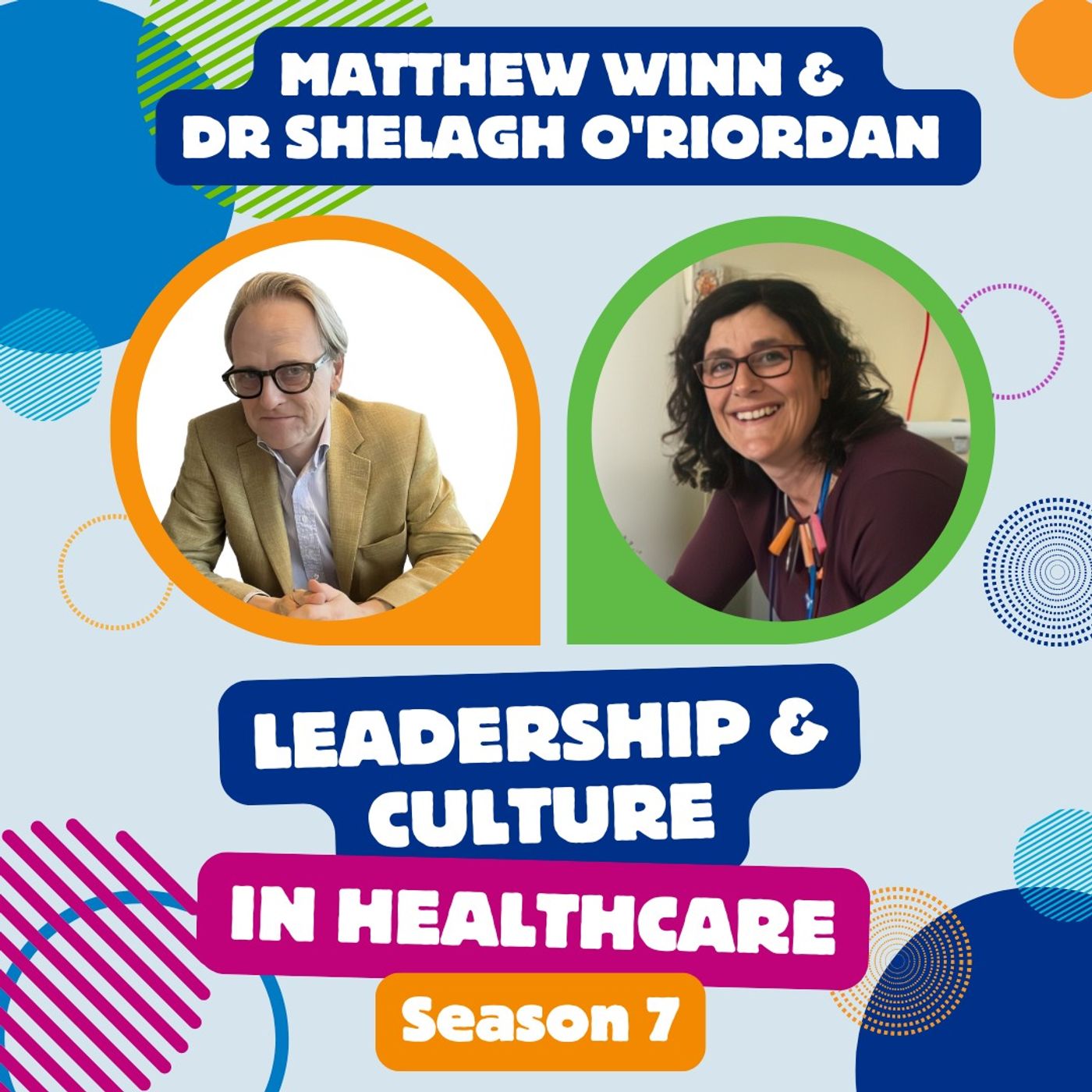 Hospital at Home: Why Frail Patients Do Better Outside Hospital with Shelagh O’Riordan | What if hospital admission itself is the biggest risk for frail older people? In this powerful episode, Dr Shelagh O’Riordan — consultant community geriatrician and President-elect of the UK Hospital at Home Society — challenges long-held assumptions about safety, leadership, and care for older adults. Drawing on a decade of experience running one of the UK’s largest hospital-at-home services, she explains why delivering hospital-level care in people’s homes leads to better outcomes, more honest conversations about dying, and care that truly reflects what patients want. From redefining risk and reshaping national policy, to leading brave multidisciplinary teams and building the next generation of leaders, this conversation is a compelling call to rethink how — and where — we care for those who are frail, within the NHS. | — | ||||||
| 1/28/26 | 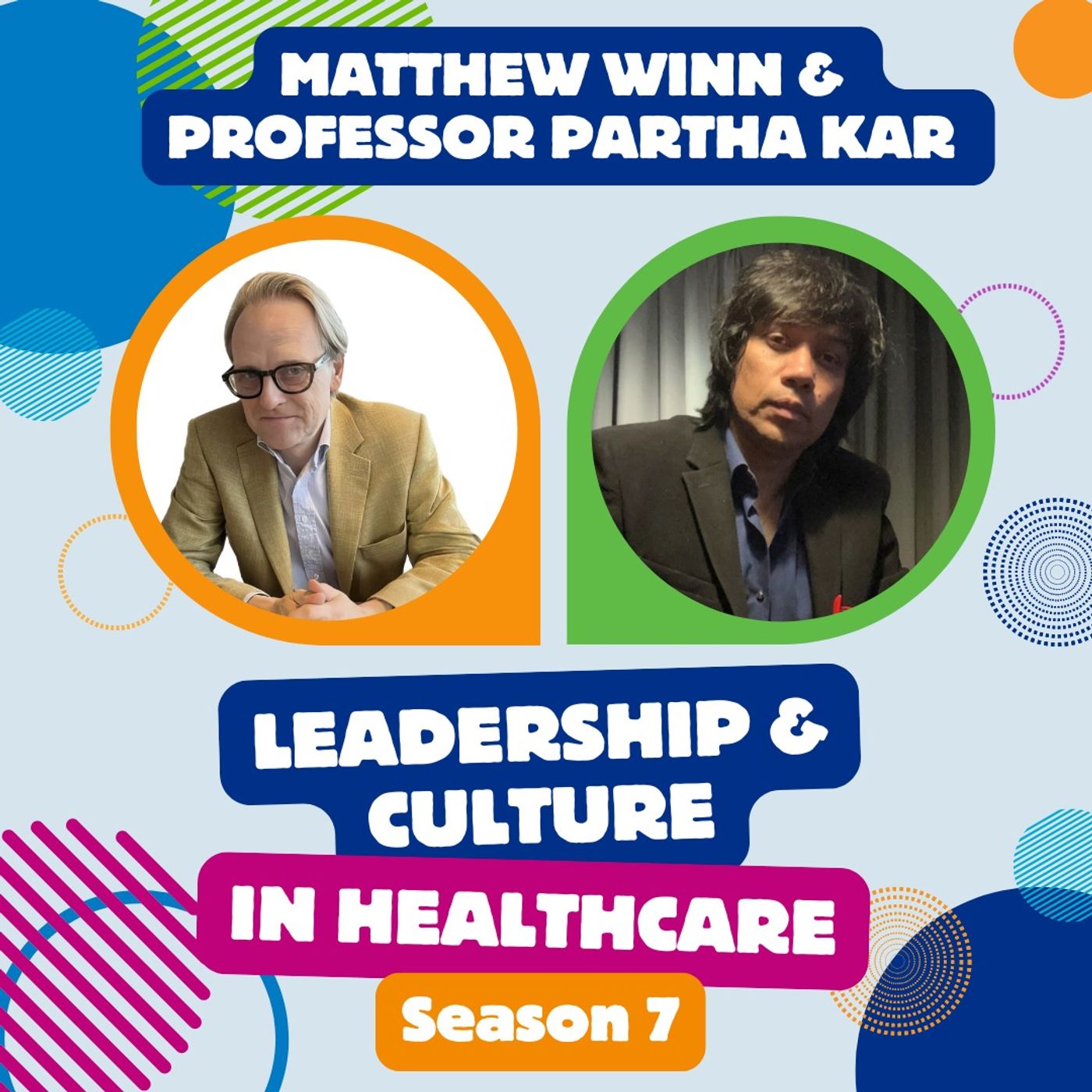 Guides, Not Gatekeepers: Leadership Under Pressure in Healthcare with Partha Kar | Great leadership isn’t about titles or popularity—it’s about what you do when it matters. Drawing on Partha Kar’s experience as a frontline clinician and national leader, this conversation in series 7 of leadership and culture in healthcare cuts to the core of effective leadership in healthcare: have a vision you genuinely believe in, surround yourself with people who are better than you, and take visible accountability when things go wrong. The strongest leaders act as guides, not gatekeepers, protect their teams under pressure, and earn respect through integrity rather than consensus. Culture follows behaviour—and when leaders step forward in difficult moments, trust, performance, and momentum follow too. | — | ||||||
| 1/14/26 | 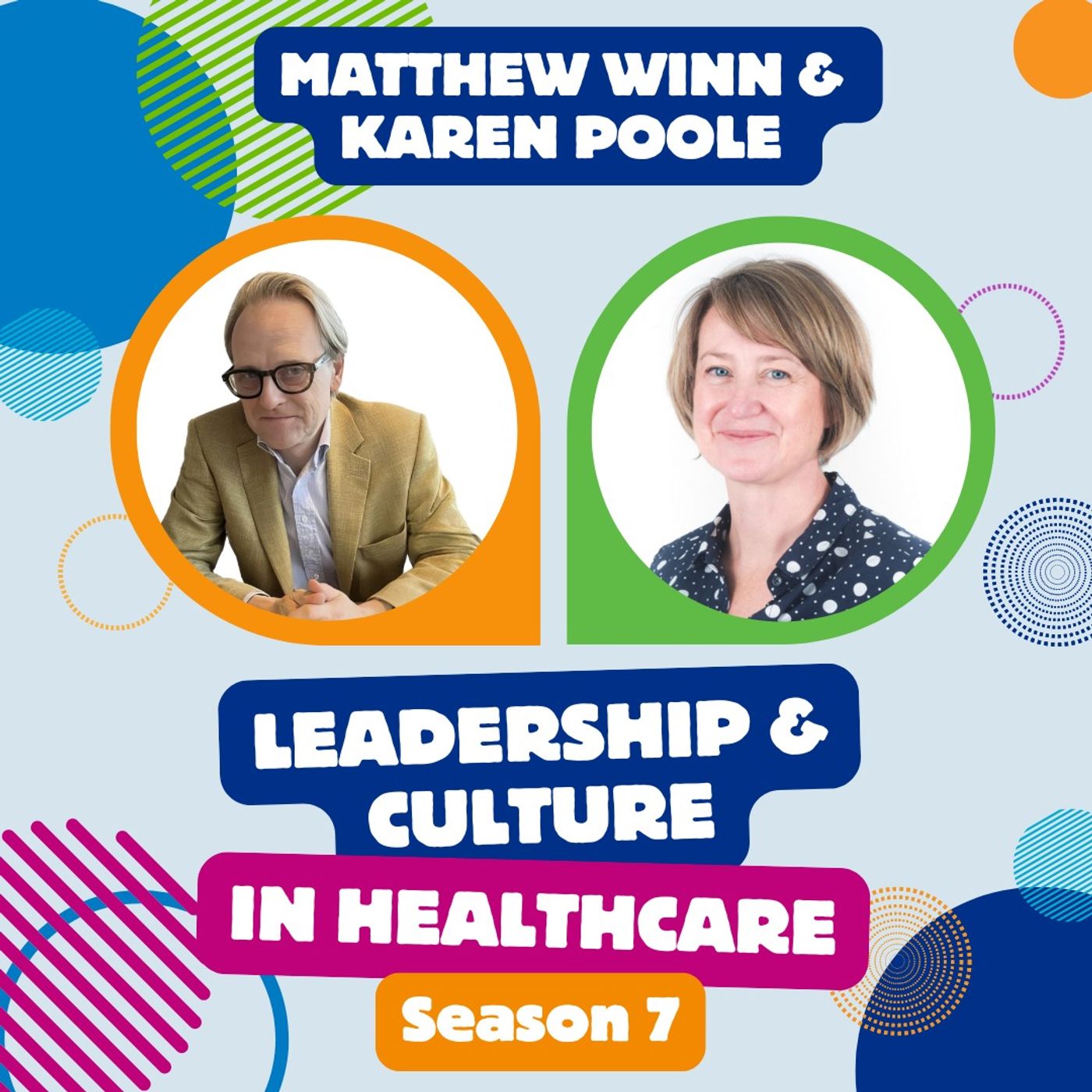 The Power of Clinical Influence, with Karen Poole | Clinical leadership isn’t about job titles — it’s about influence. In this episode, Karen Poole, CSP Influencer of the Year and AHP Rehabilitation Consultant, shares her journey from specialist clinician to system leader, explaining what it really takes to “have a seat at the table” and shape patient care and services. She challenges why allied health professionals — the NHS’s third-largest workforce — still lack clear routes into consultant leadership, and makes a compelling case for stronger succession planning and investment in future clinical leaders. A must-listen for anyone interested in leadership, influence, and the future of healthcare. | — | ||||||
| 12/31/25 | 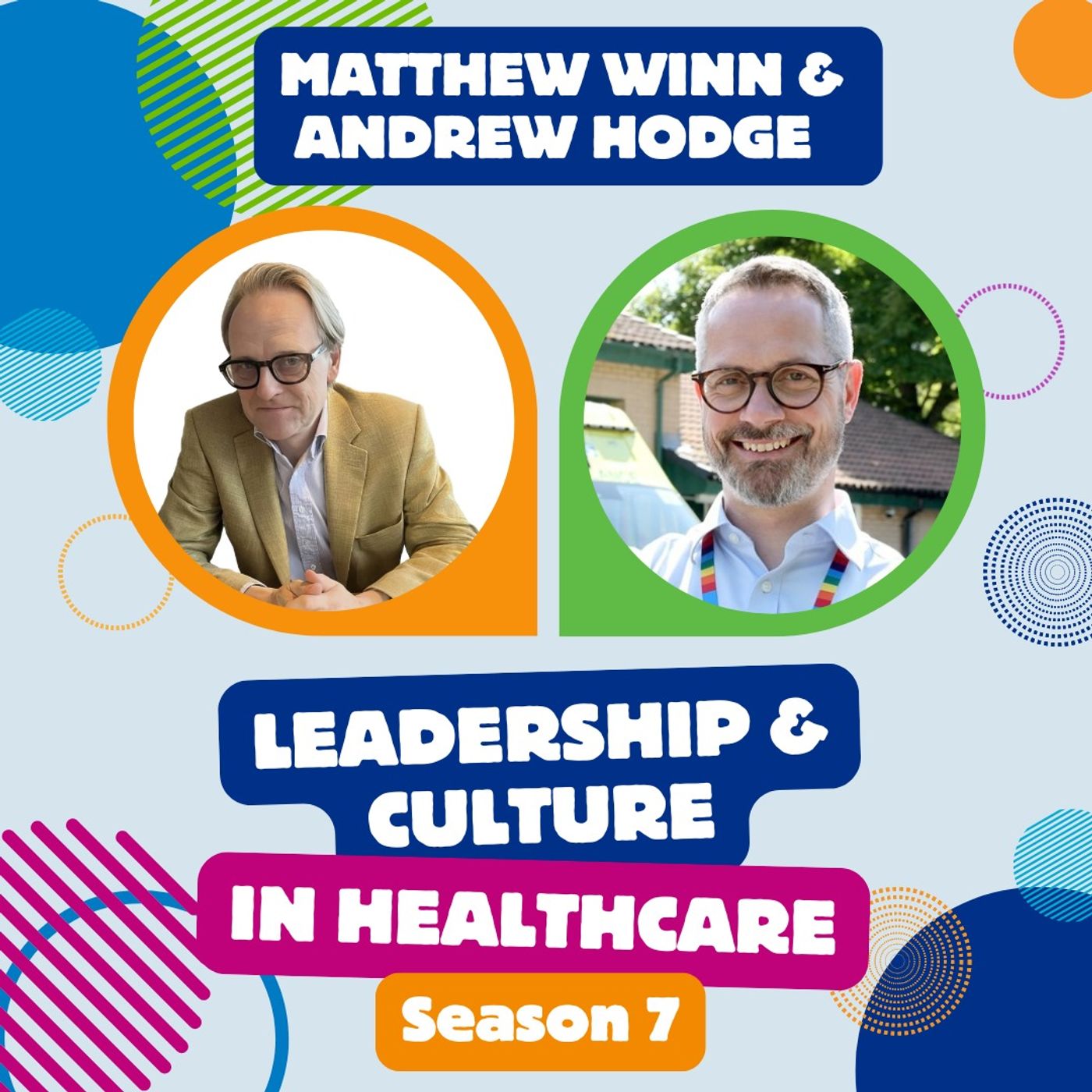 Board clinical leadership with Andrew Hodge | Andrew Hodge emphasizes that clinical leadership is about giving a profession a voice at executive level, influencing system-wide decisions, and shaping culture through openness, learning, and collaboration. Effective leadership grows from broad experience across roles and settings, and the future lies in integrated, multi-professional teams that are flexible and patient-focused. | — | ||||||
Want analysis for the episodes below?Free for Pro Submit a request, we'll have your selected episodes analyzed within an hour. Free, at no cost to you, for Pro users. | |||||||||
| 12/17/25 |  Fist bump moments with Steve Turner | Matthew Winn discussed with Dr Steve Turner, President of the Royal College of Paediatrics and Child Health, about leadership in healthcare and the role of professional colleges. Steve explains how the College sets standards, supports doctors, and advocates for children. He reflects on leadership as being about connection rather than hierarchy, the value of staying clinically grounded, and the importance of creating a supportive, risk-aware culture. The episode closes with a strong message about investing early in children’s lives and keeping young people at the centre of healthcare leadership and policy. | — | ||||||
| 12/3/25 | 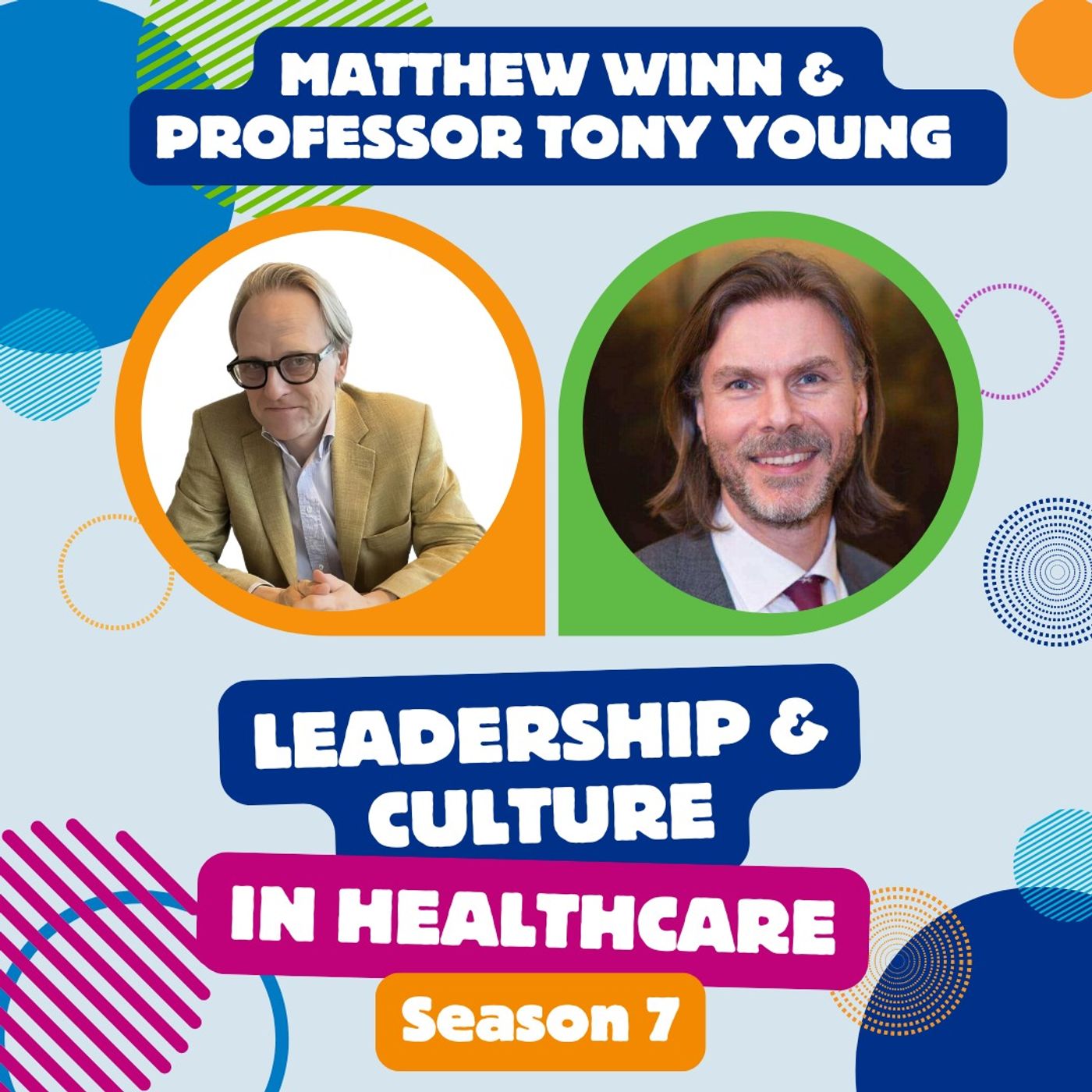 Innovation, hope and leadership with Tony Young | Tony Young, a surgeon, NHS innovation leader, academic, and business director, about how he balances multiple senior roles. Tony explains that his career in healthcare innovation was shaped by early entrepreneurial success and failure, including founding and exiting four companies and learning hard lessons after nearly losing his home. Rather than time management, Tony credits self-awareness, coaching, and values alignment for his effectiveness. Coaching helped him understand how his mind works as a leader and how hidden assumptions shape behaviour. He argues that when leaders align their work with core values—such as fairness, creativity, community, and learning—they gain energy, clarity, and resilience. | — | ||||||
| 8/6/25 | 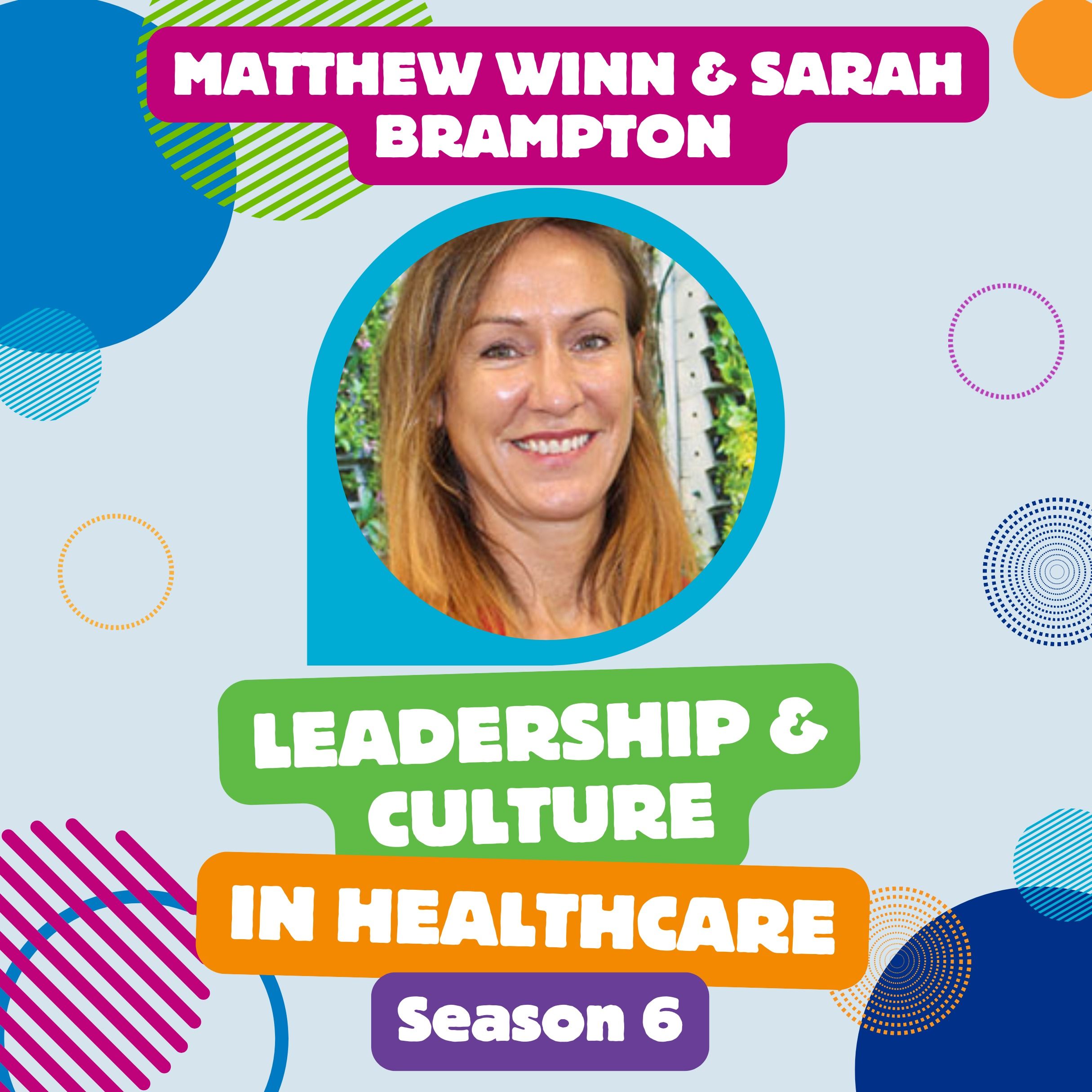 Insights of aspiring CEOs - part two | Sarah Brampton has been on the CEO development programme for the past year and shares her motivations; insights and hopes for leadership and tackles the question - what kind of CEO do you want to be. Spoiler alert - it’s about leadership! Matthew Winn, podcast host and an experienced leader in healthcare in the UK. | — | ||||||
| 7/23/25 | 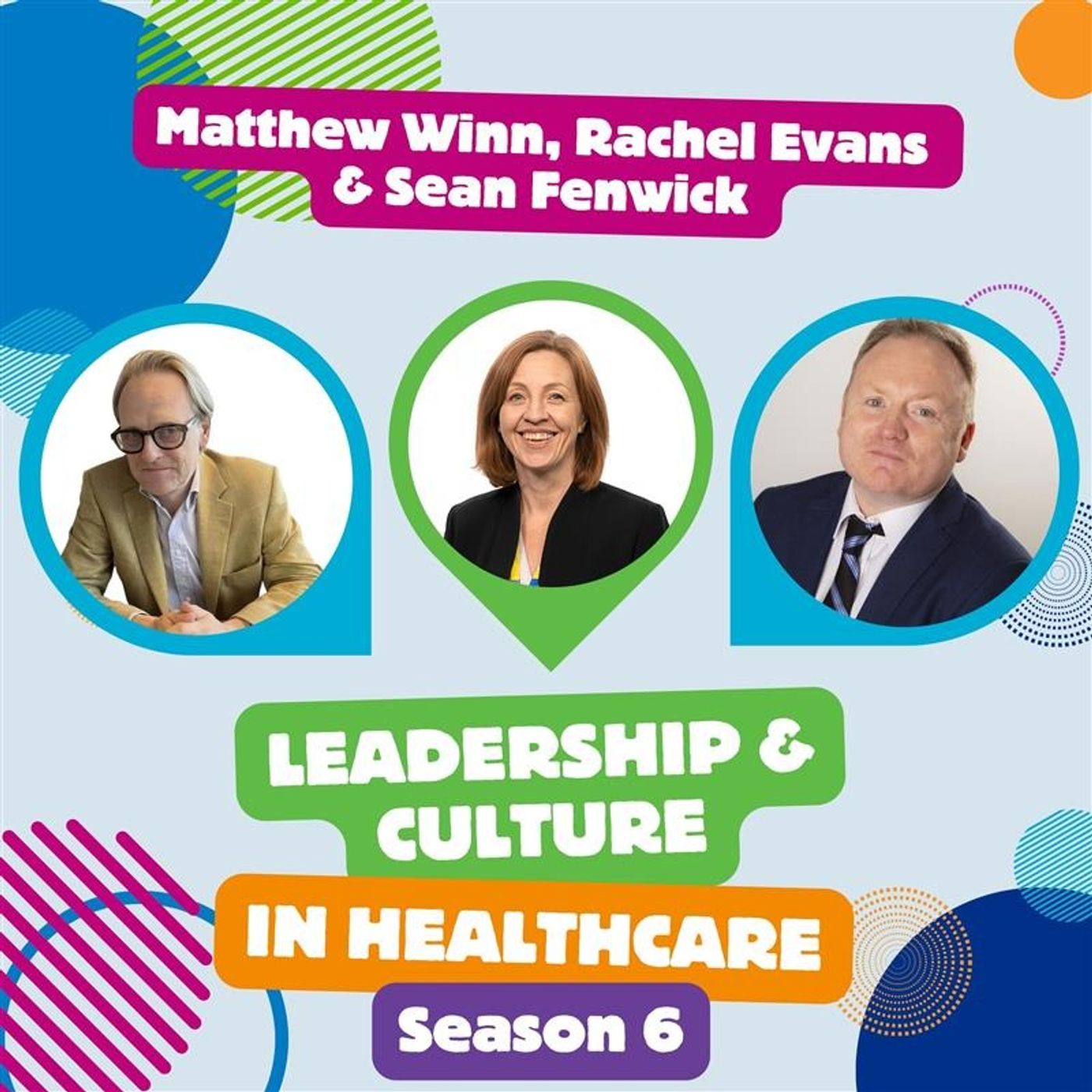 Insights of aspiring CEOs - part one | The NHS aspiring chief executive programme develops leaders to be ready to take on accountable officer roles, through a structured development programme. Rachel Evans and Sean Fenwick share their insights into their development; motivation and aspirations. A great insight into our developing NHS leaders. Matthew Winn, podcast host and an experienced leader in healthcare in the UK. | — | ||||||
| 7/9/25 | 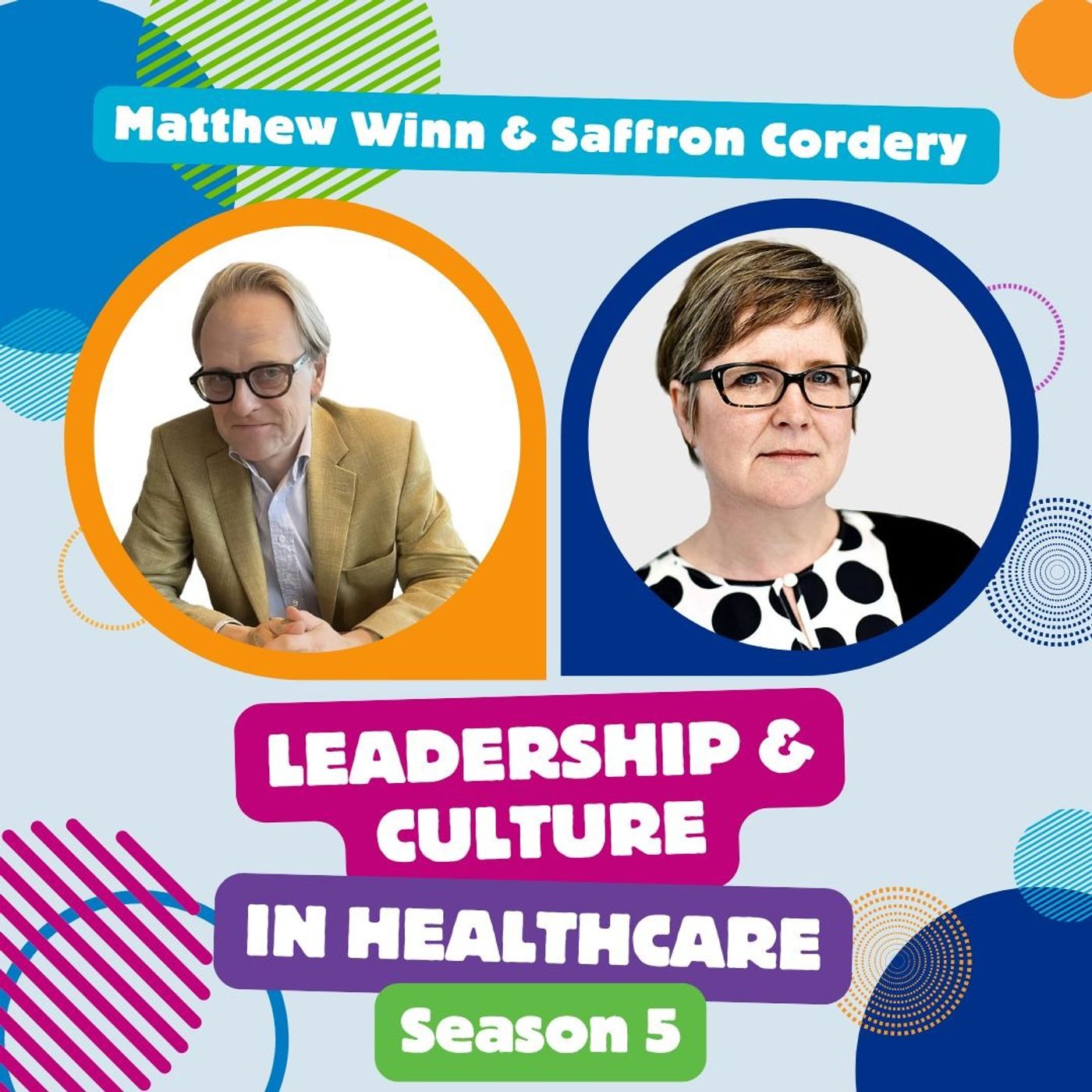 It’s a wrap - on series 5 with Saffron Cordery | Saffron has worked in the most senior roles in NHS Providers over the past 18 years and is therefore well placed to comment on the structure, effectiveness of the provider sector in the NHS and digest some of the themes coming out of the 10 year health plan for England. | — | ||||||
| 6/25/25 | 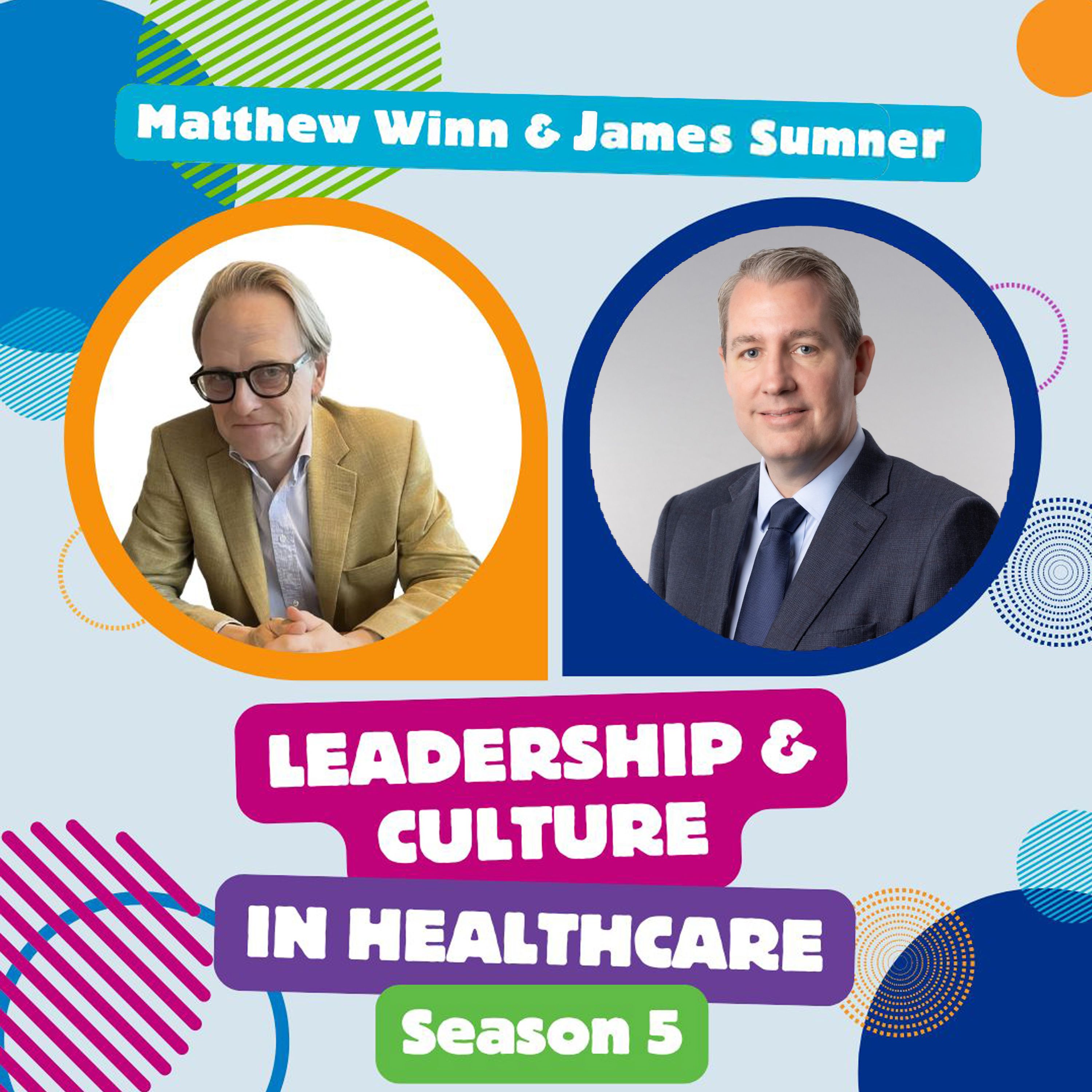 Risk, devolution and leadership with James Sumner | James Sumner leads a Group of hospital Trusts in Liverpool and I focussed on improving services and outcomes for the population. He shared his approach to leadership and how they have developed their way of ensuing sites are excellent and the Group flourishes. | — | ||||||
| 6/11/25 |  The Barts way with Shane DeGaris | Shane DeGaris describes the approach taken to lead in Barts Health; the Group arrangements that were formed and then unravelled and the legacy of a strong acute care collaborative. | — | ||||||
| 5/28/25 | 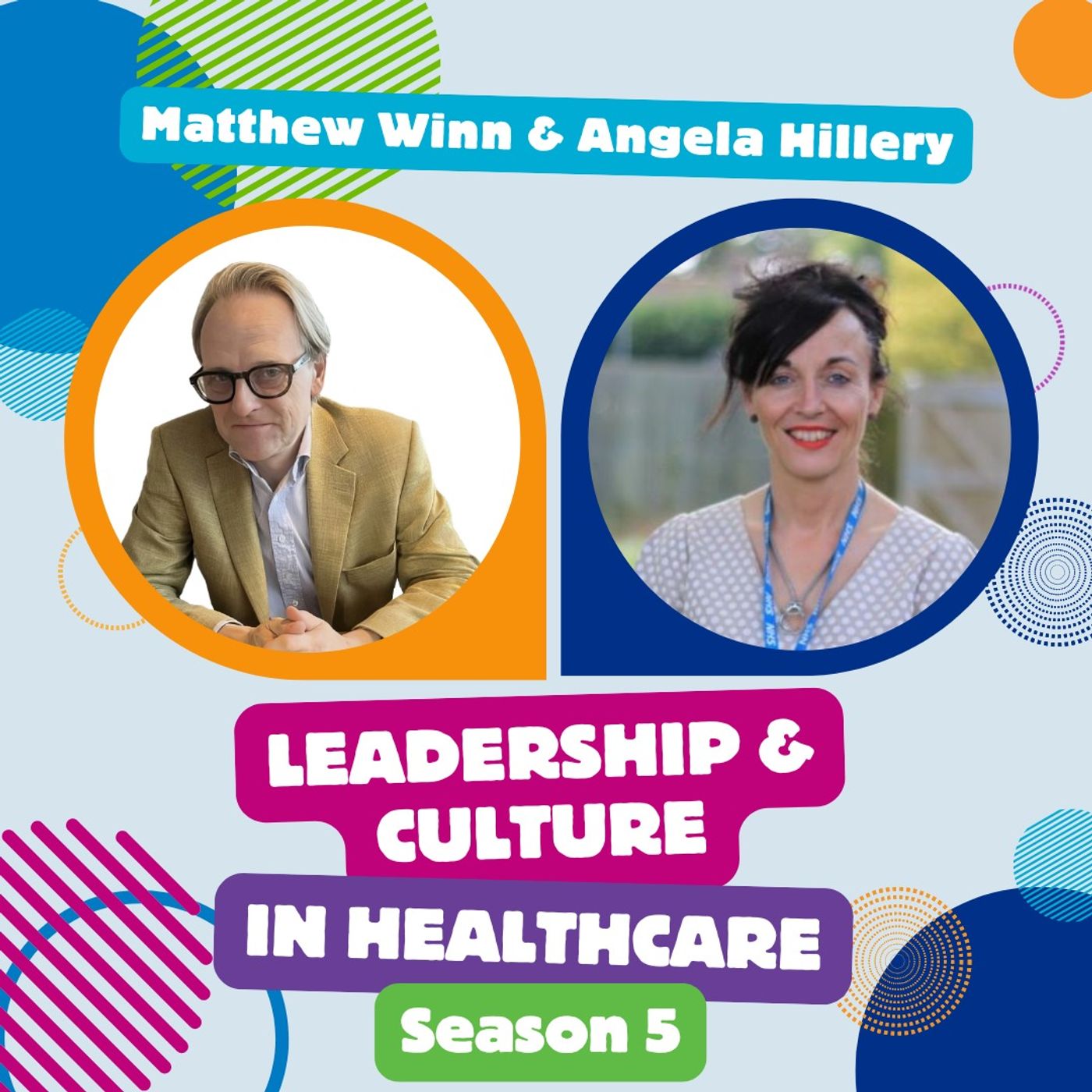 Collaborating across boundaries with Angela Hillery | Working across Leicestershire Partnership NHS Trust and Northamptonshire Healthcare NHS Foundation Trust - Angela has led the two organisation separately and jointly, where it makes sense. Listen to her experiences and the journey of collaboration the two Trusts have been on together. | — | ||||||
| 5/14/25 |  Two hospitals - one Trust with David Carter | Developing a single Trust working across two sites, with cross site leadership has been the work of David Carter and his team since 2019. The podcast explores why they developed a merged organisation and how they have achieved a successful multi site acute organisation. | — | ||||||
| 4/30/25 |  Hospitals in a group with Maria Kane | Maria leads a hospital group delivering care from three large sites in the south west of England. In this episode Maria explains how the Group came together; how it works and the challenges for leadership. | — | ||||||
| 4/16/25 |  Mergers and integration with Nick Hulme | Bringing together two hospital Trusts is a tough process - even more when one is under huge regulatory pressure. Nick explain the development of his Trust covering two sizeable hospitals and community heath service integration. Matthew Winn, podcast host and an experienced leader in healthcare in the UK. | — | ||||||
| 4/2/25 |  Working as peers in a group with Glen Burley | The Foundation Group comprises 4 NHS organisations voluntarily working together to improve care. Glen Burley, as Group CEO discusses how the model has evolved and the challenges for leadership. | — | ||||||
| 3/19/25 |  Local Government oversight with Mark Lloyd | Series 4 has heard from chief executives from Local Government - Mark Lloyd summarises the series and gives his insight into leadership | — | ||||||
| 3/5/25 |  Introduction to series 5 - groups and mergers | Introduction to series 5 - exploring the growing use of “groups’ as a vehicles to lead NHS organisations, compared to organisations that have merged. | — | ||||||
| 2/5/25 |  Similarities and differences with Stephen Moir | As an experienced executive who has worked in the NHS and local grove ent - Stephen explains how it worked, the differences, similarities and symmetry. | — | ||||||
Showing 25 of 53
Sponsor Intelligence
Sign in to see which brands sponsor this podcast, their ad offers, and promo codes.
Chart Positions
2 placements across 2 markets.
Chart Positions
2 placements across 2 markets.