

Insights from recent episode analysis
Audience Interest
Podcast Focus
Publishing Consistency
Platform Reach
Insights are generated by CastFox AI using publicly available data, episode content, and proprietary models.
Total monthly reach
Estimated from 12 chart positions in 12 markets.
By chart position
- 🇦🇺AU · Buddhism#1175K to 30K
- 🇩🇪DE · Buddhism#1225K to 30K
- 🇨🇦CA · Buddhism#1635K to 30K
- 🇲🇽MX · Buddhism#20100K to 300K
- 🇧🇷BR · Buddhism#2230K to 100K
- Per-Episode Audience
Est. listeners per new episode within ~30 days
97K to 320K🎙 Weekly cadence·456 episodes·Last published yesterday - Monthly Reach
Unique listeners across all episodes (30 days)
194K to 640K🇲🇽47%🇧🇷16%🇦🇺5%+9 more - Active Followers
Loyal subscribers who consistently listen
58K to 192K
Market Insights
Platform Distribution
Reach across major podcast platforms, updated hourly
Total Followers
—
Total Plays
—
Total Reviews
—
* Data sourced directly from platform APIs and aggregated hourly across all major podcast directories.
On the show
Recent episodes
Under the Heavens and on the Earth — April 7, 2026 — Dharma Talk
Jun 28, 2026
Unknown duration
Holding Your Seat — March 17, 2026 — Dharma Talk
Jun 21, 2026
Unknown duration
The Third Treasure — March 10, 2026 — Dharma Talk
Jun 14, 2026
Unknown duration
Nirvana — February 24, 2026
Jun 7, 2026
Unknown duration
Sangemon — February 3, 2026
May 31, 2026
Unknown duration
Social Links & Contact
Official channels & resources
Official Website
Login
RSS Feed
Login
| Date | Episode | Description | Length | ||||||
|---|---|---|---|---|---|---|---|---|---|
| 6/28/26 | Under the Heavens and on the Earth — April 7, 2026 — Dharma Talk | This talk was given on April 7 — the day before Hanamatsuri, the traditional celebration of the Buddha's birthday. I'd been sharing a video that week of newborn lambs at the ecovillage where I live, jumping around within minutes of being born. Nearly everyone said the same thing: it's amazing how much they can do right away. People don't do that. Except — maybe we do. The story of the Buddha's birth says that after he was born, he stood up immediately, took seven steps, pointed one hand to heaven and one to the earth, and declared: "Under the heavens and on the earth, I alone am the world honored one." My teacher always said that was a refined translation. The original was simpler: the cry. The first cry any life makes when it arrives. This talk explores what that declaration is actually pointing to — not a claim of separation or specialness, but the opposite: the recognition of a fundamental nature that belongs to all beings, all tables, all blades of grass. Not something to acquire. Not an edge to gain over others. A ground to be realized. The teaching of pratītyasamutpāda — interdependent co-arising — explains why: this whole cosmos arises together, the way all the waves of an ocean rise together. A wave comparing itself to other waves, trying to take more water from its neighbors — it's absurd. They're all ocean. And at the close: the declaration offered as a koan. Something to walk with. The Living Zen Podcast arises from my teaching work with Zenwest Buddhist Society, a Zen practice community on Vancouver Island. If you love these talks and want to hear them without the ads, come join us on Red Mountain Way on Patreon. Members get every episode ad-free, plus additional teachings and reflections. I'd love to have you there. Another meaningful way to support is simply sharing — passing an episode to someone who needs it. For those seeking one-to-one Zen support, information about my Zen Mentorship work is available through Monarch Trancework. Thank you for listening. Thank you for practicing. | — | ||||||
| 6/21/26 | Holding Your Seat — March 17, 2026 — Dharma Talk | There were daffodils on the altar when I gave this talk — narcissus, named after the figure who fell in love with his own reflection in the pond. It turned out to be exactly the right image for what the practice is. The central metaphor is one I return to often: imagine yourself sitting on the bank of a river. As the body settles, things begin to flow past — thoughts, memories, to-do lists, feelings you didn't know were there. Sometimes a gentle leaf. Sometimes something much harder. The first real work of practice is simply learning to hold your seat. Not grabbing what comes (figuring this out, fixing this, engaging with this). Not running from what's too hard to face. Just sitting here. Watching. What develops through this practice, over time, is spaciousness. A gap between what happens and how we respond. It follows us out of the zendo — into conversations where we'd normally snap back, into moments where we'd normally be swept along by old patterns. Suddenly there's a beat more time. A moment to notice. A moment to choose. I also talk honestly about what the tradition sometimes calls revulsion — that particular agony of watching yourself, with full awareness, do the thing you swore you weren't going to do again. As painful as that is, it's actually what gives birth to real change. The awareness alone isn't enough. It's the accumulated weight of witnessing yourself that finally generates the energy to step outside the pattern. And the daffodil: rooted, head bent toward the water below. A good model. The Living Zen Podcast arises from my teaching work with Zenwest Buddhist Society, a Zen practice community on Vancouver Island. If you love these talks and want to hear them without the ads, come join us on Red Mountain Way on Patreon. Members get every episode ad-free, plus additional teachings and reflections. I'd love to have you there. Another meaningful way to support is simply sharing — passing an episode to someone who needs it. For those seeking one-to-one Zen support, information about my Zen Mentorship work is available through Monarch Trancework. Thank you for listening. Thank you for practicing. | — | ||||||
| 6/14/26 | The Third Treasure — March 10, 2026 — Dharma Talk | Life keeps getting harder to afford — in time, in money, in simple presence. And yet here you are. This talk moves through the Three Treasures — Buddha, Dharma, Sangha — not as a Buddhism 101 survey, but as a question about how we actually live. Buddha: not just the historical man, but the principle of awakening itself — a pattern that repeats across human history — and at its deepest, our own nature. Not something to acquire. Something to recognize. The teaching is not that something is missing. The teaching is that we've been walking around thinking something is missing. Dharma: not just the recorded teachings, but the living transmission happening right now, in every form, every practice. When the Dharma eye is open, there is no circumstance — no situation, no relationship, no difficulty — that is not the teaching. And then Sangha. The one I'll be honest with you about: the one I've personally found the most difficult. Sangha is community — but not a drop-in class or a service you attend. The moment you walk through the door, you're already part of it. What you carry comes with you. Whatever awareness you've cultivated, whatever weight you're bringing — it's in the room, shared by everyone in it. It's an energetic potluck. And at the deepest level, Sangha reveals something we've never actually escaped: we were in community before we were born. There is no outside to return from. The practice of taking refuge is the practice of remembering that. The Living Zen Podcast arises from my teaching work with Zenwest Buddhist Society, a Zen practice community on Vancouver Island. If this work resonates, I share additional teachings through Red Mountain Way on Patreon. Becoming a member helps sustain this work — and I'd love to have you there. Another meaningful way to support is simply sharing — passing an episode to someone who needs it. For those seeking one-to-one Zen support, information about my Zen Mentorship work is available through Monarch Trancework. Thank you for listening. Thank you for practicing. | — | ||||||
| 6/7/26 | Nirvana — February 24, 2026 | No description provided. | — | ||||||
| 5/31/26 | Sangemon — February 3, 2026 | No description provided. | — | ||||||
| 5/27/26 |  The Dharma Busker's Dollar — Kosen Eshu Osho | No description provided. | — | ||||||
| 1/31/26 | 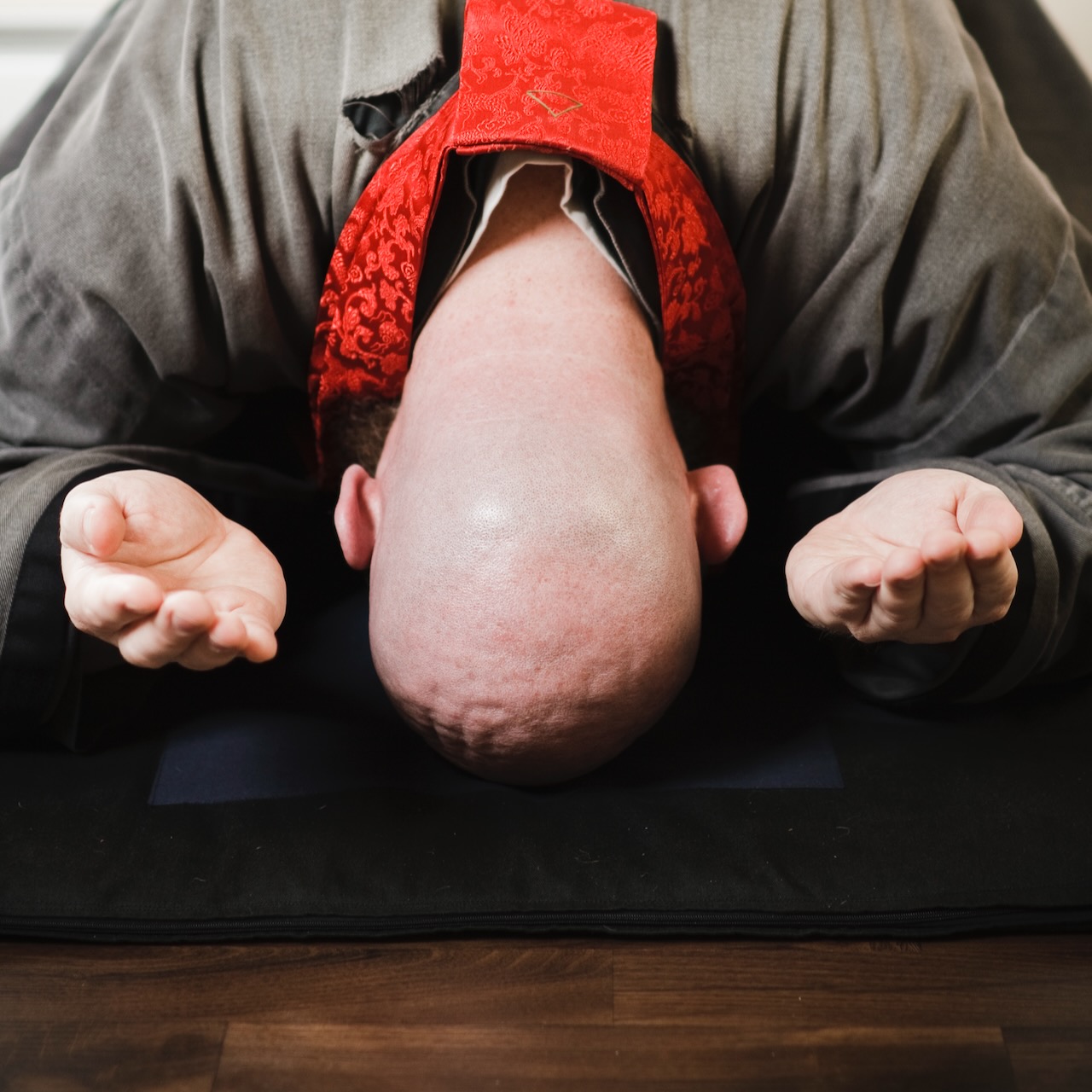 The Body is the Dharma — January 20, 2026 — Dharma Talk | In this talk, I reflect on form as a living, embodied Zen practicioner. Drawing on Rinzai Zen forms — gassho, sasshu, posture, breath, walking, and bowing — I explore how Zen is practiced through the body itself. The forms of practice are not symbolic gestures or rules to get right; they are precise, lived expressions of activity, receptivity, and stillness. This talk explores: plus, minus, and zero as lived experiences of movement, rest, and sitting how posture and mudra help call us back when attention drifts breath as a continuous expression of birth and death walking, chanting, and bowing as embodied Dharma activity how practice meets collapse, fatigue, distraction, and return — without judgment From the meditation hall, the reflection widens into life itself: how we are born and die many times over the course of a single lifetime, how identities fall apart and reform, and how practice supports us in learning — again and again — how to inhabit the world. Nothing here is about doing practice "correctly." The invitation is simply to notice what is happening — in the body, in the breath, in this moment — and to come back. About this podcast The Living Zen Podcast arises from my teaching work with the Zenwest Buddhist Society, a Zen practice community based on Vancouver Island. You can listen at https://livingzen.libsyn.com, or find Living Zen on Spotify, Apple Podcasts, and wherever you get your podcasts. If you'd like to support this work more directly, I share additional teachings and reflections through Red Mountain Way on Patreon. Becoming a member there helps sustain this teaching work. Another meaningful way to support the podcast is by sharing it — telling friends, passing along episodes, or sharing on social media. Comments, likes, and shares are always appreciated. I do read them, and they help others find their way into practice and community. For those seeking one-to-one Zen support, information about my work is available through Monarch Trancework. Thank you for listening, and for practicing together. | — | ||||||
| 1/24/26 |  Animacy in Zen — January 13, 2026 — Dharma Talk | Animacy in Zen In this episode of Living Zen, I reflect on Zen form — not as something merely procedural or symbolic, but as something alive. This talk explores how breath, movement, sound, chanting, bells, incense, and shared attention all participate in the life of practice. Rather than treating form as a set of rules to perform correctly, the talk invites listeners to notice how the practice itself is already active, relational, and responsive. Drawing directly from lived experience in the Zendo, this reflection looks at Zen ritual as something animated and participatory — a field we step into together — long before we "get to" sitting. It's a grounded, embodied inquiry into what is actually happening while we practice. Living Zen is a podcast about Zen practice as it's lived — sincere, embodied, and woven into real human lives. Links & Resources: Zenwest — the Zen practice community where these talks arise https://www.zenwest.ca The Red Mountain Way (Patreon) — ongoing teachings, reflections, and recordings https://www.patreon.com/redmountainway Monarch Trancework — one-to-one guidance, mentorship, and practice support https://www.monarchtrancework.com If you find Living Zen meaningful, one of the simplest ways to support the podcast is by liking, subscribing, or sharing it. These small, cost-free actions help the podcast grow and reach people who may not yet know about it. Wherever you're listening from, thank you for your time, your attention, and your practice. | — | ||||||
| 1/17/26 |  Play and the Great Matter - January 6, 2026 - Dharma Talk | This talk was recorded during our first sit of 2026 at the University of Victoria's Multifaith Centre. It's a reflection on Zen practice, play, and seriousness—and how we meet the great matter of life and death without becoming rigid or grim. Beginning again, again and again, is at the heart of practice. Living Zen is a podcast about Zen as it's lived: sincere, embodied, and woven into real human lives. Learn more about the Zenwest sangha, teachings, and practice community: https://www.zenwest.ca Support the podcast and ongoing teachings on Patreon — The Red Mountain Way: https://www.patreon.com/redmountainway Explore individual, one-to-one guidance and support at Monarch Trancework: https://www.monarchtrancework.com If you find Living Zen meaningful, liking, subscribing, or sharing the podcast is a simple way to help it grow and reach others who may be looking for this kind of practice. | — | ||||||
| 12/20/25 |  "Kōzen Daitō Kokushi Yuikai" - December 2, 2025 - Dharma Talk | In this episode, I explore one of the most treasured teachings in the Rinzai Zen tradition: Kōzen Daitō Kokushi Yuikai, the "Final Instruction" of National Teacher Daitō, founder of Daitoku-ji. This chant has accompanied my practice since 1995, and over the years its meaning has deepened in ways that continue to surprise me. Together we look at the stories surrounding Daitō's life, the clarity and fierceness of his teaching, and the very human habits that distract us from the heart of practice — chasing benefits, clinging to forms, or imagining that poverty or ornamentation have anything to do with awakening. Again and again, the Yuikai returns us to this simple truth: nothing is missing, and diligence is the willingness to return to the Way in every moment. To learn more about our community and practice opportunities, visit www.zenwest.ca. If you'd like to support the teachings and access additional content, you can join me on Patreon at www.patreon.com/redmountainway. | — | ||||||
Want analysis for the episodes below?Free for Pro Submit a request, we'll have your selected episodes analyzed within an hour. Free, at no cost to you, for Pro users. | |||||||||
| 12/13/25 | 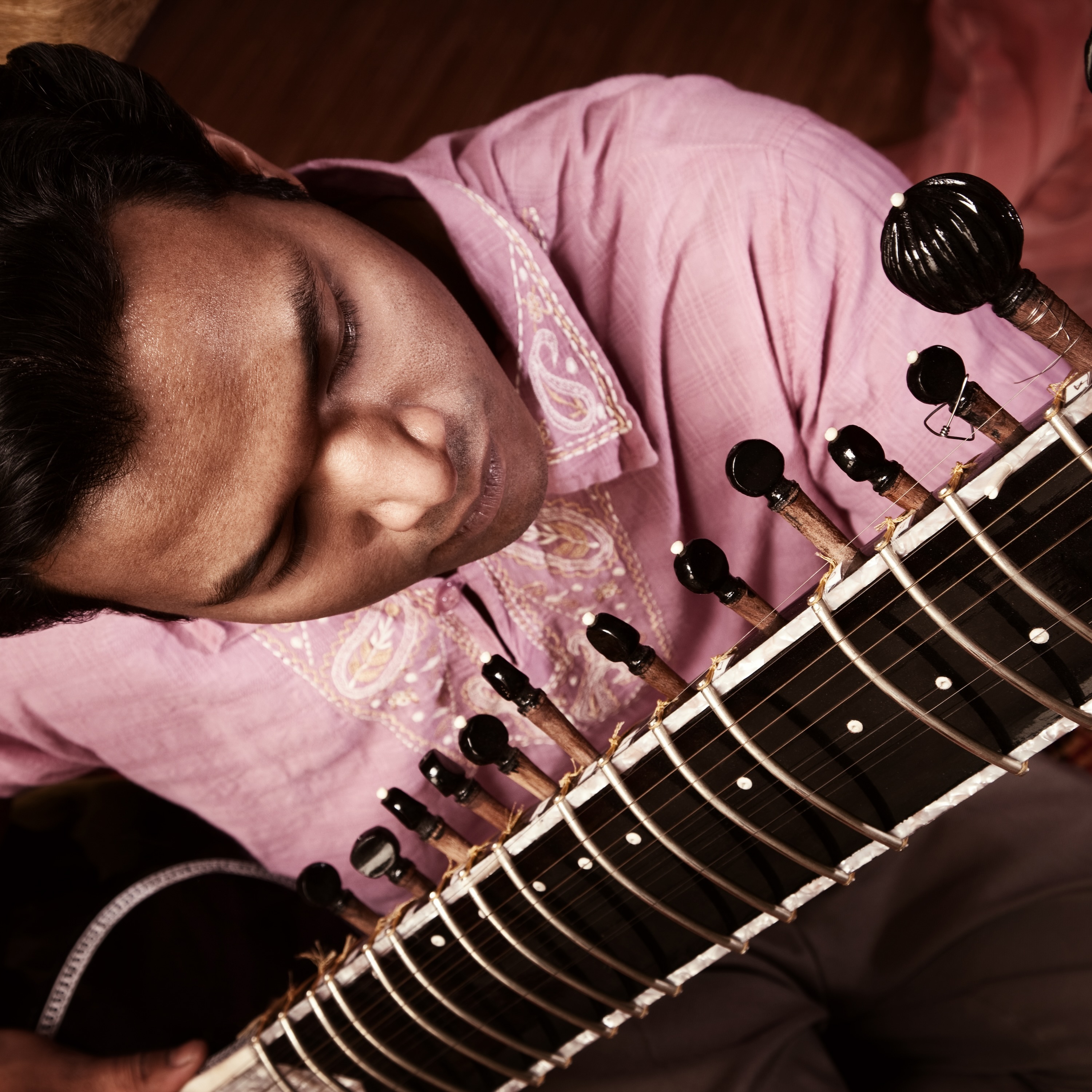 Tuning Practice - November 25, 2025 - Dharma Talk | In this talk, we explore one of the Buddha's most enduring teachings — the musician Sona and the image of practice as a stringed instrument. Too tight, the strings snap. Too loose, there's no sound. Somewhere between effort and ease, discipline and kindness, we find the middle way. Drawing on this metaphor, we look at how our lives constantly shift the tuning of our practice: relationships, work, fatigue, weather, emotions. Form helps, but it isn't the music itself. The music is the living activity of the cosmos flowing through the instrument of your life — and learning to hear it requires honesty, compassion, and continuous adjustment. If you'd like to learn more about Zen training or the community behind these teachings, you can visit www.zenwest.ca. To support the teaching stream or access additional reflections, early releases, and behind-the-scenes practice notes, you're welcome to join me at www.patreon.com/redmountainway. | — | ||||||
| 12/6/25 |  Zen Shout — November 18, 2025 — Dharma Talk | WARNING - Sudden loud sounds in this podcast. In this episode, we explore the heart of embodied practice — how a single moment of presence can cut through all the noise and return us to the immediacy of our own lives. Zen form, the shout, the bow, the subtle choreography of entering the Zendo… each of these is a doorway back into awakening as a lived, physical reality. If you'd like to dive more deeply into practice, teachings, and community, you're warmly invited to visit www.zenwest.ca, where you'll find information about training, membership, and ways to participate. And if you'd like to support this teaching stream or receive early access to new reflections and talks, you can join me on Patreon at www.patreon.com/redmountainway. | — | ||||||
| 11/11/25 | Form and Responsibility - November 4, 2025 - Dharma Talk | No description provided. | — | ||||||
| 11/8/25 | Decolonize the Mind - October 21, 2025 - Dharma Talk | No description provided. | — | ||||||
| 7/27/25 |  Remember the People You Came From — July 20, 2025 — Dharma Talk | In this episode of Living Zen, Eshū reflects on two guiding phrases: the Zen teaching "To study the self is to forget the self…" and the Gàidhlig seanfhacal "Cuimhnich air na daoine às an tàinig thu" — remember the people you came from. As he returns to regular practice at Zenwest, Eshū speaks candidly about the pitfalls of spiritual bypassing, the power of ritual technologies like zazen and chanting, and the importance of community as a container for awakening. He explores how our practice is rooted not in escaping the past, but in embracing it — recognizing that our lives, our questions, and even our suffering arise from deep interwoven relationships, both ancestral and present. This talk invites us to turn toward our conditioning with compassion, to see practice as relational, and to remember those who brought us here — not just in blood, but in all the "selves" that shaped us along the way. Resources mentioned in this episode: Free Orientation to Zen course: zenwest.ca Support Eshū's work and access more teachings: patreon.com/redmountainway Personalized mentorship and Zen training: monarchtrancework.com | — | ||||||
| 7/20/25 |  On the De-Animation and Re-Animation of Zen — July 13, 2025 | This week there's no Dharma talk from the Zendo — UVic was cleaning the carpets on Sunday, so our usual sit was cancelled. But I didn't want to leave the Sangha hungry. Instead, I'm sharing this reflection on how Zen was "de-animated" when it came west — and how we might begin to re-animate it, in relationship with land, ancestors, and the many seen and unseen beings who share our world. It's not doctrine; it's just some thoughts I found worth writing down. May they serve you in some way. If this resonates (or even troubles you), I'd love to hear how. Zen has always been about companionship on the Way. Zenwest Buddhist Society: www.zenwest.ca — a living Zen community on Vancouver Island Monarch Trancework: monarchtrancework.com — for Zen orientation, mentorship, and integration work Support this work on Patreon: patreon.com/redmountainway | — | ||||||
| 7/13/25 |  The Buddha's Buffet - July 6, 2025 — Dharma Talk | In this episode, we explore the long arc of practice — how insight and awakening might come suddenly, but true transformation takes slow, organic time. Like digestion or composting, it can't be rushed. We reflect on moments of birth and death, on coming back to practice after seasons away, and on learning to pace ourselves at the endless feast of awakening. Whether you're tasting your first bites or returning after time away, the Buddha's buffet is always open. It's good to be here together. I'm Eshū, Abbot of Zenwest Buddhist Society, where we make Zen come alive in contemporary community. At Zenwest we offer a fully online Free Orientation to Zen program here https://app.kit.com/landing_pages/77458?v=7 If you'd like support building a foundation for practice, I offer one-on-one Orientation to Zen Support here: https://monarchtrancework.com/orientation-to-zen-support For deeper mentoring and one-on-one guidance, you'll find my Zen Mentorship & Training program here: https://monarchtrancework.com/zen-mentorship-training You can also join me on Patreon at https://www.patreon.com/redmountainway, where I share reflections, Zen resources, and more to support your path. If this talk nourishes you, please help others find it by rating, reviewing, or sharing. It makes a real difference — especially for those practicing far from a Zen centre. | — | ||||||
| 7/6/25 |  Miraculous Medicine - June 29, 2025 - Dharma Talk | In this talk, I explore how practice invites us to return again and again — to breath, posture, intention — dissolving fear and self-criticism, and opening to the quiet miracle of simply being here. When we give ourselves fully to this moment — to a bow, a breath, a meal, a conversation — life itself becomes the miraculous medicine this world so deeply needs. Thank you for listening, and for walking this path alongside me. • Support this work & get early access as a Patron: patreon.com/redmountainway • Free Orientation to Zen program: zenwest.ca • Orientation to Zen Support with Eshū: https://monarchtrancework.com/orientation-to-zen-support • Zen Mentorship & Training with Eshū: https://monarchtrancework.com/zen-mentorship-training With gratitude, Eshū | — | ||||||
| 6/29/25 |  The Breath of Solstice | "The Dharma is being preached in everything." This Dharma talk, offered just after summer solstice, reflects on the rhythms of breath, season, and spirit. It explores the natural arising and dissolving that moves through our practice, our emotions, and our path — and invites us to rest in the still point between. Recorded in the Zenwest zendo and shared here on Living Zen – Red Mountain Way. Support this work and access more teachings at The Red Mountain Way on Patreon. If this offering supports you, please consider leaving a rating or review on your podcast platform. It really helps others find the path. Thanks for listening! | — | ||||||
| 6/14/25 |  The Path We Walk Together | This episode is a quiet invitation to long-time listeners and new friends alike. After years of practice, storytelling, and podcasting, Eshū speaks directly to those who've walked this path with him—often at a distance—and shares the next steps in the journey, including a return to leadership at Zenwest and the weaving of many streams through Red Mountain Way. Join the Sangha. Join the kinship. The path is wide enough for all of us. ➤ Become a member of Zenwest: zenwest.ca/join-zenwest ➤ Support Red Mountain Way: patreon.com/redmountainway | — | ||||||
| 5/27/25 |  Rewriting Money Stories: Thought Pattern Trancework | This short preparatory session offers a gentle introduction to the themes and intentions behind Rewriting Money Stories, part of the Thought Pattern Trancework series. You'll be guided through a few minutes of grounded presence, some light reflection on your current money narratives, and an orientation to the deeper trancework session available through Patreon or the Monarch Trancework website. This episode includes: A brief induction and settling An overview of the subconscious themes addressed Suggestions for how and when to listen to the full trance session A quiet close, perfect for listening before engaging the full work Show Notes This is a prep session — not the full trancework experience. Best experienced with headphones in a quiet space. The full 21-minute trance session is available to members on Patreon or for purchase at Monarch Trancework. Listen to the full session at: https://monarchtrancework.com Or support and access all sessions via Patreon: https://patreon.com/redmountainway | — | ||||||
| 5/8/25 |  A Return to the Zendo | After a long hiatus, I'm returning to regular teaching in the Zendo with Zenwest — and inviting you to join me on a new path of practice and connection through my Patreon, The Red Mountain Way. Support the work: https://www.patreon.com/redmountainway Thank you for walking this path together. | — | ||||||
| 5/30/24 |  Exploring Boundaries - Preparation Session | Almost everyone, at some point, runs into challenges, obstacles, or problems in their family, work, or intimate personal relationships - that at their root, involve issues around boundaries. Today's session will provide you with the framework you need to be ready to start clarifying, expressing, and maintaining healthy boundaries! This preparation session will give you the framework to go forward with the active Trancework session, called "Healthy Boundaries" which I'll be posting on the podcast later this week. You can download the mp3 of this session here. Find out more at www.monarchtrancework.com | — | ||||||
| 5/1/24 |  A Question of Control - Preparation Session | Today I'll be sharing the preparation session for the next installment of the Thought Process Trancework Series which I've called "A Question of Control", in which you'll learn about how subconscious patterns that begin as natural survival responses become rigid, and overly-general rules that begin to be universally applied in our daily experiences, and can cause our lives to become increasingly smaller, and more anxious. I'm going to offer some understanding about two simple but serious errors that we can make in our thought processes that lead us to feel increasingly out of control, and gain insight into a new approach through which you can transform your thinking, behaviour, and as a result - your life - in incredible, and much more enjoyable ways! This session, and many others are also available to download, for FREE from the downloads page of my website. If you enjoy what I'm offering on the Living Zen Podcast, please let me know by commenting, and you can like, subscribe, and I'd love it if you share Living Zen with anyone you think will enjoy and appreciate it! | — | ||||||
| 4/24/24 |  Understanding Patterns - Preparation Session | Today I'm sharing the preparation session for the next installment of the Thought Process Trancework Series which I've called "Understanding Patterns", in which we'll be doing a deeper exploration into how subconscious thought patterns first come about often when we are really young, how they become established and essentially automatic – our default way of reacting – and how, often in spite of being aware of an unhelpful pattern, we can still find ourselves repeating the same mistake over and over. This session, and many others are also available to download, for FREE from the downloads page of my website. If you enjoy what I'm offering on the Living Zen Podcast, please let me know by commenting, and you can like, subscribe, and I'd love it if you share Living Zen with anyone you think will enjoy and appreciate it! | — | ||||||
Showing 25 of 459
Pitch Fit is a Pro feature
See how bookable this show is for guests, which brands already advertise, the per-episode ad value, and the best-fit guest and sponsor profile. The numbers are blurred on the free plan.
How readily this show books outside guests like you.
How proven this show is for host-read sponsorships.
For Guests
ProFor Advertisers
ProUpgrade to Pro to unlock guest cadence, sponsor categories, fit scores, and per-episode ad value for this show.
Chart Positions
12 placements across 12 markets.
Chart Positions
12 placements across 12 markets.