
Insights from recent episode analysis
Audience Interest
Podcast Focus
Publishing Consistency
Platform Reach
Insights are generated by CastFox AI using publicly available data, episode content, and proprietary models.
Most discussed topics
Brands & references
Total monthly reach
Estimated from 1 chart position in 1 market.
By chart position
- 🇿🇦ZA · Medicine#161500 to 3K
- Per-Episode Audience
Est. listeners per new episode within ~30 days
250 to 1.5K🎙 Weekly cadence·150 episodes·Last published 1mo ago - Monthly Reach
Unique listeners across all episodes (30 days)
500 to 3K🇿🇦100% - Active Followers
Loyal subscribers who consistently listen
150 to 900
Market Insights
Platform Distribution
Reach across major podcast platforms, updated hourly
Total Followers
—
Total Plays
—
Total Reviews
—
* Data sourced directly from platform APIs and aggregated hourly across all major podcast directories.
On the show
From 10 epsHosts
Recent guests
Recent episodes
The Medical Side of Transplant Survivorship - Dr. Amar Kelkar
May 27, 2026
41m 51s
Caregivers Need Care Too - With Ashlee Cramer
May 27, 2026
37m 00s
Who Are You After Transplant? Meet Survivor Adam Claxton
May 27, 2026
34m 35s
The Patient Story: Stephanie Chuang's Journey from Patient to Storyteller
May 27, 2026
32m 56s
The Strain of Worry: Mental Health in Transplant Survivorship
May 27, 2026
40m 51s
Social Links & Contact
Official channels & resources
Official Website
Login
RSS Feed
Login
| Date | Episode | Topics | Guests | Brands | Places | Keywords | Sponsor | Length | |
|---|---|---|---|---|---|---|---|---|---|
| 5/27/26 | 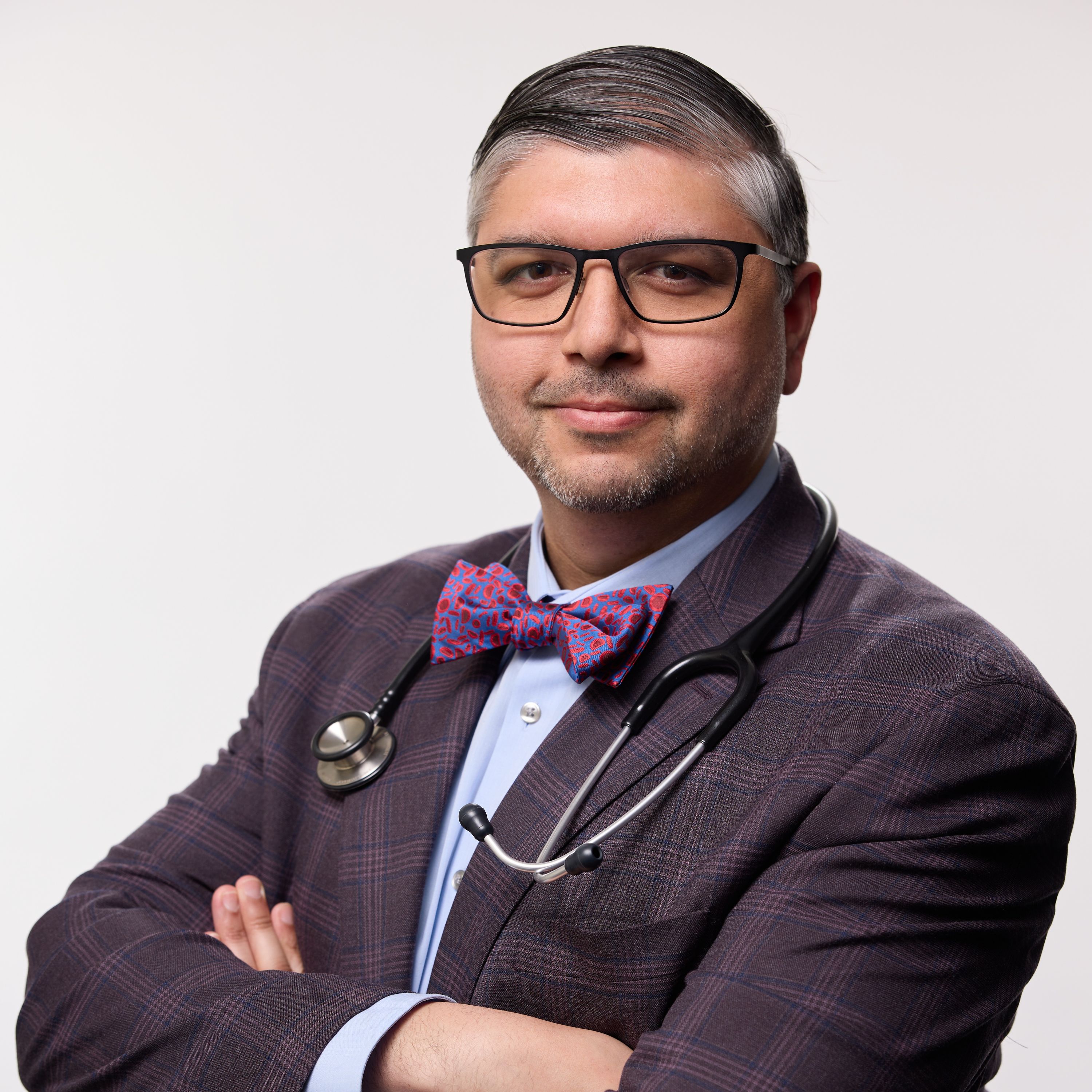 The Medical Side of Transplant Survivorship - Dr. Amar Kelkar✨ | transplant survivorshippost-transplant care+3 | Dr. Amar Kelkar | Dana-Farber Cancer Institute | — | bone marrow transplantsurvivorship+6 | — | 41m 51s | |
| 5/27/26 | 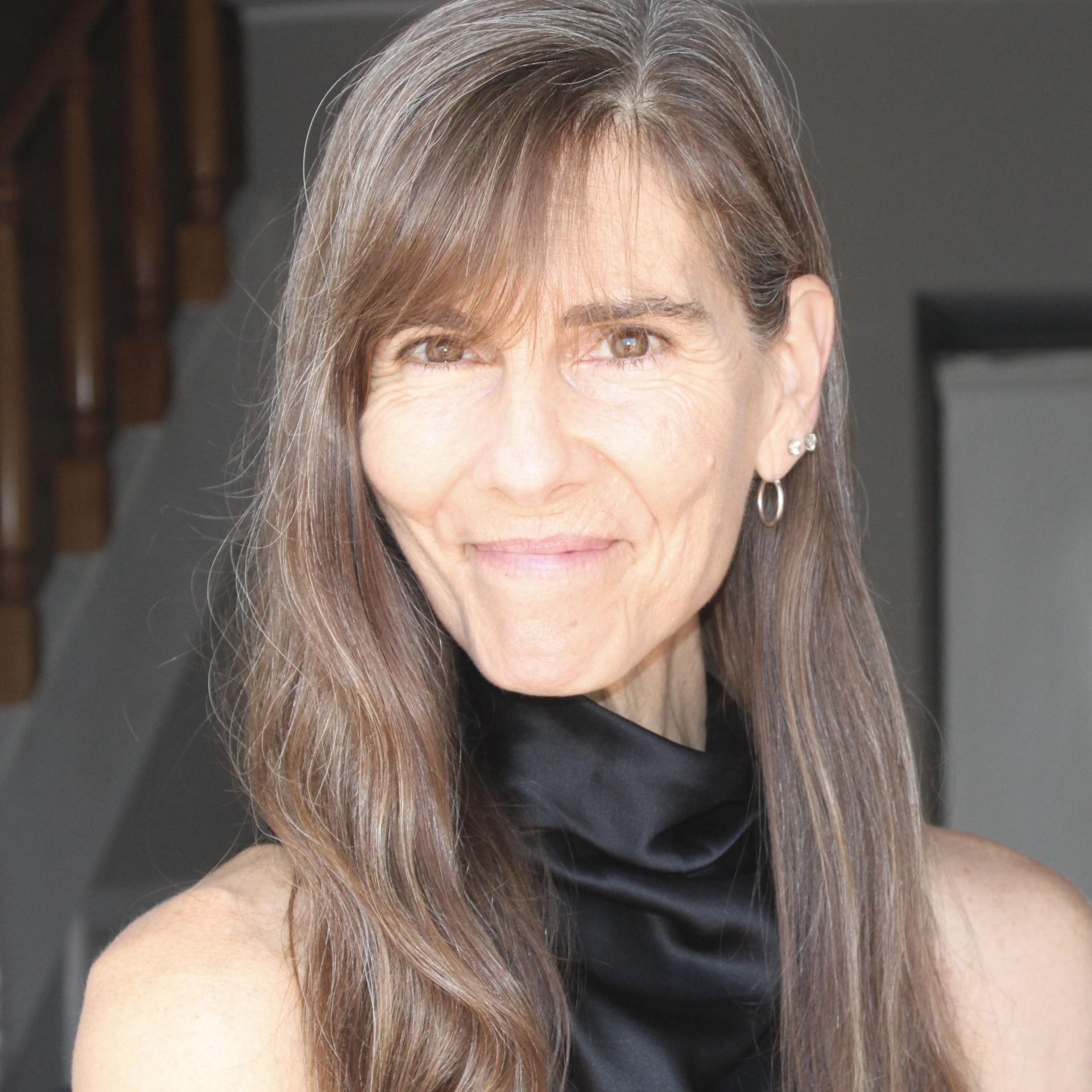 Caregivers Need Care Too - With Ashlee Cramer✨ | caregivingcancer+4 | Ashlee Cramer | hepatosplenic T-cell lymphomalarge B-cell lymphoma+1 | — | caregiversburnout+6 | — | 37m 00s | |
| 5/27/26 | 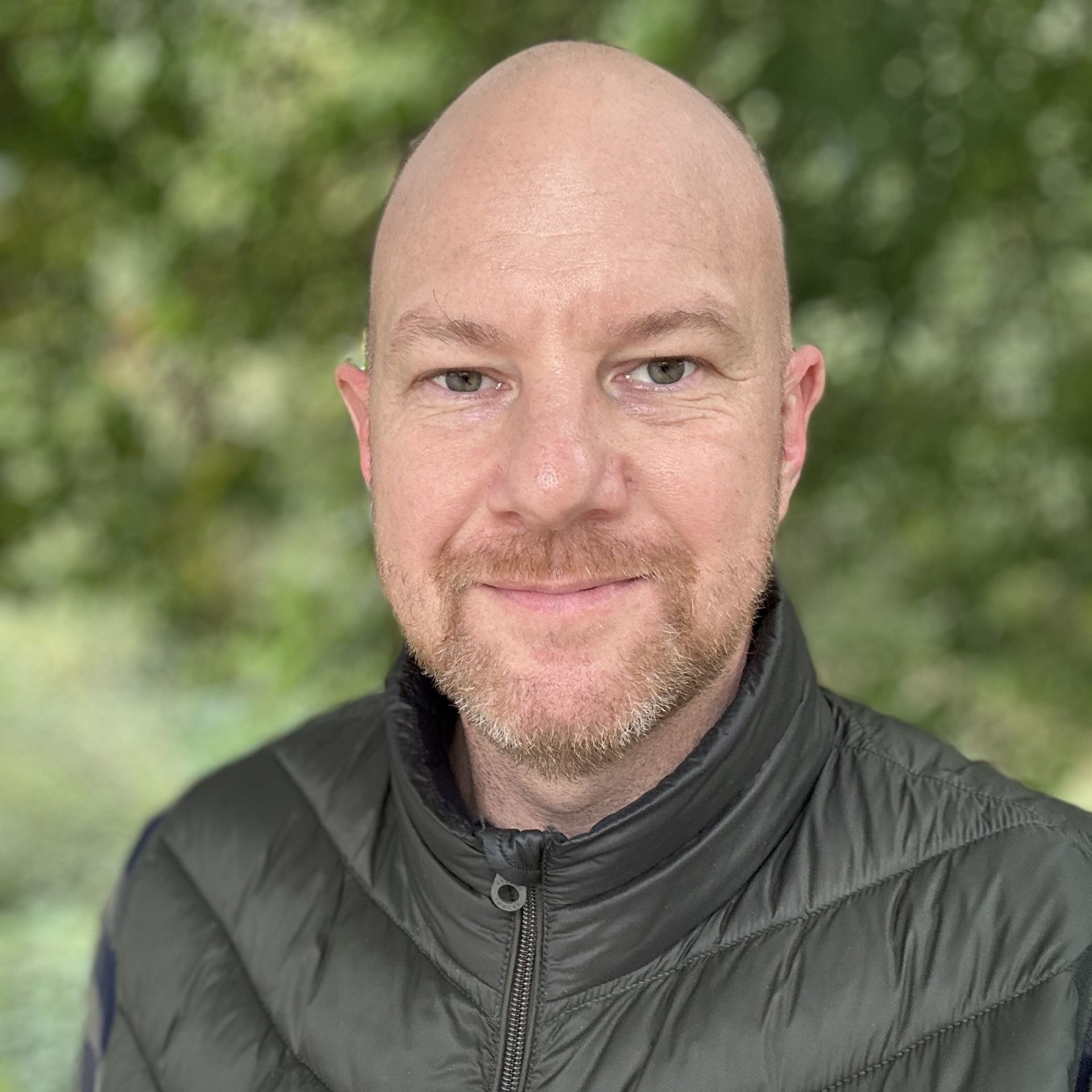 Who Are You After Transplant? Meet Survivor Adam Claxton✨ | survivorshipmindset+4 | Adam Claxton | — | Britain | acute myeloid leukemiasurvivorship+5 | — | 34m 35s | |
| 5/27/26 | 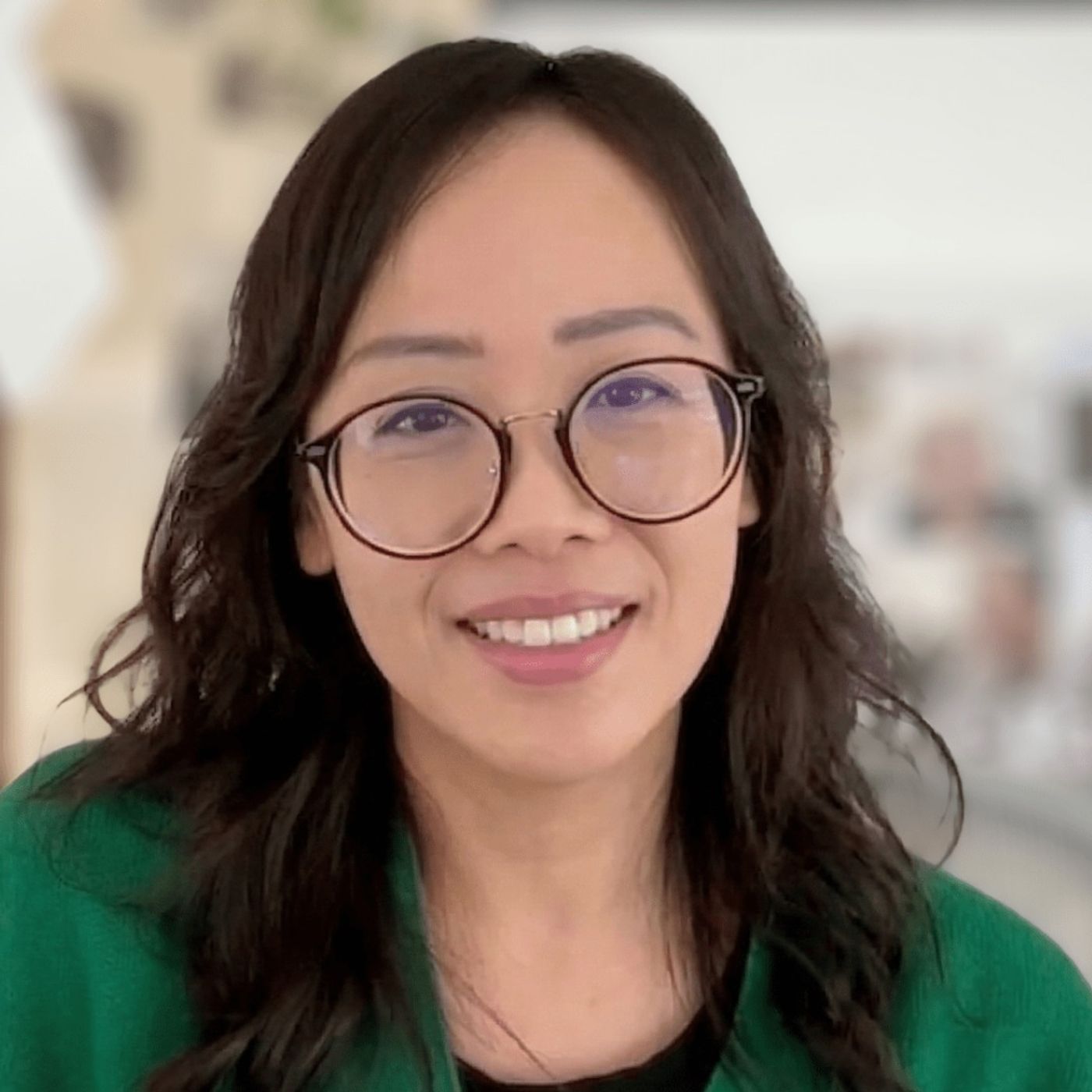 The Patient Story: Stephanie Chuang's Journey from Patient to Storyteller✨ | cancer journeyhealthcare navigation+3 | Stephanie Chuang | The Patient Story | San Francisco | lymphomahealthcare system+3 | — | 32m 56s | |
| 5/27/26 |  The Strain of Worry: Mental Health in Transplant Survivorship✨ | mental healthtransplant survivorship+4 | Daniel Gaylor | Moffitt Cancer Center | — | mental healthtransplant+5 | — | 40m 51s | |
| 5/27/26 |  The Transition to Survivorship with Christy Donovan, DNP, RN✨ | survivorshipstem cell transplant+3 | Christy Donovan | Northside Hospital Cancer InstituteBlood and Marrow Transplant/ Leukemia Program | — | survivorshipstem cell transplant+5 | — | 18m 08s | |
| 5/20/26 |  Survivorship Post-Transplant (Season 20 Trailer)✨ | survivorshipbone marrow transplant+4 | — | National Bone Marrow Transplant LINKnbmtLINK | — | survivorshipbone marrow transplant+5 | Incyte | 2m 47s | |
| 3/5/26 | 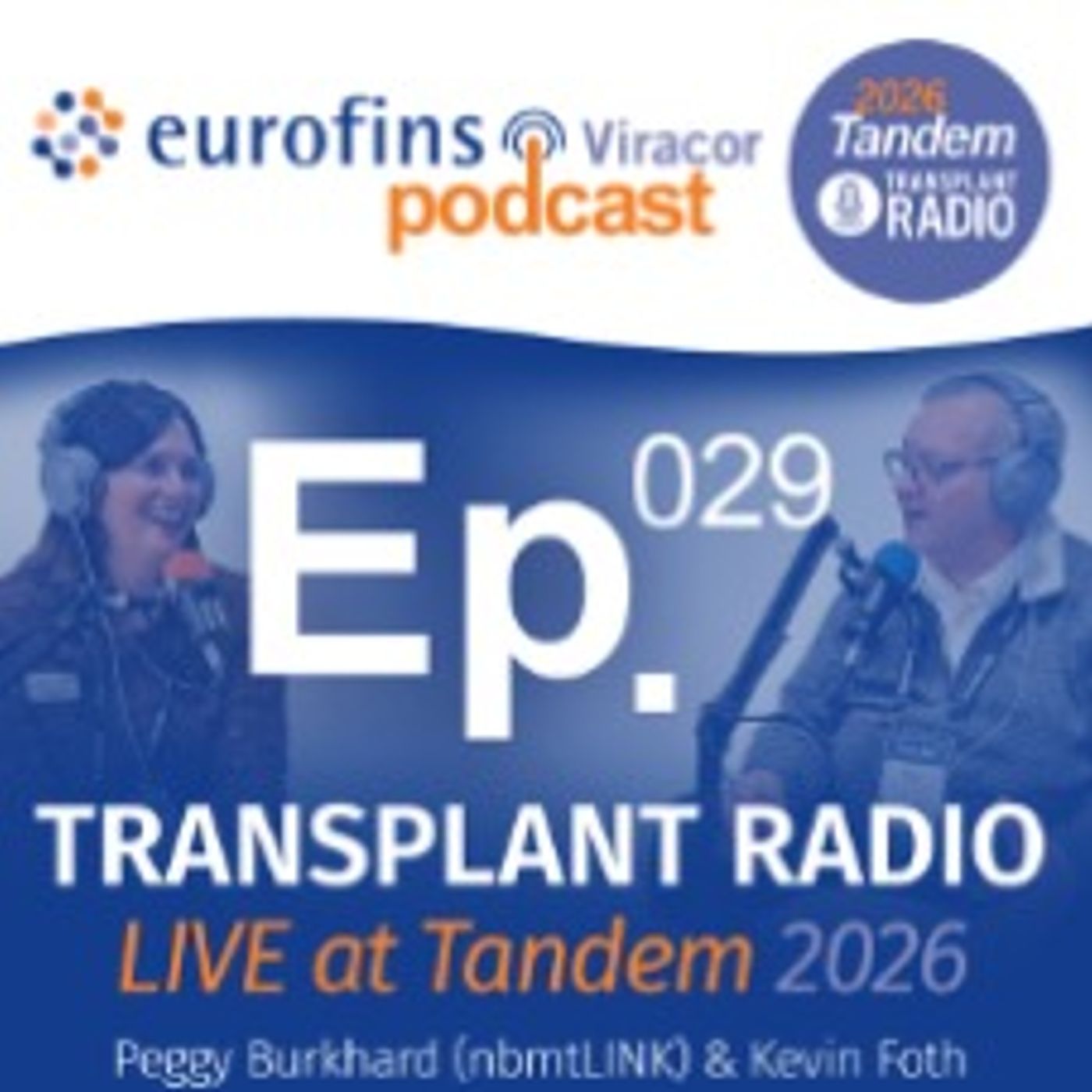 Peggy Guesting on Transplant Radio Podcast✨ | bone marrow transplantpatient support+4 | Peggy Burkhard | Eurofins ViracorNational Bone Marrow Transplant Link+3 | Salt Lake City, Utah | transplantcaregivers+5 | — | 17m 34s | |
| 12/18/25 |  Chronic GVHD: New Hope, New Treatments with Dr. Joesph Pidala✨ | chronic GVHDstem cell transplant+3 | Dr. Joseph Pidala | RezurockJakafi+3 | — | chronic GVHDstem cell transplant+7 | — | 25m 50s | |
| 12/18/25 |  Fighting for the Little Things: Rebecca’s GVHD Journey✨ | bone marrow transplantchronic GVHD+4 | Rebecca Heimsoth | National Bone Marrow Transplant Link | — | GVHDbone marrow transplant+6 | — | 33m 41s | |
Want analysis for the episodes below?Free for Pro Submit a request, we'll have your selected episodes analyzed within an hour. Free, at no cost to you, for Pro users. | |||||||||
| 12/18/25 |  Surviving, Thriving, and Leading: Sue Stewart on GVHD and BMT InfoNet | In this episode, we sit down with Sue Stewart, a 36-year survivor of acute myeloid leukemia (AML) and the founder of BMT InfoNet. Sue walks us through her transplant journey, beginning with a difficult diagnosis in the late 1980s and the grueling induction chemotherapy that followed. With limited treatment options, she opted for an autologous bone marrow transplant—a relatively new and uncertain procedure at the time. Despite the intense side effects, including confusion and delusions, Sue recovered and slowly rebuilt her life. Her story is one of strength and long-term resilience, shaped by medical challenges and a determination to help others facing similar paths.After surviving her transplant, Sue felt driven to understand her experience and quickly saw the gap in patient-centered information. A high-profile court case involving bone marrow donation misinformation pushed her to act. In response, she started a small newsletter to provide reliable, understandable transplant information. What began with 700 names (pre-Internet) grew rapidly and became BMT InfoNet, an organization that now supports over 20,000 people weekly with resources, educational content, and peer support.We explore how GVHD care has transformed over the decades. Sue outlines progress in diagnostics, treatment options, and the move away from long-term steroid reliance. Her organization has helped shift the focus beyond survival to long-term quality of life, leading to the creation of survivorship clinics and a deeper understanding of transplant-related complications.Sue introduces us to BMT InfoNet’s key programs, including Caring Connections, which matches patients and caregivers with peers based on similar experiences. We also learn about their online, professionally moderated support groups, offered to different patient communities. These groups have been instrumental in helping individuals process their experiences and stay connected.The organization’s educational materials and annual survivorship symposium continue to empower patients to become active members of their care teams. Sue emphasizes the importance of recognizing symptoms early, understanding treatment options, and advocating for proper care—especially for GVHD, which many local doctors may not fully understand.Finally, Sue shares the story of how one patient’s experience with ocular GVHD and scleral lenses led to a wider medical breakthrough. It's a powerful reminder of how patients can change the landscape of care by sharing their stories. BMT InfoNet's mission remains clear: provide support, share knowledge, and give voice to those on the transplant journey.BMT InfoNet: https://www.bmtinfonet.orgContact Email: help@bmtinfonet.orgThanks to our Season 19 sponsors, Incyte and Sanofi.https://incyte.com/https://www.sanofi.com/en00:40 - Introduction to Sue Stewart01:15 - Sue’s AML Diagnosis and Transplant Story06:33 - Founding BMT InfoNet10:05 - Life Before the Internet: Lack of Resources12:43 - Progress in GVHD Treatment15:25 - Peer Support Through Caring Connections17:16 - Online Moderated Support Groups18:58 - Educational Resources on GVHD21:57 - GVHD Specialist Directory24:05 - Annual Survivorship Symposium26:17 - Financial Assistance for Patients27:39 - GVHD Wall of Hope and National GVHD Day30:01 - Final Story: How Patient Experience Changed GVHD Care National Bone Marrow Transplant Link - (800) LINK-BMT, or (800) 546-5268.nbmtLINK Website: https://www.nbmtlink.org/Check out our valued nbmtLINK resource books, some for sale, some free as downloadable, https://www.nbmtlink.org/shop/nbmtLINK Facebook Page: https://www.facebook.com/nbmtLINKFollow the nbmtLINK on Instagram! https://www.instagram.com/nbmtlink/The nbmtLINK YouTube Page can be found by clicking here.This content is provided for informational purposes only and is not intended to substitute for professional medical advice, diagnosis, or treatment. It is crucial to consult directly with a qualified healthcare professional regarding any medical conditions, treatment options, or other health concerns.The views and opinions expressed by the speakers are their own and do not necessarily reflect the official policy or position of the nbmtLINK. Unless otherwise stated in an official policy, the nbmtLINK does not endorse any specific treatments, products, or services mentioned by the speakers. Reliance on any information provided is solely at your own risk.The Marrow Masters Podcast is produced by JAG Podcast Productions: https://jagpodcastproductions.com/ Hosted by Simplecast, an AdsWizz company. See pcm.adswizz.com for information about our collection and use of personal data for advertising. | — | ||||||
| 12/18/25 |  Male Sexual Health After Transplant with Dr. Christian Nelson | Note: This episodes contains discussion and language of a sexual nature and may not be appropriate for all audiences.In this episode of Marrow Masters, we sit down with Dr. Christian Nelson, a psychologist at Memorial Sloan Kettering Cancer Center and an expert in psycho-oncology, to address a deeply personal yet often overlooked topic: male sexual dysfunction following cancer treatment. Together, we explore how treatments can impact not only physical function but emotional well-being, identity, and relationships.We start by acknowledging that sexual dysfunction is one of the most common side effects of cancer treatment, second only to fatigue. Yet, it’s rarely discussed. Dr. Nelson emphasizes the importance of normalizing the conversation and encouraging patients to raise the issue with their treatment teams. He walks us through the emotional toll that erectile dysfunction can take on men, noting how it strikes at the core of masculinity and can lead to increased depression, frustration, and a general sense of brokenness. He stresses that it’s not just about what happens in the bedroom—erectile issues can spill over into all aspects of a man’s life, including his relationship with his partner.Dr. Nelson outlines a range of treatment options, from well-known medications like Viagra to lesser-known but effective methods like penile injections and implants. He breaks down the fear around these options, especially injections, and highlights how pain levels are often far lower than anticipated. Beyond physical treatments, we discuss the emotional and relational work that’s often required. One key issue is avoidance—men avoiding sexual situations due to performance anxiety, which can snowball into long-term distance and silence between partners. Dr. Nelson makes it clear: the real risk isn’t failure, it’s not trying.We also dive into how couples can redefine intimacy. Many men associate sex solely with penetration, while their partners often value closeness and emotional connection more. Dr. Nelson advocates for expanding the sexual repertoire and restoring non-sexual forms of affection, which can be just as meaningful. We talk about the impact of testosterone—how its depletion can lower libido and cause men to unknowingly withdraw from their partners—and how testosterone replacement may be a viable option for some, depending on cancer type and treatment history.As roles shift from caregiver back to partner post-treatment, Dr. Nelson stresses the importance of open communication. He urges couples to work toward understanding each other's perspectives, not convincing each other. He shares an "aha" moment involving a couple who waited five years before seeking help, only to reconnect within three sessions after simply opening the lines of communication. The takeaway: don’t wait.We close by pointing listeners toward additional resources, including certified sex therapists and specialized urologists, and Dr. Nelson highlights two key professional directories: SSTAR and AASECT. We’re reminded that even the simplest questions—like whether it's okay to kiss your partner—deserve answers. It’s on all of us, both patients and providers, to make room for these conversations.More:Episode with Dr. Flores: https://marrowmasters.simplecast.com/episodes/mens-sexual-health-gvhdEpisode with Dr. El Jawahri: https://marrowmasters.simplecast.com/episodes/dr-el-jawahriSSTAR (Society for Sex Therapy and Research) – https://sstarnet.orgAASECT (American Association of Sexuality Educators, Counselors and Therapists) – https://www.aasect.orgThanks to our Season 19 sponsors, Incyte and Sanofi.https://incyte.com/https://www.sanofi.com/en00:00 - Introduction to Season 19 and Dr. Christian Nelson 01:16 - Normalizing Conversations on Sexual Dysfunction 04:50 - Emotional Toll of Erectile Dysfunction 07:06 - Treatments: Pills, Injections, and Implants 09:03 - Avoidance and Anxiety in Sexual Relationships 12:17 - Expanding the Definition of Intimacy 16:43 - Role of Testosterone in Sexual Health 20:05 - Shifting from Caregiver to Partner 22:17 - Resources and Where to Get Help 26:29 - A Patient Story: Five Years of Silence 28:07 - Closing Thoughts and Resources National Bone Marrow Transplant Link - (800) LINK-BMT, or (800) 546-5268.nbmtLINK Website: https://www.nbmtlink.org/Check out our valued nbmtLINK resource books, some for sale, some free as downloadable, https://www.nbmtlink.org/shop/nbmtLINK Facebook Page: https://www.facebook.com/nbmtLINKFollow the nbmtLINK on Instagram! https://www.instagram.com/nbmtlink/The nbmtLINK YouTube Page can be found by clicking here.This content is provided for informational purposes only and is not intended to substitute for professional medical advice, diagnosis, or treatment. It is crucial to consult directly with a qualified healthcare professional regarding any medical conditions, treatment options, or other health concerns.The views and opinions expressed by the speakers are their own and do not necessarily reflect the official policy or position of the nbmtLINK. Unless otherwise stated in an official policy, the nbmtLINK does not endorse any specific treatments, products, or services mentioned by the speakers. Reliance on any information provided is solely at your own risk.The Marrow Masters Podcast is produced by JAG Podcast Productions: https://jagpodcastproductions.com/ Hosted by Simplecast, an AdsWizz company. See pcm.adswizz.com for information about our collection and use of personal data for advertising. | — | ||||||
| 12/18/25 | Three Transplants, One Warrior: Synary Be’s Story | In this episode, we speak with Synary Be, a resilient survivor of acute myeloid leukemia (AML), who shares her powerful journey of enduring three bone marrow transplants over eight years. Diagnosed suddenly in March 2017, Synary’s story begins with a high fever that led to a shocking diagnosis: 93% leukemia. From that point on, her life transformed into a series of hospital stays, treatments, and moments that tested her strength and spirit.We learn how her first transplant involved two umbilical cord donors, one from the U.S. and another from Singapore. When that failed to graft, her younger brother flew from Australia to donate for her second transplant—a 50% match. After two years in remission, she relapsed again and required a third transplant, this time from her older brother, right in the midst of the COVID-19 pandemic. With travel restrictions in place, the donor cells had to be processed remotely and shipped to Stanford, showcasing the remarkable role of medical technology in saving lives.Despite being given only a 50% chance of survival for her third transplant, Synary put her trust in her doctors. Though she relapsed again, she now maintains remission through chemo pills. With no long-term data available for this new medication, she continues treatment cautiously and with optimism, trusting in the advancement of medicine.Synary spends some time opening up about the chronic graft-versus-host disease (GVHD) that followed her transplants. She explains its impact on her lungs, eyes, mouth, nails, and skin, detailing both the physical symptoms and the treatments that have helped her reclaim daily life. From scleral lenses to serum tears, to pulmonary rehab and steroid creams, she educates us on the challenges and management of GVHD.Beyond the physical toll, Synary discusses the mental health struggles tied to long-term illness—particularly anxiety from repeated hospitalizations. She emphasizes the importance of therapy, meditation, support groups, and the courage to seek help. Her words serve as a reminder that managing chronic illness includes caring for both mind and body.Synary's story wouldn’t be complete without acknowledging her support system. Her husband, who acted as her full-time caregiver through 300 cumulative days of hospitalization, and her three children, endured major sacrifices. Friends and community support filled in the gaps, underscoring that no one should navigate transplant recovery alone.Even in the face of isolation, fatigue, and anxiety, Synary finds joy in simple pleasures: watching Christmas movies, going for walks, and spending time with family. Her message is clear—life is still good. And GVHD, while challenging, cannot take away her joy.Calm App — https://www.calm.comThanks to our Season 19 sponsors, Incyte and Sanofi.https://incyte.com/https://www.sanofi.com/en00:40 - Introduction to Synary Be01:20 - AML Diagnosis and First Transplant03:10 - Transplants and Donor Challenges04:06 - Relapses and Chemo Maintenance06:44 - Living with GVHD12:15 - GVHD Symptoms and Treatments13:40 - Support System and Caregiving15:34 - Isolation After Transplants16:38 - Mental Health & Anxiety19:03 - Coping and Finding Joy20:36 - Final Thoughts and Message of Hope National Bone Marrow Transplant Link - (800) LINK-BMT, or (800) 546-5268.nbmtLINK Website: https://www.nbmtlink.org/Check out our valued nbmtLINK resource books, some for sale, some free as downloadable, https://www.nbmtlink.org/shop/nbmtLINK Facebook Page: https://www.facebook.com/nbmtLINKFollow the nbmtLINK on Instagram! https://www.instagram.com/nbmtlink/The nbmtLINK YouTube Page can be found by clicking here.This content is provided for informational purposes only and is not intended to substitute for professional medical advice, diagnosis, or treatment. It is crucial to consult directly with a qualified healthcare professional regarding any medical conditions, treatment options, or other health concerns.The views and opinions expressed by the speakers are their own and do not necessarily reflect the official policy or position of the nbmtLINK. Unless otherwise stated in an official policy, the nbmtLINK does not endorse any specific treatments, products, or services mentioned by the speakers. Reliance on any information provided is solely at your own risk.The Marrow Masters Podcast is produced by JAG Podcast Productions: https://jagpodcastproductions.com/ Hosted by Simplecast, an AdsWizz company. See pcm.adswizz.com for information about our collection and use of personal data for advertising. | — | ||||||
| 12/18/25 | 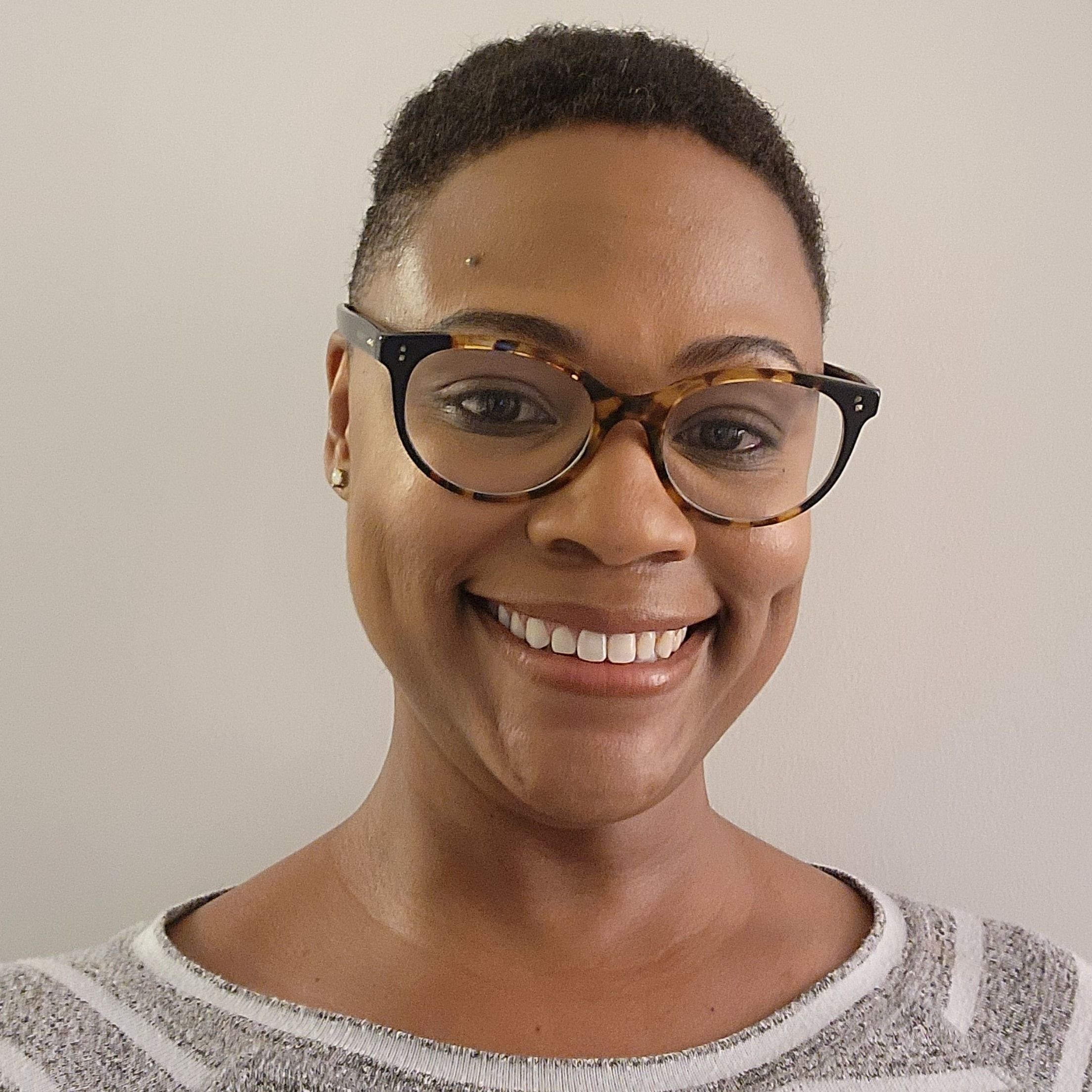 Between Chemo and Home: A Caregiver’s Honest Look at Transplant Life | In this episode, we talk with caregiver Sylvia Chunn of Nashville, who shares her journey alongside her husband David through his diagnosis of AML, a stem cell transplant, and the ongoing challenges of GVHD. Sylvia walks us through their intense timeline, from David’s emergency diagnosis in January 2024 to his transplant in July and their extended stay in Atlanta, away from home and their teenage children, until February 2025. Her husband’s transplant was successful in its purpose, but complications like heart failure and GVHD turned their lives upside down.We explore the caregiving experience through Sylvia’s eyes, especially navigating chronic GVHD symptoms that affect David’s gut, eyes, mouth, joints, and skin. She explains how their lives are now filled with medical appointments, medications, and managing side effects from treatment. Sylvia describes her role as a blend of cheerleader and drill sergeant, ensuring medications are taken and appointments kept, while also offering emotional support.Sylvia emphasizes the importance of self-care during the process. With limited financial flexibility, she found peace in simple things like reading through a Facebook book club, daily personal devotions, and leaning on her faith. Exercise helped at times, although maintaining consistency was difficult. She openly shares that she sought mental health support, including therapy and medication, to deal with stress, guilt, and isolation.The conversation turns to how this journey has affected intimacy and family dynamics. Sylvia candidly reflects on how medical realities changed their physical relationship but ultimately brought them emotionally closer. Time spent together—reading, reminiscing, and watching shows—became a new form of connection. They rediscovered old routines from their early marriage and built a stronger bond through shared trials.Sylvia also shares how their children, especially their youngest teenage twins and their adult daughter in medical school, responded to the crisis. She notes how her kids matured emotionally, became more empathetic, and stepped up in unexpected ways.We close with Sylvia offering heartfelt advice to other caregivers: keep showing up, stay grateful, and never forget the power of hope. She reminds us that while this journey is incredibly difficult, it's also filled with unexpected moments of closeness, resilience, and love.Thanks to our Season 19 sponsors, Incyte and Sanofi.https://incyte.com/https://www.sanofi.com/en00:40 - Introduction to Sylvia Chunn01:15 - David’s AML Diagnosis and Transplant Decision02:10 - Living Away from Home for Treatment03:40 - Navigating Chronic GVHD05:30 - Caregiver Role and Daily Routine06:40 - Self-Care and Coping Strategies08:20 - Mental Health Support for Caregivers09:40 - Isolation and Infection Risks11:55 - Impact on Intimacy and Marriage16:20 - Parenting Through the Crisis18:40 - Reflections on Family Growth20:40 - Final Thoughts and Advice to Caregivers National Bone Marrow Transplant Link - (800) LINK-BMT, or (800) 546-5268.nbmtLINK Website: https://www.nbmtlink.org/Check out our valued nbmtLINK resource books, some for sale, some free as downloadable, https://www.nbmtlink.org/shop/nbmtLINK Facebook Page: https://www.facebook.com/nbmtLINKFollow the nbmtLINK on Instagram! https://www.instagram.com/nbmtlink/The nbmtLINK YouTube Page can be found by clicking here.This content is provided for informational purposes only and is not intended to substitute for professional medical advice, diagnosis, or treatment. It is crucial to consult directly with a qualified healthcare professional regarding any medical conditions, treatment options, or other health concerns.The views and opinions expressed by the speakers are their own and do not necessarily reflect the official policy or position of the nbmtLINK. Unless otherwise stated in an official policy, the nbmtLINK does not endorse any specific treatments, products, or services mentioned by the speakers. Reliance on any information provided is solely at your own risk.The Marrow Masters Podcast is produced by JAG Podcast Productions: https://jagpodcastproductions.com/ Hosted by Simplecast, an AdsWizz company. See pcm.adswizz.com for information about our collection and use of personal data for advertising. | — | ||||||
| 12/15/25 | Season 19: Thriving Despite Chronic GVHD (Trailer) | Welcome to Marrow Masters season 19 with a focus on chronic GVHD. There are so many exciting advances regarding C-G-V-H-D taking place. We'll be talking with a variety of speakers this season, who will share their experiences, advice, coping mechanisms, updates, and tips to make this rare disease more manageable.We will hear from doctors at the forefront of research and treatment, as well as survivors, caregivers, and advocate-leaders in this space.Season 19 of Marrow Masters will be out on December 18, 2025.Thanks to our Season 19 sponsors, Incyte and Sanofi.https://incyte.com/https://www.sanofi.com/en National Bone Marrow Transplant Link - (800) LINK-BMT, or (800) 546-5268.nbmtLINK Website: https://www.nbmtlink.org/Check out our valued nbmtLINK resource books, some for sale, some free as downloadable, https://www.nbmtlink.org/shop/nbmtLINK Facebook Page: https://www.facebook.com/nbmtLINKFollow the nbmtLINK on Instagram! https://www.instagram.com/nbmtlink/The nbmtLINK YouTube Page can be found by clicking here.This content is provided for informational purposes only and is not intended to substitute for professional medical advice, diagnosis, or treatment. It is crucial to consult directly with a qualified healthcare professional regarding any medical conditions, treatment options, or other health concerns.The views and opinions expressed by the speakers are their own and do not necessarily reflect the official policy or position of the nbmtLINK. Unless otherwise stated in an official policy, the nbmtLINK does not endorse any specific treatments, products, or services mentioned by the speakers. Reliance on any information provided is solely at your own risk.The Marrow Masters Podcast is produced by JAG Podcast Productions: https://jagpodcastproductions.com/ Hosted by Simplecast, an AdsWizz company. See pcm.adswizz.com for information about our collection and use of personal data for advertising. | — | ||||||
| 9/16/25 | An Empathy Exercise (Bonus Episode with nbmtLINK's Jennifer Gillette) | Given that Season 18 of Marrow Masters focuses on caregiving, we wanted to share an empathy exercise that the LINK's licensed staff social worker, Jennifer Gillette, performed in a recent webinar. It's impossible to know exactly what a cancer patient is going through, but through this exercise, you may get a bit of understanding. And it may help you garner some empathy for the person you are caring for.This season of Marrow Masters is Sponsored by Sanofi and Jazz Pharmaceuticals. National Bone Marrow Transplant Link - (800) LINK-BMT, or (800) 546-5268.nbmtLINK Website: https://www.nbmtlink.org/Check out our valued nbmtLINK resource books, some for sale, some free as downloadable, https://www.nbmtlink.org/shop/nbmtLINK Facebook Page: https://www.facebook.com/nbmtLINKFollow the nbmtLINK on Instagram! https://www.instagram.com/nbmtlink/The nbmtLINK YouTube Page can be found by clicking here.This content is provided for informational purposes only and is not intended to substitute for professional medical advice, diagnosis, or treatment. It is crucial to consult directly with a qualified healthcare professional regarding any medical conditions, treatment options, or other health concerns.The views and opinions expressed by the speakers are their own and do not necessarily reflect the official policy or position of the nbmtLINK. Unless otherwise stated in an official policy, the nbmtLINK does not endorse any specific treatments, products, or services mentioned by the speakers. Reliance on any information provided is solely at your own risk.The Marrow Masters Podcast is produced by JAG Podcast Productions: https://jagpodcastproductions.com/ Hosted by Simplecast, an AdsWizz company. See pcm.adswizz.com for information about our collection and use of personal data for advertising. | — | ||||||
| 9/16/25 | 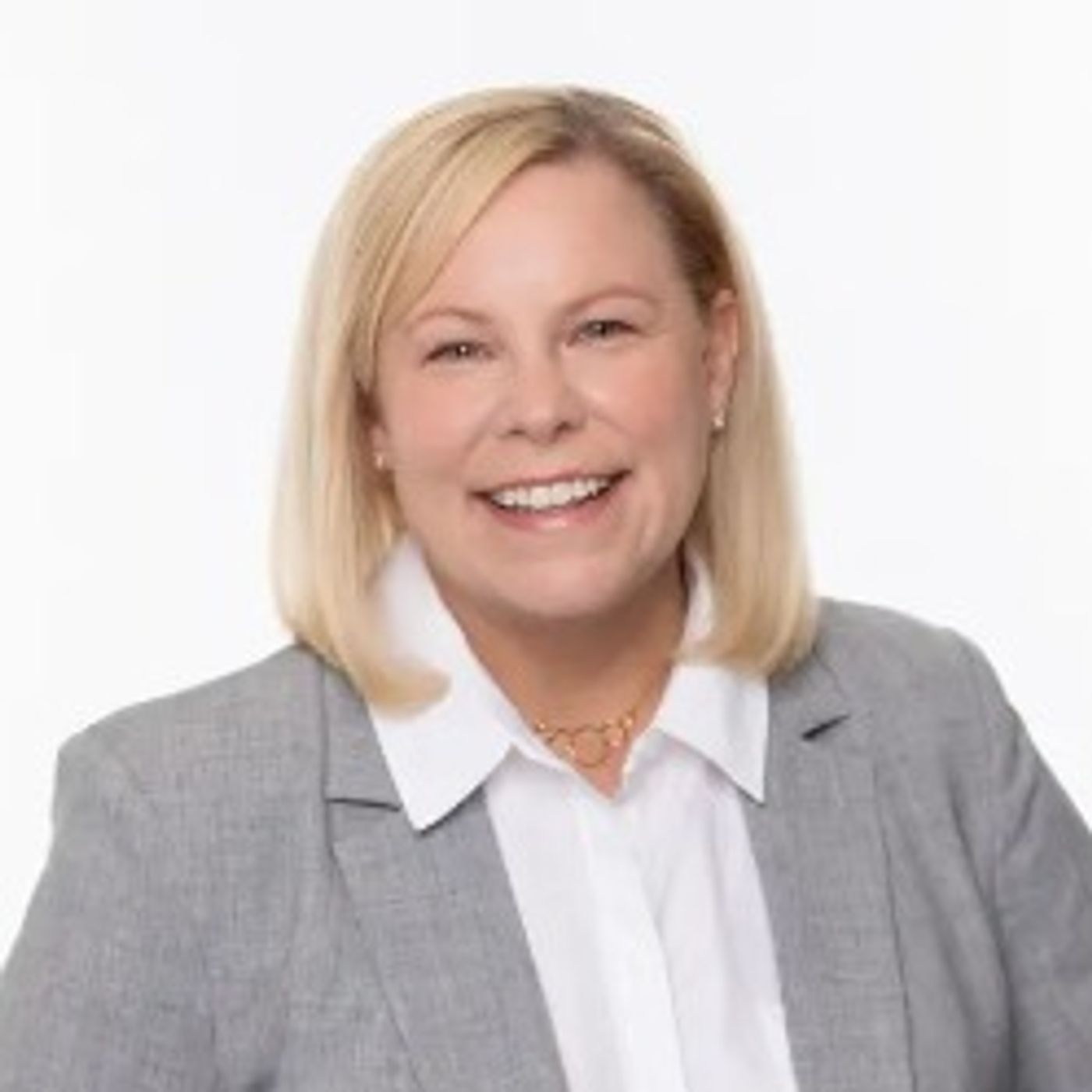 Cancer Caregiving Close to Home: A CEO’s Story | In this episode, we sit down with Sally Werner, CEO of Cancer Support Community, to explore her dual perspective as a longtime oncology professional and as a caregiver to her mother-in-law. We begin with Sally’s background—first as an oncology nurse, then a healthcare administrator, and now a nonprofit leader. She calls this her “passion job,” driven by a deep commitment to support patients and caregivers alike.Sally opens up about her personal journey as a caregiver. Her mother-in-law, Patty Jo, was diagnosed with a rare renal cancer, and Sally became an essential part of her care team, despite living in a different city. As a seasoned professional, she brought clinical experience to the table, but she quickly learned that when the patient is someone you love, emotions can cloud objectivity. To manage this, she utilized Cancer Support Community’s own navigation resources to bring a neutral party into the conversation—someone who could help guide medical decisions without the weight of family emotions.Second opinions played a crucial role in Patty Jo’s care. Sally emphasized how vital they are, especially with rare cancers. In Patty Jo’s case, an aggressive surgical recommendation was replaced with immunotherapy after a second opinion—an option that ultimately preserved her quality of life and kept her active. The family’s concerns were met with clarity and reassurance, thanks to a coordinated, compassionate care approach.Caregiver support was another focal point. Sally discusses the emotional and physical toll on her father-in-law, who was the primary at-home caregiver. She stresses the importance of helping caregivers maintain their own wellbeing. Sally even moved in for a time to assist with daily tasks and give him a break, showing how essential family coordination and self-care are during intense medical periods.We also explore how to activate and manage support systems. Sally used Cancer Support Community’s My Lifeline tool to keep extended family informed and to schedule help in ways that respected Patty Jo’s wishes. This helped avoid overwhelming her while still allowing others to contribute meaningfully.Throughout the conversation, Sally returns to the theme of shared decision-making. She emphasizes that while friends and family often mean well, it’s the patient who should drive treatment choices. Tools like Open to Options allow patients to articulate values and priorities, helping align treatment with what matters most to them.We end with a look into survivorship—what it means to live well after diagnosis. For Patty Jo, this means gardening, walking, spending time with family, and learning to manage fatigue. It also means embracing life differently and more deliberately. As Sally reminds us, cancer changes everyone. But with support, compassion, and the right tools, families can find strength and even joy on the other side of diagnosis.This season is sponsored by Sanofi: https://www.sanofi.com/And Jazz Pharmaceuticals: https://www.jazzpharma.com/More:Cancer Support Community: https://www.cancersupportcommunity.orgMy Lifeline Tool: https://www.mylifeline.orgTriage Cancer Financial Resources: https://triagecancer.orgnbmtLINK Finance Guide (English): https://www.nbmtlink.org/product/finance-guide-for-bone-marrow-stem-cell-transplant/nbmtLINK Finance Guide (Spanish): https://www.nbmtlink.org/product/guia-de-financiacion-para-trasplantes-de-medula-osea-celulas-madre/ National Bone Marrow Transplant Link - (800) LINK-BMT, or (800) 546-5268.nbmtLINK Website: https://www.nbmtlink.org/Check out our valued nbmtLINK resource books, some for sale, some free as downloadable, https://www.nbmtlink.org/shop/nbmtLINK Facebook Page: https://www.facebook.com/nbmtLINKFollow the nbmtLINK on Instagram! https://www.instagram.com/nbmtlink/The nbmtLINK YouTube Page can be found by clicking here.This content is provided for informational purposes only and is not intended to substitute for professional medical advice, diagnosis, or treatment. It is crucial to consult directly with a qualified healthcare professional regarding any medical conditions, treatment options, or other health concerns.The views and opinions expressed by the speakers are their own and do not necessarily reflect the official policy or position of the nbmtLINK. Unless otherwise stated in an official policy, the nbmtLINK does not endorse any specific treatments, products, or services mentioned by the speakers. Reliance on any information provided is solely at your own risk.The Marrow Masters Podcast is produced by JAG Podcast Productions: https://jagpodcastproductions.com/ Hosted by Simplecast, an AdsWizz company. See pcm.adswizz.com for information about our collection and use of personal data for advertising. | — | ||||||
| 9/16/25 | 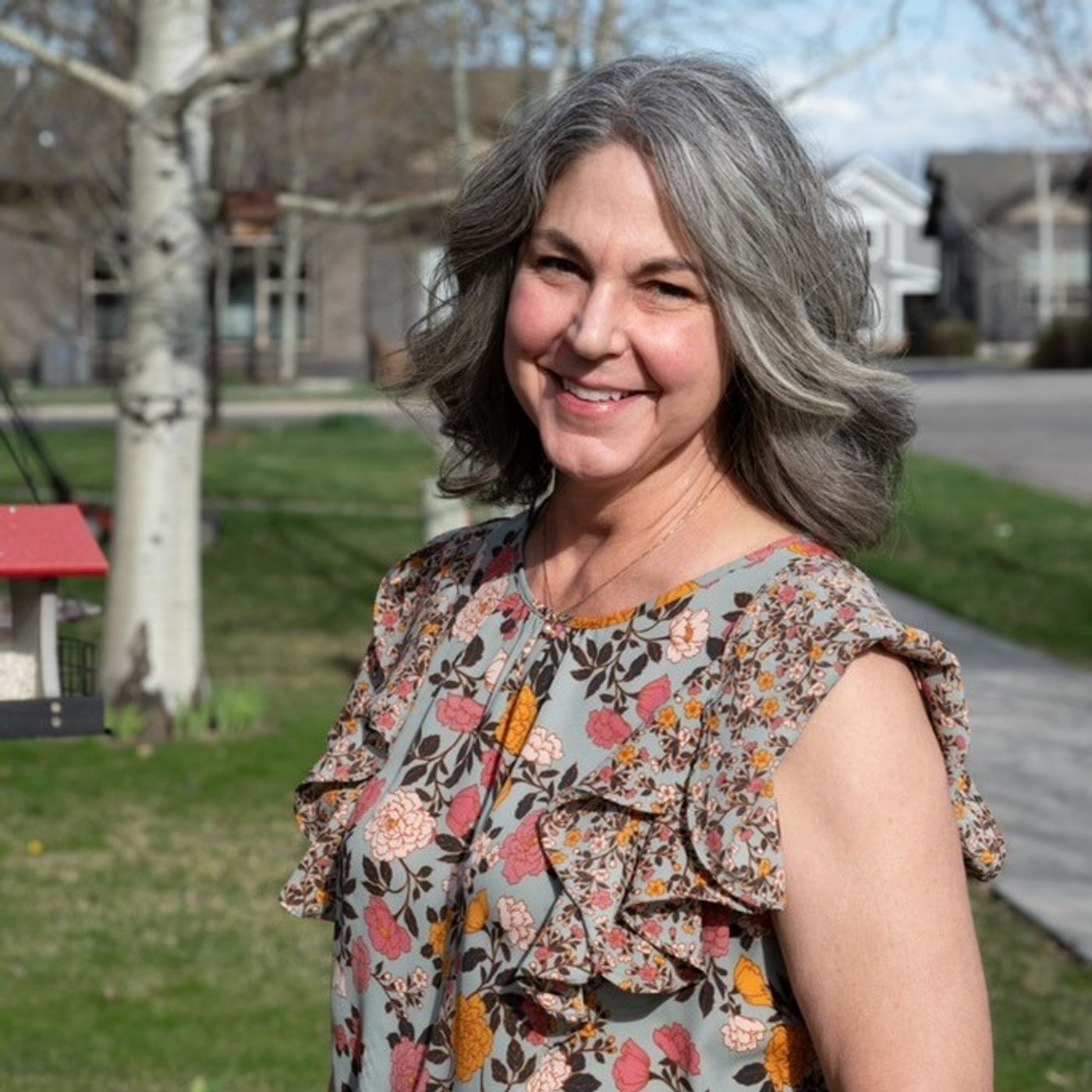 Choosing Hope: Deb Brandt's Cancer Caregiving Journey | In this episode, we talk with Deb Brandt, caregiver to her husband, JR, a survivor of Philadelphia-positive acute lymphoblastic leukemia (ALL). Deb shares the journey that began in September 2016 when JR noticed unusual symptoms that led to an urgent diagnosis. Within days, he began an aggressive chemotherapy regimen, with the hope of a bone marrow transplant as the only cure. The search for a match took seven months, eventually expanding internationally until a 10/10 donor was found, leading them to relocate to Stanford University for the procedure.We discuss the practical realities of caregiving, especially the financial side. Deb emphasizes connecting early with medical teams, social workers, nurse navigators, and financial departments. She details how they tapped into resources from organizations like the Leukemia & Lymphoma Society, utilized a GoFundMe campaign, applied for Social Security disability benefits through its "blue book" criteria, and discovered that many medical bills are negotiable. Deb highlights pharmaceutical assistance programs, including the Medicine Assistance Tool (MAT), NeedyMeds, and Triage Cancer, which help patients access affordable medication.Deb also shares the importance of proactive communication with insurance providers, especially when facing financial hardship, and leveraging housing support networks such as Ronald McDonald House and Hope Lodge when treatment requires relocation. Don't be afraid to use your personal network, too!On the emotional side, Deb describes how caregiving is deeply personal, with strategies unique to each person. She and JR found joy in music, storytelling, birdwatching, and creating comforting hospital environments. She underscores the need for caregivers to take their own breaks — whether walks, massages, or naps — and the value of long-term follow-up care, especially when complications like chronic graft-versus-host disease arise.We explore life after transplant, the strengthening of family bonds, and Deb’s practical lesson of “learning the job” by taking over JR’s household roles. Professionally, Deb works in Montana’s vocational rehabilitation department, helping people with disabilities — including those recovering from cancer — re-enter or adapt to the workforce. She shares that similar resources are available in every U.S. state.Deb’s closing message is about consciously choosing hope. She encourages caregivers and patients to find daily glimmers of light, allow space for tears, but always return to gratitude and positivity. JR is now eight years post-transplant, living with ongoing health challenges but embodying resilience and determination.This season is sponsored by Sanofi: https://www.sanofi.com/And Jazz Pharmaceuticals: https://www.jazzpharma.com/Check out JR's Survivor Story from Season 14 here: https://marrowmasters.simplecast.com/episodes/jr-brandtAdditional Resources:Leukemia & Lymphoma Society (LLS) is now Blood Cancer United: https://bloodcancerunited.org/Be The Match – https://bethematch.orgMedicine Assistance Tool (MAT) – https://medicineassistancetool.orgNeedyMeds – https://www.needymeds.orgTriage Cancer – https://triagecancer.orgRonald McDonald House Charities – https://rmhc.orgHope Lodge – https://www.cancer.org/support-programs-and-services/patient-lodging/hope-lodge.htmlVocational Rehabilitation Services Directory – Search “[Your State] vocational rehabilitation” National Bone Marrow Transplant Link - (800) LINK-BMT, or (800) 546-5268.nbmtLINK Website: https://www.nbmtlink.org/Check out our valued nbmtLINK resource books, some for sale, some free as downloadable, https://www.nbmtlink.org/shop/nbmtLINK Facebook Page: https://www.facebook.com/nbmtLINKFollow the nbmtLINK on Instagram! https://www.instagram.com/nbmtlink/The nbmtLINK YouTube Page can be found by clicking here.This content is provided for informational purposes only and is not intended to substitute for professional medical advice, diagnosis, or treatment. It is crucial to consult directly with a qualified healthcare professional regarding any medical conditions, treatment options, or other health concerns.The views and opinions expressed by the speakers are their own and do not necessarily reflect the official policy or position of the nbmtLINK. Unless otherwise stated in an official policy, the nbmtLINK does not endorse any specific treatments, products, or services mentioned by the speakers. Reliance on any information provided is solely at your own risk.The Marrow Masters Podcast is produced by JAG Podcast Productions: https://jagpodcastproductions.com/ Hosted by Simplecast, an AdsWizz company. See pcm.adswizz.com for information about our collection and use of personal data for advertising. | — | ||||||
| 9/16/25 | 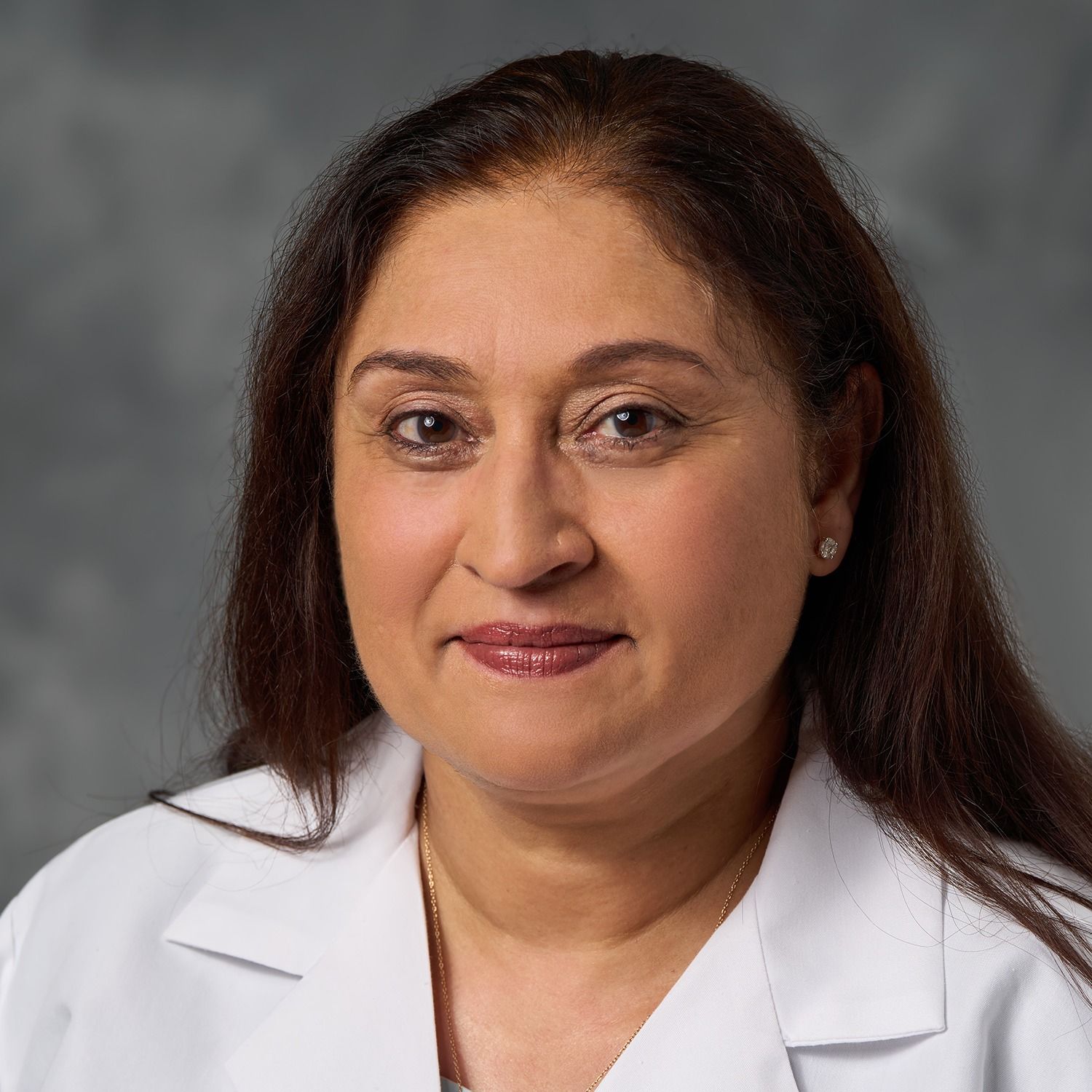 Transplant Caregiving: Skills, Support & Self-Care with Hina Desai | Today we sit down with Henry Ford Health Michigan's Hina Desai, an oncology certified social worker with decades of experience, to share her best caregiving tips for those supporting transplant patients. Hina explains that patience, physical stamina, problem-solving, adaptability, and emotional intelligence are essential caregiver skills. We talk about the many roles a caregiver plays — from transportation and medication management to wound care, infection prevention, meal preparation, and emotional support. Staying connected to the healthcare team and keeping friends and family informed are key.We highlight the value of resources like the Leukemia & Lymphoma Society’s, now Blood Cancer United's, free nutritional consultations. Hina stresses the importance of understanding the Family Medical Leave Act, planning for potential income loss, and connecting with social workers to access financial help from foundations such as LLS, PAN Foundation, Cancer Care, Angels of Hope, New Day Family Foundation, and NMDP.Hina advises enlisting a support network early. Dividing tasks like grocery shopping, meal prep, transportation, and pharmacy runs helps prevent burnout. She reminds us that transplant caregiving is a marathon — caregivers must look after their physical, emotional, financial, and spiritual wellbeing. This includes setting boundaries, filtering advice, staying flexible, and preparing for setbacks such as relapse or unexpected hospital stays.We discuss unique considerations for CAR T, allogeneic, and autologous transplants. CAR T caregivers should watch for neurological changes. Allogeneic caregivers may handle tasks like IV magnesium infusions and monitor for graft-versus-host disease (GVHD) or veno-occlusive disease (VOD).Caregiving can change relationship dynamics, sometimes causing role reversal. Good communication helps maintain mutual respect. Self-care remains vital: nutritious eating, exercise, spiritual practices, adequate sleep, and support groups can all help sustain the caregiver’s energy and emotional health.Hina and Peggy share heartwarming stories of caregivers going above and beyond, from offering a shower to a hospital-bound spouse, to creatively negotiating with doctors so a patient could return to gardening safely. We reflect on the importance of kindness toward oneself, seeking help when needed, and recognizing that caregiving doesn’t have to be perfect to be deeply meaningful. We also highlight three husbands who have stepped up as caregivers to their wives.We close with gratitude for caregivers and the countless ways they support recovery, comfort, and hope for transplant patients.Season 18 of the Marrow Masters podcast is sponsored by Sanofi and Jazz Pharmaceuticals.This season is sponsored by Sanofi: https://www.sanofi.com/And Jazz Pharmaceuticals: https://www.jazzpharma.com/Resources:Leukemia & Lymphoma Society (LLS) is now Blood Cancer United: https://bloodcancerunited.org/PAN Foundation: https://www.panfoundation.orgCancer Care: https://www.cancercare.orgAngels of Hope: https://angelsofhope.orgNew Day Foundation for Families: https://www.foundationforfamilies.orgNational Marrow Donor Program (NMDP): https://bethematch.orgBMT InfoNet: https://www.bmtinfonet.org National Bone Marrow Transplant Link - (800) LINK-BMT, or (800) 546-5268.nbmtLINK Website: https://www.nbmtlink.org/Check out our valued nbmtLINK resource books, some for sale, some free as downloadable, https://www.nbmtlink.org/shop/nbmtLINK Facebook Page: https://www.facebook.com/nbmtLINKFollow the nbmtLINK on Instagram! https://www.instagram.com/nbmtlink/The nbmtLINK YouTube Page can be found by clicking here.This content is provided for informational purposes only and is not intended to substitute for professional medical advice, diagnosis, or treatment. It is crucial to consult directly with a qualified healthcare professional regarding any medical conditions, treatment options, or other health concerns.The views and opinions expressed by the speakers are their own and do not necessarily reflect the official policy or position of the nbmtLINK. Unless otherwise stated in an official policy, the nbmtLINK does not endorse any specific treatments, products, or services mentioned by the speakers. Reliance on any information provided is solely at your own risk.The Marrow Masters Podcast is produced by JAG Podcast Productions: https://jagpodcastproductions.com/ Hosted by Simplecast, an AdsWizz company. See pcm.adswizz.com for information about our collection and use of personal data for advertising. | — | ||||||
| 9/16/25 | 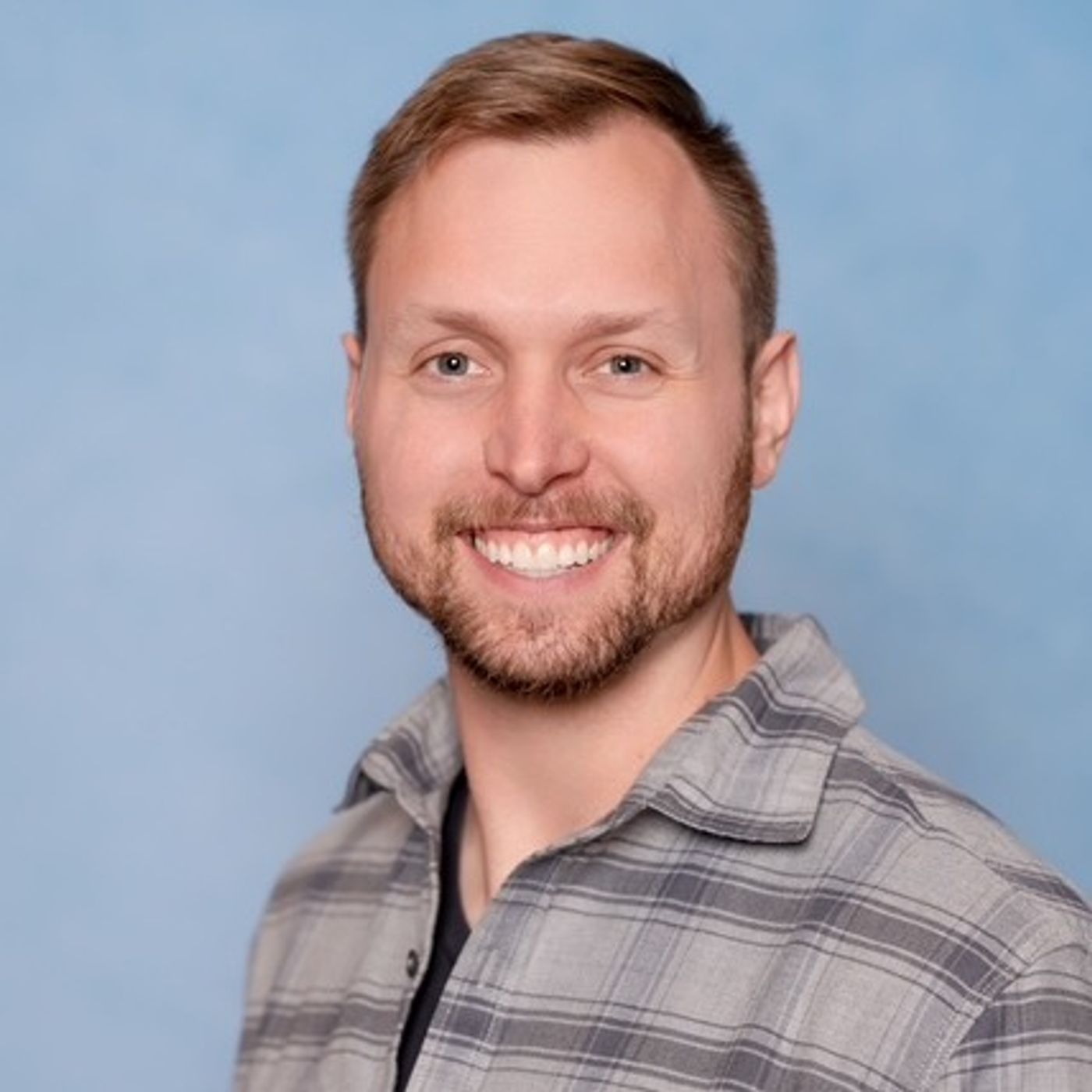 A Male Cancer Caregiver’s Story: From Diagnosis to Recovery | In this episode, we speak with Daniel Medina of Broomfield, Colorado, about his journey as a caregiver for his wife Miley, who was diagnosed with acute myeloid leukemia (AML) in 2021 at the young age of 27. What begins as a story of sudden diagnosis during an active summer of volleyball quickly turned into an emotional and logistical rollercoaster for Daniel, Miley, and their then two-year-old daughter.We walk through the early days of Miley’s diagnosis, including a pivotal urgent care visit that led directly to hospitalization. Daniel shares how a professional connection helped secure Miley’s access to top oncological care at UC Health. Despite initial chemotherapy and some success, a relapse in 2022 led to a bone marrow transplant, which ultimately helped Miley recover and thrive. Today, she’s healthier and more driven than ever—running three coffee shops, parenting energetically, and even making time for beach volleyball.Throughout the conversation, we dive deep into Daniel’s experience as a male caregiver. He reflects on the challenges of holding together family life, work obligations, and emotional well-being while supporting a critically ill spouse. He shares how difficult it was to ask for help—something that went against his natural instinct for independence—and how family, colleagues, and mindfulness practices helped him cope.Daniel is candid about the helplessness he felt, the fears of losing his partner, and the emotional weight of trying to appear strong for his daughter. He explains how something as small as being physically present, even if it’s just sitting silently in the hospital room, becomes powerful. We also learn how critical digital communities like the CancerBuddy app were in helping him find hope, practical advice, and emotional connection during a time when Google only offered grim statistics.We explore how Miley’s recovery affected not only their family dynamics but also their daughter, who—despite her young age—continues to carry emotional echoes of the experience. Daniel highlights the importance of honoring milestones and using them to reflect on growth, healing, and gratitude. He encourages all caregivers to stay grounded, stay present, and reach out for support when needed. His perspective is not only honest and raw, but also deeply human, offering valuable insight into the caregiving journey from a role that’s often underrepresented.This season is sponsored by Sanofi: https://www.sanofi.com/And Jazz Pharmaceuticals: https://www.jazzpharma.com/CancerBuddy: https://bonemarrow.org/support-and-financial-aid/support/about-cancerbuddy National Bone Marrow Transplant Link - (800) LINK-BMT, or (800) 546-5268.nbmtLINK Website: https://www.nbmtlink.org/Check out our valued nbmtLINK resource books, some for sale, some free as downloadable, https://www.nbmtlink.org/shop/nbmtLINK Facebook Page: https://www.facebook.com/nbmtLINKFollow the nbmtLINK on Instagram! https://www.instagram.com/nbmtlink/The nbmtLINK YouTube Page can be found by clicking here.This content is provided for informational purposes only and is not intended to substitute for professional medical advice, diagnosis, or treatment. It is crucial to consult directly with a qualified healthcare professional regarding any medical conditions, treatment options, or other health concerns.The views and opinions expressed by the speakers are their own and do not necessarily reflect the official policy or position of the nbmtLINK. Unless otherwise stated in an official policy, the nbmtLINK does not endorse any specific treatments, products, or services mentioned by the speakers. Reliance on any information provided is solely at your own risk.The Marrow Masters Podcast is produced by JAG Podcast Productions: https://jagpodcastproductions.com/ Hosted by Simplecast, an AdsWizz company. See pcm.adswizz.com for information about our collection and use of personal data for advertising. | — | ||||||
| 9/16/25 | 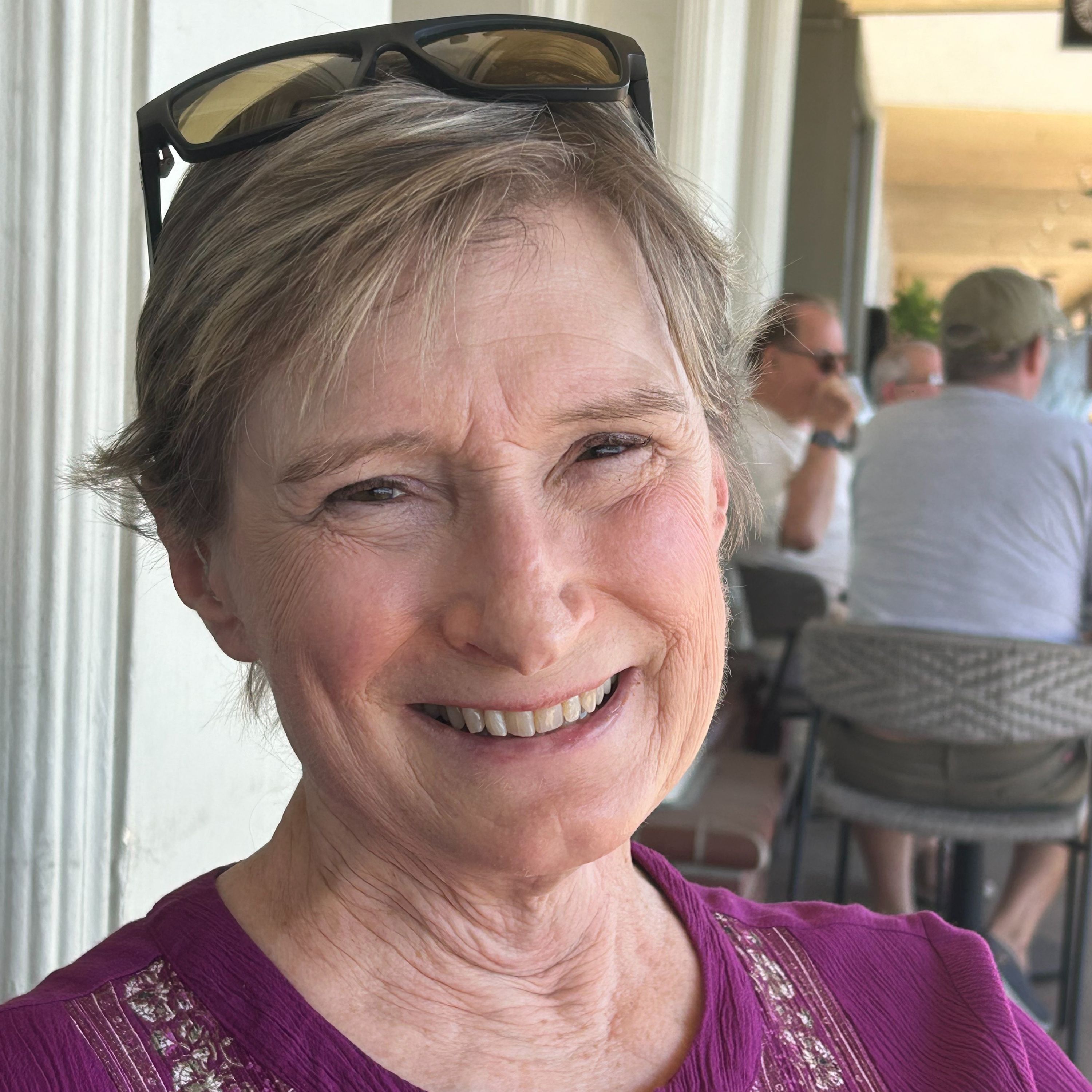 Lorri and Her Cancer Caregiver Army - It Takes a Village | In this episode, we sit down with Lorri Pimentel of Santa Rosa, California, a resilient survivor who shares her deeply personal journey through breast cancer, acute myeloid leukemia (AML), and a life-saving bone marrow transplant. We explore not only the medical milestones but also the practical and emotional realities of navigating treatment and recovery, especially in the context of caregiving during the COVID-19 pandemic.Lorri opens by walking us through her diagnosis timeline: first with DCIS breast cancer in 2016, followed by an AML diagnosis in 2019. She underwent intense chemotherapy and, after a relapse, received a stem cell transplant in March 2021. Her story is not only one of medical complexity but also of personal upheaval—she was in the middle of a divorce and raising three children, with limited family caregiving options. Her caregivers were her friends and former work colleagues, who rotated week by week to support her recovery.We dive into Lorri’s insights and hard-earned lessons about caregiving and post-transplant life. She stresses the importance of flexibility in caregiver scheduling, being prepared for early hospital discharge, and having a list of essential medical contacts readily available. She advises caregivers to undergo thorough training, keep detailed records for outpatient visits, and maintain strict medication management practices.Lorri doesn't shy away from sharing her missteps. She discusses her experience with Graft-versus-Host Disease (GvHD), the dangers of sun exposure, and complications like mucositis and insomnia. Her tips—like using a water pick, prescription mouthwash, fluoride toothpaste, and avoiding self-medicating with cannabis—are based on lived experience. She also shares less obvious insights, such as the need for UV-protective clothing, avoiding rice leftovers, and managing dry eyes with serum-based drops not yet FDA-approved.Transportation and social isolation were also major themes. Lorri emphasizes the importance of arranging reliable rides to appointments and finding indoor outlets for creativity and community. She found healing in watercolor art, music, yoga, and support groups. Her volunteer work with LLS, now Blood Cancer United, and NMDP reflects her dedication to mentoring others on the same path.We wrap up by discussing Lorri’s present-day life. Now more than four years post-transplant, she’s active, creative, and grounded in gratitude. Her final message is one of hope and purpose: bone marrow transplant recovery is slow, but it’s life-changing, and each day is a gift worth sharing.This season is sponsored by Sanofi: https://www.sanofi.com/And Jazz Pharmaceuticals: https://www.jazzpharma.com/ National Bone Marrow Transplant Link - (800) LINK-BMT, or (800) 546-5268.nbmtLINK Website: https://www.nbmtlink.org/Check out our valued nbmtLINK resource books, some for sale, some free as downloadable, https://www.nbmtlink.org/shop/nbmtLINK Facebook Page: https://www.facebook.com/nbmtLINKFollow the nbmtLINK on Instagram! https://www.instagram.com/nbmtlink/The nbmtLINK YouTube Page can be found by clicking here.This content is provided for informational purposes only and is not intended to substitute for professional medical advice, diagnosis, or treatment. It is crucial to consult directly with a qualified healthcare professional regarding any medical conditions, treatment options, or other health concerns.The views and opinions expressed by the speakers are their own and do not necessarily reflect the official policy or position of the nbmtLINK. Unless otherwise stated in an official policy, the nbmtLINK does not endorse any specific treatments, products, or services mentioned by the speakers. Reliance on any information provided is solely at your own risk.The Marrow Masters Podcast is produced by JAG Podcast Productions: https://jagpodcastproductions.com/ Hosted by Simplecast, an AdsWizz company. See pcm.adswizz.com for information about our collection and use of personal data for advertising. | — | ||||||
| 9/16/25 | 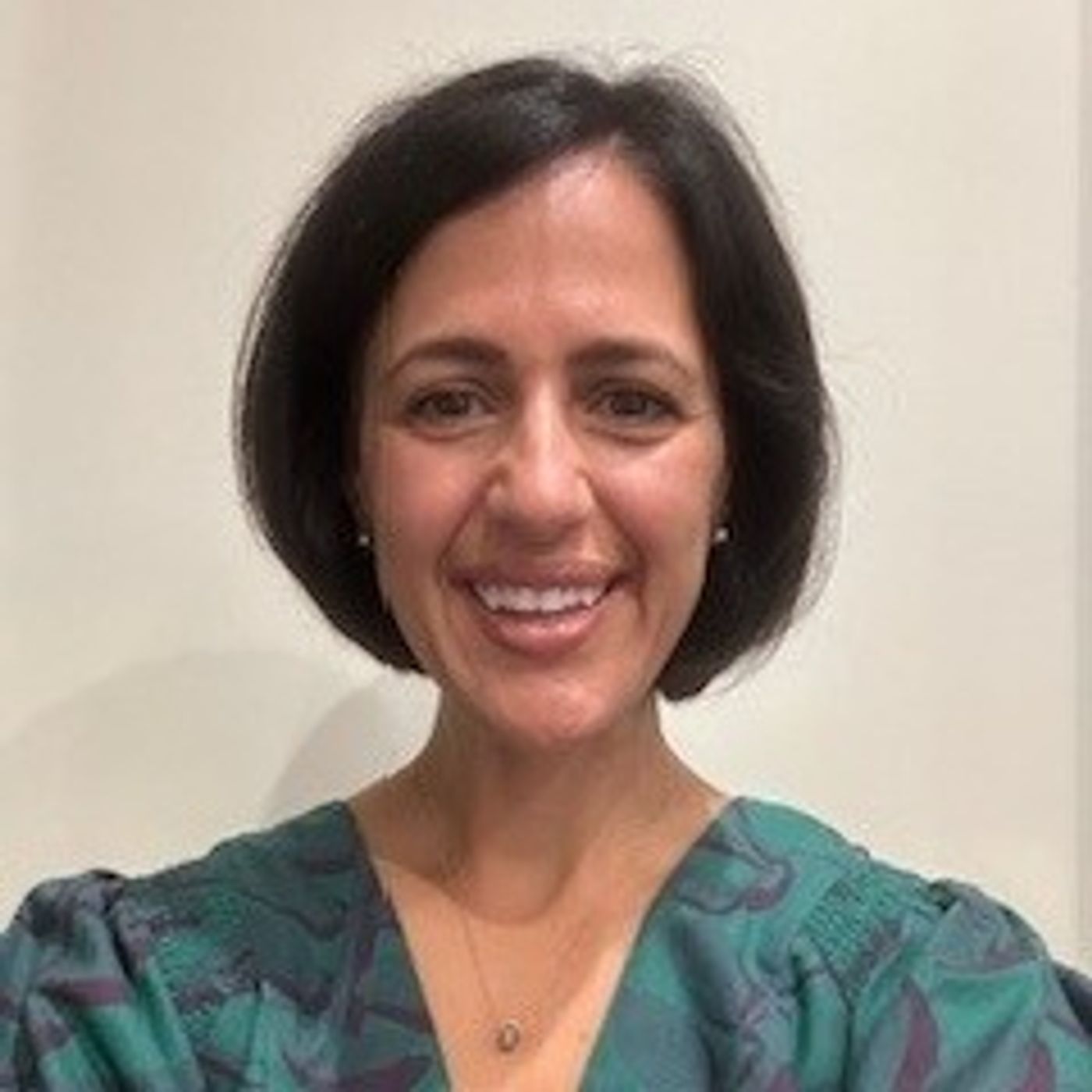 Stories from the Frontlines of Cancer Caregiving | In this episode, we sit down with Anastasia Cacavias, a registered nurse and manager of the Blood and Marrow Transplant Leukemia Program at Northside Hospital Cancer Institute in Atlanta. Anastasia walks us through the essential role that caregivers play throughout the transplant journey—from initial diagnosis to long-term recovery. Her perspective comes not only from clinical experience but from deeply personal connections with patients and their support systems.We begin by discussing the broad and intensive responsibilities caregivers take on. These range from medication management, symptom monitoring, transportation, and attending every medical appointment to providing emotional support 24/7. Anastasia explains how caregivers are not just passive companions but active partners in medical care. They’re educated thoroughly before the patient begins their conditioning regimen, especially about signs of infection, graft-versus-host disease, and other complications.Once patients return home, the caregiver’s role intensifies. They’re responsible for maintaining a clean home environment, food preparation, hygiene assistance, and ensuring infection control—such as hand washing, mask-wearing, and visitor limitations. Anastasia offers guidance on how caregivers can prepare, including maintaining good communication, staying organized, and using a detailed education notebook provided by the hospital.Self-care for caregivers is a major focus. Anastasia emphasizes that it’s okay to admit feeling overwhelmed. She encourages them to take breaks, get proper rest, eat well, and tap into family or community resources for support. Even small actions, like letting someone else bring the patient to the clinic for a few hours, can be meaningful.We also explore more medical territory—highlighting key patient needs such as hydration, nutrition, and mobility. Physical therapy is introduced before transplant and continued after, with an emphasis on realistic daily movement goals. Proper dental care, both pre- and post-transplant, is essential to avoid complications, with tips like using alcohol-free mouthwash and soft-bristled brushes.We touch on important transplant-related complications such as Graft-versus-Host Disease (GvHD) and Veno-Occlusive Disease (VOD). Anastasia details the signs to watch for, treatment protocols, and the hospital's proactive approach, including assigning dedicated GvHD nurses and maintaining 24/7 communication lines for urgent symptoms.Anastasia closes the conversation with moving stories of caregivers who went above and beyond—reminding us of the emotional strength and love that often fuels this journey. These stories reinforce her message: caregivers are central to healing. Without them, recovery would look very different.Northside Hospital: https://www.northside.com/National Marrow Donor Program (NMDP): https://bethematch.orgThis season is sponsored by Sanofi: https://www.sanofi.com/And Jazz Pharmaceuticals: https://www.jazzpharma.com/ National Bone Marrow Transplant Link - (800) LINK-BMT, or (800) 546-5268.nbmtLINK Website: https://www.nbmtlink.org/Check out our valued nbmtLINK resource books, some for sale, some free as downloadable, https://www.nbmtlink.org/shop/nbmtLINK Facebook Page: https://www.facebook.com/nbmtLINKFollow the nbmtLINK on Instagram! https://www.instagram.com/nbmtlink/The nbmtLINK YouTube Page can be found by clicking here.This content is provided for informational purposes only and is not intended to substitute for professional medical advice, diagnosis, or treatment. It is crucial to consult directly with a qualified healthcare professional regarding any medical conditions, treatment options, or other health concerns.The views and opinions expressed by the speakers are their own and do not necessarily reflect the official policy or position of the nbmtLINK. Unless otherwise stated in an official policy, the nbmtLINK does not endorse any specific treatments, products, or services mentioned by the speakers. Reliance on any information provided is solely at your own risk.The Marrow Masters Podcast is produced by JAG Podcast Productions: https://jagpodcastproductions.com/ Hosted by Simplecast, an AdsWizz company. See pcm.adswizz.com for information about our collection and use of personal data for advertising. | — | ||||||
| 9/11/25 | Marrow Masters Season 18 Trailer - Coming September 16th, 2025 | Welcome to Season 18 of Marrow Masters, produced for the National Bone Marrow Transplant Link, and sponsored by Sanofi and Jazz Pharmaceuticals. This season is all about the caregivers. Our guests will offer up their best tips, experiences and advice. We’ll cover the importance of self-care and share heartwarming stories of compassion and love. You'll hear from an RN and transplant manager at Atlanta's Northside Hospital, a CEO of a cancer organization who found herself in the cargiver role, an oncology social worker, a survivor who had an army of caregivers, and a male and female caregiver. You'll want to hear how those roles affected the dynamics of their relationships. This season, we're also including an empathy exercise- demonstrated by the National Bone Marrow Transplant LINK's own social worker, Jennifer Gillette. While most of us are fortunate not to know first-hand what it's like to have cancer, this exercise will open your eyes to what your loved one may be experiencing.Please share this podcast with someone you think would benefit from it. And don’t miss future episodes of our show – follow Marrow Masters for free on Apple, Spotify, YouTube, or wherever you’re listening right now. Marrow Masters is produced for the National Bone Marrow Transplant Link. Established in 1992, the LINK strives to help patients, caregivers, and families cope with the psychosocial challenges of bone marrow transplant, from diagnosis through survivorship. The Marrow Masters podcast is produced by JAG Podcast productions, online at JAGPodcastProductions.com.This season is sponsored by Sanofi: https://www.sanofi.com/And Jazz Pharmaceuticals: https://www.jazzpharma.com/ National Bone Marrow Transplant Link - (800) LINK-BMT, or (800) 546-5268.nbmtLINK Website: https://www.nbmtlink.org/Check out our valued nbmtLINK resource books, some for sale, some free as downloadable, https://www.nbmtlink.org/shop/nbmtLINK Facebook Page: https://www.facebook.com/nbmtLINKFollow the nbmtLINK on Instagram! https://www.instagram.com/nbmtlink/The nbmtLINK YouTube Page can be found by clicking here.This content is provided for informational purposes only and is not intended to substitute for professional medical advice, diagnosis, or treatment. It is crucial to consult directly with a qualified healthcare professional regarding any medical conditions, treatment options, or other health concerns.The views and opinions expressed by the speakers are their own and do not necessarily reflect the official policy or position of the nbmtLINK. Unless otherwise stated in an official policy, the nbmtLINK does not endorse any specific treatments, products, or services mentioned by the speakers. Reliance on any information provided is solely at your own risk.The Marrow Masters Podcast is produced by JAG Podcast Productions: https://jagpodcastproductions.com/ Hosted by Simplecast, an AdsWizz company. See pcm.adswizz.com for information about our collection and use of personal data for advertising. | — | ||||||
| 6/18/25 | 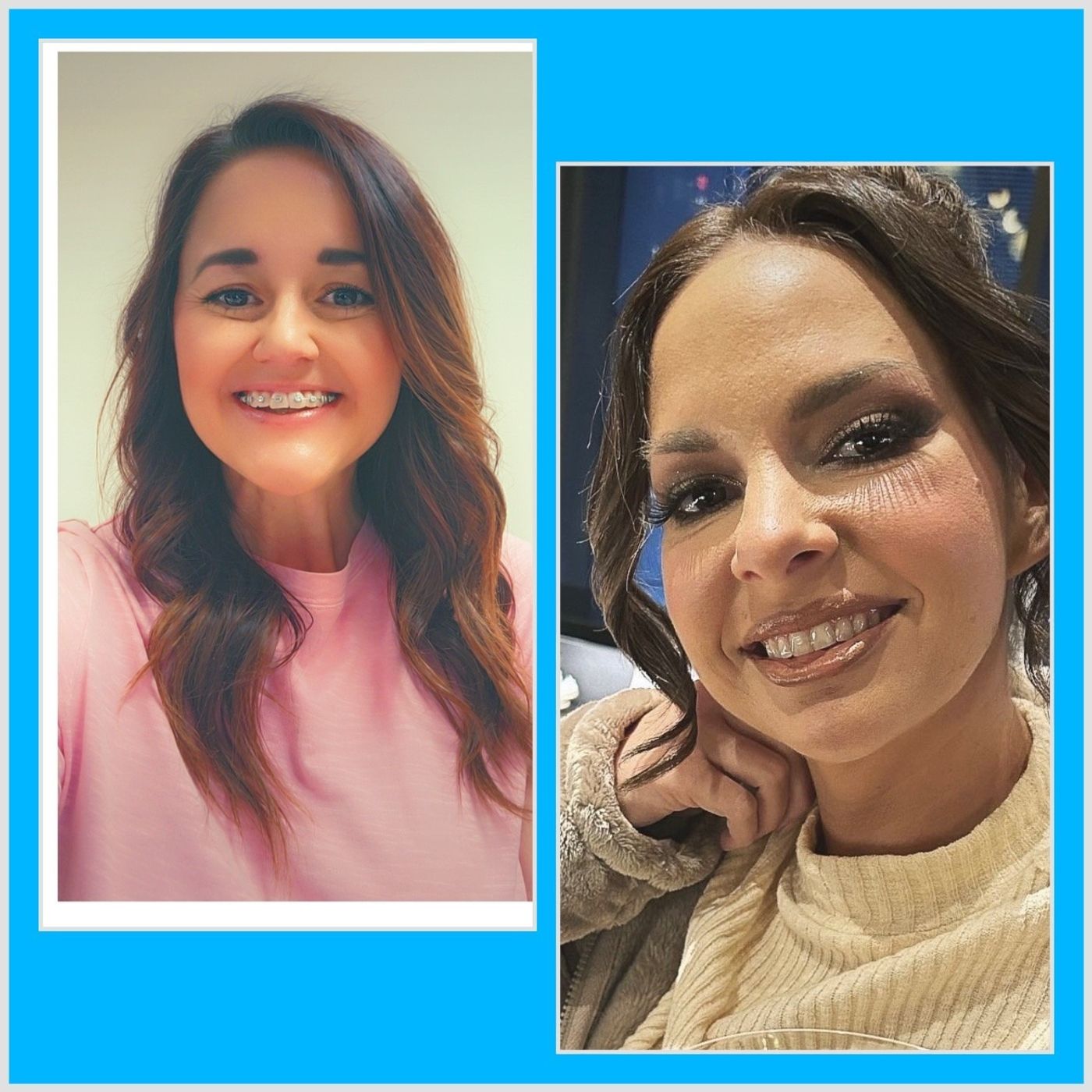 Two Mothers' Love: The Touching Story of A Life Saving Donation and Transplant | In this incredible episode of Marrow Masters, we sit down with Kayla West, a stem cell donor from Texas, and Miriam Bauer, the mother of a young leukemia survivor Miley, from Oklahoma. This story is a deeply emotional journey of hope, resilience, and a connection that transcends bloodlines. Kayla and Miriam take us through the entire transplant process from both perspectives: the donor stepping up during a pandemic, and the caregiver navigating a life-threatening diagnosis in a child.We begin with Kayla’s decision to join the donor registry after a chance encounter with DKMS at a Goo Goo Dolls concert. She didn’t expect to be called to donate, but when she was, during COVID lockdown, she jumped at the chance to help someone—anyone—in need. That “anyone” turned out to be Miley, an eleven-year-old girl who had been diagnosed with acute myeloid leukemia (AML) and urgently needed a transplant after two brutal rounds of chemotherapy.Miriam recounts those terrifying early days at St. Jude, from the moment of diagnosis through the chaos of the early pandemic lockdowns. She was Miley’s only caregiver during a 248-day hospital stay. Her story is filled with moments of heartbreak and triumph, from failed chemo rounds to the joy of reaching remission and finding a viable donor in Kayla. We learn how transplant coordination works, how donor cells were frozen and shipped during COVID, and how little details—like celebrating donor day or choosing a transplant date that coincides with family birthdays—brought joy in dark times.Post-transplant, Miley’s life has been a mix of recovery and lingering health effects, but she's thriving. Miriam emphasizes advocacy, honesty, and self-care for caregivers. Kayla, for her part, reflects on the overwhelming emotion of learning she was a match, undergoing all the testing during COVID, and then finally meeting the recipient of her cells in an unforgettable reunion in New York. The two families, now bonded for life, meet regularly and have built a deep friendship. Next up: A trip for Kayla's family to Oklahoma to experience a powwow with Miriam, Miley, and their family!The videos below will have you reaching for the tissues and hopefully inspire many to get swabbed.Kayla also shares her decision to launch a nonprofit, SETX Leukemia Organization, focused on educating communities and recruiting new donors. Her goal is to prevent other families from facing what Miriam’s did—wondering if there will be a match in time. Kayla’s drive, born from her experience, continues to ripple outwards as she recruits more potential donors at local events with DKMS support.This episode isn’t just about survival—it’s about connection, purpose, and what can happen when strangers become family through an act of extraordinary generosity.SETX Leukemia Organization (Kayla’s nonprofit): https://setxleukemia.org/DKMS (Be The Match partner organization): https://www.dkms.orgDKMS Video about Kayla, Miley, and Miriam: https://www.youtube.com/watch?v=sNhwRxXMbw8Thanks to our Season 17 Sponsors:Leukemia and Lymphoma Society (LLS): https://lls.org/and Incyte: https://incyte.com/ National Bone Marrow Transplant Link - (800) LINK-BMT, or (800) 546-5268.nbmtLINK Website: https://www.nbmtlink.org/Check out our valued nbmtLINK resource books, some for sale, some free as downloadable, https://www.nbmtlink.org/shop/nbmtLINK Facebook Page: https://www.facebook.com/nbmtLINKFollow the nbmtLINK on Instagram! https://www.instagram.com/nbmtlink/The nbmtLINK YouTube Page can be found by clicking here.This content is provided for informational purposes only and is not intended to substitute for professional medical advice, diagnosis, or treatment. It is crucial to consult directly with a qualified healthcare professional regarding any medical conditions, treatment options, or other health concerns.The views and opinions expressed by the speakers are their own and do not necessarily reflect the official policy or position of the nbmtLINK. Unless otherwise stated in an official policy, the nbmtLINK does not endorse any specific treatments, products, or services mentioned by the speakers. Reliance on any information provided is solely at your own risk.The Marrow Masters Podcast is produced by JAG Podcast Productions: https://jagpodcastproductions.com/ Hosted by Simplecast, an AdsWizz company. See pcm.adswizz.com for information about our collection and use of personal data for advertising. | — | ||||||
| 6/18/25 | 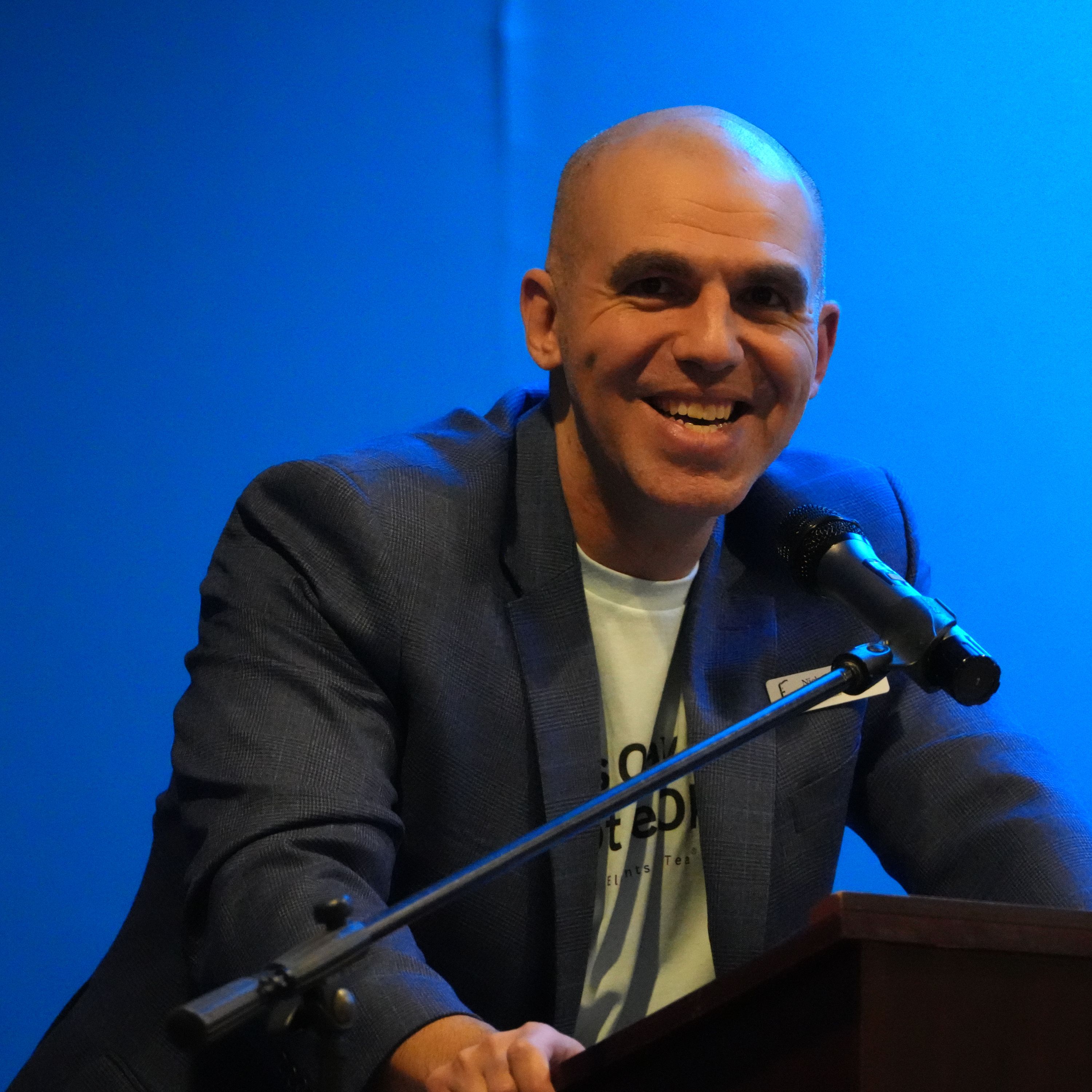 Elephants and Tea: Why AYAs Deserve Their Own Cancer Support Space | In this episode, we sit down with Nick Giallourakis, Executive Director of the Steven G. Cancer Foundation and co-founder of Elephants and Tea, a digital magazine and support platform for adolescent and young adult (AYA) cancer patients and survivors. We begin by learning about Nick’s brother, Steve, whose incredible journey as a five-time cancer survivor—including osteosarcoma, Secondary AML, renal cell carcinoma, and pleomorphic sarcoma—serves as the foundation and inspiration for Nick’s work.Nick walks us through the origins of Elephants and Tea, which he co-founded with his mother, Angie. The platform emerged from a need for authentic, uncensored storytelling within the AYA cancer space. They pivoted from a traditional media model to a platform where survivors share their stories in their own words. This decision came from listening to survivors who didn’t want their experiences diluted. The magazine’s name—suggested through a contest—symbolizes the raw truth of cancer as the “elephant in the room,” while “tea” represents the comfort found in open dialogue.Nick highlights key challenges AYAs face: financial toxicity, unstable careers, insurance struggles, dating, and misdiagnoses due to age biases. He’s encouraged by the growing trend of self-advocacy in this group, including the rise in second opinions. We reflect on the post-COVID landscape, noting how virtual platforms opened doors for more isolated individuals, while in-person connections remain essential for others.We touch on caregiving—especially for AYAs where roles can be filled by peers, not just parents. Nick emphasizes the importance of caregivers asking for help and delegating tasks. He also speaks candidly about the emotional toll of losing community members and the need to acknowledge and process that grief.We explore how storytelling fuels community-building at Elephants and Tea. The magazine has contributors from 15 countries, highlighting a global hunger for connection and support. Nick shares how partnerships—like their impactful collaboration with Walgreens—are making tangible changes, such as mandatory fertility counseling for patients receiving chemo for the first time. Behind the scenes, they're working with industry and medical organizations to use these stories for systemic change.As for what’s next, Elephants and Tea continues to expand its in-person programming, including regional magazine release events. They're consistently surveying their audience to ensure their efforts are aligned with current needs. Nick leaves us with a heartfelt story of a late community member who, through a simple virtual Halloween hangout, helped spark deeper bonds and outreach across the cancer community.More: Elephants and Tea: https://elephantsandtea.comSteven G. AYA Cancer Research Fund: https://stevengcancerfoundation.orgCancer and Fertility Magazine produced by Elephants and Tea WITH Walgreens: https://elephantsandtea.org/cancer-fertility/YA Cancer Gabfest (Cactus Cancer Society): https://cactuscancer.org/ya-cancer-gabfestStupid Cancer: https://stupidcancer.org/Thanks to our Season 17 Sponsors:Leukemia and Lymphoma Society (LLS): https://lls.org/and Incyte: https://incyte.com/ National Bone Marrow Transplant Link - (800) LINK-BMT, or (800) 546-5268.nbmtLINK Website: https://www.nbmtlink.org/Check out our valued nbmtLINK resource books, some for sale, some free as downloadable, https://www.nbmtlink.org/shop/nbmtLINK Facebook Page: https://www.facebook.com/nbmtLINKFollow the nbmtLINK on Instagram! https://www.instagram.com/nbmtlink/The nbmtLINK YouTube Page can be found by clicking here.This content is provided for informational purposes only and is not intended to substitute for professional medical advice, diagnosis, or treatment. It is crucial to consult directly with a qualified healthcare professional regarding any medical conditions, treatment options, or other health concerns.The views and opinions expressed by the speakers are their own and do not necessarily reflect the official policy or position of the nbmtLINK. Unless otherwise stated in an official policy, the nbmtLINK does not endorse any specific treatments, products, or services mentioned by the speakers. Reliance on any information provided is solely at your own risk.The Marrow Masters Podcast is produced by JAG Podcast Productions: https://jagpodcastproductions.com/ Hosted by Simplecast, an AdsWizz company. See pcm.adswizz.com for information about our collection and use of personal data for advertising. | — | ||||||
Showing 25 of 157
Pitch Fit is a Pro feature
See how bookable this show is for guests, which brands already advertise, the per-episode ad value, and the best-fit guest and sponsor profile. The numbers are blurred on the free plan.
How readily this show books outside guests like you.
How proven this show is for host-read sponsorships.
For Guests
ProFor Advertisers
ProUpgrade to Pro to unlock guest cadence, sponsor categories, fit scores, and per-episode ad value for this show.
Chart Positions
1 placement across 1 market.
Chart Positions
1 placement across 1 market.