
Insights from recent episode analysis
Audience Interest
Podcast Focus
Publishing Consistency
Platform Reach
Insights are generated by CastFox AI using publicly available data, episode content, and proprietary models.
Most discussed topics
Brands & references
Est. Listeners
Insufficient chart data. Estimates will improve as the show charts.
- Per-Episode Audience
Est. listeners per new episode within ~30 days
N/A🎙 Weekly cadence·259 episodes·Last published 4mo ago - Monthly Reach
Unique listeners across all episodes (30 days)
N/A - Active Followers
Loyal subscribers who consistently listen
N/A
Market Insights
Platform Distribution
Reach across major podcast platforms, updated hourly
Total Followers
—
Total Plays
—
Total Reviews
—
* Data sourced directly from platform APIs and aggregated hourly across all major podcast directories.
On the show
From 10 epsHost
Recent guests
Recent episodes
Opioid Addiction: RNA Biology, Brain Inflammation & Psychedelic Therapy
Feb 12, 2026
1h 17m 55s
Estrogen & Body Fat: Menopause, Puberty, Females vs. Males
Feb 12, 2026
1h 39m 57s
The Claustrum: Cognition, Consciousness, Alcohol & Psychedelics | 278
Feb 6, 2026
1h 35m 48s
Psychedelic Neurobiology: Sex-Specific Effects of MDMA & Psilocybin in Addiction & Reward Behavior
Feb 4, 2026
1h 10m 48s
AMPK: Biochemistry of Nutrient Sensing, Fasting, Cell Repair & Growth | Greg Steinberg
Jan 22, 2026
1h 20m 15s
Social Links & Contact
Official channels & resources
Official Website
Login
RSS Feed
Login
Resolving iTunes ID\u2026 if this persists, the podcast may not be indexed on Apple Podcasts.
| Date | Episode | Topics | Guests | Brands | Places | Keywords | Sponsor | Length | |
|---|---|---|---|---|---|---|---|---|---|
| 2/12/26 | 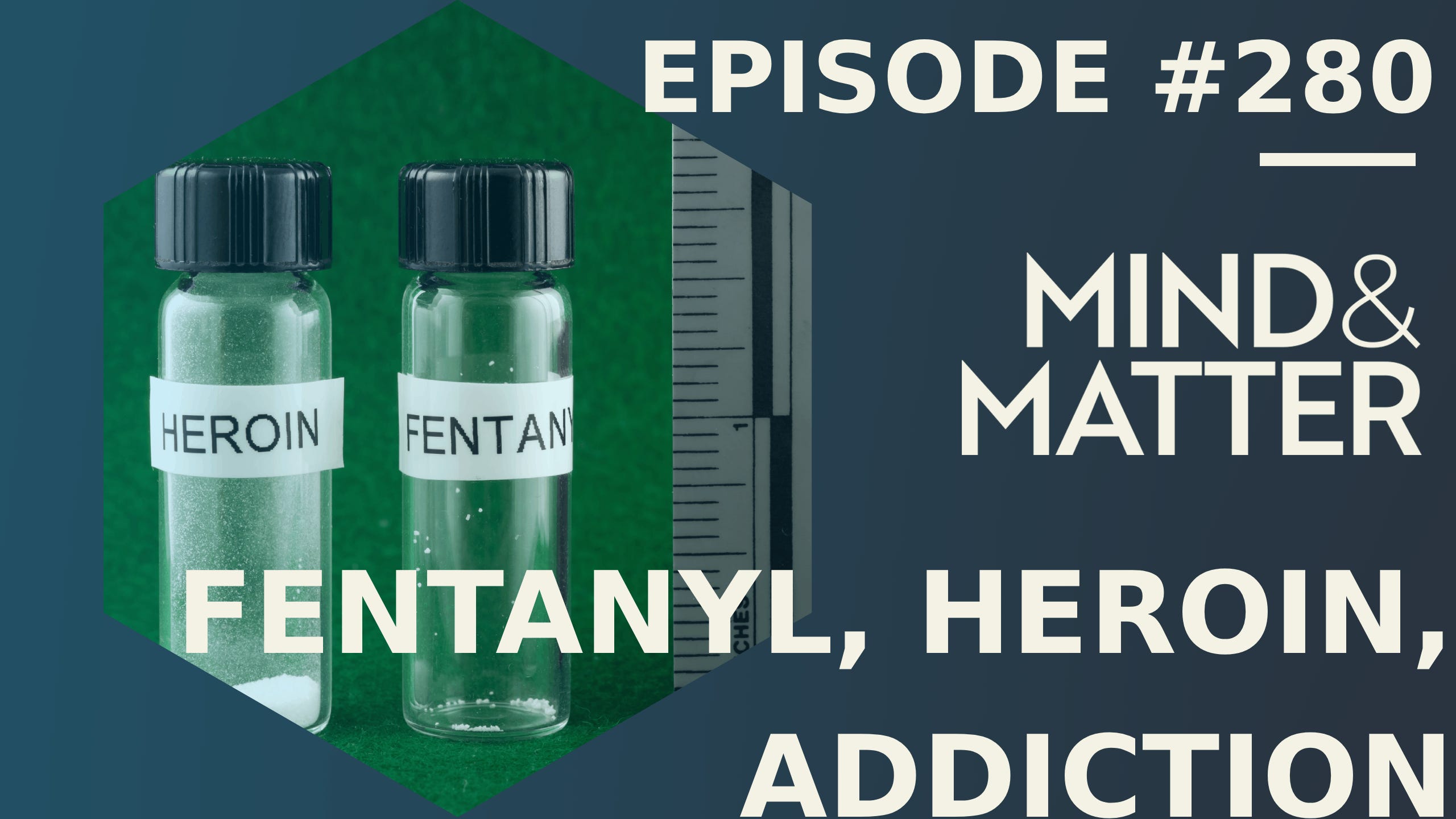 Opioid Addiction: RNA Biology, Brain Inflammation & Psychedelic Therapy✨ | opioid addictionRNA biology+4 | — | psilocybinheroin+2 | — | opioid addictionRNA biology+6 | — | 1h 17m 55s | |
| 2/12/26 | 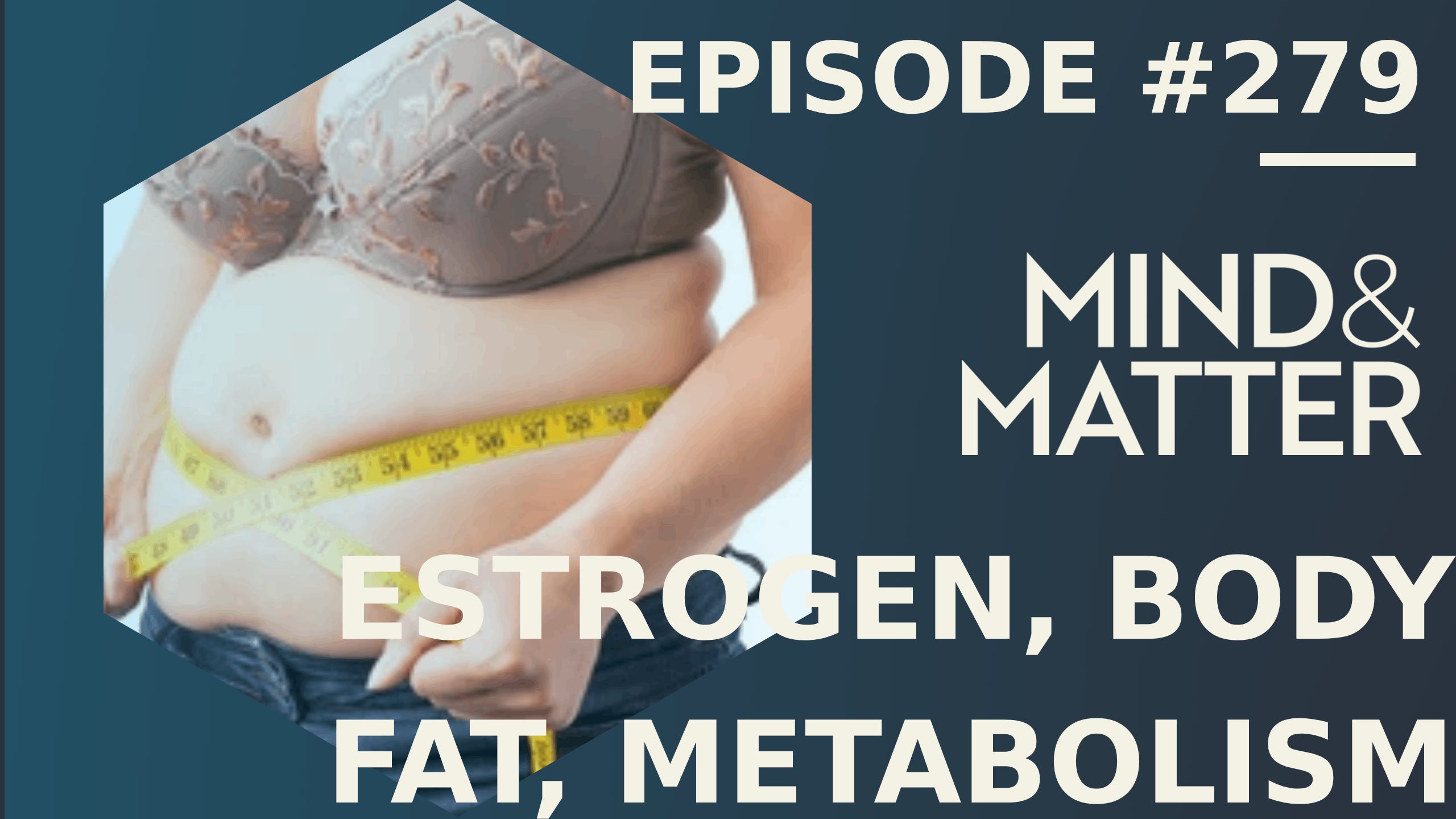 Estrogen & Body Fat: Menopause, Puberty, Females vs. Males✨ | EstrogenBody Fat+4 | — | — | — | adipose tissuewhite fat+5 | — | 1h 39m 57s | |
| 2/6/26 | 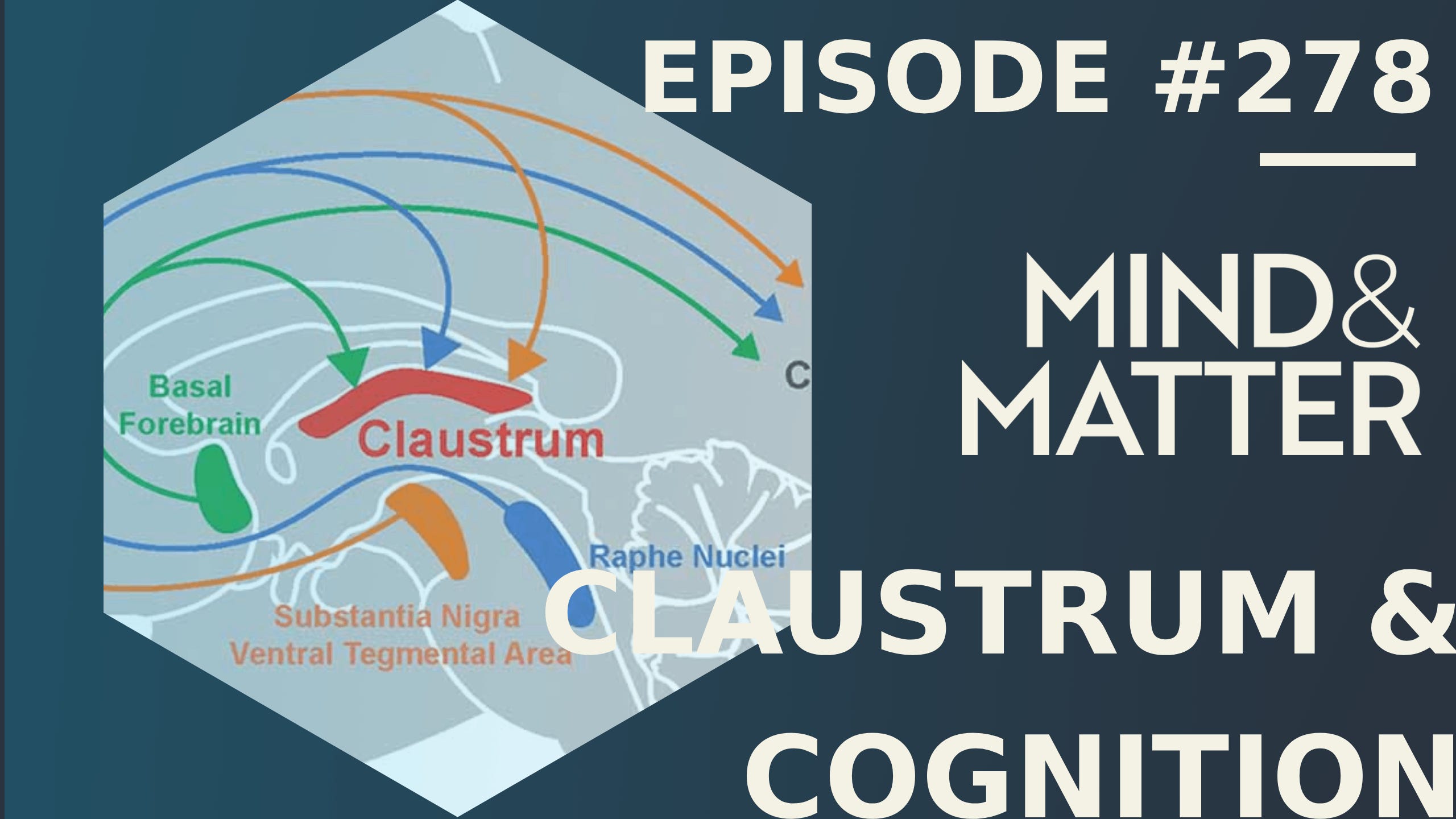 The Claustrum: Cognition, Consciousness, Alcohol & Psychedelics | 278✨ | CognitionConsciousness+4 | — | PsilocybinAlcohol+2 | — | claustrumcognition+6 | — | 1h 35m 48s | |
| 2/4/26 |  Psychedelic Neurobiology: Sex-Specific Effects of MDMA & Psilocybin in Addiction & Reward Behavior✨ | Psychedelic NeurobiologySex-Specific Effects+5 | — | MDMAPsilocybin+3 | — | PsychedelicsMDMA+7 | — | 1h 10m 48s | |
| 1/22/26 |  AMPK: Biochemistry of Nutrient Sensing, Fasting, Cell Repair & Growth | Greg Steinberg✨ | AMPKnutrient sensing+5 | Gregory Steinberg | McMaster University | — | AMPKATP+8 | — | 1h 20m 15s | |
| 1/14/26 |  Farm Food: Soy in Animal Feed, Pesticides, Phytoestrogens, Seed Oils & Regenerative Farming✨ | Soy in animal feedPesticides+4 | Ashley Armstrong | Angel Acr | — | soyanimal feed+6 | — | 1h 36m 10s | |
| 1/11/26 |  Personalized Nutrition: Individual Responses to Foods, Fiber, Fats & Maternal Health✨ | personalized nutritionfiber variations+5 | — | Snyder’s labmindandmatter.substack.com | — | personalized health profilingdietary fibers+5 | — | 1h 20m 59s | |
| 1/9/26 | 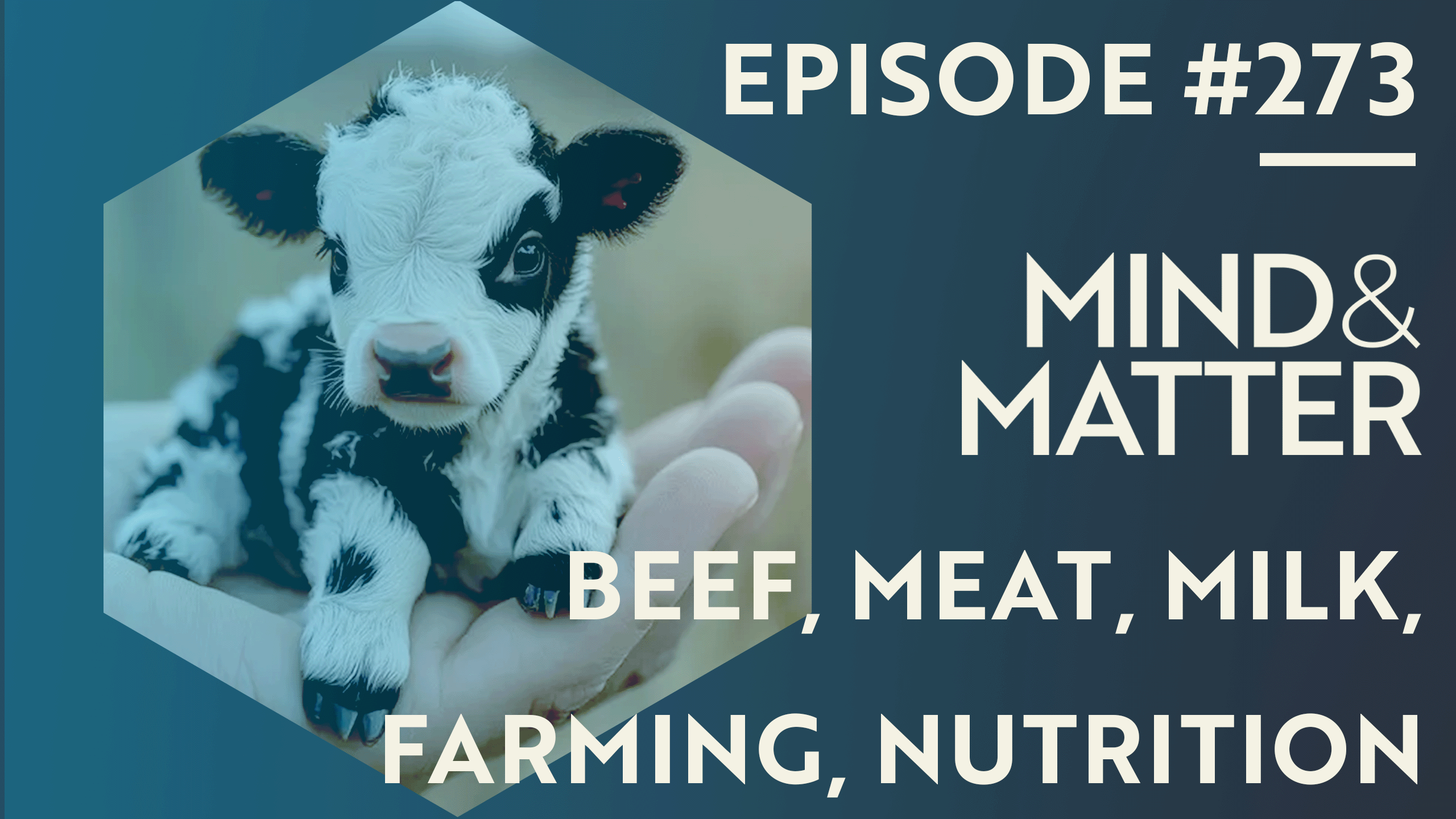 Nutrition Content of Animal & Plant Foods: Beef, Plant-Based Meat, Raw vs. Processed Milk✨ | nutritionphytonutrients+4 | Stephan Van Vliet, PhDStephan Van Vliet | Utah State University | — | nutrient densityphytonutrients+5 | — | 1h 36m 16s | |
| 1/4/26 |  Metabolic Effects of Oxidative Stress in Development & Neurodegeneration Disease | Robert Lustig | 272✨ | oxidative stressmetabolism+5 | Robert Lustig | Mind & Matter | — | oxidative stressmetabolism+8 | — | 2h 11m 13s | |
| 12/30/25 | 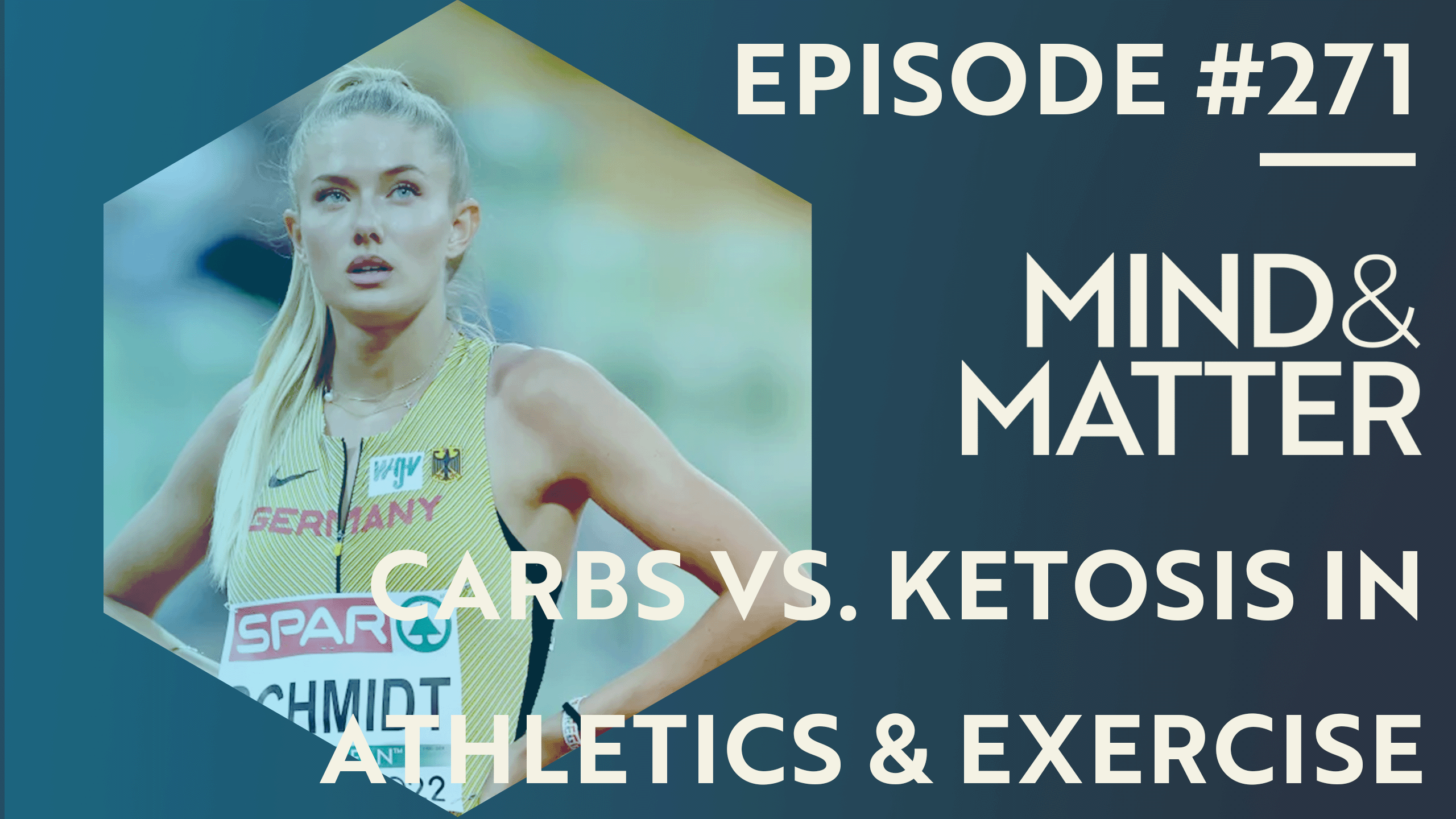 Carbohydrates vs Ketosis in Exercise, Fatigue & Sports Science | Andrew Koutnik | 271✨ | carbohydratesketosis+4 | Andrew Koutnik | Ozempic | — | insulinglucagon+3 | — | 2h 10m 26s | |
Want analysis for the episodes below?Free for Pro Submit a request, we'll have your selected episodes analyzed within an hour. Free, at no cost to you, for Pro users. | |||||||||
| 12/23/25 |  Stress & Psilocybin: Effects on Maternal Care & Offspring Development | Danielle Stolzenberg | 270 | This is a free preview of a paid episode. To hear more, visit mindandmatter.substack.comWide release date: December 26, 2025.Topics Discussed:* Maternal care behavior in rodents: Nursing, pup retrieval, grooming, and nest-building, essential for altricial pups’ survival; conserved across mammals but varies by species.* Hormonal changes in pregnancy: Estradiol and progesterone surge then drop at birth, crossing the blood-brain barrier to enable infant attraction and care via gene expression and neuroplasticity.* Brain circuitry for parenting: Medial preoptic area acts as a central hub, coordinating motivation and sensory inputs; present in both sexes but activated differently by hormones and experience.* Stress impacts on mothers: Social stressors like male intruders dysregulate care, leading to frantic behaviors and avoidance; models human psychosocial stress linked to postpartum mood disorders.* Sex differences in pup care: Mothers groom male pups more, influencing sexual behaviors, which effects future behavior.* Psilocybin in postpartum mice: Single dose increased anxiety in mothers, showed no antidepressant effects, and transferred via milk, causing long-term anhedonia and impairments in offspring as adults.* Serotonin system development: Early exposure to serotonergic drugs like psilocybin or SSRIs alters lifelong behavior, highlighting sensitive periods in brain reorganization.Practical Takeaways:* Reduce postpartum stress through social support to enhance maternal bonding and minimize mood disorder risks.* Approach psychedelics cautiously during postpartum due to potential anxiety increases and offspring effects via milk.* Recognize hormonal shifts heighten sensitivity to infant cues, aiding natural caregiving instincts.* Monitor environmental factors like food availability or threats that could disrupt parental behaviors in high-stress scenarios.About the guest: Danielle Stolzenberg, PhD is an associate professor of psychology at the University of California, Davis, where her lab studies the neurobiology of maternal care.Reference Paper:* Study: Psilocybin during the postpartum period induces long-lasting adverse effects in both mothers and offspringRelated Episode:* M&M 180: Mother-Infant Bonding, Maternal Care & Breastfeeding, Neural Basis of Hunger & Social Behavior | Marcelo Dietrich*Not medical advice.* Full audio version: [Apple] [Spotify] [Elsewhere]* Full video version: [YouTube]* Support M&M if you find value in this content.* Episode transcript below.Full AI-generated transcript below. Beware of typos & mistranslations! | 1h 51m 57s | ||||||
| 12/15/25 | 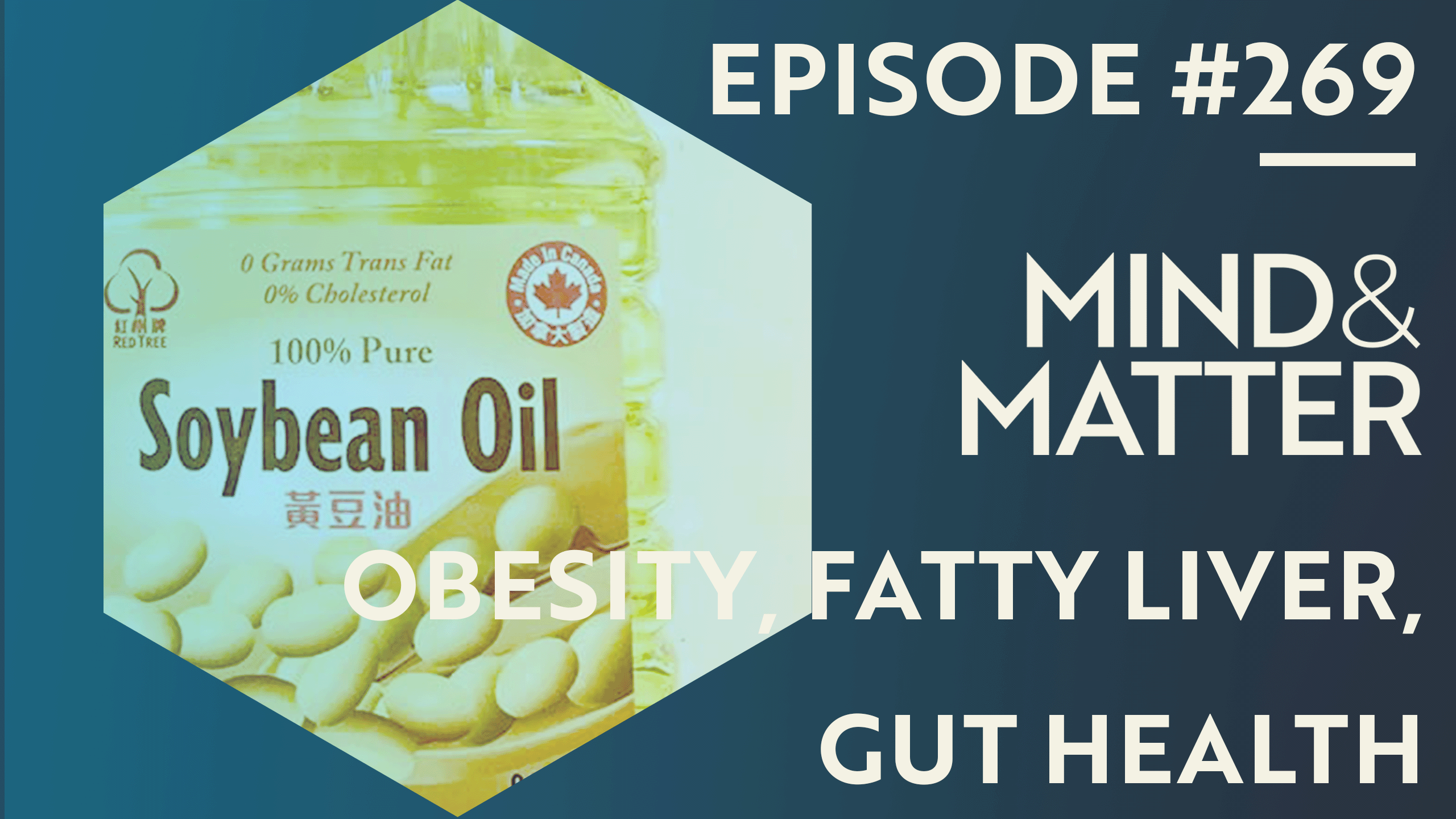 Soybean Oil: Obesity, Fatty Liver Disease, Gut Health, IBS & Colitis | Frances Sladek | 269 | This is a free preview of a paid episode. To hear more, visit mindandmatter.substack.comWide release date: December 21, 2025. Not medical advice.Topics Discussed:* Historical trends in soybean oil use: Consumption increased dramatically since the 1960s due to farming subsidies, now providing over 10% of calories for many Americans, far exceeding the 1-2% required biologically.* Soybean oil’s effects in mice: Diets with 8-10% linoleic acid cause obesity, fatty liver, and diabetes over weeks, unlike coconut oil diets; effects persist even after diet switch unless combined with fasting.* Role of HNF4 protein: This conserved liver transcription factor binds linoleic acid, regulating gene expression for metabolism; variants shift between carbohydrate and fat processing, with imbalances linked to fatty liver and cancer.* Oxylipins from linoleic acid: Conversion in liver drives obesity; mice unable to produce them resist weight gain on soybean oil, suggesting these metabolites are key culprits.* Vitamin B1 & soybean oil: Soybean oil diets deplete B1 in liver and blood, contributing to obesity; supplementation with B1 analogs prevents weight gain.* Gut & microbiome impacts: Soybean oil alters gut bacteria, potentially reducing B1 production and increasing permeability, leading to inflammation; farm animals fed soybean meal pass effects to consumers.* Broader health implications: Reanalysis of old human studies questions linoleic acid’s heart benefits; focus on reducing processed foods and seed oils, while noting olive oil’s advantages from historical contexts.Practical Takeaways:* Limit processed foods and seed oils like soybean to reduce linoleic acid intake, aiming for 1-2% of calories; read labels and opt for olive oil or home-cooked meals.* Incorporate intermittent fasting, such as 12-16 hours without eating daily, to help reverse obesity effects from high-linoleic diets, based on mouse reversibility studies.* Choose grass-fed or naturally fed animal products to avoid indirect soybean oil exposure from feed, potentially preserving nutrient levels like vitamin B1.* Monitor diet when traveling or changing habits, as shifts in oil types can affect medication metabolism via liver enzymes.About the guest: Frances Sladek, PhD is a professor whose research focuses on the nuclear receptor HNF4 and the health impacts of dietary fats, particularly soybean oil.KNOW YOURSELF:* OmegaQuant: At-home blood testing to see fatty acid profiles, including omega-3 fatty acids. Use link to see options and support M&M.Related Episode:* M&M 200: Dietary Fats & Seed Oils in Inflammation, Colon Cancer & Chronic Disease | Tim Yeatman & Ganesh Halade* Full audio version: [Apple] [Spotify] [Elsewhere]* Full video version: [YouTube]* Support M&M if you find value in this content.* Episode transcript below.SUBSCRIBER CONTENT BELOW: Reference paper + episode transcript. | 1h 50m 03s | ||||||
| 12/12/25 |  Dietary Fat & Light Regulation of Circadian Biology | Louis Ptacek | 268 | This is a free preview of a paid episode. To hear more, visit mindandmatter.substack.comWide release date: December 17, 2025.Topics Discussed:* Evolutionary context of circadian rhythms: All organisms have adapted to Earth’s 24-hour day for survival, with internal clocks slightly offset and adjusted by environmental cues.* Molecular clock mechanism: Involves a feedback loop where proteins turn on/off genes, lasting ~24 hours, regulated by phosphorylation and degradation for timing precision.* Genetic variations in sleep: Families with mutations in clock genes like PER2 cause extreme morning lark behavior, altering protein stability and period length by hours.* Light entrainment: Morning light shortens human clocks (average 24.2 hours) to match 24-hour days; seasonal day length changes require gradual adjustments.* Food & metabolic links: Seasonal food scarcity/abundance affects clock via glucose and fatty acids competing for protein modifications, as shown in diabetic mouse models.* Role of unsaturated fats: Paper finds MUFA/PUFA ratios in diet alter phosphorylation of clock proteins, speeding or slowing adaptation to winter/summer light cycles in mice.* Modern environmental impacts: Artificial light extends “daytime” signals, while constant food access erases seasonal patterns, contributing to obesity and diabetes risks.* Jet lag & adaptations: Sudden time shifts mimic seasonal experiments; high-sugar/fat intake may phenocopy genetic effects to aid adjustment, though not recommended for health.Practical Takeaways:* Expose yourself to morning natural light to help synchronize your internal clock and improve daily energy.* Consume main meals during daylight hours and avoid late-night eating to align with natural metabolic rhythms.* Limit evening screen time to reduce artificial blue light disrupting sleep onset.* Consider varying diet seasonally, favoring diverse, whole foods to mimic natural availability patterns for better health.About the guest: Louis Ptacek, MD is a neurologist and professor at the University of California, San Francisco. He researches inherited neurological diseases and sleep traits, including genetic variations causing extreme early rising.Reference Paper:* Study: Unsaturated fat alters clock phosphorylation to align rhythms to the season in miceRelated Episode:* M&M 237: Circadian Biology: Genetics, Behavior, Metabolism, Light, Oxygen & Melatonin | Joseph Takahashi*Not medical advice.* Full audio version: [Apple] [Spotify] [Elsewhere]* Full video version: [YouTube]* Support M&M if you find value in this content.* Episode transcript below.Full AI-generated transcript below. Beware of typos & mistranslations! | 1h 24m 41s | ||||||
| 12/9/25 |  Ketosis & BHB: Metabolic Diet Therapies, Brain Cancer & Exercise | Dominic D'Agostino | 267 | This is a free preview of a paid episode. To hear more, visit mindandmatter.substack.comWide release date: December 12, 2025.Topics Discussed:* Organs have different fuel preferences: brain strongly prefers glucose, heart prefers fatty acids, skeletal muscle is flexible and likes fat/ketones.* Humans evolved with high metabolic flexibility; regular ketosis was normal for ancestors, but today most people never experience it.* “Keto flu” is largely glucose withdrawal plus electrolyte/sodium loss; proper salt and hydration prevent most symptoms.* Classic medical ketogenic diet is ~90% fat (historically saturated); modern versions often use more monounsaturated fats, MCTs, and higher protein.* Saturated fat is not inherently atherogenic in the context of weight stability or caloric deficit; excess calories from any source can dysregulate metabolism.* Exogenous ketones (e.g. BHB) provide energy, reduce ROS, stabilize membranes, increase inhibitory tone (GABA), and have hormone-like signaling effects independent of diet.* Cancer cells often show Warburg effect (damaged mitochondrial respiration → heavy reliance on glycolysis); lowering glucose and raising ketones can stress cancer cells.* True keto-adaptation for athletic performance requires 6–12 weeks; after that, elite athletes can match or exceed prior high-carb performance at sub-maximal and endurance efforts.Practical Takeaways:* Therapeutic carbohydrate restriction (50–100 g/day for many people) plus occasional fasting or ketone supplements can restore metabolic flexibility with far fewer side effects than strict keto.* Prioritize whole-food fats (eggs, fatty fish, beef, olive oil, butter/lard) and minimize processed keto products loaded with seed oils.* Supplementing BHB (salts or esters) or MCT oil can ease the transition into ketosis, boost ketones without strict dieting, and may support brain and metabolic health.* Regularly check basic blood markers (glucose, lipids, electrolytes) and consider an OmegaQuant test; optimizing metabolic health is one of the strongest preventable steps against cancer, neurodegeneration, and heart disease.About the guest: Dominic D’Agostino, PhD, is an associate professor at the University of South Florida Morsani College of Medicine in the Department of Molecular Pharmacology and PhysiologyRelated Episode:* M&M 224: Cancer Biology: Metabolism, Mitochondria & Energy | Thomas SeyfriedSupplemental Ketone (BHB):* KetoCitra—Ketone body BHB with potassium, calcium & magnesium, formulated with kidney health in mind. Use code MIND20 for 20% off.*Not medical advice.* Full audio version: [Apple] [Spotify] [Elsewhere]* Full video version: [YouTube]* Support M&M if you find value in this content.* Episode transcript below.Full AI-generated transcript below. Beware of typos & mistranslations! | 1h 41m 26s | ||||||
| 12/7/25 |  Seed Oils, Chronic Inflammation, Heart Health & Marijuana | Ganesh Halade | 266 | This is a free preview of a paid episode. To hear more, visit mindandmatter.substack.comWide release date: December 7, 2025.Topics Discussed:* Polyunsaturated fatty acids (PUFAs): Omega-6 from seed oils like safflower and corn can convert to pro-inflammatory molecules, while omega-3s produce resolving ones; imbalance biases toward chronic inflammation.* Inflammation regulation: Acute inflammation aids healing but requires active “on” and “off” signals from lipid mediators; chronic inflammation arises from excess omega-6, delaying resolution.* Heart health & diet: High omega-6 diets worsen post-heart attack outcomes in mice by elevating pro-inflammatory lipids.* Evolution & historical context: PUFAs are essential but naturally balanced in pre-industrial diets; modern processing skews ratios, contributing to diseases, as shown in early rat experiments needing minimal fats for survival.* Aging & lifestyle factors: Excess omega-6 exacerbates inflammation in older mice; sleep, exercise, and balanced fats are crucial for metabolic health and enzyme function in processing lipids.* Cannabis & omega-6 interaction: In mice on high omega-6 diets, CBD-rich cannabis smoke reaches the heart quickly, suppresses immune response, and weakens cardiac strain, unlike in balanced-diet controls.* Genetic models: FAT-1 mice converting omega-6 to omega-3 show better healing and neuroprotection; FAT-2 mice doing the opposite exhibit liver fibrosis and metabolic issues, highlighting omega-6 excess harms.Practical Takeaways:* Balance omega-6 and omega-3 intake by reducing seed oils in processed foods and increasing sources like fish or algae to support inflammation resolution and heart health.* Monitor and adjust fat intake with age, as older individuals are more sensitive to omega-6 excess leading to immune dysregulation.* Avoid combining high omega-6 diets with smoking, as it may impair immune and cardiac responses based on animal data.About the guest: Ganesh Halade, PhD is a cardiovascular scientist and associate professor at the University of South Florida Morsani College of Medicine.Reference Paper: * Paper: Cannabis cigarette smoking disrupts mice multi-organ bioactive lipid metabolism and inflammation-resolution signaling in an obesogenic settingRelated Episode:* M&M 200: Seed Oils, Inflammation, Colon Cancer & Chronic Disease | Tim Yeatman & Ganesh Halade *Not medical advice.* Full audio version: [Apple] [Spotify] [Elsewhere]* Full video version: [YouTube]* Support M&M if you find value in this content.* Episode transcript below.Episode Chapters:00:03:38 Guest Introduction & Background 00:04:42 Polyunsaturated Fatty Acids Overview 00:08:31 Acute vs Chronic Inflammation 00:12:01 Inflammation Turn-On & Turn-Off Signals 00:17:59 Omega-6 & Omega-3 Imbalance in Modern Diet 00:23:39 Essential Fatty Acids & Natural Balance 00:28:09 Seed Oils & Heart Health Controversy 00:37:27 High Omega-6 Effects on Heart Health 00:45:32 Aging & Omega-6 Sensitivity 00:53:55 Healing Faster with Balanced Ratio 00:59:36 Cannabis Smoking & High Omega-6 Diet 01:11:19 Immune Dysregulation from Cannabis & Omega-6 01:15:00 Ongoing Heart Failure Research 01:21:26 FAT-1 & FAT-2 Mice Insights 01:28:10 Lifestyle Medicine & Final ThoughtsFull AI-generated transcript below. Beware of typos & mistranslations! | 1h 30m 54s | ||||||
| 12/2/25 |  Evaluating Science: Clinical Trials, Epidemiology, Preclinical Studies & Mendelian Randomization | George Davey Smith | 265 | This is a free preview of a paid episode. To hear more, visit mindandmatter.substack.comWide release date: December 2, 2025.Topics Discussed:* Epidemiology basics: Studies disease influences using observational designs like case-control and prospective cohorts, plus trials, to identify patterns and test hypotheses.* Hierarchy of evidence critique: Rejects rigid pyramids favoring RCTs, as all studies can be biased; advocates triangulation integrating varied data types for robust conclusions.* RCT strengths & weaknesses: Randomization balances confounders, but issues like poor blinding, attrition, or subversion can undermine results; large samples may yield spurious precision if biased.* Confounding & reverse causation: Examples include yellow fingers and lung cancer (both from smoking) or early atherosclerosis inflating CRP-disease links; hard to fully control statistically.* Nutrition epidemiology pitfalls: Observational studies often overstate benefits (e.g., vitamin E for heart disease), leading to failed trials; incentives favor new findings over revisiting errors.* Mendelian randomization: Uses genetic variants as proxies for exposures (e.g., ALDH2 for alcohol metabolism) to mimic randomization; reveals no heart benefits from alcohol, unlike observational data.* Negative controls for validation: Tests implausible outcomes (e.g., smoking and murder) or exposures (e.g., paternal smoking in pregnancy) to check for confounding artifacts.* Evidence triangulation: Combines diverse studies with different biases (e.g., cross-cultural comparisons) for causality; applied to dismiss HDL-raising drugs despite initial promise.Practical Takeaways:* Scrutinize health claims by checking for negative controls or variety in evidence sources to avoid mistaking correlation for causation.* For personal decisions like alcohol intake, consider genetic studies showing risks at all levels, and aim for moderation or abstinence based on overall evidence.* When evaluating supplements or diets, prioritize trials over observational data, and question media hype that ignores confounding factors.* Use symmetrical analysis in reading studies: Treat exposures and confounders equally to assess true effects.About the guest: Dr. George Davey Smith, MD, DSc is a professor of clinical epidemiology at the University of Bristol and director of the MRC Integrative Epidemiology Unit, where he focuses on causal inference in health.Reference Paper: * Paper: Evidence triangulation in health researchRelated Episode:* M&M 212: How Science Really Works: Meta-Research, Publishing, Reproducibility, Peer Review, Funding | John Ioannidis*Not medical advice.* Full audio version: [Apple] [Spotify] [Elsewhere]* Full video version: [YouTube]* Support M&M if you find value in this content.* Episode transcript below.Episode Chapters:00:00:00 Intro 00:06:01 Hierarchy of Evidence 00:12:54 Sample Size & Precision 00:18:41 Vitamin E Supplements 00:25:05 Nutrition Epidemiology Pitfalls 00:32:01 Preclinical vs Clinical 00:38:04 Negative Controls 00:45:16 Negative Control Exposures 00:52:21 Alcohol Consumption Effects 00:59:00 Mendelian Randomization Example 01:05:16 MR Limitations & Pleiotropy 01:11:20 HDL Cholesterol Myths 01:18:21 Evidence Triangulation 01:23:36 Final Thoughts & ResourcesFull AI-generated transcript below. Beware of typos & mistranslations! | 1h 26m 16s | ||||||
| 11/26/25 | 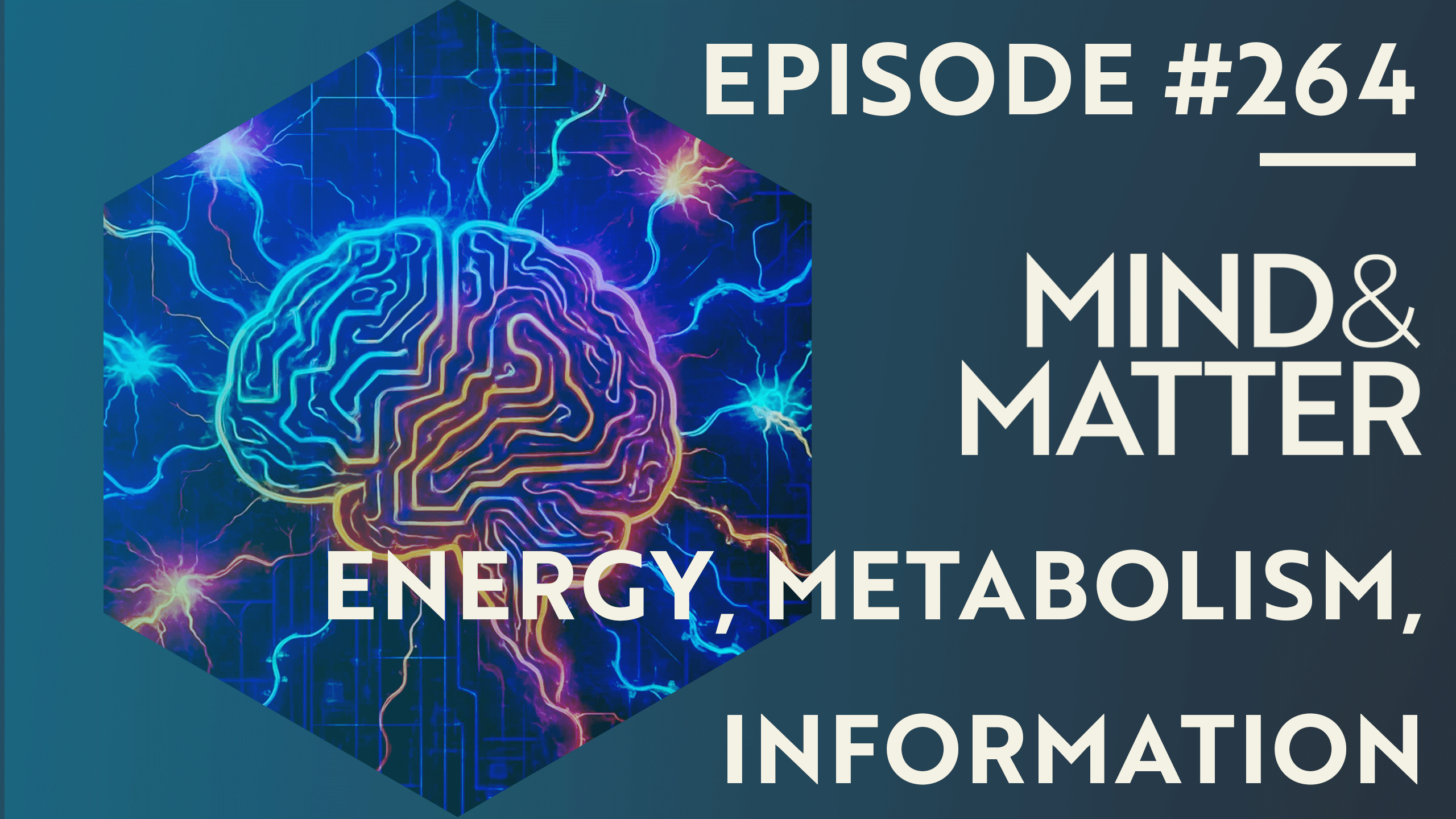 Energy Metabolism & Information Processing in the Brain | Luis Felipe Barros | 264 | This is a free preview of a paid episode. To hear more, visit mindandmatter.substack.comWide release date: November 26, 2025.Topics Discussed:* Brain energy efficiency: Brains are much more energy-efficient than computers for similar processing, relying on adaptive metabolic strategies evolved under energy scarcity.* Metabolism vs. information processing: Core metabolites like glutamate bridge basic cellular energy production and neural signaling.* Lactate as a signal: Produced during exercise, lactate diffuses from muscles to brain, modulating neuronal excitability and providing neuroprotection.* BHB in ketosis: During fasting or ketogenic diets, beta-hydroxybutyrate displaces glucose as fuel, enhances antioxidant defenses, and activates protective potassium channels in neurons.* Adenosine and sleep: Accumulates from ATP breakdown during wakefulness, triggering sleep and locally inhibiting overactive neural networks for energy conservation.* Glial cells’ role: Astrocytes and oligodendrocytes handle sophisticated metabolism, release signaling molecules like lactate, and modulate synapses, and influence diseases like Alzheimer’s.Practical Takeaways:* Regular exercise elevates lactate, which signals the brain to adapt metabolism and may enhance neuroprotection against stress.* Intermittent fasting or ketogenic diets can induce ketosis with BHB, potentially boosting brain antioxidant defenses and preconditioning against metabolic stress.* Prioritizing sleep helps clear adenosine buildup, restoring energy balance and supporting long-term neural health.About the guest: Dr. Luis Felipe Barros, MD, PhD is a Chilean neurobiologist and professor at the Universidad de Valparaíso, where he leads a lab studying brain metabolism from glucose transport to mitochondrial function.Reference Paper: * Paper: Scale-spanning crosstalk between metabolism and information processingRelated Episode:* M&M 255 | Unlocking Energy: How Nutrition & Drugs Impact Your Mitochondria | Chris Masterjohn*Not medical advice.* Full audio version: [Apple] [Spotify] [Elsewhere]* Full video version: [YouTube]* Support M&M if you find value in this content.* Episode transcript below.Episode Chapters:00:00:00 Intro 00:06:00 Brain Efficiency & Computers 00:12:00 Metaphors for Brain Function 00:18:00 Core Metabolites & Signaling 00:24:00 Lactate in Exercise & Protection 00:30:00 Body-Brain Integration & Sensors 00:36:00 BHB, Ketosis & Fasting 00:42:00 Adenosine & Sleep Cycles 00:48:00 Neuroprotective Core Metabolites 00:54:00 Scale-Spanning Coordination 01:00:00 Neural Energy Demands 01:05:00 Expensive Tissue Hypothesis 01:08:00 Glial Cells & Astrocytes 01:13:00 Mitochondria in Cells 01:18:00 Future of Metabolism ResearchFull AI-generated transcript below. Beware of typos & mistranslations! | 1h 23m 58s | ||||||
| 9/5/25 | 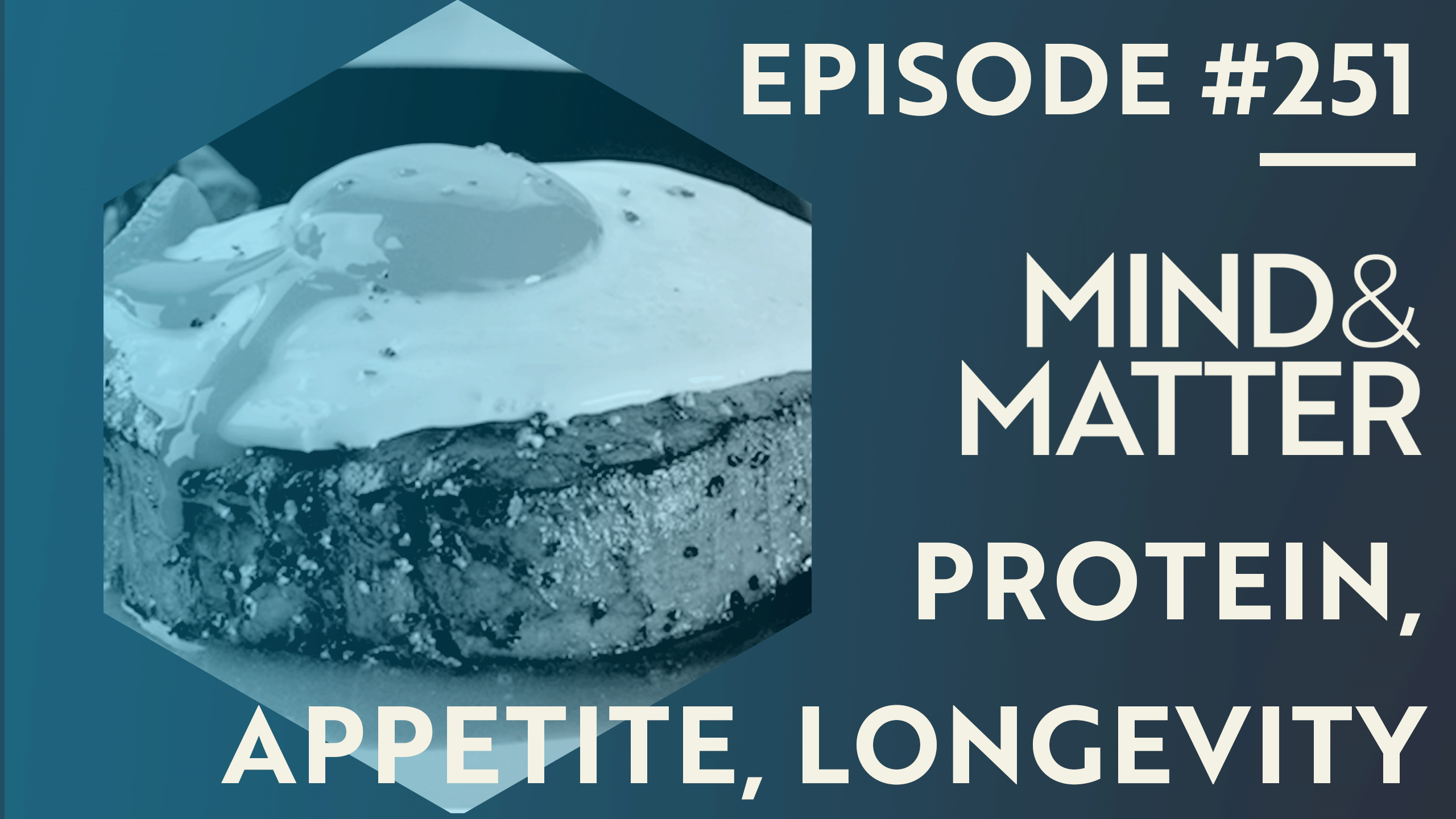 Protein Restriction & Liver Hormones: Appetite, Brain, Behavior | Chris Morrison | 251 | This is a free preview of a paid episode. To hear more, visit mindandmatter.substack.comWide release date: September 12, 2025Episode Summary: Dr. Christopher Morrison talks about how animals sense and prioritize nutrients like protein, discussing defense mechanisms for essentials such as oxygen, water, sodium, and energy; the brain's role in detecting protein deprivation via signals like FGF21; trade-offs between growth, reproduction, and longevity under protein restriction; and reconciling high-protein diets for satiety and muscle maintenance with low-protein benefits for metabolic health and lifespan extension.About the guest: Christopher Morrison, PhD is a professor and researcher at the Pennington Biomedical Research Center in Baton Rouge, Louisiana, where he has worked for over 22 years focusing on nutrition, metabolism, and chronic diseases like obesity and diabetes.Discussion Points:* The body prioritizes nutrients hierarchically: oxygen and water first, then sodium, energy, and protein, with weaker defenses for carbs or fats.* Animals develop specific appetites for deprived nutrients, like salt or protein, often through post-ingestive learning rather than just taste.* Protein restriction (e.g., 5% vs. 20% in diets) increases food intake and energy expenditure in mice to maintain protein levels, even at the cost of extra calories.* FGF21, a liver hormone, signals protein deprivation to the brain (via NTS region), driving protein-seeking behavior and metabolic changes; it's essential for low-protein responses.* Protein restriction extends lifespan in lab animals by suppressing growth signals like IGF-1 and mTOR, but may impair immunity or wound healing in real-world conditions.* High protein aids satiety, weight loss, and muscle building, but overconsumption may shorten lifespan; optimal intake depends on age, activity, and goals (e.g., not for pregnant or elderly).* No one-size-fits-all for protein: mild restriction may benefit middle-aged sedentary people for health, while athletes need more; balance avoids excesses.Related content:* M&M 106: Diet, Macronutrients, Micronutrients, Taste, Whole vs. Processed Food, Obesity & Weight Loss, Comparative Biology of Feeding Behavior | Stephen Simpson & David Raubenheimer*Not medical advice.* Full audio version: [Apple] [Spotify] [Elsewhere]* Full video version: [YouTube]* Support M&M if you find value in this content.* Episode transcript below.Episode Chapters:00:00:00 Intro00:06:10 Nutrient Detection & Adequacy 00:11:11 Fluid & Sodium Defenses 00:16:20 Protein vs Other Macronutrients 00:21:21 Post-Ingestive Learning & Flavors 00:26:34 Hyperphagia on Low Protein 00:31:10 Restriction Effects on Growth 00:36:33 Longevity & Restriction Trade-Offs 00:41:47 Behavioral Changes & Choices 00:46:44 Preference in Choice Experiments 00:53:44 Innate vs Learned Appetite 00:58:39 Protein Digestion & Signals 01:04:40 FGF21 in Fasting & Restriction 01:10:40 FGF21 Knockouts & Relevance 01:15:20 Brain Receptors & Sites 01:20:49 Growth & Longevity Trade-Offs 01:25:04 High Protein Satiety & Muscle 01:30:33 FGF21 Scaling & Future Work 01:35:39 Final Thoughts & RecommendationsFull AI-generated transcript below. Beware of typos & mistranslations! | 1h 40m 19s | ||||||
| 9/3/25 | 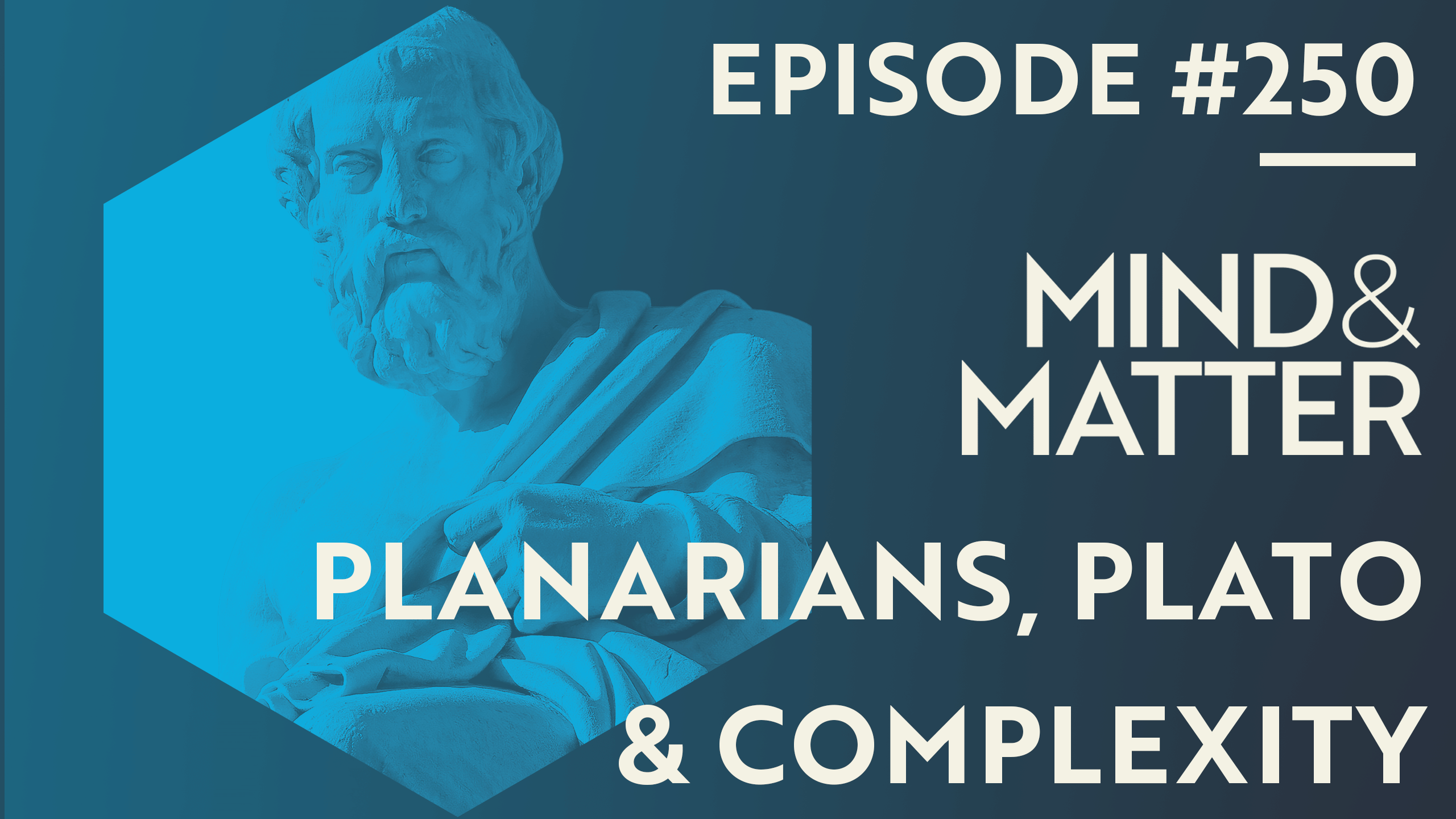 Cognition, Form, Regeneration & Metaphysics: Does Biology Arise From Math? | Michael Levin | 250 | This is a free preview of a paid episode. To hear more, visit mindandmatter.substack.comWide release date: September 7, 2025Episode Summary: Dr. Michael Levin talks about cognition manifesting at scales beyond brains, including in cells and tissues via bioelectric networks; analog vs. digital coding in biology; how bioelectric patterns guide development and regeneration (e.g., in planarians); creation of novel life forms like xenobots and anthrobots; philosophical ideas on a "platonic space" of mathematical patterns influencing biology; evolutionary trade-offs in regeneration and implications for regenerative medicine.About the guest: Michael Levin, PhD is a biologist and computer scientist who directs the Allen Discovery Center at Tufts University, focusing on bioelectricity, regeneration, and cognition in non-neural systems.Discussion Points:* Cognition isn't limited to brains; tools from neuroscience reveal learning, memory, and goal-directed behavior in cells and tissues.* Bioelectricity acts as "cognitive glue," enabling collective intelligence in non-neural systems, predating multicellular life.* Analog coding in development uses slow voltage patterns across cells, contrasting fast digital spikes in neurons.* Planarians regenerate perfectly due to bioelectric "memories"; altering patterns creates stable two-headed worms without genetic changes.* Regeneration trade-offs: Mammals prioritize quick healing over full regrowth due to infection risks and load-bearing needs.* Xenobots (from frog cells) and anthropots (from human cells) self-assemble, replicate, and heal tissues, revealing untapped cellular potentials.* Patterns in biology may stem from a "platonic space" of mathematical truths, not just evolution or physics.* Neuroscience studies mind scaling, not just neurons; diverse intelligences could exist in non-cellular systems.Related content:* M&M 95: Purpose, Value, Evolution, Consciousness, Sentience, Life & Emergence of Mind From Matter | Terrence Deacon*Not medical advice.* Full audio version: [Apple] [Spotify] [Elsewhere]* Full video version: [YouTube]* Support M&M if you find value in this content.* Episode transcript below.Episode Chapters:00:00:00 Intro00:04:52 Cognition Definition 00:09:20 Development Timescales 00:12:01 Analog Signaling 00:15:12 Network Properties 00:18:03 Goals in Morphogenesis 00:21:40 Regeneration Mechanisms 00:25:41 Planarian Patterns 00:31:43 Regenerative Trade-offs 00:38:20 Pattern Sources 00:44:21 Xenobots 00:49:26 Anthropots 00:56:28 Platonic Space 01:02:47 Mind ScalingFull AI-generated transcript below. Beware of typos & mistranslations! | 1h 08m 34s | ||||||
| 9/2/25 | 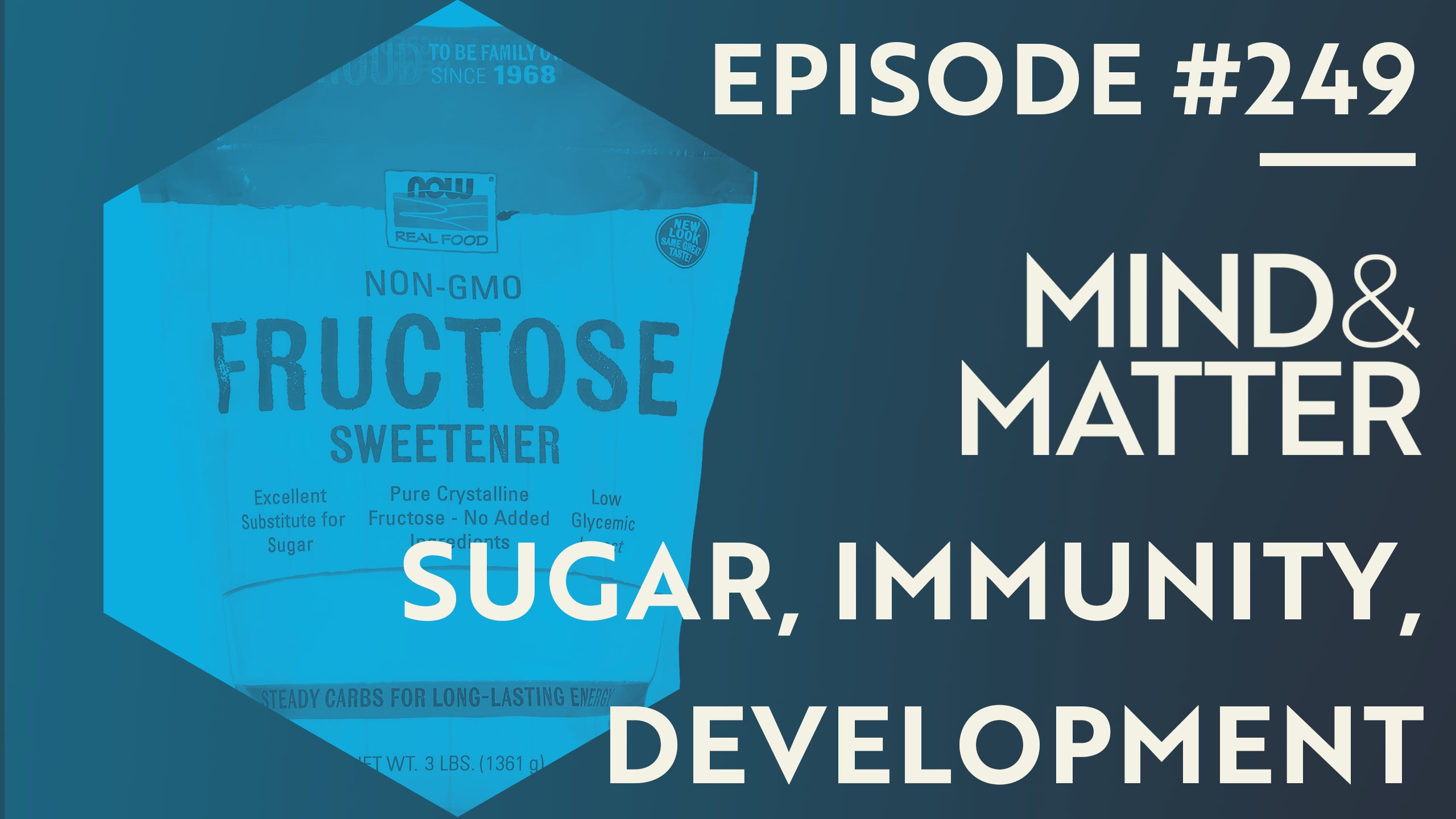 Fructose, Microglia, Anxiety & Brain Development | Justin Perry | 249 | This is a free preview of a paid episode. To hear more, visit mindandmatter.substack.comWide release date: September 3, 2025Episode Summary: Dr. Justin Perry talks about the body's constant cellular turnover—about 3 million cells die per second in adults (double in children and women)—handled by phagocytes like macrophages that engulf and digest debris to prevent diseases like lupus. They explore phagocytosis steps, macrophage adaptations in tissues like the brain (microglia), and how high fructose intake impairs microglial function in developing mice, leading to uncleared brain cells and anxiety-like behaviors, with implications for human neurodevelopmental disorders amid rising fructose consumption.About the guest: Justin Perry, PhD is an immunologist and clinical psychologist who leads a lab at Memorial Sloan Kettering Cancer Center focusing on how the body clears dead cells and debris to maintain homeostasis.Discussion Points:* The body turns over 1-2% of its 30 trillion cells daily, mostly blood cells, but neurons in kids and endometrium in women turnover at ~2x this rate* Phagocytosis involves "find me," "eat me," and digestion signals; failures can cause autoimmunity.* Microglia are brain macrophages that uptake fructose via GLUT5 transporter.* Early high fructose exposure (comparable to one soda daily) impairs the pruning of synapses and dead neurons.* In mice, prenatal or postnatal fructose causes phagocytosis deficits in the prefrontal cortex, leading to heightened fear responses and poor fear extinction, mimicking anxiety disorders.* Fructose correlates with rising neurodevelopmental issues like autism and anxiety; it's passed via breast milk, and liquid forms (e.g., sodas) overwhelm metabolic shields more than solid fruits.* Macrophages may hold keys to diseases from atherosclerosis to cancer; deleting GLUT5 in microglia reverses fructose's effects, hinting at evolutionary roles in aging or low-oxygen states.Related content:* M&M 215: Cancer Metabolism: Sugar, Fructose, Lipids & Fasting | Gary Patti* Article | Dietary Fructose & Metabolic Health: An Evolutionary PerspectiveReference Paper:* Study | Early life high fructose impairs microglial phagocytosis and neurodevelopment*Not medical advice.* Full audio version: [Apple] [Spotify] [Elsewhere]* Full video version: [YouTube]* Support M&M if you find value in this content.* Episode transcript below.Episode Chapters:00:00:00 IntroFull AI-generated transcript below. Beware of typos & mistranslations! | 1h 39m 44s | ||||||
| 8/25/25 | 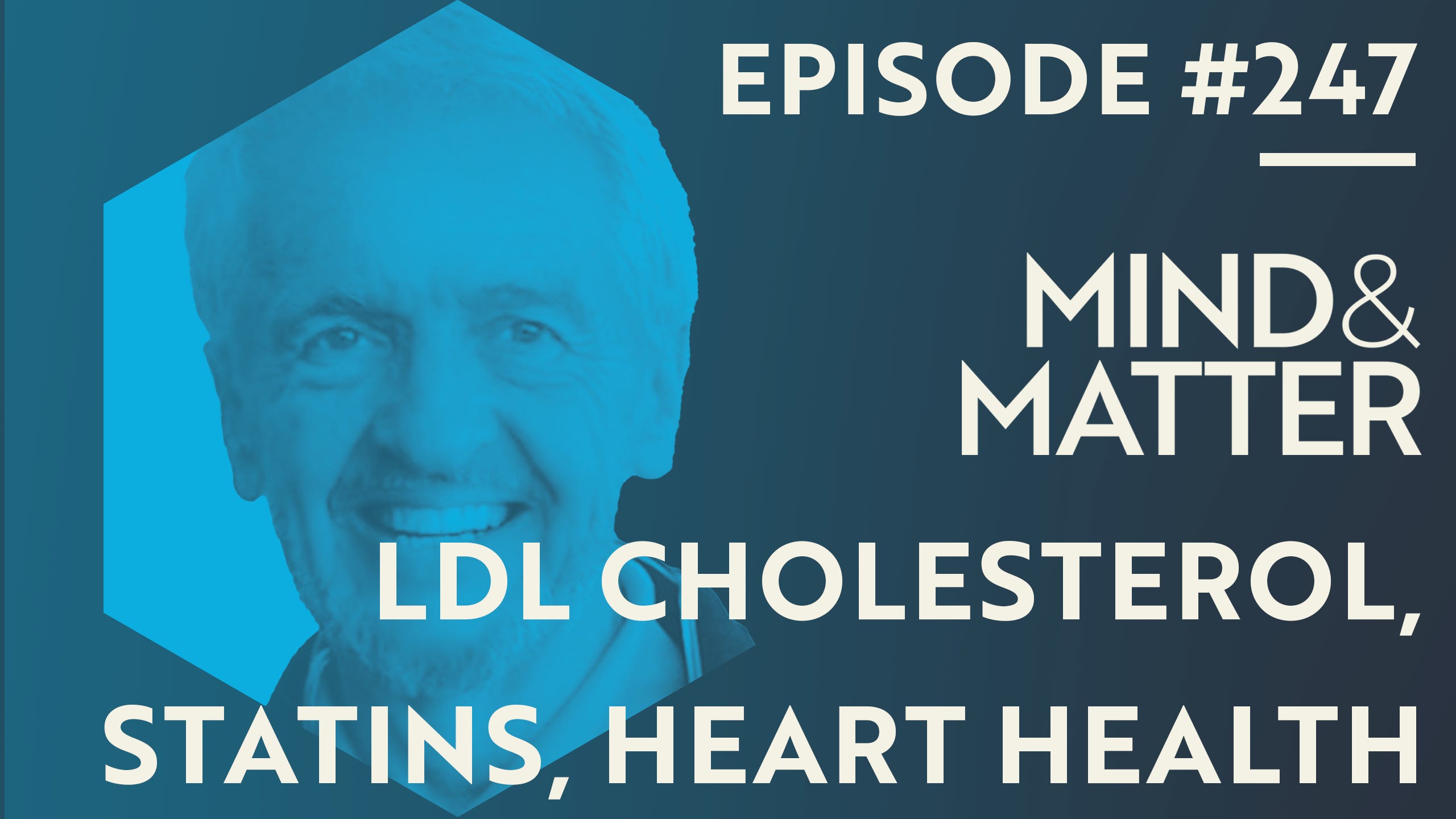 Cholesterol: Immune Benefits, Heart Health, Statins & Research Malpractice | Uffe Ravnskov | 247 | This is a free preview of a paid episode. To hear more, visit mindandmatter.substack.comWide release date: August 25, 2025Episode Summary: Dr. Uffe Ravnskov talks about his decades-long career challenging the idea that high cholesterol causes heart disease, discussing LDL's protective role in the immune system by binding to bacteria, the harms and biases in statin research influenced by pharmaceutical companies, evidence that high cholesterol benefits the elderly and reduces infection/cancer risks, and how mental stress or infections elevate cholesterol as a response rather than a cause.About the guest: Uffe Ravnskov, MD, PhD is a physician and independent researcher who earned his MD from the University of Copenhagen in 1961 and a PhD in nephrology. He has worked in various clinics in Sweden since the 1960s, focusing his research on challenging the cholesterol hypothesis in heart disease. Now 91, he has published over 200 papers, authored books like "The Cholesterol Myths.”Discussion Points:* LDL cholesterol helps the immune system by sticking to bacteria, clumping them for removal; low LDL increases infection risk.* Animal studies show injecting LDL protects against lethal infections, while historical data links severe infections to worse atherosclerosis.* Elderly people with high cholesterol live longer; low cholesterol raises mortality risk more than high levels.* Familial hypercholesterolemia (FH) doesn't cause early death via cholesterol alone—co-inherited coagulation factors are the issue, and FH patients often have lower infection rates.* Statins lower LDL but increase infection risk, cause muscle weakness/brain issues (often blamed on aging), and show no clear benefit in unbiased meta-analyses.* Research biases include cherry-picking studies, exaggerating benefits via relative (not absolute) risk, and pharma funding suppressing critical views.* Mental stress can raise cholesterol by 10-50% in 30 minutes, often misread as a heart disease cause rather than an effect.* Saturated fat and high cholesterol aren't proven harmful; Ancel Keys' claims ignored contradictory evidence.* Stopping statins often reverses side effects quickly, improving quality of life.Related episode:* M&M 244: Seed Oils & Heart Disease: Oxidized LDL, Cholesterol, Fat & Cardiology | Tucker GoodrichReference Paper:* LDL-C does not cause cardiovascular disease: a comprehensive review of the current literature*Not medical advice.* Full audio version: [Apple] [Spotify] [Elsewhere]* Full video version: [YouTube]* Support M&M if you find value in this content.* Episode transcript below.Episode Chapters:00:00:00 Intro00:01:28 Guest Background & Career 00:05:15 Cholesterol & Immune Function 00:10:14 LDL Role in Infections 00:15:10 Statins & Industry Influence 00:20:26 Research Biases & Relative Risk 00:25:08 Pushback & Publication Challenges 00:30:13 FH & Coagulation Factors 00:35:02 Stress & Cholesterol Response 00:40:03 Mortality & Elderly Benefits 00:45:32 Statin Side Effects & Recommendations 00:50:30 Scandal in Medicine & OutroFull AI-generated transcript below. Beware of typos & mistranslations! | 55m 09s | ||||||
| 8/19/25 | 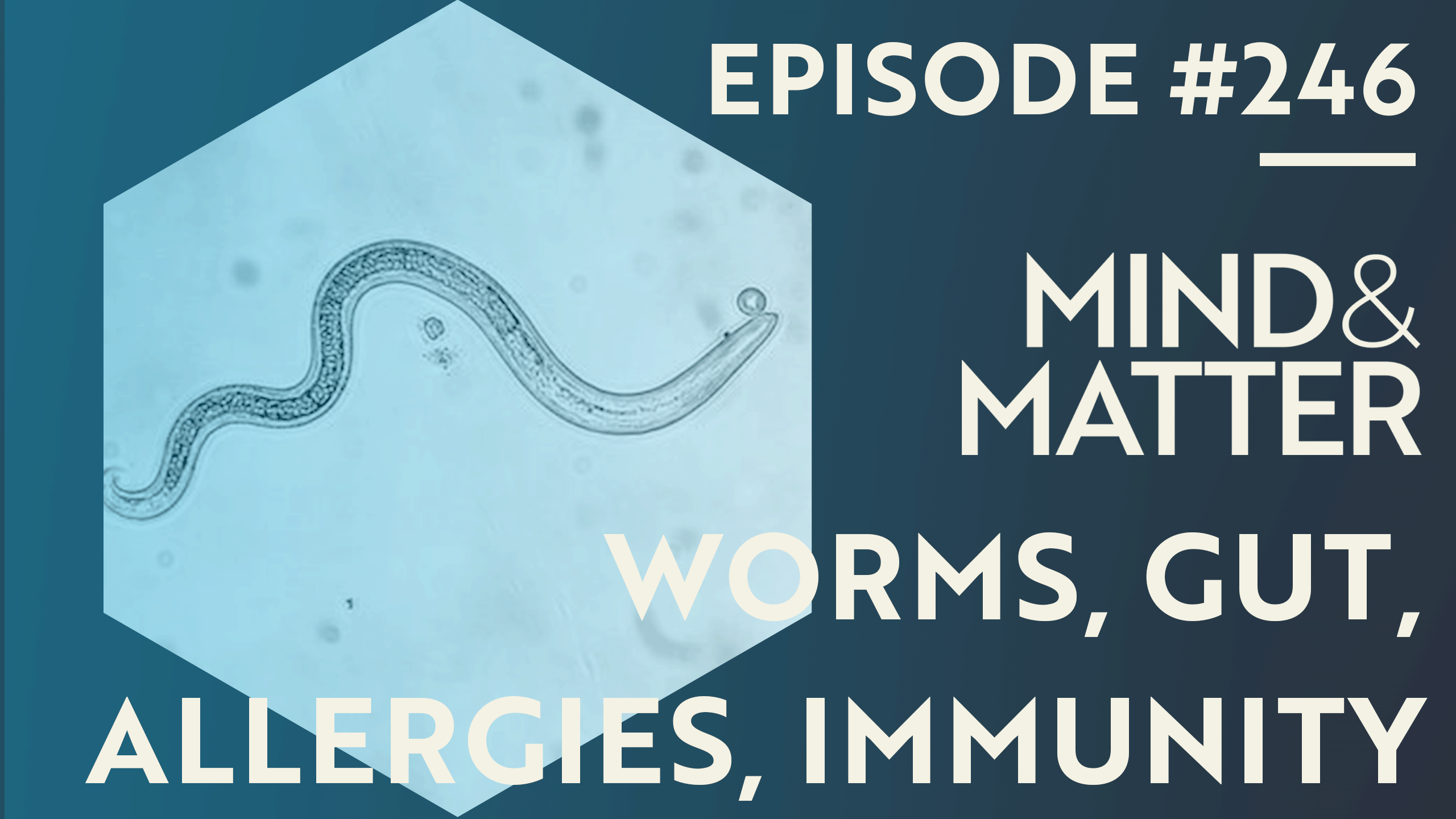 Appendix, Gut Worms, Allergies & Autoimmunity | William Parker | 246 | This is a free preview of a paid episode. To hear more, visit mindandmatter.substack.comWide release date: August 18, 2025Episode Summary: Dr. William Parker discusses gut anatomy, the appendix's role in harboring beneficial bacterial biofilms and immune tissue, and how modern hygiene depletes helminths (intestinal worms), causing immune overreactions like allergies, autoimmunity, and psychiatric conditions. He explores helminth self-therapy for treating relapsing multiple sclerosis, depression, and allergies; challenges in clinical trials due to patent issues; and why COVID-19 was milder in low-income, helminth-rich regions.About the guest: William Parker, PhD conducted research at Duke University for over 27 years on immunology, appendicitis, and the hygiene hypothesis. He now serves as a visiting scholar at the University of North Carolina at Chapel Hill, leading efforts on biome reconstitution via helminths.Discussion Points:* Appendix is not vestigial; it concentrates immune tissue and biofilms to cultivate good gut bacteria, preventing pathogens via mucus and IgA antibodies.* Hygiene hypothesis: Soap, toilets, and clean water reduce helminths/protozoa, leading to untrained, hyperactive immunity and rising allergies/autoimmunity since the 1800s.* Helminths (worms) stimulate immune "exercise," training immunity; biohackers use hookworms (cheap, skin-entry), porcine whipworms, or rat tapeworms orally for relief from allergies, MS flares, depression/anxiety.* Effects are temporary; need ongoing exposure (e.g., replenish every 6 months); immigrants from helminth-rich areas develop Western diseases within a few years.* COVID-19: Hyper-immunity caused severe reactions in hygienic West, but helminth presence in low-income Africa/Asia prevented cytokine storms, leading to empty clinics.* Therapy barriers: Non-patentable organisms require $100M+ trials; push for open-source, government-funded biome restoration over crude immunosuppressants.Related episode:* M&M 144: Inflammation, Innate Immunity, Allergies & Allergens, Immune System Evolution, Fasting & Metabolism | Clare Bryant*Not medical advice.* Full audio version: [Apple] [Spotify] [Elsewhere]* Full video version: [YouTube]* Support M&M if you find value in this content.* Episode transcript below.Episode Chapters:00:00:00 Intro 00:03:24 Gut Anatomy & Appendix 0:09:18 Appendicitis & Inflammation 00:14:46 Biofilms & Immune Support 00:19:48 Hygiene Hypothesis History 00:25:24 Appendicitis Emergence 00:30:13 Appendix Evolution 00:36:21 Natural Biome Components 00:42:22 Worms & Autoimmunity 00:47:03 Biohacking with Helminths 00:52:24 Worm Administration Methods 00:57:23 Treated Conditions 01:03:08 Clinical Trials & Challenges 01:08:18 Covid-19 Morbidity Differences 01:13:23 Rat Immune Comparisons 01:15:52 Final Thoughts & FutureFull AI-generated transcript below. Beware of typos & mistranslations! | 1h 19m 56s | ||||||
| 8/5/25 | 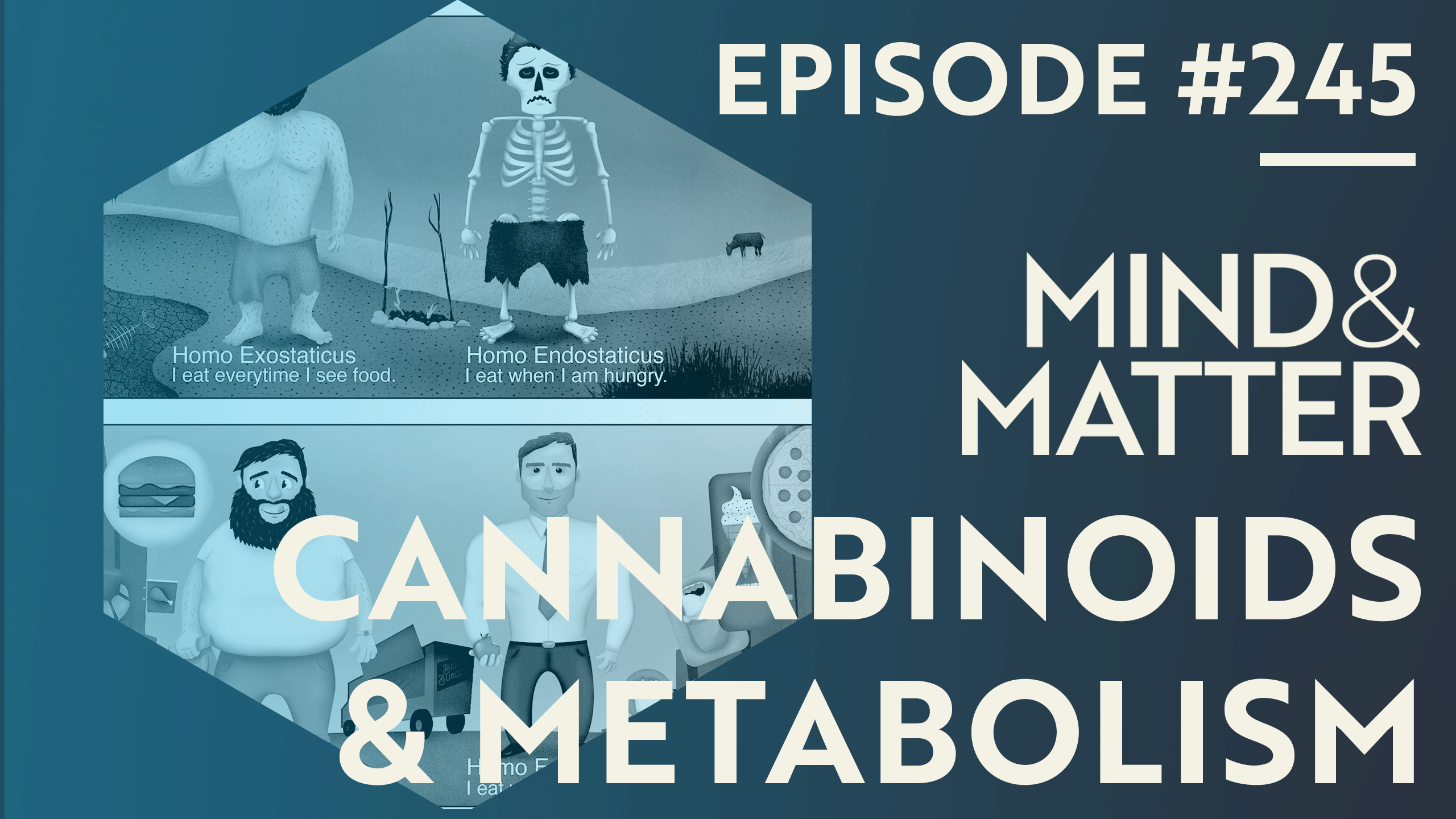 Cannabinoid System: Metabolism, Evolution & Energy Storage | Giovanni Marsicano | 245 | This is a free preview of a paid episode. To hear more, visit mindandmatter.substack.comWide release date: August 13, 2025Episode Summary: Dr. Giovanni Marsicano is a neuroscientist based in Bordeaux, France, where he leads a research group at INSERM focusing on the endocannabinoid system.About the guest: Giovanni Marsicano, PhD discusses the endocannabinoid system, starting with its core components like CB1 receptors and lipid-based molecules such as anandamide and 2-AG, derived from omega-6 fatty acids; he explains its cellular signaling, evolutionary role in energy storage for uncertain futures (exostasis vs. homeostasis), and effects across tissues like the liver, gut, and brain, including motivation, appetite, pain relief, and anxiety regulation, while touching on biphasic effects of cannabinoids.Discussion Points:* The endocannabinoid system acts as an "exostatic" regulator, promoting energy accumulation for future needs by enhancing food palatability, nutrient absorption, and fat storage, unlike "endostatic" systems that address immediate hunger.* CB1 receptors appear in vertebrates with adipose tissue, suggesting an evolutionary link to storing fat for survival in unstable environments.* Endocannabinoids are lipids from omega-6 fats; high intake boosts their levels, potentially fueling obesity by creating a self-perpetuating cycle of overeating.* Activation of CB1 can have biphasic effects (e.g., low doses reduce anxiety, high doses increase it), due to receptors on different cell types like excitatory vs. inhibitory neurons.* Pregnenolone, a steroid precursor, acts as a natural CB1 inhibitor to prevent excessive activation, blocking harmful effects like psychosis from high THC doses.* The system influences motivation beyond food, including sex and even human activities like sports or storytelling, by rewarding actions for potential future benefits.* In the brain, CB1 on mitochondria and astrocytes modulates energy use, olfaction, and social stress transmission, with implications for disorders like Alzheimer's.Reference Paper:* The CB1 Receptor as the Cornerstone of ExostasisRelated episode:* M&M 123: Endocannabinoids, Stress, Exercise, Cortisol, Anxiety, Cannabis & Effects of Marijuana on Brain Development | Matthew Hill*Not medical advice.* Full audio version: [Apple] [Spotify] [Elsewhere]* Full video version: [YouTube]* Support M&M if you find value in this content.* Episode transcript below.Episode Chapters:00:00:00 Intro00:05:01 CB1 Receptor Overview00:10:58 Endocannabinoids & Lipids 00:16:00 CB1 as GPCR 00:21:04 Mitochondrial Signaling 00:26:09 Biphasic Effects 00:31:13 Homeostasis & Energy 00:37:40 Unstable Environments 00:43:59 ECS as Exostatic 00:50:13 Cue-Induced Feeding 00:55:00 Gut & Glucose Effects 01:00:32 Omega-6 Link 01:07:02 Pregnenolone Inhibitor 01:12:05 Modulation Mechanisms 01:17:03 Clinical Applications 01:22:15 Exostatic Coordination 01:26:19 Rewards Beyond Food 01:31:39 Cultural Motivations 01:36:43 Current Lab Work 01:42:12 Final ThoughtsFull AI-generated transcript below. Beware of typos & mistranslations! | 1h 44m 55s | ||||||
| 7/29/25 | 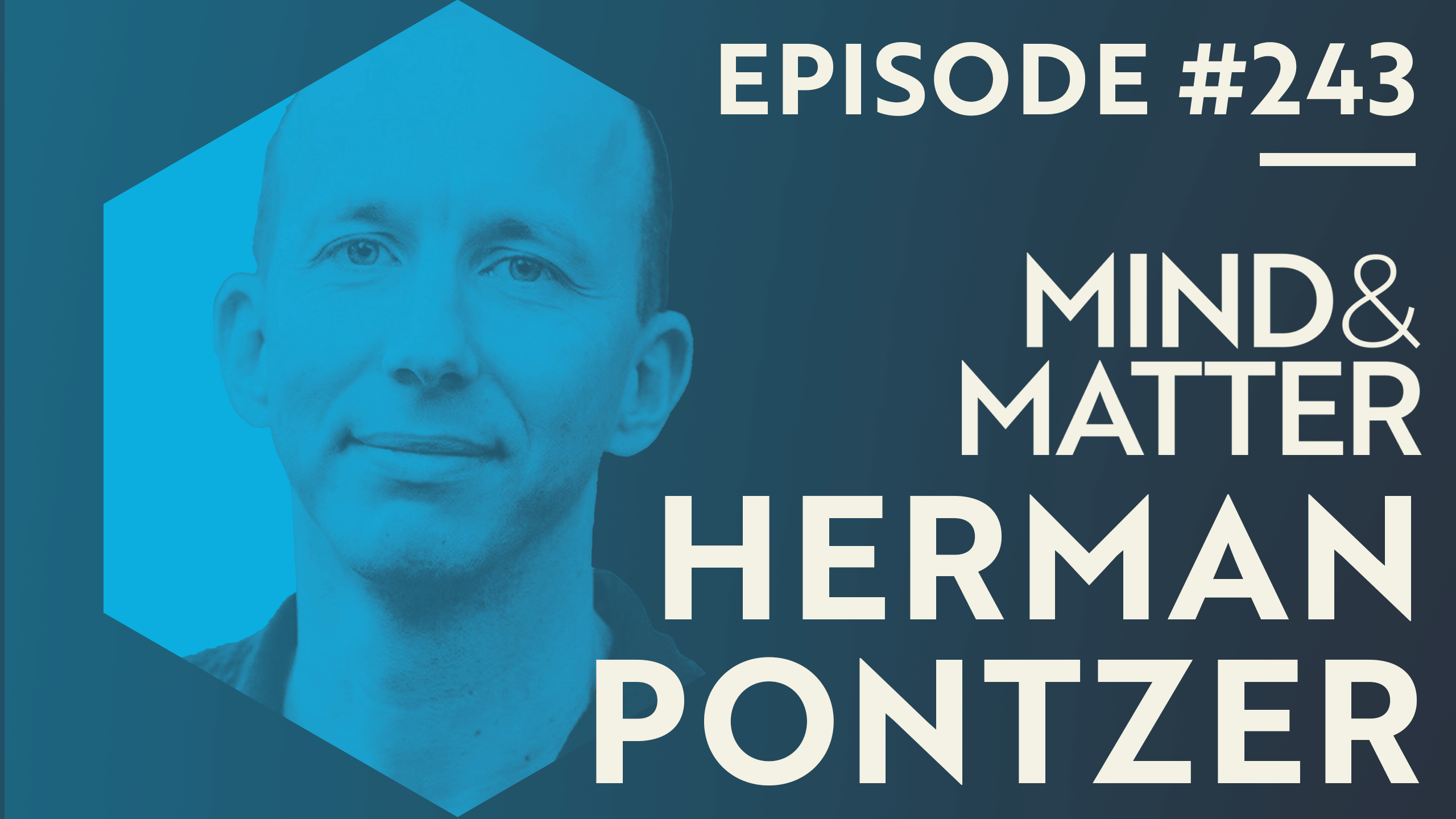 Evolution & Variation in Human Diet, Energy Expenditure & Metabolism | Herman Pontzer | 243 | This is a free preview of a paid episode. To hear more, visit mindandmatter.substack.comWide release date: August 1, 2025Episode Summary: Anthropologist Dr. Herman Pontzer discusses human evolution and metabolism, comparing humans to primates like chimps and gorillas to explain our higher energy use, bigger brains, and longer lives despite trade-offs in reproduction and activity; they discuss dietary shifts from plant-based to hunting-gathering, metabolic adaptations, and modern issues like obesity, where exercise aids health but diet drives weight loss, emphasizing ultra-processed foods' role in overeating and the promise of new drugs like GLP-1 agonists.About the guest: Herman Pontzer, PhD is a professor of evolutionary anthropology and global health at Duke University. He is the author of books like "Burn" and "Adaptable," which explore how bodies adapt to diets, activity, and environments.Discussion Points:* Humans burn 20% more daily energy than other primates (controlling for body size), enabling big brains, more babies, and longer lives, but requiring efficient food strategies like hunting and gathering.* Unlike apes, humans evolved smaller guts, higher body fat (15-30% vs. apes' * Hunter-gatherers like the Hadza are far more active than sedentary Westerners but burn similar calories, as bodies adapt by reducing basal metabolism, inflammation, and hormones.* Obesity stems more from increased calorie intake via ultra-processed foods than it does from reduced activity; exercise boosts health but rarely causes major weight loss on its own.* Early humans likely scavenged rancid meat, evidenced by low stomach pH similar to vultures, aiding digestion of risky foods.* Ketosis isn't unique to high-meat diets; even Inuit on low-carb diets resist it, and other carnivores don't stay in ketosis constantly.* Across global populations, richer countries have higher BMI and slightly higher total energy expenditure due to larger bodies, but basal rates drop with lower pathogen loads.* For weight loss, Dr. Pontzer points to diets high in fiber/protein for satiety; intermittent fasting works by cutting calories, not magic; GLP-1 drugs mimic hormones to curb hunger, although we stay mindful of potential long-term effects.Related episode:* M&M 160: Diet, Hunting, Culture and Evolution of Paleolithic Humans & Hunter Gatherers | Eugene Morin*Not medical advice.* Full audio version: [Apple] [Spotify] [Elsewhere]* Full video version: [YouTube]* Support M&M if you find value in this content.* Episode transcript below.Episode Chapters:00:00:00 Intro 00:04:07 Life History & Energy Expenditure 00:09:26 Gut-Brain Trade-Off 00:15:13 Measuring Metabolism 00:20:38 Metabolic Scaling Laws 00:25:34 Evolutionary Energy Boost 00:30:29 Activity Levels Compared 00:35:13 Genus Homo Origins 00:41:18 Water Conservation Adaptations 00:46:07 Scavenging & Rancid Meat 00:52:00 Metabolic Flexibility 00:58:24 Ketosis in Diets 01:03:18 Obesity Myths 01:08:10 Activity Adaptations 01:13:43 Diet & Obesity 01:19:05 Ultra-Processed Foods 01:24:55 Global Energy Study 01:31:15 Development Effects 01:35:33 Weight Loss Strategies 01:41:23 GLP-1 Drugs 01:46:11 Book OverviewFull AI-generated transcript below. Beware of typos & mistranslations! | 1h 47m 51s | ||||||
| 7/23/25 |  Sunlight: Cosmology, Energy Metabolism & the Physics of Life | Robert Fosbury | 242 | This is a free preview of a paid episode. To hear more, visit mindandmatter.substack.comWide release date: July 27, 2025Episode Summary: Astrophysicist Dr. Robert Fosbury discusses the sun's characteristics as a star, its analogies to living systems via entropy and complexity, and Erwin Schrödinger's insights on life as order-maintaining entities; he explores how near-infrared (NIR) light from the sun penetrates bodies to enhance mitochondrial function and metabolism, critiques modern artificial lighting's health impacts like mitochondrial dysfunction leading to diseases, and advocates returning to natural light environments for better wellness, drawing connections from cosmology to everyday architecture and lifestyle.About the guest: Robert Fosbury, PhD is a is a retired astrophysicist. He spent his career at the European Space Agency, working on Hubble and JWST projects, and now pursues interdisciplinary research linking stellar phenomena to biological processes like light's impact on vision and metabolism.Discussion Points:* Stars like the sun maintain low-entropy states by exporting entropy as light, mirroring how life ingests low-entropy food to sustain order and homeostasis.* The universe's complexity peaks midway in entropy increase, with stars producing elements that enable biological complexity, evolving toward cognition.* Near-infrared light, peaking in solar output at ~1.6 microns due to atmospheric physics, catalyzes mitochondrial ATP production by facilitating electron transport, not via photosynthesis but photo-metabolism.* Modern LEDs and windows block near-infrared, contributing to mitochondrial dysfunction, obesity, diabetes, and aging; historical thermal lights like incandescents provided beneficial infrared.* Outdoor environments, especially under trees, flood bodies with reflected near-infrared for health, while blue skies act as cold sinks boosting thermodynamic efficiency.* Eyes are mitochondria-rich, vulnerable to poor light; therapies using near-infrared slow macular degeneration by improving energy production.* Ultra-processed foods are "high-entropy" with no structural order, akin to waste, reducing nutritional value for maintaining bodily order.* Practical fixes: Use low-voltage incandescents indoors, prioritize outdoor time, design buildings with infrared-transmitting glass, and light people, not spaces, for energy savings and health.Related episode:* M&M 146: Photobiology, Sunlight, Firelight, Incandescent Bulbs vs. LEDs, Mitochondria, Melatonin, Sunscreen & the Optics of the Body | Scott Zimmerman*Not medical advice.* Full audio version: [Apple] [Spotify] [Elsewhere]* Full video version: [YouTube] * Support M&M if you find value in this content.* Episode transcript below.Episode Chapters:* 00:00:00 Intro* 00:02:50 Background & Collaboration* 00:04:57 Reindeer Vision* 00:09:19 Sun as Star* 00:15:01 Stars & Entropy* 00:17:30 Schrodinger's Book* 00:21:05 Sun's Lifespan* 00:26:39 Solar Output & Life* 00:33:43 Schrodinger's Insights* 00:39:40 Thermodynamics & Life* 00:44:31 Star-Life Analogy* 00:48:37 Complexity & Entropy* 00:53:01 Infrared in Nature* 00:59:19 Entropy in Food* 01:13:43 Peak Photon Flux* 01:19:00 Evolution & Light* 01:24:08 Light Penetration* 01:30:34 Effects on Mitochondria* 01:37:47 Modern Light Environment* 01:43:14 Space & Dysfunction* 01:49:05 Retina & Health* 01:56:27 Remedies & Outdoors* 02:03:16 Architecture & Design* 02:08:02 Thermodynamic EfficiencyFull AI-generated transcript below. Beware of typos & mistranslations! | 2h 13m 07s | ||||||
Showing 25 of 210
Pitch Fit is a Pro feature
See how bookable this show is for guests, which brands already advertise, the per-episode ad value, and the best-fit guest and sponsor profile. The numbers are blurred on the free plan.
How readily this show books outside guests like you.
How proven this show is for host-read sponsorships.
For Guests
ProFor Advertisers
ProUpgrade to Pro to unlock guest cadence, sponsor categories, fit scores, and per-episode ad value for this show.