

Insights from recent episode analysis
Audience Interest
Podcast Focus
Publishing Consistency
Platform Reach
Insights are generated by CastFox AI using publicly available data, episode content, and proprietary models.
Most discussed topics
Brands & references
Total monthly reach
Estimated from 2 chart positions in 2 markets.
By chart position
- 🇹🇭TH · Science#683K to 10K
- 🇫🇮FI · Science#713K to 10K
- Per-Episode Audience
Est. listeners per new episode within ~30 days
3K to 10K🎙 ~2x weekly·352 episodes·Last published 3d ago - Monthly Reach
Unique listeners across all episodes (30 days)
6K to 20K🇹🇭50%🇫🇮50% - Active Followers
Loyal subscribers who consistently listen
2.4K to 8K
Market Insights
Platform Distribution
Reach across major podcast platforms, updated hourly
Total Followers
—
Total Plays
—
Total Reviews
—
* Data sourced directly from platform APIs and aggregated hourly across all major podcast directories.
On the show
From 11 epsHosts
Recent guests
Recent episodes
Slowness Is a Superpower | Carl Honoré
Jun 23, 2026
49m 30s
Your Mind Creates Your Reality – Dr. Ellen Langer
Jun 10, 2026
1h 00m 30s
Support Jamie Joyce for Congress
Jun 1, 2026
53m 59s
Robert Whitaker on what the largest antidepressant trial actually found
May 29, 2026
53m 38s
3,000 ceremonies; 0 hospitalizations
Apr 30, 2026
55m 51s
Social Links & Contact
Official channels & resources
Official Website
Login
RSS Feed
Login
| Date | Episode | Topics | Guests | Brands | Places | Keywords | Sponsor | Length | |
|---|---|---|---|---|---|---|---|---|---|
| 6/23/26 |  Slowness Is a Superpower | Carl Honoré | In this episode — Carl Honoré, the journalist whose 2004 book In Praise of Slow named the global Slow Movement, returns with the thesis sharpened. He and Richard work through what “slow” actually means, why busyness has become a measurable chemical addiction, the myth of multitasking, loneliness as a mortality risk, the acceleration that precedes burnout, and the four prescriptions any of us can start today.Guest: Carl Honoré — journalist and author of In Praise of Slow (2004), Under Pressure (2008), The Slow Fix (2013), and Bolder (2018). His TED talk has more than 3 million views. He writes Tempo on Substack. More at carlhonore.com.Chapters[00:00] The case for connection[02:34] What slow is, and what it isn’t[04:28] The cost of a speed-driven culture[07:31] Where the drive to speed comes from[12:29] Busyness as addiction[15:59] The digital detox[19:12] What young people are getting right[27:21] The multitasking myth[30:09] Loneliness, longevity, and connection[34:22] Burnout and the last burst of speed[42:20] Carl’s four prescriptions[51:58] Two quotes to close This is a public episode. If you'd like to discuss this with other subscribers or get access to bonus episodes, visit www.mindbodyhealthpolitics.org/subscribe | 49m 30s | ||||||
| 6/10/26 |  Your Mind Creates Your Reality – Dr. Ellen Langer✨ | mindfulnessmind-body unity+3 | Dr. Ellen Langer | HarvardMindfulness+2 | — | mindfulnessplacebo+3 | — | 1h 00m 30s | |
| 6/1/26 |  Support Jamie Joyce for Congress✨ | politicscongressional campaign+3 | Jamie Joyce | Society Library | California | Jamie JoyceCongress+5 | — | 53m 59s | |
| 5/29/26 |  Robert Whitaker on what the largest antidepressant trial actually found✨ | antidepressantsmental health+4 | Robert Whitaker | Mad in AmericaAnatomy of an Epidemic+1 | — | antidepressant trialSSRIs+5 | — | 53m 38s | |
| 4/30/26 |  3,000 ceremonies; 0 hospitalizations✨ | ayahuascamental health+4 | Sam Believ | LaWayraPark Street Press | ColombiaLatvia+1 | ayahuascaretreat+5 | — | 55m 51s | |
| 3/31/26 | 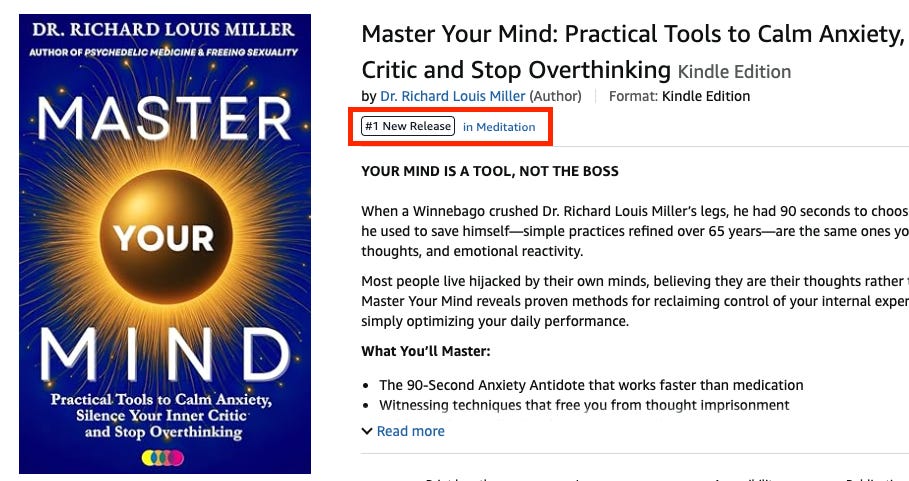 A conversation about anxiety, connection, and community with Dr. Ellen Vora✨ | anxietycommunity+4 | Dr. Ellen Vora | Mind, Body, Health and Politics PodcastDr. Ellen Vora's Website+4 | — | anxietycommunity+6 | — | 46m 35s | |
| 3/17/26 | 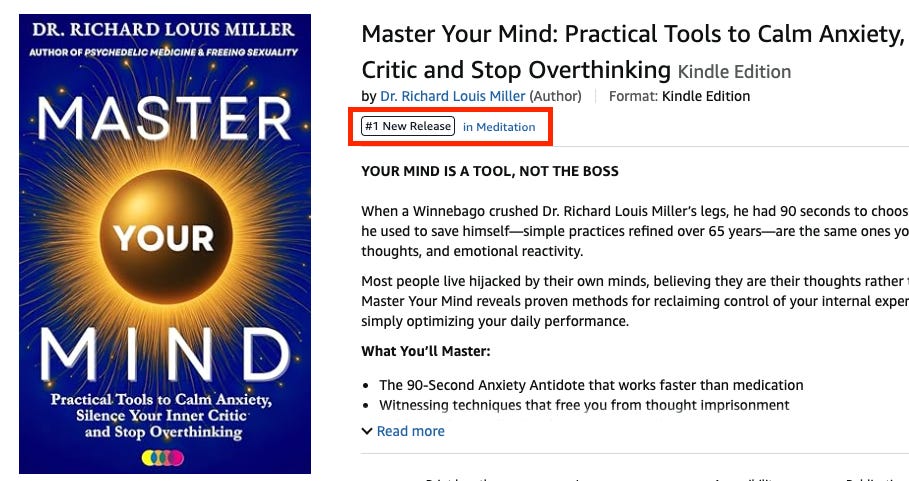 Why Healing Isn’t Working for So Many People✨ | mental healthpsychedelic therapies+4 | Tania De Jong | Australia | — | mental healthpsychedelic therapy+5 | — | 31m 15s | |
| 3/4/26 | 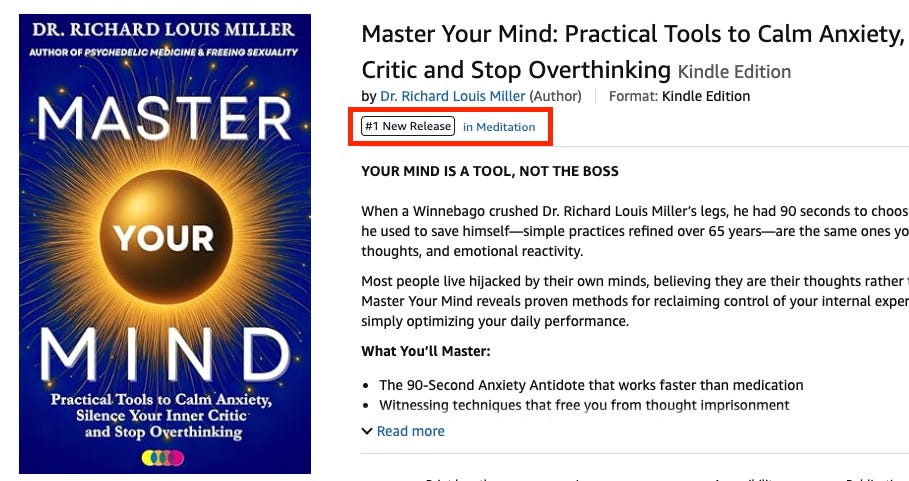 Life Is Still Worth Showing Up For✨ | value of lifehealth+5 | — | — | — | lifehealth+8 | — | 4m 54s | |
| 2/24/26 | 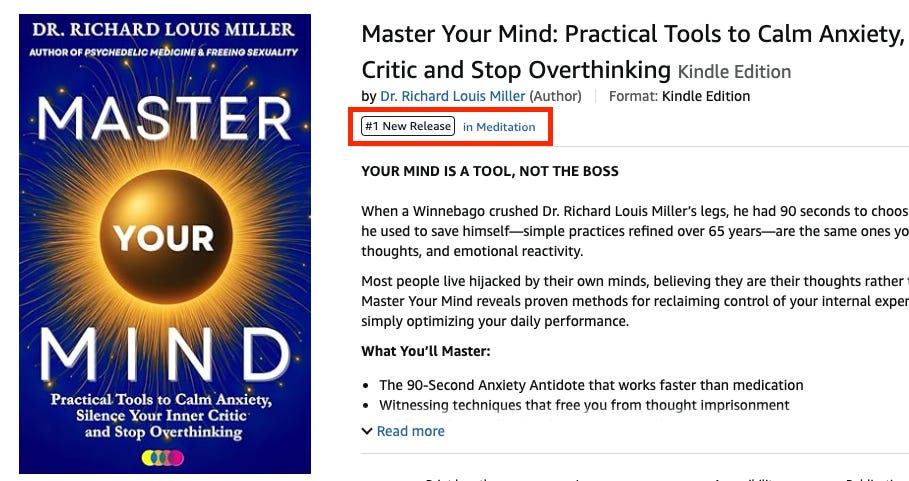 You Don’t Need a New Life. You Need a New State✨ | communitytribal living+4 | Light Watkins | — | — | communitytribal living+7 | — | 51m 17s | |
| 2/17/26 | 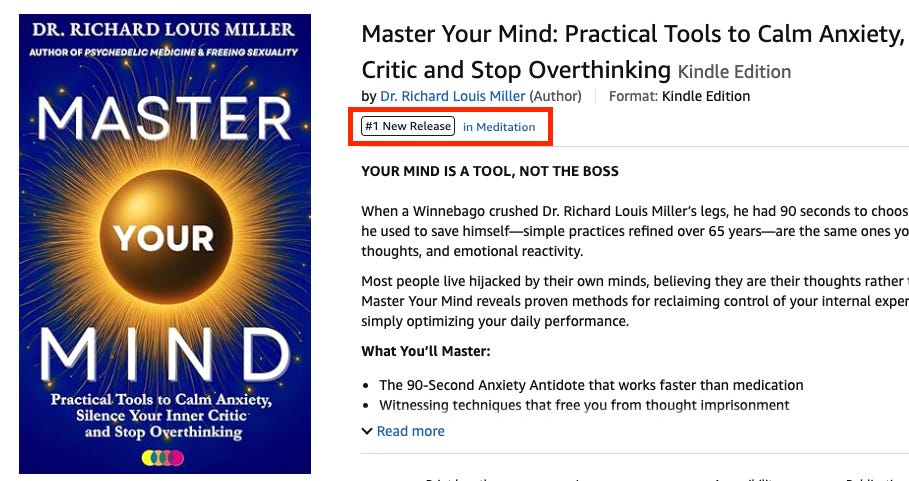 If Psychedelics Are Here to Stay, Let’s Get It Right✨ | psychedelicsharm reduction+4 | Dr. Daniel Kruger | — | — | psychedelic medicinecommunity well-being+4 | — | 49m 14s | |
Want analysis for the episodes below?Free for Pro Submit a request, we'll have your selected episodes analyzed within an hour. Free, at no cost to you, for Pro users. | |||||||||
| 2/10/26 | 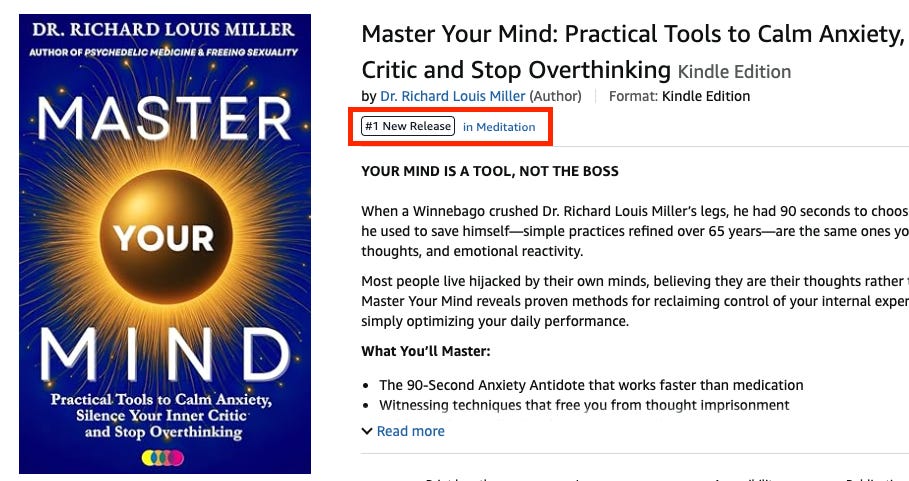 A Hard Lesson From a Long Career✨ | burnoutself-care+4 | — | — | — | burnoutself-care+5 | — | 5m 01s | |
| 2/4/26 | 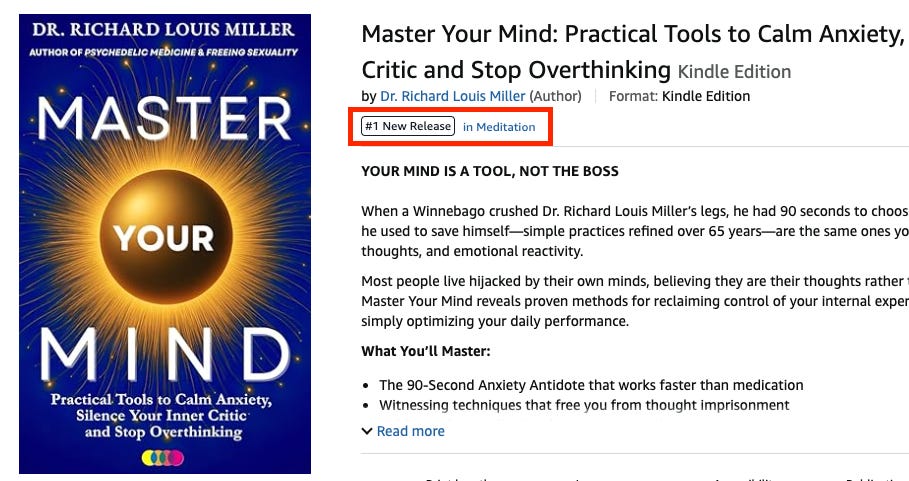 The Psychological Power of Movement✨ | exercisemental health+5 | — | — | — | exercisemental health+8 | — | 21m 31s | |
| 1/27/26 | 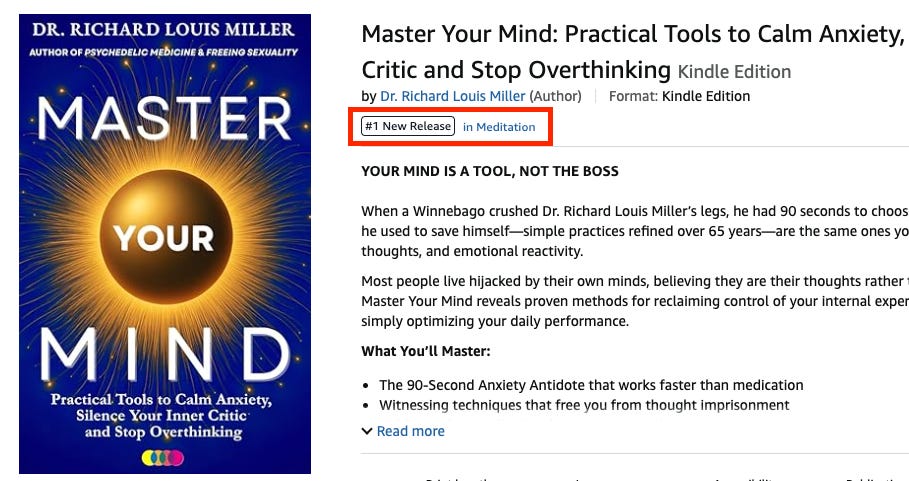 The Tools We Forget We Have | SummaryIn this conversation, Dr. Richard Louis Miller reflects on the importance of human connection, the historical rise of dominators in society, and the interplay between religion and governance. He emphasizes the need for community and collaboration to counteract the divisive forces in the world, expressing hope for humanity's ability to unite and thrive together.TakeawaysConnection with others is vital for personal well-being.Human beings are inherently tribal and collaborative.A small group of dominators has historically controlled resources.The concept of property emerged from power dynamics.Religion and governance have a complex and often dangerous relationship.The separation of church and state is crucial for freedom.Community and connection can combat isolation and fear.We must reach out to others to foster relationships.Hope exists for humanity to rise above divisive forces.We share this planet and must work together as one people.Chapters00:00 Introduction and Personal Reflections02:53 The Importance of Connection06:12 The Rise of Dominators in Society09:05 The Historical Context of Power Dynamics12:00 Religion and Governance: A Dangerous Alliance15:50 The Call for Community and Connection20:11 Hope for Humanity's Future This is a public episode. If you'd like to discuss this with other subscribers or get access to bonus episodes, visit www.mindbodyhealthpolitics.org/subscribe | 7m 37s | ||||||
| 1/20/26 |  Is Monogamy Working the Way We Think It Is? | SummaryIn this episode of Mind, Body, Health and Politics, Dr. Richard Louis Miller engages in a thought-provoking conversation with Professor Eric Anderson about the complexities of monogamy and the psychological underpinnings of cheating. They explore the concept of cognitive dissonance, particularly how societal expectations of monogamy clash with biological impulses. Professor Anderson argues that men are evolutionarily wired to seek multiple partners, which creates a conflict when they enter monogamous relationships. This discussion is framed within the context of modern relationships, where emotional and physical fidelity are often viewed through different lenses, leading to misunderstandings and conflicts in expectations.The conversation delves into the historical context of monogamy, the impact of divorce on children, and the societal pressures that shape our views on relationships. Professor Anderson challenges traditional notions of fidelity, suggesting that emotional connections can be just as significant as physical ones. He emphasizes the need for a broader understanding of what constitutes cheating and how societal norms influence personal relationships. The episode concludes with a cliffhanger, hinting at a deeper exploration of the psychological processes that lead individuals from a commitment to infidelity, setting the stage for a future discussion.TakeawaysCognitive dissonance occurs when conflicting ideas exist in our minds.Men are biologically wired to seek multiple partners, creating tension in monogamous relationships.Emotional connections can be as significant as physical ones in defining fidelity.Divorce often has serious ramifications for children, affecting their future well-being.TitlesThe Truth About Monogamy: Cognitive Dissonance and CheatingAre We Wired for Monogamy? Exploring Human RelationshipsSound bites"We are the healthiest when we live in small tribes.""What do you do when two people you love hate each other?""We can't outrun our evolutionary desires."Chapters00:00 Introduction to Mind, Body, Health and Politics01:03 The Importance of Community and Collaboration02:27 Understanding Cognitive Dissonance03:24 Introducing Professor Eric Anderson04:11 Cognitive Dissonance and Monogamy06:04 Biological Imperatives and Sexual Desire10:03 The Impact of Divorce on Children15:14 Emotional vs. Physical Fidelity19:56 The Reality of Cheating24:52 The Psychological Process of Cheating38:59 The Complexity of Cheating Definitions51:58 Conclusion and Cliffhanger for Part Two This is a public episode. If you'd like to discuss this with other subscribers or get access to bonus episodes, visit www.mindbodyhealthpolitics.org/subscribe | 1h 04m 01s | ||||||
| 1/13/26 |  How a Woman in Her 60s Became an Olympic Weightlifter | In this engaging conversation, Dr. Richard Louis Miller and Laura Eiman explore the profound impact of community on health and well-being, the journey of overcoming addiction to sugar, and the importance of strength training at any age. Laura shares her inspiring story of transformation, emphasizing the significance of mindset, nutrition, and empowering others, particularly women, to take charge of their health. The discussion highlights practical strategies for maintaining physical and emotional well-being, fostering connections, and embracing the aging process with enthusiasm and purpose.TakeawaysCommunity is essential for emotional and physical well-being.Isolation during the pandemic has increased anxiety and depression.Laura's journey into health and fitness began in her 40s after overcoming a sugar addiction.Mindset is crucial for overcoming challenges and achieving goals.Strength training can be started at any age and has numerous benefits.Nutrition plays a vital role in overall health and fitness.Empowering women through coaching can help them overcome personal struggles.Staying curious and open-minded is key to personal growth.Learning from the mindset of Navy SEALs and athletes can inspire resilience.It's never too late to make positive changes in life. TitlesTransforming Lives Through Community and FitnessOvercoming Addiction: A Journey to HealthSound bites"I want to be like these guys.""Do hard things every day.""Get off the white food."Chapters00:00 The Importance of Community in Health02:24 Laura's Journey to Health and Fitness09:02 Overcoming Addiction and Finding Purpose13:55 Mindset Lessons from Navy SEALs and Athletes20:00 The Power of Strength Training at Any Age27:45 Nutrition and Healthy Eating Habits35:47 Empowering Women Through Coaching53:12 Connecting and Inspiring Others This is a public episode. If you'd like to discuss this with other subscribers or get access to bonus episodes, visit www.mindbodyhealthpolitics.org/subscribe | 51m 56s | ||||||
| 1/6/26 |  Choosing Each Other Again | SummaryIn this conversation, Dr. Richard Louis Miller reflects on the importance of human connection, the historical rise of dominators in society, and the interplay between religion and governance. He emphasizes the need for community and collaboration to counteract the divisive forces in the world, expressing hope for humanity's ability to unite and thrive together.TakeawaysConnection with others is vital for personal well-being.Human beings are inherently tribal and collaborative.A small group of dominators has historically controlled resources.The concept of property emerged from power dynamics.Religion and governance have a complex and often dangerous relationship.The separation of church and state is crucial for freedom.Community and connection can combat isolation and fear.We must reach out to others to foster relationships.Hope exists for humanity to rise above divisive forces.We share this planet and must work together as one people.Chapters00:00 Introduction and Personal Reflections02:53 The Importance of Connection06:12 The Rise of Dominators in Society09:05 The Historical Context of Power Dynamics12:00 Religion and Governance: A Dangerous Alliance15:50 The Call for Community and Connection20:11 Hope for Humanity's Future This is a public episode. If you'd like to discuss this with other subscribers or get access to bonus episodes, visit www.mindbodyhealthpolitics.org/subscribe | 20m 24s | ||||||
| 12/23/25 |  What Meditation Is Really For | Why Meditation Is About Relationship, Not EscapeSusan Piver on breath, awareness, and strengthening human connectionEpisode SummaryIn this episode of Mind Body Health & Politics, I speak with Susan Piver, meditation teacher and author of The Wisdom of a Broken Heart, about what meditation truly offers in a distracted, isolated world.Susan shares how her online meditation community grew organically to tens of thousands of people seeking practice, presence, and connection. Together, we explore meditation not as a tool for self-improvement or avoidance, but as a way of relating differently to the mind, the breath, and one another.We discuss why the mind is a sense organ rather than the self, how meditation restores agency in an age that constantly pulls at our attention, and why practice does not remove pain—but helps us meet it without aggression or collapse.One line from Susan stayed with me:“I cannot defeat my enemies. But I can strengthen my friends.”In a culture overwhelmed by noise, fear, and division, this conversation is an invitation to clarity, steadiness, and genuine human presence.Timestamps00:00 — Why community is essential to mental and emotional health02:15 — Introducing Susan Piver and the Open Heart Project04:45 — How online meditation became a global community06:00 — The unexpected intimacy of practicing together online08:30 — What meditation actually is (and what it is not)12:30 — Why the mind is not the boss16:00 — Attention, breath, and reclaiming agency20:30 — Meditation, grief, and the danger of spiritual bypassing27:00 — Pain, loss, and meeting experience honestly30:45 — Meditation as opening to the world, not withdrawing from it34:00 — “I cannot defeat my enemies, but I can strengthen my friends”36:30 — A guided meditation with Susan Piver42:30 — Silence, presence, and closing reflections This is a public episode. If you'd like to discuss this with other subscribers or get access to bonus episodes, visit www.mindbodyhealthpolitics.org/subscribe | 39m 27s | ||||||
| 12/16/25 |  Three Simple Tools to Calm Anxiety and Quiet the Mind | Three Simple Tools to Calm Anxiety and Quiet the MindEpisode SummaryIn this week’s episode of Mind Body Health & Politics, I speak directly to you about anxiety and intrusive thoughts—two of the most common struggles I’ve encountered in over 65 years of clinical practice.I share three simple, practical tools that require no special equipment, no long meditation sessions, and no expense. These are techniques you can use almost anywhere, at any moment, to calm your nervous system and regain control of your inner world.We explore conscious breathing, guided visualization, and a surprisingly powerful method for interrupting intrusive thoughts. These practices helped me save my own life during a severe trauma, and they remain the foundation of how I manage anxiety to this day.This episode is a reminder that you don’t need to do everything at once. A little something over a long period of time is a lot of something. This is a public episode. If you'd like to discuss this with other subscribers or get access to bonus episodes, visit www.mindbodyhealthpolitics.org/subscribe | 10m 24s | ||||||
| 12/9/25 |  Why Relationships Hurt — And Why That’s Not a Problem | Dr. Susan Campbell on Inconvenient Pain, Triggers & The PauseWhy conflict is normal — and how learning to “pause” can transform your closest relationships.Psychologist, author, and renowned couples therapist Dr. Susan Campbell returns to Mind Body Health & Politics for a powerful conversation about emotional pain, conflict, and the skills most of us were never taught.She and Dr. Richard Louis Miller explore why relationships inevitably hurt, why humans instinctively avoid emotional discomfort, and how this avoidance prevents us from growing. Instead of trying to “fix” or escape pain, Susan teaches how to feel it, understand it, and use it as a doorway to deeper connection.Susan explains why old childhood wounds get triggered in relationships, how the nervous system reacts under stress, and why even minor disagreements can unleash outsized reactions. She and Richard discuss the universal patterns couples fall into — denial, control, withdrawal, blame — and how practicing the pause interrupts these automatic behaviors.They also explore the deeper psychological landscape: why civilized cultures are addicted to control, how intimacy exposes our vulnerabilities, and why emotional courage is essential for personal and collective evolution.This conversation is honest, warm, practical, and deeply human. If you've ever wondered why conflict feels overwhelming — or how to navigate it with clarity and compassion — this episode offers tools that can change your relationships from the inside out.GuestDr. Susan Campbell — psychologist, couples therapist, group facilitator, and author of 12+ books including Getting Real, Truth in Dating, The Couples Journey, and From Triggered to Tranquil. She is internationally known for her work on honesty, emotional triggers, and relationship communication.Key TopicsWhy emotional pain is normal — not a sign something is “wrong”“Inconvenient pain” and why relationships activate our earliest woundsHow childhood patterns influence adult reactionsTriggers: what they are, why they happen, and how to recognize themThe body’s role in emotional reactions: fight, flight, freeze, control, or withdrawalWhy most of us avoid pain — and how this avoidance creates more sufferingThe Pause: how to interrupt spirals before real damage occursHow conscious breathing calms the nervous system after activationCompassionate self-inquiry: what to do after you pauseHow to identify your personal “control patterns”Saying no with kindness vs. protecting yourself with avoidanceExpansion of emotional capacity as a path to personal evolutionWhy our culture trains us to answer quickly — and how slowing down changes everythingHow relationships become mirrors that reveal unhealed woundsTeaching emotional intelligence to children — and why it mattersWhy genuine relating is more important than managing outcomesTimestamps00:00 — Why humans need community to thrive00:58 — Introducing Dr. Susan Campbell01:20 — Susan’s core message: expanding our capacity for emotional discomfort02:33 — What “inconvenient pain” really means03:45 — Why humans avoid painful truths04:19 — Normal frustrations inside relationships05:18 — Why our culture romanticizes ease — and misleads us06:40 — Pain as an opportunity for emotional growth07:51 — Childhood wounds and how relationships reactivate them09:30 — Real-life example: wanting different things at the same time10:55 — Triggered reactions: control, withdrawal, shutdown11:53 — How to recognize your trigger patterns13:45 — How to sit with discomfort instead of escaping it15:20 — How triggers mix the past with the present17:58 — The value of seeing your old patterns clearly19:51 — Why conflict escalates so fast20:26 — Susan’s signature tool: The Pause22:01 — Why talking while triggered never works23:55 — How to calm your nervous system during a pause25:30 — “You know the pause is working when you’re no longer blaming.”25:46 — Conscious breathing as emotional regulation26:36 — Why discipline leads to long-term harmony28:36 — Emotional skills we should teach children30:01 — Beyond the pause: compassionate self-inquiry31:14 — How self-compassion arises naturally after nervous-system calming33:22 — Why these tools should be taught in schools35:30 — Addiction to control in modern culture37:21 — Saying no with kindness39:14 — Control patterns: how we avoid discomfort41:27 — Why taking time to respond feels threatening in our culture43:28 — What happens when we fear uncomfortable outcomes45:51 — Susan’s final additional insight47:37 — Closing reflections and where to find Susan’s work This is a public episode. If you'd like to discuss this with other subscribers or get access to bonus episodes, visit www.mindbodyhealthpolitics.org/subscribe | 47m 53s | ||||||
| 12/2/25 | 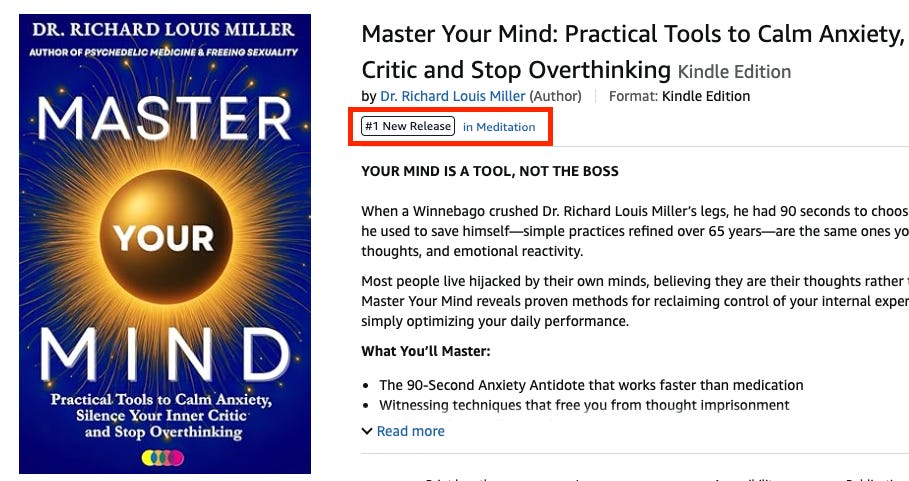 What BDSM Can Teach Us About Happiness & Human Connection | What BDSM Can Teach Us About Happiness & Human ConnectionInside Dr. Alicia Walker’s research on BDSM, stigma, and deep community.Sociologist Dr. Alicia M. Walker joins Mind Body Health & Politics to discuss one of the most surprising findings in her career: people involved in BDSM report strikingly high levels of emotional well-being, connection, and life satisfaction.Drawing from the largest BDSM study ever conducted—over 100 in-depth interviews and more than 2,400 survey participants—Dr. Walker discovered that the happiness reported by practitioners has little to do with the sexual practices themselves. Instead, it comes from the psychology around BDSM: communication, consent, identity, clarity, and community.Richard and Dr. Walker explore why BDSM remains deeply stigmatized; how secrecy shapes family relationships; why communication in BDSM scenes is far more explicit than in most romantic partnerships; and how chosen communities of 30–50 people function as support networks in an age of loneliness.They discuss creativity, emotional expression, gender expectations, injury and consent, political identity, and the role of freedom from societal judgment. The conversation reveals something far deeper than kink: a blueprint for connection and honesty that many people crave but rarely experience.This episode is not about the behavior itself—it’s about what it means to be fully seen, accepted, and connected.GuestDr. Alicia M. Walker — Associate Professor of Sociology at Missouri State University; researcher of sexuality, relationships, and gender; co-author with Dr. Arielle Kuperberg; and author of Charmed: The Secret Lives of BDSM Practitioners.Key TopicsThe largest BDSM study ever conductedWhy BDSM practitioners report unusually high levels of happinessCommunication, consent, and clarity as core psychological toolsHow secrecy shapes family and social relationshipsBDSM communities as powerful antidotes to lonelinessIdentity formation through roles, dynamics, and self-understandingCreativity and emotional expression inside BDSM relationshipsThe stigma surrounding sexuality in AmericaMisconceptions created by media portrayalsPolitical and cultural factors influencing sexual shameThe importance of negotiated boundaries and safe wordsWhy many participants live “vanilla” lives outside BDSMHow BDSM might inform healthier mainstream relationshipsTimestamps00:00 — Why human beings are tribal animals—and how isolation harms us02:03 — Introducing Dr. Alicia Walker and her path to studying BDSM03:37 — What sparked the study and why interest was so high04:51 — The largest BDSM dataset ever collected06:27 — Why studying sexuality is still stigmatized in academia07:36 — Cultural baggage around BDSM and sexual expression09:42 — How peers and the public react to sexual research11:28 — Censorship and pressure inside academic institutions13:30 — Family reactions to sexual research and BDSM stigma15:08 — Defining BDSM: roles, dynamics, and consent17:13 — Bondage, domination, sadism, masochism — explained19:24 — Safe words, negotiation, and communication22:31 — How the study was conducted: surveys, interviews, recruitment24:33 — 24/7 dynamics vs. private, at-home BDSM26:24 — Play parties, munches, and public vs. private participation29:04 — Why most BDSM practitioners blend into everyday life30:09 — BDSM identities vs. mainstream sexual identities32:35 — The biggest surprise: universal happiness33:47 — Community networks of 30–50 people35:27 — Loneliness, third places, and the power of chosen family37:45 — Aging, community, and Richard’s reflections on longevity40:03 — Mutual support: airport pickups, holidays, emotional care42:12 — How families handle disclosure (or don’t)43:05 — The cost of secrecy and selective honesty46:03 — Why deeper involvement increases happiness48:19 — Identity clarity, self-understanding, and role expression49:43 — Gender expectations and emotional freedom52:26 — Creativity as a major contributor to well-being53:32 — Political leanings inside BDSM communities56:03 — How to safely get involved in BDSM58:23 — The importance of sober, mutual consent01:00:22 — Creativity, identity, and designing your own life01:03:36 — Injury, safety, and shared responsibility01:05:11 — Age, access, and how people find community01:07:08 — Closing reflections and learning from the BDSM community This is a public episode. If you'd like to discuss this with other subscribers or get access to bonus episodes, visit www.mindbodyhealthpolitics.org/subscribe | 1h 02m 28s | ||||||
| 11/25/25 | 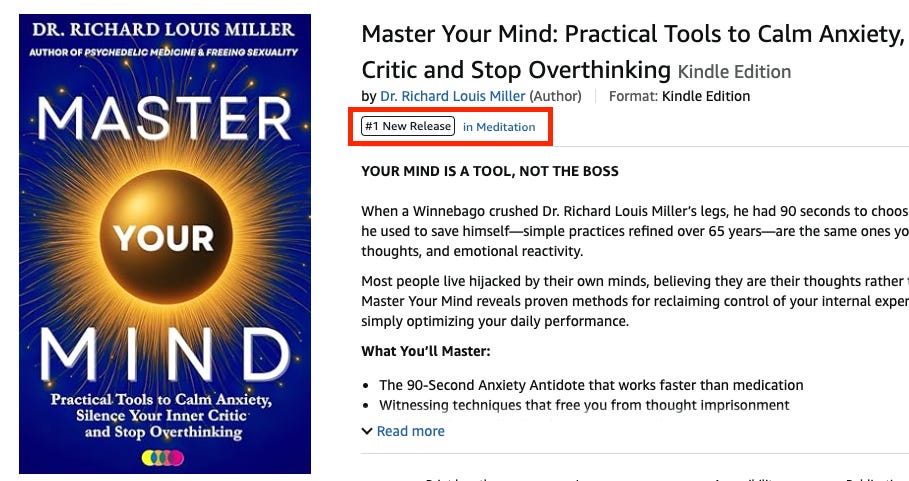 The Science of Self-Compassion with Dr. Kristin Neff | Dr. Kristin Neff on the Science of Self-CompassionHow self-kindness rewires your emotions, your health, and your ability to cope.Dr. Kristin Neff — pioneering researcher, psychologist, and author of Self-Compassion — joins Mind Body Health & Politics for a deep exploration into the one skill most of us were never taught: how to treat ourselves with warmth instead of judgment.She and Dr. Richard Louis Miller discuss why human beings evolved to be harsh toward themselves, how self-criticism keeps us stuck in a threat state, and why self-compassion isn’t “soft”—it’s a biological accelerator for resilience, calm, and emotional strength.Kristin explains the three pillars of self-compassion, how physical touch signals safety to the nervous system, and why just 20 seconds a day of self-kindness can measurably change your mental health.She also shares deeply personal stories—from her own divorce to raising her autistic son—and how practicing self-compassion allowed her to stay grounded through fear, shame, and uncertainty.Richard and Kristin explore mindfulness, cultural conditioning, evolutionary psychology, childhood wounds, the crisis of anxiety in America, and why being on your own side is one of the most powerful health interventions we have.This conversation is warm, practical, and profoundly human—an invitation to finally stop being your own worst critic.GuestDr. Kristin Neff — Associate Professor of Educational Psychology at the University of Texas at Austin; co-founder of the Center for Mindful Self-Compassion; author of Self-Compassion and Fierce Self-Compassion; and the world’s leading researcher on self-compassion.Key TopicsWhy we’re evolutionarily wired to be harsher with ourselves than with othersThe three components of self-compassion: mindfulness, common humanity, and kindnessHow physical touch activates the care system and quiets the threat systemWhy self-criticism creates anxiety but does not create motivationHow self-compassion improves immune function, inflammation, cortisol, and heart-rate variabilityThe difference between self-compassion, self-esteem, and self-appreciationHow cultural messages (“don’t get a big head”) distort our inner voiceUsing self-compassion in parenting—especially with neurodivergent childrenAutism, sensitivity, and the story of her son RowanHow shame dissolves when we remember our shared humanityWhy anxiety levels are rising nationwide—and how self-compassion protects usPractical tools: touch, gentle self-talk, mindful awareness, and 20-second practicesHow to take the Self-Compassion Scale and build a daily practiceTimestamps00:00 — Why human beings are tribal animals, and how isolation harms us02:27 — Introducing Dr. Kristin Neff & the concept of self-compassion03:16 — What self-compassion is and is not04:07 — Treating yourself as kindly as you treat others05:35 — Why we attack ourselves: evolution, fear, and defense mode07:51 — How compassion calms the nervous system08:32 — Richard’s own journey with cancer and gratitude09:30 — Kristin’s story: divorce, shame, and discovering self-kindness11:16 — How mindfulness allows compassion to arise13:31 — The three elements of self-compassion15:11 — Common humanity vs. self-pity16:31 — How self-talk rewires the brain17:58 — Self-compassion vs. self-esteem19:36 — Self-appreciation and acknowledging what you do well21:20 — Gratitude, wisdom, and interdependence22:57 — Richard’s cancer + heart failure story23:35 — How the immune system responds to compassion26:03 — Why culture discourages self-kindness27:28 — Being harsh to ourselves: a misunderstood attempt at safety28:53 — Childhood conditioning: “don’t get a big head”30:24 — Spare the rod, spoil the child—carried into adulthood31:14 — Is self-compassion a feeling or a motivation?33:14 — The neuroscience of compassion34:55 — Ego, self, and Buddhist misunderstandings35:30 — How to apply self-compassion during suffering36:58 — The power of physical touch37:28 — Touching the body where the emotion lives40:00 — How mammals regulate through contact41:00 — Dr. Neff’s self-compassion test43:22 — Anxiety epidemic in the U.S.44:10 — AI, uncertainty, and emotional overwhelm45:27 — The “inner ally” and asking yourself, “What do I need?”47:00 — Parenting Rowan: sensitivity, autism, and Mongolia50:14 — The Horse Boy story and healing in nature53:13 — Rowan today: independence, strengths, and challenges55:27 — What autistic children teach us about attunement57:21 — One of Rowan’s best lessons: “You’re not a terrible singer—you just sing terribly.”58:06 — Why 20 seconds of self-compassion a day is enough59:04 — Richard’s excitement to share the research60:00 — Where to find Dr. Neff + closing reflections This is a public episode. If you'd like to discuss this with other subscribers or get access to bonus episodes, visit www.mindbodyhealthpolitics.org/subscribe | 58m 58s | ||||||
| 11/24/25 | 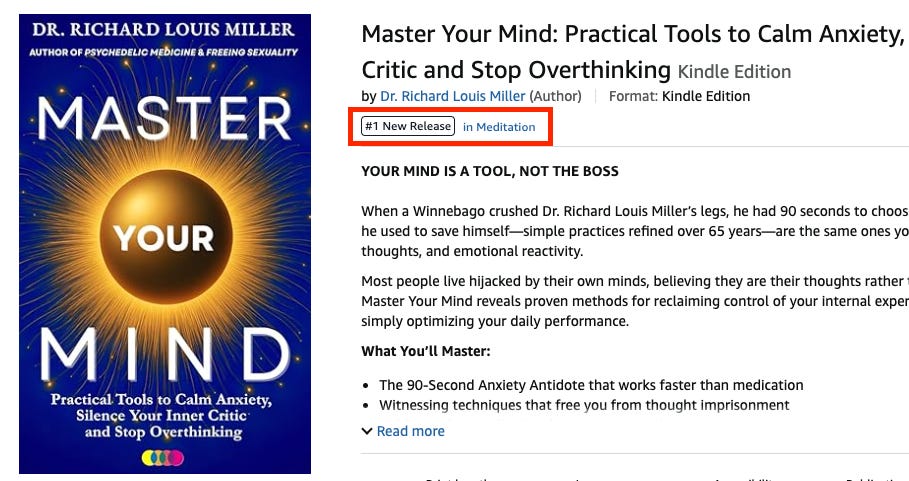 The Fastest Way to Stop Making Yourself Miserable | In this short episode, Dr. Richard Miller explains why comparison quietly damages your peace—and the simple mental shift he teaches to break the habit before it steals your joy This is a public episode. If you'd like to discuss this with other subscribers or get access to bonus episodes, visit www.mindbodyhealthpolitics.org/subscribe | 0m 40s | ||||||
| 11/18/25 | 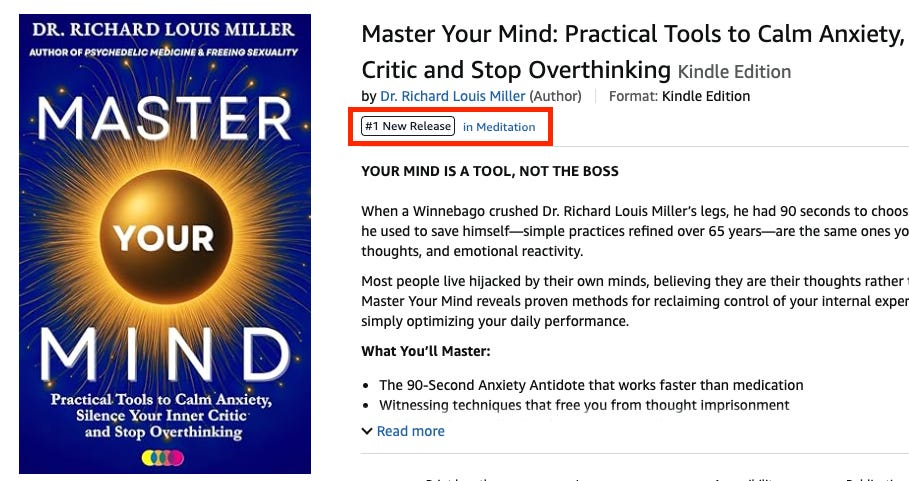 How to Create Meaning When Life Stops Making Sense | How to Create Meaning When Life Stops Making SenseA conversation on mood, purpose, community, and the pressures of modern life with Eric Maisel.Psychologist and author Eric Maisel joins Mind Body Health & Politics to explore one of the deepest struggles of modern life: how to create meaning in a world that feels increasingly overwhelming, isolating, and disconnected.Together, he and Dr. Richard Louis Miller discuss why so many people feel lost, how meaning is made rather than found, and why community—and creative connection—are essential for our emotional well-being.Eric shares insights from his decades of work with creative and performing artists, describing a new global initiative he’s helping build: the International Association of Creative and Performing Artists, a worldwide community designed to support creatives through loneliness, rivalry, depression, and the unique pressures of artistic life.Richard and Eric also talk about authoritarian family systems, the decline of the arts, the crisis of loneliness, existential wellness coaching, mood regulation, and why human beings must learn to “matter while we are here.”This conversation is a rich exploration of purpose, creativity, and the inner life we’ve forgotten to nurture.GuestEric Maisel — Psychologist, creativity coach, and author of more than 60 books including Redesign Your Mind, The Van Gogh Blues, Rethinking Depression, and The Power of Daily Practice.Key TopicsWhy meaning is a feeling—not something you “find”The modern crisis of loneliness and alienationWhy creative minds face unique psychological challengesRivalry, comparison, and depression in the artsThe International Association of Creative and Performing ArtistsHow community protects mental healthExistential wellness coaching and life purposeAuthoritarianism inside familiesThe role of moods and how we can influence themStoicism, existentialism, and internal agencyHow sleep thinking boosts creativityThe pressures on artists in the age of AIWhy “doing the next right thing” anchors purposeCreating personal meaning through valuesDesigning the “room of your mind” to change your thoughtsWhy many people feel they don’t matter—and how to reclaim inner worthTimestamps00:00 — Why human beings are tribal animals and need community01:10 — Introducing Eric Maisel: psychologist, author of 60+ books01:50 — Eric’s radar: a new global community for creative and performing artists03:37 — What the ideal worldwide organization would look like05:45 — Challenges creatives face: loneliness, rivalry, anxiety, depression06:40 — What artists truly need: hope, connection, meaning08:00 — Are the arts under attack?12:22 — Power outage pause — resuming the conversation13:00 — Do artists have unique sensitivities? The creative personality15:40 — Creative identity vs. the “almost-artist” (artist manqué)16:03 — Eric’s next radar theme: multiple life purposes vs. a single purpose17:20 — Meaning as a feeling, not a destination18:24 — Learning from past meaningful experiences20:00 — Creating value-based meaning; the Churchill example22:02 — Do we choose our moods? Richard and Eric debate24:00 — Richard’s story of surviving a life-threatening accident25:54 — The high bar of mood control — but it is possible26:18 — A second real-life example: childbirth without a C-section27:04 — Richard’s current AFib episode — choosing the mood anyway28:27 — Can most people handle modern life? The overwhelm of the mind29:50 — Stoicism and existentialism: ancient tools for modern crises31:27 — Why mainstream psychiatry avoids existential issues31:55 — Label culture and the limits of the DSM33:19 — Coaching creative clients: guilt, pressure, and overwhelm34:30 — Eric’s daily routine: writing at 5:30 a.m.35:14 — The importance of “sleep thinking” for creativity37:28 — Writing in chunks: completing one thousand-word piece38:41 — Afternoons, rest, cooking, and life rhythm39:46 — Richard proposes a new term: “accumulated intelligence”40:30 — Using AI to assist the writing process41:16 — Accumulated intelligence as humanity’s collective memory42:10 — How the new artist organization will include global suffering communities43:21 — Richard’s Ukrainian heritage and the role of war in creativity44:26 — Introducing Timothy Snyder and the book On Tyranny45:59 — Family authoritarianism and childhood wounds47:48 — Why the only solution is often to leave the authoritarian48:25 — Gender dynamics, dominance, and archaic biases49:07 — Leadership, archetypes, and political psychology49:20 — Break: Richard invites listeners to explore MBHP archives51:06 — Returning: Richard promotes Eric’s work51:33 — Redesigning the “room of your mind” — the core of Redesign Your Mind53:59 — Life purpose statements — doing the “next right thing”55:20 — Creating a personal life-purpose icon55:56 — Closing reflections and gratitude This is a public episode. If you'd like to discuss this with other subscribers or get access to bonus episodes, visit www.mindbodyhealthpolitics.org/subscribe | 51m 08s | ||||||
| 11/14/25 |  Comparison Is a Form of Self-Harm We Don’t Recognize | In this short episode, Dr. Richard Miller explains why comparison quietly damages your peace—and the simple mental shift he teaches to break the habit before it steals your joy This is a public episode. If you'd like to discuss this with other subscribers or get access to bonus episodes, visit www.mindbodyhealthpolitics.org/subscribe | 0m 31s | ||||||
| 11/11/25 |  The Future of Healing May Not Come from a Pill | Psychotherapist Gisele Fernandes-Osterhold joins Dr. Richard Louis Miller to discuss a groundbreaking psilocybin-assisted therapy study for young adults with anorexia nervosa at the University of California, San Francisco.Together, they explore how psychedelics can help restore connection between mind, body, and community—and how true healing extends beyond the individual to include family, culture, and environment.The study, led by UCSF’s Tripper Lab, is one of the first in the world to focus on the developing brain and the inclusion of families in psychedelic therapy. Gisele explains how this approach moves away from blame and control toward empowerment, self-awareness, and compassionate healing.She and Richard also discuss the cultural factors that shape body image, the impact of social media, the rising rates of eating disorders since the pandemic, and why anorexia remains one of the deadliest mental health conditions.“Recovery isn’t just gaining weight. It’s gaining yourself.” — Gisele Fernandes-OsterholdThis conversation is a powerful reminder that healing is not isolation—it’s reconnection.GuestGisele Fernandes-Osterhold — Director of Facilitation for Psychedelic Therapy at the University of California, San Francisco; faculty at the California Institute of Integral Studies; and researcher at the Tripper Lab, UCSF.Key TopicsThe UCSF psilocybin study for young adults (ages 18–25) with anorexia nervosaWhy including family in therapy can support long-term healingHow psilocybin-assisted therapy reduces cognitive rigidity and self-critical thought loopsUnderstanding anorexia beyond weight—seeing it as a disorder of identity and controlTrauma, intergenerational pain, and the importance of family systemsThe role of social media in shaping self-image and body dysmorphiaHow the pandemic amplified isolation and eating disorders among adolescentsShifting from authoritarian treatment models to trauma-informed careWhy “non-directive” therapy helps patients rediscover their own motivation to healA new paradigm of recovery centered on autonomy, compassion, and communityTimestamps00:00 — The importance of community and connection02:00 — Introducing Gisele Fernandes-Osterhold and the UCSF Tripper Lab03:30 — Inside the psilocybin-assisted therapy study for anorexia nervosa06:00 — Understanding anorexia as a life-threatening mental health disorder08:30 — Why the study includes diverse participants and families11:00 — The impact of anorexia on families and caregivers15:00 — Family inclusion as a healing model18:00 — Psilocybin therapy protocol and study design23:00 — The psychology of “parts work” and the path to self-integration29:00 — How psilocybin reduces rigid, self-destructive thought loops32:00 — The influence of culture, media, and pandemic isolation35:00 — Understanding suffering and motivation in eating disorders40:00 — Extending psychedelic research toward obesity and body image45:00 — How to apply for the UCSF clinical trial47:00 — Redefining success: recovery as engagement with life50:00 — Trauma-informed, patient-centered therapy54:00 — Mary Oliver’s “The Summer Day” — a poetic close on life’s preciousness This is a public episode. If you'd like to discuss this with other subscribers or get access to bonus episodes, visit www.mindbodyhealthpolitics.org/subscribe | 51m 28s | ||||||
Showing 25 of 357
Pitch Fit is a Pro feature
See how bookable this show is for guests, which brands already advertise, the per-episode ad value, and the best-fit guest and sponsor profile. The numbers are blurred on the free plan.
How readily this show books outside guests like you.
How proven this show is for host-read sponsorships.
For Guests
ProFor Advertisers
ProUpgrade to Pro to unlock guest cadence, sponsor categories, fit scores, and per-episode ad value for this show.
Chart Positions
2 placements across 2 markets.
Chart Positions
2 placements across 2 markets.