Weighted vs. Bodyweight Squats: Key Differences You Need to Know
About this episode
This episode explores the key biomechanical differences between weighted and bodyweight squats to enhance movement understanding.
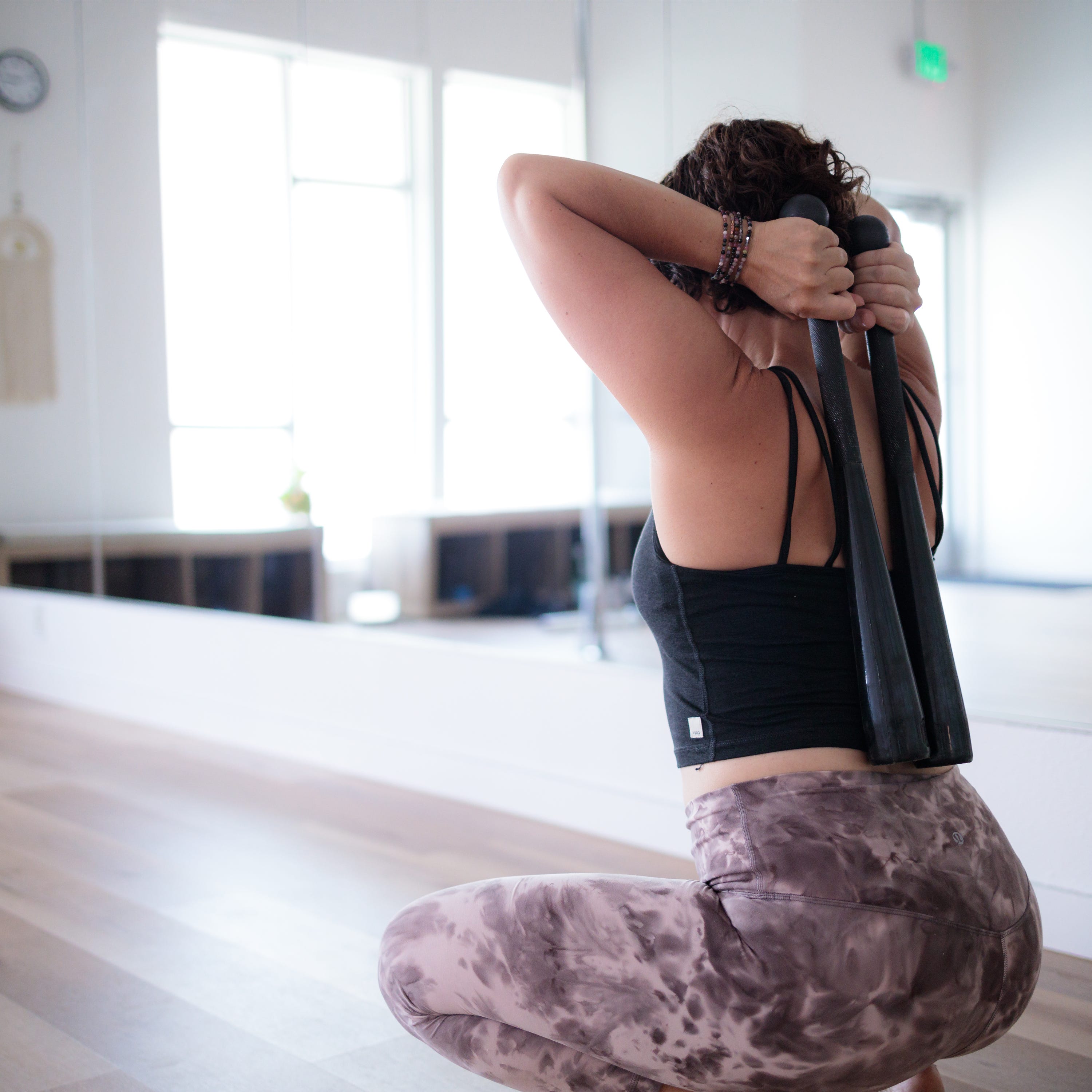
Ever wonder why squatting with weight feels so different from squatting without it? In this quick tutorial, we break down the biomechanical differences between weighted and bodyweight squats — and why understanding them can make you a better mover overall. When you’re holding a kettlebell, barbell, or any other load, your arms have a job, your path is more defined, and gravity does a lot of the organizing work for you. Take that weight away, and suddenly you have more freedom — and more responsibility. Your arms are free to assist, your spine has more options, and you need to consciously generate the downward force your feet would otherwise feel automatically. We cover: * Why weighted squats naturally constrain and guide your movement * How to use your arms effectively in a bodyweight squat * The role of foot pressure and how to recreate it without load * A simple cue for generating leg tension when squatting without weight Whether you’re programming strength work, mobility practice, or just trying to understand your own body better, knowing these differences will help you squat smarter in any context. Drop any questions or thoughts in the comments below — and if you found this…
People in this episode
Host: Jenn Pilotti
Topics covered
- squats
- biomechanics
- fitness
- bodyweight exercise
- strength training
Keywords
- weighted squats
- bodyweight squats
- movement
- biomechanics
- exercise technique
More episodes of Mindfulness, Movement, and Exercise
- Beyond the Back Squat: Three Ways to Load a Squat That Feel Better in Your Body
- A 5-Minute Nervous System Reset (Follow Along — No Equipment)
- Stop Fighting Your Asymmetry — Use It
- Oblique Knee-to-Elbow Hang: A Core Exercise for Aerial, Yoga & Arm Balancing
- Core Work That Actually Matches How You Move
- Hip Circles with a Twist: Adding Isometric Pressure for Better Mobility
Explore listener stats, chart rankings, contacts and more on the Mindfulness, Movement, and Exercise podcast page.