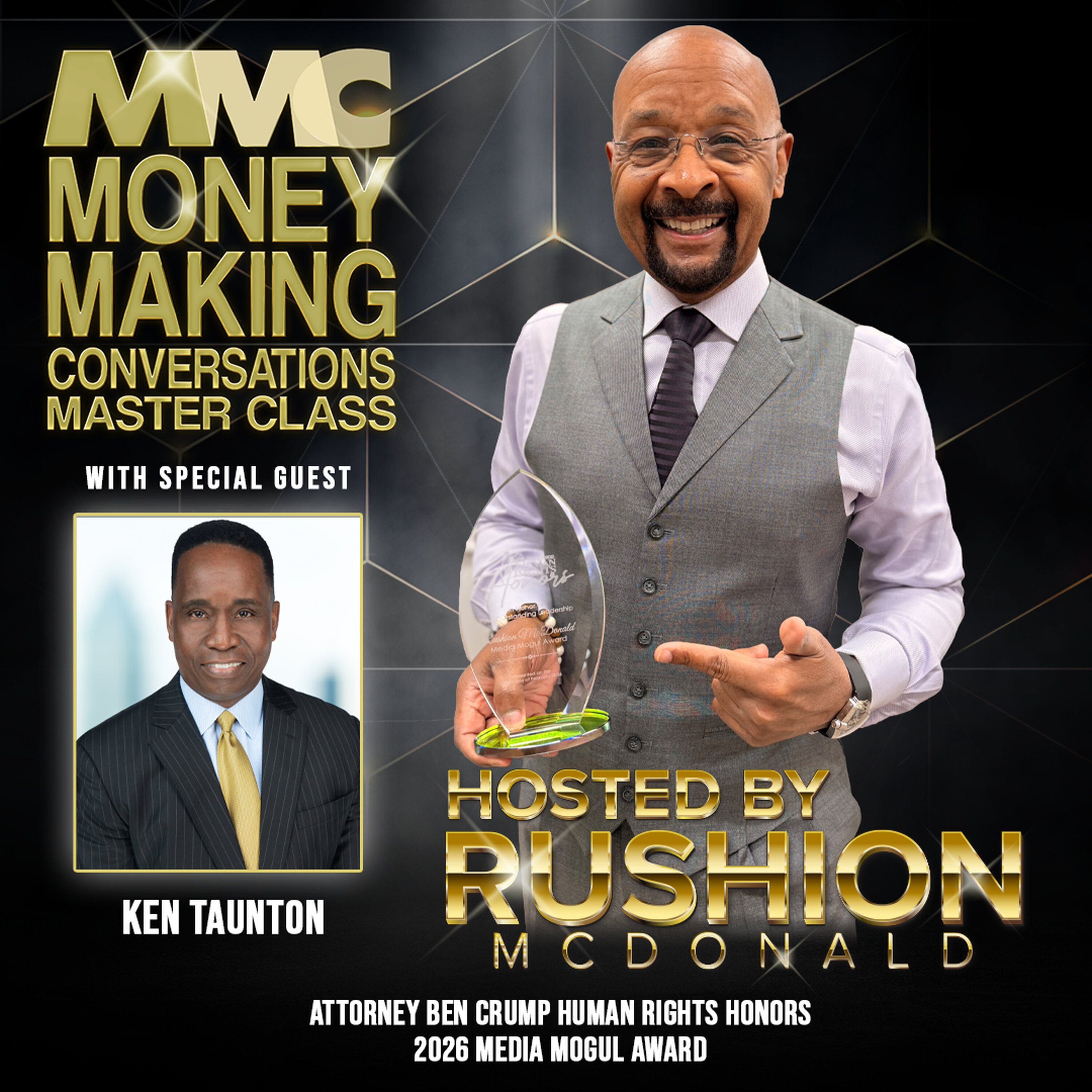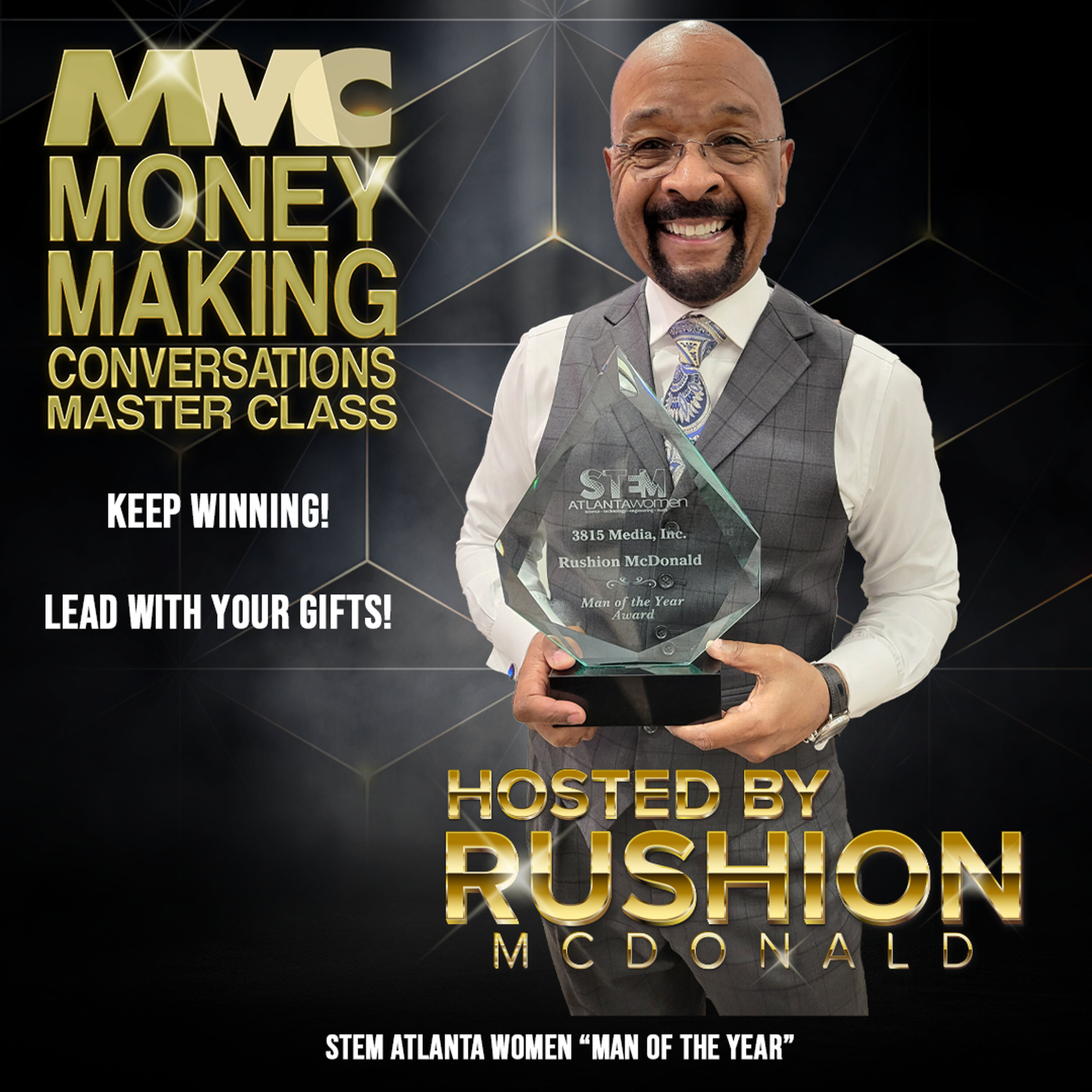
Insights from recent episode analysis
Audience Interest
Podcast Focus
Publishing Consistency
Platform Reach
Insights are generated by CastFox AI using publicly available data, episode content, and proprietary models.
Most discussed topics
Brands & references
Total monthly reach
Estimated from 3 chart positions in 3 markets.
By chart position
- 🇰🇷KR · Relationships#1471K to 10K
- 🇳🇬NG · Relationships#873K to 10K
- 🇵🇭PH · Relationships#191500 to 3K
- Per-Episode Audience
Est. listeners per new episode within ~30 days
1.4K to 6.9K🎙 Daily cadence·1,000 episodes·Last published today - Monthly Reach
Unique listeners across all episodes (30 days)
4.5K to 23K🇰🇷43%🇳🇬43%🇵🇭13% - Active Followers
Loyal subscribers who consistently listen
1.8K to 9.2K
Market Insights
Platform Distribution
Reach across major podcast platforms, updated hourly
Total Followers
—
Total Plays
—
Total Reviews
—
* Data sourced directly from platform APIs and aggregated hourly across all major podcast directories.
On the show
From 43 epsHost
Recent guests
Recent episodes
Relationships: Explores how technology is shifting social behaviors and reshaping dating, marriage, and human connection.
Jun 25, 2026
28m 12s
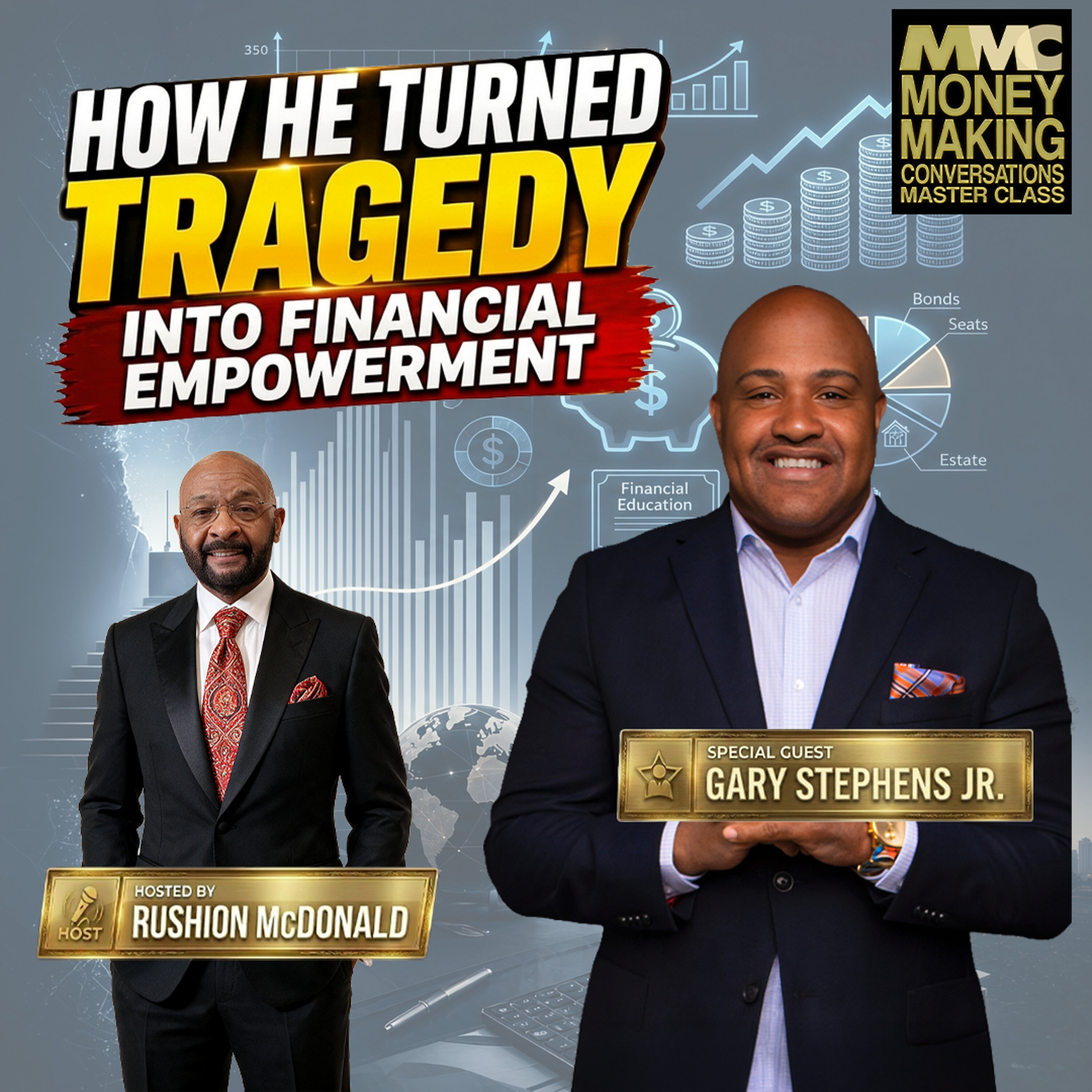
Overcoming the Odds: Shares his journey from struggling student with “wasted potential” to successful entrepreneur, speaker, and philanthropist.
Jun 25, 2026
27m 42s
Insurance: She educates listeners on the different types of life insurance and financial services that can build wealth.
Jun 25, 2026
22m 56s
Overcoming the Odds: Showcasing her journey as a journalist, historian, and author rooted in Ebony and Jet magazine.
Jun 25, 2026
28m 40s
Home Ownership: The best mortgage in America, by no down payment, no closing costs, no fees, and no reliance on credit scores.
Jun 25, 2026
19m 08s
Social Links & Contact
Official channels & resources
Official Website
Login
RSS Feed
Login
| Date | Episode | Topics | Guests | Brands | Places | Keywords | Sponsor | Length | |
|---|---|---|---|---|---|---|---|---|---|
| 6/25/26 | ![]() Relationships: Explores how technology is shifting social behaviors and reshaping dating, marriage, and human connection. | April Lancit. 🔎 Interview Summary April Lancit, a licensed marriage and family therapist, joins Rushion McDonald to discuss relationships, therapy, cultural dynamics, and the growing challenges of modern connection. The conversation centers on how therapy can strengthen individuals, couples, and families, especially within Black and Brown communities, while addressing universal relationship issues like communication, finances, and intimacy. They also explore how technology, generational trauma, and shifting social behaviors are reshaping dating, marriage, and human connection. 🎯 Purpose of the Interview The primary goals of the interview are: Normalize therapy as a proactive, empowering tool—not just for crises Highlight culturally sensitive therapy, especially for marginalized communities Educate listeners on relationship challenges and solutions Encourage healthier communication, connection, and emotional awareness “Going to therapy is not about going when it's a crisis… it’s a tool… without shame or guilt.” [APRIL LANCIT (1) | Txt] 🔑 Key Takeaways 1. Cultural Context Matters in Therapy Black and Brown communities face unique relationship and mental health challenges shaped by lived experiences and systemic factors. Therapists who share or deeply understand these experiences can better support clients. “Black and brown people have unique issues… based on our lived experiences.” [APRIL LANCIT (1) | Txt] 2. Core Relationship Problems Are Universal Across all couples, the main issues are: Finances (most common) Infidelity Communication However, communication underpins all issues, even if people initially focus on money or trust. “It’s finances… infidelity… and then communication.” [APRIL LANCIT (1) | Txt] 3. Modern Dating Is More Difficult Than Ever Technology and convenience (delivery, remote work, streaming) reduce real-world interaction People must intentionally create opportunities to connect “People are missing the opportunity to interact and build that connection.” [APRIL LANCIT (1) | Txt] 4. Rise of Singlehood and Relationship Avoidance More people are choosing to stay single due to emotional readiness issues and fear of others’ problems This trend may continue without intentional effort to build relationships “There are a lot more single people today than we had 20 years ago.” [APRIL LANCIT (1) | Txt] 5. Generational Trauma & Vulnerability Challenges Many struggle with being emotionally open, especially men conditioned not to show vulnerability This affects intimacy, understanding, and love languages “How can I give you something that I haven’t given to me?” [APRIL LANCIT (1) | Txt] 6. Premarital Counseling Is Essential—but Often Skipped Couples frequently fail to discuss critical issues before marriage: Finances Roles Children Religion Lifestyle Sex and intimacy Many end up needing counseling after marriage for issues they never addressed 7. Technology Is Weakening Human Connection Excessive texting replaces real communication—even in the same household Lack of face-to-face interaction reduces emotional awareness and connection “You can’t always pick up on somebody’s energy… when you are having conversations in a text message.” [APRIL LANCIT (1) | Txt] 8. AI in Therapy Has Limits AI can provide tools, but cannot replace human connection and emotional presence It may be useful as a supplement—not a substitute “There’s nothing you can replace for the human experience.” [APRIL LANCIT (1) | Txt] 9. Stress Signals When Support Is Needed Ongoing, unresolved issues Repeated conversations with no progress Emotional exhaustion Therapy provides tools, structure, and an unbiased space to process challenges. 10. Hope for Reconnection Despite challenges, Lancit remains optimistic: Many people want deeper connection and change Growth is possible with intentional effort and openness “As long as you want different… we can build that together.” [APRIL LANCIT (1) | Txt] 💬 Notable Quotes Here are some of the most impactful quotes from the interview: On therapy: “Going to therapy is… a tool… not a stigma.” [APRIL LANCIT (1) | Txt] On relationships: “It’s finances… infidelity… and then communication.” [APRIL LANCIT (1) | Txt] On vulnerability: “How can I give you something that I haven’t given to me?” [APRIL LANCIT (1) | Txt] On modern connection: “People are missing the opportunity to interact and build that connection.” [APRIL LANCIT (1) | Txt] On texting vs. communication: “You can’t always pick up on somebody’s energy.” [APRIL LANCIT (1) | Txt] On AI therapy: “There’s nothing you can replace for the human experience.” [APRIL LANCIT (1) | Txt] On hope: “As long as you want different… we can build that together.” [APRIL LANCIT (1) | Txt] ✅ Bottom Line This interview emphasizes that while relationship struggles are universal, today’s challenges—technology, emotional barriers, and social shifts—require more intentional communication, cultural awareness, and proactive therapy. #SHMS #BEST #STRAWSee omnystudio.com/listener for privacy information. | 28m 12s | ||||||
| 6/25/26 | ![]() Overcoming the Odds: Shares his journey from struggling student with “wasted potential” to successful entrepreneur, speaker, and philanthropist. | Listen and subscribe to Money Making Conversations on iHeartRadio, Apple Podcasts, Spotify, www.moneymakingconversations.com/subscribe/ or wherever you listen to podcasts. New Money Making Conversations episodes drop daily. I want to alert you, so you don’t miss out on expert analysis and insider perspectives from my guests who provide tips that can help you uplift the community, improve your financial planning, motivation, or advice on how to be a successful entrepreneur. Keep winning! Two-time Emmy and Three-time NAACP Image Award-winning, television Executive Producer Rushion McDonald interviewed Jeremy Anderson. 🔷 Interview Summary Jeremy Anderson—motivational speaker, founder of the Next Level Speakers Academy, and co-founder of Next Level Living—shares his journey from struggling student with “wasted potential” to successful entrepreneur, speaker, and philanthropist. [JEREMY AND...SON iHeart | Txt] The conversation focuses on: Overcoming adversity and mindset shifts Turning personal pain into purpose and profit Building a brand through value and storytelling Scaling influence through speaking and training Giving back globally through philanthropy His message blends personal accountability, purpose-driven entrepreneurship, and impact-focused success. 🎯 Purpose of the Interview 1. Inspire personal transformation Show how individuals can overcome “wasted potential” Emphasize mindset, discipline, and belief 2. Teach value-based entrepreneurship Demonstrate how to monetize skills, experiences, and personal stories 3. Promote purpose over profit Reframe success as impact first, income second 4. Provide a practical framework for success Offer actionable guidance for: Branding Speaking Marketing Career growth 5. Highlight impact beyond business Showcase giving back through Next Level Living’s work in South Africa 🔑 Key Takeaways 1. “Wasted potential” is the core problem Many people have talent but lack: Belief Direction Execution Anderson’s life mission is helping people unlock that potential 2. Personal responsibility changes everything He moved from blaming others to owning his outcomes Transformation began when he chose to “go all in” on himself [JEREMY AND...SON iHeart | Txt] 3. Purpose must come before profit His academy filters people based on intention: Impact first → sustainable success Money-first mindset → limited growth 4. Your story is your most valuable asset Pain, struggle, and experience can become: Content Business Influence But only if you share it (“testify”) 5. Value creation drives income High earnings come from solving real problems, not just performing Positioning matters: People should feel they need you, not just want you 6. Business principles are universal Branding, value, and positioning apply across: Speaking Small business Corporate careers 7. Maximize every opportunity Don’t just complete a job—extract long-term value: Testimonials Content Referrals 8. Environment + mindset shape success External environment matters—but internal mindset matters more Sometimes success requires: Changing surroundings Rewiring thinking 9. No excuses—only ownership Growth comes from: Accountability Learning from mistakes Excuses block progress 10. Consistency + work ethic create results Success isn’t given—it’s earned daily through effort 11. Success must include service His nonprofit feeds 1,000 children weekly and funds education True success includes giving back at scale [JEREMY AND...SON iHeart | Txt] 💬 Notable Quotes On recognizing support “I was just a man that was supported… covered in prayer… coached up.” [JEREMY AND...SON iHeart | Txt] On wasted potential “My life’s work is to help people not experience wasted potential.” [JEREMY AND...SON iHeart | Txt] On transformation “I stopped playing the blame game… and went all in.” [JEREMY AND...SON iHeart | Txt] On purpose vs money “Don’t come to me for profits. Come to me for purpose.” [JEREMY AND...SON iHeart | Txt] On storytelling “It’s only a testimony if you testify.” [JEREMY AND...SON iHeart | Txt] On value creation “They’re not paying me because I’m motivational—I’m solving a problem.” [JEREMY AND...SON iHeart | Txt] On positioning “I want people to feel like, ‘I need this speaker.’” [JEREMY AND...SON iHeart | Txt] On maximizing opportunities “I’m trying to get every single drop out of this opportunity.” [JEREMY AND...SON iHeart | Txt] On mindset “Sometimes the prison is in your mind.” [JEREMY AND...SON iHeart | Txt] On work ethic “The world not going to give you what you deserve—the world going to give you what you work for.” [JEREMY AND...SON iHeart | Txt] On accountability “I ain’t never met nobody that become great from excuses.” [JEREMY AND...SON iHeart | Txt] 🧭 Bottom Line Jeremy Anderson’s message is a blueprint for personal and professional elevation: Shift your mindset → from victim to owner Find your purpose → then monetize it Leverage your story → as a business asset Add real value → to earn real income Maximize opportunities → don’t leave impact on the table Give back → success is incomplete without service His philosophy is simple but powerful:👉 Purpose + Value + Discipline = Sustainable success and impact #SHMS #BEST #STRAWSee omnystudio.com/listener for privacy information. | 27m 42s | ||||||
| 6/25/26 | ![]() Insurance: She educates listeners on the different types of life insurance and financial services that can build wealth. | Listen and subscribe to Money Making Conversations on iHeartRadio, Apple Podcasts, Spotify, www.moneymakingconversations.com/subscribe/ or wherever you listen to podcasts. New Money Making Conversations episodes drop daily. I want to alert you, so you don’t miss out on expert analysis and insider perspectives from my guests who provide tips that can help you uplift the community, improve your financial planning, motivation, or advice on how to be a successful entrepreneur. Keep winning! Two-time Emmy and Three-time NAACP Image Award-winning, television Executive Producer Rushion McDonald interviewed Brianna Johnson. 🎙️ Interview Summary Guest: Brianna Johnson (Founder, Legend Life Financial)Host: Rushion McDonaldShow: Money Making Conversations Masterclass Brianna Johnson shares her journey from young entrepreneur to multi-state financial services leader, emphasizing financial education, entrepreneurship, and the importance of understanding life insurance as a wealth-building tool. 🎯 Purpose of the Interview The interview is designed to: Educate listeners on life insurance and financial services basics Highlight entrepreneurship as a pathway to wealth and independence Encourage individuals to overcome fear and pursue business opportunities Raise awareness about misinformation in insurance marketing Promote financial literacy in underserved communities 🔑 Key Takeaways 1. 🛡️ Insurance Education Is Critical Many consumers buy policies without understanding them Marketing can be misleading—people must ask the right questions “67% of people… just blindly buy policies.” [Brianna Jo...green) (2) | Txt] Key mistake: assuming premiums will stay the same 2. 📊 Know the Types of Life Insurance Brianna explains three main types: Term Life: Cheapest, temporary coverage Risk: price increases after the term Whole Life: Permanent, fixed premiums Builds cash value slowly Indexed Universal Life (IUL): Flexible, tied to market performance Offers upside potential with downside protection 👉 Core message: Choose policies strategically—not emotionally 3. ⚠️ Beware of Sales-Driven Agents Some agents prioritize commissions over client education Consumers must stay informed and review policies regularly “Most agents… just sell policies to get a commission and that’s it.” [Brianna Jo...green) (2) | Txt] 4. 🚀 Entrepreneurship Starts Early and Requires Exposure Brianna began working at 13–14 and owned businesses by 22 Her father’s example shaped her entrepreneurial mindset “It has been invested into my DNA.” [Brianna Jo...green) (2) | Txt] Exposure and mentorship are key to success 5. 😨 Fear Must Be Confronted Fear is normal, but must not stop progress “Everything that you want is on the other side of fear.” [Brianna Jo...green) (2) | Txt] Growth requires stepping outside your comfort zone 6. 💼 Financial Services Is an Accessible Opportunity Entry into the industry is achievable through licensing—not necessarily a college degree High-income potential exists with the right training and discipline She earned “$1,000” from a single client session early in her career [Brianna Jo...green) (2) | Txt] 7. 🌍 Scale Through Vision and Strategy Brianna expanded beyond her father’s local model She became licensed in 30+ states, creating a national business Success = taking an existing model and scaling it 8. 🧠 Financial Literacy Is a Community Issue Underserved communities lack access to financial education Teaching others creates both income and impact “Our community is greatly underserved… there can never be too many educators.” [Brianna Jo...green) (2) | Txt] 9. 🔁 Multiple Income Streams / Side Hustles Matter Brianna started insurance while running other businesses Side hustles can evolve into primary income streams 10. 🧭 Mentorship Accelerates Success Mentors (like her father) provide: Exposure Confidence Proven systems 🔥 Notable Quotes On Insurance Awareness “What they’re not telling you is what type of policy it is.” [Brianna Jo...green) (2) | Txt] “67% of people… just blindly buy policies.” [Brianna Jo...green) (2) | Txt] On Industry Reality “Most agents… just sell policies to get a commission.” [Brianna Jo...green) (2) | Txt] On Entrepreneurship “It has been invested into my DNA.” [Brianna Jo...green) (2) | Txt] On Fear “Fear is false expectations appearing real.” [Brianna Jo...green) (2) | Txt] “Everything that you want is on the other side of fear.” [Brianna Jo...green) (2) | Txt] On Opportunity “You can be working less and making more.” [Brianna Jo...green) (2) | Txt] On Financial Impact “This vehicle… can get you from where you are to where you want to be a lot faster.” [Brianna Jo...green) (2) | Txt] ✅ Bottom Line This interview frames financial services and entrepreneurship as powerful tools for wealth-building and independence. Brianna Johnson’s core message: Educate yourself before buying financial products Face fear and take action early Leverage accessible opportunities like licensing-based industries Scale your vision beyond what you’ve seen Use financial knowledge to uplift your community 👉 Ultimate takeaway:Financial literacy + entrepreneurial courage = accelerated wealth and impact. #SHMS #BEST #STRAW See omnystudio.com/listener for privacy information. | 22m 56s | ||||||
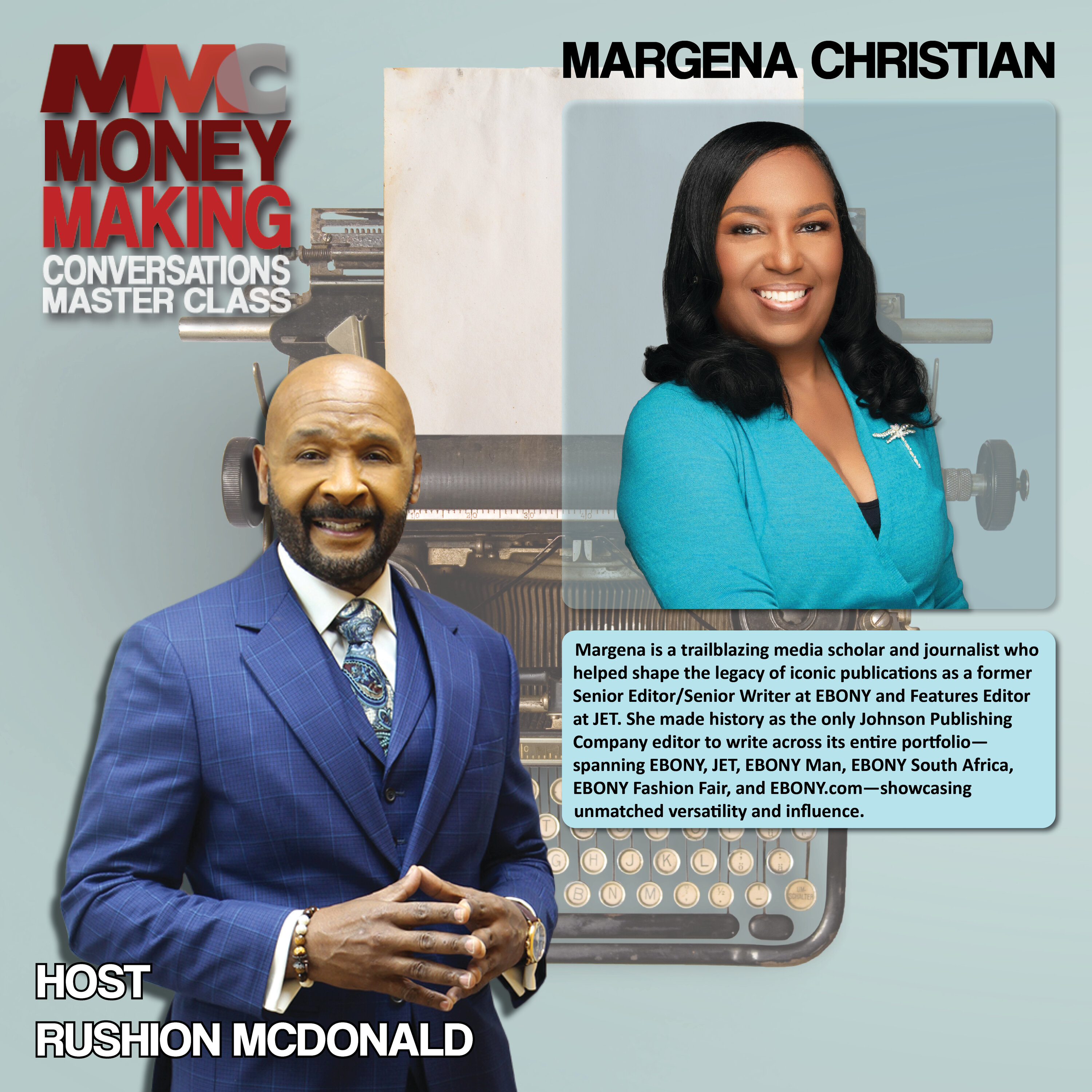
| 6/25/26 | ![]() Overcoming the Odds: Showcasing her journey as a journalist, historian, and author rooted in Ebony and Jet magazine. | Listen and subscribe to Money Making Conversations on iHeartRadio, Apple Podcasts, Spotify, www.moneymakingconversations.com/subscribe/ or wherever you listen to podcasts. New Money Making Conversations episodes drop daily. I want to alert you, so you don’t miss out on expert analysis and insider perspectives from my guests who provide tips that can help you uplift the community, improve your financial planning, motivation, or advice on how to be a successful entrepreneur. Keep winning! Two-time Emmy and Three-time NAACP Image Award-winning, television Executive Producer Rushion McDonald interviewed Dr. Margena Christian. 🎙️ Interview Summary: Dr. Margena Christian ✅ Purpose of the Interview The conversation serves three primary purposes: Highlight Dr. Christian’s career and influence Showcasing her journey as a journalist, historian, and author rooted in Ebony and Jet magazine. Promote her book “It’s No Wonder: The Life and Times of Motown’s Legendary Songwriter Sylvia Moy.” Preserve and correct Black cultural history Emphasizing the importance of documenting overlooked contributors—particularly Black women like Sylvia Moy—whose impact has often gone uncredited. 🔑 Key Takeaways 1. Legacy of Black media institutions (Ebony & Jet) Dr. Christian spent nearly two decades (1995–2014) at Johnson Publishing Company. Jet and Ebony were central to Black visibility before social media, shaping careers and cultural narratives. Being featured in these magazines was considered a milestone of success in the Black community. 👉 Insight: Media institutions played a critical role in documenting Black excellence and building public recognition. 2. Professional discipline and navigating the entertainment industry Christian stressed the importance of understanding the difference between business and personal relationships. She avoided distractions and maintained professionalism, even in celebrity-heavy environments. 👉 Insight: Success in media requires boundaries, focus, and clarity about one’s purpose. 3. Investigative storytelling and historical recovery Her book began with a simple social media question: why hadn’t Sylvia Moy’s contributions been widely documented? [ She conducted deep archival and interview-based research to verify claims. 👉 Insight: True storytelling requires verification, curiosity, and persistence, not just surface-level narratives. 4. Sylvia Moy’s overlooked impact on Motown Sylvia Moy helped save Stevie Wonder’s career when he risked being dropped. She co-created the hit “Uptight,” which kept him signed. Despite her role, she was denied proper producer credit, illustrating systemic inequities. 👉 Insight: Many foundational contributors—especially Black women—were historically under-credited or erased. 5. The importance of documenting history before it’s lost Christian emphasizes that: History may be hidden but not erased. If stories aren’t told accurately, others may distort or erase them. 👉 Insight: Preserving cultural history is both a responsibility and a form of protection. 6. The power of lived experience and “being in the room” Christian highlights her firsthand role in shaping media history—not just reporting on it. [Margena Ch...(Podcast) | Txt] She reflects on witnessing major figures early in their careers. 👉 Insight: Experience and proximity provide unique authority and storytelling depth. 💬 Notable Quotes On purpose and professionalism “Never get it twisted… it’s business… but a friendly business.” [Margena Ch...(Podcast) | Txt] “Very few people are really your friends.” [Margena Ch...(Podcast) | Txt] On media influence and cultural validation “Before social media, there was Jet.” [Margena Ch...(Podcast) | Txt] “Some people didn’t feel like they made it until they were in Jet magazine.” [Margena Ch...(Podcast) | Txt] On Sylvia Moy and untold history “That woman made history as a producer but was denied the credit.” [Margena Ch...(Podcast) | Txt] “How are you getting the credit for something… and I don’t see a footprint?” [Margena Ch...(Podcast) | Txt] On storytelling and legacy “People will write you out… of your own history if you let them.” [Margena Ch...(Podcast) | Txt] “History may be hidden, but it’s never erased.” [Margena Ch...(Podcast) | Txt] On purpose-driven work “You’re just doing it because you’re called to do it.” [Margena Ch...(Podcast) | Txt] 🧭 Overall Message This interview underscores a powerful theme: Document the truth, honor overlooked contributors, and take ownership of your narrative—before someone else rewrites it. It blends: Entrepreneurship and career advice Cultural preservation Investigative journalism Black media legacy #SHMS #BEST #STRAWSee omnystudio.com/listener for privacy information. | 28m 40s | ||||||
| 6/25/26 | ![]() Home Ownership: The best mortgage in America, by no down payment, no closing costs, no fees, and no reliance on credit scores. | Listen and subscribe to Money Making Conversations on iHeartRadio, Apple Podcasts, Spotify, www.moneymakingconversations.com/subscribe/ or wherever you listen to podcasts. New Money Making Conversations episodes drop daily. I want to alert you, so you don’t miss out on expert analysis and insider perspectives from my guests who provide tips that can help you uplift the community, improve your financial planning, motivation, or advice on how to be a successful entrepreneur. Keep winning! Two-time Emmy and Three-time NAACP Image Award-winning television Executive Producer Rushion McDonald interviews Bruce Marks. CEO of NACA – America's Best Mortgage Program. The incredible NACA mortgage allows NACA Members to purchase their homes with the following: Below is a structured summary of the Bruce Marks interview with Rushion McDonald on Money Making Conversations Masterclass, based entirely on the interview transcript you provided. All points and quotes are drawn from that source. Interview Summary Bruce Marks, founder and CEO of NACA (Neighborhood Assistance Corporation of America), joins Rushion McDonald to discuss his four-decade mission to make affordable homeownership accessible to working families, particularly those historically excluded from the housing market. Marks explains how NACA fights predatory lending while simultaneously offering what he calls “the best mortgage in America”—characterized by no down payment, no closing costs, no fees, low fixed interest rates, and no reliance on credit scores. The conversation highlights NACA’s innovative programs, including converting Section 8 housing vouchers into mortgage payments, the $1 Homeownership Program for vacant properties, and large-scale, community-based homebuying events that process thousands of families in days rather than months. Marks frames homeownership as a tool for wealth-building, community stability, crime reduction, and racial equity. Purpose of the Interview The purpose of the interview is threefold: Educate listeners about alternative paths to homeownership that defy traditional mortgage industry norms. Challenge myths about credit scores, Section 8 recipients, and affordability. Promote NACA’s model as a scalable, nationwide solution to the housing affordability crisis and racial wealth gap. Key Takeaways 1. NACA’s Mortgage Model Is Radically Different No down payment No closing costs or fees Below-market, fixed interest rates Credit scores are not used; lending is based on payment history and financial behavior. 2. Predatory Lending Targets Vulnerable Communities Marks defines predatory lending as mortgages “structured to fail”, citing the 2008 housing crisis as a direct result of unaffordable loan structures that later doubled or tripled payments. 3. Section 8 as a Pathway to Ownership and Wealth NACA enables families to apply their Section 8 Housing Choice Vouchers toward mortgage payments, allowing renters to build equity instead of enriching landlords. Over a 20‑year term, this can result in $200,000–$300,000 in personal wealth. 4. The $1 Homeownership Program Is a Game Changer Cities sell vacant homes or lots to buyers for $1, while NACA finances renovation or new modular construction—cutting costs by eliminating developers and enabling homes to be built for roughly $120,000 total. 5. Scale and Impact Matter NACA operates in all 50 states Newark event drew 25,000+ people over five days Over 75,000 homeowners served Foreclosure rate: 0.00012. Notable Quotes from Bruce Marks “We have the best mortgage in the country.”. “Predatory lending is a mortgage that is structured to fail.”. “What you’re doing is the wealth is now going to the person with a Section 8, not to the landlord.”. “We do character-based lending, never looking at someone’s credit score.”. “Homeownership is a safety issue, it’s an anti-crime issue.” Bottom Line The interview positions Bruce Marks and NACA as disruptors of the traditional mortgage industry, proving that affordability, scale, and advocacy can coexist. The message is clear: homeownership should be a right earned through responsibility and support—not a privilege restricted by wealth, credit scores, or predatory systems.. #BEST #STRAW #SHMS See omnystudio.com/listener for privacy information. | 19m 08s | ||||||
| 6/24/26 | ![]() Brand Building: They built the largest Black-owned tax preparation service in the U.S., scaling to 1,000+ virtual locations. | Listen and subscribe to Money Making Conversations on iHeartRadio, Apple Podcasts, Spotify, www.moneymakingconversations.com/subscribe/ or wherever you listen to podcasts. New Money Making Conversations episodes drop daily. I want to alert you, so you don’t miss out on expert analysis and insider perspectives from my guests who provide tips that can help you uplift the community, improve your financial planning, motivation, or advice on how to be a successful entrepreneur. Keep winning! Two-time Emmy and Three-time NAACP Image Award-winning, television Executive Producer Rushion McDonald interviewed Cherina & Mowbray Rowand. 🔷 Interview Summary Cherina and Mowbray Rowand—co-founders of the Rowand Group and creators of One Stop Taxes—share how they built the largest Black-owned tax preparation service in the U.S., scaling to 1,000+ virtual locations. [CHERINA &...AND iHeart | Txt] They discuss: Their entrepreneurial philosophy Their complementary roles as partners The transition from brick-and-mortar to a virtual franchise model Scaling strategies, team building, and infrastructure Wealth-building through diversification (restaurants, real estate, hospitality) Their creation of the Black Tax Festival to educate and unify entrepreneurs The conversation blends practical business strategy, mindset, and community impact. 🎯 Purpose of the Interview The interview serves several key purposes: 1. Educate aspiring entrepreneurs Demonstrates how to start, scale, and systematize a service business Highlights real-world lessons in scaling, hiring, and structuring companies 2. Promote economic empowerment Focuses on helping underserved communities access: Entrepreneurship Tax knowledge Financial systems 3. Showcase a scalable business model Emphasizes low-barrier entry franchising and virtual platforms 4. Inspire through lived experience Shows how vision, persistence, and partnership can create generational wealth 🔑 Key Takeaways 1. Entrepreneurship = Service + Ownership Entrepreneurship is framed as serving people first, then building a business around that service [CHERINA &...AND iHeart | Txt] 2. Complementary partnership is critical Mowbray = visionary (ideas) Cherina = implementer (execution systems) Their success comes from balancing vision with structure 3. Scaling requires evolving your team What works at $1M won’t work at $10M+ Businesses must upgrade: Attorneys CPAs Systems 4. Systems > hustle They scaled by creating a repeatable system and training others Their franchise model enables others to replicate success 5. Virtual model unlocked growth Eliminating physical offices reduced cost and increased reach Their early adoption of virtual tax prep became a major advantage 6. Timing + vision = breakthrough They launched virtual tools before mainstream trust in digital transactions COVID accelerated their already-built infrastructure 7. Lowering barriers drives scale No startup cost, free training, and back-end revenue sharing allowed rapid adoption [CHERINA &...AND iHeart | Txt] 8. Marketing starts with relationships Begin with: Warm network Strategic partnerships (car dealerships, apartments, etc.) 9. Financial literacy is a wealth gateway Many entrepreneurs lack: Proper documentation Financial systems Their platform and events aim to fix that gap 10. Community + recognition drive engagement The Black Tax Festival builds community, education, and motivation Recognition (awards, visibility) encourages performance 11. Diversification builds long-term wealth They reinvested profits into: Restaurants Real estate International assets (Dominican Republic hospitality) 💬 Notable Quotes On entrepreneurship “Entrepreneurship [is] being able to set your own path… being a servant to other people.” [CHERINA &...AND iHeart | Txt] On partnership dynamics “He’s the big idea guy… I’m the implementation person.” [CHERINA &...AND iHeart | Txt] On vision vs execution “Let me get the vision out first… then we start figuring out the pieces.” [CHERINA &...AND iHeart | Txt] On scaling infrastructure “The same thing that works at $1 million is not the same thing that works at $10 million.” [CHERINA &...AND iHeart | Txt] On early-stage hustle “We didn’t have a ton of support… but we had a lot of drive.” [CHERINA &...AND iHeart | Txt] On innovation and skepticism “When you tell a person we own a virtual tax company, they’re like, ‘What is that?’” [CHERINA &...AND iHeart | Txt] On reducing barriers “We don’t have any startup cost… we train for free… we lowered that point of entry barrier.” [CHERINA &...AND iHeart | Txt] On wealth gap realities “We’re left out of rooms because we don’t have the proper paperwork… financials.” [CHERINA &...AND iHeart | Txt] On mission-driven events “Hopefully [people] leave better than we found them.” [CHERINA &...AND iHeart | Txt] 🧭 Bottom Line The Rowands’ story is a blueprint for modern entrepreneurship: Start with service Build systems Scale through people and technology Reinforce success with community and education Convert income into assets and ownership Their model isn’t just about making money—it’s about making wealth accessible and transferable. #SHMS #STRAW #BESTSee omnystudio.com/listener for privacy information. | 26m 53s | ||||||
| 6/24/26 | ![]() Brand Growth: Discusses how artificial intelligence (AI) can transform productivity, decision-making, and business growth. | Listen and subscribe to Money Making Conversations on iHeartRadio, Apple Podcasts, Spotify, www.moneymakingconversations.com/subscribe/ or wherever you listen to podcasts. New Money Making Conversations episodes drop daily. I want to alert you, so you don’t miss out on expert analysis and insider perspectives from my guests who provide tips that can help you uplift the community, improve your financial planning, motivation, or advice on how to be a successful entrepreneur. Keep winning! Two-time Emmy and Three-time NAACP Image Award-winning, television Executive Producer Rushion McDonald interviewed Tonya Edmonds. 🎙️ Interview Summary Guest: Tonya Edmonds (Founder, Smart Growth AI)Host: Rushion McDonaldShow: Money Making Conversations Masterclass Tonya Edmonds discusses how artificial intelligence (AI) can transform productivity, decision-making, and business growth for entrepreneurs and professionals. She frames AI as a **practical, accessible tool—not a technical barrier—**that can save time, enhance efficiency, and create new income opportunities. Through her personal journey—from corporate work to entrepreneurship—she emphasizes learning, mentorship, and adaptability as keys to success in today’s digital economy. 🎯 Purpose of the Interview Demystify AI for everyday professionals and entrepreneurs Show how AI can increase productivity and efficiency Encourage adoption of emerging technologies Highlight financial literacy and investment mindset Promote mentorship and continuous learning 🔑 Key Takeaways 1. AI Is a Practical Tool, Not Just a Buzzword AI is now accessible to everyone due to improved technology and cost reduction. It functions like a fast, intelligent database and assistant. “It’s nothing like but a major database that can provide information very quickly.” [Tonya Edmo...dcast) (1) | Txt] 2. AI Can Save Time and Increase Capacity AI can help professionals reclaim 10+ hours per week by automating repetitive tasks. This allows more time for: Strategy Growth Decision-making “AI… handles repetitive tasks, streamlines workflows, sharpens decision making.” [Tonya Edmo...dcast) (1) | Txt] 3. The Biggest Barrier to AI Adoption Is People, Not Technology Fear of job loss and change limits adoption. Success requires: Empathy Training Positioning AI as a collaborator “It’s not a technology problem—it’s a people problem.” [Tonya Edmo...dcast) (1) | Txt] 4. Continuous Learning Is Essential AI skills must often be developed outside regular work hours. Those who learn early gain a competitive advantage. “If they don’t adopt these tools… they will be left behind.” [Tonya Edmo...dcast) (1) | Txt] 5. Mentorship Accelerates Success Lack of mentorship led to early business challenges. Strong networks and guidance are critical for growth. “I had no mentors… I was making this all up.” [Tonya Edmo...dcast) (1) | Txt] 6. Multiple Streams of Income Are Key to Stability Financial resilience comes from diversified income sources. Investments create flexibility during job loss or transitions. “Multiple streams of income… create the ability to have breathing room.” [Tonya Edmo...dcast) (1) | Txt] 7. Financial Literacy and Investing Matter—Especially for Women Begin investing early, even in small amounts. Options include: Real estate Stocks Self-directed IRAs “Even $100 a month… every little bit counts.” [Tonya Edmo...dcast) (1) | Txt] 8. AI Tools Have Different Strengths ChatGPT → brainstorming Claude → refinement Gemini → graphics/media Perplexity → research New tools (e.g., Manus AI) → all-in-one functionality 9. Avoid Burnout While Using AI Increased productivity can lead to taking on too much. Balance efficiency with rest and strategy. 10. Security and Data Privacy Are Critical Never input sensitive information into AI tools. Disable data-sharing/training features when possible. “Don’t put… credit cards, Social Security numbers, or personal data.” [Tonya Edmo...dcast) (1) | Txt] 💬 Notable Quotes On AI opportunity: “This is the wave I need to jump on.” [Tonya Edmo...dcast) (1) | Txt] On adoption: “If they don’t adopt these tools… they will be left behind.” [Tonya Edmo...dcast) (1) | Txt] On mindset: “It’s not a technology problem—it’s a people problem.” [Tonya Edmo...dcast) (1) | Txt] On wealth building: “You have to leverage your money… you can’t get ahead just being an employee.” [Tonya Edmo...dcast) (1) | Txt] On investing: “Every little bit counts.” [Tonya Edmo...dcast) (1) | Txt] On learning AI: “Open up your laptop and start playing with it.” [Tonya Edmo...dcast) (1) | Txt] ✅ Bottom Line Tonya Edmonds’ interview emphasizes that AI is a powerful equalizer for modern entrepreneurs. Those who embrace it—while combining **financial discipline, mentorship, and continuous learning—**can significantly increase productivity, build wealth, and stay competitive in a rapidly evolving economy. #SHMS #STRAW #BEST See omnystudio.com/listener for privacy information. | 28m 09s | ||||||
| 6/24/26 | ![]() Overcoming the Odds: After being denied parole, he created his own parole package with the help of his family. | Listen and subscribe to Money Making Conversations on iHeartRadio, Apple Podcasts, Spotify, www.moneymakingconversations.com/subscribe/ or wherever you listen to podcasts. New Money Making Conversations episodes drop daily. I want to alert you, so you don’t miss out on expert analysis and insider perspectives from my guests who provide tips that can help you uplift the community, improve your financial planning, motivation, or advice on how to be a successful entrepreneur. Keep winning! Two-time Emmy and Three-time NAACP Image Award-winning, television Executive Producer Rushion McDonald interviewed Dominique Leonard. Founder of Jus' Free, a parole package provider. Here are some key highlights and themes from the conversation: 🔑 Key Themes & Takeaways 1. From Incarceration to Inspiration Dominique Leonard was sentenced to life in prison for a non-aggravated robbery. He discovered that “life” sentences can vary, and his was eligible for parole after 5.5 to 6 years. He was denied parole initially, which led him to take control of his own legal journey. 2. Birth of “Jus' Free” After being denied parole, Dominique created his own parole package with the help of his family. He realized many inmates are unaware of how they are presented to the parole board. This inspired him to found Jus' Free, a service that helps inmates humanize themselves through custom parole packages. 3. Faith, Family, and Redemption Dominique credits his faith and family for his transformation. He emphasizes that making a bad decision doesn’t make someone a bad person. His story is a testament to second chances and the power of self-advocacy. 4. Entrepreneurial Journey After release, he started with humble jobs and gradually built Just Free into a business. He took a paralegal course to deepen his legal knowledge. He began by contacting inmates directly and now boasts an 82% success rate in helping clients secure parole. 5. Impact and Legacy Dominique’s work not only helps inmates but also supports their families. His story is a reminder of the importance of empathy, support systems, and believing in redemption. #SHMS #STRAW #BESTSee omnystudio.com/listener for privacy information. | 24m 43s | ||||||
| 6/24/26 | ![]() Benefits: explain how Social Security Disability Insurance (SSDI) and Supplemental Security Income (SSI) really works. | Listen and subscribe to Money Making Conversations on iHeartRadio, Apple Podcasts, Spotify, www.moneymakingconversations.com/subscribe/ or wherever you listen to podcasts. New Money Making Conversations episodes drop daily. I want to alert you, so you don’t miss out on expert analysis and insider perspectives from my guests who provide tips that can help you uplift the community, improve your financial planning, motivation, or advice on how to be a successful entrepreneur. Keep winning! Two-time Emmy and Three-time NAACP Image Award-winning, television Executive Producer Rushion McDonald interviewed Leonard S. Graham. Social Security disability advocate, Leonard S. Graham joined Rushion McDonald on Money Making Conversations Master Class to explain how Social Security Disability Insurance (SSDI) and Supplemental Security Income (SSI) really work, who qualifies, and how misconceptions prevent people—especially within the Black community—from receiving benefits they are legally entitled to. Graham has over 35 years of experience assisting clients nationwide with disability claims, appeals, and hearings. The conversation sheds light on the disability process, eligibility, the appeals system, the role of advocates vs. attorneys, and the importance of education, honesty, and persistence in navigating Social Security. 🎯 Purpose of the Interview The interview aims to: Educate listeners on Social Security disability benefits, including eligibility, filing, and appeals. Debunk common myths, such as the belief disability is only for seniors. Explain SSDI vs. SSI, work credits, resource limits, and Medicare connections. Highlight the importance of advocacy, especially for underserved communities unfamiliar with the system. Encourage individuals not to fear or stigmatize applying for disability, and to avoid misinformation from non‑professionals. 🔑 Key Takeaways 1. Disability Isn’t Just for Seniors Many mistakenly think Social Security disability is only for people over 65, but anyone with the required work credits can qualify, regardless of age—even individuals in their 20s or 30s. 2. Working Does NOT Automatically Disqualify You Applicants can work while applying as long as they do not exceed the monthly substantial gainful activity (SGA) threshold of $1,690 per month. 3. Every Claim Is Unique—Don’t Compare Your Case to Others Graham warns clients not to take advice from neighbors or relatives because each disability case depends on medical evidence, work history, age, and individual conditions. 4. SSDI Requires Work Credits; SSI Is Needs-Based SSDI: Requires 20 credits minimum, 40 credits for maximum benefit, earned through past work. Assets do not affect eligibility. SSI: For people with low resources ($2,000 single / $3,000 married). Primary home/car do not count as resources. 5. Medicare Comes After Approval Medicare eligibility begins 24 months after being awarded SSDI benefits. 6. Appeals Are Normal—Most Initial Claims Are Denied 95% of initial applications are denied, and the real opportunity often comes during a hearing before an administrative law judge. Persistence is essential. 7. Honesty Prevents Fraud & Overpayments Applicants should always disclose their financial situation truthfully to avoid fraud investigations and repayment demands. 8. Disability Benefits Can Provide Back Pay Approved claimants often receive a Notice of Award detailing monthly benefits and any back pay owed. Representatives are only paid from back pay—not monthly benefits. 9. Stigma & Fear Prevent People from Applying Graham emphasizes that pride, fear, and misinformation often stop people—especially in the Black community—from seeking help, even when disability support could save them financially. 🗣️ Notable Quotes ✔ On Who Needs Disability “What if you get in a car accident… or have an illness and you can’t work? Those are reasons to file for disability.” ✔ On Misinformation “Don’t talk to your neighbor or relatives about your claim… Each claim is its own individual claim.” ✔ On Work Limits “You can still work and have an active claim as long as you don’t gross over $1,690 a month.” ✔ On Stigma “Some people feel applying for benefits makes them look a certain way. But the system is there to help you when you are unable to work.” ✔ On Honesty “Just tell the truth. If they catch you on the fraud side, you’ll have to pay the money back.” ✔ On Perseverance “Getting a denial is nothing out of the norm… The key is to continue with the claim.” #SHMS #STRAW #BEST #AMISee omnystudio.com/listener for privacy information. | 23m 37s | ||||||
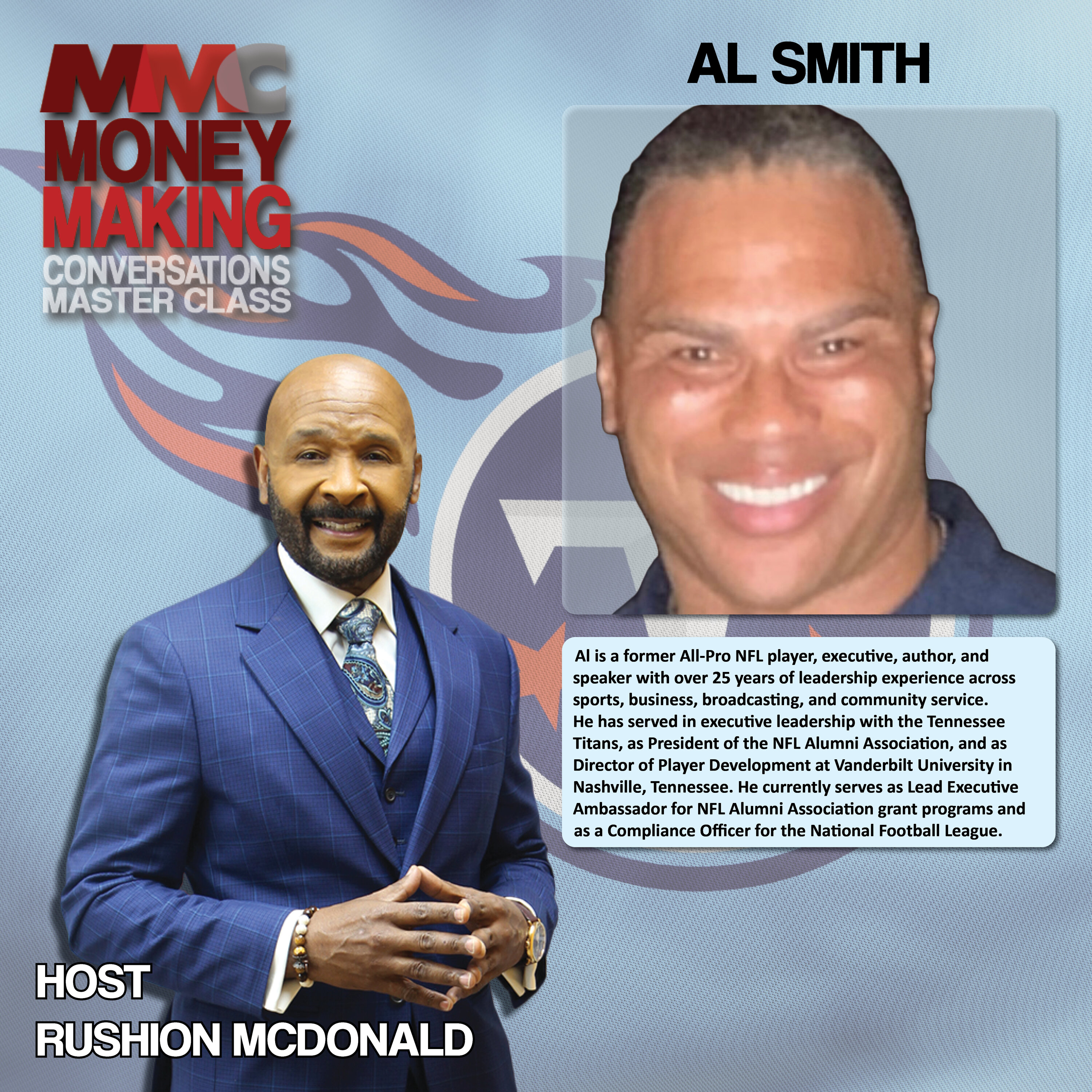
| 6/13/26 | ![]() Career Change: Former NFL player discusses his life transition, resilience, and financial discipline.✨ | career changeresilience+4 | Al Smith | iHeartRadioApple Podcasts+3 | — | NFLcareer transition+6 | — | 28m 07s | |
Want analysis for the episodes below?Free for Pro Submit a request, we'll have your selected episodes analyzed within an hour. Free, at no cost to you, for Pro users. | |||||||||
| 6/13/26 | ![]() Education: She created a charter school designed to integrate entrepreneurship, financial literacy, and project-based learning.✨ | education innovationentrepreneurship+3 | Nandi Edouardo | Simple View Academy | Georgia | charter schoolentrepreneurship+3 | — | 31m 44s | |
| 6/13/26 | ![]() Overcoming the Odds: The interview blends entrepreneurship, legacy, and highlights the courage of his father.✨ | entrepreneurshiplegacy+3 | Robert Fitzpatrick | Dewey’s Barbecue MarketΩΨΦ | TexasSkokie, Illinois | entrepreneurshiplegacy+5 | — | 27m 26s | |
| 6/9/26 | ![]() Career Change: Her partnership with Google is creating life-changing access to free tech field certifications. | Listen and subscribe to Money Making Conversations on iHeartRadio, Apple Podcasts, Spotify, www.moneymakingconversations.com/subscribe/ or wherever you listen to podcasts. New Money Making Conversations episodes drop daily. I want to alert you, so you don’t miss out on expert analysis and insider perspectives from my guests who provide tips that can help you uplift the community, improve your financial planning, motivation, or advice on how to be a successful entrepreneur. Keep winning! Two-time Emmy and Three-time NAACP Image Award-winning, television Executive Producer Rushion McDonald interviewed Cassandra Lester. 🔹 Purpose of the Interview The interview serves three main purposes: 1. Promote Access to Opportunity Highlight Grow Give Prosper, Lester’s nonprofit focused on financial literacy and economic mobility Publicize free Google Career Certificate scholarships for underserved communities 2. Educate on Financial Literacy Emphasize the importance of credit, income, and financial decision-making Break down real-world applications of financial literacy 3. Inspire Community Action Encourage individuals to take control of their financial future Demonstrate how grassroots leadership can drive community transformation 👉 Overall purpose:Bridge the gap between financial literacy and economic opportunity—especially in underserved populations. 🔹 Key Themes & Takeaways 1. Financial Literacy Is About Understanding, Not Status Financial education is not tied to education level or profession. Even highly educated individuals lack financial literacy. “Financial education doesn't matter who you are… it's a matter of accessibility.” 👉 Insight: The real issue is access and awareness, not intelligence. 2. “Grow, Give, Prosper” = Collective Economic Empowerment Lester’s nonprofit is rooted in a community-first philosophy: Grow together Give to each other Prosper collectively “I want us to grow together so that we can give… and then prosper as a collective.” [ 3. Google Partnership Creates Life-Changing Access Free certifications in high-demand tech fields: Cybersecurity Data analytics Digital marketing & e-commerce IT support Project management UX design Program details: Free (scholarship-based) 3–6 months No prior experience required Includes a job-ready portfolio “You don’t have to have an Ivy League education… to make a livable wage.” 👉 Impact: Removes traditional barriers to high-income careers. 4. Access to Income Is the First Step to Financial Literacy You cannot effectively manage money if income is insufficient. “You can't talk about managing finances if you really don't have anything coming in.” 👉 Insight: Earning potential = foundation of financial stability 5. Credit Matters—Ignore It at Your Own Risk Credit affects: Loans Interest rates Employment opportunities Practical strategies: Pay down debt consistently Don’t close old accounts Monitor credit regularly “You better care about that credit score… that’s going to make the difference in your borrowing potential.” [ 6. There Is No “Quick Fix” Financial improvement takes: Consistency Discipline Long-term habits “There is no magic bullet… you have to be consistent.” [ 7. Grassroots Work Drives Real Impact Lester promotes the program through: Community centers Adult education classes Social media Direct outreach (“boots on the ground”) “I’m trying to shout it from the rooftops… you don’t want to miss this opportunity.” 8. Mindset Change Is the Hardest Barrier Many people: Resist financial discussions Distrust programs Feel stuck in survival mode 👉 Reality: Transforming belief systems is as important as providing resources. 9. Personal Experience Fuels Her Mission Lester overcame: Identity theft at a young age Damaged credit early in life Financial hardship 👉 Result: Her work is driven by lived experience and empathy “My credit had already been ruined… I was paying more for the same services.” 10. Opportunity Requires Commitment The only barrier to entry: Personal accountability “The only thing we require… is a commitment and a desire to want to do better.” [ 🔹 Memorable Quotes On Community Wealth “Grow together… give to each other… prosper as a collective.” On Access “Financial education… is a matter of accessibility.” On Opportunity “You don’t have to have an Ivy League education… to make a livable wage.” On Credit “You better care about that credit score.” On Consistency “There is no magic bullet.” [ On Urgency “You don’t want to miss this opportunity.” [ On Income First “You can't talk about managing finances if you don’t have anything coming in.” On Commitment “All you need is a commitment to yourself.” 🔹 Bottom Line This interview is a practical, community-focused blueprint for economic mobility, centered on: ✅ Free access to in-demand careers✅ Financial literacy as a life skill✅ Income growth as a starting point✅ Discipline and consistency✅ Empowerment through education✅ Community-driven change Core message:👉 Opportunity exists—but you must commit, learn, and act to transform your life. #SHMS #BEST #STRAWSee omnystudio.com/listener for privacy information. | 26m 27s | ||||||
| 6/7/26 | ![]() Purpose Driven: Her mission is to empower women to heal, lead, and monetize their purpose.✨ | empowermentwomen+5 | Dr. Coylette James | The Lioness Effect | — | empowermentwomen+5 | — | 28m 04s | |
| 6/6/26 | ![]() Financial Plan: AI is the defining financial opportunity of this era—and those who learn it early will dominate the future. | Listen and subscribe to Money Making Conversations on iHeartRadio, Apple Podcasts, Spotify, www.moneymakingconversations.com/subscribe/ or wherever you listen to podcasts. New Money Making Conversations episodes drop daily. I want to alert you, so you don’t miss out on expert analysis and insider perspectives from my guests who provide tips that can help you uplift the community, improve your financial planning, motivation, or advice on how to be a successful entrepreneur. Keep winning! Two-time Emmy and Three-time NAACP Image Award-winning, television Executive Producer Rushion McDonald interviewed Alicia Lyttle. 🔹 Purpose of the Interview The interview is designed to: 1. Educate on AI for Business Help entrepreneurs and small businesses understand and adopt artificial intelligence Break down AI into practical, hands-on use cases 2. Promote AI Literacy & Equity Encourage underserved communities—especially Black entrepreneurs—to lead in the AI economy rather than fall behind 3. Position AI as a Growth Tool Show how AI can increase efficiency, scale operations, and boost revenue 👉 Core purpose:Demystify AI and position it as an essential, accessible tool for economic growth and competitive advantage. 🔹 Key Themes & Takeaways 1. AI Is Moving Fast—You Must Keep Up AI adoption has accelerated dramatically in just two years. Demand for AI education is so high that Lyttle moved from annual events to monthly training. “People couldn’t wait a year anymore… they need it every month.” [ 👉 Insight: AI is no longer optional—it’s urgent. 2. Hands-On Learning Is the Key to Adoption Lyttle emphasizes practical training over theory She teaches users to actively use tools like ChatGPT and Google NotebookLM “Open your laptop… let me demonstrate… then you do it.” [ 👉 Result: Builds confidence and immediate skill application 3. AI Dramatically Increases Productivity One piece of content can be transformed into: Show notes Emails Social posts Videos Study guides “You could take this one episode and repurpose it into all these different content ways.” 👉 Insight: AI enables content multiplication and efficiency at scale 4. AI Creates Unprecedented Business Opportunity According to Lyttle, this is the best time in history to start or scale a business “Never have I seen a better time… to start, build, or scale a business than right now.” 👉 Why: Automation lowers cost and time barriers Tools can replace expensive services (e.g., website development) 5. AI Literacy Is Becoming a Job Requirement Companies are: Replacing non-AI-literate employees Hiring AI-skilled workers “Companies have… laid off those who are not AI literate.” 👉 Key takeaway: AI skills = career survival + advancement 6. Those Who Use AI Will Win AI does not just replace jobs—it rewards those who adapt “Those using AI will replace you… or far surpass you.” [ 👉 Strategy: Learn AI → integrate it → lead with it 7. AI + Human Intelligence = True Power AI is not a standalone solution—it requires human direction “It’s AI plus human intelligence.” [ 👉 Insight: Better prompts = better results Human creativity + AI execution = exponential growth 8. AI Can Transform Revenue Growth Lyttle uses AI to: Identify financial gaps Develop growth strategies “I made the income from the whole year… in one month using AI.” [ 👉 Impact: AI drives data-informed decision-making and scaling 9. AI Is Disrupting Every Industry Examples discussed: Finance AI automation (call handling, analytics) Identifying revenue gaps Healthcare AI-assisted tools and support systems AI companions for mental wellness (with caution) Government & Workforce Push for nationwide AI leadership Job displacement + new opportunities 👉 Conclusion: AI is universal, not niche 10. Early Adoption Creates Leadership Advantage Lyttle pivoted early (2022) into AI despite skepticism “Nobody wants to work with AI… but I knew it would be in demand.” [ 👉 Lesson: Vision + timing = competitive edge 11. Community Must Lead, Not Follow Focus on ensuring Black entrepreneurs are ahead of the curve “My mission… is to make sure our community is ahead of the curve.” 12. Marketing & Visibility Drive Growth Lyttle grew to 21,000+ live viewers through: Consistent content Public speaking Clear messaging “You want a bigger audience? You’ve got to show up more.” 🔹 Memorable Quotes On AI Urgency “People couldn’t wait a year anymore.” On Learning “Let me demonstrate… then you do it.” On Opportunity “Never have I seen a better time… than right now.” On Competition “Those using AI will replace you.” On Intelligence “It’s AI plus human intelligence.” On Growth “You can repurpose one piece of content into everything.” On Mindset “You want a bigger audience? You’ve got to show up more.” On Mission “Demystify AI and help people cash in on the AI revolution.” [ 🔹 Bottom Line This interview is a blueprint for thriving in the AI economy, emphasizing: ✅ Learn AI now (urgency)✅ Apply it hands-on (execution)✅ Use it to scale content and revenue✅ Stay competitive through AI literacy✅ Combine human creativity with AI power✅ Leverage AI to lead—not follow Core message:👉 AI is the defining opportunity of this era—and those who learn it early will dominate the future. #SHMS #BEST #STRAWSee omnystudio.com/listener for privacy information. | 27m 43s | ||||||
| 6/2/26 | ![]() Financial Plan: Rich is Good, Wealthy is Better, practical financial frameworks for individuals, families, and small business owners. | Listen and subscribe to Money Making Conversations on iHeartRadio, Apple Podcasts, Spotify, www.moneymakingconversations.com/subscribe/ or wherever you listen to podcasts. New Money Making Conversations episodes drop daily. I want to alert you, so you don’t miss out on expert analysis and insider perspectives from my guests who provide tips that can help you uplift the community, improve your financial planning, motivation, or advice on how to be a successful entrepreneur. Keep winning! Two-time Emmy and Three-time NAACP Image Award-winning, television Executive Producer Rushion McDonald interviewed Dr. Willie Jolley. 🔹 Purpose of the Interview The interview is designed to: Promote Jolley’s book*“Rich Is Good, Wealthy Is Better”* Educate listeners on wealth-building principles, especially in underserved and entrepreneurial communities Shift mindset from short-term income thinking to long-term, generational wealth creation Provide practical frameworks for individuals, families, and small business owners to grow and protect wealth At its core, the purpose is mindset transformation + actionable financial literacy. 🔹 Key Themes & Takeaways 1. Wealth vs. Rich: A Critical Distinction Most people don’t understand the difference. “Rich” = amount of money “Wealthy” = sustainability + generational impact 👉 Key insight: You cannot achieve a goal you don’t understand or can’t define. “It’s hard to hit what you can’t see—and even harder to hit what you don’t know.” 2. Wealth Begins with Mindset Wealth creation starts internally, not externally. Thought patterns determine financial outcomes. 👉 Core message: “Wealth starts in your mind.” 3. The 5 Money Mindsets (Progression Model) Jolley outlines a ladder of financial thinking: One-Day Mindset – survival (daily income) 30-Day Mindset – paycheck-to-paycheck One-Year Mindset – annual income growth focus Decade Mindset – high earners but often unsustainable Wealth Mindset – generational thinking 👉 Goal: Move up one level at a time “The wealth mindset thinks generation to generation to generation.” [ 4. Discipline is the Foundation of Wealth Income alone does not create wealth. Behavior and consistency do. 👉 Principle: What you do with money matters more than how much you make “Regular folks work for their money. Wealthy people make their money work for them.” 5. The Three Legs of Wealth To build sustainable wealth, Jolley emphasizes: Income – money coming in Investment – grow excess capital Insurance – protect assets 👉 Missing any one leg creates instability. 6. Live Below Your Means (and Drop Pride) Pride is a major barrier to wealth. Social pressure drives overspending. 👉 Key idea: Sacrifice short-term appearances for long-term freedom. “My pride would not allow me to invest… now I understand.”“Once I realized my pride was killing my wealth, I had to let the pride go.” 7. Multiple Streams of Income Are Essential Everyone should have at least two streams of income Examples: real estate, stocks, content creation, collectibles, etc. 👉 Wealth requires diversification. 8. Wealth Is More Than Money (5 Types of Wealth) Jolley broadens the concept of wealth into: Financial wealth Health wealth Relationship wealth Reputational (brand) wealth Intellectual wealth 👉 Insight: True wealth is holistic—not just financial “If you are sick, you cannot enjoy the great revenues you’re generating.” [ 9. Anyone Can Become Wealthy (Accessibility) Jolley makes a strong distinction: Not everyone will be rich Anyone can become wealthy with discipline and principles “Everybody is not going to be rich… but anybody can become wealthy.” [ 10. Start Now—It’s Never Too Late Age, income, or past mistakes don’t prevent wealth building. 👉 Key mindset: Action beats delay. “When’s the second best time? Today.” [ 11. Turn Setbacks into Comebacks Jolley’s personal story reinforces resilience. Failure is not final—it's a pivot point. “A setback is not the end… it’s a setup for a comeback.” [ 🔹 Memorable Quotes Here are standout quotes from the interview: On Time & Opportunity “You have only just a minute… but eternity is wrapped up in it.” [ On Wealth Awareness “It’s hard to hit what you can’t see—and even harder to hit what you don’t know.” [ On Mindset “Wealth starts in your mind.” On Financial Behavior “Regular folks work for their money. Wealthy people make their money work for them.” On Pride “My pride would not allow me to invest.” [ On Generational Thinking “The wealth mindset thinks generation to generation.” [ On Possibility “Anybody can become wealthy.” On Timing “The second best time to start is today.” On Resilience “A setback is a setup for a comeback.” 🔹 Bottom Line The interview is a masterclass in wealth mindset + practical money strategy, emphasizing: ✅ Think long-term (generational wealth)✅ Act with discipline (live below your means)✅ Invest consistently✅ Protect what you build✅ Eliminate pride and ignorance✅ Start now—regardless of circumstances #SHMS #STRAW #BESTSee omnystudio.com/listener for privacy information. | 27m 42s | ||||||
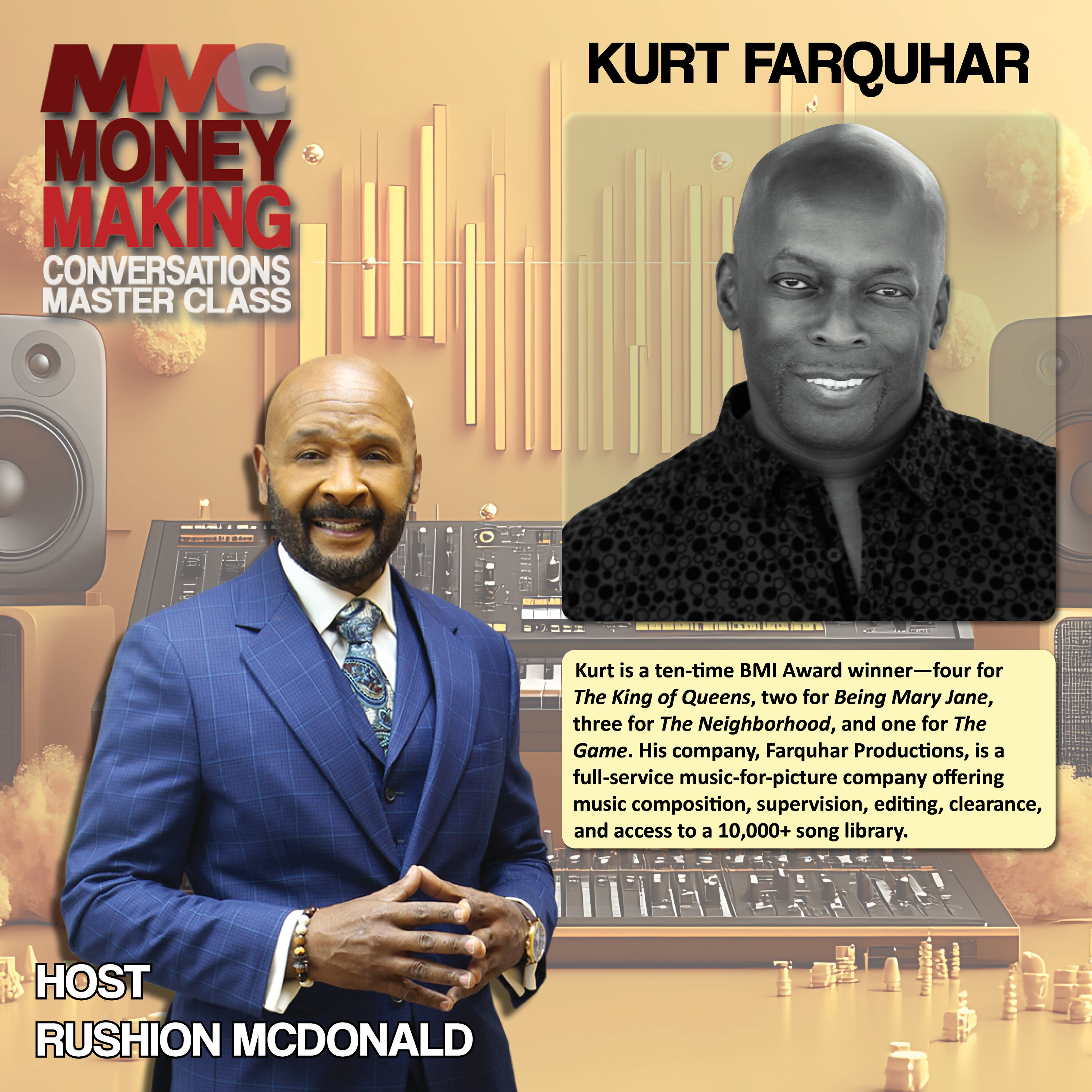
| 6/1/26 | ![]() Overcoming the Odds: He highlights how sustainable success comes from mastery of craft, relationship-building, and treating creativity as a business.✨ | sustainable successmastery of craft+4 | Kurt Farquhar | Fall Crop ProductionsTrue Music Pro+7 | — | sustainable successcreativity+5 | — | 29m 06s | |
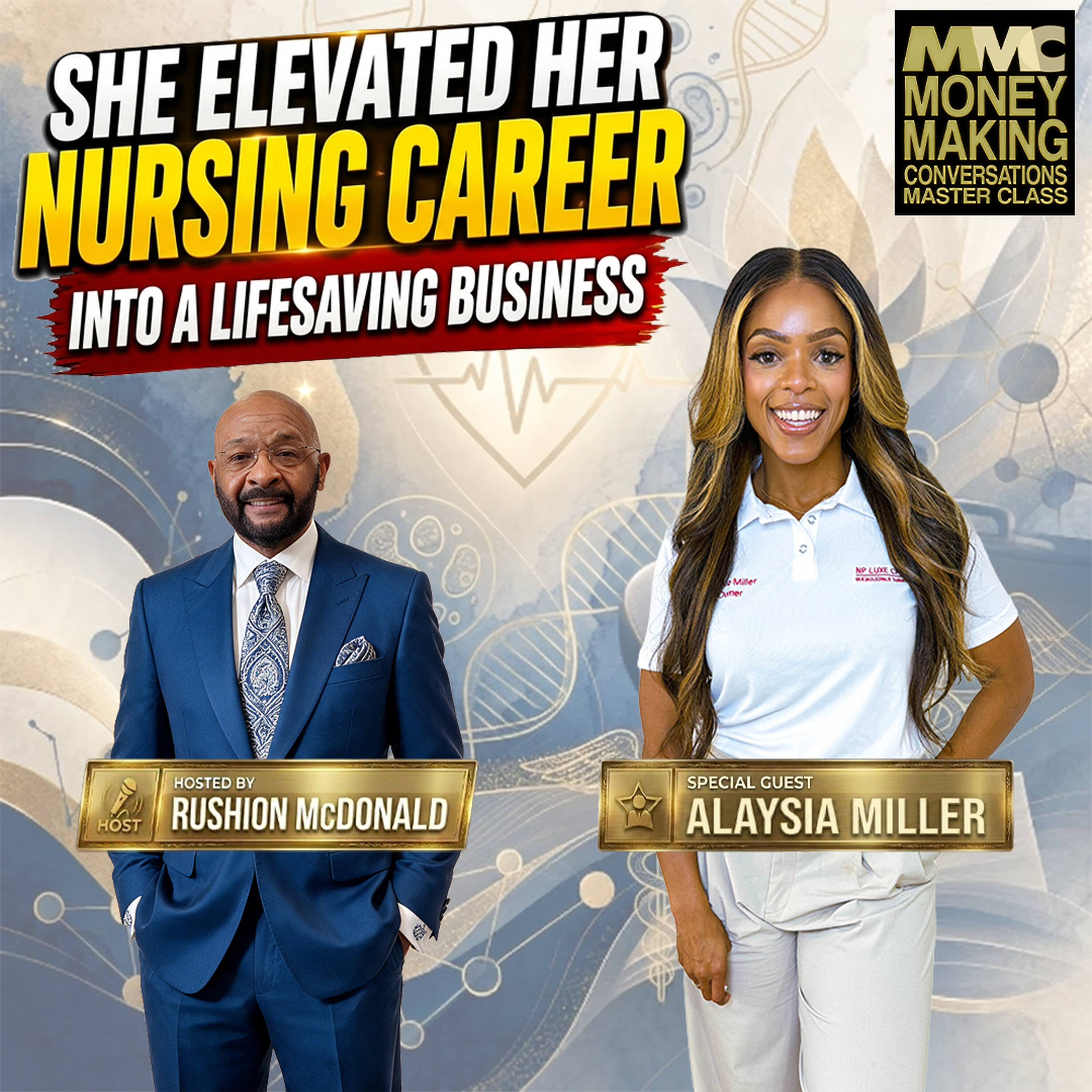
| 5/9/26 | ![]() Follow Your Passion: Travel nurse building a lucrative CPR business and empowers community health through education.✨ | entrepreneurshiptravel nursing+5 | Alaysia Miller | NP Luxe CPR | Florida | travel nurseCPR training+5 | — | 28m 19s | |
| 5/8/26 | ![]() Business Tips: She educates entrepreneurs and business leaders on how to unlock massive, overlooked market opportunities.✨ | market opportunitiesdisability sector+5 | Jourdan Saunders | The Resource Key | — | entrepreneursbusiness leaders+7 | — | 29m 40s | |
| 5/8/26 | ![]() Overcoming the Odds: Friends and strangers told visionary entrepreneurship Universoul Circus would bankrupt him.✨ | entrepreneurshipcultural ownership+5 | Cedric Walker | Universoul Circus | — | Universoul Circusentrepreneurship+8 | — | 28m 10s | |
| 5/8/26 | ![]() Black Cooks: He celebrates and document the legacy, creativity, and cultural impact of Black chefs in America.✨ | Black chefsCulinary legacy+3 | Chef Marcus Samuelsson | The Rise: Black Cooks and the Soul of American Food | — | Black cooksculinary history+6 | — | 25m 23s | |
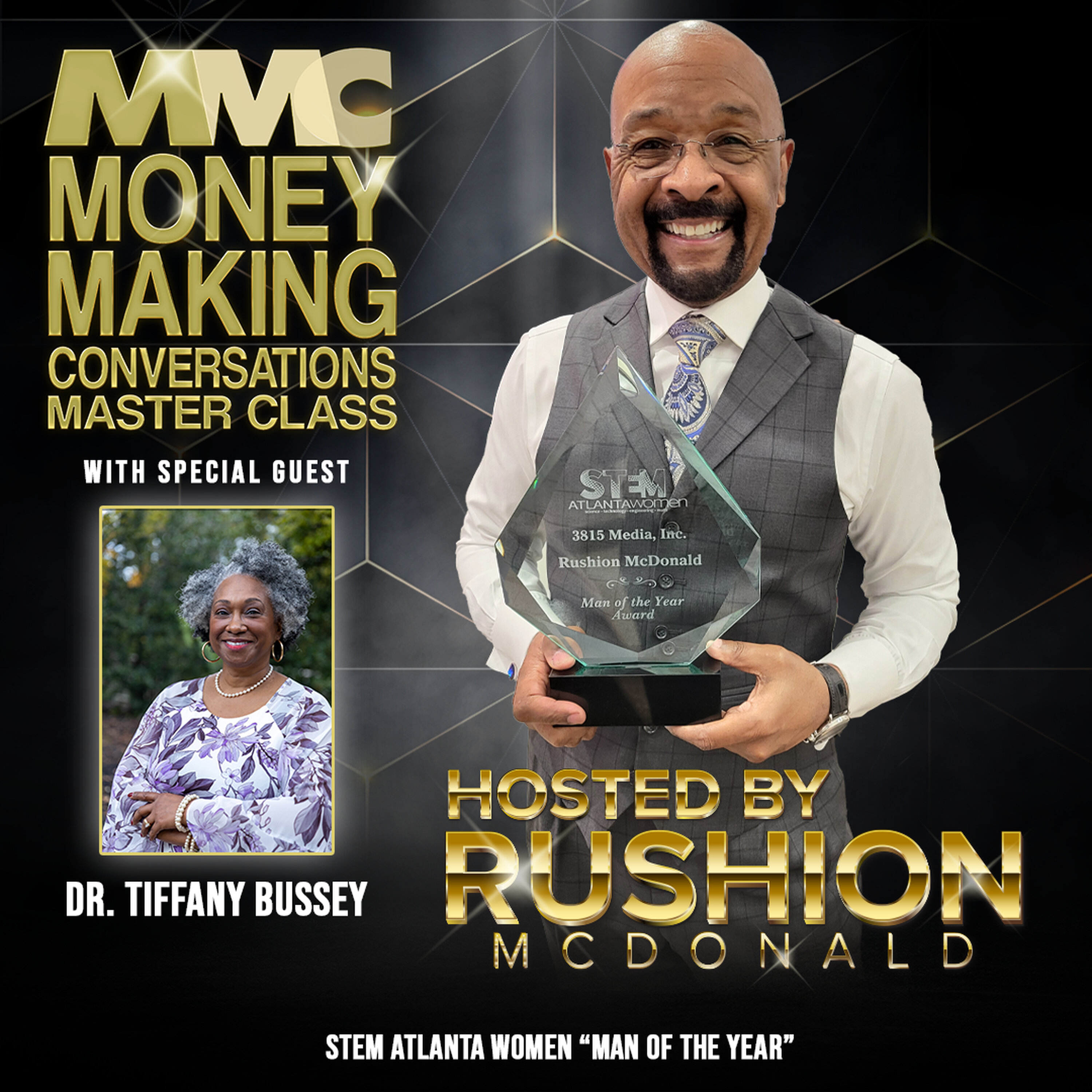
| 5/8/26 | ![]() Brand Building: Discusses how the Morehouse Innovation and Entrepreneurship Center works to scale Black- and Brown-owned businesses.✨ | brand buildingBlack-owned businesses+4 | Dr. Tiffany Bussey | Morehouse Innovation and Entrepreneurship Center | — | entrepreneurshipeconomic outcomes+5 | — | 24m 51s | |
| 5/8/26 | ![]() Brand Building: One-person vehicle wrap business turned into a commercial solar contractor and workforce development platform.✨ | entrepreneurshipsolar energy+3 | Abioduni Martin | Do Everything Wonderful (D.E.W.) | Georgia | entrepreneurshipsolar contractor+5 | — | 25m 47s | |
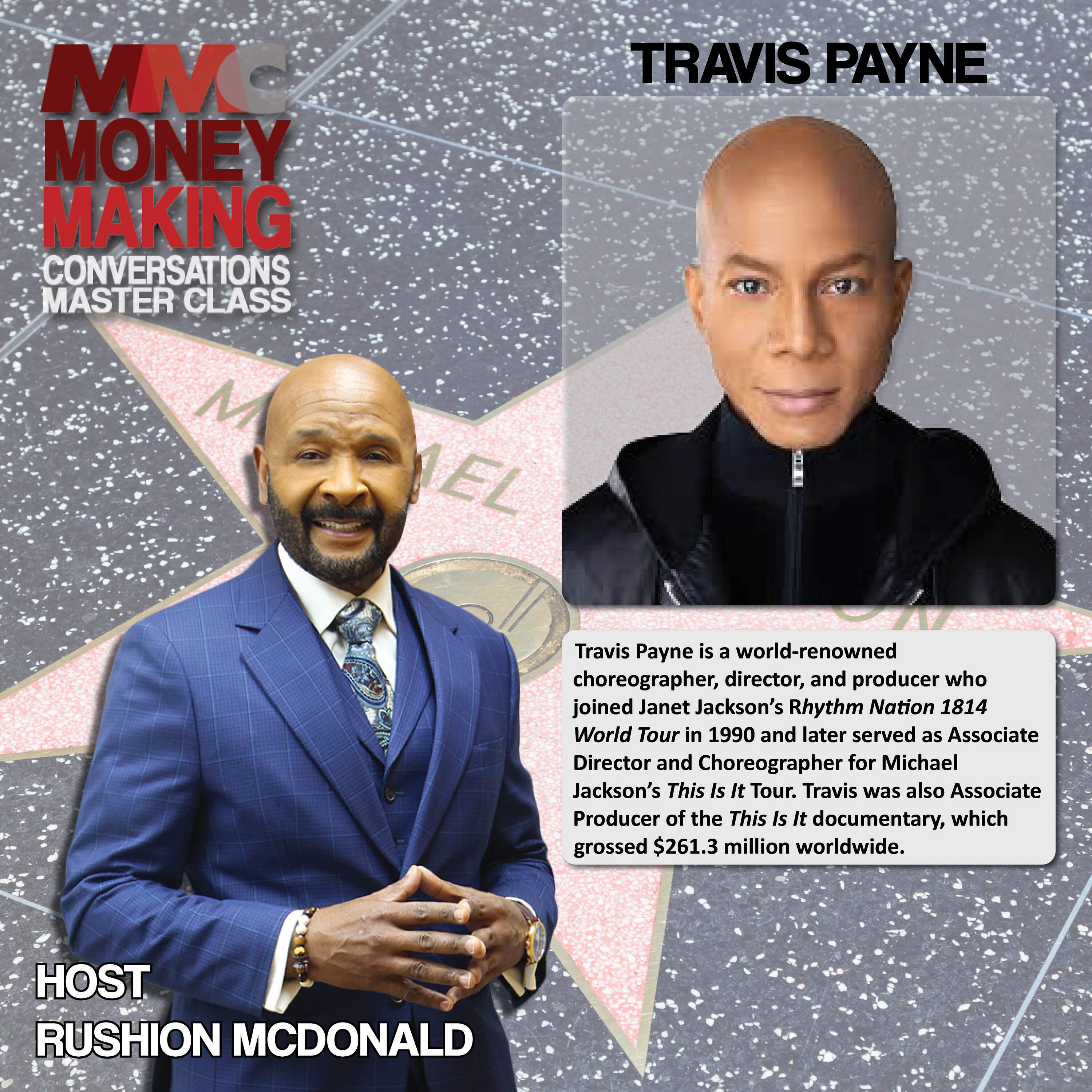
| 5/7/26 | ![]() Follow Your Dream: HIs journey from Atlanta dancer to globally recognized choreographer and director for icons like Michael and Janet Jackson.✨ | inspirationcareer development+4 | Travis Payne | iHeartRadioApple Podcasts+2 | — | choreographydance+7 | — | 28m 43s | |
| 5/5/26 | ![]() Mental Health: House of Healing, a project centered on emotional wellness, vulnerability, and mental health among Black men.✨ | mental healthemotional wellness+4 | Terrance Wright | House of Healing | — | mental healthemotional wellness+5 | — | 27m 09s | |
Showing 25 of 781
Pitch Fit is a Pro feature
See how bookable this show is for guests, which brands already advertise, the per-episode ad value, and the best-fit guest and sponsor profile. The numbers are blurred on the free plan.
How readily this show books outside guests like you.
How proven this show is for host-read sponsorships.
For Guests
ProFor Advertisers
ProUpgrade to Pro to unlock guest cadence, sponsor categories, fit scores, and per-episode ad value for this show.
Chart Positions
3 placements across 3 markets.
Chart Positions
3 placements across 3 markets.