Monumental Movement Podcast
by monumentalmovement
Is this your podcast?On the show
From 10 epsHost
Recent guests
No guests detected in recent episodes.
Recent episodes
Why Everything Is Becoming Weird Again
Oct 19, 2026
42m 13s
Why Angine De Poitrine Is Not Really “Two People Making Music”
Oct 19, 2026
31m 49s
Noise Punk: When Destructive Impulse Becomes Ideology
Oct 18, 2026
22m 24s
Broadcasting the Unknown: NTS, Boiler Room, and Performance Culture
Oct 18, 2026
17m 38s
Why Fans Want to Help Create Their Heroes
Oct 18, 2026
11m 42s
Insights from recent episode analysis
Audience Interest
Podcast Focus
Publishing Consistency
Platform Reach
Insights are generated by CastFox AI using publicly available data, episode content, and proprietary models.
Most discussed topics
Brands & references
Total monthly reach
Based on 1 signal.
Built from
By chart position
- 🇲🇽Mexico · Music History#462.4K to 13K
- 🇬🇧United Kingdom · Music History#702.3K to 12K
- 🇯🇵Japan · Music HistoryHOME#721.5K to 8.1K
- 🇮🇹Italy · Music History#75568 to 3.0K
- 🇫🇷France · Music History#143270 to 1.4K
- Per-Episode Audience
Est. listeners per new episode within ~30 days
8.0K to 42K🎙 Daily cadence·347 episodes·Last published today - Monthly Reach
Unique listeners across all episodes (30 days)
27K to 141K🇲🇽30%🇬🇧28%🇯🇵19%+10 more - Active Followers
Loyal subscribers who consistently listen
15K to 77K
Market Insights
Platform Distribution
Reach across major podcast platforms, updated hourly
Total Followers
—
Total Plays
—
Total Reviews
—
* Data sourced directly from platform APIs and aggregated hourly across all major podcast directories.
Social Links & Contact
Official channels & resources
Official Website
Login
RSS Feed
Login
| Date | Episode | Topics | Guests | Brands | Places | Keywords | Sponsor | Length | |
|---|---|---|---|---|---|---|---|---|---|
| 10/19/26 |  Why Everything Is Becoming Weird Again | This episode explores why strange and unconventional culture has become increasingly prominent and valuable across modern media like music, fashion, and architecture. It explains that the widespread saturation of standardized digital content and generative AI has diminished the uniqueness of normality, turning bizarre aesthetics into mainstream trends. Furthermore, the rapid circulation of surreal internet memes and AI-generated imagery allows users to continuously alter and share unconventional ideas rather than simply consume them. Ultimately, the article argues that this cultural shift is not merely a rejection of mainstream standards, but a fundamental rewriting of what society defines as normal. As human imperfection reemerges in opposition to hyper-polished AI output, the boundary between conventional and unusual continues to dissolve entirely.【Related Column】なぜ、すべてが再び「変」になっているのかhttps://monumental-movement.jp/column-why-everything-is-becoming-weird-again/ | 42m 13s | ||||||
| 10/19/26 |  Why Angine De Poitrine Is Not Really “Two People Making Music” | Traditional methods of measuring musical groups by counting physical members are often inadequate for modern acts like Angine de Poitrine. Instead of focusing on headcount, listeners should evaluate the musical functions and layers generated through advanced technology such as real-time looping systems. By shifting the perspective from body count to systemic complexity, performances by small groups can be properly understood as multifaceted artistic ecosystems. Furthermore, production guidelines for presenting this musical project require authentic Québécois French pronunciation, ensuring that the spoken elements remain natural and narrative-driven. Ultimately, these combined sources highlight a modern approach to both evaluating musical composition and representing cultural identity accurately. | 31m 49s | ||||||
| 10/18/26 |  Noise Punk: When Destructive Impulse Becomes Ideology | This episode explores the emergence of Noise Punk and Avant-Punk as radical movements that sought to dismantle the commercialized formulas of traditional punk rock. By prioritizing dissonance, structural collapse, and the rejection of musical pleasure, artists like DNA and The Pop Group transformed raw destructive impulses into a profound philosophical statement. The text highlights how the No Wave scene in New York and the politically charged chaos of the UK scene utilized noise as a tool for ideological resistance. Rather than focusing on technical skill, these genres aimed to keep listeners in a state of permanent discomfort to challenge the status quo of the music industry. Ultimately, the article defines this movement as a vital memory device for those who wish to continuously reject the safety and predictability of mainstream art.【Related Column】Noise Punk / Avant-Punk ─ When destructive impulse becomes ideologyhttps://monumental-movement.jp/en/column-noise-punk-avant-punk/ | 22m 24s | ||||||
| 10/18/26 | 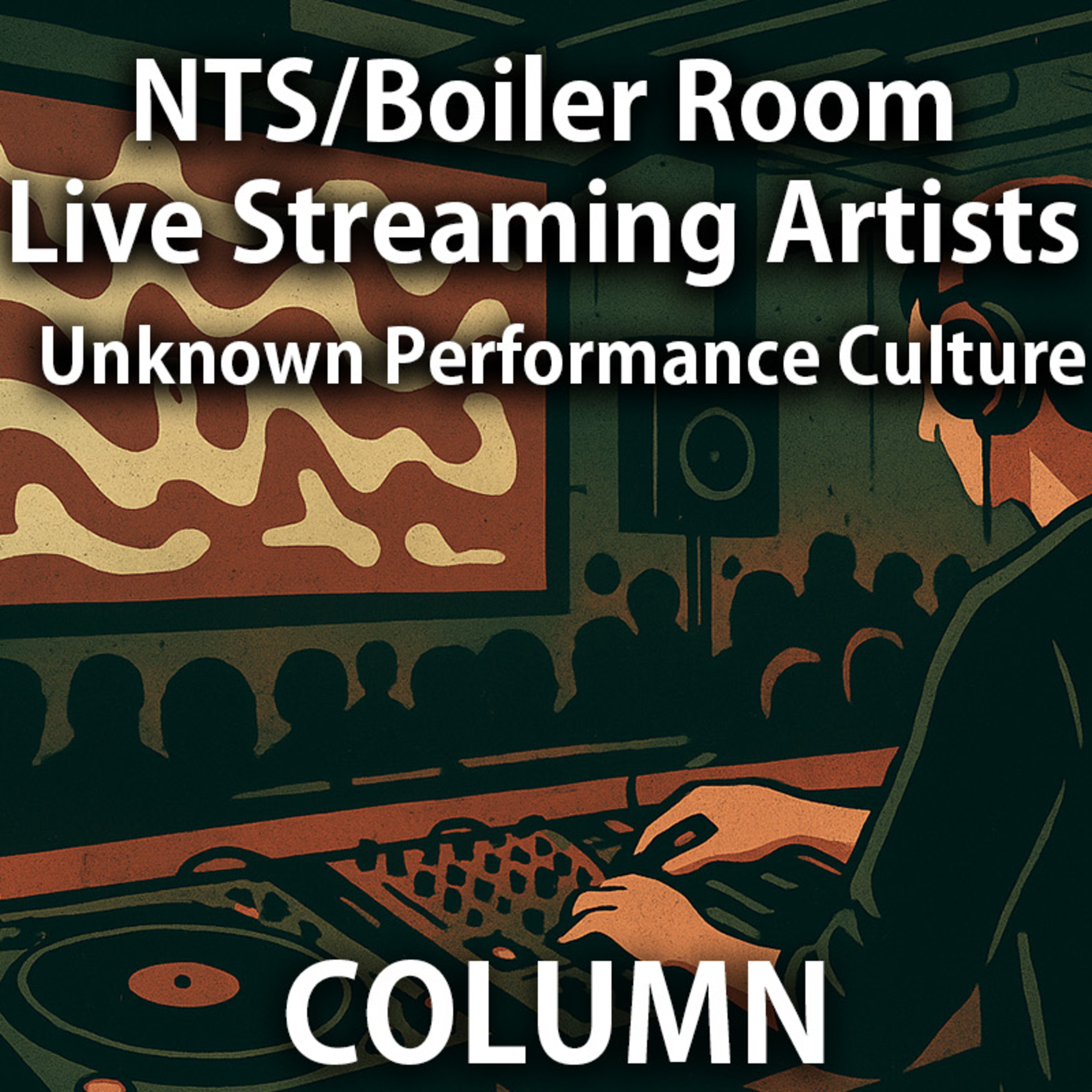 Broadcasting the Unknown: NTS, Boiler Room, and Performance Culture | This episode explores the evolution of music broadcasting through the rise of NTS Radio and Boiler Room, framing them as pioneers of a new digital performance culture. These platforms shifted the focus from traditional club environments to online streaming spaces, where the act of curation and experimental improvisation takes center stage. While NTS emphasizes a genre-defying, audio-centric radio format, Boiler Room redefined the visual experience by capturing the physical synergy between the artist and the audience. This transition has transformed the DJ set from a functional tool for the dancefloor into a sophisticated, archived structure for global listening. Ultimately, the source argues that live streaming has blurred the lines between studio production and live execution, turning music into a continuous, evolving process rather than a static product. This cultural shift fosters a unique aesthetic that values unpredictability and the democratization of experimental sound.【Related Column】NTS/Boiler Room live streaming artists and unknown performance culturehttps://monumental-movement.jp/en/column-nts-boiler-room/ | 17m 38s | ||||||
| 10/18/26 | 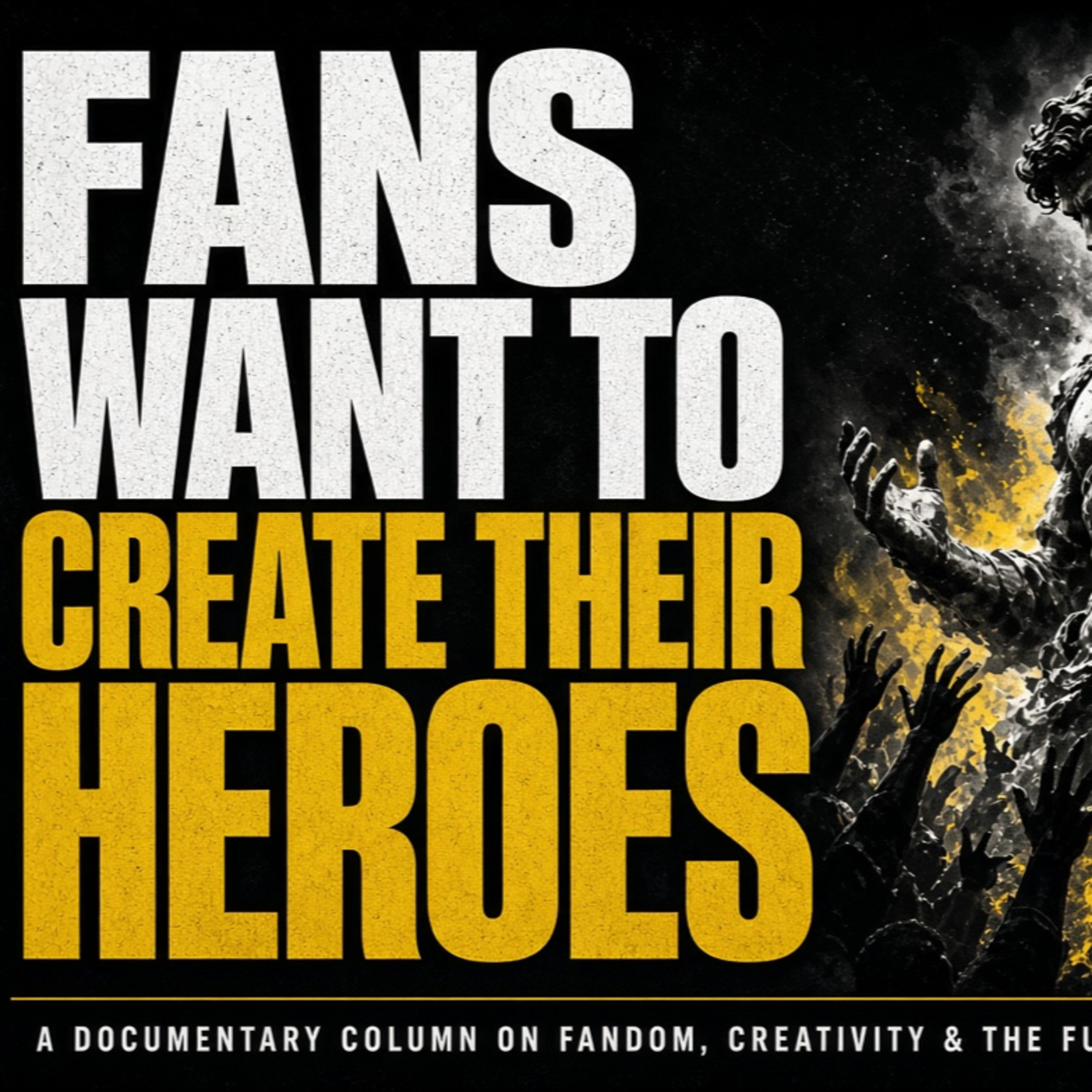 Why Fans Want to Help Create Their Heroes | Modern fan culture has shifted dramatically from passive consumption to active participation and creation. Rather than simply observing famous figures from afar, contemporary supporters engage through social sharing, remixes, and community building. This direct involvement fosters a psychological sense of ownership, with many individuals feeling that an artist or creator's success is a shared achievement. As digital tools lower the barrier for content production, these communities help propel niche talents into mainstream stardom. Ultimately, supporting a public figure has transformed into a collaborative experience where fans weave their own personal narratives into the history of success.【Related Column】なぜ人は『自分たちがスターを作った』と感じたいのかhttps://monumental-movement.jp/column-why-fans-want-to-help-create-their-heroes/ | 11m 42s | ||||||
| 10/18/26 | 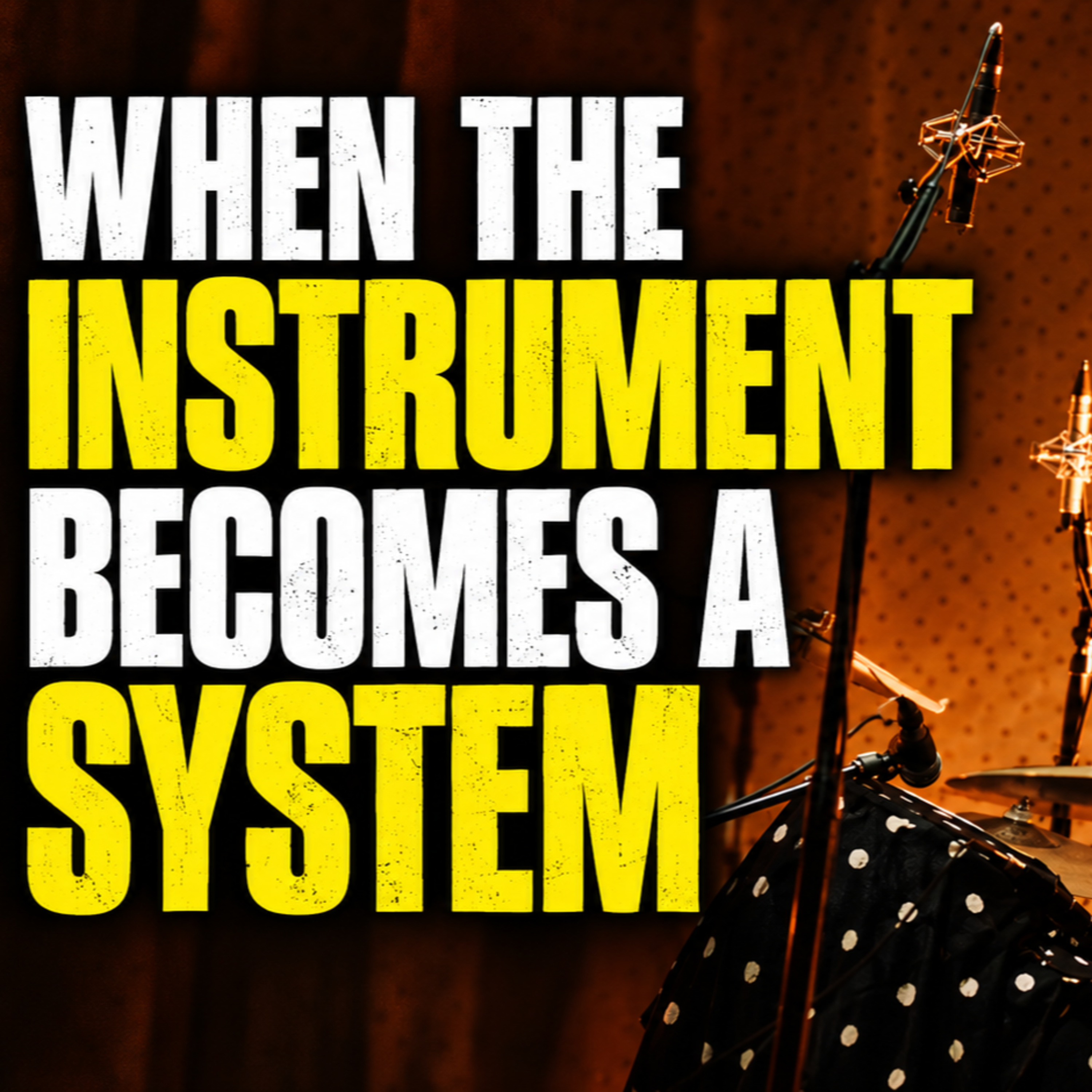 Why Angine de Poitrine Is A Problem For The Idea Of “Musical Instruments” | This episode explores how the traditional definition of a musical instrument is being challenged by modern technology and complex performance setups. While instruments were historically viewed as isolated physical objects like guitars or drums, the source argues that the entire technical system—including software, loops, and processors—now functions as a single entity. Using the artist Angine de Poitrine as a primary example, the author suggests that the boundary between the player and their tools has blurred into an interconnected workflow. This shift implies that contemporary musicians are no longer just performers of existing tools, but creators of unique sonic environments. Ultimately, the passage concludes that the future of music lies in building custom systems rather than simply mastering traditional hardware. | 32m 41s | ||||||
| 10/17/26 | 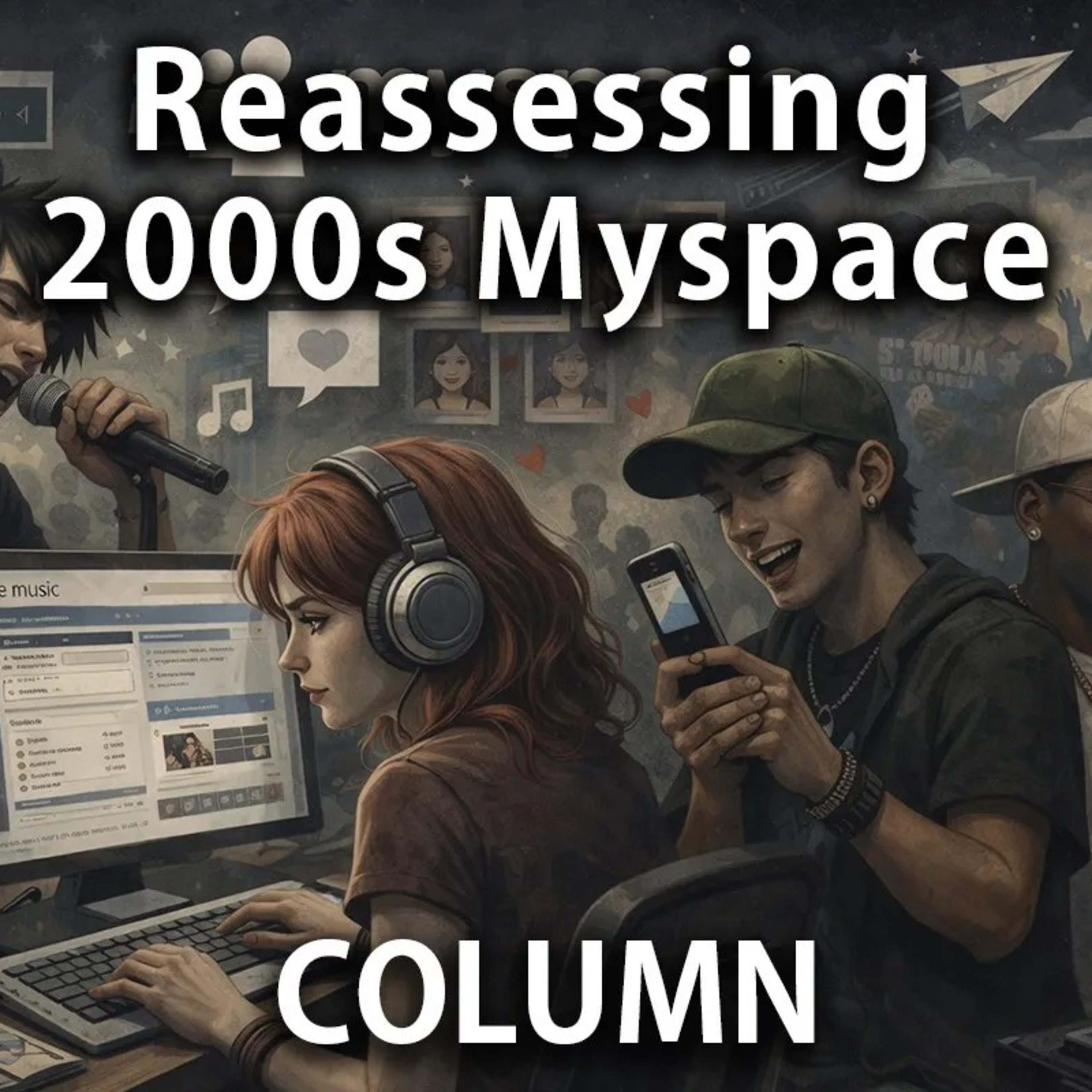 The Myspace Era: How Personal Broadcasting Redefined Music History | This episode examines the profound influence of Myspace on the music industry during the 2000s, highlighting how the platform shifted power from major labels to independent creators. By allowing artists to upload tracks and customize their profiles, the site fostered a unique DIY culture where viral success was driven by peer-to-peer discovery rather than traditional corporate promotion. The text details how features like "Top Friends" and user comments created global communities for genres like emo and indie rock, bypassing geographical limitations. Although competition from Facebook and streaming services eventually led to its decline, the platform is framed as a vital historical blueprint for modern tools like TikTok and SoundCloud. Ultimately, the article argues that Myspace's legacy persists as the foundation for the digitally-connected and fan-driven landscape of contemporary music.【Related Column】Myspace music culture in the 2000s is being reevaluated: The map of music changed by personal communicationhttps://monumental-movement.jp/en/column-myspace/ | 19m 39s | ||||||
| 10/17/26 |  John Zorn: The Alchemist of Avant-Garde Sound structures | This episode profiles John Zorn, an influential New York-based musician celebrated for dismantling the barriers between diverse genres like jazz, noise, and classical. It highlights his foundational years in the city's downtown loft scene, where he developed unique compositional methods such as "game pieces" to navigate the space between structure and improvisation. The text examines landmark projects like Naked City, which utilized rapid stylistic shifts, and the Masada series, which integrated Jewish cultural identity with avant-garde music. Beyond his discography, the source details Zorn’s role as a community architect through his creation of the Tzadik label and the performance venue The Stone. Ultimately, the piece portrays Zorn as a tireless experimentalist who treats music as an evolving process rather than a static product.【Related Column】John Zorn: An alchemist of sound who continues to dismantle the boundaries of musichttps://monumental-movement.jp/en/column-john-zorn/ | 19m 42s | ||||||
| 10/17/26 |  Everyone Wants To Be Real Now: The Digital Quest for Human Authenticity | In the modern digital landscape, the rapid expansion of flawless technologies and generative artificial intelligence has fueled an intense cultural longing for authenticity and raw human connection. As polished self-presentation through platforms like Instagram became the norm, audiences developed a growing fatigue toward overly curated online personas. This shift popularized unpredictable, casual, and behind-the-scenes content that highlights the creation process and inherent imperfections of real life. Consequently, humanity's tangible involvement—marked by mistakes, physical friction, and artistic labor—has transformed into the new standard for what feels genuinely real. Ultimately, the source explains that as digital perfection becomes effortlessly reproducible, the traces of human effort and natural flaws are what now validate the true presence of a person behind the work.【Related Column】なぜ今、誰もが「リアル」を求めているのかhttps://monumental-movement.jp/column-why-everyone-wants-to-be-real-now/ | 44m 55s | ||||||
| 10/17/26 | 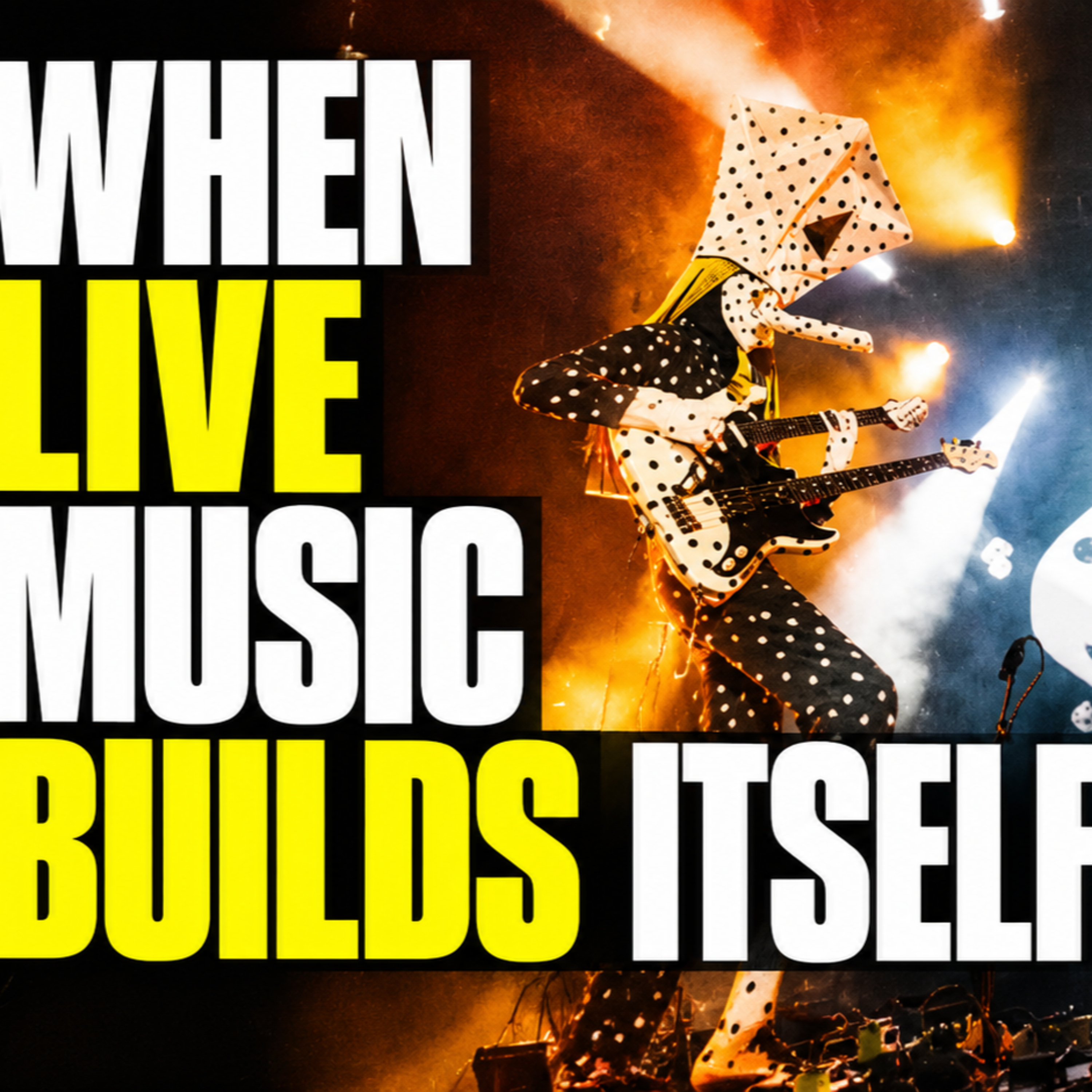 Why Angine de Poitrine Changes What “Live” Means | This episode explores how the musical project Angine de Poitrine redefines the concept of live performance by shifting from reproduction to real-time construction. Unlike traditional concerts where musicians simply recreate pre-existing songs, this model utilizes looping and layering to assemble the musical arrangement in front of an audience. This process makes the timing of creative decisions visible, allowing listeners to witness the composition as it unfolds. Consequently, the performance is no longer a static delivery of a finished product but an active process of assembly. By blending improvisation with control, the music becomes a dynamic event where the final form depends entirely on temporal actions. Ultimately, the source suggests that "live" music is best defined as an act of creation rather than a mere repetition of recorded material. | 28m 45s | ||||||
Want analysis for the episodes below?Free for Pro Submit a request, we'll have your selected episodes analyzed within an hour. Free, at no cost to you, for Pro users. | |||||||||
| 10/16/26 | 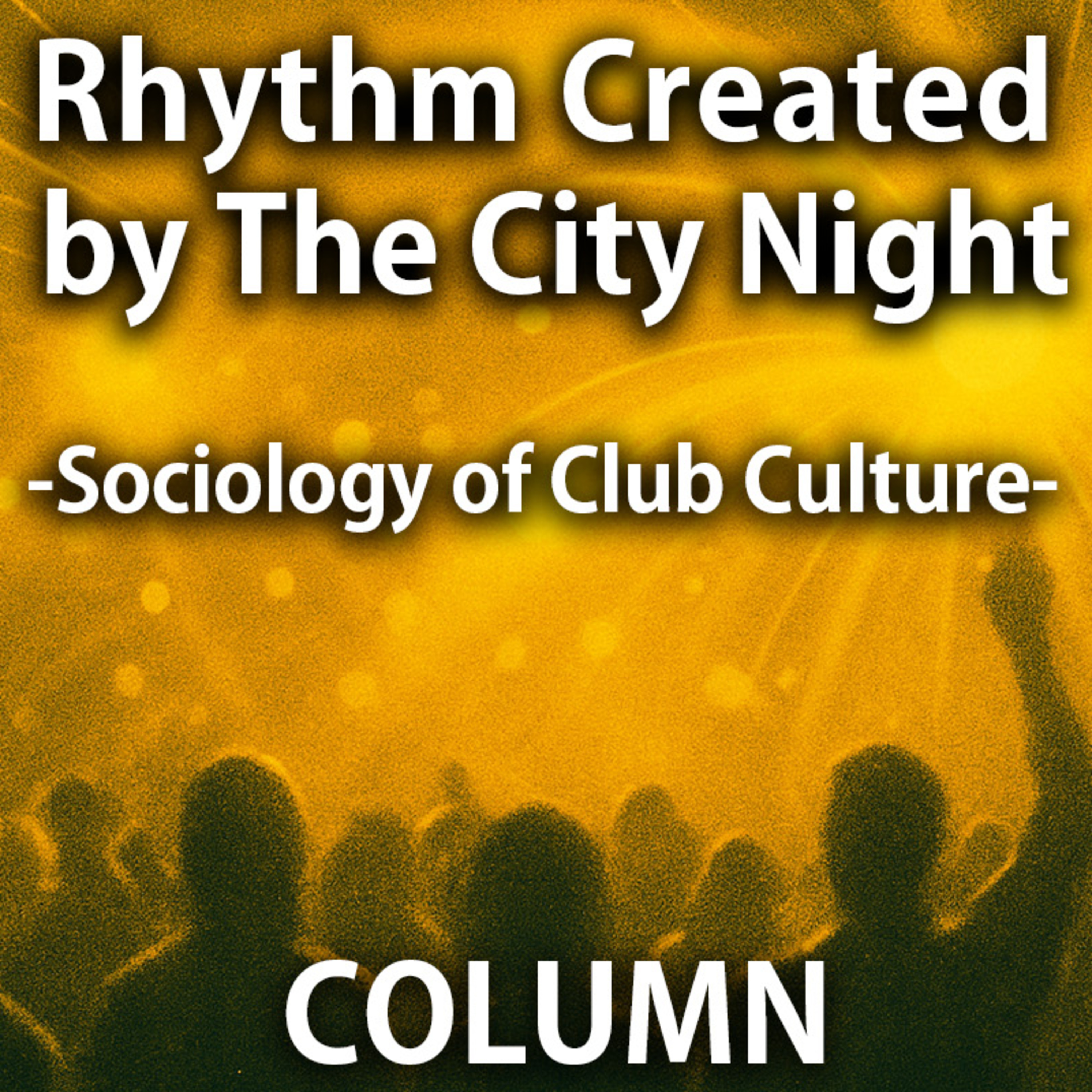 The Sociology of Urban Nightlife and Club Culture | This episode explores the sociological evolution of club culture, framing it as a vital byproduct of urban industrialization and the need for nightly liberation. It examines how nightlife venues function as anonymous sanctuaries where diverse social groups can dissolve traditional boundaries through rhythm and physical expression. The text traces the movement from underground disco and rave scenes to the modern electronic landscapes of global cities like Berlin, Tokyo, and London. Furthermore, it highlights how technology and architecture act as interfaces that connect human bodies to the urban environment. The discussion also addresses the political and safety challenges faced by marginalized communities within these nocturnal spaces. Ultimately, the article suggests that even after a global pandemic, the digital and physical pulse of clubbing remains an essential heartbeat of modern society.【Related Column】Rhythm created by the city night: Sociology of club culturehttps://monumental-movement.jp/en/column-clubcity-night-rhythm/ | 19m 39s | ||||||
| 10/16/26 |  Why Imperfection Feels More Human | Modern culture has shifted from treating perfection as an exclusive, expertly produced standard to making flawless presentation a constant daily routine across social media, fashion, beauty, and advertising. With the rise of smartphones and generative artificial intelligence, creating pristine and idealized images has become effortless, turning everyday life into a curated public gallery where individuals must constantly manage their online personas. This widespread accessibility of digital editing tools has created a pervasive exhaustion, not necessarily from striving for flawlessness itself, but from the relentless self-surveillance required to maintain an unyielding virtual identity. Consequently, society has begun to crave raw authenticity and human imperfections as a reaction against over-polished digital environments. Ultimately, people are weary of the continuous pressure to curate their existence, realizing that true value lies beyond the confines of a perpetually immaculate display.【Related Column】なぜ誰もが「完璧に見せること」に疲れたのかhttps://monumental-movement.jp/column-why-everyone-is-tired-of-looking-perfect/ | 47m 12s | ||||||
| 10/16/26 | 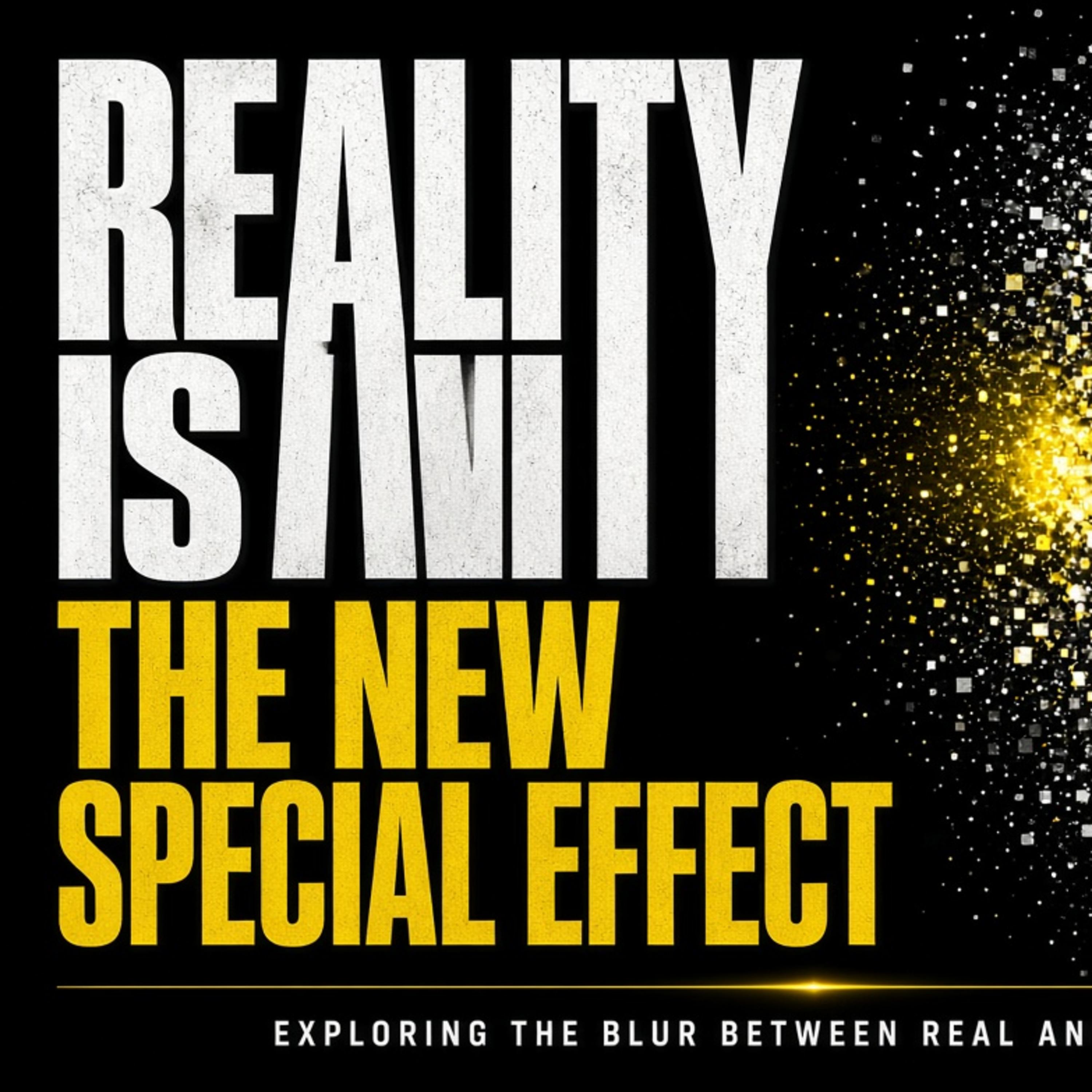 Why Reality Is Becoming Rare | Over decades of technological progress, tools like Photoshop, computer graphics, and generative artificial intelligence have made fabricating lifelike imagery effortless and widespread. As artificial media becomes virtually indistinguishable from actual events, public uncertainty grows, prompting a critical need for provenance tracking and content history standards. Paradoxically, this digital abundance has transformed unprocessed reality itself into a rare and valued commodity. When everything can be artificially synthesized, firsthand experiences and physical authenticity take on a new cultural significance. Ultimately, the article illustrates how our society is shifting from valuing visual realism to prioritizing verified proof of how things were actually created.【Related Column】なぜ現実は特殊効果になりつつあるのかhttps://monumental-movement.jp/column-why-reality-is-becoming-a-special-effect/ | 45m 29s | ||||||
| 10/16/26 | 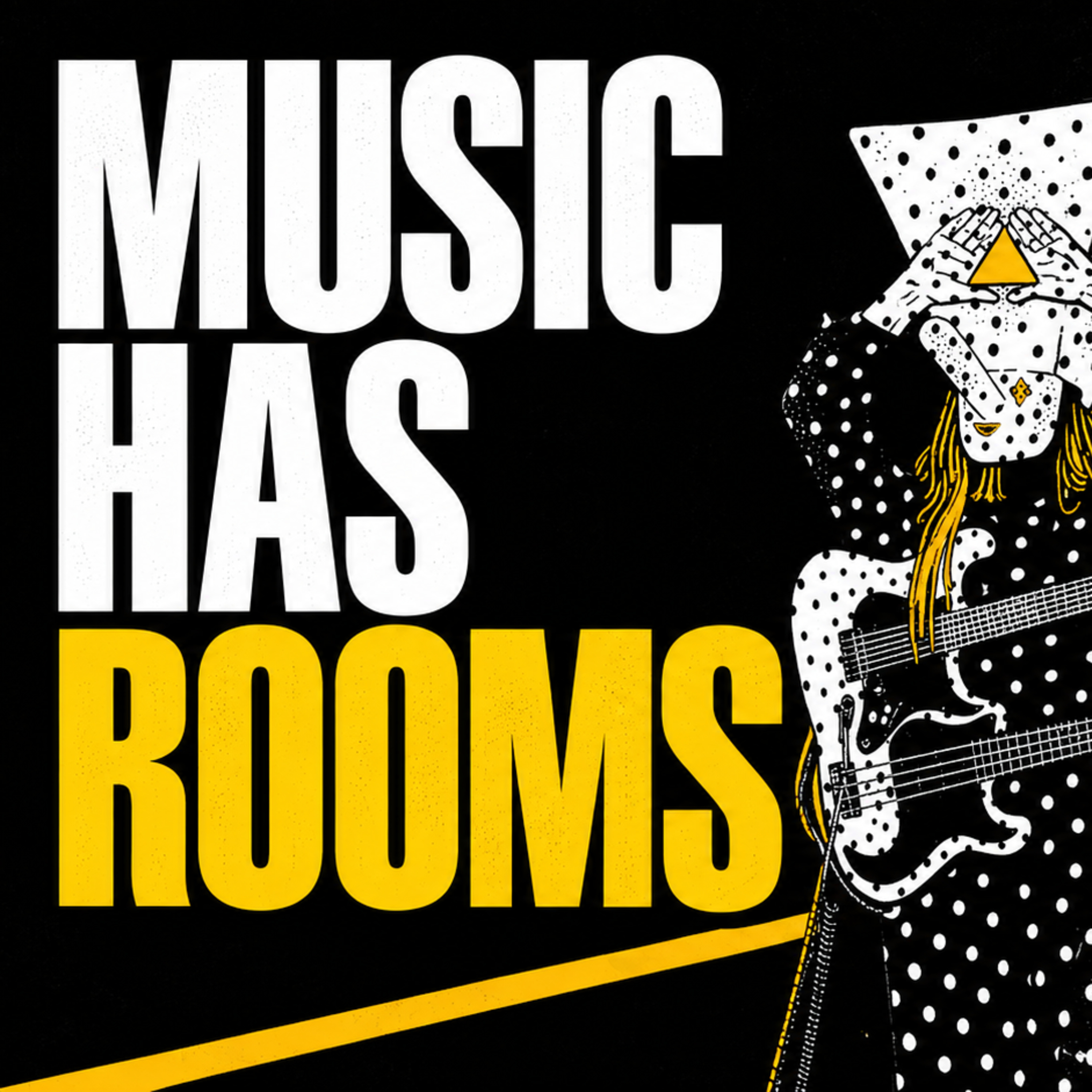 Why Angine de Poitrine Is Strangely Close To Architecture | This episode explores the conceptual intersection between architectural design and musical composition, specifically through the lens of the artist Angine de Poitrine. By comparing the organization of space in buildings to the organization of time in sound, the source illustrates how structural layers function like rooms in a house. The author suggests that listeners should perceive music as a navigable environment where shifts in density and proportion guide their movement. Instead of focusing on traditional melodies, this perspective encourages an analysis of whether a piece feels compressed, open, or stable. Ultimately, the text argues that viewing music as temporal architecture allows for a deeper understanding of complex, instrumental arrangements. | 39m 27s | ||||||
| 10/15/26 | 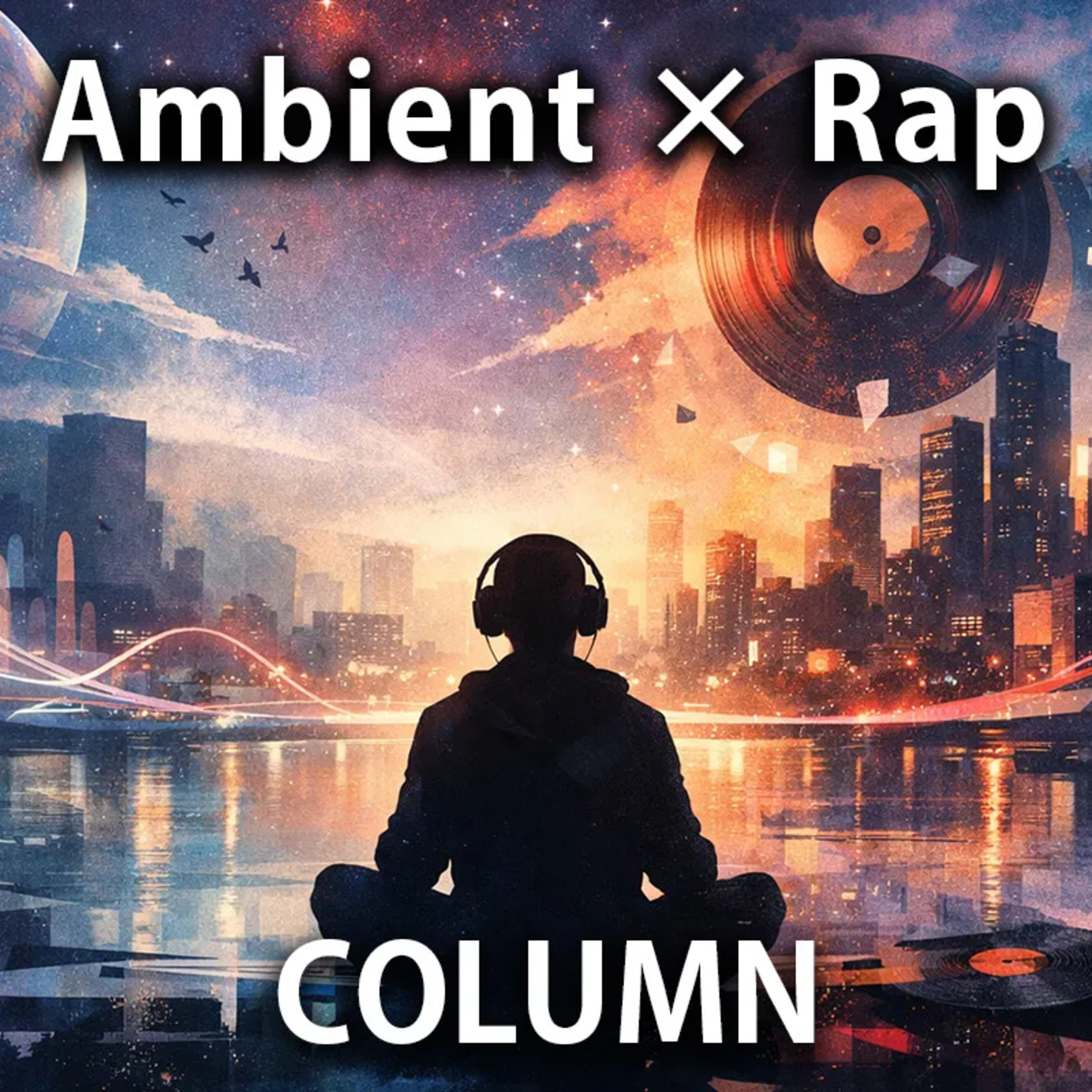 Ambient x Rap: The Soundscapes of Meditative Hip-Hop | This episode explores the artistic intersection of ambient music and rap, examining how these contrasting genres blend to create meditative soundscapes. It traces a historical timeline from the 1970s to the present, highlighting influential figures like Nujabes and J Dilla who pioneered the use of atmospheric textures in hip-hop. The text details specific technical methods used to induce focus, such as maintaining low-tempo rhythms and utilizing heavy spatial effects like reverb. Furthermore, it provides a sample playlist structure to illustrate how listeners can transition from silence into a state of deep immersion. Ultimately, the article discusses how modern streaming culture has popularized these hybrid sounds as essential tools for introspection and mental clarity.【Related Column】Deciphering the sound space of the Ambient × Rap meditation playlisthttps://monumental-movement.jp/en/column-ambient-rap/ | 20m 45s | ||||||
| 10/15/26 | 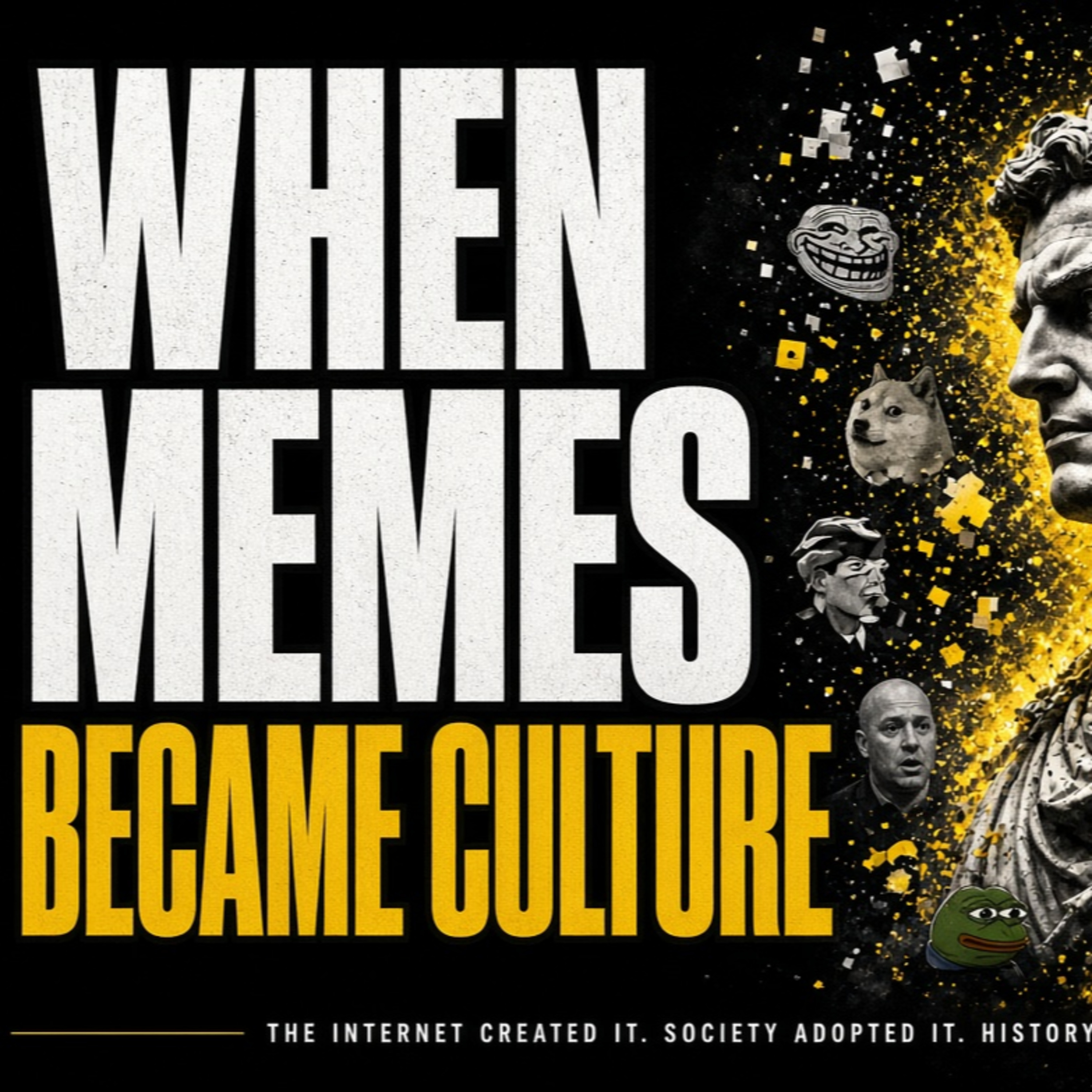 Why Memes Became Culture | This episode explores how internet memes have evolved from simple jokes into a foundational cultural infrastructure that rivals traditional media like film and music. Rather than being static works of art, memes function as participatory templates that allow users to become creators by modifying and sharing ideas across digital communities. This shift highlights a transition from passive consumption to a culture defined by active participation and rapid replication through global algorithms. Historically, while the concept of the "meme" predates the internet, modern technology has accelerated the speed of imitation, turning digital fragments like GIFs and short videos into a universal language. Ultimately, the sources argue that memes are now the primary entry point for broader cultural engagement, bridging the gap between niche online groups and mainstream society. Through preservation efforts by institutions like the Library of Congress, these digital expressions are increasingly recognized as essential folklore records of the modern era.【Related Column】ミームはなぜ「文化」になったのかhttps://monumental-movement.jp/column-why-memes-became-culture/ | 39m 08s | ||||||
| 10/15/26 |  Why Angine de Poitrine Makes “More” Sound Like “Less” | This episode examines the musical philosophy of Angine de Poitrine to argue that intentional silence and restraint often carry more weight than complex layering. While digital production makes it easy to constantly add new tracks and effects, this saturation frequently results in a loss of clarity and impact. The text suggests that subtraction is a vital creative tool because the removal of an element forces the listener to find deeper meaning in what remains. By highlighting the deliberate use of absence, the author illustrates how choosing not to include something can be a more powerful artistic decision than mindless accumulation. Ultimately, the music serves as a metaphor for a broader culture overwhelmed by information overload, teaching the value of space and simplicity. | 29m 17s | ||||||
| 10/14/26 | 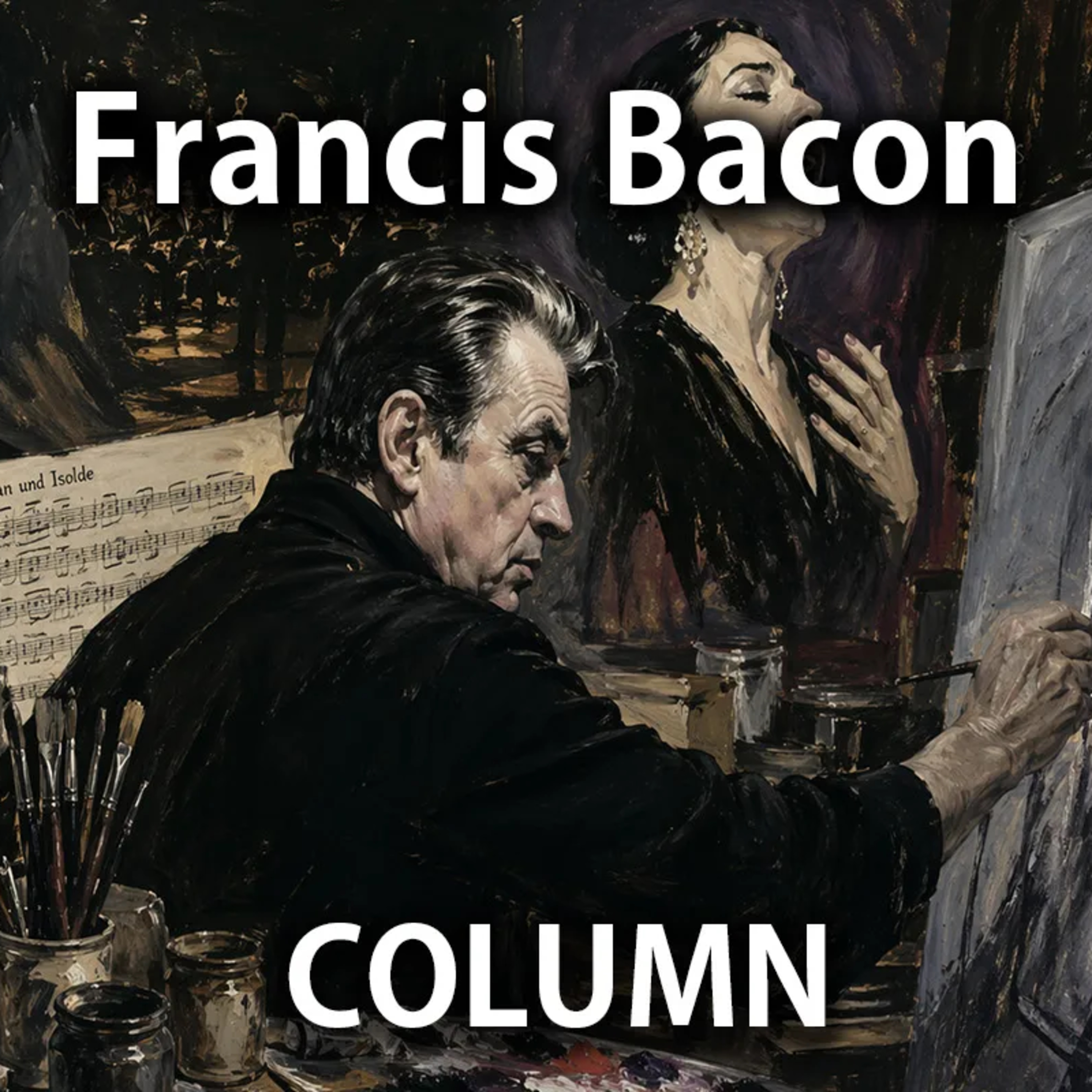 Francis Bacon: The Auditory Geometry of Extreme Emotion | This episode explores the profound influence of auditory experiences on the creative process of painter Francis Bacon, specifically how he used music to reach extreme emotional states. His chaotic London studio served as a laboratory where Wagner’s operas and Maria Callas’s recordings were played at high volumes to strip away rationality and invite creative accidents. By repeatedly listening to specific vocal fractures and dramatic crescendos, Bacon translated sonic vibrations into the distorted figures and "screams" found in his visceral paintings. The text suggests that his lifestyle of nocturnal excess and gambling was intentionally designed to maintain a level of mental intensity that mirrored the grandiosity of his favorite compositions. Ultimately, his artwork is presented not just as visual media, but as a physical record of deep-seated emotional fluctuations triggered by sound.【Related Column】Francis Bacon and music: an auditory experience to depict extreme emotionshttps://monumental-movement.jp/en/column-francis-bacon/ | 18m 10s | ||||||
| 10/14/26 | 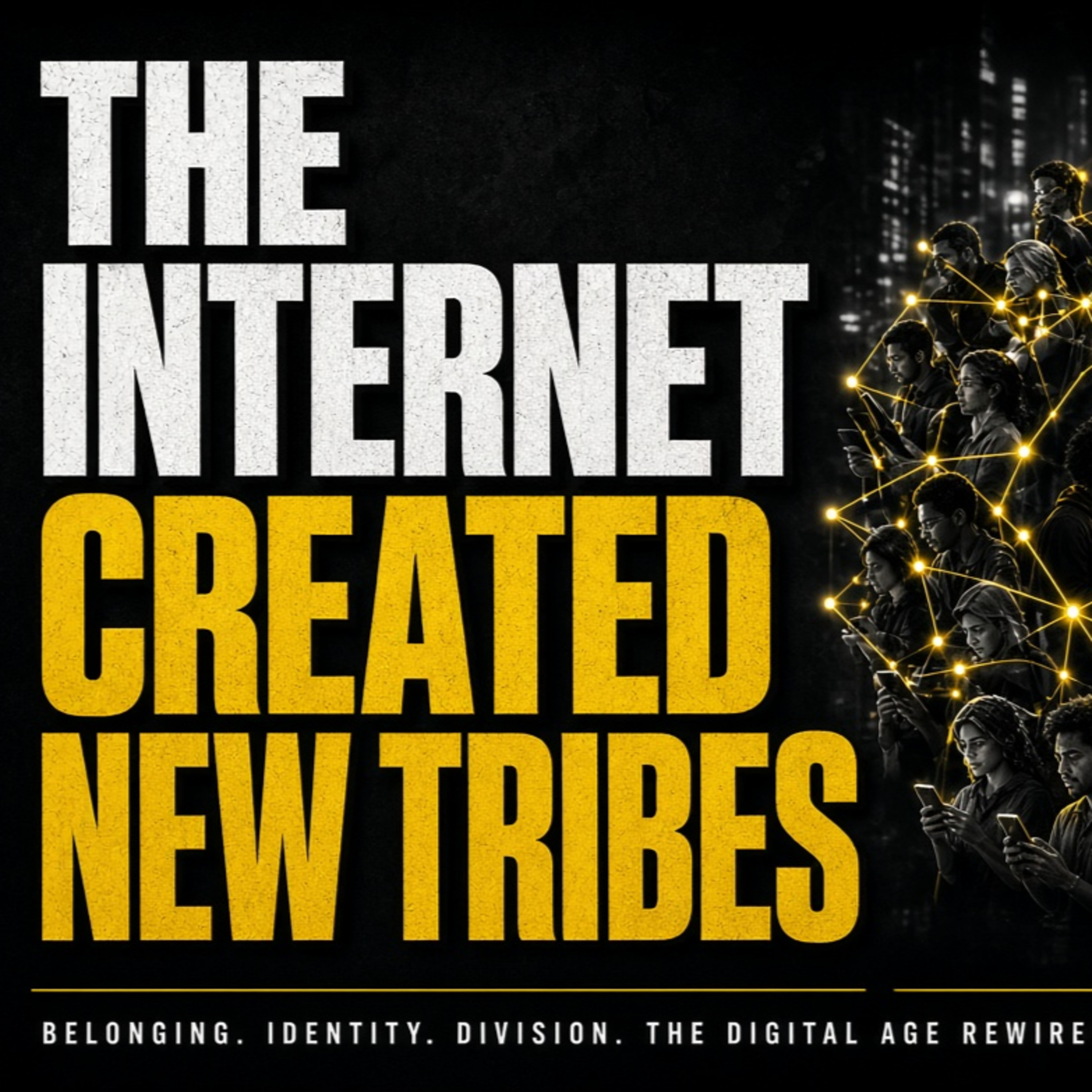 Why the Internet Created New Tribes | Modern internet culture has fundamentally reshaped how humans form communities by prioritizing shared interests over geographical proximity or traditional societal structures. Unlike the physical nations of the past, these "new tribes" emerge through digital spaces like Discord and Fandoms, where cultural codes and memes serve as a universal language for global participants. The relationship between creators and fans has evolved into a collaborative network, blurring the lines between consumer and producer as members actively build a collective history. While these online groups are highly fluid and allow for multiple identities, they provide a profound sense of belonging through repeated digital rituals and niche experiences. Ultimately, the internet functions as a boundless network that connects countless specialized micro-cultures, allowing individuals to navigate between various global communities with ease.【Related Column】インターネットは『新しい部族』をつくっているhttps://monumental-movement.jp/column-the-internet-is-creating-new-tribes/ | 40m 19s | ||||||
| 10/14/26 | 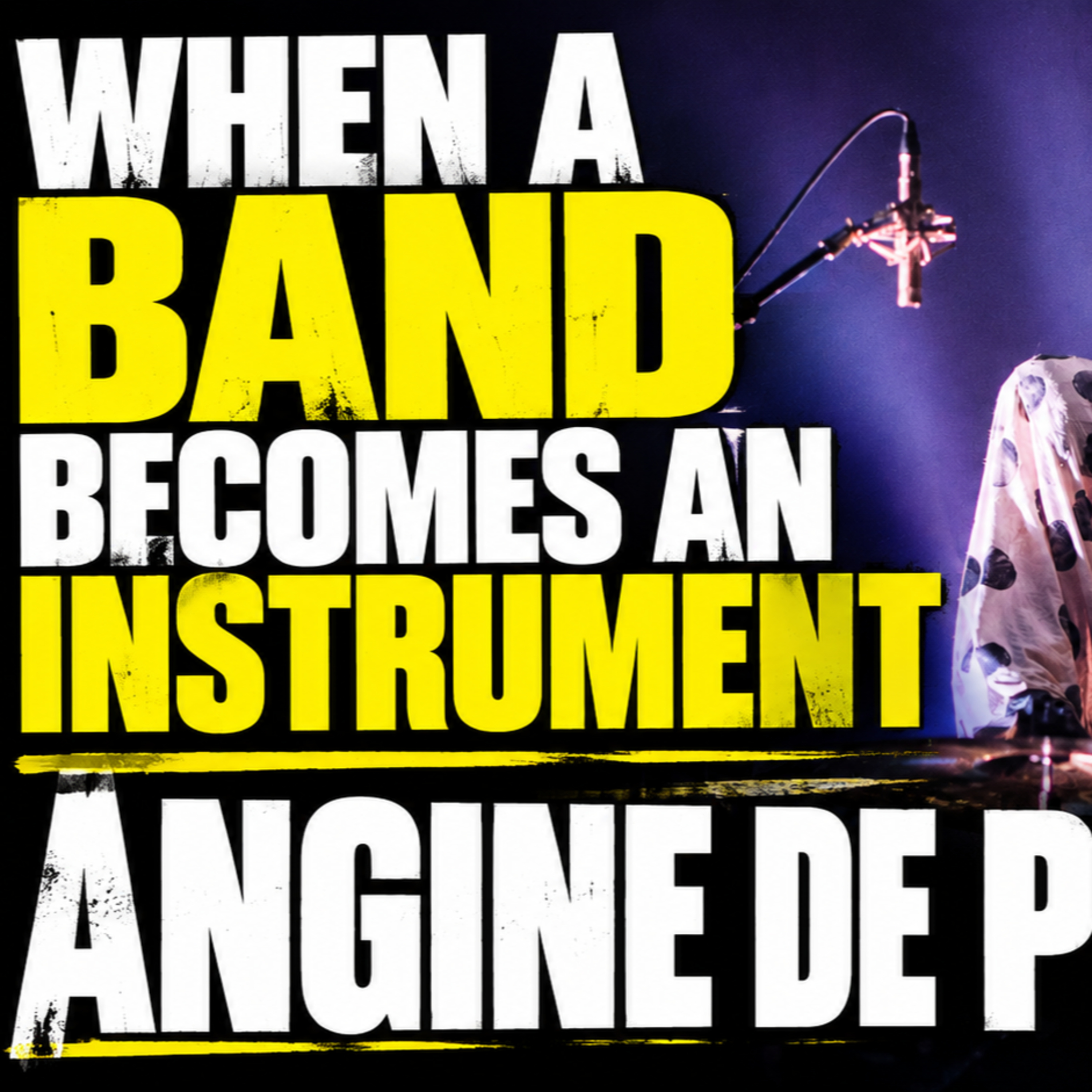 Why Angine de Poitrine Makes You Question The Difference Between A Band And An Instrument | This episode examines the experimental project Angine de Poitrine to challenge traditional definitions of what constitutes a musical band. Rather than viewing instruments as mere secondary tools, the text argues that complex technical setups are inseparable from the musicians’ identities and creative processes. The author suggests that specialized equipment, such as microtonal instruments and looping systems, dictates the physical movements and artistic decisions of the performers. By shifting focus away from individuals and toward the interaction between humans and technology, the narrative redefines a band as a cohesive system or machine. Ultimately, the piece illustrates how integrated musical environments function as the true source of a group's unique language and sound. | 20m 43s | ||||||
| 10/13/26 | 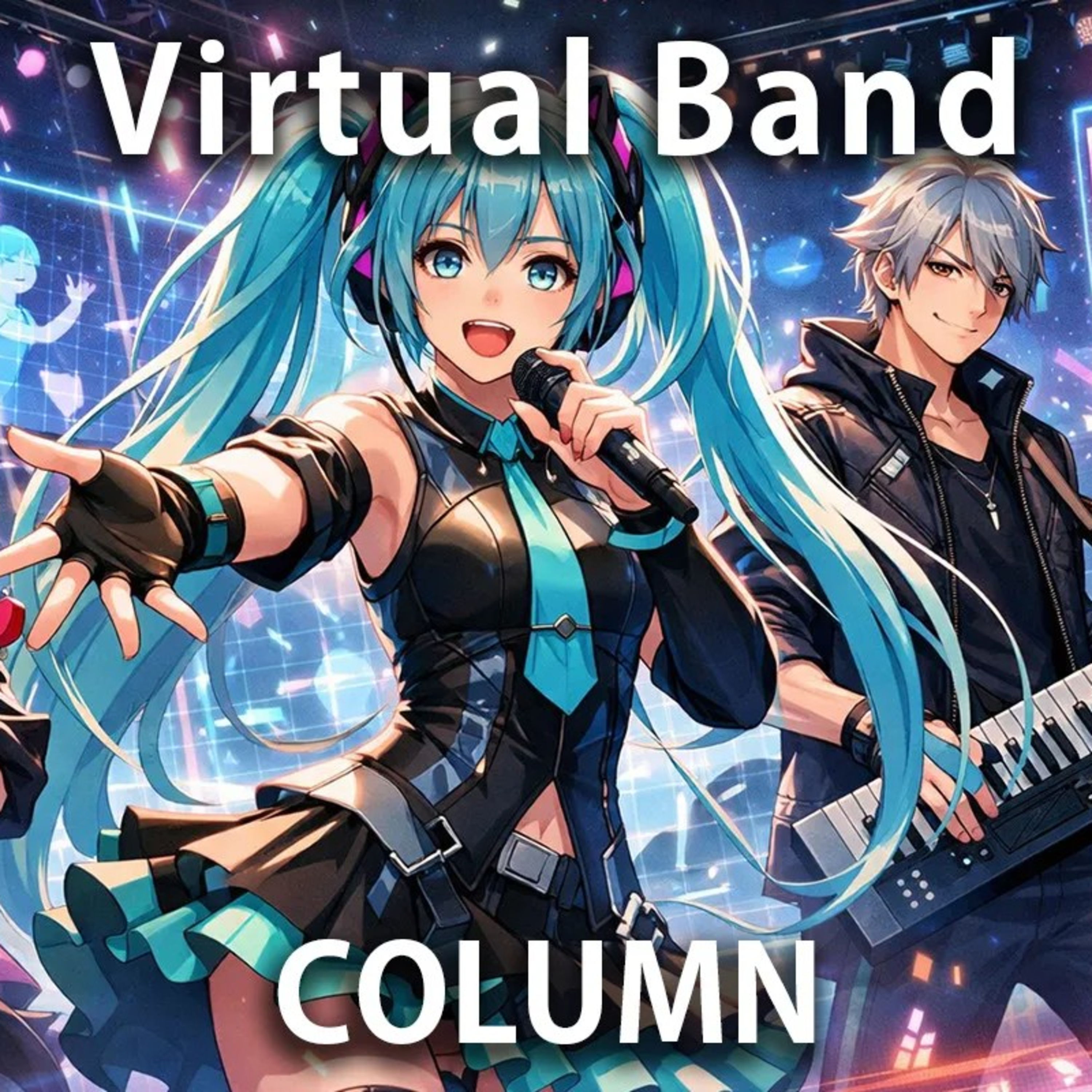 Evolution of the Virtual Band: Music Without Bodies | This episode examines the historical evolution and cultural impact of virtual bands, which are music projects led by fictional avatars rather than visible human performers. These entities rely on a blend of digital technology and narrative world-building to redefine how audiences experience and connect with music. The article traces their origins from early animated characters and concept albums to modern iterations powered by speech synthesis and the metaverse. By separating the musical output from the physical body of the artist, these projects transform music into a participatory intellectual property that thrives on community engagement. Ultimately, the source highlights how virtual bands shift the focus from the creator's identity to a shared fictional reality that transcends traditional live performance boundaries.【Related Column】Possibilities of virtual bands: How intangible music has expanded the worldhttps://monumental-movement.jp/en/column-virtual-band/ | 20m 17s | ||||||
| 10/13/26 | 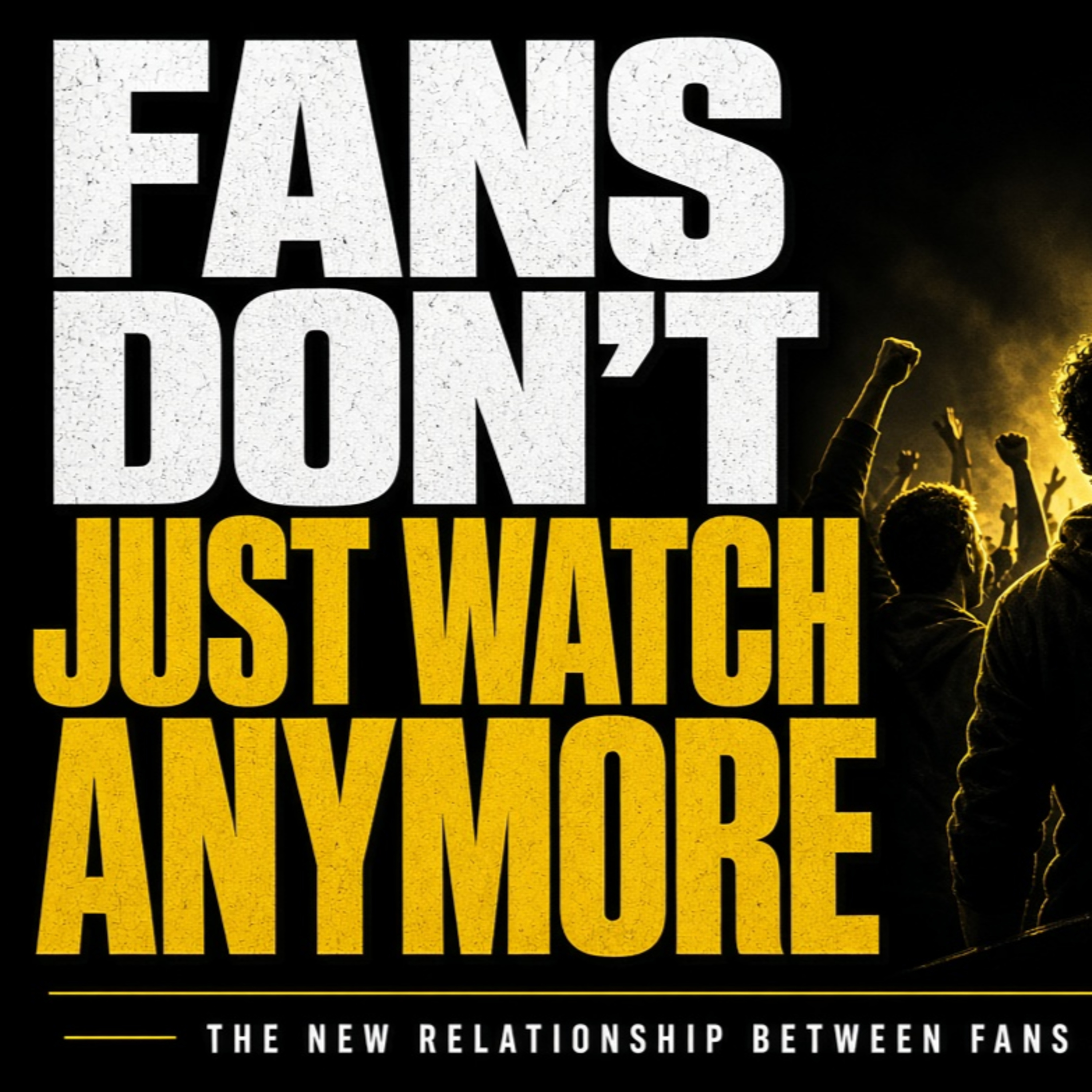 Why Fans Don't Just Watch Anymore | This episode explores how the traditional boundary between creators and audiences has dissolved into a dynamic, cyclical relationship within modern digital culture. While fan participation has long existed through letters and zines, the source emphasizes that technology and social media have drastically reduced the costs and time required for fans to contribute. Today, fans act as active participants who extend a work's lifespan through memes, remixes, reaction videos, and theory-crafting. This ecosystem, described as "always-on fandom," means a project’s value is no longer defined solely by its official release but by the continuous stream of user-generated content it inspires across multiple platforms. Ultimately, the source argues that audiences are no longer just passive consumers; they have become essential co-creators and discovery channels for the media they love.【Related Column】なぜファンは、もう『見るだけ』ではなくなったのかhttps://monumental-movement.jp/column-why-fans-dont-just-watch-anymore/ | 44m 03s | ||||||
| 10/13/26 | 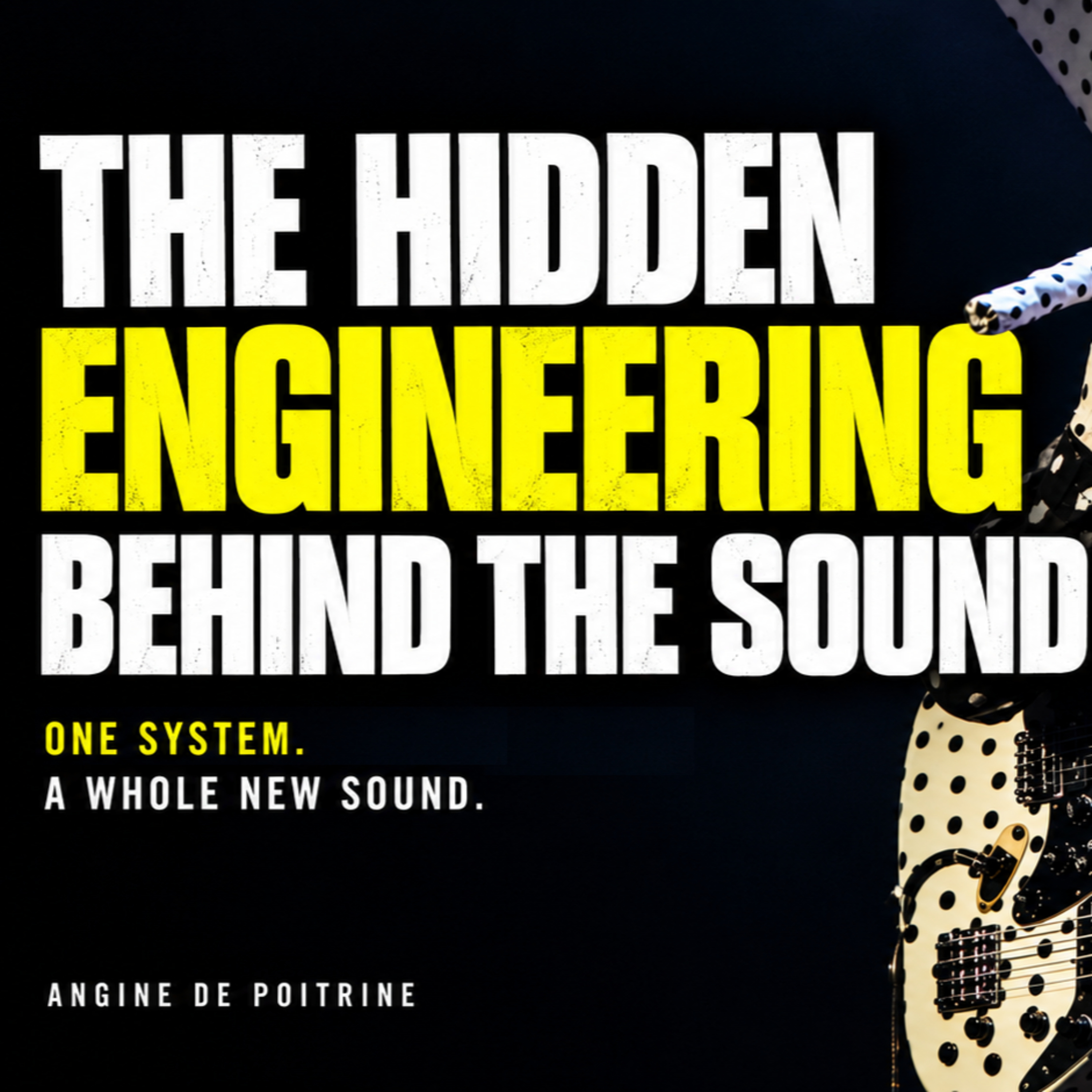 Why Angine de Poitrine Is Really An Engineering Story | This episode explores the intersection of musical composition and engineering through a study of the piece Angine de Poitrine. It argues that modern performances are often defined by technical problem-solving, where artists must bridge the gap between abstract imagination and physical execution. By utilizing real-time electronic looping and microtonal instruments, the musicians build a complex environment that relies on a stable, functional system. This reliance on technology does not offer infinite freedom but rather introduces creative constraints that dictate the work's specific style. Ultimately, the source suggests that this music is best understood as a live engineering system where the art arises from overcoming technical limitations. | 29m 06s | ||||||
| 10/12/26 |  Dego, Kaidi, and the Evolution of Broken Beat | This episode examines the evolution of Broken Beat, a rhythmically complex genre that emerged from London’s underground club scene in the late 1990s. The text focuses on the influential partnership between Dego and Kaidi Tatham, highlighting their role in blending live instrumentation with electronic production. It specifically details their collaboration with the Detroit-based label Sound Signature, which culminated in the landmark 2017 album A So We Gwarn. This musical alliance is presented as a vital bridge between UK club culture and American house and jazz traditions. By exploring their discography and historical milestones, the source illustrates how these artists continue to redefine global black music. Ultimately, the article portrays their work as a living movement that transcends eras and geographic borders.【Related Column】Dego & Kaidi and Sound Signaturehttps://monumental-movement.jp/en/column-dego-kaidi-so-we-gwarn/ | 18m 58s | ||||||
| 10/12/26 | 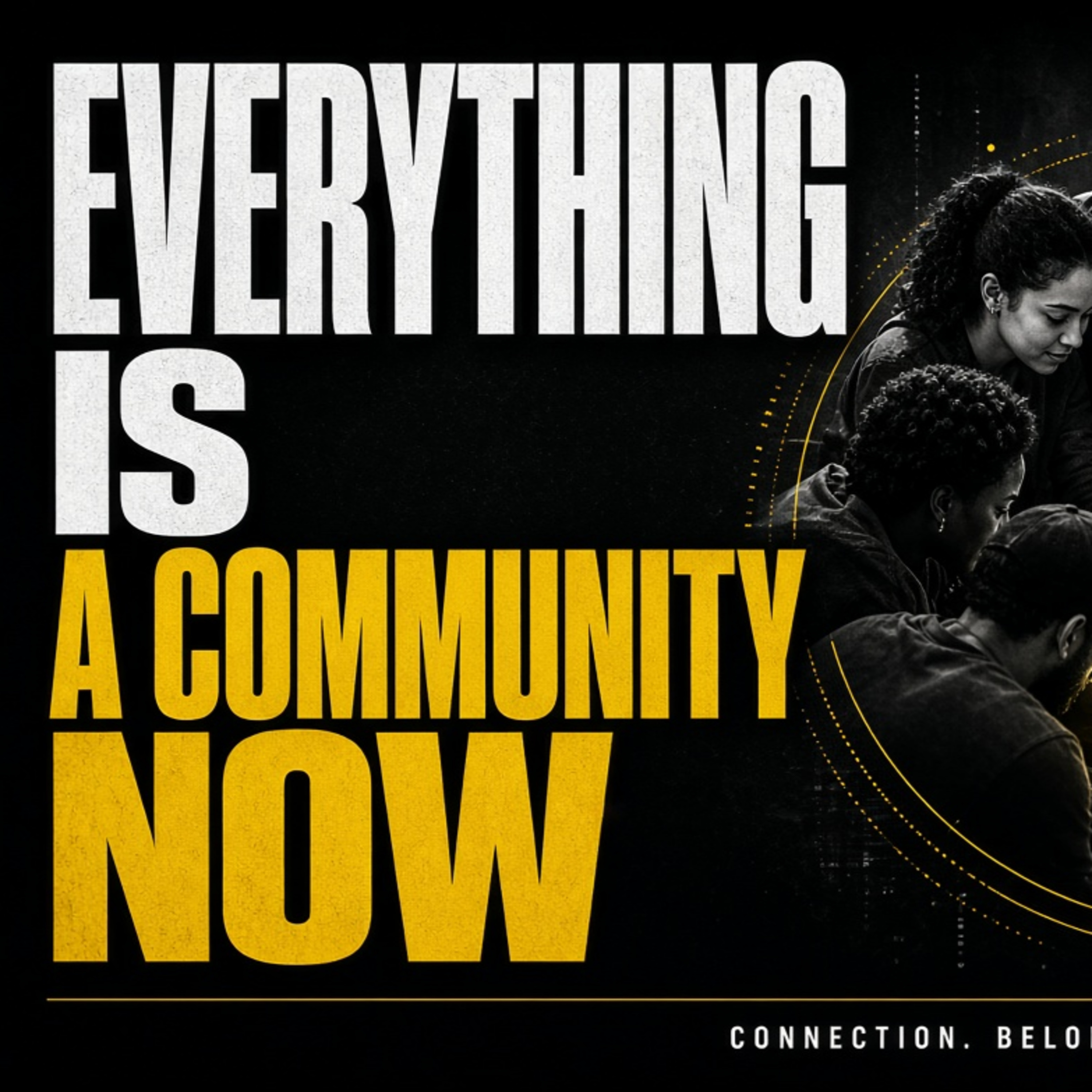 Why Everything Is Becoming a Community | This episode explores the fundamental shift from a product-centered economy to a community-driven cultural landscape. It describes how modern technology has transformed passive consumers into active participants who co-create value through shared social experiences on platforms like YouTube and Discord. Key industries, including music, gaming, and fashion, now use products primarily as entry points for human connection rather than final endpoints for consumption. This evolution marks a transition where fandom and belonging serve as the primary infrastructure for discovering and sustaining new cultural movements. Ultimately, the source argues that the value of a brand or artwork is increasingly defined by the strength of the relationships formed around it.【Related Column】なぜ、すべてがコミュニティになっていくのかhttps://monumental-movement.jp/column-why-everything-is-becoming-a-community/ | 43m 13s | ||||||
| 9/10/26 | Afro-Cuban musicson genre+5 | — | — | — | Afro-Cuban rhythmArsenio Rodríguez+5 | — | 21m 41s | ||
| 9/10/26 | socioeconomic constraintscultural innovation+4 | — | monumentalmovementHip-Hop+2 | — | cultural innovationsocioeconomic constraints+6 | — | 36m 08s | ||
| 9/10/26 | experimental rockinstrumental music+3 | — | Angine de Poitrine | — | experimental rockAngine de Poitrine+5 | — | 35m 50s | ||
| 9/9/26 | sound designFast & Furious+4 | — | monumentalmovementFast & Furious | — | sound designFast & Furious+5 | — | 20m 51s | ||
| 9/9/26 | counterculturecommercialization+4 | — | monumentalmovementThe Billion-Dollar Paradox: How Rebellion Became a Brand+1 | — | counterculturerebellion+6 | — | 19m 51s | ||
| 9/9/26 | experimental musichumor+4 | — | Angine de Poitrine | — | experimental musichumor+5 | — | 30m 39s | ||
| 9/8/26 | ayahuascamusical expression+4 | — | — | — | ayahuascamusicians+4 | — | 20m 26s | ||
| 9/8/26 | algorithmspersonal taste+4 | — | monumentalmovementThe Death of Human Taste+1 | — | algorithmscultural identity+5 | — | 44m 40s | ||
| 9/8/26 | experimental rocktechno music+3 | — | Angine de Poitrineexperimental rock+1 | QuebecQuébec | Angine de Poitrineexperimental rock+5 | — | 41m 00s | ||
| 9/7/26 | ChillwaveSynthwave+4 | — | monumentalmovement | — | ChillwaveSynthwave+5 | — | 19m 10s | ||







Showing 35 of 347
Pitch Fit is a Pro feature
See how bookable this show is for guests, which brands already advertise, the per-episode ad value, and the best-fit guest and sponsor profile. The numbers are blurred on the free plan.
How readily this show books outside guests like you.
How proven this show is for host-read sponsorships.
For Guests
ProFor Advertisers
ProUpgrade to Pro to unlock guest cadence, sponsor categories, fit scores, and per-episode ad value for this show.
Similar Audience Demographics
Podcasts that attract a similar listener profile




Chart history for Monumental Movement Podcast
Peaked at #38 in IS, currently #38 in IS.
| Market | Genre | Peak | Current | Trend |
|---|---|---|---|---|
| IS | — | #38 | #38 | — |
| Mexico | — | #46 | #46 | — |
| United Kingdom | — | #70 | #70 | — |
| GR | — | #72 | #72 | — |
| Japan | — | #72 | #72 | — |
| Italy | — | #75 | #75 | — |
| HU | — | #79 | #79 | — |
| SG | — | #84 | #84 | — |
| South Korea | — | #122 | #122 | — |
| France | — | #143 | #143 | — |
| PT | — | #145 | #145 | — |
| Sweden | — | #153 | #153 | — |
| South Africa | — | #182 | #182 | — |
| AT | — | #186 | #186 | — |
| Brazil | — | #196 | #196 | — |
| New Zealand | — | #198 | #198 | — |
| Norway | — | #199 | #199 | — |
Chart Positions
17 placements across 17 markets.
Chart Positions
17 placements across 17 markets.