
Insights from recent episode analysis
Audience Interest
Podcast Focus
Publishing Consistency
Platform Reach
Insights are generated by CastFox AI using publicly available data, episode content, and proprietary models.
Total monthly reach
Estimated from 9 chart positions in 9 markets.
By chart position
- 🇲🇽MX · Nutrition#1681K to 10K
- 🇵🇭PH · Nutrition#1430K to 100K
- 🇹🇼TW · Nutrition#3410K to 30K
- 🇿🇦ZA · Nutrition#4710K to 30K
- 🇻🇳VN · Nutrition#533K to 10K
- Per-Episode Audience
Est. listeners per new episode within ~30 days
29K to 100K🎙 ~2x weekly·62 episodes·Last published yesterday - Monthly Reach
Unique listeners across all episodes (30 days)
59K to 199K🇵🇭50%🇹🇼15%🇿🇦15%+6 more - Active Followers
Loyal subscribers who consistently listen
23K to 80K
Market Insights
Platform Distribution
Reach across major podcast platforms, updated hourly
Total Followers
—
Total Plays
—
Total Reviews
—
* Data sourced directly from platform APIs and aggregated hourly across all major podcast directories.
On the show
Recent episodes
Milestones in Maternal Nutrition - Drivers and Consequences of Low Birth Weight - Episode 9
Jun 4, 2026
27m 10s
Milestones in Maternal Nutrition - INTERGROWTH-21st Project - Episode 8
Jun 3, 2026
29m 15s
Milestones in Maternal Nutrition - Combating Maternal Anemia - Episode 7
Jun 2, 2026
27m 55s
Milestones in Maternal Nutrition - Long-chain Fatty Acids in Pregnancy - Episode 6
Jun 1, 2026
28m 01s
Milestones in Maternal Nutrition - Protein Energy Supplements in Pregnancy - Episode 5
May 15, 2026
33m 06s
Social Links & Contact
Official channels & resources
Official Website
Login
RSS Feed
Login
| Date | Episode | Description | Length | ||||||
|---|---|---|---|---|---|---|---|---|---|
| 6/4/26 | 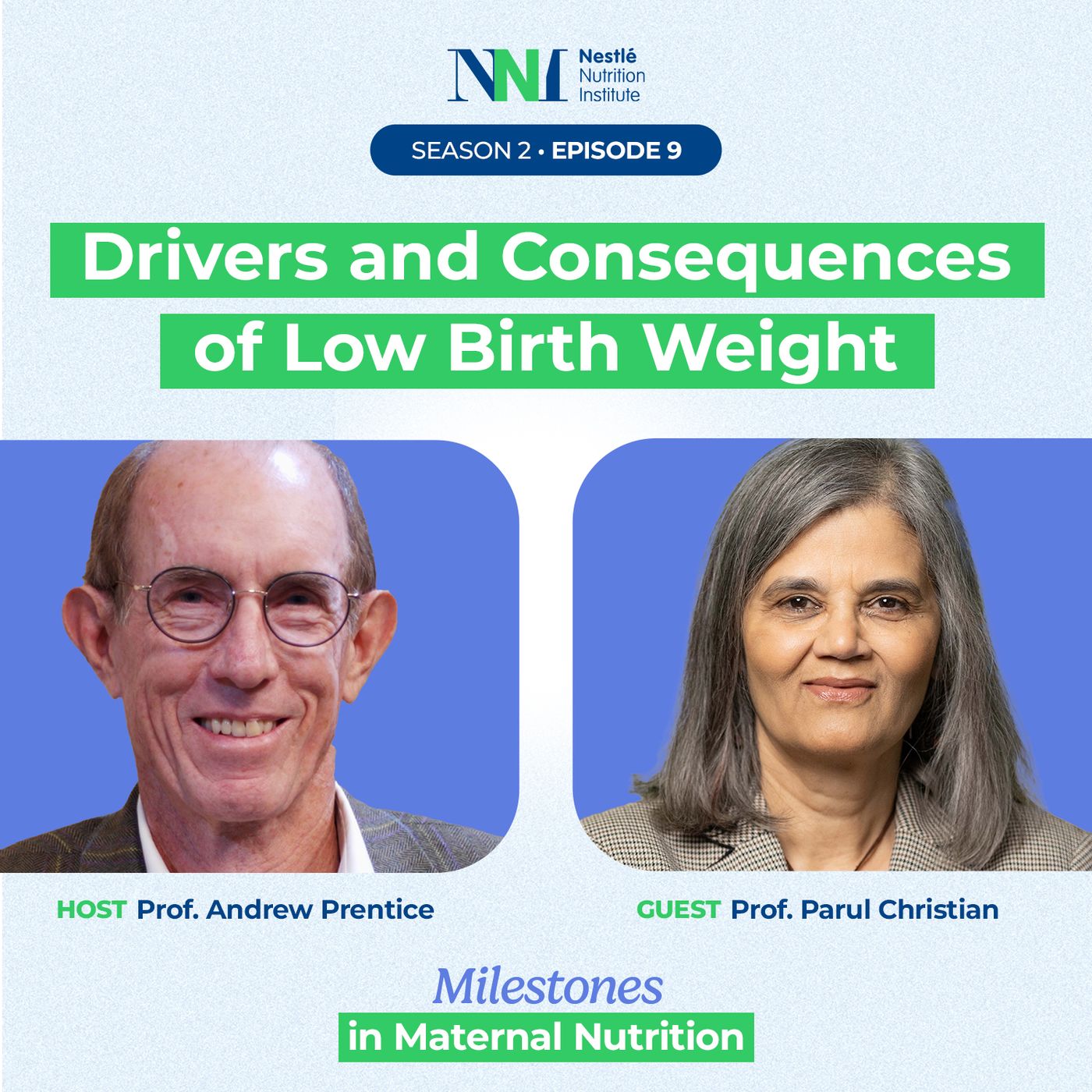 Milestones in Maternal Nutrition - Drivers and Consequences of Low Birth Weight - Episode 9 | In this episode of Milestones in Maternal Nutrition, Professor Andrew Prentice speaks with Professor Parul Christian about the drivers and lifelong consequences of low birth weight. Professor Christian explains how nutritional factors such as maternal undernutrition, inadequate gestational weight gain, anemia, and multiple micronutrient deficiencies contribute to preterm birth and fetal growth restriction, which are major underlying causes of low birth weight. The discussion highlights the growing shift from focusing on single nutrients to improving overall maternal nutrition through balanced energy, protein and multiple micronutrient supplementation. Together, they explore how low birth weight increases the risk of poor growth, stunting, infection, and developmental challenges throughout childhood and later life, underscoring the importance of maternal nutrition across the first 1,000 days.For Healthcare Professionals OnlyNestlé Nutrition Institute | 27m 10s | ||||||
| 6/3/26 | 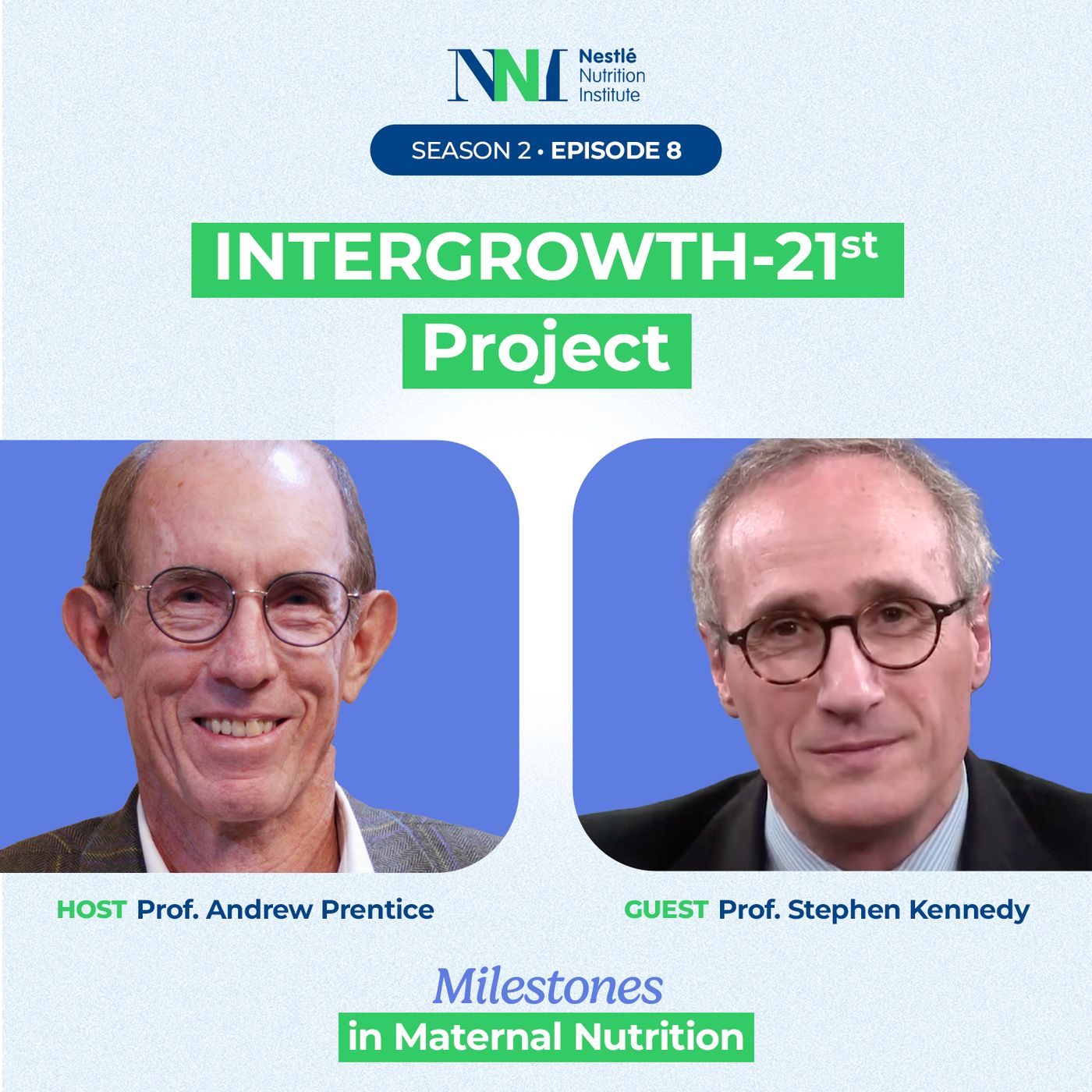 Milestones in Maternal Nutrition - INTERGROWTH-21st Project - Episode 8 | In this episode of Milestones in Maternal Nutrition, Professor Andrew Prentice and Professor Stephen Kennedy talk about the INTERGROWTH-21st Project and its contribution to the assessment of fetal and newborn growth worldwide. Professor Kennedy explains the development of international fetal growth, birth weight and preterm growth standards to address the limitations of locally derived reference charts. The discussion explores how this project demonstrated that fetal growth and newborn size are remarkably similar across populations when health, nutrition and environmental conditions are optimal. Together, they examine how these standards have improved the identification of growth abnormalities, assessment of small-for-gestational-age and preterm infants, and the consistency of maternal and newborn care globally.For Healthcare Professionals OnlyNestlé Nutrition Institute | 29m 15s | ||||||
| 6/2/26 | 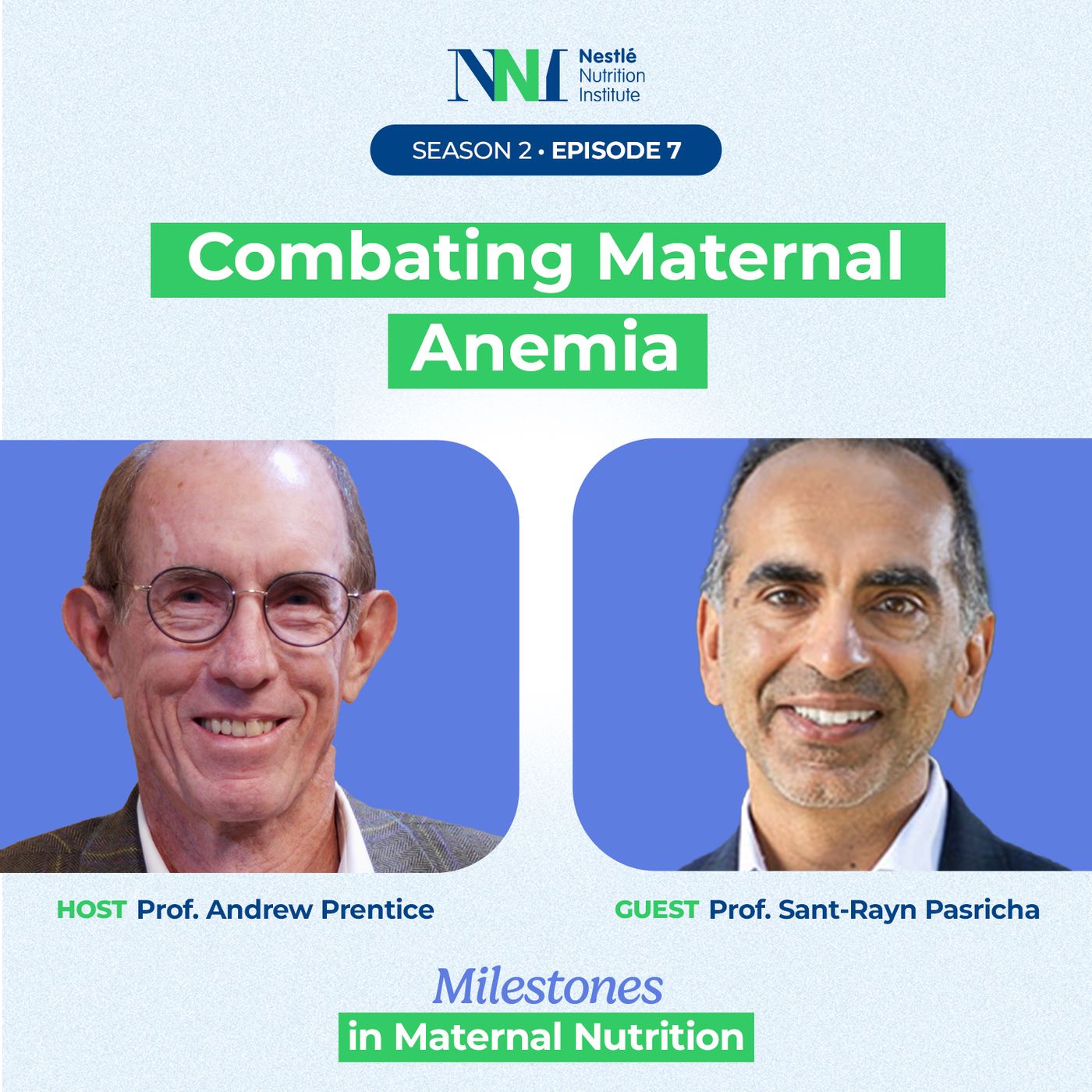 Milestones in Maternal Nutrition - Combating Maternal Anemia - Episode 7 | For Healthcare Professionals OnlyNestlé Nutrition Institute | 27m 55s | ||||||
| 6/1/26 | 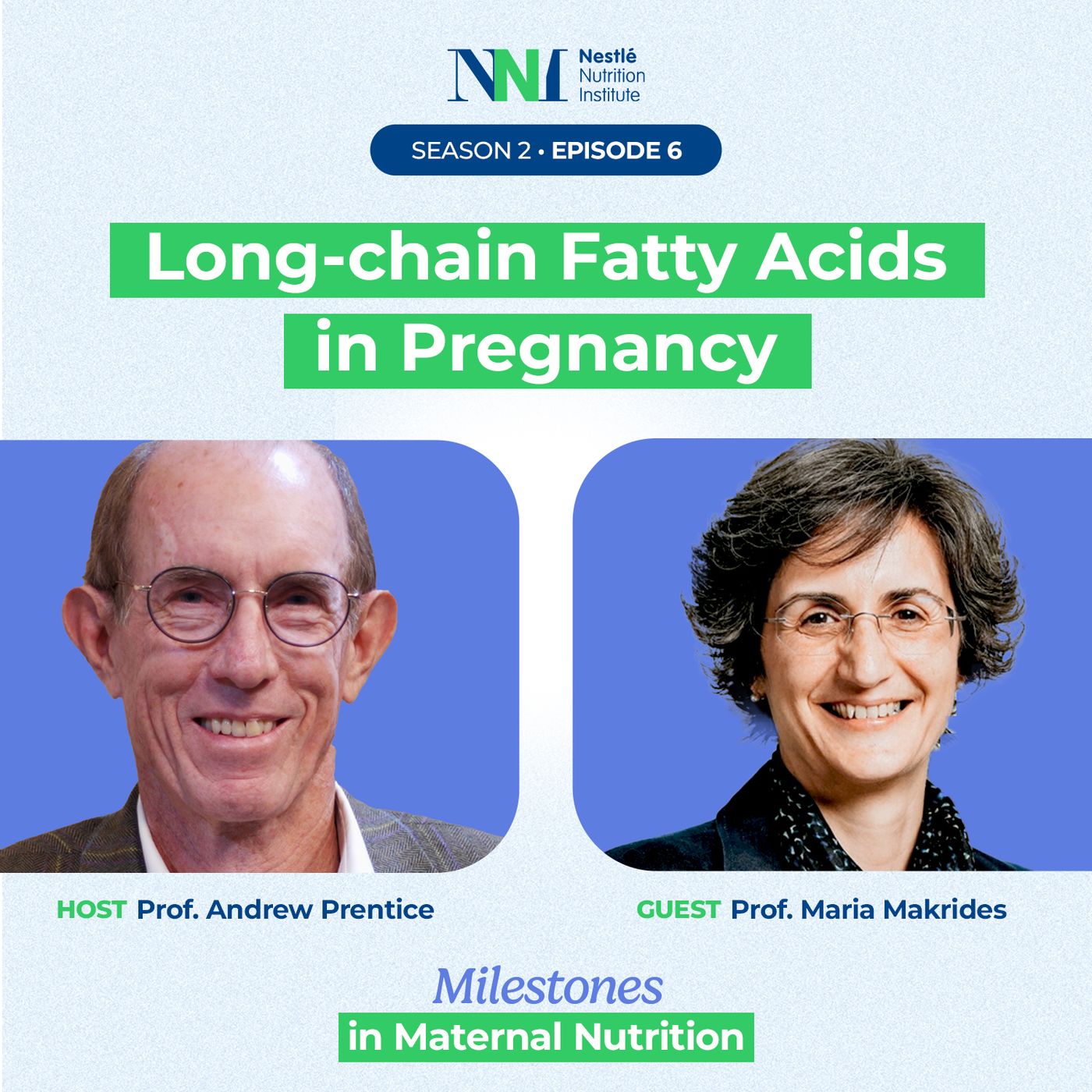 Milestones in Maternal Nutrition - Long-chain Fatty Acids in Pregnancy - Episode 6 | In this episode of Milestones in Maternal Nutrition, Professor Andrew Prentice interviews Professor Maria Makrides, exploring the evolving science of long-chain omega-3 fatty acids during pregnancy and their implications for maternal and infant health. Professor Makrides explains how omega-3 fatty acids, particularly DHA, support fetal brain and nervous system development during late gestation, while also influencing the timing of parturition through their effects on inflammatory pathways and prostaglandin balance. The discussion traces the scientific journey from early epidemiological observations to randomized trials and large-scale meta-analyses demonstrating that omega-3 supplementation may reduce the risk of early preterm birth, particularly among women with low omega-3 status. Together, they also discussed the translation of this evidence into clinical practice through South Australia’s pioneering antenatal omega-3 screening and supplementation program.For Healthcare Professionals OnlyNestlé Nutrition Institute | 28m 01s | ||||||
| 5/15/26 | 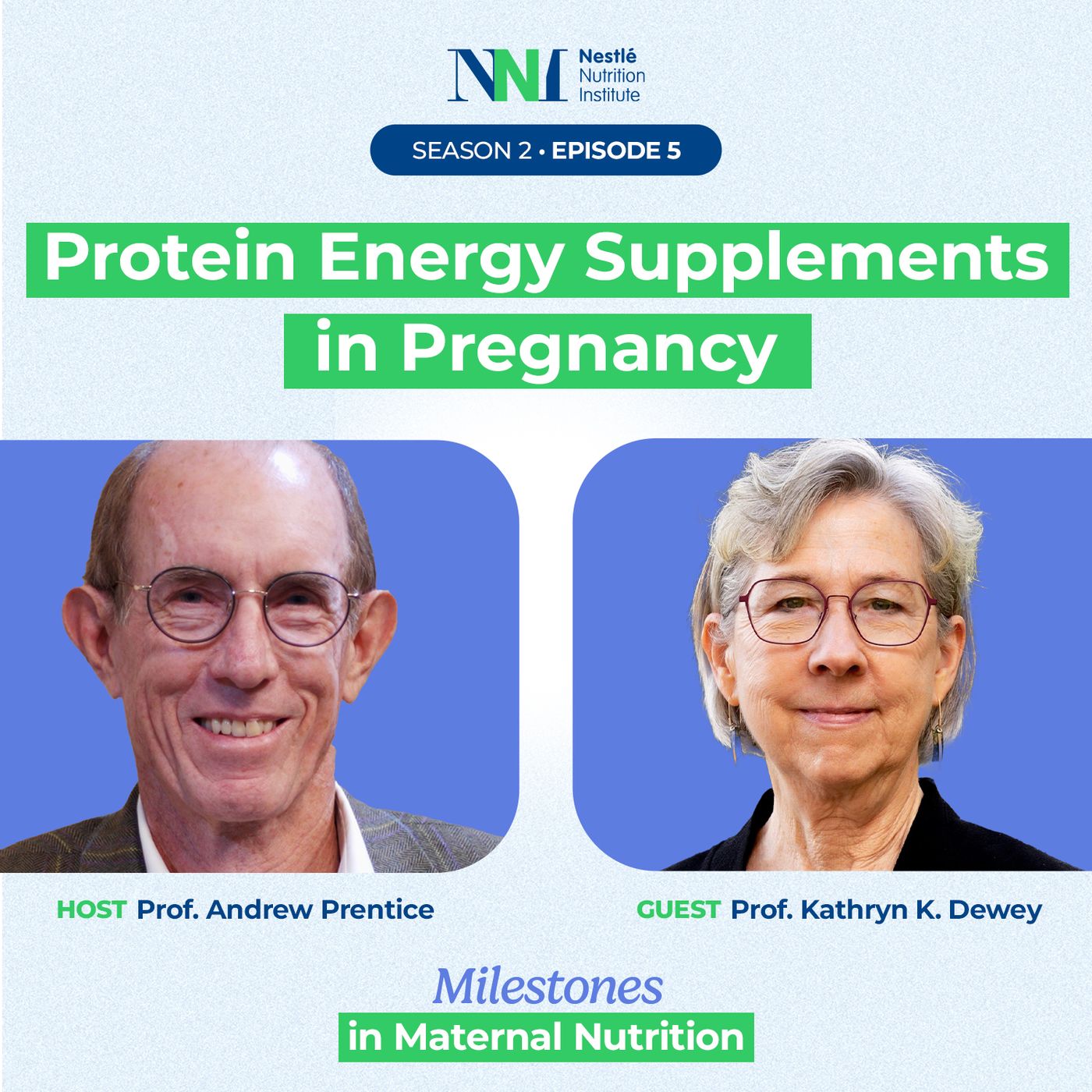 Milestones in Maternal Nutrition - Protein Energy Supplements in Pregnancy - Episode 5 | In this episode of Milestones in Maternal Nutrition, Professor Andrew Prentice with Professor Kathryn Dewey talks about the role of protein-energy supplementation during pregnancy and its potential to improve birth outcomes among nutritionally vulnerable populations. Professor Dewey explains how maternal undernutrition contributes to low birth weight, small-for-gestational-age birth and preterm delivery. This discussion explores the scientific evidence behind balanced energy-protein (BEP) supplementation, including historical trials, evolving WHO recommendations and the complexities surrounding optimal protein composition and maternal metabolic health. They also explored emerging approaches such as small-quantity lipid-based nutrient supplements (SQLNS), targeted nutritional strategies, and the practical challenges of implementing maternal supplementation programs at scale in low-resource settings.For Healthcare Professionals OnlyNestlé Nutrition Institute | 33m 06s | ||||||
| 5/14/26 | 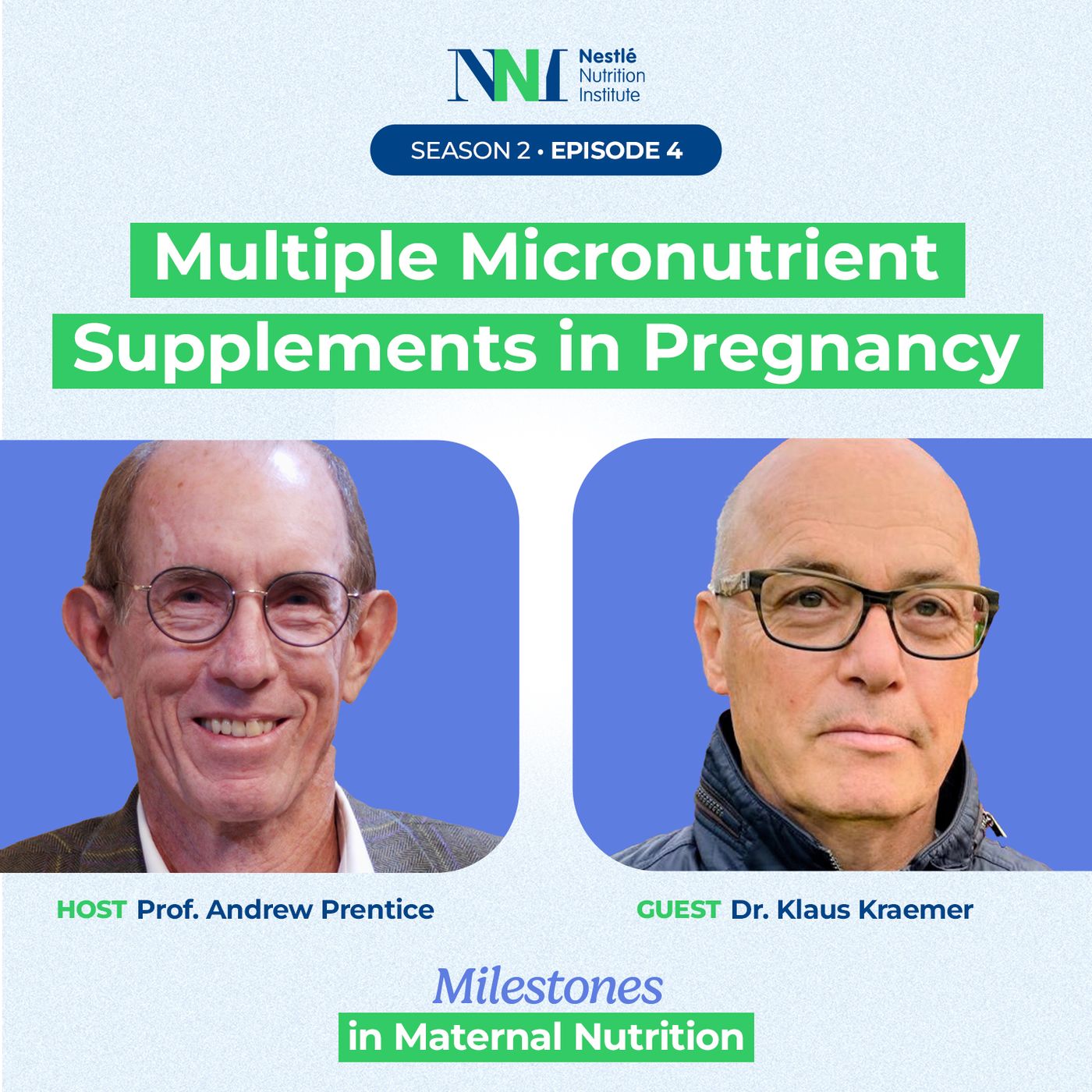 Milestones in Maternal Nutrition - Multiple Micronutrient Supplements in Pregnancy - Episode 4 | In this episode of Milestones in Maternal Nutrition, Professor Andrew Prentice speaks with Dr. Klaus Kraemer about the development and the science behind UNIMMAP — the standardized multiple micronutrient supplement formulated for pregnant women in low- and middle-income countries. Dr. Kraemer explains how data from over 20 randomised trials and multiple meta-analyses demonstrate that multiple micronutrient supplements (MMS) reduces low birth weight by 12% and preterm birth by 8% compared to standard iron and folic acid, with even greater benefits — approaching 20% reduction in low birth weight and 30% in infant mortality — among underweight and anemic women. The discussion addresses UNIMMAP's formulation history, manufacturing complexity, cost-effectiveness, and the WHO's cautious conditional recommendation. Together, they examine the barriers that have slowed MMS adoption globally, and discuss what it will take to make this life-saving supplement the new standard of care for pregnant women everywhere.For Healthcare Professionals OnlyNestlé Nutrition Institute | 29m 33s | ||||||
| 5/13/26 | 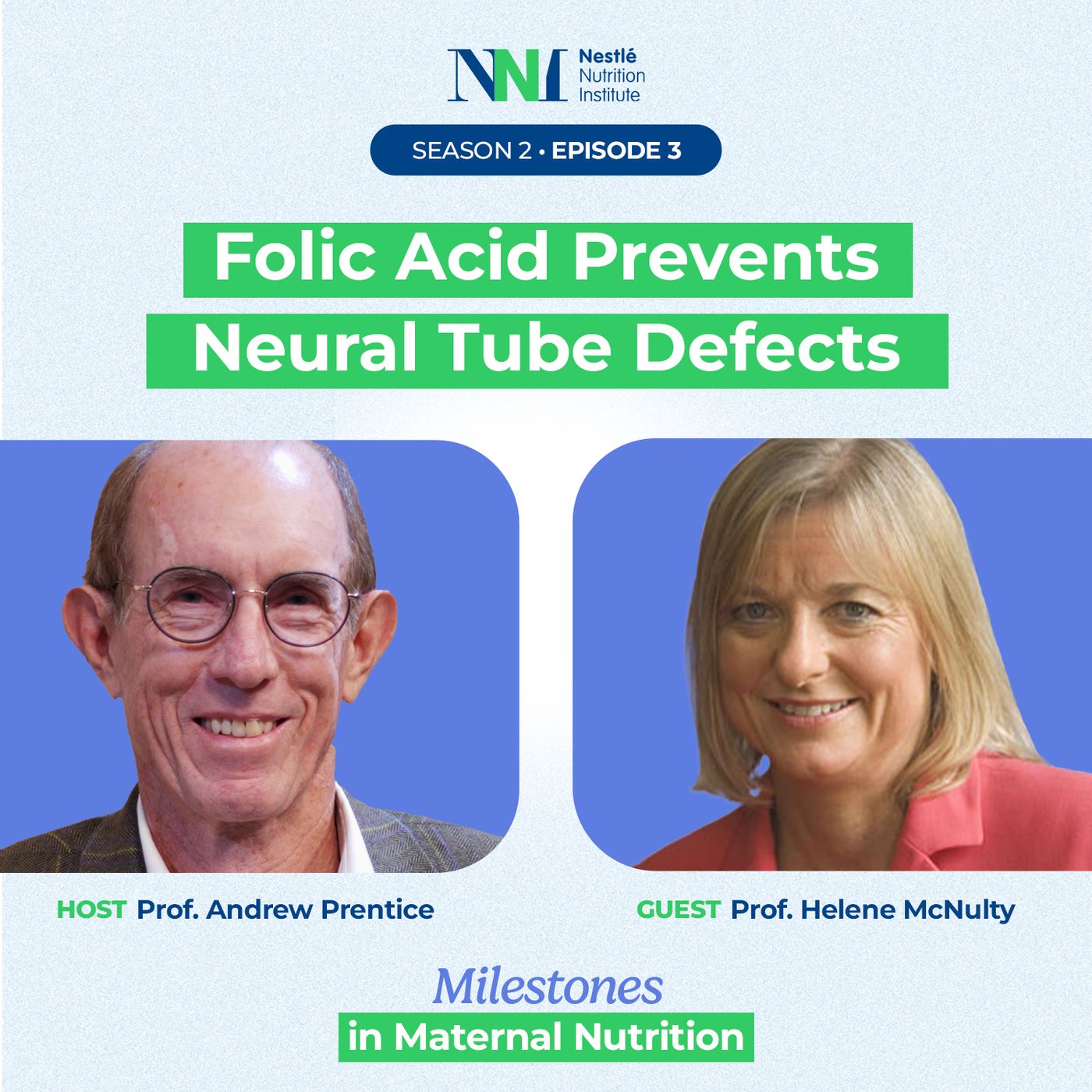 Milestones in Maternal Nutrition - Folic Acid Prevents Neural Tube Defects - Episode 3 | In this episode of Milestones in Maternal Nutrition, Professor Andrew Prentice speaks with Professor Helene McNulty about the landmark evidence linking periconceptional folic acid supplementation to the prevention of neural tube defects (NTDs). Professor McNulty traces the science from early observational findings to the pivotal 1991 MRC trial demonstrating a 72% protective effect against NTD recurrence, and a subsequent Hungarian trial showing 100% protection against first occurrence. The discussion examines why dietary folate alone is insufficient, how mandatory fortification programmes in the US and Canada have safely reduced NTD prevalence over three decades, and why the standard 400 microgram dose remains appropriate for most women — with higher doses reserved only for those at established clinical risk.For Healthcare Professionals OnlyNestlé Nutrition Institute | 21m 40s | ||||||
| 5/12/26 |  Milestones in Maternal Nutrition - Understanding the Placental Supply Line - Episode 2 | In this episode of Milestones in Maternal Nutrition, Professor Andrew Prentice speaks with Professor Amanda Sferruzzi-Perri about the remarkable biology of the placenta and its critical role as the fetus’s supply line during pregnancy. Professor Sferruzzi-Perri explains how the placenta develops from the earliest stages of embryonic life to regulate the transfer of oxygen, early metabolites and nutrients from mother to baby, while also adapting to changes in the maternal environment. The discussion explores how maternal nutrition, health, and metabolic status can influence placental development and function, shaping fetal growth and long-term health outcomes. Together, they examine how placental dysfunction contributes to complications such as fetal growth restriction, preeclampsia, gestational diabetes, and preterm birth, while highlighting emerging research aimed at identifying early biomarkers and new therapeutic approaches to improve maternal and child health.For Healthcare Professionals OnlyNestlé Nutrition Institute | 32m 59s | ||||||
| 5/11/26 |  Milestones in Maternal Nutrition - Nutrition and the Early Programming of the Embryo - Episode 1 | In this episode of Milestones in Maternal Nutrition, Dr. Carla Cerami speaks with Professor Andrew Prentice about how a mother's diet and nutritional status around the time of conception can leave a lasting imprint on her baby's biology — shaping health outcomes that persist across an entire lifetime. Professor Prentice explains how key nutrients, particularly B vitamins and folate, fuel the epigenetic processes that regulate how a baby's genes are expressed during the earliest and most critical days of embryonic development. The discussion draws on how his team’s research in rural Gambia revealed that seasonal differences in maternal diet can measurably alter epigenetic marks in the baby's DNA — with potential links to obesity, thyroid function, and neonatal diabetes. Together, they reflect on what these discoveries mean for the future of pre-conceptional nutrition guidance, and why optimizing a mother's diet before pregnancy may be just as critical as care during it.For Healthcare Professionals OnlyNestlé Nutrition Institute | 24m 00s | ||||||
| 4/3/26 |  Dr. Rosan Meyer - Navigating Allergies: The Role of Complementary Feeding in Food Allergy Prevention - Workshop 103 - Session 2 - Episode 8 | In this new series of NNI Bites, Big Learnings, we are featuring episodes covering the NNI & WNSC Workshop 103. In this episode, Dr. Yvan Vandenplas speaks with Dr. Rosan Meyer about how early complementary feeding practices shape food allergy outcomes in infants. Dr. Meyer highlights that a four-to-six-month window of opportunity exists for allergen introduction — with evidence from the LEAP and EAT studies showing that early introduction of peanut and egg significantly reduces allergy risk — while also emphasizing that introduction before four months offers no benefit and may be harmful. She further encourages a holistic approach to complementary feeding that prioritizes dietary diversity across different food groups, culturally appropriate foods, and enjoyment — rather than focusing solely on allergy prevention.For Healthcare Professionals OnlyNestlé Nutrition Institute | 14m 38s | ||||||
Want analysis for the episodes below?Free for Pro Submit a request, we'll have your selected episodes analyzed within an hour. Free, at no cost to you, for Pro users. | |||||||||
| 4/1/26 | Professor Nadja Haiden - Nurturing Preterm Infants: Transitioning to Effective Feeding Strategies - Workshop 103 - Session 2 - Episode 7 | In this new series of NNI Bites, Big Learnings, we are featuring episodes covering the NNI & WNSC Workshop 103. In this episode, Dr. Yvan Vandenplas speaks with Professor Nadja Haiden about supporting the nutritional needs of preterm infants after discharge from the neonatal intensive care unit. Professor Haiden emphasizes that post-discharge nutrition is not a one-size-fits-all approach, and that success depends on individualized monitoring, parental support, and timely interventions — with the goal of achieving proportional catch-up growth while preserving the benefits of human milk feeding. She also highlights the importance of proactive micronutrient supplementation, particularly vitamin D and iron, and notes that complementary feeding timing in preterm infants should be guided by corrected age and neuromotor developmental readiness rather than chronological age alone.For Healthcare Professionals OnlyNestlé Nutrition Institute | 12m 39s | ||||||
| 3/31/26 | Dr. Natalia Ferré - Insights from TOMI Study: A Case Study in Toddler Nutrition - Workshop 103 - Session 1 - Episode 6 | In this new series of NNI Bites, Big Learnings, we are featuring episodes covering the NNI & WNSC Workshop 103. In this episode, Professor Raanan Shamir interviews Dr. Natália Ferré about early metabolic programming and the role of dietary protein in obesity prevention. Dr. Ferré explains that the early protein hypothesis suggests higher protein intake in the first months of life is linked to rapid growth and later obesity risk — a concept first demonstrated in the CHOP study, where infants consuming lower-protein formula showed significantly reduced obesity risk by six years of age. She also shares early findings from the ToMI study, which is exploring whether this critical intervention window can be extended into the second year of life, with further analyses on long-term outcomes, epigenetics, and metabolomics still underway.For Healthcare Professionals OnlyNestlé Nutrition Institute | 9m 01s | ||||||
| 3/30/26 | Professor Patrick Tounian - Young Child Formula: The Latest Recommendations & Practical Applications - Workshop 103 - Session 1 - Episode 5 | In this new series of NNI Bites, Big Learnings, we are featuring episodes covering the NNI & WNSC Workshop 103. In this episode, Professor Raanan Shamir speaks with Professor Patrick Tounian about the role of young child formula in meeting the nutritional needs of toddlers beyond infancy. Professor Tounian explains that without young child formula, it is remarkably difficult for toddlers to meet their daily iron requirements through diet alone, and that untreated iron deficiency in early life can lead to irreversible neurological damage and lifelong cognitive impairment. He recommends young child formula until children are able to consume adequate amounts of meat — typically not before three to six years of age — and also highlights the importance of plant oils and fatty fish in meeting essential fatty acid and DHA needs.For Healthcare Professionals OnlyNestlé Nutrition Institute | 9m 48s | ||||||
| 3/27/26 | Dr. Sean Deoni - Feeding the Future: How Nutrition Shapes Brain Development and Learning - Workshop 103 - Session 1 - Episode 4 | In this episode of NNI Bites, Big Learnings featuring the NNI & WNSC Workshop 103, Professor Raanan Shamir interviews Dr. Sean Deoni about the critical role of nutrition in early brain development. Dr. Deoni explains that the brain grows by approximately a factor of three in the first two years of life, with myelination requiring a precise combination of fatty acids, DHA, choline, cholesterol, and — as revealed by the RESONANCE study — niacin, which supports both synaptic transmission and myelin synthesis. He concludes that nutrition's impact on neurodevelopment is both profound and modifiable, and that when paired with stimulation and responsive caregiving, optimal early nutrition offers significant potential to support children's long-term cognitive development.For Healthcare Professionals OnlyNestlé Nutrition Institute | 15m 53s | ||||||
| 3/26/26 | Professor Ciarán Forde - Learning to eat: Exploring Food Texture, Taste, and Eating Behavior - Workshop 103 - Session 1 - Episode 3 | In this new series of NNI Bites, Big Learnings, we are featuring episodes covering the NNI & WNSC Workshop 103. In this episode, Professor Raanan Shamir speaks with Professor Ciarán Forde about how children learn to eat during the first two years of life. Professor Ford explains that the ability to bite, chew, and swallow is entirely learned — not innate — and that early, progressive texture exposure is essential not only for developing feeding skills and dietary preferences, but also for healthy oral anatomical development. He also draws on data from the GUSTO cohort to show that obesogenic eating styles — such as faster eating rates and eating in the absence of hunger — emerge early and consistently track with excess adiposity over time.For Healthcare Professionals OnlyNestlé Nutrition Institute | 13m 47s | ||||||
| 3/24/26 | Dr. Julie Lanigan - Addressing the Gap: From the cradle to the playground - Workshop 103 - Session 1 - Episode 2 | In this episode of NNI Bites, Big Learnings featuring the NNI & WNSC Workshop 103 series, Professor Raanan Shamir speaks with Dr. Julie Lanigan about optimising early childhood nutrition across the first years of life. Dr. Lanigan shares that the first 1,000 days are a uniquely important window for growth and the formation of dietary habits, and that new data from the MILQ study suggests that the micronutrient content of human milk may be lower than previously estimated — making the quality of complementary foods more important than ever. She also emphasizes that during the preschool years, family modeling behaviors such as eating together and involving children in food preparation are practical and powerful strategies for shaping healthy, lifelong dietary patterns.For Healthcare Professionals OnlyNestlé Nutrition Institute | 10m 44s | ||||||
| 3/23/26 | Prof. Raanan Shamir - Complementary Feeding: What Makes it Important? - Workshop 103 - Session 1 - Episode 1 | In this episode of NNI Bites, Big Learnings, we are covering the NNI & WNSC Workshop 103 series. In the first episode, Dr. Yvan Vandenplas interviews Professor Raanan Shamir about the importance of complementary feeding in early childhood. Professor Shamir emphasizes that timing is critical — with a four-to-six-month window recommended by most societies — and that both early and late introduction carry distinct risks, including non-communicable diseases, food allergy, and nutritional inadequacy. He further highlights that healthy complementary feeding goes beyond nutrition, influencing microbiome composition and allergy prevention, and should consist of a diverse, nutrient-dense diet rich in fiber, iron, zinc, and omega-3, and low in sugar, salt, and ultra-processed products.For Healthcare Professionals OnlyNestlé Nutrition Institute | 15m 36s | ||||||
| 1/5/26 |  Milestones in Pediatric Nutrition - SQ‑LNS (Small‑Quantity Lipid‑Based Supplements): Targeted approaches for vulnerable groups - Episode 10 | For Healthcare Professionals OnlyNestlé Nutrition Institute | 34m 40s | ||||||
| 1/2/26 | 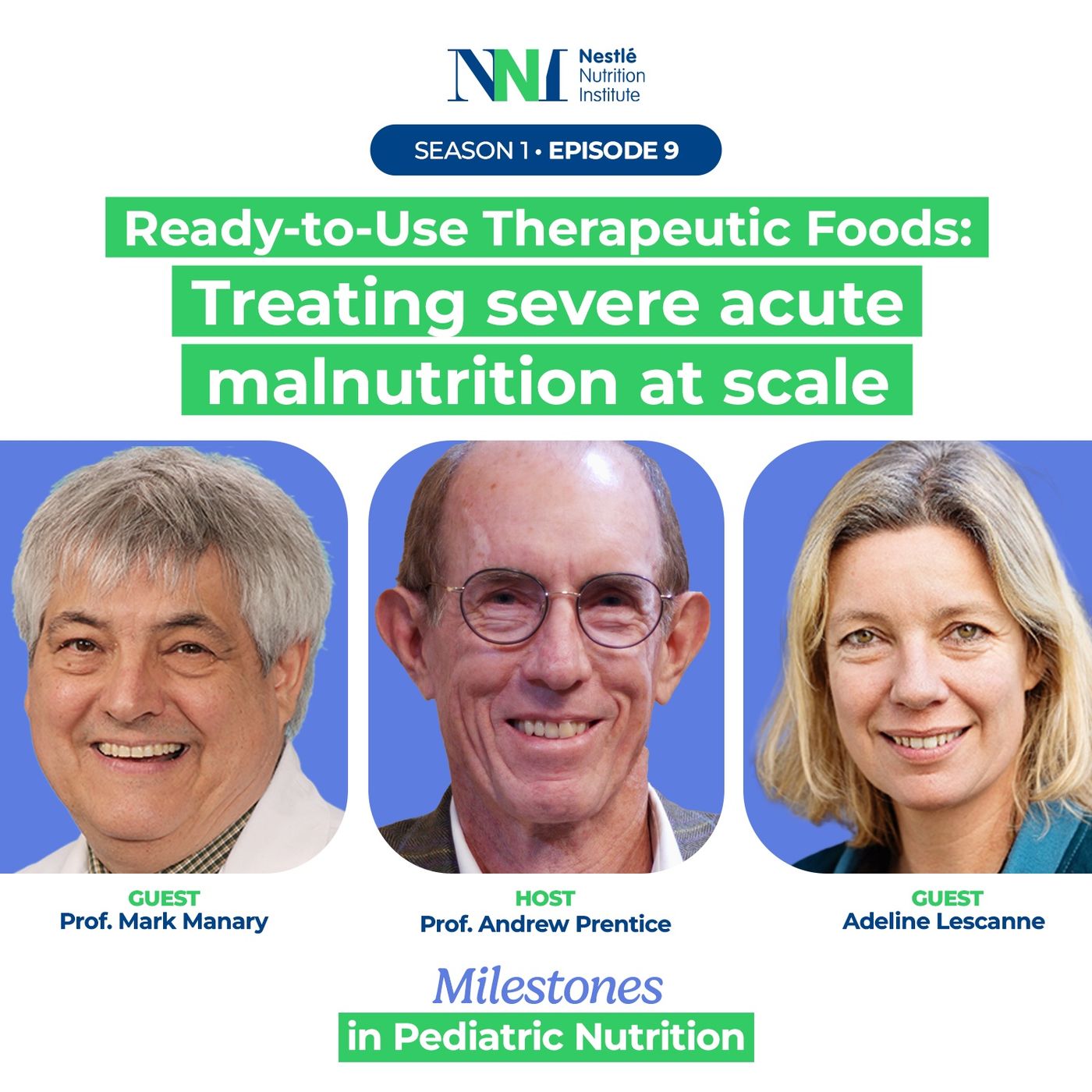 Milestones in Pediatric Nutrition - Ready‑to‑Use Therapeutic Foods: Treating severe acute malnutrition at scale - Episode 9 | In this episode of Milestones in Pediatric Nutrition, Professor Andrew Prentice interviews Professor Mark Manary from Washington University and Adeline Lescanne, CEO of Nutriset, about ready-to-use therapeutic foods (RUTF) for severe acute malnutrition (SAM). Professor Manary describes how hospital-based treatment historically achieved only 45% recovery rates, prompting exploration of home-based alternatives. The RUTF concept, inspired by low-moisture foods like chocolate spread and halva, emerged through collaboration between André Briend and Michel Lescanne. Initial clinical trials in 2001 demonstrated dramatic improvements, achieving 90% recovery rates compared to 45% with traditional hospital care. The low water content prevents bacterial growth, enabling safe community-based treatment. Nutriset developed the Plumpy Field network, establishing local manufacturing facilities across 12-13 countries including Haiti, Nigeria, Ethiopia, and India, maintaining rigorous quality control from raw material sourcing through finished product testing. The company has treated over 65 million malnourished children. The episode highlights how RUTF has become a standard of care for community-based SAM management and underscores the importance of sustained partnerships and investment to ensure continued access for children who need treatment.For Healthcare Professionals OnlyNestlé Nutrition Institute | 27m 00s | ||||||
| 1/1/26 | 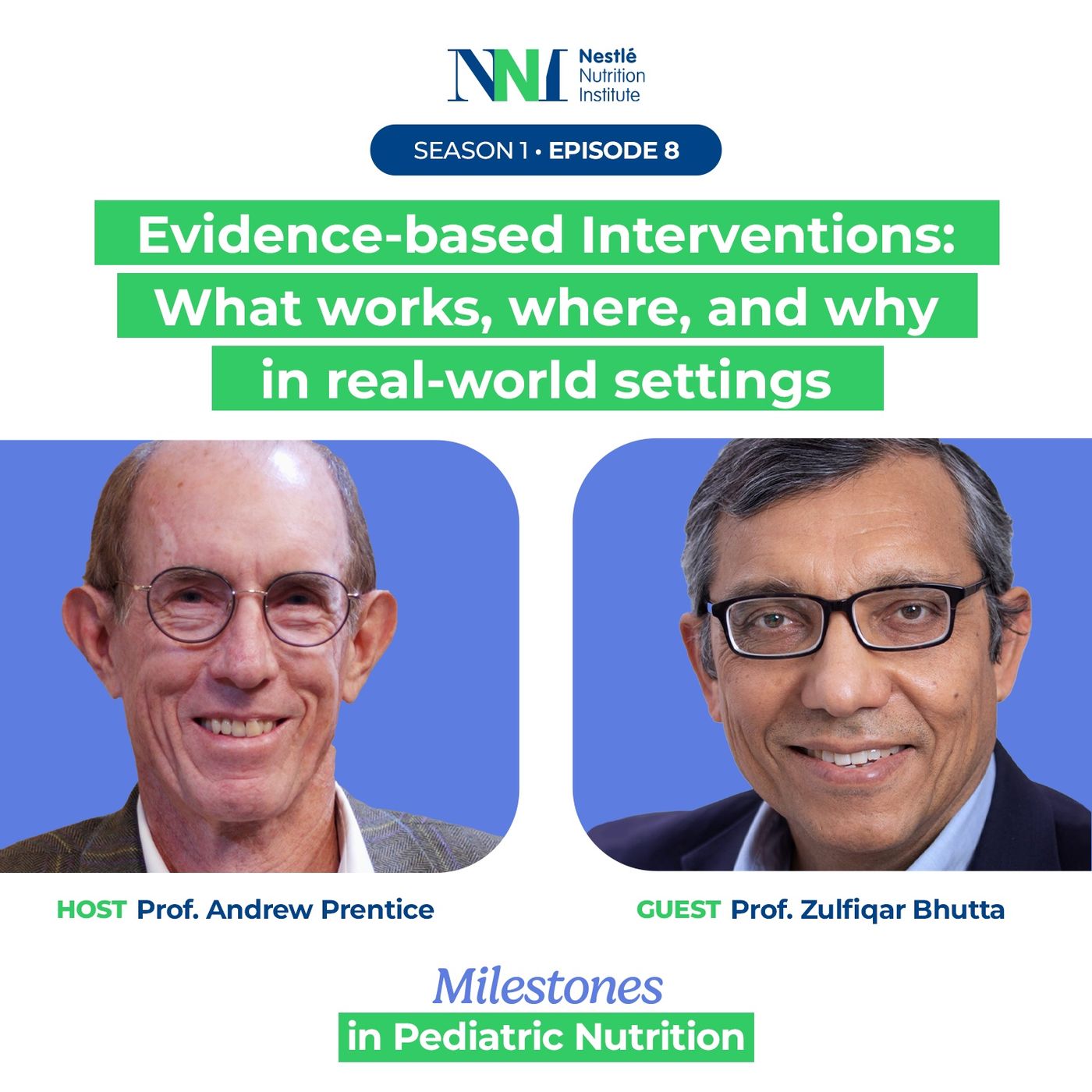 Milestones in Pediatric Nutrition - Evidence‑based Interventions: What works, where, and why in real‑world settings - Episode 8 | For Healthcare Professionals OnlyNestlé Nutrition Institute | 31m 42s | ||||||
| 12/31/25 | 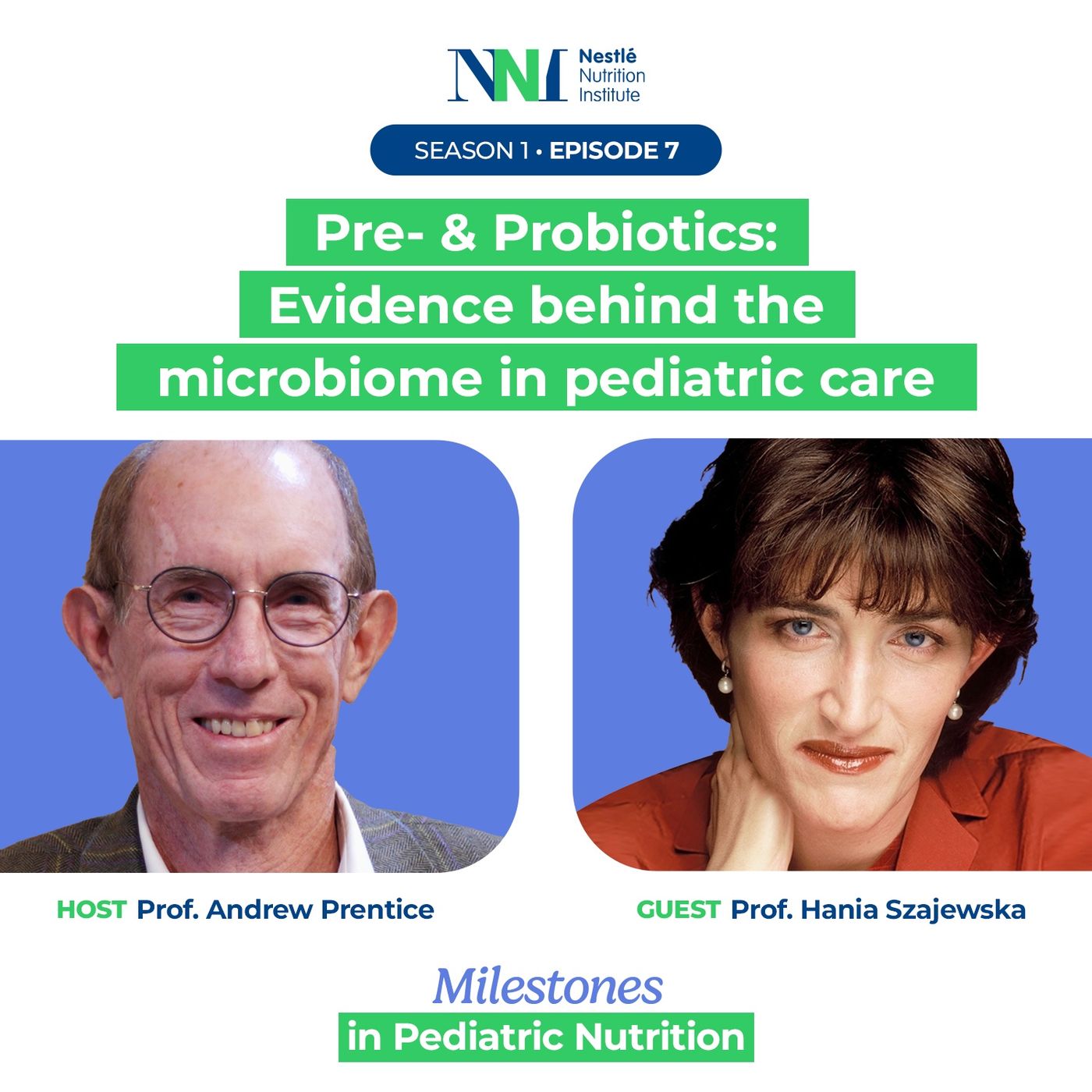 Milestones in Pediatric Nutrition - Pre‑ & Probiotics: Evidence behind the microbiome in pediatric care - Episode 7 | In this episode of Milestones in Pediatric Nutrition, Professor Andrew Prentice interviews Professor Hania Szajewska from the Medical University of Warsaw about probiotics and prebiotics in pediatric nutrition. Professor Szajewska emphasizes the importance of evidence-based definitions from the International Scientific Association for Probiotics and Prebiotics (ISAPP), requiring documented health benefits in randomized controlled trials before products can be classified as probiotics or prebiotics. The discussion highlights critical factors influencing infant gut microbiota development, including mode of delivery, feeding method, and antibiotic exposure, with breastfeeding providing human milk oligosaccharides (HMOs) that selectively promote bifidobacteria. Professor Szajewska reviews current evidence from ESPGHAN guidelines, noting that while biotic-supplemented formulas demonstrate safety and adequate growth support, clinical benefit evidence remains limited and strain-specific. She discusses targeted probiotic applications, including necrotizing enterocolitis prevention and acute gastroenteritis management, while acknowledging the need for identifying populations most likely to benefit from these interventions.For Healthcare Professionals OnlyNestlé Nutrition Institute | 29m 54s | ||||||
| 12/30/25 | 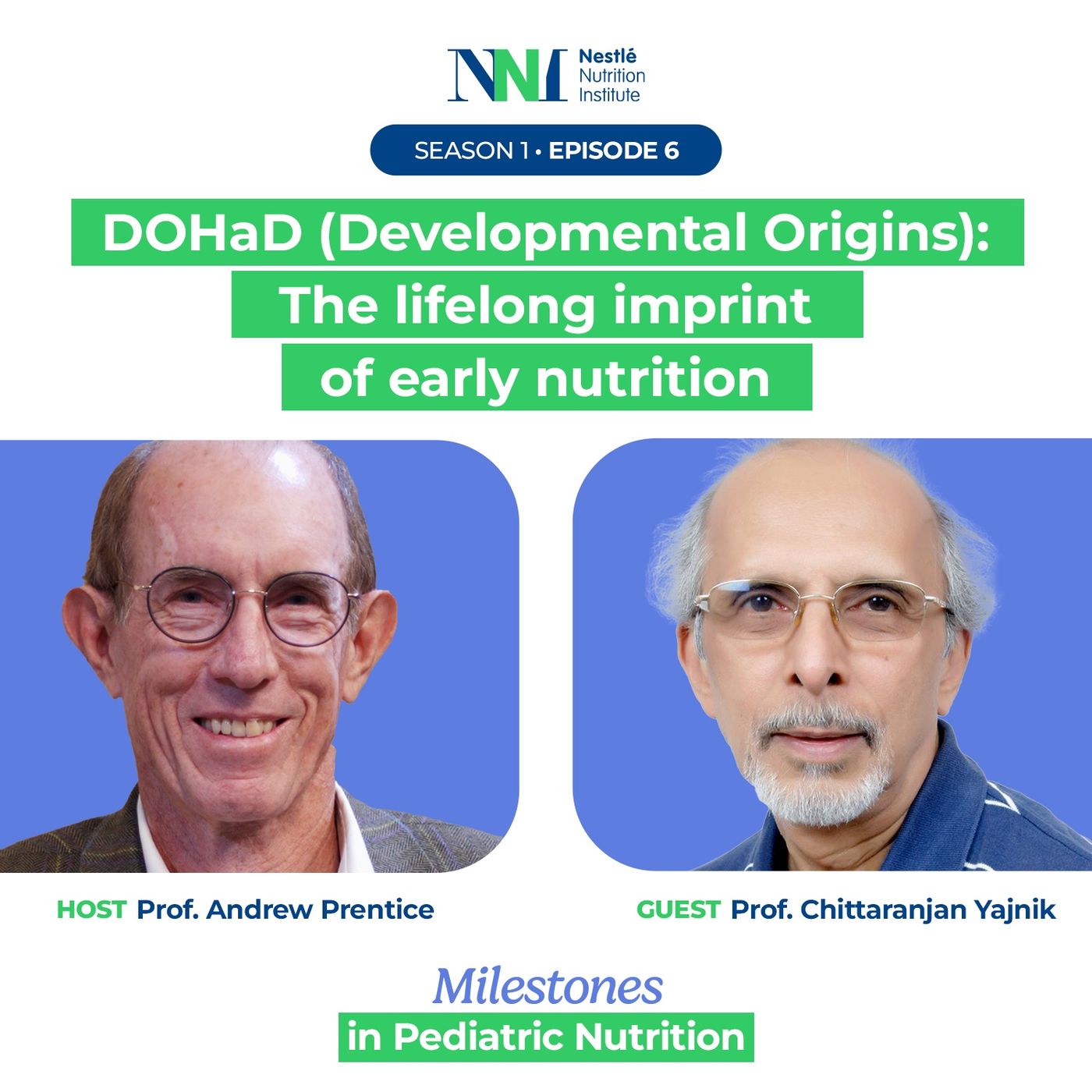 Milestones in Pediatric Nutrition - DOHaD (Developmental Origins): The lifelong imprint of early nutrition - Episode 6 | In this episode of Milestones in Pediatric Nutrition, Professor Andrew Prentice interviews Professor Chittaranjan Yajnik about the Developmental Origins of Health and Disease (DOHaD) theory. Professor Yajnik traces its origins to David Barker's "Fetal Origins of Adult Disease" hypothesis, which demonstrated geographic correlations between early-life deprivation and adult cardiovascular disease mortality across English counties. The theory has evolved beyond hypothesis status, supported by cohort studies, animal models, and research demonstrating how intrauterine and early-life conditions influence later risk of non-communicable diseases. Professor Yajnik discusses his collaboration with Barker beginning in 1991 and explains why India provided an ideal research setting given its high prevalence of low birth weight and rapidly increasing diabetes rates. He highlights the "Yajnik-Yudkin (YY) paradox," demonstrating that Indians develop diabetes at younger ages with lower BMI but higher body fat percentages compared to Europeans. The "thin-fat Indian baby syndrome" further showed that Indian newborns, despite being 800 grams lighter, exhibit proportionally higher adiposity and metabolic risk markers at birth, establishing critical evidence for DOHaD's relevance in South Asian populations and informing early-life intervention strategies.For Healthcare Professionals OnlyNestlé Nutrition Institute | 36m 07s | ||||||
| 12/29/25 | 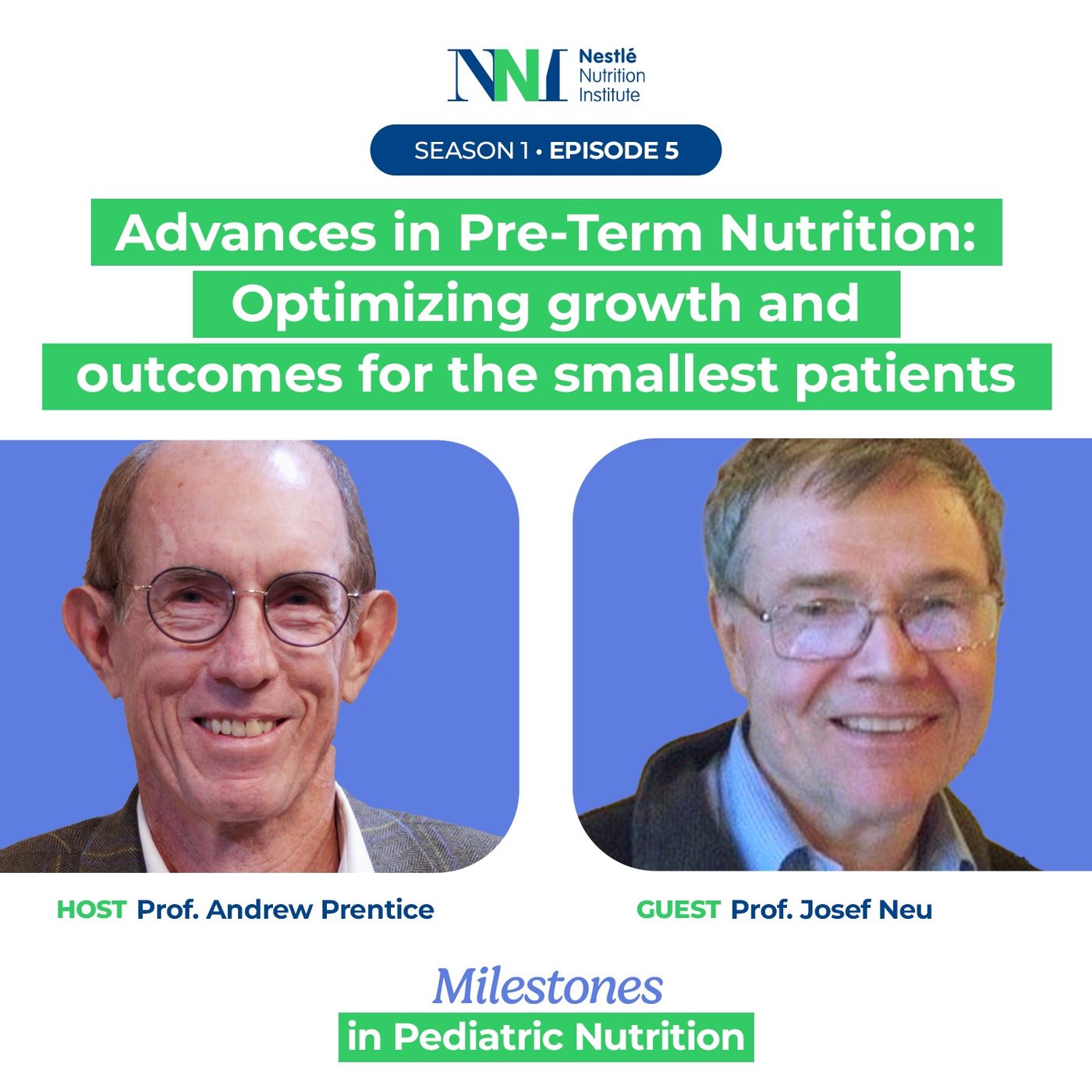 Milestones in Pediatric Nutrition - Advances in Pre‑Term Nutrition: Optimizing growth and outcomes for the smallest patients - Episode 5 | In this episode of Milestones in Pediatric Nutrition, Professor Andrew Prentice speaks with Professor Josef Neu from the University of Florida about advances in preterm infant nutrition. Professor Neu traces the field's evolution from the late 1800s, when incubators adapted from poultry technology reduced mortality by half, through critical developments including infection control, mechanical ventilation, and surfactant therapy. The discussion highlights the unique nutritional demands of premature infants, requiring approximately 120 calories per kilogram daily and 3-4 grams of protein per kilogram to support rapid growth and neurodevelopment. Professor Neu addresses historical controversies, including delayed enteral feeding practices, and emphasizes the importance of early gastrointestinal tract stimulation for mucosal immunity and barrier function. Current best practices favor mother's own milk with fortification when necessary, supported by evidence-based guidelines from pediatric societies. Professor Neu also discusses precision nutrition approaches utilizing artificial intelligence, machine learning clustering, and digital twin technologies to tailor strategies by gestational age, sex, and early-life exposures.For Healthcare Professionals OnlyNestlé Nutrition Institute | 31m 23s | ||||||
| 12/26/25 | 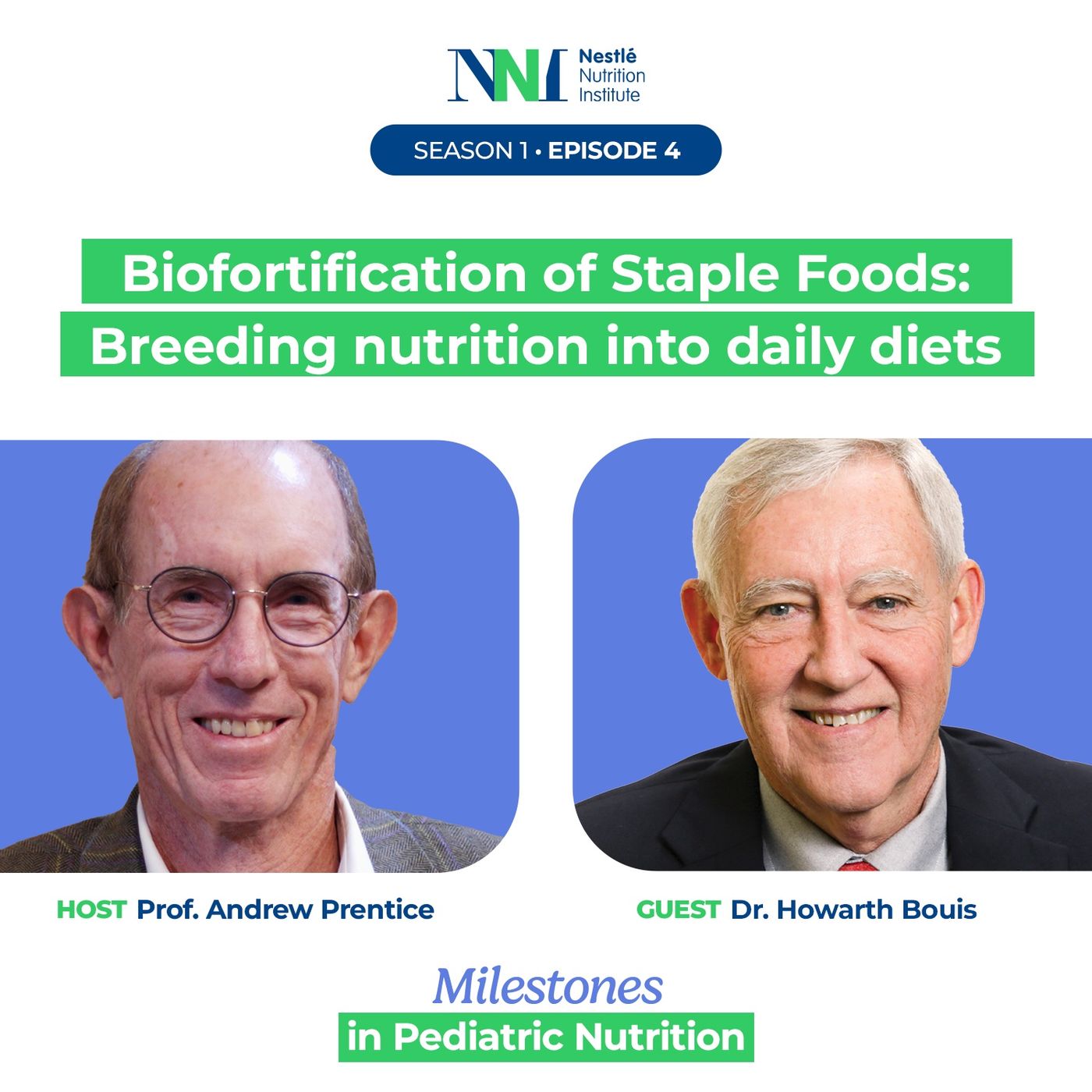 Milestones in Pediatric Nutrition - Biofortification of Staple Foods: Breeding nutrition into daily diets - Episode 4 | In this episode of Milestones in Pediatric Nutrition, Professor Andrew Prentice interviews Dr. Howarth Bouis, 2016 World Food Prize laureate and founding director of HarvestPlus, about the development and impact of biofortification of staple crops. Dr. Bouis describes how his work began in the early 1990s, driven by the high recurrent costs of supplementation and the potential for crops themselves to deliver essential micronutrients. He outlines key challenges, such as combining nutrient density with high yields, ensuring bioavailability, achieving consumer acceptance, and sustaining long-term investment in crop development. Since its launch in 2003, HarvestPlus has developed biofortified varieties of 13 staple crops targeting iron, zinc, and vitamin A deficiencies. Evidence demonstrating higher-than-expected provitamin A bioavailability and meaningful iron absorption supported large-scale adoption. Today, biofortified crops are grown in more than 40 countries, reaching an estimated 400 million people. The discussion also explores future opportunities, including genetic modification technologies to further enhance micronutrient content in staple foods.For Healthcare Professionals OnlyNestlé Nutrition Institute | 35m 49s | ||||||
| 12/25/25 | 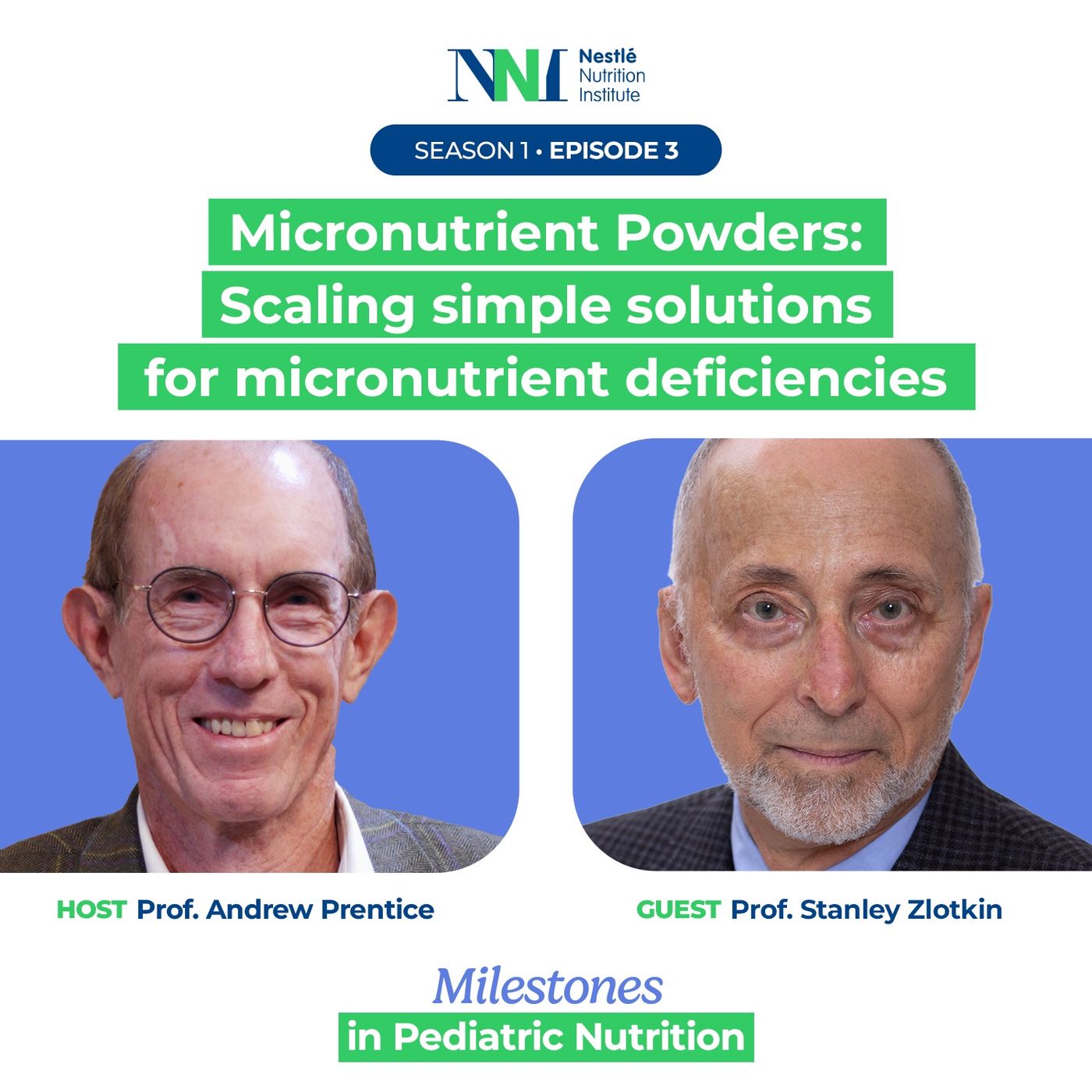 Milestones in Pediatric Nutrition - Micronutrient Powders: Scaling simple solutions for micronutrient deficiencies - Episode 3 | In this episode of Milestones in Pediatric Nutrition, Professor Andrew Prentice speaks with Professor Stanley Zlotkin from the University of Toronto about the development and global impact of sprinkles and multiple micronutrient powders (MNPs). Professor Zlotkin describes how his formative experience in Nigeria inspired his commitment to addressing childhood malnutrition. Recognizing poor compliance with traditional iron drops, Professor Zlotkin developed microencapsulated ferrous fumarate that could be sprinkled onto home-prepared complementary foods without affecting taste, color, or texture. The first efficacy trial in Ghana demonstrated effectiveness comparable to iron drops, supporting subsequent expansion to a formulation containing 17 essential vitamins and minerals. The intervention’s low cost, strong cost-effectiveness, and ease of use enabled large-scale implementation, with UNICEF now procuring millions of doses annually for use across low- and middle-income countries. Endorsed by WHO and included in the WHO Model List of Essential Medicines for Children, MNPs are now recognized as a key intervention for the prevention of childhood micronutrient deficiencies.For Healthcare Professionals OnlyNestlé Nutrition Institute | 30m 27s | ||||||
Showing 25 of 71
Sponsor Intelligence
Sign in to see which brands sponsor this podcast, their ad offers, and promo codes.
Chart Positions
9 placements across 9 markets.
Chart Positions
9 placements across 9 markets.