

NYU Langone Insights on Psychiatry
by NYU Langone Health Department of Psychiatry
Is this your podcast?Insights from recent episode analysis
Audience Interest
Podcast Focus
Publishing Consistency
Platform Reach
Insights are generated by CastFox AI using publicly available data, episode content, and proprietary models.
Total monthly reach
Estimated from 10 chart positions in 10 markets.
By chart position
- 🇺🇸US · Life Sciences#8430K to 100K
- 🇬🇧GB · Life Sciences#1295K to 30K
- 🇮🇳IN · Life Sciences#1011K to 10K
- 🇮🇪IE · Life Sciences#1830K to 100K
- 🇦🇪AE · Life Sciences#2610K to 30K
- Per-Episode Audience
Est. listeners per new episode within ~30 days
41K to 146K🎙 Weekly cadence·42 episodes·Last published 4mo ago - Monthly Reach
Unique listeners across all episodes (30 days)
81K to 292K🇺🇸34%🇮🇪34%🇬🇧10%+7 more - Active Followers
Loyal subscribers who consistently listen
24K to 88K
Market Insights
Platform Distribution
Reach across major podcast platforms, updated hourly
Total Followers
—
Total Plays
—
Total Reviews
—
* Data sourced directly from platform APIs and aggregated hourly across all major podcast directories.
On the show
Recent episodes
Closing the Revolving Door of Severe Mental Illness
Feb 16, 2026
23m 41s
Diagnosing Autoimmune Psychosis
Feb 9, 2026
11m 41s
The Neuropsychiatry of Complex Brain Injury Care
Feb 2, 2026
18m 11s
Psychedelics for Treatment-Resistant Disorders
Jan 26, 2026
16m 28s
Treating ADHD in Patients With Bipolar Disorder and Substance Use
Jan 19, 2026
21m 04s
Social Links & Contact
Official channels & resources
Official Website
Login
RSS Feed
Login
| Date | Episode | Description | Length | ||||||
|---|---|---|---|---|---|---|---|---|---|
| 2/16/26 |  Closing the Revolving Door of Severe Mental Illness | Bipin Subedi, MD, explores how health systems can better care for patients with severe mental illness who cycle between hospitals, homelessness, addiction, and the justice system. He argues that acute inpatient treatment, while essential, is rarely sufficient on its own. Preventing the revolving door of repeated hospitalizations requires psychiatry to extend beyond hospital walls and build integrated systems that follow patients into the community. Drawing on his leadership at NYU Bellevue an... | 23m 41s | ||||||
| 2/9/26 |  Diagnosing Autoimmune Psychosis | Katlyn Nemani, MD, explores how autoimmune and inflammatory brain disorders can present as first-episode psychosis—and why some patients diagnosed with schizophrenia may actually have a treatable immune-mediated illness. She explains the clinical features that should prompt suspicion for autoimmune psychosis, including subacute onset, subtle neurologic signs, and poor response to antipsychotics, even when standard imaging and antibody tests are unrevealing. Dr. Nemani also discusses the limit... | 11m 41s | ||||||
| 2/2/26 |  The Neuropsychiatry of Complex Brain Injury Care | Lindsey Gurin, MD, discusses how clinicians can approach patients whose symptoms fall at the intersection of psychiatry and neurology. Drawing on her work with traumatic brain injury, PTSD, and persistent post-concussive symptoms, she explains why attempts to separate psychological trauma from neurological injury often obscure what patients actually need. The conversation explores identity disruption after brain injury, the unintended effects of rigid recovery timelines, and the importance of... | 18m 11s | ||||||
| 1/26/26 |  Psychedelics for Treatment-Resistant Disorders | Michael Bogenschutz, MD, explains how psychedelic-assisted treatments may offer new options for patients with severe, treatment-refractory psychiatric conditions. He discusses why standard approaches often fall short for complex cases, how psychedelics like psilocybin and MDMA differ from conventional medications, and what careful screening and clinical structure make these treatments safe and effective. Drawing on randomized clinical trials and years of clinical experience, Dr. Bogenschutz d... | 16m 28s | ||||||
| 1/19/26 | 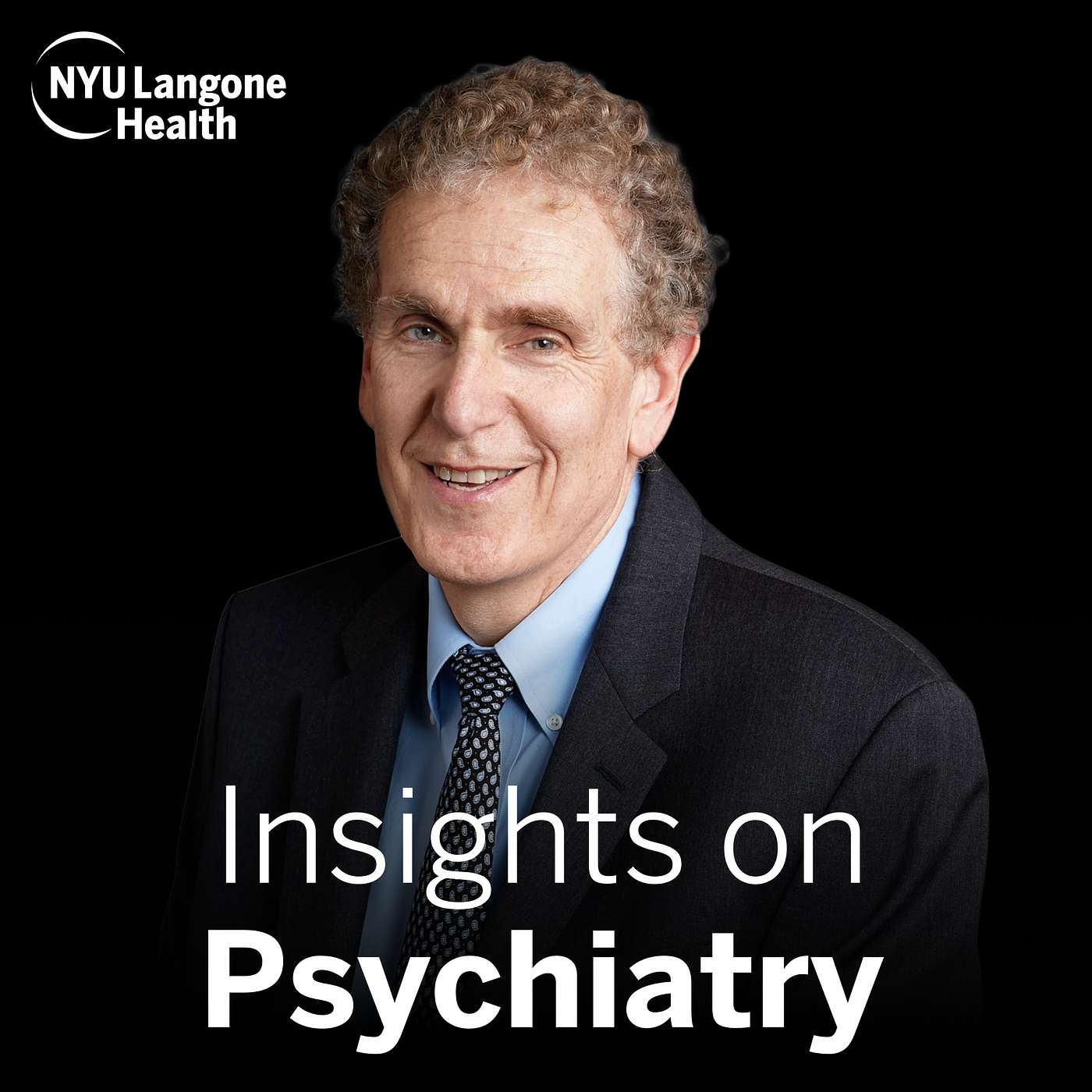 Treating ADHD in Patients With Bipolar Disorder and Substance Use | Lenard Adler, MD, explains how clinicians can safely and effectively treat ADHD when bipolar disorder and addiction are also in the picture. He addresses how to distinguish chronic ADHD symptoms from episodic mood disorders, why bipolar disorder is often missed in adults referred for depression or attention problems, and how substance use complicates both diagnosis and medication selection. Dr. Adler also shares guidance on identifying red flags for diversion or misuse, setting appropriate ex... | 21m 04s | ||||||
| 1/12/26 | 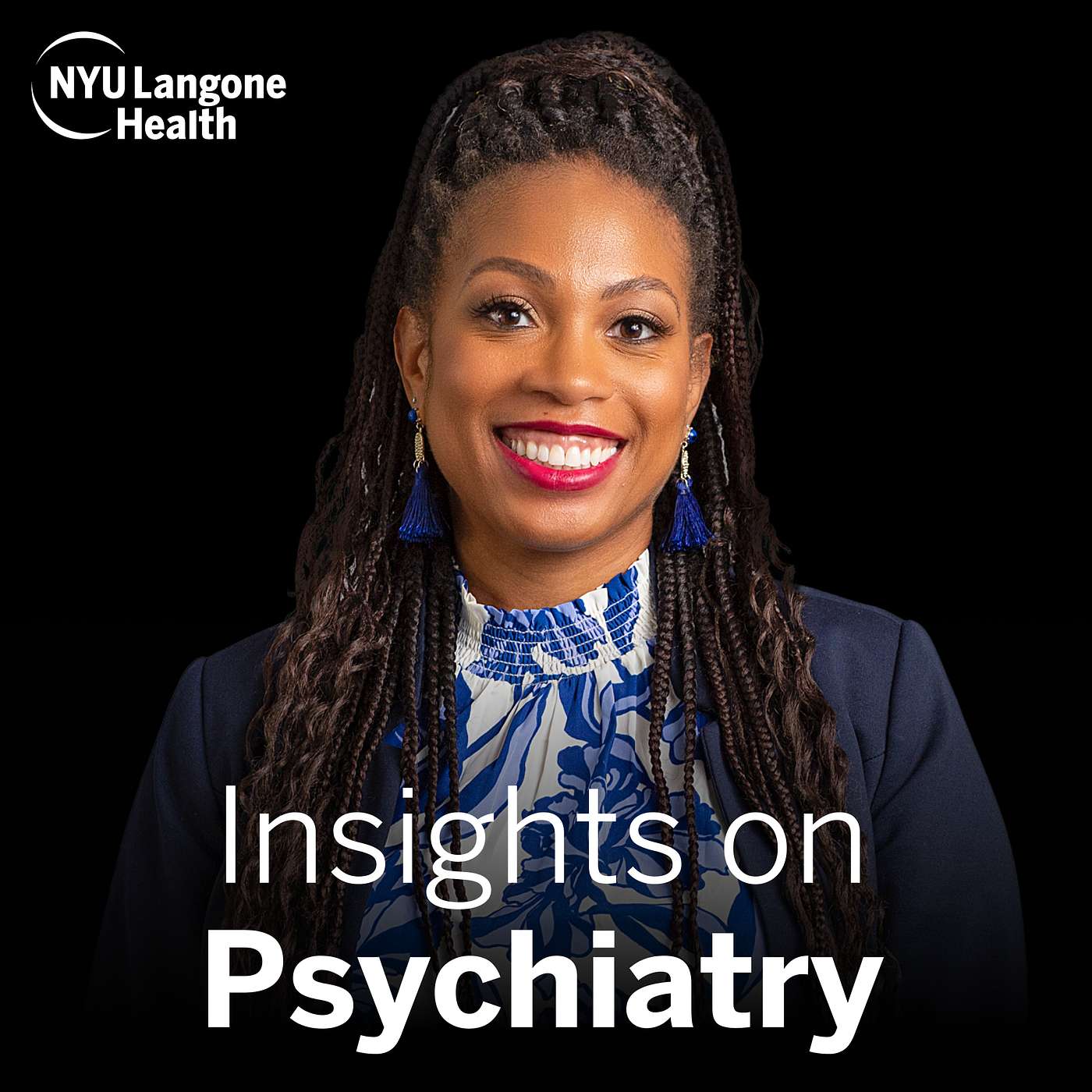 Delivering Addiction Care Outside Traditional Settings | Ayana Jordan, MD, PhD, discusses how precision psychiatry must expand beyond biology to address the social, cultural, and structural realities shaping addiction and mental health care for historically underrepresented patients. The conversation explores how trauma, poverty, housing instability, health literacy, and stigma interact with substance use and serious mental illness—and why traditional clinic-based models often fail to meet patients where they are. Dr. Jordan describes the work of t... | 17m 06s | ||||||
| 1/2/26 | 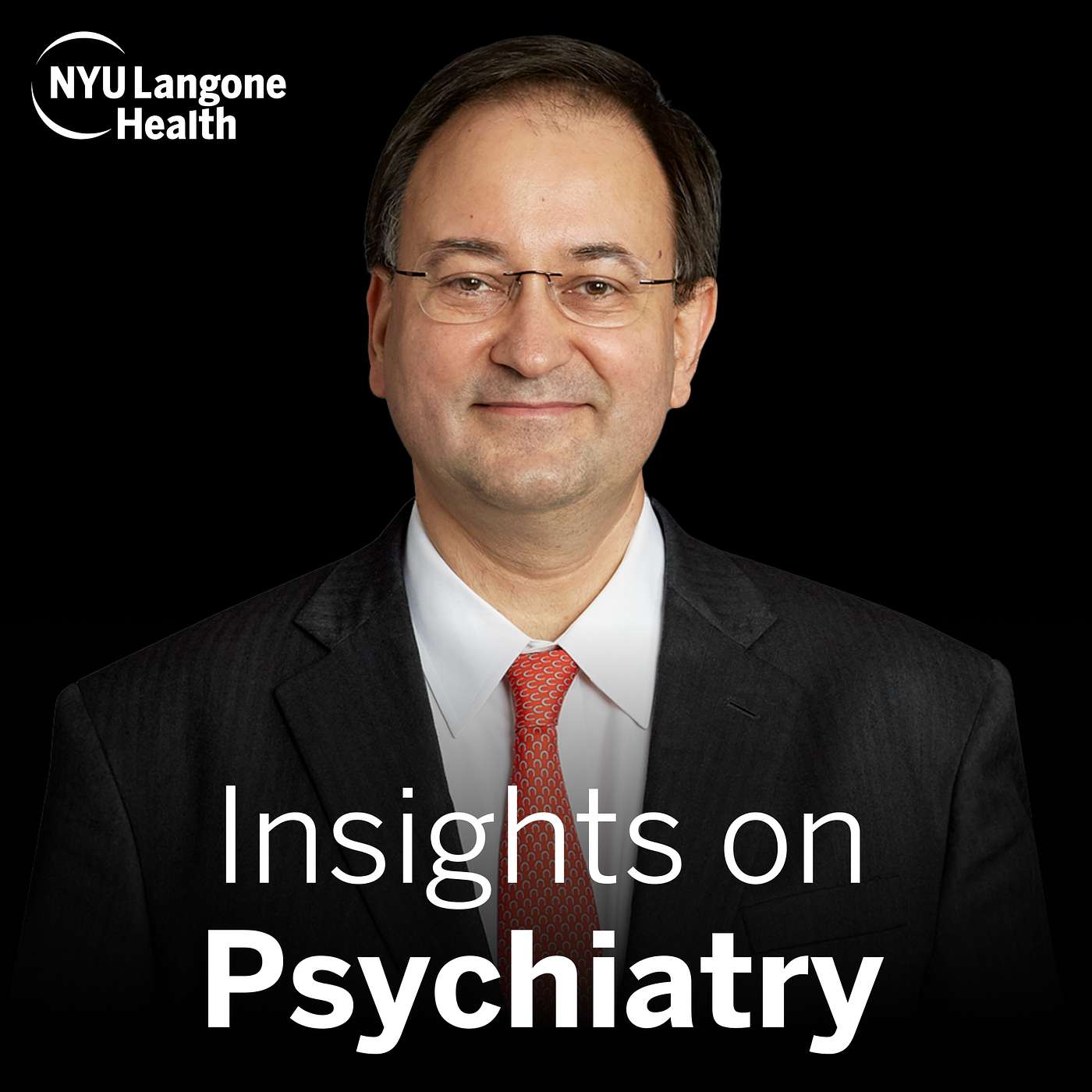 Bipolar Depression and Mixed Episodes: Rethinking Treatment Goals | Dan Iosifescu, MD, discusses why bipolar depression and mixed episodes remain among the most difficult—and highest-risk—conditions in psychiatry. Even when mood symptoms improve, many patients continue to experience significant cognitive and functional impairment. Dr. Iosifescu argues that standard approaches often fall short because symptom suppression is mistaken for recovery, short-term improvement is confused with durable treatment, and mixed episodes expose the limits of one-size-fits-al... | 23m 20s | ||||||
| 12/26/25 | 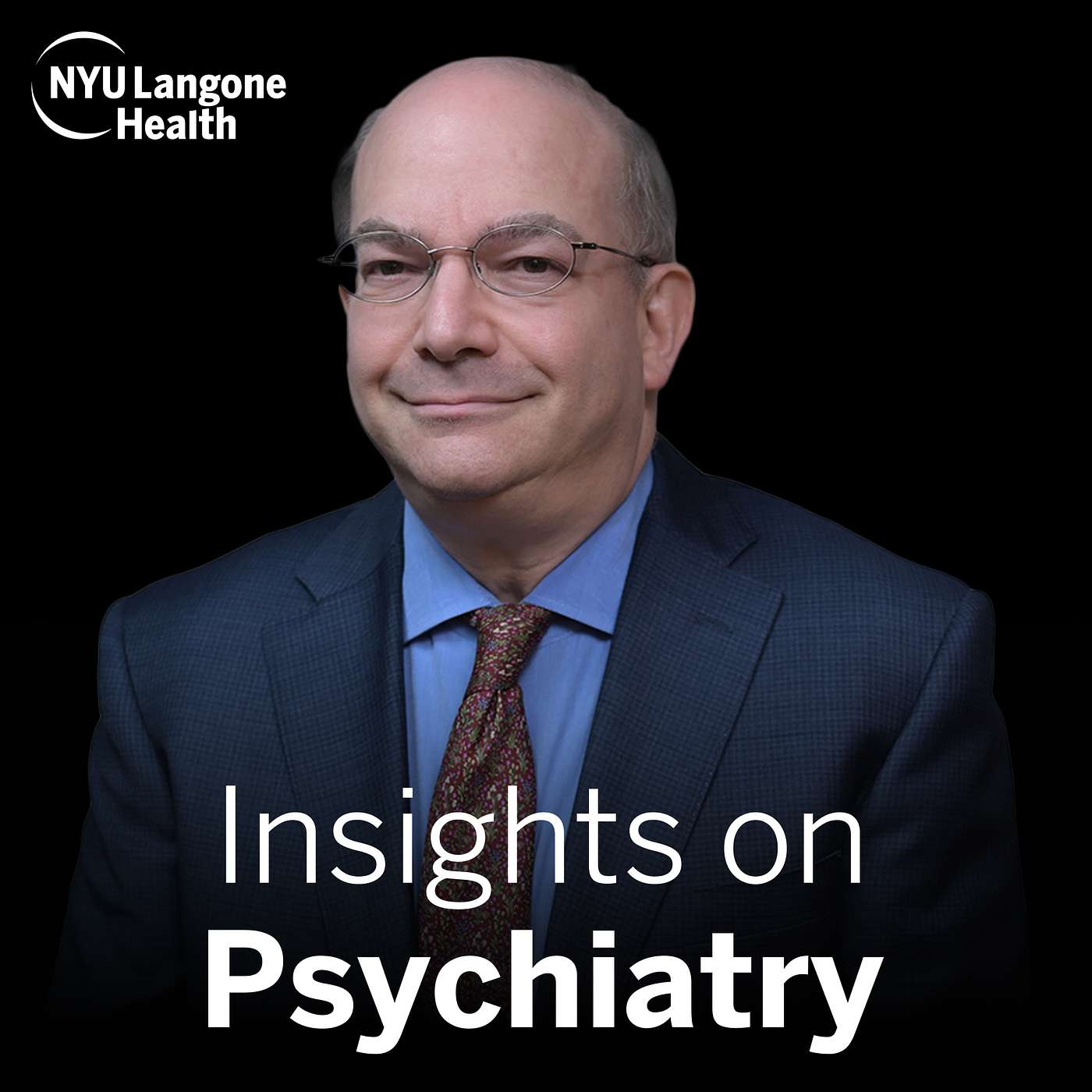 Interventional Approaches to Treatment-Resistant Mood Disorders | Joshua Berman, MD, PhD, discusses how careful evaluation, patient priorities, and risk-benefit tradeoffs guide the use of interventional treatments when conventional approaches fall short. Dr. Berman also explains how tools such as ketamine, TMS, ECT, and neurofeedback can be used strategically—sometimes in sequence or combination—to address different vulnerabilities within mood-related brain circuits. Dr. Berman is Associate Professor of Psychiatry and Director of Interventional Psychiatry a... | 19m 11s | ||||||
| 12/19/25 |  The State of Precision Psychiatry | To kick off Season 4, Charles Marmar, MD, explains how precision psychiatry is reshaping the way clinicians and researchers think about diagnosis, treatment selection, and the underlying biology of psychiatric disorders. This conversation is a overview of where the field stands today—including emerging molecular markers, biologically informed subtypes, and new translational approaches inspired by oncology and other precision-based specialties. Dr. Marmar is Chair of Psychiatry at NYU Grossman... | 12m 56s | ||||||
| 5/21/25 |  The Next Big Breakthrough | What if mental health care worked more like cancer treatment—tailored to the individual, informed by biology, and driven by data? Charles Marmar, MD, Chair of Psychiatry at NYU Grossman School of Medicine, takes us through the latest advances in precision psychiatry. From brain imaging to digital phenotyping, Dr. Marmar outlines the tools shaping a future where treatment is fully customized. He also shares stories from the front lines: a patient whose depression was treated with the help of a... | 43m 30s | ||||||
Want analysis for the episodes below?Free for Pro Submit a request, we'll have your selected episodes analyzed within an hour. Free, at no cost to you, for Pro users. | |||||||||
| 5/14/25 |  The Schizophrenia Puzzle is Solvable | There’s a care model for schizophrenia that actually works—why isn’t it everywhere? On this episode, W. Gordon Frankle, MD, MBA, Vice Chair of Psychiatry at NYU Langone Health, shares how his team in Brooklyn is building a new model for treating serious mental illness—one rooted in long-term, relationship-driven, team-based care. From wraparound services to precision psychiatry, this conversation explores what happens when you bring humanity, structure, and innovation to a population too ofte... | 38m 51s | ||||||
| 5/7/25 |  How Psychedelics Rewire the Brain | How could a single psychedelic treatment cause lasting change? Joshua Siegel, MD, PhD, is on a mission to find out. A leading expert on neuroimaging and neuropsychopharmacology at NYU Langone’s Center for Psychedelic Medicine, Dr. Siegel unpacks how psilocybin may spark neuroplasticity and reshape the depressed brain. He also gives us an inside look at the race to develop non-hallucinogenic psychedelic analogs. Dr. Siegel is an assistant professor at NYU Grossman School of Medicine. 🔍 T... | 32m 11s | ||||||
| 4/30/25 |  Can AI Help Prevent PTSD? | What if a simple conversation in the emergency room could reveal who’s most at risk for PTSD before symptoms even begin? Katharina Schultebraucks, PhD, shares her innovative work on using machine learning to forecast mental health outcomes and explains how AI could revolutionize how we detect, prevent, and treat psychiatric disorders. Dr. Schultebraucks is Co-Director of the Computational Psychiatry Program and Associate Professor in the Department of Psychiatry and Population Health at NYU G... | 30m 06s | ||||||
| 4/23/25 |  ADHD at School: What Actually Helps | How do you help a child with ADHD stay organized, on task, and confident in school? Richard Gallagher, PhD, a child and adolescent psychologist at NYU Langone Health, shares groundbreaking research on organizational skills training for children with ADHD—a behavioral treatment that’s changing lives and improving classroom performance. This episode dives into how executive functioning challenges manifest in real life, the strengths (and limits) of technology, and the power of parent training a... | 29m 46s | ||||||
| 4/16/25 |  The Hidden Adult ADHD Crisis | ADHD isn’t just a childhood condition—many adults go undiagnosed for years. Lenard Adler, MD, Director of the Adult ADHD Program at NYU Langone Health, breaks down the nuances of ADHD in adults, the challenges of proper diagnosis, and the latest treatments available. Learn about his research, the screening tools his team has developed, and what’s on the horizon for adult ADHD care. 🔍 Topics Covered: 00:00 Introduction 00:44 Dr. Adler’s Current Research Focus 01:47 Importance of Proper Assessm... | 35m 33s | ||||||
| 4/9/25 |  How to Make Addiction Care Routine | Despite affecting more Americans than diabetes, substance use is often left out of routine medical care. In this episode, NYU Langone Health’s Jennifer McNeely, MD—a clinician investigator, primary care and addiction medicine physician—explains why that must change. From the surprising history behind addiction’s exclusion from mainstream medicine to the innovative screening tools shaping the future of care, this conversation is a must-listen for anyone interested in addiction care and healthc... | 29m 10s | ||||||
| 4/2/25 |  The Key to Effective Addiction Care | What makes addiction treatment truly effective? Behavioral scientist Charles Neighbors, MBA, PhD, shares groundbreaking research on the importance of therapeutic relationships, harm reduction, and human connection—love!—in treating substance use disorders. Dr. Neighbors is an Associate Professor in the Departments of Population Health, and Psychiatry at NYU Grossman School of Medicine. 💡 Topics Covered 00:00 Introduction to Dr. Charles Neighbors 01:37 The biggest challenges in addiction treat... | 34m 02s | ||||||
| 4/16/24 | Pediatric ADHD: Precision Strategies (with Samuele Cortese, MD, PhD) | For the final episode of Season 2, we're joined by Dr. Samuele Cortese, Professor of Child and Adolescent Psychiatry at the University of Southampton (UK) and Adjunct Full Professor at NYU Langone. Together we explore the intersection of pediatric ADHD and precision psychiatry, including the disorder’s genetic underpinnings and evolving treatment options. 00:00 Introduction 00:54 Dr. Cortese's Research Journey 02:11 Global Perspectives and Challenges in ADHD Treatment 03:51 Advances in ADHD ... | 40m 06s | ||||||
| 4/9/24 | Pediatric ADHD: A Lifespan Approach (with Timothy Wilens, MD) | Dr. Timothy Wilens is a Professor of Psychiatry at Harvard Medical School and Chief of the Division of Child and Adolescent Psychiatry at Massachusetts General Hospital. His research interest include the relationship between ADHD, bipolar disorder, and substance use disorders; ADHD pharmacotherapy; and stimulant medication misuse. On this episode, Dr. Wilens discusses the importance of early diagnosis and intervention in ADHD, as well as its lifelong implications. He takes us through the evo... | 43m 37s | ||||||
| 4/2/24 | Schizophrenia (with Ira Glick, MD) | Dr. Ira Glick is Professor Emeritus of Psychiatry and Behavioral Sciences at Stanford University Medical Center, where he has served as director of the Schizophrenia Research Clinic. On this episode, he discusses his research journey, which began in the 1960s and followed a shift from psychoanalysis to biological psychiatry. He addresses the broken social safety net for schizophrenia patients, including the controversial topic of treating some patients against their will, as well as the chall... | 36m 02s | ||||||
| 3/26/24 | Mental Health Equity (with Christin Drake, MD) | Dr. Christin Drake is Clinical Associate Professor and Vice Chair of Diversity and Equity in the Department of Psychiatry at NYU Grossman School of Medicine. On this episode, Dr. Drake discusses ongoing efforts to improve mental health equity, including by improving psychiatric services for underserved groups, gathering better data, and boosting diversity among health care providers. She also discusses the importance of integrating mental health care into perinatal services and challenges the... | 40m 47s | ||||||
| 3/19/24 | Ketamine (with John Krystal, MD) | Dr. John Krystal is Chair of Psychiatry at the Yale School of Medicine. He is best known for leading the discovery of the rapid antidepressant effects of ketamine, which paved the way for the first major new antidepressant drug in decades. Here, Dr. Krystal talks about what we’ve learned in the five years since esketamine nasal spray was approved by the FDA, including efforts to predict treatment response, dosage and frequency, safety, and long-term impact. He also discusses advances in our u... | 42m 48s | ||||||
| 3/12/24 | Struggling Kids & Teens (with Robert Findling, MD) | Dr. Robert Findling is Chair of the Department of Psychiatry at the Virginia Commonwealth University School of Medicine. Here he discusses recent advances in pediatric mental health, including his own research on aggression and schizophrenia in young people. Dr. Findling also shares his thoughts on the crisis of teen suicide, the lingering impact of COVID-19 on children’s mental health, and the need for early and collaborative interventions. 00:00 Introduction 00:46 Clinical and Research Jou... | 45m 53s | ||||||
| 3/5/24 | Frontiers of Psychopharmacology (with Charles Nemeroff, MD, PhD) | Dr. Charles Nemeroff is Chair of the Department of Psychiatry and Behavioral Sciences at the University of Texas-Austin's Dell Medical School. He is also co-director of the Center for Psychedelic Research and Therapy, and director of the Institute for Early Life Adversity Research. His research is focused on the pathophysiology of mood and anxiety disorders with a focus on the role of child abuse and neglect as a major risk factor. 00:00 Introduction 00:52 Dr. Nemeroff's Research Journey 01:... | 49m 54s | ||||||
| 2/27/24 | Empathy Training (with Helen Riess, MD) | Dr. Helen Riess is Associate Clinical Professor of Psychiatry at Harvard Medical School and Director of Empathy Research and Training in the Psychotherapy Research Group at Massachusetts General Hospital. She is also Founder and Chief Executive Officer at Empathetics, a company that provides science-based empathy and interpersonal skills training for healthcare professionals. Her research focuses on improving empathy and relational skills in physicians. 00:00 Introduction 01:14 Defining Empa... | 45m 29s | ||||||
Showing 25 of 42
Pitch Fit is a Pro feature
See how bookable this show is for guests, which brands already advertise, the per-episode ad value, and the best-fit guest and sponsor profile. The numbers are blurred on the free plan.
How readily this show books outside guests like you.
How proven this show is for host-read sponsorships.
For Guests
ProFor Advertisers
ProUpgrade to Pro to unlock guest cadence, sponsor categories, fit scores, and per-episode ad value for this show.
Chart Positions
12 placements across 10 markets.
Chart Positions
12 placements across 10 markets.