Insights from recent episode analysis
Audience Interest
Podcast Focus
Publishing Consistency
Platform Reach
Insights are generated by CastFox AI using publicly available data, episode content, and proprietary models.
Most discussed topics
Brands & references
Total monthly reach
Estimated from 25 chart positions in 25 markets.
By chart position
- 🇺🇸US · Education for Kids#1045K to 30K
- 🇬🇧GB · Education for Kids#1255K to 30K
- 🇦🇺AU · Education for Kids#1335K to 30K
- 🇲🇽MX · Education for Kids#4300K to 800K
- 🇳🇱NL · Education for Kids#6910K to 30K
- Per-Episode Audience
Est. listeners per new episode within ~30 days
247K to 735K🎙 ~2x weekly·14 episodes·Last published today - Monthly Reach
Unique listeners across all episodes (30 days)
495K to 1.5M🇲🇽54%🇨🇴20%🇺🇸2%+22 more - Active Followers
Loyal subscribers who consistently listen
198K to 588K
Market Insights
Platform Distribution
Reach across major podcast platforms, updated hourly
Total Followers
—
Total Plays
—
Total Reviews
—
* Data sourced directly from platform APIs and aggregated hourly across all major podcast directories.
On the show
From 14 epsHosts
Recent guests
Recent episodes
The tortoise that saved the rabbit!
Jun 24, 2026
Unknown duration
Get ready for Wild Critters USA!
Jun 24, 2026
Unknown duration
How does AC lower the temperature?
Jun 16, 2026
Unknown duration
What's in the eye of a hurricane?
Jun 3, 2026
24m 08s
Magma, volcanoes, and fossils! The incredible rock cycle
May 27, 2026
26m 31s
Social Links & Contact
Official channels & resources
Official Website
Login
RSS Feed
Login
| Date | Episode | Topics | Guests | Brands | Places | Keywords | Sponsor | Length | |
|---|---|---|---|---|---|---|---|---|---|
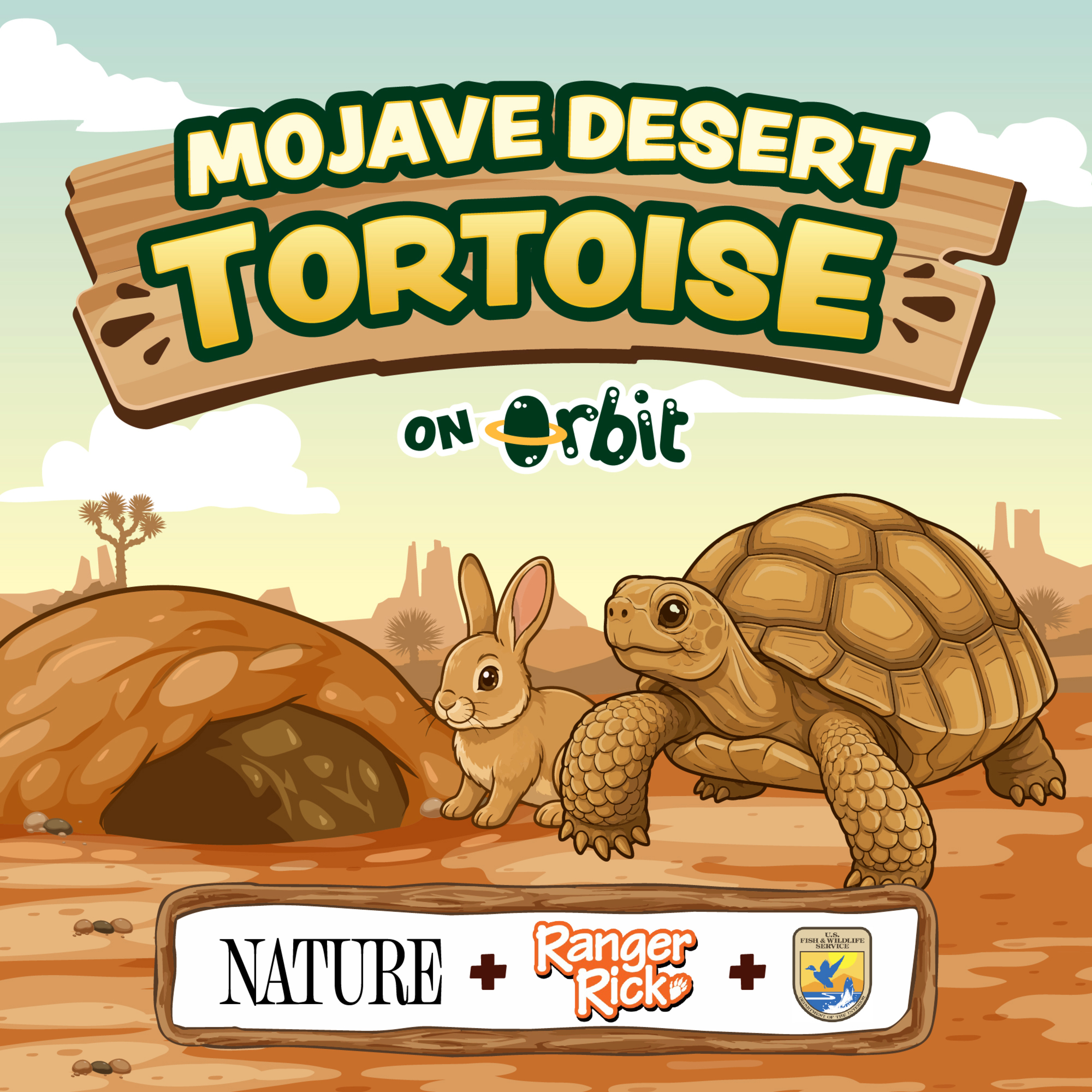
| 6/24/26 | ![]() The tortoise that saved the rabbit! | Did you know a single Mojave Desert tortoise burrow can become a shelter for rattlesnakes, owls, kangaroo rats, and many other desert animals? This week, we explore the Mojave Desert with wildlife biologist Brianna Fogel from the U.S. Fish and Wildlife Service. Learn how desert tortoises survive in one of North America's harshest environments, why they spend so much time underground, and why scientists call them a keystone species that helps support an entire desert community.➡️ Part of the Wild Critters USA series, created with PBS Nature and the National Wildlife Federation➡️ Learn more about desert wildlife with Ranger Rick Magazine: https://rangerrick.org/➡️ Learn more about the U.S. Fish and Wildlife Service: https://www.fws.gov/➡️ Free Wild Critters USA coloring pages: https://www.cumbrekids.org/color-along💬 Submit your kids' questions! https://www.cumbrekids.org/questions 💛 Support this podcast by joining The Curious Club: https://www.cumbrekids.org/curious-club Orbit Family Conversation Starters! If you could design the perfect desert burrow, what would it be like and which animals would you invite to share it? Why do you think some animals can survive in places that seem too hot, too cold, or too dry for people? What would happen to the Mojave Desert ecosystem if desert tortoises disappeared? Continue learning as a family!Draw your own desert tortoise burrow and decide which animals might use it for shelter. Explore a map and find the Mojave Desert. How is it different from where you live? Look for other examples of keystone species and the important roles they play in ecosystems. 🎧 More podcasts by Cumbre Kids in English and Spanish: https://www.cumbrekids.org 👨👩👧👦 A message for parents about our values: https://www.cumbrekids.org/our-values | — | ||||||
| 6/24/26 | ![]() Get ready for Wild Critters USA! | Discover the wild side of America with Orbit’s brand-new Wild Critters USA series! Join us as wildlife experts from the National Park Service, U.S. Fish and Wildlife Service, and Smithsonian's National Zoo and Conservation Biology Institute answer real questions from curious kids about alligators, bald eagles, desert tortoises, bison, and more. Perfect for summer road trips, family adventures, and screen-free learning for kids ages 3–11.➡️ A special summer series celebrating America’s wildlife in partnership with PBS Nature and the National Wildlife Federation➡️ Explore more with National Wildlife Federation's Ranger Rick Magazine: https://rangerrick.org/➡️ Learn more about PBS Nature: https://www.pbs.org/wnet/nature/💬 Submit your kids' questions for upcoming episodes! www.cumbrekids.org/questions🎨 Free coloring pages for all episodes: https://www.cumbrekids.org/color🎧 More podcasts by Cumbre Kids in English and Spanish: https://www.cumbrekids.org👨👩👧👦 A message for parents about our values: https://www.cumbrekids.org/our-values | — | ||||||
| 6/16/26 | ![]() How does AC lower the temperature? | ❄️ Do air conditioners actually make cold air? How was air conditioning invented? And what does an HVAC technician do all day?In this episode, HVAC instructor John Vernon helps Orbiters discover the surprising science behind air conditioning. Learn how refrigerant carries heat, why compressors are so important, and how air conditioning changed homes, schools, hospitals, and cities around the world.This episode is part of our Cool Jobs series with Level Up Texas and Texas A&M University's Office for Youth Engagement.➡️Level-Up Texas: https://tx.ag/cooljobs ➡️ Skillpoint Alliance (https://skillpointalliance.org/), a nonprofit organization that helps adults prepare for skilled trades careers through hands-on training programs.💬 Submit your kids' questions! https://www.cumbrekids.org/questions🖍️ Coloring pages for each episode! https://www.cumbrekids.org/color-along💛 Support this podcast by joining The Curious Club: https://www.cumbrekids.org/curious-clubOrbit Family Conversation Starters!If you could invent something to make life more comfortable, what would it do?Would you enjoy a job where you solve puzzles and fix machines? Why or why not?Continue learning as a family!Find every vent, thermostat, fan, refrigerator, freezer, and cooling system in your home.Draw a picture showing how heat moves from inside a house to outside through an air conditioner.Watch a family-friendly video about how air conditioners work.🎧 More podcasts by Cumbre Kids in English and Spanish: https://www.cumbrekids.org👨👩👧👦 A message for parents about our values: https://www.cumbrekids.org/our-values | — | ||||||
| 6/3/26 | ![]() What's in the eye of a hurricane?✨ | hurricanesweather+3 | Steve LaVoie | National Weather ServiceCumbre Kids | — | hurricane formationCoriolis effect+3 | — | 24m 08s | |
| 5/27/26 | ![]() Magma, volcanoes, and fossils! The incredible rock cycle✨ | rock cyclevolcanoes+3 | KenjiDr. Lina Pérez-Angel | Brown University | — | magmavolcanoes+5 | Geological Society of America | 26m 31s | |
| 5/13/26 | ![]() Whoosh! How fast are flash floods?✨ | flash floodshydrology+3 | Nichole Cronce | National Weather ServiceNOAA+2 | — | flash floodhydrologist+5 | — | 27m 26s | |
| 4/28/26 | ![]() How ultrasound 'sees' inside the body (Cardiac sonographer)✨ | ultrasoundhuman heart+3 | Victoria Rivera | Texas Children’s Hospital | — | ultrasoundsonography+5 | — | 29m 15s | |
| 4/28/26 | ![]() How ultrasound 'sees' inside the body | This week, we dive beneath the surface - exploring the human heart not through sight, but through sound.Joined by Victoria Rivera, a cardiac sonographer at Texas Children’s Hospital, we uncover the fascinating world of sonography and echolocation. Discover how sound waves reveal the inner workings of the heart, and get an inside look at one of the most incredible careers in modern medicine.➡️ Level-Up Texas: More Info➡️ Texas Children's Hospital: https://www.texaschildrens.org💬 Submit your kids' questions! www.cumbrekids.org/questions💛 Support this podcast by joining The Curious Club: LINK🎙️ This episode is available in Spanish on our sister podcast, Cráneo: Ciencia para niños curiosos🎧 More podcasts by Cumbre Kids: Learn more👨👩👧👦 A message for parents about our values: LINK | — | ||||||
| 4/14/26 | ![]() Why is it hard to make good choices? (Behavioral Economist)✨ | decision makingbehavioral economics+3 | Dr. Marco Palma | Texas A&M Human Behavior LaboratoryLevelUp Texas+2 | — | decision makingbehavioral economics+3 | — | 28m 04s | |
| 4/14/26 | ![]() Why is it hard to make good choices? | If you *choose* to listen to this episode, you’ll learn all about the science of making decisions! 🧠✨ We’re joined by Dr. Marco Palma from the Texas A&M Human Behavior Laboratory, as we seek to understand how the brain makes decisions, why we sometimes make bad decisions, and the biology of how the body reacts when we’re faced with decisions! This episode is part of the “Cool Jobs for Curious Kids” series, exploring 8 STEM careers and the science behind their jobs! This series is a collaboration with LevelUp Texas, powered by Texas A&M University.➡️ Level-Up Texas: More Info➡️ Texas A&M Human Behavior Lab: https://hbl.tamu.edu/💬 Submit your kids' questions! www.cumbrekids.org/questionsEpisode activities🕒 10-10-10 decisions! When your family is thinking about a decision, talk about how this decision is going to make you feel in 10 minutes, in 10 days, and in 10 months!For example: “If I practice the piano today, I will probably feel pleased with myself in 10 minutes. In 10 days I might have learned something small and be happy about my progress. And in 10 months I might know several new songs!”🛒 Grocery Store Economics! Next time you go to a grocery store, talk as a family about where things are in the store. For example: Where is the milk in the store and why? What is at ‘kid’ eye level and what is at ‘adult’ eye level?💛 Support this podcast by joining The Curious Club: LINK🎙️ This episode is available in Spanish on our sister podcast, Cráneo: Ciencia para niños curiosos🎧 More podcasts by Cumbre Kids: Learn more👨👩👧👦 A message for parents about our values: LINK | — | ||||||
Want analysis for the episodes below?Free for Pro Submit a request, we'll have your selected episodes analyzed within an hour. Free, at no cost to you, for Pro users. | |||||||||
| 4/7/26 | ![]() Bees: The great pollinators! (Earth Day special)✨ | beespollination+3 | Dr. Laura Gonzalez Mozo | American Museum of Natural HistoryCumbre Kids | — | beespollinators+5 | National Environmental Education Foundation | 37m 36s | |
| 4/7/26 | ![]() Bees: The great pollinators! | 🐝 Earth Day activities for families: LINK Ever watched bees buzzing around and thought, what are they actually up to? 🐝🌼In this super exciting episode, we dive into the tiny (but mighty!) world of bees and discover how they help plants grow, flowers bloom, and even the food we eat! 🍓🌽We’re joined by the amazing Dr. Laura Gonzalez Mozo from the American Museum of Natural History, who answers your curious questions ! 🐝💬 Submit your kids' questions for episodes! www.cumbrekids.org/questions✨ A special thanks to the National Environmental Education Foundation (NEEF)! https://www.neefusa.org/🦖 American Museum of Natural History: https://www.amnh.org/💛 Support this podcast by joining The Curious Club: LINK🎙️ This episode is available in Spanish on our sister podcast, Cráneo: Ciencia para niños curiosos🎧 More podcasts by Cumbre Kids: Learn more👨👩👧👦 A message for parents about our values: LINK | — | ||||||
| 3/31/26 | ![]() How do satellites stay in orbit? (Aerospace engineers)✨ | satellitesaerospace engineering+3 | Joelle Romeu | Boeing CompanyLevelUp Texas+3 | — | satellitesorbit+5 | — | 32m 22s | |
| 3/31/26 | ![]() How do satellites stay in orbit? | This week, we orbiters learn about orbiting! 🚀 This episode dives into the science and technology of machines in outer space, zooming around the Earth! Alongside Joelle Romeu, an aerospace engineer with Boeing Company, we learn what satellites are, how they impact our life on Earth, and about the incredible job of Aerospace Engineers! 🌍This episode is part of the “Cool Jobs for Curious Kids” series, featuring STEM professionals responding to kids’ questions— a collaboration with LevelUp Texas, powered by Texas A&M University.➡️ Level-Up Texas: More Info➡️ Society for Hispanic Professional Engineers: https://shpe.org/💬 Submit your kids' questions for episodes! www.cumbrekids.org/questions💛 Support this podcast by joining The Curious Club: LINK🎧 More podcasts by Cumbre Kids: Learn more🎙️ This episode is available in Spanish on our sister podcast, Cráneo: Ciencia para niños curiosos👨👩👧👦 A message for parents about our values: LINK | — | ||||||
| 3/17/26 | ![]() How zoos care for animals! (zoologist)✨ | zoosanimal care+4 | Andreau Papadakis | San Antonio ZooLevelUp Texas+2 | San Antonio, Texas | zoosanimal care+5 | — | 26m 08s | |
| 3/17/26 | ![]() How zoos care for animals! | Hey there, Orbiters! This week we're visiting the incredible San Antonio Zoo in San Antonio, Texas 🦁🐒 to understand the inner workings of zoos! We're joined by Andreau Papadakis to learn why zoos exist, the role they play in protecting species through breeding and rehabilitation programs 🐢🌿, and the different jobs and education paths 🎓 that could lead curious Orbiters to work at a zoo someday!This episode is part of the “Cool Jobs for Curious Kids” series, featuring STEM professionals responding to kids’ questions— a collaboration between LevelUp Texas and Cumbre Kids, powered by Texas A&M University.➡️ Level-Up Texas: More Info➡️ San Antonio Zoo: https://sazoo.org🐾💬 Submit your kids' questions for episodes! www.cumbrekids.org/questions💛 Support this podcast by joining The Curious Club: LINK🎧 More podcasts by Cumbre Kids: Learn more🎙️ This episode is available in Spanish on our sister podcast, Cráneo: Ciencia para niños curiosos👨👩👧👦 A message for parents about our values: LINK | — | ||||||
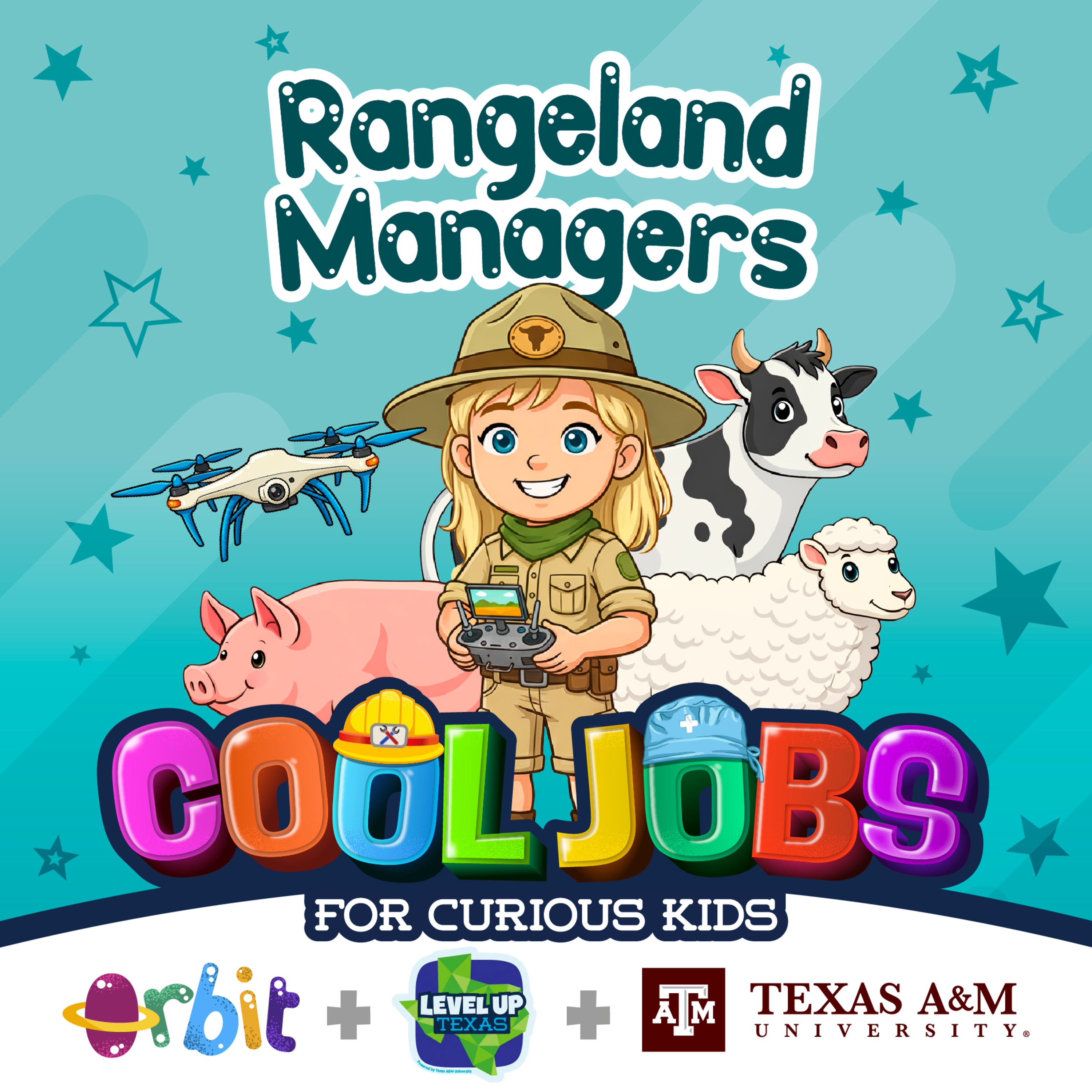
| 3/3/26 | ![]() Drones and the future of rangelands (Rangeland Managers)✨ | dronesrangeland management+3 | Dr. Humberto Perotto | Texas A&M Department of Rangeland, Wildlife and Fisheries ManagementLevelUp Texas+2 | — | dronesrangelands+5 | — | 27m 41s | |
| 3/3/26 | ![]() Drones and the future of rangelands | Ever wonder how drones can help scientists take care of wide open spaces? 🚁🌾 What do they look for from the sky—and how does that help wildlife on the ground? 🦌This week on Orbit, we’re joined by Dr. Humberto Perotto from the Texas A&M Department of Rangeland, Wildlife and Fisheries Management! He answers kids’ questions about how drones are used to monitor plant health, track animals, map changes across rangelands, and support conservation.We also explore what “rangeland management” really means, why these ecosystems are so important, and what it’s like to work in a STEM career that combines technology, nature, and problem-solving.This episode is part of the “Cool Jobs for Curious Kids” series, featuring STEM professionals responding to kids’ questions— a collaboration between LevelUp Texas and Cumbre Kids, powered by Texas A&M University.➡️ Level-Up Texas: More Info➡️ Expert guest: Dr. Humberto Perotto💬 Submit your kids' questions for episodes! www.cumbrekids.org/questions💛 Support this podcast by joining The Curious Club: LINK🎧 More podcasts by Cumbre Kids: Learn more🎙️ This episode is available in Spanish on our sister podcast, Cráneo: Ciencia para niños curiosos👨👩👧👦 A message for parents about our values: LINK | — | ||||||
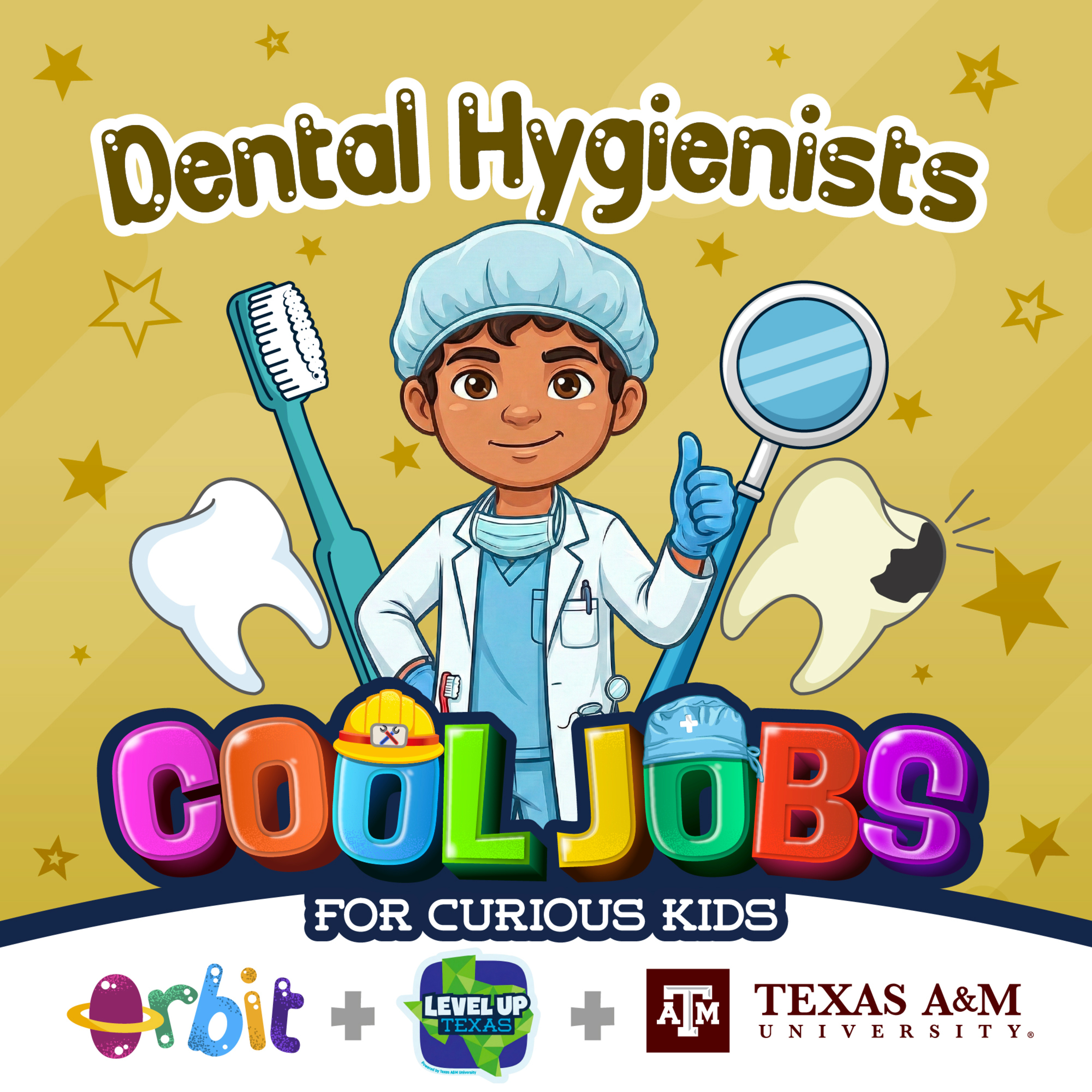
| 2/17/26 | ![]() What’s a cavity? (Dental Hygienists)✨ | cavitiesdental hygiene+4 | Prof. Ariana Vargas | Texas A&M College of DentistryLevelUp Texas+2 | — | cavitiesdental hygienists+5 | — | 23m 53s | |
| 2/17/26 | ![]() What’s a cavity? | Ever wonder what cavities are or how they form? 🦷 Or maybe why we have baby teeth? Or if the tooth fairy travels to different countries?This week we're joined by Prof. Ariana Vargas from the Texas A&M College of Dentistry! We explore the science of teeth, and amazing jobs like dental hygienists, dentists and dental assistants!This episode is part of the "Cool Jobs for Curious Kids" series, in collaboration with LevelUp Texas, powered by Texas A&M University.➡️ Level-Up Texas: More Info➡️ Expert guest: Prof. Ariana Vargas💬 Submit your kids' questions for episodes! www.cumbrekids.org/questions💛 Support this podcast by joining The Curious Club: LINK🎧 More podcasts by Cumbre Kids: Learn more🎙️ This episode is available in Spanish on our sister podcast, Cráneo: Ciencia para niños curiosos👨👩👧👦 A message for parents about our values: LINK | — | ||||||
| 2/3/26 | ![]() The building blocks of the universe!✨ | atomsbuilding blocks of the universe+3 | Dr. Fernanda Sulantay-Vargas | Society for Hispanic Professional EngineersInspiraSTEM+1 | — | atomsuniverse+5 | — | 23m 31s | |
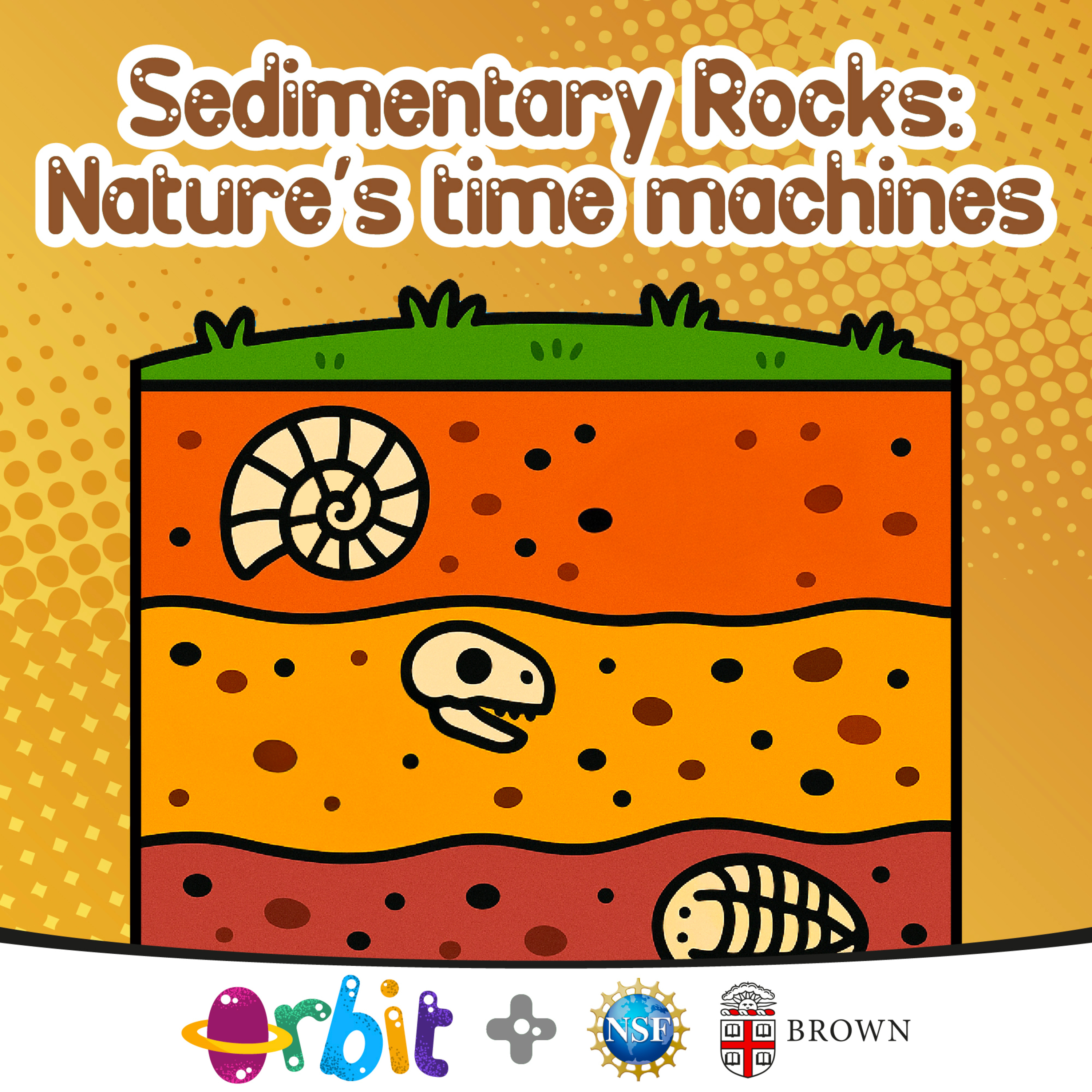
| 1/13/26 | ![]() Sedimentary Rocks: Nature's time machines!✨ | sedimentary rocksgeoscience+3 | Dr. Lina Perez-Angel | Brown University | — | sedimentary rocksgeoscience+3 | — | 31m 08s | |
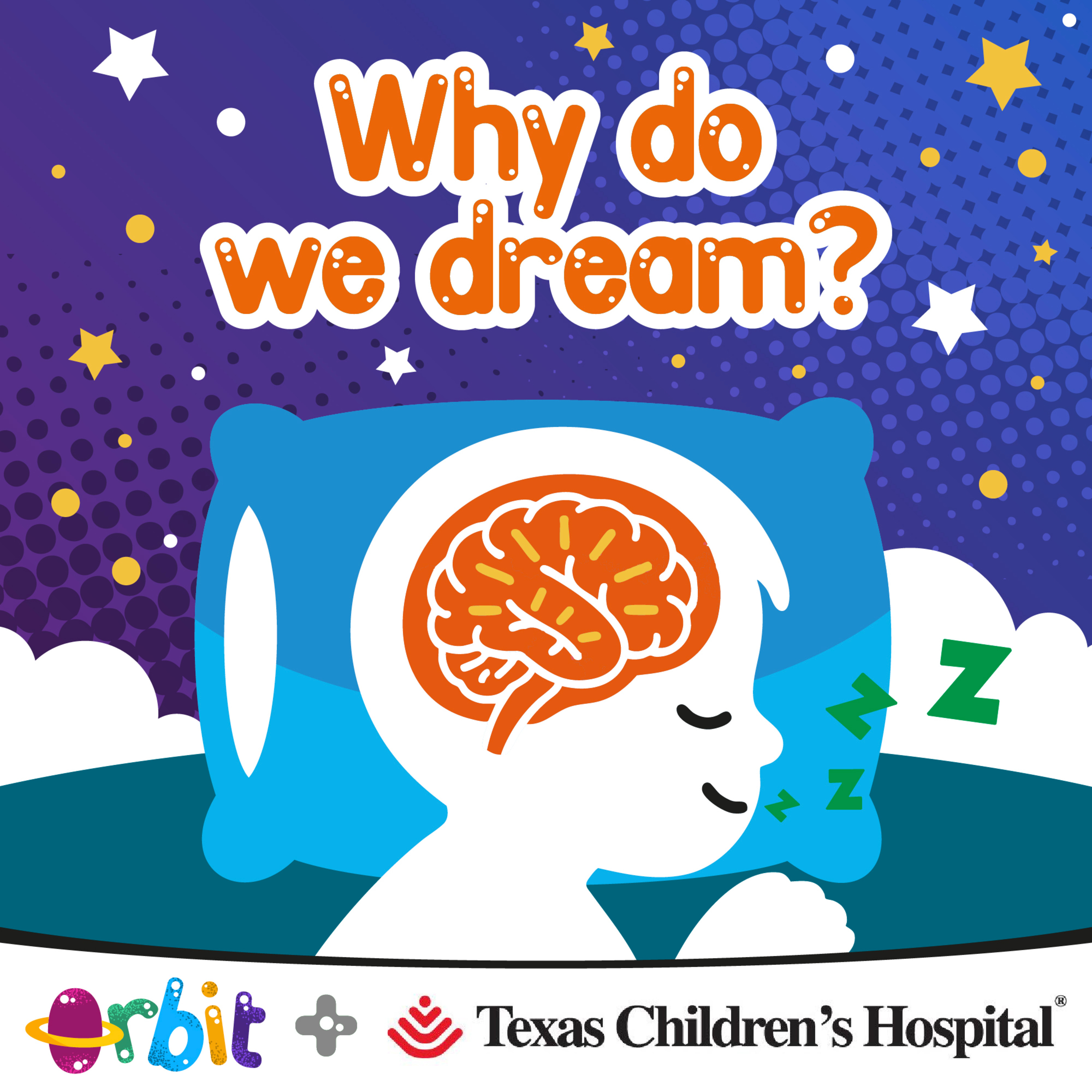
| 12/9/25 | ![]() Why do we dream?✨ | sleepdreams+4 | Dr. Daniel Davila-Williams | Texas Children's HospitalCumbre Kids | — | sleepdreams+5 | — | 31m 53s | |
| 11/18/25 | ![]() Mammal teeth: Elephants, whales, humans and more!✨ | mammalsteeth+3 | Dr. Silvia Pineda-Munoz | Climate Ages | — | mammal teethelephants+5 | — | 31m 22s | |
| 10/28/25 | ![]() The Secret Life of Plants | 🌱 Plants are all around us! They are green science in action! We're joined in this episode by Charlie from the Fairchild Tropical Botanic Garden in Miami, Florida, USA! 🌴🌿 Listen with your little ones and learn all about the parts of plants, photosynthesis, life, and much more!--🎙️ This episode is also available in Spanish on our sister podcast, Cráneo: Ciencia para niños curiosos.💬 Submit questions for episodes! Just fill out this short form: LINK💛 Support this podcast by joining The Curious Club: LINK🎧 More podcasts by Cumbre Kids: LINKA message for parents from our executive producer about our values here: LINK | — | ||||||
Showing 25 of 21
Sponsor Intelligence
Sign in to see which brands sponsor this podcast, their ad offers, and promo codes.
Chart Positions
27 placements across 25 markets.
Chart Positions
27 placements across 25 markets.